Author: Mei Ling Tan

  • E-commerce share to rise to 12pc from 2pc in 10 years: Walmart India CEO

    E-commerce share to rise to 12pc from 2pc in 10 years: Walmart India CEO

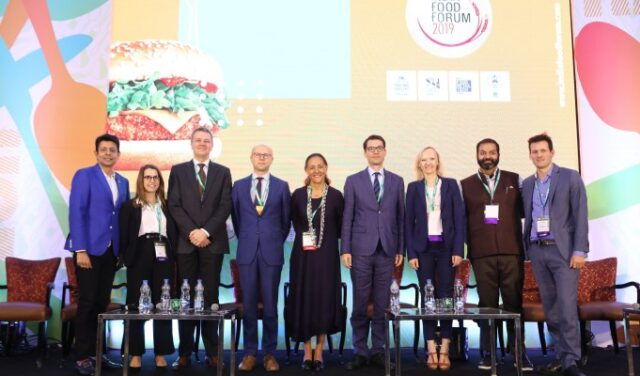
    Share of e-commerce is set to rise, despite the growth in brick and mortar or physical retail from 2 percent to 12 percent over the next 10 years, aided by pick up in Omnichannel format, said Krish Iyer, President & CEO, Walmart India and Chairman of India Food Forum, at India Food Forum 2019 on Tuesday. Gap between physical and digital needs to be bridged as the consumer is going digital in terms of experience as also his touchpoints, he said delivering the inaugural address at the two-day India Food Forum 2019.

    Sharing his insight at Walmart, Iyer said that by enriching customer experience, the consumer started buying Rs 180 over Omnichannel instead of buying Rs 100 from the store itself and later the ratio in the store was Rs 70 while digital was Rs 110. Calling for technology adoption as key to retail growth, Iyer enumerated four key challenges led by food security, safety & nutrition, food wastage and sustainability.

    “Feeding a rising world population of 10 billion from 7 billion amid rising death of infant children due to malnutrition, changing climatic conditions are key challenges. In India, phenomenal efforts are made on the regulatory front for safety and nutrition that will follow with awareness, compliance and enforcement of law. Significant investment amounting to Rs 92,000 crore in food processing in catchment areas is needed to overcome the wastage of 30 percent of all food and 40 percent of fruits and vegetables,” he said.

    Earlier, speaking at the forum, Ajay Macaden, Executive Director, Nielsen said, “Consumers have evolved now for omni-channel even for specific categories like milk and bakery. Increased internet and smartphone penetration has led to multiple shopping channels and change in consumer behaviour.”

    In markets around the world categories such as travel, entertainment (books, music, events) and durable goods (fashion, IT/mobile, electronics) are the front runners for consumers to enter the online retail sphere. Consumers are, however, also looking for e-commerce options for an increasing range of categories, as their more immediate needs for convenience and ease expands, Macaden said.

    Consumers in APAC (Asia Pacific) have even evolved to fresh grocery and packaged goods with China, India, Japan and Korea leading the market. In fact, packaged grocery food and fresh groceries are showing the highest percentage growth of all categories in 2018 in this region, he said.

    Other key speakers at the forum included Damodar Mall, CEO, Reliance Retail (Supermarketwala), Sadashiv Nayak, CEO Food business, Future Group, Mohit Kampani, CEO, Aditya Birla Retail, C. Gopalkrishnan, Founder, N. Supermarkets, Ramesh Menon, Former CEO, Hypercity, Mohit Anand, MD, Kellogg, India and South to name a few.

  • Indonesia’s E-commerce Market Larger Than Estimated; Consumer Habits Changing

    Indonesia’s E-commerce Market Larger Than Estimated; Consumer Habits Changing

    E-commerce accounted for 8 percent of total retail sales in Indonesia last year, on course to reach 18 percent by 2023, fueled by changing behavior among tech-savvy customers who are willing to spend more for convenience, according to a recent study by American multinational investment bank Morgan Stanley.

    The study estimates the size of Indonesia’s e-commerce market at $13 billion in 2018, having grown by 50 percent annually over the past two years. It suggests that the e-commerce market in Southeast Asia’s biggest economy may follow a similar growth trajectory to that of China and expand by at least 32 percent annually over the next five years to $52 billion in 2023.

    “This is notably above our previous estimate of $7.3 billion, or 4.4 percent of sales, partially due to better data availability but also due to the rapid growth in the user base… Indonesia is now only five years behind China in terms of penetration,” Morgan Stanley wrote.

    A separate study by global tech giant Google and Singapore’s Temasek, published last December, put the size of Indonesia’s e-commerce market at $12.2 billion in 2018 and $53 billion in 2025.

    The Morgan Stanley study, based on interviews with 1,582 respondents in eight Indonesian cities, suggests that the growth trend is still in an early stage, with many indicating that they only started shopping online in the past year.

    “Interestingly, 65 percent of the respondents in our survey had only started shopping online within the past year, and the majority believed e-commerce would become their main method of shopping over time,” the investment bank wrote in the report published on Tuesday.

    “There are 195 million smartphone users in Indonesia and only about 30 million online shoppers. The growth potential of the user base is still clearly huge,” it wrote.

    Apart from smartphone penetration, low data costs and the growing number of people with bank accounts serve as crucial enablers for continuing e-commerce growth, Morgan Stanley said. Data costs about 50 US cents per gigabyte in Indonesia, compared with $2.1 per gigabyte in China. About 49 percent of the adult population in Indonesia now has a bank account, compared with 20 percent in 2011.

    Apparel 

    Clothing and footwear fuel the sales growth, with 93 percent of respondents indicating that they bought items in this category online in the past 12 months. Half of them buy apparel at least once a month, Morgan Stanley said. In comparison, only 16 percent and 25 percent, reported that they purchased consumer electronics and mobile devices, respectively, which is the most common category in early state e-commerce.

    The study also noted changing customer behavior, which would likely affect their interaction with traditional brick-and-mortar stores. Three in every four customers said they would check for promotions or prices online before buying anything offline, Morgan Stanley reported.

    Seven in every 10 said they would continue shopping online, even if it meant they would have to pay for delivery. Morgan Stanley said this reflects consumers’ “willingness to pay for convenience.”

    “Fast shipping was the primary reason for preferring one website over another,” the bank said.

    Retailers 

    The trend presents challenges to traditional retailers to remain profitable and provides a powerful platform for small brands to challenge established manufacturers.

    “Our analysis reaffirms our medium-term concern for apparel-focused retailers like [Matahari Department Store]. The average transaction size for apparel online, per our survey, is similar to Matahari’s basket size,” Morgan Stanley said.

    “For beauty and personal care companies like Unilever, the combination of e-commerce and digital media is making it easier or cheaper for smaller companies to build brands and offer nationwide distribution,” it wrote.

    Everybody’s Game

    Investment in Indonesian internet companies has steadily risen over the past two years, which saw them attract at least $7.4 billion in capital in 730 deals.

    With all this potential growth, Morgan Stanley has yet to see clear winners in the country’s e-commerce market.

    Four players control most of the formal e-commerce sales: Lazada, Shopee, Tokopedia and Bukalapak, with the top three each controlling between 20 percent and 30 percent of the market. Bukalapak was in the low teens, according to the Morgan Stanley’s estimation.

    Lazada, a pioneer of e-commerce in Southeast Asia, is still the most preferred platform, according to the bank’s survey

    “Lazada had high usage rates across categories and genders. The cash-on-delivery option was one of the key drivers of the preference,” it said.

    Shopee was second overall in terms of usage and preference, being more popular in smaller cities and among people buying baby products, toys, and beauty and personal care products.

    “Tokopedia’s preference and usage were lower beyond Jakarta in our survey. Its usage rate was only 38 percent in second-tier cities like Surabaya, Medan and Bandung, compared to 62 percent in Jakarta,” Morgan Stanley said.

    A surprising find in the survey is that Tokopedia and Bukalapak both enjoy more than 80 percent customer recognition, but less than 50 percent had made purchases on their platforms within the past 12 months.

    “For Southeast Asia, we remain convinced that its e-commerce platform is being undervalued. Our survey not only confirms the popularity of Shopee but also that its users are willing to pay for delivery, which solidifies its path to profitability,” Morgan Stanley said.


  • Walmart may exit Flipkart due to new FDI rules: Morgan Stanley

    Walmart may exit Flipkart due to new FDI rules: Morgan Stanley

    Retail giant Walmart may exit Flipkart after India’s new Foreign Direct Investment (FDI) norms for e-commerce companies came into force, US investment banker Morgan Stanley has warned. “An exit is likely, not completely out of the question, with the Indian e-commerce market becoming more complicated,” the report by Morgan Stanley said late Monday.

    According to the report, Walmart-Flikkart saga might turn out to similar to what happened with Amazon in China in late 2017.

    “There is a precedent for an exit as Amazon retreated from China in late 2017 after seeing that the model no longer worked for them,” the report read.

    “We estimate that Flipkart derives 50 per cent of its revenue from this category, meaning Flipkart could face meaningful disruption and top-line pressure in the near term,” it added.

    The new FDI rules may require Flipkart to remove as much as 25 per cent products from its platform including smartphones and electronics that constitute a bulk of sales, said Morgan Stanley.

    On February 1, disruption was caused in the e-commerce operations in India of the two companies after the new FDI norms for the e-commerce sector came into effect.

    The norm prohibited the online retailers from mandating any company to sell their products exclusively on its platform.

    In the new policy, the Commerce Ministry also noted that the online retail firms would not directly or indirectly influence sale price of goods and services and would maintain a level playing field.

    Amazon India had to withdraw many of its products and they were listed as “currently unavailable” as the new norms prohibit the e-retailers from selling products of companies in which they have stakes.

    The two companies have together lost market capitalisation of $50 billion.

    Amazon lost market capitalisation of over $45 billion on Nasdaq while Walmart lost over $5 billion on the NYSE.

  • IKEA’s first India store sold more despite lower than anticipated footfall

    IKEA’s first India store sold more despite lower than anticipated footfall

    Swedish home furnishing multinational IKEA’s first India store here witnessed less than expected footfall during last six months but the spending by the buyers was more than what it anticipated, said a top company official on Thursday. IKEA’S Hyderabad store, which opened in August last year, said it was originally looking for 7 million footfall a year but it is now 5 million a year.

    “The ambition was to have more footfall. We imagined higher visitation but the same time we see many positive categories. People are buying more items and they are spending more money. We are selling more pieces. This is good for IKEA because we are volume driven company. They are spending and buying more than we anticipated,” said John Achilles, Hyderabad Store Manager, IKEA India.

    He told reporters that products with a volume of 80,000 square metres were sold but declined to share the numbers in terms of value.

    Terming the people’s response as amazing, Achilles said it was a great learning experience. “We learnt so much about market, so much about customers and about their buying habit.”

    According to Achilles, customers in India were price sensitive. “Low priced items are those selling in much higher volumes. People want great value for money for products both accessories and furniture.”

    Kallas spoon set, priced at Rs 15, the lowest at the store, has been the number one selling item during last six months. “We sold half a million of those in six months. There is no other store in the world that sold this kind of volumes,” he said.

    He said IKEA’s range of products were lowest in many categories in the market. While 95 per cent of the products sold in India were the same available at IKEA stores around the world, about five per cent were specifically meant for India. These products included spoons, “tawa” and other accessories.

    Achilles was talking to reporters on the sidelines of the launch of made in India textile collection, Anglatarar, by by IKEA.

    IKEA opened first store five years after the world’s largest single brand retailer received government approval in 2013 to invest Rs 10,500 crore to open 25 stores in India by 2025. The company last year revised the number of stores to 40 across all formats.

    Achilles said they would open the next store at Mumbai during 2019 while Bengaluru store would come up in next 24 months and this would be followed by New Delhi.

    On sourcing from India by IKEA, he said this had gone up to 19 per cent while it was less than 10 per cent before the launch of first store.

    The sourcing has to go up to 30 per cent in five years as prescribed by the government of India, the official said, adding that they were looking to go beyond 30 with ambition to reach 50 per cent.

    Mia Olsson, Country Communication and Interior Manager, IKEA India, said: “This collection mark the celebration of design aesthetics from both countries.” She termed it as a tribute to India.

    IKEA’s Hyderabad Stores Food Woes Resolved

    After a gap of nearly five months, vegetarian biryani returned to the menu of Swedish home furnishing retailer IKEA here on Thursday.

    In September last year, IKEA’s had stopped selling vegetarian biryani at its store here found a foreign object in a dish.

    “Today is the first day we have started reselling vegetarian biryani,” said John Achillea, Hyderabad Store Manager, IKEA India.

    He said that they were making this dish in house and it is available for Rs 99 like in the past.

    IKEA’s first India, which is completing six months in February, was earlier sourcing prepared veg biryani from Haldiram of Nagpur.

    The Greater Hyderabad Municipal Corporation (GHMC) had fined the IKEA store Rs 11,500 after a customer lodged a complaint that he found a caterpillar in veg biryani served to him at the IKEA restarurant.

    The furnishing giant subsequently removed the veg biryani from its menu and stated that it takes food safety and quality very seriously.

    IKEA opened its first India store here on August 9. It has a 1,000-seater restaurant.

  • Petrovietnam reports 26 percent hike in revenues last year

    Petrovietnam reports 26 percent hike in revenues last year

    Vietnam National Oil and Gas Group has announced its 2018 results, which show it exceeded its revenue and state budget contribution targets. The state-run giant (Petrovietnam or PVN) reported revenues of VND626.8 trillion ($26.92 billion), 18 percent higher than the target and a year-on-year rise of 26 percent. As of December 10 it had achieved its domestic crude oil production target of 11.31 million tons. Total oil and gas output reached 23.98 million tons (gas converted into oil equivalent).

    The group contributed VND121.3 trillion ($5.22 billion) to the state coffers, exceeding the target by 64.3 percent and 24.3 percent more than the previous year.

    “These achievements came at a time when global oil price movements were difficult to predict, production in mature fields were in rapid decline while new fields brought on stream were small and marginal and there was pressure to minimize costs per barrel,” CEO Nguyen Vu Truong Son said in the company’s 2018 business performance report.

    These are large enterprises with the state equity estimated at VND89 trillion ($3.83 billion), according to auditors’ conclusion.Last year the group wrapped up equitization of three of its subsidiaries: PetroVietnam Power Corporation (PV Power), Vietnam Oil Corporation (PVOIL) and Binh Son Refinery and Petrochemical Joint Stock Company (BSR).

    The proceeds from their IPOs reached VND16.5 trillion ($710 million). Petrovietnam managed to raise VND18.6 trillion ($801 million) from the three firms’ equitization and state divestments.

    With a capacity to process 200,000 barrels of crude a day, it, along with Dung Quat, can meet more than 80 percent of the country’s petroleum demand, reducing dependence on imports.In late last year, the $9 billion Nghi Son Refinery and Petrochemical Complex, one of the key national oil and gas projects, began commercial operation.

    Situated in the Nghi Son Economic Zone, 200 km south of Hanoi in the central province of Thanh Hoa, Nghi Son is invested by Idemitsu Kosan Co, Kuwait Petroleum, Petrovietnam and Mitsui Chemicals Inc.

  • US retail sales expected to grow at slower rate in 2019

    US retail sales expected to grow at slower rate in 2019

    US retail sales are expected to climb between 3.8 per cent and 4.4 per cent to more than US$3.6 trillion ($4.97 trillion) in 2019, according to data from the National Retail Federation (NRF). The predicted rise in retail sales, which is excluding automobile dealers, gasoline stations and restaurants, however, would be less than the 4.6 per cent growth in 2018, citing threats from an ongoing trade war, the volatile stock market and the effects of the government shutdown.

    NRF said in August of last year it expected 2018 retail sales to be up at least 4.5 per cent.

    The retail industry group says the 2018 figure is its preliminary estimate for retail sales last year, pending the release of December data from the Commerce Department that was stalled from being announced during the government shutdown.

    Matthew Shay, NRF president and CEO, said the biggest priority is to ensure that the economy continues to grow and to avoid self-inflicted wounds.

    “It’s time for artificial problems like trade wars and shutdowns to end, and to focus on prosperity not politics,” Shay said.

    Shay said despite fears in the industry that a trade war in China or an economic slowdown might impact consumer spending, they believe the underlying state of the economy is sound.

    “More people are working, they’re making more money, their taxes are lower and their confidence remains high,” he said.

    Preliminary estimates, according to the NRF, show that retail sales during 2018 grew 4.6 per cent over 2017 to US$3.68 trillion ($5.08 trillion), exceeding NRF’s forecast of at least 4.5 per cent growth.

    The figures include online and other non-store sales, which were up 10.4 per cent to US$682.8 billion ($942.6 billion). That met NRF’s forecast of 10-12 per cent online growth, and online is expected to grow in the same 10-12 per cent range again this year. The numbers exclude automobile dealers, gasoline stations and restaurants.

    Growth of between 3.8 per cent and 4.4 percent would result in total 2019 retail sales of between US$3.82 trillion and $US3.84 trillion ($5.27 trillion to $5.3 trillion). Based on growth of 10-12 per cent, online sales would total between US$751.1 billion and US$764.8 billion ($1.03 trillion and $1.05 trillion), which are included in the total.

    The 2018 results are based on Commerce Department data up through November but include NRF estimates for December because the agency was closed during the recent government shutdown and has not yet released December figures.

    The NRF said the results are subject to revision once December numbers become available, and government numbers are revised again each spring regardless of the shutdown.

    “We are not seeing any deterioration in the financial health of the consumer,” said Jack Kleinhenz, NRF chief economist.

    “Consumers are in better shape than any time in the last few years,” Kleinhenz said. “Most important for the year ahead will be the ongoing strength in the job market, which will support the consumer income and spending that are both key drivers of the economy.”

    Kleinhenz said the bottom line is the economy is in a good place despite the ups and downs of the stock market and other uncertainties.

    “Growth remains solid,” he said.

    NRF said it expects the overall economy to gain an average of 170,000 jobs per month, down from 220,000 in 2018, and that unemployment – currently at 4 per cent – will drop to 3.5 per cent by the end of the year. Gross domestic product is likely to grow about 2.5 per cent over 2018.

    Kleinhenz said inflation and interest rates are expected to remain low this year and that retail sales have been helped by recent reductions in gasoline prices.

  • India Food Forum 2019: Alliance avenues with foreign partners to expand food market in India

    India Food Forum 2019: Alliance avenues with foreign partners to expand food market in India

    India Food Forum 2019 identified avenues for partnerships in food, beverages and food service industry with Ambassadors, Trade Commissioners and Consul Generals of several countries and highlighted how Embassies and Trade Commissions can play a more pro-active role to facilitate such alliances. Emerging as major market of the world, India offers huge opportunities for manufacturers, producers and providers of products and services from across the globe to sell here or partner with Indian companies to serve this market.

    Acceptance of multinational culture, a growing taste for foods from across the globe, increasing inflow of foreign nationals, willingness to experiment new cuisines and more over avenues to market new products further add to the opportunity.

    The session was moderated by Amit Lohani, Convener, FIFI.

  • Hiring persons with disabilities in India’s retail sector up by 53 percent

    Hiring persons with disabilities in India’s retail sector up by 53 percent

    Only 36 per cent of disabled persons in India are employed, of which 90 per cent are in the unorganized sector, said a new report by Trust for Retailers & Retail Associates of India (TRRAIN) here on Wednesday. The report – ‘Disability Employment: Indian Retail Changing Equations’ – said that as per Census 2011, the number of persons with disabilities was 2.21 per cent, or 26.8 million of the total population.

    However, the actual number in India could be between 5-10 percent, belying the Census figures, said TRRAIN.

    Around 50 per cent of the disabled population in the country was in the employable age of 20-59 years but jobs remain a problem for them as nearly 46 per cent are illiterate.

    Though 36 per cent are employed, almost 90 per cent have jobs only in the unorganized sector. And mainstreaming them could add around 5-7 to the country’s GDP, the report said.

    It noted that hiring persons with disabilities in the retail sector had gone up by 53 per cent between 2011 and 2018, but there was more scope to employ and mainstream them as there existed a positive correlation between customers and stores manned by the disabled.

    The report said that with 80 per cent jobs in retail ‘customer-facing’, employing the disabled PwDs serves the dual purpose of providing employment and sensitising the society at large about the challenges encountered by the disabled.

    The report was released at the 3rd Retail Inclusion Summit held here by TRRAIN founder B.S. Nagesh in the presence of big names from the retail industry.

    TRRAIN also runs an initiative ‘Pankh’ that trains and prepares disabled persons for employment opportunities in the retail sector.

  • Top 9 things to know about Starbucks Dewata coffee sanctuary

    Top 9 things to know about Starbucks Dewata coffee sanctuary

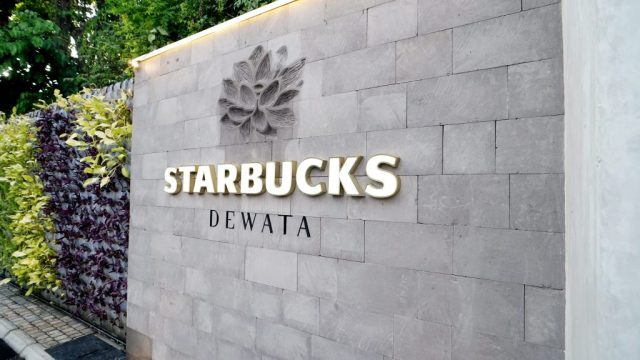
    Recently, Starbucks celebrated the journey of coffee from seed-to-cup by opening its largest destination in Southeast Asia – the Starbucks Dewata Coffee Sanctuary.

    1. Original Logo

    Starbucks opens the Dewata Coffee Sanctuary with an original logo, crafted in the Geringsing Double Ikat technique, inspired by the deep traditions of the seed-to-cup story. Double Ikat, found only in Bali, is a weaving technique used to create geringsing fabrics, traditionally taking five years to create, and an essential textile used in ceremonial dress as it is believed to have extraordinary powers. The logo itself is a lotus flower, the symbol of beauty, prosperity and fertility, and highly respected in Bali. The 18 petals represent the Balinese philosophy of Tri Hita Karana – the three causes of prosperity: harmonious relationships between people, the environment and God.

    2. Store Façade

    The store’s façade is created with locally made red bricks in the shape of half circles to create the illusion of the many waves found on Bali’s famous beaches. The exterior appears to move to passersby on Sunset Boulevard as they drive past the storefront, and combines modern building techniques with traditional Balinese architecture for an east-meets-west design. The design is carried into the interior of the store at the core bar where baristas handcraft favorite Starbucks beverages.

    3. Micro-Plot of Arabica Coffee Trees

    Upon entering the space, customers are invited into a micro-plot of Arabica coffee trees. This 1,000 sq. ft. plot will be a working, coffee producing farm cherrying during harvest season in the region, typically in the early springtime, and mirrors the size of 90 percent of all coffee farms in Indoneisa.

    4. Hand-Carved Wooden Mural

    As customers enter the café, their eyes are immediately drawn to the unique artwork filling the store. A 30-foot tall hand-carved wooden mural from Jepara features a depiction of the history of coffee in Indonesia, from the coffee growing regions of Java, Sulawesi, Bali, West Papua, Brastagi and North Sumatra, home to Starbucks Indonesia Farmer Support Center. Over the Reserve bar, customers eyes are drawn up to the bamboo installation inspired by the smoke, steam and vapor that create the familiar aroma of coffee. Both expansive pieces were created by Indonesian art agency, Atrovale, while two Jakarta-based artists, Janet Jane and Jamal M. Aziz, created pieces to highlight the store’s moments of discovery. Janet’s macramé art was inspired by the lush landscapes of Indonesian coffee farms, while Jamal’s two murals illustrate the first-ten-feet of the coffee bean’s journey at origin.

    5. Hand-Carved Stone Tiles

    In the Reserve Bar, hand-carved stone tiles create the ornate floor and wall design. The traditional, local craft found across Bali was reimagined into patterns which reflect a modern interpretation of coffee flowers and coffee beans.

    6. Living Wall

    To the left of the entrance, customers are invited to Starbucks core bar featuring a living wall filled with flora from the region. The botanicals are arranged in the form of Bali’s signature gapura, split gates, a symbol to welcome guests into our stores. This living wall is set back behind the bar where Starbucks partners will enter the café to connect with customers and handcraft their favorite Starbucks beverages.

    7. Clay Pots

    Around the store, customers will be enchanted by the surrounding flora, bringing the unique Indonesian environment inside. Trees throughout the space are planted in beautiful clay pots inspired by a traditional Sumatran pattern and the Starbucks Siren. Motifs of Indonesia’s mountainous terrain and coffee beans remind customers of the unique surroundings found only in Indonesia.

    8. Coffee Seedling Nursery

    On the second floor, customers are invited into the first coffee seedling nursery to be located inside of a Starbucks store. Our partners work with local farmers to take special care of these seedlings and invite customers to help tend to the delicate plants. Inside this greenhouse, customers can touch the first stages of the seed-to-cup journey that brings us our favorite coffee flavors around the world.

    9. Interactive Media Installations

    The experience continues throughout the expansive space where customers can find two interactive media installations to further immerse themselves in the coffee journey. On the first floor, a first-of-its-kind digital wall can be accessed through pressing and twisting various portions of the wall to participate in the planting, processing, roasting, shipping and brewing processed. Above them, customers can hear the stories of Starbucks Farmer Support Center in Indonesia. Two synchronized videos guide visitors through the FSC on walls fashioned from the traditional rattan weavings which inspired the Dewata Bali logo.

  • Oil prices edge lower, tightening supply outlook supports

    Oil prices edge lower, tightening supply outlook supports

    Crude oil prices edged lower on Monday after sharp gains during the previous session but were supported by expectations of shrinking supply and signs that China-US trade tensions could ease. International Brent crude oil futures on Monday were down 20 cents, or 0.32% at 0339 GMT to $62.54 a barrel, after closing up 3.14% in the previous session to their highest close since Nov 21.

    US West Texas Intermediate (WTI) futures were at $55.13 per barrel, down 13 cents, or 0.24%, from their last settlement. WTI settled 2.73% higher in the last session at its highest close since Nov 19.

    Output declines from the Organization of the Petroleum Exporting Countries (OPEC) as they make good on their pact to curb a supply overhang were compounded by falling US oil rig counts and sanctions on Venezuelan oil sales.

    “While Venezuela’s output reportedly rose last month, fresh US sanctions on the country could see 0.5 to 1% of global supply curtailed,” said Vivek Dhar, commodities analyst for Commonwealth Bank of Australia in a note on Monday.

    The sanctions will sharply limit oil transactions between Venezuela and other countries and are similar to those imposed on Iran last year, experts said after examining details posted by the Treasury Department.

    OPEC oil supply fell in January by the largest amount in two years despite sluggish production declines from Russia, according to a Reuters survey.

    However, Russian oil output in January missed the target for the output cuts, Energy Ministry data showed on Saturday. Production last month declined to 11.38 million barrels per day (bpd), but that was only down by 35,000 bpd from its October 2018 level that is the baseline for the pact.

    Russian Energy Minister Alexander Novak has said the country’s overall cuts from the October baseline would total 50,000 bpd in January. Russia has pledged to reduce oil output by 230,000 bpd from October.

    US energy firms last week cut the number of oil rigs operating to their lowest in eight months as some drillers followed through on plans to spend less on new wells this year.

    “The collapse in oil prices late last year has resulted in more cautious spending by US oil explorers,” said Dhar.

    Meanwhile, hopes for thawing China-US relations have also helped ease concerns over slowing economic growth.

    “While the US and China have yet to reach a deal, markets were buoyed by reports that they have made significant progress,” ANZ Bank said in a research note.

    US President Donald Trump last week said he would meet with Chinese President Xi Jinping, perhaps twice, in the coming weeks to try to seal a comprehensive trade deal with Beijing, but acknowledged it was not yet clear whether a deal could be reached.

  • The Beer Café’s 40th outlet at Delhi with new concept

    The Beer Café’s 40th outlet at Delhi with new concept

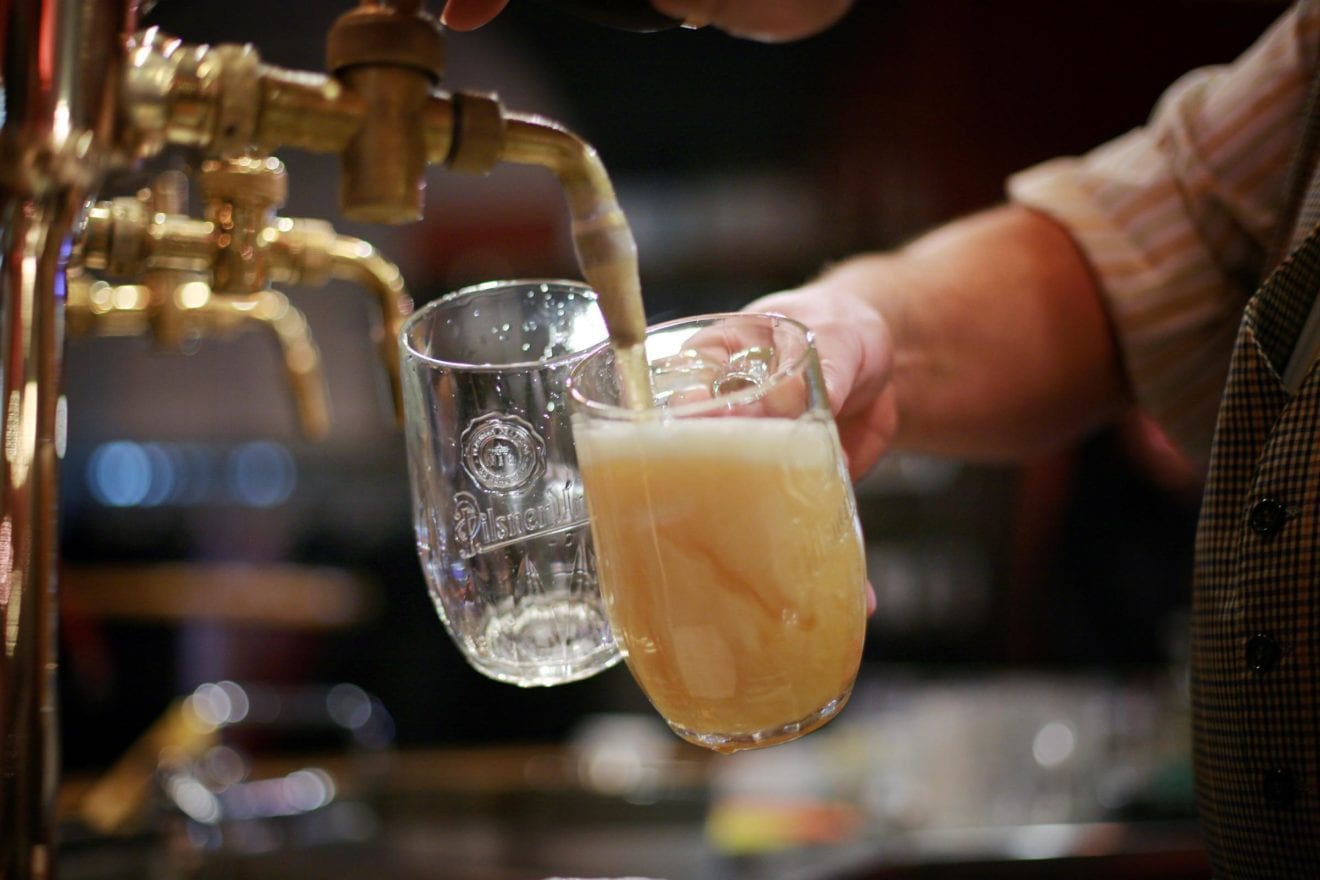
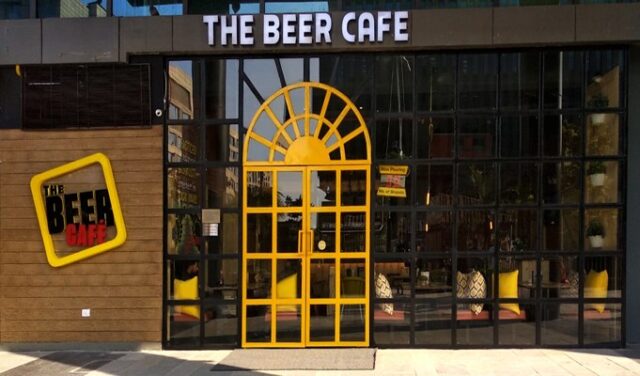
    The Beer Café, India’s largest alco-beverage chain, has opened its 40th outlet at Delhi’s Aerocity. Enhancing the beering experience for its patrons, this brand-new outlet is the only place in the city to offer a whopping 16 varieties of the fresh and delicious ale on tap. With a food menu that perfectly complements the golden brew and an energetic and lively ambience that is a hallmark of the brand, The Beer Café is definitely the new must-visit spot for beer lovers in Delhi/NCR.

    Aerocity is fast emerging as one of the most posh and upmarket locales in the Delhi-NCR region. Not only has it become the hub for some of the most vibrant F&B brands in the city, it is also a hotspot for a variety of lifestyle and cultural events. Further, its easy connectivity to the airport and other bustling locations in the city such as Gurgaon, Vasant Kunj and Dwarka made Aerocity the perfect choice for the newest The Beer Café in the capital.

    The brand has been a pioneer of casual, inviting, neighborhood hangout spaces in India. The innovations in providing superior consumer experiences have played a key role in establishing its domain leadership in India.

    With this 40th outlet that serves more beers on tap than any other bar or hangout space in the city, The Beer Café has elevated the benchmark for social drinking experiences in the city yet again.

  • New shopping ambassadors at Hong Kong International Airport

    New shopping ambassadors at Hong Kong International Airport

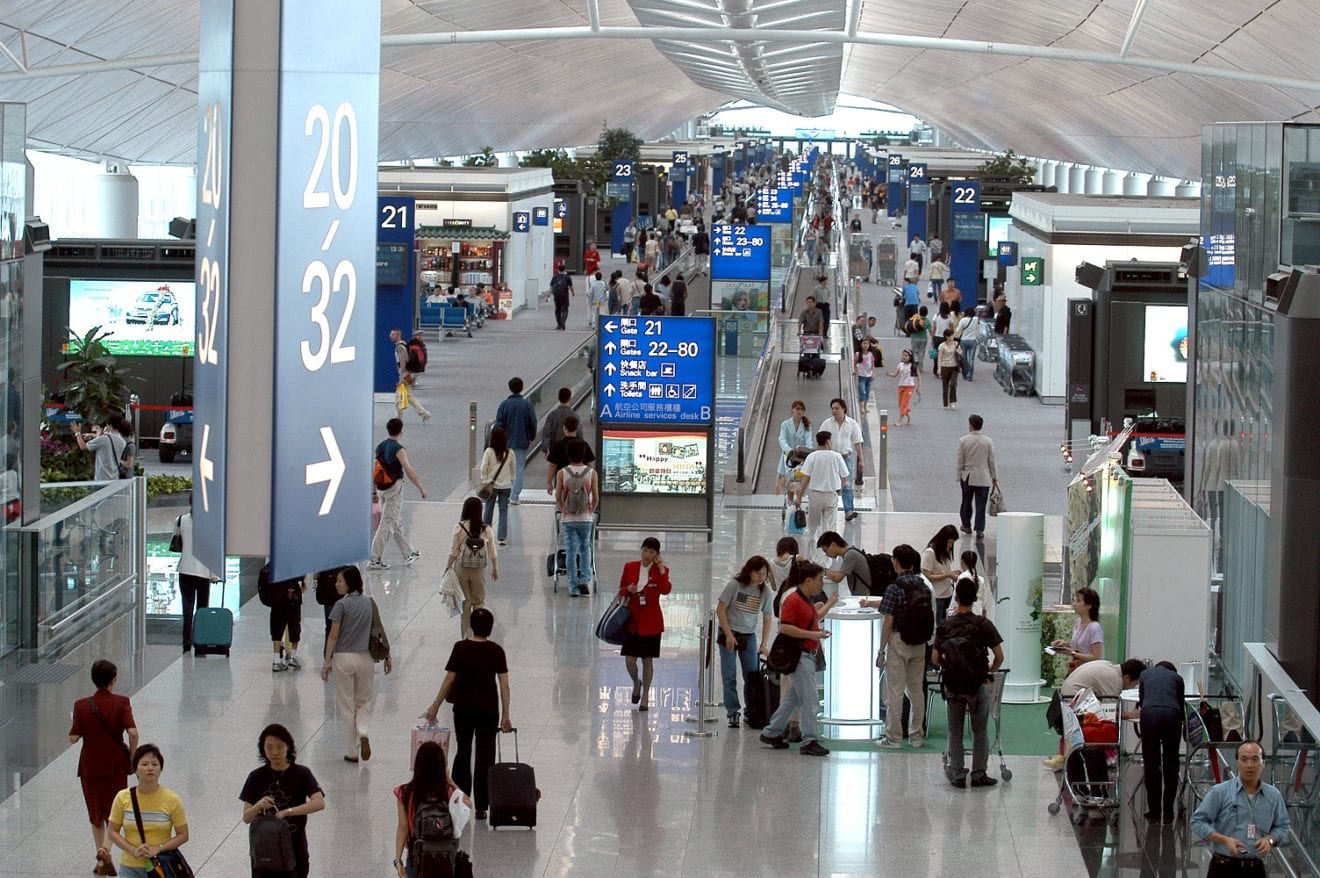
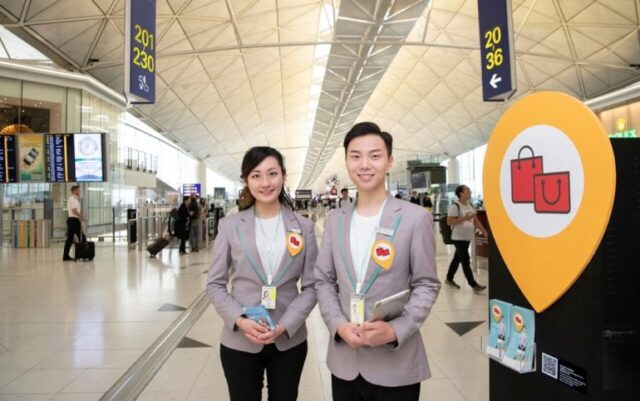
    Shopping for travelers will be even easier at Hong Kong International Airport (HKIA) with the introduction of Airport Shopping Ambassadors. The Airport Shopping Ambassadors are stationed at key locations within the airport’s retail areas. They are well acknowledged on shopping and dining offerings at HKIA, providing a friendly and personalized service to travelers. The ambassadors can provide helpful advice or last-minute shopping recommendations, as well as hot-picks, latest promotions and dining options from a wide range of global and local cuisine.

    Travelers can also receive personalised shopping and dining itineraries online, simply by filling in the Airport Shopping Ambassadors enquiry page on HKIA’s website https://www.hongkongairport.com. After completing the online request section, together with flight schedule and other information, travelers will be able to receive the ambassadors’ recommendations within 48 hours.

    HKIA is an international and regional aviation hub connecting about 220 destinations around the world, including 50 Mainland cities. HKIA achieved record-breaking passenger throughput of 74.7 million in 2018.

  • Indonesia Prepares New Strategy to Meet 2019 Tourist Arrival Target

    Indonesia Prepares New Strategy to Meet 2019 Tourist Arrival Target

    When President Joko “Jokowi” Widodo set out to double Indonesia’s foreign tourist arrivals within the five years of his presidency, many were skeptical. Now, the target seems to be within reach. Combined government efforts that included the massive development of airports and tourist destinations, aggressive digital promotions and a visa-free policy have, along with the weakening rupiah, attracted 16,2 million foreign tourists to Indonesia last year, which is 71 percent more than four years ago.

    Still, some setbacks were unavoidable. A series of volcanic eruptions, earthquakes and tsunamis over the past 12 months, as well as the tragic crash of Lion Air flight JT-610 into the Java Sea near Jakarta, resulted in the government missing its target to woo 17 million foreign tourists last year.

    Industry players worry that the bad image created by these disasters would take long to erase and thus undermine the country’s ability to attract 20 million foreign tourists this year.

    “Indonesia is situated on the Ring of Fire; we could not predict or prevent any disaster. What we need now, is to work extra hard to ensure that the world knows that when disaster strikes here, all tourists and local residents are well cared for,” said Elly Hutabarat, chairwoman of the Indonesian Travel Agent’s Association (Astindo).

    She cited Mexico as an example of a country that had just been hit by an earthquake, but still managed to quickly revive its tourism industry.

    “We see Mexico, which had just experienced an earthquake, is responsive and is able to give up-to-date information to the world. Such efforts are able to quickly revive their tourism industry,” Elly said.

    Border Tourism, Low-Cost Terminals

    The government has not given up, as the tourism industry could potentially generate $20 billion in foreign exchange revenue this year, which is crucial to plugging the country’s persistent current-account deficit.

    Guntur Sakti, head of communications at the Ministry of Tourism, said the government has implemented a strategy to meet this year’s tourist arrival target by developing border tourism, hub tourism and the renovation of airport terminals to cater to low-cost carriers.

    The government’s border tourism plan is aimed at making it easier, faster and cheaper for tourists to visit Indonesia from neighboring countries.

    Malaysia, Singapore and the Philippines also have a similar cultural heritage and history as Indonesia.

    “The potential from border tourism is massive, especially from neighboring countries,” Guntur said.

    Through the hub tourism strategy, the government expects to attract a larger number of foreign tourists that travel to the capitals of neighboring countries, specifically Bangkok, Kuala Lumpur and Singapore.

    The government estimates that more than 11 million foreign travelers – excluding Indonesians – transit at Singapore’s Changi Airport annually before continuing their travels to other countries for business or leisure. Guntur said this represents a massive potential for Indonesia.

    He added that tourists frequently transit in Singapore or other cities in the region because of limited direct flights to Indonesia from Europe, the United States and even parts of East Asia.

    For instance, about half of all Chinese tourists heading to Indonesia must transit in Singapore or Malaysia before reaching the archipelago, while 80 percent of tourists from Thailand and Malaysia are able to reach the country via direct flights.

    The government also plans to renovate several terminals at Soekarno-Hatta International Airport outside Jakarta to exclusively accommodate low-cost carriers.

    Terminal 1 at the airport will soon only cater to passengers of low-cost airlines traveling to domestic destinations, while Terminal 2 will cater to passengers of low-cost airlines on both domestic and international flights.

    Many countries have built terminals or even whole airports to specifically accommodate low-cost airlines. This lowers the airport’s operating budget, which in turn helps to reduce airport taxes and airline ticket prices, which ultimately attract more foreign tourists.

    Guntur said at least 70 percent of foreign tourists use low-cost carriers to travel to Indonesia.

    “To realize our strategy and attract more tourists, we are working with state-owned airport operator Angkasa Pura to renovate Terminal 1 and 2 at Soekarno-Hatta Airport. We’ve noticed many countries operate several terminals that cater to full-service carriers and low-cost carriers separately,” he added.

    The number of passengers traveling to Indonesia on low-cost carriers grows by about 55 percent annually, while the number of passengers arriving on full-service airlines only increases by about 7 percent per year, according to tourism ministry data.

    Ten New Balis

    The government also actively promoted its “10 New Balis” program last year to develop and promote several destinations beyond Bali, Indonesia’s most popular destination.

    The 10 New Balis include Mandalika in Nusa Tenggara, Thousand Islands in Jakarta, Tanjung Lesung in Banten, Tanjung Kelayang in Bangka Belitung, Borobudur Temple in Central Java, the Bromo Tengger Semeru National Park in East Java, Labuan Bajo in East Nusa Tenggara, Wakatobi in Southeast Sulawesi and Morotai in North Maluku.

    The project, spearheaded by the tourism ministry, has also established programs to develop each of the destinations by building 5,000 homestays, improving infrastructure, increasing financing for tourism to around Rp 2.5 trillion ($177 million), implementing sustainable tourism in 16 destinations, developing 10 special economic zones and developing nomadic tourism.

  • Fila to open 100 exclusive retail stores in India over the next 5 years

    Fila to open 100 exclusive retail stores in India over the next 5 years

    Fila India, owned by Cravatex Brands Limited, the Indian arm of the $150 million Batra Group, is adopting an aggressive expansion strategy in India. 2018 saw the comeback of sports brands, both globally and in India, due to the shift in consumer preference towards sports inspired athleisure clothing. A key player in the Indian market, Italian sports and fashion brand Fila has planned to capitalize on this trend and strengthen its presence in the country with an aggressive expansion strategy. The brand is projecting sales to grow more than 50 percent by the end of this financial year.

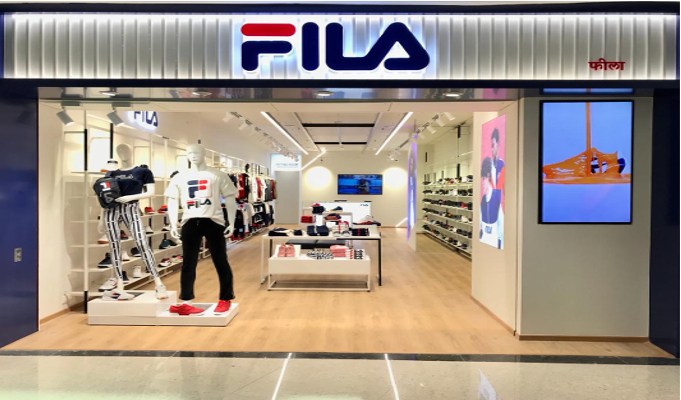
    As part of the new Heritage Store format, Fila has been opening one store a month and expects to keep this momentum going in 2019. The next 3 months will see stores coming up in Mumbai, Bhubaneswar, Baroda and Chennai among other cities. The focus will be skewed largely towards Fila Heritage format stores, driving fashion lifestyle imagery in the premium sportswear segment with a global Heritage collection across footwear, apparel and accessories.

    Aside from main metros and mini metros, Fila has set its sights on the North Indian market with a focus across Delhi, Gurgaon, Noida, and the entire region of Punjab; followed by South India. While company owned stores will be the primary objective, the brand is identifying some key partners to pursue a franchise model.

    Maintaining uniformity across layout and design, the average store size is expected to be between 1000-1200 sq feet carpet area with larger flagship locations in metros.

    Speaking on the strategy, Rakesh Singh Kathayat, Chief Operating Officer, Cravatex Brands said, “The resurgence of sportswear in mainstream fashion is the most relevant conversation in the industry today, particularly among millennials and Gen Z. Fila’s retro aesthetic and nostalgia-tinged DNA has thus, gained relevance and this conversation has supplemented its evolution into a sports fashion label. While we’re steadily making this progression in perception, supplementing consumer demand with supply is the need of the hour. Our offline retail growth in India focuses on strengthening our pan-India presence to create easier access and increased engagement with our growing consumer base.”

    Fila India is a licensee held by Cravatex Brands Limited which is a part of the Batra Group, a Global Retail, Brand Licensing, Distribution and Sourcing company with a presence across the Indian Subcontinent, United Kingdom, Europe, North Africa and the Middle East.

  • New integrated resort in China by Fosun

    New integrated resort in China by Fosun

    Fosun bets on integrated resorts to address the needs of Chinese travelers, who are showing interest in these types of experiences. Fresh from its Hong Kong initial public offering last month, Fosun Tourism Group is making good on its intention to use the proceeds to develop two new integrated resorts in China, announcing properties under the Thomas Cook Group brands Casa Cook and Sunwing.

    The two projects are in Lijiang, Yunnan province, famous for its UNESCO World Heritage old town, and Taicang, Jiangsu province, 30 minutes from Shanghai.

    Fosun Tourism chairman and CEO Jim Qian told Skift he is seeing different segments emerging in China’s domestic travel market. While this is already the norm in mature western markets, it’s just starting in China, and there’s a need to offer local travelers a choice of hotel brands and a variety of experiences, said Qian.

    In so doing, Fosun is turning to what’s in the family, its own Club Med and its Thomas Cook China joint venture. The Lijiang Albion International Resort will also have a Club Med, which has “a different positioning” from the boutique, design-led Casa Cook, he said.

    The whole development in Lijiang is spread over at 350,000 square meters (382,765 square yards). It is located near the Baisha old town, which lies closest to the majestic Yulong Snow Mountain, and is the only land permitted for massive development.

    How it will be sensitive to the tranquil and preserved ancient surroundings remains to be seen. For now, its website says it aims to attract mid- to high-profile guests by offering the total package, including a Club Med snow-themed resort, a guesthouses town, riverside shows, heritage towns, outdoor activities, health and wellness.

    “We will deliver a lot,” said Qian. “I believe in the future when a family goes on a holiday, they don’t just want to stay in the room.

    “Nowadays in China, we have more resort hotels in destinations such as Sanya, but most are actually business hotel brands moving from the city to the beach. I don’t think that kind of hotel is suitable for a family holiday. We will introduce the real beach or holiday resort to a destination.”

    Not much is known of Fosun’s other resort project in Taicang except that it is smaller at 145,000 square meters (158,570 square yards).

    Both are expected to be completed in stages from late 2020.

    Fosun Tourism, whose slogan is Everyday is Foliday (short for Fosun holiday), having tested destination development and management with its fully owned Atlantis Sanya, is keen to bring the experience to bear on the projects.

    “We have the experience in the construction of resort destinations, and we know how to make foreign brands suitable for the Chinese market,” said Qian.

    Fosun Tourism also believes the timing is good. It pointed out the per capita tourism expenditure in China in 2017 was about $575, which was below the global average of $741. “This implies the great potential for the growth of China’s tourism market,” it said.

    Besides, it claimed to be in a stronger position now, announcing ahead of its annual results to be released in March that it expects a net profit of at least 350 million yuan ($52 million) in 2018, compared with a net loss of 295 million yuan ($44 million) in 2017.