Author: Mei Ling Tan

  • Jubilant FoodWorks Q3 net profit up 46 pc to Rs 96.5 cr

    Jubilant FoodWorks Q3 net profit up 46 pc to Rs 96.5 cr

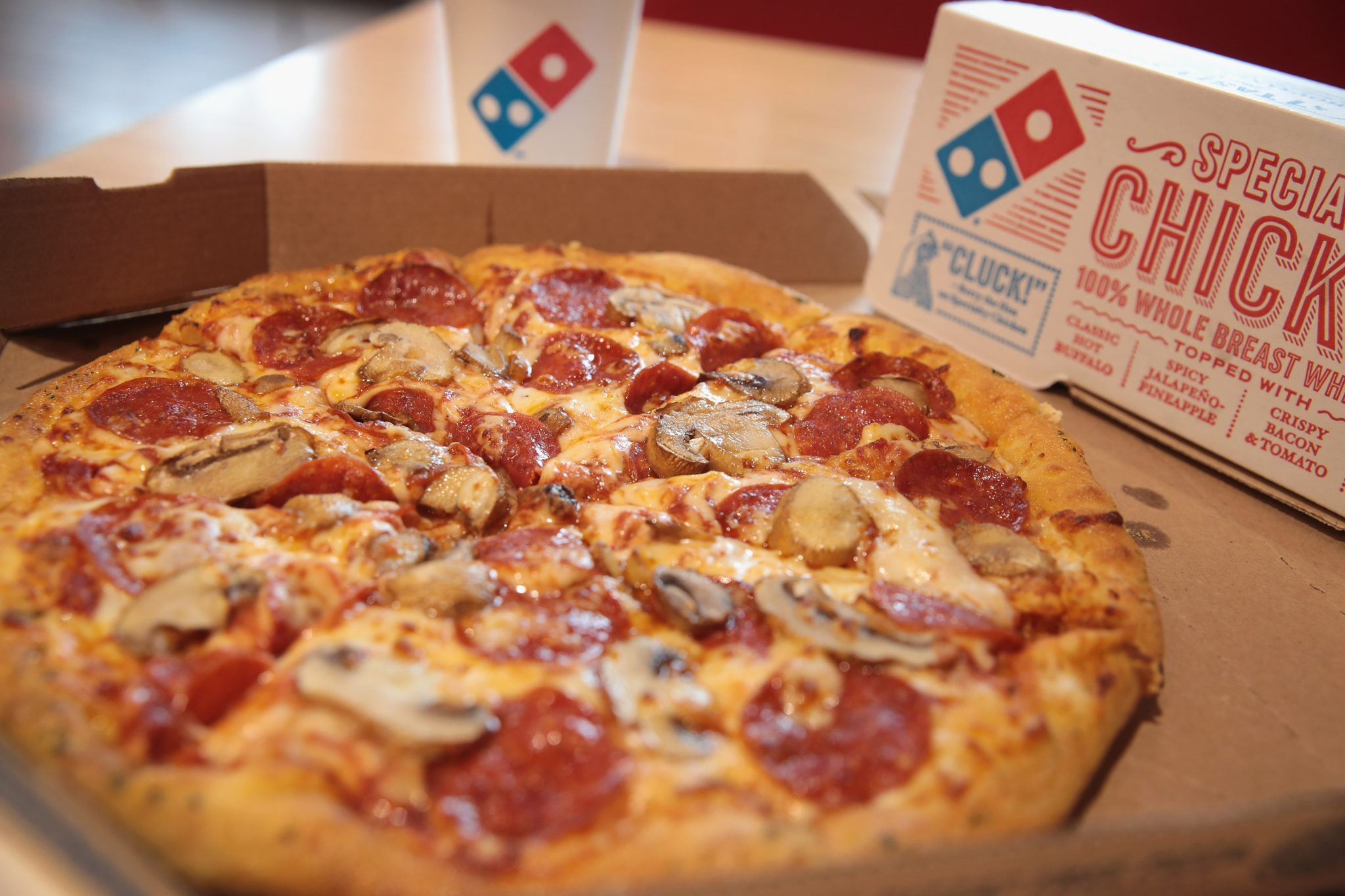
    Jubilant FoodWorks Limited (JFL) has reported its financial results for the quarter and nine-months ended December 31, 2018. Operating revenue for Q3 FY19 stood at Rs 9,291 million, representing an increase of 16.8 percent over Q3 FY18, and a sequential growth of 5.4 percent over the preceding quarter. The growth was driven by a strong 14.6 percent same store growth (SSG) in Domino’s Pizza.

    EBITDA for Q3FY19 was Rs 1,706 million, or 18.4 percent of revenue, a growth of 24.6 percent over Q3FY18 and a margin expansion of 120 bps. This is the highest EBITDA margin in seven years.

    Profit after Tax in Q3 FY19 stood at Rs 965 million, or 10.4 percent of revenue, a growth of 46.2 percent over Q3 FY18 and a margin expansion of 210 bps.

    During the quarter, the company added new products to its portfolio. Domino’s launched ‘Multigrain Crust’ with an objective of offering a wider range to the customers. In addition to this, the company also introduced four new side dishes viz. Potato Cheese Shots, Crunchy Strips, Crinkle Fries and Brownie Fantasy.

    The store opening momentum accelerated during the quarter, with 35 new Domino’s stores being opened during the quarter.

    Dunkin’ Donuts delivered break-even in Q3 FY19 on the back of strong growth in the core portfolio of Donuts and Beverages, as also disciplined cost management.

    Commenting on the performance for Q3 FY19, Shyam S. Bhartia, Chairman and Hari S. Bhartia, Co-Chairman, Jubilant FoodWorks Limited said, “I am delighted to share that we have once again delivered healthy earnings growth during the quarter which stood in-line with our expectations. Performance was driven by consistent progress made across each of the growth pillars.”

    Commenting on the performance for Q3 FY19, Pratik Pota, CEO and Whole time Director, Jubilant FoodWorks Limited said, “We have demonstrated strong all-round performance in Q3 FY19, led by robust same-store sales growth (SSSG) of 14.6 percent reported in Domino’s Pizza. This was accompanied by a tight control on operating costs that led to EBITDA margins improving to a seven year high of 18.4 percent. In addition, Dunkin’ Donuts also broke even during the quarter, ahead of the targeted Q4 timeline. We are happy with our performance and confident of the prospects ahead, as evident in the 35 new stores opened in Q3, the highest in eleven quarters.”

  • Vietjet to open Phu Quoc-Hong Kong route in April

    Vietjet to open Phu Quoc-Hong Kong route in April

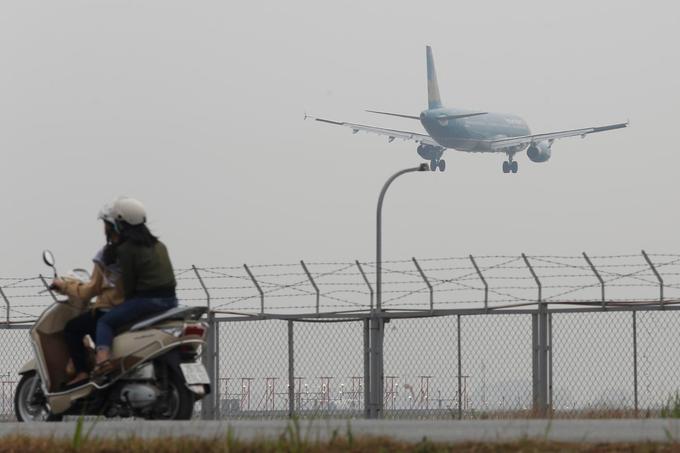
    Budget airline Vietjet said Saturday it will launch direct flights between Phu Quoc Island and Hong Kong in April. The new route will operate four flights per week starting from April 19, Vietjet said. Each flight will take 2 hours and 45 minutes per leg. Dubbed “the Pearl Island”, Phu Quoc, located in the southern province of Kien Giang, has attracted strong investments in hotels and resorts in recent years.

    Vietjet said it wants to create traveling opportunities for locals and tourists, thereby contributing to trade growth between the two destinations. The largest private airline in Vietnam currently operates 40 domestic routes and 66 international routes.

    Vietnamese airlines have been launching new international flights in recent years, with the domestic market showing signs of saturation.

    The country’s aviation industry has seen increasing demand each year. It welcomed 12.5 million air passengers last year, up 14.4 percent from 2017, according to the General Statistics Office.

    Vietnam’s aviation traffic increased 16 percent on average each year from 2010 to 2017, data from the civil aviation regulator shows.

  • Nykaa launches Drew Barrymore’s cosmetics in India

    Nykaa launches Drew Barrymore’s cosmetics in India

    Nykaa, India’s largest beauty retailer, has exclusively launched international cult beauty brand, FLOWER Beauty, in India. FLOWER Beauty was developed and created by award winning actress and entrepreneur, Drew Barrymore and her philosophy that woman everywhere deserve the best quality makeup at an affordable price. The makeup line will be launched in mid March’19.

    The combination of cruelty-free, luxury-quality formulas, premium packaging, and an affordable price have made FLOWER Beauty one of the fastest growing makeup brands in the US. Having grown up in the makeup artist’s chair, Drew brings her years of experience to FLOWER, with a mission to encourage women to look and feel great in their own skin. The brand’s tag line – Beauty is for Everybody – reflects Drew’s philosophy of inclusivity and positivity.

    Speaking of India’s launch, Drew commented: “I’ve always believed that beauty is for everybody, and that women everywhere should have access to great quality products at an affordable price. That has been our mission at FLOWER Beauty since day one, and now to be able to bring our story and products to women around the world is so incredibly exciting.”

    Addressing the partnership/ launch, Nihir Parikh, Chief Business Officer, Nykaa.com quotes, “At Nykaa we are always trying to include a range that satisfies audiences across different age group and interests. The brand reflects Drew Barrymore’s passion for cruelty-free products with premium formulas. We are very excited to bring this brand exclusively to India.”

    FLOWER Beauty launches in India with a range consisting of award-winning Flower Pots Powder Blush, bestselling Shimmer & Shade Eyeshadow Palettes, Lash Warrior Mascara, and many more. All the products will be exclusively available at Nykaa.com and Nykaa retail stores.

  • Foreign buying on Bursa slows to RM146.8m last week

    Foreign buying on Bursa slows to RM146.8m last week

    Foreign funds snapped up RM146.8 million net of local equities last week during the holiday-shortened week. “Foreign funds resumed their entry into stocks listed on Bursa for the fourth consecutive week albeit at a slower pace compared to the preceding week,“ MIDF Research said in its weekly fund flow report.

    It said last Monday saw a moderate net inflow of foreign funds worth RM37.3 million, extending the daily buying streak to nine days. However, this foreign buying spree came to an end on the next day as international funds sold RM12.8 million net, coinciding with the local bourse’s 0.4% slide to settle at 1,690 points.

    Risk appetite was weak on Tuesday following the overnight 2.8% slump in Brent crude oil price combined with the anticipation ahead of the Sino-US trade negotiations.

    Notwithstanding this, offshore investors returned to Bursa on Wednesday at a tune of RM65.1 million net, the highest foreign net inflow during the week.

    The catalyst responsible for the boost of foreign net inflows on that day was 0.4% increase in Brent crude oil price as US President Donald Trump’s administration slaps sanctions on Venezuela’s state-owned oil company while Saudi Arabia had a deeper output cuts in January than initially pledged.

    The momentum of foreign net inflows continued on the last trading day of the week as foreign investors bought RM57.2 million net.

    “We opine that the sentiment was partially supported by the Malaysia’s exports in 2018 which grew by 6.7% to reach almost RM1 trillion. Meanwhile, the FBM KLCI was little changed, declining by less than 1% on Thursday ahead of the long weekend and festive season.”

    The month of January 2019 saw a foreign net inflow of RM1.03 billion or US$249.3 million, the first monthly net inflow since September last year.

    “In comparison with the three other Asean markets we monitor, Malaysia has the second lowest foreign net inflow while Indonesia leads,“ said MIDF.

    Foreign investors were the only group which saw a weekly increase in average daily traded value, jumping by 21.0% to remain above RM1 billion for the second week running.

  • Ride-Hailing Firms Enjoy Growth in Indonesia, but Face Fraud Challenge

    Ride-Hailing Firms Enjoy Growth in Indonesia, but Face Fraud Challenge

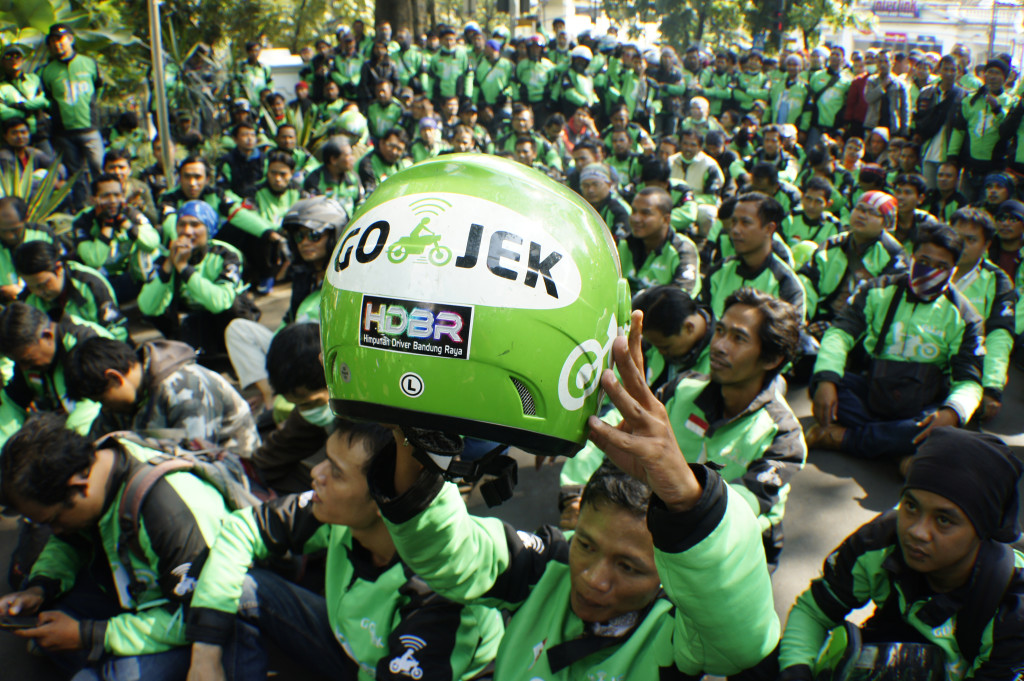
    Grab and Go-Jek, two of Southeast Asia’s biggest technology startups, have successfully grown their food delivery and ride-hailing services, but both must pay special attention to better detection of fraudulent orders, a recent study by Spire Research and Consulting Indonesia showed.

    The local unit of the Tokyo-based research company surveyed driver partners and customers to establish what ride-hailing services they prefer, based on various criteria, including consumer awareness, usage frequency and the use of e-money.

    Grab Leads in Product Usage

    Based on Spire’s consumer awareness survey, 75 percent of respondents said they used Grab’s services over the past six months, while 61 percent indicated that they had done so in the past three months.

    For Go-Jek, it was 62 percent and 58 percent, respectively.

    “Regardless, 50 percent of respondents agree that both Grab and Go-Jek are their favorite brands,” the consultancy said.

    Regarding product usage frequency, customers more often used Grab’s services than those of Go-Jek in the last quarter of 2018.

    The survey also found that 34 percent of GrabCar customers were more likely to use the service three to four times a week on average, while for Go-Car, 25 percent of customers were more likely to use the service once or twice a week on an average.

    Grab Leads in Four-Wheel Segment, Go-Jek Leads in Two-Wheel

    On the other spectrum of the survey, it found that Go-Jek’s Go-Ride was still the customer favorite, with 64 percent saying that they use the service once or twice a day, while for Grab it was 58 percent.

    “When it comes to food delivery, Go-Food is in the lead with 35 percent of respondents saying Go-Food was the brand they most often used, but Grab is catching up quickly with 27 percent saying they used GrabFood the most,” Spire said in a press release on Tuesday.

    E-Money

    As of 2018, both services introduced the use of e-money to facilitate digital payments.

    Grab launched an e-payment service in cooperation with OVO, while Go-Jek established its own, Go-Pay.

    “Based on the survey results, OVO usage exhibits strong O2O [online-to-offline] usage, while Go-Pay’s strength is in Go-Jek’s mobile app ecosystem. For example, OVO is the preferred payment for offline items like phone balance, parking bills and bills for nonfood merchants, while Go-Pay is used to pay food-merchant bills [Go-Food] and electricity bills through the Go-Jek app,” Spire said in the statement.

    Natural Selection

    Indonesia has seen monumental growth in the ride-hailing sector over the past few years, with the mergence of dozens of startup companies. However, natural selection resulted in only two surviving and dominating the market.

    Indonesia is still a magnet for tech companies, including ride-hailing services, thanks to the high consumption rate and mobility of its citizens.

    The two survivors have seen intense competition, with both drastically increasing their product offerings.

    Their services such as food delivery and ride-hailing are similar in nature, but the two companies’ more unique offerings are distinguishing factors.

    Fraud

    Spire said the most interesting finding of its study was the prevalence of fraud.

    “The most interesting finding by Spire is the existence of fraud and how the drivers perceive it,” Jeffrey Bahar, group deputy chief executive of Spire Research and Consulting, said in the statement.

    Spire said fraud in online ride-hailing services is an open secret among drivers and that most who commit it gave similar reasons for doing so, which is to increase their monthly earnings.

    Fraud is seen as a major threat to the industry as it results in economic losses to the companies and highlights vulnerabilities in their systems.

    Spire’s research showed that nearly 30 percent of Go-Jek’s total transportation orders might be fraudulent, compared with 5 percent for Grab.

    “This is based on an estimation of fraudulent orders against total orders. This is a systemic problem for both companies and one that Go-Jek needs to address,” Spire said in the statement.

    According to Spire’s driver survey, “as of 2018, nearly 60 percent of Go-Jek’s drivers say they commit fraud on a daily basis to boost their order numbers, which affect their bonuses and daily income.”

    The drivers who were surveyed said Go-Jek’s system was easier to trick by using applications that modify their location data. On the other hand, less than 10 percent of Grab’s drivers admitted to committing fraud.

    Grab’s drivers said the company’s system was not easy to trick and that the sanctions imposed for such offenses was a deterrent. Drivers also commented that both companies had been improving their systems to better detect fraud.

    “Overall, both companies are growing rapidly in food delivery and ride-hailing but special attention must be paid to the issue of fraud to ensure the healthy development of the technology ecosystem in the country,” Spire said.

  • Amazon introduces self-driving delivery robot, Scout

    Amazon introduces self-driving delivery robot, Scout

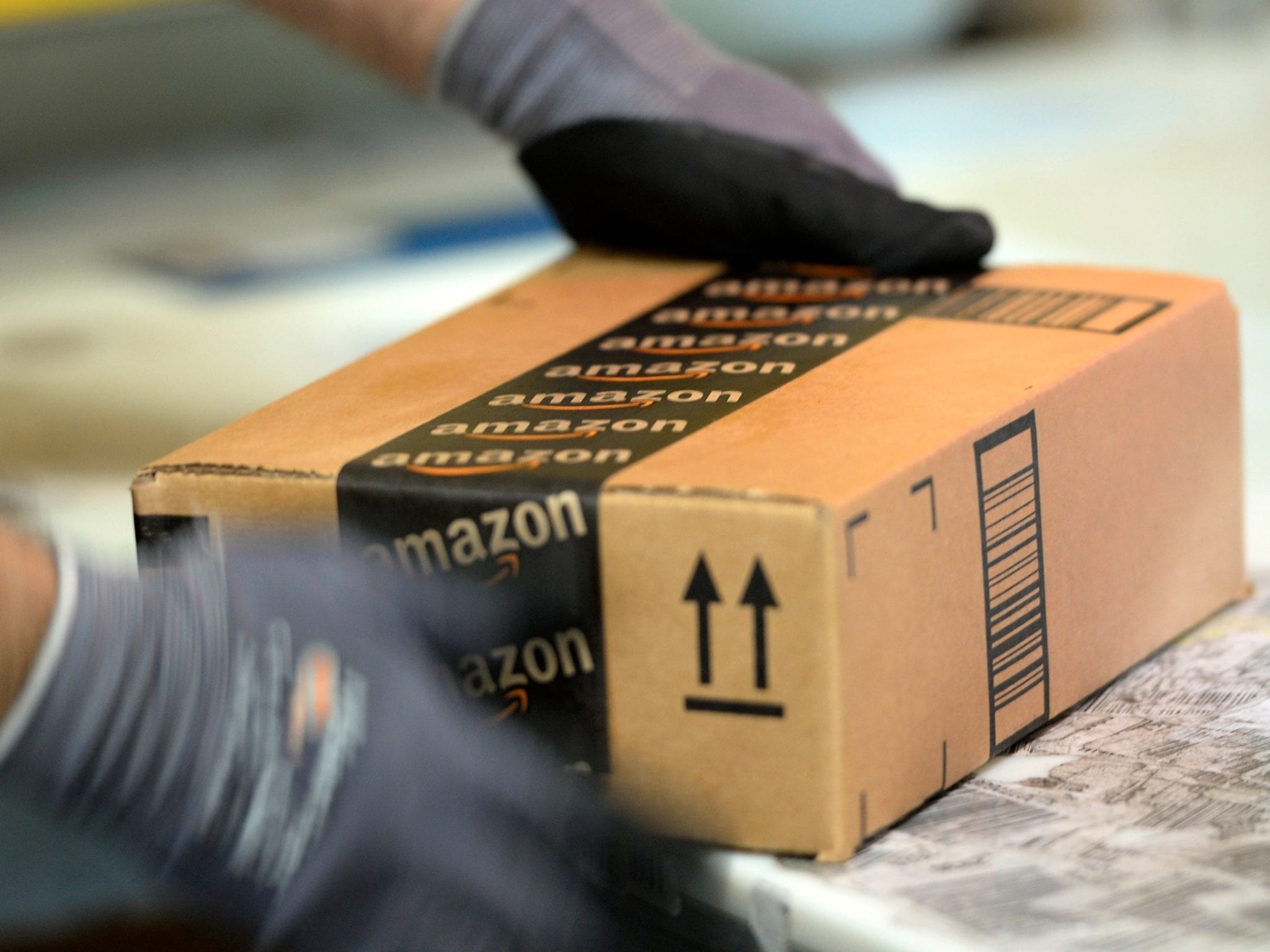
    Amazon has introduced self-driving delivery service dubbed Scout – an all-electric self-driving vehicle that will maneuver across sidewalks in order to deliver purchased items to customers. Scout is the size of a ‘small cooler’ and can roll along sidewalks, delivering packages safely to a customer’s doorstep. The device is currently operating in Snohomish County, Washington, the company announced Wednesday.

    “The devices will autonomously follow their delivery route but will initially be accompanied by an Amazon employee,” Amazon said in a statement. “We developed Amazon Scout at our research and development lab in Seattle, ensuring the devices can safely and efficiently navigate around pets, pedestrians and anything else in their path.”

    Customers in Snohomish County can order just as they normally would and their Amazon packages will be delivered either by one of our trusted partner carriers or by Amazon Scout.

    According to the release, Amazon is starting with six Amazon Scout devices, delivering packages Monday through Friday, during daylight hours.

  • The world’s largest free trade blocs between Japan and EU

    The world’s largest free trade blocs between Japan and EU

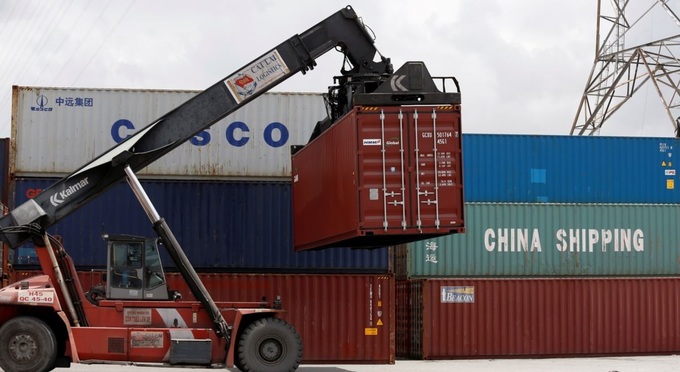
    The economic partnership agreement between Japan and the European Union not only forms one of the world’s largest free trade blocs, but also sets digital and copyright rules that will serve as an international template. The EPA will ultimately eliminate EU tariffs on about 99% of imported products from Japan, and Japanese tariffs on roughly 94% of products imported from the EU. It also incorporates wide-ranging regulations on data transfer and intellectual property protection. The aim is to drive the debate on other multinational trade pacts, especially against the backdrop of rising protectionism.

    A centerpiece provision is a ban on governments forcing companies to reveal source code. Chinese cybersecurity legislation that took effect in 2017 empowers the government to request source code from foreign enterprises doing business within its borders. The law also requires “operators of key information infrastructure” to locally store personal information and important data collected and produced by their services in China.

    The Japan-EU trade deal is essentially a rejection of such digital protectionism, instead encouraging the free and secure cross-border flow of data. Companies in participating countries can operate in other members without risking mandatory disclosure of trade secrets.

    The trade deal “will become a precedent for the data field, which is becoming increasingly important, and will lay the groundwork for the creation of subsequent rules,” said Keisuke Hanyuda, partner at Deloitte Tohmatsu Consulting.

    Japan, the EU and other like-minded trading partners seek to craft similar rules for the World Trade Organization, which includes the U.S. and China. But speedy rule-making may be all but impossible at a WTO that has been criticized as dysfunctional. The alternative strategy is to first implement high-quality rules for the Japan-EU trade deal, as well as the 11-member Trans-Pacific Partnership, and bring other countries into the fold.

    Japan and the EU agreed not to levy tariffs on the transfer of data between the two sides. Copyrights on literary works will expire 70 years after the death of the author. Alcoholic-beverage and food brands tied to a region of origin will be mutually protected as well. Authorized producers of Kobe beef and Champagne would be shielded from imitations, for example.

    The EPA covers 27.8% of global gross domestic product by 2017’s number, and 36.9% of worldwide trade. The TPP-11 — formally the Comprehensive and Progressive Agreement for Trans-Pacific Partnership — accounts for 13.3% of global GDP. Japan sees the EPA and the TPP-11 together adding 13 trillion yen ($119 billion) to its real GDP and creating 750,000 jobs.

    “On top of the short-view effect of stimulating consumption, the inflow of services and investment from the EU will increase competitive pressures inside Japan, and we can expect the effect of prices going down,” said Junichi Sugawara, senior research officer at the Mizuho Research Institute.

    Tariff elimination is expected to have a significant economic impact. EU exports to Japan could jump as much as 34%, while European companies will save an annual 1 billion euros ($1.15 billion) on duties, the EU estimates. Hopes are particularly high for expanded food and agricultural exports to Japan.

    The EPA lowers tariffs on Camembert and other soft cheeses — something Japan did not do for the TPP-11 — up to a certain quota. Japan will eliminate soft-cheese duties for in-quota imports altogether in year 16. Other items, such as European wine, will immediately become duty-free, resulting in a wider selection and lower prices for Japanese consumers.

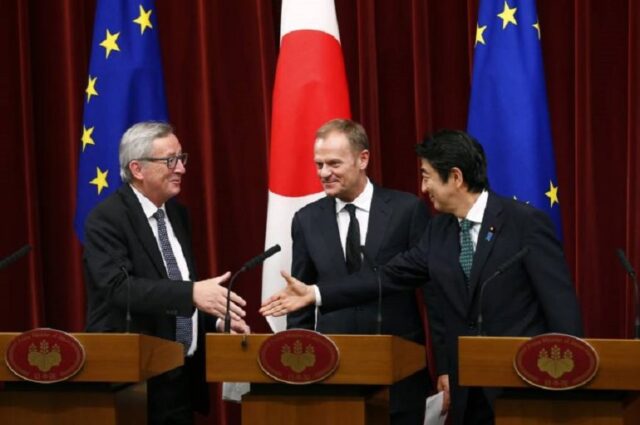
    Many see the EPA and its benefits as a counterweight to the Trump administration’s anti-globalism. “This is an act of enormous strategic importance for the rules-based international order, at a time when some are questioning this order,” European Council President Donald Tusk said last July, when the agreement was signed. “We are sending a clear message that we stand together against protectionism.”

  • Snapdeal bats for new FDI policy in e-commerce from Feb 1

    Snapdeal bats for new FDI policy in e-commerce from Feb 1

    Leading Indian e-tailer Snapdeal on Tuesday supported the implementation of revised Foreign Direct Investment (FDI) policy on e-commerce from February 1. “Snapdeal supports the immediate implementation of the current FDI policy on e-commerce so that marketplaces are not misused to run inventory operations,” Delhi-based Snapdeal told IANS in a statement.

    The Ministry of Commerce and Industry on December 26 issued revised policy guidelines on FDI in e-commerce.

    The policy revision, which will be in force from February 1, dictates that e-commerce platforms providing a marketplace will not exercise control or ownership over the inventory.

    E-tail majors Flipkart and American online retailer Amazon’s Indian arm, however, sought an extension on the implementation of the new norms, amid protesting voices from retail traders’ bodies against granting the extension.

    “Government policy changes will have long-term implications in the evolution of the promising sector and the whole ecosystem,” American retail giant Walmart-owned Flipkart told IANS through a statement earlier.

    The new norms also barred e-tail firms from allowing any company to sell its products exclusively on their e-commerce platforms alone.

    While Amazon India had said in a statement to IANS that “it has always operated in compliance with the laws of the land”, it did not respond to queries on the changes it may have to make to its business model to suit the new norms.

    On the other hand, the Confederation of All India Traders (CAIT) has asserted that delaying the execution of the policy will allow the e-tailers to continue with their “dominance over retail trade”.

    “The modus operandi of these e-commerce companies for seeking extension (on implementation of new FDI norms) is to keep delaying fair execution of the policy,” CAIT wrote in a letter to the Ministry of Commerce and Industry this month.

    “They (e-commerce platforms) may continue with their sinister designs of operating all kinds of malpractice including predatory pricing, deep discounting and exclusivity, in order to ensure their control and dominance over retail trade and wipe out the competition,” the letter said.

    The Ministry, however, has not indicated any possible extension of deadline to implement the new norms.

  • Vietnamese travel agency intends to invest in sixth airline: CEO

    Vietnamese travel agency intends to invest in sixth airline: CEO

    Vietravel is nurturing a plan to launch its own airline to meet the demand that it predicts will keep rising in the future. The company’s CEO Nguyen Quoc Ky said the domestic aviation market is still “full of potential.” With a population of more than 100 million and the number of foreign visitors rising steadily year after year, hitting the highest ever at 15.5 million last year, it is still modest for Vietnam to have only five airlines, he said recently.

    Vietravel wants to have its airline headquartered in the central town of Hue, he added.

    “The plan of Vietravel will help create more new flight routes to and from Hue, and thus connect the city with more tourists,” said Nguyen Van Phuc, deputy director of Thua Thien – Hue Province, home to the imperial town of Hue.

    This will also get along with a plan to upgrade Phu Bai International Airport in Hue to raise its annual capacity from 1.5 million passengers to 5 million.

    Vietravel has taken the first steps into the airline industry through organizing charter flights with its partners.

    For the past two years, it has operated around 300 charter flights both domestically and internationally each year.

    Vietnam’s newest airline, Bamboo Airway, recently completed its maiden flight.

    The four other carriers currently in Vietnam are Vietnam Airlines, Vietjet Air, Jetstar Pacific, and VASCO.

    Together, the four of them transport more than 50 million passengers last year, up 14 percent against 2017, according to the Civil Aviation Authority of Vietnam.

    The number of passengers through Vietnam airports during the year increased 12.9 percent to 106 million passengers.

    is nurturing a plan to launch its own airline to meet the demand that it predicts will keep rising in the future. The company’s CEO Nguyen Quoc Ky said the domestic aviation market is still “full of potential.” With a population of more than 100 million and the number of foreign visitors rising steadily year after year, hitting the highest ever at 15.5 million last year, it is still modest for Vietnam to have only five airlines, he said recently.

    Vietravel wants to have its airline headquartered in the central town of Hue, he added.

    “The plan of Vietravel will help create more new flight routes to and from Hue, and thus connect the city with more tourists,” said Nguyen Van Phuc, deputy director of Thua Thien – Hue Province, home to the imperial town of Hue.

    This will also get along with a plan to upgrade Phu Bai International Airport in Hue to raise its annual capacity from 1.5 million passengers to 5 million.

    Vietravel has taken the first steps into the airline industry through organizing charter flights with its partners.

    For the past two years, it has operated around 300 charter flights both domestically and internationally each year.

    Vietnam’s newest airline, Bamboo Airway, recently completed its maiden flight.

    The four other carriers currently in Vietnam are Vietnam Airlines, Vietjet Air, Jetstar Pacific, and VASCO.

    Together, the four of them transport more than 50 million passengers last year, up 14 percent against 2017, according to the Civil Aviation Authority of Vietnam.

    The number of passengers through Vietnam airports during the year increased 12.9 percent to 106 million passengers.

  • Tesco to build simpler, more sustainable business; axe 9,000 jobs

    Tesco to build simpler, more sustainable business; axe 9,000 jobs

    Tesco has recently announced that the brand is making some strategic changes to further simplify the business and this might affect jobs of 9,000 employees. “Since we launched our turnaround four years ago, we have built a stronger business focused on serving our customers. Whilst this turnaround continues, it does so in a competitive and challenging market. We’ve briefed our colleagues on some changes we’re making to our stores and offices to further simplify our business, so that we can continue to invest in serving our customers,” Tesco said in a statement.

    Jason Tarry, CEO, UK & ROI said: “In our four years of turnaround we’ve made good progress, but the market is challenging and we need to continually adapt to remain competitive and respond to how customers want to shop. We’re making changes to our UK stores and head office to simplify what we do and how we do it, so we’re better able to meet the needs of our customers. This will impact some of our colleagues and our commitment is to minimise this as much as possible and support our colleagues throughout.”

    Changes include the following:

    Counters simplification

    Over recent years, convenience and online businesses have continued to grow, as the brand has core grocery and fresh departments in large stores. Not only are customers shopping in different ways, but they have less time available to shop too – which means they are using counters less frequently. The brand will be making changes to the counters in large stores to ensure that they have the right offer for customers. It is expected that around 90 stores will close their counters, with the remaining 700 trading with either a full or flexible counter offer for customers.

    Stock control simplification

    As business changes, the brand is also changing the way they manage their stock. After a number of trials, they have found a simpler way to conduct store routines and will be rolling this out to all of the stores. These changes mean a significantly reduced workload, with fewer hours needed to complete the routines.

    Merchandising simplification

    The brand wants to make shopping with them even easier, and they are aware that when they move products around this can prove frustrating for customers. The in-store employees have expressed to the brand that they want to spend more time with  customers, rather than moving products around the store. They have been working to reduce the amount of layout changes they make, so it’s easier for customers, and less work for in-store employees meaning fewer merchandising hours are needed.

    Colleague rooms

    Currently only one third of stores provide a hot food service and, over recent years, there has been reduced demand for this. Over the last three years the brand has been rolling out new self-service colleague kitchen areas in a number of stores, and they are now extending this to all remaining stores with a hot food service. This change will impact the people working in colleague rooms, who are employed by third party caterers, and the brand is working with them to provide as much support as they can.

    Head office

    The brand has completed a detailed review and this week they are talking to employees about changes in some of their head office teams, moving to a simpler and leaner structure, which will allow them to focus on supporting customers.

    In-store bakeries

    Contrary to media reports over the weekend, the brand has no plans to make any significant changes to bakeries this year.

    “Overall, we estimate that up to 9,000 Tesco colleague roles could be impacted, however, our expectation is that up to half of these colleagues could be redeployed to other customer-facing roles. We are working with our third party providers to understand the impact on their staff in our colleague hot food service,” Tesco said in a statement.

  • Asia stocks quiet, dollar firm after upbeat US job data

    Asia stocks quiet, dollar firm after upbeat US job data

    Asia stocks hovered near four-month highs on Monday after a mixed performance on Wall Street at the close of last week, while the dollar firmed against the yen following strong US job and manufacturing data. MSCI’s broadest index of Asia-Pacific shares outside Japan was almost flat. It had scaled a four-month peak on Friday along with a surge in its global peers.

    Trade was subdued with many of the region’s markets closed for the Lunar New Year. China’s financial markets are closed all week, while those in South Korea are shut until Thursday.

    Hong Kong’s Hang Seng, which is trading for only half a day, edged up 0.2%.

    Japan’s Nikkei added 0.5%.

    On Wall Street on Friday optimism from a surge in January US job growth was offset by a weaker-than-expected outlook from Amazon.com Inc that battered retail stocks. The Dow nudged up 0.26% while the Nasdaq shed 0.25%.

    “Key points for the markets this week will be how the remaining US corporate earnings releases turn out, and whether they are in line with recent upbeat data,” said Junichi Ishikawa, senior FX strategist at IG Securities in Tokyo.

    “While corporate earnings and fundamentals remain key, political developments, notably the US-China trade situation, remain potential risk factors,” he said.

    A US Labor Department report on Friday showed nonfarm payrolls jumped by a stronger-than-forecast 304,000 jobs last month, the largest gain since February 2018.

    That report, along with better-than-expected ISM manufacturing activity numbers for January, pointed to underlying strength in the world’s biggest economy.

    “After last week’s risk appetite revival, the data pulse and the tone of Fed speakers will be important. For the Goldilocks market to continue, we need to find a delicate balance between improving data and still-neutral central banks,” strategists at ANZ wrote.

    Global equity markets performed strongly last week after the Federal Reserve pledged to be patient with further interest rate hikes, signalling a potential end to its tightening cycle.

    Friday’s robust economic data triggered a sharp rebound in US Treasury yields, in turn lifting the dollar.

    On Monday, the US currency was a shade higher at 109.555 yen after advancing 0.6% on Friday.

    The euro was little changed at $1.1456 after getting pulled back from a high of $1.1488 on Friday.

    The Australian dollar was mostly steady at $0.7244 after slipping 0.4% the previous session.

    The benchmark 10-year U.S. Treasury yield was at 2.686% after climbing nearly 6 basis points on Friday to pull away from a four-week low of 2.619% earlier last week.

    West Texas Intermediate (WTI) US crude oil futures extended Friday’s rally and were last up 0.3% at $55.42 per barrel.

    On Friday, WTI futures had rallied 2.7% on the upbeat US job report, signs that Washington’s sanctions on Venezuelan exports have helped tighten supply and data showing US drillers cut the number of oil rigs.

  • India’s  jewellery brand opens new outlet

    India’s jewellery brand opens new outlet

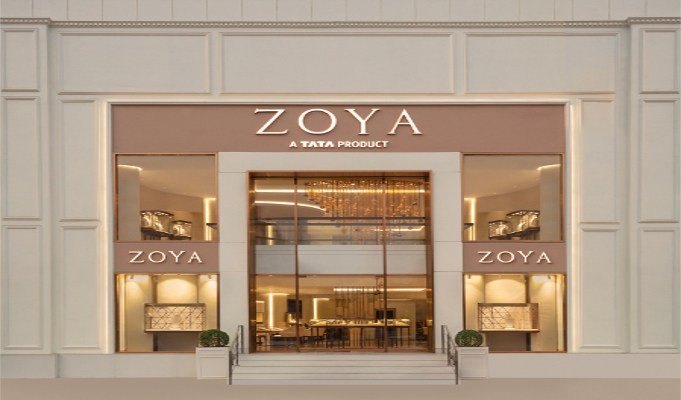
    Zoya, the exquisite diamond boutique from the House of Tata, has reopened its flagship store in Delhi, amidst a glittering celebration, graced by connoisseurs of design from Delhi’s high society. Located in the iconic South Extension neighbourhood, the new boutique of India’s homegrown luxury brand spreads luxuriously over 4,600 sq.ft. Designed as a minimalist gallery of fine art, where each piece resonates with reflections of Zoya’s inspirations from its journey around the world, the boutique is home to Zoya’s rare masterpieces.

    In keeping with the brand’s unwavering focus on fine design and impeccable craftsmanship, celebrated designer Gauri Khan was guest of honour for the evening and joined CEO of Titan’s Jewellery Division, CK Venkatraman, and guests, in raising a toast to the boutique’s many treasures.

    A splendid, two-part, fashion showcase by Zoya in collaboration with ace couturier Monisha Jaising showcased her elegant designs and a spectacular array of Zoya’s collections. Embellished gowns and cocktail dresses were paired with Zoya’s dramatic ‘6299 Hollywood Blvd.’, a collection that draws design direction from the panache of three iconic Hollywood eras translating the undying glamour of film into an absolutely unique take on jewellery.

    Fusion lehengas and sarees in pleasing pastels highlighted the mood for Whispers from the Valley, a collection that captures the poetic beauty of Kashmiri seasons and picturesque icons of the land, from the gentle shikara to falling chinar leaves.

    Stark black and navy created dramatic flair for the presentation of ‘Musee Du Luxe’ – Museum of Luxury, a collection that looks towards the sublime architecture, rich culture and inherent joie de vivre of Paris, blending a modern style palette with vintage charisma while summery whites paired with Zoya’s Pezzo D’Arte,a versatile line of 37 pieces inspired by rich Italian history and style. As visionary as art, the collection uses geometry in design, to create an edgy fashion statement, imbued with a distinctly modern vibe.

    The evening gave guests a chance to explore the purposefully planned navigation of the boutique and opportunities to appreciate each splendid piece. With three floors in Zoya’s signature tones of mushroom, champagne and orange, the store opens onto the ground floor presenting guests with its newer collections. A wide staircase or elevator leads to the basement unveiling a gallery of Zoya’s most iconic pieces. The first floor reveals the breadth of Zoya’s fine collections with an exclusive presentation of high value jewellery.

    Zoya travels the world to seek varied inspirations for its fine collections in the culture and art of historic periods like Awadh, Rajputana or the Romanov era. Iconic destinations like Banaras, Kashmir, Italy, Paris, Greece and Spain, are Zoya’s muse as much as legends and myths such as those of Krsna. Guided by a personal jewellery specialist, an indulgent walk-through of the thoughtfully-designed boutique is a tryst with luxury quite unlike any other; an opportunity to be regaled with tales of lands far and near, as the inspiration behind every creation of Zoya is brought vividly to life.

    The showcasing of jewellery with storytelling, visual merchandising, and varied lighting enhances the intricacy and beauty of each piece. Panels and partitions have been created by local artisans to tell the Zoya story, and clean, uncluttered lines and display units, showcase the treasures of this exclusive gallery of fine design.

    Thoughtful touches to make the customer feel special are a hallmark of luxury, and the store is designed to ensure valued guest experience the highly personalised service Zoya is known for. Private viewing areas with sheer curtains add softness while allowing customers to peruse the collections at leisure and with discretion, or to converse intimately with Zoya’s master designers at call to help them customize their favourite pieces. Once seated for a private viewing, chosen pieces of Zoya are individually showcased with an expert designer in attendance to fulfil bespoke desires. All while personally-curated gourmet hors d’oeuvres and sparkling flutes of bubbly flow in abundant luxury.

    CK Venkatraman, CEO, Jewellery Division, Titan Company, says “Zoya is a home-grown luxury brand, with an Indian heart and an eye on the world. It holds a cherished spot in the Titan story. With the aesthetic value of unique design and refined craftsmanship becoming sought after benchmarks of selection, we see great potential in Zoya’s growth. Delhi has always been a very important market for all of Titan’s jewellery brands, and we are delighted to offer our customers this beautiful new space to explore Zoya’s splendid treasures.”

    Added Gauri Khan, “Zoya’s products are very artistic. They are thoughtfully designed and meticulously crafted. This attention to detail and commitment to quality is similar to my own approach to design. I am happy to be here for the opening of Zoya’s new boutique in Delhi.”

  • SUVs, Crossovers dominate high-end segment in Vietnam

    SUVs, Crossovers dominate high-end segment in Vietnam

    Among consumers willing to spend at least VND1 billion ($43,135), the preference is for SUVs and Crossovers over sedans. In recent years, high ground clearance vehicles have gradually become the number one choice for the majority of Vietnamese consumers, having grown steadily in number sales and variety over the years. In contrast, the D-class sedan segment has seen low demand and limited variety.

    Sales of SUV and Crossovers (CUV) vehicles around the price of VND1 billion ($43,135) have risen steadily over the years. While 2014 saw only around 13,000 units sold, sales had more than doubled by 2018 at 24,264 units. 2018 only saw a slight increase over 2017, but this was because a decree on import conditions prevented many firms from importing these vehicles for most of the year.

    According to the Vietnam Automobile Manufacturers’ Association (VAMA), consumers have a choice of 10 SUV/CUVs in the VND1 billion price range. Car dealers have noted that almost all brands in Vietnam have at least one product in the SUV/CUV segment.

    Average sales per model was around 3,100 vehicles a year.

    Th SUV/CUV segment is predicted to boom in 2019, as firms get used to the new regulation and find stability in importing new vehicles.

    Meanwhile, from 2014 up to now, the D-size sedan segment has featured the same models, namely, Toyota Camry, Mazda6, Honda Accord, Nissan Teana and the Kia Optima, which was introduced last year.

    In the last 5 years, sales of D-size sedans reached a peak in 2016 at 8,148 units. The introduction of the Kia Optima in 2018 raised the number of models in the segment to 6, but annual sales fell to only 7,612 units.

    In 2018, Toyota Camry dominated the D-segment at over half of the 4,503 units sold, while the remaining models saw little growth. Total sales have nevertheless been fairly stable, hovering around 6,000 or 7,000 over the years.

    Vietnam’s total car sales increased 5.8 percent to 288,683 units in 2018 from a year ago, according to the Vietnam Automobile Manufacturers’ Association (VAMA).

  • Yum China to face challenges this year

    Yum China to face challenges this year

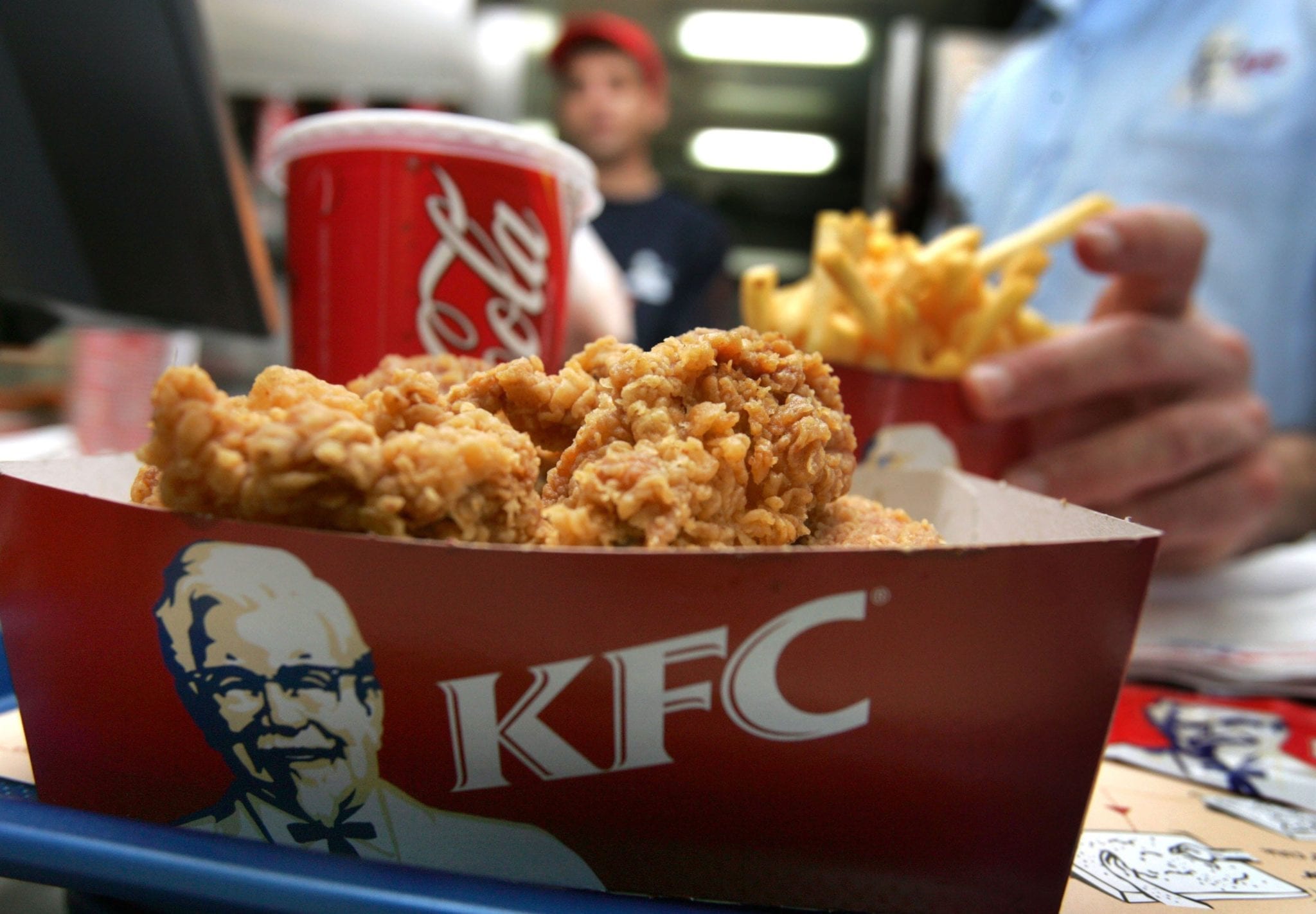
    An aggressive store rollout program is helping Yum China achieve sales growth, but its Pizza Hut business continues to struggle. In year-end results released overnight, Yum China said fourth-quarter system sales rose 6 per cent in constant currency, but same-store sales rose by a more modest 2 per cent. The company, which owns the Chinese operations of KFC and Pizza Hut, opened 819 new stores last year, taking its combined network to 8484 stores across more than 1200 cities. The company plans between 600 and 650 additional stores this calendar year.

    For the full year, total system sales grew 5 per cent over 2017, with a solid 7 per cent growth at KFC partially offset by a 1 per cent decline at Pizza Hut, (excluding foreign exchange impacts). Same-store sales increased 1 per cent overall, up 2 per cent at KFC and down 5 per cent at Pizza Hut.

    Full-year revenue reached US$8.42 billion with net Income up 78 per cent to $708 million, from $398 million.

    Joey Wat, CEO of Yum China, said the results marked the ninth consecutive quarter of system sales growth since the company was spun off from former US parent Yum! Brands.

    “This strong growth was led by accelerated new store openings and a robust performance at KFC, which delivered 3 per cent same-store sales growth and 9 per cent system-sales growth during the quarter. Although Pizza Hut’s sales remained soft, we are pleased to see same-store traffic growth of 1 per cent and positive trends in customer feedback.”

    Wat said the aggressive store rollout program last year further strengthened the company’s market position, laying a solid foundation for growth.

    “While the macro backdrop is relatively soft, with our resilient business model and leadership in digital and delivery, we are confident that we have the right strategy and capabilities to maintain our growth trajectory and capitalise on the long-term potential of the China market,” she said.

    Among the highlights of last year was exceeding 160 million members of the company’s KFC loyalty program and 50 million members of the Pizza Hut program, increases of 50 million and 15 million, respectively.

    Mobile payments accounted for 65 per cent of the company’s sales in the fourth quarter, an increase of 11 percentage points year on year. Digital payments accounted for more than 86 per cent of company sales in the quarter, an increase of 14 percentage points.

    And delivery services – now offered in 1118 cities – accounted for 19 per cent of sales in the fourth quarter of 2018, an increase of three percentage points year on year.