Author: Mei Ling Tan

  • Tricker’s Tokyo Opens British footwear brand’s first Store

    Tricker’s Tokyo Opens British footwear brand’s first Store

    British footwear brand Tricker’s has opened its first shop outside the UK, choosing Japan.

    Tricker’s Tokyo store opened last Thursday, an exact replica of its London Jermyn Street shop.

    “Japan has been our biggest export market for more than 30 years,” read a notice on the brand’s Twitter account. “This is a bold development for a small business such as ours.”

    The opening celebrates the heritage brand’s 190th anniversary. It is known for its quality heavy brogue shoes and boots, and counts Prince Charles among its patrons.

  • Chinese KFC restaurants struggles as chicken prices Increases

    Chinese KFC restaurants struggles as chicken prices Increases

    Chinese KFC restaurants have begun serving parts of chickens not used before in response to rising costs.

    According to Yum China CEO Joey Wat, the KFC brand introduced new chicken cuts in the first quarter from “a part of the chicken that we somehow have not used in the last 30-some years”. The cut is a portion between the wing and the breast.

    The elevated poultry costs are largely attributed to a spin-off effect from the impact of African Swine Fever on the pork market as well as the current trade war with the US.

    The costs have seen KFC’s operating margin reduced to 18.7 per cent from the previous 20.6 per cent, despite a rise in same-store sales of 5 per cent. KFC has faced commodity inflation of 5 per cent in the first quarter, according to the company’s earnings call.

    “We expect poultry inflation to weigh on margins for the rest of the year,” said Yum China CFO Jacky Lo.

    Wat stated that the chain may be turning to new technology to save its declining margins in the hope that such technology can provide “another way to cut out chicken.”

    The brand may also introduce “some sort of ingredient” other than chicken “that probably has not been used before.”

  • Asean countries fight against Counterfeit Goods

    Asean countries fight against Counterfeit Goods

    Enforcement officials, investigators, and prosecutors from across the Asean region discussed best practices for addressing the trade in counterfeit goods at a workshop on the enforcement of intellectual property rights held in Manila last week.

    The talks covered online business models used for the infringement of IP rights, investigative techniques and intelligence gathering, as well as measures to combat infringement, particularly in the online environment.

    According to a statement released by the workshop, the trade in counterfeit products diverts revenue from legitimate businesses, depletes innovation and development, and underpins organised crime networks. In addition, counterfeits are generally of low quality and are potentially harmful to consumers.

    A wide range of products are affected, including footwear, clothing, electrical machinery, pharmaceuticals, cosmetics, and toys.

    A report released this year by the European Union Intellectual Property Office and the OECD estimates that counterfeit and pirated goods represented up to 3.3 per cent of world trade in 2016. This share has grown significantly, from up to 2.5 per cent estimated in 2013.

    “Strong IP enforcement legislation in the EU provides police and customs agencies with the powers they need to successfully intercept counterfeit goods,” said IP enforcement expert Erling Vestergaard, highlighting a number of EU initiatives that address the issue.

    World Intellectual Property Day is held annually on April 26 to highlight the importance of IP in encouraging innovation and creativity. The global theme for this year is IP and Sports.

  • Telephoto zoom cameras are Fantastic

    Telephoto zoom cameras are Fantastic

    But here’s the thing: all of these additional cameras are not necessarily better cameras. A monochrome secondary camera is more sensitive to light, but it shoots in black and white only. A wide-angle second cam has a wider field of view, but noticeably distorts images. And those tiny cameras for collecting depth information, well, we’re not even sure if they do anything.

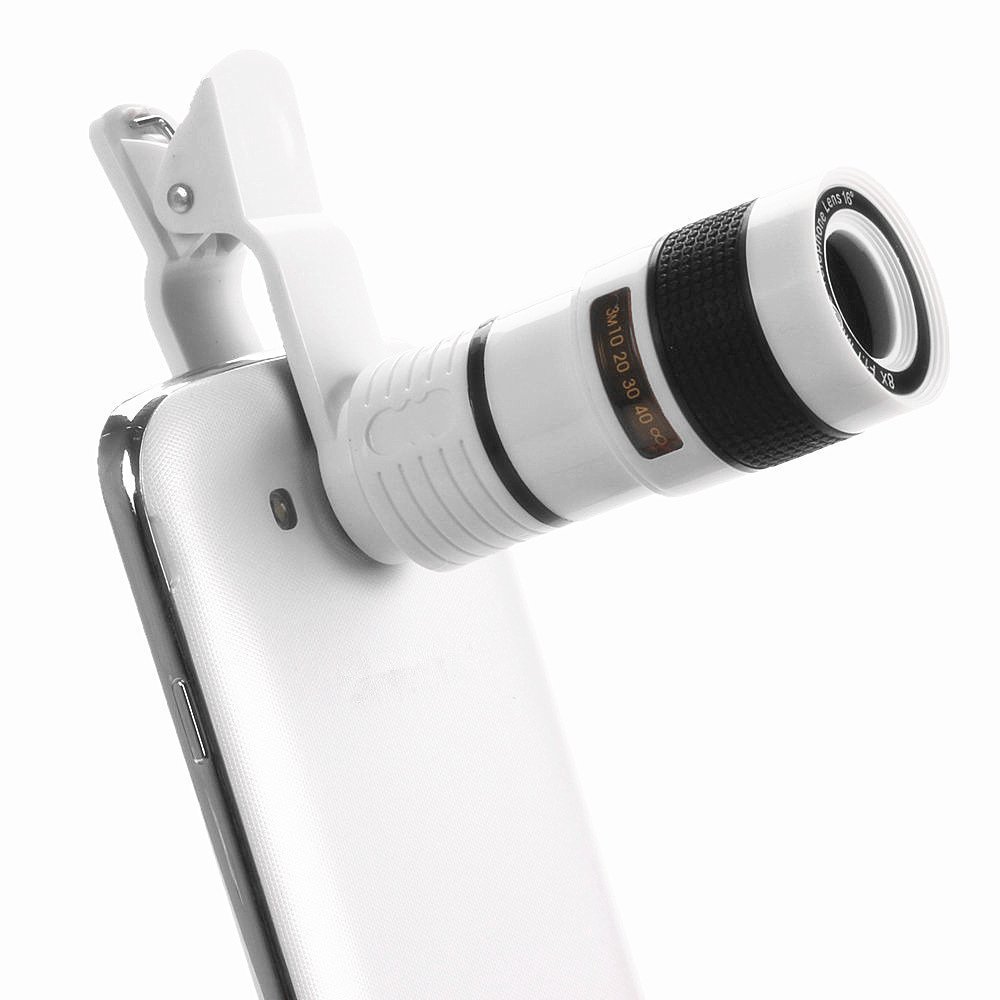
    Telephoto lens cameras – the kind that Apple popularized with the iPhone 7 Plus – can be useful in many cases, but they aren’t perfect either. Here’s why.

    Telephoto cameras on smartphones are great at two things. One is that they let you zoom in on your subject without as much degradation in quality as digital zoom would otherwise introduce. We’ve seen phones with 2x zoom, 3x zoom, and even 5x telephoto zoom in the recently announced Huawei P30 Pro. Secondly, telephoto cameras have a narrower field of view, which makes them ideal for portraits – their optical properties introduce less lens distortion and allow for a narrower, thus less distracting background.

    In photography, lenses tend to fall under two general categories: zoom lenses and prime lenses. Zoom lenses have an actual lens element that physically moves to magnify your subject. This is called optical zoom. In contrast, prime lenses are fixed and can’t zoom optically. Practically all cameras in modern smartphones, including telephoto ones, use prime lenses since they’re smaller and easier to make. Yes, you do get actual zoom with your phone’s telephoto camera relatively to its main one, but only at a fixed point.

    What this means is that if your phone has a 2x zoom telephoto cam, photos shot at anything between 1x and 1.9x will be zoomed digitally, as if your phone didn’t have a telephoto camera at all. Only photos at 2x and beyond will take advantage of the phone’s telephoto lens. That’s better than nothing, of course, but it’s easy for an inexperienced user to wrongly assume that their phone’s telephoto hardware is of benefit every single time they zoom in. That’s not the case, sadly.

    In most cases, a bigger camera sensor is a better camera sensor. Its greater surface area lets it absorb more light, and having more light translates into better photos with more detail and less noise. But telephoto cameras on phones tend to use smaller image sensors – ones that pick up less light and are more susceptible to digital noise. They have to in order to achieve the level of magnification their telephoto lens is designed for without the camera module sticking out too much.

    Because of this, telephoto cameras rarely work in low-light situations. When the phone’s camera software detects that the light in the frame is insufficient, it will not use its telephoto cam for zooming. Instead, it will only do digital zoom with its main camera, and you might not even notice until you later take a closer look at your suspiciously fuzzy-looking photos.

    I remember how when I got to test the iPhone 7 Plus for the first time, I tried taking some artsy photos of rain droplets on a flower’s petals. I did 2x zoom, assuming that the telephoto lens would let me get a much more detailed shot. I was wrong.

    While a typical smartphone camera can focus on an object as close as 3 inches away from it, the telephoto cameras on all phones I’ve tested through the years have needed to be at least 1-2 feet away from anything to focus on it. If you’re too close and zoom in, your phone will simply do digital zoom with its main camera instead of using its telephoto lens. Again, your phone will give you no indication that you’re not zooming with the telephoto lens for the shot.

    The purpose of this brief article is to expose the fundamental flaws in phones’ telephoto cameras (and there’s more of them) – as I’m sure that knowing what they can and can’t do will make you a better photographer. Convincing anyone that there’s no point in having a telephoto lens was never my intention. On the contrary, I’m strongly in favor of phones having additional cameras – telephoto, wide-angle, whatever – as it’s one of the few realistic ways of improving a phone’s photographic potential without ruining its design and appearance.

    Still, I wish that the limitations of these lenses were made clearer to the user – in both the flashy ads we’re bombarded by and in the camera apps of our phones. But perhaps that could be just me. Anyway, let me know in the comments below if you learned something new.

  • Ford Puts Pre-Collision Assist Technology On Shopping Carts

    Ford Puts Pre-Collision Assist Technology On Shopping Carts

    When it comes to raising the blood pressure, for parents, the weekly shop is right up there with getting the kids to bed and meal times. And while toddler meltdowns and trips to the sweet aisle are trying, few moments can be more worrying than seeing your child career off at high speed on a supermarket trolley.

    But now Ford has come out with a solution to ease your stress and it’s used car technology in a shopping cart. Ford has used the Pre-Collision Assist technology which is seen in most of its cars on a trolley. The technology uses a forward-facing camera and radar to detect vehicles, pedestrians and cyclists in the road, and automatically applies the brakes if the driver does not respond to warnings.

    The self-braking trolley uses a sensor to achieve a similar outcome – to scan ahead for people and objects and automatically apply the brakes when a potential collision is detected. Just a prototype for the time being, the self-braking trolley is part of a series of Ford Interventions; applying automotive expertise to solve the day-to-day problems we all face.

    Anthony Ireson, director, Marketing Communications, Ford Europe said, “Pre-Collision Assist technology can help our customers avoid accidents or mitigate the effects of being involved in a collision. We thought that showing how similar thinking could be applied to a shopping trolley would be a great way to highlight what can be a really useful technology for drivers.”

  • Suning.com’s Online Sales Soars

    Suning.com’s Online Sales Soars

    Suning.com’s first-quarter online sales soared 40.87 per cent as the company’s smart-retail strategy continues to drive the rapid growth.

    Operating income of RMB 62.2 billion (US$9.2 billion), represented a 25.44 per cent increase on the same period last year. First-quarter net profit was RMB 136 million.

    In a statement, Suning.com said during the first quarter of this year, the overall domestic consumer market in Mainland China still exhibited potential for growth.

    “Despite the softer market environment, Suning’s online and offline businesses maintained relatively rapid growth.”

    Off-line, Suning continued its large-scale expansion, its network comprising 9758 self-owned stores and 2571 franchise stores as at March 31. A standout was the Redbaby store, whose sales increased by 15.7 per cent year on year.

    “In the online market, with the enhanced industrial synergy and the improved efficiency brought by resource integration, the growth rate of Suning’s sales clearly outpaced the industry average,” the company said.

    During the quarter, the company set up five major product groups including household appliances, consumer electronics, FMCG, clothes and accessories, and international items to streamline product management.

    In the FMCG sector, Suning strengthened its brand and achieved dual online-offline growth through centralised procurement, purchasing directly from the manufacturer and strategic cooperation, which helped grow its network of offline stores.

    “In the same period, Suning has further optimised the supply chain management of online and offline stores through the acquisition of 37 Wanda stores, marking a significant success for Suning’s all-categories product portfolio operational strategy.”

  • Spotify now has 100 million Premium Global Subscribers

    Spotify now has 100 million Premium Global Subscribers

    Twelve months after it first reached 75 million subscribers, Spotify has today announced that 100 million users now pay for its Premium service across the globe. The news represents year-on-year growth of 32% and has helped push Spotify’s revenue figures up an equally impressive 33% to €1.51 billion ($1.67 billion).

    Including users of Spotify’s ad-supported service, the streaming company now has a total of 217 million monthly active users. This figure is up 10 million from last quarter and 44 million when compared to twelve months ago.

    Once again, Europe continued to be Spotify’s most important market followed by North America and Latin America respectively. In North America especially, Premium subscriber growth was driven by Spotify’s continued partnerships with Samsung, Google, and Hulu.

    Specifically, Samsung agreed to pre-install the Spotify app on millions of its smartphones including the recently-released Galaxy S10, buyers of which receive six months of free Spotify Premium. Google, on the other hand, offered Spotify Family Plan users a free Google Home Mini, a promotion which has since been expanded to both the UK and France due to its popularity. Lastly, Hulu and Spotify recently lowered the price of their bundle offer which has boosted interest.

    By the end of this current quarter, Spotify expects to have between 222 and 228 million users, of which 107 to 110 million should be Premium subscribers. Driving this growth will continue to be promotional offers like the ones mentioned above and India, where Spotify registered 2 million users in the month following its launch.

  • Blue Bottle Coffee Taking Off in Seoul

    Blue Bottle Coffee Taking Off in Seoul

    The first South Korean cafe for Blue Bottle Coffee has launched today.

    The brand’s 14,000sqft headquarters in Seoul includes a roastery and training lab, which is open for public tours, classes, and tastings. Blue Bottle will open a second cafe in Seoul later in the second quarter and has plans for more by the end of the year.

    South Korea is the second international market for the company, which opened its first Tokyo cafe in 2015, inspired by the hospitality of traditional Japanese kissaten (coffee house) culture.

    “Every time we visit Korea, we are deeply honored by the enthusiasm and love for our brand,” said Blue Bottle Coffee CEO Bryan Meehan. “Our Instagram account has more followers in Seoul than any other city in the world. South Korean guests have travelled thousands of miles to meet us in the US and Japan. Finally, we are bringing Blue Bottle to our loyal Korean guests.”

    The industrial, red-brick building that Blue Bottle Korea has launched in is located in the Seongsu neighbourhood, often referred to as the “Brooklyn” of Seoul. The space, designed by Jo Nagasaka of Schemata Architects, displays the brand’s signature emphasis on natural light and warm minimalist design.

    Featuring an open atrium with glass separating the first and second floors, the building offers a transparent view from street level into Blue Bottle’s roastery. Guests may descend a staircase into the intimate below-ground cafe featuring classic walnut chairs and tables.

    Seongsu is situated next to the idyllic Seoul Forest, an urban green space frequented by families of all generations.

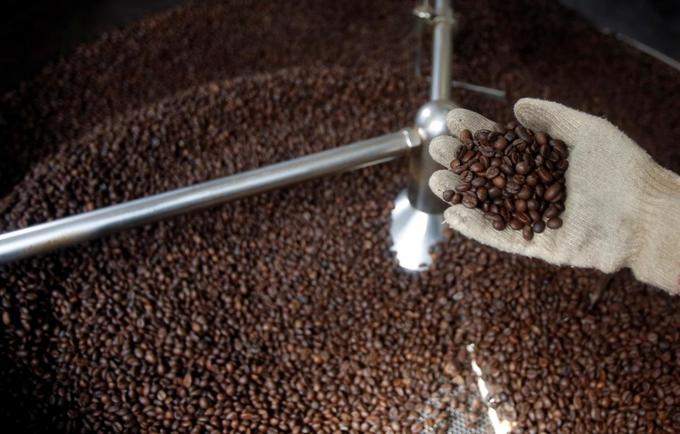
    Blue Bottle sees huge potential for growth in the Korean coffee market, which is quickly emerging as an international destination for specialty coffee. Koreans consume more than 25 billion cups of coffee per year, and more than half of the world’s Q-graders – coffee specialists licensed to purchase premium green coffee beans – live in South Korea.

    With more than 18,000 coffee shops already trading in Seoul alone, Blue Bottle Coffee has entered a highly competitive market. It intends to differentiate itself by quality and sustainable practices, bringing expressive blends and rare single origins sourced through direct trade to the country.

  • Indian Consumers Face Post-Election Fuel Price Shock

    Indian Consumers Face Post-Election Fuel Price Shock

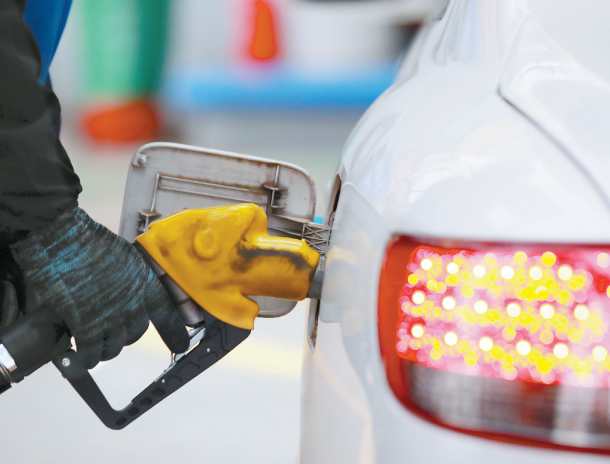
    Surging global oil prices will pose a first big challenge to India’s new government, whoever wins an election now under way, especially as domestic prices have been allowed to lag, meaning consumers are in for a painful surge as they catch up.

    For oil-import dependent India, higher global prices could lead to a weaker rupee, higher inflation, the ruling out of interest rate cuts and could further weigh on twin current account and budget deficits, economists warned.

    But compounding the future pain, state-run fuel suppliers and retailers have held off passing on to consumers the higher prices during a staggered general election, which began on April 11 and ends on May 23, according to sources familiar with the situation.

    That delay is expected to be unwound once the election is over. And there could be additional price increases to make up for losses or profits missed during the period of delayed increases, the sources said.

    In some major Asian countries, such as Japan and South Korea, pump prices are adjusted periodically so they move largely in tandem with international crude prices.

    That was what was supposed to happen in India but the election means there have been many days when pump prices have been unchanged.

    In New Delhi, for example, while crude oil prices have gone up by nearly $9 a barrel, or about 12 percent, in the past six weeks, gasoline prices have only risen by 0.47 rupees a litre, or 0.6 percent.

    State-controlled fuel suppliers and retailers declined to say why they had delayed price increases, or discuss whether there has been any pressure from the government of Prime Minister Narendra Modi.

    A government spokesman declined to comment.

    The opposition Congress party said Modi’s government was violating its own policy of daily price revision by advising the state oil companies to hold prices steady.

    “The government should cut fuel taxes otherwise consumers will have to pay much higher oil prices once the elections are over,” said Akhilesh Pratap Singh, a senior leader of the Congress party.

    Nitin Goyal, treasurer at the All India Petroleum Dealers Association, representing fuel stations in 25 states, said prices were similarly held down for 19 days in the southern state of Karnataka last year, when it held state assembly elections. Only for them to surge after the vote.

    “Consumers should be ready for a rude shock of a massive jump in retail prices, similar to the level we have seen in the Karnataka state election,” Goyal said.

    Sri Paravaikkarasu, director for Asia oil at Singapore-based consultancy FGE, said retail prices of gasoline and gasoil prices would have been up to 6 percent, or about 4 rupee, higher if they had been allowed to rise in line with global prices.

    “Indian pump prices have failed to keep up with the recent uptrend in crude prices,” Paravaikkarasu said.

    “With the country’s general elections underway, the incumbent government has been keeping pump prices relatively unchanged.”

    India had switched to a daily price revision in June 2017 from a revision every two weeks, as the government allowed retailers to set prices.

    But the government faced protests last October when retailers raised prices by up to 10 rupees a litre after the crude oil price went above $80 a barrel, forcing it to cut fuel taxes.

    Global prices rose to their highest level in 2019 on Thursday, days after the United States announced all Iran sanction waivers would end by May, pressuring importers including India to stop buying Tehran’s oil. [O/R]

    Higher oil prices will mean Asia’s third largest economy is likely to see growth of less than 7 percent rate this fiscal year, economists said. Growth slowed to 6.6 percent in the October-December quarter, the slowest in five quarters.

    Rating agency CARE has warned that a 10 percent rise in global oil prices could increase demand for dollars, putting pressure on the rupee and widening the current account deficit.

    India’s oil import bill rose by nearly one-third in the fiscal year ending March 31 to $140.5 billion, against $108 billion the previous year.

    “The increase in international oil prices is a credit negative for the Indian economy,” ICRA, the Indian arm of the Fitch rating agency, said in a note.

    “Every $10/ bbl increase in crude oil prices increases the fiscal deficit by about 0.1 percent of GDP.”

    Any big price rise would also build a case for the central bank to keep rates steady, or even raise them.

    The Reserve Bank of India’s Monetary Policy Committee, which cut the benchmark policy repo rate by 25 basis points this month, warned that rising oil and food prices could push up inflation.

    Policymakers are worried that a sustained increase in the oil price in the range of $70-75/barrel or higher can move the rupee down by 3-4 percent on an annual basis.

    The rupee has depreciated by 1.24 percent against the dollar since a year high in mid-March.

  • Gome profit warning issued to Shareholders

    Gome profit warning issued to Shareholders

    Another Gome profit warning has been issued as the company’s massive restructuring program continues.

    However the group says the reforms are beginning to show results and while a loss is anticipated for the latest quarter, it will be less than that of the previous period.

    According to a stock exchange filing, Gome says its loss attributable to owners is expected to range somewhere between RMB20 million (US$3 million) and RMB90 million ($13.4 million), as compared with a profit of RMB113 million for the corresponding period last year. The loss will be “significantly reduced” compared with the loss for the December quarter, the company said. Last full year, Gome lost RMB4.887 billion ($728 million).

    The group says it continued to actively pursue its transformation into an integrated home solution, service solution and supply chain provider based on its strategy of ‘Home • Living’. It expects the group’s total GMV for both online and offline to grow about 5 per cent year on year for the March quarter.

    Of that, GMV from Me Shop is expected to grow by more than 200 per cent, service GMV by more than 30 per cent, GMV from smart products by more than 50 per cent; and GMV from new businesses such as home solution and integration of kitchen cabinets with electrical appliances, by more than 100 per cent.

  • Hyundai Introduces Smartphone Based EV Performance Control Technology

    Hyundai Introduces Smartphone Based EV Performance Control Technology

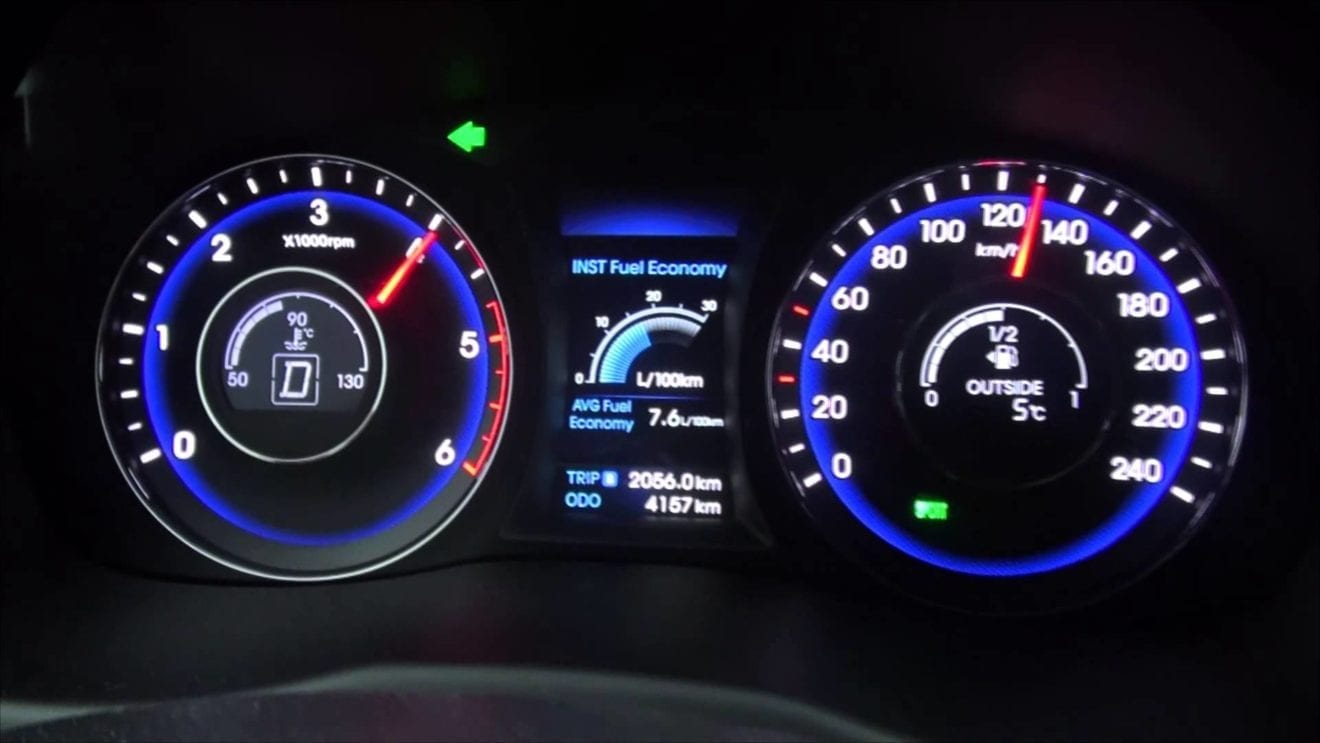
    Hyundai Motor Group has announced the development of ‘smartphone-electric vehicle pairing based performance adjustment technology,’ which allows users to customise primary functions through a smartphone app. The company says that it is in fact an industry first innovation. Drivers can use this technology to adjust seven performance features including the maximum torque output of the motor, ignition, acceleration and deceleration abilities, regenerative braking capacity, maximum speed limit, responsiveness, and energy use on climate control.

    As electric vehicles continually expand their market share, especially in rental or car-sharing industries, the new technology will allow drivers to use their custom settings in whichever electric vehicle they drive by downloading their profile from the server. The application provides optimised settings for a designated destination by analysing the remaining distance and electric energy requirement. It can also accommodate sportier driving by recommending tailored performance settings.

    The application provides optimised settings for a designated destination by analysing the remaining distance and electric energy requirement

    Beyond the driver’s seat, users can share their customisation settings online as well as try out other users’ custom settings. Customers can also apply recommended settings by Hyundai based on the condition of roads, from country roads to the city centre or mountain ranges. Hyundai Motor Group will utilise blockchain technology to prevent security issues while users upload and share their custom sittings on the server.

    In the process of uploading and sharing custom settings, the system encrypts major performance parameters in a blockchain network by creating new data blocks and stores them in the distributed data storage system to block unauthorised manipulation.

  • Porsche Celebrates 10 Years Of The Panamera

    Porsche Celebrates 10 Years Of The Panamera

    The Porsche Panamera celebrates 10 years today and it was in April 2009 that the company first presented this Gran Turismo to the world. While Porsche initially planned production of 20,000 units per year, the Panamera clearly exceeded those expectations. More than 2.35 lakh cars have been delivered to date worldwide and the demand is clearly increasing. Put it was a tough battle to get this car on the production line. Porsche engineers kept coming back to this idea.

    In the 1950s, they developed a comfortable four-seater based on the 356. The Type 530 had a lengthened wheelbase, larger doors and a raised roof at the rear. Others followed, including a four-door prototype based on the 911 and, in the 1980s, lengthened variants of the 928. Ferry Porsche used one of these as his private car. In 1988, Porsche made a new attempt with the Type 989: the four-door coupe offered space for two full seats in the rear. The drive power was provided by a V8 front engine. Design elements from the 989 were later incorporated into the 911 of the 993 generation. Like all similar concepts before it, however, the 989 remained a prototype. For economic reasons, development was discontinued at the start of 1992.

    Then in the early 2000’s, Porsche conducted market studies, analysed the competition and decided to develop a four-door hatchback saloon and that saw the emergence of the Panamera. The Panamera’s first official appearance was on April 19, 2009 in Shanghai. The first model, internally known as G1, set standards in its class thanks to the wide spread between sportiness and comfort. It was packed with innovations: for the first time, a luxury class production model was offered with a transmission and start-stop system. The top model Panamera Turbo also introduced air suspension with additional air volume on demand, as well as an adjustable, multi-dimensionally extendable rear spoiler. The Gran Turismo also set the course for all other Porsche model lines with its new display and operating concept.

    The model range grew rapidly and sustainably, culminating in an engine range covering power output from 250 to 550 horsepower with petrol, diesel and hybrid drives as well as rear-wheel and all-wheel drive. In the beginning, the naturally aspirated V6 and V8 engines were available with a six-speed manual transmission. Most customers opted for the seven-speed Porsche dual clutch transmission PDK. Diesel and hybrid drives were available in combination with an eight-stage automatic transmission.

    Of course, there was a second generation to be made that it made its world debut on June 28, 2016. The development involved multiple streams: in addition to the Gran Turismo with a standard and extended wheelbase, a third variant was developed on the same platform: the Sport Turismo. From 2017, its avant-garde design and body concept brought more versatility to the luxury vehicle class.

    Thanks to chassis systems like the three-chamber air suspension, rear-axle steering and the PDCC Sport electromechanical roll stabilisation system, the Panamera was as at home on the streets as it was on the track. This was underpinned by a lap time of 7:38 minutes on the Nurburgring-Nordschleife – set by Porsche works driver Lars Kern in a standard Panamera Turbo. The engine range was consistently optimised, while the power output values were increased: new engines were introduced across the range, and the transmission was now an eight-speed PDK. The power output spectrum started at 330 hp, today the top model is a 680 hp plug-in hybrid.

    Now, for Porsche, it’s all going to be about electric mobility solutions and of course, the Panamera too has already gone that way. It’s just the beginning for the decade old Panamera and wait to see what more comes from this very capable luxury saloon.

  • Maruti Suzuki Vitara Brezza To Be Manufactured At Toyota’s Plant

    Maruti Suzuki Vitara Brezza To Be Manufactured At Toyota’s Plant

    It was in 2017 that Toyota and Suzuki showed interest in working together in several markets including India and two years down the line the alliance is about to bear fruit. Both companies have spelt out the areas of collaboration and it is known that Maruti Suzuki will share the Ciaz, Ertiga, Baleno and Vitara Brezza with Toyota for India and other developing markets. Maruti Suzuki has also shared that it will make use of the unutilised production capacity of Toyota’s Bengaluru plant to assemble the Vitara Brezza.

    Speaking with carandbike, R.C. Bhargava- Chairman, Maruti Suzuki India said, “Toyota has some spare capacity in their Bangalore plant. We will use that capacity to manufacture the Brezza. That saves us the investment which otherwise would have been required. We will utilise that capacity, so it’s a win-win for both of us. We get cars without making any investment and they get something to use their capacity. So we are all looking always to maximise the efficiency of the total system.”

    Toyota Kirloskar Motor’s total annual production capacity is 310,000 units. The first plant which started production in 1997 has a production capacity of 100,000 units and operates at full capacity to assemble the Innova Crysta and Fortuner. The second plant which started production in 2010 is used to manufacture Toyota’s sedan and the Etios Liva hatchback and has a production capacity of 210,000 units. Maruti Suzuki is likely to manufacture the VItara Brezza in this plant as more than half of its capacity is left unexploited.

    Maruti Suzuki has confirmed that it will phase out current diesel engines from its line-up by April 1, 2020. The company has also reaffirmed that the Vitara Brezza will soon be offered with the petrol engine and chances are that the company may introduce the in-house developed 1.5-litre DDiS 225 diesel engine if it sees substantial demand for diesel variants in the segment. Since Toyota badged Maruti Suzuki vehicles are expected only by late 2019 or early 2020, there is a possibility that Maruti will manufacture the Vitara Brezza with new engines at Toyota’s second plant in Bengaluru.

  • Honda BR-V Facelift Unveiled In Indonesia

    Honda BR-V Facelift Unveiled In Indonesia

    Honda has revealed the updated BR-V at the 2019 Indonesia International Motor Show. The BR-V has not been doing great in terms of sales in India. The company has been selling close to 500 cars on an average and a facelift might just help in lifting those sales figures. However, we don’t yet know if this facelift will make to India yet as there’s no confirmation from the company. The BR-V does look prettier than before and the revised front grille and even the new bumper add to the design of the car. It looks bolder and the chrome that’s spread around the fog lamps, and even the slat on the front grille, adds to the premiumness of the BR-V.

    There’s a trapezoidal air dam and a silver scuff plate too. From what we can see, the facelift of the BR-V gets projector headlamps with L-shaped daytime running lights. The company has also tweaked the rear bumper slightly, so the BR-V still has the muscles and the character lines make sure that the car still oozes that SUV-ness. The BR-V facelift also gets 16-inch dual tone alloy wheels.

    There aren’t many changes made to the cabin of the BR-V as it retains the all-black dashboard and the touchscreen infotainment system. While the car launched the Indonesia is a 1.5-litre petrol, the one available in India is a 1.5-litre diesel as also a 1.5-litre petrol. With the new regulations coming into the country, carmakers are making sure that the line-up it brings to the market will be sustainable as also will boost its sales in the market. We wait to see what the company retains for the Indian market

  • Garmin expands Forerunner line with five new GPS models

    Garmin expands Forerunner line with five new GPS models

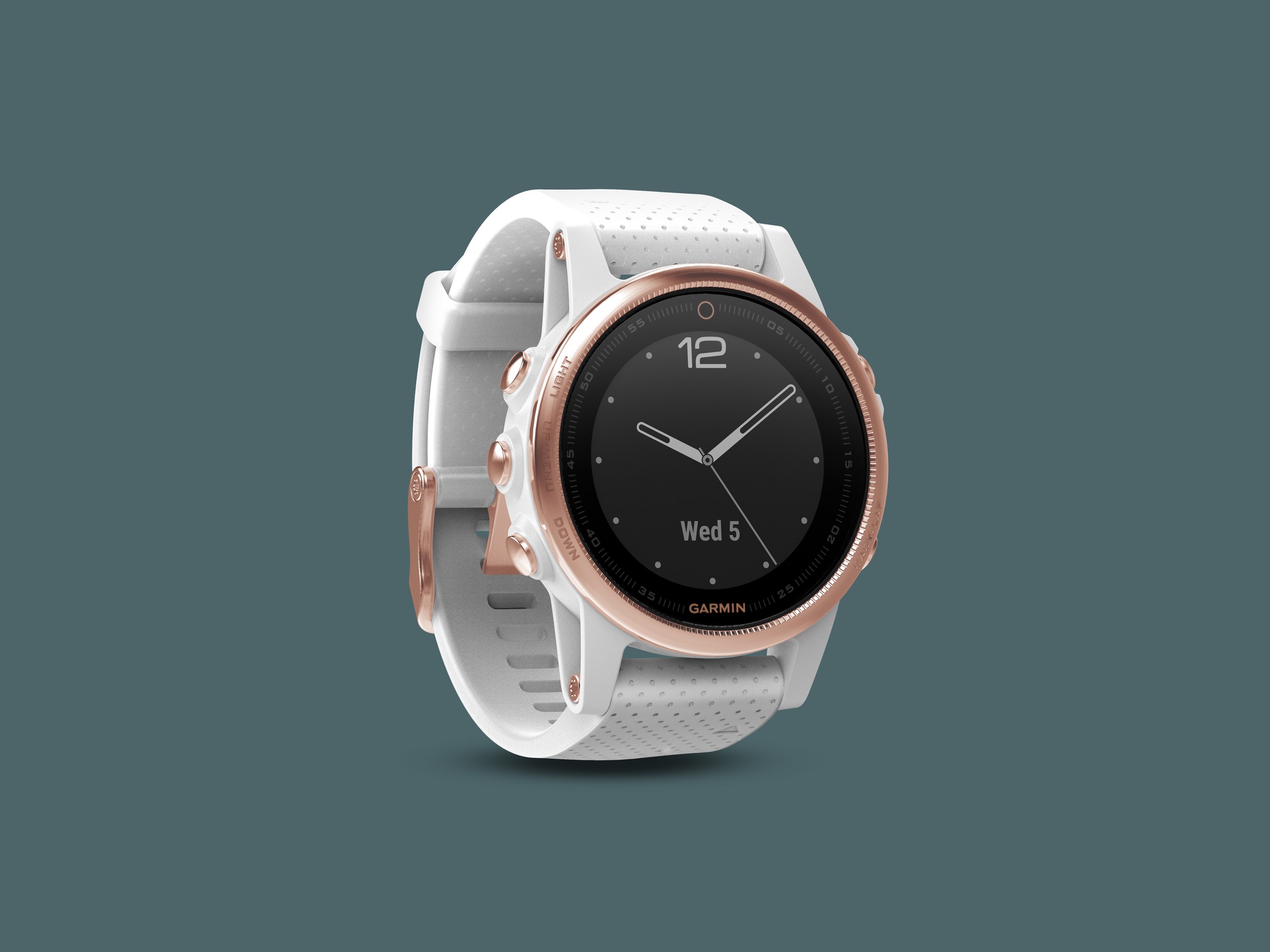
    While Garmin makes all kinds of wearable devices, ranging from super-basic activity trackers to luxury smartwatches, its central focus remains on so-called GPS running watches, designed to take on the likes of the Fitbit Versa rather than the global market-leading Apple Watch family.

    But not all athletes have the same passion, drive, and needs, which is why Garmin is today vastly expanding the Forerunner lineup with five new models ranging in price from $199.99 to $599.99. These are joining the entry-level $100 Forerunner 25, mid-range $350 Forerunner 735XT, and a $450 Forerunner 645 Music that lets you store your favorite tunes directly on your wrist, as well as supporting contactless payments.

    Obviously, the newly unveiled Garmin Forerunner 45 and Forerunner 45S come with no such advanced features, although their built-in heart rate monitor and standalone GPS functionality are arguably enough to justify a $200 price tag. In case you’re wondering, the main difference between these two models is the smaller 39 mm case of the 45S (compared to a 42-milimeter “standard” Forerunner 45 variant).

    Not exactly the world’s most stylish wearable products, the Forerunner 45 series also comes with “chemically strengthened” glass, a silicone strap, relatively small display, top-notch water resistance, lengthy battery life (up to 7 days in “smartwatch mode”), and all the elementary fitness tracking features a casual runner would ever need.

    At $350, the Garmin Forerunner 245 Music adds the ability to hold up to 500 songs into the equation, as well as more “advanced features to help runners improve.” Basically, you can get personalized recommendations on smarter ways to train and recover after intense workouts, not to mention a larger and sharper screen, stronger Gorilla Glass 3 lens protection, and improved battery life in “GPS mode.” There’s also a non-Music Forerunner 245 version available in exchange for $299.99.

    Last but certainly not least, the $600 Garmin Forerunner 945 is purportedly “made for the driven, the qualifiers, and the elite”, holding up to 1,000 songs (with both Spotify and Deezer support), while aiming to take your training to the next level with all the state-of-the-art activity tracking technologies and sensors available today, from VO2 Max to Pulse Ox and a bunch of complex performance monitoring tools.

    The Forerunner 945 can keep the lights on for up to two weeks on a single charge with the GPS switched off, while supporting wrist payments and boasting an extra-robust body with Gorilla Glass DX protection.