Author: Mei Ling Tan

  • Coupang to become an authorized Apple retailer

    Coupang to become an authorized Apple retailer

    Coupang, Korea’s top e-commerce platform, has been selected as an authorized retailer to sell Apple products, the company announced Friday. It said that the e-commerce giant was selected to become an authorized reseller of Apple products, and the service will begin sometime this month. The products that will be offered include iPad Pros, MacBooks and Apple Watches, as well as related accessories.

    Coupang said that its shoppers can get access to Apple products that carry a full Apple warranty and come with after-sales customer services from Apple.

    “Coupang will be an attractive purchase channel for customers who love or want to experience Apple products,” said Navid Veiseh, Coupang’s senior vice president of global e-commerce. “We will continue to expand the range of premium electronics brands like Apple, which, when combined with our Rocket delivery and RocketPay services, make Coupang the first place for customers to turn when shopping for premium electronics.”

    Coupang is known for its fast Rocket delivery service that sends items purchased the following day.

  • AirAsia abolishes KLIA 2 fee

    AirAsia abolishes KLIA 2 fee

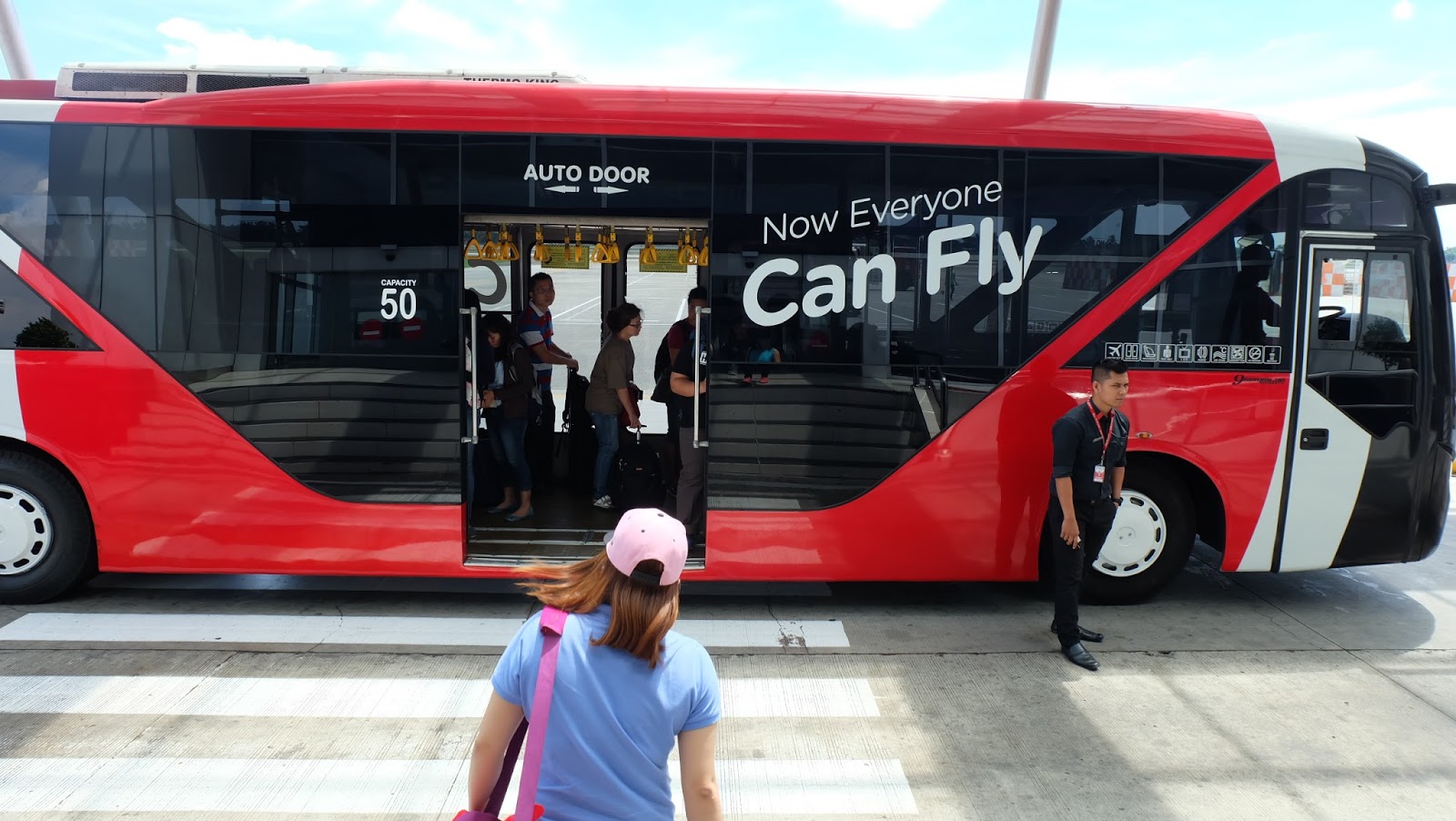
    AirAsia Group Bhd will cease charging the RM3 klia2 fee for all flights departing from Kuala Lumpur International Airport 2 (klia2) starting today. The klia2 fee was introduced in May 2014 to cover the additional cost created at klia2 due to the use of mandatory facilities imposed by Malaysia Airports Holdings Bhd (MAHB) such as aerobridges and SITA check-in and boarding systems, compared to the low-cost carrier terminal previously.

    “Following our announcement last week, we have removed the klia2 fee. We have said from the very beginning that klia2 is not fit for low-cost carrier operations, and we will be going directly to MAHB for all the extra costs they’re costing us,” AirAsia Malaysia CEO Riad Asmat said in a statement.

  • Canada Goose opens store in Beijing

    Canada Goose opens store in Beijing

    Winter clothing firm Canada Goose has finally opened its first Mainland Chinese store in Beijing. In a launch rumoured to be delayed due to political tensions between China and Canada – and dismissed by the firm as the result of construction delays – extensive queues saw shoppers waiting for over an hour for the opportunity to purchase the CNY9000 (US$1300) parka jackets.

    The brand has previously enjoyed significant popularity in Hong Kong.

    An email from the firm to news agency Reuters read “We are proud of our newest store in China and look forward to welcoming our fans”.

    Calls to boycott the brand were made on social media following Canada’s arrest of Huawei Technologies’ CFO Meng Wanzhou, a situation that has sparked a 37 per cent drop in the value of Canada Goose shares in Toronto.

  • Vietnam eyes green power, not to sacrifice environment for growth

    Vietnam eyes green power, not to sacrifice environment for growth

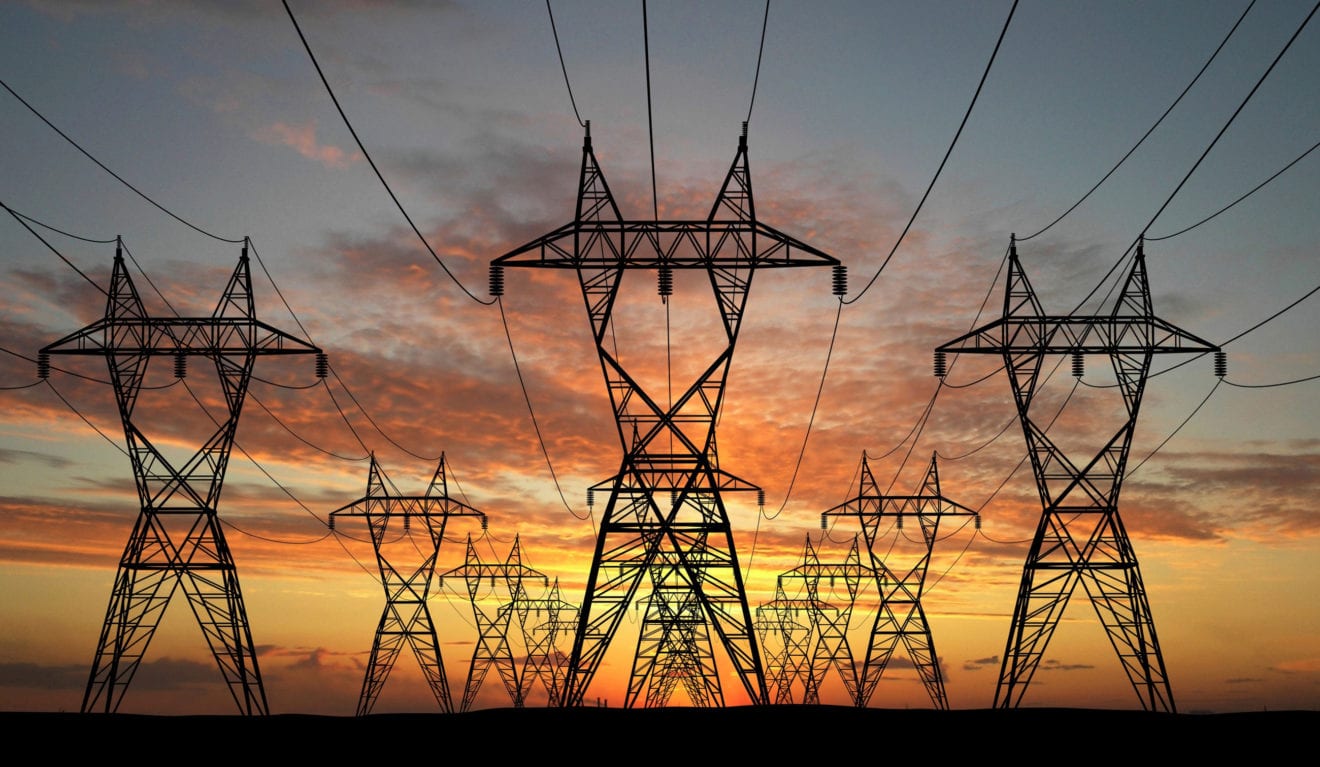
    The government Thursday reaffirmed Vietnam’s desire for a greener energy mix amid the risk of a power deficiency. Environment-friendly coal- and gas-fueled and renewable power plants would make up the mix. While Vietnam faces “obvious risks of an energy shortage in the coming years … it will not sacrifice the environment for economic growth,” Deputy Prime Minister Trinh Dinh Dung said in a meeting with the state-run Vietnam Electricity (EVN), the country’s largest power producer and monopoly distributor.

    Coal-fired power is vital to energy security, but “it must be clean,” he noted. Dung asked EVN to pioneer the use of modern technologies to reduce the environmental footprint of new coal-fired plants and handle the cinder and ash at existing plants.

    The country faces difficulty in increasing power generation since it has decided to put nuclear power on hold, many coal-fired plants are behind schedule and renewables could not be developed on a large scale due to “high costs” and transmission limitations.

    “Hydro power currently meets 40 percent of the country’s demand, but additional supply is almost impossible.

    “Our hydro power plant reservoirs, especially in the central region, are facing a serious water shortage, supply of coal for power development is erratic and gas supply is waning while power station projects for new supplies are being implemented slowly,” the deputy prime minister said.

    Dung said “EVN must also focus on investing in transmission systems to bolster the development of renewables.”

    The inadequate transmission system is now a bottleneck slowing down wind and power projects though a dramatically rising number of investors have shown interest in such projects following the recent increase in feed-in-tariffs (FITs).

    Dung also instructed the Ministry of Industry and Trade to hasten studies for the country’s investment in coal transshipment ports and regasification terminals to support development of gas-fuelled power, and quickly complete negotiations to buy power from overseas.

    He also asked EVN and other investors to speed up the delayed construction of major projects like Nhon Trach 3-4, O Mon 3-4, Tan Phuoc, Long Phuc 2-3, Quang Trach, and Quynh Lap.

    Vietnamese firms lack the resources for major projects while foreign loans are difficult to get due to government guarantee-related issues.

    The regional imbalance in power supply and demand is also a challenge. While the southern region accounts for more than half the demand (the north nearly 40 percent and the central region nearly 10 percent), power is being generated mainly in the north and central region (about 60 percent).

    To make it worse, the installation of transmission lines, both the main grid and branches, has been slow and failed to keep up with the pace of power generation, while negotiations to buy electricity from other countries have been going at a snail’s pace.

    The installed power capacity is around 48,000 MW. Under the revised Power Development Plan VII, a total of 60,000 MW is expected to be generated by 2020, with coal-fired plants accounting for 42.7 percent followed by hydropower (30.1 percent), gas-fired plants (14.9 percent), and renewables (9.9 percent).

    By 2030, the capacity will jump to 129,500 MW, with the ratios of coal and gas-fired power remaining almost unchanged, but renewables doubling to 21 percent.

  • Hong Kong November retail sales almost stagnant

    Hong Kong November retail sales almost stagnant

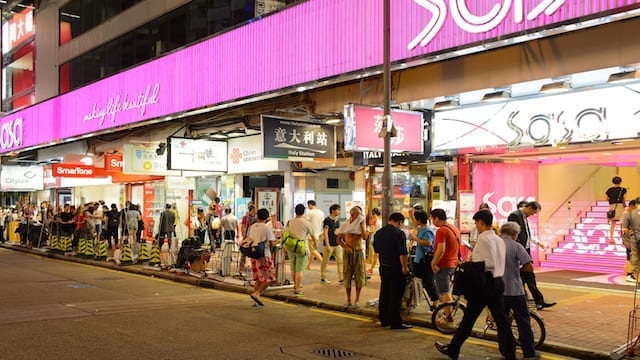
    The growth of Hong Kong retail sales in November slowed to a crawl according to Census and Statistics Department figures just released. After a 6 per cent year-on-year increase in October, the value of sales in November rose just 1.4 per cent to an estimated HK$39.2 billion. That is well below the 9.7 per cent year-to-date rise for the first 11 months of the year.

    And after netting out the effect of price changes over the same period, Hong Kong retail sales in November rose by just 1.2 per cent year on year.

    A spokesman for the C&SD said the “generally moderated growth in retail sales in recent months” reflected more cautious consumption sentiment in the face of various external uncertainties such as the US-Mainland trade tensions and volatilities in the global financial markets.

    “Looking forward, while the favourable local job and income conditions and continued expansion in inbound tourism should still provide some support to the retail sector in the near term, consumer sentiment could be affected by weaker asset prices and the external uncertainties.”

    The overall figure was affected by soft sales of the key jewellery and watches category, down by 3.9 per cent, and of electronics, down by 4.9 per cent. Clothing sales fell by 3.6 per cent.

    Countering those falls were department store turnover, up 3.9 per cent; medicines and cosmetics up 10.1 per cent; food, alcoholic drinks and tobacco up 1.9 per cent; and other consumer goods, not elsewhere classified by 14.3 per cent. Optical store sales rose by 5.4 per cent and books and stationery by 6. 2 per cent.

    Quarter on quarter, Hong Kong retail sales receded during the three months to November by 2.7 per cent, compared with the preceding three months, with the volume of sales (after factoring in inflation) falling 1.8 per cent.

    For the first 11 months of last year, the volume of retail sales increased by 8.4 per cent.

  • Pooey Puitton toy purse makers file lawsuit against Louis Vuitton

    Pooey Puitton toy purse makers file lawsuit against Louis Vuitton

    Toy company MGA Entertainment has preemptively sued Louis Vuitton in an attempt to prevent the fashion house from taking actions that might impact sales of its slime-filled children’s purse Pooey Puitton. Filed 28 December 2018 in Los Angeles federal court, the lawsuit aims to prevent any potential claims of trademark infringement that Louis Vuitton might have against the plastic, poop-shaped purse.

    Instead, it asserts that the product is a “protected parody” of Louis Vuitton’s luxury handbags.

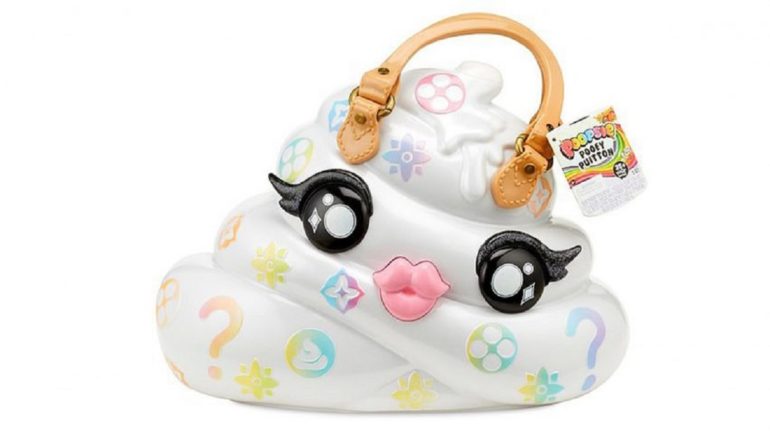
    The Pooey Puitton plastic purse takes the shape of a poop emoji with a handle and sparkly eyes. It is printed with a colourful, printed monogram, similar to the floral trademark pattern found on Louis Vuitton products, particularly the Spring/Summer 2003 collaboration with Japanese artist Takashi Murakami.

    Intended as a children’s toy, the purse is designed to store “unicorn poop”, a glittery toy slime.

    The children’s toy manufacturer launched the lawsuit in response to a claim that Pooey Puitton’s name and image violates the fashion label’s intellectual property rights.

    But MGA Entertainment asserted that “no reasonable consumer would mistake the Pooey product for a Louis Vuitton handbag”, citing the difference in material, price, marketing and stockists.

    According to the toy giant, the product is actually a parody of the luxury fashion brand, “designed to mock, criticise, and make fun of the wealth and celebrity” associated with Louis Vuitton products.

    “The use of the Pooey name and Pooey product in association with a product line of magical unicorn poop is intended to criticise or comment upon the rich and famous, the Louis Vuitton name, the ‘LV’ marks, and on their conspicuous consumption,” the statement reads.

    The interlocking “L” and “V” floral monogram pattern was designed by Louis Vuitton’s son, Georges Vuitton, in 1896.

    This is not the first time that MGA Entertainment has found itself in legal battles. The brand was famously sued by Barbie-manufacturer Mattel for allegedly stealing the idea behind its Bratz doll franchise.

    Elsewhere, Virgil Abloh – who was appointed artistic director of menswear for Louis Vuitton in March 2018 – unveiled his polychromatic menswear collection for the brand during Paris fashion week.

  • Vietnam’s Viettel seeks to double Myanmar customer base: CEO

    Vietnam’s Viettel seeks to double Myanmar customer base: CEO

    Vietnam’s largest telecommunication company, Viettel, is seeking to double its five million subscribers in Myanmar by the end of the year. Viettel, whose $1.22 billion unit Viettel Global Investment is trading on the Unlisted Public Company Market, has also shown interest in investing in North Korea and Cuba. “The growth seen in Myanmar is rare in the telecom market,” Viettel’s president and chief executive officer Le Dang Dung said on Friday. “We still have room to grow there.”

    Myanmar, where Viettel and its local partners launched a $1.5 billion 4G network in June last year has emerged as one of the most promising markets for the company, Dung said.

    The Mytel network, jointly developed by Myanmar National Holding Public Ltd and Star High Public Co Ltd, has amassed around five million subscribers, a figure which Dung said he expects to double by the end of this year.

    Viettel is also in talks to buy stakes in existing telecommunication firms in Malaysia and Indonesia, Dung said, without giving further details due to the sensitivity of the deals.

    The company will be the first to develop a 5G network in Vietnam, Dung said, in anticipation of rapid development of data services.

    He said Viettel had earmarked $40 million for the development of its own 5G chipset, but was also considering using technology from Ericsson and Nokia.

    The military-run firm, formally known as Viettel Group, has around 60 million subscribers in Vietnam and over 30 million users across 10 other countries – predominantly in Asia and Africa.

    The company is also in talks to buy a 20 percent stake in a European mobile carrier, Dung said, without elaborating.

    Dung said Viettel plans to stop expanding its investment in the African market, however, where the company has struggled to make a profit due to poor economic growth.

    Closer to home, Viettel is looking to invest in North Korea, said Dung, where Koryolink – a joint venture between the North Korean state and Egypt’s Orascom Investment Holdings – has amassed millions of subscribers since its 2008 launch.

    “We first sought permission from North Korea to build a mobile network there in 2010,” he said. “But we’re still waiting for sanctions to be lifted and for the country to open its market to foreign investors.”

  • Honolulu Cafe debuts in Philippines

    Honolulu Cafe debuts in Philippines

    Hong Kong’s Honolulu Cafe has opened its first branch in Manila. Renowned for its signature egg tarts with 192 flakey pastry layers (no, we are not sure who counted them!), the cafe also serves its own house-blend of coffee. The new store opened last week, January 5, at the SM Aura shopping centre. Honolulu Cafe dates back to 1940 when it opened as an ice cream parlour. Nearly 80 years on, the company now has stores in Singapore, Malaysia and Taiwan as well.

    Besides egg tarts and coffee, the cafes serve Hong Kong-style stocking-strained milk tea, pastries, buns, Cantonese-style roast meat, and fried noodles. The new outlet is on the ground floor of the Bonifacio Global City shopping centre.

  • Slime found to contain toxic levels of boron

    Slime found to contain toxic levels of boron

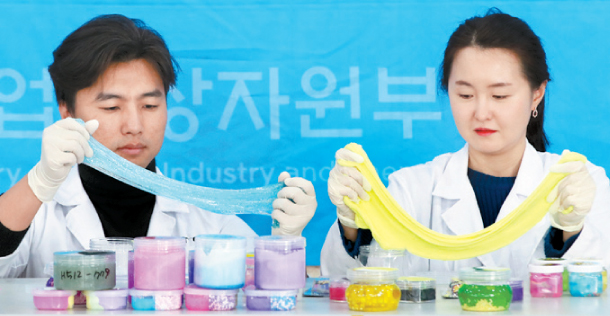
    Scientists have discovered potentially dangerous levels of boron in children’s slime. On Wednesday, Seoul National University scientists from the school’s Institute of Health & Environment wrote in a scientific journal that 25 out of 30 slime toys they analyzed were found to contain boron levels that exceeded the European Union limit of 300 milligrams per kilogram (2.2 pounds).

    The 25 products were found to contain around 1,000 milligrams per kilogram on average, while one product was found to exceed the limit by seven times.

    While boron, which gives slime its gooey consistency, is naturally found in food like nuts and used in medicine, high doses or exposure may lead to possible disruptions in metabolism, stunted development and infertility.

    There are currently no domestic regulations on boron limits in toys.

    The new findings are throwing parents into a panic, given slime’s massive popularity. Videos of Korean YouTubers playing with slime have garnered millions of views, while over 100 slime cafes have also popped up.

    “My kids are already obsessed with slime toys,” wrote one mother in a blog on Thursday. “We need regulations quickly, but nothing is being done.”

    “I banned slime from our home some time ago,” wrote another. “Though my kids like them, the slime toys are just balls of germs that my kids touch over and over again, absorbing the bad chemicals into their hands.”

    This is not the first time that slime has been under fire for containing hazardous substances. Last year, the Korean Agency for Technology and Standards found that 76 of 190 slime products it tested contained unsafe substances including methylisothiazolinone and chloromethylisothiazolinone, which can cause respiratory issues.

    The agency has since ordered a recall for the unsafe products.

  • Ringgit likely to trade in cautious mode this week

    Ringgit likely to trade in cautious mode this week

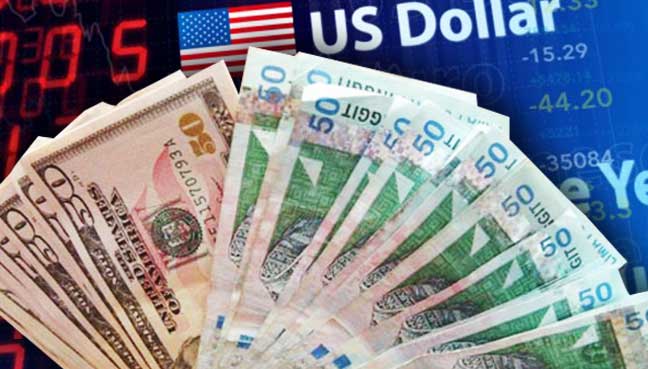
    The ringgit is expected to face a challenging upcoming week as the market uncertainty over trade tensions and a slowdown in the global economy encourage investors to remain risk-off. FXTM Research Global Head of Currency Strategy Jameel Ahmad said that the local unit may face the risk of falling below RM4.15 against the greenback next week.

    “The local currency has actually performed reasonably well this week during a period of heightened market uncertainty due to concerns over a global economic slowdown in 2019, and I actually would have expected the currency to fall lower due to investor reluctance to invest in emerging markets when there is significant market uncertainty,” he said.

    He said the ringgit and its emerging market peers across the globe face significant downside risks heading into the next trading week, as global financial markets continue to be gripped by market turmoil.

    “The first few days of the new trading year have not been kind to financial markets, with a number of global stocks selling off and a “flash crash” in the currency markets leading to losses in a number of currencies including the British pound, Australian dollar and Turkish lira while the Japanese yen surged across the board,” he added.

    Although the ringgit and its Asian peers got away from the flash crash in the market unscathed, he said the prolonged risk-off environment that is hurting risk appetite is encouraging expectations that emerging markets are at risk to another round of selling off.

    “I would keep a close eye on whether the ringgit falls below 4.15 next week, because this will raise market expectations that the currency of Malaysia will gradually return to the 4.20 levels over the coming weeks,” he said.

    For the week just ended, the ringgit closed mostly lower against the US dollar with market sentiment moved by global economic uncertainties and weak Purchasing Managers’ Index (PMI) data released early this week.

    On a Friday-to-Friday basis, the local note strengthened to 4.1340/1370 from 4.1500/1550 against the greenback.

    It went down against the Singapore dollar to 3.0357/0395 from 3.0336/0384 but improved against the British pound to 5.2378/2432 versus 5.2468/2548.

    Against the euro, the ringgit jumped to 4.7144/7199 from 4.7488/7550, but eased versus the Japanese yen to 3.8260/8298 from 3.7597/7653.

  • Vietnam eyes top 15 agriculture spot in 10 years

    Vietnam eyes top 15 agriculture spot in 10 years

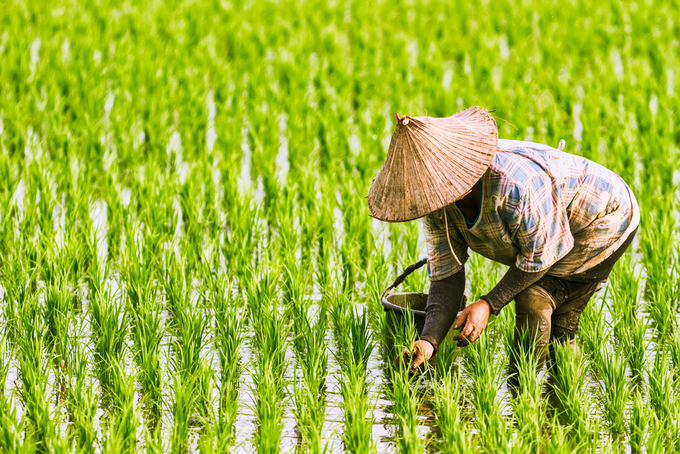
    “Vietnam must strive to become a top 15 country in agriculture development in 10 years,” says PM Nguyen Xuan Phuc. “In particular, the agriculture processing sector should be in the top 10,” Phuc said at a conference held by the Ministry of Agriculture and Rural Development (MARD) on Thursday. “Vietnam must strive to become a global centre for wood processing and shrimp production,” he added.

    The PM also set a 3 percent growth target for the whole sector (agriculture, forestry and fisheries), and a $42-43 billion export target for 2019.

    Phuc asked the agriculture ministry to deploy the best measures and promote innovation to achieve targets set.

    “This is a difficult and challenging task but it must be done, a political duty, if we do not do it, our people’s lives will still remain difficult,” he emphasized.

    In order to achieve the goals, the ministry should develop good legal institutions and remove obsolete ones, the PM said.

    The ministry needs to step up efforts to restructure agricultural and rural development systems, including the creation of key national and provincial products, he added.

    It should also perform well its marketing functions, namely, forecasting, assessing supply and demand, developing new markets, and brand building for Vietnamese agricultural products like rice, shrimp and wheat, in which Vietnam is “a little slow compared to Thailand and Cambodia,” Phuc noted.

    He called for enhanced application of science and technology, hi-tech, biotech, artificial intelligence and other technological breakthroughs of Industry 4.0.

    Minister of Agriculture and Rural Development Nguyen Xuan Cuong said that the sector will maintain its good form while undertaking comprehensive and synchronous reforms.

    He said the sector still has several limitations that need to be addressed, including uneven development of different segments, limited innovation of existing processes, and inadequate managerial manpower for market regulation.

    The sector would aim to build a smart industry in 2019, foster international integration, adapt to climate change, increase value additions for products and services and ensure sustainable development through building better rural areas, he noted.

    Vietnam’s agricultural growth had reached 3.65 percent year-on-year in 2018, the highest since 2012, according to the General Statistics Office.

    Last year, the country earned $22 billion from agricultural and forestry product export, and $8.8 billion from fishery shipment, respectively increasing 10 percent and 6.3 percent over the previous year, said the office.

  • Lancome pop-up store opens in Pavilion KL

    Lancome pop-up store opens in Pavilion KL

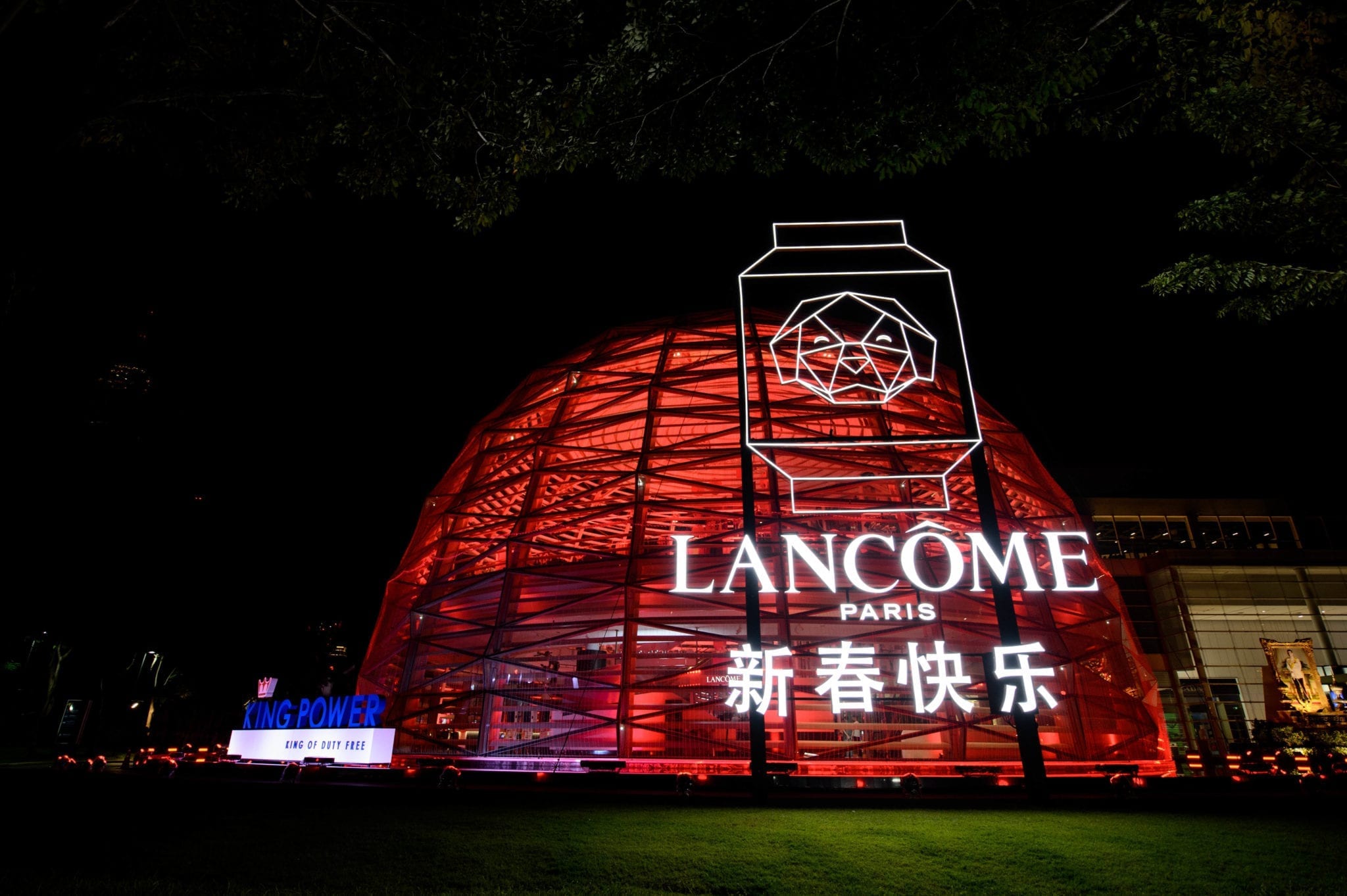
    Lancome is set to launch its first exclusive pop-up store at Pavilion Kuala Lumpur. The Lancome pop-up store will open from January 7 until February 15 in celebration of the Chinese New Year and be promoted via a “Wish Big” campaign offering limited edition beauty products alongside other prizes, including a grand prize trip to Paris.

    Store visitors will be able to sample Lancome’s Advanced Genifique product as well as send personalised CNY e-greetings and enjoy various interactive activities. Shoppers will be able to buy from several limited edition Lancome bestsellers.


  • Culture complexes blooms in Asia

    Culture complexes blooms in Asia

    In recent years, the term “culture complex” has often been seen on social media. Postings showing people spending time at these spaces are shared often, attached with hashtags that read “culture life,” “leisure time” and “relaxation.” Culture complexes have risen as popular city destinations for young Seoulites. Buildings housing exhibition halls, cafes, restaurants and design shops bill themselves as culture complexes.

    According to last year’s “Where to Live,” a book by Yoo Hyun-joon, an architect and professor, the younger generation has been exhibiting their identities on social media by sharing the kind of clothes that they wear and the kind of food that they eat. Now, it is about the space — the kind of spaces where you spend your time.

    To satisfy such desires, culture complexes compete to house the trendiest tenants. What also matters is how well such culture complexes go with the neighborhoods they inhabit.

    The Wooran Foundation building in Seongsu-dong, eastern Seoul, is a case in point. The neighborhood is often referred to as the Brooklyn of Seoul, as young artists and hipsters have flocked to the old abandoned factories in the area.

    The new 12-story building stands out in the generally low-rise neighborhood. But the architectural design shares the Brooklyn mood with layers of gray concrete and an industrial mood.

    Cafe Dorrell, a Jeju Island import, on the first floor is one of the trendiest coffee franchises of 2018. The interior is decorated with skateboards, matching the young and hip atmosphere of the area.

    The culture complex has five halls for exhibitions and performances, ready to host all genres of artistic activities.

    Founded in 2014, the Wooran Foundation, is a cultural foundation that aims to create sustainable arts and culture ecosystem. President Chey Ki-Won is the younger sister of SK Group Chairman Chey Tae-Won.

    Some culture complexes serve as showrooms for companies. For example, Simmons Terrace showcases Simmons mattresses while the Monami Concept Store displays the brand’s stationery products.

    Flask Namsan in central Seoul is operated by Market m, a lifestyle design select shop. Located near Myeongdong, the first floor space features design products from interior decorations to furniture. Upstairs, visitors can relax with a cup of Moonshine Coffee from Australia.

    The cafe lounge on the third floor is a culture space for lectures, seminars and mentoring sessions. The yet-to-open upper part of the building, from the fourth to sixth floor rooftop, will house more showrooms and restaurants.

    “In Korea, we usually meet people at cafes and restaurants. While meeting friends, we can visit these shops and share our lifestyles. I get to know more about what others like and what I like, too,” Kim Ji-hye, an office worker her mid-20s in Seoul, said.

    “On the other hand, I sometimes wonder why these places call themselves culture complexes, when they are just spaces for businesses,” Kim said. “I feel like they should have something more than just sales.”

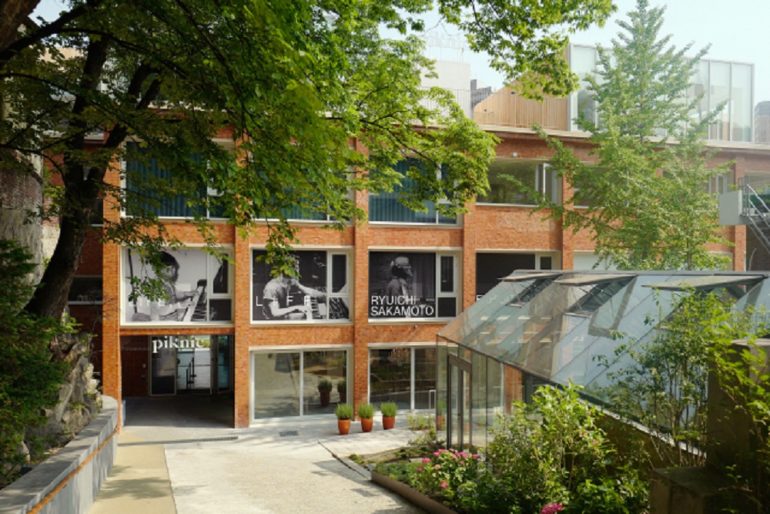
    Originally a pharmaceutical company building from the 1970s, Piknic, a culture complex in Hoehyeon-dong, central Seoul, houses Kafe Piknic, a cafe by day and tapas bar by night. Michelin-starred french restaurant Zero Complex is on the third floor.
    However, what has made Piknic a popularly recognized name is the exhibition space. Designer brand SJYP held a runway show here during the last Seoul Fashion Week. The space also hosted “Ryuichi Sakamoto: Life Life,” a media art exhibition of the life of the Japanese composer and musician.

    The culture space is currently holding “Jasper Morrison: Thingness,” an exhibition of work by the famed British industrial designer. After enjoying the exhibition, visitors can dine at the Kafe Piknic, sitting on a chair designed by Morrison.

  • Vietnam Van Don’s big obsession

    Vietnam Van Don’s big obsession

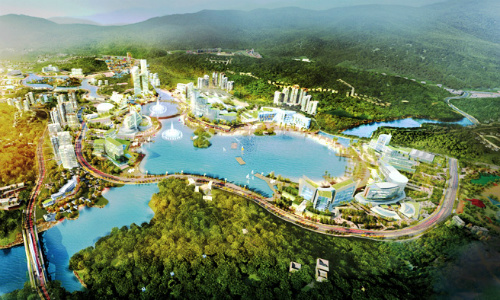
    Vietnam aims to have northern Van Don economic zone be a financial center for the Asia Pacific region by 2030. A plan just approved by the Prime Minister aims at the zone, located near Ha Long Bay in the northern Quang Ninh Province, having a total production value of $5.6 billion by 2030. The zone will contribute over 10 percent of Vietnam’s total export value by 2030, when it will create about 89,000 jobs, the plan says.

    It will develop tourism in the area by exploiting the potential of its natural heritage and traditional culture, welcoming 2.5 million tourists by 2030.

    The plan also says the zone will be one of the most livable places in the Asia Pacific region.

    Van Don will become a gateway to transfer goods into Southeast Asia, developing its aviation and logistics industries.

    The economic zone will have a free trade area, resorts, a hi-tech industrial park, a biotech zone, a manufacturing zone, an airport and a financial center.

    By 2050, Van Don will become one of Vietnam’s driving forces of economic development, a dynamic economic center providing premium products and services, according to the plan.

    On December 30, the Van Don International Airport was opened, marking the first private airport in Vietnam, costing VND7.7 trillion ($330 million).

    Late last year, the Ha Long – Van Don expressway and the Hon Gai International Habour were also opened.

    Quang Ninh has recently proposed the government to approve an premium entertainment plan in Van Don, including a casino.

    The province welcomed 10.7 million travelers in the first 10 months of 2018, up 25 percent from a year ago. Tourism revenues for the period rose 28 percent year-on-year to VND19 trillion ($818 million), according to official figures.

  • JD stores open in Beijing and Mongolia

    JD stores open in Beijing and Mongolia

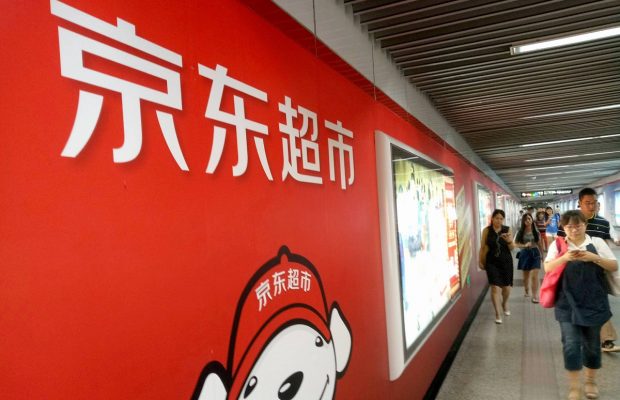
    Chinese online retail giant JD has opened two new innovative stores at Beijing Capital International Airport (BCIA) and Hohhot East Railway Station in Inner Mongolia. In a move to further expand the firm’s “boundaryless retail” strategy, the JD travel retail stores use the e-commerce company’s latest retail technology in order to make it easier and more enjoyable for travellers to purchase on the go. The openings add airports and railway stations to JD’s offline retail offerings, which already include convenience stores, supermarkets, and partnerships with hotels.

    Located in the departure lounge of Terminal 3 at BCIA for the next three months, JD’s pop-up store will offer popular travel items such as daily necessities, clothing, mobile accessories, beauty products, and bags and suitcases. The store uses JD’s smart store technology to understand how customers interact with products as well as which products to offer them. The integrated JD Zu Chongzhi platform can analyse customer behaviour and traffic flow, such as generating heat maps, in order to assist with product selection and inventory management, ensuring smooth store operations.

    “[Stocked] with items popular among travellers, the new shop will not only offer the products they want to buy most on their journeys – it will also allow them to personally experience what shopping of the future will be like, brought to them by China’s largest and most innovative retailer,” a spokesperson for BCIA said.

    The 100sqm unmanned Hohhot East Railway Station JD travel retail store opened in partnership with China Railway Express. It also makes the most of JD’s technological capabilities, with features such as facial-recognition payment and smart vending machines. Later, the store will make use of a Mini Program in WeChat so that customers can choose to buy on the spot and take their purchases with them, or shop online and have them delivered to a convenient location.

    JD Logistics and China Railway Express have been cooperating in logistics transportation since 2014, and have worked together to help facilitate the JD Luxury Express “white glove” delivery service as well as fresh food delivery via high-speed rail.

    “Many of our customers enjoy shopping while traveling and we’re determined to make sure they benefit from the convenience of JD wherever they are,” JD’s GM of social e-commerce and retail innovation, Bing Zhang, said.

    The new JD travel retail stores in Beijing and Inner Mongolia will provide them with a truly seamless experience that is unrivalled anywhere”.