Author: Mei Ling Tan

  • Four Korean firms join forces to fight Netflix

    Four Korean firms join forces to fight Netflix

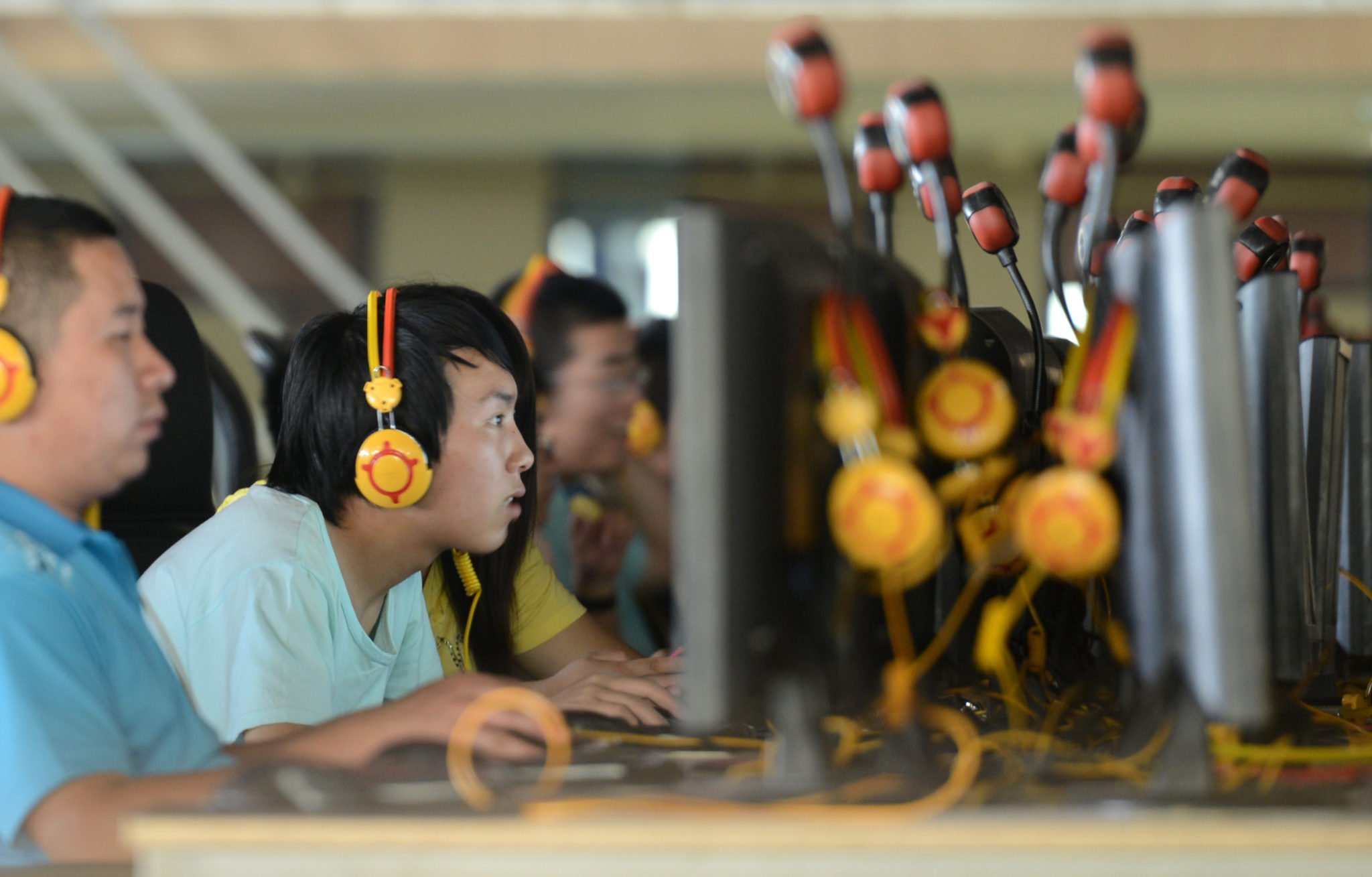
    SK Telecom is teaming up with three major broadcasters to launch a new video content service in a bid to challenge the popularity of foreign services like Netflix. On Thursday, SK Telecom and broadcasters KBS, MBC and SBS signed an MOU to combine their current over-the-top (OTT) media service businesses and launch a new and improved service by the first half of this year. OTT refers to content that is delivered directly to users over the internet without going through intermediaries like television.

    The four companies will also establish a joint venture that combines the OTT operations of each party. SK Telecom CEO and President Park Jung-ho said he is seeking around 200 billion won ($177.9 million) in investment for the new firm.

    SK Telecom’s subsidiary SK Broadband currently operates Oksusu, a television and movie platform released in 2016. The three broadcasters have Pooq, a joint venture that MBC and SBS both have a 40 percent stake in, while KBS holds 20 percent.

    Videos from over 70 channels are available on Pooq, including drama series from the 1990s and early 2000s.

    All four companies are expected to benefit from the partnership. Pooq has already established ties with Southeast Asian companies, having partners in Hong Kong’s Viu, Malaysia’s iflix and China’s iQiyi.

    During the MOU signing, SK Telecom CEO Park said he hoped to see the new strengthened service launch in Southeast Asia by June.

    In return, the three TV channels will have access to SK Telecom’s financial resources, which can be invested in original content production.

    The partnership is seen as an effort by the domestic companies to combine forces to fend off growing foreign competition, especially that posed by Netflix.

    Oksusu has 9.46 million registered users while Pooq has 3.7 million. Netflix is estimated to have around 900,000 domestic registered accounts, still trailing far behind the local companies.

    These figures only tell half the story, however.

    While Oksusu is the No. 1 OTT service in Korea in the number of accounts, its number of monthly active users is only estimated to be two-thirds of registered users. OTT services from competing mobile carriers like KT’s Olleh TV and LG U+’s Video Portal are also catching up quickly in total users.

    Also, very few original videos produced by Korean OTT service providers have enjoyed success.

    Netflix, on the other hand, saw tremendous growth in the three years it has been operating in Korea.

    As of last September, users spent a total of 283 million minutes a month on Netflix’s mobile app on Android according to WiseApp, which analyzes mobile app usage. Just two years ago, users had spent 14 million minutes a month on Netflix, or 20 times less.

    During the same period, the time that Oksusu and Pooq users spent on the apps increased less than twofold.

    Users spent a total of around 600 million minutes a month on both apps as of last September.

    Experts believe that the content budget is largely to explain for the differences in growth.

    Netflix is estimated to have spent around $8 billion on content production and licensing last year. Oksusu spent only around 10 billion won in content investment, however, a fraction of Netflix levels.

    “Through this partnership, Korean OTT service providers can strengthen the competitiveness of their content, which has been their weakest point,” said Jung Ji-soo, an analyst at Meritz Securities. “[The companies’] goal of becoming Korea’s Netflix will also help in energizing the domestic media ecosystem.”
  • Export growth breezes in for Daikin Malaysia

    Export growth breezes in for Daikin Malaysia

    Air conditioning company Daikin Malaysia Sdn Bhd, which has allocated a capital expenditure (capex) of RM434 million for the next financial year ending March 31, 2020 (FY20), will ramp up its efforts on driving export growth, in line with its aim for export to contribute 70% of its total sales by FY20, from 65% now. COO Ooi Cheng Suan said products from its flagship factory here, mainly air conditioners for residential (household) use, as well as light commercial and commercial, are exported to 70 countries in the world.

    “We are driving export because the Malaysian market is not big and it is limited. To expand, we must go beyond, go out (of Malaysia). Being made in Malaysia, it (our products) is well accepted. In these two years, our ringgit has weakened and this has given us certain advantage when exporting. We become more competitive,” he said.

    He said traditionally, the company had been exporting to Europe, with the more prominent countries being Italy, Greece, France, UK, as well as the Middle East. This year, in addition to Central Europe, it has expanded its export to the US and Latin America.

    “We want to achieve at least 70% export for this factory here (remaining 30% for local market). As per our plan and budget, we’re on track to move towards 70%,” said Ooi.

    He explained that the US-China trade war has given the company an opportunity of exporting into the US due to the imposition of tariffs on products from China, which impacted Daikin China’s export into US.

    “Malaysia’s platform is similar to China’s platform, so we can transfer that demand from US (supplied originally by China) to Malaysia. We’re in a good position (to secure that opportunity) because we’re competitive and we’re able to respond fast to changes so there’s a high chance that the demand of US (for Daikin) will shift to Malaysia (from China),” explained Ooi.

    In Malaysia, Daikin, the world’s industry leader in air conditioning, prides itself as the number one air conditioner maker in terms of sales turnover and the number of air conditioners sold in the market. Annually, its Sungai Buloh factory produces 1.4 million sets (comprises indoor evaporator and outdoor condenser). Currently the residential segment makes up over 60% of its sales, while the remaining 40% comes from the light commercial, commercial and industrial segments.

    Ooi, who is also deputy regional general manager for Asia emerging districts, claims that the Japanese brand Daikin is also the top air conditioner maker in almost all of the markets in Southeast Asia (SEA), based on its survey.

    “Some players claim they’re number one at serving only a niche market. Daikin has the full range of air conditioners, from as small as 0.5 horsepower to a few thousand horsepower. We cover the full spectrum of the market,” said Ooi.

    The company is expecting to close FY19 with a double-digit growth based on its current sales momentum.

    “For the Malaysian market, the situation (sales) is slow, but the upcoming Chinese New Year will spur some buying from consumers. From past experience, when it comes to February and March, the weather turns hot and this will spur impulse buying.

    “Air conditioner has become a necessity. The price of air conditioner in Malaysia is not too far reaching that it becomes a luxury item. It has been relatively low, affordable for the public,” said Ooi, adding that globally, demand for air conditioner from developing countries like India and Africa is growing fast.

    He stressed on two important pillars for growing the local market, including the introduction of R32 refrigerant products (low global warming potential), as well as educating the market to move to energy-efficient products, such as the Inverter series.

    Daikin Malaysia will invest RM100 million annually as capex for facility and machine upgrading.

    Its two new factories in Shah Alam and Banting will focus on manufacturing applied products, comprising chillers and air handling units, for large, high rise buildings, shopping centres and industrial use. The Shah Alam factory, which was set up at RM140 million, will start its full-fledged production by 2019 and is expected to have a turnover of RM100 million per year in the beginning.

    “This is the only applied factory in SEA Oceania and this will be the factory that will support the whole SEA Oceania. With our plan to expand our applied business in SEA Oceania, we’ve set up our applied regional hub in Malaysia and Singapore to expand the sales in SEA.”

    Meanwhile, it will also invest RM125 million to set up a factory in Shah Alam to make electronic devices (air conditioner controllers), which will come into production by 2020. Ooi said this factory will supply to Daikin’s affiliates, of which there are 73 factories in the world.

    “Currently we’re already exporting to Daikin factories in Turkey, Vietnam, Czech Republic and the US. We can’t cater to the whole demand of Daikin. These factories that we’re catering for are less than 20% of the demand of Daikin group. A good percentage is still supplied by others,” said Ooi.

    It is also allocating RM135 million to set up a centralised logistics centre, which is expected to start operations by early 2020-2021.

    In addition, some RM74 million has been budgeted for research & development in FY20.

  • Blackberrys Charts Upon The Next Growth Chapter

    Blackberrys Charts Upon The Next Growth Chapter

    Following an exceptionally successful year, amidst 8 months of re-branding, Blackberrys plans to significantly increase its long-term guidance in 2019. In April 2018 the company revealed its new face to the world after 27 years of its inception. In 2019, Blackberrys intends to strongly accelerate its retail presence and sales growth as part of its long-term strategic business plan.

    Blackberrys is currently present across 350 cities in India and operates more than 260 EBOs and 700+ MBOs. In 2018, Blackberrys added 50 new doors to its retail footprint and is confident of adding upto 50 more in the current financial year.

    In the New Year the company will continue bolstering marketing programs both in store and through online and offline media. The company has earmarked a marketing budget of Rs 55 crore for the current financial year.

    In 2018, Blackberrys launched several consumer centric brand campaigns including India Khaki week, The Distinguished Gentleman Rides, Style partnership with Bollywood blockbuster Race 3 and Lord of Giza to name a few, which were very well accepted by the customers and trade alike.

    Blackberrys is consistently investing in building a par excellence consumer experience using Machine Learning based analytics, and extensively leveraging the digital presence for redefining the Indian man’s Fashion journey.

    Nikhil Mohan, Founder Director at Blackberrys sharing his thoughts on the same added, “Our 2018 results and our positive outlook for 2019 are proof that our strategy is paying off. Company’s growth, grounded in deep acceptance of our brand, led by the product quality, innovation and service, is remarkably healthy. The new development model implemented across, has paved the way for increased value creation along with profitable, sustained and consistent organic growth. We are expecting an accelerated growth in coming years with a strong focus on developing newer wardrobe propositions and our retail presence across the country.

    Nitin Mohan, Co-founder Director at Blackberrys said, “We are committed to developing a ownership and entrepreneurial brand culture at employee level as it’s pivotal for the company in achieving its long-term objectives. As part of the accelerated growth plan, Blackberrys is focusing its HR initiatives on talent development and performance management.  The company plans to launch its new office very soon in Gurgaon, reflecting the collaborative work culture and with a young & fresh look and feel.”

  • Vietnam wants urban residents to pay bills without cash

    Vietnam wants urban residents to pay bills without cash

    The Vietnamese government wants cashless transactions made viable for all household bill payments by the end of this year. A recent government resolution on changing the business environment to improve competitiveness and labor productivity contains a push to accelerate use of cashless transactions. Provincial and municipal leaders have accordingly been tasked with instructing all schools and hospitals, as well as electricity, water, sanitation, telecommunications and postal companies in urban areas to coordinate with banks and intermediary payment service providers in collecting bills and fees via cashless transactions.

    The government has recommended that establishments prioritize mobile payments and payment via card readers, and requested that the task be completed before December this year.

    Vietnam Electricity, the national utility, has been asked to ensure power companies work with banks and intermediary payment service providers to collect electricity bills via cashless methods and promote the use of electronic and mobile payments. The target for the year is to double the number of customers using e-payments to pay their electricity bills.

    The State Bank of Vietnam has been asked to come up with solutions that would promote the use of electronic wallets, wherein users can deposit cash into their e-wallets without the need for a bank account. The central bank has also been asked to find ways to remove imitations on e-transactions before the third quarter of this year.

    The State Bank must also require commercial banks and intermediary payment service providers to implement the QR code standard, and work with the Ministry of Finance to come up with a list of types of transactions that have to be done through banks, as well as make amendments to existing regulations to promote cashless payments for real estate transactions.

    According to the World Bank’s statistics released last July, Vietnam was the country with the lowest percentage of cashless transactions in the region with only 4.9 percent, while this value for China and Thailand were 26.1 percent and 59.7 percent respectively.

    While Vietnam rolled out an e-payment system for taxes in 2014 with 95 percent of companies registered, currently only 70 percent of tax money is collected via this method and many businesses still prefer paying their tax directly with cash.

    Similarly, while Vietnam has had policies to encourage consumers to pay electricity bills through banks and intermediary payment service providers, currently only 4.5 million people, or 20 percent of electricity consumers, pay their bills through these channels.

    The government’s resolution does not include rural and remote areas as the majority of Vietnamese living in such areas still lack access to modern payment methods.

  • Malaysian mall introduces metal straws for shoppers

    Malaysian mall introduces metal straws for shoppers

    Malaysia’s Sunway Malls is introducing metal straws in a move to help eliminate single-use plastic straws from its property. The decision, made in alignment with the United Nations’ Sustainable Development Goals and the government’s decision to ban plastic straws in the Federal Territories in Malaysia, has introduced metal straws. Many of Sunway’s tenants are moving forward with alternative straw materials too – biodegradable paper straws are available at some outlets, while others have decided to remove plastic straws altogether and some are also rewarding customers who bring their own straws.

    Sunway shoppers who spend RM100 (US$24) in two receipts will be eligible to collect their personal metal straws from the concierge counters of each participating mall.

    “At Sunway Malls, we are excited to introduce metal straws, which will be available to shoppers with a very minimal spend,” said Sunway Malls COO Kevin Tan. “We were one of the first malls to introduce the Bring Your Own Bag (BYOB) campaign in 2017. With metal straws, we hope to instill a greater sense of responsibility and sustainability towards the environment through a conscious effort of reducing daily plastic consumption in our shoppers lives,” he said.

    “As a landmark mall in our community, this is part of our continuous effort for the betterment of the future and hope that our shoppers will also see the value in this campaign. A little change goes a long way.”

  • E-Land’s owners step down from management

    E-Land’s owners step down from management

    Owner family members of fashion conglomerate E-Land Group stepped down from management on Thursday, handing over the helm to younger executives internally promoted to leadership roles. The move comes in an effort to rejuvenate its governance structure to strengthen the role of the board of directors of each affiliate and enhance their autonomy when it comes to making business decisions.

    Founder Park Sung-su, 65, will step down from the day-to-day management of the group while remaining chairman. He will focus on nurturing next-generation leaders and developing new businesses instead of being directly involved in the management of subsidiaries.

    “In the past, our chairman made a lot of important decisions across the group, but since late 2016, we’ve been making preparations to give more autonomy to affiliates and develop their capacity to make business decisions on their own,” said an E-Land spokesman.

    Park’s younger sister Park Sung-kyung, 62, also stepped down from her position as vice chairwoman of the group. Having worked at E-Land for more than 12 years, Park has led the group when it comes to external affairs in the last few years. She also managed E-Land’s global operations, including in China.

    Stepping aside from management, Park Sung-kyung will chair the board of directors of the E-Land Welfare Foundation, which pursues charity activities inside the group.

    To fill the void, two vice chairmen were appointed. Former E-Land Retail CEO Choi Jong-rang has been promoted to vice chairman of the retail subsidiary, which operates NewCore department stores as well as popular shoe brand Shoopen. Kim Il-kyu has also been newly appointed as vice chairman of E-Land World, which manages the group’s key clothing brands.

    E-Land also promoted a handful of top executives in their 30s and 40s to head up their respective business divisions.

    Choi Wan-sik was promoted to CEO of E-Land World’s fashion division. Choi previously gained recognition for his performance as the director of Spao.

    At E-Land Park, which manages the group’s resorts and restaurant chains, 35-year-old Kim Wan-sik took over the reins as the subsidiary’s head of restaurants, which includes buffet franchises Ashley and Pizza Mall.

  • Philippines stock jumps ahead of inflation data, Singapore slides

    Philippines stock jumps ahead of inflation data, Singapore slides

    Most Southeast Asian shares climbed on Thursday, with Philippine markets leading gains ahead of the release of inflation figures, while Singaporean stocks bucked the trend to fall sharply. Philippine stocks gained 1.04 percent, as industrial shares SM Investments Corp and JG Summit Holdings Inc propelled the index. A report shows that the country’s inflation is expected to cool to a six-month low in December, making it likely the Philippine central bank will leave policy rates unchanged this year.

    “The investors were mainly concerned about inflation during 2018,” said Rachelle Cruz an analyst at AP Securities in Manila.

    “So now we’re seeing some buying in the index stocks as there’s better expectation on earnings growth now, since that concern seems to be fading,” Cruz said.

    Local investors appeared to be buying more because some Philippine companies have reached “very attractive valuations,” she added.

    A surge in consumer goods stocks powered a 0.4 percent advance in Indonesian shares.

    Shares in Malaysia and Thailand also rose, by 0.56 percent and 0.71 percent respectively.

    In Kuala Lumpur tourist resort chain Genting Malaysia Berhad added 2.7 percent and palm oil producer Sime Darby Plantation Berhad rose 3.3 percent, while in Bangkok energy stocks provided the biggest boost to the benchmark.

    Meanwhile, Singaporean shares edged 0.81 percent lower, with Thai Beverage PCL dropping 3.3 percent and industrial conglomerate Jardine Strategic Holdings Ltd losing 1.4 percent.

    Vietnamese stocks also shed just above 0.8 percent, with most major sectors in the red. Real-estate stocks like Vinhomes JSC and Vingroup JSC, which powered a rally on Wednesday, fell around 2 percent apiece.

  • Seoul launches zero-fee digital payment system

    Seoul launches zero-fee digital payment system

    The city of Seoul has moved to ease the transaction-fee burden on small and medium-sized businesses (SMBs) by launching the “Zero Pay” zero-fee digital payment system. The system has been set up in partnership with banks and fintech firms in response to shop owners paying excessive proportions of their monthly sales into credit-card transaction fees.

    Twenty banks and digital payment firms – with the notable exclusion of KakaoPay, South Korea’s most popular mobile payment service – are participating in the zero-fee digital payment system, which is digital-wallet activated via QR codes through which money is transferred directly between bank accounts.

    Businesses with annual sales less than KRW800 million (US$708,820) will not be charged transaction fees, while those with higher takings will be charged fees well below the credit card industry standard of 2.2 per cent.

    “If consumers and citizens use Zero Pay whenever possible, it will be a great help for self-employed businessmen,” said Seoul city mayor Park Won-soon.

    Around 16,750 stores have signed on to the Zero Pay program so far.

  • Malaysian economy likely to bottom out in Q2, says AmBank Research

    Malaysian economy likely to bottom out in Q2, says AmBank Research

    AmBank Research, which anticipates further pressure on Malaysia’s economic growth in the first quarter of the year (Q1 2019), believes that gross domestic product (GDP) growth should register slight improvement in the second quarter and pick up thereafter. This is partly attributable to the low base effects as well as support coming from domestic activities and foreign direct investments, and complemented by exports as the electronics cycle slows down, added with softer commodity prices, it said in a note today.

    The research house said it foresees growth prospects remaining weak, anti-cipating Q4 2018 GDP growth to ease to around 4% to bring the full-year growth to 4.6%.

    “With our base case GDP outlook for 2019 at 4.5% with the upside at 4.8%, we foresee further weakening pressure on growth in Q1 2019,” it added.

    Malaysia’s third quarter GDP growth moderated to 4.4%, bringing about a nine-month expansion of 4.7%. Bank Negara Malaysia is due to announce Q4 GDP figures on Feb 14.

    AmBank Research highlighted that the strong foreign approved investments amounting to RM48.8 billion as of Q3 2018, which is an all-time high, is expected to support growth in 2019.

    The growth drivers are seen coming from petroleum refineries with RM17.2 billion investment being approved, followed by electrical and electronics (RM10.2 billion), basic metal products (RM5.7 billion), chemical and chemical products (RM4.6 billion) and rubber products (RM3.5 billion).

    Additionally, it said, agriculture, mining, and plantation and commodities saw a notable increase in approved investments with 54 projects as of Q3 2018, compared with 48 projects in 2017.

    Furthermore, investments in the services sector will continue to boost growth largely coming from local players with RM60.4 billion approved investments compared with RM96 billion in 2017, while foreign investments remained muted at RM9.5 billion as of Q3 2018 from RM28.5 billion in 2017.

    Commenting on the slump in the Nikkei Malaysia Manufacturing Pur-chasing Managers’ Index (PMI), AmResearch said it indicates downside risks with overall demand to be weak, thus causing companies to become less willing to hold stocks.

    The headline PMI fell to a six-month low of 46.8 in December 2018 from 48.2 in the previous month. The demarcation between expansion and contraction is 50.

    The data points to the sharpest deterioration in the health of the goods-producing sector since May. It also extended the current period of decline to two months. The drag largely came from severe reductions in production and new businesses.

  • Indian shop fit industry poised for sustainable growth in 2019

    Indian shop fit industry poised for sustainable growth in 2019

    The Indian retail sector is growing faster than ever before and is one of the fastest growing in the world. According to a Deloitte Report, the Indian retail industry is expected to grow to US $1.1 trillion by 2020, registering a CAGR of 8.79 percent between 2000 and 2020. This growth can be attributed to the growing young population of the country, rise in disposable income, change in lifestyle and most importantly, digitization and connectivity.

    Though brands are investing heavily in online retail, traditional retail continues to be their core focus and hence, demand for shop fit designers and manufacturers only continues to grow.

    Changing retail landscape and role of retail shop fitting

    2018 was a redefining period for Indian retail industry. From huge investments by international players to M&A, downsizing of physical stores from traditional players to investing in physical stores by ecommerce players, the retail industry witnessed significant changes.

    As the debate around relevance and profitability of brick-and-mortar stores continues, retailers continue to invest in physical stores and thrive to provide the best shopping experience for customers. The traditional, one-size-fits-all store formats are slowly decreasing and brands are now continuously working towards exploring creative concepts to rejuvenate the look and feel of the store to stay relevant and attract their respective consumer targets.

    Every brand has a different approach in designing retail outlets and so are their shop fit requirements. For example, a sportswear brand store will have a spacious interiors, relaxed furniture for seating, minimum product placement on shelves to create clutter free picking up of products and eye-catching digital display of celebrated sports personalities on the walls to influence customer’s shopping. Whereas, a clothing brand store for infants and children has shop fittings and fixtures of lower height making it easy for kids to select what they want and have popular animated characters all over the store. This is where the expertise of shop fitters come into the picture. Shop fitters play a very important role in building successful retail brands by planning, designing and manufacturing shop fit and fixtures that reflect a brand’s ethos. They closely work with the brands to execute their designs and ideas for Visual Merchandising.

    Growth opportunities for shop fit industry

    A study by JLL suggests that the country is expected to see the highest mall supply in the next three years (2018 – 2020) touching 19.4 million square feet. Due to the radical shifts in the consumption pattern of new-age consumers, brands see tremendous untapped potential in small towns and cities (Tier II and III) they will expand their footprints in these geographies and continue to invest in physical stores.

    Brands continue to focus on integrating online and off-line shopping and the concept of ‘Experiential shopping centers’ will gain importance. Physical stores will double as fulfillment centers to help process online orders. Like in other markets, the concept of BOPIS, i.e. “Buy Online, Pickup In-Store”, which gives customer the flexibility to shop (order) online and visit the nearest store to try the product and collect it may become popular among people. As customer shopping experience, engagement and purpose of the physical store becomes more crucial, brands will regularly invest in store design, interiors, shop fits and new concepts in order to differentiate themselves from competitors. A good fit-out raises a brand’s profile, efficacy and creates a positive perception about the brand. Hence, there is a growth opportunity for shop fitting industry.

    Adding to this, the trend of solo entrepreneurs entering the market and small scale traditional retailers who wish to revamp their business rely on professional shop fitters for retail store design, floor planning, shop fits, etc. which will also give a boost to the shop fit industry.

    Conclusion:

    As organized retail industry continues to grow in the country, it possesses a great opportunity for the shop fit industry. Decisions by brands to downsize the store formats may hurt the shop fit industry’s business and profitability, but there will definitely be significant growth as more brands are now looking to establish their offline presence and also increase their physical presence across markets. In addition to this, with the new rules regarding single brand retail ownership, many new foreign brands will look to enter the Indian market.

    Being an allied industry of the retail sector, the shop fit industry grows hand-in-hand with the retail industry. As brands continue to invest in visual merchandising and store design, they rely on experienced and quality focused shop-fit manufacturers to partner with them. The role of shop fitters cannot be understated in helping the retail brands build their identity, differentiate them from competitors and attract footfall in the store by their innovative designs and store concepts. Shop fitting is an important investment for retail brands and when done right can translate to improved business and performance. Overall, the outlook for the shop fit industry is positive.

  • Vietnam tops Southeast Asia in IPOs

    Vietnam tops Southeast Asia in IPOs

    Vietnam surpassed Singapore and Thailand to top Southeast Asia in initial public offerings (IPOs) last year, raising $2.6 billion. This figure was 3.7 times that of 2017, according to consultancy Ernst & Young. Two of three largest IPOs in Southeast Asia last year were launched by Vietnamese companies: $1.34 billion from Vinhomes, a real estate developer of Vietnam’s biggest private firm Vingroup; $923 million from Techcombank, the country’s largest private sector lender.

    However, an opposite trend was seen in Southeast Asia as a whole, with the money raised from IPOs dropping 34 percent over 2017 to $7.1 billion.

    The number of IPO deals in the region also decreased by 7 percent to 115, with 56 of them raising less than $10 million.

    Ernst & Young economist Max Loh said that the reason for this drop was U.S-China trade tensions, which affected the capital market in the region, as Southeast Asian countries have close trade relationships with China.

    Experts feel Vietnam has the potential to attract more foreign investments in the future. A report by law firm Baker McKenzie and consultancy Oxford Economics said that Vietnam will top the region in the amount of money raised via IPOs by 2021.

    The rise of Vietnam and other developing countries in Southeast Asia could intensify competition for new listings among the region’s exchanges, said Tham Tuck Seng, PwC Singapore’s capital markets leader.

    This will increase the pressure on Singapore to differentiate itself even more in order to stand out, CNBC quoted Tham as saying.

  • Korean gaming firm could go up for sale at $7 billion

    Korean gaming firm could go up for sale at $7 billion

    The founder of Korea’s top gaming company Nexon has put the company up for sale, according to a local media outlet, in what could be the biggest such deal in Korean history. According to a report, Kim Jung-ju, chairman of NXC, the de facto holding company of Nexon, will sell a 98.64 percent stake in NXC worth around 8 trillion won ($7.1 billion). NXC owns a 47.98 percent stake in Nexon, worth about 6 trillion won.

    The shares include Kim’s holdings, at 67.49 percent, and those held by his wife, at 29.43 percent, as well as 1.72 percent held by Wise Kids, a software company Kim owns.

    Deutsche Bank and Morgan Stanley have been selected to oversee the sale, according to the report.

    A spokesperson for NXC responded to the report, saying that the company is in the process of confirming the news.

    “We are checking whether the report is true,” the spokesperson said, “It takes some time because of [the rules concerning] electronic disclosure. The official announcement will be unable to come out today.”

    As for the rationale behind the decision to sell, some media reports citing anonymous sources at Nexon point to Kim’s reluctance to deal with the government’s hefty regulations on the gaming industry.

    NXC, however, said that the reports are groundless, adding that “Chairman Kim hasn’t complained about government regulations.”

    While it is immediately hard to verify Kim’s motivations, financial reasons are unlikely to be the cause. Nexon, which trades on the Tokyo Stock Exchange, has shown strong earnings performance. Sales rose 18.7 percent in 2017 on year to 234.9 billion yen ($2.2 billion). Entering 2018, the company maintained steady growth with the third quarter seeing a 15 percent jump in revenue compared to the same month last year.

    Local media reports suspect that the potential buyer could be China’s Tencent Holdings or U.S. video game publisher Electronic Arts, given the massive size of the sale. Tencent already stands as the sole local publishing partner in China for Dungeon Fighter Online, a multiplayer video game developed by Nexon subsidiary Neople. The Chinese internet giant holds a sizable stake in Korea’s major game and entertainment units, including Netmarble and Kakao.

    Another focus of the deal is how NXC will process the sale of non-gaming affiliates.

    Non-gaming holdings owned by both NXC and Nexon span a wide range of industries.

    A Nexon affiliate took over Stokke, a Norwegian company famous for baby strollers, in 2013. NXC acquired a 65 percent stake in Korean cryptocurrency exchange Korbit for 91.3 billion won more recently in 2017 and Bitstamp, a Europe-based cryptocurrency exchange, last year.

    The founder could either split them from the sale or bundle them together.

    Built in 1994, Nexon made its name known with The Kingdom of the Winds, a 2-D fantasy massively multiplayer online role-playing game (Mmorpg). The game was recognized as the longest-running commercial graphical Mmorpg by the “Guinness World Records” in 2011.

  • Omotesando Koffee Coffee Shop Opens in London

    Omotesando Koffee Coffee Shop Opens in London

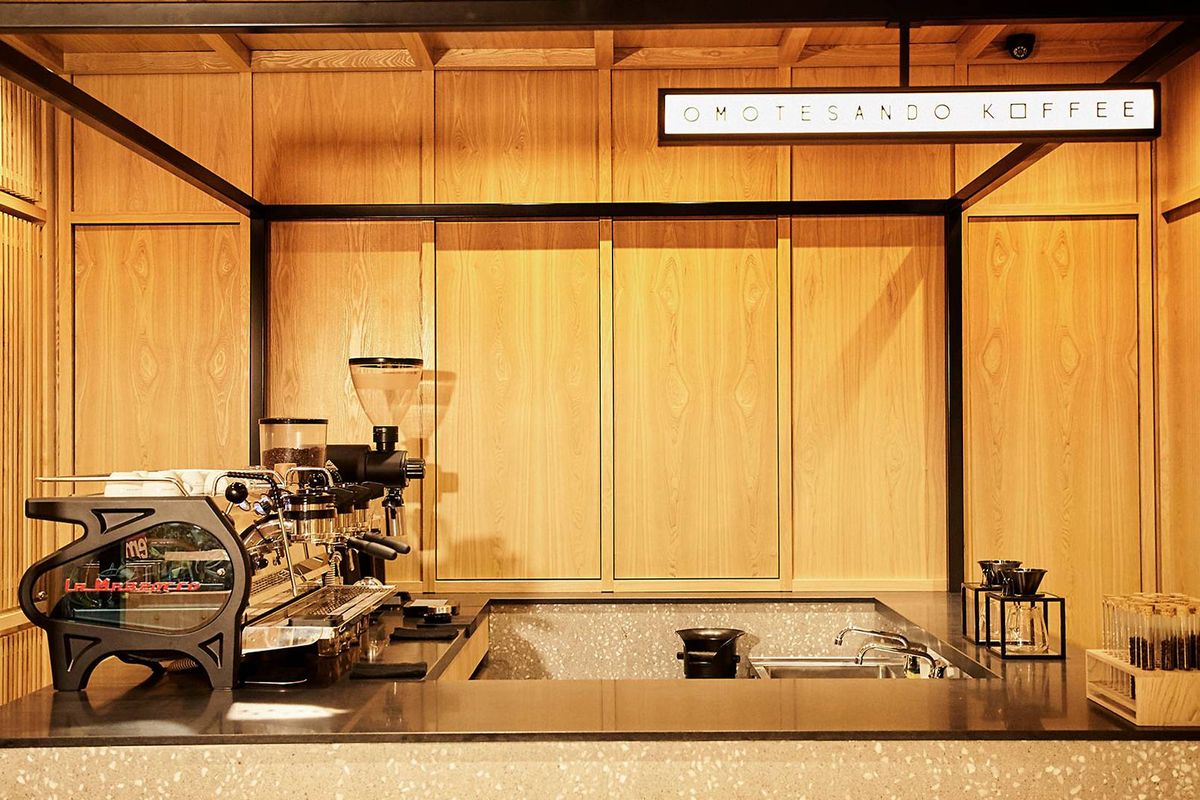
    Popular Japanese coffee shop Omotesando Koffee has opened in the central London district of Fitzrovia on Rathbone Square. Serving coffee in a manner inspired by Japanese tea ceremony, the cafe features a cubic bar design where each customer is served by a single barista in ritualistic fashion. The approach has inspired a cult following in the brand’s home territory, and has been followed by a sister brand in Tokyo that offers gourmet bean selections in cloth bags.

    While Omotesando’s original location has closed due to poor building maintenance, it reopened in Hong Kong in 2016, followed by launches in Tokyo and Singapore. The London location aims to provide a unique coffee experience in an otherwise generally homogeneous market.

  • Outlook for local banking sector remains challenging: Kenanga Research

    Outlook for local banking sector remains challenging: Kenanga Research

    The banking sector’s outlook is challenging due to external concerns while clarity and direction on the domestic front remain murky, according to Kenanga Research, which maintained a neutral stance for the sector as no fundamental change is expected, and the sector lacks concrete catalysts. “We view the industry with caution as uncertainties and headwinds still prevail. The industry remains unexciting, dragged by moderate loan growth and soft capital markets. Prevailing negative sentiment both globally and domestically will continue to drive volatility and uncertainty in the industry. Caution will still prevail due to the soft economy outlook globally,“ the research house said in a note today.

    It said banks with healthy asset quality (hence low impairment allowances) will still be the favour due to their defensive quality.

    “As such, selective asset growth will still be the focus for the banks. Despite stable economic outlook in the domestic environment coupled with low unemployment, we opine that cautiousness and selective assets growth will still prevail in the industry,“ Kenanga Research explained.

    It said loan growth moving forward will still be moderate as uncertainties prevail with fee-based income expected to be soft as a result of the volatile capital market. However, with the stable outlook, this will support a moderate and stable credit charge for the industry.

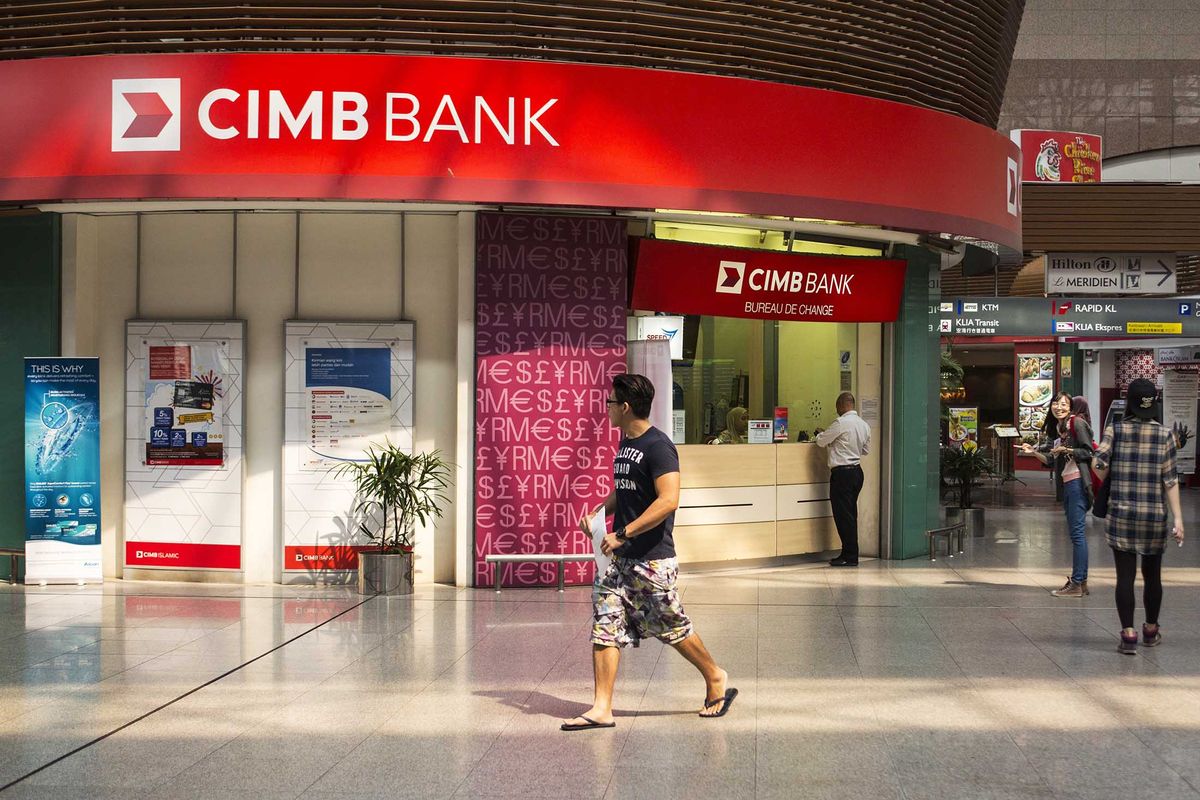
    “We expect impairment allowances (credit costs) to be stable and consistent (as it had been generally in 2018) which will lend support to the banks’ bottom line. We do not discount another potential up-cycle of impairment allowances, especially those highly exposed to the energy sector (CIMB, Maybank and RHB Bank) as energy prices have been under pressure due to the perceived economic slowdown both domestically and globally.”

    Kenanga Research expects mild compression for net interest margin (NIM) as most of the banks’ loan-to-deposit ratio and loan-to-fund ratio are over 90% and 80%, respectively, as compression will be mitigated by soft credit demand. The deferment of NSFR (net stable funding ratio) into 2020 plus the absence of high credit demand will support the outlook for a stable to mild compression in NIM.

    “However, looking at the slowing momentum in household demand, we do not discount the likelihood of competitive lending rates in the short term as banks strive to achieve their loan growth target. This competition will ultimately lead to further downside pressure on NIM.”

    The research house has revised downwards the 2018/2019 earnings estimates by 80bps/30bps to +6.7%/+5.6% respectively.

    “For 2019, earnings are slower at +5.6% year-on-year (yoy) as we based from these assumptions of credit charge at 0.33%; and slight compression on NIM by 3bps and a higher pace from fee-based income (+6.6% yoy due to a lower base).”

    It also toned its outlook on loan growth for FY18 at +4.7% (from +4.9% previously) on account of revision of prevailing headwinds.

    Kenanga Research reiterated its outperform call for BIMB Holdings Bhd, as its financing portfolio (70% of total financing) is skewed towards household (75% first-time buyers for residential property) with focus on growing its personal financing will minimise NIM compression.

    Another preferred pick is Malaysia Building Society Bhd (MBSB), which is expected to achieve 3-4% growth driven by corporate loans/financing as another RM950 million is expected to be disbursed in Q4 18.

  • Cathay Pacific to honor premium Vietnam-US tickets sold by mistake

    Cathay Pacific to honor premium Vietnam-US tickets sold by mistake

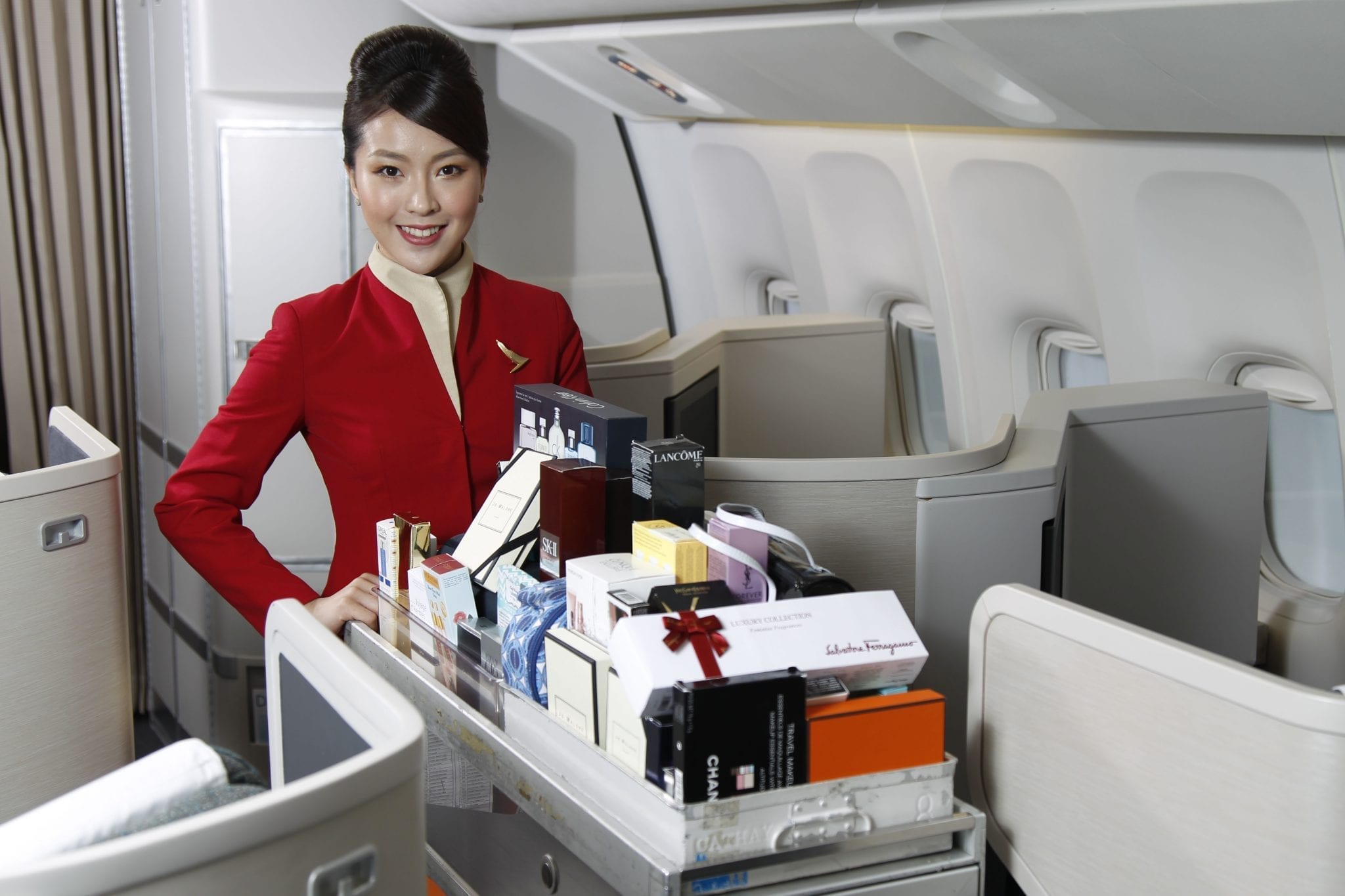
    Cathay Pacific Airways mistakenly sold Vietnam-U.S. first class and business class tickets at economy prices, but will honor them. The Hong Kong flag carrier made this announcement in a Twitter post Wednesday after customers reported Tuesday that they were able to purchase first class and business class tickets at unusually cheap prices from Vietnam to North American destinations such as San Francisco and New York in the U.S. and Vancouver, Canada.

    Cathay, Asia’s largest international airline, offered return business and first seats from Vietnam’s central city of Da Nang to New York at the price of $650 and $845 respectively, while typically these tickets cost $16,000 and $31,000.

    Hanoi-based pastor Jacob Bloemberg was one of the lucky customers who were able to purchase the tickets, which only lasted “for minutes.”

    “My wife and I travel from Hanoi to the U.S. every year, but we are very excited this time as we enjoy business class seats at the price of an economy seat,” he said.

    The number of tickets sold during the computer error is believed to be several thousand. Cathay Pacific blamed the mistake on an individual entering the wrong fares into the company’s system. Although Cathay has not revealed the cost of this error, it is calculated that the airline should have collected at least $685,800 from 11 customers that it spoke to.

    However, Cathay said it hoped the move would make this year special for its customers.

    “Yes – we made a mistake, but we look forward to welcoming you on board with your ticket issued. Hope this will make your 2019 ‘special’ too!,” the airline said on its Twitter account.

    It added #promisemadepromisekept, and #lessonlearnt at the end of the post.

    Last summer, a similar situation happened with Hong Kong Airlines when business class tickets were sold for $587, much lower than the usual price of $3,800. The airline honored its mistakes and covered all bookings.

    Bloemberg said that Cathay’s move was “honorable.”

    “If there are similar errors in the future, I’d like to find out right away.”