Author: Mei Ling Tan

  • UK-based international chain bar Toy Room enters India

    UK-based international chain bar Toy Room enters India

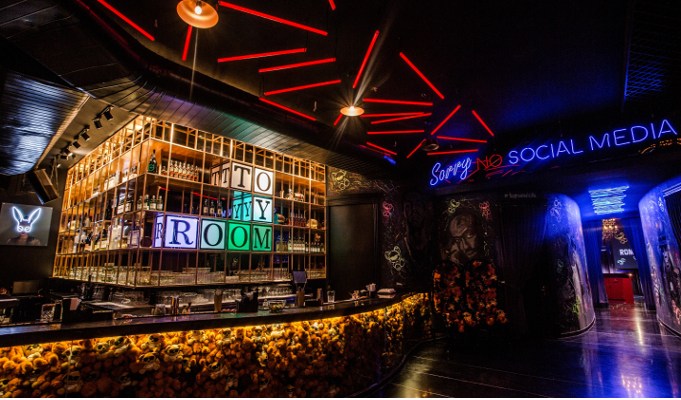
    Toy Room, one of the most talked-about premium and international brand which has attracted visits from A-listers around the world including Jessie J, Lindsay Lohan and Nicole Scherzinger, has opened its first outlet in India in Aerocity. According to Akshay Anand, Owner Toy Room India, “Present in eight different countries, Toy Room is one of the biggest and hottest UK-based international entertainment brands with outposts already operating in London, Dubai, Istanbul, Rome, Mykonos, Athens, São Paulo and now India.”

    “This was the right time to introduce the brand in the country as food service industry is at its full-bloom all thanks to the well-informed and frequent travelling consumers,” he adds.

    Toy Room is the first international nightlife brand to enter the Indian market.

    Elaborating more about the brand, Anand says, “Toy Room is a playful, provocative, unpretentious and sexy place with a special focus on intimate hospitality and service and that is going to set it apart from other brands in the same category.”

    “With capacity for over 400 guests and a Hip-hop/ Rock ‘n’ Roll only music policy, Toy Room is derived from an urge to create an intimate setting for people to have fun,” he adds.

    Spanning across 4,500 sq.ft. Toy Room has been positioned as a finest party place that delivers an upscale nightclub experience with a focus on delivering premium hospitality, while still retaining its brand of sexy and provocative playfulness, which made it a worldwide sensation.

    The Toy Room brand internationally is known for placing children’s toys and imagery in an entertaining setting for adults, bringing together the notion of innocence alongside deviant party behaviour.

    “We are eyeing Rs 25 crore per annum revenue from Toy Room and going ahead we will be opening more outlets in Mumbai and Goa,” Anand concludes.

  • Vietnam wants China to import more, invest more

    Vietnam wants China to import more, invest more

    China should increase imports of Vietnamese goods and make more hi-tech investments, government officials and business representatives say. Le Hoai Trung, Vietnam’s Deputy Minister of Foreign Affairs, proposed at the Vietnam-China Economic Promotion Forum Thursday that China creates more favorable conditions for more Vietnamese goods to enter the country through border gates.

    “We hope that the Chinese government will be more open to the Vietnam market, especially for products that Vietnam has strong supply and China has high demand for, such as rice, pork, milk, agriculture, seafood, electronics and consumer goods,” Trung said in the forum attended by 500 Vietnamese government and business representatives and 200 Chinese counterparts.

    Vietnam has a high trade deficit with China. From January to November, the country exported $37.7 billion worth of goods to China and imported $59.6 billion, a trade deficit of $21.9 billion, according to Vietnam Customs.

    Vu Tien Loc, chairman of the Vietnam Chamber of Commerce and Industry, said: “Although Vietnam’s exports to China have been increasing this year and trade deficit is declining, I don’t think this trend will be sustainable.”

    He said it would require a big effort from authorities to pave the way for Vietnamese goods, especially agriculture products, to enter China.

    Loc also proposed that that unofficial trade activities between the two countries at the border be formalized to guarantee long-term benefits for both sides.

    As protectionism in the world rises, Vietnam and China need to cooperate to control trade cheating, like Chinese businesses exporting its goods via Vietnam to other countries, which would impact on sustainable development of both countries, Loc said.

    Trung said at the forum that Vietnam welcomes foreign direct investment from China that is focused on high technology in infrastructure, supporting industry and agriculture.

    He added that Chinese FDI businesses should ensure environmental protection and Vietnamese labors’ benefits when investing in the country.

    Loc added that China, as a leading country in the world in the high-tech sector, can provide this kind of investment to Vietnam.

    “Vietnam is looking for a new type of foreign investment which has higher quality, integrate more with Vietnamese businesses using high-technology which are environment-friendly,” he said.

    China is Vietnam’s largest import market, while Vietnam is China’s largest trading partner in ASEAN and the 8th in the world.

    From January to November, bilateral trade turnover reached over $97 billion, up 16.5 percent year-on-year, according to official data.

    China has invested in over 2,000 projects in Vietnam, with a total registered capital of $13 billion. It ranks 7th out of 129 countries with FDI in Vietnam.

  • Starbucks opens immersive coffee destination in New York

    Starbucks opens immersive coffee destination in New York

    “We designed the Roastery as the pinnacle experience around all-things-coffee, and there is nothing else like it in the world. With premium coffees, teas, mixology and the iconic Milanese Princi Bakery, it serves as a Starbucks brand amplifier and a platform for future innovation,” said Kevin Johnson, CEO, Starbucks. “Beverages such as Draft Nitro, Cold Foam and the recent launch of Juniper Latte all began at the Roastery and have since been introduced to Starbucks locations around the world. It is the ultimate Starbucks Experience and an unforgettable way to connect with our customers.”

    Starbucks has a long history in New York. In 1994, Starbucks chairman emeritus, Howard Schultz, who was born and raised in Canarsie, Brooklyn, opened the first Starbucks store in the city on Broadway and 87th Street on the Upper West Side. Nearly 25 years later, there are 350 Starbucks stores across the five boroughs in the city where Starbucks employs approximately 5,000 partners (employees). The Roastery employs nearly 300 people, including roasters, baristas, commessas and mixologists.

    “Like most people I first experienced Starbucks as a customer, where I would go to my store at 195 Broadway in the Financial District in New York City and order a tall latte which was the perfect way to start my day,” said Raul Adorno, Managing Director Reserve Roastery New York. “I look forward to welcoming my fellow New Yorkers and visitors from all around the world when we open the Roastery on Friday. You will be amazed.”

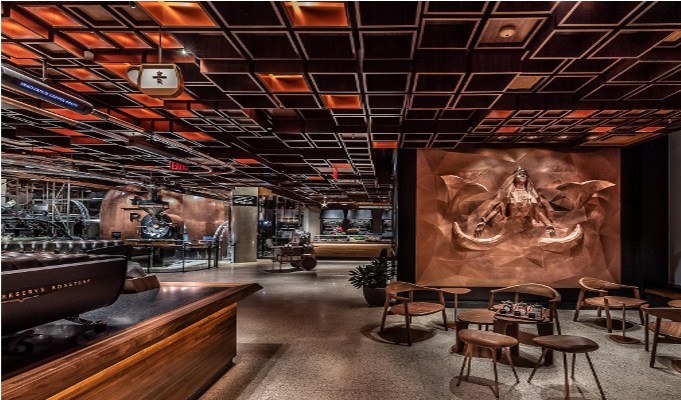
    At its core, Starbucks Reserve Roastery New York is a working coffee roastery, where every day Starbucks Master Roasters, who have trained for years in the craft of coffee roasting, will be small-batch roasting Starbucks rarest single-origin coffees and blends called Starbucks Reserve. Those coffees then get served fresh at the Roastery or shipped to select Starbucks stores around the world. That functional purpose, as well as the history of industry and manufacturing in the meatpacking district, is reflected in the design of the space.

    “New York is a hub to the world,” said Liz Muller, Chief Design Officer of Starbucks. “It’s an unbelievable place with such history. The meatpacking district has a fantastic history of industry, and the neighborhood has an electric energy; it is alive. We’ve designed a space where the excitement and dynamic activity of the neighborhood is mirrored in the Roastery. We want our customers to come in and feel very inspired.”

    Unique Food and Beverages

    Coffee Bars – There are two coffee bars at the Roastery, which in total offer seven brewing methods, including pour over, Chemex, coffee press, siphon, espresso, Clover and cold brewing.

    Upon entering the Roastery, visitors can visit the coffee bar on the main level, where baristas, called coffee masters, are crafting classic espresso beverages such as cappuccino, latte, cortado and specialty drinks such as whiskey barrel-aged cold brew, sparkling citrus espresso, nitro hopped apricot cold brew and rotating specials like the cardamom latte.

    Arriviamo Bar – For the first time in the U.S., Starbucks will debut the Arriviamo Bar inspired by the Italian tradition of aperitivo. This craft cocktail bar is located inside the Roastery where expert mixologists will serve cocktails and spiritfrees curated by award-winning mixologist Julia Momose featuring coffee and tea. Specialty cocktails include the Nocino Notte, made with cold brew coffee, barrel-aged gin and black truffle salt, and the Triomphe, made with Teavana/MC Darjeeling de Triomphe Tea, gin, dry Riesling, aquavit, passionfruit sparkling water and orange saffron bitters. The Arriviamo Bar will also serve a selection of beer, wine and classic cocktails

    Princi – Inside the Roastery is the Milanese boutique bakery Princi from founder Rocco Princi, with on-site baking of fresh breads, Pizzas, cornetti, focaccias, desserts and more.
  • ‘E-commerce share in India’s FMCG retail sales triples in 2 years’

    ‘E-commerce share in India’s FMCG retail sales triples in 2 years’

    Growing consumer trust and confidence in online buying has helped e-commerce platforms expand their share in India’s total FMCG retail sales by as much as three times, according to market researcher Nielsen. This has led to online purchase of a broader range of categories, with a particularly interesting upswing seen in fresh and packaged groceries, Nielsen said in a report.

    It further stated that global online grocery purchasing is up 15 percent in the last two years, leading to an estimated US$ 70 billion additional sales in online FMCG.

    The 2018 Nielsen Connected Commerce Report said e-commerce categories — travel (69 percent), fashion (66 percent), and IT and Mobile (63 percent) continue to account for the largest proportion of online transactions in the country.

    Interestingly, categories posting the most significant growth in e-commerce channel included packaged grocery (where 40 per cent of respondents said they made a purchase), fresh groceries, and baby and children products.

    “From tracking the e-commerce evolution in pioneering countries like South Korea where online sales now account for a staggering 20 percent of the total FMCG sector, we know that consumers follow a certain pattern of online shopping behaviour,” Sameer Shukla, Executive Director (Retail Measurement Services), Nielsen South Asia said.

    Travel, fashion and IT/ Mobile products are typical categories for first-time online shoppers and as their familiarisation, comfort and trust levels increase, their category repertoire expands into areas like beauty, personal care and baby products, he added.

    “… and then moves even wider afield to packaged and fresh grocery categories, and this is evidenced in the significant jump we’ve seen in online purchasing within grocery and food delivery in recent years,” he said.

    The report also revealed that consumers are more open to purchase packaged and fresh groceries online when they are offered certain purchasing options and quality assurances.

    About 60 percent of consumers pointed towards the need to offer and improve hassle-free refund, replacement experience as well as free cost delivery, which if offered, would boost their confidence to buy online with higher frequency.

  • Hanwha Galleria Timeworld to sell luxury stuffs

    Hanwha Galleria Timeworld to sell luxury stuffs

    Department store operator Hanwha Galleria Timeworld is opening its second Galleria Luxury Hall next year. In benchmarking its first main store in southeastern Seoul, the owners are seeking to draw luxury French and Italian brands to trade alongside fine dining F&B operators. The store’s facade will undergo renovations with the aim of becoming a landmark building.

    A statement from Hanwha Galleria claimed the Timeworld branch is seen as the top department store in the area since its acquisition in 2000. Within the past decade, the firm has seen 7 per cent annual growth on average in sales.

  • Vietnam’s PVOIL seeks multiple partners

    Vietnam’s PVOIL seeks multiple partners

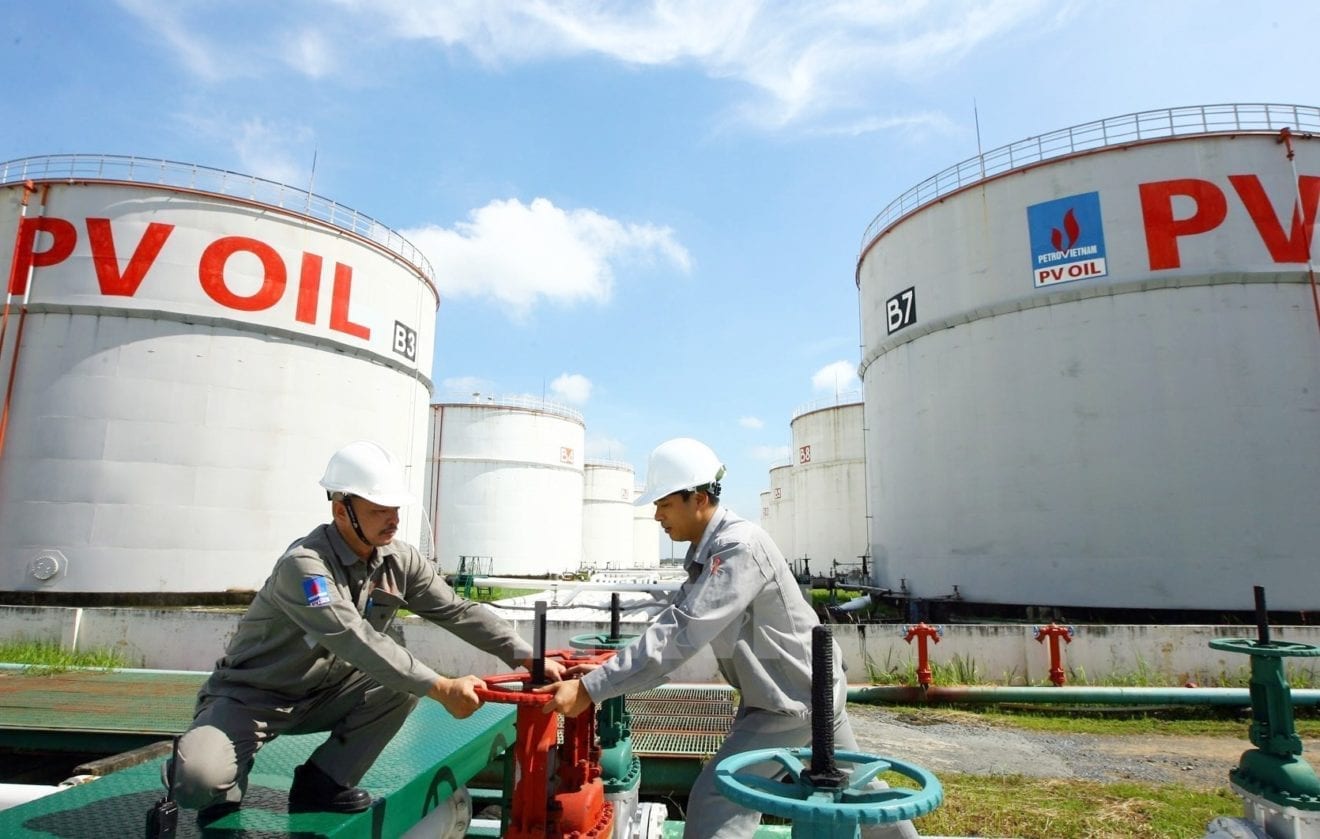
    Vietnam’s second-largest oil retailer, PV Oil, is seeking multiple buyers, instead of a single strategic investor, for a 44.72 percent stake. Although many investors expressed interest in becoming strategic partners with PetroVietnam Oil (PV Oil), including British-Dutch oil company Shell, South Korea’s SK Energy, and Idemitsu, a Japanese petroleum company, complicated administrative procedures have discouraged them, analysts say.

    PV Oil requires a strategic partner to hold the stake for at least 10 years.

    According to a new and revised divestment plan for PV Oil, the company is expected to raise at least $300 million from the divestment, Cao Hoai Duong, CEO of PV Oil, said.

    The bidding is expected to start in 2019.

    Last December, Deputy Prime Minister Vuong Dinh Hue had approved that state-owned PetroVietnam, the parent company of PV Oil, would reduce its ownership in PV Oil to 35.1 percent by selling a 44.72 stake to strategic investors.

    In January this year, VND4.18 trillion ($184 million) was raised through the sale of a 20 percent stake in PV Oil in an initial public offering (IPO).

    Vietnam maintains a 49 percent cap on foreign ownership limit in PV Oil.

    PV Oil runs 540 filling stations on its own and has about 3,000 locations operated by agents, mostly in northern Vietnam, as well as about 120 gas stations in Laos.

    PetroVietnam is one of the three biggest state-owned groups in Vietnam and a major contributor to state coffers.

  • Asian stocks slump after Fed raises interest rates

    Asian stocks slump after Fed raises interest rates

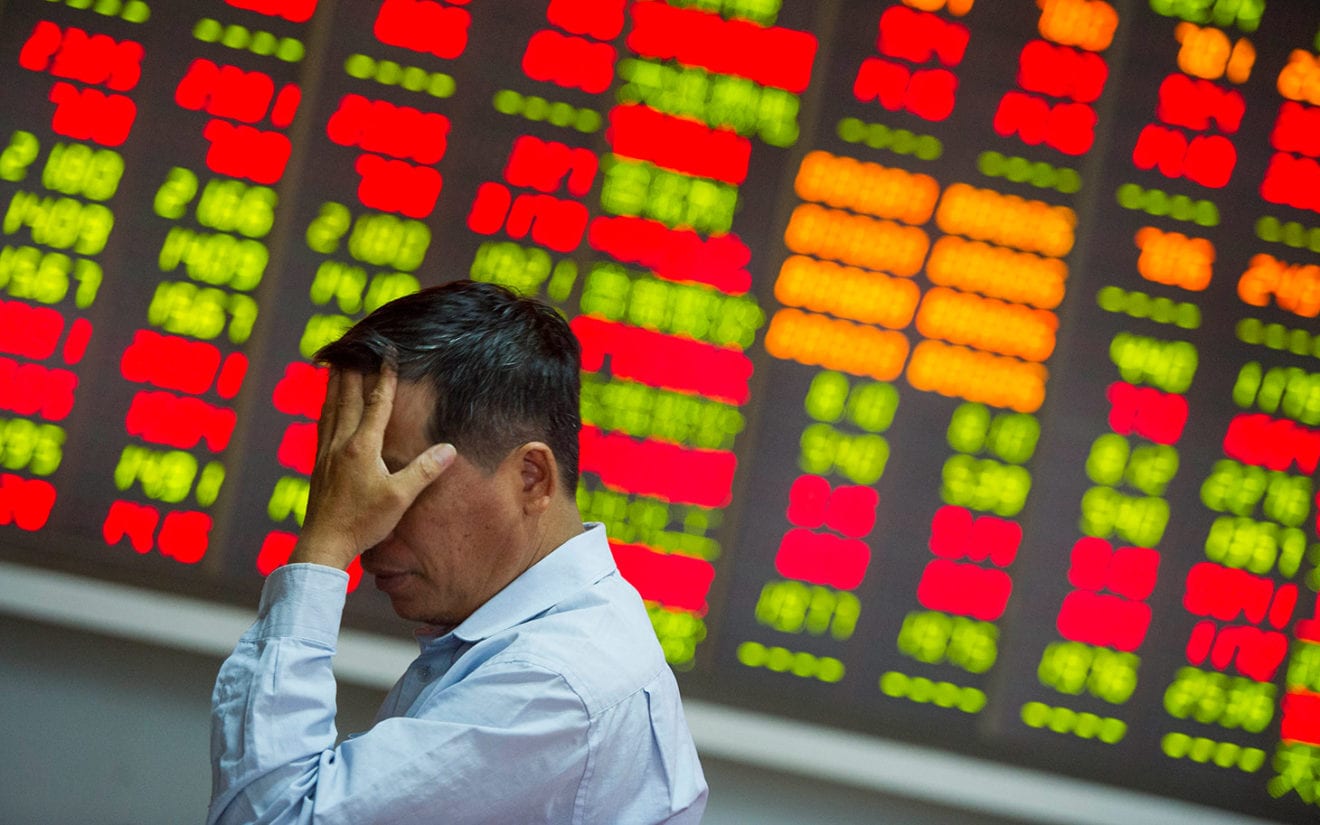
    Tokyo led a rout of Asian shares today, mirroring big losses on Wall Street after the Federal Reserve (Fed) defied unprecedented pressure from US President Donald Trump and raised interest rates, sparking fears the move could choke economic growth.

    The Nikkei plunged to a 15-month low as investors took fright over the pace of monetary tightening, with a slump triggered by the Dow’s fall to its lowest level of 2018 gathering pace.

    The Fed raised rates for the fourth time this year – as expected – but markets reacted badly after chairman Jerome Powell said the bank would not shift course on reducing its balance sheet.

    Investors had hoped for a less aggressive approach amid concern that global growth is slowing, while Powell played down the impact of recent market turmoil on the US economy.

    “They think the Fed has completely misjudged the situation and now it’s just a matter of … trying to find an exit while you can,“ said Kyle Rodda, a market analyst at IG Group in Melbourne.

    “We’re probably entering a stage now where markets have got it (in) their head that we’re preparing for quite sustained downside going into 2019.”

    The Fed now projects only two interest rate increases, down from three previously, as it trimmed its forecast for US growth and inflation.

    Stephen Innes, head of Asia-Pacific trade at OANDA, said the “Fed delivered a dovish hike, but clearly, there wasn’t enough affirmation in the statement that the Fed was close to pausing or ending their interest rate hike cycle sooner than expected”.

    But some analysts urged caution.

    “The market overreacted to the Fed, I think,“ said Shane Oliver, head of invest-ment strategy at AMP Capital Investors in Sydney.

    “It is moving in a dovish direction and is on track for a pause in the first half of next year. Markets are being driven by fear rather than fundamentals.”

    But the spillover from the rate hike continued to rattle investors in Asia today, deepening concern over global growth prospects which are already facing headwinds from Trump’s trade war with Beijing, a slowing Chinese economy, and potential turmoil from Britain quitting the European Union.

    Japanese stocks also declined after the Bank of Japan left ultralow rates unchanged, with the threat of trade protectionism and slowing global growth casting a pall over the export-driven economy. A strong yen also put downward pressure on stocks with the dollar falling below ¥112.

    Nissan dropped more than 2% after a Japanese court rejected prosecutors’ request to extend the detention of former Nissan chairman Carlos Ghosn after his arrest for financial misconduct.

    Shanghai fell more than 0.5%, even after the People’s Bank of China said it would supply lower-cost liquidity for up to three years to banks willing to lend more to small companies, as policy makers aim to shore up the flagging economy.

    Sydney closed more than 1% lower while Hong Kong and Seoul were down 0.9% each.

    The equities slump spread to Europe. Around 1100 GMT, London’s benchmark FTSE 100 index was down 0.5% with losses capped by stronger-than-expected UK retail sales data and as traders looked ahead to the outcome of the Bank of England’s regular monetary policy meeting later today.

    In the eurozone, Frankfurt’s DAX 30 shed 1.0% and the Paris CAC 40 slumped 1.5%.

  • Arch Capital tops Taiwanese shopping mall acquisition

    Arch Capital tops Taiwanese shopping mall acquisition

    Arch Capital Property Advisors has bought a Taiwanese shopping mall for US$450 million on behalf of private investors. The deal marks the Hong Kong-based company’s first foray into Taiwan’s retail property business. After settlement, Arch Capital will assume management of the property.

    The target property – Taimall Shopping Center in Taoyuan – has been acquired on behalf of an unnamed institutional investor, which has partnered with Taiwanese investment trust Millerful REIT.

    The 100,000sqm mall is Taoyuan’s largest, home to more than 300 retail stores, a cinema and sports complex.

    Arch Capital Property MD James Chou said that his company saw “a rare opportunity to acquire an established premium retail asset offering stable income and sustained revenue growth potential over the longer term” in the Taiwan deal.

    Taiwan-listed Millerful largely focuses on the commercial sector, and reportedly has plans to buy more shopping centres, hotels and office buildings.

  • SHISEIDO X SIRIVANNAVARI Princess Hanayaka Collection

    SHISEIDO X SIRIVANNAVARI Princess Hanayaka Collection

    Her Royal Highness Princess Sirivannavari Nariratana, in her capacity as Creative Director of SIRIVANNAVARI, has graciously designed a special makeup collection “SHISEIDO X SIRIVANNAVARI Princess Hanayaka Collection”. Her Royal Highness Princess Sirivannavari Nariratana is in charge of every design step, from meticulously selecting the color schemesand different shades for the beauty productsto designing the packaging.

    The princess used the graphics and drawings from her previous fashion collections to create elegant and graceful new designs. The whole process took over 2 years of her dedication.

    Her Royal Highness Princess Sirivannavari Nariratana, in her capacity as Creative Director of SIRIVANNAVARI, graciously shares her thoughts on the “Princess Hanayaka Collection”:

    “SIRIVANNAVARI has always wanted to create the beauty products that can fully answer the needs of women in Asia.This is also what SHISEIDO wants as a premium makeup brand that understands the needs of Asian women well. That is how the collaboration of this collection started. I am very glad that we both share the same intention, which is to create what will enable the beauty of women in Asia to glow from inside and out naturally. For this collection, my intention is to create the beauty products that are compact, easy and convenient to apply. The colors in the palette must be beautiful and highly flexible for various combinations of mix and match for different occasions, from daytime natural look to nighttime glamour. One palette can be applied for eyes, cheeks, and lips makeup while the texture of the cosmetics must make it easy for different color combinations. I chose all the color schemes and different shades for this collection myself based on what color combinations I think will best bring out women’s beauty. I then used those colors to work with the graphics and drawings inspired by previous SIRIVANNAVARI collections to design the packaging. The drawings of rice ears, bees, and lovebirds are used as the main designs. When combined with a Japanese touch, the lines and feels become perfect for the packaging designs of this collection.”

    The collection Princess Hanayaka, meaning “a woman whois vivacious and as ravishingly beautiful as a princess” consists of 4 beauty products, which altogether create the perfect makeup: from blush to lipsticks, and from face illuminator to eye color.

  • Miniso to set up warehouses in Delhi, Mumbai, Kolkata and Bengaluru

    Miniso to set up warehouses in Delhi, Mumbai, Kolkata and Bengaluru

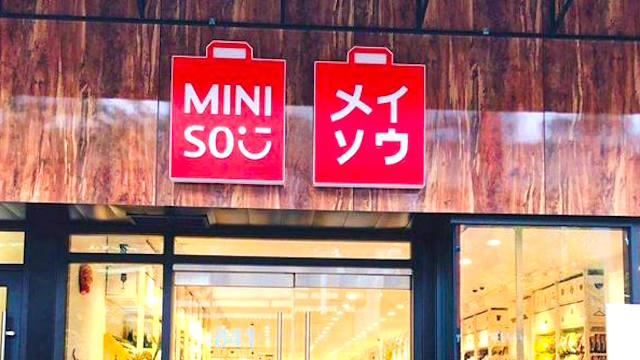
    Japanese retail brand Miniso plans to source India-made products for its stores in the US and Australia, said a top company official. According to a report: Miniso India is also investing to set up its own warehouses in Delhi, Mumbai, Kolkata and Bengaluru to cater to its expanding network.

    “We are looking into getting more local purchase and we also want to sell Indian products to other countries,” Yang Liu, Chief Business Development Officer, Miniso Indi said.

    He further said, “We have built up a system. We do not only want to import here but also export from here to markets like Australia and the US.”

    The initial line-up of products to be sourced from India include socks and snacks, he said.

    About the local purchase, Liu said by December 2019, around one third products at Miniso India would be sourced locally.

    As per FDI norms, it is mandatory to source 30 per cent goods from India in single brand retail trade.

    “The products which are selling are not only from China but some cosmetics are from South Korea and Thailand also, and I think before the end of next year, we would be able to put our local purchase to 30 per cent,” Liu said.

    He further added that the company is working in this direction and has already signed contract with some local manufacturers.

    The company would also set up small warehouses around tier II & III cities for its new franchise stores.

    Miniso launched retail operations in India in August 2017 and clocked Rs 700 crore revenue in one year. It plans to take its store count to 800 by 2019.

    It operates around 3,000 stores in over 70 markets.

  • Louis Vuitton personalisation service launches in Asia

    Louis Vuitton personalisation service launches in Asia

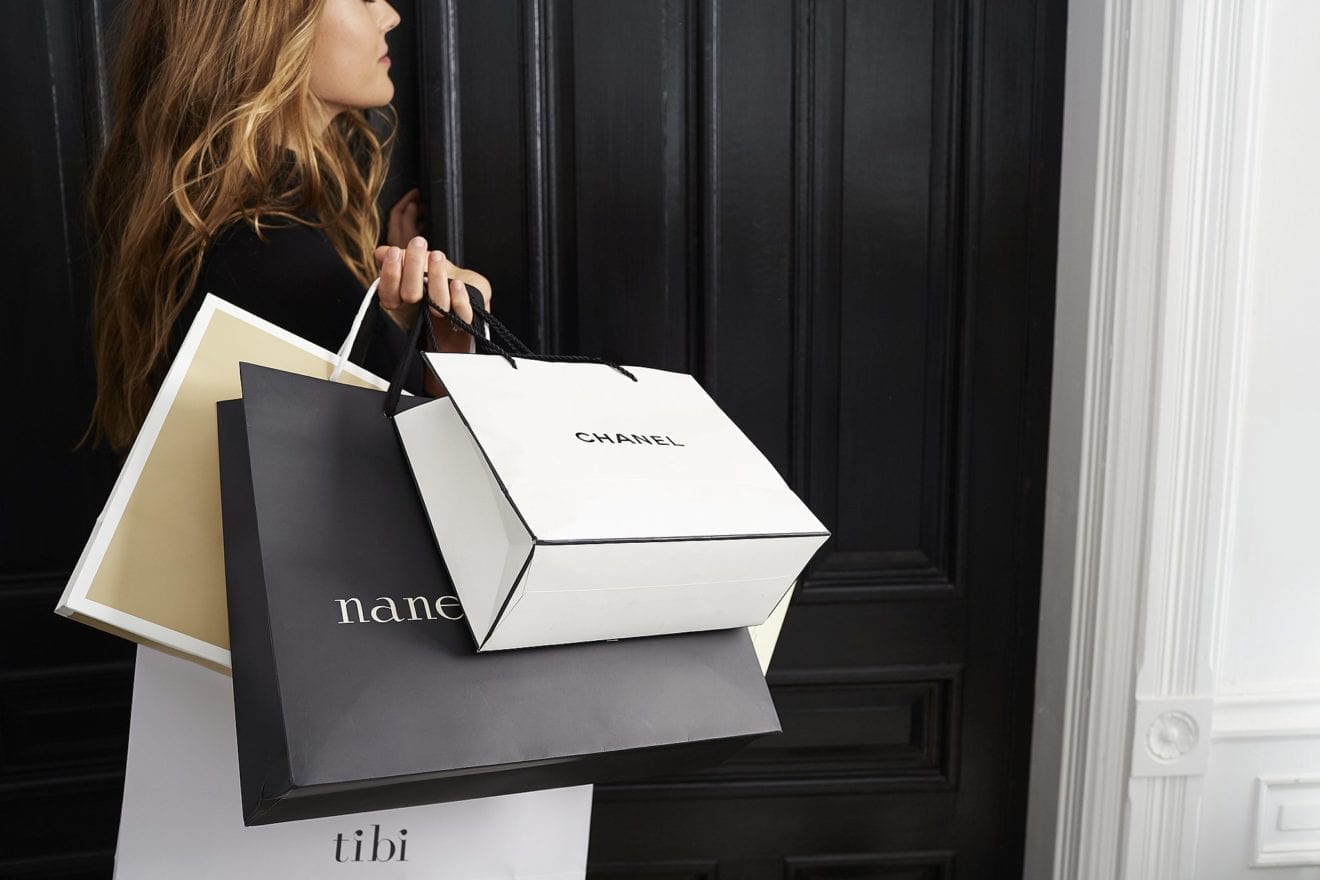
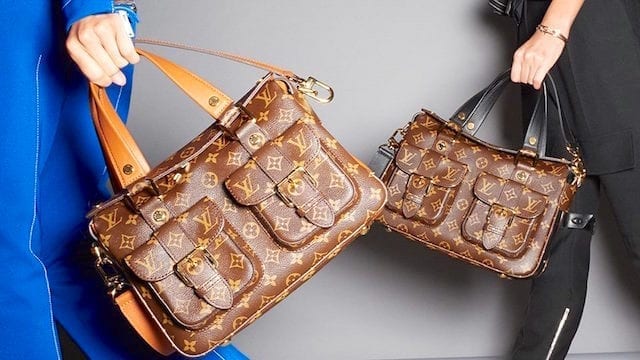
    Luxury retailer Louis Vuitton is offering a personalisation service for a selection of men’s ready-to-wear items in a limited number of global stores. The My LV World Tour Louis Vuitton personalisation service offers clients the opportunity to customise their purchases with a variety of patches and embroideries inspired by vintage travel labels and varsity lettering of the kind Gaston-Louis Vuitton used to adorn his own luggage. The service was previously limited to leather goods.

    The patch themes include world-famous cities and heritage LV graphics, some of which will be available seasonally as limited-edition items.

    The Louis Vuitton personalisation service is available in only eight Asian stores: Hong Kong’s Canton Road and Pacific Place; Shanghai’s Plaza 66; Beijing’s Shin Kong; Japan’s Omotesando and Shinsaibashi; Singapore’s Marina Bay Sands and Seoul’s Shinsegae Main.

  • Malaysia attracts RM139b investments in January to September

    Malaysia attracts RM139b investments in January to September

    Malaysia attracted a total of RM139.3 billion worth of investments in the manufacturing, services and primary sectors in the first nine months of 2018, up 18 per cent from RM118.1 billion approved in the same period last year. In a statement, Malaysian Investment Development Authority (Mida) said the total investments approved in January-September 2018 were from 3,243 projects, which are expected to generate 93,379 job opportunities for the country.

    “Approved foreign direct investments (FDI) increased by 109.7% to RM64.1 billion in January-September 2018 from RM30.5 billion in the same period last year, mainly driven by the manufacturing sector which recorded a strong increase of 249.4% in the period.

    “Approved FDI in the primary sector rose by 99.3% which indicated that investor confidence in Malaysia remains high despite the challenging global economic environment. Domestic investments led with RM75.2 billion, contributing 54% to the total approved investments in all three sectors,” it said.

    Mida said Malaysia continued to be a competitive location for manufacturing projects with a total of 468 projects worth RM59.1 billion approved in January-September 2018, compared with RM34.6 billion involving 463 projects in the corresponding period in 2017, representing an increase of 70.5% in capital investments.

    “Foreign investments approved in the manufacturing sector recorded a total of RM48.8 billion for January-September 2018, a rise of 249.4% from RM13.9 billion in the same period last year.

    “China accounted for RM15.6 billion or 32 per cent of total foreign investments, followed by Indonesia (18.4%), the Netherlands (17%), the US (6.3%), Korea (4.9%) and Japan (4.3%),” it added.

    For the services sector, Mida said approved investments amounted to RM69.9 billion compared with RM74.2 billion recorded in the corresponding period in 2017, consisting of 2,721 projects, which are expected to create 50,896 job opportunities.

    “Domestic investments made up the largest portion, recording RM60.4 billion or 86.4% of the total approved investments for the services sector during this period. The balance of RM9.5 billion were from foreign sources.

    “The services sub-sectors that showed increase in approved investments were healthcare, education, global establishments, real estate, and supporting services,” it added.

  • Food delivery start-up Swiggy raises US$ 1 billion from venture funds

    Food delivery start-up Swiggy raises US$ 1 billion from venture funds

    Leading food ordering and delivery start-up Swiggy has raised US $1 billion (Rs 7,000 crore) venture funds from existing investors led by Naspers, to strengthen its technology and hire talent, it said on Thursday. “Swiggy will use the funds to bring more quality food brands closer to consumers and address gaps in supply through delivery-only kitchens, as well as hire talent and strengthen the technology,” the city-based app provider said in a statement.

    The Series H round of funding, led by Naspers, also includes the participation of existing investors DST Global, Meituan Dianping and Coatue Management.

    The funding round saw the participation of new investors Tencent, Hillhouse Capital and Wellington Management Company, the company said.

    The firm will also use the capital to hire talent, especially for machine learning and engineering roles across mid and senior levels, as well as strengthen its technology backbone.

    “The company will focus on building a next-generation Artificial Intelligence (AI)-driven platform for hyperlocal discovery and on-demand delivery,” it added.

    Inclusive of the latest round, Swiggy said it has raised a total of US$ 1.26 billion (Rs 8,825 crore).

    In June, the food-tech start-up raised US$ 210 million (around Rs 1,500 crore) from multiple investment firms, including Naspers, DST Global in Series G funding and US$ 100 million (around Rs 700 crore) in Series F in February from multiple investors.

    Details of the promoters’ equity holding in their firm after the latest round of funding are not made public by the company.

    “As we add more firepower to our vision of elevating quality of life for urban consumers by offering unparalleled convenience, our global investors also share our purpose and have made a significant investment in our future,” Swiggy’s Chief Executive Sriharsha Majety said in the statement.

    Founded in 2014, Swiggy claims to have 50,000 restaurant partners across 50 cities, including New Delhi, Gurugram, Hyderabad, Bengaluru, Chennai, Mumbai, Kolkata and Pune, and receives about 25 million food orders a month.

    The company, which has over 4,000 employees, reported an operating revenue of Rs 442-crore for fiscal 2017-18.

  • 7-Eleven Malaysia mulls float

    7-Eleven Malaysia mulls float

    The 7-Eleven Malaysia business may be floated. Malaysian businessman Tan Sri Vincent Tan is considering turning over his shareholding in convenience store operator 7-Eleven to his Berjaya Corp Bhd group. Maintaining that the share price of 7-Eleven is undervalued on Bursa Malaysia, Tan claims that the business, currently valued at RM1.43 billion (US$342 million) should be worth more than US$1 billion.

    The chain has 2250 locations within the territory, and according to Tan aims to open at least another 200 stores next year.

    “We are considering maybe sell all my 46 per cent shareholdings in 7-Eleven to BCorp, then let BCorp launch a General Offer (GO), but nothing is firmed yet,” he said.

    The businessman owns 48.33 per cent of Berjaya Corp, which is valued at around RM1.35 billion (US$323 million).

  • Vietnam to top 7 pct growth in 2018 and 2019

    Vietnam to top 7 pct growth in 2018 and 2019

    Vietnam may grow more than 7 percent in 2018, the highest in 10 years, and is likely to maintain the rate next year, experts say. Nguyen Xuan Thanh, director of development, and public policy lecturer at the Fulbright University of Vietnam, said the country’s economy is expected to grow at over 7 percent this year, the highest level since 2007.

    “The major contributor of growth comes from industries that benefit from policies to replace import goods, such as automobile and pharmaceutical production,” he said at a conference organized Thursday by the National Financial Supervisory Commission (NFSC).

    In 2017, Vietnam rode on 20-30 percent growth of phones and electronics, but this year, that sector’s growth slowed down to only 11 percent in the first 11 months of 2018, Thanh explained.

    He also noted that a positive aspect of the growth this year has been that it is no longer dependent on credit. The NFSC estimates credit growth to have slowed significantly to 15 percent this year from 18 percent in 2017.

    “Many experts were concerned that Vietnam’s high growth rate in previous years was linked to credit growth, but there has been strong economic growth this year without high credit growth,” Thanh said.

    Meanwhile, NFSC leaders said Vietnam’s growth may exceed 7 percent in 2018 and remain at between 6.9-7.1 percent in 2019.

    Truong Van Phuoc, acting chairman of the NFSC, said the high growth in 2018 is due to large contributions from the private sector. In addition, trade agreements such as the Comprehensive and Progressive Agreement for Trans-Pacific Partnership (CPTPP) and the EU-Vietnam Free Trade Agreement (EVFTA), which are expected to come into effect in 2019, may also bring positive impacts.

    Vietnam also has the opportunity to attract investment as well as new opportunities from the field of information technology and biotechnology, he added.

    But experts also point out some factors that could affect economic growth next year. Thanh noted that growth this year was not only due to investment and export but also the heavy consumption.

    Any changes to consumption can have immediate effect on economic growth, he said.

    In the first nine months this year, Vietnam’s GDP grew by 6.98 percent, the highest nine-month growth rate since 2011. The economy grew by 6.81 percent last year, the highest rate in a decade.