Author: Mei Ling Tan

  • Google Launches New Products and Services for Indonesia

    Google Launches New Products and Services for Indonesia

    American technology giant Google announced a slew of new products and services that promise to benefit Indonesia’s rapidly growing digital economy.

    WizPhone 

    What surprised the audience most during the third annual “Google for Indonesia” event in Jakarta on Tuesday was the announcement of the WizPhone. The device, with styling reminiscent of the 1990’s, is the first Indonesian-made mobile phone equipped with Google Assistant, the tech giant’s artificial intelligence-powered virtual assistant.

    The WizPhone, which runs a lightweight mobile operating system known as KaiOS, will be sold at Alfamart convenience stores across Indonesia for only Rp 99,000 ($6.80).

    AI for Indonesian Translations 

    “More than half of online content is available in English, but only 1 percent of web content is available in Bahasa Indonesia,” said Ken Tokusei, director of international search at Google. This means that most internet content may not be accessible to some Indonesians.Tokusei said Google was working with Wikimedia to deploy a neural machine translation system that uses artificial intelligence to translate Wikipedia content from English to Bahasa Indonesia. Relevant search items that only used to be available in English will now also be available in Bahasa Indonesia, he said.

    Google Go

    With the use of artificial intelligence, the Google Go application can now be used to narrate articles on your favorite news websites, which is particularly handy if you are on the go. Just press “play” on any website and Google Go will read the text out loud to you in real time.This feature even works with a slower 2G connection as it is designed to use less data. The app is already available in Google Play and will also come preinstalled with all Android Oreo Go edition devices.

    “Our applications, such as YouTube-Go, Google-Go and Assistant-Go, have been designed to only use 50 percent of the phone memory compared with traditional applications,” Google Indonesia managing director Randy Mandrawan Jusuf said.

    New Features

    Bahasa Indonesia was added as an option in Google Assistant on all Android and iOS devices last April, which allows locals to set alarms or call people in their mother tongue. Scott Huffman, engineering lead for Google Assistant, said many people ask the application to tell them a joke to brighten up their day.One of the new features available in Google Assistant helps you book online transportation. You can tell it where you want to go and the digital assistant will open the Go-Jek or Grab app for you.

    This feature is currently only available in English, but Bahasa Indonesia will be added soon. Go-Jek Indonesia chief executive Nadiem Makarim said his company is looking forward to enabling Google Assistant to directly book rides without the need on to open the Go-Jek app.

    Another new future is a partnership with Indosat, Indonesia’s second-largest telecommunications service provider. Through Google Assistant, Indosat customers can now access their monthly bills and manage and monitor their quotas.

    A third new feature is the accessibility of news update, anywhere, anytime. All you need to do, is say, “listen to the news today,” and your digital assistant will do the rest.

    Advanced Google Maps Features

    Krish Vitaldevara, director of product management at Google Maps, said the navigation feature now has new options to make your daily commute easier. It allows you to follow public bus locations in real time. It also allows you to share the progress of your journey in real time, so if your bus is running late, you can keep your friends or family in the loop about your expected time of arrival. Google Assistant will even be there to remind you when to get off the bus.

    Business Application

    Google My Business is designed to help business owners connect with and attract more customers. Think of it as a social media platform for your business. Business entities now can make posts that will appear on their business profiles on Google Search and Maps, and share updates about products, offers and even events.It also allows customers to follow and interact with businesses.

    According to a Deloitte study, businesses can experience revenue growth of up to 80 percent by having an online presence. Based on this, Google has made it its mission to help Indonesian companies grow their online presence.

    “This country is full of determined and enthusiastic people; people who are ready to take over the world,” Randy said.

  • Ashley HomeStore adds stores in Vietnam and more

    Ashley HomeStore adds stores in Vietnam and more

    American furniture store chain Ashley HomeStore has expanded globally with new stores in Vietnam, Thailand and New Zealand. In support of the move, the company has established a 400,000sqft consolidation warehouse in Vietnam’s Ho Chi Minh City. The new facility will allow a faster order response time.

    The firm’s president and CEO Todd Wanek said: “As a company, we’ve achieved many milestones this year. The largest has been the growth of our global footprint, which exceeds 900 HomeStores worldwide. This major accomplishment stands as a true testament to our global brand recognition.”

    HomeStore now operates in 54 countries with 310 locations.

  • South African restaurant chain Barcelos to add 12 restaurants in India by FY’20

    South African restaurant chain Barcelos to add 12 restaurants in India by FY’20

    South African restaurant chain Barcelos is looking to add 12 more to its kitty in India by the end of 2019-20 as part of an expansion plan, a senior company official said. The company has one restaurant each in Delhi, Lucknow, Kolkata, Jaipur, Hyderabad, Chennai and two in Mumbai.

    “We plan to add 12 more restaurants across the country by the end of next fiscal year,” Rohit Malhotra, Business Head India, Barcelos said.

    According to a report: The new restaurants would be in Bengaluru, Pune, Goa, Chandigarh, Kochi, Puducherry, Mumbai, among others, he added. The company is also planning to rename all its big restaurants (area of 1,500 square feet or above) by March next year, Malhotra said.

    Barcelos is also looking to open between 10 to 12 smaller outlets in food courts in the country. Such outlets will have area between 300-500 square feet, he added.

    When asked about the business model Barcelos follows in India, Malhotra said: “All the outlets are franchise owned. Barcelos works through franchise model in India.”

    Regarding investments to expand Barcelos’ presence in the country, he said it will be mainly on research and development for menus, supply chain, marketing and training.

    Barcelos started operations in 1993 in Pretoria in South Africa. The company is present in 22 countries, Malhotra said.

  • Online retailer Taobao endorses physical store in Malaysia

    Online retailer Taobao endorses physical store in Malaysia

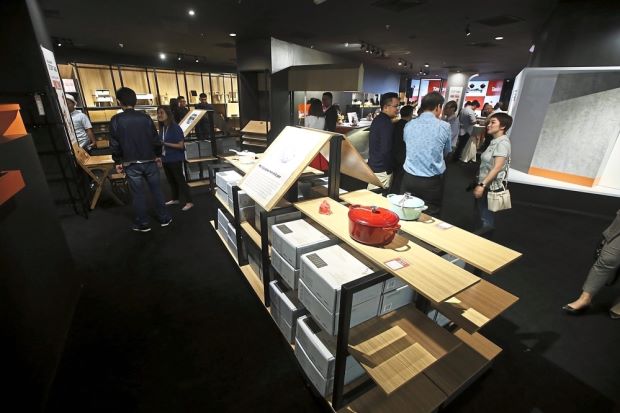
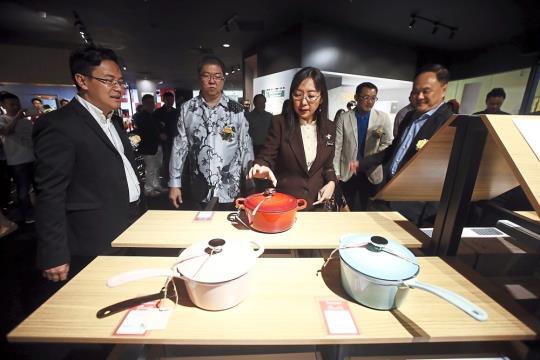
    Chinese online retailer Taobao is endorsing a spin-off physical store in Malaysia. The 5000sqft Taobao Selection store in Kuala Lumpur’s Viva Home Shopping Mall is the first in Southeast Asia, opening in collaboration between local operator Lumahgo, Taobao spinoff Tmall World, and lifestyle furniture retailer Lorenzo. It retails curated products from Tmall.com selected for the Malaysian market alongside furniture offerings.

    Lumahgo CEO Fabian Kong said: “We are developing a new retail system that caters to Malaysians, which will bring a new retail technology experience to local retailers … We are helping Tmall World to sell the selected products in Malaysia for customers who do not know how to shop online”.

    A reported 98 per cent of furniture purchases are made offline in Malaysia.

    Taobao’s owner Alibaba Group is contributing to the project by providing big-data tools and a technology platform. The collaborating partners will open a second Taobao Selection store will open in Sabah early next year.

  • Indonesia’s Tokopedia Secures $1.1b From Alibaba, SoftBank

    Indonesia’s Tokopedia Secures $1.1b From Alibaba, SoftBank

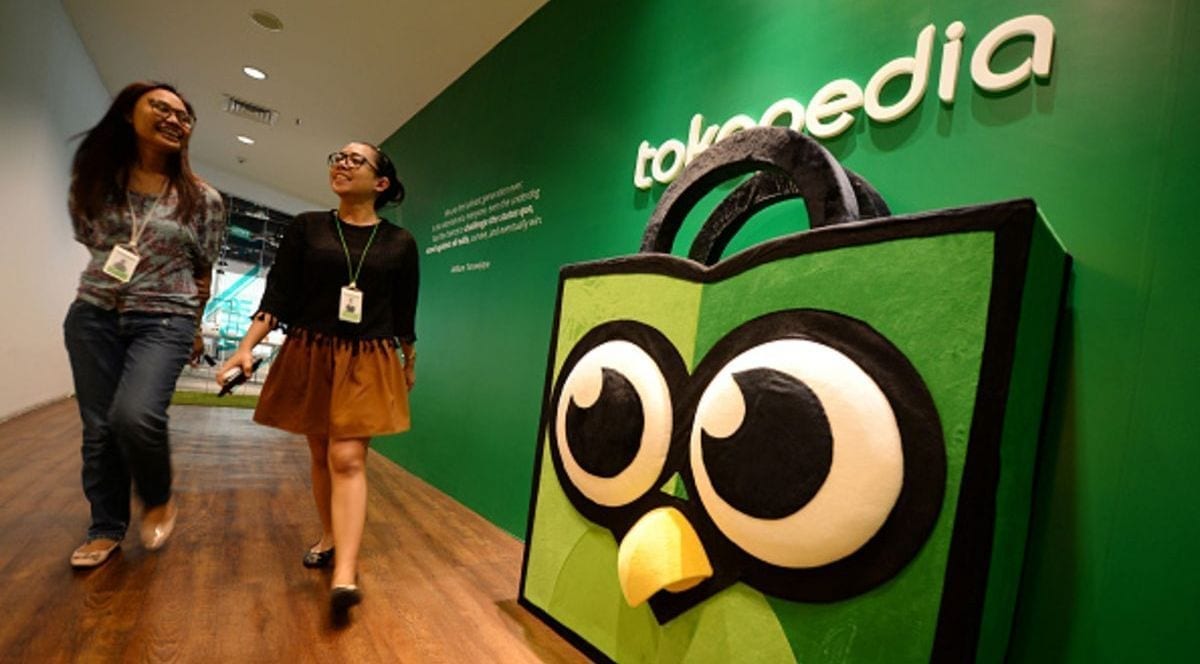
    Indonesian e-commerce company Tokopedia said on Wednesday that it had secured $1.1 billion in its latest funding round led by Chinese e-commerce giant Alibaba Group Holding and Japan’s SoftBank Group. This follows a similar investment in 2017, also led by Alibaba, which has been expanding rapidly into Southeast Asia amid slowing growth in China’s e-commerce market.

    Tokopedia said it planned to use the funds to invest in technology and infrastructure, adding that the firm would continue to focus on the Indonesian market and drive economic development and financial inclusion in the country.

    The investment would help “broaden Tokopedia’s scale and reach” besides improving its operational efficiency, chief executive and co-founder William Tanuwijaya said in a statement.

    Tokopedia did not confirm a valuation following the round. However, news website TechCrunch citing an unnamed source said the company was valued at around $7 billion.

    The latest funding boosts Alibaba’s share of the fast-growing Indonesian e-commerce market. The Chinese company is also the majority owner of Lazada, which is the Tokopedia’s top competitor in the market.

    Indonesia is also increasingly becoming a proxy battleground for Alibaba and JD.com, China’s second-largest e-commerce company, which has invested heavily in building a logistics network in the archipelago.

    Founded in 2009, Tokopedia is currently Indonesia’s largest online marketplace, drawing comparisons to Alibaba’s Taobao.

    The latest round includes investments from Softbank’s Vision Fund as well as Softbank Ventures Korea and Sequoia Capital.

    The company, which delivers to around 93 percent of Indonesian districts, says it has quadrupled its sales in the past year.

  • China Canada Goose flagship opening delayed after Meng arrest

    China Canada Goose flagship opening delayed after Meng arrest

    The arrest of Huawei CFO Sabrina Meng Wanzhou in Canada has prompted down jacket retailer Canada Goose to delay launching its Chinese flagship store. Diplomatic tensions between the two countries have already contributed to a 20.6 per cent drop in the brand’s share price this month amidst calls for a boycott in China and the Meng arrest only worsened the situation.

    The brand had been poised to open the 600sqm flagship in fashionable Taikoo Li Sanlitun this Saturday, following a pop-up event last month and a promotional campaign on Alibaba’s Taobao online mall. It opened a branch in Hong Kong last month, and is planning a regional office in Shanghai.

    “Our Beijing store has been delayed slightly due to ongoing construction. We look forward to opening our newest store in the near future.”

    A statement published : “Our Beijing store has been delayed slightly due to ongoing construction. We look forward to opening our newest store in the near future.”

    The Meng arrest took place at the request of the US on fraud charges related to alleged breaches of Iran sanctions.

  • Vietnamese carriers get busy with early holiday plans

    Vietnamese carriers get busy with early holiday plans

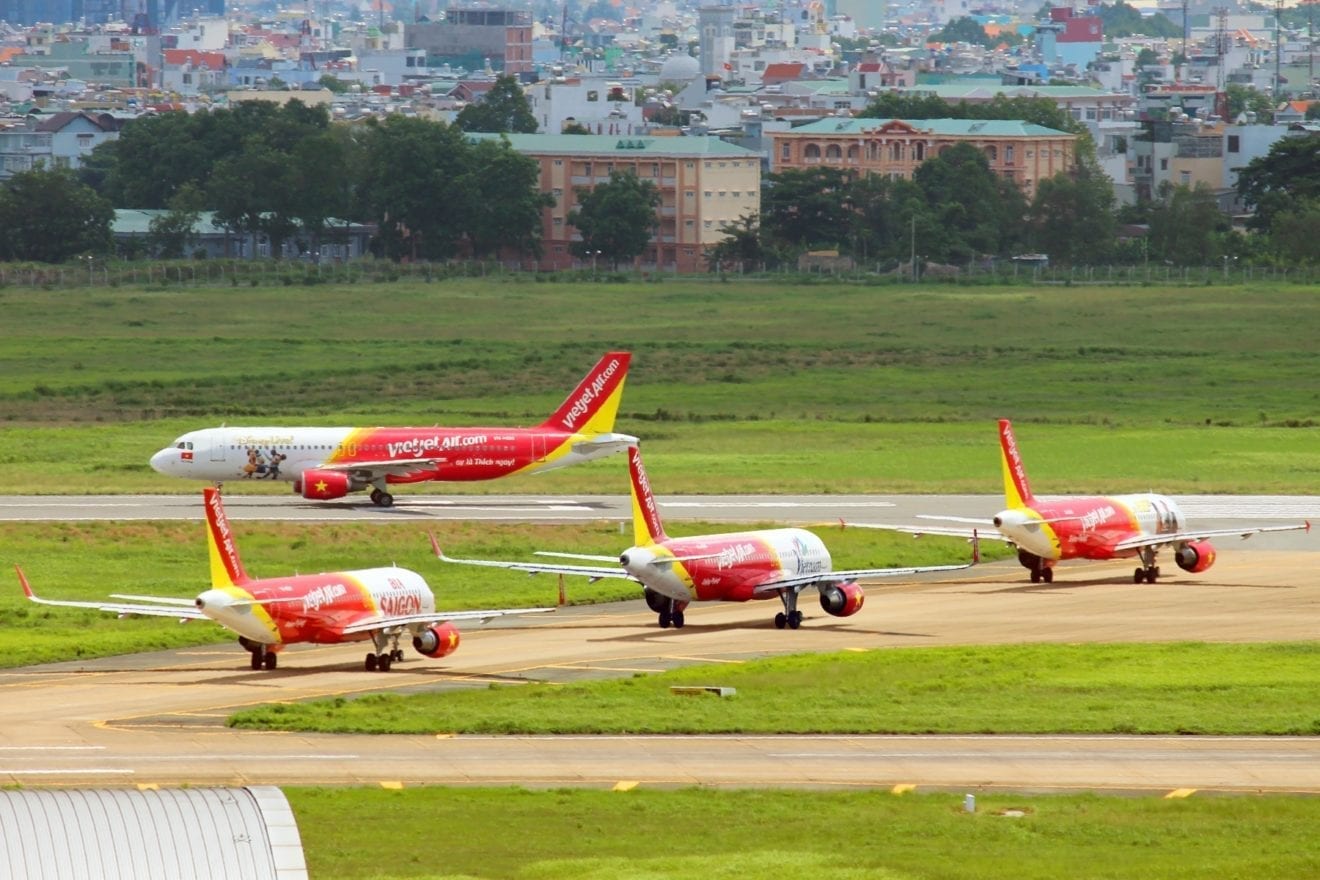
    With six weeks to go for Tet, the Lunar New Year festival, Vietnamese carriers are bracing for the upsurge in demand. Jetstar Pacific, the low-cost arm of flag carrier Vietnam Airlines, announced Tuesday that it would increase the number seats on local routes by 80,000.

    It has also opened a new route from Hanoi to the southern city of Can Tho to meet travel demand between the two destinations before and after the Tet holiday, which falls February 2-10 next year.

    Earlier, the carrier had announced plans to operate 3,210 flights, or 600,000 seats, to serve customers for the Tet holiday.

    Vietnamese people traditionally move from the cities to their hometowns and villages all over the country to reunite with their families before the Lunar Near Year begins.

    State-owned Vietnam Airlines has also raised its number of seats from January 20 to February 19 to 1.4 million, 100,000 higher than the same period last year. This involves an addition of 566 more flights, to serve customers in Tet.

    The flag carrier has also announced that it will open a new route from Ho Chi Minh City to the new Van Don International Airport near Ha Long Bay in Quang Ninh Province. It will start operating one flight a day between the two destinations starting December 30.

    About 90 percent of flights between Ho Chi Minh City and Hanoi, central cities of Vinh and Da Nang have already been booked, a Vietnam Airlines representative said.

    As there are signs of the demand increasing further, the largest airline in the country by passengers carried plans to open another 56,000 seats in the next few days.

    Many VietJet Air agents have confirmed that VietJet has opened ticket sales from Ho Chi Minh City to Van Don Airport in Quang Ninh Province starting January 20. The Van Don International Airport, the first private airport in the country, is set to open for business on December 25, 2018.

    Dinh Viet Thang, head of the Civil Aviation Administration of Vietnam (CAAV), said at a conference last month that the number of airplanes will increase by 32 to 180 to meet the high travel demand around Tet time. This means that the transport capability of the Vietnamese aviation sector will increase by 20 percent, he added.

    The number of air passengers for the upcoming New Year’s Eve and Tet holidays is expected to increase by 11 percent year-on-year, according to the Civil Aviation Administration of Vietnam (CAAV).

    It also says that local airlines have registered to increase the number of flights by 2,611 to 19 airports for Tet. The number of passengers during the holiday is expected to increase by around 280,000 over normal days.

    The highest holiday surge in the number of passengers will be seen on the HCMC-Hanoi route, which will have 519 additional flights, or 20 percent of the total increase. The corresponding numbers for the HCMC-Da Nang route will be 354 flights and 14 percent; HCMC-Vinh, 306 flights and 12 percent; and Hanoi-Phu Quoc, 24 flights and one percent.

    Vietnamese carriers have served almost 45.1 million passengers in the country in the first 11 months of this year, up 11.9 percent from a year ago, according to the General Statistics Office.

  • Dickson Concepts unveils HK$1bn new retail format

    Dickson Concepts unveils HK$1bn new retail format

    Dickson Concepts has unveiled a new luxury retail concept merging the cutting-edge technology with a personalised styling service, to be launched under the Harvey Nichols banner. The first flagship store for the new format will be unveiled at Pacific Place in Autumn next year, with plans to expand the concept globally.

    Dickson Concepts says it plans to invest HK$250 million on the Pacific Place store and up to a further HK$1 billion in technology and technology-related companies, together with additional stores abroad.

    The project has evolved from the strategic partnership between Dickson Concepts and its Harvey Nichols Group subsidiary in the UK, announced in March, in which the parent company gained access to the department store’s digital expertise and will use it to create a seamless inventory across the UK and Hong Kong businesses, allowing customers to shop the entire range and even consult with store staff online. The move has trebled the number of products available to shoppers.

    In a statement, Dickson Concepts said it will build on the Harvey Nichols business based on two formats – one being the flagship new format store just announced, the other the traditional flagship store format which Harvey Nichols Landmark operates under.

    “Together, the two formats will allow Dickson Concepts to maximise and fully develop the potential of Harvey Nichols in different parts of the world.”

    Day and night service

    The new concept store will allow Harvey Nichols to offer “day and night service” for the first time, with in-store stylists serving customers during the day and Harvey Nichols’ UK stylist network servicing the e-commerce platform during the night.

    “The service will allow customers to shop live and obtain styling advice from Harvey Nichols’ stylists in Hong Kong and the UK via instant messaging, photo sharing, and live video streaming, even during late evening in Hong Kong. Products selected can then be shipped directly to the customers’ home, office or our Hong Kong store for personal service and immediate alteration by our expert tailors as maybe required, thereby creating a service that is unmatched by pure online operators,” the company said.

    The live online shopping functionality is powered by global retail technology company Hero, with which Harvey Nichols signed a strategic partnership in June.

    “Technology is core to Harvey Nichols’ new store format and is carefully interwoven into the store to drive the most immersive, enjoyable, and personalised shopping experience possible,” the company said.

    “In its new retail format, Harvey Nichols’ online exclusive offering will be interspersed into the presentation of physical products to provide customers with the full view of the most up to date and exciting products available, while allowing even frequent customers to explore and discover new product stories on every visit. Customers will be able to scan any digital products showcased in the store directly onto their own smartphones, or alternatively be served with an expert team of stylists.”

    The Pacific Place store will feature an online style lounge where dedicated stylists will work to provide each customer with product recommendations built around the customer’s personal taste, needs and preferences.

    “This will allow each customer to be presented with a selection of coordinated outfits that are completely tailored to them, without experiencing the frustrations of surfing through thousands of products available online to find the perfect piece.”

    The new store will be located on the second level of the current Harvey Nichols store at Pacific Place, and will showcase three times the offering. The existing store will be reduced in size from 84,000sqft to 42,000sqft,  resulting in a large reduction in fixed costs and substantially increased sales due to the significant increase in products and brands offered. “As such, the new format will allow Dickson Concepts to maximise sales densities and profits, compete against pure online operators, while offering customers the most curated product and service offering possible,” the company said.

  • Vietnam’s car imports down 20 pct in 2018

    Vietnam’s car imports down 20 pct in 2018

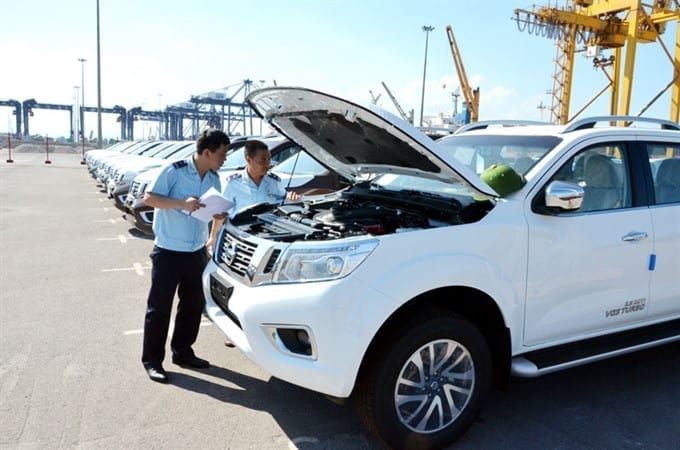
    Vietnam imported 72,650 cars this year, down nearly 20 percent over 2017, according to the Vietnam Customs. The import value of cars exceeded $1.64 billion this year, up 21 percent year-on-year, the agency said. Thailand and Indonesia remain major suppliers of Vietnam’s imported cars. From Thailand alone, Vietnam has imported more than 52,170 vehicles worth a combined $1.04 billion since the beginning of the year.

    According to customs data, from December 7-13, car imports slowed down by 701 units from the previous week, totaling 2,833 vehicles. Total import value is reported to be $67 million.

    Vietnam’s population is around 93 million, larger than South Korea, but car consumption is only around 300,000 units a year, Mike Dunne, an independent industry analyst who has spent more than three decades in Asia, told U.S. television channel CNBC recently.

    Most cars sold in Vietnam are foreign brands assembled in the country from kits. But a series of free trade agreements have reduced import duties and are opening up the market. A 30 percent import tax on cars from other Association of Southeast Asian Nations (ASEAN) countries was scrapped this year.

    There are only 358 businesses in the auto industry in Vietnam compared to 2,500 in Thailand, according to the Ministry of Industry and Trade. The ministry also said that Vietnam imports over 90 percent of auto parts.

  • HMV Hong Kong collapses

    HMV Hong Kong collapses

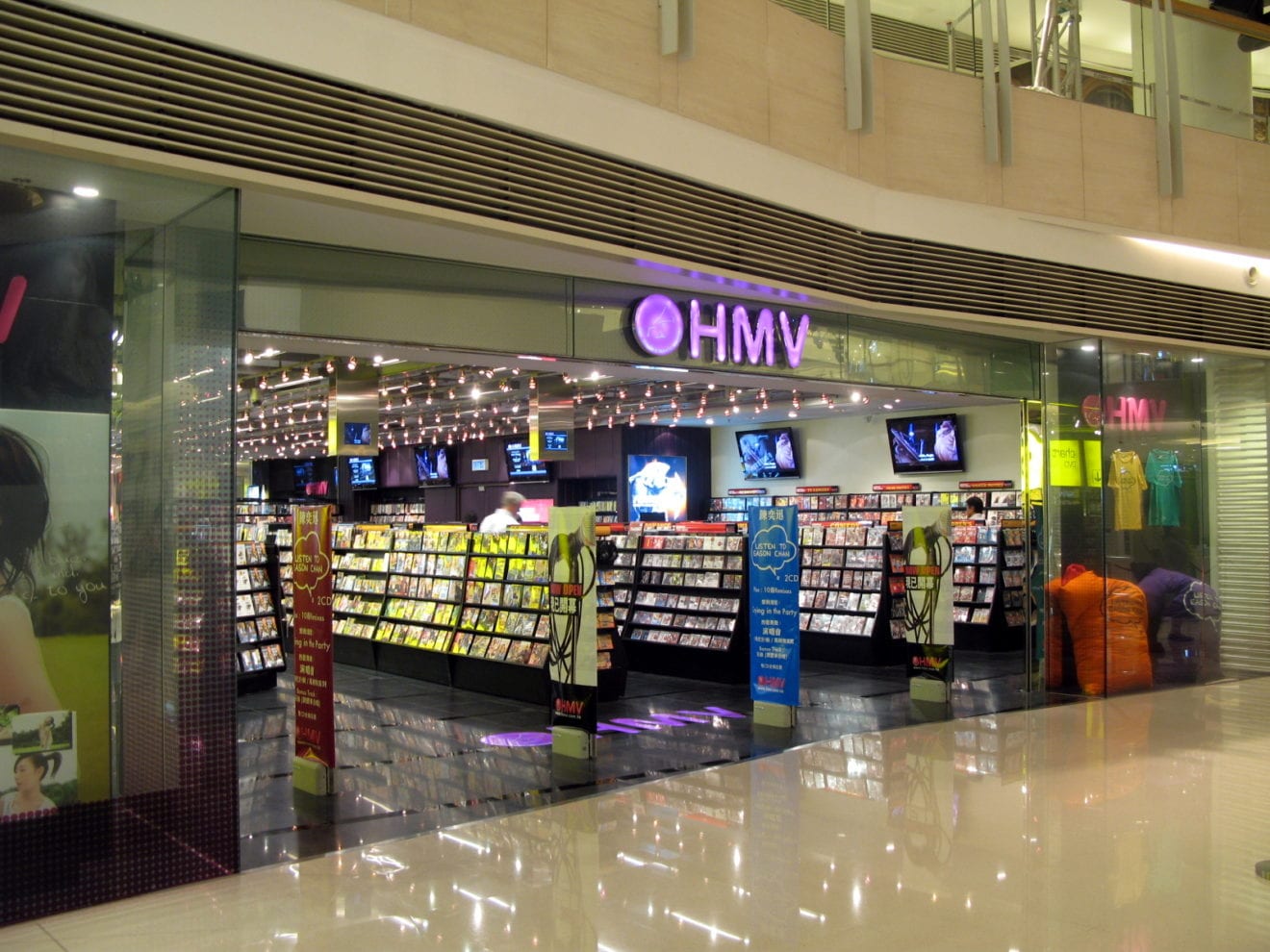
    The HMV Hong Kong business has collapsed, with the chain’s owner appointing liquidators. In a statement, HMV Digital China Group chairman Stephen Shiu Jnr said the company was “unable to escape from the crushing force of the wheel of history” as live-streaming services like Spotify and Netflix made CDs and DVDs redundant.

    The company is believed to have debts of HK$40 million and assets – mainly stock – of just $9 million. All seven stores have been closed and 80 staff laid off.

    “The company is under negotiation with the landlords of the settlement plans. HMV Retail has not been generating sufficient revenue to cover its own operating expenses and there is no reasonable prospect of making any significant improvement on its financial performance or operations in the foreseeable future.”

    As reported last week, HMV was facing three legal suits over unpaid rents on stores, totalling $5 million. One of those related to its four-story Causeway Bay flagship.

    After the chain last went into administration in 2013, private equity company AID Partners converted the business into more of a lifestyle destination, stocking headphones, bicycles, backpacks and other curated products. That met with some success, and AID sold the business to Shiu’s company in 2016 for $408 million. Yesterday, Shiu cited Apple’s AirPods for eroding demand for earphones, which had become a core category.

    “[We have] faced numerous struggles and ups and downs, witnessing the rise of the record industry and the heyday of CD, VCD and DVD home entertainment systems, but as time changes, the global development of information and economic climate have also changed”, the company said Shiu.

    The HMV Hong Kong business achieved a profit of $1.85 million in the September quarter last year – but during the same period this year, retail sales fell 41 per cent to $31.55 million and the business lost $18.81 million.

    The liquidators, Wong Sun-keung and Janice Tsui Mei-yuk of Vision AS will try to find new investors to refinance HMV Retail’s operations, although clearly any solution would involve adopting an entirely new business model.

  • LG sets up lab to conduct appliance technology research

    LG sets up lab to conduct appliance technology research

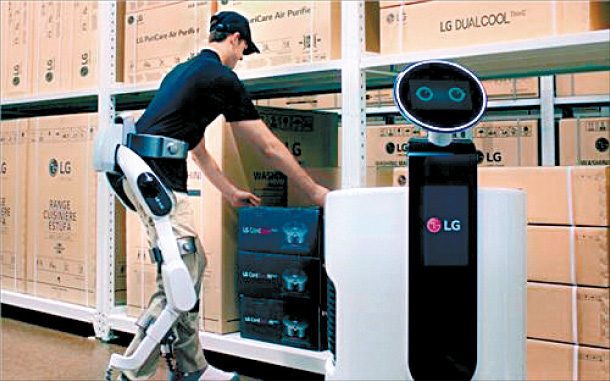
    LG has established a new research laboratory committed to advances in fridge, oven and other home-appliance technologies. LG Electronics opened the 6,760-square-foot Food Research Institute on Monday at Changwon, South Gyeongsang. At the center, researchers will develop technologies that can be applied to the company’s home appliances, such as refrigerators, kimchi and other specialty food fridges, ovens and electric stove tops.

    Food preservation, the fermentation of kimchi and food preparation will be some of the focuses.

    The company said researchers will work closely with academics from Seoul National University and Konkuk University, as well as experts from government and private agencies, such as the Rural Development Administration, the Korea Food Research Institute and the World Institute of Kimchi.

    LG Electronics often mentions advanced technologies in its marketing materials, using the technology to set itself apart from competitors.

    According to the company, LG refrigerators run on inverter linear compressors, which are 18 percent more energy efficient and create less noise than comparable gas compressors. Its kimchi refrigerators maintain temperatures of 6.5 degrees Celsius (43.7 degrees Fahrenheit), the optimal level for kimchi. At that temperature, the growth of a lactic-acid bacteria that creates a sour taste is suppressed. LG’s electric stove tops can cook food up to 2.3 times faster than gas ranges, the company boasts.

    The facility at Changwon is not the first research lab established by the company to further develop its home appliances. In February, LG Electronics opened a water research lab committed to the making of better water purifiers. In October, it opened a center dedicated to air science to advance its air purification technologies.

    “We will continue investing in research and development related to food, water and air technologies,” said Song Dae-hyun, head of LG Electronics’ Home Appliance & Air Solutions.

  • Little Caesars Pizza Philippines is opening soon

    Little Caesars Pizza Philippines is opening soon

    Little Caesars Pizza Philippines will launch with its first restaurant next month. The move continues the expansion of the brand’s international footprint with new restaurants in Southeast Asia. The first restaurant to open under the new franchise relationship with local operator Palmtree PH Foods Corp will be located at the Metrosquare Building in Manila.

    Senior VP of International for Little Caesars Pizza Paula Vissing said he believes the Philippines is a perfect fit for the company’s international expansion due to its strong affinity for both pizza and value.

    Palmtree owner James Kodrowski, who manages a group of companies that operate in the region, said: “Little Caesars Pizza is exactly what this market needs … We believe that the Hot-N-Ready concept will have undeniable market appeal, as well as our commitment to excellent guest service, and superior value. It is our ambition to make Little Caesars the new favorite pizza of the Philippines.”

    Little Caesars is the third largest pizza chain in the world, currently operating in 23 countries and territories. It will also open its first location in Singapore in January.

  • Malaysia’s CIMB to gain RM200m from stockbroking business transfer

    Malaysia’s CIMB to gain RM200m from stockbroking business transfer

    CIMB Group Holdings Bhd is expected to record a gain of disposal of approximately RM200 million from the process of transferring the group’s stockbroking business to its joint venture company with China Galaxy Securities Co Ltd.

    This comes after taking into account the premium on the disposal of approximately RM433 million and goodwill attributable to the business.

    CIMB said the consideration in connection with the proposed business transfer will be satisfied in cash and it was determined based on the future prospects and net asset value of the in-scope business as at Dec 31, 2015, which amounted to RM565.6 million.

    The consideration is subject to closing audit adjustments, if any.

    Jupiter Securities, the subsidiary of China Galaxy Securities Co Ltd (CGS)-CIMB Holdings Sdn Bhd, which is the Malaysian joint venture entity, will operate the stockbroking business.

    CIMB said in a stock exchange filing that its wholly owned subsidiary CIMB Group Sdn Bhd (CIMBG), China Galaxy’s wholly owned unit China Galaxy International Financial Holdings Ltd (CGI), and CGS-CIMB Holdings Sdn Bhd has inked a share subscription agreement for the subscription of new shares in CGS-CIMB Holdings Sdn Bhd.

    The proposed business transfer entails the sale of CIMB Investment Bank Bhd’s cash equities business and 100% equity interest in CIMB Futures Sdn Bhd as well as CIMB Bank Bhd’s equity financing services business and share margin financing granted in connection with the cash equities to Jupiter Securities.

    After the completion of the exercise, CIMBG and CGI will hold 50% stake each in the Malaysian JV entity.

    The exercises are expected to be completed in the first half of 2019.

  • BTS adds 4 trillion won to the Korean economy

    BTS adds 4 trillion won to the Korean economy

    Popular boy band BTS’s annual economic value is estimated at over 4 trillion won ($3.5 billion), making it more lucrative than a medium-sized company. The group’s annual production inducement effect, which refers to the value generated in related industries, is estimated at around 4.1 trillion won, according to a report by Hyundai Research Institute (HRI) released Monday.

    “BTS was the first Korean artist to place at No. 10 on the Billboard Hot 100 and reach No. 1 on the Billboard 200,” read the report. “The group’s rising fame and popularity can be observed in the explosively growing number of Google searches and YouTube video counts after 2017.”

    “Expecting such growth in popularity to have a positive effect on the Korean economy, we wanted to estimate the impact of BTS’s popularity on the domestic economy by assessing foreign tourists and consumer exports.”

    Research findings revealed that the HRI’s assumptions were correct. According to the report, BTS is responsible for attracting at least 796,000 foreign tourists annually to Korea since their debut in 2013. The report also credits the group for increasing sales of related exports by $1.1 billion every year, including $233.98 million worth of clothing, $426.64 million worth of cosmetics and $456.49 million worth of foodstuffs.

    BTS’s estimated annual economic value of 4.1 trillion won is 26 times larger than the average medium-sized company in Korea, which earned just 159 billion won in 2016 according to the report.

    The HRI report also discussed the factors believed to be behind the success of the group.

    “All BTS members participate in the songwriting and composing, often writing from their own perspective the concerns of young adults in their teens and twenties, and listeners are able to sympathize with them regardless of their nationality,“ read the report. “BTS’s albums and concerts are also structured in a way that has a narrative, which helps attract the attention of fans and raise their expectations for upcoming albums and concerts as well.”

    Other factors mentioned include active communication with BTS fans – known as ARMY – through social media and the fans’ strong support.

    BTS is expected to produce an accumulated total of 41.8 trillion won in economic value between 2014 and 2023 if it maintains its average popularity level of the last five years.

    “In order to maximize the economic impact of Hallyu [Korean wave], it’s necessary to develop and promote domestic tourism through dramas, movies and videos and raise demand from foreign tourists,” the report concluded.

  • Cafe opens in century-old Seoul house

    Cafe opens in century-old Seoul house

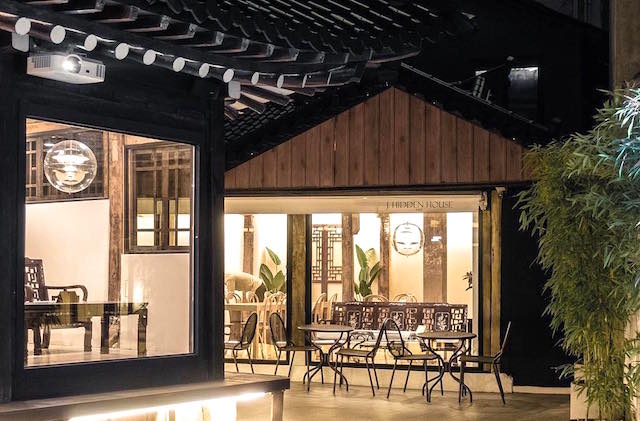
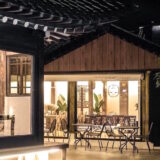
    A heritage cafe has been built into the hereditary foundations of a century-old South Korean courtyard house (hanok) in Seoul. J Hidden House cafe opened its doors in the fashion and shopping mecca of Dongdaemun this month, following Seoul’s continued efforts to develop as a trend-setting, global tourist destination. Situated within a spacious 300sqm secluded enclave housing a zen-bamboo garden, the venue blends traditional and modern design and is one of the largest hanoks open to the public today within the traditional inner district of the Chosen dynasty’s (1392–1897) capital, Hanseong – modern Seoul

    From a bespoke eight-metre wet bar set in Italian terrazzo tile, J Hidden House offers curated coffees, teas and refreshments, as well as a tailored menu of bakeries and spirits cultivated by Korean food and beverage companies.

    J Hidden House’s proprietor Grace Jun said Seoul has become a destination for the world to visit and Korea’s rich culture has so much to offer.

    “This establishment is a fusion of our country’s traditional heritage and dynamic modernisation by coupling a cutting-edge modernity within the protected, mindful walls of a ‘hidden’ hanok that was built before the Korean war and has stood the test of time. Our aim is to provide locals and tourists from around the world with a location and a curated food and beverage offering on calibre with any destination cafe in the world, while offering what is uniquely and proudly Korean.”

    Located in an exclusive “hidden” but immediately accessible location in downtown Seoul, the destination offers a vision of an earlier and more tranquil age despite being centrally situated in Dongdaemun, one of city’s busiest commercial districts and a major tourist destination for shopping and historical sightseeing.

    According to the Korea Tourism Organization, visitors to Korea in the first half of this year increased by 6.9 per cent year on year to 7.22 million. When excluding Chinese visitors, the number of tourists increased 12.2 per cent year on year to 5.05 million people, the largest-ever recorded number of inbound tourists to date.

    View the gallery for photos (4 images) :