Author: Mei Ling Tan

  • Miniso Canada is collapsing

    Miniso Canada is collapsing

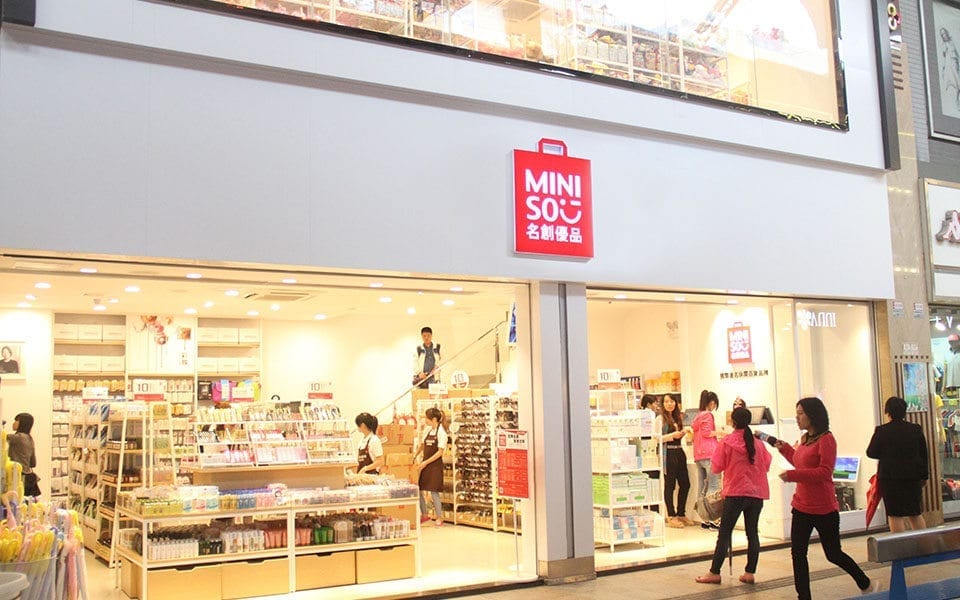
    Miniso Canada is on the brink of bankruptcy after an action brought against it by its Chinese parent company alleging fraudulent business dealings and the transfer and hiding of assets. The extraordinary situation was revealed by Canadian website which in its last update reported the Canadian subsidiary had reached a preliminary agreement with the Chinese company to avoid the move.

    Miniso China has declined comment.

    Citing court documents, Miniso China is owed C$20 million (US$14.7 million) and had retained a lawyer to commence legal action in British Columbia courts to recover the amount.

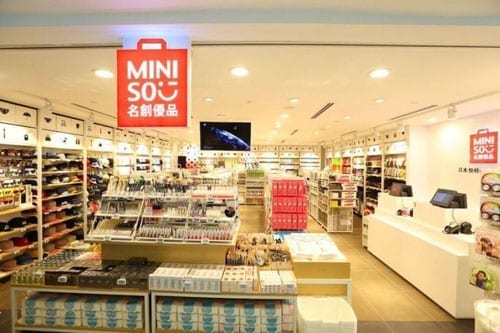
    Minso launched in Canada last year with plans for 500 stores within five years. To date it has opened 48.

  • FastGo can’t go, say Vietnamese authorities

    FastGo can’t go, say Vietnamese authorities

    Vietnamese ride-hailing firm FastGo, at odds with authorities over its legal status, asserts it is going by the book. According to the Ministry of Transport and the Ministry of Industry and Trade, FastGo is not yet eligible to be approved for a pilot phase, nor is it registered as a tech platform.

    In a written reply to the Da Nang Department of Transport’s proposal to permit FastGo to operate, the Ministry of Transport has said that the application falls under the category of “electronic contract service based – management support platform.”

    But, the ministry adds, it is yet to receive a proposal to launch the app directly from FastGo Vietnam JSC, which means the application is not yet ready to be approved for a pilot phase.

    The ministry has also requested the Da Nang Department of Transport to inform cab companies not to use FastGo if the app is offered to them. Furthermore, FastGo is not allowed to provide its services directly to taxi drivers, it says.

    However, Nguyen Huu Tuat, FastGo CEO, is adamant that the app is not violating any law. He said that he has not received a written response the ministry or from the Da Nang Department of Transportation.

    Tuat clarified that FastGo does not provide transport support management services to individual drivers in Da Nang. It only services drivers of local transport cooperatives.

    “FastGo has filed the information and sent a request for approval for a pilot phase, but has not received a response from the Ministry of Transport,” said Tuat.

    He said Fastgo is neither defined as a transport service provider nor is it a transport cooperative. It is merely an application connecting drivers with customers. Tuat said that he was waiting for new transport regulations on this issue, following which the company will determine the specific business category for registering its app.

    FastGo has been functioning in Vietnam’s major cities since June. It is only after six months that regulators have backtracked and declared that its registration is incomplete.

    A representative of the Department of E-Commerce and Digital Economy under the Ministry of Industry and Trade said: “FastGo has not registered its tech platform with the Ministry of Industry and Trade. Therefore, it is unlawful for FastGo to engage with drivers or operate a transport management platform.”

    In response to this comment, Tuat asserted that he has submitted this proposal, but is yet to receive a reply.

    Launched in June 2018, FastGo now operates in Hanoi, Ho Chi Minh City and Da Nang with more than 30,000 drivers. At the end of August, the local company received funding from VinaCapital, and is planning to mobilize up to $50 million for a second expansion phase that will target Indonesia and Myanmar.

    FastGo Vietnam Joint Stock Company was established in April 2018 with its headquarters in Hanoi. The company belongs to a wide network of services provided by Nextech, a leading tech firm in Vietnam.

    A Nikkei Asian Review report quoted the company as saying it hopes to make its service available in 20 cities in Vietnam and five other Southeast Asian markets, including the Philippines, Cambodia and Thailand, by the end of next year.

  • Roberto Cavalli brings “New Species” to HK

    Roberto Cavalli brings “New Species” to HK

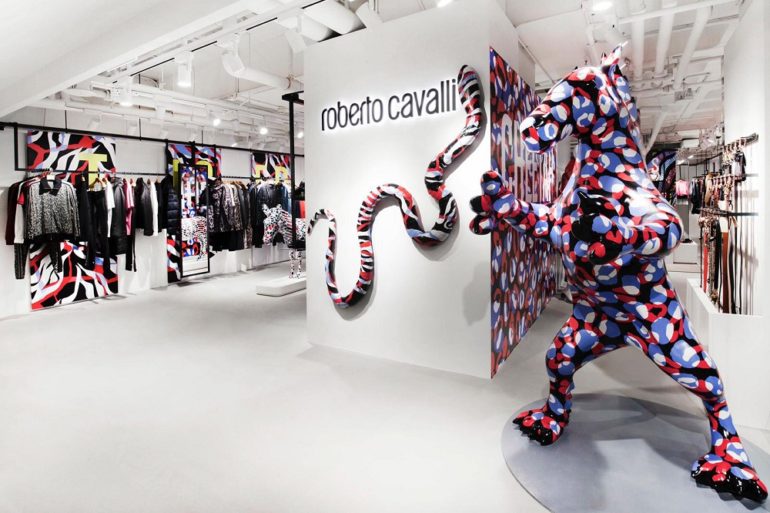
    Friday 14th , December Roberto Cavalli brought “New Species” by Paul Surridge to Hong Kong. The Italian luxury fashion, accessories, and lifestyle brand, has unveiled a 360-degree Instagrammable pop-up store at the Harbour City Shopping Mall in Hong Kong.

    The new pop-up store by its Creative Director Paul Surridge marks a new start for the brand, going back to its roots with the animalier prints but in a total new look to embrace novelty.

    The pop-up store concept “new species” is inspired by Paul Surridge’s latest collection, characterized by Roberto Cavalli’s famous animalier prints reimagined to create new species.

    It is a mix-and-match of different animal prints highlighted with vibrant colours.

    The pop-up store brings to live the colourful collection by Paul Surridge and materializes it into sculptures welcoming visitors in a canva-like space, in which products stand out as art pieces ready to interact.

    The setting was conceived to accommodate a range of activities, bridging the soul of the Italian brand and “create-your-own spirit” designed for Hong Kong customers to meet their demand for unique products.

    The key-element of this space is the omnichannel experience given by the creation of digital touchpoints disseminated in the whole space to enhance the interaction between the online and offline experience of the brand. The concept is the result of the collaborative work of the brand with the creative agency Branding Records.

    To mark the opening of the pop-up store, Roberto Cavalli has given the privilege to HK customers to touch and feel the V1PER Sneakers; including two limited edition styles available exclusively here in Asia after the global launch with Kim Kardashian: Hollywood app.

    The V1PER sneaker combines high-tech and traditional materials, which are mixed with apparel fabrics. The iconic style is defined by a customized chunky rubber sole, which is moulded with an exclusive technology to obtain an intriguing 3D python texture.

    During the VIP party, which welcomed hundreds of celebrities, influencers, and guests from the fashion scene had the chance to meet Paul Surridge, Creative Director of the Roberto Cavalli Group.

    “Hong Kong is an ever fascinating metropolis that always inspires me. I am especially fascinated by the vibrant energy and passionate liveliness of the city and its openness to the young generation of luxury consumers. Hong Kong is a natural choice for the Asian launch of the V1PER Sneakers as this special style is injected with a dynamic and urban edge, echoing my impression of this spirited town.” said Paul Surridge.

    At the party, also the new appointed General Manager, Ivan Perra, who has kick-started its new adventure in the company with an unforgettable night.

    Everything, from the music, to the canapes were tailored to match the new, fresh, young mood of Roberto Cavalli. Hong Kong and Asia played a major role in the brand positioning, and in the past years have been the theatre of several activities.

    Also, Gian Giacomo Ferraris, Chief Executive Officer of the Roberto Cavalli Group commented: “Hong Kong as a global financial hub with a skyscraper-studded skyline is an important market for Roberto Cavalli. The strategic positioning of Harbour City and the opulent retail environment enable us to reach to a wide spectrum of affluent and sophisticated shoppers. Our new pop-up store reflects a young and fresh concept of luxury shopping today, which I trust will be appreciated by our loyal patrons and new clients both locally and globally. ”

    We look forward to the upcoming brand activations that Roberto Cavalli has reserved to Asian customers.

  • Cafe Leitz opens in Raffles Hotel Singapore

    Cafe Leitz opens in Raffles Hotel Singapore

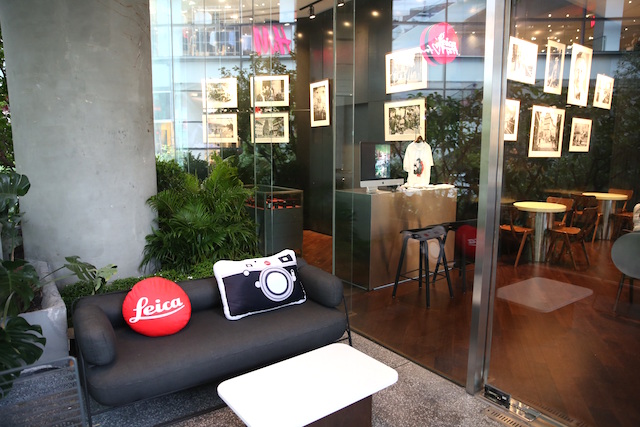
    German photography brand Leica has reopened at Raffles Hotel with a line of wristwatches and a cafe. The opening debuts Leica’s Cafe Leitz in Singapore, based on its German flagship and serving a variety of coffees and petit fours. The store, launched on the site of the brand’s original Singapore location, features a new experiential retail concept that showcases Leica’s iconic cameras while drawing visitors towards its first line of digital watches in Southeast Asia.

    Leica enters the watchmaking industry alongside a pewter and silver collaboration jewellery line with Royal Selangor exclusive to Leica Store Raffles, featuring subtle references to the Leica camera. The store hosts a gallery space for classic Leica photography.

  • LG U+ CEO says Huawei gear is not a risk

    LG U+ CEO says Huawei gear is not a risk

    LG U+ CEO and Vice Chairman Ha Hyun-hwoi has made it clear that the carrier does not think there are any security threats related to its use of Huawei equipment in its 5G infrastructure. Ha made the statement during a year-end press briefing on Wednesday in Yongsan District, central Seoul, rebuffing claims by some lawmakers that there is a risk of security leaks through the use of the Chinese tech giant’s equipment in the network. LG U+ currently partners with Huawei as well as Samsung Electronics, Ericsson and Nokia for its 5G infrastructure.

    According to Ha, the Chinese IT company has already applied for security certification of its 5G network equipment from an international certifying body in Spain. The CEO added the public will be able to see how secure the equipment is once the evaluations are complete next year.

    “Security concerns apply to every equipment vendor we partner with, not only Huawei, and we need to thoroughly verify all the equipment [we use] is secure,” Ha said. “There are roughly 170 countries that are already using Huawei’s network equipment, and there hasn’t been any security problems reported so far.”

    Locally, Huawei has set up equipment that abides by over 70 security guidelines set by the Korea Internet & Security Agency, according to LG U+.

    The main reason for the carrier taking the risk of using the controversial equipment is because 5G infrastructure needs to be built in conjunction with the existing network equipment for 4G long term evolution (LTE), some of which LG U+ also bought from Huawei. Ha said price, technological competitiveness and the ability to deliver the equipment in a timely manner were also considered when choosing the vendor.

    LG U+ has built 5,500 base stations to service the next-generation 5G network as of Wednesday, while its local competitors have reportedly established less than 1,000 5G base stations.

    On why the mobile carrier is rushing to establish its 5G infrastructure, Ha said, “It is important to have a head start to have a competitive edge in [5G] services considering the quality tests we need to go through before March [when the high-speed network is commercialized for smartphones].”

    Ha said the company invested roughly 4 trillion won ($3.6 billion) to set up its 5G infrastructure, including at 5G spectrum auctions.

    The company said it hopes to take up a larger share of the market, which is dominated by SK Telecom, with 50 percent, and KT, with 30 percent.

    “In July 2011, when we first began the LTE service, our local market share was 17.7 percent, but the share increased to 21.2 percent over time as of the end of October,” LG U+ said in statement. “We think next year could be the best time to shake up the competing structure.”

    The carrier is preparing a 5G-based smart factory service with its affiliates LG Electronics and IT service company LG CNS, targeting enterprise customers. For individual customers, LG U+ is focusing on augmented reality and virtual reality content that can offer an immersive experience of watching sports games and K-pop concerts at home.

    The CEO also commented on speculations that the carrier will acquire paid TV service operator CJ Hello. Ha said it has opened up its options to cable TV operators other than CJ Hello and plans to finalize the deal within the first half of next year. Industry sources, however, still say negotiations between the two parties have nearly come to a close and final results are likely to come out around March.

  • Haidilao hot pot debuts in Vietnam

    Haidilao hot pot debuts in Vietnam

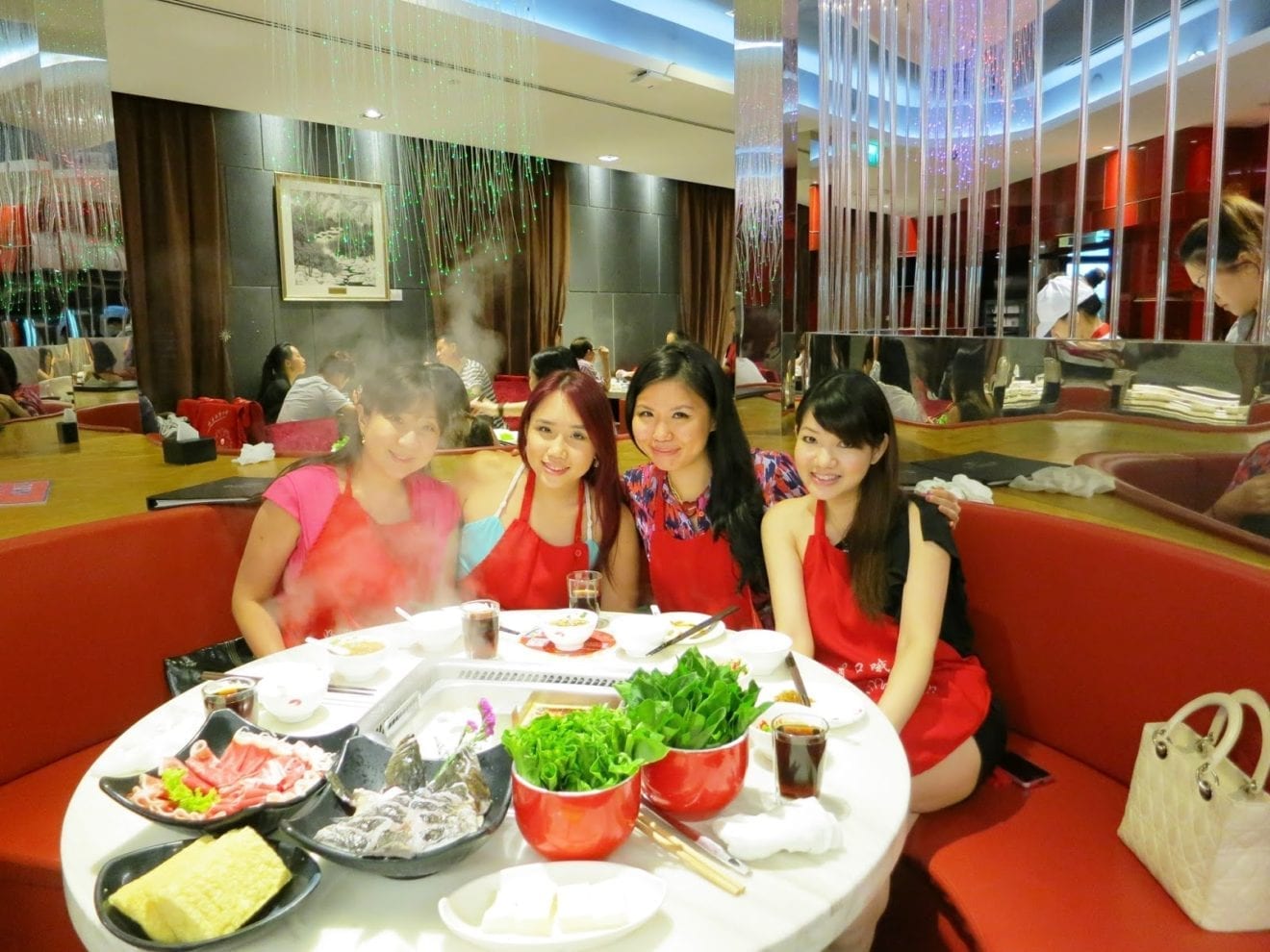
    Chinese hot-pot chain Haidilao is to open its first outlet in Vietnam. The outlet is located on the second floor of the 68-story Bitexco building in Ho Chi Minh City. Without revealing the opening date, the company has been recruiting office staff and restaurant crews for its Vietnam debut. Hai Di Lao Viet Nam Holdings Company was established in August, headquartered in Hanoi.

    Founded in 1994, Haidilao serves Sichuan-style hot pot integrating features from all over China. Until now, the chain has opened 29 restaurants overseas, including in Japan, Singapore, South Korea, and the US.

  • Indonesia’s November Trade Deficit Widest Since July 2013

    Indonesia’s November Trade Deficit Widest Since July 2013

    Indonesia posted its widest monthly trade deficit in over five years in November as exports, especially that of palm oil and pulp, slumped, data from the statistics bureau showed on Monday. The deficit in November was $2.05 billion, compared with October’s revised deficit of $1.77 billion and the biggest trade gap since July 2013, according to Refinitiv data. A Reuters poll had expected a deficit of $830 million.

    The rupiah weakened slightly after the trade data to 14,620 a dollar at 12.45 p.m. from 14,600 before the announcement.

    Exports surprisingly fell 3.28 percent in November from a year earlier to $14.83 billion, the worst monthly performance since June 2017. The poll’s median was for a 3.95 percent increase for exports.

    A decline in overseas sales of a range of products, such as palm oil, jewelry, pulp and paper, and crude oil, was the main reason for the drop, Central Statistics Agency (BPS) head Suhariyanto said at a news conference.

    Export revenues from vegetable oils, including palm and coconut oil, fell nearly 19 percent in November from a year earlier due to weak prices, he said.

    November imports stood at $16.88 billion, up 11.68 percent from a year earlier, topping the poll’s 10.50 percent estimate, but down from the nearly 24 percent growth in October.

    Southeast Asia’s largest economy has been struggling to contain imports in recent months. Some measures, including higher tariffs, have been imposed to curb imports.

    Authorities have also sped up negotiations for free trade deals to gain better access for exports, in a bid to reduce the trade gap and support the rupiah.

    Bank Indonesia has also hiked interest rates six times since May to try to attract portfolio investment needed to fund the widening current-account deficit.

    Fakhrul Fulvian, an economist at Trimegah Sekuritas, said the worse-than-expected trade deficit would “lower the expectation of improving current-account balance” in the fourth quarter. But he argued that the central bank would not have to raise rates again because it already did in November.

    Maybank Indonesia economist Myrdal Gunarto agreed.

    “The movement of the exchange rate in domestic market remains manageable and the trade deficit was supported by returning foreign inflows,” Gunarto said. “With that, we project Bank Indonesia will still maintain its policy interest rate at the current level.”

  • iStyle opens Fourth Hong Kong @cosme store

    iStyle opens Fourth Hong Kong @cosme store

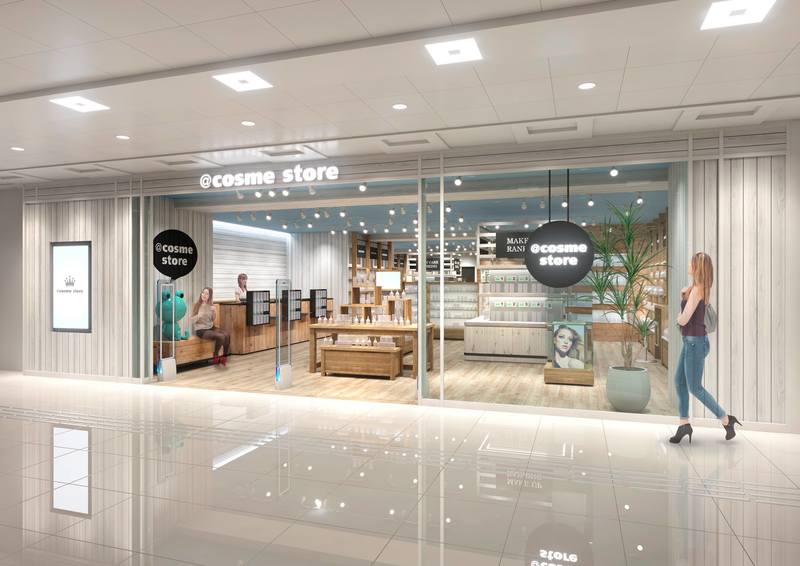
    Tokyo retailer Istyle will open its fourth @Cosme store in Hong Kong this Friday. The new outlet will be launching as a specialty cosmetics store in East Point City mall in Tseung Kwan O, which has recently emerging as a shopping spot across a range of age groups. The first of Istyle’s four stores to predominantly target local markets as opposed to visiting Chinese tourists, it is the brand’s first “community-based store” in Hong Kong.

    The firm intends to increase customer engagement via more interaction with local shoppers.

    @Cosme will offer free testing of almost all products in store and counseling services for skin and makeup, and will be adding new product lines from Homei, Covermark, and Bare Minerals to its range of exclusively Japanese items.

  • Vietnamese consumers among the most optimistic in the world

    Vietnamese consumers among the most optimistic in the world

    Vietnamese consumer confidence has reached a global high thanks to optimism over jobs and personal finances. The Vietnam Consumer Confidence Index has risen by nine points from the second quarter to reach an all-time high at 129 points in the third quarter of 2018, according to the Global Consumer Confidence Survey.

    The survey results have been released by research association The Conference Board in collaboration with global market research company Nielsen.

    The survey ranks the country in second place in the world in terms of consumer confidence, behind India at 130 points.

    While most Asian economies are vulnerable to the ongoing trade dispute between China and the U.S., Vietnam is a possible exception, as it may attract parts of the global value chain that currently run through China, the report said.

    The rise in the confidence index is also due to greater optimism about employment prospects, personal finances and the level of willingness to spend.

    Eight out of ten Vietnamese surveyed said that they were positive about their job prospects, up nine percentage points from the second quarter.

    Eighty-two percent of respondents expected their personal finances will be good or excellent over the next 12 months, up 6 percentage points from the second quarter.

    The majority of them, 63 percent, said that the next 12 months are a good time for them to buy the things that they want and need, 8 percentage points higher than the second quarter.

    Concerns about having a stable job and health (both at 40 percent) remained the top concerns among Vietnamese consumers. The national economy came in third at 27 percent, 5 percentage points higher than the previous quarter.

    Vietnamese consumers continue to take the lead globally when it comes to saving, the survey found. Seventy-two percent of respondents said that they would save their spare cash, up two percent from the second quarter.

    But Vietnamese people are also more willing to spend on big-ticket items. The percentage of people who would spend their spare cash on home improvements increased 10 percent from the second quarter to 48 percent.

    Over half of them, 53 percent, want to spend the money on new clothes, up 7 percentage points from the second quarter.

    Nguyen Huong Quynh, managing director of Nielsen Vietnam, said that when consumers faced multiple concerns, their purchasing decisions will be affected and businesses should always keep a close track on changes in the spending habits of consumers.

  • Miniso launches online store in Singapore with Shopee

    Miniso launches online store in Singapore with Shopee

    Discount Chinese merchandise chain Miniso has partnered with e-commerce platform Shopee to open its first online flagship store in Singapore. Shopee will exclusively host the Miniso Singapore online offering in the territory as a part of the retailer’s omnichannel strategy for Singapore in the coming year. The partnership will offer home delivery, special promotions and exclusive product launches on the platform.

    Miniso Singapore general director Alex Zhang Li said: “We foresee numerous key opportunities that will be pivotal to our growth strategy next year as we enter our first e-commerce partnership. As a global variety store chain, we aim to be able to deliver meaningful experiences, and leveraging Shopee’s user base, extensive operational support and other value-added services to grow our business will allow us to do that.

    “We are very excited to engage with a new segment of online customers and are confident that this partnership with Shopee is a leap forward to securing our long-term online and offline success in retail.”

    Shopee’s chief commercial officer Zhou Junjie added: “This partnership also marks our dedication to enabling offline retailers extend their reach online. We are confident that this partnership will be a fruitful one, and we look forward to working with them to bring to users even more exciting deals and exclusive offers from the brand.”

  • After Flipkart, Walmart eyes another Indian startup that specialises in AI

    After Flipkart, Walmart eyes another Indian startup that specialises in AI

    Walmart Labs India, the local product development division of US retail giant Walmart, last week announced it would hire key tech team from Artificial Intelligence (AI) and data analytics start-up Int.ai — its second acqui-hiring in the country within three months.

    Three engineers — including co-founders Vinay Kumar NP and Praneeth Doguparthy — from Int.ai will join Walmart Labs India.

    They will be part of the health and wellness portfolio under Customer Technology at Walmart Labs, the company said in a statement.

    “We are glad to welcome the Int.ai team to the big Walmart Labs family and believe that their expertise will be a great addition to our data analytics capabilities,” said Hari Vasudev, Country Head and Vice President – Technology, Walmart Labs India.

    This is the second acqui-hiring Walmart Labs India has made — after micro-app startup Appsfly in September where it merged Appsfly’s six-member team into its customer experience engineering group.

    Founded in 2016, Int.ai has invested and built expertise in architecting an analytics automation framework which will support Walmart Labs in developing solutions and supporting large-scale businesses.

    “After working for almost 3 years on it, we are very happy to let you know that our entire team will be joining Walmart Labs, India,” Vinay and Praneeth said in a separate statement.

    “We started Int.ai in the beginning of 2016 with an ambitious mission to build an AI-powered personal data analyst for every business executive,” they added.

    Int.ai developed expertise in blending Machine Learning with data analytics to uncover insights that significantly impact business metrics.

  • First Binance Blockchain Week Set for Singapore Next Month

    First Binance Blockchain Week Set for Singapore Next Month

    About 2,000 people from around the world are expected to attend the inaugural Binance Blockchain Week in Singapore on Jan. 19-22. The conference, which will take place at the Sands Expo and Convention Centre in Marina Bay Sands, is presented by Binance, the world’s leading cryptocurrency exchange.

    The high-profile event will serve as a platform to bring together regulators, investors, academics, entrepreneurs and technologists to discuss the current blockchain ecosystem and encourage sustainable growth in the industry.

    Binance Blockchain Week will feature more than 70 speakers, including thought leaders, top executives, academics and heads of state in a productive, yet exciting program filled with keynote speeches, panel discussions, fireside chats and exclusive networking events.

    Confirmed speakers include Changpeng Zhao, the founder and chief executive of Binance; Genping Liu, partner at Vertex Ventures; Justin Chow, head of business development, Asia at Cumberland; and Sonia Bashir Kabir, managing director of Microsoft Bangladesh, Myanmar, Nepal, Bhutan and Laos.

    “We are thrilled to host the first ever Binance Blockchain Week in Singapore, the finance and technology hub of Asia. Gathering the most notable players and thought leaders in blockchain, this will be a defining event. We look forward to many thought-provoking discussions and debates on how we can further work together to move the industry forward,” Zhao said.

    There will also be an expo featuring more than 50 booths for sponsors to showcase the best blockchain and cryptocurrency technologies.

    Secure Asset Funds for Users Hackathon

    The inaugural Binance SAFU Hackathon, which aims to seek innovative blockchain solutions to secure crypto assets, will take place at the offices of PricewaterhouseCoopers Singapore in Marina One East Tower on Jan. 19-20.

    The panel of judges includes PwC, blockchain accelerator program Tribe Accelerator and Binance Labs. Participants will have the opportunity to receive mentorships from senior leaders at companies such as the Ethereum Foundation, Primitive Ventures, Earn.com, Binance Labs and IDEO CoLab.

    Individuals and teams interested in participating in the event can submit their applications between Dec. 10 and Jan. 6.

    Twenty developer teams will be selected via pre-hackathons and direct registration on the event website. Pre-hackathons will be held around the world between December and early January.

    Only winning teams will qualify for free passes to the final SAFU Hackathon in Singapore.

    The teams winning the final will share a prize pool of $100,000 in Binance Coin (BNB) courtesy of Binance.

    For more information, check out the Binance Blockchain Week Facebook page or the cryptocurrency exchange’s Twitter profile.

  • Alfamart to add 200 PHL stores

    Alfamart to add 200 PHL stores

    Mini-mart chain Alfamart will open 200 new stores in the Philippines next year, according to a Fitch Ratings report. It said Alfamart Philippines stores already has 400 stores in the country, of which 180 were opened this year in partnership with local operator and majority stakeholder SM Group. The 200 new stores will take its total network to 600 locations in the Philippines by the end of next year.

    “Alfamart’s investment risk for its Philippine expansion is mitigated by the strong presence of SM Group in the country … Fitch expects Alfamart to have access to SM Group’s large business network and tap its widely known brand”.

    SM Retail operates 1729 stores nationwide. Alfamart’s Indonesian parent has a 35 per cent stake in the Alfamart Philippines business.

    According to the report, “Both Indonesia and the Philippines are consumer-driven markets with young populations and expanding middle classes. Both economies have similar income levels of GDP per capita of US$3000-$4000. Consumers in both markets also prefer to buy small amounts of bundled products rather than filling grocery carts”.

    It described the mini-mart sector in the Philippines “as untapped and having limited competition … the existing players mostly operate convenience stores that carry more limited products. Alfamart’s stores offer additional products, such as fresh and frozen food, personal care and small household appliances, giving the company some competitive advantage in grabbing market share.

    “Alfamart chose to expand in the Philippines as it believes it has more potential than other Southeast Asian markets, such as Thailand and Vietnam.”

  • TikTok plans to expand in Vietnam

    TikTok plans to expand in Vietnam

    Short-form video hosting service TikTok is planning to step up its Vietnam operations, targeting a wider Vietnamese customer base. TikTok, a product of Bytedance, a Chinese software company headquartered in the U.S., offers a short video sharing application, 15 seconds per video for basic accounts. It’s initial content is primarily lip syncing, dancing, or recording with fancy stickers and other effects.

    The TikTok app has quickly attracted the attention of many young people, particularly at school age, but is yet to appeal to older adults.

    Diep Que Anh, national director of communications for TikTok Vietnam and other emerging markets, said that the application is trying to “age” its content to widen its user coverage.

    It has to do this before it can become an advertising platform that can satisfy the demands of its client brands, some experts and industry insiders have said.

    Not revealing specific numbers, Que Anh estimated that Vietnamese users spend an average of 28 minutes per day on TikTok. Its prime time, when the app sees the highest traffic in the country, is 6 p.m.-8 p.m. every Friday and Saturday.

    The platform is still in its ad-free phase. “There have been brands who have approached us regarding advertising, but we do not intend to monetize our service at the present time,” Que Anh said, adding that they were waiting for the market to mature.

    TikTok has opened its first representative office in Ho Chi Minh City with around 70 employees. Que Anh said this number will continue to grow to several hundred employees.

    “After just one year, Vietnam has become our biggest market in Southeast Asia,” she said.

    According to Que Anh, TikTok now covers Singapore, Thailand, Indonesia, Malaysia and the Philippines.

    The Telegraph reported that in October, after receiving an additional $3 billion in capital from firms led by Softbank, KKR & Co and General Atlantic, Bytedance boosted its valuation to $75 billion, officially surpassing Uber to become the most valuable technology startup in the world.

    The Telegraph and many other newspapers call Bytedance a Chinese tech firm, although Que Anh noted TikTok’s headquarters is in Los Angeles, the U.S., and that its products are already in 150 markets.

    TikTok’s strength in the global advertising market is growing rapidly. According to Google’s ‘Best of 2018’ list, TikTok is the only social networking application named in User’s Choice Awards App of the year, while Facebook, Instagram or Youtube are no longer in the list.

    Some reports estimate that the global audience for this app this year is about 500 million.

    In Vietnam, the most successful content trend of the year – the 2018 AFF Cup, resulted in more than 120,000 videos released on the event, which attracted 54.8 million views.

  • H&M sales surges, with notes

    H&M sales surges, with notes

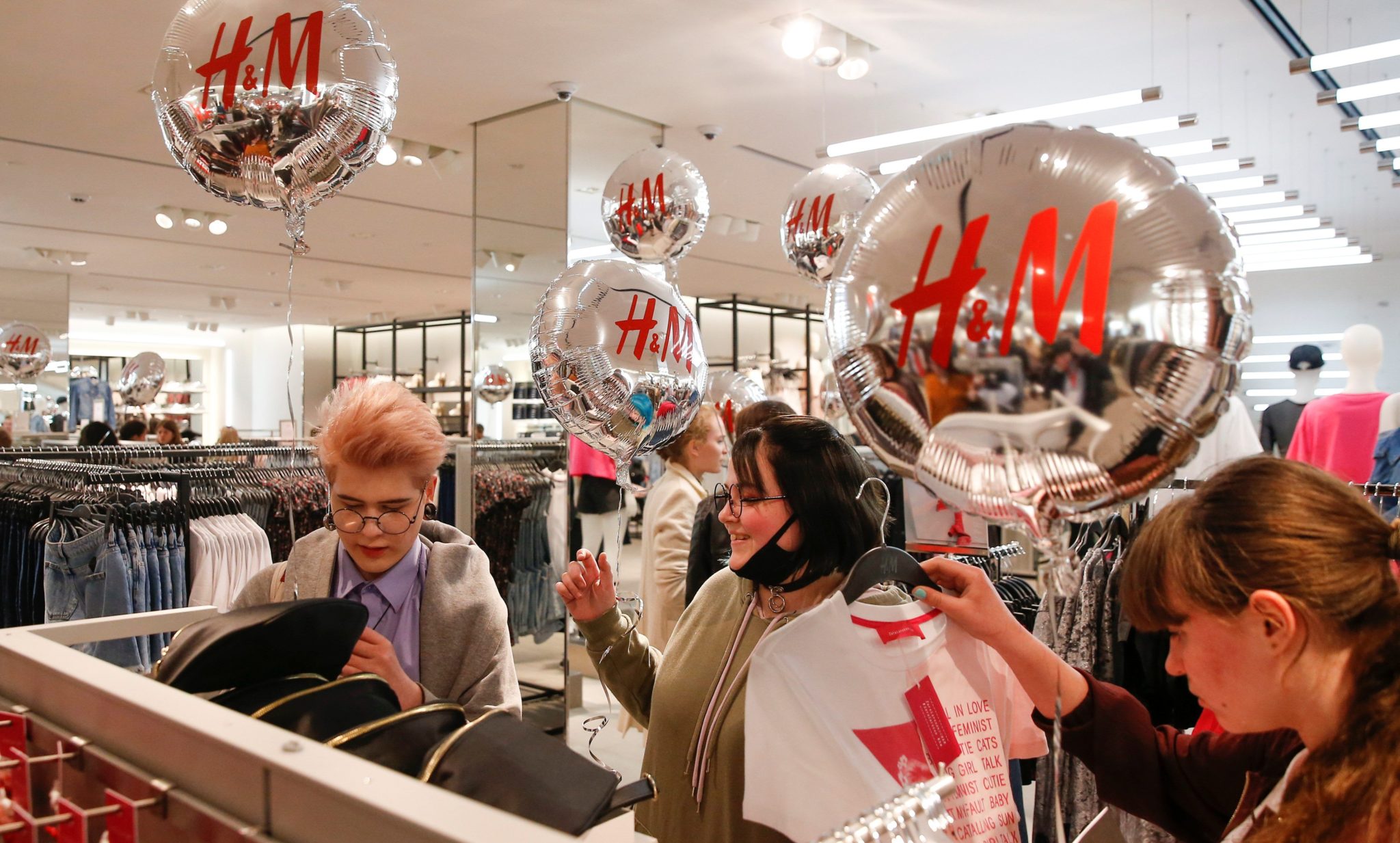
    H&M sales grew by the fastest rate in three years during the latest quarter – but analysts suspect it is due to discounting of inventory and favourable currency swings. According to a stock exchange filing, H&M revenue rose 12 per cent to 56.4 billion krona (S$6.23 billion) in the November quarter.

    But the fast-fashion retailer has been battling to move a huge inventory, estimated in March as worth a staggering $4.3 billion.

    This week’s filing covered only sales, with full details of H&M’s trading performance set to be revealed on January 31.

    Some analysts have described it as “possible” the sales growth was not profitable given sweaters have been selling for as little as $10 in recent months.