Author: Mei Ling Tan

  • Central Premium Mall Vietnam plans to open next year

    Central Premium Mall Vietnam plans to open next year

    Ho Chi Minh City is getting a new shopping centre, Central Premium Mall, in District 8, next year. Set to open in the third quarter of next year, the six-storey mall spans 40,000sqm, and is expected to welcome more than 3 million visitors annually.

    The first and second levels will host 200 kiosks from fashion retailers, a supermarket and luxury cafes.

    The third level is for dining, with more than 30 restaurants, including China’s Melie Dimsum, America’s HolyCow, Korean BBQ Gangnam, together with sushi and buffet restaurants.


    The fourth and fifth floors are for entertainment with a children’s playground Kid World, spas, Mexican-style Ritacita Bar, Beer Club Vuvuzela, Bar Redbull and Bar Rocco, among others.

    A cinema will occupy the whole 4000sqm sixth floor.

    Project owner Quoc Cuong Gia Lai says the shopping centre will be managed by a reputable international company, whose identity has yet to be revealed.

    The mall has cost VND1 trillion (US$43 million) to build.

    Central Premium Mall occupies the lower levels of the Central Premium apartment complex currently under construction. A roof-topping ceremony was held recently and apartments are expected to be handed over to residents by the third quarter of next year. It will be managed by Savills Vietnam.

  • Hyundai’s Genesis G70 named Motor Trend’s Car of the Year

    Hyundai’s Genesis G70 named Motor Trend’s Car of the Year

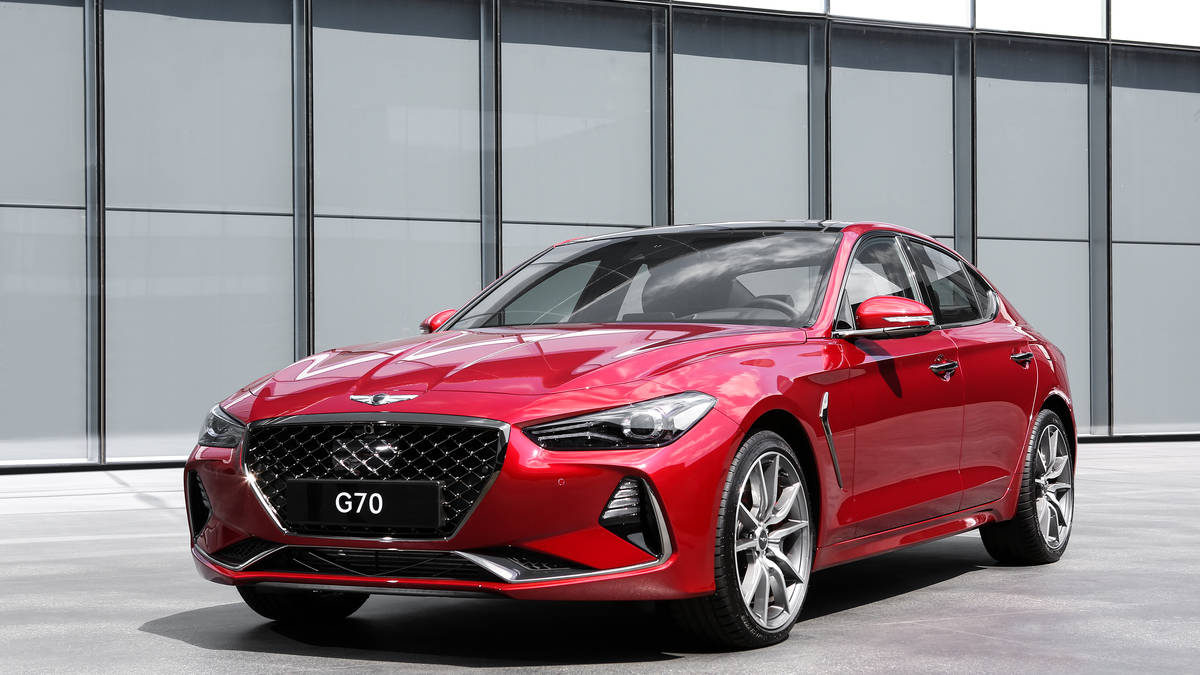
    Hyundai Motor’s luxury Genesis G70 sedan was selected as the Car of the Year by U.S. auto magazine Motor Trend, firmly establishing it as a legitimate alternative to BMW’s long-reigning 3 Series. The G70’s victory was proclaimed in Motor Trend’s January issue with the headline “A Star is Born.” The vehicle competed with 20 other models including the Audi A6, Mercedes-Benz CLS and Lexus ES.

    It is the first time a Korean car has won the award since the media outlet began the Car of the Year award in 1949. Last year, the winner was the Alfa Romeo Giulia, while in 2016, it was the Chevrolet Bolt EV.

    The magazine praised the rapid development that Hyundai Motor has achieved in its quality and brand awareness in such a short time, pointing out that the Korean brand first entered the U.S. market in 1985 selling a “Giugiaro-designed hatchback for the low, low price of $4,995.

    “Fast-forward to the present. How beyond belief is that the same cheap and cheerful automaker – Hyundai – not only has launched a luxury brand but has also built a better BMW 3 Series fighter right out the gate than the Japanese luxury brands have in numerous attempts?” the article read.

    The judging panel, made up of the magazine’s editors and engineering experts from top car brands, praised the sedan’s performance, particularly when equipped with a 3.3-liter engine. Its cousin, Kia Motors’ Stinger, which shares the same platform as the G70, missed the spot last year due to its lack of a sporty suspension.

    As an all-rounder, the Genesis G70 “pulls to infinity and beyond,” said Chris Theodore, a guest judge.

    Hyundai Motor expects its triumph to continue next year with the North American Car of the Year award, which will be announced at the North American International Auto Show in Detroit in January.

    “The Motor Trend’s Car of the Year award is expected to have positive effect in Genesis sales,” a Hyundai Motor spokesman said.

    The Genesis G70 was the first model to be released under Genesis after it was launched independently of the Hyundai brand. Other models – the G90 and G80 – were just partially revamped and renamed versions of existing models under Hyundai.

    The model ranked No. 1 in this year’s J.D. Power survey in quality, pushing aside long-running luxury brands like Porsche and BMW.

    The accolades didn’t translate to sales, however, as it continues to struggle in the U.S. market. The Genesis G70 sold 51 units in October in the United States.

  • Sexual Harassment Claims Against Ted Baker’s Founder investigated

    Sexual Harassment Claims Against Ted Baker’s Founder investigated

    UK fashion retailer Ted Baker has appointed an independent committee of non-executive directors to investigate workplace harassment claims that current chief executive and founder Ray Kelvin expected staff to hug him and sit on his lap when visiting stores.

    “Ray, and the company’s leadership, have always prided themselves on Ted Baker being a great employer and business to work with,” the company said in a response to media reports about the claims and a petition started by staff members to stop the behaviour.

    “Accordingly, they and the board take these concerns very seriously and the board has directed a thorough and urgent independent external investigation carried out into these matters.”

    Organise, a website that allows employees to speak out against what they see in the workplace, and where Ted Baker staff initially spoke out about the workplace harassment, was contacted by leadership at the retailer who said they’re “open to changing the way we do things” when it comes to hugs.

    “Together our pressure exposed what was happening at the highest level. Now, over 100 anonymised reports of harassment are sat with Ted Baker’s board,” Organise said in a blog post about the matter.

    In an interview, Kelvin explained that he hugs people because his psoriatic arthritis makes it painful to shake hands, and took offence when it was suggested that people would be uncomfortable doing so.

    “You can’t expect my life to change because today people are particular about certain things that we grew up quite naturally with,” Kelvin explained, calling it “good old-fashioned stuff.”

    “Plenty of people might have sat on Ted Baker’s knee.”

  • Factories, tractors and robots benefit from 5G in Korea

    Factories, tractors and robots benefit from 5G in Korea

    All three of Korea’s mobile carriers launched their 5G networks on Saturday, the first day of December, officially kicking off an era of the high-speed network. SK Telecom started transmissions from its Bundang network management center in Seongnam, Gyeonggi; KT from its Gwacheon network control center in Gyeonggi; and LG U+ from Magok Science Park in western Seoul. All of the 5G networks operate on a 3.5-gigahertz (GHz) frequency band.

    5G boasts a 20 times faster data transmission speed than the currently prevailing fourth-generation long-term evolution (LTE). Its competitive edge lies in ultra-wide bandwidth, ultra-low latency and ultra-fast connectivity. Data transmission speed of 5G is more than 20 gigabytes per second (Gbps), meaning a 2.5-gigabyte ultra high-definition video can be downloaded in just one second.

    The network can currently only be accessed by corporate clients, not individual users. Businesses can use the card-shaped mobile routers to pick up the 5G network and convert it into super-fast Wi-Fi.

    Individual subscribers are expected to be able to start using 5G from March, when smartphone devices supporting the new network will become available. Samsung Electronics is expected to unveil its Galaxy S10 smartphone as early as February and may come up with two different versions: one supporting LTE and one that works on 5G.

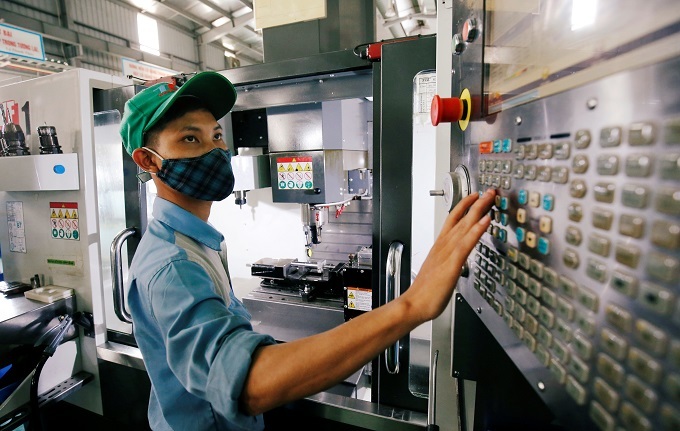
    SK Telecom’s first 5G customer was Myunghwa, a product quality assessment firm in Banwol Industrial Complex in Ansan, Gyeonggi. The company is using the network to process ultra-high definition photos of auto components taken from different perspectives as the products are being moved on a conveyer belt. The images are transmitted using the 5G mobile router to a cloud server, where a high-performance artificial intelligence interface can instantly tell whether a product is faulty.

    SK Telecom also began test operations of its 5G autopilot vehicles in Hwaseong and Siheung, both in Gyeonggi. The vehicles are able to exchange information about their status while on the road with a control center and traffic lights dozens of times per second.

    KT celebrated the launch of its 5G network by having a robot as its first subscriber. The robot, called Lota, will be guiding visitors to the Seoul Sky observatory at Lotte World Tower in Songpa District, eastern Seoul.

    “We chose Lota to show that 5G doesn’t simply mean a generational shift, but will become a platform that will innovate our overall lives and industry,” said KT in a statement.

    KT plans to prioritize 24 major cities nationwide as well as key public transportation routes and university areas, where traffic demand is expected to be high, for 5G installation in the near future.

    LG U+’s first corporate customer is LS Mtron, an industrial machine developer based in Anyang, Gyeonggi. The two companies have jointly developed a 5G remote-controlled tractor, the first in Korea. LG U+ said 5G-based remote-controlled technologies may minimize human engagement in risky working environments, such as the removal of mines and industrial waste disposal.

  • FTC Korea approves convenience stores’ voluntary rules to curb competition

    FTC Korea approves convenience stores’ voluntary rules to curb competition

    South Korean convenience store operators have agreed not to engage in cut-throat competition in the latest move to better protect struggling franchisees. A key centerpiece of the voluntary deal calls for CU, GS25 and 7-Eleven and three other convenience store brands to decide “carefully” over whether to open a new convenience store near an area where a rival convenience store is already located.

    The deal said that convenience stores of rival brands should be at least 50 metres away from each other. Currently, convenience stores of the same brand should be located at least 250 metres away from each other to make sure that they do not compete against each other.

    The latest move came as South Korea has been struggling to protect franchisees in a country where chaebol, or family-controlled conglomerates, have dominated the economy for decades.

    “The voluntary regulation, if implemented in good faith, could help ease saturation and improve management conditions of franchisees of convenience stores,” Kim Sang-jo, chairman of the Fair Trade Commission, said in a signing ceremony of the voluntary deal in Seoul today.

    Last week, President Moon Jae-in instructed the antitrust chief to support a voluntary deal among South Korean convenience store operators so as to address the saturation of the market.

    Convenience stores have sprung up in commercial areas in Seoul and other major cities in recent years, driven by growth of single-member households.

    Last year, the number of convenience stores surpassed 40,000, a dramatic increase from 1989 when the first convenience store opened in eastern Seoul.

    Kim said the voluntary deal could prevent convenience store operators from recklessly opening new outlets in areas where there are already many convenience stores.

  • Amazon briefly edges out Apple to top Nasdaq

    Amazon briefly edges out Apple to top Nasdaq

    Amazon briefly became the most valuable company on Wall Street in intraday trade on Monday, days after Microsoft dethroned long-time leader Apple. Amazon rose by 4.7 percent at one point, putting its market capitalization at $865.0 billion. At the same time, Apple traded up 2.1 percent, giving it a market capitalization of $864.8 billion.

    Microsoft, which on Friday closed above Apple’s market capitalization for the first time in eight years, was up 0.9 percent, leaving its stock market value at $859.0 billion, third in the group.

    Amazon’s lead lasted only a few seconds. At the close, Apple was back on top with a 3.49 percent increase in its stock that put its total value at $877 billion. It was followed by Amazon, up 4.86 percent with a market capitalization of $866.6 billion, and then Microsoft, up 1.08 percent and a stock market value of $860.4 billion.

    The tight race between the trio of high-powered technology stocks coincided with a broad stock market rally after the United States and China agreed on a temporary truce in their ongoing trade dispute.

    Apple in August became the first U.S. publicly listed company to reach a $1 trillion market capitalization, but its share price has fallen sharply in recent months as investors worried that demand for iPhones was losing steam.

    Its market capitalization overtook Microsoft’s in 2010 as Microsoft struggled with slow demand for personal computers, due in part to the explosion of smartphones like the iPhone.

    Amazon’s stock has recovered most of the ground it lost after the online retailer in October forecast disappointing sales for the holiday quarter.

  • Hamleys Japan in talk for theme park JV

    Hamleys Japan in talk for theme park JV

    Chinese-owned, British headquartered toy store chain Hamleys has entered the Japanese retail market, opening two theme-park styled outlets. Hamleys Japan is targeting 4 million visitors to each store within the first year, with a view to opening 30 stores in the territory over the next five years.

    The new stores have opened in Yokohama (at 32,300sqft) and Fukuoka (at 58,100sqft) in partnership with local video games firm Bandai Namco in a £300 million (US$381.7 million) venture. Each store features around 6000 products on sale and entertainment facilities such as merry-go-rounds, games corners and infant play spaces.

    Hamleys CEO Ralph Cunningham said Japan represents “an exciting and important market” and is key to Hamleys’ continued international growth strategy.

    “We look forward to bringing smiles to the faces of children and families all over Japan and delivering the unique Hamleys in-store experience to this fantastic market.”

  • Samsung is still top smartphone producer

    Samsung is still top smartphone producer

    Samsung Electronics managed to retain its position as the No. 1 smartphone maker in the world in the third quarter, but it may have a fight on its hands in the fourth quarter as Apple is expected to lower prices and increase production, according to a recent report from TrendForce.

    The report said Samsung was the top smartphone vendor in the third quarter with quarterly shipments of 74.5 million units, or almost 20 percent of the market.

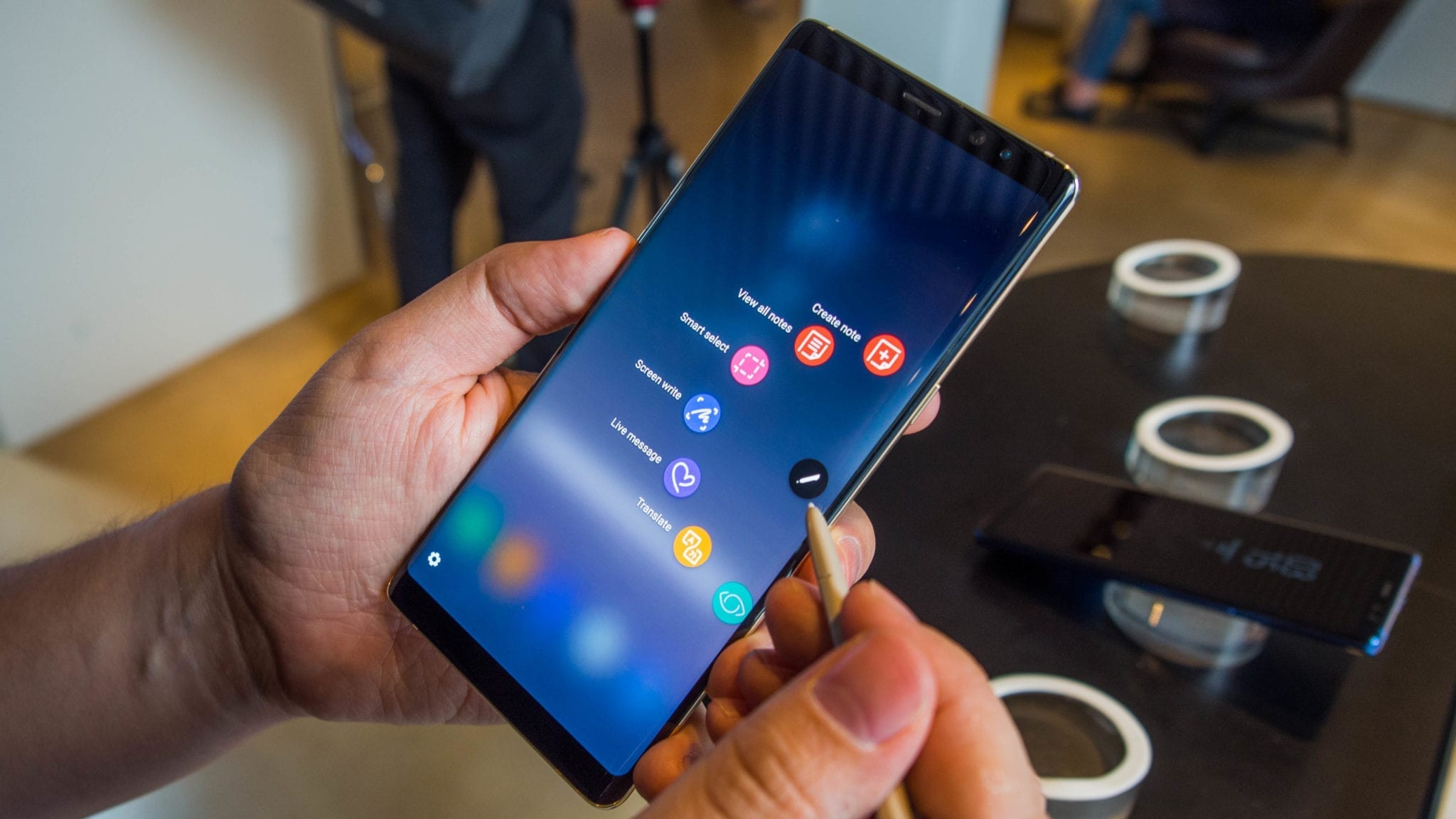
    “While Samsung grew its sales by releasing its flagship Galaxy Note 9 ahead of schedule, the device was not a significant upgrade from last year’s Note 8 and made limited contribution to the brand’s total volume in Q3,” said the report.

    The Galaxy J series, on the other hand, was still instrumental in sustaining the brand’s overall production, the report noted. Samsung has also been promoting the Galaxy A devices, emphasizing their improved cost-to-performance ratios and cameras since the beginning of the fourth quarter.

    In the fourth quarter, however, iPhone production is estimated to reach around 76 million units, which would see it surpass Huawei and compete with Samsung for the top position, the report noted. Samsung’s volume in the last quarter is estimated to reach around 75 million units, in line with the company’s target for the period.

    Huawei was the world’s second largest smartphone producer in the third quarter, beating Apple for the second consecutive quarter. The firm’s production volume stood at a new high of 55.5 million units. iPhone production for the third quarter totaled 47.1 million units.

    “Huawei’s in-house research and development capabilities and extensive product lines across all market segments have benefitted its expansions in overseas markets during the recent years,” the report said.

  • Biggest car rental company heading to Vietnam

    Biggest car rental company heading to Vietnam

    Vietnam is the first stop for Enterprise Rent-A-Car in Asia, after 85 locations in Europe and the Americas. The world’s largest car rental servicer, Enterprise Holdings, recently announced that its Enterprise Rent-A-Car service is now available in Vietnam. The move is part of Enterprise Holdings’ goal to expand its car rental services across the Asia Pacific region.

    Enterprise Rent-A-Car will operate in Vietnam through its Vietnamese franchise partner MP Logistics.

    Cuong Dang, general director of Enterprise Rent-A-Car Vietnam, said the company currently has 300 rental cars, from 5 to 47 seaters, available in Ho Chi Minh City. The service is scheduled to be expanded to Hanoi and central Da Nang City in the first quarter of 2019.

    Rent-A-Car’s initial strategy will be to grow a base of corporate customers, foreign employees of multinational companies with operations in Vietnam. The initial emphasis will be on long-term rentals with a chauffeur.

    Later, it will expand its services to include short-term, chauffeur-driven options, self-drive rentals and leisure hire at popular tourist destinations likes Da Nang.

    Cuong said he believes that there is great demand in Vietnam’s car rental market but inadequate supply, and that in the future, this market will thrive.

    There are two reasons Vietnam’s car rental market will grow, he said.

    First, FDI growth will be maintained for the next 10 years, which will attract an increasing number of foreign workers.

    Second, the middle class is seeing strong growth. The younger generation does not accord much priority to saving to buying luxurious cars and big homes, but tend to pay more attention to quality of life and experiences, and as such would be more willing to rent cars.

    However, Cuong noted that the Rent-A-Car model brought to Vietnam would take longer to recoup capital and profits than in the U.S.

    “The price of buying a car in Vietnam is twice that in the U.S., but the rental price is the same in both markets, so the business risk will be higher,” Cuong said.

    Todd Prister, regional director for the Enterprise Franchise Asia-Pacific said that the company is excited about the potential of Vietnam’s economy.

    “Vietnam not only has one of the highest growth rates in the world as well as attractive business markets, but also is a prominent destination in Southeast Asia. Combining these factors, Vietnam will be a brilliant opportunity for us,” said Todd.

    Enterprise is the largest car rental company in the U.S. and is the 13th largest private enterprise in the country.

    Todd Prister said Enterprise is also the largest car rental company in the world in terms of vehicles owned, employees and sales.

    The company is present in 85 countries, 10,000 locations, owns over two million vehicles and has an average annual turnover of about $22 billion.

  • Marcelo Burlon Opens First Flagship Store in Singapore

    Marcelo Burlon Opens First Flagship Store in Singapore

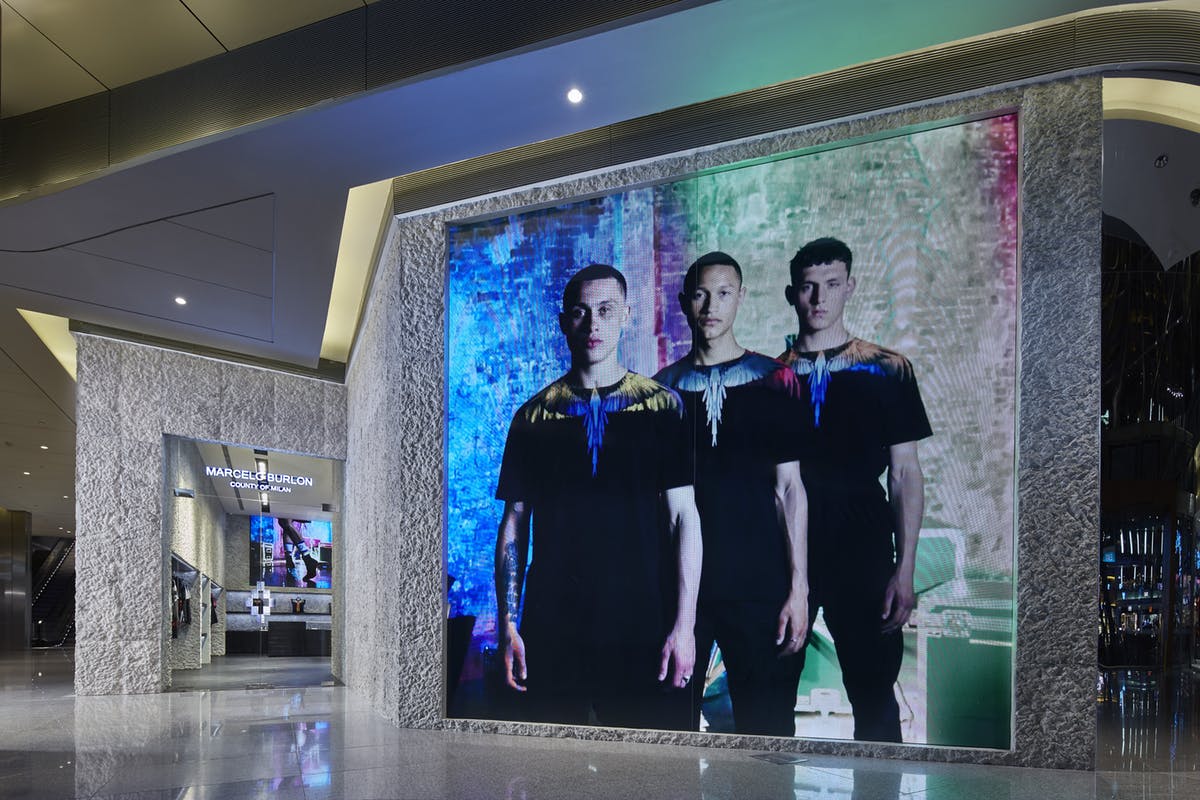
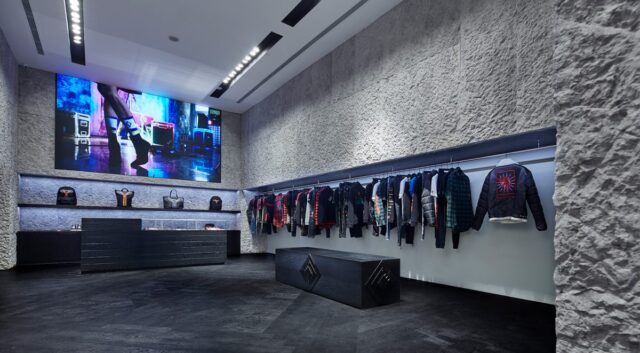
    Italian fashion label Marcelo Burlon has launched a Singapore flagship store on Orchard Road. The Marcelo Burlon Singapore store – the brand’s first in Southesast Asia, will offer a comprehensive range of the brand’s most recent collections, as well as the latest collaborations with NBA and MLB. Exclusive T-shirts were released to celebrate the store’s opening.

    The venue’s interior design reflects the Patagonian roots of the popular designer, who was personally present to attend the launch.


  • Vietnam to experience power cuts early 2019

    Vietnam to experience power cuts early 2019

    The ongoing coal shortage could lead to power cuts in Vietnam early next year, Vietnam Electricity (EVN) has warned. The national power utility said in a recent report to Deputy Prime Minister Trinh Dinh Dung that the country will need over 54 million tons of coal for electricity production next year, of which 43.4 million tons will come from domestic production and 10.68 million tons will be imported.

    But the country’s only two suppliers, Vietnam National Coal-Mineral Industries Corporation (Vinacomin) and the North-Eastern Company (NECO) under the Ministry of Defense, will only be able to produce 37.21 million tons of coal next year, 6.19 million tons lower than estimated demand, EVN said.

    “The lack of coal will lead to a shutdown of thermal power plants, seriously affecting the national power grid and EVN might have to cut electricity in the first months of 2019,” it added.

    EVN estimated that power generation will be reduced by 2,300 MW, which is the average electricity consumption of 13 central provinces.

    EVN said that Vinacomin and NECO had promised to provide enough coal for plants this year, but the amount provided by Vinacomin until this month was 690,000 tons lower than contracted.

    The power utility estimates that the country will need 2.55 million tons of coal of electricity in December, but the two coal producers plan to deliver only 2.05 million tons, which is 500,000 tons short.

    Due to the coal shortage, the Quang Ninh Thermal Power Company has shut down two out of four turbines since November 17.

    The Hai Phong Thermal Power Company shut down one turbine on November 22, and the Nghi Son Thermal Power Plant  reduced its two turbines to minimum operation the same day. The Ninh Binh Thermal Power Company is running low on inventory.

    Vietnam currently relies largely on hydropower and thermal power plants for its electricity needs. However, its hydropower potential is almost fully exploited and its oil and gas reserves are running low. Thermal energy is expected to account for over 48 percent of the country’s power production next year.

    Vietnam, one of Asia’s fastest-growing economies, has been struggling to develop its energy industry.

    World Bank country director for Vietnam Ousmane Dione said at a forum Monday that Vietnam will need to raise up $150 billion by 2030 to develop its energy sector.

    Dione added that electricity demand in the country will grow by about 8 percent a year for the next decade, as reported.

  • Malaysia Airlines’s progress in line with recovery plan

    Malaysia Airlines’s progress in line with recovery plan

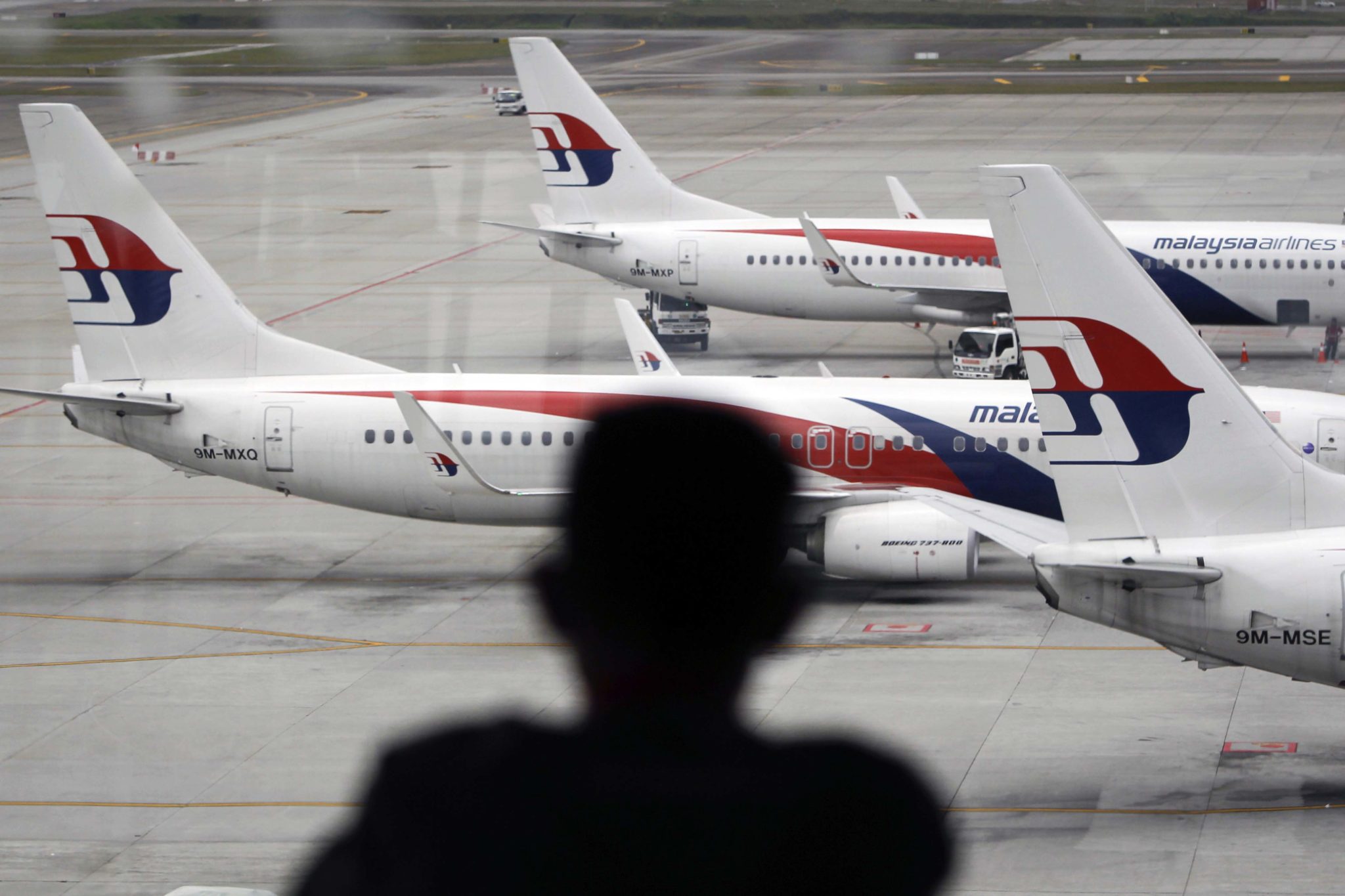
    Although relatively little is being said and publicised about Malaysia Airlines Bhd’s (MAB) recovery plan, a substantial amount of progress has actually been achieved in its business operations in line with the plan, which aims to revive the country’s national carrier and sustain its profitability.

    Group CEO Captain Izham Ismail said improvements in terms of cost base, productivity, information technology (IT) systems and customer experience were among the achievements chalked up by the company, thanks to the five-year Malaysia Airlines Recovery Plan.

    In an interview with Bernama, he said plans had been put in place to address the airline’s performance going forward and this had yielded improved performance for the first half of this year.

    The airline performed stronger in the first six months of this year than in the same period of 2017, adding that the key focus for the airline in financial year 2018 included driving revenue.

    “This will be underpinned by continuous improvement in customer experience, product quality and operational excellence while maintaining a productive and competitive cost base,” he said.

    According to Izham, MAB’s cost base has been significantly changed to bring it in line with its peer network airlines.

    As of today, the group has one of the lowest cost bases among its peer network airlines on a cost per available seat kilometre basis.

    The company has also seen material gains in productivity with a more competitively sized workforce, which is further complemented by a commitment towards continuous talent development.

    “A stronger local talent pool has now been established,” he said.

    On the group’s IT system, which is an integral part of overall airline operations, Izham said the complete overhaul had now been completed.

    He said the new Passenger Service System and migration to a cloud-based data centre had improved reliability and cyber security, as well as enhanced agility and better time-to-market.

    He said customer experience had also improved with market-driven metrics based on the company’s customer survey and net promoter measures showing significant positive gains over the last two financial years.

    On the operational front, Izham said the supply chain in engineering had been significantly tightened, which had helped the airline’s on-time performance, although it was still impacted by external factors beyond its control.

    “Since the set up of NewCo (MAB, which took over the operations, assets and liabilities of Malaysian Airline System Bhd or MAS) in 2015, we are showing progress and have recorded a double-digit compound annual growth rate growth (of 21%) over the last three years.

    “That is improvement straight to the bottomline,” he explained.

    MAB managed to record “steady year-on-year (y-o-y) performance” in the second quarter of 2018, with a marginal yield improvement, while revenue per available seat kilometre remained steady with a growth of 2% y-o-y.

    Going forward, Izham said MAB would continue to focus on the customer while making sure to deliver a strong schedule and great service for its customers.

    The airline also aimed to build a diverse Asia-Pacific network with a simplified fleet structure and operations to ensure consistency, and removing complexity in service delivery as well as pursuing a gradual and progressive growth strategy across markets, he said.

    Commenting on Khazanah Nasional Bhd’s plan to relist the national carrier as part of the recovery plan sometime from now until 2020, he said “the plan has always been to re-list Malaysia Airlines”.

    “We are working hard to stabilise the company and return it to profitability before any initial public offering plans can be considered,” he added. Khazanah owns 100% equity interest in MAB.

    In 2014, the sovereign wealth fund had injected investments amounting to RM6 billion to support the airline’s five-year turnaround plan with the aim of returning MAB to profitability by late 2017 and to relist the company by 2018 or 2019.

    Khazanah de-listed MAS from Bursa Malaysia on Dec 31, 2014.

  • October retail sales tide in Hong Kong turns up

    October retail sales tide in Hong Kong turns up

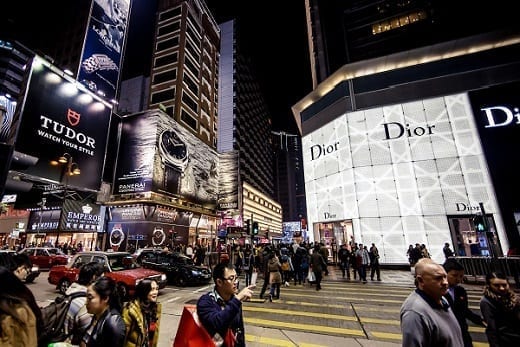
    October retail sales in Hong Kong rose by 5.9 per cent year on year, more than double the pace of September, which was affected by Typhoon Mangkhut. A government spokesman indicated that growth in retail sales picked up somewhat in October after a deceleration in the preceding month, supported by the faster increase in visitor arrivals and continued income growth.

    The Census and Statistics Department (C&SD) estimated the total value of October Hong Kong retail sales at HK$39.7 billion.

    After netting out the effect of price changes over the same period, the volume of October retail sales in Hong Kong increased by 5.2 per cent.

    C&SD’s revised estimate of the growth in the value of retail sales in September was unchanged at 2.4 per cent, the lowest figure year to date.

    For the first 10 months of this year retail sales rose by 10.6 per cent year on year, while the volume (netting out inflation) rose by 9.1 per cent.

    The spokesman strong inbound tourism and favourable job and income conditions should continue to support the retail sector in the near term.

    “Yet, consumer sentiment could increasingly be affected by the external uncertainties and weaker asset markets.”

    By broad type of retail outlet (in descending order of the category’s impact on the overall figure) sales of jewellery, watches and valuable gifts increased by 3.3 per cent in October. This was followed by electrical goods and other consumer durable goods, not elsewhere classified (up 16.1 per cent); commodities in department stores (up 3.5 per cent); apparel (up 2.3 per cent); medicines and cosmetics (up14.9 per cent); other consumer goods, not elsewhere classified (up 12.7 per cent); motor vehicles and parts (up 13.6 per cent); fuels (up 10.3per cent); footwear and accessories (up 9.3 per cent); books, newspapers, stationery and gifts (up 5.8 per cent); furniture (up 0.8 per cent); Chinese drugs and herbs (up 0.6 per cent); and optical shops (up 3.2per cent).

    The only categories to record a decline in sales were commodities in supermarkets, down 0.9 per cent, and food, alcoholic drinks and tobacco, down 2 per cent.

  • Vietnamese government will share risks with startups, PM assures

    Vietnamese government will share risks with startups, PM assures

    The Vietnamese government is willing to make changes in regulations to facilitate timely funding of startups, Prime Minister Nguyen Xuan Phuc said. Addressing at the Youth Startups Forum 2018 in Hanoi on Thursday, he acknowledged the challenges that Vietnamese startups have highlighted, saying that it is the task of authorities to find a breakthrough solution for creative entrepreneurs to start and run a business.

    He asked the Ministry of Planning and Investment, the Ministry of Science and Technology, the Ministry of Finance and the State Bank of Vietnam to create more favorable conditions for startups by making changes in the legal framework.

    “We need a breakthrough innovation in policies from government bodies to help startups succeed with their ideas,” he told the forum, which attracted 300 entrepreneurs from across the country.

    The government is willing to share a part of the risks with startups, the PM added.

    He asked relevant ministries and other agencies to report in detail next month on the solutions they have identified for the problems that industry insiders have highlighted.

    Vietnam has seen an increasing number of startups in recent years. The country’s speed of startup development ranks third among ASEAN members. But regulatory obstructions are hindering their ability to attract funds they need to establish themselves and thrive in the market, entrepreneurs said at the forum.

    Thach Le Anh, founder of Vietnam Silicon Valley, a government-backed organization aiming to stimulate the growth of startups, said that angel investors are reluctant to invest due to a lack of incentives in tax and policies. Angel investors are people who inject money into a new business in the early stage.

    The early financial support is crucial for a startup to succeed, Anh said.

    Nguyen Manh Dung, a representative of the investment fund CyberAgent Veuntures in Vietnam, also said that many investors want to invest in Vietnam’s startups, as larger markets like the U.S., Japan and China require bigger capital and fewer opportunities.

    Investors are also reluctant about later stage investments, when profits can be extracted, because of slow administration procedures, he said.

    Disbursement procedures in Vietnam could take from six months to a year while the very nature of startups is that they need to act fast, he added.

    Dung also said that divestment was one the main concerns that investors have.

    “These challenges take opportunities away from startups,” he said.

    Dam Quang Thang, CEO of AgriTech Village, a company which assists local startups in agriculture, said that although startups often use new technological solutions, they have to go through a traditional testing method, which is more time consuming than it should be.

    A representative of Vietinbank, Vietnam’s fourth-biggest listed bank by market capitalization, said tight bidding procedures and long financial checks were preventing the bank from investing in a tech startup.

    “Startups struggle to sell their products to investors as they have to go through the traditional process. There must be a better way for them to sell their new solutions,” the representative said.

    Last year, Vietnamese startups received $300 million in investments in 92 different deals, according to startup accelerator program Topica Founder Institute (TFI).

  • Restructuring continue benefits 7-Eleven Malaysia

    Restructuring continue benefits 7-Eleven Malaysia

    New store openings are maintaining a modest 7-Eleven Malaysia sales growth rate – but improved margins are driving solid profit improvement. The listed convenience store operator released its third-quarter results on Friday, which showed third-quarter sales growth of 1 per cent and year-to-date growth of 1.3 per cent. But net profit was up 4.1 per cent for the quarter and 13.3 per cent year to date.

    CEO Colin Harvey said net profit grew 27.6 per cent quarter on quarter.

    “However, this is only the first step in the right direction towards where the organisation should be, and there is scope for improvement. I am confident that our strategy roadmap focussed on strengthening the key areas of, assortment, supply chain, operational excellence, store base, and digitally enabling the organisation will bear fruit in terms of financial performance, and overall customer shopping experience.”

    He said the group’s net revenue of RM1.66 billion year to date was driven by growth in new stores and consumer promotion activity.

    Continued store expansion has taken the network to 2259 stores.

    7-Eleven Malaysia expects trading conditions for the next quarter to improve with the anticipated heightened consumer sentiment.

    “We expect to see further improvements in the next quarter by pursuing our core strategy pillars of operations excellence, cost management and commercial innovation,” the company said.