Author: Mei Ling Tan

  • Hong Kong retail rent rises (too) fast

    Hong Kong retail rent rises (too) fast

    Prime Hong Kong street-shop rents rose 4 per cent in the first three quarters of this year, ahead of the up-to 3 per cent rise prediction by Savills a year ago. In a third-quarter real estate briefing released yesterday, Savills said shopping-centre retail rents, which Savills expected would fall as much as 5 per cent, have actually risen 2 per cent year to date.

    Savills expects prime Hong Kong street-shop rents and shopping centre rents will rise by about 2 per cent next year.

    “In the retail market, despite the headwinds of a weaker RMB, more competition from regional cities and elevated new supply in the New Territories, rents will rise modestly,” the company predicted.

    “New infrastructure in the form of the High Speed Rail Link and the Macau Bridge will improve accessibility for mainlanders, while domestic consumption expenditure is expected to remain reasonably robust. Online retail continues to make limited gains in the Hong Kong market.”

    Savills said prime street shops proved the only real estate category in Hong Kong to post a decline in sale value on a per square foot basis, falling 3 per cent – a stark contrast to the 10-12 per cent rise in flatted factories and warehouses, and 8 per cent rise in luxury apartments.

    The company predicts prices for prime high street shops are likely to fall by up to 5 per cent next year.

  • Vietnam Airlines eyes stock market listing in 2019

    Vietnam Airlines eyes stock market listing in 2019

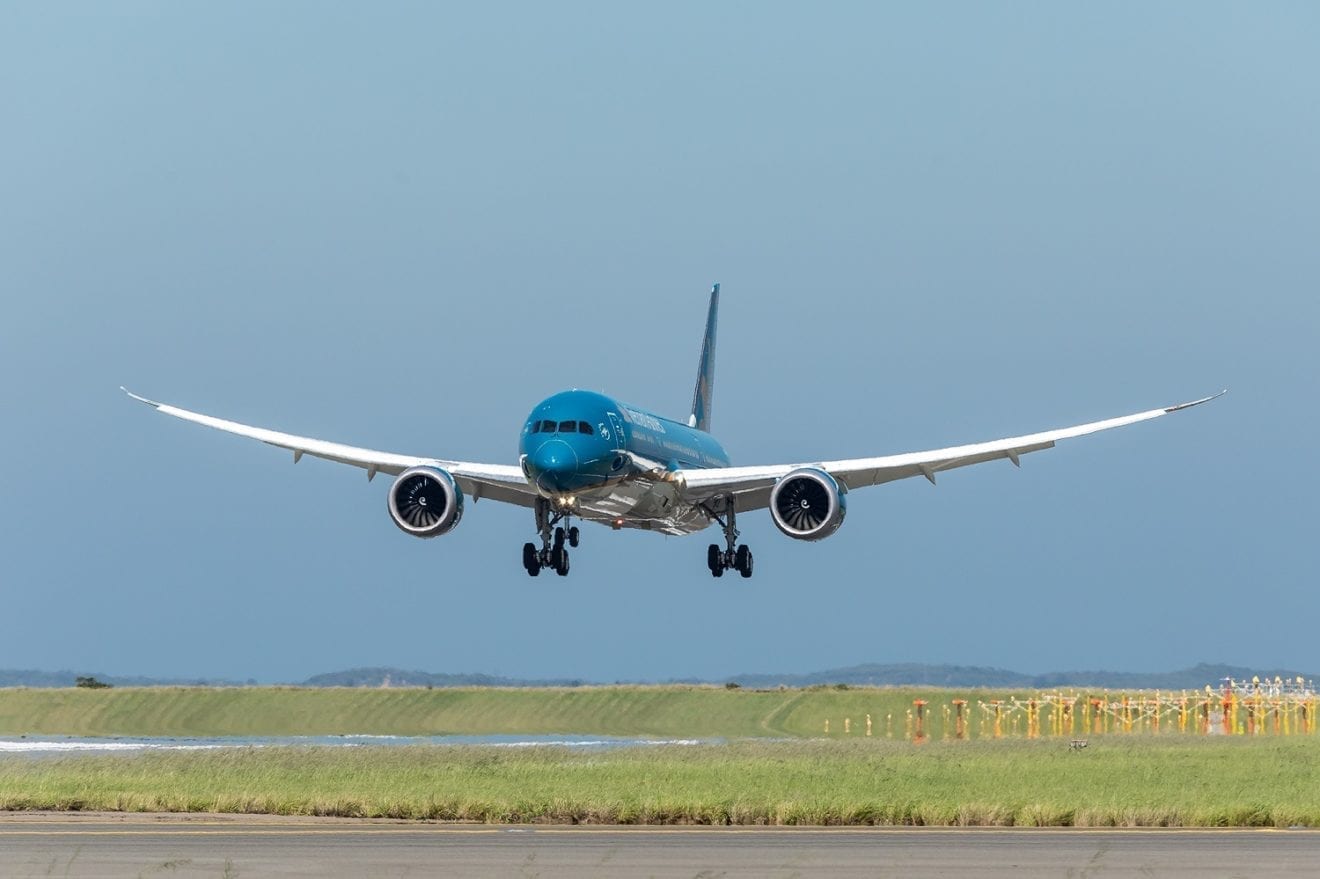
    Vietnam Airlines plans to list its shares on the Ho Chi Minh City Stock Exchange next year amidst rising competition of low-cost carriers. “Vietnam Airlines will go public in the first quarter of next year,” its chief executive, Duong Tri Thanh said. “We are making our target the first quarter of next year, and I think it is feasible.”

    But he admitted the final decision rests with the government.

    The carrier’s shares are traded on Hanoi’s Unlisted Public Company Market (UPCoM) and it has a market capitalization of more than $2 billion.

    The government currently owns around 86 percent of Vietnam Airlines, but has said it wants to reduce this to 51 percent by 2020.

    The country’s largest airline by passengers carried now faces rising competition from budget carrier VietJet Aviation and others. Last month Vietjet became the second most valuable airline in Southeast Asia by market cap behind only Singapore Airlines.

    With the domestic market showing signs of saturation, Vietnam Airlines seeks to expand overseas. In October it started a daily service from central Da Nang City to Osaka City to add to the 70 weekly flights from Vietnam to Japan. In 2020 it plans to begin a direct service to the U.S.

    Vietjet launched a daily service from Hanoi to Osaka last month to take its total number of international routes to 64 in 11 countries. It plans to add two more routes to Japan by next month.

    Other airlines are also jostling for market share. Bamboo Airways, Vietnam’s newest airline, received a license last month and is set to make its maiden flight on December 29.

    Experts said the listing of Vietnam Airlines would allow it to compete with other carriers by attracting more investors.

    “This would be a major Vietnamese company joining the stock exchange, which would interest international investors and potentially enable Vietnam Airlines to raise funds more easily to compete with the likes of VietJet and Bamboo,” the Financial Times quoted Tony Foster, a partner at Hanoi law firm Freshfields, as saying.

    Vietnam’s international aviation market, driven by the rapid growth in tourism, has been expanding at more than 30 percent a year, according to the CAPA Centre for Aviation, an Australian consultancy.

    Vietnam welcomed 14.1 million international tourists from January to November, up 21.3 percent year-on-year, according to the General Statistics Office. As many as 11.4 million of them came by plane, up 15.3 percent, it added.

    Vietnamese carriers transported 45.1 million passengers between January and November, up 11.9 percent year-on-year, and 369.2 million tons of goods, up 18.6 percent, according to the General Statistics Office.

    There are five carriers in Vietnam: Vietnam Airlines, Vietjet Air, Bamboo Airways, Jetstar Pacific and VASCO. Vietnam Airlines owns VASCO and has a 70 percent stake in Jetstar Pacific.

  • Zomato India to expand food delivery business to 100 cities

    Zomato India to expand food delivery business to 100 cities

    Online restaurant guide and food ordering firm Zomato on Friday said it is expanding food delivery services to 100 cities over the next week.

    The company’s food delivery services are currently present across 93 cities and lists over 75,000 restaurants on the platform, Zomato said in a statement.

    “… the food delivery business is ramping up really well with the growth in main markets, as well as the reception in tier II tier III cities,” Deepinder Goyal, Founder and CEO, Zomato said.

    Founded by Goyal and Pankaj Chaddah in 2008, Zomato is a restaurant search and discovery platform providing in-depth information for over 1.4 million restaurants across 24 countries and serves more than 50 million users every month.

  • Vingroup’s smartphone launched soon

    Vingroup’s smartphone launched soon

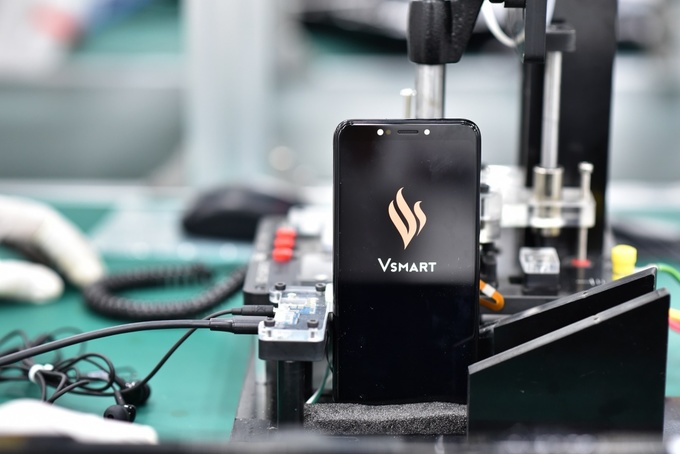
    Vietnam’s largest private conglomerate, Vingroup, will introduce its first smartphones on December 14 as part of its tech expansion. The company will launch four new models under the brand name “Vsmart,” at the Landmark 81 skyscraper in Ho Chi Minh City.

    The phones are produced at Vingroup’s factory in the northern city of Hai Phong, which is capable of making five million phones a year in its first phase of operations, a Vingroup statement said.

    The company will utilize Spanish experts for product development as it owns 51 percent of Spanish technology firm BQ.

    “We hope that Vsmart phones, alongside VinFast cars, will contribute to the development of Vietnam industry and bring Vietnamese brands to the world,” said Nguyen Viet Quang, vice chairman and chief executive officer of Vingroup.

    Vingroup became the country’s first full-fledged domestic car maker two months ago, introducing three new car models. In June, it established the VinSmart Co. to produce smartphones and other smart electronic devices with a registered capital of VND3 trillion ($131.54 million).

    VinSmart is also working with Qualcomm and Google’s Alphabet Inc to “update to the most advanced technology in the smartphone sector,” the statement said.

    The company will be the newest phone maker seeking success in Vietnam, a country of 95 million people. The market is currently dominated by Samsung and Apple phones. Vietnam is the largest smartphone production base for Samsung Electronics.

    Vingroup said its VinSmart factory will also produce smart TVs and other smart products in the future.

  • Vietnam must avoid power cuts next year: PM

    Vietnam must avoid power cuts next year: PM

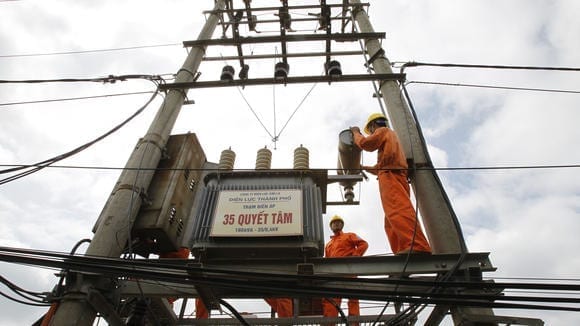
    Prime Minister Vietnam Nguyen Xuan Phuc has ordered agencies to ensure that the country won’t suffer power shortages in 2019. The Prime Minister has communicated this to relevant agencies several times, Mai Tien Dung, Minister and Chairman of the Government Office, said at the government’s regular press conference on Monday.

    The communiqués have instructed the agencies to ensure that there’s no electricity shortage for both industrial and domestic uses, emphasizing they would be held responsible for failures, Dung said.

    The PM has also tasked relevant agencies with definitively resolving the ongoing issue of coal shortage for thermal power plants, which Vietnam Electricity (EVN) has warned could lead to power cuts early next year.

    The national power utility said in a recent report to Deputy Prime Minister Trinh Dinh Dung that the country will need over 54 million tons of coal for electricity production next year, of which 43.4 million tons will come from domestic production and 10.68 million tons will be imported.

    But the country’s only two suppliers, Vietnam National Coal-Mineral Industries Corporation (Vinacomin) and the North-Eastern Company (NECO) under the Ministry of Defense, will only be able to produce 37.21 million tons of coal next year, 6.19 million tons lower than estimated demand, EVN said.

    Speaking at the press conference, Deputy Minister of Industry and Trade Do Thang Hai said a total of four different electricity supply plans have been drafted, all of which designed to ensure there would be no power shortages next year.

    However, in certain cases, Vietnam would still need to produce 2-7 billion kWh of electricity from expensive oil-powered generators.

    “If we want to have enough electricity then we must increase the production of electricity by oil, which would be more expensive,” he said, asking consumers to make plans to save electricity.

    Regarding the issue of coal shortage, Hai asserted that Vinacomin and NECO have both supplied enough coal for thermal power plants as committed.

    “The two major coal suppliers have tried their best. If coal from domestic sources is not enough to supply [thermal power plants] then we will import more,” he said.

    The deputy minister also said a scenario for regulating electricity prices next year would be reported to the government later this month.

    “The electricity price for next year is being carefully considered and the scenario is being built in accordance with regulations, including factoring in the effect on inflation,” he said.

    Vietnam currently relies largely on hydropower and thermal power plants for its electricity needs. However, its hydropower potential is almost fully exploited and its oil and gas reserves are running low.

    Thermal energy is expected to account for over 48 percent of the country’s power production next year.

    Vietnam, one of Asia’s fastest-growing economies, has been struggling to develop its energy industry, and its heavy reliance on non renewable sources could prove problematic in the future, experts say.

    World Bank country director for Vietnam Ousmane Dione said at a recent forum that Vietnam will need to raise up $150 billion by 2030 to develop its energy sector; that electricity demand in the country will grow by about 8 percent a year for the next decade.

  • Thai’s The Lobster Lab expands to China

    Thai’s The Lobster Lab expands to China

    Thai restaurant concept The Lobster Lab has opened its first outlet in Shanghai.

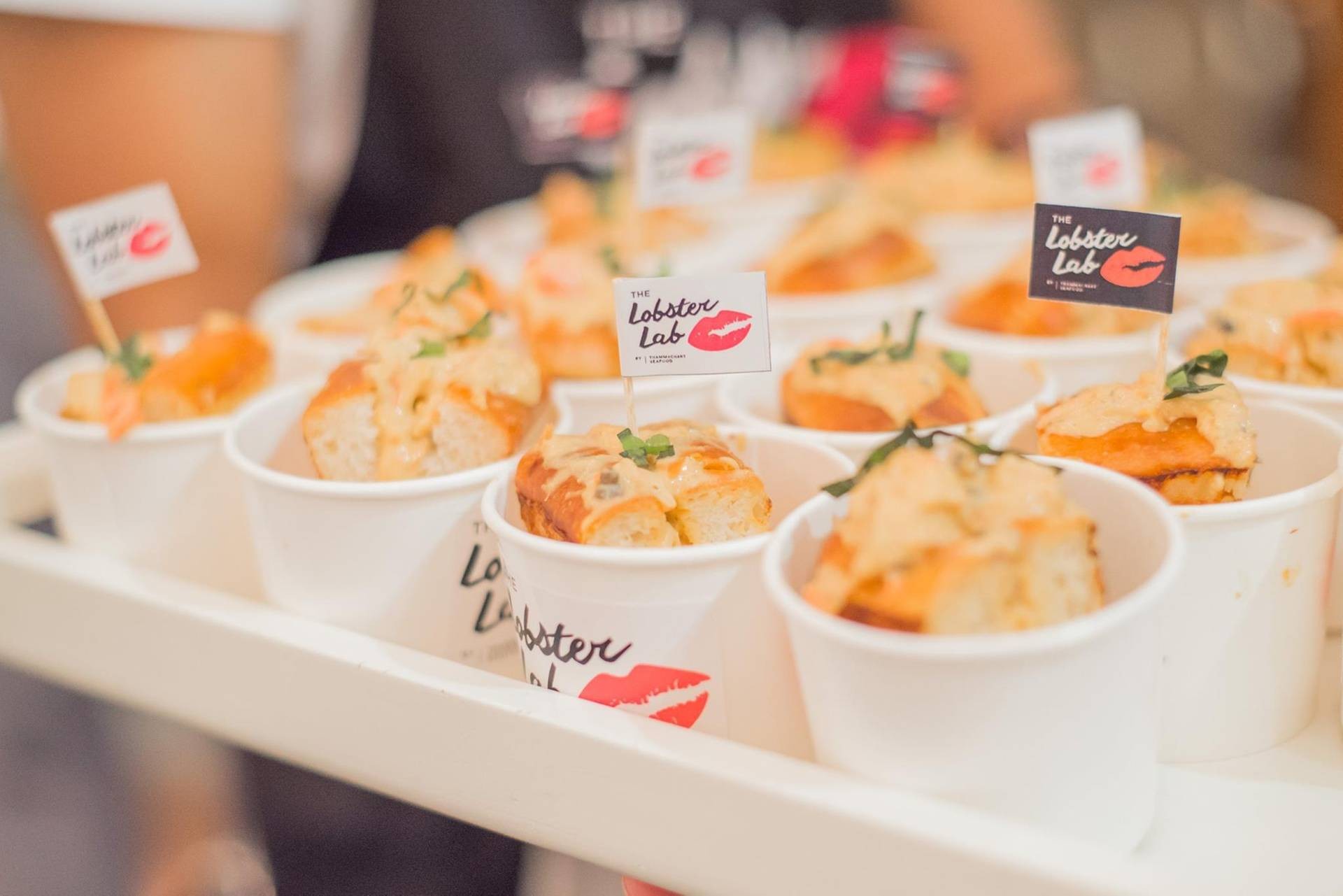
    The restaurant, operated by Bangkok-based Thai Union Group opened inside one of Alibaba’s Hema supermarkets last month. It serves lobster rolls, seafood chowder and some western dishes.

    The concept is based on Thai Union’s King Oscar brand, a dine-in and takeout restaurant which serves fresh lobsters imported from the US and Canada to meet “the growing Chinese consumer’s demand for tasty and nutritious seafood”.

    Thai Union also owns the American-style seafood restaurant chain Red Lobster and plans to open one of those stores inside IFC mall in Shanghai soon.

    The Lobster Lab is part of Thammachart Seafood Retail, of which Thai Union owns 25 per cent.

  • Lazada to tackle counterfeit Korean products more seriously

    Lazada to tackle counterfeit Korean products more seriously

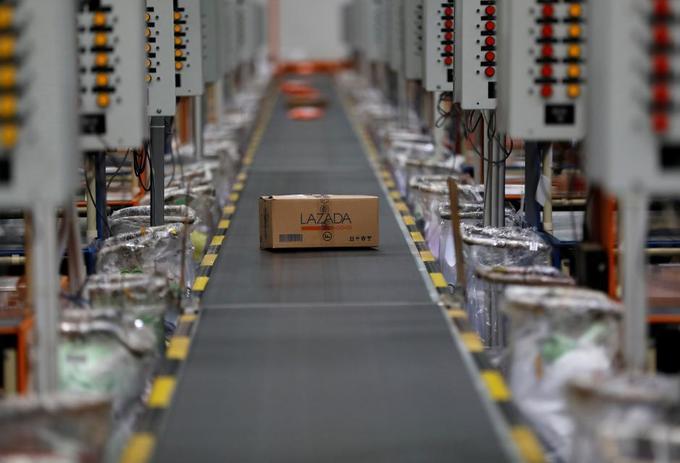
    Lazada has pledged to remove any counterfeit South Korean goods from its platform in a Memorandum of Understanding signed with the Korea Intellectual Property Protection Agency (KOIPA). It is reportedly the first time a Southeast Asian e-commerce company has reached an agreement with the Korean IP regulator and reflects the growing popularity of Korean beauty and fashion products online across Asia.

    Korean brands online and considered at risk from counterfeit products include Etude House, Innisfree, Laneige, Mamonde and 3CE.

    “The combined followers for [those brands’] Lazada flagship stores are more than 200,000,” Gladys Chun, general counsel and head of government affairs at Lazada Group said.

    “Laneige, Mamonde, Innisfree and 3CE were top search terms in Malaysia, Singapore, Thailand, and Vietnam during the recent Lazada 11.11 Shopping Festival.”

    Lazada has undertaken to remove any counterfeit goods from sale on its platform when alerted by brand owners, once it has confirmed authenticity. Sellers caught trying to sell copy goods on its site face blacklisting.

    “Such measures to curb illicit trading of goods on Lazada are aimed at boosting the confidence and preserving the trust of shoppers on our platform,” Chun said.

    “At Lazada, we respect and collaborate with rights holders in safeguarding their IP through a combination of proactive and reactive measures. It is incumbent on us to create that trusted space for shoppers and brands, giving them the peace-of-mind that we will always be acting in their best interests.”

  • Zara lipstick launched online

    Zara lipstick launched online

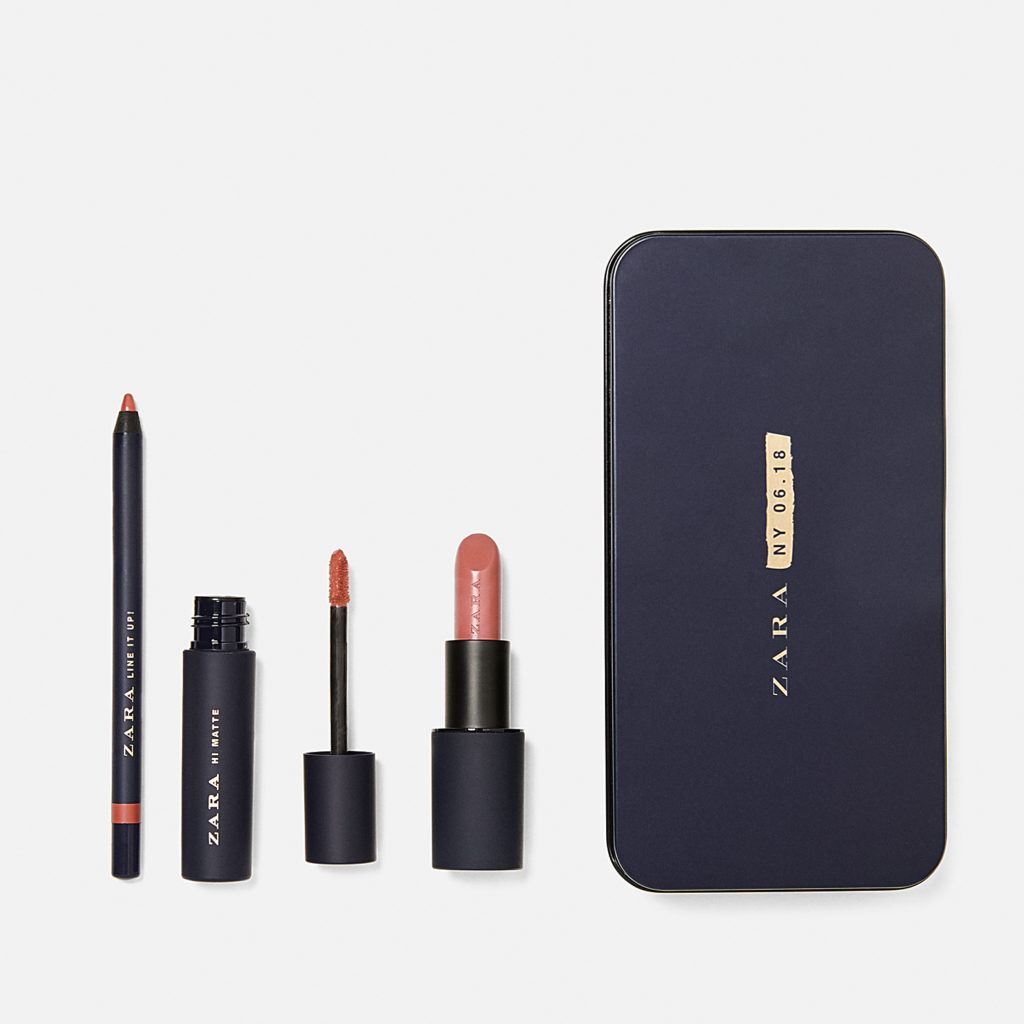
    Zara lipstick goes on sale this week – but only online. The fast-fashion brand’s first lipstick collection – called Zara Ultimatte – marks a continuing expansion of its beauty and cosmetics offer. Sister brands Bershka and Pull&Bear already have makeup lines, targeting younger consumers.

    Parent company Inditex says the collection was “inspired by the kind of makeup needed to create ad campaigns”. It is based on a colour palette created by British make-up artist Pat McGrath, (famous for working with Christian Dior and Armani Beauty, among others).

    The French-made Zara lipstick collection was designed in Los Angeles, featuring 12 high-pigment lipsticks, eight liquid-matte lipsticks, a box kit with three red colours and a limited-edition, behind-the-scenes kit. Prices range from €7.95 to €19.95. While available only on the Zara website, the company will ship worldwide.

  • Iconic Toy Store FAO Schwarz to Open in Beijing

    Iconic Toy Store FAO Schwarz to Open in Beijing

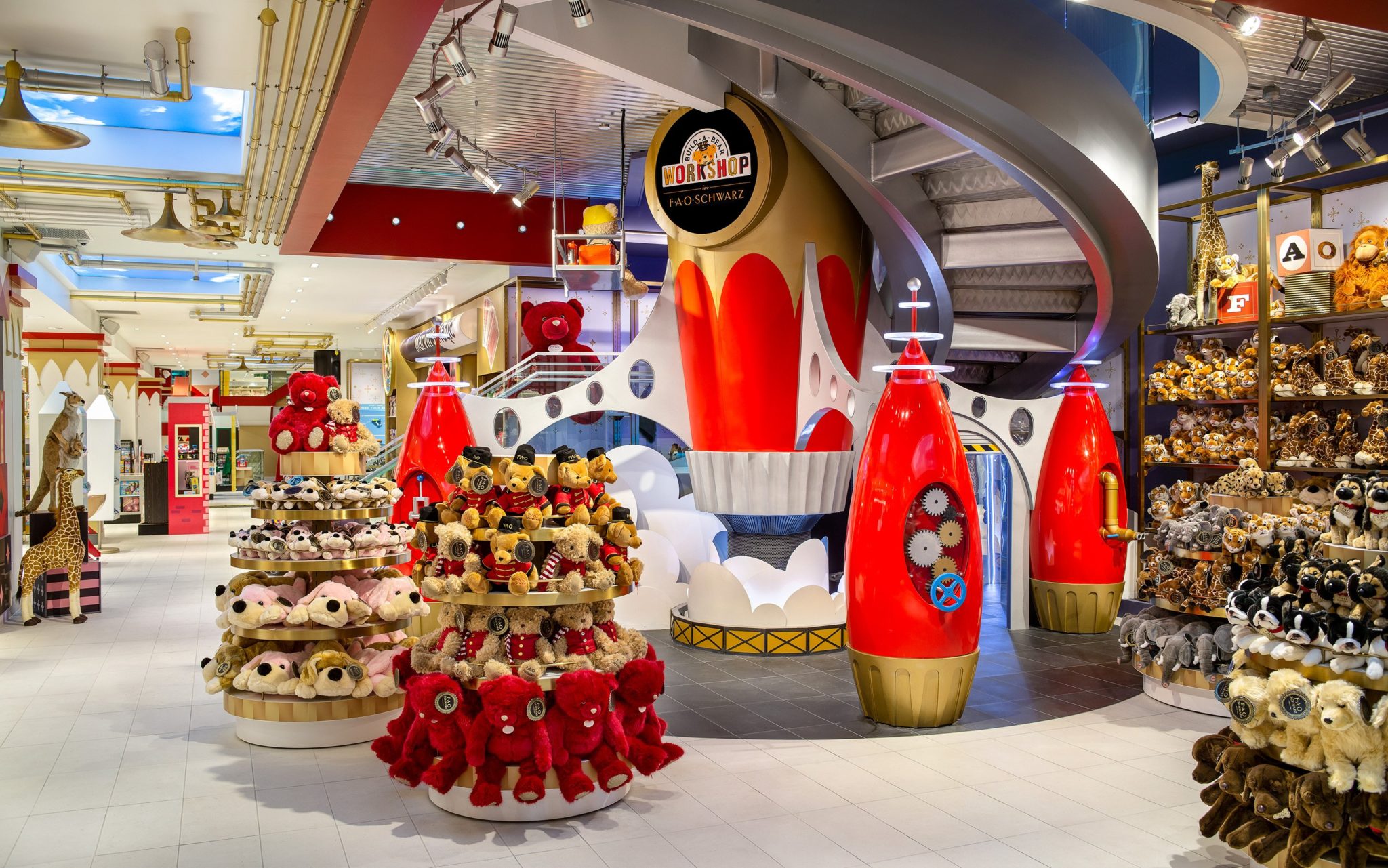
    Heritage toy store brand FAO Schwarz is headed for Beijing after relaunching in New York City. The original store, which featured in Hollywood movies such as Tom Hanks hit “Big”, closed its flagship near Central Park, unable to meet rising rental costs. Its current smaller location under new owners ThreeSixty stands to benefit from significant nostalgia for the old store amongst New Yorkers.

    Beyond plans for China, ThreeSixty intends to open pop-ups in department stores both in the US and abroad.

    It faces the same competition from e-commerce and discount chains like Walmart and Target that toppled toy empire Toys R Us earlier this year.

    Chief merchandising officer David Niggli said the key to the new stores is experience.

    Attractions include magic tricks, certificates to “adopt” a doll and a Build-a-Bear Workshop.

  • ASICS India opens first store in Kolkata

    ASICS India opens first store in Kolkata

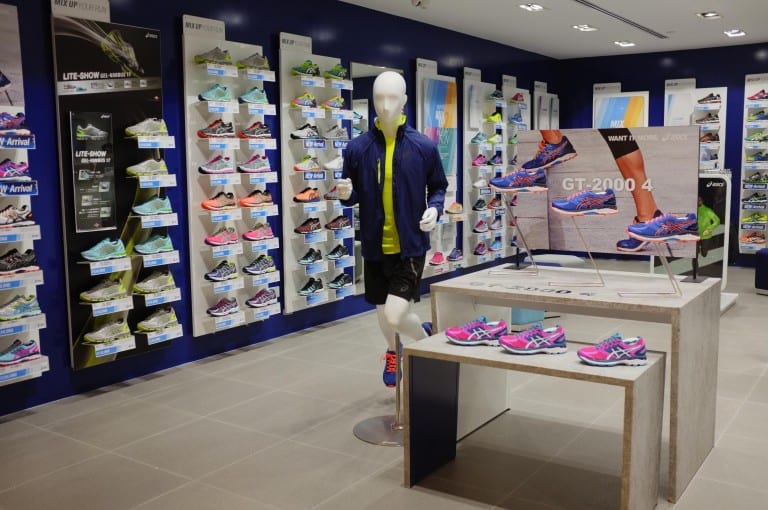
    ASICS, a true sport performance brand, launched its first store in Kolkata thereby expanding its retail footprint in a bid to strengthen its presence in India. With the opening of the ASICS Kolkata store, the brand has taken a step forward to strengthen its presence in the east region. The new store is located conveniently in one of the finest malls of the city – South City Mall. The store will offer a wide range of running, training and core performance sports shoes, apparel and accessories for men and women.

    The brand will accelerate its expansion of operations in India, bolstering sales and marketing support for retail stores in response to increasing consumer awareness of health and fitness and rise in spending power.

    Speaking on the new launch, Rajat Khurana, Managing Director, ASICS India said, “Given the potential and growing demand for fitness and sports, India has emerged as an important market for ASICS. This year, our focus is to expand our footprint in both tier 1 and tier 2 cities and offer our best in class products ranging from running, sports, for gym and other fitness-related gear. Kolkata is a very key market for us considering the large audience for sports and fitness in this market. We are hopeful that our products designed keeping core performance in mind will be able to cater to the needs of sports and fitness lovers in the city.”

    The store will showcase the latest ASICS AW18 collection that will host a range of key collections, like the newest additions to the ASICS running portfolio – ASICS Liteshow along with key products like Kayano 25 and Nimbus all featureing FLYTEFOAMTM, ASICS lightest-ever midsole technology. FLYTEFOAM works with the wearer’s foot to deliver superior cushioning every step of the way. It is also about 55 percent lighter than the industry standard midsole material, offering runners a comfortable fit with a fast, responsive feel.

  • Kia’s sporty K3 GT balances speed and safety

    Kia’s sporty K3 GT balances speed and safety

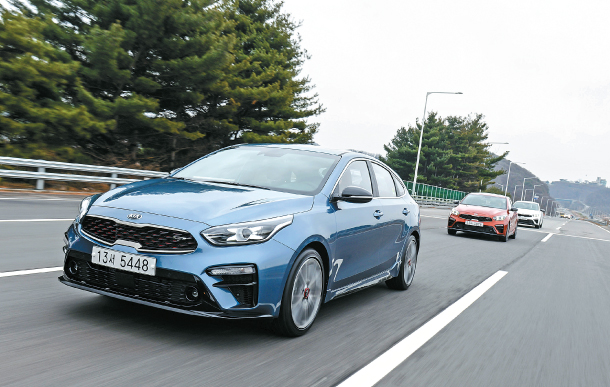
    Kia Motors’ compact K3 GT hatchback stays true to its GT moniker with its impressive driving experience, but sacrifices comfort in search of a sportier style. Across an 80 km (50 mile) drive from Namyangju to Paju in Gyeonggi on Nov. 22, the K3 GT zipped across a course that mostly covered highways.

    Its driving performance was a far cry from the original commuter version as the vehicle’s acceleration responded instantaneously thanks to its 1.6 liter turbocharged engine. The GT responded to even the slightest pressure on the pedal, zooming to 180 kilometers per hour (112 miles per hour) with ease. Along with fast acceleration, the K3 GT rumbled when accelerating as the car’s electronic sound generator (ESG) added to the real sound from its new tuned dual mufflers, similar to the ESG included in Kia’s sports sedan, the Stinger.

    Petrol heads will also appreciate the sporty D-cut steering wheel on the front-wheel drive, which produced accurate steering as the vehicle entered and exited corners and a natural feel when switching lanes.

    While the fast GT may please driving enthusiasts with its performance, it doesn’t provide for the most comfortable ride.

    At high speeds of 150 km per hour, the hatchback model produced some road and tire noise that soon became distracting. The sound from the ESG and the unwanted cacophony of warning beeps from its various safety features didn’t help with the situation either.

    The vehicle also comes with tubular seats, which emphasize its racing theme and hold the driver in place during quick acceleration, but feel quite stiff on the passenger’s side.

    The interior has a clean, simple look with red stitching on the front seats that accentuates the sporty aesthetic. But the car will likely tire passengers during long-hour drives due to its tough and hardy feel.

    The sporty vehicle, however, maintains a competitive edge in safety as it comes loaded with a variety of smart features including forward collision warning and lane keeping assist in all its trims.

    While the various beeps that come in a range of pitches may be obtrusive, the lane keeping and changing features worked perfectly during the drive, as the steering wheel shifted on its own to steady the vehicle and issued alerts whenever a car was nearby when switching lanes.

    As for its exterior, the GT is a familiar offshoot of the original K3. It retains much of the original front design, but adds a touch of flair with subtle red accents in its signature Kia tiger-nose grille and 18-inch alloy wheels with an option of Michelin summer tires.

    The vehicle also keeps in touch with the utilitarian side of the original model, marking a return to foldable back seats that provide spacious room for storage.

    The original K3 has sold 37,125 units in the domestic market until October this year, 63 percent more than during the same period last year. The GT, offered either as a sedan or a hatchback, adds a sporty edge to Kia’s compact lineup, competing with Hyundai Motor’s high-performance offerings, such as the Avante Sport and the hatchback i30 N Line.

    “The K3 GT incorporates a powerful engine and technology optimized for high-speed driving to strengthen the driving performance,” said Kwon Hyug-ho, head of domestic sales at Kia Motors.

    The K3 GT starts at 19.93 million won ($17,800) and the entry hatchback version at 22.24 million won, compared to the 15.71 million won entry version of the 2019 K3 model.

    The competitive pricing puts pressure on Hyundai’s Avante Sport, which starts at 19.64 million won and the i30 N Line at 23.79 million won.

  • KFC Thailand benefits from transforming franchise model

    KFC Thailand benefits from transforming franchise model

    Fast-food restaurant chain KFC Thailand is on track to achieve double digit year-end sales growth since transforming itself into a 100-per-cent franchised model, exceeding business expectations.The largest restaurant chain in Thailand is also set to accomplish a record high of 75 new outlet openings this year, 39 per cent above target and pushing the total number of outlets in Thailand past 700, including 65 drive-through branches.

    GM for KFC, Yum Restaurants International (Thailand) Waewkanee Assoratgoon said Yum Thailand has successfully transformed itself into a 100-per cent franchisor business in only one year.

    “Our organisation is now in a good shape with an effective structure so that we can expect the most efficiency within the entire business operation.”

    KFC Thailand franchise operator Yrit secured the No 1 position and top-of-mind QSR brand as surveyed by Thai business magazinesMarketeer and Brandage, as well as picking up awards for social media penetration.

    Thailand is KFC’s eighth largest international market.

  • Troubled Mr. Pizza heads for Kosdaq delisting

    Troubled Mr. Pizza heads for Kosdaq delisting

    Troubled pizza company MP Group may soon be delisted from the Kosdaq after nine years on the exchange. Korea Exchange announced Monday that a committee on corporate evaluation agreed to delist the company, which operates pizza franchise Mr. Pizza, from the secondary board. Another committee, which is specifically responsible for Kosdaq listings, will reach a final decision by Dec. 24 on whether to delist MP Group or grant it time to its improve performance.

    Chances are high that the MP Group will face delisting by the end of this month. The company had already been given 12 months last October to address issues of concern, but was unable to turn its finances around.

    MP Group recorded 11.14 billion won ($10.07 million) in net losses last year, according to the Financial Supervisory Service (FSS). The situation only improved somewhat this year, with the company reporting 1.04 billion won of net losses in the first three quarters of 2018.

    At the height of its popularity, Mr. Pizza was Korea’s largest pizza chain, with around 433 franchisees in 2014. Though the Mr. Pizza brand started off in Japan, it was in Korea where it became a huge success, riding a wave in the domestic pizza market.

    Jung Woo-hyun, a former chairman, introduced the first Mr. Pizza store in Korea in 1990 and eventually bought the Japanese parent in 1996. By August 2009, MP Group was listed on the Kosdaq.

    The pizza company’s affairs took a dramatic turn for the worse in 2016 when Jung made headlines for a series of alleged offenses, ranging from the physical assault of a security guard to fair-trade violations.

    As accusations continued to surface of Jung and the MP Group’s gapjil, or abuse of power, consumers turned their backs on the franchise. The reaction took a toll on MP Group’s profits, and the number of Mr. Pizza stores quickly dropped.

    The biggest blow came last July when Jung was arrested for embezzlement and breach of trust.

  • Malabar Gold to expand into Hong Kong market

    Malabar Gold to expand into Hong Kong market

    Indian jewellery firm Malabar Gold & Diamonds is making plans to open 500 more outlets globally over the next five years – and Hong Kong is among the targets. The jeweller currently operates more than 250 outlets in 10 countries, 75 of which are in the Gulf region, including 12 in Qatar.

    The firm’s immediate expansion plans are to open more branches in Malaysia in the coming months, where the group started operations last year.

    Malabar Group chairman M P Ahammed said jewellery customers in Malaysia are showing enormous interest in the company’s ornaments and now the brand is gaining remarkably good acceptance in the country.

    “As part of our expansion, we are also looking at markets such as Hong Kong where there is increasing activity at present. The Chinese are buying both gold and diamonds in large quantities unlike what they used to, say, some three decades ago.”

    Speaking about the state of the business in general, Ahammed said: “From a modest beginning in Kozhikode in 1993, we have now expanded our operations even to the US, where our first outlet was opened earlier this year in Chicago.

    “Wherever there are strong family traditions and customs, there is hope for expansion in this business. A husband may want to gift something precious to his wife on a memorable occasion, a mother to his daughter and a son to his mother. No wonder, the choice of everyone in such moments – of strengthening bonds – continues to be gold or diamond.’

  • Gaming gadget New Razer Phone 2 is launched

    Gaming gadget New Razer Phone 2 is launched

    Razer, a Singaporean gaming gadget company, unveiled the Razer Phone 2 – a smartphone specifically designed for gaming – on Friday in Seoul. Korea is the fourth-largest gaming market in the world with more than 28 million game users, according to the company.

    The Razer Phone 2 is equipped with a 5.7-inch display and offers a 120 Hz refresh rate, allowing users to enjoy mobile game with less delays and disconnections. The upgraded refresh rate helps the touch screen to react more precisely to user demands, according to the company.

    The screen is 50 percent larger than its previous version – the Razer Phone 1 – which launched last year.

    The Razer Phone 2 comes with a 400mAH battery which allows the phone to play games for 10 hours.

    Playing mobile games is not the only entertainment available on the Razer Phone 2. It is also optimized for watching videos.

    The company said the new phone includes Dolby Atmos technology in its dual speakers that are equipped on bezels both on the top and bottom of the devcie, providing a richer sound.

    In terms of camera, the Razer Phone 2 is equipped with a dual camera on the back – a wide-angle lens and telephoto lens – that offer 12 megapixels each. The front of the phone has an 8 megapixel camera.

    To optimize the display, Razer teamed up with popular games including PlayerUnknown’s Battlegrounds, Rival: Crimson x Chaos and Marvel’s Future Fight, among others.

    The Razer Phone 2 will go on sale on Dec. 4 in Korea in partnership with local distributors All Life Technology and CJ Hello.

    The phone sells for 990,000 won ($882.87). With subsidies from CJ Hello’s payment plan, the price can go down to as low as 599,000 won.

    “Razer was able to pull off a huge success last year with Razer Phone 1 by paving a new sector in the smartphone industry,” said Min-Liang Tan, CEO of Razer in a written statement Friday. “The new Razer Phone 2 will help us set a new standard in the gaming industry.”