Author: Mei Ling Tan

  • Dolce & Gabbana’s Christmas pop-up at Galaxy Macau

    Dolce & Gabbana’s Christmas pop-up at Galaxy Macau

    Dolce & Gabbana is launching a new Pop Up at The Promenade Shops, Galaxy Macau, featuring its iconic colorful Christmas characters and festive decorations. Inspired by traditional Sicilian parades, the exclusive-to-Asia pop-up store features the brand’s latest collections and inventive installations.

    Shoppers will be the first to experience the pop-up at the Pearl Lobby of The Promenade Shops from 16 November 2018 through 6 January 2019.

    The italian brand will light up the Pearl Lobby with luminaria (festive lights) and ornate, hand-painted Sicilian carreto (carts).

    The craft of making carreto has been handed down from generation to generation and is often a focal point of Dolce & Gabbana’s aesthetics.

    At The Promenade Shops, they will carry the latest men’s, women’s and children’s prêt-à-porter and accessories collections, as well as an exclusive, Chinese-inspired collection featuring the beloved and playful panda.

    Shoppers purchasing at the pop-up will be entitled to various customization activities for personalized Dolce & Gabbana gifts.

    Hazel Wong, Senior Vice President of Retail for Galaxy Macau, said, “We are excited to host an unmissable, Sicilian-style Christmas celebration with delightful Chinese accents courtesy of legendary Italian fashion brand Dolce&Gabbana.”

  • Swiggy to engage 2,000 women for food delivery

    Leading food ordering and delivery start-up Swiggy on Tuesday said it would engage about 2,000 women as delivery personnel by March 2019. “About 2,000 women will join our delivery team by March next year. Over the last few months, we have been working on training women for opportunities in this growing food delivery sector,” the city-based online food delivery platform said in a statement here.

    By deploying more women as delivery personnel across the country, the company said it aimed to create an inclusive workforce.

    The company engages around a lakh personnel daily to deliver food across 45 Indian cities it operates in.

    Currently, about 60 women are tied up with Swiggy across 10 cities, including Ahmedabad, Kochi, Kolkata, Mumbai, Nagpur and Pune, to deliver food.

    World over, the employment of women as delivery personnel has been meagre.

    “We are creating a women-friendly work environment with a dedicated helpline for any concern, as well as appointing more women in managerial roles,” the company said.

    Swiggy is identifying ‘safe zones’ for women delivery personnel to operate in and will allow them to complete their deliveries by 6 p.m., it added.

    “Since inception, we have seen the potential in investing in logistical prowess, which has helped us in having end-to-end control over the food delivery experience,” Sachin Kotangale, Vice President (Operations), Swiggy said in the statement.

    Set up in 2014, the food delivery platform claims to receive about 20 million orders a month across 45,000 restaurants in 45 cities, including New Delhi, Hyderabad, Mumbai, Bengaluru, Chennai, Kolkata, Gurugram and Pune.

    It raised US$ 210 million (around Rs 1,500 crore) from multiple investment firms, and has so far raised over US$ 460 million (around Rs 3,350 crore).

    The company, which has over 4,000 employees, reported an operating revenue of Rs 442-crore for the fiscal 2017-18.

  • Hyundai investing in U.S. drone company

    Hyundai investing in U.S. drone company

    Hyundai Motor, Korea’s largest carmaker by sales, said Thursday it has invested in a U.S. unmanned aerial vehicle (UAV) company to jointly develop new products. In the investment, Hyundai Motor and Top Flight Technologies will jointly seek business opportunities in the global high-end aerial drone market, the company said in a statement.

    “In addition to solving the challenges of longer-duration flight for quadcopters, Top Flight is developing the technologies needed to enable new solutions in aerial logistics and mapping which could be useful in Hyundai’s future business,” John Suh, vice president of Hyundai CRADLE in Silicon Valley, said in the statement.

    Hyundai CRADLE is Hyundai Motor’s corporate venture and open innovation business in the United States.

    “Hyundai’s investment in Top Flight confirms its commitment to autonomous vehicles and mobility solutions, whether on the road or in the air. We fully believe that Hyundai’s world-class assembly and automation capabilities will help spur the production and deployment of aerospace-grade UAVs, more efficiently than ever,” Top Flight Chief Executive Long Phan said in the statement.

    The U.S. start-up is unrivaled in the fields of cutting-edge unmanned aerial vehicles equipped with small-sized gasoline engines that can extend flight range by charging a battery, it said. Hyundai didn’t provide how much it has invested in the U.S. start-up.

    The global UAV market is expected to grow from $5.6 billion in 2016 to $12.2 billion in 2019 and to $22.1 billion in 2026, the statement said. As UAVs are mainly used for military purposes, there is big growth potential for the commercial drone market. At present, the drone delivery services market is in the early stages of development. The concept of drone delivery services began with Amazon in December 2013. The U.S. retailer said its drone service is designed to deliver packages to customers as quickly as possible using UAVs.

  • Macy’s partnering with Facebook to bring e-commerce brands to stores

    Macy’s partnering with Facebook to bring e-commerce brands to stores

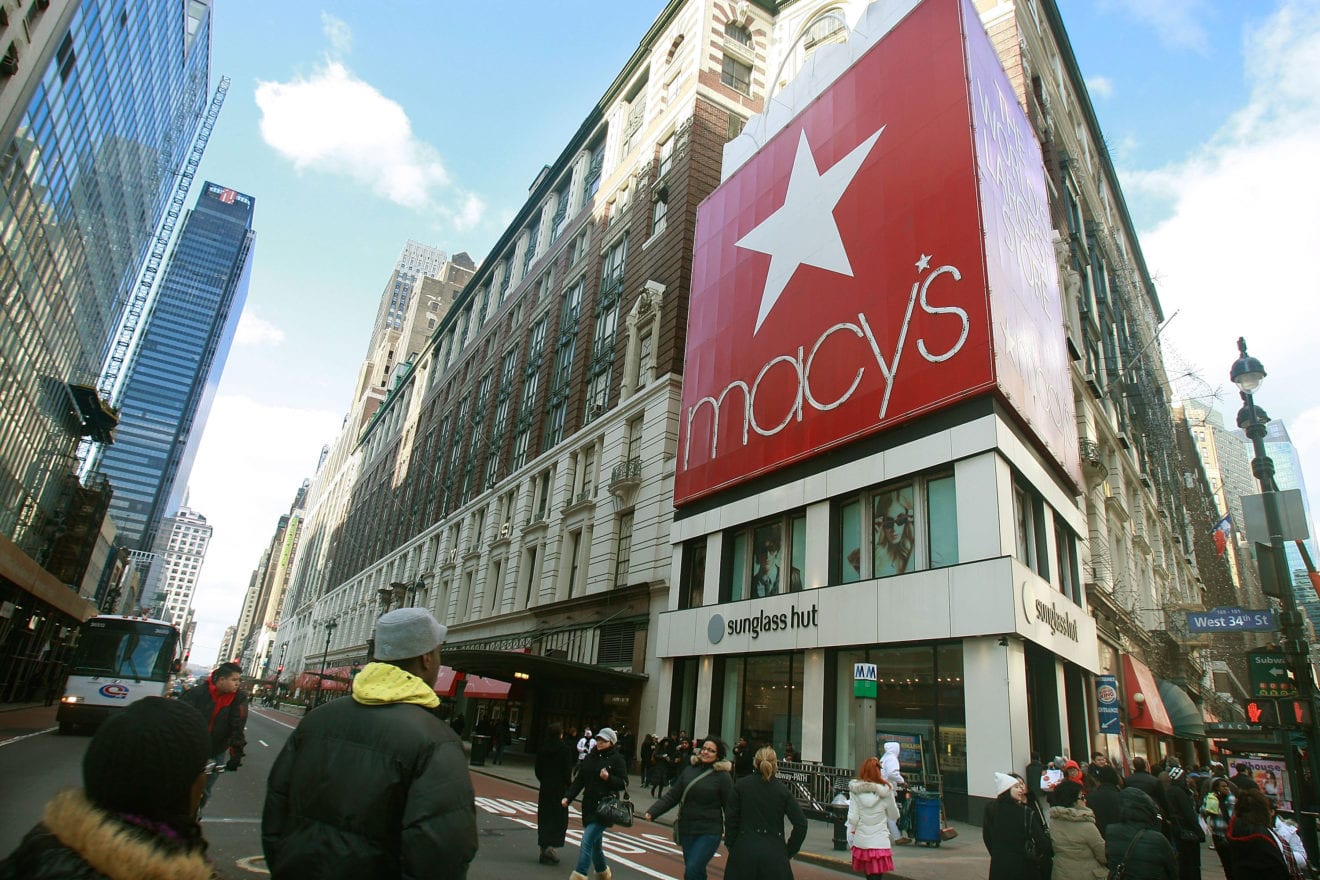
    US department store retailer Macy’s has teamed up with Facebook to bring 150 e-commerce brands and digital native brands on Facebook and Instagram into its retail stores ahead of the holidays.

    Macy’s has launched The Market @ Macy’s, a pop-up marketplace concept that curates more than a hundred brands on a two-week rotation at nine Macy’s stores for the holiday season. The company will add more locations towards the end of the month. The brands range from apparel, accessories and beauty to home decor, technology and more.

    The Market @ Macy’s is just one of several experiential concepts the retailer has rolled out to drive in-store traffic. The company recently announced plans to use virtual reality to boost furniture sales. It will pilot the experience in two of its stores by the end of November.

    According to GlobalData, the department store chain is showing signs of recovery. Macy’s recently reported good sales numbers in the quarter and a growing number of people say they plan to visit the stores, suggesting the retailer is succeeding in creating stronger appeal.

    Macy’s yesterday posted healthy sales growth for the quarter ending November 3 with same-store sales seeing a 3.1 per cent increase. Including licensed departments, the figure increased 3.3 per cent.

    Total sales rose 2.3 per cent to US$5.4 billion. Net income more than doubled to US$62 million from US$30 million a year earlier, boosted by asset sales, higher credit income and lower taxes.

    Company CEO Jeff Gennette said the recently improved results showed that turnaround plans are working.

    The department store chain has been investing in a group of stores it calls ‘magnets’, adding new lighting, fixtures, a better assortment of merchandising and technological innovations to its locations, while experimenting on shrinking other less promising stores.

  • Most SE Asia stocks fall in line with broader Asia; Indonesia climbs 1 pct

    Most SE Asia stocks fall in line with broader Asia; Indonesia climbs 1 pct

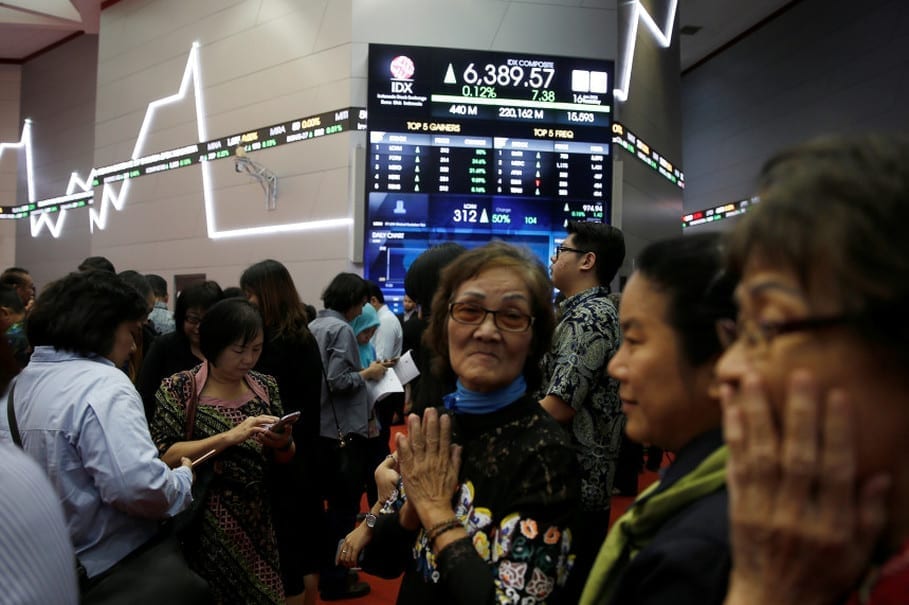
    Most Southeast Asian stock markets fell on Tuesday, tracking broader Asia after a selloff on Wall Street overnight. As reported, citing sources from both sides, that China’s top trade negotiator Liu He may visit Washington to prepare for the talks between U.S. President Donald Trump and his Chinese counterpart Xi Jinping on the sidelines of the G20 summit in Argentina later this month.

    Philippine shares declined 1.2 percent, extending falls into a third session, dragged by industrial and real estate stocks. SM Prime Holdings declined 2.3 percent, while JG Summit Holdings fell 6.9 percent.

    Singapore shares declined for a third consecutive session, dragged by financials. DBS Group Holdings, the city-state’s largest lender, slipped 0.9 percent, while rival United Overseas Bank Ltd fell 1.2 percent.

    Malaysian shares extended falls into a third session, with IOI Corp Bhd shedding 3.1 percent to a near 11-month closing low and IHH Healthcare Bhd declining 2.8 percent to its lowest close since July 2014.

    Trade tensions between the United States and China will create a “domino effect” and prompt other countries to turn protectionist, said Malaysian Prime Minister Mahathir Mohamad.

    Vietnam shares declined 1.4 percent, dragged by financial and real estate stocks. Joint Stock Commercial Bank for Investment and Development of Vietnam (BIDV) fell 3.7 percent, while real estate investor Vingroup JSC ended 2.7 percent lower.

    Indonesian shares were the top gainers in Southeast Asia with a rise of 1 percent. Consumer staples and financials led the gains with United Tractors Tbk PT and Bank Central Asia Tbk PT rising 5.5 percent and 1.6 percent respectively.

    Thai shares climbed 0.3 percent, helped by consumer staples.

    Glass container manufacturer Berli Jucker PCL rose 1.4 percent, while convenience stores operator CP All PCL climbed 2.6 percent to a more than one-month closing high.

    “Stocks are rising on internal factors like government improving infrastructure and linking of our three airports,” said Teerada Charnyingyong, an analyst with Phillip Capital Thailand.”The government also announced measures to stimulate spending by promoting the tourism sector.”

  • Cluse opened a new store in Singapore

    Cluse opened a new store in Singapore

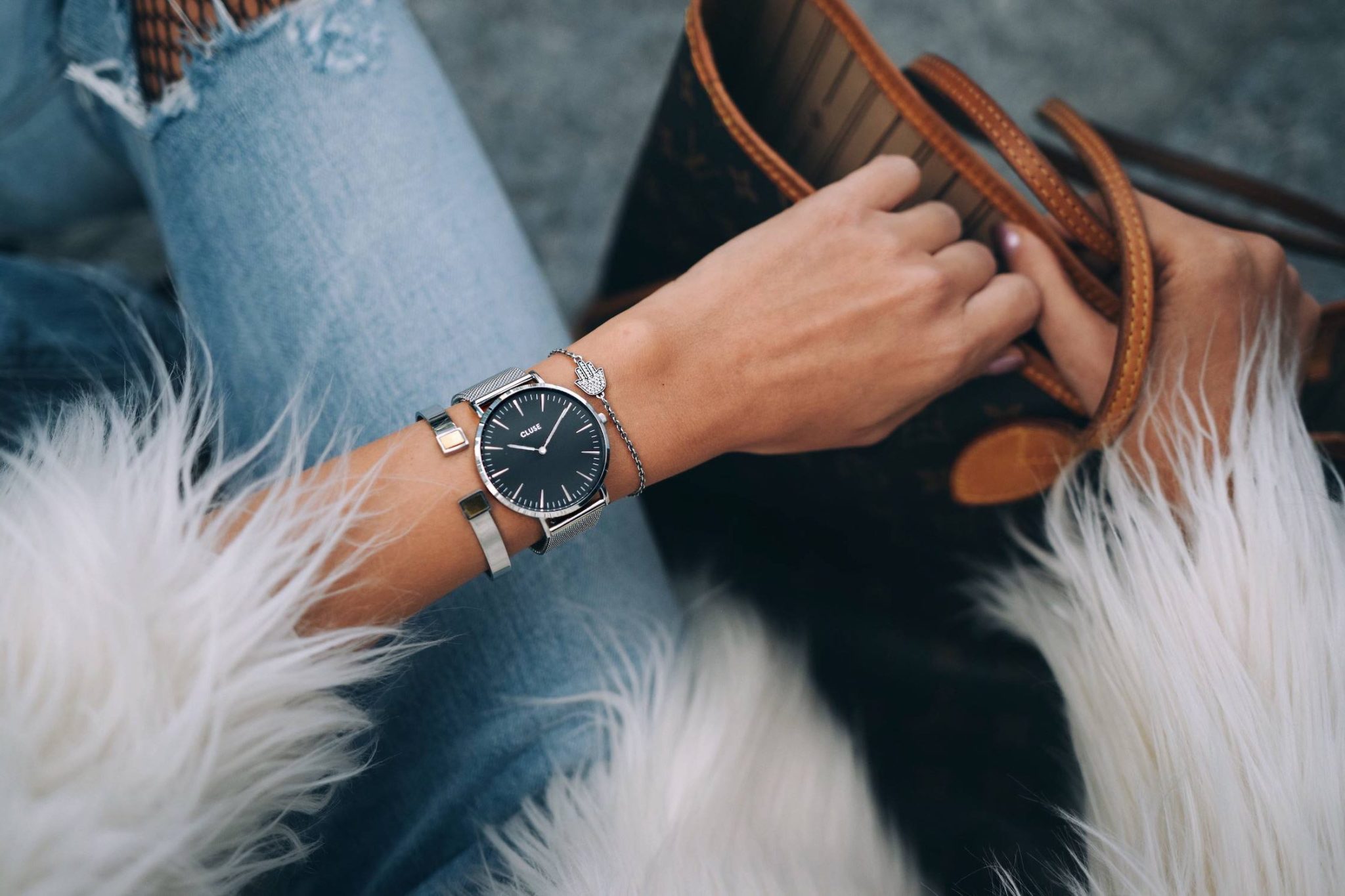
    CLUSE opened a new store in Singapore, in Takashimaya Shopping Centre on 15th November, with the leading Asian brand curator Bluebell Group. CLUSE is an Amsterdam based watch and jewellery brand, risen to fame for fashionable watches inspired by minimal French design.

    Ever-since, CLUSE has expanded their collections to host a range of both watch and jewellery lines with the ambition to create pieces for every woman, in a celebration of the uniqueness of everyone who wears the brand.

    The new store in Singapore holds classic collections by CLUSE.

    From their original La Bohéme collection of women’s watches with oversized dials and minimalist features, to their La Vedette collection with small dial sizes, inspired by starlets of the past.

    The store also features their iconic collection of square watches, named La Garconne, as well as their other most popular watch collections, Minuit, Triomphe, and La Roche.

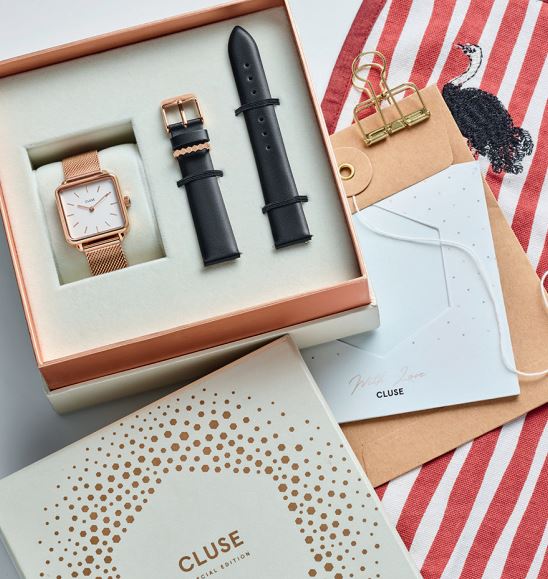
    Usually focusing on women’s accessories, this time a year CLUSE revealed both a feminine gift box, including their bestselling La Garçonne with an additional strap, and a first-time ever masculine gift box – featuring the  company’s classic La Bohème design, with an additional nato strap large enough to fit a bigger wrist.

    Both of these festive season sets are packaged in new, specially designed gift boxes which hint to the style of the watches inside.

  • Jollibee Philippines Q3 profit rises

    Jollibee Philippines Q3 profit rises

    Philippine fast-food franchise Jollibee posted an increase in profit of nearly 20 per cent in its third quarter. Backed by strong sales, the firm has posted a 19.2 per cent rise in net income attributable to shareholders to PHP6.09 billion (US$114.5 million).

    According to Jollibee’s CFO Ysmael Baysa, the company’s global sales have seen strong growth this year, including in its home base in the Philippines, partly driven by concerted efforts to expand Jollibee’s store network.

    “We look forward to the recovery of Jollibee profit margins in the Philippines next year and the significant improvement in the profit performance of our new businesses in the next one to two years,” he said.

    Beyond its own franchise, Jollibee operates the Chowking, Greenwich, Red Ribbon and Smashburger brands in various worldwide locations. It currently has 3003 stores worldwide, with more set to open in the immediate future in Malaysia and Guam.

  • Coffee Day India Q2 net profit plunges

    Coffee Day India Q2 net profit plunges

    Coffee Day Enterprises Ltd Wednesday reported a 59.78 percent fall in consolidated net profit at Rs 23.83 crore for the September quarter due to higher expenses. The company had reported a net profit of Rs 59.26 crore in the corresponding period of the previous fiscal.

    According to a report, Its total income grew to Rs 1,015.13 crore during the quarter under review, up 12.42 per cent, as against Rs 902.9 crore in the corresponding quarter of the year-ago period, Coffee Day Enterprises said in a BSE filing.

    Expenses during the quarter stood at Rs 1,014.99 crore, up 13.83 per cent, as against Rs 891.6 crore a year ago.

    The company said board of directors, at its meeting held on 14 November 2018, discussed the potential restructuring of the company’s business to segregate its coffee business and its subsidiaries from their non-coffee businesses (including integrated multi-nodal logistics, financial services, development and management of commercial space, hospitality services and investment operation).

    “No decision to undertake any restructuring has been taken by the board at this stage,” it added.

  • Tomei Malaysia sells skincare, cosmetics distribution business

    Tomei Malaysia sells skincare, cosmetics distribution business

    Tomei Consolidated Bhd’s wholly owned subsidiary Flawless Skin Care Sdn Bhd (FSC) today sold its business of distributing the skincare and cosmetic products of “The history of Whoo” and “belif” as a going concern for RM8.97 million.

    FSC, whose principal activity is retailing of skin care and cosmetic products, this week entered into an asset purchase agreement with LG Household & Health Care Malaysia Sdn Bhd for the exercise.

    LG is a company incorporated in Malaysia with its principal activities in the area of skin care and cosmetic products.

    FSC agrees to sell and LG, relying on the several representations, warranties and undertakings contained in the agreement, agreed to purchase free from all encumbrances the whole of the business as a going concern.

    “The disposal would enable Tomei to utilise its resources and focus on the core businesses of the group in the gold and jewellery business,” it said.

  • Palace set collaboration with Polo Ralph Lauren in Seoul

    Palace set collaboration with Polo Ralph Lauren in Seoul

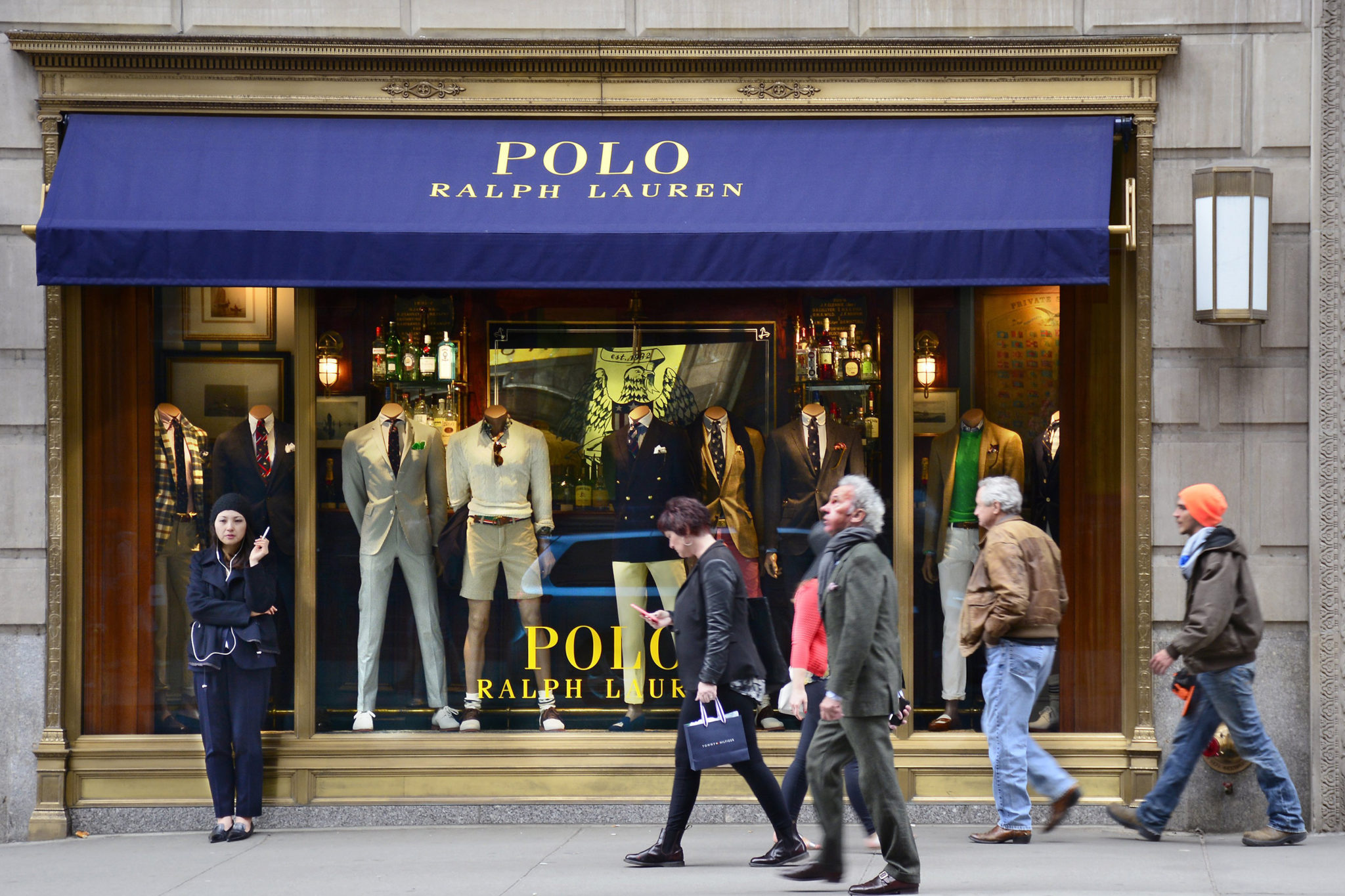
    Streetwear label Palace and Polo Ralph Lauren, the luxury fashion brand, have brought their recent collaboration to Seoul after a show in London. The hotly anticipated crossover saw queues forming from the night before its Saturday morning release at the RL Garosu store to secure purchases of premium limited-edition items.

    Popular products included a Kickflip Polo Bear knit sweater and teddy bear, both of which were posted online within an hour of selling out at sizeable markups.

    Buyers were limited to purchases of one item per product and up to 10 products in total.

  • Starbucks Tokyo Reserve opening date revealed

    Starbucks Tokyo Reserve opening date revealed

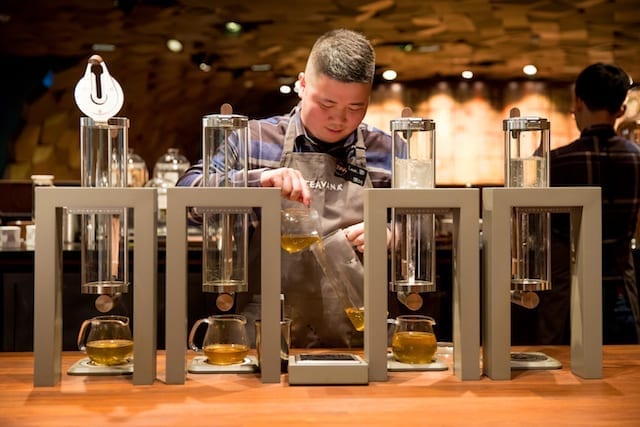
    The planned Starbucks Tokyo Reserve Roastery will open on February 28 next year. The outlet will launch in the Nakameguro district as the brand’s fifth global Reserve Roastery, designed and constructed in partnership with architect/Kuma Lab founder Kengo Kuma.

    Starbucks will build 100 new stores in Japan every year over the following three years, bringing its total stores to 1700 within the territory.

    Starbucks president and CEO Kevin Johnson said: “We continue to thoughtfully evolve within Japan’s elevated coffee culture to maintain a leadership position and achieve profitable growth for the long-term.”

    The firm recently launched a delivery program in Japan in partnership with Uber Eats, as well as a partnership with Japanese social media platform Line that is expected to result in a digital payment system.

  • Farfetch’s CEO calls for an industry-wide halt on discounts

    Farfetch’s CEO calls for an industry-wide halt on discounts

    Fashion brands need to put their foot down and take action to prevent “a race to the bottom” in terms of discounts as they threaten the survival of the whole fashion retail eco-system, Farfetch Chief Executive and Founder José Neves said.

    Online and offline retailers are resorting so much to promotions there are only two months in the year during which there aren’t any: September and February.

    “So, the system is really crumbling,” Neves said. “The industry needs to think very strategically about how they are going to avoid a race to the bottom in terms of promotions and discounts.”

    He recommended that fashion brands turn into concessions those wholesale accounts, both online and offline, that do the most visible and damaging discounts.

    He suggested brands follow the example of Chanel, which last week, announced it was going to turn into concessions its wholesale distribution accounts in the United States with department stores such as Bergdorf Goodman, Neiman Marcus, Bloomingdale’s, Saks Fifth Avenue and Nordstrom.

    Chanel said the move was intended to better control interaction with its customers.

    “The cycle of discounts is getting earlier and earlier,” Neves remarked. “If you speak to the CEO of any brand they will all say the same thing: we don’t let them do that, we shout at them, if you do it next time, we will stop working with you. And guess what, next season it is the same thing again and again, so their threats are useless. This is a preoccupation for the whole industry. People know what is happening. People talk about it and no-one does anything.”

    Heavy discounts at department stores started with the 2008-2009 financial crisis and have never really stopped since.

    Retailers have a herd mentality: if one discounts, the others follow. And no big department store will stop doing discounts by its own initiative for fear of losing business to rivals.

    Neves foresaw that the only way for the industry to get out of this conundrum was for brands to step in and take concrete action.

    However, on a brighter note, Neves foresaw solid growth in demand for fashion in the medium to longer term, in part because consumers increasingly feel they need to invest in fashion to differentiate themselves and look good on their social media accounts.

    He also predicted consumers would have more disposable income due to changing spending patterns.

    “People are not buying cars anymore because they have Uber, they are not buying houses because they were priced out of the property market in most big cities because they need a 40 percent deposit and they will never be able to save that much. They do not buy holiday houses because they have Airbnb, so there is more disposable income to buy fashion,” Neves said.

    In September, Farfetch completed an initial public offering in New York that raised its profile and gave it a cash pile of more than $1 billion. Neves said its funds would be used to finance growth, win market share and make acquisitions “on an opportunistic” basis.

    Neves said Farfetch would only make acquisitions in areas in which it did not have expertise. In July, Farfetch acquired CuriosityChina, a marketing firm specialized in WeChat, the popular Chinese social media.

    In terms of geographic spread, Neves said India and South East Asia were among those regions Farfetch wished to expand into, but for now, the company needed to consolidate its recent expansion efforts which stretch from China, Japan and South Korea to Mexico, Russia, Brazil and the Middle East.

    “At the moment, it is a pause in oxygen for strategy,” Neves said. “But eventually, we will be in every major luxury market in the world.”


  • Japan’s Shiseido formed Philippine unit with Luxasia

    Japan’s Shiseido formed Philippine unit with Luxasia

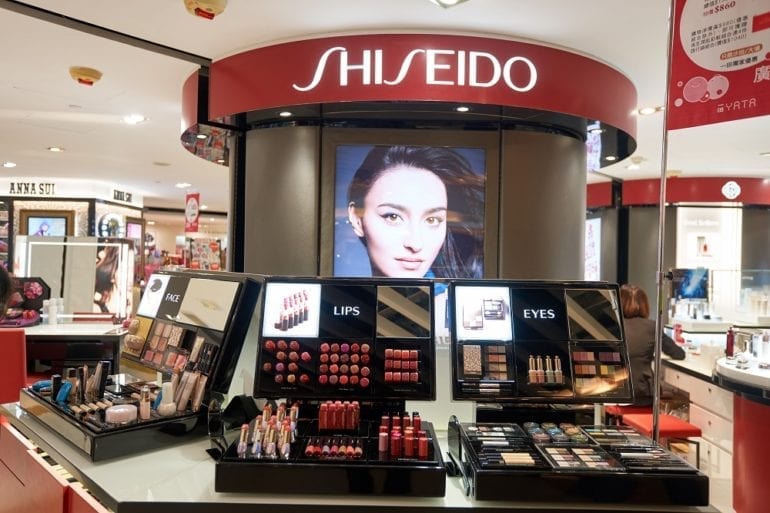
    Japanese beauty products firm Shiseido is partnering with Singaporean cosmetics agent Luxasia to expand into the Philippines market. The two firms will be setting up a partnership in the form of Shiseido Philippines Corp this December. Shiseido will retain the majority shareholding in the business, which will start operations next July once the sales channels of two local agents are integrated.

    According to the firm, the Philippine joint venture will enhance the product lineup of its prime brands in the market, Southeast Asia’s third-largest in the industry representing around US$3 billion in annual sales.

  • GU to Open Next-Generation Store “GU STYLE STUDIO”

    GU to Open Next-Generation Store “GU STYLE STUDIO”

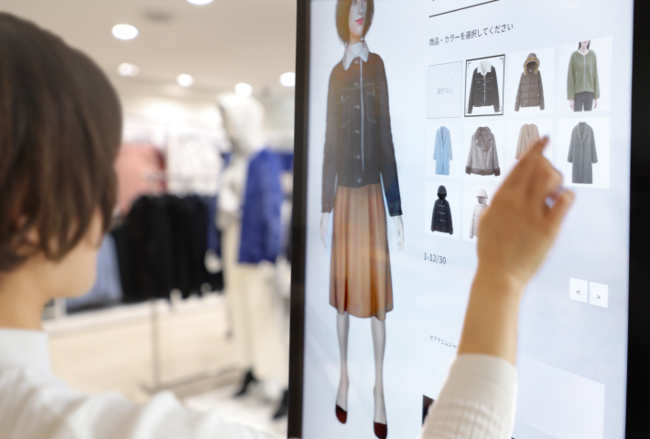
    Japanese casualwear retailer GU will open a “next-generation” Style Studio in Harajuku this month, merging physical retail and advanced technologies. The studio will feature digital signage and a style creator app in the high-end retail district of Tokyo for the Fast Retailing-owned fashion brand.

    A spokesperson for the brand indicated the store will bridge online and in-store shopping and “will offer a new type of personalised fashion experience, enabling customers to discover outfits that perfectly match their individual style, using the innovative technology of the GU Style Creator Stand” and the accompanying app.

    Customers can check out the suitability of garments by having them digitally fitted on a personalised avatar of themselves based on a photo taken in the store. The avatar can be used as a basis to try and develop new styles.

    The store will open on November 30.

  • Apple concerns hit supplier stocks

    Apple concerns hit supplier stocks

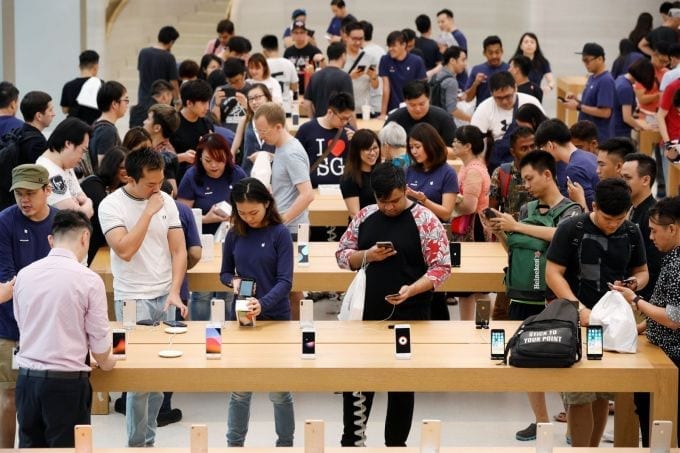
    Shares in Asian suppliers and assemblers for Apple fell on Tuesday after several component makers warned of weaker than expected results, leading some market watchers to call the peak for iPhones in several key markets. Following a poor forecast earlier this month, analysts and investors voiced concern over the state of Apple’s business, contributing to growing worries that iPhone sales were stagnating and could hurt suppliers.

    Fresh warnings on Monday from screen maker Japan Display, British chipmaker IQE and Lumentum Holdings, the main supplier of the Face ID technology in the latest generation of iPhones, hurt technology stocks in Asia on Tuesday.

    Taiwan-based assembler Hon Hai Precision Industry (Foxconn) dropped more than 3 percent. Rival Pegatron fell more than 5 percent but later recouped losses. Both companies count Apple as a major customer.

    The world’s largest contract chipmaker, Taiwan Semiconductor Manufacturing, fell 2.6 percent, while Flexium Interconnect was down 1.5 percent. The Taiwan Weighted Index was down around 1.6 percent.

    “Apple’s iPhone weakness has been a long-term issue for the Asia supply chain,” said Arthur Liao, an analyst at Fubon Research in Taipei.

    “For Apple, iPhone shipment has reached its peak. For tech suppliers facing the future, they have no other big client like Apple.”

    The company’s shares fell to their lowest level in more than three months on Monday.

    Last week, a media report saying the iPhone maker had told its smartphone assemblers to halt plans for additional production lines dedicated to its new lower-priced iPhone XR had pressured supplier stocks.

    Analysts said the lack of technological breakthroughs had put a cap on demand.

    “With no new technology in sight next year for the supply chain, this is not ideal for the companies involved,” said Nicole Tu, a Taipei-based analyst at Yuanta Investment Consulting.

    “Up through the first half of 2019, we likely won’t see any breakthrough.”

    Lumentum on Monday slashed its profit and revenue forecast for the current quarter, while IQE warned that current-year results would be lower. Japan Display lowered both sales and margin outlook for the year as well.

    Apple warned earlier this month that holiday sales would miss Wall Street expectations due to weakness in emerging markets.