Author: Mei Ling Tan

  • Hugo Boss growth relies on Asia sales

    Hugo Boss growth relies on Asia sales

    German fashion retailer Hugo Boss sees Asia as a cornerstone of its growth strategy, saying while it already enjoys above-average growth in the region, there is potential for more. In a briefing to investors in London, the company’s managing board said it expects Asia will account for 20 per cent of its global sales by 2022, up one third from the current 15 per cent.

    “The board is convinced the group still has considerable growth potential particularly in Asia. Sales in the region are expected to increase on average at a double-digit percentage rate per year by 2022, with China playing a key role,” the company said in a statement.

    “In addition to the optimisation and expansion of the local retail network, the online business, also in cooperation with various multi-brand platforms, should contribute to above-average sales growth in particular.”

    Globally, Hugo Boss will focus on personalisation and speed to boost brand desirability between now and 2022. The company plans to increase currency-adjusted sales by between 5 per cent and 7 per cent annually for the next four years and grow its operating margin to 15 per cent. Operating profit will grow “significantly faster than sales,” the company said.

    “We have set ourselves high targets for the coming years”, said CEO Mark Langer.

    “We want to grow faster than the market, and expect our operating profit to develop significantly better than our sales. The successful realignment of our brands Boss and Hugo has laid the foundation for this. We will further increase the personalisation of our offerings in the future and speed up central processes in the course of further developing our strategy. Our overall aim is clear: We want to be the most desirable premium fashion and lifestyle brand globally.”

    Personalisation will be developed by adopting a more individualised customer approach, a personalised product range, “a unique shopping experience” and by building on its extensive experience in made-to-measure clothing.
    On the speed front, Hugo Boss plans to make its business processes “considerably more agile”.

    “This will enable the company to react to customer needs and to new market trends even more quickly and flexibly in the future. The existing skills of Hugo Boss in product design and development, our modern logistics and IT infrastructure and the use of digital showrooms will be the key levers,” the company said.

    It also plans to quadruple its own online sales by 2022.

  • New Santa Fe designed for China

    New Santa Fe designed for China

    Hyundai Motor premiered the latest version of its Santa Fe SUV at an international auto exhibition in Guangzhou on Friday in its latest move to try and woo Chinese buyers. It also rolled out a reshuffle of its Chinese business. Vice President Lee Byung-ho was promoted to president of Hyundai Motor and Kia Motors’ China Business Division, the carmaker announced Friday.

    The automaker showcased the fourth-generation Santa Fe, which has been strategically modified for the Chinese market. The new edition is the most futuristic Santa Fe on the market anywhere in the world, including the models sold in Korea.

    After hitting rock bottom in the past two years due to diplomatic tension over the deployment of the U.S.-led Terminal High Altitude Area Defense antimissile system in Korea, Hyundai Motor has been slow in recovering sales in China. In the third quarter, it sold 177,000 units, a 6.2 percent year-on-year drop.

    Hyundai Motor said it has installed a fingerprint scanner on the door – a global first – allowing owners to lock and unlock the door without a car key. The fingerprint scanner can also turn on the engine and automatically adjust the seat and side mirror to the owner’s liking.

    The new version is also bigger than the latest Santa Fe that launched in Korea in February.

    The length was extended by 160 millimeters (6.3 inches) and the wheelbase by 100 millimeters, enlarging the space for the second and third row passengers. Other smart car technology included in the vehicle is similar to the version available in Korea.

    The car is equipped with a Rear Occupant Alert system that alerts the driver when a passenger is left behind in the back seat through ultrasound detection. It is the first time Hyundai Motor has installed such a system in cars launched in China.

    The Santa Fe is also equipped with Safe Exit Assist, which prevents collisions with oncoming traffic when exiting the vehicle.

    The car is also equipped with voice recognition through a partnership with Chinese IT giant Baidu.

    “The latest Santa Fe stands in the center of Hyundai Motor’s continuous attempts and innovation toward the ever-changing needs of the customer,” said Beijing Hyundai in a statement. “The Santa Fe will bring about changes in the premium SUV market in China with its top-notch safety and smart car features.”

    The car will go on sale starting in the first quarter of next year in China.

    Hyundai Motor set up a 1,820-square-meter (19,590-square-feet) booth at the Guangzhou International Auto Exhibition where its latest lineup of 18 cars, including a concept version of the large Grandmaster SUV and N series vehicles, such as the Veloster N and i20 WRC, were on display.

    It also showed off its hydrogen-powered Nexo SUV.

    The auto exhibition in Guangzhou runs from Saturday to Nov. 25.

  • Naganuma Ice to make Singapore debut

    Naganuma Ice to make Singapore debut

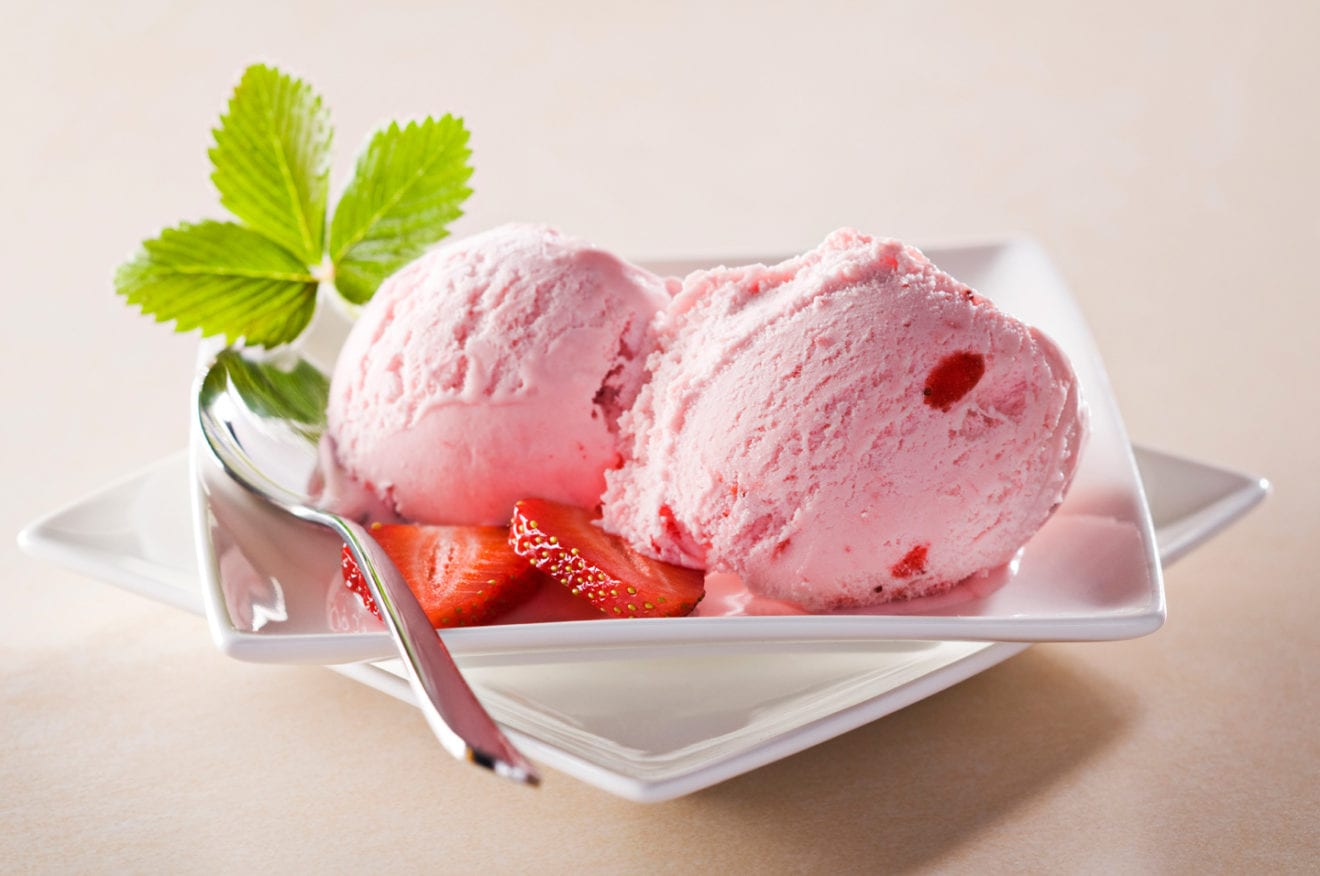
    Hokkaido soft serve ice cream franchise Naganuma Ice Co is opening in Singapore. The brand is distinguished as the sole Hokkaido firm certified by the prefecture’s authorities for using raw Hokkaido milk in their ice cream products. The milk is sourced from ranch cows near Naganuma town before being transported immediately to the brand’s factory for low-temperature pasteurisation.

    Naganuma’s three stores in Hokkaido and three in Taiwan regularly see hour-long queues for the ice creams, produced with the raw milk and eggs.

    The new outlet launches November 25 at Carlton City Hotel.

  • Bamboo Airways plans a year-end take off

    Bamboo Airways plans a year-end take off

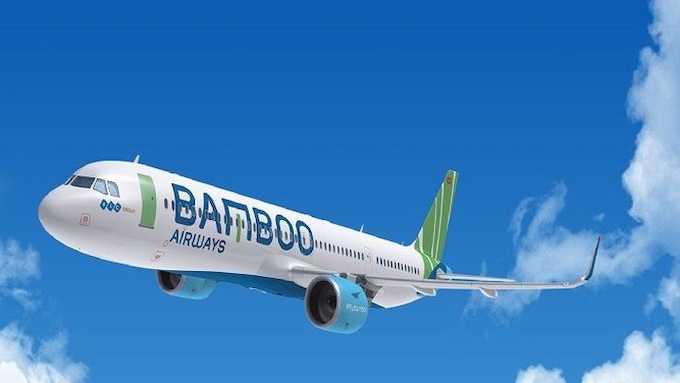
    Bamboo Airways, Vietnam’s newest airline, is expected to make its maiden flight on Dec. 29, its founder said Friday. The first routes of the country’s fifth carrier would connect Hanoi and HCMC, and from Hanoi and HCMC to central Quy Nhon City, said Trinh Van Quyet, chairman of Vietnamese private firm FLC, the airline’s founder.

    Dang Tat Thang, Bamboo Airways general director, said the carrier has basically got itself ready for the first flight, and aircraft that it is hiring is due to arrive in Vietnam on Dec. 12.

    “It is possible that flight tickets will be on sale a month before the initial takeoff,” he said.

    Bamboo Airways finally got its long-awaited aviation license early this week.

    It is allowed to operate 10 aircraft on both domestic and international routes and to carry passengers and cargo.

    The airline plans to fly on 100 routes, connecting Vietnam’s major cities with popular domestic and international tourist destinations.

    After licensing, it needs to obtain an aircraft operator certificate and obtain permission for parking and selling tickets, which are expected to take 30-45 days from the date of license issuance.

    Bamboo Airways was founded in mid-2017 with a charter capital of VND700 billion ($30 million), which it increased to VND1.3 trillion ($55.68 million) recently.

    The airline has signed deals to buy 24 Airbus A320neo and 20 Boeing B787-9 Dreamliner aircraft worth a total of about $8.6 billion.

    The other four carriers in Vietnam currently are Vietnam Airlines, Vietjet Air, Jetstar Pacific and VASCO.

  • India’s Jabong merges with Myntra

    India’s Jabong merges with Myntra

    Myntra has announced the integration of Jabong with the brand and Ananth Narayanan will continue to lead the team.“Since Myntra’s purchase of Jabong in mid-2016, the two brands have been steadily integrating key business functions and streamlining processes. This has resulted in revenue growth and a significant improvement in the customer experience. As the next step in this process, Myntra and Jabong will now fully integrate all the remaining functions including technology, marketing, category, revenue, finance and creative teams,” said company spokesperson.

    “The closer integration of Myntra and Jabong is a necessary step in our continuing development. To remain the leader in fashion eCommerce in India, we have to find ways to operate more effectively and innovate more quickly. By better aligning our resources with our long-term plans, we can put the best structure in place to serve our sellers and brand partners and ultimately benefit our customers.” it added.

    According to the company, Myntra’s independence as a business will be preserved. Myntra team will continue to operate independently to achieve even greater success.

    “We will continue to lead the market, serve our customers, and do what we do best,” according to the company.

    From a consumer perspective, the well-loved Jabong brand will remain.

  • WHSmith ventures into Hong Kong with new franchise

    WHSmith ventures into Hong Kong with new franchise

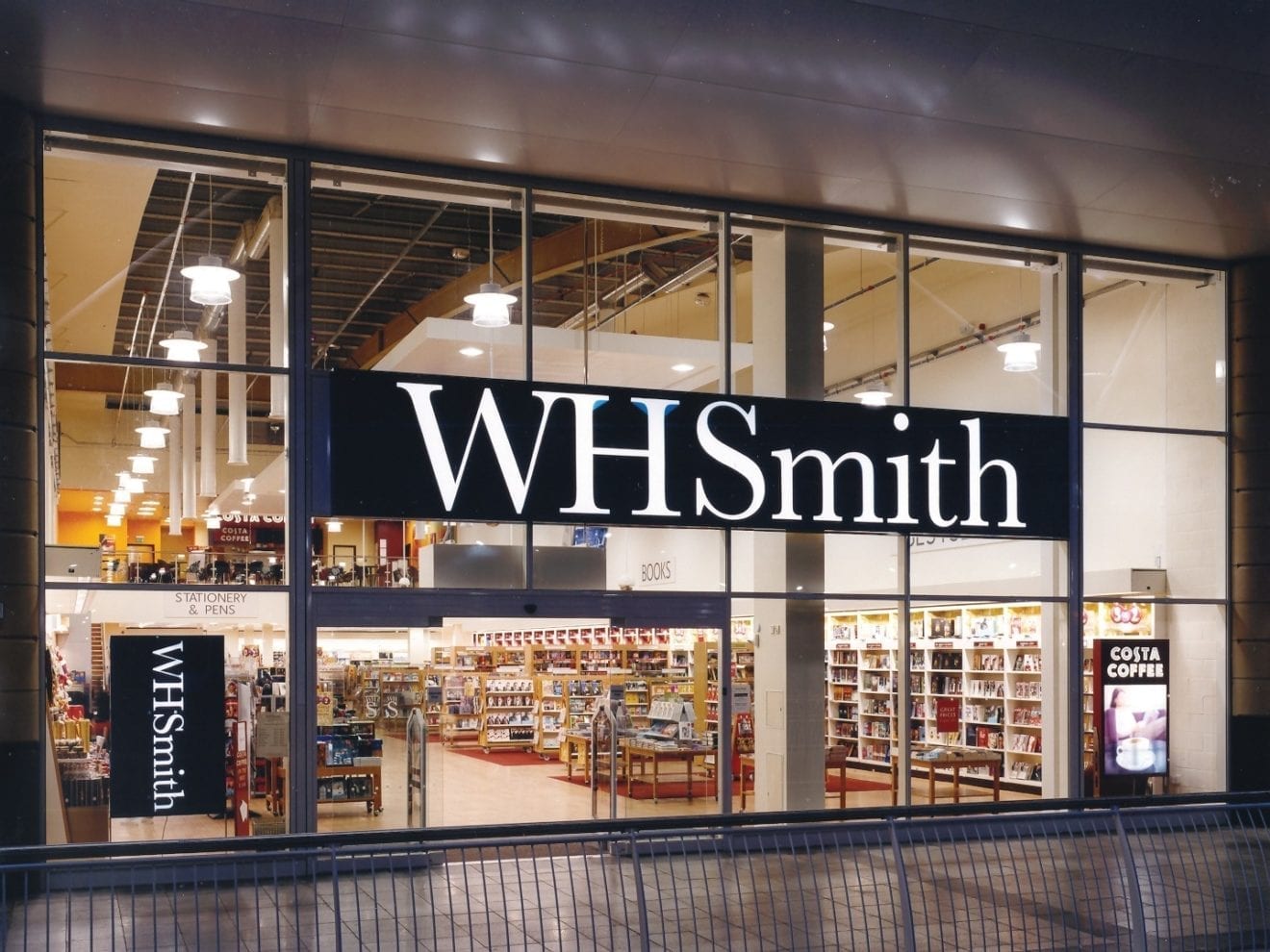
    UK bookchain WH Smith is to open stores in Hong Kong after securing a franchise agreement with King Power Group (Hong Kong). The WH Smith Hong Kong outlets will open in travel retail locations such as railway stations – there is no mention in the announcement of the airport.

    “We are currently present in six countries in the region: Singapore, Malaysia, Indonesia, Philippines, India and China, with excellent business partners and we are delighted to welcome King Power Group as a new franchise partner,” WH Smith chairman Louis de Bourgoing said.

    “We very much look forward to working together to grow our presence across Asia and bring the WH Smith offer to travelling customers in Hong Kong.”

    King Power Group operates more than 1000 stores in Asia-Pacific, Europe, the Middle East, North America and India. King Power Group travel retail MD Sunil Tuli described WH Smith as “an esteemed and leading news, books and convenience brand and operator globally.”

    “We have seen their international travel retail businesses grow over the past years and we trust that our collaboration will see good successes in Hong Kong.”

    WH Smith’s travel retail stores combine its core books and stationery offer, with convenience foods and travel accessories.

  • KT promotes its 5G team to run entire mobile business

    KT promotes its 5G team to run entire mobile business

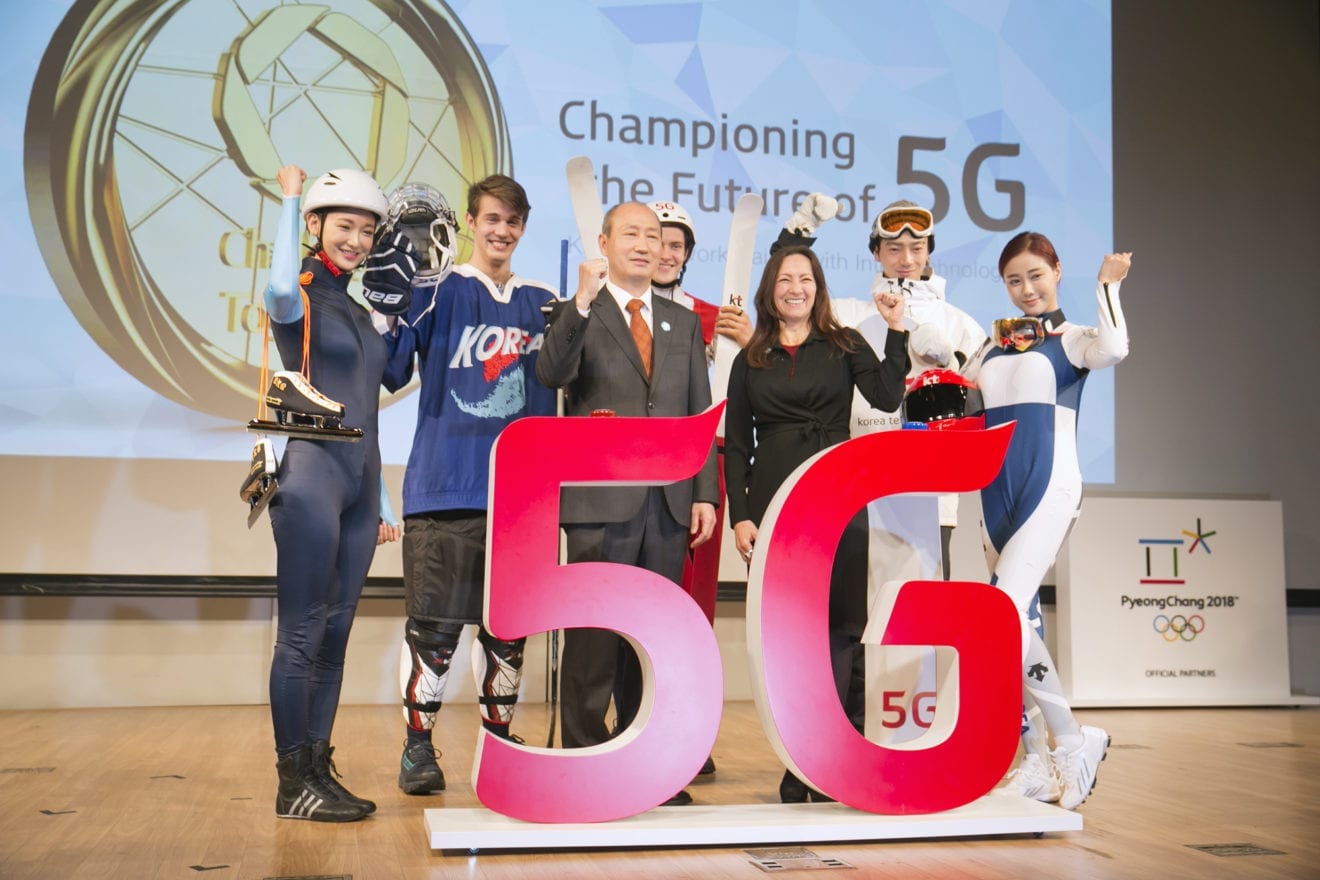
    Mobile carrier KT announced its annual reshuffle Friday as it actively prepares to gain a strong foothold in 5G-related activities in 2019. The next-generation 5G mobile network is expected to be 20 times faster than the current 4G network. Mobile carriers are working to achieve commercialization of the technology by March next year.

    KT’s 5G business team used to be part of the company’s marketing division. Following the reshuffle, the team is in charge of the carrier’s entire mobile business.

    Its main role will be developing customer services using the 5G network.

    A new 5G Platform Development team will be part of the marketing division. It is tasked with devising services for corporate clients, including those related to smart cities, smart factories and connected cars.

    As for changes at the top, former chief secretary, Kim In-heo, 55, was appointed president of KT. Kim has been noted inside the company for his practical working style and flexibility with regard to fixed customs.

  • India’s Tata food to focus on healthy range

    India’s Tata food to focus on healthy range

    With consumers increasingly becoming health conscious, health and wellness will drive the growth for the food and beverage segment, Tata Sons brand custodian Harish Bhat said Friday. “My belief is, as far as the food and beverages segment in the country is concerned, one of the key drivers for the future will be the consumers’ need for health, wellness and fitness,” he said.

    According to a, Tata Global Beverages has presence in green tea with its Tetley brand, while its other firm Tata Chemicals offers unpolished pulses and low sodium salt.

    Bhat said the salt-to-software conglomerate’s brand is synonymous with trust as its companies offer quality products and services at a reasonable price, adding that in a country which has strong trust deficit, the brand works very well.

    He elaborated that inferior quality products, products which are overpriced, or products or services which don’t live up to world class standards, can create a trust deficit. He further said if there is a segment of trade which is not fair with its consumers that can create a trust deficit.

    “I believe that the Tata brand has earned trust over a long period of time through the behaviours that it has exhibited, through the products and services it has provided to our customers. All our companies believe in providing our customers with products and services of impeccable quality at very good value and it is that combination of quality and value which has made 650 million Indian customers trust the Tata brand,” he further said.

    Trust also comes because the Tata Group has been functioning in harmony with the community…Those are the factors which has made the Tata Group brand synonymous with trust in the country, he added.

    On the impact of the controversial removal of Cyrus Mistry as the group chairman in 2016, on the brand, Bhat parried a direct reply but said the Tata brand is synonymous with trust and continues to remain strong with all stakeholders.

    “All our internal and external researches keep throwing that up all the time,” he said.

  • Fung Retailing boosts stake in reborn Toys R Us Asia

    Fung Retailing boosts stake in reborn Toys R Us Asia

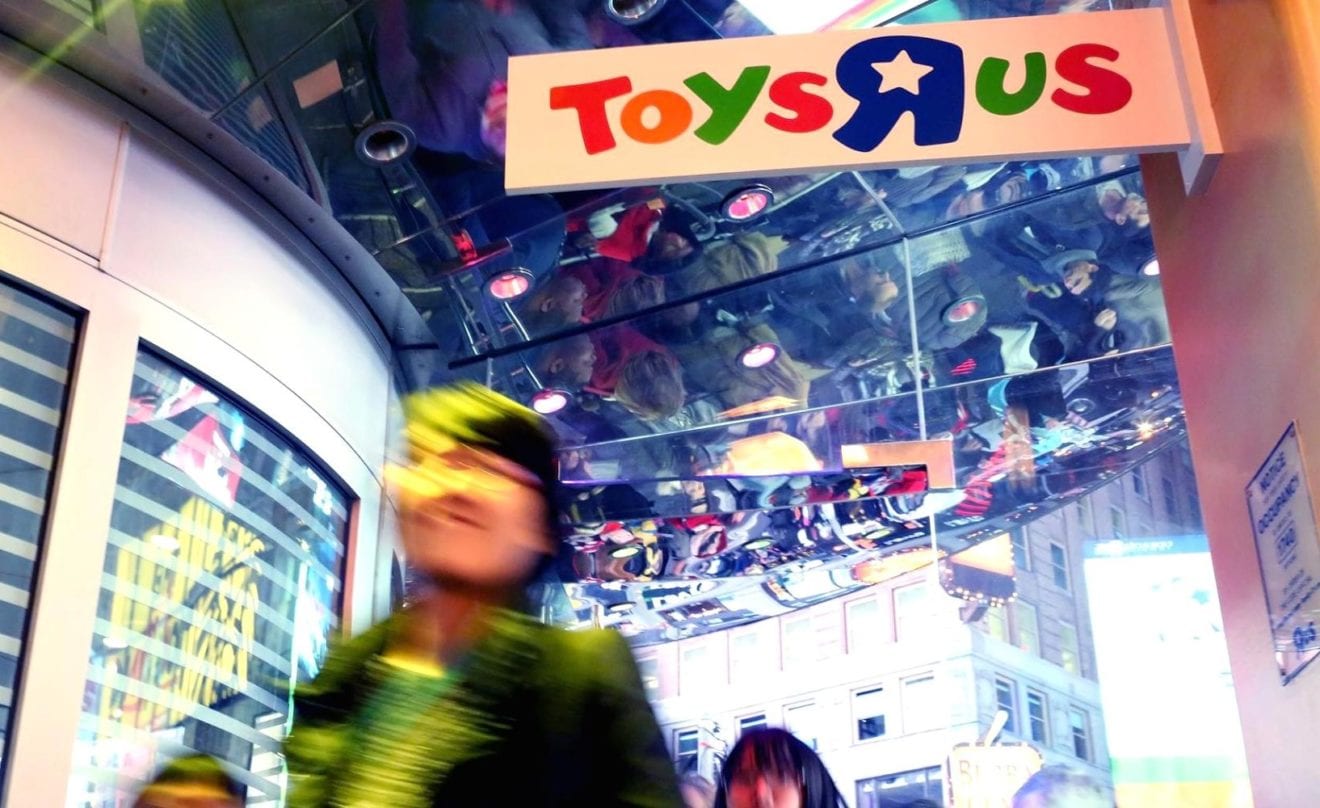
    Fung Retailing has finally secured a deal to continue to operate the profitable Toys R Us Asia business. The privately owned Hong Kong business, which is separate to the listed Li & Fung, will boost its stake in Toys R Us Asia from 15 per cent to about 21 per cent, making it the retailer’s largest shareholder.

    The balance will be owned by Taj Noteholders representing a mixture of investment funds and financial institutions who have a stake in the collapsed parent company Toys R Us US.

    Toys R Us Asia has never been affected by the liquidation of the US business – it has been trading profitably under Fung Retailing direction and has even been expanding its store network while shops bearing the iconic banner have been closing in post part of the world. Last week it relaunched its store in Brunei.

    The new partnership between Fung Retailing and Taj Noteholders values the company at US$900 million.

    “This transaction is a significant step in separating the valuable and growing Toys “R” Us Asia operation from the rest of the business,” said an unidentified spokesman for Taj Noteholders in a statement.

    “The company’s growth prospects in Greater China, Japan and Southeast Asia are bright and we are excited about investing in and owning the company in partnership with Fung Retailing”.

    Pieter Schats, executive director of Fung Retailing, said that since introducing Toys R Us to Hong Kong in 1986, Fung Retailing has played an integral role in the successful growth and development of the business across Asia.

    “As a sign of the confidence we have in the management team and future success of Toys R Us in the region, we are pleased to increase our shareholding in the company, reflecting our commitment to support Toys R Us Asia in reaching new heights.”

    The company will continue to be led by its current president & CEO Andre Javes and his management team.

    Technology boost

    The new owners of Toys R Us Asia plan a “significant investment in technology” to boost the company’s infrastructure.

    “We are committed to remaining the leading specialty retailer of toy, education and baby products in Asia by driving innovation and quality through our products and services,” said Javes. “The conclusion of the sale process brings clarity to the company’s ownership and we look forward to strengthening and leveraging our partnerships with our vendors and commercial stakeholders. Our shareholders’ investment is a huge vote of confidence in our vision, our team and our winning model.”

    Toys R Us Asia operates more than 450 stores in Japan, Greater China and Southeast Asia, including Brunei, China, Hong Kong, Malaysia, Singapore, Taiwan and Thailand. It also licenses more than 85 stores in the Philippines and Macau.

  • Long queues in Apple Bangkok store opening day

    Long queues in Apple Bangkok store opening day

    The first official Apple Bangkok store is now trading, located in the heart of the new US$1.6 billion IconSiam project. Queues formed overnight as Thai Apple fans vied to be among the store’s first customers and the company says “thousands” of shoppers visited the store in the first day of trading on Saturday.

    Inside Retail understands Apple’s designers, London-based Foster + Partners, worked with the architecture team from IconSiam to make the store stand out from the centre’s curved river-facing facade. The result is a clean, open square profile fronting a large outdoor courtyard, giving the store a ‘high-street feel’ despite being inside a larger mall structure.

    The interior features living trees and floor to ceiling glass facing both into the mall and out of it.

    For opening weekend, the store hosted local band Polycat performing live and the company also gave its iconic Apple logo a Thai-style makeover to celebrate its debut in the country.

    A second Apple store is believed to be under construction in the basement of the CentralWorld shopping centre in downtown Bangkok. See how long the queue in the gallery below (4 images) :

  • Foreign names dominate Vietnam’s high-end home interiors market

    Foreign names dominate Vietnam’s high-end home interiors market

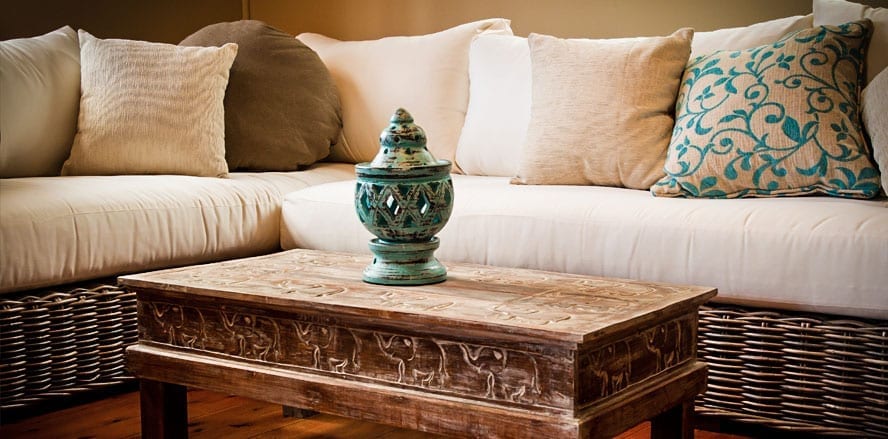
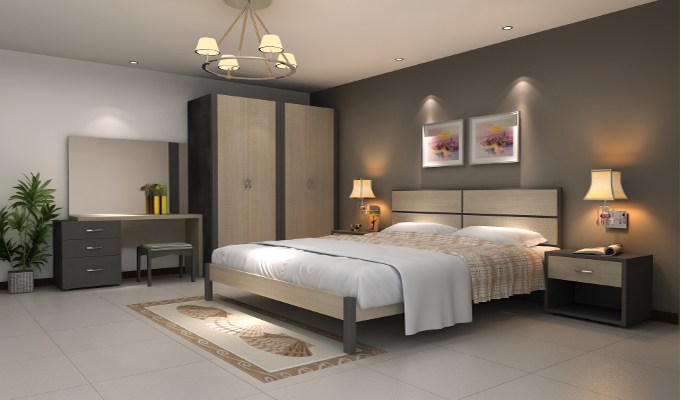
    Foreign home interior brands and designers are present in force and dominating the increasingly affluent Vietnamese market. Brands like Cassina, Badari Lighting, Cantori, Diemme Cucine, Formitalia, and Versace Home have entered the high-end interior market in recent years.

    According to the Vietnam Chamber of Commerce and Industry (VCCI), some 80 percent of luxury woodwork and interior decoration items is imported from Europe, with local players making up the small remaining portion. The market is valued at $2.5 billion.

    Ly Qui Trung, general director of AKA Furniture Group, said the expansion of the “middle and affluent class” has boosted demand for luxury interior items.

    “It is no wonder that many high-end international interior brands have started rushing into the Vietnamese market.”

    The middle and affluent class, categorized as those earning $714 a month or more, would double to 33 million, about a third of the population, between 2014 and 2020, the Nikkei Asian Review reported recently citing a study by the Boston Consulting Group.

    Market research firm Nielsen estimates the number of middle and affluent class Vietnamese to reach 44 million by 2020 and 95 million by 2030.

    Paolo Lemma, Italian trade commissioner to Vietnam, believes there will be higher demand for interior design items in future due to the booming real estate market.

    According to the HCMC Handicraft and Wood Industry Association (HAWA), woodwork furniture consumption last year was estimated at over $3.2 billion and that number is expected to reach $4 billion this year.

    Huynh Van Hanh, vice chairman of HAWA, said the industry’s average growth rate has been 8 percent in the last seven years, and his association encouraged domestic manufactures to enter this growing market.

    Trung said his company would seek to tap the growing high-end segment in future, and expected fierce competition between domestic and foreign brands.

    Last year Vietnam exported $8 billion worth of wood and forestry products and has a target of $9 billion this year.

  • Walmart sales goes back on track

    Walmart sales goes back on track

    US retailer Walmart has reported a 4.7 per cent increase in operating income in the third quarter to US$4.98 billion, and a 3.4 per cent increase in year-on-year comparable sales. Walmart sales for the period reached US$124.9 billion, an increase of 1.4 per cent.

    “We have momentum in the business as we execute our plan and benefit from a favourable economic environment in the US,” Walmart president and CEO Doug McMillon said in a statement.

    “We’re accelerating innovation and using technology to shape the future of retail [and] making shopping at Walmart faster and easier.”

    The retailer saw a 43 per cent increase in online sales in the quarter, largely thanks to its investment in its e-commerce business, as well as key acquisitions, according to GlobalData Retail’s MD Neil Saunders.

    “Making online work for customers has been a priority for Walmart, but the company is also conscious that online needs to deliver in terms of profitability,” Saunders said.

    “On this front, we are impressed with the experimentation on automation and the testing of various last mile solutions for grocery. We believe that Walmart has the skill, financial muscle, and the physical infrastructure to drive profitable online growth in a way that many other retailers, especially grocery players, will struggle to achieve.”

  • Dubai’s Danube Home makes debut in India

    Dubai’s Danube Home makes debut in India

    Danube Home, part of Dubai-based diversified business conglomerate Danube Group, has forayed into India by opening its first store in Hyderabad in October 2018. The brand has high hopes for the Indian market. In an exclusive interview with IMAGES Retail, Shubhojit Mahalanobis, General Manager, Danube Home says, “We see India as a country with huge potential, offering an incredible opportunity for growth. The real estate sector is at its peak in India with numerous properties, towers, communities and complexes coming up for both residential and commercial purposes. This directly contributes to a rise in demand for home furnishing products and solutions. Moreover, demonetization and GST has made operating in India much easier for international brands.”

    “Reports say India is expected to see a faster expansion of urban population consisting of aspirational millennials and middle class families with spending power that will trigger the growth in demand for affordable home furnishing products and solutions. For a brand like Danube Home that offers home furnishing products and solutions, this is a very promising time to enter the country,” he adds.

    Danube Home, which will be sourcing 30 percent from India to complement the government’s initiatives, has done an extensive study on Indian consumers, their buying behaviours, color and lifestyle patterns. Based on the research, the store that spans across 60,000 sq. ft offers more than 20,000 products under one roof targeting the middle and upper-middle segment of pyramid.

    The USP

    The Danube Home store in Hyderabad has all the key features and benefits that global consumers are experiencing across the Middle East. However, its India product portfolio will be a lot different from the Middle Eastern market.

    “We have handpicked collections to cater to the well-travelled modern Indian consumer with products from various parts of the world such as US, Netherlands, Spain, Italy, Russia, Malaysia, Turkey, Egypt, UK and China, to name a few, giving customers a great opportunity to shop the best quality products at value for money price,” states Mahalanobis.

    “In addition to this, customers will enjoy free interior designing services and seamless payment solutions with consumer financing options,” he states. These key features ensures 90 percent of repeat customers.

    Danube Home, which starts as an online player and plans to go Omnichannel eventually as traction picks up, aims to offer complete home solutions, for instance other brands who sell sofa or beds do not sell wall paper or customized curtains, but Danube offers end-to-end solutions that include everything from outdoor furniture to sanitary ware.

    “We focus a lot on our customer service standards and ensure both pre and post sales is a memorable experience which is why we have been awarded the No. 1 furniture retailer by the Dubai Government. We have a dedicated post sales team that makes direct calls to ensure everything goes smoothly post sales. This is an important step of the whole brand experience,” explains Mahalanobis.

    Their customers also experience Augmented Reality, Virtual Reality, Online Seamless Shopping and many new technologies that Danube offers in its markets abroad. Customers will also be able to walk through their dream home in Virtual Reality.

    “Danube Home offers global quality products at local price. We source our products from across the world and design our collections looking at customers behaviour and needs. Gradually, the Indian consumers shall experience various innovative and engaging little touches which we hope will be unique to us. That is what the brand is all about,” he adds.

    Marketing Plans

    As far as marketing plans of the brand is concerned, Danube Home has mixed conventional and unconventional mediums to connect with the brand’s ethnicity. The brand has taken the ATL, BTL, social and guerrilla marketing routes.

    “We have added fun, interactive elements and image build up activities. We are targeting middle class and upper middle class millennials, double income no kids section and nuclear families. Our key focus remains with builders, architects and the designers’ segment, who shall be amazed to see our collection and price offerings for their projects,” says Mahalanobis.

    The brand will be using all the mediums – print, TV and online – to advertise itself in India to get the maximum ROI.
     
    Human Resources

    Besides, the entry of the brand in the Indian market will not only create 1,500 direct jobs, but also support local industries that will benefit from the supply chain as it will deepen, sourcing products from every nook and corner of India.

    “This will also help us to create a greater demand for Indian designed home décor and home furnishing products and export them to other markets – such as the GCC – where we have a strong presence,” states Mahalanobis.

    Each store of the brand will employ around 85-100 direct employees and 50 indirect employees, logistics department will have 50-75 employees during the initial days and gradually with the increase in strength of stores, the count will also increase.

    “We hire the best from the industry, train them rigorously sharpen their skills aggressively and keep them motivated for a long period of time to deliver great results. The India team will also experience our team bonding and training methods, and hopefully, they will also deliver miraculous results,” he says.

    The brand believes in flexible work culture driven only by performance based rewarding, empowering the team and giving them enough freedom to bring success.

    Apart from this, Danube Home has a plethora of employee engagement activities like multiple outbound training programs at various levels, product launches at off-sites involving the power sellers, runs reward programs and engage in healthy competition atmosphere within each peer group.

    Future Plans
     
    Danube Home plans to set up 10 large format showrooms, a large logistics hub, transport network and associated facilities in the next 5 years.

    “We have identified potential locations across the North and South Indian States. Once the properties are signed, the plan would be disclosed,” says Mahalanobis.

    The average store size in India will be between 40,000 – 50,000 sq. ft depending upon the space and layout of the store. Depending upon the size of each store, average investment per store will be Rs 40 crore. The brand is already in talks with few big mall developers and hopes to partner with them for aggressive pan India expansion.

    “We target to grow 15 percent like-for-like each year for the initial 5 years. We don’t want to be bullish about the growth unless we settle down and understand the market deeply,” he concludes.
  • Nutella Cafe Opens in Union Square, NY

    Nutella Cafe Opens in Union Square, NY

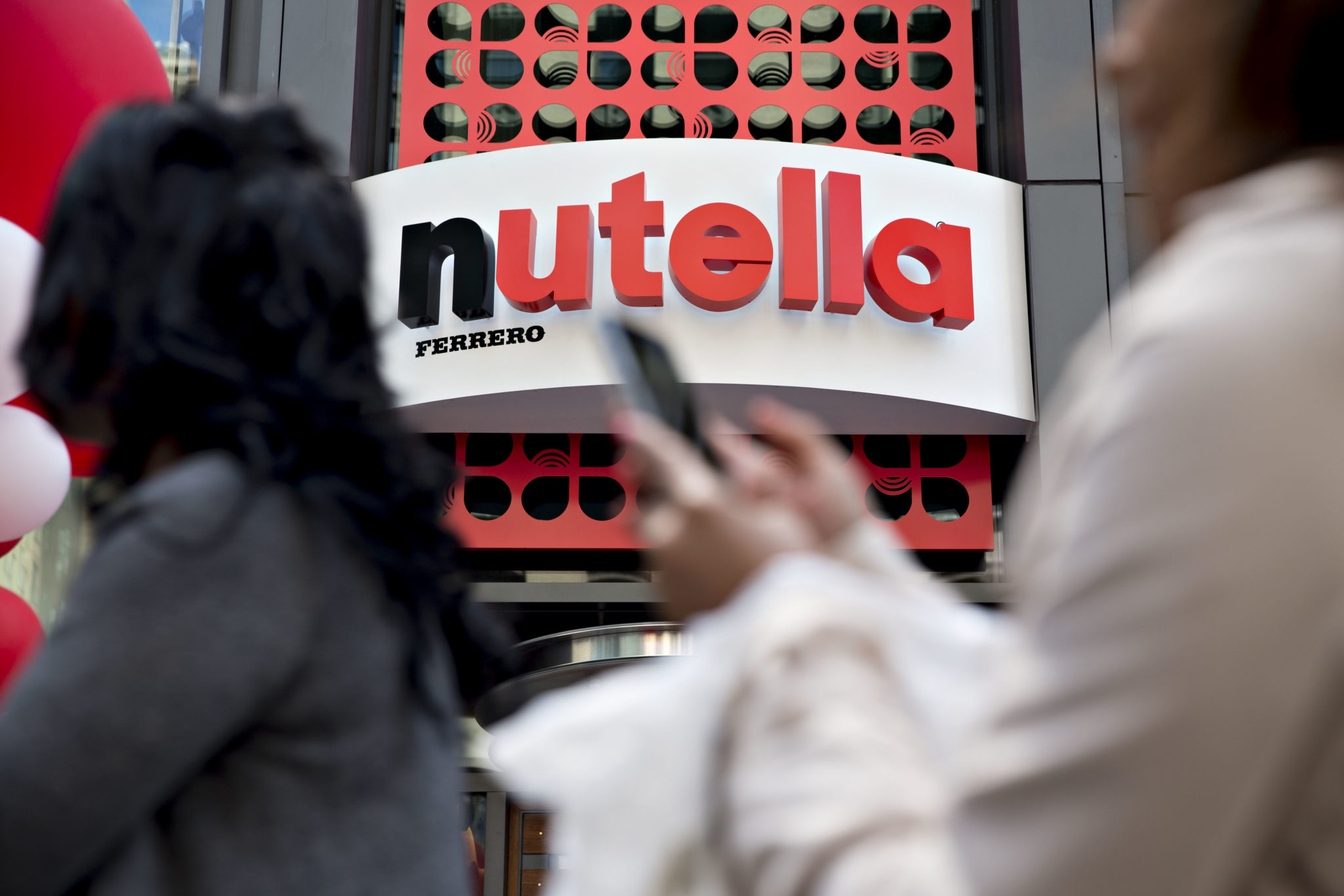
    Confectionery giant Ferrero opened a permanent Nutella Cafe in the heart of New York City this week. The cafe, the brand’s second in the US after its debut in Chicago last year, is designed to create “an authentic Nutella experience all year-round” with a menu of Nutella-centric foods and specialty espresso beverages.

    “We are thrilled to celebrate the grand opening of Nutella Cafe New York in one of the greatest culinary cities in the world,” said Rick Fossali, VP of operations at Nutella Cafe. “The response to our first Nutella Cafe in Chicago has been outstanding, and we cannot wait to treat New Yorkers and tourists alike to a wonderfully delicious Nutella experience showcasing the uniqueness and versatility of this beloved product.”

    The menu at the Nutella Cafe New York will include all-day dishes such as freshly baked breads, pastries, breakfast specials, desserts and gelato – all featuring Nutella hazelnut spread.

    Highlights include Chicago favourites like the Pound Cake Panzanella and Grilled Baguette, along with several items which are exclusive to the New York location: Hazelnut Blondies with Nutella hazelnut spread; multi-grain Piccolino (“little one” in Italian) freshly baked croissants; Grilled Banana Bread with Nutella, warmed and topped with fresh banana slices and toasted hazelnuts; Chia and Hemp seed pudding, topped with Nutella and fresh banana slices; Frozen Nutella Pops and a “Create Your Own” station that allows customers to pick their favourite base with Nutella and customise it with their own choice of fillings and toppings.

    Nutella Cafe New York is located at 116 University Place, a stone’s-throw from Union Square.

    Nutella was created in 1964 by Michele Ferrero, based on the recipe for Giandujot developed in 1946 by his father, Pietro Ferrero – a confectioner and the founder of Ferrero – in Italy’s Piedmont area. These days it is sold in more than 170 countries.

  • Full service eateries threaten fast food in Vietnam

    Full service eateries threaten fast food in Vietnam

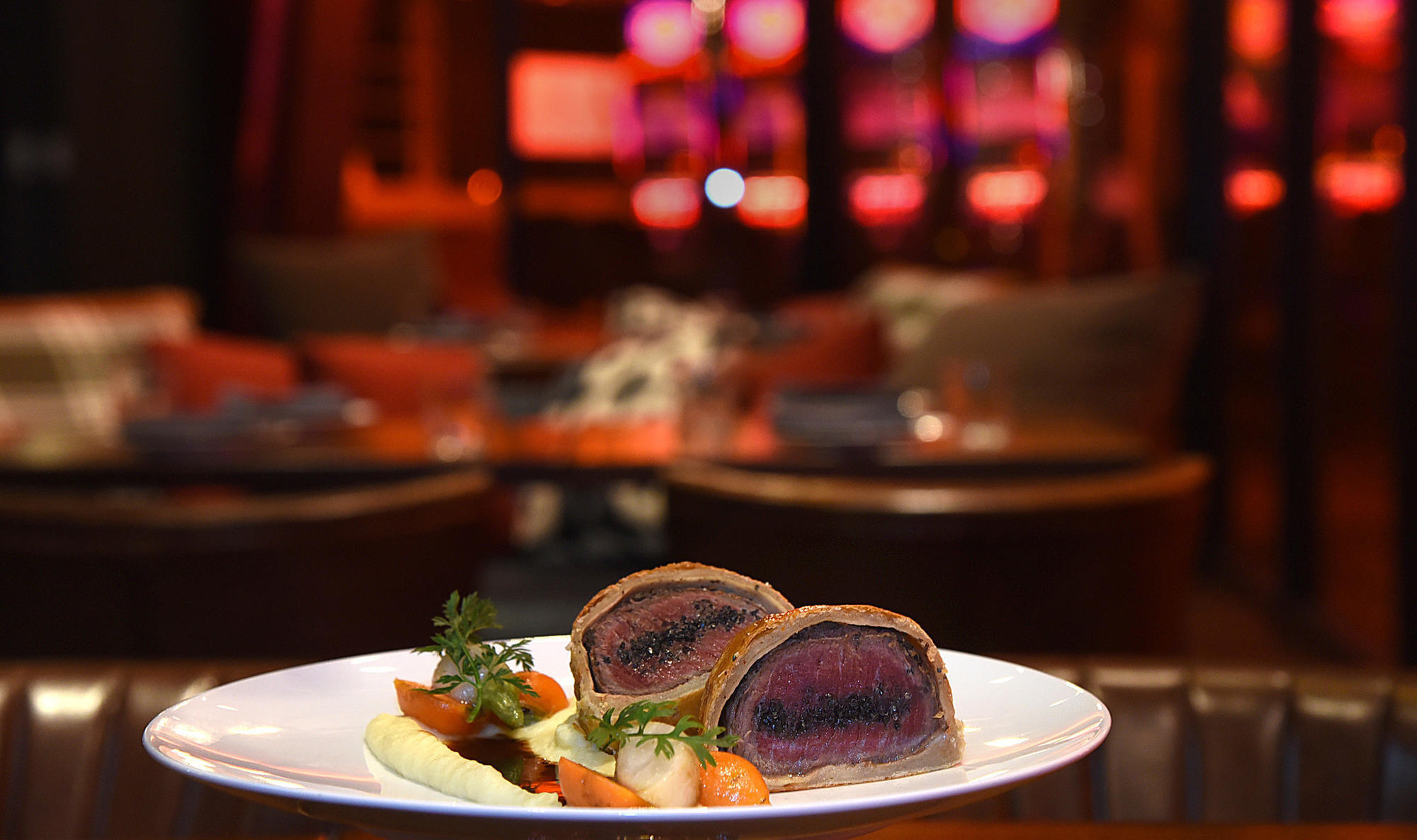
    A survey has found full service restaurants outshining the quick service segment in Vietnam since 2017’s third quarter. Full service restaurants (FSR) or sit down eateries where food is served directly to the customers’ table, have been far better patronized than quick service restaurants (QSR), where table service is minimal and the typical fare is fast food.

    In fact, the QSR segment has been dropping quarter after quarter, according to a report released this week by the HCMC-based market research firm Decision Lab.

    It found that the growth of full service restaurants has been fueled mostly by women, and consumers above 35 years of age.

    The FSRs and QSR are the two most important channels for manufacturers of various product categories, with the other five channels being street food, bars, convenience stores, hotels, and canteens.

    Together, they currently account for the majority of out-of-home visits by consumers across all demographic groups in Vietnam.

    The falling of QSR

    Quick service outlets have been suffering from declining visits from all consumer groups, male and female of all ages from 15 upwards in all the three major cities, the report said.

    Among various types of quick service outlets, cafes, bakeries and juice, smoothie shops are those that have witnessed the biggest drop in visits, by 29 percent, 22 percent and 30 percent respectively.

    They have switched to other channels to consume these daily products likes street food, full service restaurants and convenience stores.

    But this does not mean Vietnamese are cutting down on these products. Vietnamese consumption of coffee, juice and smoothies actually increased in the past year.

    Since April 2016, Decision Lab had tracked the out-of-home eating and drinking market in Hanoi, Ho Chi Minh City and Da Nang, Vietnam’s three biggest cities of Vietnam.

    It tracked all food and drink consumed out of home on a daily basis with an annual sample size of 15,000 completed interviews.

    The respondents were Vietnamese consumers aged above 15, who also reported on consumption by children (under 15 years) present when eating out.

    Nghiem Vu Huong Linh, head of Foodservice at Decision Lab, said the findings suggest that consumers have become very selective in their choice of outlets to visit and that not all outlets can benefit from the increasing demand without making significant efforts to become attractive and worth trying.