Author: Mei Ling Tan

  • Dunkin’ to be seen as coffee place in future

    Dunkin’ to be seen as coffee place in future

    Global fast-food chain Dunkin’ plans to reposition itself as a coffee chain – but it will still sell fresh donuts. Just a month after Dunkin’ Donuts unveiled rebranding, including dropping ‘Donuts’ from its name, the company has announced a strategy to put quality coffee at the core of its menu

    Dunkin’ has previously revealed a US$100 million budget to revive its market position in its core US home market. Now it says half of that investment will be spent on espresso machines and other restaurant equipment enabling it to accelerate its beverage-led strategy. The company says Dunkin’ franchisees are also making a substantial investment in the initiative, which is focused on growing its market share of the hot and iced espresso category.

    “Espresso is one of the fastest-growing coffee categories, particularly among younger consumers, and with our coffee credentials we believe we have a tremendous opportunity to improve our awareness and credibility among espresso drinkers,” said Tony Weisman, chief marketing officer at Dunkin’ US.

    The company is promising “an entirely new espresso experience for customers” in its US restaurants by the coming holiday season, featuring new state-of-the-art espresso equipment, a new espresso recipe, extensive restaurant training and new espresso cups.  Dunkin’ will serve “handcrafted hot and iced espresso beverages” – including lattes and cappuccinos – “featuring a rich, smooth, balanced taste that meets the profile preferred by espresso customers, and in particular younger espresso drinkers,” the company said in a statement.

    Dunkin’ will support the launch with a comprehensive marketing campaign. New espresso cups are bright orange and feature an exclamation point, a symbol the company says positions the espresso beverages as bold, new and exciting.

    “Relaunching espresso in our restaurants nationwide has been a tremendous undertaking, from installation of the new espresso machines, to the creation of the new, bolder taste profile, to the extensive employee training,” said Dunkin’ US COO Scott Murphy. “This is a transformative initiative, and it would never have happened without the total alignment and support of our franchisees.”

    All espresso beverages served at Dunkin’ US restaurants will continue to be made with 100-per-cent espresso beans sourced from Rainforest Alliance-certified farms.

  • Le Saunda closes stores as profit goes red

    Le Saunda closes stores as profit goes red

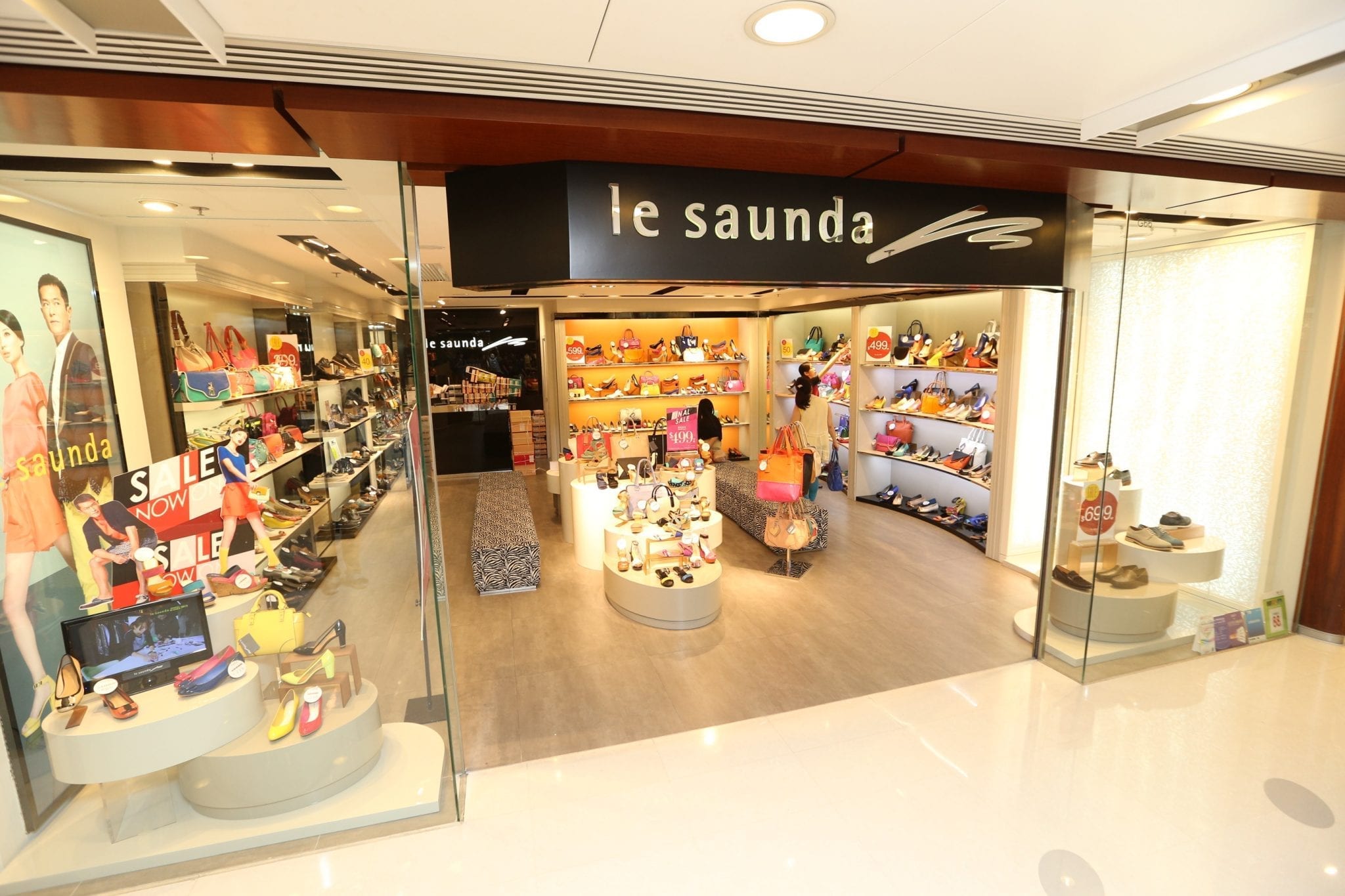
    Struggling shoe and accessories retailer Le Saunda has shuttered more than 100 stores on Mainland China in the last year as it tries to reduce overheads and return to profit. Group sales fell 14.4 per cent in the first half of this year, to RMB 460.4 million, (US$66.1 million), gross profit margin slipped 3 per cent and the company recorded a loss of RMB 9.6 million (US$1.4 million), compared with a profit of RMB22.9 million in the same period last year.

    The company blamed a slowing of retail sales in Mainland China for its poor result, with same-store sales down 10.2 per cent, as well as a decline from the closure of unprofitable stores.

    On the mainland, Le Saunda shuttered 96 of its self-run stores, cutting its network back to 549 and a further eight franchised outlets were closed, leaving a total network of 611.

    In Hong Kong and Macau, where sales rose 4.5 per cent, it closed one store leaving 10.

    Le Saunda chairman James Ngai said the company’s reduced gross profit margin was a result of lowering prices to meet market demand. The growth rate of fashionable ladies’ footwear sector had “slowed down significantly” on the mainland, Le Saunda’s core market, he said.

    “With a change in customers’ buying behaviour, the e-commerce segment experienced rapid expansion, striking a tremendous hit on the sales of traditional retail stores.

    “To cope with the ever-changing market environment, the group is fully committed to enhancing product quality, promoting a new pricing model, enhancing consumers’ shopping

    experience and thereby improving same-store sales,” said Ngai.

    “Facing the challenges posed by the economic environment, the group is determined to [return] to the basic principles of retailing, which include adjusting the pricing strategy, closing down low-profit stores, and actively exploring its franchise and wholesale businesses.”

    With Hong Kong and Macau sales up, totalling RMB 30.7 million, Ngai said the group would pursue growth there “in a proactive yet prudent manner and establish new stores in desirable locations”.

    Le Saunda designs manufactures and retails shoes and accessories under the Le Saunda,

    Linea Rosa, Pitti Donna and CNE brands.

  • DLF Emporio: 10 years of a successful luxury retail journey

    DLF Emporio: 10 years of a successful luxury retail journey

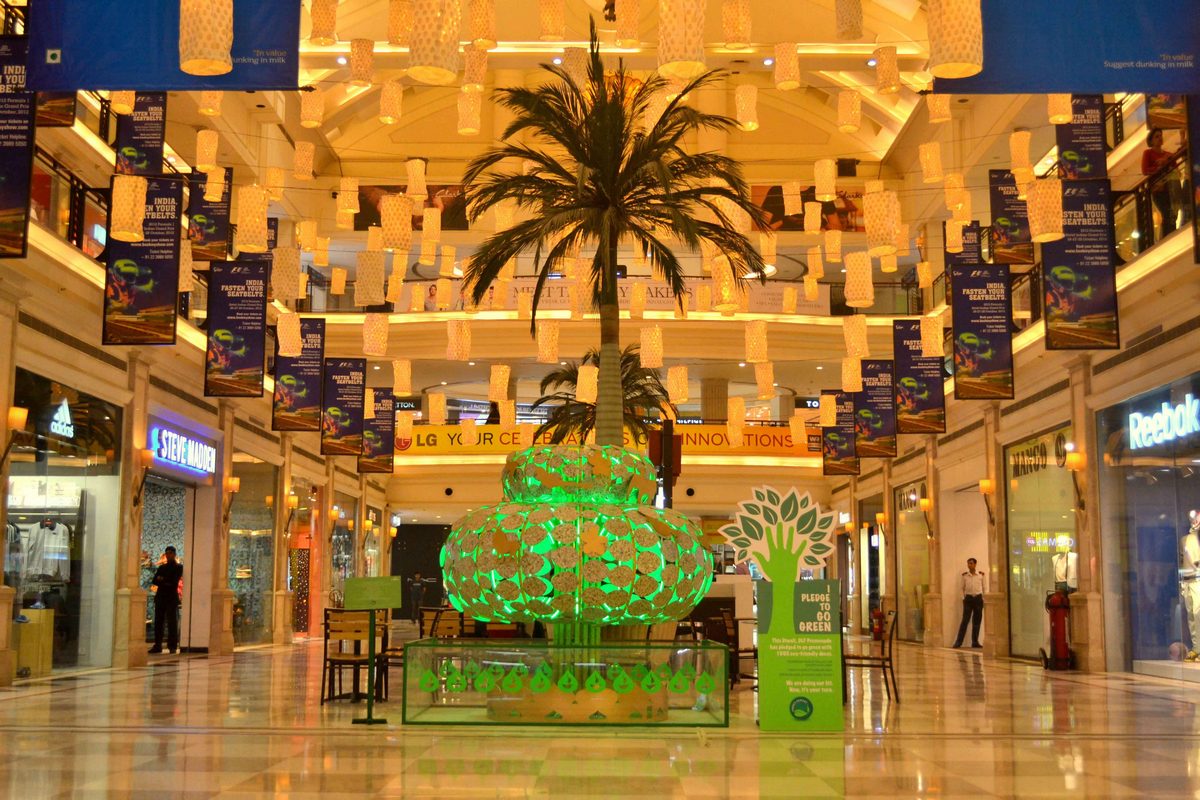
    DLF Emporio is a name to reckon with in the evergrowing luxury retail space in India and the credit for its successful journey, spanning 10 years, goes to Dinaz Madhukar – a stalwart in the hospitality sector in India. Madhukar has over 24 years of operational experience with The Taj Group of Hotels, India’s largest luxury hospitality chain, as General Manager where she led multiple functions. Currently, she is responsible for providing executive leadership and management of DLF’s Vasant Kunj Retail Complex including DLF Emporio and DLF Restaurants – including the iconic Set’z. In addition to this, she is responsible for the management of DLF’s hospitality vertical, which includes The Lodhi. She also looks after the brand’s spanking new luxury addition to the capital – The Chanakya.

    Sharing the secret recipe of success, Dinaz Madhukar’s, EVP, DLF Luxury Retail & Hospitality says, “Luxury, in its very essence, thrives on exclusivity and personalized experiences. Technology, has proven to be a strong ally for the luxury brands and engagement with the audience has become more direct. We use the social and digital media to introduce disruptive content and creative campaigns to connect with our patrons, which leads to a direct impact on footfalls and sales.”

    In an exclusive interview with Shopping Centre News, Madhukar talks about the journey of DLF Emporio over the past 10 years, the challenges, expansion plans and the future of luxury malls in India.

    DLF Emporio has successfully completed 10 years of operations. Tell us about the journey been so far?

    When DLF Emporio started operations in Delhi in 2008, there was no antecedence on how to do it right. At that time no other real estate brand had forayed into the luxury retail terrain. For DLF Emporio, therefore, there was neither an example nor a benchmark; however, ten years of successful operations undoubtedly is a coup for the brand.

    In many ways, DLF Emporio remains a case study for the luxury retail spaces, across India. The mall is today globally synonymous with Indian luxury retail and has been catalytic in putting India back on the global luxury retail map. The Indian luxury retail trail, begins with DLF Emporio and goes on to set higher expectations for their next luxury project, The Chanakya. This young one-year-old property is wisely curated given its compact nature and is poised to cater to the niche and discerning young and mature digitally savvy audiences.

    What, according to you, are the key elements that determined the success of DLF Emporio?

    The success of every business depends on understanding the pulse of your customers and pre-empting and adapting to the change in dynamics of the everevolving market space.

    DLF Emporio has been very cognizant of creating bespoke customer and retailer experiences in keeping with aggressive marketing and promotion plans of its retail partners, and I think keeping pace with and supporting the marketing needs of each retailer and guest, is what has worked for us.

    The marriage of hospitality services with luxury retail has been key to best attend the needs of both the retail partner and our guests.

    If you were to look at the annual brand properties created by DLF Emporio right from the luxury shopping festival, to couture weddings, down to the shopping fiesta, every event property is focused at addressing and pushing targeted business goals of our retail partners, while showcasing the best of luxury fashion and hospitality to our loyal customer base. The idea is to continually support both our retail and customer audiences with winning propositions for each.

    In the past 10 years, how have you seen the fashion luxury market evolving in India?

    The Indian luxury retail industry has been on a growth trajectory ever since we opened our doors in 2008. We have actually seen the customers’ taste maturing over the years. When the luxury brands came into India it was more of a sellers’ market; however, today we see a conscious buyers’ market where subtlety and self-astuteness guide govern purchase behaviour. Our guests have always veered towards quality and craftsmanship, and today you will see a significant acceptance and slant towards bespoke merchandise and limited-edition products. The guests today adhere to the ‘less is more’ adage when it comes to investing in luxury.

    India has always been a great purveyor of luxury. The initial luxury patrons were the royalty and today the most decadent luxury products are consumed by not just HNI’s but also top CXO’s, young, mature and astute entrepreneurs. We have also seen the emergence of the young start-up communities egging their ways into the Unicorn universe; these are also voracious consumers of luxury.

    The trend now is slowly shifting from product and brand focused luxury to experiential luxury consumption. You do see brands reflecting this shift with their new verticals and product innovations. Earlier, technology was restricted to corporate corridors in the silicon valleys, however, technological disruptions are now becoming a norm across luxury brands. These tech-luxe disruptions are focused on capturing eyeballs and mind space of the more assertive, highly demanding and seriously articulate, young Millennials, who live their lives on, and consumer information on virtual and social mediums.

    How has the brand mix at the mall changed over the years?

    The brand mix has remained broadly the same. In fact, we have had to request some brands to give back some proportion of their spaces to us in order to pave room for new brands. As the market and the consumer evolved, we have seen an epic change in the kind of ranges and products that the brands started introducing in the mall.

    Monograms have made way for subtle luxury, and limited editions are becoming more coveted. The propensity to own, gave way to the intent to own curated, one-of-a-kind, products.

    What are the new brands that you are introducing this year?

    We have already introduced first-comers of luxury in India, including names like Berluti and Molton Brown. Polo by Ralph Lauren has also launched its store at DLF Emporio. We have added a global luxury porcelain art creator like Lladro to our brand mix, which makes the DLF Emporio luxury retail proposition even more exciting. India will continue to be a lucrative market for global luxury brands given its discerning customer mix and penchant for curated luxury.

    Do you see luxury shopping in India evolving in the future?

    2018 is turning out to be a massive year in the world of luxury retail in India. The retail industry has depicted a future forward and a very positive growth, and we see this trend continuing. Luxury is no longer the bastion of a few but fast becoming the remit of the successful first-generation entrepreneurs, the affluent corporate and the young and the aggressive successful start-up landscape.

    Older brand narratives are finding vibrant new platforms. Brands are re-inventing storytelling and showcasing disruptive innovations. The luxury shopper is now, an ever-expanding universe with audiences across various luxury access points, looking to fulfil varied and differentiated needs. You will now see a more exuberant and new age evolution of the luxury retail sector with global brands jostling for consumer’s minds space and share of wallet.

    And what steps are you taking to keep consumers coming to DLF Emporio for the next ten years?

    DLF Emporio has always been a forerunner in the luxury retail sector. We were the first to foray into luxury retail, and we have been agile enough to keep on top of our game. A decade is a long time, and we have successfully completed our milestone, replete with challenges, learnings and substantial deep dives into our customer’s buying behaviours and mindsets.

    For any brand to stay relevant it must appeal to the core interests of its customers and guests. We have kept the brands more than relevant, by offering unique experiences, the best in luxury brand offerings and superlative service experiences in a genuinely luxurious environment. We are committed to elevating our customer and brand experience with many more luxury retail disruptions in the near future.
  • Cover Story to expand retail presence; open new outlet at Bengaluru

    Cover Story to expand retail presence; open new outlet at Bengaluru

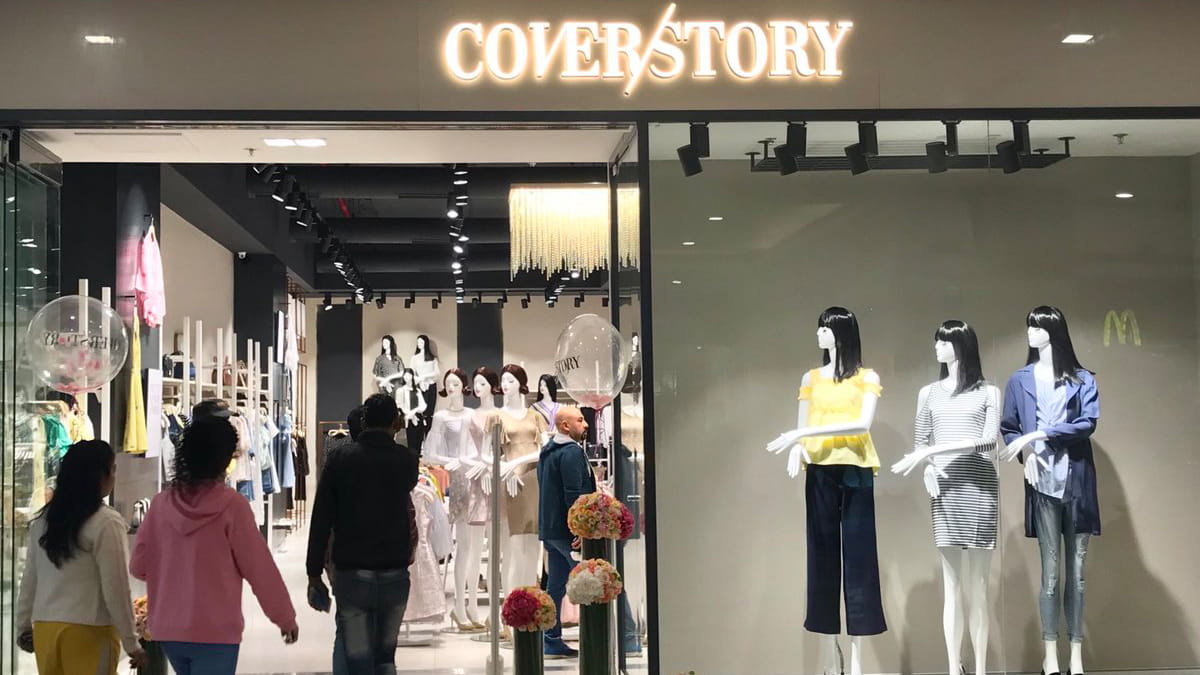
    Cover Story, a fast fashion brand for women by Future Style Lab, will be launching its new store at Forum Mall, Bengaluru in the coming week. This is Cover Story’s 23rd exclusive store with an existing presence across Mumbai, Delhi NCR, Surat, Pune, Kolkata, Chennai, and many other cities. The store is placed at a prominent location in the mall amidst the most fashionable brands around.

    The sprawling area is an apt location for Cover Story with its state-of-the-art workspaces, retail havens, entertainment zone, F&B options, and signature hospitality services.

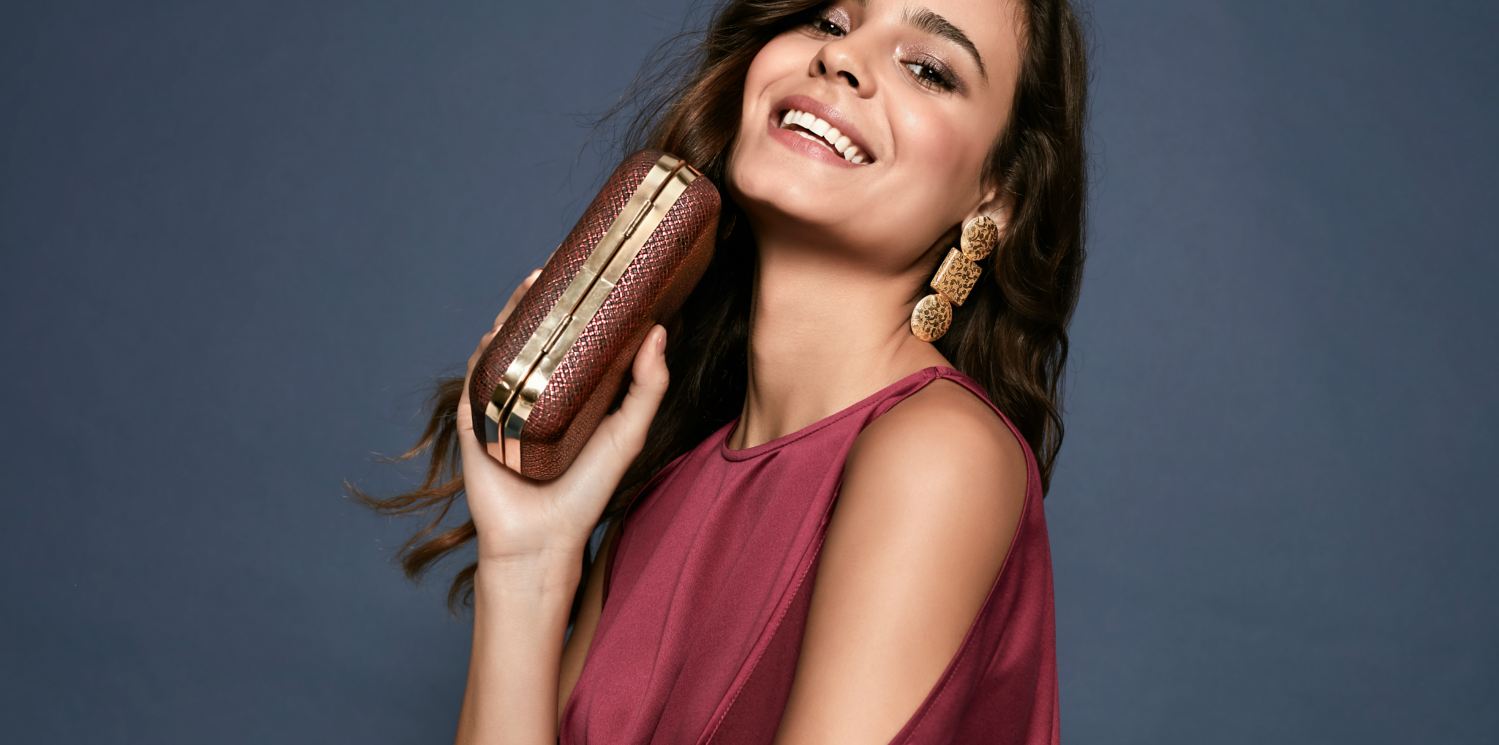
    The new store’s stock includes the latest Autumn-Winter’18 collection. The collection, designed at the creative headquarters in London, consists of women’s apparel and accessories, which include bags and shoes. The collection is inspired by the best runway trends seen across the world. This season the brand turned to the high streets of cosmopolitan cities for inspiration. When it comes to style in London, there’s nothing like High Street Fashion which displays the best trends from the runways across the world. Cover Story’s AW18 Collection features ready to wear styles that will give the Cover Story Woman (and her BFF) the confidence to turn the streets into their own personal runway. The collection, spread across 9 stories, has encompassed the key trends emerging this season.

    At present Cover Story has 22 exclusive outlets across Delhi NCR, Mumbai, Surat, Kolkata, Coimbatore, Kochi, Chennai, Indore, and Vadodara. Overall, Cover Story is present across more than 80 doors at Central, Kapsons, Iconic & Sohum. Additionally, the brand has its own online store to help cater its customer from anywhere, by simply visiting the website – www.coverstory.co.in Cover Story is retailed through online marketplaces including Myntra, Jabong, Amazon.in and Koovs.

  • 7-Eleven Thailand launches delivery service

    7-Eleven Thailand launches delivery service

    More than 3000 Bangkok 7-Eleven stores are offering a courier service and collection point. The new service, which launched on Monday, promises next-day delivery on parcels or letters dropped off at a participating 7-Eleven store prior to 9pm.

    Customers using the service must present their ID then buy an envelope or box to send their goods in, with fees ranging from THB 35 to THB 119 (US$1.05 to $3.58). A flat rate applies across the city, depending on the size of the box or envelope.

    Customers can send goods any hour of the day or night and senders can use 7-Eleven stores as collections points, rather than sending to a street or office address.

    Called the 24/7 Speed-D express delivery service, it is also available at stores in the neighbouring provinces of greater Bangkok, Nonthaburi, Pathum Thani and Samut Prakan.

    The service is a joint venture between 7-Eleven’s parent company CP All and delivery company Dynamic Logistics. All deliveries can be tracked by GPS on the Dynamic Logistics website.

    As well as a growing range of banking services, two Bangkok 7-Eleven stores recently introduced a trial food and coffee delivery service based on the Line messaging platform.

  • India’s KOOVS.COM goes offline now exclusively at Central

    India’s KOOVS.COM goes offline now exclusively at Central

    KOOVS.COM, the ultimate fashion destination in India, has announced the launch of its first shop-in-shop presence exclusively at Central M.G Road, Gurugram, India. The launch saw Bollywood celebrity and fashionista, Kiara Advani walk the ramp in the brand’s latest collection marking the celebrations.

    Recognized for bringing latest fashion off international runways for both men and women to the country, KOOVS.COM now gives all fashion lovers an access to the collection offline. Customers can touch and feel the quality of the products, try them on to understand their best fit and buy their products from the store and get it delivered at their doorstep.

    Mary Turner, CEO KOOVS.COM, said “The brand is taking a step to get closer to our customer, by providing them the diverse range of the fresh fashion collection for both men and women. We are excited to see the response at the store and take customer interaction to the next level.”

    The venue was turned into mini London representing brand’s aesthetics and inspiration, resonating European fashion history and impressions of uber chic design philosophy.

    The brand is bringing alive the new trends in style through an aesthetic portrayal for the new age Indian consumers who have a global outlook and admire fashion in their everyday life.

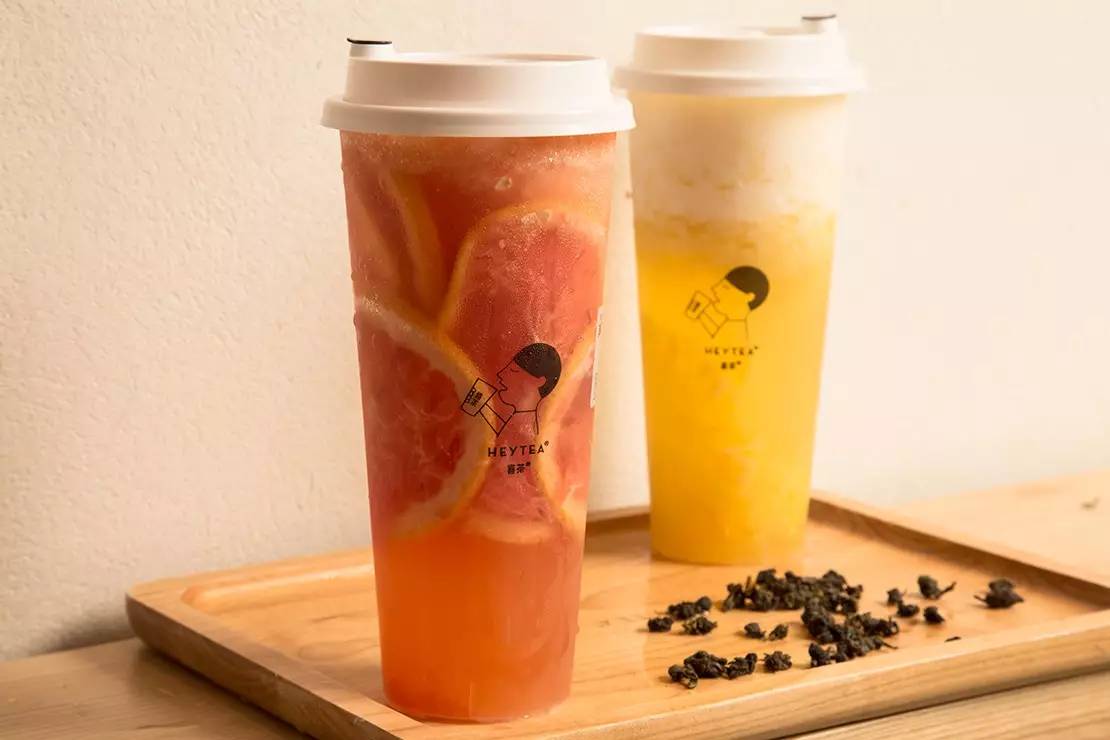
  • Heytea Singapore now opens in Ion Orchard

    Heytea Singapore now opens in Ion Orchard

    Chinese tea franchise Heytea is launching its first overseas store in Singapore. The six-year-old chain is one of China’s most popular in its category, with each outlet selling 2000-3000 cups per day. It claims to be the franchise responsible for inventing cheese tea, serving drinks with New Zealand cheese.

    The Heytea Singapore store will feature a uniform minimalist white interior design with wooden accents, with some outlets featuring themed retail spaces.

    The new Singapore location is launching at Ion Orchard.

  • Vietnamese banks register more than robust profit growth

    Vietnamese banks register more than robust profit growth

    Commercial banks in Vietnam have posted impressive growth, with profits doubling or even tripling over last year’s first nine months. The Bank for Foreign Trade of Vietnam (Vietcombank) has announced profit before tax (PBT) of VND 11.68 trillion ($502.16 million) in the first nine months, a 47 percent increase compared to the same period last year.

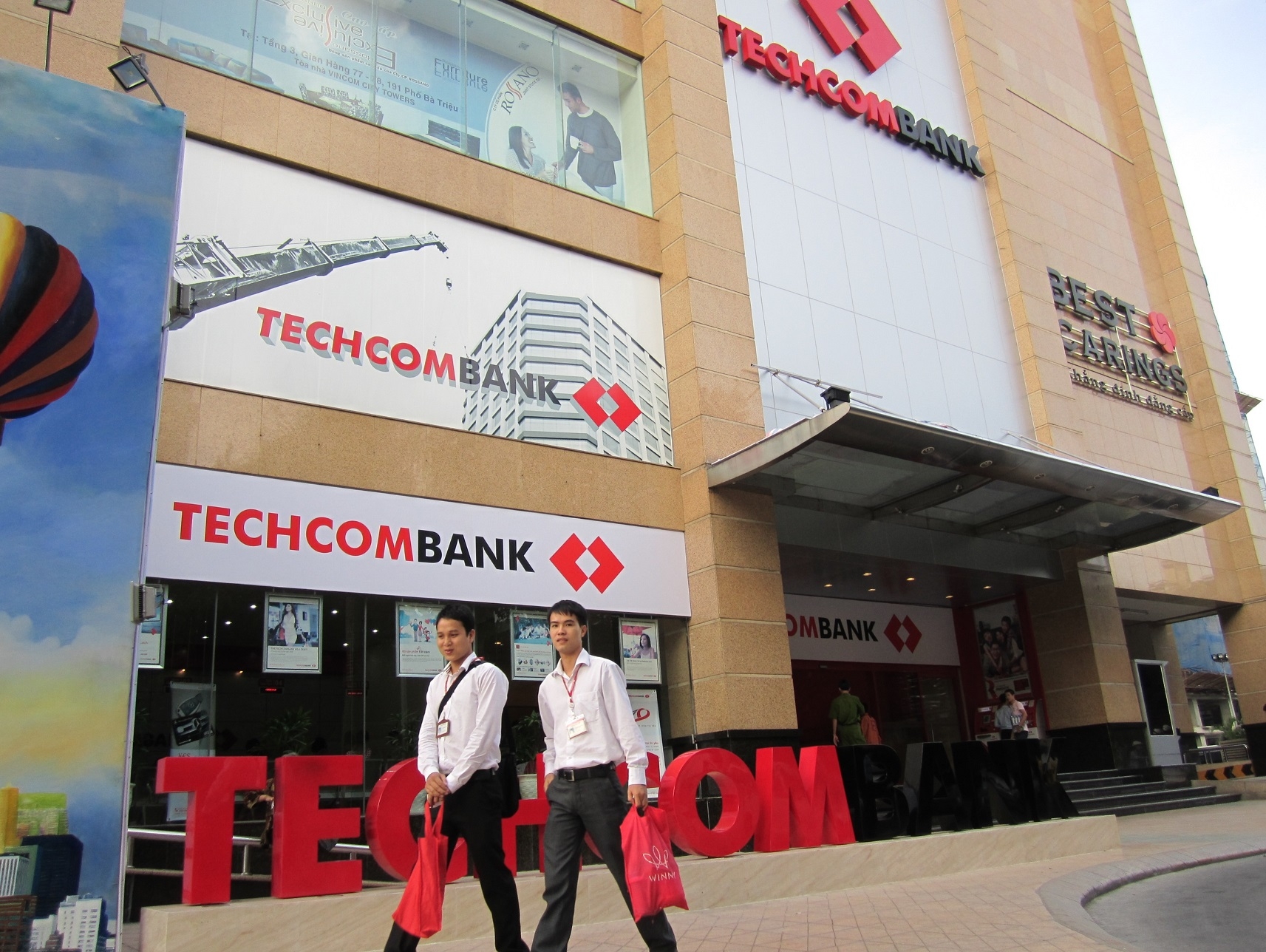
    In the private banking sector, the current profit leader is Techcombank, which reported a 9 month PBT of VND7.77 trillion ($334.2 million), an increase of 61 percent over the same period last year. Nearly all business lines at Techcombank saw positive growth.

    Pre-tax profit of lender ACB hit a record VND4.8 trillion ($206.3 million) in the 9-month period, 2.4 times higher than the same period last year.

    The highest growth rate of the period went to Vietnam International Commercial Joint Stock Bank (VIB), with its profit before tax of VND1.72 trillion ($73.9 million), marking an increase of 176 percent over the same period last year.

    Banks relied heavily on interest income to achieve these profits. For example, VPBank granted loans worth VND 211.09 trillion ($9.08 billion), up by 17 percent over the same period last year, and corresponding figures for Vietcombank were up 15 percent to VND 616.41 trillion ($26.5 billion).

    In addition, the banks have also gained positive results from the fee-for-services approach.

    According to banking experts, with strong credit growth at the beginning of the year and the economy forecast to remain stable, bank profitability is set to continue rising sharply towards the end of the year.

    In the last months of the year, many banks’ credit facilities have been running low, but this is balanced by rising interest rates that boost their net income.

    HSBC Vietnam CEO Pham Hong Hai said that profitability of the sector will peak in 2018 and gradually fall later. The central bank may not want to maintain such high credit growth in the near future, and could work to bring it down, he explained.

    The country’s banking sector posted an estimated 18.17 percent loan growth in 2017, according to the Ministry of Finance. It has targeted growth of 17 percent this year.

    Hai said that from 2019 onwards, bad debt may re-emerge as a problem for banks after the recent credit growth and the instability of the global financial markets. Therefore, banking profits will most likely see a downward trend next year.

    State Bank of Vietnam Governor Le Minh Hung said recently that bad debts and potential bad debts amounted to 8.61 percent of total credit by the end of September.

  • The Shoppes at Marina Bay Sands enjoys sales rise

    The Shoppes at Marina Bay Sands enjoys sales rise

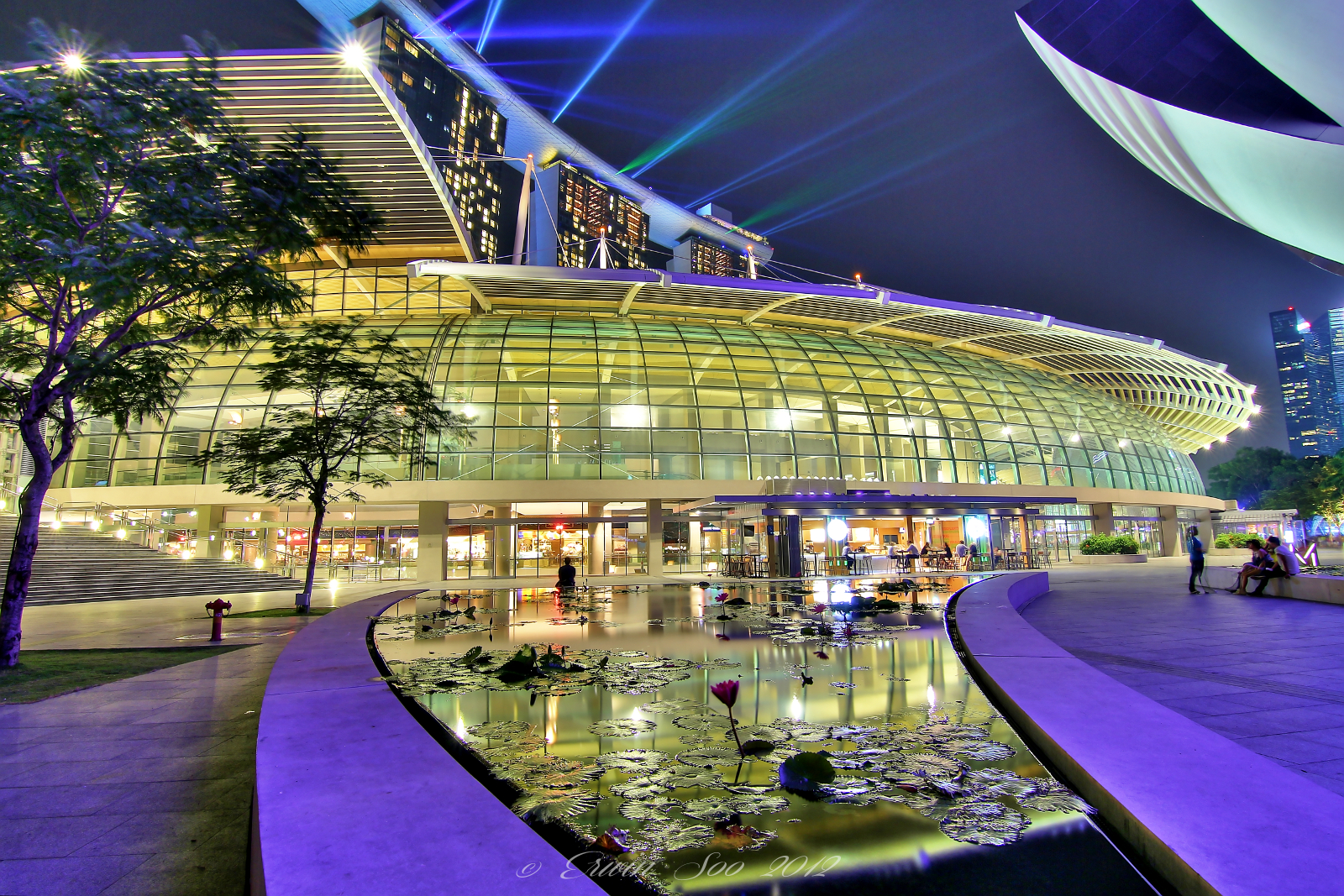
    Revenue from The Shoppes at Marina Bay Sands rose 4.5 per cent during the third quarter, reaching US$44 million, according to the integrated resort’s latest results announcement. Sheldon Adelson, CEO of parent Las Vegas Sands Corp, said retail tenant sales per square foot at the shopping complex rose by 22.2 per cent during the past year.

    That, together with rising food and beverage sales (up 15.2 per cent to $53 million) and improved hotel revenues helped offset a decline in gaming takings, said to be affected by a decline in VIP playing. Third-quarter earnings were down 52 per cent to $419 million for the quarter.

    Las Vegas Sands’ regional third-quarter earnings were up by 6 per cent to US$1.28 billion, thanks to the strengthening Macau business.

    Hotel occupancy at Marina Bay was 97.5 per cent during the third quarter with an average daily rate of $466.

  • EU trade pact can reduce Vietnam’s reliance on China, US

    EU trade pact can reduce Vietnam’s reliance on China, US

    The Vietnam-EU trade pact can diversify export markets and help reduce reliance on China and the U.S., experts say. On October 17, the European Commission submitted the EVFTA for signature and conclusion to the European Council. Once authorized by the Council, the agreement will be signed and presented by the end of this year to the European Parliament for ratification. The European Parliament is set to ratify the EVFTA early next year.

    The trade pact, which has been negotiated since June 2012, is considered a game changer as it would eliminate almost all trade tariffs between the two sides.

    Luu Bich Ho, former head of the Vietnam Institute for Development Strategies under the Ministry of Planning and Investment, said that the deal would play a major role in reducing Vietnam’s reliance on the U.S. and China, the world’s two largest economies.

    “This is obviously an opportunity for Vietnam to increase export [to the EU] to avoid being affected should the U.S. seek to limit imports from Vietnam,” Ho said.

    It’s also a chance for Vietnam to diversify its markets as it is still heavily dependent on China in trade, he added.

    In the first nine months this year, the U.S. was Vietnam’s largest export market, accounting for 19.5 percent of Vietnam’s total exports, a growth of 13.2 percent year-on-year, according to Vietnam Customs.

    Although the EU came second and accounted for 17.4 percent, this market has the smallest growth rate among Vietnam’s top six export markets at 10.5 percent.

    China was the third largest export market, had the highest growth rate of 29.9 percent. It was also Vietnam’s largest import market, accounting for 27.3 percent of Vietnam’s total imports.

  • Malaysia to reach 700 malls by end of the year

    Malaysia to reach 700 malls by end of the year

    Malaysia can expect to have close to 700 shopping malls trading by the end of next year, according to Malaysia Retail Chain Association (MRCA) president Datuk Seri Garry Chua. The malls will represent a net lettable area of 170 million sqft in total, potentially higher than current market demand.

    In an report, Chua said: “Currently we have about 560 Malaysian malls operating nationwide with total net lettable area of about 135 million sqft. The occupancy for majority of the malls in Klang Valley is between 85 and 87 per cent and that is considered okay if compared with neighbouring countries like Singapore.

    “One way to fill the malls, both new and existing, is tourism. The government has to do a lot more in getting tourists from around the world to come here, especially from China.

    “Chinese tourist spend about US$260 billion globally. They are the biggest spenders.”

    Chua added that tourism is likely to be the largest contributor of GDP worldwide by the 2030s. Its impact on Malaysian retail could contribute to industry growth from the current 10 per cent of GDP to 15 per cent within the next five years.

    The MRCA is estimating an average growth of 6.1 per cent during the third quarter of this year compared to the same time last year.

    “There is huge potential in the local retail industry, despite concerns of a glut in retail space,” said Chua.

    “For future retail, it will have to encompass a lot of digital and concept stores. The malls must be interactive. It must have things like artificial intelligence where you have robots moving around and interacting with people.

    “There should be new dynamics in shopping. Mall owners must keep abreast with latest trends. Pricing and design must be right, especially for fashion brands.

    “Malls are also adding more and more food and beverage (F&B) outlets. Previously, tenant mix comprised 20 per cent of F&B but today, it is 30 per cent,” he said.

  • Amorepacific profits slump

    Amorepacific profits slump

    Amorepacific Group announced lower-than-expected results for the third quarter on Monday with operating profits dropping 36 percent year on year. The fall comes as a stark contrast to rival LG Household & Health Care, which saw operating profits in its beauty business soar 30 percent during the same period.

    Amorepacific Group’s operating profit between July and September was 84.7 billion won ($74.2 million), down 36 percent compared to the same period last year. Its revenue rose 3.1 percent year on year to 1.46 trillion won. This was lower than the three-month analyst consensus of 1.56 trillion won in quarterly revenue and 166.9 billion won in operating profits, compiled by stock information provider FnGuide.

    The company explained in a statement that the main reason for the low profitability was the increase of costs in human resources and marketing expenditure.

    “Despite growing competition in the beauty market in and outside the country, Amorepacific continued investments to enforce brand competence and secure future growth engines,” the company said in a statement.

    The group’s main affiliate, also called Amorepacific, saw sales increase 6 percent year on year to 1.28 trillion won in the third quarter. Amorepacific’s sales success was thanks to the popularity of its brands, including Sulwhasoo, Hera, Iope and Laneige, with tourists and duty-free shoppers. However, the sales increase was nullified by a rise in costs, resulting in a sharp 24 percent fall in operating profit to 76.5 billion won.

    The results were grim for the smaller single-brand stores under the group as well: Etude House remained in the red while revenue dropped 23 percent year on year. Innisfree sales slightly increased by 3 percent, but operating profit steeply dropped 29 percent year on year. Espoir saw operating losses once again while revenue slightly rose by 1 percent.

    The good news for Amorepacific was the 36 percent year-on-year rise in revenue in the United States, thanks to strong performances from Laneige and Innisfree. Although its foothold there is still small compared to Asia, the company has been making efforts to diversify its global business, which used to heavily rely on China.

    LG Household & Health Care, on the other hand, recorded its highest-ever profit for the 54th quarter in a row. Between July and September, revenue generated from its three business sectors – beauty, daily necessities and beverages – was 1.73 trillion won, up 10.6 percent from the same period last year, while operating profit was up 9.8 percent to 277.5 billion won.

    The year-on-year jump was even higher in its beauty business: operating profit soared 30.6 percent to 184 billion won while revenue increased 23.5 percent to 954.2 billion won in the year’s third quarter. Its high-priced luxury brands, which were relatively unaffected by the Thaad row, were once again huge contributors.

    “With its high brand loyalty, The History of Whoo hit a quarterly sales record once again,” the company said.

  • Nestle Malaysia earnings up 15.7% in Q3, declares 70 sen dividend

    Nestle Malaysia earnings up 15.7% in Q3, declares 70 sen dividend

    Nestle (Malaysia) Bhd’s net profit for the third quarter ended September 30, 2018 rose 15.7% to RM137.69 million from RM119.01 million a year ago, underpinned by higher sales on the back of strong marketing and promotional activities.

    Revenue for the quarter under review increased 8.3% to RM1.43 billion from RM1.32 billion in the same quarter last year, driven by stronger domestic and export sales as well as the zero-rating of the Goods and Services Tax (GST), which boosted consumer spending.

    Nestle has proposed to declare an interim dividend of 70 sen per share for the quarter under review.

    For the cumulative period of nine months, the group’s net profit grew 4.7% to RM535.06 million from RM511.14 million, while revenue expanded 4.8% to RM4.17 billion from RM3.98 billion.

    “Against the backdrop of a more encouraging year for the Malaysian economy, we remain committed to our long-term strategy to ‘Fuel the Growth’ via our innovative drive and enhancing our strong brand portfolio,” Nestle said on its prospects.

    “We are confident that our investments, including the new Nestlé distribution centre, will enable us to maintain our solid growth momentum. In line with this commitment, the group has recently announced the RM100 million investment in Milo manufacturing making the Chembong factory the largest Milo manufacturing centre of excellence in the world. The company strives to improve efficiencies across our supply chain and reinvest savings to achieve sustainable and profitable growth,” it added.

    Nestle’s shares dipped RM1.50 or 1% to close at RM143.50 on 111,600 shares traded.

  • Beccos plans expansion in India with 50 new stores

    Beccos plans expansion in India with 50 new stores

    Chinese-owned ‘South Korean designer brand’ Beccos says it plans to launch 50 stores in India. Scheduled to be opened by the middle of next year, the stores will require an investment of ₹100 crore (US$13.67 million) and are expected to return a revenue of around ₹200-250 crore ($27.35–34.18 million) in the next financial year based on the potential of the market.

    Like rival chain Mumuso, the store is positioned as Korean and using Korean design influence in its products, but is actually Chinese.

    The Hong Kong-based firm will also be investigating the potential of online sales in the region next year.

    Beccos global CEO Dabin Wang said: “We see tremendous potential in the Indian market… The company would have stores on company-owned-company-operated and franchise patterns. We would have a mix of both franchised and company-operated stores.”

    Beccos has started the expansion by opening its first few stores in Kamala Nagar.

  • GM chairman might visit Korean facility

    GM chairman might visit Korean facility

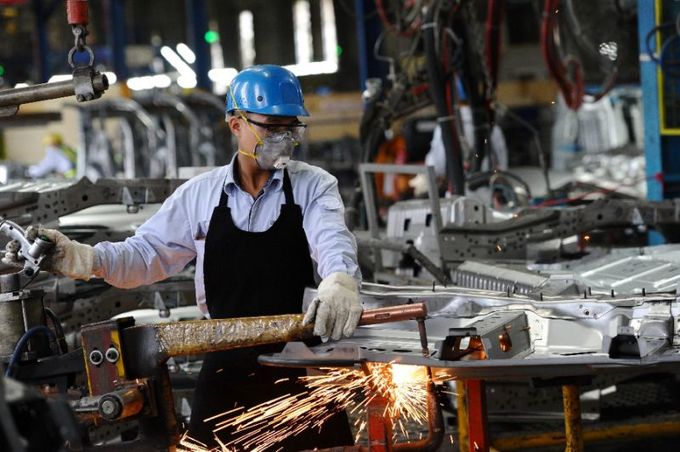
    General Motors Chairman and CEO Mary Barra hinted at visiting Korea soon amid conflict over the spinning off of the Korean unit’s R&D division. If the trip happens, it would be Barra’s first visit to the Korean operations since she became chairman in 2016.

    GM Korea head Kaher Kazem reiterated the company’s commitment to the market during a government audit held Monday. “I would like to visit our Korea operations at some point soon,” Barra wrote in a letter sent to labor union head Lim Han-taek on Oct. 24.

    Lim had requested a meeting with Barra over GM’s decision to spin off the R&D division.

    Since July, GM has been pushing to build a separate R&D center tentatively named GM Korea Technical Center. Management says it will raise work efficiency and competitiveness.

    The labor union has opposed the idea, claiming a separate R&D center will eventually result in the ending of production in Korea, resulting in massive layoffs. On Oct. 19, the automaker approved the plan in a board meeting despite the opposition.

    In the letter, Barra emphasized GM’s dedication to its Korean operations.

    “The specialized unit will benefit from focused management, increased transparency on cost and improved operational efficiency,” Barra wrote in the letter.

    “We think the demerger is an important step to allow both the engineering services company and the manufacturing unit to stand on their own as profitable, viable businesses.”

    During a government audit held Monday at the National Assembly, GM Korea CEO Kazem said the company “has no plan to withdraw from Korea.” His comments assured lawmakers the spinoff is part of GM’s plan to stay in Korea longer than the initially promised 10 years.

    “In fact, we are establishing a long-term commitment to GM Korea. [Building a separate R&D center enables] us to not only upgrade but also introduce new models. We are committed to building a very long-term future for GM Korea,” Kazem said. “The framework agreement says 10 years, but we are looking at longer than that.”

    Kazem added that the company is engaging a number of parties on the possible redevelopment of the currently shut-down Gunsan factory, but he didn’t reveal details. He said he would “review” whether the plan for the Gunsan factory site could be included in the initial framework agreement.

    GM abruptly shut down the Gunsan factory in May. GM Korea has since been beset by speculation of completely shutting down in the country.

    The company and the Korean government have decided to jointly invest 7.7 trillion won ($6.7 billion) to save the ailing unit. GM also promised to stay in the country for the next 10 years.

    A GM Korea official said that Barra’s visit to the country is not yet confirmed.