Author: Mei Ling Tan

  • United Colors Of Benetton appoints new Artistic Director

    United Colors Of Benetton appoints new Artistic Director

    Fashion designer Jean-Charles de Castelbajac has been appointed artistic director of the United Colors of Benetton men’s and women’s collections. “We are happy to welcome Jean-Charles de Castelbajac into our big family,” announced UCB Chairman Luciano Benetton.“His experience, charisma and ability to forecast tomorrow’s social and fashion trends will constitute a great asset for our brand.”

    Castelbajac has a long career that spans from design to painting, advertising and street art. He debuted in the fashion world in 1968, when he launched a brand created in collaboration with his mother. He then went on to inspire fashion trends such as the ‘anti-fashion’ movement and the alternative use of objects to decorate garments.

    In 1974 he co-founded Iceberg. In 1978 he founded maison Jean-Charles de Castelbajac, which he left in 2016. Over the years he has also collaborated with Max Mara, Ellesse, Courrèges, Rossignol, and Le Coq Sportif. Born from a mix of punk and pop, his style is characterized by the use of strong colors and pop icons, the mix of old and new and a whimsical and irreverent touch.

    “An iconic brand, United Colors of Benetton envisioned the world of today: a pop, colorful, affordable and universal fashion, enhanced by Oliviero Toscani’s powerful images,” commented Castelbajac. “United Colors of Benetton and I have always had a similar take on fashion, characterized by the passion for knitwear and the love of pop and rainbow colors.”

    Castelbajac and Benetton also share a passion for contaminating fashion with art. In his career, the French designer befriended and worked with artists such as Andy Warhol, Miguel Barcelo, Keith Haring, Jean Michel Basquiat, M.I.A and Lady Gaga. His creations have been displayed at New York’s Institute of Fashion and Technology, London’s Victoria & Albert Museum and the Galliera Museum in Paris. In 2018 he was guest artistic director at the Paris Biennale.

    “Thanks to social networks, fashion today is visible to everyone. But it remains affordable only to a few,” Castelbajac said, adding: “Together, United Colors of Benetton and I will seek to create tomorrow’s wardrobe, bringing beauty and style to everyday life, at prices that everyone can afford.”

  • LG H&H buys Avon factory in China

    LG H&H buys Avon factory in China

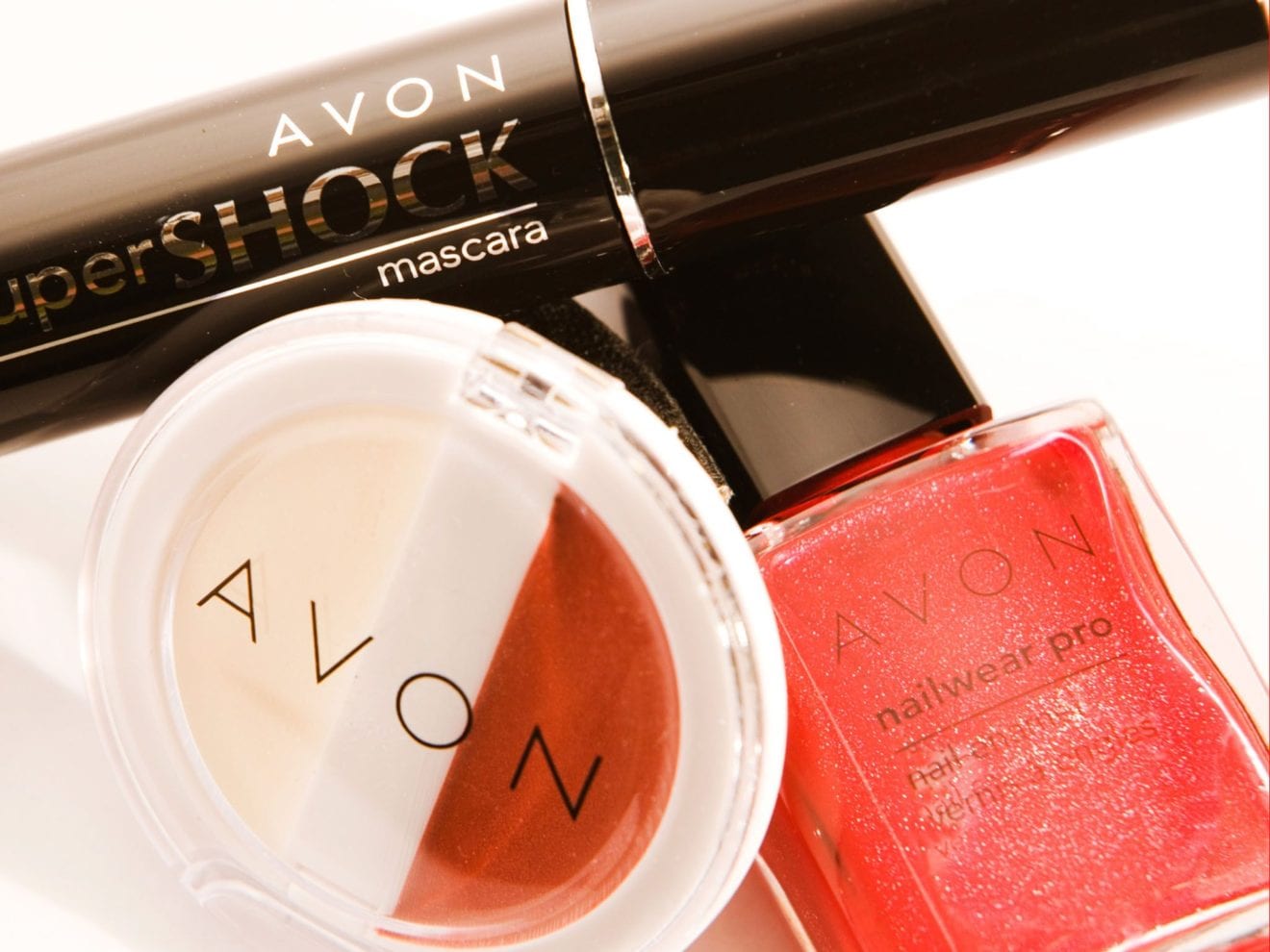
    LG Household & Health Care announced Wednesday it is buying Avon’s Chinese factory in an effort to expand production facilities. According to LG Household, subsidiary The Face Shop will purchase the London-based cosmetics firm’s factory in Guangzhou, China, for around 79.3 billion won ($70.8 million). Avon’s 49,500-square-meter (12.25-acre) factory in Guangzhou, China is capable of producing 13,000 tons of cosmetics and hair care and body products every year. Its facilities meet cGMP (current Good Manufacturing Practice) regulations, which are enforced by the U.S. Food and Drug Administration.

    LG Household will use the Guangzhou factory to manufacture LG products like The Face Shop branded goods for its Chinese and other Asian businesses while continuing to produce Avon products as well. Avon employees will remain at the factory.

    The buyout deal is expected to be finalized in February after Chinese authorities approve the transaction.

    The move comes less than a year after LG Household purchased Avon’s Japanese operation for around $96 million last April. Avon said it hopes the Guangzhou factory sale will help increase its operational flexibility.

    “This transaction is a significant step forward in our effort to ‘Open Up Avon’ by operating more efficiently, with a leaner, more agile global infrastructure,” said Jan Zijderveld, CEO of Avon. “We know [LG Household] well and believe that they will continue to be a strong partner for Avon.”

    “We are pleased to … add a state-of-the-art facility with powerful capabilities to deliver quality products for the fast-growing local market,” added Suk Cha, CEO of LG Household.

  • Tom n Toms plans Myanmar expansion

    Tom n Toms plans Myanmar expansion

    South Korean Cafe chain Tom n Toms has started to launch outlets in Myanmar. Tom n Toms Myanmar has opened two locations in Yangon so far, at the international airport and the Kantharyar Centre, with a third planned for Yankin Township. Information from Myanmar International Business Alliance Company operation director Aung Sithu Khant revealed a fourth planned outlet at the Secretariat Building in Yangon.

    “Myanmar people and coffee brands have been friendly for a long time,” said Khant.

    “We opened these outlets hoping that Myanmar people can taste a high-quality coffee with reasonable price. Next month, strawberries from south Korea will be selling in Myanmar. We will introduce a menu connecting with strawberries.”

    Khant said the third outlet will be opened soon. Future Tom n Toms cafes are expected to open in Mandalay, Taunggyi, and the capital city, Nay Pyi Taw next year.

    “The main thing is the customer is always first. Therefore, we will pay special attention to coffee and other foodstuffs”.

  • eTailAsia, Thriving in the eCommerce Revolution in 2019

    eTailAsia, Thriving in the eCommerce Revolution in 2019

    Year after year, eTail Asia has been a sell-out success story! And it’s back for the 7th edition at Sheraton Towers, Singapore from 5-7th March 2019.

    What is it about you might ask? Simply put its ‘THE’ only destination event for Asia’s leading retail innovators to meet, collaborate and learn about what’s disrupting the industry today and what’ll change tomorrow. eTail Asia is designed to build up the participant’s business and profit by cutting out the fluff and providing content from retail innovators in the trenches.

    Some hot topics which have been cast in to the spotlight include:

    1. Entering and succeeding in China’s $800 billion eCommerce market

    In the notoriously cut throat retail industry, China’s cross-border eCommerce has been growing at an unprecedented rate, poised to top US$1.64 trillion in sales by 2020. eTail Asia addresses the exciting opportunities awaiting brands who want to tap into the Chinese  market, win over Chinese consumers, adapt to local nuances and create a multifaceted digital ecosystem to drive eCommerce sales.

    1. Driving customer engagement and fostering loyalty with blockchain, AR and VR

    Digital transformation is crucial, but focusing on establishing a relationship which is authentic, functional and relatable should be of paramount importance. At eTail Asia, businesses discuss cutting edge technologies which boost connectivity and interaction between brands and customers to optimise the quality of CX.

    1. Achieving a 360-degree customer view thorough AI and Machine Learning

    Achieving a holistic customer report is a trend that will continue to explode in all directions. Brands have to build affinity through personalisation and customisation where communication strategies have to be adapted accordingly to each individual based on their preference. Businesses have to wield marketing efforts around individual customers which helps them resonate with a brand.

    1. m-Commerce and a seamless, simple and intuitive payment channel

    Millennial shoppers are gravitating towards speedy transactions and on-the-go online shopping. Capitalising on this momentum, businesses are streamlining an omni-channel payment method for customers, enduring the relationship across all channels. A flexible experience without hassle will ultimately increase a customer’s satisfaction, to future-proof a customer’s checkout experience.

    The 2-day conference has a curated pipeline of compelling discussions, case studies and presentation anchored around the ‘millennial mind-set’, ‘succeeding as an eCommerce brand in an era of dominant e-tailers’ and ‘embracing globalisation’.

    To view the full agenda or to learn more about speaking/sponsorship/exhibition opportunities at eTail Asia, please visit https://etailasia.wbresearch.com/.

    first appeared on: https://edubirdie.com

  • Korea’s KT 5G bus hits the road

    Korea’s KT 5G bus hits the road

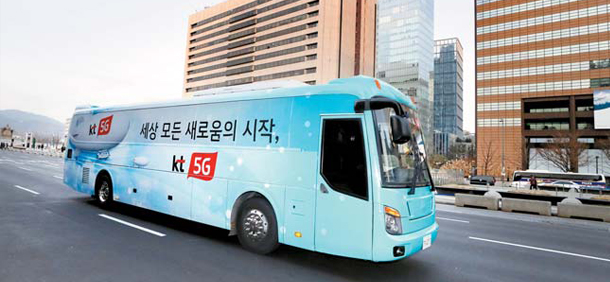
    Are you curious about all the hype over 5G? A ride on a 5G-powered bus may answer some questions. Mobile carrier KT announced Tuesday that people can sign up for free rides on its 5G bus. The bus will be connected to its ultra-fast 5G wireless network and will demonstrate devices that can be used to enjoy new media services like KT’s GiGA Live TV. GiGA Live is a head-mounted display – thick goggles with a screen embedded inside. GiGA Live supports virtual reality (VR) media services, including live sports broadcasts, as well as 360-degree films.

    VR and augmented reality (AR) are commonly cited as the technologies that have the most to benefit from 5G network. Because 5G promises up to 20 times faster speeds than LTE, it can transfer large volumes of data quickly in real-time, which is integral to the proper operation of VR and AR services.

    Those who want to take 30-minute sojourns on the 5G bus can apply online at www.kt5Gbus.com. The bus will run in the Gwanghwamun area from Jan. 15 to 24, and Gangnam Station from Jan. 25 to Feb. 2. Rides will be offered five times a day, excluding Sundays and Mondays.

    “5G network makes it possible to transfer huge volumes of information safely and in real-time,” said Park Hyun-jin, head of KT’s 5G business. “We will continue to offer innovative 5G services that can provide new experiences and value to consumers.”

    Earlier this month, KT added 5G-capabilities to its barista robot B;eat in Samsung Life Insurance’s Seocho District office. The robot, which looks like an advanced vending machine, can now recognize customers’ presence and send real-time footage of orders to human managers.

  • Rimowa opens in Tokyo first stand-alone store in Japan

    Rimowa opens in Tokyo first stand-alone store in Japan

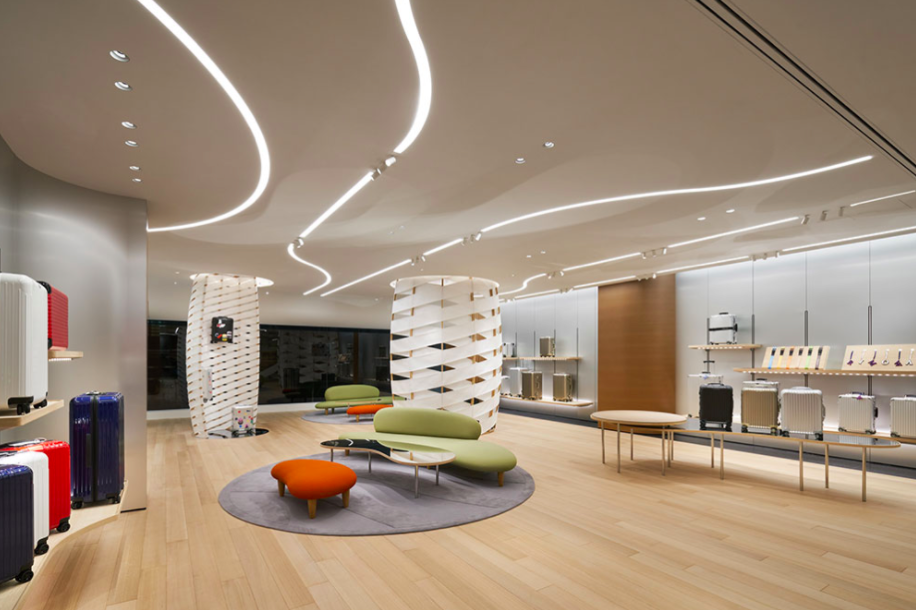
    Rimowa Japan has opened its first standalone store in Tokyo. The luxury luggage brand’s new 900sqm outlet in Ginza features a minimalist decor focused on a spiral staircase backed by a backdrop of basketweave, recalling a traditional Japanese craft design aesthetic. Rimowa Japan says the store is equipped to perform simple repairs, with staff speaking both English and Chinese, to cater for the tourist market.

    A heritage brand founded in Cologne, Germany, more than a century ago, the brand is primarily known for its aluminium and polycarbonate suitcase lines. LVMH owns a controlling 80 per cent stake in the brand.

    Browse the gallery below :

  • Malaysia’s GDP growth to ease to 4.7% this year: Moody’s

    Malaysia’s GDP growth to ease to 4.7% this year: Moody’s

    Malaysia’s real gross domestic product (GDP) growth is expected to recede to 4.7% in 2019 after averaging at around the 5% mark between 2015 and 2018 on the back of external headwinds, according to Moody’s Investors Service. For 2020, the economy is projected to moderate further to 4.5%. The rating agency foresees external headwinds from trade protectionism to weigh on trade activity, while the review of infrastructure projects and slowdown in public spending will also prove to be a further drag to growth.

    “Nevertheless, economic expansion will still stay stronger than the median average for A-rated sovereigns, even taking moderating growth into account,” it opined.

    Moody’s said Malaysia’s credit profile, which is rated at “A3 Stable” reflects its large and diversified economy with healthy medium-term growth prospects, and relatively high government debt that is partly offset by a favourable debt structure and large domestic savings.

    It pointed out that the govern-ment’s recent fiscal policy choices, particularly in abolishing the goods and services tax, will narrow its revenue base and reduce fiscal flexibility – while its debt burden which is significantly higher than the A-rated median, will remain a credit constraint.

    “However, deep domestic capital markets and high savings provide a stable funding pool for the government’s debt, and partly offset these fiscal weaknesses. A solid institutional framework that includes effective monetary policy supports the country’s credit profile,” Moody’s said.

    It also noted that pervasive corruption will likely to remain a challenge for the government, which will also undermine policy effectiveness.

    Moody’s said that given a stable outlook of the sovereign rating, a change in the rating is unlikely in the near term, but could face upward pressure if the scope for fiscal consolidation increases.

    Conversely, the rating agency said it would consider downgrading the sovereign rating in the event of weakened fiscal prospects, increased debt burden, growing political tensions and diverging views within the government, which could undermine policy effectiveness or impair the government’s ability to adhere to its fiscal consolidation objectives, potentially threatening the stability of capital flows to the country in the process.

  • Hyundai Cars to go online – and have legs

    Hyundai Cars to go online – and have legs

    By 2022, all cars made by Hyundai Motor will be connected to the internet, the automaker announced during a press briefing held Monday in Las Vegas ahead of the 2019 Consumer Electronics Show (CES). “We aim to have 10 million active users of our connected-car services globally and apply connected-car technology to all vehicle segments in the global market by early 2022,” said Suh Jung-sik, senior vice president of Hyundai Motor Group’s ICT division.

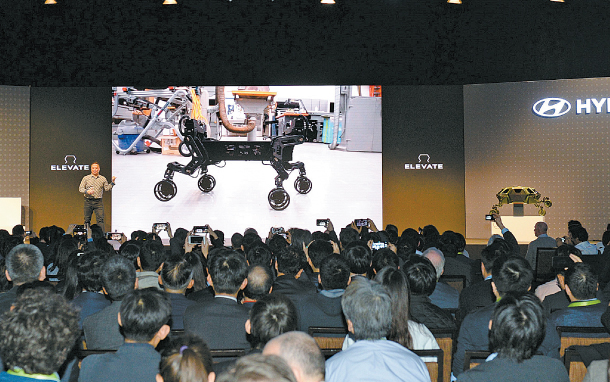
    At the CES, the company also introduced a vehicle in which the wheels are attached to robotic legs with a wide range of motion. Hyundai’s concept of a truly connected car is a car smarter than a computer that can share information not only with other vehicles on the road but also with homes, surrounding infrastructure and cities.

    Using connectivity, the cars can offer real-time traffic and parking lot information to drivers and also alert drivers remotely of theft. Remote adjustments of in-car settings, such as temperature, will also be possible.

    While Hyundai is already offering early versions of its connected cars in Korea, the United States, China, Canada and Europe, the automaker said it will establish additional big-data centers to offer similar services in countries like India, Brazil and Russia.

    To offer better connectivity worldwide, the carmaker is currently developing an operating system, a cloud platform and network technology for connected cars. The company also announced a plan to introduce an open platform on which third parties can develop new technologies using big data shared by Hyundai.

    Hyundai is not the only carmaker that came to CES with grand ambitions to take leadership in the connected car business.

    BMW will introduce the BMW Intelligent Personal Assistant, which can interact with drivers and allow for video meetings, shopping and other digital services inside cars. Audi is introducing a virtual-reality entertainment service for passengers in back seats. VR games or travel content will match the actual movements of the car. In the long run, the carmaker said the videos will reflect real-time traffic conditions so that if a car stops due to red light, the video will show an obstacle.

    Other participants, including Mercedes-Benz, Nissan, Bosch and Continental, all shared their focus on connectivity.

    “In the future, cars will be categorized as cars with hyper-connectivity and those without,” Suh of Hyundai Motor Group added.

    Apart from connectivity, Hyundai said it will develop personalized electric vehicles for everyone by giving customers the freedom to select software and hardware for their vehicles.

    To bolster open innovation, the carmaker has been setting up global open innovation centers to collaborate with foreign start-ups. Already there are three centers, established in Korea, the United States and Israel. Two more centers are set to be established, in Berlin, Germany and Beijing, China this year.

    Hyundai Motor and its innovation center in Silicon Valley, the Hyundai Cradle, introduced the “Elevate” concept vehicle at this year’s CES. It has four robotic legs specifically designed for rescue in challenging environments.

    U.S. design-consulting firm Sundberg-Ferar was involved in the development of Elevate, which Hyundai calls the ultimate mobility vehicle. It can swiftly move around places inaccessible to existing rescue transport.

    Hyundai said the Elevate’s body can be switched depending on the mission and that the robotic-leg architecture has five degrees of freedom. The company added that the vehicles can also aid people with physical impairments.

  • Vietnam says Facebook violated cybersecurity law

    Vietnam says Facebook violated cybersecurity law

    Vietnam says Facebook has violated its new cybersecurity law by allowing users to post anti-government comments on the platform. “Facebook had reportedly not responded to a request to remove fanpages provoking activities against the state,” the official said, citing the Ministry of Information and Communication. In a statement, a Facebook spokeswoman said: “We have a clear process for governments to report illegal content to us, and we review all these requests against our terms of service and local law.”

    She did not elaborate. The ministry said Facebook also allowed personal accounts to upload posts containing “slanderous” content, anti-government sentiment and defamation of individuals and organizations, the agency added.

    “This content had been found to seriously violate Vietnam’s Law on cybersecurity” and government regulations on the management, provision and use of internet services, it quoted the ministry as saying.

    Facebook had refused to provide information on “fraudulent accounts” to Vietnamese security agencies, the agency said in Wednesday’s report.

    The information ministry is also considering taxing Facebook for advertising revenue from the platform.

    The report cited a market research company as saying $235 million was spent on advertising on Facebook in Vietnam in 2018, but that Facebook was ignoring its tax obligations there.

    In November, Vietnam said it wanted half of social media users on domestic social networks by 2020 and plans to prevent “toxic information” on Facebook and Google.

  • Temasek plans to sell AS Watson stake

    Temasek plans to sell AS Watson stake

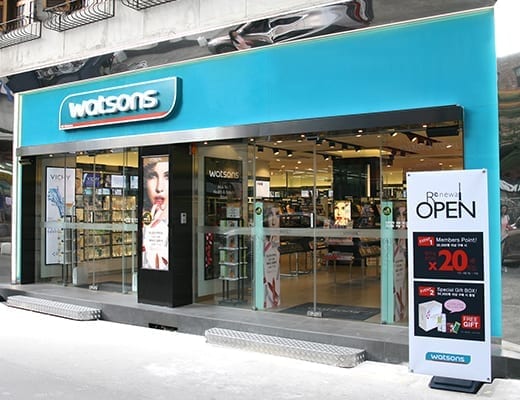
    Singapore’s Temasek Holdings is reportedly looking to quit its stake in Hong Kong-headquartered beauty products retailer AS Watson. Temasek spent US$5.6 billion to acquire a 25 per cent share of AS Watson in 2014 from Hong Kong’s CK Hutchison, which retains the majority stake. According to report, Temasek made the investment expecting the business to be listed within three years. But softening investor sentiment towards retail sector listings has weakened since that plan was first envisaged. Investors are spooked by the demise of a slew of brick-and-mortar-focused brands across developed markets.

    AS Watson has some 14,500 stores in 24 markets around the world, and has market leadership in 15 of those. That could make the business an attractive target for private equity funds, despite the company appearing to be focused more on opening new stores than migrating online, where consumers are buying more beauty and healthcare products.

    Bloomberg says in an analysis published online, that a private equity business would be among the more likely buyers for the Temasek stake, given the amount of industry money that’s sitting idle.

    “That said, any acquirer will still be in a minority position, even if the entire 25 per cent is sold. Along with the business’s poor growth prospects, the absence of control is likely to be reflected in the valuation. This is one retail sale that will need a discount to be attractive.”

  • China, Japan boost Brunello Cucinelli revenue growth

    China, Japan boost Brunello Cucinelli revenue growth

    Italian luxury house Brunello Cucinelli reported a leap in revenues for the 2018 fiscal year, with all geographic regions recording sales growth, particularly Greater China and Japan. For the year ending December 31, 2018, Brunello Cucinelli said total revenues increased 8.1% to €553 million, (+10.7% at constant exchange rates), compared to €511.7 million in 2017.

    The Solomeo-based company saw a significant rise in sales at 8.8% in the international markets and 4.2% in the Italian market, according to a press release published on the Italian stock exchange on Monday.

    By region, Greater China witnessed the biggest increase with an incredible 28.5% sales growth, followed by the Rest of the World region, up 10.7%, which was lead by Japan and the Middle East. Sales in Europe increased 8.5% and the U.S. saw growth of 3.9%.

    By distribution channel, Brunello Cucinelli’s retail sales gained 6.3% globally, with wholesale monobrand and multibrand up 19.4% and 9%, respectively.

    Capital expenditure for the twelve months was approximately €45 million, with “the objective of keeping the brand image extremely high in both the physical and digital channels,” said the company.

    Net debt narrowed €15 million, a slight improvement compared to 2017.

    “Another year has come to an end in a splendid manner, both in terms of numbers and from the standpoint of the general image of the brand at a global level,” said Brunello Cucinelli, Chairman and CEO.

    “We continue to support, believe in and invest in our beloved Italy, perceiving the great value this represents at a world level for the country’s creativity, quality and craftsmanship.”

    Following the stellar results, which included the sell out of the past winter collections, followed by strong spring/summer 2019 orders, the brand said it expects “another year ahead of gracious growth in line with 2018.”

  • Asian stocks rise again on US-China trade talks optimism

    Asian stocks rise again on US-China trade talks optimism

    Increasing optimism that China and the United States will be able to hammer out a deal to help ease their trade war provided the impetus for more gains across Asian markets today. After taking a battering in December and suffering a shaky start to 2019, confidence is slowly returning to equity trading floors, though dealers remain on edge. Federal Reserve boss Jerome Powell provided the platform for a rally last week when he said the central bank had no “preset” plan for lifting interest rates and was “listening” to markets, signalling that the pace of hikes could slow this year.

    Fear of higher borrowing rates was a major cause of last year’s stocks losses.

    The mood among dealers held this week as officials from China and the US hunkered down for trade negotiations in Beijing that have extended into a third day. US President Donald Trump on Tuesday described them as going “very well”.

    Bloomberg also reported White House sources as saying Trump is keen to get a deal done in order to boost stock markets, which he regards as a gauge of his success.

    And The Wall Street Journal said the two were moving in the right direction, with China ready to buy more US goods and services, while further talks at cabinet level were being lined up next week.

    The progress in talks “is fuelling investor optimism suggesting there might be a light at the end of the trade war tumultuous tunnel”, said Stephen Innes, head of Asia-Pacific trade at OANDA.

    Hong Kong rose 2.3% – a fourth straight gain that has seen the index put on around 5% – and Shanghai ended up 0.75%, while Tokyo closed 1.15% higher. Sydney jumped 1% with Singapore, while Taipei and Wellington were each more than 1% higher. Manila surged more than 2% and there were also gains in Mumbai and Jakarta.

    Seoul added 2% as North Korean leader Kim Jong Un visited Beijing with speculation swirling that he will meet Trump for a second summit later this year.

    The gains also come after a strong reading on US jobs creation Friday, which soothed worries that the American economy was slowing down.

    “When the dust settles, if it ever does, the fear of recession will prove to be premature,“ Bob Doll, an analyst at Nuveen Asset Management said.

    “We will have growth, yes, slowed from the 2018 pace and we will have… earnings, yes, slowed from the 2018 pace, but acceptable for investors and that will allow equity markets to move higher.”

  • Design Orchard mall to open end of the month

    Design Orchard mall to open end of the month

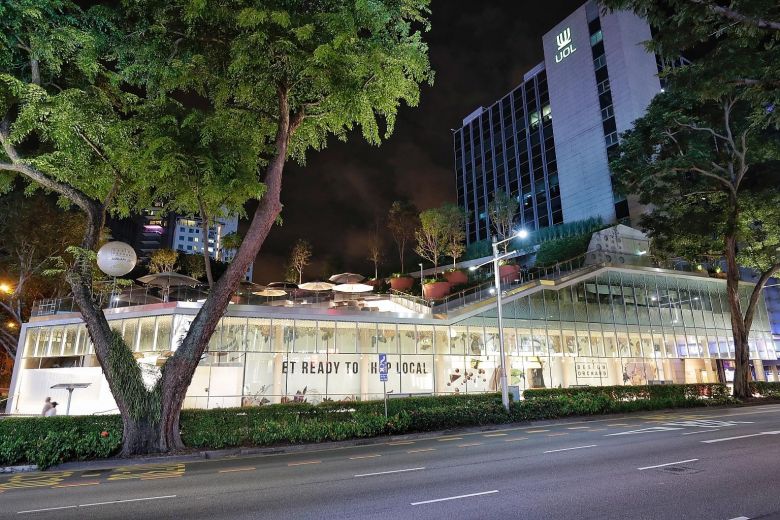
    Design Orchard mall is set to open on January 25 hosting 61 homegrown labels. The new Orchard Road mall, a joint venture between the Singapore Tourism Board (STB), JTC Corporation and Enterprise Singapore, is conceived of as a home and exhibition space for local design work. It features a 9000sqft first-floor retail showcase, second floor incubation spaces, and a rooftop events area. The first level is currently leased to local retailer Naiise.

    Featured supports for local designers include co-working spaces provided by Taff – equipped with professional sewing equipment, a fabric library and collaboration and networking opportunities with industry players – and a mentorship program from Naiise covering marketing and merchandising.

    “Singapore is home to many global brands,” explained STB’s director of retail and dining Ranita Sundra, of the rational behind Design Orchard mall.

    “As these brands become more ubiquitous, we noticed that more people are drawn to local products with a Singapore story. Design Orchard is thus an exciting opportunity for us to profile the best of Singapore talent under one roof.”

    “We hope that it will inspire local talents to join the community, where they can develop and grow their brands with access to mentors, programmes and facilities in a vibrant space along Orchard Road,” added director of products at JTC Wee Pei Yean.

  • Bamboo Airways cleared to take to the skies

    Bamboo Airways cleared to take to the skies

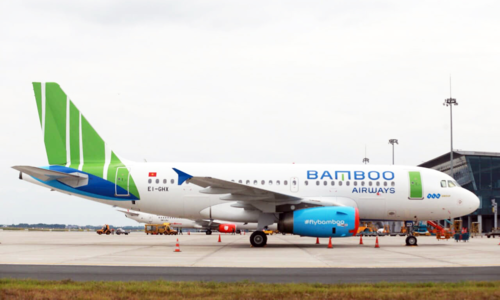
    Vietnam’s newest airline, Bamboo Airways, has received a certificate that allows it to operate aircraft for commercial purposes. The Vietnam Civil Aviation Authority Tuesday granted the Aircraft Operator Certificate (AOC) to Bamboo Airways. The AOC is a certificate approved by a regulatory authority that allows a carrier to operate aircraft for commercial purposes within a specified scope of activities. As such, the FLC Group’s startup airline has completed all necessary regulatory procedures for commencing commercial operations in Vietnam’s aviation market.

    “This AOC certification is a result of 4 years of effort, I believe it is an important first step for Bamboo Airways to serve passengers and devote themselves to the Vietnam aviation industry,” said Dang Tat Thang, CEO Bamboo Airways.

    After many delays, Bamboo Airways expects to start operating domestic flights with Airbus A321 NEO aircraft by mid-January. Bamboo Airways will prepare 20 planes for flight in the first quarter of 2019 and increase their fleet size to 40-50 aircraft by the end of the year.

    Thang said that at the moment, Bamboo Airways has fully prepared their personnel, technical and material assets and affirmed its fitness for operation through many activities including test runs, maintenance, engineering and other commercial transport activities.

    Bamboo Airways will operate 37 routes connecting all major cities and popular tourist destinations in Vietnam, as well as some international routes in 2019.

    The first routes of the country’s fifth carrier would connect Hanoi and HCMC, and from Hanoi and HCMC to central provinces of Quy Nhon and Quang Binh, and northern Quang Ninh Province.

    The new carrier plans start off with 60 domestic flights a day. Later this year, the company also plans to open international flights to Japan, Korea and Singapore.

    Bamboo Airways was founded in mid-2017 with a charter capital of VND700 billion ($30 million), which it increased to VND1.3 trillion ($55.68 million) recently.

    The airline has signed deals to buy 24 Airbus A320neo and 20 Boeing B787-9 Dreamliner aircraft worth a total of about $8.6 billion.

    The other four carriers in Vietnam currently are Vietnam Airlines, Vietjet Air, Jetstar Pacific and VASCO.

  • LG profit plunges, missing forecasts by a mile

    LG profit plunges, missing forecasts by a mile

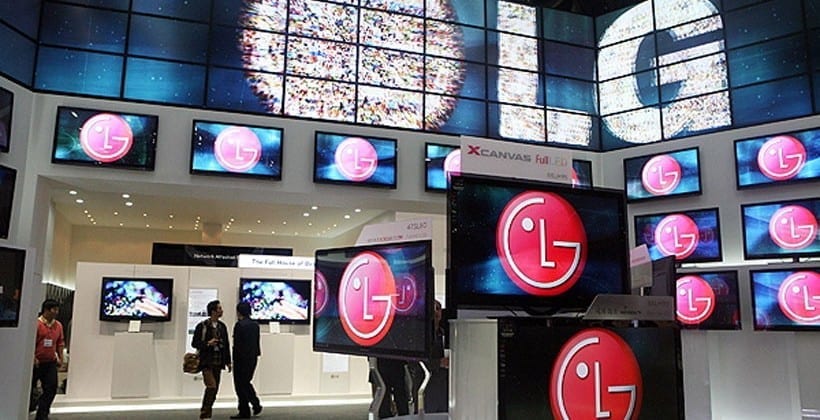
    LG Electronics’ operating profit fell nearly 80 percent in the fourth-quarter of 2018 year-on-year, according to preliminary figures disclosed in a Financial Supervisory Service regulatory filing Tuesday.  The smartphone and household appliances manufacturer estimated 75.3 billion won ($67.0 million) in operating profit for the final quarter of last year compared to 366.8 billion won in the same quarter in 2017.

    The estimate is far below the 398.1 billion won forecast by analysts surveyed by FnGuide, a data provider. The company anticipated 15.8 trillion won in revenue from October to December last year, a 7-percent decline from the same period a year earlier.

    Analysts pointed to the slowing global smartphone market as a factor weighing on the company.

    “With the smartphone market currently in a slump, [the company] is unable to find an opportunity to recover,” said Kim Ji-san, an analyst at Kiwoom Securities in a report Tuesday that predicted disappointing earnings prior to LG’s announcement. “Demand has slowed as smartphone replacement cycles have become longer in high-value markets such as Korea and the United States,” Kim added.

    Meanwhile, the company estimated annual operating profit for 2018 at 2.7 trillion won, a 9.5 percent rise from the previous year.