Author: Mei Ling Tan

  • Grab to invest US$250m in Indonesian startups over next three years

    Grab to invest US$250m in Indonesian startups over next three years

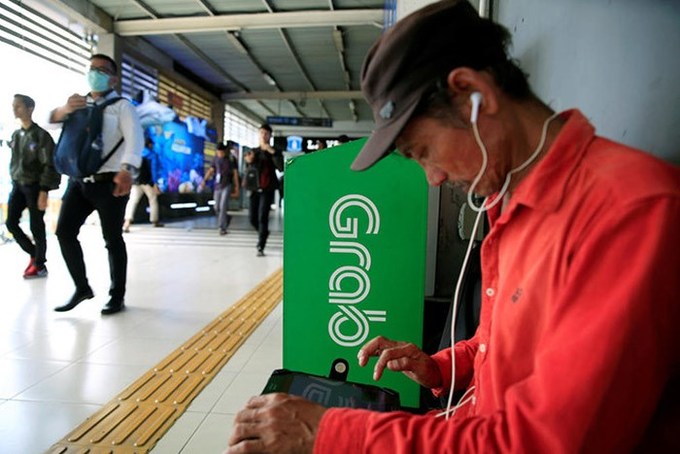
    Grab will invest US$250 million (RM1.025 billion) in Indonesian startups over the next three years through its newly launched innovation arm, as the ride-hailing firm aggressively pushes to cement its position in the Southeast Asia’s largest economy.

    The Singapore-based firm has raised US$2 billion in funding in recent months and also launched the Grab Ventures arm to develop technology start-ups in sectors beyond ride-hailing as it locks horns with Indonesia’s Go-Jek for regional dominance.

    “We are looking at startups in both series A and B, which we could integrate into our ecosystem,” Ridzki Kramadibrata, managing director for Indonesia said.

    The company, which counts Chinese ride-hailing firm Didi Chuxing and Japan’s SoftBank Group Corp among its backers, has already starting looking at startups and will start funding rounds later this year, he added.

    Grab is interested in healthcare and food-and-grocery delivery startups as well as those that facilitate digital payments and automated processes, he added.

    Grab’s rival Go-Jek has already evolved from a ride-hailing service to a one-stop app allowing Indonesian clients to make online payments and order everything from food, groceries to massages. It is now looking to expand in Southeast Asia, to Vietnam, Thailand, the Philippines and Singapore.

    Kramadibrata said Grab is currently the top ride-hailing player in Indonesia and that he was confident the firm would be able to maintain the lead. The firm is valued at around US$11 billion, according to sources.

    “We hold 65% of (Indonesia’s) ride-hailing market, as based on total rides and transactions,” said Kramadibrata. “And it won’t stop there, our market share is increasing.”

    He reckons Grab holds majority market share in 137 cities in Indonesia, compared with Go-Jek’s roughly 50. Kramadibrata said he based his estimates on internal and third-party data that he declined to reveal.

    Its CEO, Nadiem Makarim, said that this month that the company’s app was a market leader in Indonesia, processing more than 100 million transactions for 20-25 million monthly users.

    He did not specify how many of those transactions were only for ride hailing.

    Ride hailing services in Southeast Asia are expected to
    surge to US$20.1 billion in gross merchandise value by 2025 from US$5.1 billion in 2017, according to a Google-Temasek report.

  • GAP exit brings ex parent some turning wheel of fortune

    GAP exit brings ex parent some turning wheel of fortune

    Singapore retailer FJ Benjamin has recorded a change of fortune, turning its first annual profit in four years.

    The multi-brand retailer reported a pre-tax profit of S$939,000 for the year to June 30, compared to a loss of $16.5 million the previous year.

    “We are encouraged by our 2018 operating results,” said CEO Nash Benjamin. “With improved consumer sentiment, we witnessed comparable store growth in most of our brands as well as full-year contributions from new stores opened during 2017.”

    He said the company will now focus on growing the business organically with improved merchandise assortments and the implementation of a new Customer Relationship Management system.

    Sales in Singapore and Malaysia last year grew by $16.2 million, however due to the discontinuation of a business overall revenue declined $39.9 million. The company shuttered its Gap and Banana Republic stores in February after opting not to renew the licence.

    Gross profit margin improved four percentage points to 46 per cent due to higher margins from retained brands and the discontinuation of the less profitable labels.

    Nash Benjamin said FJ Benjamin continues to evaluate prospects for introducing new brands into its portfolio.

  • Musinsa : Online shop creates offline opportunities

    Musinsa : Online shop creates offline opportunities

    Online fashion retailer Musinsa held a presentation to introduce its newly opened Musinsa Studio and announce its goal of reaching a total sales volume of 1 trillion won (US$902 million) by 2020 in Dongdaemun, central Seoul.

    Musinsa, Korea’s largest online fashion retailer, was founded in 2001 as a fashion message board where users shared fashion tips and photos with one another and developed into a small online shopping outlet in September 2004 after it gained popularity among young Korean fashionistas. Its sales volume reached 30 million won last year and is estimated to make a total of 42 billion won by the end of 2018. There are currently around 3,500 different brands that sell their products through Musinsa, with the number growing daily.

    On June 15, Musinsa Studio opened its doors, taking up four floors of the Hyundai City Outlet Dongdaemun branch and offering space to small fashion-related companies. Musinsa has always focused on its online business, and this is the company’s first big step out into offline retail. Many in the fashion industry have taken note that Musinsa didn’t build an offline store, but rather an open studio for smaller, younger businesses to grow.

    “We believe that the two most important things for Musinsa are the brand and the customers,” said Seo Seung-wan, head of the business development team. “So instead of building an offline store, which would limit our communication with customers only through that particular branch, we decided to open up a space for brands [that sell their products on Musinsa] and their customers. The brands [that sell through Musinsa] have grown along with us through the years. So we don’t just sell their things. We are also building an ecosystem with them.”

    Small businesses, even one-person start-ups, can rent a studio space for a minimum of three months, during which the occupants may use the many facilities provided by the company, including the meeting rooms, seminar rooms, free repair service, photography studio and discounted parcel service. Businesses that entered the space early this summer represent a diverse range of talent, from fashion designers and textiles developers to film producers who create fashion-related content.

    The two basement floors contain storage rooms, photo studios and parcel services that occupants can use. “The cost for a box for delivery is set at 3,000 won all across Dongdaemun,” said Lee Ji-hye, a manager of the studio. “Here, we have a staff from CJ Logistics who takes care of all the deliveries everyday at half that price. The doors of the packing zone lead straight out into the parking lot, cutting time and money.”

    The 13th floor houses the brands and an office for the Musinsa customer service team, which Seo emphasized is part of Musinsa’s communication strategy. “We had 20 staff members on the customer service team, but the new office can hold up to 200. Communication is the one thing that we hold most sincerely at Musinsa, so that customers start to believe they don’t have to shop anywhere else. Rather than having an offline store, we can communicate with more customers this way.”

    Through all these means, Musinsa hopes to maintain its position as No. 1 in Korea and further develop into Asia’s biggest online fashion business. “Everything that we do is focused on providing customers with the best experience in online shopping and fashion, and it will always stay that way,” said Seo.

    To celebrate the official opening of the studio, Musinsa is holding the first offline Musinsa Market on the 12th floor on August 29 from 11 a.m. to 6 p.m. Get off at Dongdaemun History and Culture Park station.

  • Malaysian businesses expect slower growth in third quarter

    Malaysian businesses expect slower growth in third quarter

    Businesses expect growth to slow in the third quarter due to lower confidence levels after recording positive business performance in the second quarter of the year, according to the Statistics Department.

    The department’s Business Tendency Statistics for the third quarter 2018 which presents statistics on business performance based on a survey conducted on a quarterly basis – said the second quarter of the 2018 was positive with an overall net balance of +3.6%, mainly contributed by services sector (+22.0%).

    As for the third quarter, overall business performance is expected to grow at a slower pace with confidence indicator of +6.0% compared to the +7.8% in the previous quarter.

    On a sectoral basis, services sector is expecting their business performance to continue to grow in the third quarter of 2018 with confidence indicator of +16.5% as compared to +8.6% in second quarter of 2018.

    Other sectors such as industry and wholesale and retail trade which are also of the expectations of their business situation improving albeit at a moderate rate with smaller confidence indicators at +2.1 % and +3.6% respectively.

    However, the construction sector expects their business situation to be less bullish with a confidence indicator of -7.7%.

    “Majority of the respondents in all surveyed sectors which was 45.1%, anticipated that their gross revenue to increase while 44.4% expected unchanged. In contrast, 10.5% of the respondents foresee a decrease in gross revenue,” said chief statistician of Malaysia Datuk Seri Dr Mohd Uzir Mahidin.

    On another note, business performance is expected to continue to grow for the period of July to December 2018 based on a net balance of +11.6%, supported mainly by services sector that was most optimistic with a net balance of +25.3% as compared to +15.3% for the period of April to September 2018.

  • Top Uber exec makes amends to Korea

    Top Uber exec makes amends to Korea

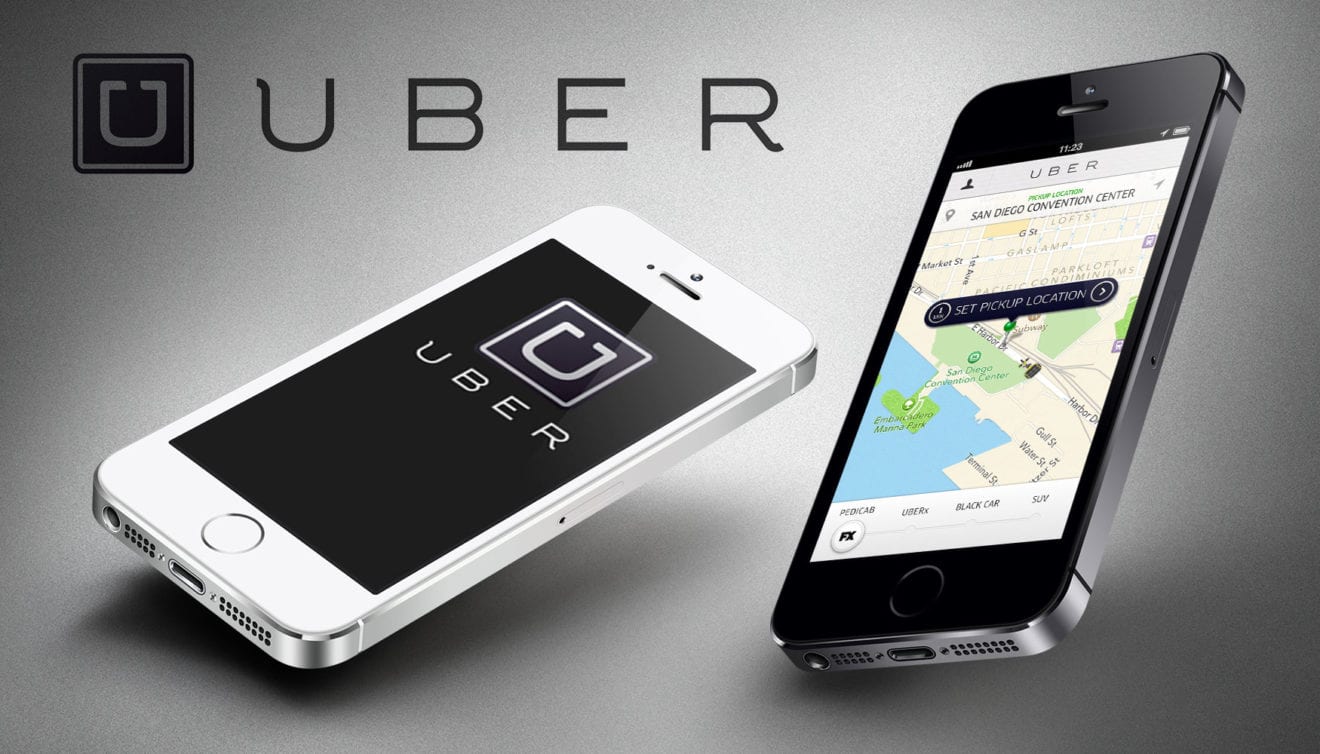
    Uber’s chief operating officer, Barney Harford, vowed to take Korean regulations more seriously during his visit to Seoul on Wednesday.

    The ride-hailing company is working to revitalize its local business and focus on its taxi and food delivery services, he said.

    “If we look back, we haven’t always behaved in the right way, and that is the case in Korea as well,” Harford said at a discussion attended by members of the American Chamber of Commerce in Korea. “As a company, we want to apologize for that.”

    Following his apology, Harford said that Uber would strive to become a better partner for cities and countries that host its services, hinting that the company wants to start fresh.

    “I want to be clear that going forward, we will not launch products or services that do not comply with regulatory frameworks in Korea,” he said.

    Uber has been plagued for more than a year by a series of high-profile scandals involving its unrestrained office culture and lawsuits that led to a company-wide reshuffle, including the replacement of its CEO and COO. Harford, who has an MBA from Insead, served as Asia-Pacific president at Expedia from 2004 to 2006 and took the CEO post at Orbitz in 2009.

    Orbitz was then sold to Expedia in 2015, and Uber’s new CEO, Dara Khosrowshahi, the former CEO of Expedia, asked Harford to join the company as his right-hand man.

    Harford took over the job last December. His visit to Seoul on Wednesday was his first since he joined Uber.

    Uber first came to Korea in 2013. Its most popular ride-hailing service, UberX, was banned in 2015 after the company’s peer-to-peer ride-hailing model was declared illegal by Korean transportation authorities. The service also faced intense protests from taxi drivers who were afraid of losing their income to Uber.

    Uber has since remained low-profile here, merely operating Uber Black, a premium cab-hailing service; Seoul Taxi, which works in the same way as Kakao Taxi; and car rental services such as Uber Trip and Uber Assist.

    In the meantime, Kakao Taxi, modeled after Uber and run by Kakao, operator of the country’s most popular chat app, has captured more than 90 percent of Korea’s taxi-hailing market. In August last year, Uber introduced its food delivery service UberEats, but it is only available in limited areas within Seoul.

    Harford said he still believes there are ways to use Uber to enhance existing taxi operations. He gave the example of UberFlash in Singapore, which Uber launched earlier this year in partnership with the country’s largest taxi company. The service, before it was sold, allowed customers to get a ride from either a taxi or an Uber depending on which was closer.

    Although the service is no longer available, since Uber sold its Southeast Asian operation to rival Grab, Harford said the partnership was “totally focused on increasing earning opportunities for the taxi drivers in Singapore.”

    Regardless of its minor presence in Korea, Uber has been expanding its Korean workforce in the past several years in hopes of grabbing more of the Korean market. The Uber COO called Korea “an incredibly important market” for the company because of its economy’s size and high level of technology.

    Harford said Uber is currently looking for partnerships and new opportunities in Korea.

    The COO arrived in Seoul on Tuesday night and had a meeting early Wednesday morning with several executives from unnamed Korean technology companies to search for potential “partnership opportunities.”

    “I think there is potential for us to work closely with some of the greatest technology companies in Korea,” Harford said. “The partnership will help us take Korean technologies and integrate them into some of the work that we are doing.”

    Uber recently announced it would diversify into electric bike and scooter services for short trips as a way to ramp up its global business. The company added electric bikes to its app in some cities in the United States.

    Earlier this year, it acquired bike-sharing company Jump and also invested in Lime, an electric scooter firm. However, Harford did not offer a specific timeline for rolling out new services in Korea.

    In a sign of the company’s ambitions, Harford said Uber isn’t just about cars, just as Amazon isn’t just about books.

    “It’s what got us started, but we see ourselves as a company that is about the transportation of people and of things,” Harford said. “There are many ways we are pushing forward in terms of urban transportation.”

  • Lego Hong Kong embraces its 60th anniversary with positive energy

    Lego Hong Kong embraces its 60th anniversary with positive energy

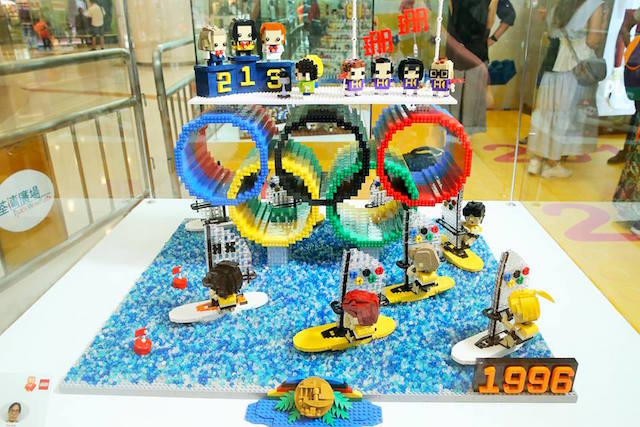
    Lego Hong Kong operations continue to expand as the iconic toy brand marks its 60th anniversary.

    In an interview, the brand’s regional GM Troy Taylor explained how in such a well-established market as Hong Kong (as opposed to neighbouring regions where the brand’s reputation is still emerging) the company’s strategy is focused on retaining the attention of children and fans.

    “We make sure everything we do benefits children, and they see value playing with our products,” said Taylor. “And I think the educational purpose becomes so much more important now than ever before, because parents are looking for something to get their children away from the screen. We offer something that can help break that, and help children learn, but they are learning through play, so they don’t actually realise they are learning… that’s the value of our brand.”

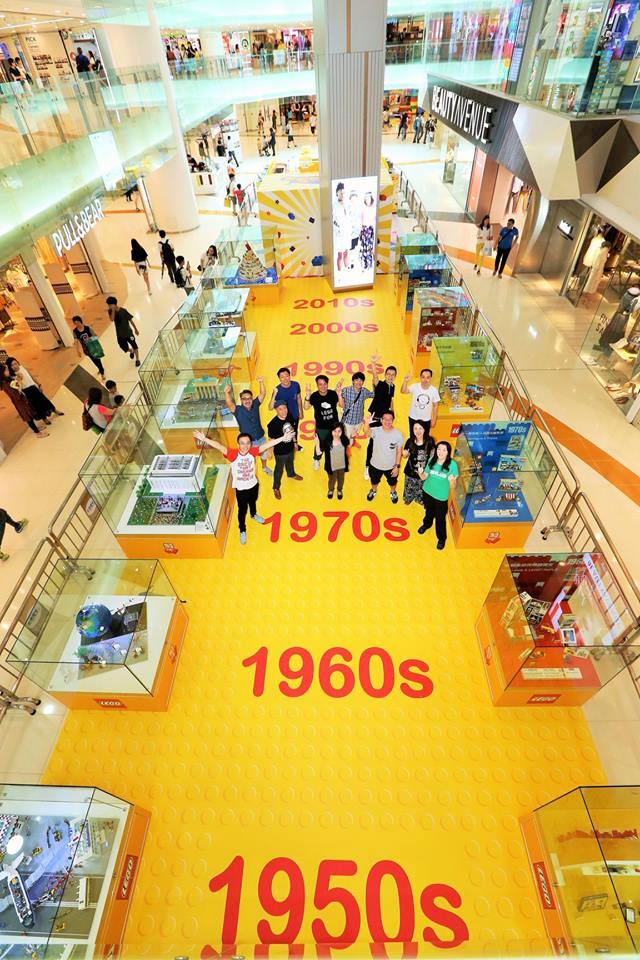
    Anniversary celebrations for Lego Hong Kong were marked with the opening of the Tsuen Wan Plaza X Lego Our Playground.

    The local growth comes in the wake of a decade-long sales boom that came to an end for the Danish toymaker last year. At the time, the company warned it may not achieve growth again for up to two years. The unexpected sales decline followed a slump in growth from 25 per cent in 2015 to just six per cent the following year, and coincided with the dismissal of both its CEO and eight per cent of its workforce.

    Part of the blame for the decline was placed on the unsustainably strong demand for its Star Wars merchandise following the 2015 movie, at a time when the proliferation of smartphones within developed markets was adding a lot of competition for the attention of children.

    Hong Kong is traditionally a particularly strong market for Lego. Three years ago, the local Lego Certified Store reported pulling in the highest spending per square foot of any branch worldwide, according to sole distributor Kidsland International Holdings’ VC Dr William Lo. The store distinguished itself by marketing to adult fans – Hong Kong’s community of adult fans is the most engaged in the world, with the highest number of active fans per capita.

    This year, Lego has focused on grassroots marketing strategies. “We have support from our shopping mall partners,” said Taylor. “Not only do events boost the numbers in the malls, they also allow customer to have ‘brick-in-the-hands’ moments with Lego. It gives family reason to get out of the house, and bond the family.”

    The brand has also embraced technological marketing strategies, including augmented reality, creation-sharing and remote control apps, as well as a Lego Facebook filter.

    “Lego bricks will always be the core of everything we do, but we realised the environment changes, and we adapted,” said Taylor. “We are still true to ourselves, we are still true to who we are as a company. But we have to evolve with the changing ways that people consume.”

  • More than 80 pct of IT workforce has start-up dreams

    More than 80 pct of IT workforce has start-up dreams

    A survey of 1,100 IT workers by VietnamWorks has found that 82 percent want to start their own companies in future.

    However, 58 percent said they have never been involved with a startup. Forty one percent had been involved with startups at least once.

    They listed artificial intelligence (AI), automated products and blockchain as the top 3 fields they wished to enter.

    More than half said they are willing to move overseas if presented with good offers to work for a start-up in blockchain or AI.

    A quarter of the respondents said their companies plan to expand into AI or blockchain in the next three years.

    Gaku Echizenya, CEO of Navigos Group, which owns executive search company VietnamWorks, said to lessen the danger of a tech brain drain, companies should focus on talent retention, creating good conditions for innovating products and opportunities to come in contact with new technologies.

    Now only a small number of enterprises use innovative technologies like AI (19 percent) and blockchain (9 percent), the survey found.

    World Economic Forum President Borge Brende has said Vietnam has to proactively pursue technologies related to AI and the Internet of Things as it prepares for the fourth industrial revolution or Industry 4.0 as it is dubbed.

    Eighty six percent of the respondents were optimistic about the impacts AI and blockchain would have on human life.

    They predicted AI would greatly benefit Vietnam in the next 5-10 years as it can provide people with better solutions after analyzing large data (39 percent); fully automate industry (24 percent) and create smart robots to perform dangerous tasks.

    The poll also found that more tech workers want to become specialists with focused skills and knowledge rather than be supervisors with soft and leadership skills.

    However, language proficiency was still the biggest limitation for many, with only 27 percent saying they are fluent in speaking, reading and writing English. Eighty four percent of workers in this industry have a bachelor’s or master’s degree or a doctorate.

    Earlier this month Vingroup announced the setting up of a research fund worth VND1 trillion ($44 million) for its Institute of Big Data to focus on fields like machine learning and AI.

  • Ermenegildo Zegna acquires Thom Browne

    Ermenegildo Zegna acquires Thom Browne

    The Italian company Ermenegildo Zegna Group has acquired 85 percent of the business at a $500 million valuation. Browne is the sole other shareholder.

    The American designer label, best known for its intellectual and imaginative take on silver-spoon tropes — most notably, its signature shrunken grey suits — is partnering with a strategic investor on a bold expansion plan that will likely broaden its customer base and reach.

    Today, Thom Browne announced that Italian menswear stalwart Ermenegildo Zegna Group has acquired an 85 percent stake in the company, valuing the business at approximately $500 million. Browne, the label’s founder and chief creative officer, is the only other remaining shareholder.

    The transaction marks a brisk, successful exit for private equity firm Sandbridge Capital, which has held a majority stake in the brand since 2016.

    “Thom and I took great care in choosing a new partner who would continue to both honor and celebrate Thom’s uniquely visionary approach to marrying the highly conceptual with the beautifully commercial,” Ken Suslow, founding managing partner at Sandbridge, said in an email to BoF. “It was readily apparent from the very beginning that Gildo and the Zegna Group constituted this ideal partner in every important respect.”

    Chief executive Rodrigo Bazan, who joined Thom Browne in 2016 from Alexander Wang, will continue in his role. According to a report, Thom Browne generated $100 million in sales in 2016 and was on track to reach $120 million to $125 million in 2017.

    In July 2018, Bazan said the company is still growing, with 31 directly owned retail stores in New York, London, Milan, Tokyo, Hong Kong, China, South Korea and Singapore. (A store in Miami is set to open in October.) “If anything, we’re containing the growth,” Bazan said.

    “My goal is to keep Thom Browne independent,” Ermenegildo Zegna, chief executive of the Zegna Group said. “It’s a good company, a good organisation, a good business and profitable. The company has to stay autonomous from Zegna with support and help from the group. It will be a gradual approach. If something is working, don’t change it, just support it.”

    In addition to leveraging Zegna Group’s global reach to expand the Thom Browne retail footprint, the New York-based fashion house will also benefit from Zegna’s expertise in fabrics and manufacturing. While Browne has volleyed between manufacturing in the US and Italy, most of his clothing is now produced in Europe.

    Browne said that he was “proud” of the new partnership. “I think the most important thing is that Zegna represents the best quality,” he said. “As conceptual as my collections may be, the quality is the most fashionable part of what I do across the board.”

    In return, Thom Browne will provide a contemporary fashion play for the family-owned textiles giant, whose current portfolio includes its flagship luxury menswear brand, sister-line Z Zegna and womenswear label Agnona. Zegna described the Thom Browne brand as one that appeals to consumers with a “millennial mindset.”

    “I never put an age to it,” added Browne. “I think it’s just because of the way I approach design. It’s the youthful sensibility and spirit.”

    Zegna also cited Thom Browne’s “thriving” women’s business — which launched in 2011 and now makes up 35 percent of sales — and its resonance with younger generations as proof that the brand will offer long-term value for the group. The deal also marks Zegna’s first notable investment in an American brand in recent history. “Both Thom Browne and Zegna have not fully utilised the opportunity of the US market, which is growing very very well, second only to China,” he said. “We believe in the market, and we can do much better with both brands.”

    In July, he announced a partnership with Spanish football club FC Barcelona as the team’s official off-field outfitter. Most recently, the company has been working on signaling that Thom Browne is about more than runway showpieces and suiting. “That’s one of the reasons we bought Thom Brown,” Zegna said. “He’s the master of fun casualisation.”

    Relaxed, yet still stylised, pieces — from sweatpants to quilted jackets — now play a starring role in the line’s commercial collections. At the time of the Barcelona announcement, Bazan said that that the brand will “continue to expand the product pricing architecture to touch more consumers, while continuing to prioritise quality.”

    For Browne, the deal marks natural progression. While it was adamant on maintaining a financial stake — “I founded the business and it was just really important to know that I still had a piece of it,” he said — the series of investors he has brought on over the years, from Japan’s Stripe International to Sandbridge and now Zegna, have helped to continue building the business in the way he wants to build it: led by creativity.

    “The most important thing for me that there was a real personal connection to all of them. It’s the reason why they worked,” he said. “With Ken and Sandbridge, it worked because we had a really close friendship. It’s refreshing to know that you can grow a successful big business and still be a gentleman. Sitting down with Gildo, I saw in him a true gentleman.”
  • DHL Birmingham (UK) Facility Becomes 300th TAPA-Certified Site

    DHL Birmingham (UK) Facility Becomes 300th TAPA-Certified Site

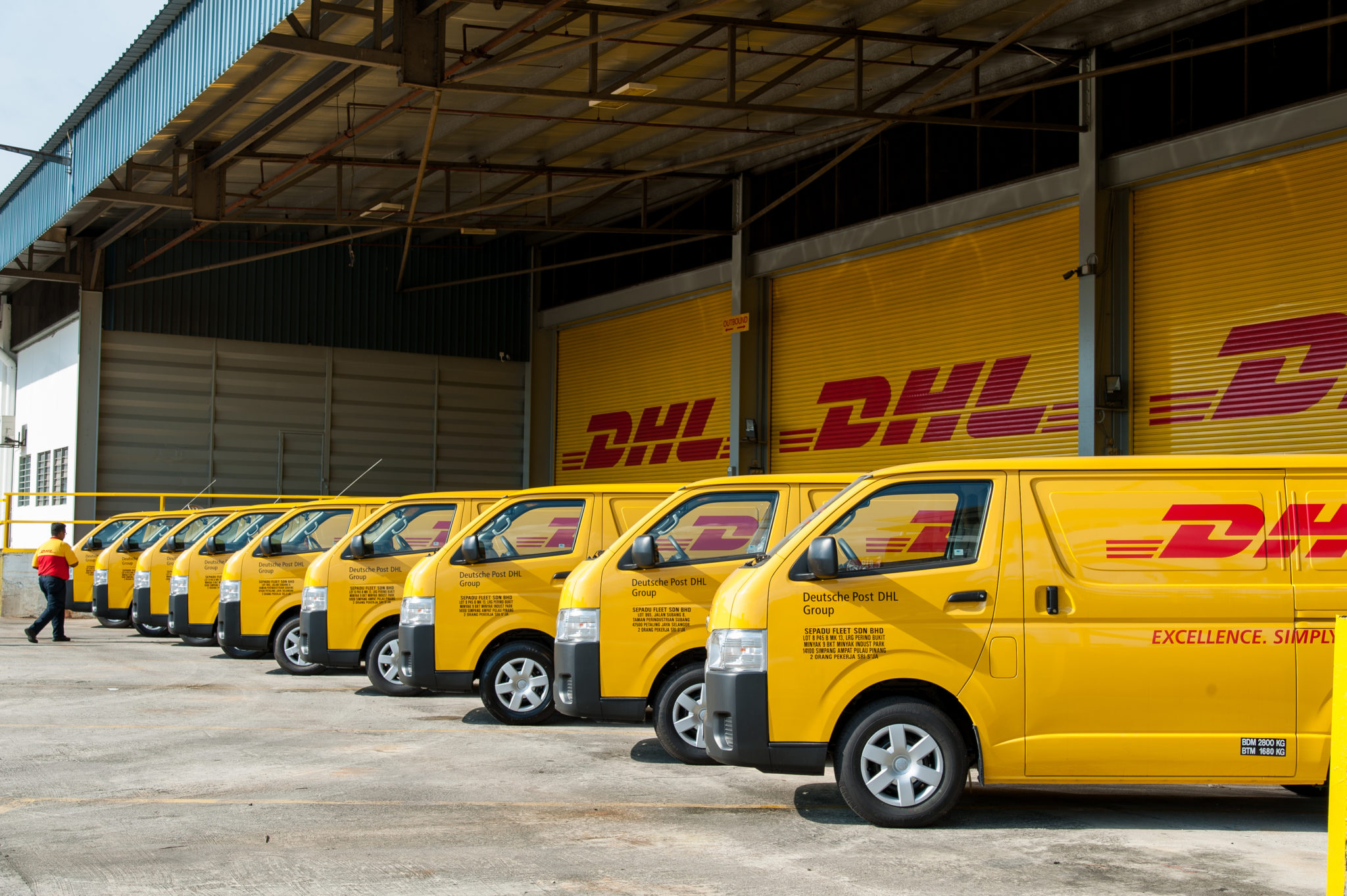
    DHL Express Birmingham (UK) achieves TAPA “A” certification, becoming the 300th TAPA-certified site in the DHL Express global network.

    The Birmingham Service Centre of DHL Express in the UK, has become the 300th facility worldwide to be awarded with the Transported Asset Protection Association (TAPA) security certification.

    This independent recognition confirms that DHL Express has implemented the highest security standards for transporting shipments through the supply chain.

    This milestone for the DHL Express global network demonstrates the company’s commitment and tireless efforts to meet the highest TAPA Freight Security Requirements (FSR) worldwide.

    The internationally recognized TAPA certification is one of the most rigorous logistics and supply chain security certifications.

    This independently audited certification is widely respected as the leading security standard in this sector, and focuses on the way in which high-value goods are handled, warehoused and transported.

    As the global leading logistics provider DHL Express ensures that its processes and services provide the highest standards possible in the industry.

    DHL is Global Leader in TAPA Certified Facilities

    With 300 certified TAPA Level A and B sites, DHL Express is the global industry leader with the number of TAPA certified facilities.

    The accredited facilities now span 82 countries, with 96 DHL Express facilities located in Europe, 87 in Asia-Pacific, 25 in China, 43 in the Americas, 30 in Sub Saharan Africa and there were 19 certificates obtained in the Middle East and North Africa.


  • India’s ecommerce Myntra plans to go offline

    India’s ecommerce Myntra plans to go offline

    Indian online retailer Myntra is planning a network of offline stores.

    The fashion subsidiary of Flipkart, sees physical stores as an opportunity to build trust and awareness in the company’s online offer an to engage with existing customers.

    According to a report, Myntra plans to open as many as 100 offline stores selling cosmetics over the next two years. The first is likely to open in Bengaluru, within the next six months.

    Myntra-Jabong CEO Ananth Narayanan says the company will recruit franchisees to run the beauty and cosmetics stores.

    Bengaluru has been chosen for the first store because it is the city in which Myntra is headquartered. Sites in shopping centres and high street locations are being sought in large Indian cities.

  • Starbucks strengthens India commitment with opening of 125th store at The Pavillion Mall

    Starbucks strengthens India commitment with opening of 125th store at The Pavillion Mall

    Tata Starbucks Private Limited, the 50/50 joint venture between Starbucks Coffee Company and Tata Global Beverages Limited, celebrates the opening of its 125th Starbucks store in India at The Pavillion Pune. With 125 stores now operational across 7 cities, Tata Starbucks Private Limited continues to grow in the market with a commitment to offer the unique Starbucks Experience, unparalleled service, handcrafted beverages and extensive food offerings.

    “As we continue on our journey in India, we are doubling down on our commitment to customers and building a strong presence for Starbucks in India. We are thrilled to celebrate the opening of our 125th store in India and to extend our unique Starbucks third place Experience to coffee lovers across the country. We are humbled by the way we have been embraced by our customers and greatly supported by our partners since the opening of our first store in 2012,” said Sumitro Ghosh, CEO, Tata Starbucks Limited. “As we continue to achieve our well thought out expansion in India, we are committed to exceeding the expectations of our customers and those of our partners.”

    The newly opened Starbucks store houses an elaborate coffee bar with innovative brewing techniques like the Siphon, Chemex® and the signature Starbucks® Nitro Cold Brew. Siphon brings out the intense flavours of the coffee, using halogen to produce heat for boiling water and the movement of coffee through chambers. This fascinating process makes a rewarding cup for those who enjoy well-defined flavours dominating the coffee. Nitro Cold Brew on tap allows customers to enjoy small‐batch, slow‐steeped coffee using the highest quality coffee beans. In today’s fast‐paced world where everything is instant and on‐demand, Nitro Cold Brew unfolds an irresistible coffee experience where time meets texture. Chemex® is an example of a manual pour-over method, an elegant one-piece hourglass shaped vessel, made of high quality, heat-resistant glass. With a brew time typically between 4 and 5 minutes, Chemex® is great at balancing out the coffee – heavy coffees come through more cleanly, and bright coffees come through a little more balanced.

    The Pavillion Pune is a renowned multi-brand mall that is known to provide a unique shopping, retail and entertainment experience. With the opening of India’s 125th Starbucks store this week, Pune locals now have a new meeting spot. The Starbucks store invites customers for an immersive journey of coffee discovery while delivering an unparalleled Third Place experience. The store’s artwork celebrates the story of the Starbucks bean – unraveling each bean’s journey. Other store elements include a comfortable seating arrangement for large groups, close friends and individuals to enjoy a cup of coffee in this unique atmosphere.

    Starbucks takes its count to 11 stores in the city of Pune with the opening of Starbucks store at The Pavilion. As Tata Starbucks continues to grow in India, so does its commitment to be a positive force in contributing to the future success of the country.

  • The Children’s Place growth is satisfying

    The Children’s Place growth is satisfying

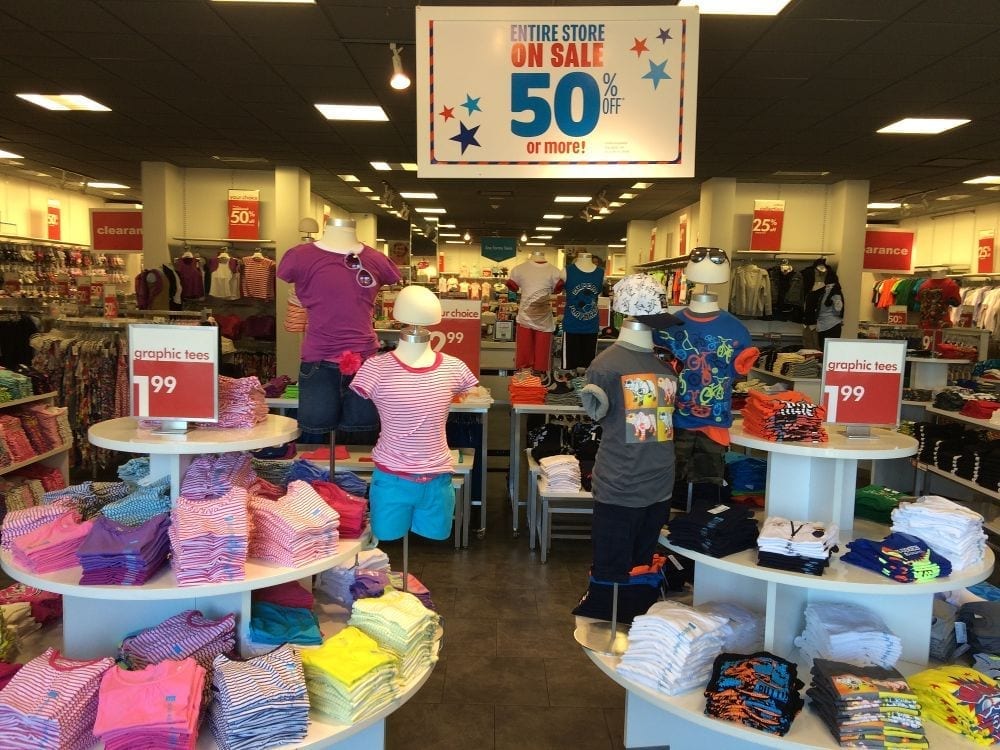
    US apparel chain The Children’s Place has recorded same-store sales growth of 13.2 per cent – its highest ever comparable sales gain.

    Five years ago, The Children’s Place revealed plans to close 300 stores across the US and focus its efforts on stores located in the best malls. To date it has closed 191.

    Second-quarter sales rose to from US$373.6 million to $448.7 million, well above analysts estimates of $428 million.

    The company reported net income of $7.5 million in the quarter to August 4, which was down from $14.3 million, due to higher interest payments and tax provisions.

    “We delivered positive brick-and-mortar sales comps and positive digital-sales comps every month in the second quarter,” said CEO Jane Elfers. “Additionally, we drove positive brick-and-mortar traffic comps every month of the quarter resulting in a positive mid-single digit traffic increase. Our mall traffic was exceptional.”

    Elfers said the increased sales continued into August.

  • India’s FMCG sector may grow 12-13% over July-December

    India’s FMCG sector may grow 12-13% over July-December

    India’s fast-moving consumer goods industry is expected to grow at 12-13 percent in the July to December period, according to Nielsen India.

    The rationale behind a double-digit growth forecast is strength in the GDP, a boost in rural income, the uptrend in private consumption and an increase in consumer confidence.

    The research agency said the FMCG  industry grew at 11 percent in value terms in the April-June quarter on the back of better consumer off-take, rate cuts due to the implementation of GST (Goods and Services Tax) and also a low base. 

    According to Nielsen India, in volume terms, the industry grew at 8 percent.

    The research agency pointed out that during the April- June quarter retail stocks jumped to levels higher than the pre-demonetisation period.

    Also, modern trade channels have witnessed a bounce- back and the sector saw 10 percent of sale come from this channel. 

    This is the first time that modern trade contribution has entered into double-digits, Sameer Shukla, Executive Director at Nielsen India said. 

    The company witnessed stress in rural FMCG consumption around demonetisation and before the rollout of GST. As a result, growth in rural markets came down to be at par with urban growth in the months following demonetisation.

    In the personal care space, the natural trend continues to gain traction and is growing three times the pace compared to the non-natural segment. 

    However, the foods category witnessed growth higher than personal care and home care due to consumers opting for branded foods over unbranded. The main reason for it being that price gap between branded and unbranded has narrowed considerably post the implementation of GST.

    An analysis of the fastest growing FMCG manufacturers in India suggests that domestic companies performed better than the MNCs in recent years.

  • Indonesia tour prices rise as Vietnam enters Asiad semis

    Indonesia tour prices rise as Vietnam enters Asiad semis

    As soon as the final whistle blew in Vietnam’s victorious Asian Games quarterfinal game, Indonesia tour prices rose.

    Vietnam’s first ever semifinal game in the Asian Games will be played against defending champions South Korea on Wednesday, August 29, at the Pakansari Stadium in Cibinong, Indonesia.

    The match will begin at 4 p.m. local time.

    The unexpected progress made by the national team in football crazy Vietnam has seen demand for Indonesia tours soar, accompanied by a rise in prices.

    A representative of HanoiRedtours said airline and entrance ticket prices have gone up, forcing the tour operator to increase its tour prices from Monday night, right after Vietnam beat Syria by a goal in the 108th minute.

    HanoiRedtours said that the price for a one-day tour to Indonesia to watch Vietnam’s semifinal match went up $43 to $683 per person, while those for the final match on September 1 have to pay $812, up $86 against the earlier listed price.

    “We are offering tours to Indonesia for football fans costing VND15.9 million for those departing from Hanoi and VND12.9 million from Ho Chi Minh City,” a Viettravel representative said.

    Such prices are common at most local tour companies, he added.

    Nguyen Tien Dat, deputy director of Transviet Tourism Company, said it has reserved around 150 seats for Vietnamese supporters to Indonesia to cheer Vietnamese men’s football team for the semifinal match.

    For the final match, customers only need to pay VND2 million in advance. In the event of the Vietnamese not making it to the final, customers will be refunded, Dat said.

    In response to higher demand, airlines have also increased the number of flights to Indonesia.

    On Monday night, Vietnam Airlines announced it would add three direct flights to Jakarta from Hanoi, Saigon and Da Nang to serve Vietnamese football fans.

  • 7-Eleven launches first fully-automated stores in South Korea

    7-Eleven launches first fully-automated stores in South Korea

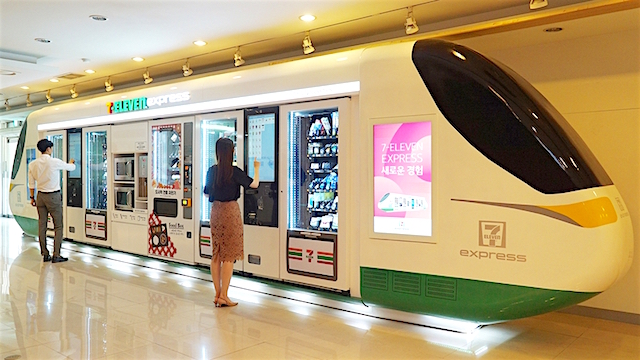
    7-Eleven is launching first fully-automated stores 7-Eleven Express in South Korea.

    Currently under trial, four vending machine-style convenience stores are being operated: two at the headquarters of 7-Eleven in downtown Seoul, one at Lotte E&M in Incheon, and one at the headquarters of Lotte Rent-a-Car in Anyang, Gyeonggi Province.

    The store is designed as a 10-metre long express train, and consists of five vending machines with 200 products, which are divided into five categories for which there is high consumer demand: drinks, snacks, prepared meals, processed food and non-food products.

    Consumers can make a purchase by inputting the product number into the machine or selecting items from the central kiosk, and pay via a prepaid transit card or credit card, not cash.

    The stores feature a microwave oven and a hot water dispenser in the central area.

    7-Eleven is taking steps to commercialise the vending machine-style convenience stores, and will accept franchise applications from its current franchisees, as a “second store”.

    “This model is designed to maximise the profit of our current franchise owners,” 7-Eleven explained.

    Self-service convenience stores are being tested in several markets around the world.

    South Korean 7-Eleven also tested its “c-store of the future” with hand-payment at Lotte World Tower while the Taiwanese branch opened second unstaffed X-Store.