Author: Mei Ling Tan

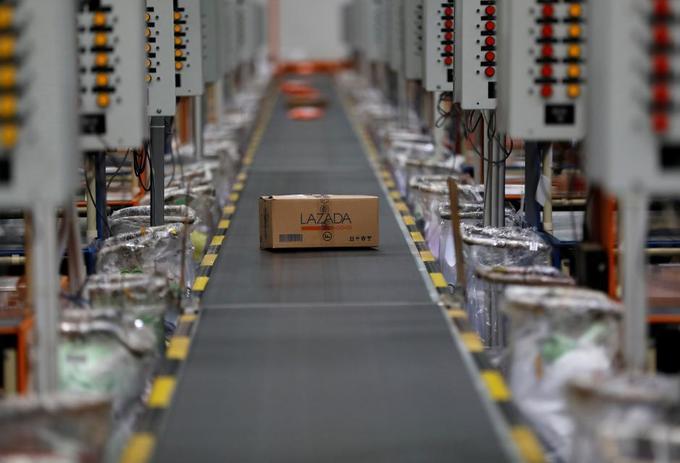
  • Lazada offers credit lines to sellers in Singapore

    Lazada offers credit lines to sellers in Singapore

    It’s been almost two and a half years since Alibaba initially invested in Lazada, and the Chinese e-commerce giant has now invested at least $4 billion total in the company, including a $2 billion infusion this past April. At that point, Alibaba saw great potential in a region of the world where online sales represented only 3% of all retail sales.

    Partnering with Finaxar on a seller financing program shows how Lazada and its majority owner are continuing to build up this Southeast Asia marketplace to take advantage of that growth opportunity. If the strength of an online marketplace lies in the number and variety of sellers, brands and products that can be found there, it makes sense for the operator of that marketplace to support firms in growing their businesses.

    Lazada is not the first player in the space to offer financing. For example, just last month, eBay partnered with Square Capital on a program to offer eBay sellers access to more funds for working capital. Just a few weeks before that announcement, Payability unveiled a program to give sellers who participate in multiple different online marketplaces faster access to needed financing.

    Sellers in online marketplaces often may be too busy to think about their own growth road maps, and they may lack large enough sums to pursue growth even if they do have a roadmap. Seller financing, whether direct loans, credit lines or in some other form, can give them an opportunity to invest more in their own inventory growth, marketing and operations.

  • Tao Heung sales improved as visitors increases

    Corporate restaurateur Tao Heung is reporting improved sales in both its core Hong Kong market and on the mainland as people dine out more often and the average tab increases.

    Tao Heung operates 60 restaurants under its own brand, two RingerHut eateries focused on non-Chinese cuisine, and 18 Tai Cheong Bakery stores.

    In the half-year to June 30, consumption sentiment improved both in Hong Kong and Mainland China, the company said. Its strategy to strengthen its culinary portfolio to attract a more diversified customer base, and right-size its operations led to a 5.4 per cent increase in year-on-year sales to HK$2.08 billion.

    “The increase was principally driven by same-store sales growth, in turn the result of the rise in per-head spending particularly for seafood and including late night dining – “all you can eat hotpot”,” the company said in its results commentary.

    Profit attributable to shareholders rose to $51.3 million (from $40.8 million in the same period last year) and would have been up by 53.7 per cent to $62.7 million had it not been for a one-off expense relating to the government-enforced closure of the company’s pig farm during the period.

    In Hong Kong, which accounted for 61.7 per cent of the company’s sales, the company says it faced “fierce competition” rebuffed by several seasonal marketing strategies. “All these helped to further drive same-store sales growth as well as increase per-head spending.”

    Eight Hong Kong restaurants were renovated during the six months, including Tao Heung – The Pier Market Store in Mong Kok which opened in June, specialising in seafood. It is targeted towards affluent customers – “a segment that not only appreciates fine Chinese cuisine but also a suitably sophisticated ambience”. Other restaurants were either closed or right-sized, leaving a net reduction of six outlets since the end of last year.

    As the company looks to diversify its restaurant portfolio, several collaborations were realised, with more partnerships in the pipeline. Du Hsiao Yueh, which specialises in Taiwanese cuisine, which opened its first Hong Kong branch in Tsim Sha Tsui in June last year, now has a sister restaurant in Causeway Bay. Another collaboration involves Flamingo Bloom, a modern, chic Chinese tea salon that opened at IFC mall in July.

    “Management trusts that such collaborations will not only broaden the group’s portfolio, but also provide it with greater flexibility in terms of business development,” the company said.

    Tao Heung is also exploring overseas partnership opportunities for its Tai Cheong Bakery, after achieving success in Singapore.

    “Besides consolidating its bakery network, further efforts will be made at increasing distribution channels through collaboration with different brands and supermarkets.”

    Mainland China operations

    On the mainland, the group operates an integrated complex business model, comprising Chinese restaurant, self-owned supermarket, indoor playground, museum, shops and parking facilities covering over 22,000sqm. The company said the three family-oriented complexes it operates continued to deliver stable income during the period, attracting the patronage of middle-to high-income families.

    The company’s packaged food business on the mainland also experienced strong growth. Sales of frozen food increased by 26.3 per cent, largely due to e-commerce partnerships with online platforms such as Tmall.com and JD, which give the group access to customers nationwide. Takeout services like Dianping.com, Meituan and ele.me also boosted sales.

    As at June 30, Tao Heung operated 46 restaurants in Mainland China, along with 26 Bakerz 180 outlets during the period.

  • Indonesia’s Rice Imports to Be Largest Since 2011

    Indonesia’s Rice Imports to Be Largest Since 2011

    President Joko “Jokowi” Widodo may import 2 million tons of rice this year, falling short of fulfilling his 2014 presidential campaign promise of rice self-sufficiency.

    Since 2015, Indonesia has imported 3.35 million tons of rice. This year the imports are going to be increased, as severe droughts are expected to disrupt harvests. A price spike in the country’s staple food would not be beneficial to the president who is seeking reelection next year.

    Last week, the Ministry of Trade issued a permit for the the national procurement agency, Bulog, to import 1 million tons of medium quality rice for the second half of the year. The year’s total rice imports would then become 2 million tons, the highest since 2011.

    Said Abdullah, coordinator of the People’s Coalition for Food Sovereignty (KRKP), a farmers’ advocacy group, said droughts may continue until the end of the year, making it hard for the government’s rice production target of 47 million tons to be achieved.

    “Rice harvests dropped by at least 50 percent due to droughts, even there are regions that failed 100 percent, especially those far from rivers, lacking irrigation,” Said told the Jakarta Globe on Sunday (27/08).

    According to the Meteorology, Climatology and Geophysics Agency (BMKG), most of the country’s rice-producing regions, especially in Java, will see no rains before October.

    Bulog data shows in mid-August the agency’s rice supplies were 2 million tons in its warehouses across the country. The amount, Said said, should be at least 3 million tons to be safe.

    Nailul Huda, economist at the Institute for Development of Economics and Finance (Indef), said this year’s imports are meant to secure Bulog’s rice supplies during the 2019 election campaign.

    “As harvests are between April and May, the beginning of next year is the most crucial time, because there is a risk of price fluctuations. Importing rice at that time would be [politically] suicidal. Therefore, the safest way is to issue import permits this year, with less political risk,” Nailul said.

    Trade Minister Enggartiasto Lukita said the rice imports are meant to keep the inflation rate at 3.5 percent, in accordance with this year’s state budget, not because of the upcoming election.

    “We are not talking about the election, we are talking about inflation, the rising prices, so we cannot leave it unattended,” Enggartiasto told reporters on Monday.

    “We need to import … because we see there is a tendency for the prices to increase while the supplies decrease. We need to fill the stock,” Enggartiasto said.

    Jokowi has been importing rice since 2015, the highest imports so far were in 2016, with 1.28 million tons, up a 49 percent from a year earlier. The country’s imports then decreased by 76 percent to only 305,275 tons last year.

    According to data from the Ministry of Agriculture, Indonesians will consume 33.8 million tons of rice this year, compared with 30.65 million tons in 2017. Last year, 47 million tons were produced domestically.

    Edhy Prabowo, a Great Indonesia Movement Party (Gerindra) lawmaker who sits at House of Representatives Commission IV, which oversees agriculture, has questioned the government’s decision to import rice again, as to him rice supplies seem sufficient.

    “I can’t understand the logic of importing rice again. Programs that we provide in the agriculture sector are supposed to have fulfilled the country’s rice needs for one year … Import is allowed only if [a commodity] is not available domestically,” Edhy said.

    Rice consumption in Indonesia is among the highest in the world, with the average citizen consuming 114 kilograms every year. In comparison, the average annual consumption of rice in Vietnam is 191 kilograms per person, in Thailand 147 kilograms, in India 78 kilograms and in China 75 kilograms, according to data compiled by the Organization for Economic Cooperation and Development in 2016.

  • Uniqlo gives Mickey Mouse a street makeover with Kate Moross’ designs

    Uniqlo gives Mickey Mouse a street makeover with Kate Moross’ designs

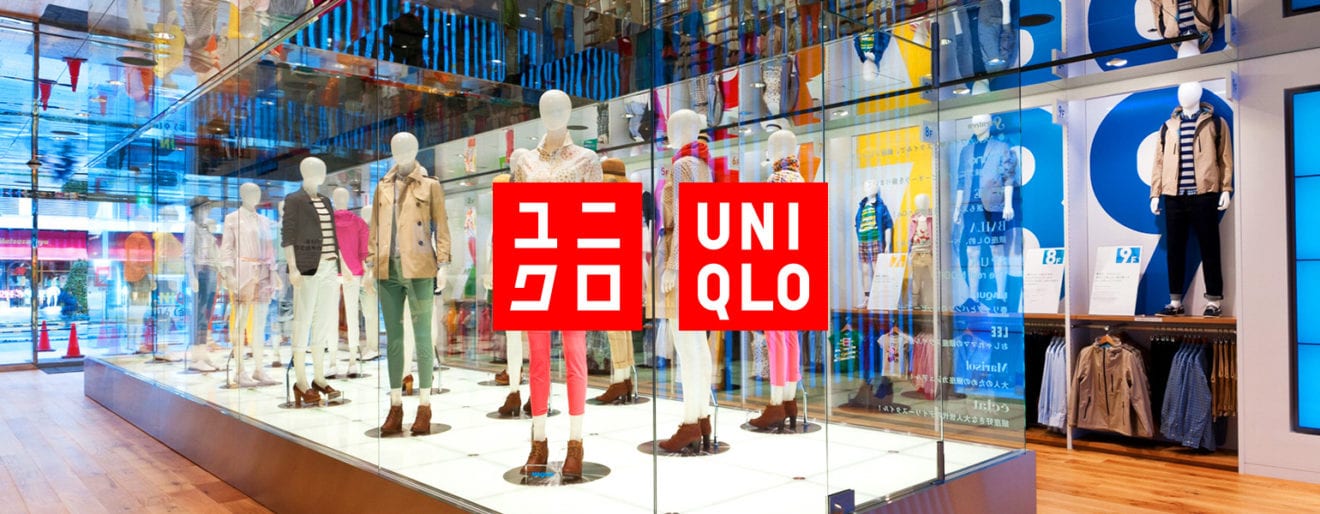
    Japanese retailer Uniqlo has rolled out its exclusive Love & Mickey Mouse Collection by British graphic designer and illustrator Kate Moross.

    The 32-year-old, who was in town two weeks ago for a live mural drawing performance at Uniqlo Orchard Central and a sharing session at Lasalle College of the Arts, said the collaboration is a “good fit”.

    It is available at Uniqlo Orchard Central and online, and will be available in all Uniqlo stores from Sept 3.

    Moross told The New Paper: “I’m a notorious Disney fan and it came across to Uniqlo that I’m enthusiastic for the brand. My style is very fun and illustrative so I think that overlaps with Disney.

    “This (collection) means a lot to me because it is the first time I am doing a global collaboration and working with Uniqlo, as well as (designing on apparel and T-shirts). ”

    Known for her signature typographic illustration and freeform lettering style, Moross has designed shoes, tote bags, water bottles and product packaging bottles for notable brands, like Kiehl’s in 2013 and adidas in 2012.

    For the Uniqlo collection for women and kids, she gave Mickey and Minnie Mouse a dynamic monochrome treatment and incorporated playful lettering for a street style look.

    She said: “I use digital paintbrushes and pencils for my pieces. This is the future – you can draw with your hand but there are different ways of doing it. ”

    And the project turned out to be “easier than (I) thought”.

    She said: “I’m happy with the balance – it’s both cute and cool, for a more fashion-forward look.

    “I enjoyed designing the kids collection most because I got the chance to be super playful.

    “You can find similar designs on the women’s tees, it’s great for a matching outfit and a super cute family photo.”

  • Air Asia India offering cheap flight tickets starting at Rs 1,199

    Air Asia India offering cheap flight tickets starting at Rs 1,199

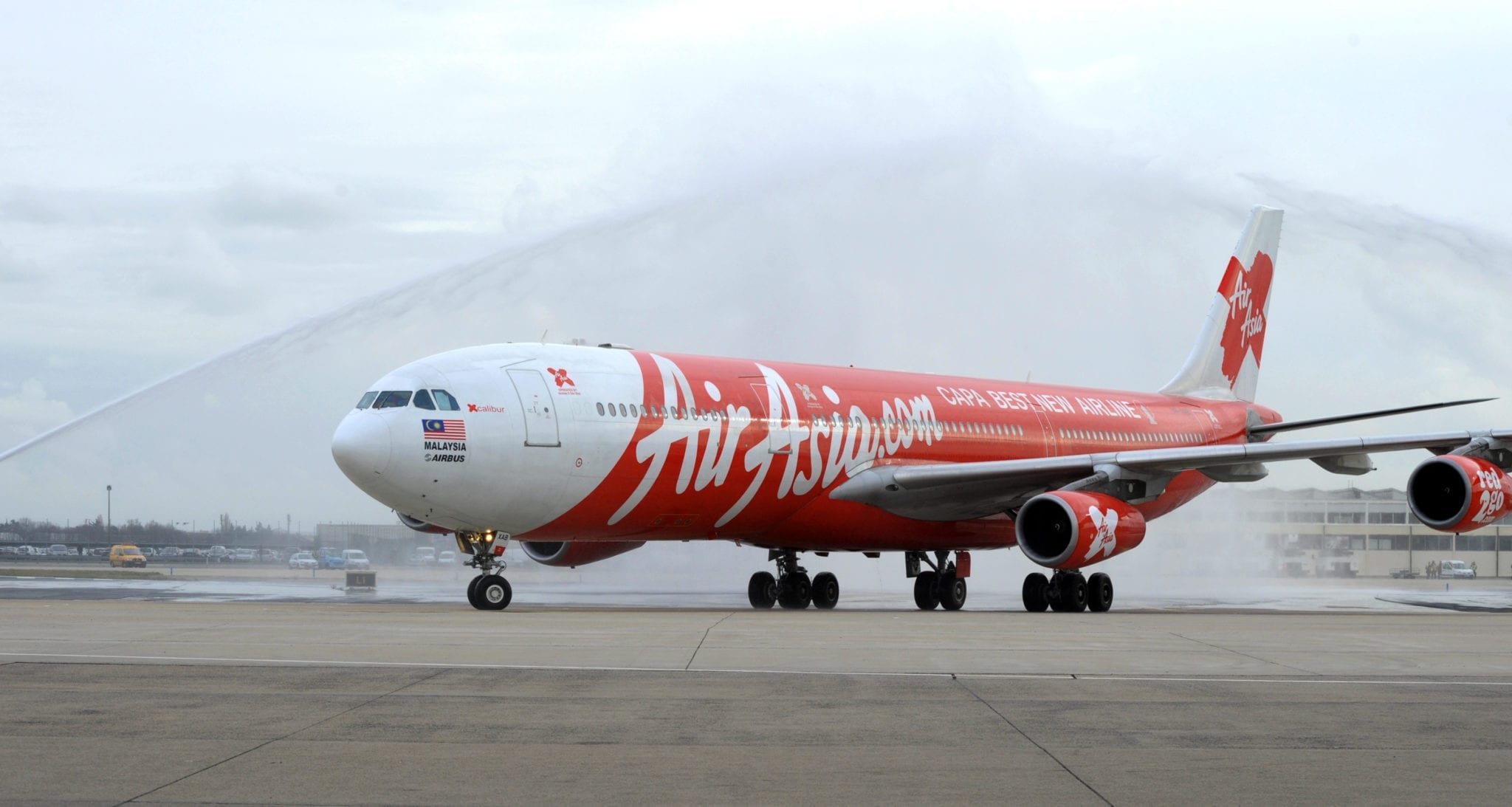
    AirAsia has started its ‘Trust your Wanderlust’ promotional sale under which it will be selling flight tickets starting from Rs 1, 199.

    The promotional sale includes domestic destinations such as Kolkata, Hyderabad, Chennai, New Delhi, Kochi, Goa, Guwahati, Jaipur, Chandigarh, Pune, Ranchi, Bagdogra, Bhubaneshwar, Indore and other places.

    The offer could be availed on tickets booked till 2 September 2018, and discounts applicable on travel period up to 17 February 2019.

    The sale offers the cheapest ticket of Rs 1, 199 for travel between 27 August 2018 and 17 February 2019, from Bengaluru to Hyderabad; and Rs 3,499 for travel from Amritsar to Bengaluru.

    The sale, however, does have its own terms and conditions that include a non-refundable processing fee for payments made via credit cards, debit cards or charge cards.

    The fare includes airport taxes (this is not applicable for selected airports where taxes are collected at departure entry point), and all taxes should be paid during purchasing of the tickets.

    The offer would be valid for new purchases only as seats would be limited. Bookings to avail the offer could be done on the company’s official website. The sale does not offer any refunds once the payment has been made.

    The company has further stated that it reserves the right to change its terms and conditions of the offer without a prior notice and has the right to deny any passenger from boarding without proper documentation.

    The offer would be subjected to availability and flight and date changes are subject to a change in fees.

  • The Supply Chain management dynamics in the Indian retail industry

    The Supply Chain management dynamics in the Indian retail industry

    Efficient supply chain management has a cascading impact on all aspects of retail – from sourcing of raw materials based on demand forecast and then speeding up the production to getting the product to the store and finally to the consumer, everything depends on the supply chain. Experts unanimously agree that besides infrastructure and complications in taxation, it is the efficiency of manpower and adoption of technology that gives a huge boost to supply chain management. However, it still remains to be seen whether the Indian Retail Industry has actively invested in the smooth running of its backend supply and logistics.

    Setting the context of the story, Farah Malik Bhanji, Metro Shoes says, “While supply chain may be invisible to the end consumer, it is definitely very visible on a business’ balance sheet. It is as critical to the functioning of a retail business, as the central nervous system is to the functioning of a body. A warehouse is the heart of a business and the nerves are the dispatches across the retail network.”

    Malik throws light on two aspects of supply chain management –the first is the physical movement of goods and the second is the tracking of these movements and bringing efficiencies into place. She points out that where there is not a very high level of talent needed for the former with goods needing to go from A to B, it is however vital to know the processes, and the flow of supplies and to understand that to be able to achieve the latter.

    Vasanth Kumar, Managing Director, Lifestyle International shares, “Supply chain is increasingly getting sophisticated on two counts: one is that there is constant demand to deliver freshness always at the B&M stores. And two, we are moving to an Omnichannel world where customer delivery happens through real time supply chain connecting warehouse or store inventory for which supply chain needs to implement advanced ERP/ planning tools to be effective including web order fulfillment. With the advent of e-commerce and Omnichannel, the supply chain function is no longer limited to B2B as it now encompasses B2C deliveries direct to customer. And the single biggest factor which affects NPS is quality of deliveries which is very much the responsibility of the supply chain. This is a huge shift in terms of mindset and capabilities indeed moving from cost efficiency to customer experience orientation.”

    Echoing the effects of e-commerce in shaping up supply chain management efficiency, Hemant Gupta, Chief Operating Officer & Chief Finance Officer – The Mandhana Retail Ventures Ltd. shares, “The introduction of e-commerce in the Indian market has brought about a drastic change in the retail scenario leading to a different perception of the supply chain management. The advancement of technology has helped decrease manual processes comparatively and has also been adopted by our logistic partners and warehouses easing out the entire supply chain process.”

    Talking specifically about the jewelry sector, Vijay Jain, CEO & Founder Director, ORRA shares, “Historically, supply chain in diamond jewellry centers around trust and long term relationships and while prior experience, or training/ certification in diamond and allied areas is given due regard is taken as secondary to integrity and trust. However, given the new complexities of businesses what is held in premium is skills that understand the trade offs in managing inventories, vendors, commercial demands, deliveries, and responsiveness to market conditions and balances the pressures across departments, like design, merchandising, procurement, vendor management and logistics. Mind sets required to run the front end part of the business and supply chain are different.”

    Moving towards food, the role that supply chain management plays cannot be underestimated. Gaurav Dewan, COO & Business Head, Travel Food Services shares his take, saying, “India today has a burgeoning economy, rising urban population and a fast growing middle class; and along with an increase in their disposable income, there has also been a proportionate rise in travel and consumption rates. However, given the vastness of the country, and the magnitude of people, there are definitely challenges involved, being in the F&B sector. Among the major challenges that we face, the lack of proper infrastructure is one that has hampered the growth of the food retail sector across the country. And while we are in the process of developing the right infrastructure to support the growth, we also need to build a network of reputed and reliable suppliers, to move away from the current scenario of multiple vendors and lack of aggregators for products. Because of this, we also face challenges in the distribution system, which is quite poor across the country.”

    “The logistics and supply chain management function has been undergoing an unprecedented transformation in the last few years, fueled by innovations in IT and digitization. Government initiatives like Make in India and Digital India are providing thrust towards the logistics and supply chain management function. According to a study by The Associated Chambers of Commerce and Industry of India (ASSOCHAM), the logistics market in India is expected to grow to US $307 billion by the year 2020, recording a CAGR of 16 percent on an average,” says Vivekanand, Country Manager, India & SAARC, Greyorange.

    Complications & Challenges

    Complications in taxation are one of the biggest hurdles gripping the industry besides infrastructure. Where GST has bee introduced to simplify the taxation woes, there seems to be a long way to go before the issue of taxes, invoicing etc. cease to be an issue. Gupta explains, “The challenges we face are more on the statuary compliance side with the change in laws on day-to-day basis like the introduction of GST and error in E-way bills due to lack of knowledge and inefficient websites. Currently due to the difficulty in generating the E-way bills, the entire process of movement of goods has been slowed down.”

    On the challenges, Malik says, “While logistics companies are doing very well today, there is still a lot of uncertainty involved in Tier II players. Tier I logistics players are still very highly priced and have not passed on benefits of scale to companies. There is a heavy dependence on documentation that can be better streamlined through efficient technology solutions like tracking and tagging.”

    Elaborating on the set of challenges and roadblocks being faced as a retailer when it comes to implementation of effective supply chain, Malik talks about infrastructure particularly the conditions of the roads.

    She says, “Although in recent years there has been an improvement, but still a lot more is needed. This coupled with a lot of documentation requirements lead to an uncertain lead time. During monsoons and extreme weather conditions, this lead time is further extended.”

    However, she does add that there has been some relief as far as documentation is concerned as on the introduction of GST last year multiple taxes and multiple documents are done away with. A new e-way has also been built and hopes are high that it will ease the lead time as well.

    Malik, however, shares some concerns with regards to the e-way stating, “The recent introduction of the e-way may cause some disruptions initially but are then expected to help smooth movement of goods without much harassment from various authorities. Another area, which may not be very relevant to us is the availability of proper storage facilities, particularly for perishable goods. While bigger companies are adopting advanced technology to make the supply chain efficient and robust, small and medium scale industries also need to have access to the benefits of these technological advances.”

    Jain talks to challenges specific to his sector i.e. diamond jewelry, “Supply chain challenges stem primarily from the complexity induced by the range of stock keeping units that jewelry demands in its variety that is further accentuated by sizes, diamond qualities, regional preferences, price points preferred and coordinated ensembles. The increasing use of technology has helped cope with the complexity. However, while technology can manage complexity it does not mitigate uncertainty. Uncertainty in preferences, demand, regulatory changes make demands on organization mechanisms like teams, cross functional groups etc. that have to keep sharing information to respond to market conditions, competitive pressures etc. Diamond jewelry continues to be a closely held conservative business that remains fragmented despite the growth of organised retail. While new regulatory controls have brought more transparency and eliminated grey zones it will still take a while to bring in greater transparency.”

    Dewan adds, “As aggregators, we are into all formats of QSR, which makes supply chain management across our various restaurants requires to be individually managed. In India, supply chain management is still in its nascent stages and the entire ordering process is still very manual, making it a challenge for us. Logistics too, which forms a very important part of seamless supply chain management needs to be developed further with the inclusion of GPS enabled vehicles to track their movements. If we are to be on par with other developed countries, these are two very important aspects which need to be worked on.”

    He further adds, “As diverse as India’s culture is, her travelscape is equally so, and to tend to each variant in the sector, we need to understand the different nuances of each. Although we have the second largest road network in the world, logistics and supply chain management are not yet fully developed, keeping in mind, the location of most highways and roads being in remote locations. And while we also have the fourth largest railway network in the world by size, fully developing supply chain management in the sector is reliant on traditional small-midsized vendors who operated on a cash system, and in some cases are not too educated. With regards to the air travel sector, these are high security zones and entry into facilities is an elaborate process, often taking hours on end. At TFS, we follow a system with thorough internal checks and receiving audit frameworks to ensure products are supplied in the most desirable state. Therefore, we maintain high inventory levels and have to be extremely careful with supplies.”

    Highlighting the challenge gripping the industry from logistic point of view, Vineet Kanaujia, Vice President – Marketing, Safexpress Pvt. Ltd. shares, “Due to the significant increase in customer expectation and demand over the last decade, time-definite delivery of goods has been the biggest challenge for the retail supply chain. Also, the demand for last mile delivery continues to be an uphill task for the industry. With the vast geographic spread of our country, time-definite delivery will continue to be a major challenge. And with congestion on the highways as well as inside city limits being at all-time-high levels, managing last mile delivery has never been tougher.”

    With access to 22,344 pincodes, Safexpress has been helping the Indian retail industry with warehousing support and time-definite deliveries of goods anywhere in India.

    The Supply Chain Challenges

    The growth in retail is outpacing the delivery of key infrastructure programs within India. This will only be exacerbated by the ongoing population growth and the rise of megacities. Technology costs have hindered retailers in the past however this is an area that retailers will need to have solid investment plans for the future. Modernisation of supply chains will require a combined effort from government, private industry and foreign investments. The challenges are also amplified by volatile demand and increasing expectation of the consumers, changing trends and preferences of the consumers, increasing number of SKUs and the huge Indian customer base – ranging from highly populated metro cities to millions of sparsely populated villages.

    Having the right pricing strategy and tools is another factor to consider. It is a well-known fact that 50 percent of promotions don’t generate the necessary ROI.

    For a diverse market like India with many fragmented players, what works at national level doesn’t necessarily work at regional level. Executing a sledgehammer promotional strategy across the entire chain without understanding factors like local events, weather, localized competitors can result in suboptimal returns. Retailers need a pricing tool which not only helps them automate decision making across the enterprise but also provides important metrics like halo and cannibalisation to compete eff ectively.

    Another tricky area for retail in India is that of last mile delivery. Indian retailers are tackling these challenges in ways that cannot be addressed by a cookie-cutter approach used in the developed countries. The preferred mode of delivery like trucks in these countries face a difficult time navigating the crowded streets. Postal services can be leveraged but they are known for delays. A new option in India is the use of couriers to deliver goods using smaller modes of transportation like motorcycles and scooters. It is a common sight to see these drivers carrying giant backpacks filled with merchandise. These drivers navigate narrow streets, potholes, and erratic drivers to deliver everything from ice cream to guitars to laptops. Without the use of these couriers to deliver, the e-commerce market as a whole would grind to a halt in India.

    The Role of Technology in Supply Chain Management

    Jain is quick to point out, and rightly so, that adoption of new technology is not a matter of choice but timing; organizations cannot insulate themselves from the same. He shares, “Though technology is widely deployed the depth of its penetration remains limited. Technological capability outstrips our ability to harness its possibilities though it inexorably invades our decision making. ORRA has chosen two platforms that are under integration ETP and ICSoft that drive point of sale demand to supply chain responsiveness.”

    Accentuating the benefits of technological advancements in boosting supply chain management, Gupta minces no words when he shares, “Due to lack of technology, there was a huge gap in the time taken between the arrivals of merchandise in the warehouse till the time taken to dispatch the goods as all the processes were then done manually. The introduction and advancement of technology has played a very important part in the supply chain, including the logistics and warehousing functions. We now have an electronically generated process which helps decide the key responsibility area which clearly indicates the cycle for the goods to come in and move out. The entire supply chain management functioning has evolved over a period of time and has been structured in a way to adhere to timelines accordingly which helps to reduce our working cycle capital of the overall supply chain management. For e.g.; to track a package, earlier one would have to manually dial a number and call the logistic partner to find out where the package is, today most of the logistic partners have developed websites with GPS enabled systems thus making tracking easier.”

    “We use an ERP call Genesis which is a retail solution. It has an inbuilt operation that tracks all the processes including billing, tracking and tallying the goods. It also helps us manage our inventory agent which is an important part as far as the supply chain is concerned,” he adds.

    Kumar says, “At Lifestyle International we have successfully implemented Oracle ARS as well as TOC Symphony software apart from single view inventory (SVI) order management for effective last mile deliveries from warehouse.”

    At Metro Shoes, the company has migrated to SAP as an ERP. According to Malik, this has enabled them to get accurate data on the movement of goods across the country. She explains, “SAP ensures that movement of goods and the accounting of those movements happens simultaneously. This enables us to analyse our data much closer to realtime and monitor the cost effectiveness of our processes. We have invested in TOC (Theory of Constraints) to automate replenishments to stores as well as analyse vendor effectiveness. This has allowed us to streamline our purchase process and capitalize on styles preferred by customers in a much faster time period. It is also the ability of our internal team to be able learn how to look at data effectively and base their decision making on data that has been vital in the optimization of these processes.”

    The lack of/ sporadic robotics technology adoption is also a challenge. While robots are widely used in manufacturing and assembling, the supply chain function has remained technologically starved for a long time. In the last five years, e-commerce and logistics companies across the globe have pioneered adoption of advanced robotics technology to create high productivity warehouses and optimizing supply chains to match the dramatic evolution – in terms of volumes and values. The vital challenge now is faster adoption of new technologies and trends such as 3D printing, automation, robotics and big data in the supply chain function.

    “More international retail companies and brands are investing in supply chain automation in other parts of the world. Our Butler system is being deployed in Japan, Europe and the Americas at a faster rate,” says Vivekanand.

    Supply Chain Management & E-commerce

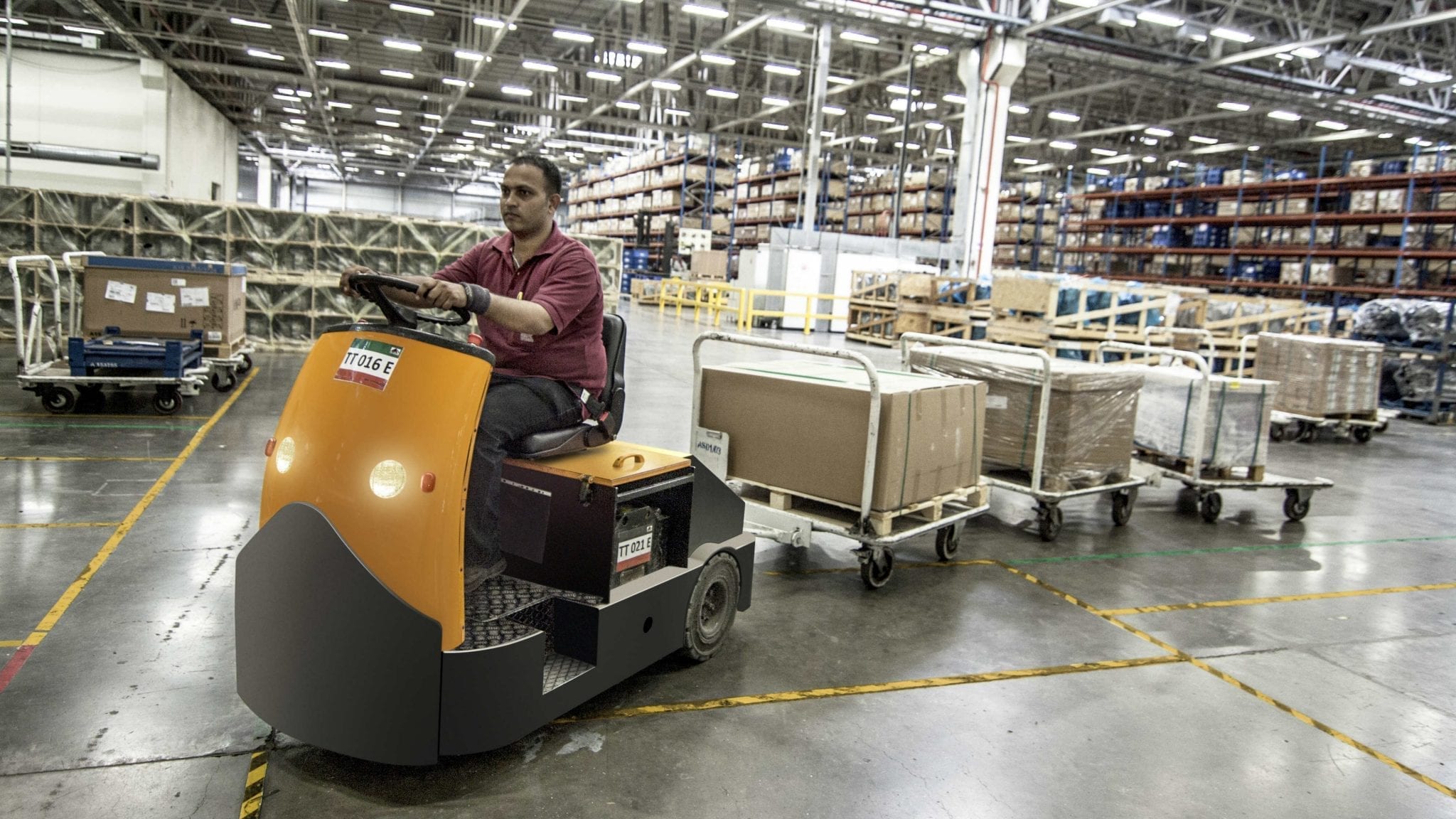
    The onset of e-commerce has played a huge role in having retailers work diligently on strengthening their supply chain management systems and practices. A large section of people has migrated to online shopping and they have become accustomed to having their products delivered to them within a day or so. Therefore, more and more retailers are upgrading their warehouses with some degree of automation as they race to deliver goods to the shoppers ever faster. The increasing demand for goods to be delivered, not only on time but on the same day is pushing the need for robotised warehouses which will make the whole process of sorting orders and delivery quicker.

    Online players have been more receptive towards investing in automated supply chains as they do not have any physical stores and have relied completely on technology to run their operations. Many offline retailers could be seen as laggards in this trend simply because their development and growth may not have primarily depended on technology.

    “The absence of technology and limited online presence, means that offline retailers are not faced with the kind of volume and surge ordering often witnessed by online platforms/ e-commerce players. Hence, such players are not pressed to invest in automation at the warehouse level,” says Vivekanand.

    According to Gupta, the introduction of the Omnichannel module has helped to bridge the gap in the supply chain. Elaborating further, he shares, “If you are running out of stock in a store in a particular category, the Omnichannel module helps to deliver the product to the consumer due to the specialization in deliveries of the Omnichannel partners. Additionally, even at the retail store, E-look books are available which helps the customer to browse through and place their orders which can then be delivered at their doorstep. To cater to our customer’s needs, we too have started the Omnichannel module. It will keep the pressure off from the normal logistics and supply chain function and they can save the cost of transferring the goods from one location to another.”

    Sourcing Manpower

    Effective human resource management is often the biggest hurdle to overcome for businesses across genres. Besides lack of skilled manpower, it is the attrition level that increases that challenge of having the right team in place. Supply Chain Management until recently faced a huge challenge when it came to sourcing of manpower owing to two reasons – being a backend process, not many opted for a career in supply chain due to lack of exposure and excitement and secondly because the industry was at its nascent there was a lack of organized training. Though things are changing gradually.

    Gupta says, “As far as sourcing talent is concerned, there is no problem as the retail industry is now considered to be growing successfully at a fast pace. With courses specializing in supply chain management and the introduction of technology, it is now becoming easier to source talent as opposed to earlier times.”

    One of the leading logistics company in supply chain management, Safexpress Pvt. Ltd. has set a lot many standards for the industry to follow. From a world class logistic parks to a well-equipped transportation system in place, the company has a team of efficient skilled manpower as well.

    Vineet Kanaujia of Safexpress says, “Training has a huge role to play in this industry, and we have been focusing heavily on the same. This has helped us in managing an employee retention rate which is way ahead of the industry average.”

    EOSS & Supply Chain Management

    A mad rush to grab discounts and offers is common during the EOSS. But it is only those brands that can cater to the demand of customers in terms of size and style will see an inflow of customers during the next EOSS. Hence the role of supply chain management is ever so important during EOSS to ensure that the store is well stocked.

    Gupta says, “During EOSS, the movement of goods is faster as compared to the normal period, thus ensuring timely replenishment of goods is a must. Especially in retail chains, there is a term called pivotal sizes which includes 28-36 sizes as 80 percent of the demand is in these sizes. This is where the auto replenishment technology is extremely beneficial to the supply chain ensuring timely deliveries. There should not be any deliveries planned which will take longer period to reach the customer as it will increase the stock only without increasing the sales.”

    Brand Speak

    On the supply chain management system in place at Metro Shoes, Malik reveals, “We have over 415 stores of 4 different brand formats – Metro, Mochi, Walkway and Crocs, in 110 cities in India. For Walkway we also have shop-in-shops format in DMart stores. We retail our in-house brand as well as other brands such as Clarks, Skechers, Fitflop, etc. In case of in-house brands, the goods are received from the vendors as per purchase orders raised by our buyers in our central warehouse at Bhiwandi. The vendors are from Mumbai and from other cities such as Agra, Kanpur, Delhi, Chennai. We receive goods in our warehouse and dispatch it to 110 cities across India from our centralized warehouse. It takes between one to seven days to receive the goods from the warehouse to a store, depending on the distance of the store from the warehouse. The dispatches are on daily basis. After the introduction of GST, the company has been preparing tax. There are detailed processes in place at the warehouse to ensure control over inventory and safety. The goods at various stages of processes are recorded and daily MIS is sent to the management which covers the goods received, processed and dispatched highlighting any delay in processing or dispatch. Very recently, the company has implemented SAP ERP in the warehouse in place of warehouse management system and the inventory is kept style/ item wise in these bins so that it is tracked through system.”

    She further adds, “In case of other brand’s goods, they are dispatched by the manufacturer or distributor to our stores directly as these are from organized players and there are generally no quality issues. On receipt of goods at a store, they are checked for any damage or discrepancy in quantities and then added in the stock and discrepancy is intimated to the warehouse or the supplier for corrective action. The goods received at the stores from customers for repairs are sent to repair depots in Mumbai and after repairs sent back to the stores for delivery to the customers. We run our e-commerce operation through a separate warehouse facility where we conduct Flipkart and amazon processes through our own warehouse. We currently work with eight portals in India.”

    At Being Human Clothing (Mandhana), the company has a warehouse of approximately 25,000 sq.ft where they manage almost around 30 lakh pieces in a year with a team strength of about 50 people.

    There is formulised KRAfunction of each employee defining each one’s role in the entire process. The company has also partnered with various logistic partners depending on the zones to ensure a quicker turn around /in the respected areas.

    From ensuring the sourcing is done on a timely basis from the different vendors to management of the goods to decrease the time taken to dispatch, each and every minute detail is carefully taken note of to ensure timely deliveries to the consumer.

    At ORRA, the front end and the backend of the supply chain use two different but integrated technology platforms. The key functions of the supply chain team include, diamond and metal procurement, production planning and control, vendor selection and management, quality control, pricing, distribution, repairs and custom order management apart from support processes of audit and raw material inventory management. The staff strength of the supply chain team is approximately a third of the total HO staff .

    Providing the Best Service

    Talking about the services offered by Safexpress, Kanaujia says, “Safexpress covers all 720 districts of India through its massive distribution network of over 620 destinations. The company has a fleet of over 6,000 GPS-enabled vehicles, operating 365 days a year on more than 1,000 defined routes across the country. The firm delivers in excess of 100 million packages to over 5,000 corporates in India. We offer 3PL solutions ranging from designing, implementing to operating the complete supply chains of companies. These solutions help in reducing costs, streamlining delivery schedules and enabling organizations to focus on their core competencies. The 3PL services offered include inventory management, packaging, labeling and reverse logistics and the services are supported by 35 ultra-modern Logistics Parks and a total warehousing space of over 14 million sq.ft. across India.”

    Besides logistical support, Safexpress also offers value added services in the form of supply chain consulting. Kanaujia adds, “The team of consultants is vastly experienced and offers global know-how, best practices and cutting edge technology solutions, to make an organization’s supply chain model more dynamic. We create strategies which focus on processes and technologies required to drive growth and profi tability. The consulting services include planning, strategising, network designing as well as end-to-end supply chain implementation.”

    It is interesting to note that Safexpress has been early adapter of technology for ease of taxation. Kanaujia shares, “We are India’s first logistics service provider to adopt Oracle Fusion Cloud, the next generation compliance and accounting solution for instant GST accounting. With GST having been implemented for more than a year now, technologies like Oracle Fusion Cloud ensure accounting compliance which is proving to be crucial from a customer perspective. This has led to a considerable increase in demand for our services.”

    The GreyOrange Butler goods-to-person solution for automated material movement in warehouse also caters to end customer, retail stores and production floors. The AI-powered Butler robots, using Machine Learning, are able to react to various situations as well as adapt to scenarios such as seasonal peaks, or surge in demands due to flash sales. In 2018, they introduced the AI-powered Butler XL that can be used in manufacturing facilities and Omnichannel warehouses, to move different kinds of loads from raw materials to finished goods.

    Talking about another innovation by the company, Vivekannd says, “The GreyOrange sorter is an advanced sortation system that automates outbound profiling and sortation process in fulfillment and distribution centres. It is a conveyor based system that routes packages based on customized logic such as destinations, cut-off times, vehicles, cities, zip codes and more. This system enables faster sorting of same and next day deliveries. This is very useful for month end scenarios in Retail/ FMCG sector.”

    Niranjan Thirumale, Senior Vice President & Managing Director of Global Centers of Excellence (India, Poland, and Mexico) at JDA Software says, “JDA can address the end-to-end retail supply chain to assist retailers in delivering a profitable Omnichannel shopping experience for their customers.”

    He talks about the three key areas that JDA solutions cover are Intelligent Planning, Intelligent Fulfillment and Intelligent Store: JDA Intelligent Planning which parses data from all demand channels, JDA Intelligent Fulfillment which synchronizes all physical and digital order demand channels and JDA Intelligent Store which aligns inventory, labour and store operations with demand, merchandising and fulfillment tasks.

    In conclusion, effective supply chain management unlike before is not plagued with challenges that cannot be tackled, all thanks to technology and the changing mindset of decision makers.

    Where the Government is seen working towards building on a strong infrastructure, companies and brands too are realising the need to invest in supply chain as that truly is the backbone of the organisation.

    When a product fails to reach the customer the way it is intended to, the entire purpose stands defeated. Outsourcing supply chain management to industry experts such as Safexpress can boost the companies’ allocation of resources and when in able hands, logistical challenges can be turned into opportunities.

  • Chanel Korea comes under fire for sale of used bag

    Chanel Korea comes under fire for sale of used bag

    Chanel Korea has come under fire for allegedly selling a used handbag to a customer.

    South Korean media outlet News One has reported a customer paid 7 million won (US$6280) for a Chanel 2.55 flap bag at a department store in April. She claims she later found a bankbook and credit card belonging to someone else inside the bag, both items issued a month earlier.

    “I asked Chanel if anyone had purchased and refunded the bag, but the company said the product’s serial number showed that it had no purchase history,” the bag’s owner said.

    Chanel Korea released a statement saying it had no idea how the items came to be inside the bag, but it ruled out the possibility an employee had borrowed and used it before its sale. It said it had offered to replace the bag with a new one in July.

    Several South Koreans went online to express their dismay about the incident, one commenting on a news story saying: “Korean customers should take collective action such as a boycott to make sure that foreign companies such as Chanel and BMW do not look down on Korean customers and to teach them a lesson”.

    An unidentified “industry insider” said such an event was “very rare” and “close to impossible”.

    “If that product had been refunded, it is possible to find someone’s belongings from the bag.” But the source said if the bag had really never been sold before, it was hard to explain how the items got insid

  • Logitech partners with Lazada to bring Logithech G Pro products

    Logitech partners with Lazada to bring Logithech G Pro products

    Logitech took their equipment to the next level by announcing their Logitech G PRO series, earlier this week. This line of gear focuses solely on maximizing performance as it was designed by and for the world’s leading esports professionals.

    The main showcase of this release was the Logitech G PRO Wireless Gaming Mouse and the Logitech G Pro Gaming Headset and following the trend of its simplistic title, the peripherals are simple in design yet powerful in performance.

    The mouse brings over all the positives from the previous Logitech G Pro Wired Gaming Mouse with certain aspects of the equipment tweaked, improving the overall feel of the peripheral. The mouse itself only weighs in at 80 grams and carries a HERO (High Efficiency Rated Optical) 16K sensor, allowing the user to reach 16,000 DPI with extremely accurate and precise mouse movement.

    The mice features Logitech G’s exclusive LIGHTSPEED wireless technology and promises a 1ms response rate, ensuring that competitive gamers need not worry about the slow connectivity of typical wireless mice. For competitive gamers, another major issue with wireless mice is the battery life, and Logitech G understands this. That’s why the Logitech G Wireless mouse has a 48 hour battery lifespan (60 hours with no lighting).

    “We listened to the pros and took away all the other necessary things and kept the essentials for professional gaming, focusing on performance,” KP Sim, Logitech’s Country Lead for Malaysia shared.

    The headset carries the same philosophy as the mouse and trims out on all other aesthetics such as RGB lights. The headset is lightweight, strong and extremely comfortable as it carries a pair of premium leatherette ear pads. As Logitech’s main focus is to produce tournament grade equipment, the headset brings a pro-grade back electret condenser microphone for crystal-clear communication.

    KP Sim emphasized that the PRO series was designed in close collaboration with pro gamers to ensure the peripherals are tournament ready. “The PRO headset was developed in close collaboration with TSM, G2 Esports and London Spitfire players. Our design includes features such as a tournament-grade mic and a comfortable leatherette for perfect headset for esports and pro gamers.”

    With the release of the wireless mouse and headset, the full set for the Logitech G PRO series is now complete and gamers can now pre-order them through Lazada!

    Lazada is the exclusive partner for Logitech G and will be the sole distributor of the PRO line of products! So if you want to get your hands on any one of these awesome peripherals, you can head on over to their website.


  • Gov’t Raids Miner Suspected of Destroying Orangutan Habitat in West Kalimantan

    Gov’t Raids Miner Suspected of Destroying Orangutan Habitat in West Kalimantan

    Nickel miner Laman Mining is suspected of illegal bauxite mining operations, disrupting orangutan habitat in West Kalimantan’s Tulak River forest.

    The Ministry of Environment and Forestry raided the company’s sites in Puring and Kempapakon on Aug. 20, finding seven heavy-duty vehicles for excavation.

    Laman Mining claimed the areas were included in its mining business permit (IUP). According to forest maps, however, Puring and Kempapak belong to the Tulak River convertible production forest area, to which Laman has no rights. Convertible production forests are forested areas that the government can designate for a limited use such as farming.

    The Tulak River forest area is also Palung Mountain National Park’s buffer zone as well as orangutan habitat, neither of which should be disrupted.

    “This is an extraordinary evil,” Rasio Ridho Sani, the ministry’s director of law enforcement, said in a statement on Sunday.

    The ministry is questioning Laman’s directors and commissioners.

    “We are also investigating the possibility that money laundering was involved in this illegal mining operation,” Rasio said.

    Under a 2013 law on prevention of forest destruction, the company’s officials may face between eight and 20 years in prison, if convicted, while the company may face a fine of Rp 20 billion ($1.37 million) to Rp 50 billion.

  • Uniqlo takes on H&M in its home market Sweden

    Uniqlo takes on H&M in its home market Sweden

    Fast Retailing, the world’s third largest apparel company behind the brand Uniqlo, threw down the gauntlet against world number two Hennes & Mauritz on Friday, opening its first store in H&M’s home market of Sweden, as it makes further inroads in Europe.

    “This is a big step toward becoming a global brand,” Chairman and CEO Tadashi Yanai said. He usually spends his summer in Hawaii through the end of August but this year he has been in Stockholm to prepare for the store opening.

    More than 1,000 people lined up at the store in Sweden’s capital. “I was impressed with the variety of items anyone can wear regardless of age,” said a 20-year old college student who bought a sweater.

    The store highlights Fast Retailing’s clear focus on Europe of late. The company last fall opened its first store in Spain, the home of world number one clothier Inditex, known for its Zara brand.

    Uniqlo generates only 4% of its global sales in Europe. And Fast Retailing has had a bitter experience in the region. It opened its first overseas store in the U.K. back in 2001 riding a boom for fleece clothing and quickly increased the U.K. store count to over 20, only to shutter 16 locations in 2003 due to continued losses.

    “We were arrogant and took the challenge lightly,” Yanai said in retrospect.

    Fast Retailing has since cultivated its European presence steadily, making its debut in Germany in 2014. But the store count in Europe was a mere 75 at the end of July.

    Three quarters of the 2,057 Uniqlo stores are in Japan, China, Hong Kong and Taiwan. And 186 are in South Korea.

    The company is expected to log sales of over 2 trillion yen ($17.9 billion) in the year ending August. Much of Uniqlo’s revenue is concentrated in Asia.

    Given the similar body types and climates in the neighboring markets, it is more efficient for Fast Retailing to put in resources there than in Europe.

    But establishing a solid presence in Europe, the fashion capital of the world, is a vital step for Fast Retailing to enter a new stage of growth.

    Fast Retailing is confident of its offerings, including the quick dry and heat retention features. But the challenge is to have people in Europe exposed to Uniqlo clothes so they can pick up and feel the clothes in person.

    Uniqlo found a powerful supporter in this endeavor: the tennis legend Roger Federer. The Swiss athlete has become a Uniqlo brand ambassador and sported the Uniqlo logo on his match wear in the Wimbledon tournament in July, switching from Nike.

    Fast Retailing has also collaborated with Finnish design house Marimekko — known for its dot designs on women’s apparel — and former Hermes designer Christophe Lemaire to develop new products.

    The business landscape presents an opportunity for Fast Retailing to make it big in Europe. Although Inditex has performed well, H&M’s sales have declined as consumers increasingly feel that the design and quality do not measure up to the price.

    Uniqlo disrupted the apparel industry back in the 1990s by mass-producing clothes through contractors abroad and selling products in its own stores. The new approach pushed the company to surpass traditional apparel makers that sell their offerings at department stores.

    But as it moves ahead in the digital age of today, there is no guarantee for success, amid competition not only from the big rivals but also from new players like direct-to-consumer brands — sold exclusively online and thus saving costs by skipping physical stores.

    British brand boohoo is one example that has undergone rapid growth. In the year ended February, the operating company logged sales growth of 97% on the year to 579 million pounds ($673 million). And in Japan, a new business model is forming in the apparel industry as services that match amateurs with sewing professionals allow virtually anyone to open an apparel business. One-of-a-kind items made in small volumes may gain traction in this environment.

  • L Brands slides as sales slumps for Pink lingerie

    L Brands slides as sales slumps for Pink lingerie

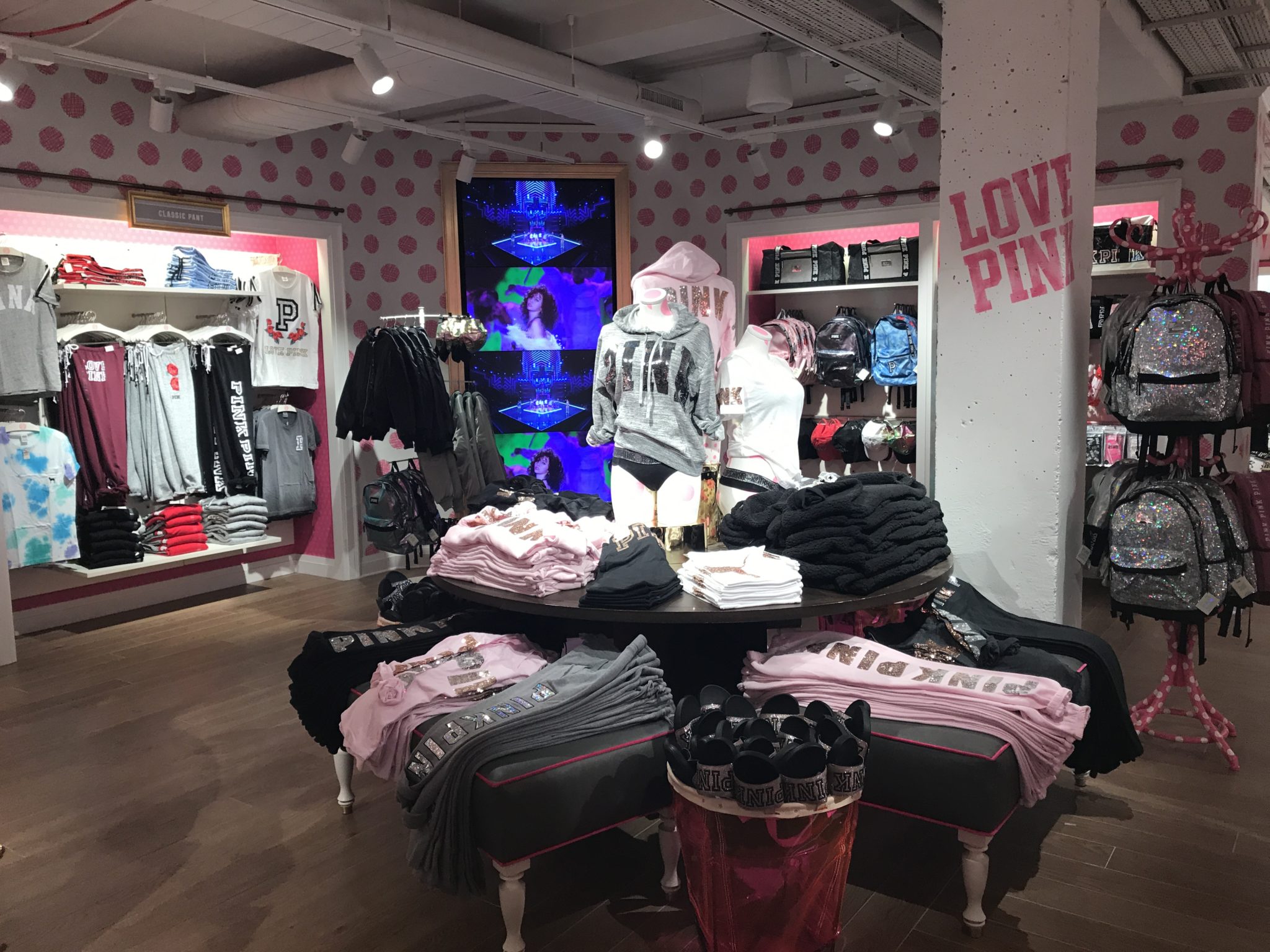
    L Brands, parent of Victoria’s Secret, Pink, La Senza and Bath & Body Works, has reported a drop in sales and earnings for the second quarter.

    Teen-focused diffusion-brand Pink, now a US$3 billion business which achieved $12 billion in sales last year, is suffering from decline in its core US market, where it seems exposed to rival brands like American Eagle’s Aerie and the Adore Me and ThirdLove.

    The company confirmed in an earnings call that Pink’s same-store sales declined by a vague mid-single digits during the quarter to August 4, adding to challenges the company has with its flagship Victoria’s Secret brand, where same-store sales declined 1 per cent. Bath & Body Works restored some respectability to the company’s figures, with sales up 10 per cent.

    Pink CEO Denise Landman announced her retirement after the results were released, and will be replaced on October 1 by Bath & Body Works president for merchandising and product development, Amy Hauk.

    L Brands executives deny that Pink is losing touch with its customers.

    “I do not think nor do I think anyone in this room believes that Pink has lost its ability to connect with customers and drive excitement in our core constituency,” said Landman during an earnings call.

    L Brands’ reported net sales of US$2.984 billion for the quarter to August, down from $2.755 billion in the same period last year. The group’s comparable sales increased by 3 per cent overall. Second-quarter operating income was $228.1 million compared to $300.9 million last year, and net income was $99 million compared to $138.9 million last year.

    After blaming Pink for reducing the company’s full-year earnings guidance, management watched as L Brands’ share price fell to its lowest point since 2011.

    Addressing her retirement, Landman said she felt “incredibly fortunate” to have been part of the brand since its inception and for her nearly 20 years with L Brands.

    “It’s been a privilege to lead and be surrounded by such incredible talent, thinking and creativity. It inspires me every day. I have great respect for Amy and know that I will be leaving the business in good hands.”

    Leslie H Wexner, chairman and CEO of L Brands, said: “Denise has always been a curious student of the business, focused on the customer and driven by her entrepreneurial spirit. Her contagious passion for the brand has built a true “Pink Nation” experience among college-age women and created one of the fastest growing specialty retailers of all time.

    “Amy too is a master merchant with deep knowledge and capabilities. She is well-equipped to lead the Pink team.

    She has a track record of accurately identifying what’s next in the market, is curious and action oriented. She leads with pace and energy. Since joining Bath & Body Works 10 years ago, she has built a solid, talented merchant team which is well prepared to continue the momentum in the business.”

    L Brands operates 3076 company-owned specialty stores in the US, Canada, the UK and greater China, and its brands are sold in more than 800 additional franchised locations worldwide.

  • Foot Locker revealed Asia expansion plan

    Foot Locker revealed Asia expansion plan

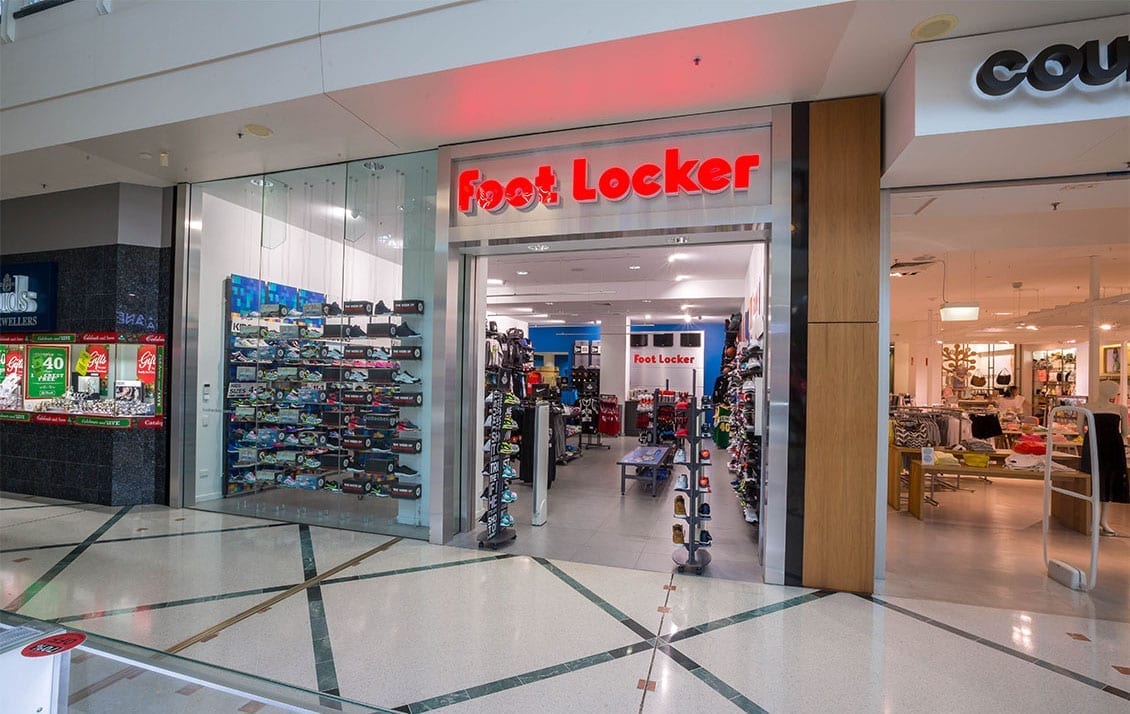
    New York-based athletic retailer Foot Locker has announced plans to expand into Asia.

    The Foot Locker Asia ambition was laid out in the group’s second quarter report, which showed a US$88 million net income compared $51 million takings for the same period the year previous.

    However, poor store traffic throughout the period contributed to the firm’s moves to close poor-performing outlets. The company is on track to closing 120 stores, while still aiming to open 25 new stores in high-potential areas, while preparing plans for its Foot Locker Asia expansion.

    Foot Locker executive VP and CFO Lauren Peters said: “For the full year we are on track to open 45 new doors, including our expansion into Malaysia, Hong Kong and Singapore.”

    CEO Richard Johnson announced that during the third quarter, the company’s first ‘power store’ is slated to open in Kowloon, Hong Kong,ong with two more stores in Singapore.

    “We will round out the year with the opening of our first location in Kuala Lumpur, Malaysia during the fourth quarter.”

    An analysis featured on thestreet.com noted that Foot Locker’s expansion into the world’s most populous market indicates that retail might be a growth area for the firm to take advantage of a growing fondness for athletic footwear across Asia.

  • Galaxy watches go on sale this week

    Galaxy watches go on sale this week

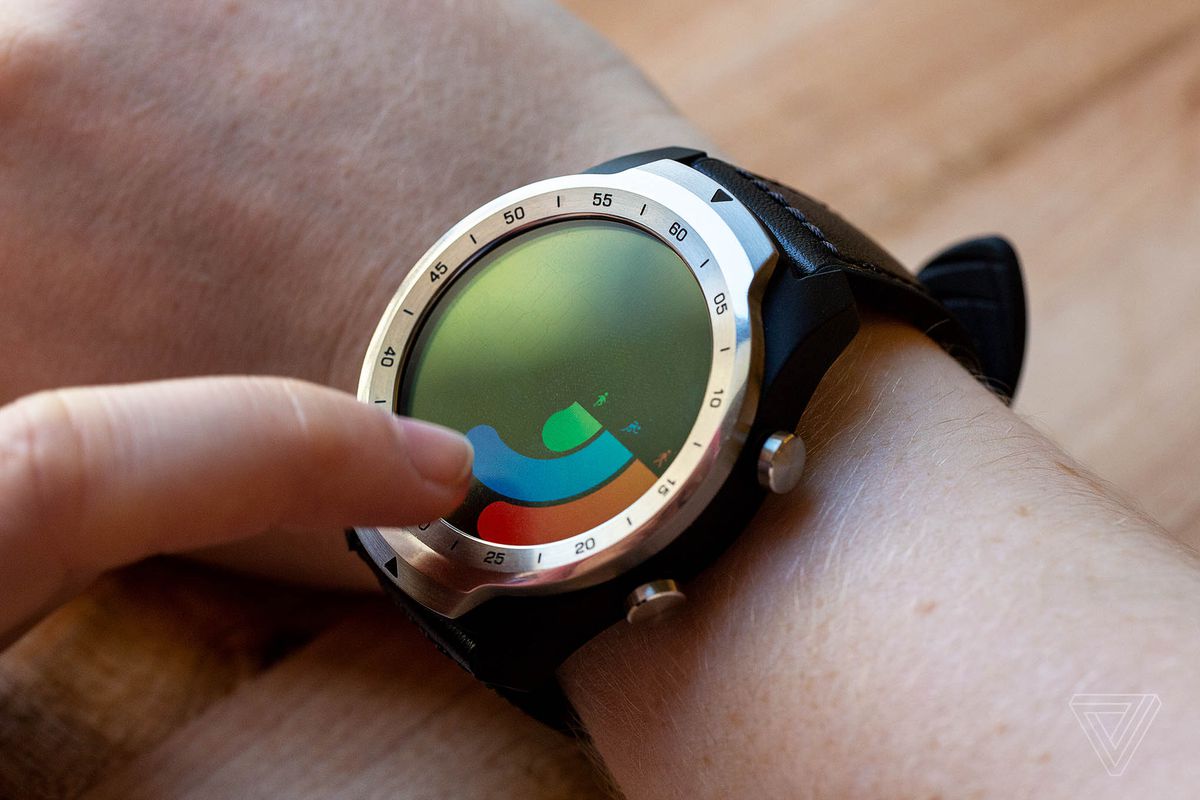
    Samsung Electronics’ new smart watches will go on sale today.

    Out of two new Galaxy Watch models, one works through a connection to a smartphone via Bluetooth. Its sales start today. The second, which operates totally independently via phone networks, will be available for purchase on Friday.

    Each type of smart watch, the fifth series from Samsung since 2013, comes in two sizes — 42 millimeters in diameter and 46 millimeters. The smaller model comes in either midnight black or rose gold, while the larger model comes in silver.

    The new watches were unveiled at a so-called unpacked event for Galaxy Note9 phablets in New York on Aug. 9. They are the first smart watches from Samsung that have lost the “Gear” brand name. Samsung is now the world’s third-largest wearable producer after Apple and Fitbit.

    The Galaxy Watch has been designed to automatically track the time spent and calories consumed on six types of exercise including walking, running and biking. Users may designate 33 more types of physical exercise, the largest number available for any smart watches on the market. The watch can keep track of users’ stress levels through a heart rate sensor and encourages users to breathe deeply to lower the stress level through notifications.

    The watch also syncs with the health application of a Galaxy smartphone.

    Samsung said the biggest improvement in the Galaxy Watch is its long battery life, ending the hassle of having to charge the watch every day. A 46-millimeter Galaxy Watch can run for 80 hours, or more than three days, at a minimum on a single charging and a 42-milimeter model can run 45 hours at the minimum. The LTE-enabled Galaxy Watch can receive or make phone calls without being tethered to a smartphone. But the watch can be used on the same account used for an owner’s smartphone and via the same phone number.

    Prices of the Bluetooth-enabled models start from 339,900 won ($305) and the LTE-enabled models from 379,500 won. They can be bought from Samsung online or at Samsung Digital Plaza stores nationwide, mobile carrier stores, department stores and discount chains.

  • Travelon will open first standalone store in Philippines

    Travelon will open first standalone store in Philippines

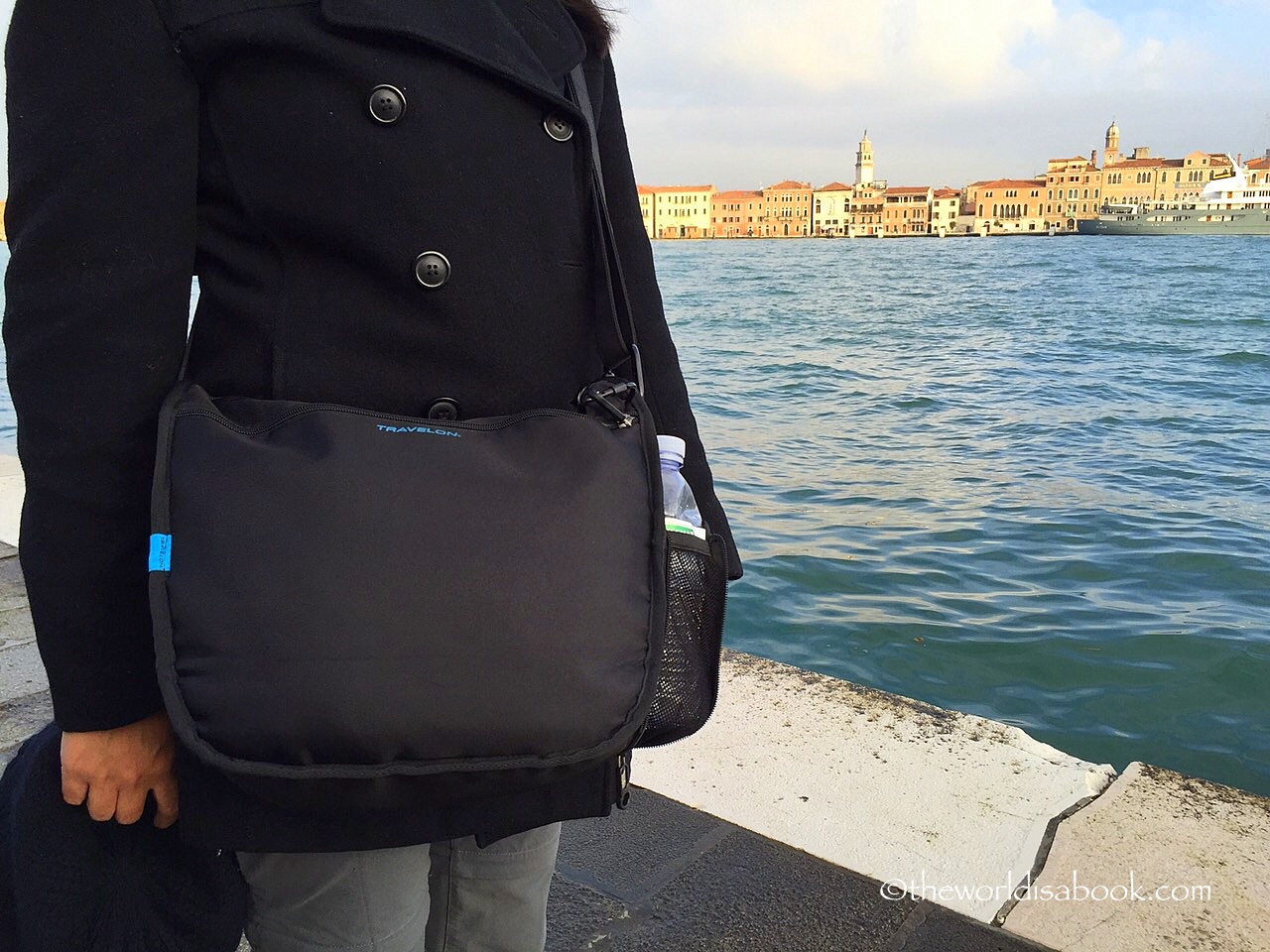
    Chicago-based travel product retailer Travelon has opened its first standalone store in the world – in the Philippines.

    The brand specialises in anti-theft luggage – bags with straps that cannot be cut, slash-proof materials, locking zips and even RFID-blocking technology.

    The brand has been represented in the Philippines by Primer Group since 2011, with the store opening last week at SM Megamall in Mandaluyong City.

    “We felt there was a market here for Travelon products,” said Travelon founder Don Godshaw in an interview. “With traffic here forcing a lot of people to commute to go to their destinations, it is very reassuring to know that your valuables are safe inside secured bags like what we offer.

    “This is apart from the fact that Filipinos, too, love to travel to different places, be it locally or abroad. You see, when thieves steal your things, they are also stealing memories so you really have to guard against that,” Godshaw said.

    The decision to open a standalone store in the Philippines was influenced by having a good local partner. More stores may follow.

    Travelon’s products are sold in about 60 countries, including Singapore, Thailand, and the UK, through department stores and retailers of luggage and travel goods.

  • Indonesians Show Enthusiasm for 2018 Asian Games

    Indonesians Show Enthusiasm for 2018 Asian Games

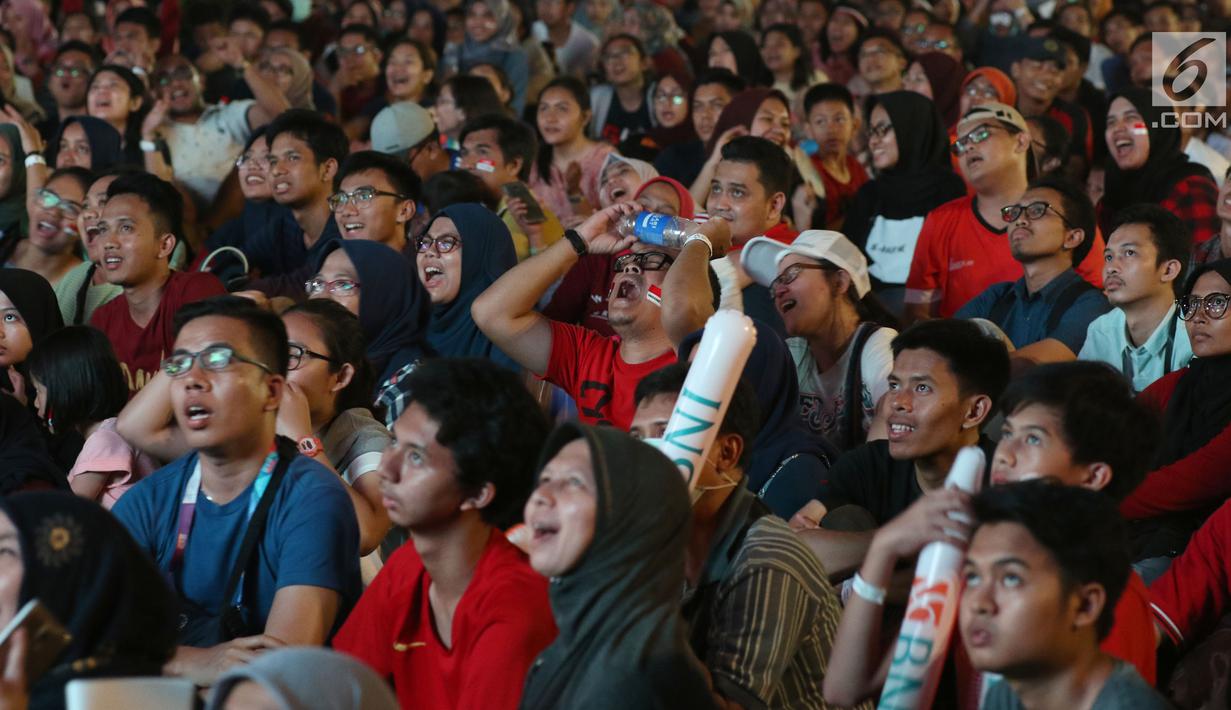
    The 2018 Asian Games captured the attention of many Indonesians, who are currently glued to their television screens to watch matches, or flock to sports venues to catch a glimpse of their heroes.

    The live television broadcast of the opening ceremony in Jakarta on Aug. 18 was watched by 14 percent of the country’s total viewership, according to Nielsen Indonesia.

    The extravagant show, broadcast between 7 p.m. and 9:30 p.m., was watched by 57 percent of all viewers – mostly middle-aged women – who had their televisions on at that time.

    Broadcasts of Asian Games matches, particularly those involving Indonesian athletes, also consistently score high ratings.

    The football match between Indonesia and Laos at Patriot Chandrabhaga Stadium in Bekasi, West Java, on Aug. 17, was watched by 9.1 percent of Indonesia’s total viewership, or 37 percent or viewers who were watching television at the time, Nielsen said.

    In comparison, Indonesian soap operas, or sinetron, which usually dominate television ratings, only attract between 4 percent and 5 percent of the total viewership.

    Matches in the badminton mean’s team final between Indonesia and China last week drew 7.9 percent of the total viewership, Nielsen said.

    “The national pride of the Indonesian audience is also reflected in their enthusiasm to watch every sports match at the Asian Games,” Nielsen Indonesia marketing communication director Miladine Lubis said in a statement on Thursday (24/08).

    Nielsen conducted the survey using data collected by its Peoplemeter devices, installed in more than 2,200 households in 11 cities, that automatically record what programs people watch.

    Indonesians’ enthusiasm for the event can also be seen at the various sports venues in the host cities, Jakarta and Palembang, South Sumatra.

    This enthusiasm can is also reflected in long queues at the official 2018 Asian Games merchandise store at Gelora Bung Karno Stadium in Jakarta. The store sells copies of the Asian Games mascots, known as Kaka, Bhin-Bhin and Atung, for between Rp 70,000 and Rp 5 million ($4.80-$340), in addition to commemorative coins and replica medals.

    Tickets for Asian Games events are regularly completely sold out, with some enthusiasts often queuing for more than eight hours to purchase tickets for matches in some of the more popular sports in Indonesia, such as badminton, football and volleyball.

    Heavy traffic congestion was also reported on the Jakarta-Cikampek Toll Road ahead of Friday’s quarterfinal football match between Indonesia and Wibawa Mukti Stadium in East Cikarang, Bekasi, due to residents flocking to the area to show their support for the national team.