Author: Mei Ling Tan

  • Japan’s Aeon to invest in grocery delivery Boxed

    Japan’s Aeon to invest in grocery delivery Boxed

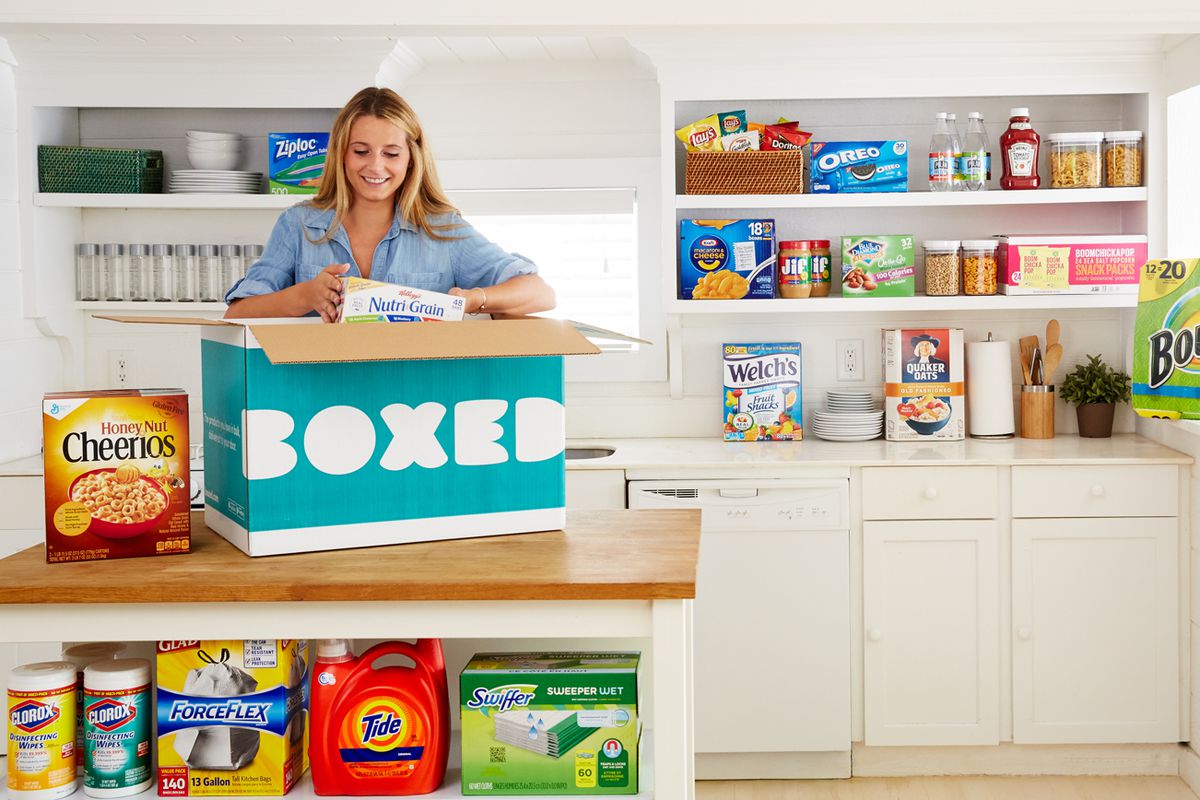
    Japanese retail group Aeon has lead a US$111 million funding round in US bulk grocery delivery business Boxed.

    Besides the cash injection, Aeon and Boxed will share knowledge and experiences on issues such as logistics, robotics and AI data, helping to accelerate Aeon’s digital transformation.

    “Our industry is constantly evolving. Our latest fundraising efforts will allow us to capitalise on those changes,” said Boxed CEO and co-founder Chieh Huang in a statement.

    “We’ll also continue to expand our national footprint by focusing on reaching our core consumer in various key markets, to increase national brand awareness of Boxed,”

    Other participants in the latest Boxed funding round were Alpha Square Group, CDIB Capital, Gabriel Naouri and existing shareholders in Boxed.

  • Grofers eyes over Rs 2,500 cr revenue in FY19

    Grofers eyes over Rs 2,500 cr revenue in FY19

    Online grocery firm Grofers expects its revenue to cross Rs 2,500 crore this fiscal on the back of strong addition of new customers along with increasing cart sizes of existing users.

    According to a report, The SoftBank-backed company, which competes with the likes of Alibaba-funded BigBasket as well as e-commerce majors like Flipkart and Amazon, currently has a monthly revenue run rate of about Rs 150 crore (translating into Rs 1,800 crore for the year).

    “We had launched a loyalty programme — Smart Bachat Club (SBC) — earlier this year and that has given a strong fillip to out business. It’s a subscription offering, where the customer is paying in advance for special pricing on items and we have seen huge uptake for it, we have crossed half a million subscribers already. By December, we expect to reach one million,” Albinder Dhindsa, Co-founder and CEO, Grofers said.

    He added that the frequency of shopping for SBC members is 2.5 times that of non-members, while their carts are 30 percent larger.

    “SBC is playing an important role in our business and we will continue to focus on growing the membership as it also gives us predictability of demand… Overall, we expect to close the fiscal with a monthly revenue run of Rs 215 crore (which translates to Rs 2,580 crore on annual basis),” he further said.

    Asked about competition, especially with Walmart-backed Flipkart and Amazon expanding their presence aggressively in the segment, Dhindsa said the company isn’t worried.

    “Giants have been there but we have been growing despite of that. We have been focussed on our performance, the categories we play in and in offering value to users. And so far, it has worked well for us,” he said.

    He added that the company is focussing on enhancing its coverage of the cities it operates in rather than adding more names to the list.

    In March this year, Grofers had announced raising Rs 400 crore (around US $62 million) in funding led by SoftBank, Tiger Global and Apoletto Asia. It has raised funding of US $226.5 million till now. Its average daily order volumes were over 35,000 per day in June this year.

    Grocery segment accounts for a significant portion of the unorganised retail segment in the country. With people becoming comfortable buying even milk and bread online, the online grocery segment is projected to witness a strong growth over the next few years in India.

    As per estimates, e-tail is just 0.5 per cent of the total grocery market in India, which is pegged at US $400 billion, or 70 percent of all retail.

    Earlier this month, Flipkart had said it plans to expand its online grocery service ‘Supermart’ to 5-6 major Indian cities by the end of the year. In May, Amazon India had re-branded its groceries service to ‘Amazon Now’ and has been aggressively ramping up selection and focussing on speedier delivery to consolidate its position in the segment.

    Also, in February this year, Bigbasket has raised US $300 million led by Chinese e-tailer giant Alibaba and others. It had said it plans to use the money to build farmer networks, expand deeper into existing cities, and to hire new hands.

  • Indonesia Oil Palm Estate Fund Adequate to Support B20 Biodiesel Policy

    Indonesia Oil Palm Estate Fund Adequate to Support B20 Biodiesel Policy

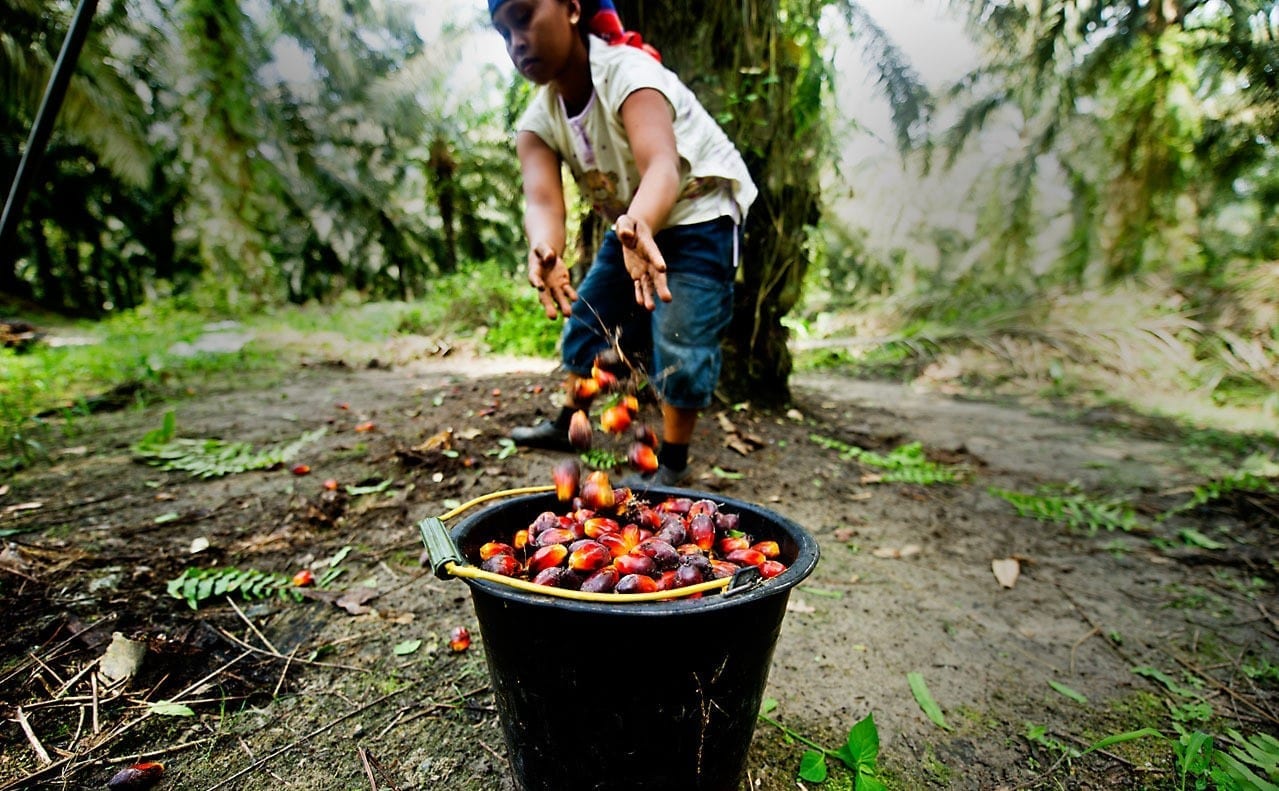
    The Indonesia Oil Palm Estate Fund is confident that it can shoulder additional subsidies paid out to producers under the government’s new biodiesel policy for the rest of the year.

    The government will require all diesel engines in the country to run on B20, or diesel containing 20 percent biofuel derived from palm oil, from next month to reduce imports. It implemented the policy to reduce the country’s current-account deficit, which grew to 3 percent of gross domestic product in the second quarter of this year – a level the central bank believes is undermining economic stability.

    But the policy will also swell the subsidies paid to 19 biofuel producers, including Wilmar and the Sinar Mas Group. The fund, also known as BPDPKS, estimates that the policy would double biofuel demand in the second half of this year to 2.1 million kiloliters.

    The fund will need around Rp 9.8 trillion ($672 million) in total to subsidize the production of 3.2 million kiloliters of biofuel for the entire year.

    “[The fund] should be enough,” BPDPKS president director Dono Boestami said on Monday (20/08).

    He said the fund has collected Rp 6.4 trillion from the palm oil export levy in the first half of 2018, which is nearly 60 percent of this year’s Rp 10.9 trillion target, most of which is used as incentives to support renewable energy production.

    “We have prepared funds to expand B20 mandatory biodiesel [production], which is expected to absorb the excess supply of palm products in the market,” Dono said.

    Palm oil production has been on the rise over the past few years, and reached a record 42 million metric tons last year, representing a 115 percent increase from 2010. Palm oil production in the first half of 2018 rose to 22.3 million tons from 18.5 million tons last year.

    But palm oil exports have declined 6 percent to 14.16 million tons in the first half of 2018 due to the imposition of higher import tariffs by some of the biggest importers, such as India and the European Union.

    The fund was established in July 2015 to manage the income derived from levies on companies that export palm oil commodities to ensure the industry remains sustainable. Some of the funds are used to subsidize biodiesel, which currently costs more to produce than petroleum diesel. Biodiesel must be sold at more than Rp 9,000 a liter to cover production costs, while petroleum diesel currently costs Rp 5,150 a liter.

    The BPDPKS has disbursed Rp 4.4 trillion in the first six months of this year, most which was used to subsidize biodiesel production. The remainder was used for the development of the country’s palm oil industry, such as plantation rejuvenation, farmer training, research and promotion.

    Rp 288 billion was spent on the rejuvenation of 5,384 plantations covering a total area of 12,063 hectares as of June, much less than the government’s full-year target of 180,000 hectares.

    Dono said the main obstacles involve getting recommendations from the Ministry of Agriculture to restore plantations and legal verification of business licenses and land ownership.

    The BPDPKS has also funded 118 studies by 37 universities and institutions, which resulted in 101 scientific publications and three books.

  • GAP is struggling figure out next strategy

    GAP is struggling figure out next strategy

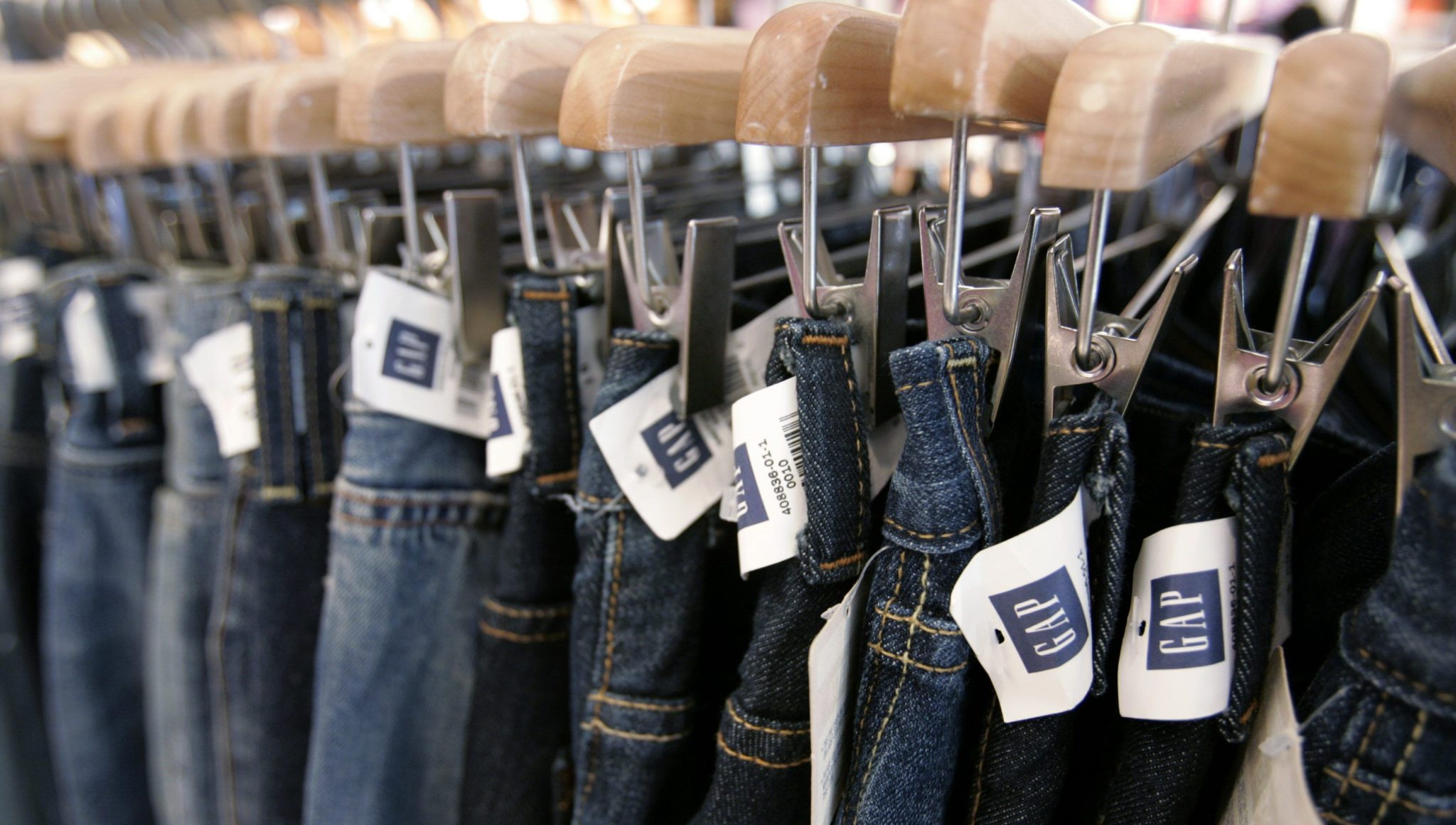
    At headline level, Gap’s second-quarter results look strong: Total group sales are up by 7.5 per cent, while US sales rose by 9.3 per cent.

    However, these gains are inflated by a change in the way revenue is recognised and when this is accounted for, sales increased by a more subdued 4 per cent. Growth falls still further, to around 3.4 per cent, when currency fluctuations are taken into account. While such adjustments may seem pedantic they are important as they help give a true picture of how Gap is actually trading.

    Regardless of the various financial mechanics, two things stand out from this quarter’s numbers. First, growth has slowed since the prior quarter – even though the consumer economy has strengthened. Second, growth is not evenly balanced across all parts of the business.

    One of the notable areas of weakness is the Gap brand in the US. Here, total sales rose by a very modest 1.2 per cent. While there were some store closures, they were not so numerous as to drag down the growth rate significantly. Moreover, global comparable sales at Gap were down by 5 per cent, off the back of a 1 per cent decline in the prior year. That the Gap brand cannot deliver, even over a period of very robust consumer spending, is evidence that it is still broken. A rising economic tide does float all retail boats, but it cannot float those with holes in them and, in our view, the Gap brand is still a very leaky vessel.

    The main problem is still the range. As much as Gap claims this has improved, there is scant evidence on the ground. The assortment continues to look samey and boring, with little effort being made to create newness or points of interest. This creates two problems. First, it discourages people from visiting and purchasing. Second, it means Gap struggles to charge full price and has to resort to continuous discounting to try and stimulate sales. Neither of these things are healthy.

    In our opinion, management needs to press the Gap brand’s reset button. The brand is adrift and needs a much clearer identity and sense of purpose. This is now an urgent requirement as a lot of other apparel brands – like J Crew, American Eagle, and Abercrombie & Fitch – are all upping their game and producing more consumer-centric collections. While the market is moving forward, Gap is, at best, standing still. This shows in our data, which indicates satisfaction with Gap’s proposition is still declining.

    Old Navy “superstar”

    Fortunately for the group, the superstar Old Navy has come to the rescue. Its results are the direct opposite of its troubled sister brand. Total sales growth accelerated over the prior quarter, rising by a stellar 13.7 per cent, while comparables rose by a solid 5 per cent off the back of a good increase in the prior year. There is definitely evidence that the strong consumer economy aided Old Navy, especially among families who were willing and able to spend more. However, the fact that the division continues to produce nice fashion edits at good price points is key to its success. Furthermore, we are encouraged by upcoming initiatives, such as the addition of plus sizes into the range.

    Even Banana Republic managed to put in a better showing, although with a modest 2 per cent rise in comparables there is clearly more work to do in refining the offer. The jury is still out on whether the current recovery is sustainable.

    Overall, the group has made some progress. However, the deep-seated problems at the Gap brand need to be resolved. And soon.

  • Vietnam telecom firm Viettel eyes Philippine market

    Vietnam telecom firm Viettel eyes Philippine market

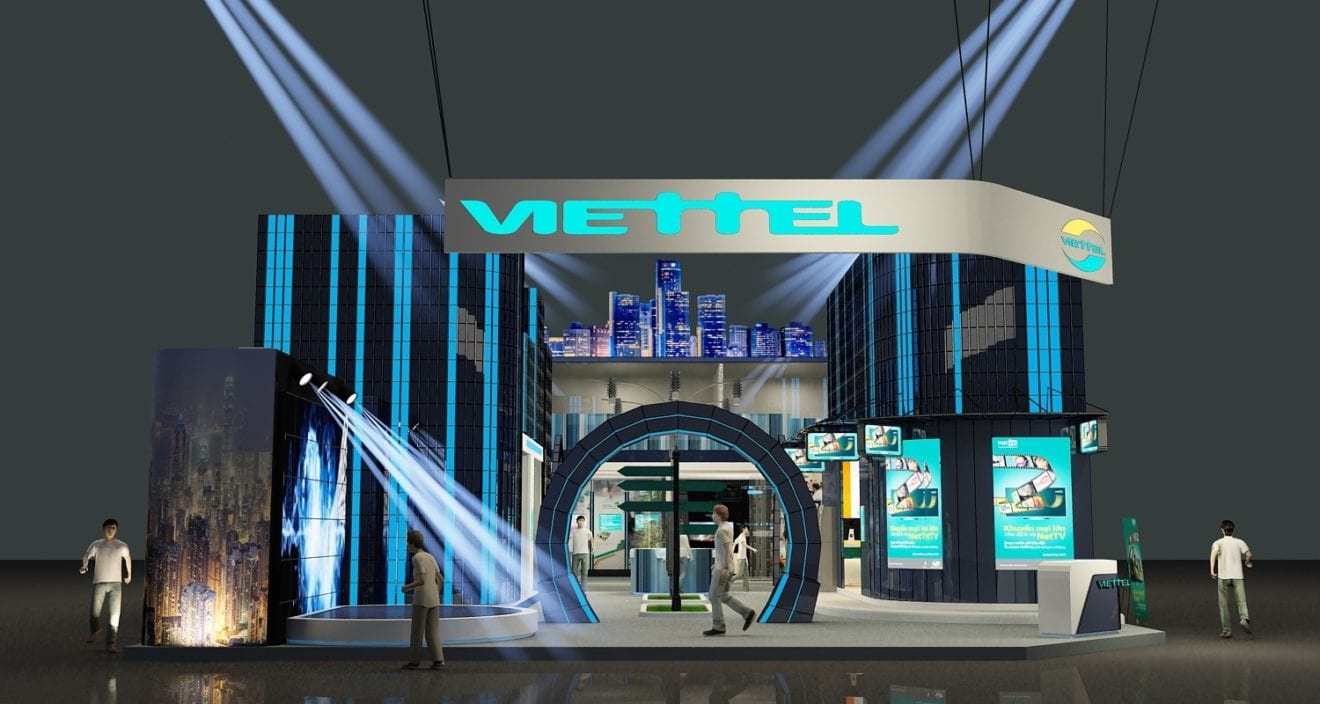
    Vietnamese telecommunication company Viettel has set its sights on the Philippines as the next destination in its overseas expansion drive.

    The company said on Thursday, as the archipelago’s economy clears the way for the entry of a third operator.

    Fixing the Philippines’ notoriously patchy and expensive telecom services was a campaign promise of populist President Rodrigo Duterte, who had said late last year that a third player would join the market and end the duopoly of PLDT Inc and Globe Telecom Inc, which have a combined market capital of about $10.7 billion.

    “Viettel is interested in the third license on telecommunications in this market,” the military-run Viettel Group, Vietnam’s largest mobile carrier by subscription numbers, said.

    “Viettel will thoroughly consider participating in case the conditions of the bidding documents are in line with the strategy of Viettel.”

    The Philippines’ Department of Information and Communications Technology (ICT) issued draft rules this month on the entry of a third player, which require foreigners to team up with local partners holding congressional franchises.

    Foreign ownership of a telecom firm in the Philippines is capped at 40 percent, although Eliseo Rio, the acting ICT head, said in a recent interview that moves were underway to change that, so foreigners can raise their stakes later on.

    The Philippines has one of the world’s largest rates of average daily social media usage, yet insufficient infrastructure means its 105 million people suffer frequent dropped calls, weak signals and intermittent data.

    Viettel has already invested in 10 countries across Asia, Africa and America, and had 43 million subscribers overseas, as of end-2017.

    Last month, a Viettel official said the company was also eyeing opportunities in Ethiopia after the government there announced its intention to liberalise key economic sectors including telecommunications.

    In June, Viettel and its local partners launched a $1.5 billion 4G network in Myanmar, making them the fourth telecom operator in the country.

  • La Perla appoints Pascal Perrier as its new CEO

    La Perla appoints Pascal Perrier as its new CEO

    Following its acquisition by investment firm Sapinda earlier this February, the luxury underwear brand La Perla appointed Pascal Perrier as its new CEO. The company also promoted Alessandra Bertuzzi as head creative designer for the brand to take over Julia Haart.

    With over 30 years of experience in the luxury fashion sector, Sapinda Holding’s Chief Executive Lars Windhorst commented very few people have Pascal’s background and exceptional know-how. Those qualities will enable him to navigate La Perla through the opportunities brought by the rapid pace of change with which consumers and other cultural stakeholders are now engaging with luxury brands, he said.

    Pascal Perrier joins from Burberry Group where he held various roles since being brought on as executive vice president of business development.In his 13-year tenure, Perrier played a key role in developing the Burberry brand in Asia-Pacific, now one of the company’s most lucrative market.

    Prior to his career at Burberry, Perrier served in senior management roles at other luxury fashion players, including Gucci Group where he executed the acquisition and subsequent integration of Yves Saint Laurent as well as that of Balenciaga.

    Since its acquisition of the Italian luxury fashion and lingerie label, Sapinda has been carrying out a full restructuring and turn-around of the business and its operations to drive growth. To put the turnaround plan into place, the investment firm hired an experienced executive team, supported by management consultants Bain & Co with the aim of improving La Perla’s profitability and transforming it into a leading luxury player.

    Mr. Windhorst now counts on Mr. Perrier to “lead La Perla into a new era of growth”.

  • July inflation expected to be cushioned by zero-rated GST

    July inflation expected to be cushioned by zero-rated GST

    RAM Ratings expects the zero-rated goods and services tax (GST) to act as a cushion limiting inflationary pressure on Malaysia’s July inflation rate, which is projected to increase to 1% from 0.8% in June.

    Meanwhile, full-year inflation is expected to stand at 1.3 %.

    Transport fuel is seen as a trigger to higher inflation given the 12.4% rise in the average price of RON95 petrol in July (June: 9.9%) amid low-base effects. Prices had averaged RM1.96/litre in July 2017 compared with RM2/litre in June 2017 against the current subsidised level of RM2.20/litre.

    Commenting on the sales and services tax, RAM head of research Kristina Fong said initial assessment on the new tax regime and its potential inflationary impact does not indicate any destabilisation of prices or consumption at this juncture due to the smaller share of products in the consumer price index basket and its nature as a single layer tax applying to manufacturers rather than end-consumers directly.

    This is supported further by the less restrictive administrative costs of implementation and proposed exemptions on raw materials, components, and packaging for registered manufacturers.

    “In view of the deflationary pressure from the change in the taxation system, coupled with lower fuel prices from the reinstatement of fuel subsidies and a persistently weak growth trajectory for food prices, overall inflation is envisaged to average 1.3% this year,” she said.

    Given the lower core inflation and moderating GDP growth (4.9%), RAM said it appears to be a downward bias for the overnight policy rate (OPR) this year.

    However, it expects the interest rate to remain unchanged at 3.25% through the rest of 2018 on the back of lingering policy uncertainties and some macro risks may still pose a risk to capital outflows.

    “That said, we believe that monetary policy will play a bigger role because fiscal consolidation is perceived as a key trend going forward; hence less scope for additional pump-priming.”

  • Taipei Living Mall is for sale

    Taipei Living Mall is for sale

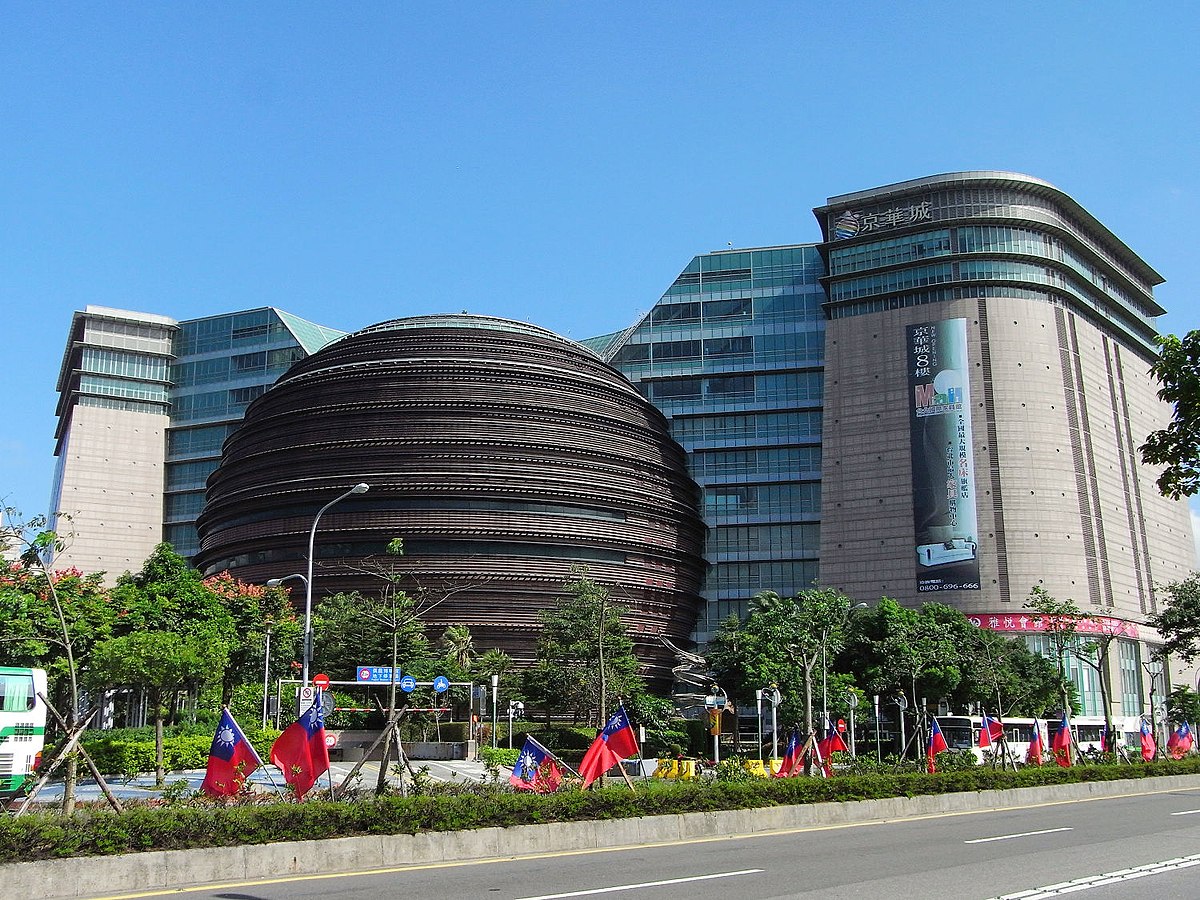
    The Taipei Living Mall retail complex is up for sale for NT$38 billion (US$1.23 billion).

    The mall’s owners, Core Pacific City, have described the project “a failure”. It was constructed on a syndicated loan of NT$12 billion two decades ago, and the debt is timed to mature next year. The 16,483sqm plot it stands on could potentially yield higher returns if converted to luxury rental properties.

    Taipei Living Mall is the largest private property made available for sale in decades. Cushman & Wakefield Taiwan GM Billy Yen commented: “It is not the best timing to sell properties these days, so I recommended a price concession and the owner accepted it.” The property could attract a significantly higher price in a boom market.

    Investors from Singapore, Hong Kong and China have submitted expressions of interest in the asset.

  • House 99 opens its first pop-up store in Asia

    House 99 opens its first pop-up store in Asia

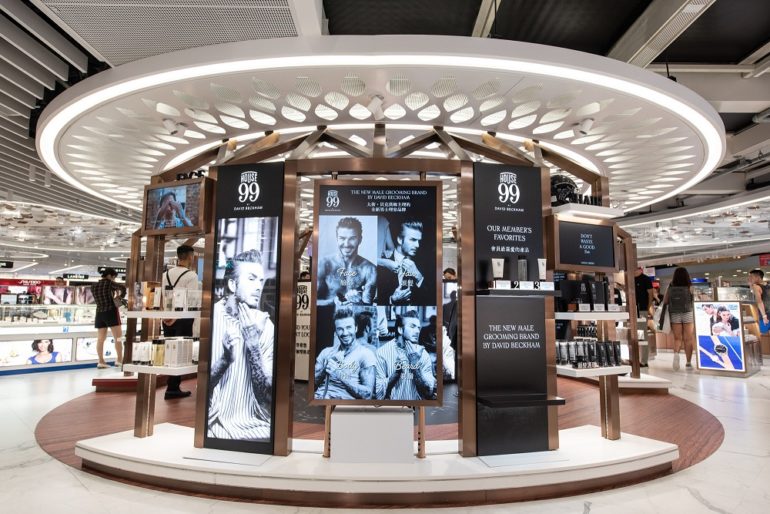
    House 99 by David Beckham, the global men’s grooming and skincare brand, has launched its first-ever pop-up store in Asia, in collaboration with Beauty&You – the new experiential retail concept by The Shilla Duty Free in the Hong Kong International Airport (HKIA).

    Following the brand’s HKIA debut in June, the barbershop-inspired concept – fronted by one of the most recognisable fashion icons in the world – has transformed the Curated Zone at Beauty&You’s largest outlet with an engaging, multi-dimensional brand showcase.

    Highlighting its signature product range together with unique grooming experiences, the Pop-up is designed to attract customers by showcasing Beckham’s personal styling rituals.

    The eye-catching displays and experiential components align with Beauty&You’s Curated Zone concept, where Shilla will collaborate with different brands each month to feature themed selections and fashionable looks of the season.

    Separated into four interactive zones, the Pop-up Store offers customers the opportunity to simulate looks in a magic photo booth, share personal styling experiences with friends and family through House 99’s postcard mailing service, create a new look and receive exclusive grooming tips from expert stylists.

    On Friday, 17th August, the brand held a toasting ceremony at Beauty&You to unveil the Pop-up concept. The lively event was attended by a host of VIPs, including House 99 brand representatives, as well as senior management from Shilla Travel Retail Hong Kong and Airport Authority Hong Kong.

    Among the evening’s guests included influential Chinese KOLs: 萌叔小熊貓, Ethan-007, Danso 旦 and 袁俊川 Aska. Chinese celebrity stylist, Val Lin (林蔚巍) was invited as a special guest to share his own hair and beard grooming experience; each KOL also had the exclusive opportunity of being personally styled by Val.

    Capitalising on the star power of these online influencers, the KOLs conducted live-stream sessions to share personal anecdotes on grooming successes, as well as their experiences within the stylish House 99 Pop-up.

    The event was broadcasted live on the KOL’s social platforms, while they also sent lucky fans postcards, Polaroid pictures and gave away House 99 products over the course of the live-streaming session.

    Several brands have been debuting at the Beauty&You – the new experiential retail concept by The Shilla Duty Free in the Hong Kong International Airport (HKIA). They are using travel retail as a way of testing the market, and eventually decide to go downtown.

  • True Religion’s Back Thanks to Bella Hadid

    True Religion’s Back Thanks to Bella Hadid

    Californian model Bella Hadid is the new face of True Religion Jeans.

    The popular supermodel’s signing marks a deliberate pitch by the denim brand to appeal to a younger consumer market as the brand continues to rebuild after a four-month spell in bankruptcy protection last year.

    Hadid “embodies all things True Religion, past, present and future; iconic, edgy and everlasting,” the company said in a statement announcing the appointment.

    “An inherit fan of the brand, Bella was the natural choice to meld the iconic essence of the brand with the modern view of its future.”

    Hadid, 21, the daughter of former Dutch-born model Yolanda Hadid and Palestinian-American real-estate developer, has previously been engaged by Dior makeup, Givenchy, Victoria’s Secret’s Pink brand, Fendi and Tag Heuer, among many others.

    For her True Religion Jeans debut, Hadid was photographed by Boo George and styled by Mimi Cuttrell to create a series of images and complementary looks “that usher True Religion into a new era that honours the heritage of the brand”.

    Despite its boasts of “heritage”, True Religion Jeans is a relatively young brand, founded in 2002. After its bankruptcy, which had the support of lenders and came with an exit strategy pre mapped out, the company emerged with a streamlined store network and a stronger financial position.

    Now, with “a quintessential, confident LA girl” as the new face of True Religion Jeans, the brand is looking to expand not just in the US, but internationally.

    “Bella’s voice was not only an inspiration, but an integral part in imagining this campaign, envisioning the brand through her eyes for the next generation of True Religion fans,” said the company.

  • Massive expansion for Central Group Vietnam

    Massive expansion for Central Group Vietnam

    Thai retail conglomerate Central Group is planning to triple its Vietnamese businesses in the next five years.

    With the planned investment of US$500 million, the retailer is expanding its stores and shopping malls in the country to as many as 750, along with new retail formats.

    “We are very strong in Vietnam in food business which is the primary need of consumers, but we are also preparing for the future, for the needs consumers are going to have [beyond] food,” Central Group Vietnam CEO Philippe Broianigo said in Bangkok this week.

    Central has already tested the market with its cosmetics retail concept Hello Beauty, DIY store Home Mart, and LookKool gift shop which has already expanded to 26 stores.

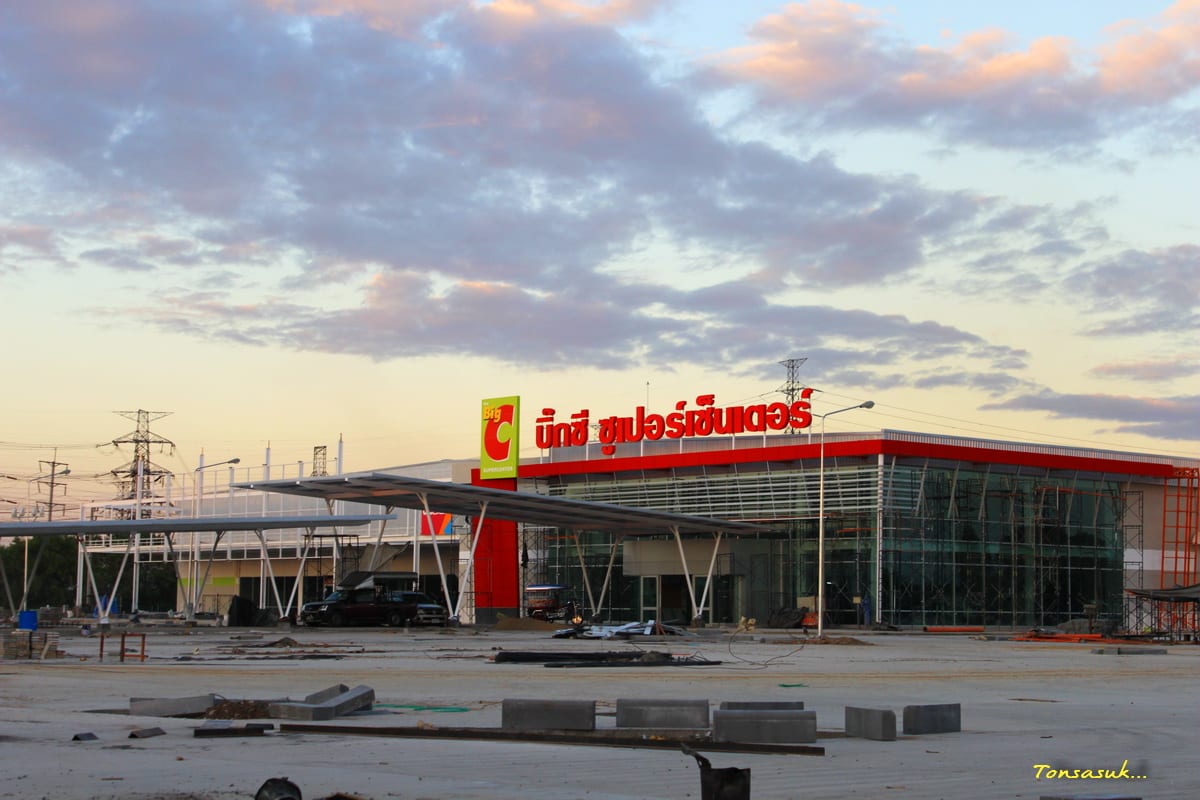
    New shops will open within its Big C-anchored malls to draw in grocery shoppers, and will soon expand to other venues, according to Broianigo.

    Established in July 2011, Central Group Vietnam has built its portfolio via acquisitions of electronics retailer Nguyen Kim, supermarket chain Big C and fashion e-commerce platform Zalora which was converted into Robins online.

    Last year, sales grew by double digits, reaching $1.3 billion.

  • Uniqlo plan to double its store in SEA

    Uniqlo plan to double its store in SEA

    Japanese apparel giant Fast Retailing is eyeing massive expansion in Asia-Pacific.

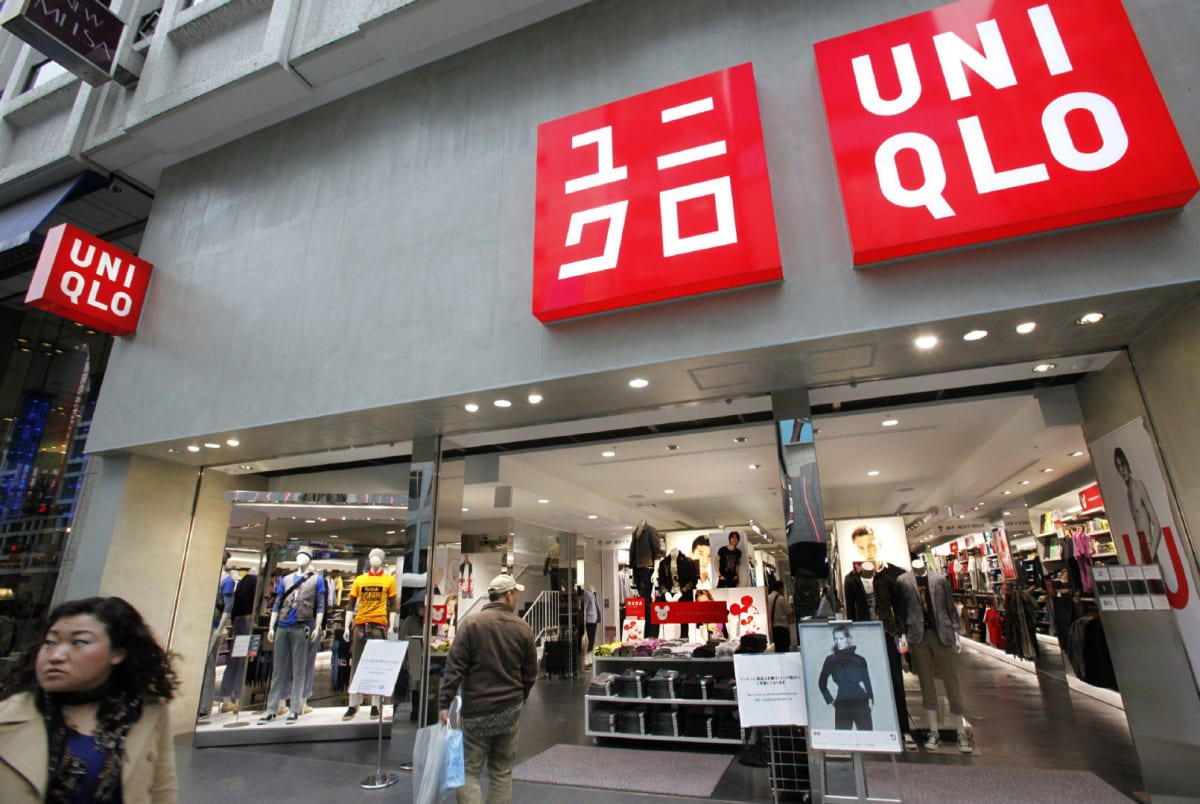
    The Uniqlo Southeast Asia and Oceania store network is set to double by 2022 to about 400 stores, Fast Retailing’s group senior VP Satoshi Hatase said in an interview.

    The company plans an emphasis on stand-alone suburban stores as it expands its Southeast Asian footprint, seeking to move beyond its traditional shopping mall locations.

    “We opened our first roadside store in Asean in Thailand in March, and it has been a huge success,” he said, adding that stand-alone stores in suburban locations were the key to Uniqlo’s original growth in Japan.

    Regionally, Uniqlo has now reached a level of recognition where “the timing is right” for suburban stores, he said.

    Fast Retailing executives in Thailand, Malaysia and the Philippines are talking with leasing agents to identify suitable sites for such stores.

    In Southeast Asian markets, middle- and high-income consumers are the ones which will fuel the Japanese company’s growth.

    “Lower-income people cannot buy Uniqlo [yet],” Hatase said. But in 10 years, “a significant number of Asean people will be able to”.

    Fast Retailing has previously said it aimed to triple its sales in the region to 300 billion yen (US$2.7 billion) in the year to the end of August 2022. Last year’s regional sales were 100 billion.

    Fast Retailing already has stores in Australia, Malaysia, Singapore, Indonesia and the Philippines. Its next target in the region is Vietnam.

    “We want to have stores in all countries [in the region],” Hatase said, especially Vietnam, Laos and Myanmar.

  • WeChat launches digital wallet in Malaysia

    WeChat launches digital wallet in Malaysia

    WeChat, China’s most popular social media app, has launched its digital payments platform in Malaysia. It is the platform’s first market in Asia beyond China and Hong Kong.

    The digital payment feature of WeChat allow its users to transfer money among themselves and make payments to offline merchants in ringgit. Rather than taking the common route of overseas expansion used by Chinese mobile-app providers catering to Chinese tourists or nationals living abroad, Tencent here seems to be building a local payment service.

    Malaysia’s central bank has been implementing policies promoting electronic payments in a bid to boost a network that lags behind other Southeast Asian markets. Their move has triggered the launch of digital wallets by other strong players, including Grab, the south-east Asia ride-hailing company.

    “Malaysia is a vibrant market. Technology-savvy Malaysians are embracing a digital lifestyle and to meet this shift, the payment experience has to evolve. Bringing WeChat Pay to Malaysia is our response to this,” said WeChat Pay Malaysia.

    SY Lau, senior vice-president at Tencent said in November when the company acquired a Malaysian epayment licence, that WeChat had 20m users in the country, equivalent to almost two-thirds of the population.

    The potential for mobile payments is vast in Malaysia, where cash is still king, but the number of mobile phones, mostly smartphones, outstrips a population of 32.1m by more than 10m, according to the central bank.

    But collaborations with local banks, of which WeChat has none, will be just as important for WeChat Pay to flourish there.

    At home, it took Tencent and Ant Financial, Alibaba’s electronic payments affiliate, years to build the links with hundreds of Chinese banks that make their services possible.

    Grab has already partnered with top local bank Maybank to bolster its mobile wallet, GrabPay. Coupled with its strong ride-hailing network in its market of origin, Grab is set to be a tough competitor for WeChat in Malaysia. According to Grab, its app and mobile wallet are already on half of all mobile phones in Malaysia.

    The number of emoney licences issued by Bank Negara to non-bank entities has almost doubled to 44 in the past two years as the central bank looks to reduce cash usage to curb tax evasion and corruption, according to Nor Shamsiah Mohd Yunus, Malaysia’s central bank governor.

    In Asia more broadly, however, some analysts say WeChat might struggle to expand beyond Malaysia, where the population is more than one-fifth ethnic Chinese.

    While the use of mobile payments is rapidly overtaking cash and cards for daily transactions by China’s smartphone users, WeChat Pay also faces the challenges of different local infrastructure and app-use habits in going abroad.

    WeChat Pay’s Malaysia launch comes at a tricky time for Tencent, whose second-quarter earnings were hit by domestic reforms delaying the licensing of new games.

  • Naver to pump 258.9 billion won into French affiliate

    Naver to pump 258.9 billion won into French affiliate

    Naver, Korea’s dominant internet portal and search engine, said Thursday it will invest 258.9 billion won ($230.8 million) in its wholly-owned affiliate in France to strengthen its presence in Europe.

    Naver will acquire 2 million new shares issued by Naver France to help the Paris-based affiliate secure operating capital, a company spokesman said.

    The company didn’t give a time frame for the investment.

    Naver set up the affiliate in France in June 2017 in a bid to make an investment in local internet startups and proceed with research and development activities to make a foray into European internet markets, the spokesman said.

  • Parkson Asia profit slumps as Vietnam gives disappointing number

    Parkson Asia profit slumps as Vietnam gives disappointing number

    Vietnam operations continue to be at the bleeding edge of Parkson Retail Asia’s ongoing losses.

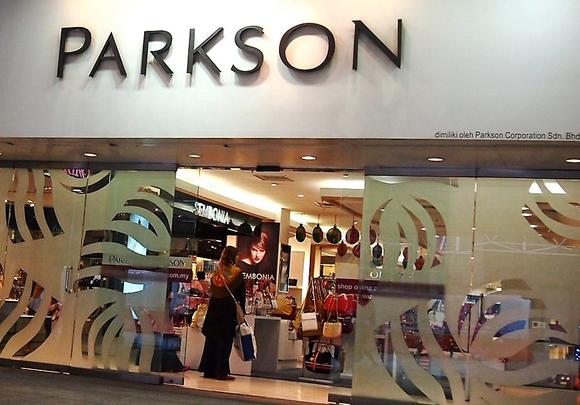
    The company’s full-year results show declining same-store sales in its department stores in all four markets, with Vietnam the worst performing market. Sales fell 14.6 per cent in the last quarter and by 8.3 per cent over the full year. Sales in Myanmar and Indonesia both fell by 3.8 per cent and in the home Malaysia market by 1.5 per cent.

    Parkson Retail Asia finished the financial year with a pre-tax loss of S$17.6 million for the last quarter and of $40.1 million for the full year. It said that with the exclusion of a gain on the disposal of a subsidiary and allowances for doubtful debts, the reversal of impairments relating to closed stores, the group’s operational pre-tax loss would have been $29.9 million for the year.

    “This reflects the challenging operating environments encountered by the group as evidenced by the overall negative same-store sales growth, while new stores and ventures might require longer gestation period given the aforementioned backdrop.

    “We have been taking active measures in monitoring and assessing the viability of stores and ventures. With ongoing measures in place to rebuild top-line growth and monitor expenditures, coupled with the discontinuance of underperforming stores and ventures this year, the group expects its performance will show improvement in the coming financial year.”

    Addressing the Vietnam problems, the company said the operating environment there remains challenging amidst a crowded retail scene, and “intensive promotional activities had to be carried out to capture sales”.

    It said Indonesia’s sales were impacted by the downsizing of a store in Jakarta, as well as the aftermath of a volcanic eruption in Bali. Excluding those effects, Indonesia would have recorded a lower drop of 2.4 per cent for the year.

    The Myanmar operations were impacted by the closure of the first store at FMI Centre in January last year, with the replacement at Junction Square, Yangon, opening two months later.

    Throughout the network, “against the backdrop of competitive operating environments, we continue to take active measures in monitoring and assessing the viability of our stores and ventures,” the company said.

    While the group added four new stores (including one managed store) to its network, it also took steps to exit seven underperforming stores (including one managed) during the year.

    The company also closed its theme park and education centre operations to curb further losses, and exited its interest in the LOL-branded retail chain.