Author: Mei Ling Tan

  • US-China trade war escalates as new tariffs kick in

    US-China trade war escalates as new tariffs kick in

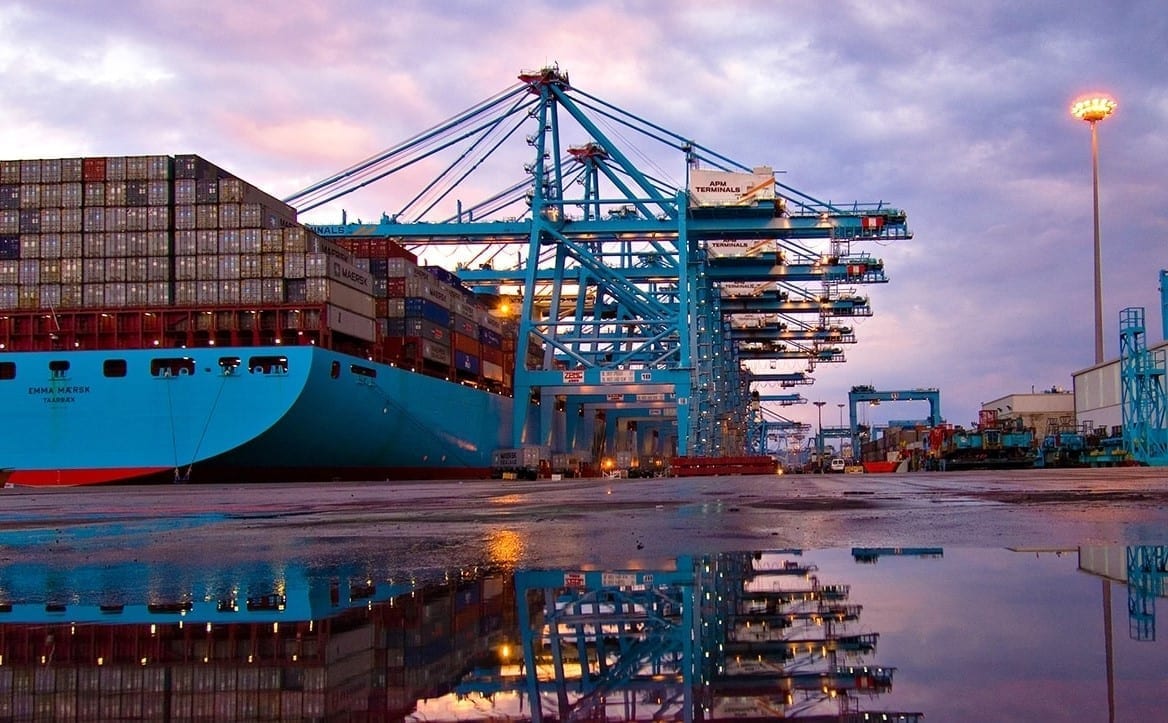
    The United States and China escalated their acrimonious trade war today, implementing punitive 25% tariffs on US$16 billion (RM65.6 billion) worth of each other’s goods, even as mid-level officials from both sides resumed talks in Washington.

    The world’s two largest economies have now slapped tit-for-tat tariffs on a combined US$100 billion of products since early July, with more in the pipeline, adding to risks to global economic growth.

    China’s Commerce Ministry said Washington was “remaining obstinate” by implementing the latest tariffs, which kicked in on both sides as scheduled at 12.01pm in Beijing (11.01pm Malaysian time).

    “China resolutely opposes this, and will continue to take necessary countermeasures,” it said in a brief statement, adding that Beijing will file a complaint over the latest tariffs with the World Trade Organisation.

    US President Donald Trump has threatened to put duties on almost all of the more than US$500 billion of Chinese goods exported to the US annually unless Beijing agrees to sweeping changes to its intellectual property practices, industrial subsidy programmes and tariff structures, and buys more US goods.

    That figure would be far more than China imports from the US, raising concerns that Beijing could consider other forms of retaliation, such as making life more difficult for American firms in China or allowing its yuan currency to weaken further to support its exporters.

    Economists reckon that every US$100 billion of imports hit by tariffs would reduce global trade by around 0.5%.

    The tariffs took effect amid two days of talks in Washington between mid-level officials from both sides.

    Washington’s latest tariffs apply to 279 product categories including semiconductors, plastics, chemicals and railway equipment that the Office of the US Trade Representative has said benefit from Beijing’s “Made in China 2025” industrial plan to make China competitive in high-tech industries.

    China’s list of 333 US product categories hit with duties includes coal, copper scrap, fuel, steel products, buses and medical equipment.
  • Big franchisors will gather in Vietnam for expansion plan

    Big franchisors will gather in Vietnam for expansion plan

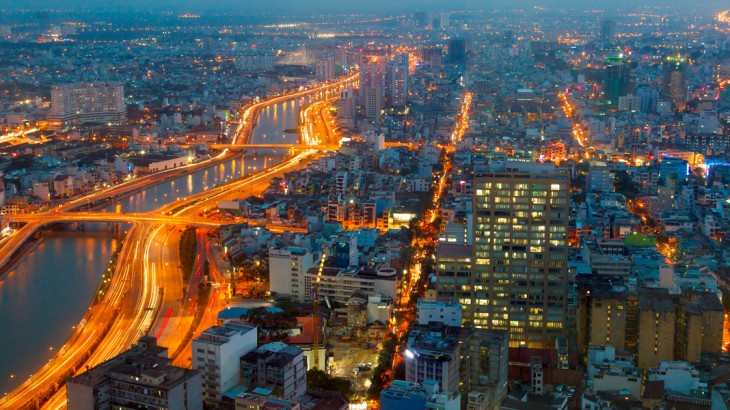
    Eleven international franchisors will gather at the Sheraton Saigon Hotel next week, all looking for prospective country or master franchisees in Vietnam.

    Participating franchises are in food and beverage, education, services, and come from the US, Taiwan, Hong Kong, Singapore, and Japan. The event is organised by VF Franchise Consulting, a leading Asian franchise consultancy with offices in Vietnam, Singapore, Malaysia and Thailand.

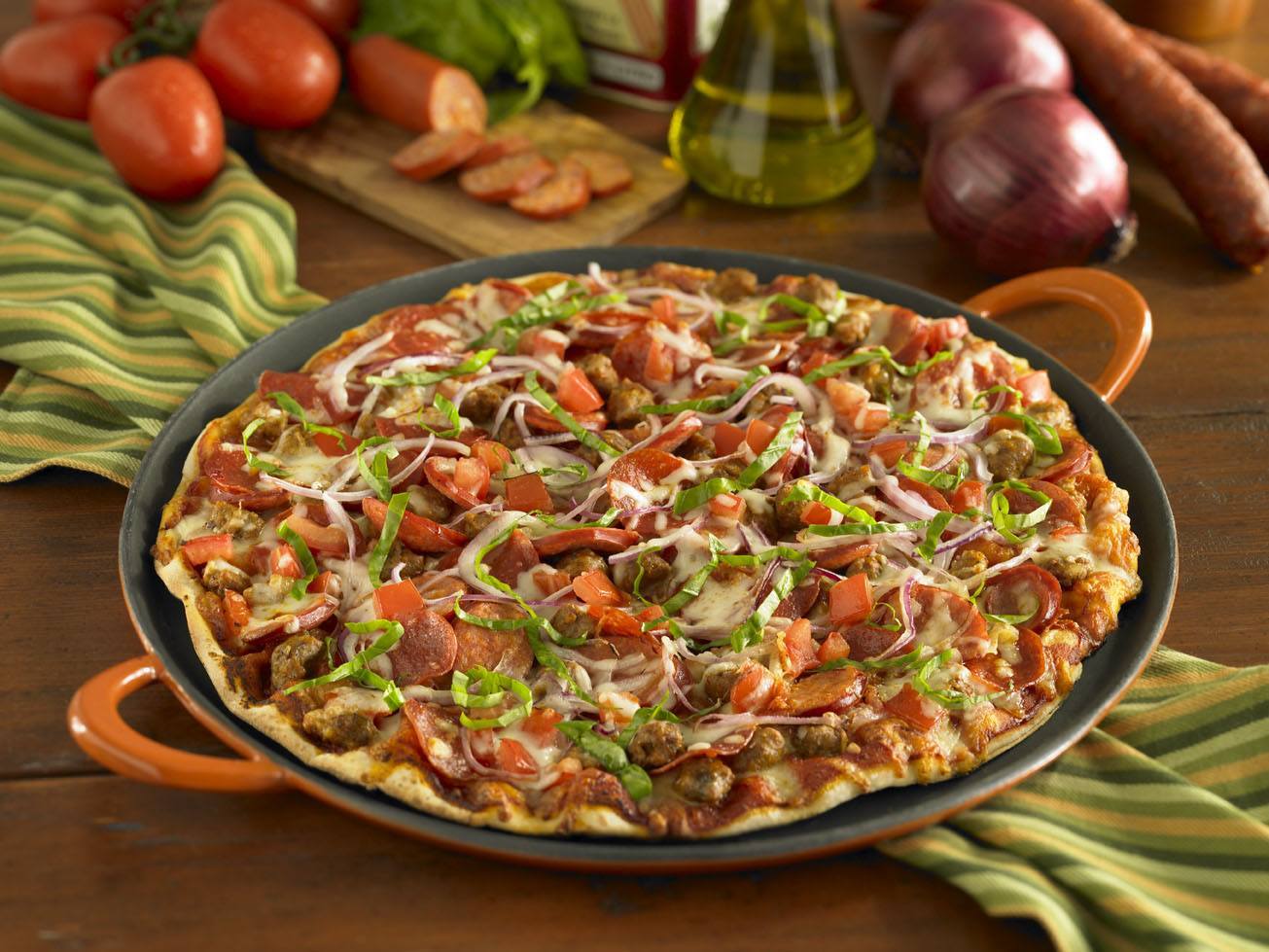
    Nine of the 11 franchise brands are food retailers: Little Caesars, the US’s largest takeaway pizza chain, Coldstone Creamery, a premium ice cream chain from the US, Cha Ji Tang, a Taiwanese fragrant hot and cold herbal/flower tea chain, Yang Xiang Ting, a Taiwanese dim sum-conveyor belt concept, Fidele, an American-inspired seafood and pizza chain, Bing Girl, a Taiwanese sweet dessert, Machida Shoten, Japan’s number two ramen chain, Mennya Kokoro, a popular Japanese dry-ramen chain and Pronto, Japan’s leading Italian cafe and bar chain with more than 300 stores.

    The other two franchise companies are an education franchise from Hong Kong, The Edge Learning Center, and Sureclean from Singapore, which wants to expand one of the city state’s most successful hygiene and disinfection business into Vietnam.

    Sean T Ngo, founder and CEO of VF Franchise Consulting, says there are more than 200 foreign brands registered in Vietnam, and the number of international brands that seek to enter Vietnam continues to grow by between 20 and 25 per cent annually.

    “With more than 95 million citizens, it is a market that is not easily ignored by major franchise brands,” said Ngo.

    “Not only is food and beverage a fast-growing segment, it is also a market that seeks franchises in Vietnam in education and services. Goldman Sachs recently predicted that Vietnam will be the 20th largest economy in the world by the year 2050.”

    International franchises already present in Vietnam include KFC, Pizza Hut, McDonald’s, Lotteria, Burger King, Starbucks, Coffee Bean & Tea Leaf, PJ’s Coffee, Baskin Robbins, Dunkin Donuts, Texas Chicken and Popeye’s Chicken.

    Senior executives from all the brands will attend the Ho Chi Minh City event to meet with potential franchisees.

    Franchisees in Vietnam will need a minimum investment level ranging between US$500,000 and $1 millon to secure the brands.

  • Sa Sa celebrates its 40th anniversary

    Sa Sa celebrates its 40th anniversary

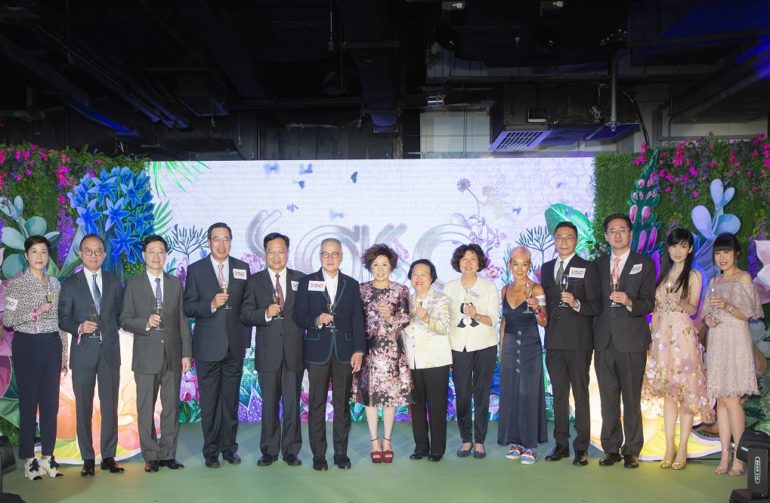
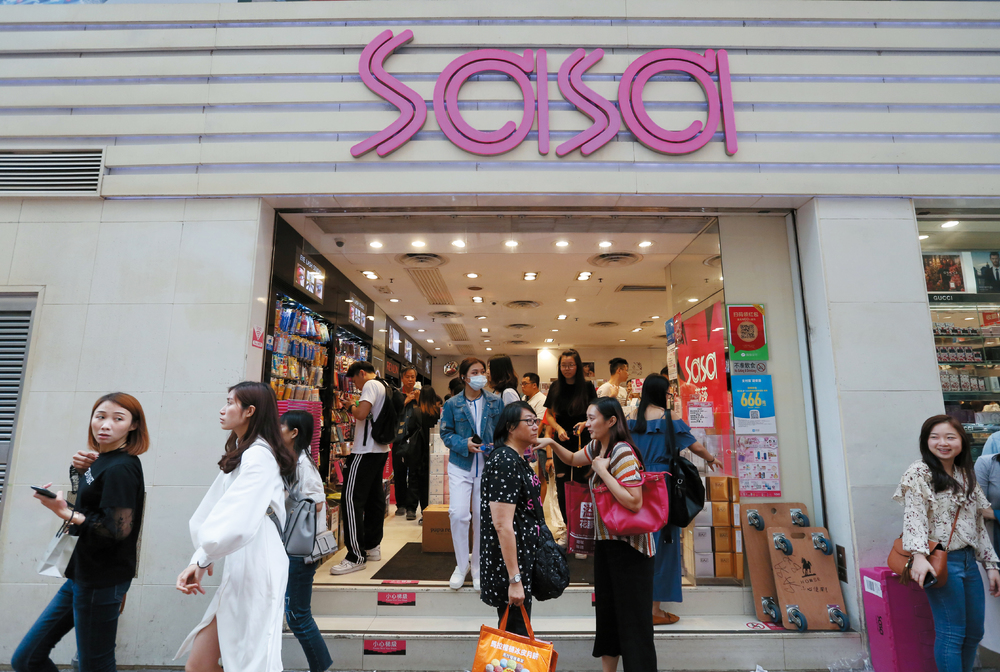
    Sa Sa International Holdings Limited announced its collaboration with Taobao Global to develop a complete loop retail ecosystem with the integration of online and offline platform with the goal to encourage local buyers to start selling as an important role in retail industry.

    This collaboration will enhance shopping experience for mainland Chinese customers. In celebration of the Group’s 40th anniversary, Sa Sa also revamped its store image to offer customers a more comfortable and fashionable shopping environment.

    Sa Sa will join hands with Taobao Global in order to develop a new collaboration model for retail industry.

    The new collaboration will connect Taobao Global buyers, who are familiar with consumption trends, have a unique taste in merchandise selection and able to motivate their followers by adopting innovative retail technology inclusive of Taobao’s marketing tools such as live broadcast to Chinese consumers with diverse characteristics who crave for overseas products.

    Buyers from Taobao Global promote products of Sa Sa’s Hong Kong retail stores on Taobao’s online platform, while mainland customers will be able to purchase Sa Sa’ products through the buyers on the platform. This enhances Sa Sa’s brand exposure and boosts its sales by absorbing the online purchasing power.

    Taobao Global will promote the most popular products in the first-ever “Taobao Global Counter” to be opened in five of Sa Sa’s stores located in Tsim Sha Tsui, Mong Kok and Causeway Bay. The first batch of approximately 70 Taobao Global buyers will be doing in-store live broadcast shopping and recommending the selected products to mainland consumers.

    Mainland consumers can watch the live broadcast and do online shopping at the same time. Taobao Global Counter will be gradually set up in the next batch of around 100 Sa Sa’s stores in Hong Kong, offering shopping convenience and discounts to mainland consumers.

    Dr Simon Kwok, SBS, JP, Chairman and Chief Executive Officer of the Group , said, “Being the leading cosmetics and retail group in Hong Kong, Sa Sa possesses a strong physical retail network. Combining the strengths of Sa Sa’s retail stores and Taobao Global’s huge base of influential buyers, we will broaden our customer base through developing a new retail operation model of online-to-offline collaboration, which will bring more overseas cosmetics and beauty brands to the vast group of Chinese consumers. The Group is looking forward to bringing new cross-border online-to-offline shopping experience to customers, with an aim of catering customers’ purchasing preferences under the trend of “New Retail”. Through strengthening its brand management capabilities and expanding new marketing channels, Sa Sa’s leading position will be strengthened as the best choice of sole agent for overseas cosmetics and beauty brands entering the mainland China. This cooperation also brings more diversified products to the Group and gives impetus to its business growth.”

    Ms Wei Meng, General Manager of Taobao Global , said, “Taobao Global connects active buyers across the globe to mainland consumers and offer different array of unique oversea goods. Through Taobao Global buyers’ online recommendations, Sa Sa’s diversified and trendy products will be able to swiftly meet Chinese customer’s demands for customized goods. We expect that Taobao Global and Sa Sa can develop a new retail model with the joining of online and offline platforms and bring a more personalized and advanced shopping experience to users. The shopping model provides quality merchandise and offers an official regulated place in hope of encouraging more local residents to pursue the role of being buyers and realise their dreams of owning a business.”

    In celebration of the Group’s 40th anniversary, Sa Sa is also going to revamp image of its stores, including the 5,300 sq. ft. Grand Plaza Store in Mong Kok, 3,600 sq. ft. Grandmark Store in Tsim Sha Tsui, 1,200 sq. ft. Metro Town Store in Tseung Kwan O, 1,300 sq. ft. Tuen Mun Town Plaza Store and 1,500 sq. ft. San Hong Street Store in Sheung Shui. Six new stores in Hong Kong slated for opening in the second half of 2018 will also adopt the new design. Sa Sa’s staff will have new uniform, providing professional and attentive services to our customers in a brand new image.

    New Uniform Design
    Sa Sa has invited renowned couture designer Mr. Barney Cheng to design a new uniform for our beauty consultants, creating a vivid “making life beautiful” image.

    Similar to the uniform launched for the Group’s 35th anniversary, the new uniform will continue to adopt black as the major color to maintain Sa Sa’s elegant style and incorporate the latest “athleisure” elements into the chic and stylish 40th anniversary new uniform.

    New Store Image
    With its morale of “making life beautiful”, Sa Sa is in the hope of making every generation pretty and everyone precious eternally.

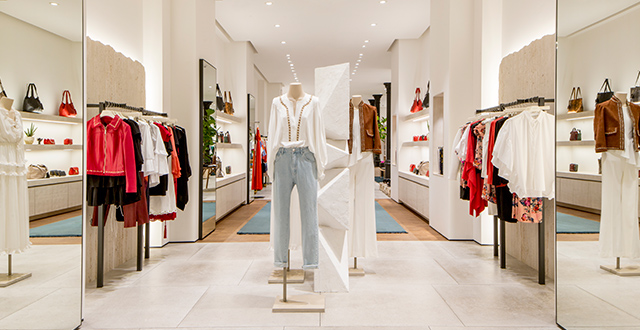
    Sa Sa’s stores will feature a brand new image, demonstrating modernity and simplicity with black and white to be the theme colors. In the counters of skin care, fragrance, make-up, hair care and body care products, counter edges will be painted in dark and gold-brass colors to have a touch of elegance and uniqueness.

    To enrich the visual, a stark color contrast and simple lines can create a sense of spaciousness and brightness in soft and warm lighting while products presented in vertical style allows a clear view at a glance.

  • BreadTalk high expectation on its tea brands

    BreadTalk high expectation on its tea brands

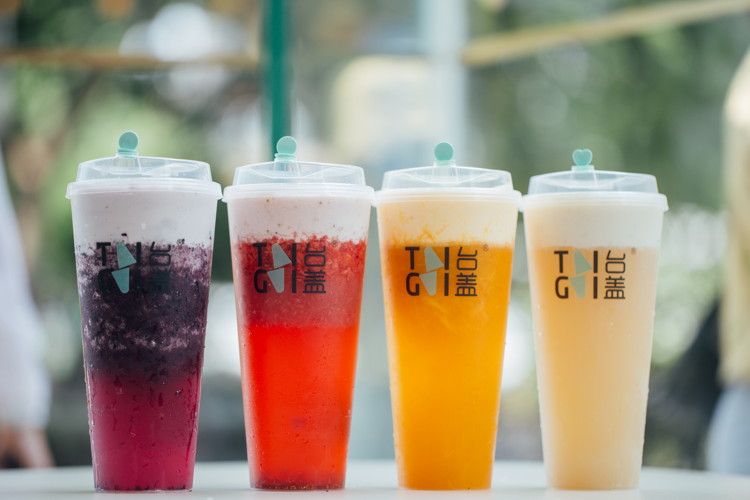
    Bakery franchise BreadTalk Group has brought two Shenzhen-based specialty tea brands – Nayuki and TaiGai – into Singapore.

    BreadTalk will operate and manage both brands in its joint venture with Shenzhen Pindao Food & Beverage Management. The agreement marks both tea brands’ first overseas stores, which will open this year. They enter a market in which tea drinks are an increasingly popular beverage product.

    Both the Shenzhen-based tea brands have been successful in China. TaiGai operates 60 stores on the Chinese mainland, while Nayuki has 100 new stores planned in China by end of this year – it made national news when it opened three stores within 33 days, earning it the label “veloci-tea”.

    Their signature offerings feature healthy tea options using mainly fresh fruits and premium-quality teas. While Nayuki is known for its “soft-euro bakes” cake products, TaiGai is best known for its signature fruit-blended milk cheese crowns, which it terms “fruity milky kisses”.

  • Samsung Electronics No. 3 globally for R&D spending

    Samsung Electronics No. 3 globally for R&D spending

    Samsung Electronics ranked third globally in terms of research and development (R&D) expenditures last year, data showed Thursday.

    According to the report compiled by Ernst & Young, a global accounting firm, Samsung Electronics spent 13.1 billion euros ($15 billion) on various R&D projects in 2017.

    U.S. online commerce giant Amazon topped the list with 20.1 billion euros, trailed by Alphabet, the parent company of Google, with 14.8 billion euro. Samsung’s semiconductor rival Intel came in fourth with 11.6 billion euros.

    The Korean tech company said in its business report that it spent 8.7 trillion won ($7.77 billion) on R&D projects over the January-June period of 2018.

    The report said the world’s top 500 players in terms of R&D expenditures spent a combined 532 billion euros for the whole of last year, up 6 percent on-year.

  • Uber hires CFO on the road to IPO

    Uber hires CFO on the road to IPO

    Uber on Tuesday named a news chief financial officer as the smartphone-summoned ride service remained on the road to a stock market debut next year.

    Nelson Chai came on board from Chicago-based insurance firm Warranty Group, where he was chief executive, according to Uber.

    “I’m incredibly excited to bring on someone as experienced and thoughtful as Nelson,” Uber chief executive Dara Khosrowshahi said in a release.

    “He will be a great partner for me and the entire management team as we move towards becoming a public company.”

    Uber, which operates in 65 countries and has disrupted local transport in many locations despite regulatory hurdles and resistance from taxi operators, has expressed plans for an initial public offering of shares late next year.

    Chai has more than a decade of experience at firms including CIT Group financial holding company and Merrill Lynch & Co, according to Uber.

    “I look forward to working closely with Dara and team as we build on the company’s strong growth and forward momentum,” Chai said in the release.

    Uber last week disclosed that its second-quarter loss jumped despite taking in more money, as it invested in scooters and other “big bets.”

    The San Francisco-based smartphone ride star reported it lost US$891 million on net revenue of US$2.8 billion, while overall bookings rose to US$12 billion.

    He added that Uber is investing in “big bets” including restaurant take-away delivery service Uber Eats and “environmentally friendly modes of transport” including e-bikes and scooters.

    The company, with a valuation by investors of more than US$60 billion, is also devoting resources to what it sees as high-potential markets in India and the Middle East, according to Khosrowshahi.

  • Kia Motors unveils KX1 entry-level SUV in China

    Kia Motors unveils KX1 entry-level SUV in China

    Kia Motors, Korea’s second-largest automaker, said Thursday that it has unveiled its KX1 entry-level SUV in China in its latest move to meet the demands of young customers.

    The KX1 SUV comes with a 1.4-liter MPI gasoline engine mated to a five-speed manual gearbox or a six-speed automatic transmission, the carmaker said.

    Chen Bingzhen, a senior executive at Dongfeng Yueda Kia, said the KX1 is a trendy SUV that has been tailored specifically to young people.

    Dongfeng Yueda Kia is a joint venture between Kia Motors and China’s Dongfeng Motor.

    Kia has three plants in China, which have a combined capacity of 890,000 units.

    The carmaker sold 191,328 cars in China in the January-July period, up 27.8 percent from the same period a year earlier.

  • Shakey’s Pizza  plans Asia expansion

    Shakey’s Pizza plans Asia expansion

    Philippines fast-food operator Shakey’s Pizza Asia says it plans to continue expansion across the region by opening 18 to 20 new stores annually for the next three years.

    President and CEO Vicente L Gregorio said after the company’s annual meeting that the company will be shifting to a 50-50 mixed of company-owned and franchise-operated stores in future.

    Shakeys Pizza Asia currently operates 217 stores across the Philippines, with three in five of those company owned. But the franchise model will be used as the company expands into the Mindanao and Visayas regions. By the end of this year it expects to have 228 outlets trading.

    “VisMin continues to become the big potential moving forward because they are under penetrated,” he said. “We continually receive inquiries there and we just opened a franchised store in Ormoc. And there are other second-tier cities that we are evaluating.”

    Meanwhile, the company continues to look for opportunities to expand offshore. Talks are underway with potential partners in several Southeast Asian markets and enquiries have been received from the Middle East.

    “For overseas branches, we’re looking for the right franchise partner. We want to make sure we do it right,” Gregorio said.

    And Shakey’s Pizza Asia is keeping an eye out for similar businesses which it could acquire or invest in which might complement its operations at home or abroad. He said these would ideally target the same market demographic as Shakey’s Pizza.

  • Korea’s Income gap widened again in 2nd quarter

    Korea’s Income gap widened again in 2nd quarter

    The income gap in Korea widened again in the second quarter, a serious blow to the so-called income-led growth policy of the Moon Jae-in government, which vowed to narrow the inequality in earnings between the rich and poor.

    According to data released by Statistics Korea on Thursday, earnings for households in the first quintile of income brackets, the bottom 20 percent of the population, retreated 7.6 percent in the second quarter compared to a year earlier.

    Households in the second and third quintile also saw their incomes fall by 2.1 and 0.1 percent – whereas the rich folk kept getting richer.

    The average income for people in the fourth quintile went up by 4.9 percent and for the fifth quintile by 10.3 percent.

    A similar trend was spotted from January to March this year, when people in the first and second quintile experienced 8.0 and 4.0 percent drops in their incomes while people in the fourth and fifth quintiles saw gains of 3.9 and 9.3 percent compared to the previous year.

    The total distribution ratio for disposable income – a barometer of earnings equality – was 5.23, which means the earnings of those in the fifth quintile were 5.23 times higher than those in the first quintile.

    That figure indicates that the Korean economy is facing the worst level of income inequality since 2008 when the ratio for the period of April to June came to 5.24.

    Officials from the Finance Ministry blamed the aging of Korea’s society and other long-term problems such as ongoing slumps in certain sectors like shipbuilding.

    “The Korean economy is suffering from a lack of domestic demand [for goods and services], a result of massive restructuring we have seen in the manufacturing sector since 2015,” said Park Sang-young, a director at Statistics Korea. “It seems like this situation is taking a toll on those in the first quintile of the income group.” Statistics Korea is run by the Finance Ministry.

    The statistics agency explained that the number of employed in households in the first quintile has shrunk from 0.83 per household last year to 0.68 per household this year, an 18 percent fall.

    For households in the fifth quintile, on the other hand, the number of workers rose from 1.99 per household last year to 2.09 this year, a five percent increase.

    But the data released on Thursday coupled with a jobs report from last week – which showed only 5,000 jobs being added to the economy in July – has deeply troubled some analysts.

    Some economists are blaming the Moon administration’s relentless push to raise the minimum wage for the worsening situation.

    For the Moon government, the minimum wage hike is a key pillar of its “income-led growth” policy.

    Its logic is that by pushing up the minimum wage, workers in the first and second quintiles would see their income go up, which was supposed to make workers wealthier, willing to spend more and meant to translate into greater hiring by businesses.

    But the effect has been much less hiring of workers than in the past, particularly in minimum wage jobs, and a measurable widening of the income gap.

    “The drastic hike in the minimum wage has little impact on those in the upper group of the income bracket,” said Yun Chang-hyun, a professor of business at the University of Seoul. “But for those in a more vulnerable position, it robs them of their jobs.”

    Despite such concerns by some analysts, the Korean government is adamant about its policies.

    Kim Dong-yeon, Korea’s finance minister and deputy prime minister for the economy, said on Thursday during a budget meeting at the National Assembly that the government will propose a budget plan next year that contains “the biggest budget allocated for jobs in history.”

  • Inditex’s Uterqüe arrives in China in partnership with Tmall

    Inditex’s Uterqüe arrives in China in partnership with Tmall

    Zara sister label Uterque has opened a flagship on Alibaba’s Tmall to build brand awareness in China’s premium fashion market.

    Uterque has yet to open any physical stores in China, but the company’s parent Inditex says China is definitely on the radar in the near future.

    According to Alibaba Group news site Alizila, Uterque will continue its tradition of renewing the product selection in stores and online twice a week in China as well and customers of Tmall, Alibaba’s B2C marketplace, will have immediate access to all of the label’s newly launched clothes.

    “With the rapid growth of the market for high-end goods on Tmall, more and more premium fashion brands from Europe and North America have joined the platform, even opening a store on Tmall ahead of its brick-and-mortar roll-out,” said Anita Lyu, VP of Tmall Fashion.

    She said launching online in advance of opening physical stores helps brands understand the market first.

    “Through partnering with Tmall, brands can receive accurate feedback from Chinese users and leverage that to design an overall strategy that suits the China market,” Lyu said. “Meanwhile, tapping Tmall can help boost brand awareness and open up markets more quickly.”

    Inditex operates more than 7448 stores worldwide under eight brands, including Zara, Zara Home, Massimo Dutti, Bershka, Pull and Bear, Stradivarius, Oysho and Uterque. Uterque is the last to open an official store on Tmall.

  • Amorepacific opens outdoor public exhibition on Jeju

    Amorepacific opens outdoor public exhibition on Jeju

    South Korea’s leading cosmetics company Amorepacific is holding an outdoor public exhibition on Jeju Island until October 14, featuring natural aspects of Jeju, like its volcanic topography.

    Titled “apmap 2018 jeju — volcanic island,” the exhibition is part of the company’s “amorepacific museum of art project (apmap),” which portrays the natural vitality of Jeju through contemporary artworks.

    A total of 15 young artists and architects have participated in the exhibition, displaying artworks ranging from sculptures to media art inside the Osulloc Tea Museum on Jeju and outside in the museum’s garden.

    Participating artists and art pieces include Lee Yong-ju and his work titled “Foldable House,” ADHD’s “Ply” and Hong Buhm’s “Veiled Grains and Layers.”

    Lee’s “Foldable House” was inspired by the Jusangjeolli cliff, and “Ply” was inspired by lava, while “Veiled Grains and Layers” was inspired by the forests Saryeoni and Gotjawal.

    The company said the exhibition would help visitors understand Jeju’s scenery in a new way and presents a special experience of art in one’s routine life.

    Through art, visitors will rediscover Jeju’s picturesque landscape and scenery as depicted in the artists’ figurative language, and find moments of contemplation and rest, it added.

    Osulloc Tea Museum on Jeju, opened in 2001 and features a cultural space where 1.8 million people visit each year.

    The company has been running the art project apmap since 2013, to discover rising and unknown artists and support their experimental art creation. Exhibitions take place every four years in parts I and II. Each project aims to introduce new themes and artists.

    From 2013 to 2016, apmap part I was held at Amorepacific venues including its product distribution center Beauty Campus located in Osan, Gyeonggi Province, in 2013, Jeju Island’s Seogwang Tea Garden in 2014, the research center Mizium in Yonging in 2015 and the new headquarters in 2016, which was designed by renowned artist David Chipperfield.
    Part II, which kicked off last year, will be hosted until 2020 on Jeju Island, the company said.

    Jeju Island was selected as a venue considering that contemporary artworks blend well with Jeju’s nature and landscape, the company said.

    The latest exhibition, which is a section of part II, began on August 11 and runs until October. Anyone who visits the Osulloc Tea Museum on Jeju can see the exhibition free of charge. More information about the company’s art project and the exhibition can be found at apma.amorepacific.com.

  • QSR starts selling in Foodpanda Malaysia platform

    QSR starts selling in Foodpanda Malaysia platform

    Malaysia’s largest fast-food operator QSR Brands is partnering with Foodpanda Malaysia to deliver its Pizza Hut and KFC orders, according to a Deal Street Asia report.

    The move is expected to increase food revenue for the firm by 15–20 per cent, and allow delivery outlets for both brands to increase to 480 by the end of this year, and 730 before 2020.

    QSR MD Mohamed Azahari Mohamed Kamil said: “This will provide a new revenue stream by serving not only our non-delivery outlets but also complement existing delivery outlets.”

    QSR is expected to list on Bursa Malaysia this November, seeking to raise around RM2 billion (US$500 million), raising its market capitalisation to an estimated RM6 billion ($1.5 billion).

  • U.S.-China trade war doesn’t rattle Korea yet

    U.S.-China trade war doesn’t rattle Korea yet

    The United States on Wednesday levied 25 percent tariffs on $16 billion worth of Chinese imports. China immediately retaliated by putting the same level of tariffs on $16 billion of American goods.

    Since July 6, each country levied 25 percent tariffs on $34 billion worth of goods, bringing the total of exports slapped with new tariffs to $50 billion on each side.

    And although low level talks are going on between the two countries, the U.S. government is looking into levying 25 percent tariffs on $200 billion worth of Chinese goods. Beijing has warned that it will levy 5 to 25 percent tariffs on $60 billion worth of American goods if the Trump administration actually goes through with its threat.

    While the escalating trade conflict between the world’s two largest economies has cause global concern, the Korean stock market wasn’t heavily affected, closing 0.41 percent or 9.27 points higher on Thursday than the previous day.

    One major reason is that the new tariffs were telegraphed in advance and some analysts believe the two sides will eventually reached an agreement. If they do, that could help the Kospi rise around the third quarter.

    At the beginning of the year, the Kospi enjoyed a bullish rally that even pushed it to beyond 2,600 in inter-day trading. But lately, it has been hovering around the 2,200 mark.

    The trade war between the United States and China is considered one of the biggest factors keeping the Kospi down, along with the recent fear of an emerging markets crisis after Turkey’s currency and debt woes.

    However, there is growing speculation that the Chinese government is under pressure to strike a deal with the United States as its economic indicators have been sagging lately.

    China’s 6.7 percent economic growth in the second quarter was 0.2 percentage points lower than in the first three months of the year. There’s already consensus that, in the second half, China’s growth will slow to 6.5 percent.

    The Chinese stock market has been bearish. Last week alone the index fell every day, closing the week at its weakest level since January 2016. The close on Aug. 17 was a 25 percent drop compared to Jan. 29, when it hit a high for the year of 3,587.03.

    Market analysts are projecting that once the trade conflict is resolved, the Kospi could rise to around 2,580 and 2,650 within this year. Korea Investment & Securities is even more optimistic as it projected the Kospi to reach as high as 2,800.

    “While the conflict between the United States and China is getting worse, it seems the United States has no intention or reason to expand the situation to the point of driving the global economy into the ground,” said Shin Dong-suk, head of Samsung Securities’ research center. “In reality, Donald Trump, who is facing a mid-term election in November, will look for ways to resolve the situation and make the Chinese yield.”

    He said Korea’s stock market will likely see a mild recovery in the third quarter.

    Yoon Hee-do, head of Korea Investment & Securities’ research center, said while the conflict between the United States and China is still worrying, the depreciation of the Korean won against the U.S. greenback will likely improve the performances of listed companies in the third quarter by raising the price competitiveness of their exported goods.

    But some believe the Kospi might not see a significant increase.

    “It’s likely that the market could be moving within a limited range,” said Lee Kyung-soo, head of Meritz Securities’ research center.

    Some raised concerns about Korea’s semiconductor companies, with demand for mobile DRAM chips reaching saturation and Chinese memory chip manufacturers overproducing.

    But Lee Chang-mok, head of the NH Investment & Securities Research Center, said there are still hopes for favorable news such as improvement in South and North Korea relations.

  • MINISO completes one year in India; achieves Rs 700 crore revenue

    MINISO completes one year in India; achieves Rs 700 crore revenue

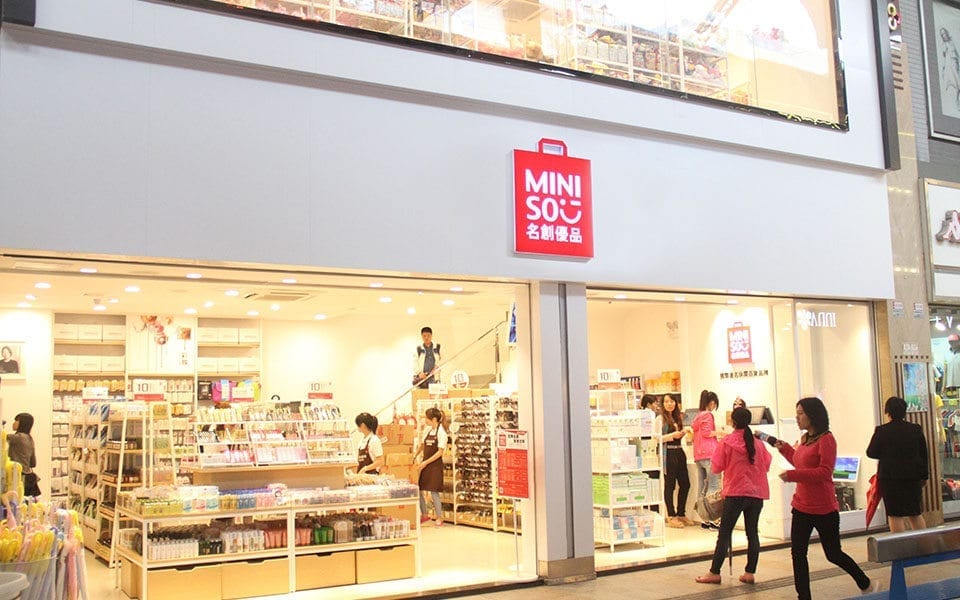
    Japanese retail brand MINISO has completed one year of operation in India and achieved its annual target of Rs 700 crore revenue for 2017-18.

    The brand, which was launched in August 2017, at present operates 26 stores in India – 21 in Delhi/NCR, three in Mumbai, one in Bengaluru and two in Lucknow.

    It plans to take its store count to 800 by 2019 by increasing its spread in existing cities and entering new cities across the country.

    MINISO India plans to expand its business by increasing its footprint across the country. The company aims to open 200 stores by this year end and hopes to increase it to 800 by the year 2019, the company said in a statement.

    “India is one of the top five markets in terms of revenue for MINISO. To expand our presence in India, we have initiated our franchise model and have already started five franchise stores in India,” Miyake Junya, Global Chief Designer and Co–Founder, MINISO said.

    “MINISO India has extensive plans to start operations in Chennai, Kolkata, Hyderabad and Jaipur while tapping into Tier II and III markets. This rapid expansion will be done through company-owned model and through franchise partners as well,” the company added.

  • Japan to host Chaumet exhibition

    Japan to host Chaumet exhibition

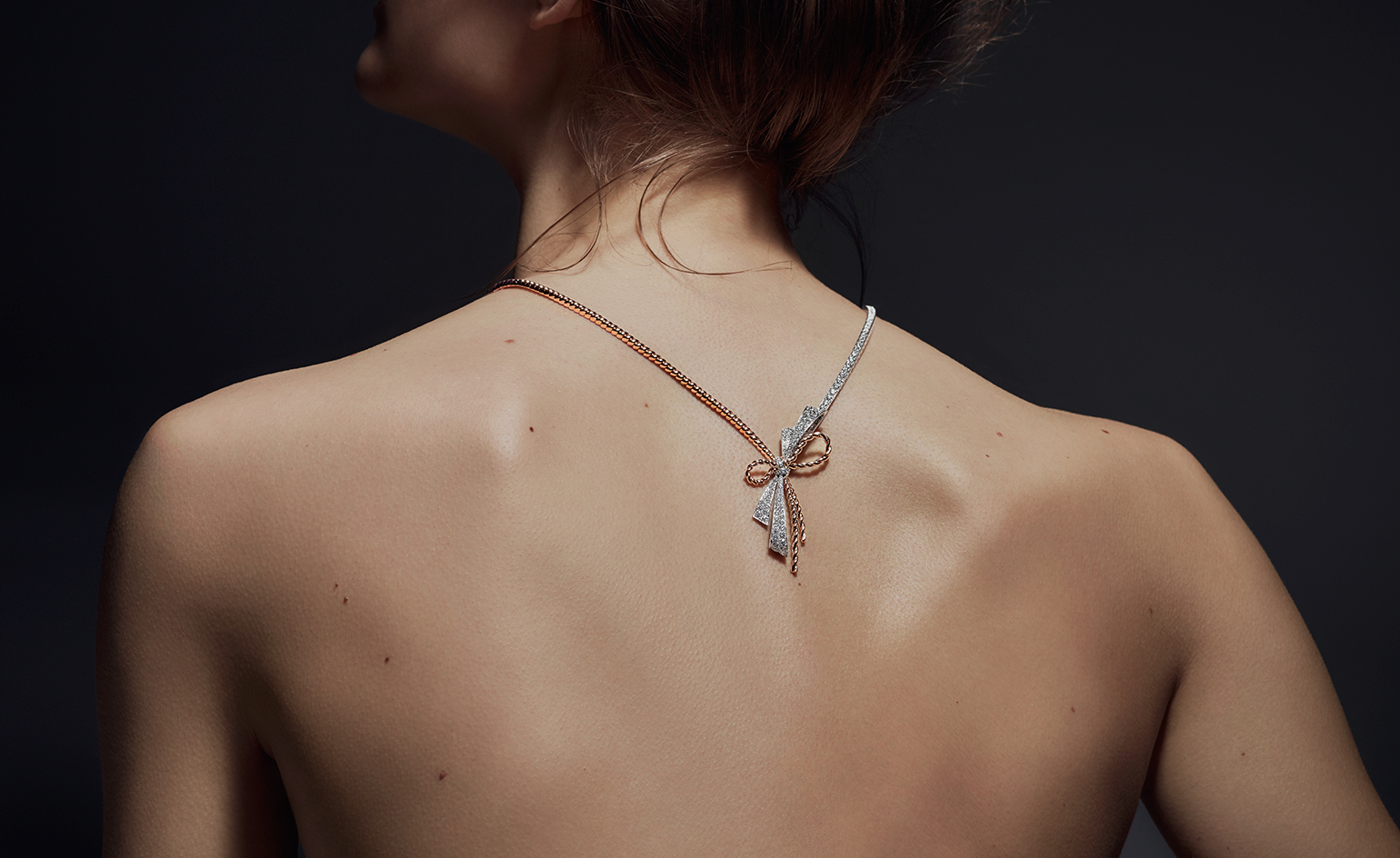
    Parisian fine jewellery house Chaumet has opened its The Worlds of Chaumet exhibition in Tokyo.

    The exhibition, held in the Mitsubishi Ichigokan Museum, presents a broad overview of the history and work of the heritage jewellery brand, emphasising its ties with Japan and the influence of the late-1800’s-era Japonisme movement on Chaumet’s creations.

    Exhibition co-curator Henri Loyrette, honorary president of the Musee du Louvre, said: “For more than two centuries since its founding, Chaumet has shown a curiosity for everything, for all the ‘elsewheres’ in the world, whether historic or exotic. This curiosity has included a special interest in Japan, a country that continues to inspire contemporary creation.”

    Many of the around 300 exhibits on display were loaned by prestigious museums and institutions.

    The exhibition will run through to September 17.