Author: Mei Ling Tan

  • Coca-Cola India announces changes to its leadership team

    Coca-Cola India announces changes to its leadership team

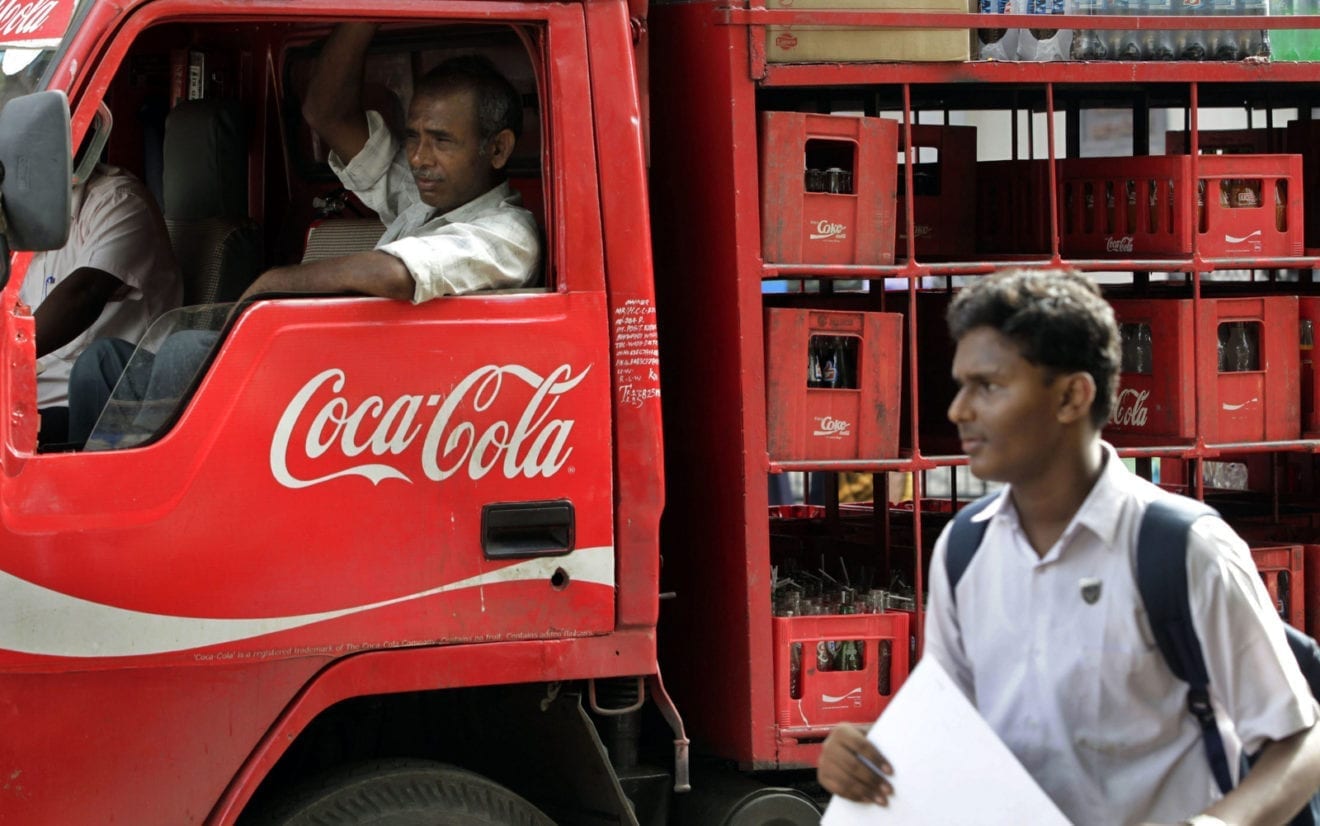
    Coca-Cola India, a leading beverage company that offers a range of beverage choices to consumers, announced changes to its leadership structure. The new structure is designed to enable the India and South West Asia business to be a growth engine for The Coca-Cola Company by capitalizing on emerging opportunities while continuing to build on talent development.

    Announcing the change, T. Krishnakumar, President, Coca-Cola India and South West Asia said, “We believe there are significant opportunities that lie ahead of us to grow our portfolio and meaningfully penetrate the market. These changes will address developing business needs and pave the way to develop a stronger portfolio for the future. It also reinforces our commitment towards investing in talent development.”

    To lead this change, Sundeep Bajoria, a veteran of the Coca-Cola system has taken over as Vice-President – South West Asia (SWA) Operations from his earlier role of Vice President Strategy and Insights. With the growing significance of expanding our regional footprint, he now spearheads the South West Asia region and will work towards making it an innovation and growth engine for the India & South West Asia business and the Coca-Cola system.

    Bajoria brings a successful track record of over 20 years within and outside the Coca-Cola system in Strategy, Finance, revenue growth management, Capital projects, and People & capability development. He is a 14 year veteran of the Coca-Cola system having worked in multiple roles in different Group businesses and Bottling Investment Groups.

    Chandrasekar Radhakrishnan has been appointed to the position of Vice President – Strategy & Insights, Coca-Cola India and South West Asia. Chandrasekar will take charge of the strategic initiatives for the company to accelerate the pace of innovation and assess opportunities to offer a much broader and deeper portfolio of beverages for the consumers.

    With a career spanning over two decades, Radhakrishnan comes with a combination of international and domestic experience. He joins Coca-Cola India from Nestlé, where he was responsible for leading a worldwide initiative to optimize marketing efficiencies. As the Head of Consumer Communication and eCommerce, he has effectively embedded brand building capabilities in the organization, drove creative excellence in brand communication via strong internal and external partnerships, laid a strong foundation in building digital and eCommerce competencies and played a key role in establishing consumer engagement. He has contributed significantly to the cause-based campaigns of the company thereby making a positive impact on the society. He has also worked with Britannia, Marico and Airtel and has played a variety of roles across sales, marketing and business functions.

  • Hyundai teamed up with Amazon to plan new retail model

    Hyundai teamed up with Amazon to plan new retail model

    Hyundai and Amazon plan to develop a “next-generation” retail model amid South Korean retailers’ push to adopt the latest technology to their online and offline platforms.

    Under the strategic collaboration agreement with Amazon Web Service (AWS) Korea signed on Friday, Hyundai Department Store Group said it will also establish a system to analyse customer activity and expand the partnership between its information technology arm and AWS, the US retail giant’s cloud-computing platform.

    Their joint research will focus on developing the Korean version of Amazon Go – the US e-commerce firm’s checkout-free offline mall – as well as using drones to deliver food and beverages, and applying artificial intelligence technology for automated concierge service, according to Hyundai.

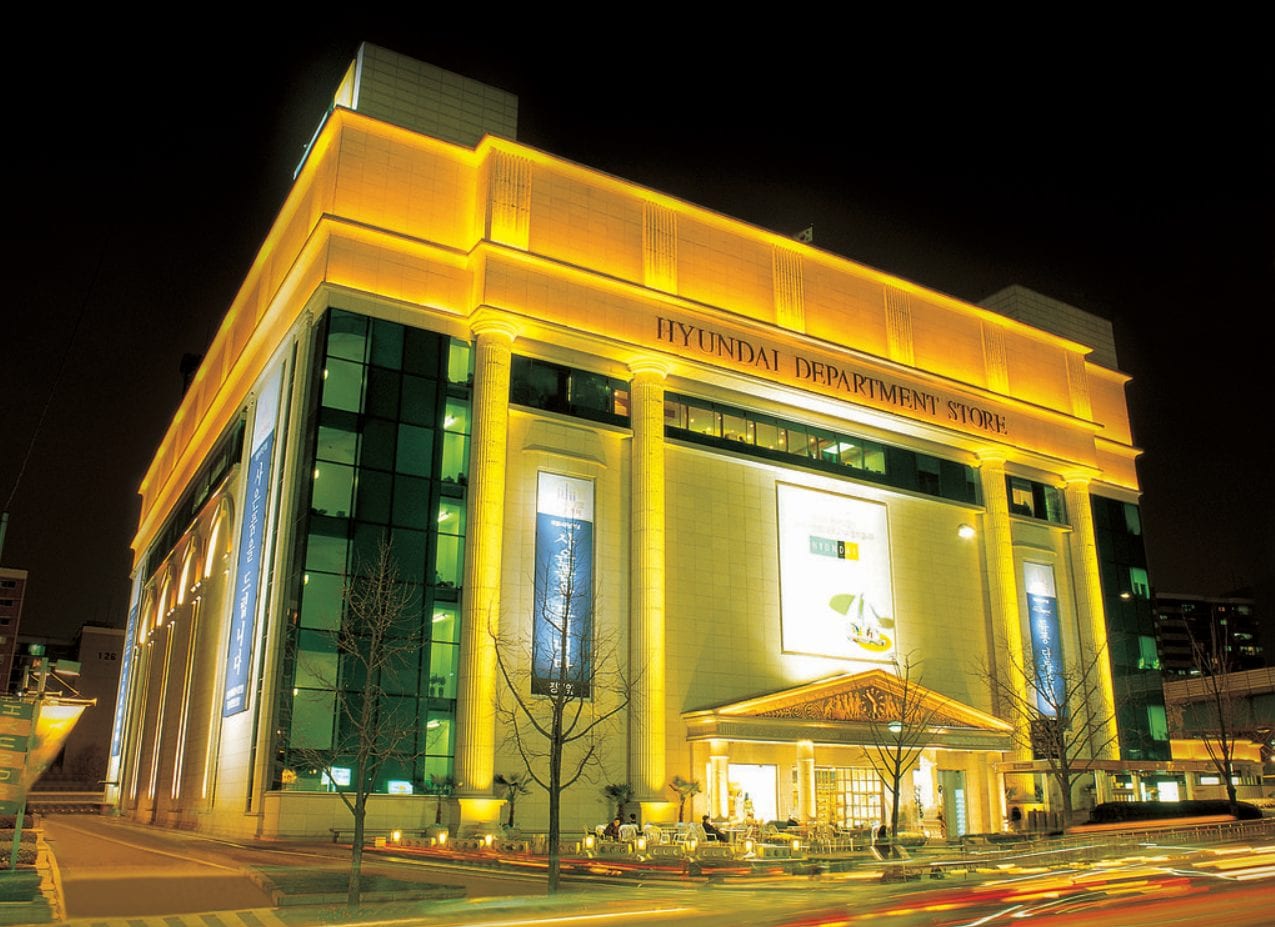
    The Korean retailer’s aim is to implement Amazon’s cutting-edge technologies to its department store set to open in Yeouido, Seoul’s financial district, in 2020.

    “We will partner with Amazon to find a medium- and long-term roadmap to provide a new shopping experience to our customers,” a company official said.

    The deal was made as South Korean retailers are moving to secure competitiveness through the use of new technologies.

    Last Friday, E-Mart Everyday, another major South Korean retailer and Shinsegae’s supermarket-chain operator, opened a “cashier-less” store in Seoul where customers can pay via the firm’s mobile payment service app without going through a checkout counter.

    The 212sqm Gangnam store is expected to increase the company’s competitiveness in the market, allowing customers to use Shinsegae’s SSG Pay mobile payment system to make their purchases. It is the latest in a series of technological advances made by the company, including electronic price labeling and the use of robotic concierges and autonomous shopping carts.

    The new store will include a self-checkout counter as an alternative to using the app, and a cashier for age-verification sales of alcohol and tobacco products.

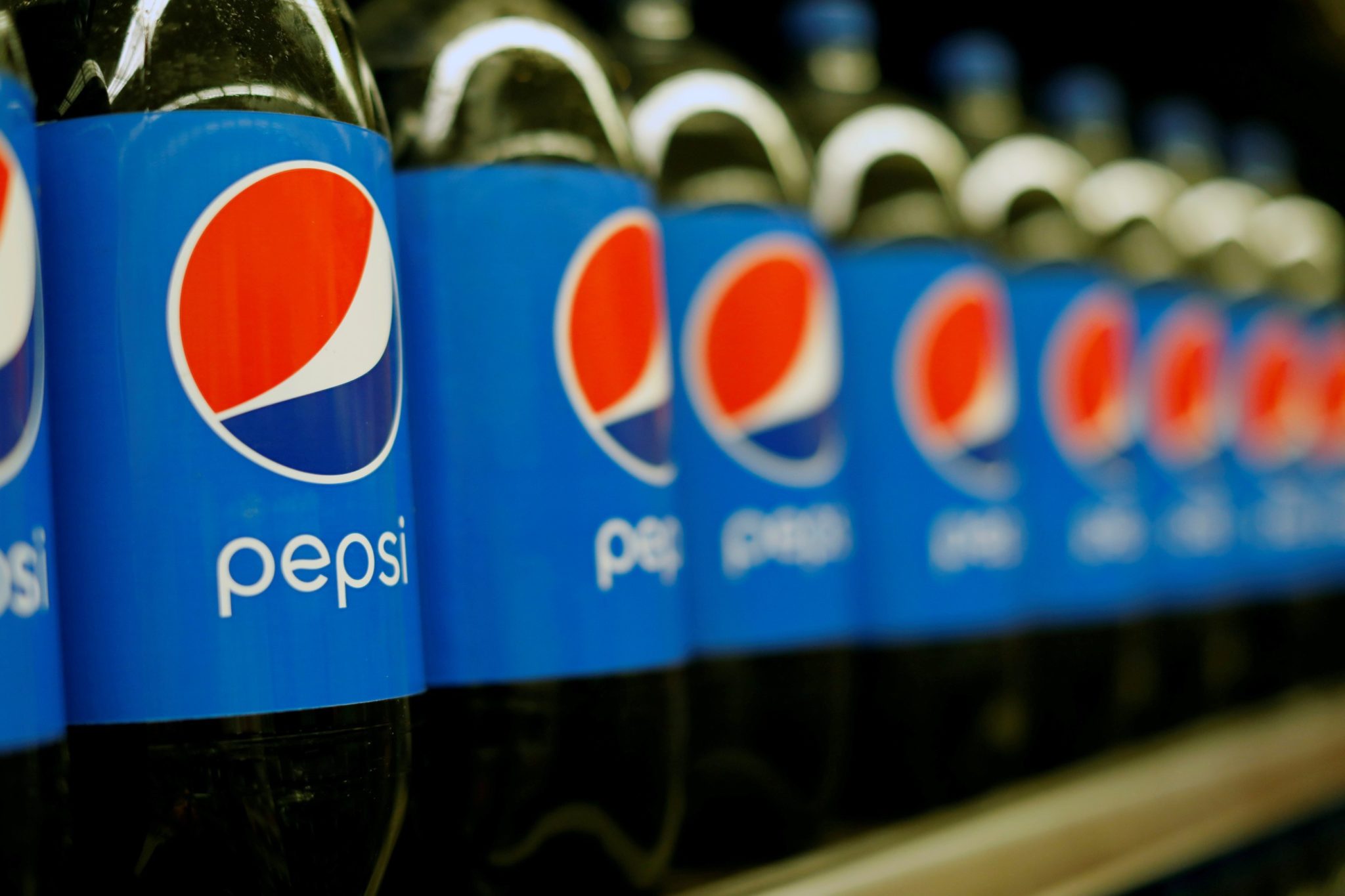
  • PepsiCo enters into agreement to acquire SodaStream International Ltd.

    PepsiCo enters into agreement to acquire SodaStream International Ltd.

    PepsiCo, Inc. and SodaStream International Ltd. announced that they have entered into an agreement under which PepsiCo has agreed to acquire all outstanding shares of SodaStream for US $144.00 per share in cash, which represents a 32 percent premium to the 30-day volume weighted average price.

    “PepsiCo and SodaStream are an inspired match,” said PepsiCo Chairman and CEO Indra Nooyi. “Daniel and his leadership team have built an extraordinary company that is offering consumers the ability to make great-tasting beverages while reducing the amount of waste generated. That focus is well-aligned with Performance with Purpose, our philosophy of making more nutritious products while limiting our environmental footprint. Together, we can advance our shared vision of a healthier, more-sustainable planet.”

    Daniel Birnbaum, SodaStream CEO and Director said, “Today marks an important milestone in the SodaStream journey. It is validation of our mission to bring healthy, convenient and environmentally friendly beverage solutions to consumers around the world. We are honored to be chosen as PepsiCo’s beachhead for at home preparation to empower consumers around the world with additional choices. I am excited our team will have access to PepsiCo’s vast capabilities and resources to take us to the next level. This is great news for our consumers, employees and retail partners worldwide.”

    PepsiCo’s strong distribution capabilities, global reach, R&D, design and marketing expertise, combined with SodaStream’s differentiated and unique product range will position SodaStream for further expansion and breakthrough innovation.

    The transaction is another step in PepsiCo’s Performance with Purpose journey, promoting health and wellness through environmentally friendly, cost-effective and fun-to-use beverage solutions.

    “SodaStream is highly complementary and incremental to our business, adding to our growing water portfolio, while catalyzing our ability to offer personalized in-home beverage solutions around the world,” said Ramon Laguarta, CEO-Elect and President, PepsiCo.

    Laguarta added, “From breakthrough innovations like Drinkfinity to beverage dispensing technologies like Spire for foodservice and Aquafina water stations for workplaces and colleges, PepsiCo is finding new ways to reach consumers beyond the bottle, and today’s announcement is fully in line with that strategy.”

    Under the terms of the agreement between PepsiCo and SodaStream, PepsiCo has agreed to acquire all of the outstanding shares of SodaStream International Ltd. for US $144.00 per share, in a transaction valued at US $3.2 billion. The transaction will be funded with PepsiCo’s cash on hand.

    The acquisition has been unanimously approved by the Boards of Directors of both companies. The transaction is subject to a SodaStream shareholder vote, certain regulatory approvals and other customary conditions, and closing is expected by January 2019.

    Goldman Sachs acted as financial advisor to PepsiCo in this transaction. Centerview also acted as financial advisor to PepsiCo in the transaction. Gibson, Dunn & Crutcher LLP acted as lead counsel to PepsiCo, Davis Polk & Wardwell LLP as U.S. tax counsel, and Herzog, Fox & Ne’eman as Israeli legal counsel. Perella Weinberg Partners acted as financial advisor to SodaStream with White & Case LLP acting as SodaStream’s U.S. legal counsel and Meitar Liquornik Geva Lesham Tal as Israeli legal counsel.

  • Tekka Place set to Rejuvenate Little India Heritage District

    Tekka Place set to Rejuvenate Little India Heritage District

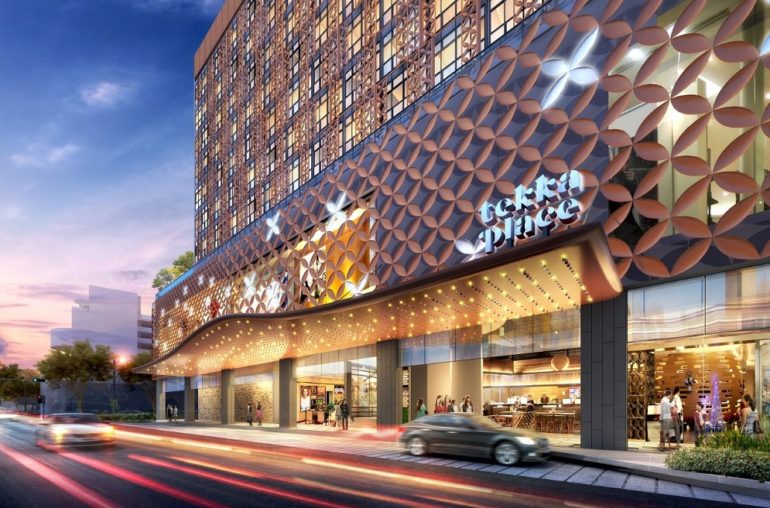
    Tekka Place, an upcoming integrated development at 2 Serangoon Road, is poised to deliver a fresh and unique retail and lifestyle experience, aimed at adding vibrancy to the Little India heritage district.

    Named for its location straddling the fringes of Singapore’s Little India precinct and
    the Central Business District, Tekka Place pays homage to the area’s rich and multicultural heritage.

    A gateway to arts and culture, Tekka Place is envisioned to be a destination with a convergence of cultures, travellers and experiences. Its logo, which incorporates the use of diverse textures and patterns infused in a medley of vivid colours, embodies the essence of this vision.

    Jointly developed by Lum Chang Holdings Limited and a fund managed by LaSalle Investment Management Asia Pte Ltd, the integrated development is currently undergoing construction, and is slated for completion in the later part of 2019.

    Located at the junction of Serangoon and Sungei Roads, it is easily accessible via major expressways and within walking distance of three MRT stations – Rochor and Jalan Besar stations on the Downtown Line; and Little India interchange station for the North East and Downtown Lines.

    Given Tekka Place’s unique location, its developers have been engaging with the Singapore Tourism Board and community stakeholders such as the Indian Heritage Centre and LaSalle College of the Arts, exploring means to both foster and maintain the vibrant Little India Community. As a result, dedicated spaces to host exhibitions,
    artwork and performances have been set aside within the Annex block at the rooftop deck.

    Mr. Peter Ow, Property Director of Lum Chang and spokesperson of the joint venture said, “Tekka Place’s location, distinct architecture and curated retail offerings, capture the vibrancy and personality of Little India. By working closely with our partners and other stakeholders in Little India, we want to offer visitors a chance to immerse themselves in the rich heritage and culture that Little India offers, whilst enjoying a quality shopping and dining experience. Tekka Place will provide a unique space to live, dine, entertain or simply relax and enjoy the vitality of Little India.”

    The future landmark development comprising a 10-store Main Block and seven store Annex Block with rooftop deck, will bring a serviced residence, 70,000 square feet retail mall and five levels of parking lots, to the lively Serangoon district.

    The upper floors of the Main Block will house Citadines Rochor, a 320-unit serviced residence featuring studio and one-bedroom units. Residents at Citadines Rochor can enjoy facilities including a residents’ lounge, gymnasium, launderette and swimming pool.

    The retail podium will offer 80 shops spread across the basement and first two floors of the Main Block, and one level with mezzanine and rooftop deck of the Annex Block. It will cater to a diverse mix of customer segments, residents in the southern central part of Singapore, office workers in the immediate vicinity, tourists and commuters on the North East and Downtown Lines.

    “We are proud to be the appointed retail consultant and marketing agent for Tekka Place, set to be a lifestyle destination not just for locals, but also the many tourists who pass through the Little India area.”, said Ms. Wendy Low, Head of Retail at Knight Frank Singapore.

    “We will be curating a mix of tenants whom we will work with to create bespoke, unique and multi-sensory lifestyle experiences for shoppers that will excite from the very moment they step into the mall.”

    “On the rooftop in the Annex Block, a once mundane carpark will be transformed into a dining and cultural event space, where visitors can dine and hang out at under the stars, in an urban setting with scenic views of Little India at their feet,” Ms. Low added.

  • DFS stores launches Meitu Magic Mirrors

    DFS stores launches Meitu Magic Mirrors

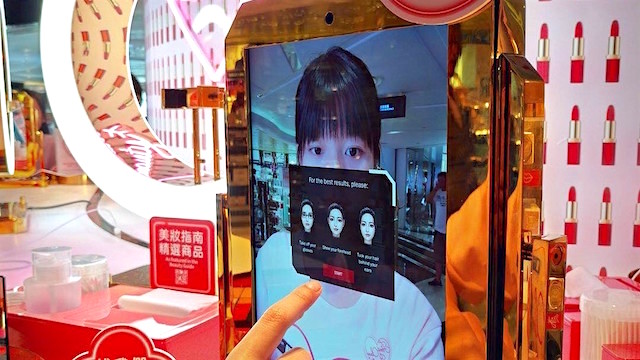
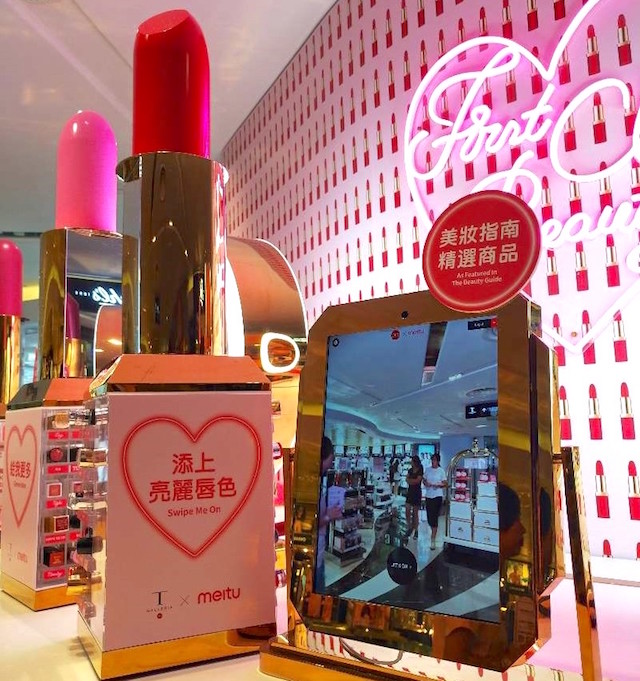
    DFS stores in 16 international cities – including Hong Kong and Macau – will be featuring Meitu Magic Mirrors for the next year.

    The connected device allows customers to see their desired makeup style applied directly to their face, just as if they were standing in front of a mirror. An AI algorithm is used to make personalised recommendations based on customers’ facial features. Photos taken by the device can be shared on social media.

    The Meitu Magic Mirrors will be installed in 22 stores, in cities including Macau, Singapore, Indonesia, Japan, Australia, the UAE and the US.

    According to reports, the effect is true-to-life and product colours and textures are accurately displayed. It is designed to drastically lower the time shoppers spend trying out products, while preventing sanitary concerns that can arise when sampling items in a public venue.

    Previously, the Meitu Magic Mirror has been used to promote Lancome, Nars Cosmetics, Make Up Forever, Sephora, and Dolce & Gabbana.

    Meitu is a Chinese AI-driven photo/video editing and sharing company that also produces smartphones.

  • Luxury shoes are never enough for Chinese consumers

    Luxury shoes are never enough for Chinese consumers

    As the Chinese economy slowly exits the slumber of recent years — and as the anti-corruption campaign implemented by President Xi Jinping subsides — the retail industry is seeing remarkable growth across first- and second-tier cities, as well as the autonomous territory of Hong Kong.

    The development is part of a larger trend, according to a recent report from the consultancy Bain & Co. The firm noted that sales of luxury goods in mainland China are forecast to grow by 20 to 22 percent this year, and that has piqued the interest of Western shoe brands, both big and small.

    Thibaud André, senior consultant and marketing manager of Beijing-based market research company Daxue Consulting, pointed out that luxury shoes are a booming sector in the region.

    “A survey we ran in 2016 indicated that footwear was worth an estimated RMB 370 billion ($54 billion),” he said. “We expected it to increase to an average rate of 7 percent yearly, but I am quite confident that rate will soon hit the double-digits realm instead.”

    Although shopping overseas is still very important for Chinese buyers, the gap between domestic and international purchases is not as wide as it used to be. “The reason for that is a reduction in the price differentials between outside and home markets,” André explained. “Consumers aren’t as averse to spending their money here anymore, which means sales are looking rather robust.”

    And though the trade war between the U.S. and China continues to escalate, André predicted it will have little impact. “Big spenders don’t care about tariffs. They are well-versed in price differences across the globe, and if they want to buy something, they’ll just go for it.” Also working in their favor: Many luxury shoe brands are based in or produced in Europe, so they have escaped the import tax increases — at least for now.

    Chasing Exclusivity

    Experts said a combination of factors are driving sales. Evolving taste is one of them, according to Chloe Reuter of Reuter Communications, an intelligence, digital, communications and marketing agency with offices in Hong Kong and Shanghai that connects luxury brands with Asia’s well-heeled consumers.

    “The luxury sphere has become incredibly sophisticated in China,” she said, “and that applies to high-end footwear, too. There’s an undeniable thirst for [uniqueness], and increasingly, consumers are moving away from the more obvious names of the industry and shifting toward more niche labels.”

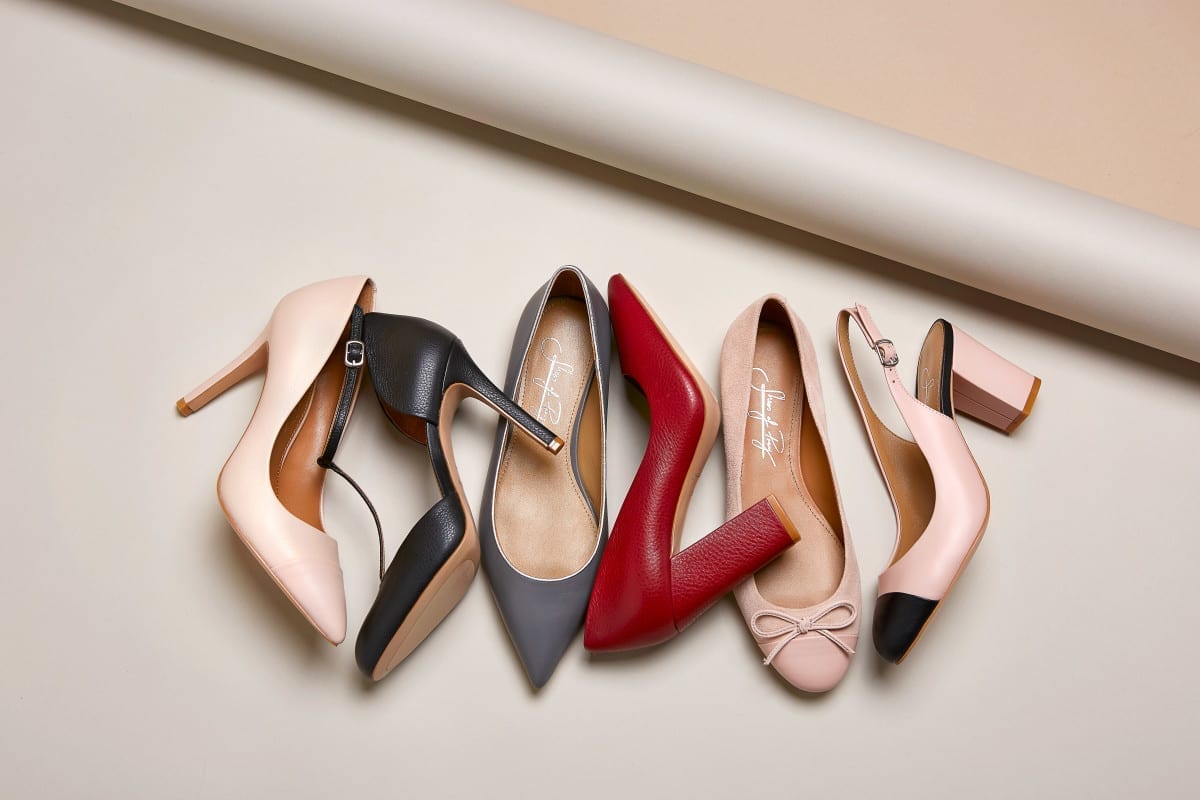
    Specialized footwear brands such as René Caovilla, Gianvito Rossi and Nicholas Kirkwood are decidedly becoming the go-to names for many shoe enthusiasts in place of fashion powerhouses peddling a wider gamut of items.

    “Chinese wealthy shoppers are really hard to excite these days,” Reuter said. “Indie or heritage brands with a long history of craftsmanship have a competitive edge because they feel truly different and original.”

    Amy Gu, GM of JD Footwear, a subsidiary of online retail giant JD.com, agreed: “Whereas traditionally, Chinese women focused mostly on big-name brands, we are now seeing an increasing interest in niche brands.”

    Irene Yu, senior director of merchandising at Lane Crawford, which is present both in mainland China and Hong Kong, noted that the specialty department store has seen a change in shopping habits over recent years.

    “Chinese luxury consumers are global, fashion-savvy, well-traveled,” she said. “They have access to a lot of information through social media, and that means they are very educated when it comes to luxury brands. They know their Gianvito Rossis and their Manolos. Of course, they are still very much willing to spend on the more established brands but are also looking for something that feels more prestigious. They are craving newness, and that’s opening the market to a wider net of players.”

    Getting Younger

    While older shoppers — usually categorized as Gen X — are still playing a significant role in the luxury market, millennials and Gen Z account for the larger growth in the footwear category (85 percent, according to another Bain report from last year).

    That has led to the rise of new spending habits: faster, more frequent, trend-driven — and mostly geared toward online shopping and influenced by digital social media platforms.

    “More and more consumers outside of China’s top-tier cities are using e-commerce to access guaranteed-authentic luxury products,” said Gu, noting that luxury shoe sales on the platform have grown continuously year over year. “Customers who buy high-end shoes are generally 18 to 35 years old and are largely brand-conscious. They focus on fashionable footwear.”

    The footwear segment is performing equally well for Lane Crawford, particularly online. “[Customers] still come to the stores to try on shoes, but it’s online that we get a lot of purchases,” said Yu. “To that end, the whole in-store visit is adapting to complement the digital sphere. It’s becoming more experiential to offer a 360-degree approach to the products.”

    Lane Crawford’s business strategy relies on collaborations, exclusive capsule collections and pop-ups, as well as a highly curated floor design. “We make sure each brand is presented in a way that reflects its ethos: cool urbanite for Nicholas Kirkwood, party girl for Aquazzura, for instance,” said Yu. “Clients are very receptive to that. And they do like coming in to check out limited-edition collabs: Off White x Yeezy 350 did very well for us. But we are always thinking of the link between online and offline.”

    Similarly, JD.com has hosted online pop-up stores by brands such as Fendi and Christian Louboutin to engage its young audiences. It also launched JD Delivery Express, a service in which specially trained JD employees hand-deliver packages while wearing distinctive uniforms, complete with white gloves, and they drive environmentally friendly electric vehicles rather than the company’s usual tricycles and scooters. “[Luxury] consumers place tremendous value on the shopping experience,” Gu said.

    Changing Trends

    A change in lifestyle — from unashamedly opulent to more wellness-oriented — is another key element in the country’s booming footwear sector.

    “The rise of the athleisure movement has been particularly significant for shoe retail,” Yu said. “Only a few seasons ago, it was all about the stilettos and the high-heels. Now designer sneakers make up a really big chunk of the market. Models like Balenciaga’s Triple S — we can’t keep them in stock. They are constantly sold out.”

    But again, it’s the smaller brands such as Golden Goose and Comme des Garçons that are drawing the attention of shoppers. “They are considered younger and a bit cooler compared with the Valentinos and the McQueens,” said Yu. “They speak directly to the consumers’ demographic.”

    Outside the sneaker realm, female buyers are going for chunkier block heels, slides and mules. “[Those looks are] less casual than a trainer but not as committing as a stiletto,” Yu explained.

    It is in the fashion arena in particular that the quest for distinctiveness shines brightest. And labels such as René Caovilla are tapping into that opportunity.

    “We tell a story, and our Chinese clients appreciate that,” said Edoardo Caovilla, the third-generation creative director and COO. “They are yearning for high-quality and long-lasting gratification, and they know they can get it with a company that’s been making only shoes since it was first established 90 years ago. They also respect our philosophy. That’s the essence of why we’re doing so well in the country: We’ve gained the trust of the market.”

    The brand has accomplished this feat without opening a standalone store; instead, it is distributed through Lane Crawford, where it is one of the best-selling labels. Helping to build buzz are high-profile endorsements — Caovilla shoes have been seen on the feet of Gigi Hadid, Rihanna and Jennifer Lopez, as well as Chinese stars such as Yao Chen, Shu Qi and Ming Xi.

    “For lasting success, it’s essential that we collaborate with the right kind of public figures,” Caovilla said. “Buyers are picky. They want to feel understood and for their wardrobe to express a very specific kind of luxury.”

    High-end French footwear label Robert Clergerie also has found a welcoming audience in the region. Though the brand is available only in department stores in China, it is performing remarkably well among consumers, particularly with tourism shopping.

    “[Chinese] millennials have a sense of independence and a unique style. They value heritage, quality and provenance,” said CEO Perry Oosting.

    He added, “We are working to improve all the touch points with Chinese clients traveling abroad across all our stores, such as integrating WeChat in the retail shopping experience. We also have our own WeChat platform, for which we create localized content and work with [key opinion leaders] in China to build engagement and relevance among our target audience.”

    Collaborating with influencers is an increasingly important strategy for brands if they aim for long-term sales results in the country. “KOLs are the most effective product marketing here. And they can help with sales abroad, too, if the brand hasn’t entered China yet,” said André of Daxue Consulting. “Besides exclusivity, social media is the biggest determinant for success.”

    Reuter believes that the country’s young, digitally savvy consumers are painting a new landscape for the global luxury industry. “Chinese shoppers are five years ahead of their counterparts,” she said. “The way they approach shopping is set to become the norm for the rest of the world’s wealthy.”
  • Circle K Hong Kong sales boosted by digital

    Circle K Hong Kong sales boosted by digital

    Digital and creative marketing strategies have been credited for rising sales at Hong Kong Circle K and Saint Honore stores in the first half of this year.

    Parent Convenience Retail Asia says the combined operations achieved sales of HK$2.574 billion and drove core operating profit up 16 per cent to $81 million in the six months to June 30.

    “The robust results were mainly due to effective eCRM programs for Circle K and Saint Honore as well as encouraging performance in developing businesses, particularly the new fast-fashion eyewear business Zoff,” the company said.

    The group’s O2O business model which synergises Circle K’s OK Stamp It – eCRM app (driving online to offline traffic) and Circle K’s bricks-and-mortar store network (driving offline to online traffic), achieved a significant membership milestone, exceeding 1.1 million people and generated “a strong increase in comparable-store sales”.

    In a commentary accompanying the results, CEO Richard Yeung Lap Bun said Convenience Retail Asia would continued to follow its ‘Three Plus’ strategies to achieve growth: focusing on smartphone-savvy ‘internet+’ customers; delivering the ‘4P’s+’ of exceptional products, promotions, places and pricing; ‘plus’ a great customer experience; and reinforcing its transformation into a ‘brick-and-mortar+’ O2O enterprise.

    The group closed two Circle K Hong Kong stores during the period, and opened two, taking its network to 332. First-half sales for the chain rose 4.4 per cent, contributing total sales of $2.061 billion, largely driven by the OK Stamp It eCRM platform.

    “OK Stamp It uses a special app to deliver promotional deals and loyalty program offers to members. It is a proven tool for marketing the group’s latest products, services, contests and premiums, and a valuable customer loyalty platform that drives online traffic into in-store traffic and repeat purchases. It also enables family members and friends to share their activities on their favourite social media,” he said.

    In April, the group launched a three-stage summer promotion for OK Stamp It members. First was the return of the popular Shake Shake Lucky Star game, which gave members the chance to win one of 100 Samsung Galaxy S9 smartphones; the second was a collaboration with Zoff, which offered free sunglasses for the first 1000 members who purchased all nine selected items of newly imported ice cream brands from Japan and Korea; and the third was a World Cup-themed game with 100 grand prizes of Cathay Holiday coupons valued at HK$10,000 each.

    “Launched less than two years ago, OK Stamp It has already become one of Hong Kong’s leading eCRM platforms,” said Yeung.

    Saint Honore Cake Shop

    At the end of the period, Convenience Retail Asia had 103 Saint Honore stores in Hong Kong and Macau, five more than at the same time a year earlier. It has another 33 in Guangzhou and Shenzhen.

    “Although our bakery operations saw stagnant growth in comparable store sales in Hong Kong over the first six months of the year, total turnover grew on the back of key contributions from the opening of new stores in Hong Kong and an increase in festive product sales,” said Yeung.

    However, gross profit margin was eroded by the appreciation of the renminbi, which caused surges in raw material and labour costs.

    Zoff grows

    Convenience Retail Asia opened its second store operating under the Japanese eyewear brand Zoff during the half year.

    Zoff currently carries more than 1200 SKUs of frames and there are plans to expand this to more than 2000 SKUs, which Yeung says will strengthen product variety and differentiate the brand from competitors even more.

    The second store opened on February 23 at Telford Plaza in Kowloon Bay.

    Meanwhile, the company’s other developing business, FingerShopping.com achieved stable turnover.

    As at the end of June, Fingershopping.com featured some 25,000 SKUs from more than 1700 brands on its e-commerce platform.

    “Beauty and personal care continued to be the anchor category, representing 64 per cent of total gross merchandise volume and the team will continue to build variety within the site’s primary categories and seek strategic partners to boost new traffic,” said Yeung.

  • Tax office probes Jin Air over possible evasion

    Tax office probes Jin Air over possible evasion

    Korea’s tax office is investigating Jin Air over potential tax evasion, the latest in a series of investigations into Hanjin Group’s founding family members over alleged wrongdoings, industry sources said Monday.

    The tax probe came days after the transportation ministry last week said it has decided not to revoke Jin Air’s business license, ending weeks of uncertainty for the low-cost affiliate of Korean Air. The company appointed a foreign national to its board of directors, a violation of Korean aviation law.

    In the interest of national security, only Koreans are permitted to serve as directors of commercial airlines.

    The company, however, appointed Cho Hyun-min, an American citizen and the younger daughter of Hanjin Group Chairman Cho Yang-ho, to serve as a board member of Jin Air between 2010 and 2016.

    The tax probe centers on whether a severance payment to Hyun-min was acceptable and whether the airline gave undue favor to the Cho family through its in-flight duty-free goods operation.

  • Uber withdraws lawsuit against HCMC tax man

    Uber withdraws lawsuit against HCMC tax man

    Ride-hailing firm Uber has withdrawn its lawsuit over HCMC’s demand for $2.3 million in back taxes and fines.

    A tax department official said Friday that the HCMC People’s Court has suspended the case in which the Netherlands-based Uber B.V. had sued the department over its demand that the firm pays over VND53 billion ($2.3 million) in back taxes and fines.

    The official, who did not want to be named said that the suspension, which followed Uber withdrawing its lawsuit, was a positive development.

    He expressed hope that this would allow the department and Uber to sit down and resolve the issue of back taxes and fines. In case this does not happen, the department would resume efforts to force Ube to pay its dues, the official added.

    The department had previously attempted to collect the back taxes and fines by sending documents to local banks and asking them to deduct the dues from funds transferred to Uber’s bank account as a form of tax enforcement.

    This attempt failed because the firm had not opened any account in the country.

    In September last year, the Ho Chi Minh City Tax Department asked the Vietnamese branch of Uber International to pay VND66.68 billion ($2.91 million) in back taxes and fines for violating tax laws.

    However, the company appealed the decision, telling the General Department of Taxation as well as the Ministry of Finance that it was not subject to pay taxes under Vietnam’s double taxation avoidance agreement with the Netherlands, where it is based.

    Ride-hailing firm Uber Technologies Inc announced it had agreed to sell its Southeast Asian business to bigger regional rival Grab in March. The app company officially left Vietnam on April 8.

  • Wikipedia launched clothing line with LA label

    Wikipedia launched clothing line with LA label

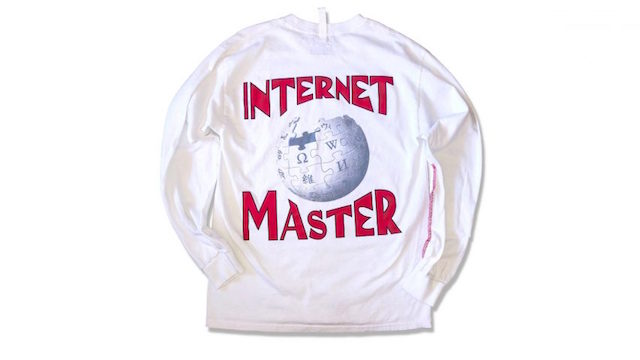
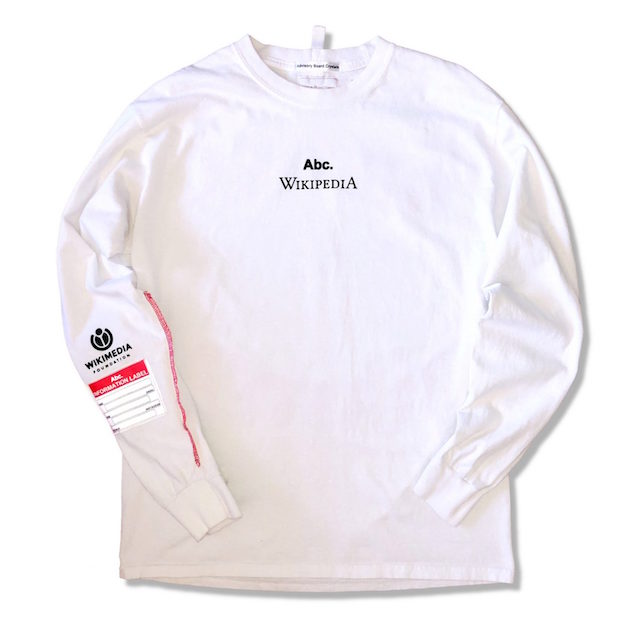
    Online encyclopedia Wikipedia has partnered with Los Angeles-based fashion label Advisory Board Crystals to launch a Wikipedia fashion item.

    The Wikipedia x Advisory Board Crystals collaboration features a long-sleeved tee with iconography from the website, retailing for US$85. All proceeds from sales will be donated to the Wikimedia foundation in support of free information.

    The fashion label’s website reads: “As a nonprofit, Wikipedia and the Wikimedia Foundation’s related free knowledge projects are powered primarily through donations. Help us keep knowledge free.

    “Knowledge is power and awareness is survival. In addition to being a large source of inspiration and information for our projects, Wikipedia leads us to a place in which you can imagine a world where every single human being can freely share in the sum of all knowledge.”

  • Australia Expects Free-Trade Deals With Indonesia, Hong Kong This Year

    Australia Expects Free-Trade Deals With Indonesia, Hong Kong This Year

    The Australian government expects to seal free-trade agreements with Indonesia and Hong Kong by the end of this year, its trade minister said on Friday.

    Concluding the two agreements would wrap years of talks, which in the case of Indonesia have dragged on since 2010, stalling along the way as diplomatic tensions between the two sides flared.

    “I think by the end of this year we’ll conclude successfully an FTA with Indonesia, an FTA with Hong Kong,” Trade Minister Steven Ciobo said at a business lunch in Sydney, when asked about the outlook for the next 12 months.

    He gave no further details on timing, though a deal with Indonesia, Southeast Asia’s largest economy but only Australia’s 13th-largest trading partner, could come as soon as next month when Australian Prime Minister Malcolm Turnbull is scheduled to visit.

    Ciobo, who has already sealed Australian trade deals with Peru and with the 11-nation Trans-Pacific Partnership this year, also said United States President Donald Trump’s protectionist rhetoric had made his counterparts elsewhere more willing negotiators.

    Since Trump’s election, there has been a “desire from a number of countries to double down” on trade pacts, Ciobo said, helping him to seal deals.

    He added that he was “hopeful” of also signing Australian agreements this year with the Pacific Alliance, a Latin American trade bloc and with the China-led Regional Comprehensive Economic Partnership.

    A deal with Hong Kong, Australia’s 12th-largest trading partner, has been under negotiation since last year.

    Two-way trade between the pair is worth roughly A$16.3 billion ($12 billion), according to Australian figures, nearly the same as the country’s two-way trade with Indonesia.

  • Alibaba cloud eyes retail sector with 9 new product launch

    Alibaba cloud eyes retail sector with 9 new product launch

    The Retail industry in China has experienced some significant changes over the past few years.

    New Retail is trending as players in the industry are striving to bring customers an unique omnichannel experience. Shoppers can now buy anything, anywhere, anytime.

    The online-offline shopping experience has been strongly supported by digitalization. Alibaba, China’s e-commerce powerhouse, has been offering a wide range of services to support retailers. However, the latter were only available in China.

    Earlier this week, Alibaba has launched its suite of cloud-computing solutions globally. Among them are a smart access gateway that enables retailers to connect their data from different shops to a single cloud platform, data lake analytics, or a serverless, high-performance query service that analyses historical inventory and sales data. To prevent retailers from data loss, Alibaba Cloud also launched its Anti-Bot Service, a software solution that protects users from online scalpers and crawlers.

    Alibaba’s cloud-computing unit’s chief solution architect, Derek Wang said “This new suite of offerings includes products that are highly efficient, cost effective. Some of them are the first of their kind in the industry.”

    He said that all products have specific features meeting some identified need within the flourishing retail market in the Asia Pacific region, allowing retailers for a more effective deployment of their resources and deeper consumer insights.

    If the New Retail concept has been around in China for a while, Alibaba’s move aims at expanding it across Asia, specifically Southeast-Asia.

    Ng Yu Xuan, a Frost and Sullivan industry analyst, said Asia-Pacific’s cloud computing market is highly price-sensitive, giving Alibaba Cloud an opportunity to expand its footprint in the region through its aggressive pricing strategies.

    However, as AI and machine learning isn’t quite widespread in the developing countries, Ng said that should it want to succeed, Alibaba will have to build an extensive partner ecosystem outside China.

    As more ASEAN businesses are adopting a multi-cloud strategy to avoid supplier lock-in and reap the benefits of the latest innovations in the industry, Alibaba started an ASEAN partner alliance program. The program will allow the e-commerce giant to fuel growth in his Asian ecosystem as it aims to recruit 150 solution partners and train 600 sales and technology personnel in the following 12 months.

  • Cadillac House Korea aims for the trendy

    Cadillac House Korea aims for the trendy

    Cadillac hopes to shake off its stodgy image and attract younger, trendier drivers in Korea, and it has opened a flashy brand experience center to win them over.

    The American luxury brand opened Cadillac House Seoul in southern Seoul on Monday. Visitors can check out photo exhibitions and souvenir shops related to the brand, and many of the carmaker’s models are also on display.

    Cadillac House operated as a pop-up store last year, but the company decided to make it permanent after receiving positive feedback.

    “Our objective this year is to diversify marketing strategy to increase point of contact both online and offline,” Cadillac Korea President Kim Young-sik said in a press conference held Monday at Cadillac House Seoul.

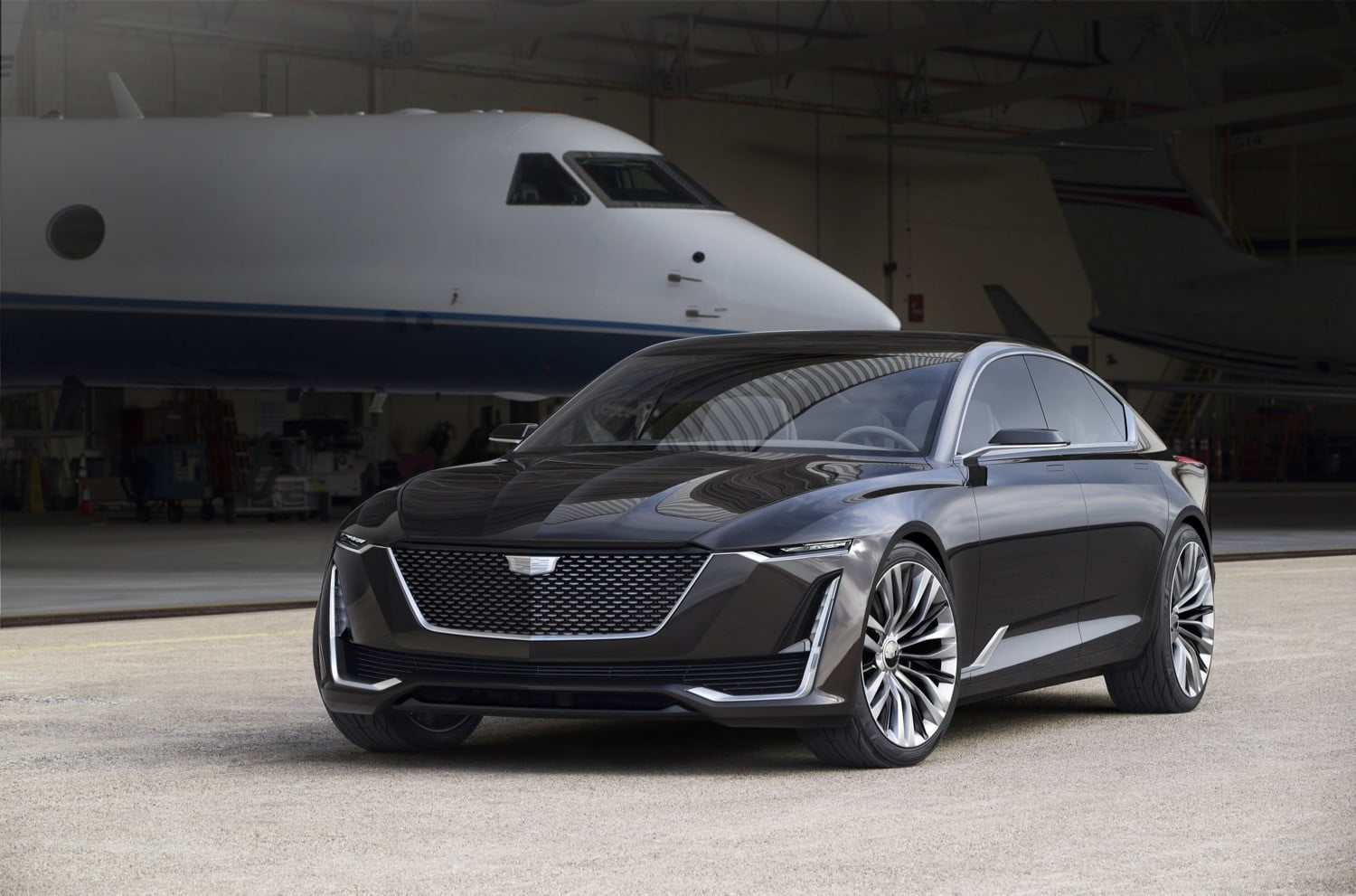
    Cadillac Korea unveiled the Escala Concept sedan in Korea for the first time. It was first revealed in the United States in 2016. Cadillac, which is known for its bulky and classic designs, added futuristic features to the concept car, including a curvy sideline and vertical headlight lamp in the front. The carmaker said that this design identity will be implemented in the company’s production lineup from 2021. The Escala will be on display at the Cadillac House for the next three weeks.

    Cadillac Korea also unveiled a limited-edition version of its ATS sedan called the ATS Supreme Black. The all-black limited edition vehicle also has some of the performance features, such as a rear spoiler, that are only found on Cadillac’s premium vehicles. Fifty of the cars will be sold in Korea.

    The photo exhibition on the second floor showcases Cadillac Korea’s collaboration with camera brand Leica. Three renowned figures in art and culture took photos of Cadillacs in different cities with Leica cameras. Donghae from K-pop group Super Junior is one of the photographers.

    The souvenir shop on the first floor sells diverse lifestyle and fashion products Cadillac developed with New York-based designer Jamie Lee.

    Kim said that Cadillac House showed the carmaker’s ambition to renew its image and become more attractive to younger buyers. It said the latest change of the company’s name from GM Korea to Cadillac Korea will contribute to improving the brand’s image.

    “The fact is that Korea is the only country among Cadillac’s 52 global market that uses the car’s brand [Cadillac] as the company’s name, whereas other countries still use just GM,” Kim said. “It shows that the New York headquarters is showing that there is much interest in the Korean market and a willingness to invest here.”

  • PE takes stake in China’s Leyou

    PE takes stake in China’s Leyou

    US private equity firm Warburg Pincus has signed on to buy a majority stake in Beijing baby products retailer Leyou, according to a report.

    Warburg’s acquisition – valued at between US$200-400 million, is a brand with a 580-store strong network of self-operated and franchised outlets operating in 150 cities. The deal was handled by investment bank BDA Partners.

    The revoking of China’s One Child Policy has prompted many investors to expect a Chinese baby boomer market on the way. Warburg has invested in a number of similar industries in the PRC.

    BDA Partners MD Anthony Siu said: “With the relaxation of the one-child policy, there is potential for an uptick in mother-and-baby retail sales… for retailers that have well-established brands, we expect to see more majority buyout transactions. The market is maturing.”

    Previous investors into Leyou have included Goldman Sachs, WI Harper, Deutsche Bank, AsiaVest Partners, and the Carlyle Group. Carlyle remains an investor in Leyou.

  • Tiffany & Co to launch a pop-up store on Luxury Pavilion

    Tiffany & Co to launch a pop-up store on Luxury Pavilion

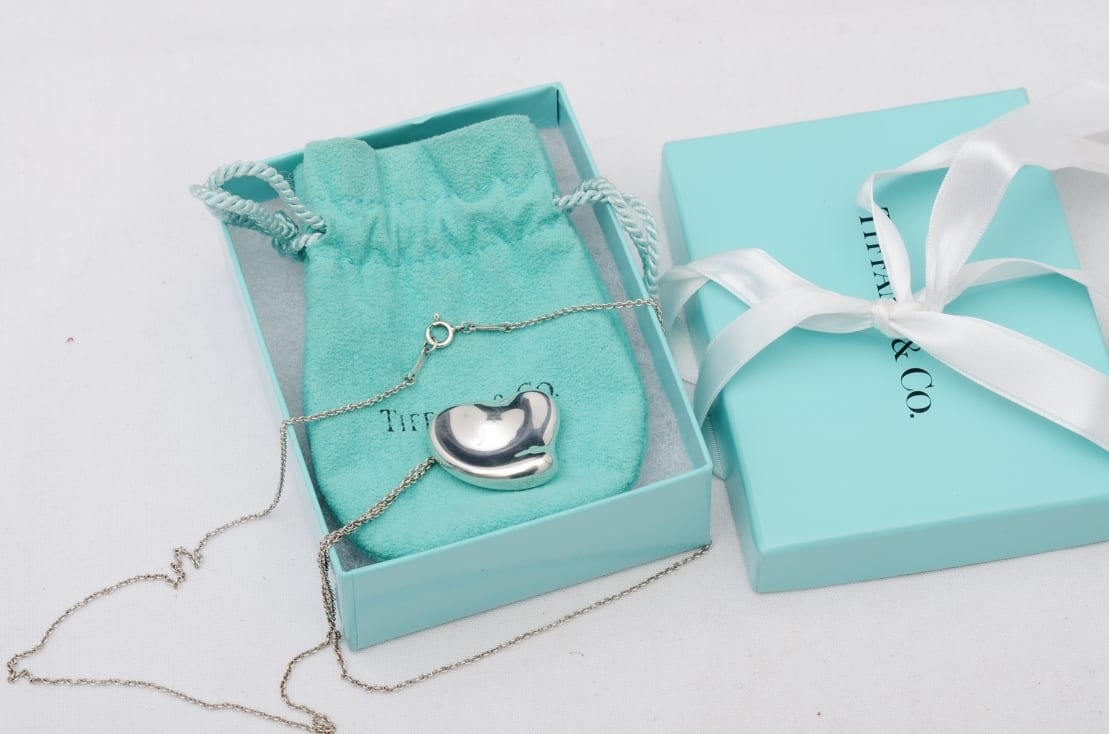
    Iconic jewelry house Tiffany & Co. will release its latest “Tiffany Paper Flowers” collection in China exclusively on the Luxury Pavilion, Tmall’s invite-only platform for luxury brands.

    New York-based Tiffany will launch a virtual pop-up store on the Pavilion, with pre-sales beginning Aug. 16, the Alibaba Group-owned B2C marketplace said. That will give Pavilion shoppers a two-week head-start to purchase the new collection before it hits brick-and-mortar stores in China on Sept. 1.

    During the pop-up, Tiffany will leverage augmented reality-powered technology to engage China’s tech-savvy consumers, as well as offer perks to top shoppers in the platform’s loyalty program, the Luxury Pavilion Club.

    Select members can receive rewards, including a high-end delivery experience and an invitation to an exclusive party in Shanghai to celebrate the collection’s official launch next month, with complimentary stays at the St. Regis Shanghai hotel.

    The Pavilion pop-up is the latest experiential campaign Tiffany has rolled out globally to engage younger consumers. The brand gave New York bodegas, taxis and steps to the NYC Metro a “Tiffany blue” paint job and opened a new concept shop in London that features a fragrance vending machine and a personalization bar for on-the-spot jewelry engraving.

    “Today’s Chinese consumer has many choices when purchasing luxury goods,” said Philippe Galtié, executive vice president of global sales at Tiffany & Co. “[We are] embracing China’s digital innovation as we continue to seek new platforms to deliver a seamless experience to customers in China and around the world.”

    The brand’s platinum-and-diamond range, designed by new Chief Artistic Officer Reed Krakoff, includes necklaces, pendants and bracelets inspired by the idea of flower petals cut from paper and delicately pinned back together.

    Catering specifically to the Pavilion’s high-end Chinese consumers, Tiffany has selected eight pieces from Krakoff’s new collection to launch on the platform. Prices range from RMB 22,400 ($3,253) to RMB 673,000 ($97,926).

    Tiffany reported a strong first quarter, which it said was fueled by China-led growth in Asia and strong sales in North America. Worldwide net sales rose 15% to $1 billion, with sales growth in the Asia-Pacific market growing 28% to $329 million.

    Chinese consumers, particularly millenials, currently account for the lion’s share of sales growth for an industry that is expected to reach $444 billion globally in 2025, according to a June report from management consulting firm Bain & Company.

    “Chinese consumers continue to stand out as a growth-driver for the industry and are more fashion-savvy and digitally advanced than ever before, accelerating the shift of the industry to the millennial state of mind,” wrote lead author of the study, Claudia D’Arpizio.

    Last year, Chinese consumers represented 32% of global luxury consumption, Bain estimated.

    Nearly half of Pavilion shoppers were born after 1990, with millennials making up its core consumer base, said Lili Chen, general manager of the Luxury Pavilion.

    “The Pavilion is not only a shopping platform for luxury goods, but a unique, single destination for luxury, high fashion and lifestyle,” she said. “It is the ideal platform for brands to speak to younger customers.”

    Launched in August last year, the Luxury Pavilion now offers nearly 70 brands, including Burberry, Versace, Moschino, Marni, Tod’s, Giuseppe Zanotti, Qeelin, MCM, La Perla, La Mer, Maserati, LVMH-owned Guerlain, Givenchy, Tag Heuer and Zenith. Products range from apparel and beauty items to watches and luxury cars.