Author: Mei Ling Tan

  • Police seized counterfeit goods at Sim Lim Square

    Police seized counterfeit goods at Sim Lim Square

    Singaporean police have found $1.03 million worth of fake goods at Sim Lim Square.

    The counterfeit products were seized from four retail outlets in the high-profile shopping centre.

    Some 6000 pieces of trademark-infringing items including laptop power adaptors, batteries, LCD screens, power supply units, cables and earpieces were seized in the raid and three men were arrested.

    According to Criminal Investigation Department, selling or distributing goods with falsely applied trademarks can attract fines of up to $100,000, and jail terms of up to five years.

    “Police take a serious view of intellectual property right (IPR) infringements and will not hesitate to take action against perpetrators who show blatant disregard for our IPR laws and at the expense of legitimate businesses,” said Florence Chua, director and deputy commissioner of police (investigations and intelligence).

  • Vietnamese firms conspicuously absent as auto parts industry thrives

    Vietnamese firms conspicuously absent as auto parts industry thrives

    Vietnam enjoys a trade surplus in the auto parts industry, but domestic firms play no role in this success.

    The reason for this strange situation is that the market is dominated by export-oriented foreign invested enterprises, while domestic firms are shackled by a lack of policy and regulatory support, both officials and industry insiders say.

    Last year, the country exported $4.4 billion worth of auto parts and imported the same $3.5 billion, said Nguyen Thi Xuan Thuy, head of research at the Institute of Strategic Research and Policy under the Ministry of Industry and Trade.

    This trade surplus of $900 million mostly came from foreign direct investment (FDI) businesses, not local firms, she said at a recent conference.

    The FDI businesses, including Nissei, Furukawa, MTEX, FAPV and Pronics, produce in Vietnam and export auto parts to major auto makers in China, Japan, Korea, Thailand and the U.S, she added.

    Importers of made-in-Vietnam auto partsin percentageJapanU.S.ChinaKoreaThailandGermanyOther countries

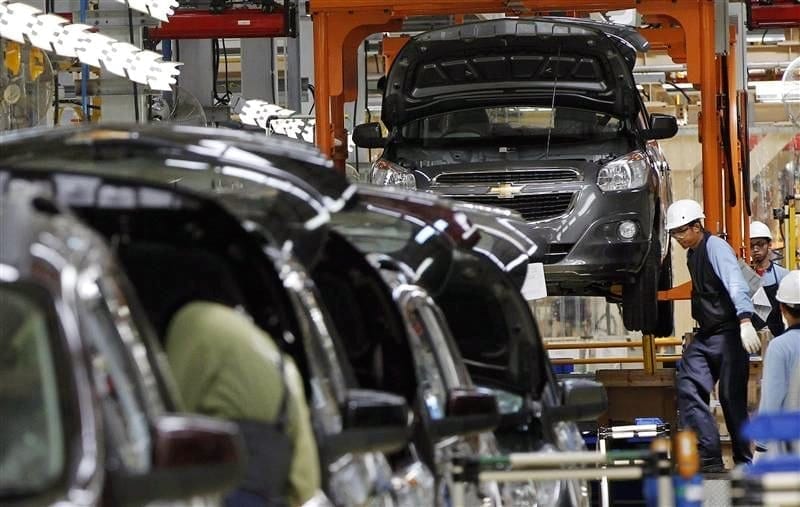
    Meanwhile, for the automakers in Vietnam, 90 percent of the 30,000-40,000 parts to make a car are imported, said Pham Tuan Anh, deputy head of the Department of Industry under the Ministry of Industry and Trade.

    There is a lack of suppliers in Vietnam compared to other countries in the region, he added.

    Echoing Anh, Thuy said that Vietnam has 20 auto assemblers, but only 226 parts suppliers. Neighboring Thailand, meanwhile, has 16 auto assemblers and 2,390 suppliers.

    Many constraints

    Vietnamese companies in the auto parts industry face many challenges, and one of them is the lack of assistance in terms of legal framework, said Do Huu Hao, chairman of the Vietnam Society of Automotive Engineers.

    Regulations concerning parts suppliers are changed often and the tax policies are also unsuitable for the industry, he said.

    Another reason is that local manufacturers have limited financial capacity to compete with their foreign counterparts.

    The auto part industry is heavily dependent on imported material, but the low financial capacities of local suppliers prevent them from buying more of it, Hao said.

    These factors make cars made in Vietnam 10-20 percent more expensive that of Thailand or Indonesia.

    Vietnam’s total vehicle sales increased 3.9 percent to 21,466 units in July from a year ago, according to the Vietnam Automobile Manufacturers’ Association (VAMA).

    Total vehicle sales in the first seven months of 2018 dropped 4.1 percent from the same period last year to 148,536 units, VAMA said.

  • ThaiBev to intensify Vietnam focus after lackluster 3Q

    ThaiBev to intensify Vietnam focus after lackluster 3Q

    Thai Beverage on Wednesday announced plans to double down on the Vietnam beer market after posting disappointing third-quarter results.

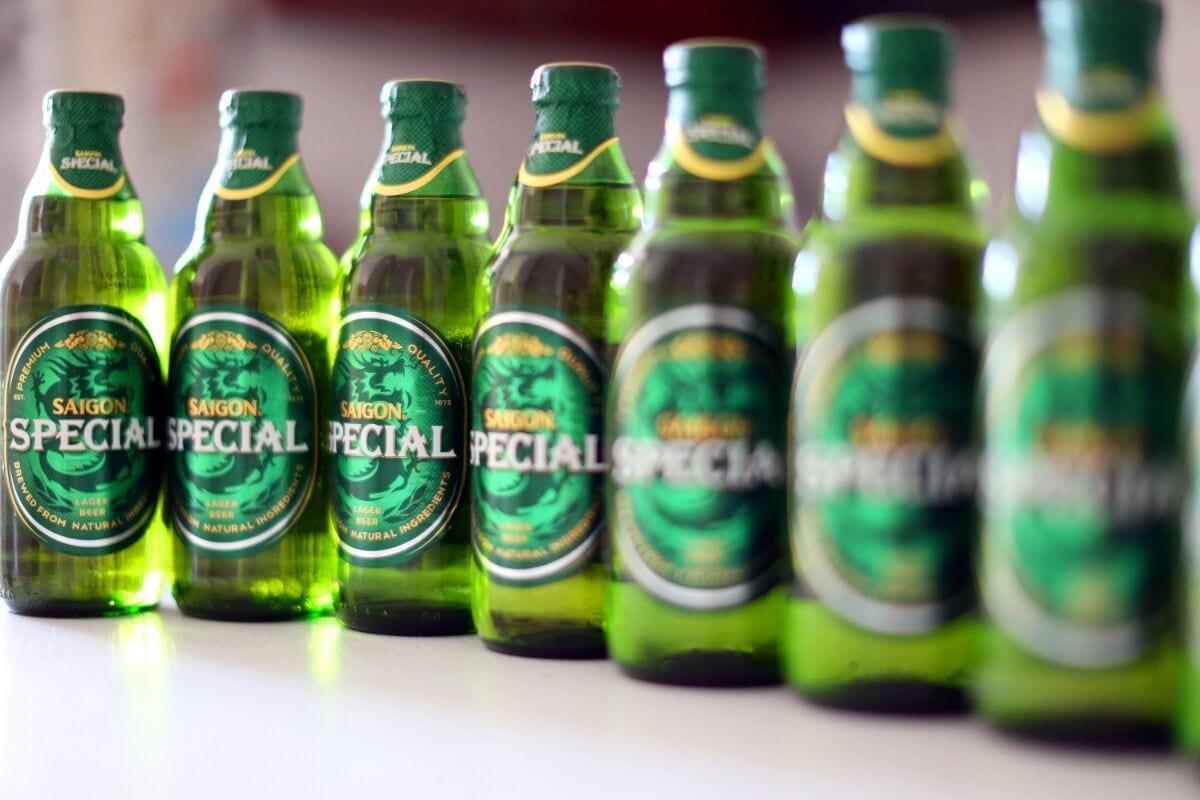
    It said it will focus on optimal use of its 54 percent stake in Vietnam’s largest brewery Saigon Beer Alcohol Beverage Corp (Sabeco), known for its Saigon Special beer.

    It is reported that although the firm acquired its stake in Sabeco last December, ThaiBev only began conducting due diligence of the brewery’s production facilities recently, after its current CEO, Bennett Neo Gim Siong, was appointed on August 1.

    The firm stated it was working on several areas to boost Sabeco’s performance, including procurement, marketing and R&D.

    ThaiBev officials said they were optimistic about Sabeco’s potential and profitability in Vietnam’s beer market.

    The latest announcement came after ThaiBev on Tuesday posted a net profit of 5.99 billion baht ($180 million) for the third quarter ending June 30, a 61 percent fall from 15.23 billion baht ($458 million) a year ago.

    The drop was attributed to several factors, one of them an increase in net losses from the non-alcoholic beverage business.

    Last year, Sabeco produced nearly 1.8 trillion litres of beer, recording sales of VND35.2 trillion ($1.56 billion) and an after-tax profit of VND4.95 trillion ($199.5 million).

    It exported 28.6 million liters of beer for over $15 million.

    Vietnam is the biggest beer market in Southeast Asia, consuming nearly four billion liters last year.

  • China expansion gives good result for Jumbo Group

    China expansion gives good result for Jumbo Group

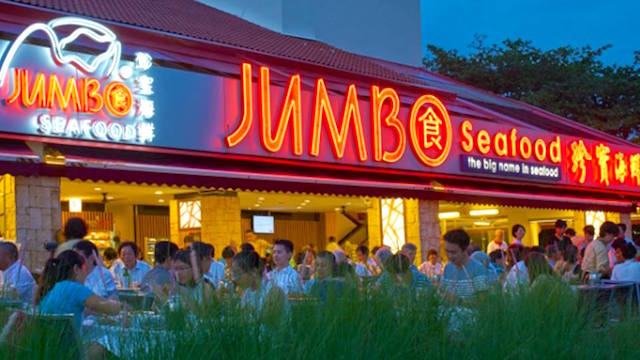
    Singaporean restaurant chain Jumbo Group has announced sales of S$35.8 million for the three-months to June 30, boosted by new outlets in China.

    Two new restaurants opened in Beijing and Shanghai, combined with a recently opened venue in Xi’an’s SKP luxury mall, increased revenue for the quarter by $1.8 million comparative to last year’s figures for the corresponding period. The group has also recently launched one of its franchises in Taiwan.

    Despite the revenue growth, overall profit attributable to owners of the company showed a decrease of $1.2 million from the same quarter last year, down to $2.2 million. This was attributed to the closure of two outlets in Singapore, rising costs of materials and fresh seafood, and staffing and promotional costs for launching the Chinese stores.

    The firm’s gross profit margin was correspondingly lower at 62 per cent during the quarter, compared to 62.7 per cent last year.

    The group’s executive director and CEO Ang Kiam Meng said he was heartened the business’s expansion in the region has borne fruit.

    “On the domestic front, we see an overwhelming response at the new Tsui Wah outlet at Clarke Quay. This is in line with our strategy to increase the vibrancy of our business and Singapore’s food and beverage landscape. As a growing business, there will be a gestation period as reflected in our latest set of financial results. We are confident that we will be able to produce a sustainable performance as we expand our footprint regionally and strengthen our position.”

    The group will continue to expand across the region in the coming year, with new outlets planned for Thailand, Taiwan, China and Singapore.

  • Baia Baia launches in Australia

    Baia Baia launches in Australia

    International fashion and accessories brand Baia Baia, known for its playful and spirited approach to custom creation, made its Australian debut with the opening of its first Australian flagship store in Sydney’s Queen Victoria Building late July.

    Baia Baia is a bespoke charm concept, where fashion and creativity collide, designed to offer infinite possibilities that represent happiness, uniqueness, free spirit and style.

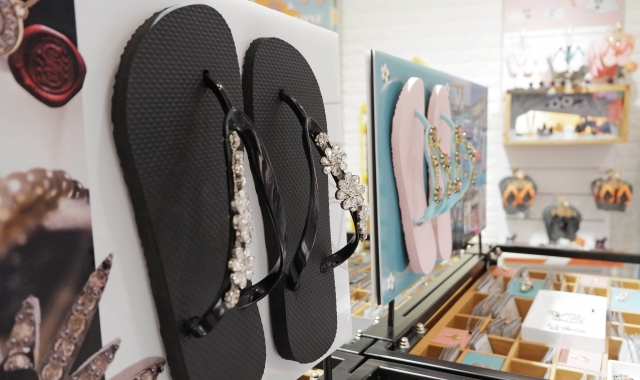
    The brand was founded in France by Steve and Chiara Rosenblum. Baia Baia’s philosophy is based on an ethos of togetherness, fun, and casual chic, embracing the idea of a Baia Baia Tribe, where personality shines with confidence through customised DIY creations of thongs, jellies, furries, bags, stationery and other fashion accessories.

    At the helm as collection director is Parisian-born Chiara, a renowned contemporary art collector, editor-at-large for French magazine Be Contemporary and mother to three young girls.

    Chiara, who with her husband also co-founded a 1500sqm art museum designed by esteemed architect Joseph Dirand, draws on her global aesthetic, design and artistic influences to craft Baia Baia’s ranges, each heroing the brand’s DNA of fun and accessible fashion for all ages, focusing on personalisation and entertainment.

    Presenting hundreds of charms categorized into 12 distinct fashion tribes, the in-store and online Baia Baia experience allows customers to embark on an expressive journey, offering a template of creativity to craft fashion accessories that is uniquely your own. The charms, like a tattoo, tell personal and unique stories.

    At the avant-garde of a revolution of empowerment, Baia Baia provides the environment and tools to achieve fashionable self-creation, ensuring no two persons wear the same, where fashion meets and mingles with one’s own personal sense of style, fun and memories.

  • Low apartment prices, high returns make HCMC a magnet for foreign investors

    Low apartment prices, high returns make HCMC a magnet for foreign investors

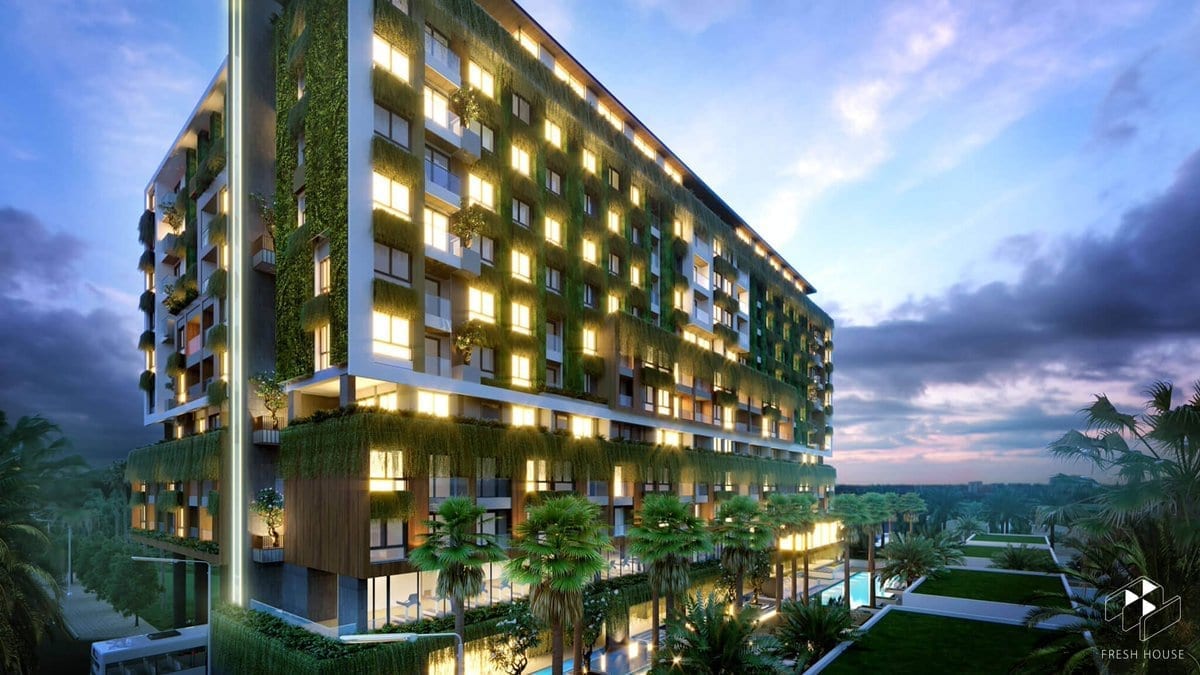
    High-end properties in HCMC, where prices are much lower than in major cities in neighboring countries, are attracting plenty of foreign interest.

    A high-end apartment in the city costs around $5,000 per square meter, but the same one in Hong Kong could cost four times, Nguyen Khanh Duy, director of residential sales at real estate service provider Savills HCMC, said.

    Buyers from China, Taiwan and Hong Kong last year accounted for 25 percent of transactions by foreign buyers, up from 21 percent in 2016, according to data from real estate consultancy CBRE Vietnam.

    “Chinese buyer demand for Vietnam properties in the first quarter of 2018 was more than 300 percent higher than the first quarter of 2017,” said Carrie Law, chief executive of the online Chinese real estate agency Juwai.com.

    The country is still lower on the preference list than Thailand or Malaysia, but demand is growing, Law said.

    According to Duy, what attracts many of these buyers to the country, and HCMC in particular, is the high return on property.

    It is currently 5-6.5 percent in Thao Dien ward and Thu Thiem Peninsula in District 2. This is higher than in other Asian countries, where returns are only 3.7-5.2 percent, he noted.

    Duy said the high returns and competitive prices of high-end properties are drawing high-income Vietnamese and international buyers to the city.

    The demand for high-end properties has been increasing and surpassed supply, and so there is potential more of this type of development in the next three to five years, he added.

    A CBRE report said the high-end segment accounts for the highest proportion of new launches in the second quarter — 54 percent.

    In the last three years 35,000 luxury apartments have come into the market. This is a major increase on 2012-14 when fewer than 10,000 units were on offer, CBRE said.

  • Second Cos Malaysia second store opened

    Second Cos Malaysia second store opened

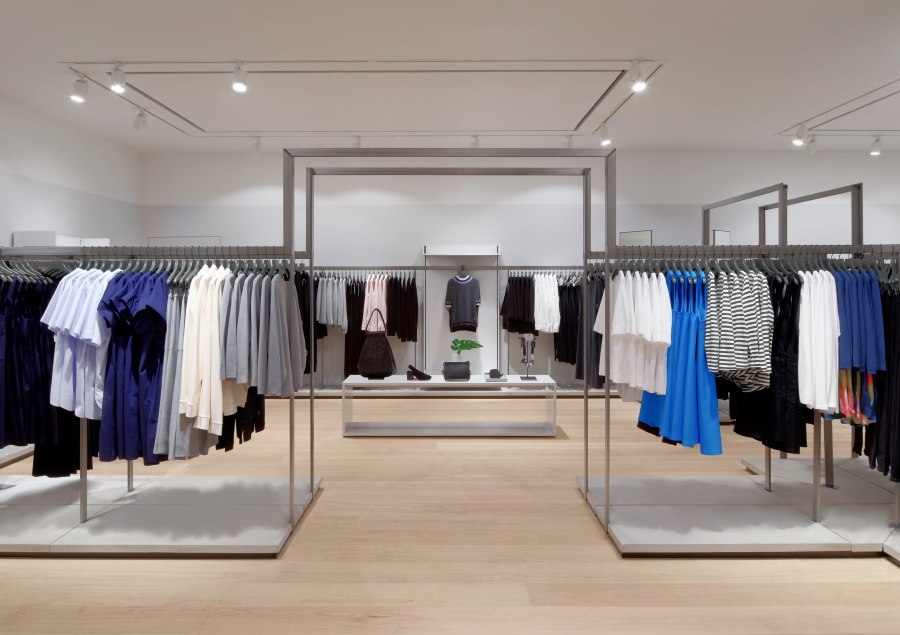
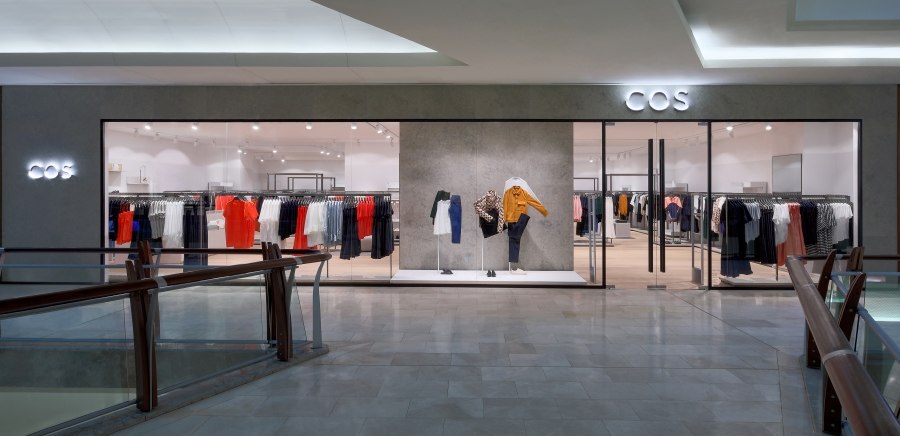
    Swedish fashion brand Cos has opened a second Malaysian store at The Gardens Mall in Klang Valley.

    The launch of the spartan 306sqm Cos Malaysia store comes just 18 months after the brand’s first opening at Pavilion Elite shopping centre. The store’s minimalist decor features Vicenza stone surfaces set off by the brighter tones of the fashions on display.

    Cos Garden Mall has opened with its existing Spring/Summer collection, but will follow the change of season shortly with Autumn/Winter 2018 coming soon.

    An H&M sister brand, the home website describes its fashion aesthetic as merging “lasting quality with timeless design; clean silhouettes, innovative techniques and functional details inspired by art, technology and architecture.”

  • Dip in Indian rates on rupee weakness dulls Vietnam offers

    Dip in Indian rates on rupee weakness dulls Vietnam offers

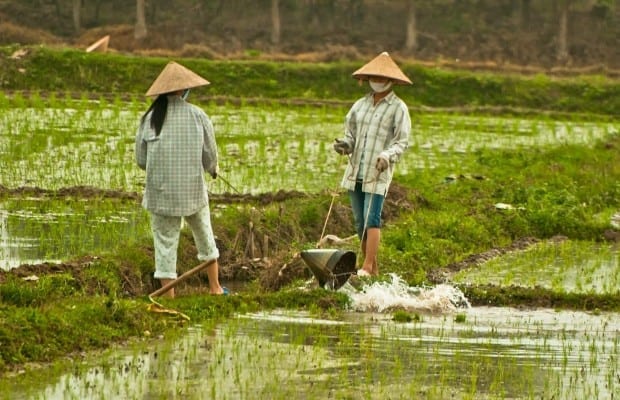
    Rice export prices in India fell this week as the rupee weakened, weighing on demand for the Vietnamese variety.

    Rates for India’s 5 percent broken parboiled rice fell by $3 per tonne to $389-$393 per tonne this week.

    “Rupee depreciation is allowing us to lower prices, but at the same time competitors are also lowering their quotes,” said an exporter based at Kakinada in the southern state of Andhra Pradesh.

    The Indian currency fell to a record low against the dollar on Thursday.

    Farmers in India had planted summer-sown paddy rice on 30.78 million hectares as of Aug 10, down 2.9 percent from a year ago due to scant rainfall.

    Monsoon rains in India are likely to be below-normal levels in 2018, a private weather forecaster said earlier this month, raising concerns over farm output and economic growth in Asia’s third-biggest economy, where half the farmland lacks irrigation.

    The falling rice prices in India also weighed on the market in Vietnam, the third largest exporter, but rates for the country’s 5 percent broken variety were unchanged at $395-$400 a tonne.

    “Trade is slow as Vietnamese prices are comparatively higher, especially compared with Indian prices … Exporters have lost their African customers to Indian rivals due to that,” a Ho chi Minh City-based trader said.

    Vietnam exported 444,235 tonnes of rice in July, down 17.4 percent from June, government customs data released late last week showed. That was slightly lower than a government forecast of 450,000 tonnes.

    In Thailand, the world’s second biggest rice exporter, demand also remained soft, traders said.

    Thailand’s benchmark 5 percent broken rice price was quoted at $390-$393, free on board (FOB) Bangkok, little changed from last week’s $390-$395.

    The commerce ministry on Wednesday said Thailand had exported 6.99 million tonnes of rice worth 3.52 billion baht this year by August 15, a 2 percent increase from a year ago.

    Meanwhile, Bangladesh, which had emerged as a major importer of rice since 2017 after floods damaged its crops, continued to procure rice domestically.

    In the 2017-18 financial year that ended in June, Bangladesh imported a record 5.7 million tonnes of rice. However, imports dropped sharply after the government imposed a 28 percent tax on shipments to support its farmers following a revival in local output.

    Rice at government warehouses stood at nearly 1.3 million tonnes, data from the country’s food ministry showed.

  • Evolution in Korean retailers commerce

    Evolution in Korean retailers commerce

    South Korean retailers are increasingly crossing boundaries between their commerce platforms from television to offline and online to attract more customers, market watchers said.

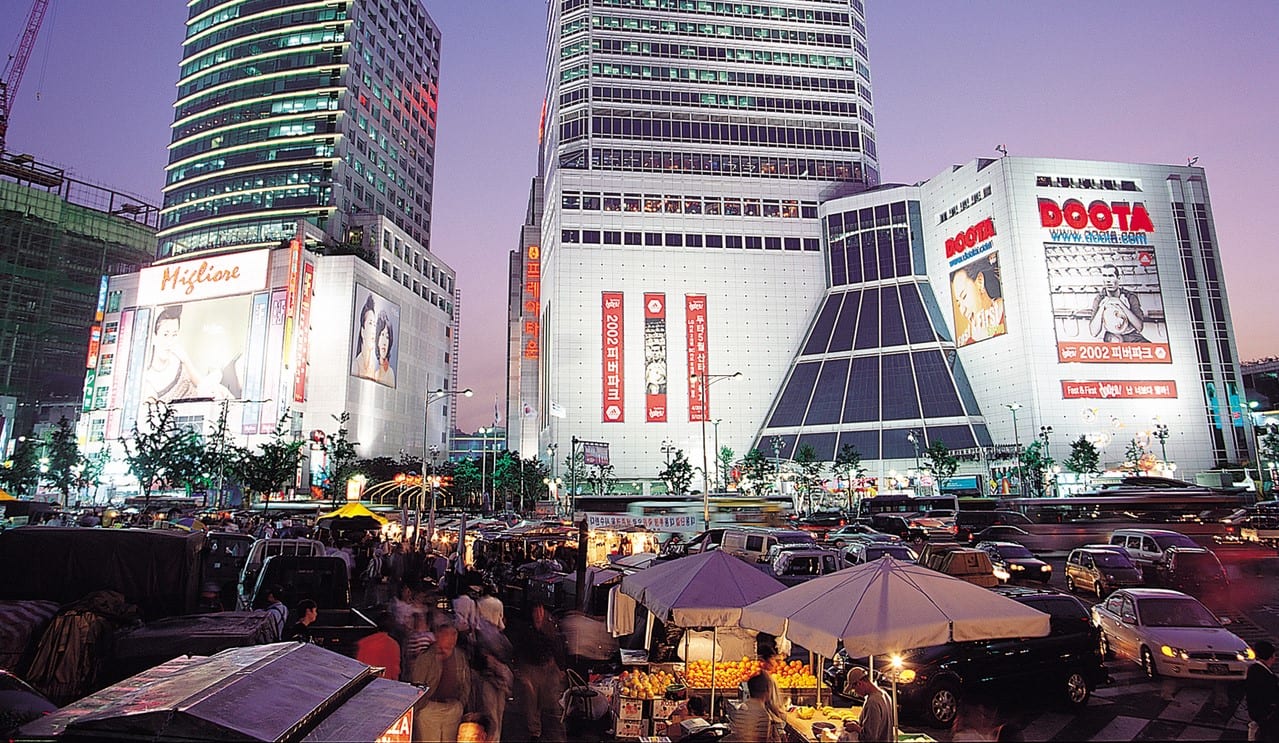
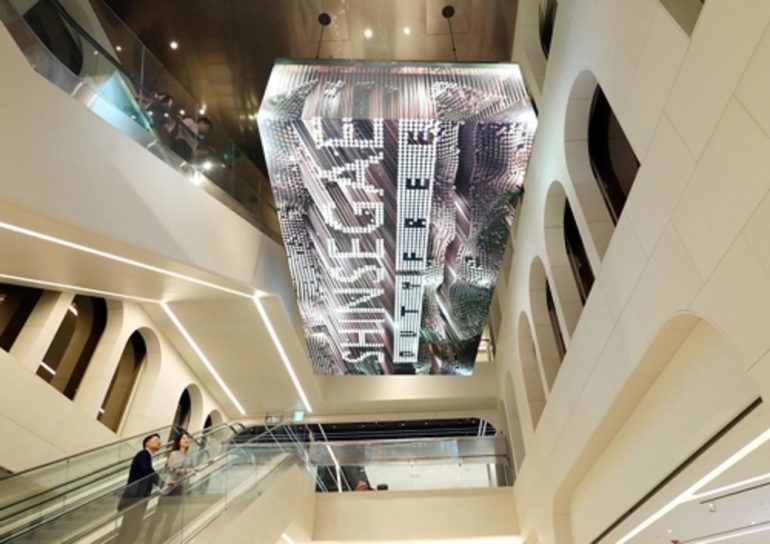
    Shinsegae TV Shopping Inc., the home shopping arm of retail giant Shinsegae, is set to open an offline shop for luxury goods sold through its program S-Style at the retailer’s mall in Paju, north of Seoul, on August 18.

    The 159-square-meter store will mark the first case for a television-based commerce firm to open an offline mall, according to Shinsegae.

    “We will provide a unique experience to our customers, freely crossing over the line between online and offline,” a company official said, adding the launch is aimed at communicating more closely with its customers.

    Shinsegae is not the only retailer moving to break boundaries between its platforms.

    Earlier onAugust 13, another major retailer, the Hyundai Home Shopping Network Co., opened an online mall named Hootd, gathering products from eight influencer brands. Their combined number of followers on social media amounts to 1.4 million, according to the company.

    Launching the new service, Hyundai said it will actively collaborate with Hyundai Department Store to regularly open pop-up stores and use its TV channel to further raise the influencer brands’ profile.

    Industry watchers say local retailers have been gradually expanding the collaboration of online and offline platforms to create synergy and make up for their respective shortcomings.

    “Despite efforts to overcome the limit of fully delivering product information, online platforms fall short of providing the same experience as offline malls,” said Kim Na-kyung a researcher at the LG Economic Research Institute.

    “Especially to meet the needs of consumers who wish to check products’ traits that cannot be explained in numbers, such as texture and color, offline channels can be an effective complement.”

  • Vietnam e-commerce site Sendo secures $51 million for expansion plans

    Vietnam e-commerce site Sendo secures $51 million for expansion plans

    Vietnam’s growing potential has helped nation’s leading C2C platform attract more venture capital funds.

    In the Series B funding round, the SBI Group and Daiwa PI Partners from Japan, Softbank Ventures Korea and the U.S.-based SKS Ventures were the new investors.

    Series B in venture capital financing refers to funding sourced to take a firm to the next level, past its development stage.

    All existing investors – FPT Group, eContext Asia, BEENEXT, and BEENOS – also participated in the Series B funding.

    Nguyen Dac Viet Dung, executive chairman and co-founder of Sendo, said: “The funding will help the company expand the C2C (customer to customer) platform Sendo, launch the B2C (Business to Customer) marketplace SenMall, and make SenPay the leading fintech platform in Vietnam.

    In a fast-growing e-commerce market, Sendo has differentiated itself by focusing on not only Hanoi and Ho Chi Minh City but also the hitherto untapped Tier 2 cities’ population, where 70 million Vietnamese people live.

    Sendo, which was established in 2012, currently has more than 300,000 sellers serving around 10 million customers nationwide.

    A report last April cited Bain, a U.S.-based global management consulting firm as saying online businesses were booming in Southeast Asia.

    Bain estimated that the region had 200 million digital consumers, or people who bought goods or services online, out of an adult population of 405 million. Vietnam, with a population of 93.7 million, accounted for 35 million of these consumers.

  • Shiseido sales fueled by travel retail

    Shiseido sales fueled by travel retail

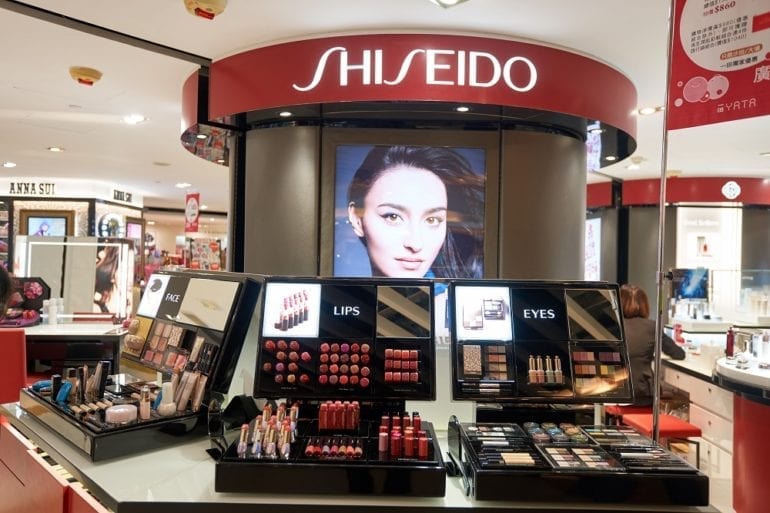
    Japanese beauty giant Shiseido Group has revealed strong sales revenue boosted by travel retail in its mid-year results.

    Shiseido sales reached ¥532.6 billion (US$4.8 billion), with ¥47.66 billion ($430.56 million) net income attributable to the business owners, 153.5 per cent above figures for the same period last year.

    A major influence on the group’s performance this year has been the 40.3 per cent increase in sales across the firm’s travel retail business.

    “In the travel retail business, the benefits derived from active investment in marketing, which included further increase of advertising and promotion in airports around the world, led to continued growth in sales of Shiseido, Cle de Peau Beaute, Nars, and Anessa that far outperformed last year, mainly in Asia,” the company reported.

    The company’s sales performance during this period has encouraged management to expect to achieve its “Vision 2020” goal of ¥100 billion ($904 million) in operating income and an operating margin of 10 per cent two years ahead of schedule.

  • Louboutin’s first online pop-up store on Toplife

    Louboutin’s first online pop-up store on Toplife

    Christian Louboutin’s signature red-soles have tiptoed their way onto Toplife.

    Joining numerous international leading luxurious brands such as Fendi, Saint Laurent, Alexander McQueen or Oscar de La Renta, Christian Louboutin has partnered up with JD’s luxury e-flagship platform Toplife earlier this July to make its debuts on the Chinese e-commerce platform scene. Its online pop-up store features the full offering from the brand’s most recent collection.

    JD President of International Fashion and Head of Toplife, Xia Ding, said “No matter where you are, Christian Louboutin’s signature creations are ubiquitous with style, poise and individuality,”. In this effort to bring a seamless omnichannel experience, clients can enjoy JD’s signature white glove service, JD Luxury Express. Rounding out the online luxury experience with an offline, personal touch, customers can have their goods hand-delivered to their homes by professionally-dressed couriers driving electric cars.

    Leveraging its RaaS capabilities, JD has supported many brands in their debuts on the Chinese e-commerce scene. The company is expecting to welcome more international luxury brands on its luxury e-flagship platform Toplife.

    Christian Louboutin’s signature red-soles have tiptoed their way onto Toplife.

    Joining numerous international leading luxurious brands such as Fendi, Saint Laurent, Alexander McQueen or Oscar de La Renta, Christian Louboutin has partnered up with JD’s luxury e-flagship platform Toplife earlier this July to make its debuts on the Chinese e-commerce platform scene. Its online pop-up store features the full offering from the brand’s most recent collection.

    SEE ALSO: JD.com debuts Toplife, its ecommerce ecosystem for luxury brands

    JD President of International Fashion and Head of Toplife, Xia Ding, said “No matter where you are, Christian Louboutin’s signature creations are ubiquitous with style, poise and individuality,”. In this effort to bring a seamless omnichannel experience, clients can enjoy JD’s signature white glove service, JD Luxury Express. Rounding out the online luxury experience with an offline, personal touch, customers can have their goods hand-delivered to their homes by professionally-dressed couriers driving electric cars.

    SEE ALSO: Red soles are Christian Louboutin’s trademark

    Leveraging its RaaS capabilities, JD has supported many brands in their debuts on the Chinese e-commerce scene. The company is expecting to welcome more international luxury brands on its luxury e-flagship platform Toplife.

  • Vietnam to expand banana farming for China export

    Vietnam to expand banana farming for China export

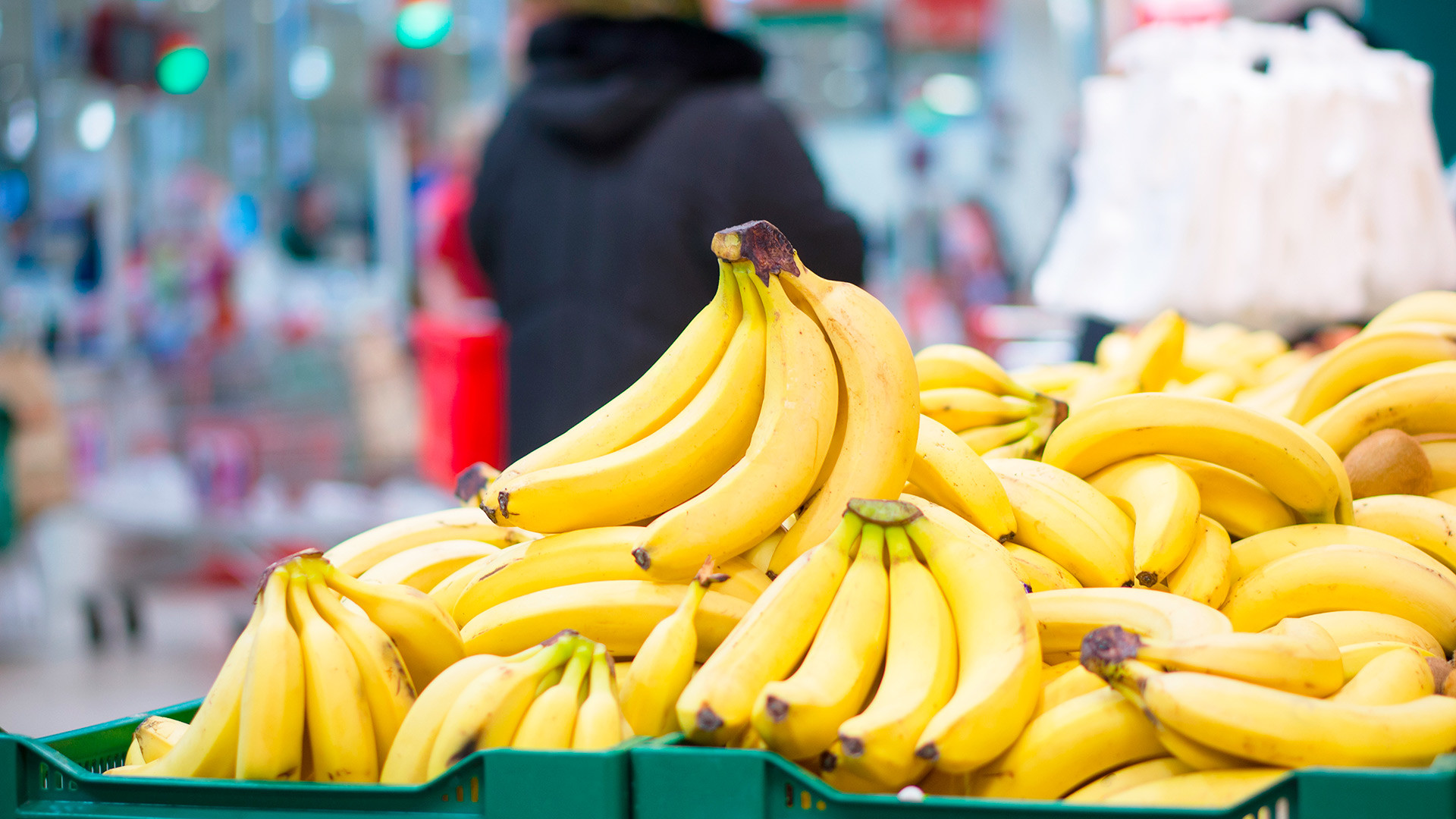
    A Vietnamese agriculture company, Hoang Anh Gia Lai Agriculture Jsc, is set to invest in another 5,000 hectares of land in Cambodia to grow bananas for export to China.

    It will invest VND976 billion ($42 million) in the project, the company said in a recent statement.

    Most of the bananas will be exported to China by ship or road. They will fetch VND22,000-23,000 (95-99 cents) per kilogram from September to March and VND13,000-14,000 (56-60 cents) at other times.

    While China has a demand for 15 million tons of bananas a year, the company has only been supplying 240,000 tons, Doan Nguyen Duc, CEO of Hoang Anh Gia Lai (HAGL) Agrico, said.

    But to reduce its excessive reliance on the Chinese market, Duc is also hoping to shift 20 percent of the company’s banana exports to South Korea and Japan.

    It expects to harvest over 106,000 tons of bananas and earn revenues of around VND1.7 trillion ($73 million) and VND983 billion ($42 million) in gross profit this year.

    The company already possesses 13,500 ha of farmlands in Vietnam, Laos and Cambodia. It is also a major producer and exporter of dragon fruit and chili.

    HAGL used to be a leading property developer in Vietnam, but restructured in 2010 to focus on rubber and livestock farming.

    HAGL Agrico has been growing fruits since 2016, and last year its passion fruit, banana, chili, and dragon fruit crops fetched revenues of VND1.6 trillion ($71 million), accounting for around 49 percent of HAGL’s total revenues.

    This year, the firm expects sales of VND3.7 trillion ($164.4 million) and gross profits of VND1.67 trillion ($74.2 million).

  • Lotte duty free profit soars

    Lotte duty free profit soars

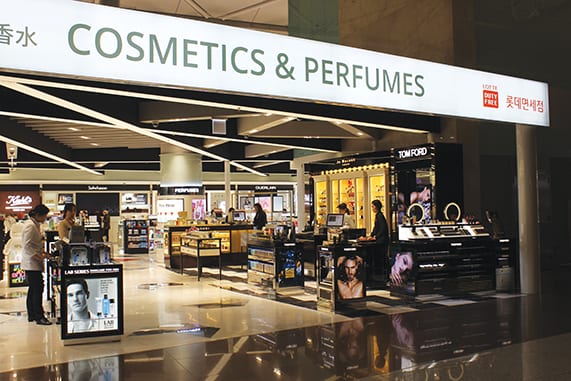
    South Korean duty-free operator Lotte has reported soaring profit following its decision to partially withdraw from Incheon airport.

    In the company’s first half report, it indicated solid worldwide sales accounted for the profit increase, which came to KRW155 billion (US$137 million) – up a staggering 1995 per cent.

    Total global sales hit KRW2.7 trillion (US$2.4 billion), almost all of which came from domestic sales.

    Three out of four concessions at Incheon were shuttered by the firm following long-running losses. The closures have saved the firm considerable expenditure on rent.

    The positive results have encouraged Lotte to expect overseas sales in excess of KRW200 billion (US$177.7 million) this year, following the launch of additional stores in Vietnam and elsewhere.

  • Don Quijote hopes for Seiyu plot

    Don Quijote hopes for Seiyu plot

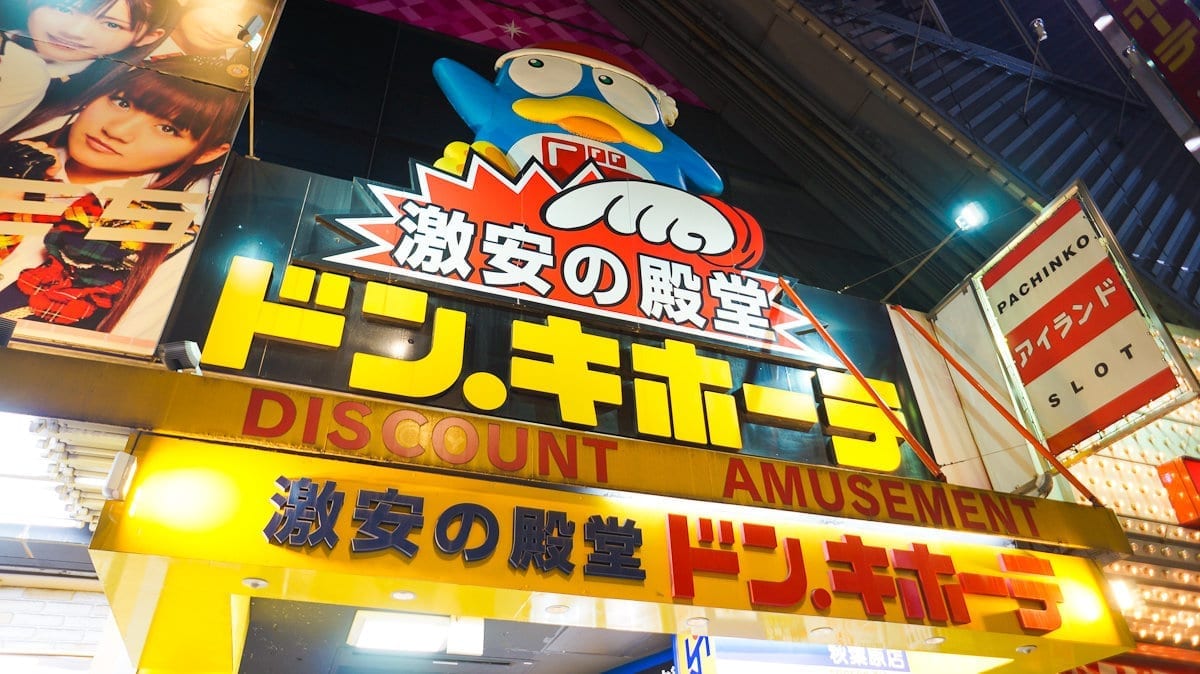
    Japanese discount retailer Don Quijote says it wants to buy Walmart’s Seiyu department store business in Japan.

    But Walmart still claims it is not for sale.

    Despite widely published reports, that Walmart was approaching potential buyers for the unit, the US company denies it is selling up and moving out of Japan.

    A Walmart spokesperson said that the company is not in talks with prospective buyers and is continuing to develop the business.

    Don Quijote CEO Koji Ohara told a press conference this week that if Seiyu came up for sale “we would be interested and it is attractive”.

    “If you don’t have real estate you can’t do retailing. In addition to its human resources, Seiyu has many locations that you cannot get your hands on,” he said.

    The original Nikkei report said Walmart could fetch 300 – 500 billion yen (US$2.7 – $4.5 billion) for the business if it sold. The move was perceived as a potential outright withdrawal from Japan and a chance for the firm to refocus on higher potential markets in China and India.

    Don Quijote, which has recently expanded into Singapore, last week reported its 29th consecutive year of sales and profit growth. The chain aims to have 500 stores in Japan by 2020, 80 more than it has now. But it is struggling to find locations.