Author: Mei Ling Tan

  • Amazon invests US $400 million more in its Indian arms

    Amazon invests US $400 million more in its Indian arms

    The US-based world’s largest e-tailer Amazon invested an additional US $400 million (Rs 2,700 crore) in two of its Indian subsidiaries, said business intelligence platform Paper.vc on Monday.

    “Our tally of Amazon’s total investment in its Indian subsidiaries, including this, is US $3.6 billion (Rs 25,241 crore),” Paper.vc founder Vivek Durai said.

    According to documents Amazon filed with the regulators at a meeting on August 6 in Bengaluru, the board of directors of Amazaon Seller Services Ltd approved allotment of 270 crore equity shares of Rs 10 face value for Rs 2,700 crore to the Singapore-based Amazon Corporate Holdings Ltd and an additional 124,753 shares to Amazon.com Incs Ltd without premium.

    “The board of directors of Amazon Retail India Ltd on July 31 agreed to allot 10 crore equity shares of Rs 10 face value for Rs 100 crore to its shareholders (Amazon Corporate Holdings and Amazon.com) without premium on rights basis.

    Ahead of the retail giant Walmart taking majority stake (77 percent) in India’s e-tail major Flipkart for US $16 billion in May, Amazon invested Rs 2,600 crore in its India operations.

    “The Amazon board has consented to allot 260 crore shares of Rs 10 face value aggregating Rs 2,600 crore to the shareholders on rights basis in the ratio of their shareholding,” said Amazon Services Ltd in a filing with the Registrar of Companies (RoC) on May 8.

    Amazon Chief Executive Jeff Bezos had earlier committed to invest a whopping US $5 billion in India to cash in on the rapid growth in e-commerce business.

  • Indian, Swedish food to boost IKEA shoppers’ energy

    Indian, Swedish food to boost IKEA shoppers’ energy

    Walking through the sprawling, newly-opened IKEA store here needs energy and the company is making sure that customers get to recharge at its trademark restaurant. The 1,000-seater restaurant is the biggest among the Swedish home furnishings retailer’s global network in 50 countries.

    The thousands of customers who flocked IKEA’s first India store that opened on August 9 had a massive range of 7,500 world-class products to choose from. With 1,000 products priced below Rs 200, the affordability and the quality of the international brand was the talk of the town.

    So also was the restaurant, with half its menu offering Indian and the other half Swedish food — in line with the company’s global practice.

    “We cater to the local taste wherever we have our operations and half of our food here is Swedish,” Henrik Osterstrom, Country Food Manager, IKEA Food, told IANS at the restaurant, teeming with hundreds of customers.

    At the India store, chicken meat balls have replaced beef meat balls, a popular dish on IKEA’s menu globally. It has also dropped pork from the menu for India.

    “Since many people in India don’t eat beef, we are not selling it. As there are many Muslims, we are respecting their sentiments as well by not selling pork,” Osterstrom said.

    The menu includes vegetable biryani, salmon fillet, dal makhni, cakes, green salad, fruit salad, cinnamon buns and and variety of beverages.

    Osterstrom is happy with the customers’ response so far. “It’s fantastic to see so many people coming here. We are selling a lot of biryani, chicken meat balls, veggie balls and dal makhani as well,” he said.

    Like its home furnishing products, IKEA is also offering a menu to suit all sizes of wallets. Vegetable biryani is priced at Rs 99, chicken meat balls at Rs 149 and veggie balls at Rs 129.

    “We have ensured that the food is affordable, of high quality and of good taste. We call it Swedish-feel Indian-appeal,” said Osterstrom.

    The Swedish dishes include chicken meat balls, salmon fillet, lingonberry juice and cinnamon buns.

    Customers have to serve themselves — right from picking up trays and trolleys to collecting food and later leaving the trays and trolleys at designated points. The service is quick as customers collect their orders in a couple of minutes while moving in the queue along the food counters and the billing is done while heading towards their tables.

    Why choose India for the company’s biggest restaurant globally? “It became like that. I think food is starting point in India. We have large restaurants in other countries, especially in Asia, where food is vital. We wanted to give a nice atmosphere and make sure that it is not crowded,” he said.

    Globally, restaurants contribute 10 percent of IKEA’s sales but Osterstrom hopes it will be higher in India as big footfalls are expected. “People in India llove food. It’s just the beginning and we will see more customers.”

    Over 40,000 customers visited IKEA store on the first day. The company expects at least 60 lakh footfalls annually at the store, which has come up with an investment of Rs 1,000 crore in the heart of HITEC City, the information technology hub.

    IKEA plans to open 25 stores across India by 2025. The next store will open in Mumbai next year followed by Bengaluru and Delhi.

    The concept of a store is integral to IKEA, founded by Ingvar Kamprad in 1943.

    “Our founder, from day one, had this idea. As our showrooms are huge and it takes time for customers to go around the entire store, they feel hungry. We also have a play area for kids. It should be fun day for the whole family,” Osterstrom explained.

    The restaurant is located such that if customers feel hungry, after walking through one home furnishings section of the store, they should get new energy to enter the next phase of shopping, that is, the market hall.

    And, after another long walk through the market hall and checkout, customers find in front of them a cafe for refreshments. Here they get a wide range of cookies, chocolates and other delicacies. A samosa costs just Rs 10 while frozen yogurt, which tastes like soft serve ice cream, is also available at the same price.


  • Kappa parent Dongxiang embraces big growth number

    Kappa parent Dongxiang embraces big growth number

    China Dongxiang, which owns the Kappa brand rights in China, Macau and Japan, has recorded a 14.4 per cent increase in sales for the first-half year despite a restructure of its store network.

    Sales totalled RMB772 million (US$111.67 million), while profit attributable to shareholders reached RMB481 million.

    Kappa brand sales rose 10.7 per cent year on year with same-store sales rising in the mid- to low-single digits, despite a 20 – 25 per cent decline in forward orders and the closing down or upgrading underperforming stores.

    E-commerce helped boost Kappa sales and brand awareness in China, where the company collaborated with platforms, such as Tmall, JD and VIP Shop to launch promotional campaigns during popular festive seasons, and intensified promotion of new products online.

    The company’s Kappa Kids brand improved sales by 16.3 per cent and that now accounts for 7.7 per cent of China Dongxiang’s China regional revenue.

    The company ended the period with 1439 Kappa stores, including 335 trading under the Kappa Kid’s banner.

    Meanwhile, China Dongxiang’s Japan business continued to undergo reforms. The company says revenue from there grew significantly and its loss “shrank substantially” year on year.

    China Dongxiang owns Phenix, Japan’s most popular ski brand, whose market share it is now trying to expand in China and Europe.

  • Sogo store sales rises, helped by tourism rebound

    Sogo store sales rises, helped by tourism rebound

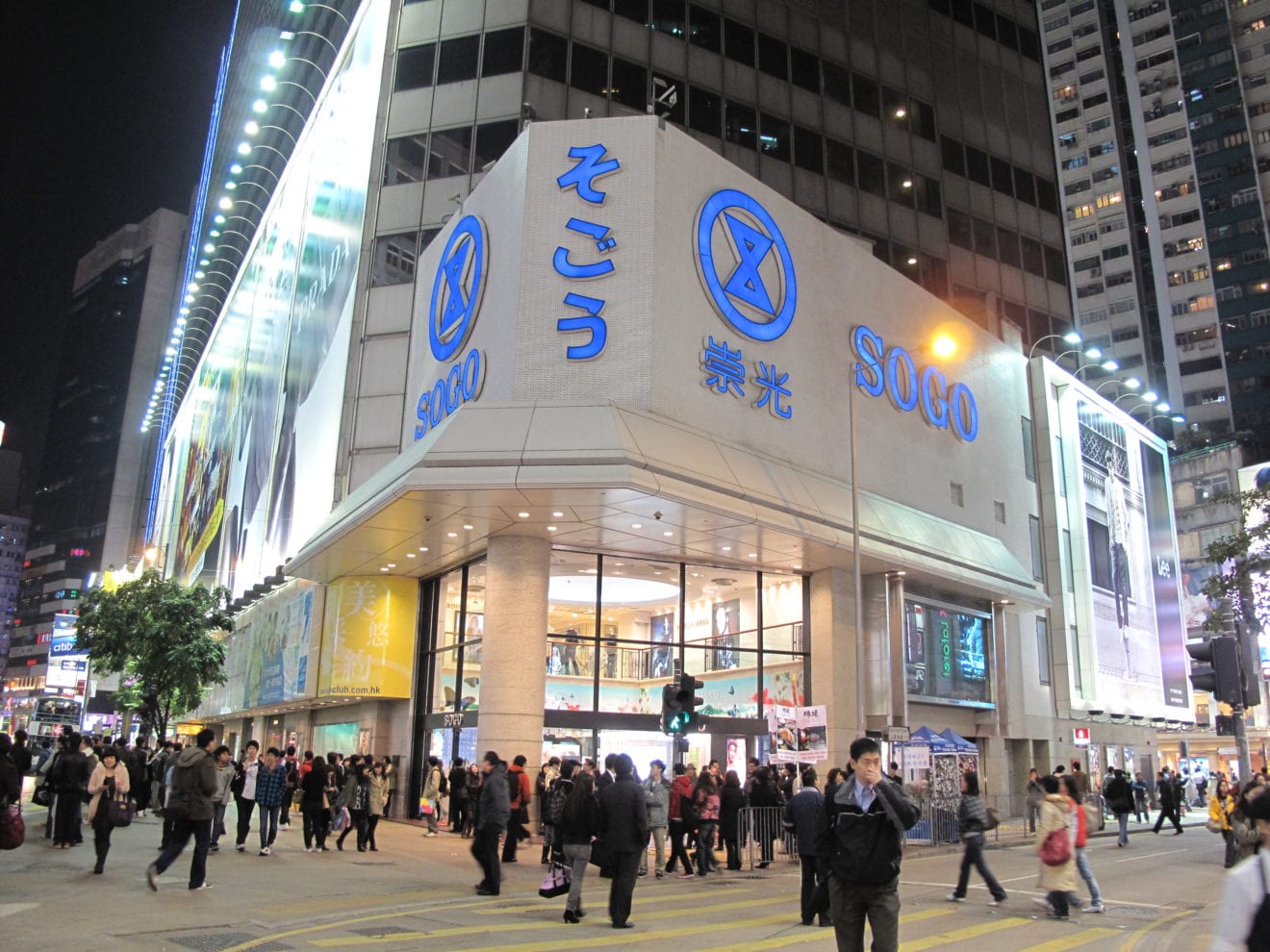
    Sogo store sales on both sides of the harbour surged ahead in the first half of this year.

    Causeway Bay recorded a 20 per cent upturn in sales during the six months to June 30, as inbound tourist numbers rebounded and consumer spending improved.

    The department store’s parent company Lifestyle International, said footfall increased by 7.1 per cent and what it terms the “stay-and-buy ratio” rose by 2.3 percentage points to 34.7 per cent. The average ticket size (excluding Freshmart supermarket sales) rose from HK$1344 in the same period last year to $1482.

    But the store’s greatest growth came in its Sogo Rewards program, with membership rising by 100,000 over the six-month period to reach 480,000. Members accounted for 51.5 per cent of all spending in-store, compared with 45 per cent during the first half of last year.

    Executive director Lau Kam Shim said Lifestyle International will continue to optimise the loyalty program to increase sales in its stores.

    During the half year, the group managed to capitalise on the uptick in consumption by introducing aggressive sales promotions and it streamlined digital payment services. The biannual Sogo ‘Thankful Week’ event held in May drew an overwhelming response from shoppers, achieving record-breaking sales of $1.307 billion, up 19.7 per cent from the previous record achieved in May last year.

    Across the harbour, the Sogo Tsim Sha Tsui store boosted sales by 42.8 per cent, with cosmetics and skin care products the major driver, up 55.4 per cent.

    “Sogo TST extended its robust growth momentum with both average ticket size and traffic footfall increasing from the previous period, thanks to stronger inbound tourism and local demand,” said Shim. “Similar to its counterpart in Causeway Bay, the May Thankful Week event at Sogo TST was well received and achieved record-breaking sales revenue of $429.3 million, up 41.9 per cent from the same event in the previous year.”

    Trade war warning

    While Lifestyle International is bullish about the company’s ongoing prospects, Shim joined the chairman of Lifestyle International’s sister company Lifestyle China, which operates malls on the mainland, warning of potential fallout from the US-China trade war.

    “Looking ahead, escalating Sino-US trade tensions and Brexit negotiations could derail the global economic recovery and undermine business and financial market sentiment,” he said in a commentary on the company’s results.

    “The weakening of the Chinese yuan against the Hong Kong dollar and concerns over a potential slowdown in China’s economy would also make a dent in Chinese tourist spending in Hong Kong and pose challenges to the steady recovery of Hong Kong’s retailing market.

    Notwithstanding the lingering macroeconomic uncertainties, a solid job market, government spending and a still-buoyant property market should continue to render support to Hong Kong’s economy and hence to the local consumption.”

    Combined results

    Overall, Lifestyle International’s department store sales rose 26.2 per cent in the first half.

    The strong growth was mainly attributable to a 35.3 per cent increase in direct sales and a 19.3 per cent increase in commission income derived from concessionaire and APO sales.

    The group’s gross profit margin as a percentage of turnover decreased from 75 per cent to 73.7 per cent, mainly due to higher growth in direct sales relative to concessionaire sales. Net profit attributable to shareholders totalled $882.9 million, down 48.7 per cent on the $1.720 billion of the same period last year. The decline was due to a $56.2 million loss on the group’s financial investments amid a volatile financial market (compared to a $328 million gain last year), profit for a one-off gain in the comparable period of $420.8 million from the sale of its interest in a subsidiary company; and a lower revaluation gain of $108 million compared to the $351.5 million last year in respect of the group’s investment properties, mainly the Kai Tak Land project where it has a development underway.

  • CIMB Niaga Indonesia first-half earnings 28% higher year on year

    CIMB Niaga Indonesia first-half earnings 28% higher year on year

    PT Bank CIMB Niaga Tbk (CIMB Niaga) posted a net profit of 1.8 trillion rupiah (RM504.3 million) in the first half of 2018 (1H18), representing a 28.1% year-on-year (y-o-y) growth, which translates into an earnings per share of 70.54 rupiah.

    The improved net profit came on the back of a 32.6% increase in non-interest income to 1.9 trillion rupiah and a 27.1% y-o-y decline in provision expenses, it told the stock exchange yesterday.

    Its loan loss coverage (LLC) remained comfortable at 106.83%, it added.

    CIMB Niaga president Tigor M. Siahaan said its 1H18 operating income managed to grow by 1.5% y-o-y thanks to the y-o-y improvement in non-interest income.

    Tigor added its operating costs continued to be well managed, rising only 3.4% y-o-y, while the gradual improvement in the economic environment positively impacted its provisions which declined 27.1% y-o-y.

    “We will continue the cautious growth trajectory with asset quality as a priority. With total assets of 260.1 trillion rupiah as at June 30, 2018, representing a 7.6% y-o-y growth, CIMB Niaga maintained its position as Indonesia’s second largest national private-listed bank by assets.”

    As at June 30, CIMB Niaga’s total gross loans increased 3% y-o-y to 185.7 trillion rupiah.

    “Our strategy to focus on the mortgage and small medium enterprise (SME) segments is gaining traction, with each segment growing by 8.9% and 6.2% y-o-y respectively, while our corporate loans grew by 8.8% y-o-y,” Tigor added.

    Its total third party deposits stood at 190.3 trillion rupiah as at June 30 2018, underpinned by a 12.8% y-o-y growth in CASA (current account, savings account).

    “Going forward, we will continue to optimise CASA with our consumer and SME digitalisation, and strengthen our Sharia business proposition and Sharia-compliant product offerings,” Tigor said.

  • Plastic industry hit hard by abrupt scrap import ban

    Plastic industry hit hard by abrupt scrap import ban

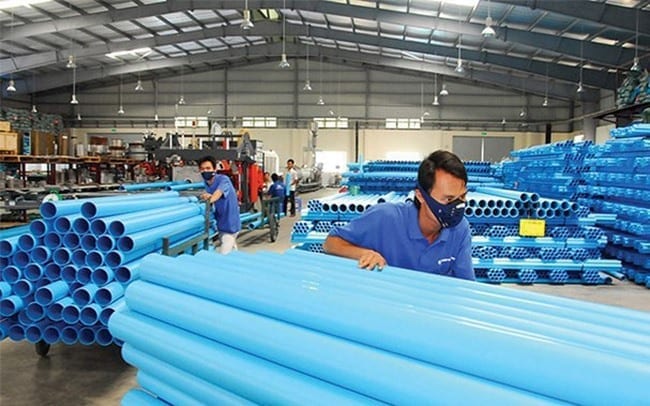
    Vietnamese plastic firms are unable to import scrap following a ban by the government, and said costs are becoming unaffordable as a result.

    “We’ll lose $10 million this year if we cannot import plastic scrap for manufacturing,” Tran Vu Le, director of Le Tran Plastic, told a conference organized Tuesday by the Vietnam Plastic Association (VPA).

    Other businesses attending the event said the inadequate plastic recycling in the country means they cannot source scrap locally.

    “HCMC produces 900 tons of plastic waste daily, but only 90 tons are recycled,” Hoang Phi Vu, director of Minh Tam Tin Nghia Plastic Company, said.

    Most of the plastic waste is mixed with regular trash and not sorted, and so does not meet export standard, he said.

    metric tonsVietnam’s 2016-2017 plastic waste import20162017PEPETPVC05101520253035404550Resource Recycling Inc.

    The problem began recently after Vietnamese authorities banned scrap imports just like China, which banned imports of certain wastes last January.

    As of August 13, there were over 6,600 containers of scrap remaining unclaimed at Cat Lai Port in HCMC and Hai Phong Port, according to the two ports.

    They have been there for over 30 days, 90 days in the case of a majority of them.

    Scrap importers have been reluctant to claim the containers because of “unsuitable” regulations related to their import, VPA chairman Ho Duc Lam told the conference.

    One such regulation requires import of plastic scrap with less than 2 percent impurities.

    “It is very difficult to extract the scrap from the containers to measure if it is below 2 percent,” Dinh Xuan Thang, director of the Hoa Lu Environmental Research and Application Center, pointed out.

    Vietnamese regulations allow empty plastic water bottles to be imported, but not bottles that contained sweetened drinks.

    “Who will sort these bottles to sell to Vietnam?” Hoang Duc Vuong, a spokesperson for recycling businesses in the VPA, asked.

    Plastic exporters to Vietnam H1 2018by percentageJapanU.S.KoreaThailandOther countriesVietnam Customs

    The VPA said in a release: “Vietnamese customs on July 7 slapped without prior warning an abrupt ban on scrap imports which did not give businesses time to react.”

    This ban has imposed a “burden” on plastic scrap importers, it said.

    Lam said he has written to Prime Minister Nguyen Xuan Phuc and the Ministry of Natural Resources and Environment about the problem.

    In the first six months of this year Vietnam imported 277,000 tons of plastic scrap mostly from Japan, the U.S. and Korea.

  • Metro Singapore retail sales decline

    Metro Singapore retail sales decline

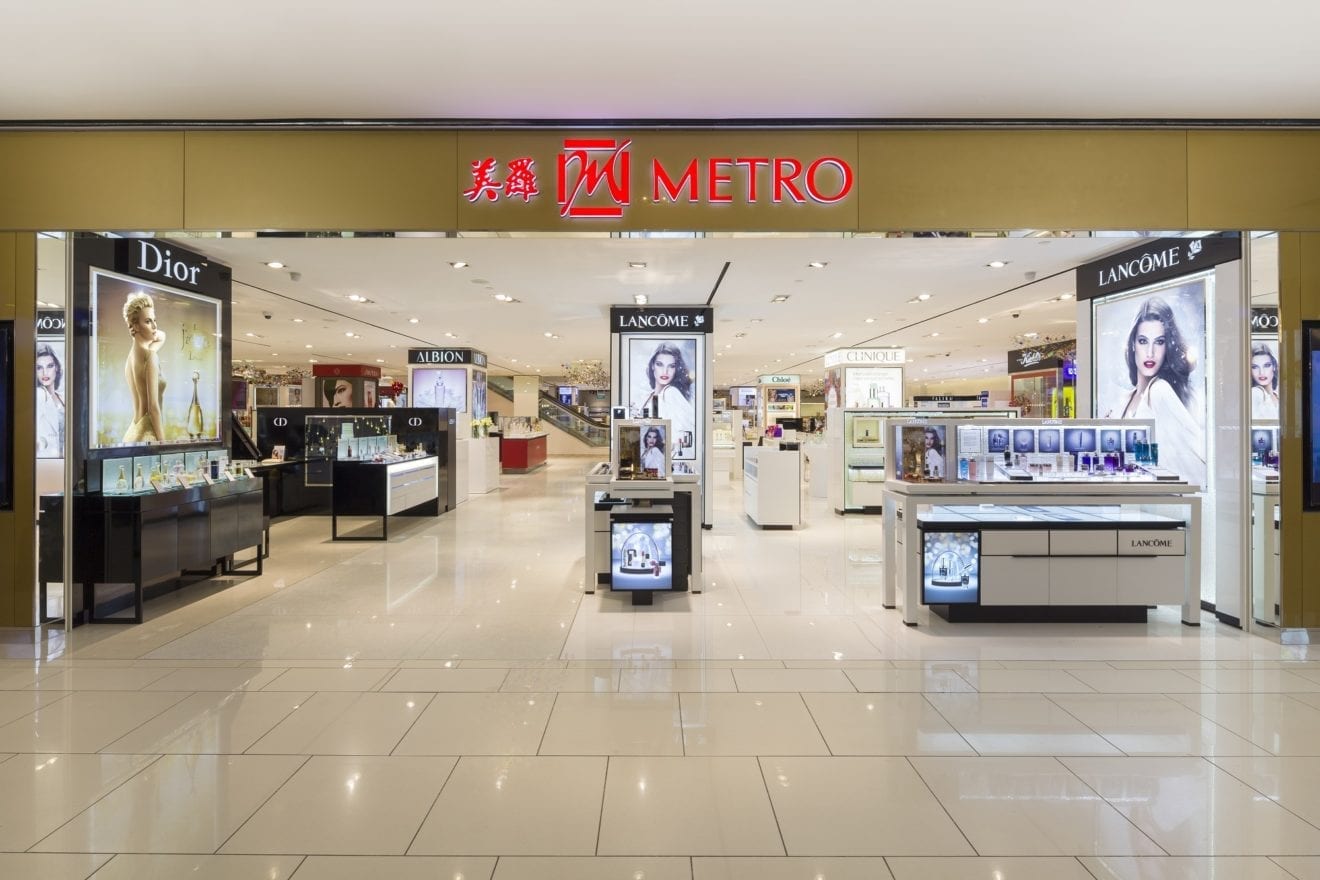
    Metro Holdings’ Singapore retail business posted a 7.6 per cent decline in sales during the first quarter of this year amidst “difficult trading conditions”.

    Metro has three Metro-branded department stores in the city and another 10 department stores in Indonesia.

    The company said the retail business as a whole posted a decline in profit due to lower Singapore sales. Its Indonesian stores achieved “marginal growth”, the company said in its results filing.

    Overall, Metro Holdings, whose primary business is property development in China, Singapore, Indonesia and the UK, achieved a net post-tax profit of S$20.3 million (US$14.7 million) for the quarter, down nearly 20 per cent in the same period last year, when it earned $25 million. However, this was largely due to the absence of a significant $8.3 million gain on asset disposals in the comparable quarter.

    CEO Lawrence Chiang Kok Sung said the group will remain “disciplined and focused” in its investment approach to seek out potential investment opportunities in the region to drive sustainable growth.

  • Indonesian ban on poultry from Malaysia has no impact on exporters

    Indonesian ban on poultry from Malaysia has no impact on exporters

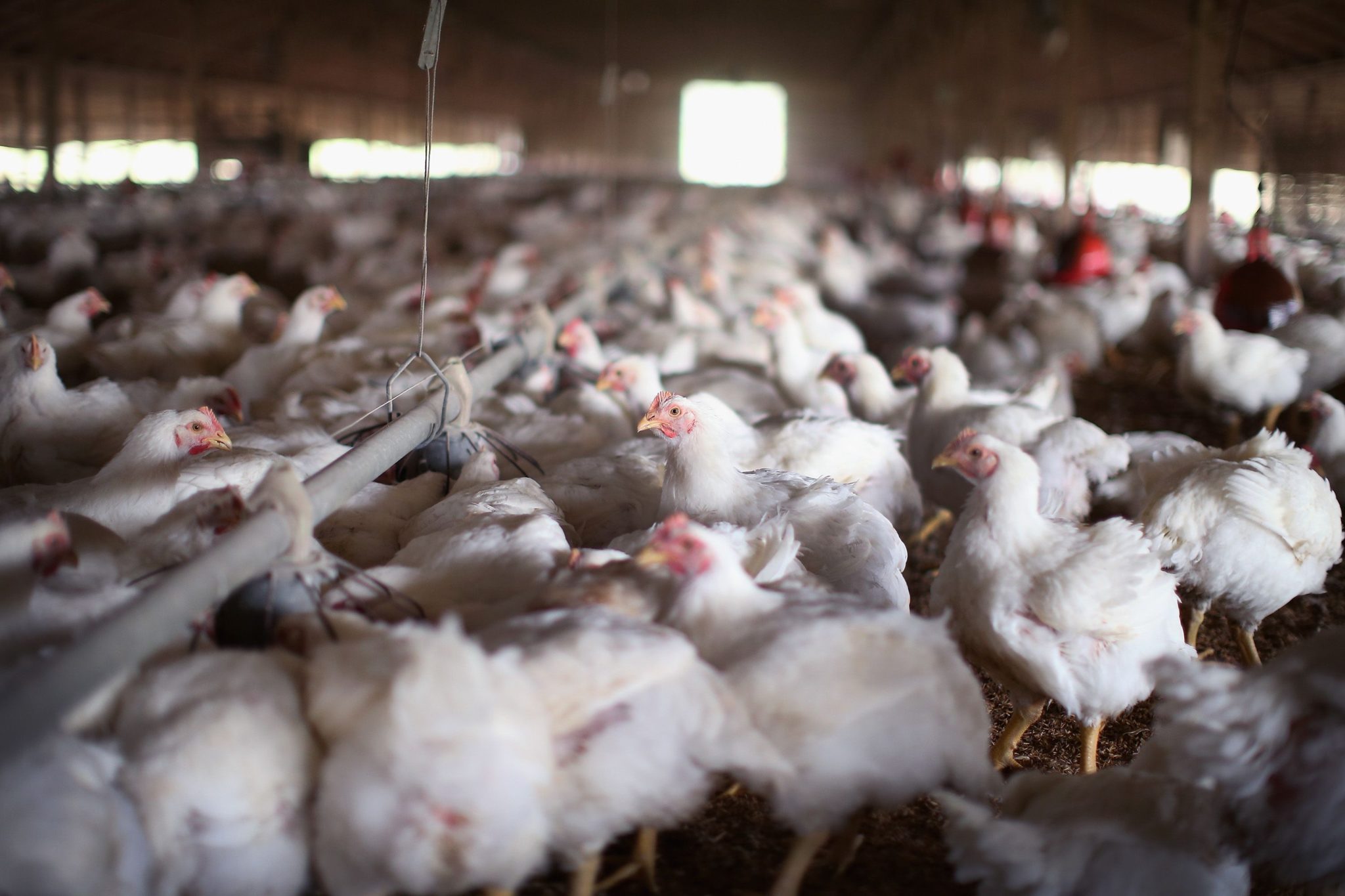
    Indonesia’s ban on the import of fresh poultry and unprocessed products from Malaysia shipped after Aug 9 will not have any impact on Malaysian exporters, as they have not been in the market for more than a year now.

    According to an industry player who declined to be named, a ban on Malaysian poultry has actually been in effect since the H5N1 avian influenza outbreak early last year.

    “Basically we don’t export that much or none at all. If you remember the outbreak of H5N1 avian flu in Kelantan. Malaysian poultry or veterinary products have been banned in Indonesia since then.

    “The ban has not been lifted, so there is no effect at all and this is just a continuity of the ban,” he said, adding that the announcement could be due to unofficial movement of poultry from Sabah and came on the heels of an outbreak of avian flu there.

    Malaysia External Trade Development Corp said that Malaysia’s exports of live poultry within Asean stood at RM746.3 million in 2017 while that meat and edible offal of poultry stood at RM56.4 million.

    There are some 10 poultry-based companies listed on Bursa Malaysia. Five of them were losers at the close of trading yesterday.

    Lay Hong fell 2.07% to 71 sen on volume of 8.17 million shares, Sinmah Capital declined 1.70% to 29 sen on 12.25 million shares, CAB Cakaran Corp skidded 1.06% to 93 sen on 123,900 shares, QL Resources eased 0.33% to RM5.96 on 297,200 shares and CCK Consolidated Holdings weakened 0.55% to 90.5 sen with 292,100 shares traded.

    DBE Gurney Resources, PWF Consolidated and Teo Seng Capital were flat at 3.5 sen, 85 sen and 84 sen respectively.

    TPC Plus was the lone gainer, rising 1.35% or 0.5 sen to 37.5 sen.

    LTKM’s shares were untraded.

  • Coach boosts Tapestry growth

    Coach boosts Tapestry growth

    Tapestry growth continues to be boosted by the inclusion of Kate Spade.

    The US apparel retailer has reported fourth-quarter revenue of US$1.48 billion and a net income of $211.7 million. A 31 per cent uplift in sales is the result of the acquisition of the Kate Spade business subsequent to the fourth quarter of the previous financial year.

    However, this is the final quarter during which the sales line will be flattered by this anomaly, which means the next fiscal year will present a much truer picture of underlying growth.

    For this quarter, the results are generally good – but mostly thanks to Coach which has driven the whole business forward. The numbers from Stuart Weitzman and Kate Spade are less impressive. The latter is understandable given that the brand remains in transition, but the former is somewhat disappointing as it is the result of operational missteps.

    Looking at Coach in more detail, total revenue increased by a solid 5.1 per cent, with a supporting rise of 3 per cent on a comparable basis. This is a very respectable result which, once again, underlines the return to full health of a brand that once suffered from ubiquity and excessive discounting. The performance in the US was particularly strong, aided in large part by the more robust consumer economy which has spurred spending on luxury products. However, Coach deserves credit for securing a slice of this growth – something that not all higher-end brands have been able to accomplish.

    Within Coach, the Signature line has been a particular success and has helped to drive both sales and interest in the brand. The development of smaller leather goods in this range has helped to expand the number of products consumers can buy and has created some good gifting options which should help the company in the all-important holiday quarter. We are encouraged by this development as it suggests that Coach has now found a sweet spot in terms of balancing a premium positioning with accessible products that help maximise sales.

    Another win for the company is the men’s range, where an expanded offer has helped to boost sales. While men’s remains a small component of the sales mix, we are heartened by a good performance over Father’s Day and a growing awareness of this part of the assortment. In our view, this part of the business has good potential and will likely be a driver of future growth.

    Kate Spade rebuilding 

    Kate Spade has now been part of Tapestry for a year. Over that time the group has taken a disciplined approach to rebuild brand equity, including pulling back on excessive promotional activity and reducing exposure to unfavourable wholesale channels. This effort is now almost complete and while global comparable sales were down 3 per cent, margins are strengthening and top-line revenue is starting to look more favorable. The brand is now in a better position and should start making a solid top and bottom line contribution over the next fiscal year.

    Stuart Weitzman continued its run of poor performance with a slip in sales and margin. Most of the issues at Stuart Weitzman still stem from production problems, which delayed key seasonal styles. Not only did this reduce sales of those products, it also weakened overall interest in the brand which meant core products had to be discounted to stimulate demand. Unfortunately, these second-half issues undid most of the advancement during the first quarter.

    Looking ahead, we believe Tapestry is in good shape. It should have a successful holiday quarter which will boost the first-half of its new fiscal year. And now that Kate Spade is in order, we do not preclude further acquisitions in the year ahead.

  • Malaysia’s second quarter GDP growth expected to ease to 5.2%

    Malaysia’s second quarter GDP growth expected to ease to 5.2%

    Malaysia’s economic growth pace likely slowed again in the second quarter of 2018, a Reuters poll showed.

    The median of forecasts from 14 economists is for annual growth of 5.2% in April-June. That would be a dip from January-March’s 5.4% and make the latest quarter – during which Malaysia surprisingly got a new government – the third in a row of slowing growth.

    Forecasts for second quarter growth ranged from 4.7-5.6%.

    “Growth likely eased in Q2 and may continue to moderate, with growth drivers shifting more to private consumption than investment,” Standard Chartered said in a research note.

    The bank said growth may have been weighed down by a 6.4% drop in palm oil production from a year earlier and by Prime Minister Tun Dr Mahathir Mohamad’s push to review major infrastructure projects which has spooked investors.

    Since his coalition gained power in a shock May general election, Mahathir has scrapped a broad-based consumption tax and announced plans to potentially scrap multi-billion dollar rail projects with China and Singapore.

    Mahathir, who at 93 is on his second stint as premier, has said that mismanagement by the past administration has caused national debt to balloon to RM1 trillion.

    Ratings firm Moody’s said demand for tech exports has helped Malaysia’s manufacturing and exports in the second quarter, along with higher private spending following a tax holiday that started in early June when the government zero-rated its goods and services tax.

    “The brakes will be applied a little to the upbeat growth engine in the second half as the newly elected government has ended some infrastructure projects,” Moody’s said in a research note on Aug 7.

    Malaysia’s central bank left its key interest rate unchanged at 3.25% in July, at its first policy meeting under new governor Datuk Nor Shamsiah Mohd Yunus.

    The central bank raised its rate by 25 basis points in January, its first hike since July 2014, and the first change since July 2016 when it slashed the rate by 25 basis points.

  • Nestle’s Q2 earnings driven by higher margin

    Nestle’s Q2 earnings driven by higher margin

    Nestle (Malaysia) Bhd’s net profit for the second quarter ended June 30 rose 2.93% to RM166.16 million from RM161.44 million a year ago due to higher margin.

    In a filing with Bursa Malaysia, the company said its gross profit margin increased by 10 basis points from 37.8% to 37.9%.

    Nestle saw a slight increase in operating expenses from RM265 million to RM271 million, which was mainly attributed to the one-time costs from the start-up of the new national distribution centre (NDC). Pre-tax profit increased from RM211.9 million to RM214.4 million.

    Revenue for the quarter rose 1.98% to RM1.31 billion from RM1.28 billion a year ago driven by the launch of new products and strong consumers and trade promotions.

    In addition, increased festive sales during the Hari Raya period in June contributed to the company’s positive growth.

    “In the second quarter, we also started operations in our new NDC. This move from the existing NDC to the new NDC resulted in a shift of sales from June (Q2) to July (Q3) because of the required and planned ramp-up of the operations in the new NDC, which will support strong growth in years to come,” it said.

    The board of directors has declared an interim dividend of 70 sen per share amounting to RM164.15 million in respect of financial year ending Dec 31 which will be paid on Sept 27.

    For the six months ended June 30, net profit rose 1.34% to RM397.38 million from RM392.13 million a year ago while revenue for the period rose 3.13% to RM2.74 billion from RM2.66 billion a year ago.

    During the period, Nestle saw higher domestic sales and an increase in its export business. It said that the domestic growth was driven by strong demand, especially during the festive seasons.

    The group continued to deliver strong innovations and renovations during the period, which have set a solid base for growth in the second half of the year.

  • One step closer to Makro Siem Reap commercial centre

    One step closer to Makro Siem Reap commercial centre

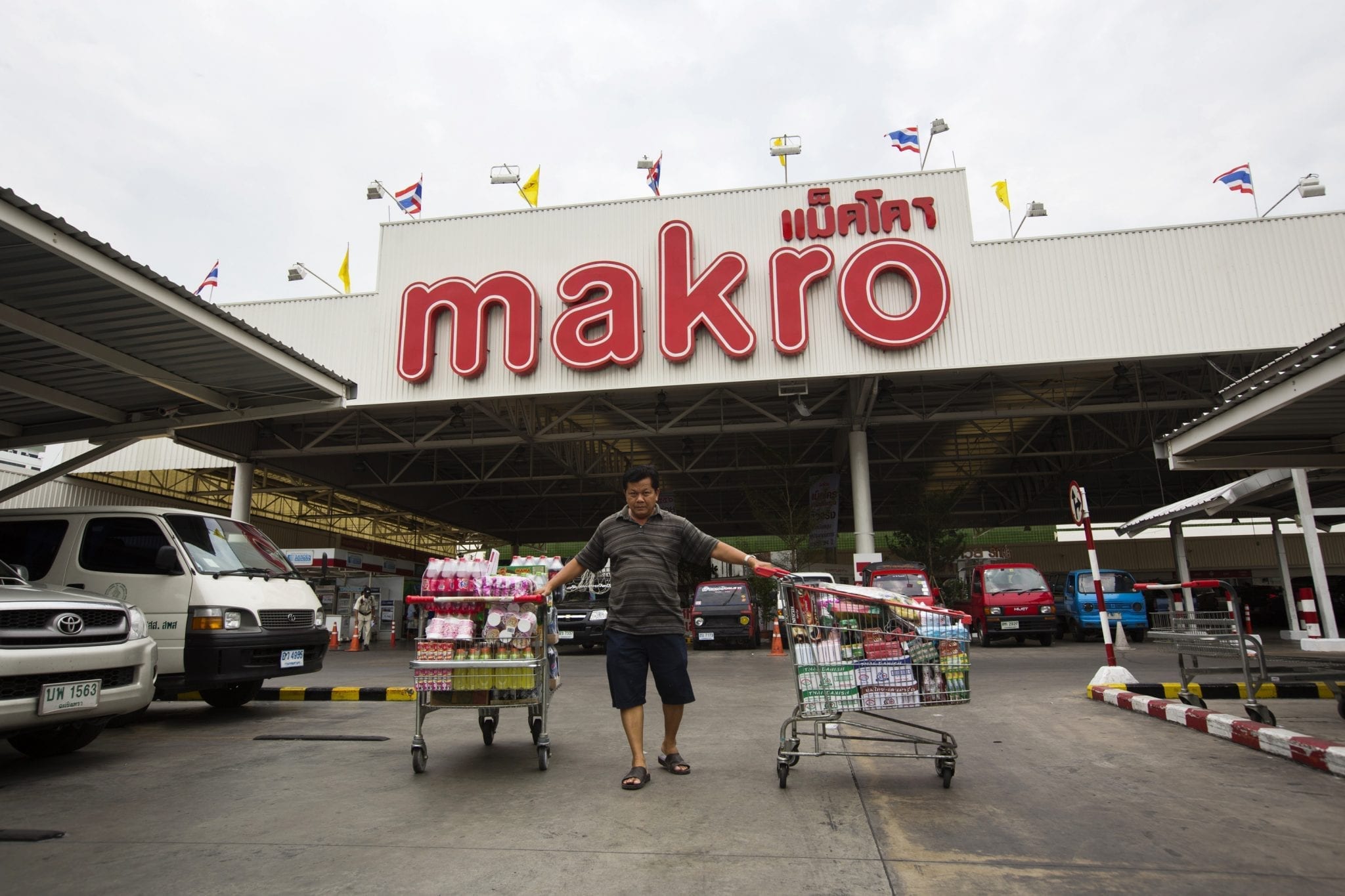
    Thai cash-and-carry brand Makro is set to build a large development in Siem Reap.

    The Council for the Development of Cambodia has approved the building of a Siem Reap commercial centre which will be anchored by Makro.

    Associate director of CBRE Cambodia James Hodge said that the development reflects the modernisation of the national retail market that is following in Phnom Penh’s footsteps to develop a modern format retail to meet consumer demand.

    “Certainly a provincial town or city that benefits from high numbers of tourists will also interest retail developers. They see an opportunity to tap into another source of potential customers,” he said.

    Costs for developing the mall have been estimated at US$19 million, and will involve the creation of 179 local jobs.

    Regarding the impact on local businesses, Hodge said: “Businesses may respond by considering prices, the quality of the service or environment they offer to customers. Usually competition is a good thing for consumers as it ensures businesses remain up-to-date and listen to customers in order to remain relevant”.

  • Vietnam set to increase minimum wages in 2019

    Vietnam set to increase minimum wages in 2019

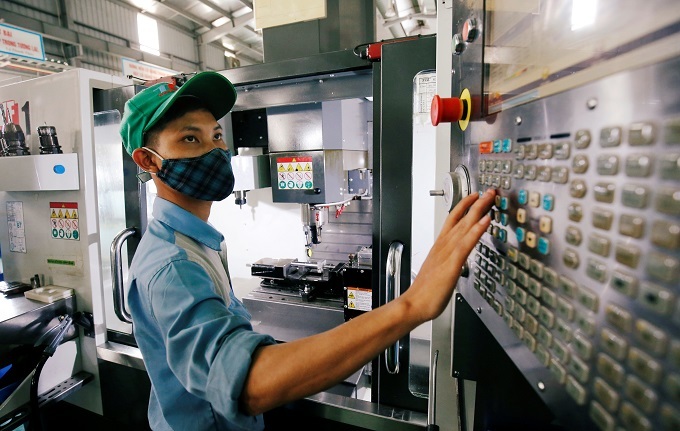
    Vietnam’s National Wage Council has proposed a minimum wage increase of nearly $7-9 per month across all four levels in 2019.

    Overall, the average increase across the four levels will be 5.3 percent.

    All members of the National Wage Council (NWC) on Monday voted on the proposal to be submitted to the government.

    Under the proposal, the minimum monthly wage across four levels will be raised, depending on the area, from $171 to $180 (region 1); $152 to $159 (region 2); $133 to $140 (region 3); and $118 to $125 (region 4).

    At the same meeting, the Vietnam General Confederation of Labor (VGCL), proposed a minimum increase of 6.1 percent, while the Vietnam Chamber of Commerce and Industry, representing the business owners, proposed a 5.1 percent increase.

    All sides came to an agreement of a 5.3 percent increase as the final rate so the meeting could move to the voting round.

    Doan Mau Diep, deputy labor minister and chairman of NWC, said a 5.3 percent increase was reasonable and acceptable.

    “As the inflation rate is not too high, labor productivity is rising and businesses are facing exchange rate risks, we think it is reasonable to increase the minimum wage between 5 and 5.5 percent.”

    VGCL recently published a study on minimum wage and cost of living after surveying over 3,000 laborers in 150 different businesses in the country.

    26.5 percent said they were “barely getting by,” while 12.5 percent said their incomes were not enough to support their families, and have to work overtime or extra jobs to make ends meet.

    The study found that an average worker’s minimum spending is VND6.5 million ($290) each month, while the average base salary is just VND4.6 million.

    Thus laborers need to work on average an extra 28 hours a month just to make ends meet, the study found.

  • Apple Japan will open its ninth store

    Apple Japan will open its ninth store

    Apple Japan is about to open its ninth retail store.

    The new Apple Kyoto shop will commence trading at 10am on August 25, according to a video in Japanese on the company’s Youtube account. It will be the first in Kyoto city, which is on Honshu Island. Previous Apple Japan stores have opened in Osaka, Fukuoka, Aichi, Miyagi and, of course, Tokyo.

    To mark the opening of the Apple Kyoto store, the tech company has created a new wallpaper downloadable online.

    Apple Kyoto is located on the first floor of the recently opened Kyoto Zero Gate building, adjacent to the Daimaru Kyoto department store and opposite well-known Shinjo Street.

  • What’s happening at Pandora?

    What’s happening at Pandora?

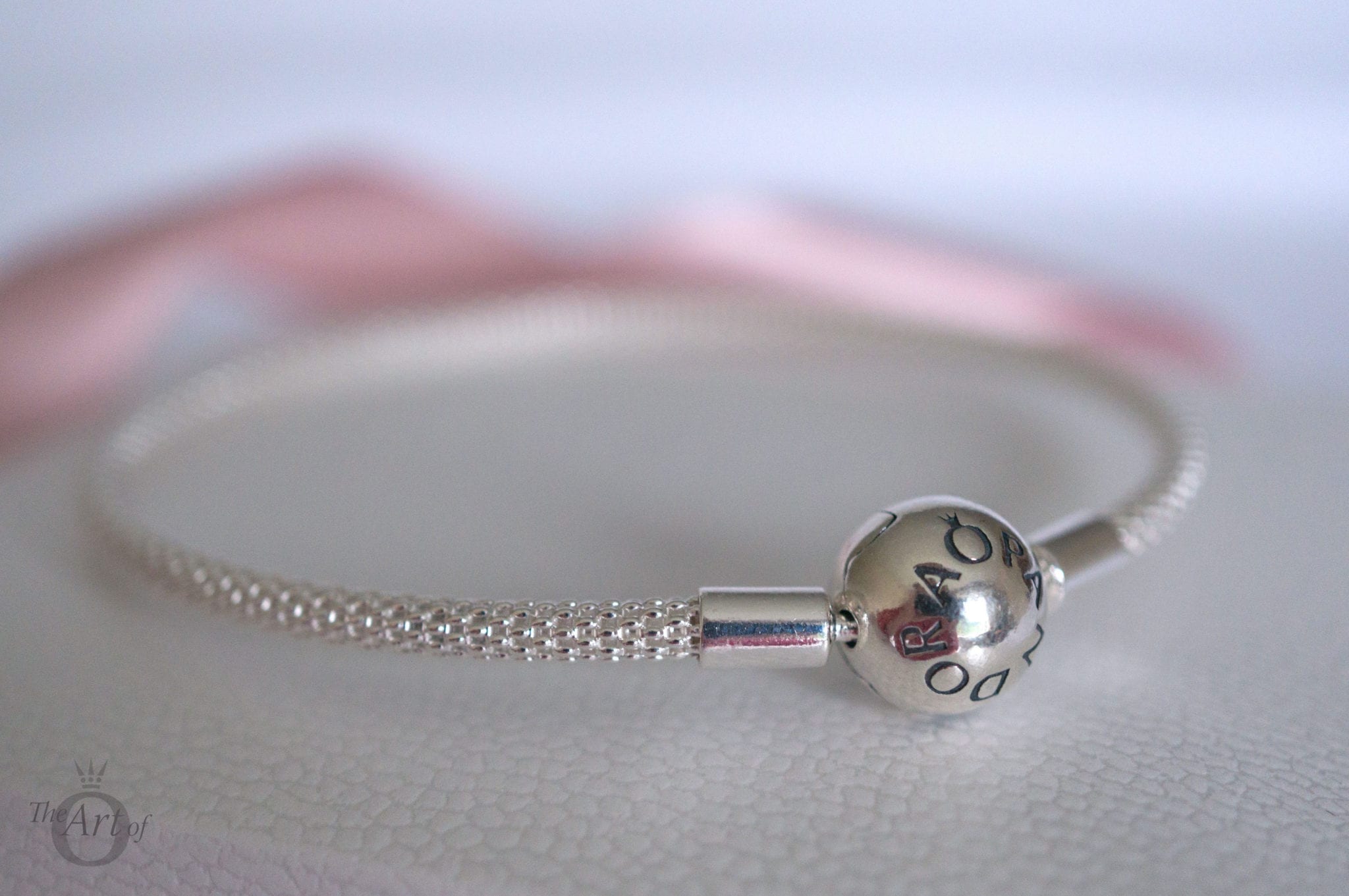
    Pandora said it expects to make less sales revenues in 2018, despite plans to open some 250 retail stores globally, of which 25% will be in Asia-Pacific. Meanwhile, the ailing Danish jeweller dismissed its CEO last week amid staff cuts of hundreds of employees.

    Anders Colding Friis is stepping down as President and CEO of the company effective as of 31 August 2018. Pandora’s CFO, Anders Boyer, and the newly recruited COO, Jeremy Schwartz, who joins September 1, will be jointly responsible for replace Friis until a new CEO is found, according to a press release from the Copenhagen-based firm.

    Meanwhile, staff cuts operationally will affect 397 globally, including 218 staff in pandoraThailand.

    Pandora adjusted its 2018 financial guidance for 2018 just three days prior, and said the move reflects lacklustre results for the second quarter, as well as weaker than anticipated total like-for-like sales-out growth in July.

    Pandora said new charms have failed to sell as well as expected, adding that a change in inventory levels and a soft performance in the wholesale channel have also made a negative impact on revenues.

    For 2018, expected revenue growth is now 4-7% in local currency from the previously 7-10%. Finally, Pandora said it now expects its earnings before interest tax depreciation and amortisation margin to be 32%, down 3 percentage points from its previous forecast.

    In the second quarter of this year, sales grew 4 percent in local currency to DKK 4.82bn. The EBTIDA margin was 31.1%, down from 33.4% in the second quarter of 2017.

    Furthermore, Pandora said it expects to add around 50 more concept stores in 2018. Some 60 of these are slated for the Asia-Pacific region.

    In July, Pandora lowered its prices in China across its jewellery collections for instore, online and on Tmall.

    “We are committed to servicing our Chinese customers and are very pleased with the opportunities for continued growth in China,” said Kenneth Madsen, President of Pandora’s Asia Pacific region.

    “This price reduction across our jewellery assortment is one element in our strategic programme to limit grey market trading of our products in China, and continue to enhance our customer experience in the world’s largest jewellery market.”

    Pandora first entered China in 2010, and today has 170 stores in 50 Chinese cities.