Author: Mei Ling Tan

  • Courts faces some challenges in Malaysia market

    Courts faces some challenges in Malaysia market

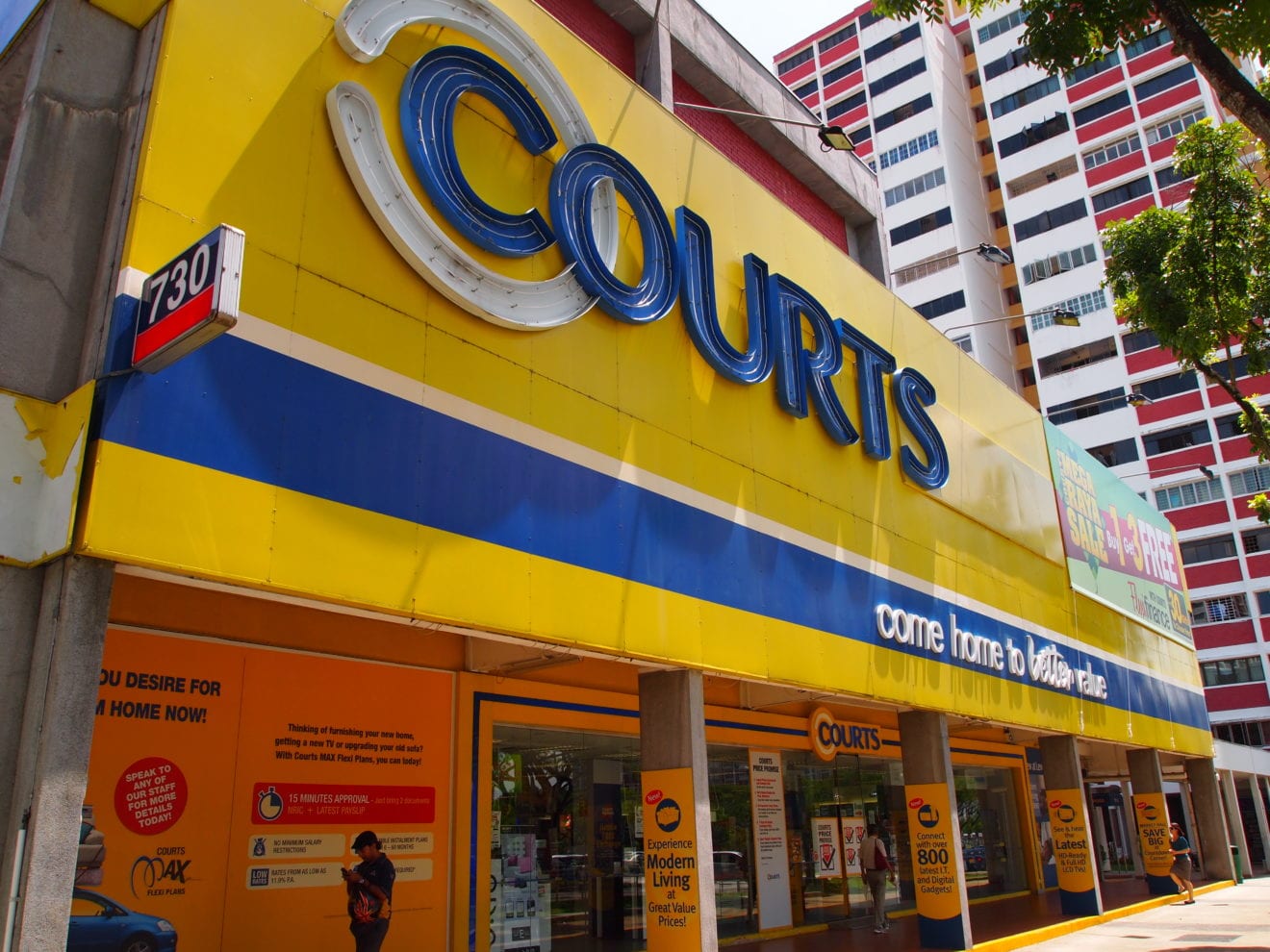
    Electrical, IT and furniture retailer Courts Asia has narrowed a quarter-on-quarter loss following transformation work in its Malaysia operations.

    In its first quarter results, the company said its business in Malaysia had been hit hard by regulatory changes in the territory. The group’s profitability was impacted by the introduction of the Consumer Protection (Credit Sale) Regulations 2017 (“CPAA”), which came into operation on January 1.

    Courts reported a 3.6 per cent year-on-year dip in revenue to S$179.8 million (US$130.86 million) for the period, mainly attributable to Malaysian revenue decline. Correspondingly, a first-quarter net loss of S$2.2 million (US$1.6 million) was reported.

    Courts Asia’s executive director and CEO Dr Terence O’Connor said the group’s business performance continues to be impacted by the interest rate cap imposed by CPAA in Malaysia.

    “However, there are early indicators to suggest that the business transformation work in Malaysia is delivering green shoots. Revenue in Malaysia improved by 16.8 per cent and loss before tax reduced by 36.5 per cent, to S$6.1m from S$9.6 million in the first quarter, compared to the preceding quarter.”

    As part of the group’s ongoing store-optimisation efforts in a post-CPAA environment, five underperforming outlets have been closed, leaving 58 in Malaysia. The group is redefining its store strategy there and will be downsizing its Megastore at Sri Damansara to make way for an incoming tenant. Marketing spend has also been reduced in alignment with a smaller store footprint.

    O’Connor added: “The team recognises the urgency and is in overdrive mode to deliver the transformation work in Malaysia. It is a significant undertaking that will take time to execute and finetune. That said, we have reason to believe that the results are trending in the right direction.”

  • Global chains suffer as Vietnamese coffee lovers vote with their feet

    Global chains suffer as Vietnamese coffee lovers vote with their feet

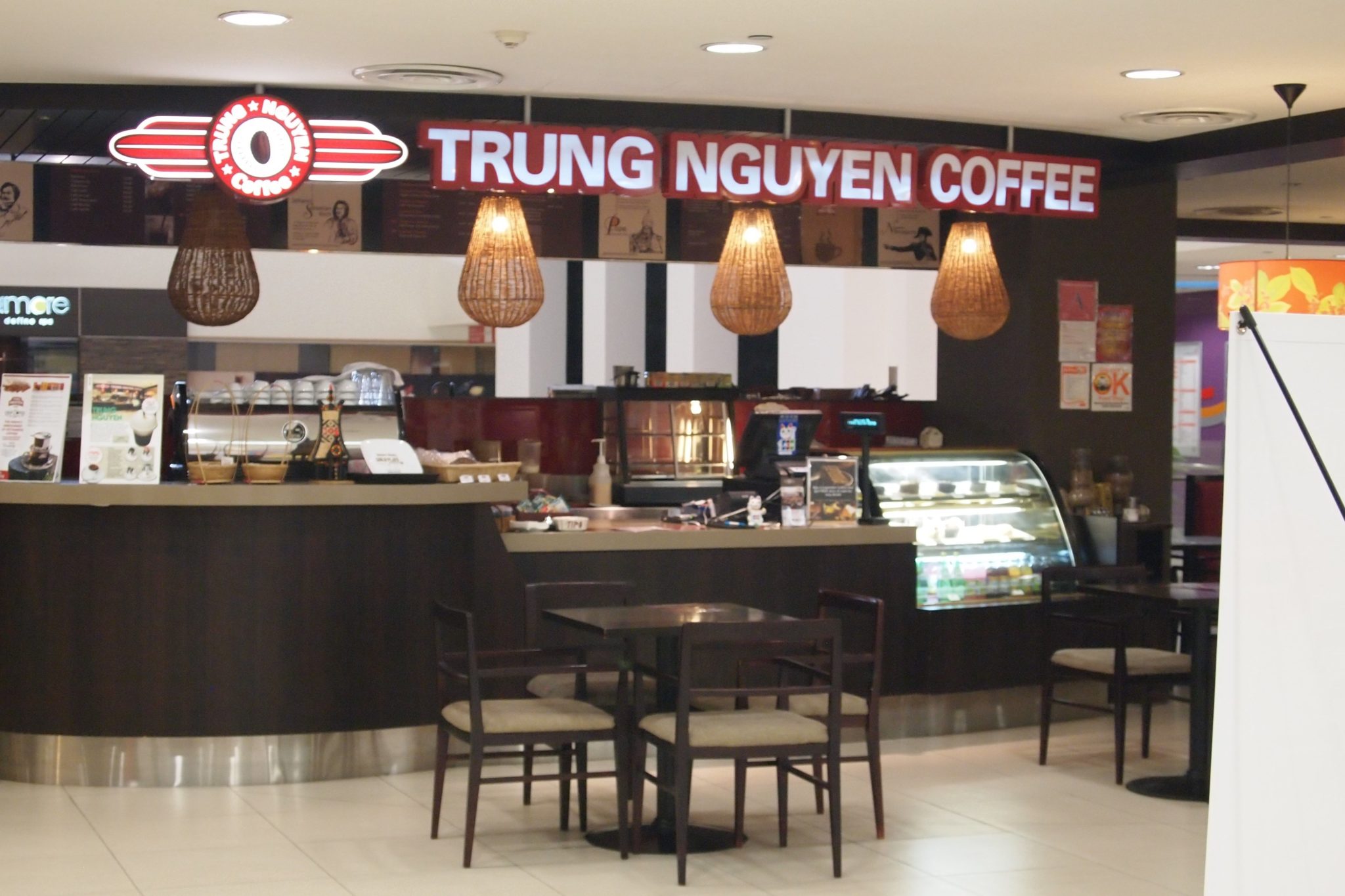
    Local coffee shop chains are outmaneuvering international brands like Starbucks by catering to customers’ demands.

    Young customers are now choosing smaller brands like The Coffee House, Cong Ca Phe and Phuc Long as their to-go spot for affordable brews.

    Local brands not only offer many beverage options but also sophisticated interiors and unlimited and fast internet access to ensure they retain customers, Nikkei Asia Review quoted market researcher Nguyen Phuong as saying.

    All this has helped these brands become very popular among students and young working professionals, who can spend hours there yet feel welcome.

    Phuong said having knowledge of Vietnamese culture and consumers has helped the local brands attract customers.

    By changing their business models to fit customers’ tastes, local brands report growing and some are even looking to expand.

    Nguyen Hai Ninh, CEO of what is thought to be the fastest growing chain, The Coffee House, told Nikkei that he plans to open 700 outlets around Vietnam in the next five years, or around 10 a month.

    Just one month after the brand opened its first shop in Seoul last month, Cong Ca Phe plans to add two more stores in the South Korean capital.

    The chain, which debuted in 2007, has more than 50 stores around Vietnam, and intends to add one or two every month until 2020.

    Thuc Coffee, Urban Coffee Station and Phuc Long report 7 percent annual revenue growth.

    In contrast, international names like Starbucks have grown slower than expected in the Vietnamese market.

    Starbucks only has 38 stores after entering the market five years ago despite boasting huge numbers in neighboring countries such as Thailand (330 stores), Indonesia (320) and Malaysia (190).

    Meanwhile, NYDC, Gloria Jean’s Coffees, and Caffe Bene of Korea have all wound up or are close to doing so.

    Singapore-based NYDC closed its last store in July 2017, Australian brand Gloria Jean’s Coffee also closed its last store in April 2017 after a decade of slow growth.

    Caffe Bene now has only three outlets remaining, according to InsideRetail Asia.

    Talking about the reason for the failure of international brands in the domestic market, industry insiders said that high rents on premium land have raised the cost of retail prices, making their coffee less competitive than local ones.

    A local coffee shop owner told Nikkei that opening a 200-square-meter Starbucks store in Saigon requires an initial investment of $215,000, while Coffee House only needs $86,000.

    Sean T Ngo, CEO of VF Franchise Consulting, said Vietnam, a major exporter of Robusta coffee, imposes high import tariffs on coffee beans, and international coffee chains often use imported Arabica beans that raise costs significantly. Higher costs have driven many customers to domestic brands.

    Phuong said that another reason for the downfall is that old brands are slow to adjust their business models to match customers’ taste.

  • Best Buy surprising acquisition after years

    Best Buy surprising acquisition after years

    The surprise Best Buy acquisition of GreatCall marks the electronics retailer’s first takeover in more than six years.

    Best Buy will spend US$800 million on GreatCall, one of the US’ largest providers of communications technology aimed at helping older adults live independently and more safely in their homes.

    San Diego-based GreatCall now has 900,000 subscribers to its service, which uses mobile technology and easy-to-handle devices to connect older adults with family members or with trained call centre operators who can answer questions or call emergency personnel if necessary.

    The move marks a strategic move away from Best Buy’s core retail business at a time when electronics has become much of a commodity market with thin margins and widespread online competition.

    Neil Saunders, MD of GlobalData Retail, says the investment marks “a logical evolution” for the company.

    “Over recent years there have been significant changes to the electronics market, including fierce competition from the rise of online. However, Best Buy has successfully navigated this new landscape – in large part because it has adapted its proposition and approach.

    One of the main changes has been the move from simply selling products to trying to help consumers select and get the best use out of new devices. In a sense, Best Buy now sees its role as helping consumers to improve their lives through technology.”

    Saunders says GreatCall gives Best Buy a relevant service, driven by technology, that it can offer to consumers.

    “In our view, it also helps counterbalance the pressure on both sales growth and margins of electronics products. The focus on health, and in particular health services aimed at the elderly, puts Best Buy squarely into a market with high demand and strong growth. Moreover, we see this as a good fit as Best Buy is a known and trusted brand name among older shoppers. This should enable the company to grow the GreatCall service.”

    Saunders said that long term, the move should be seen as part of Best Buy’s continued adaptation to a provider of services rather than a pure retailer of things.

  • Petronas Gas shares fall further despite higher Q2 earnings

    Petronas Gas shares fall further despite higher Q2 earnings

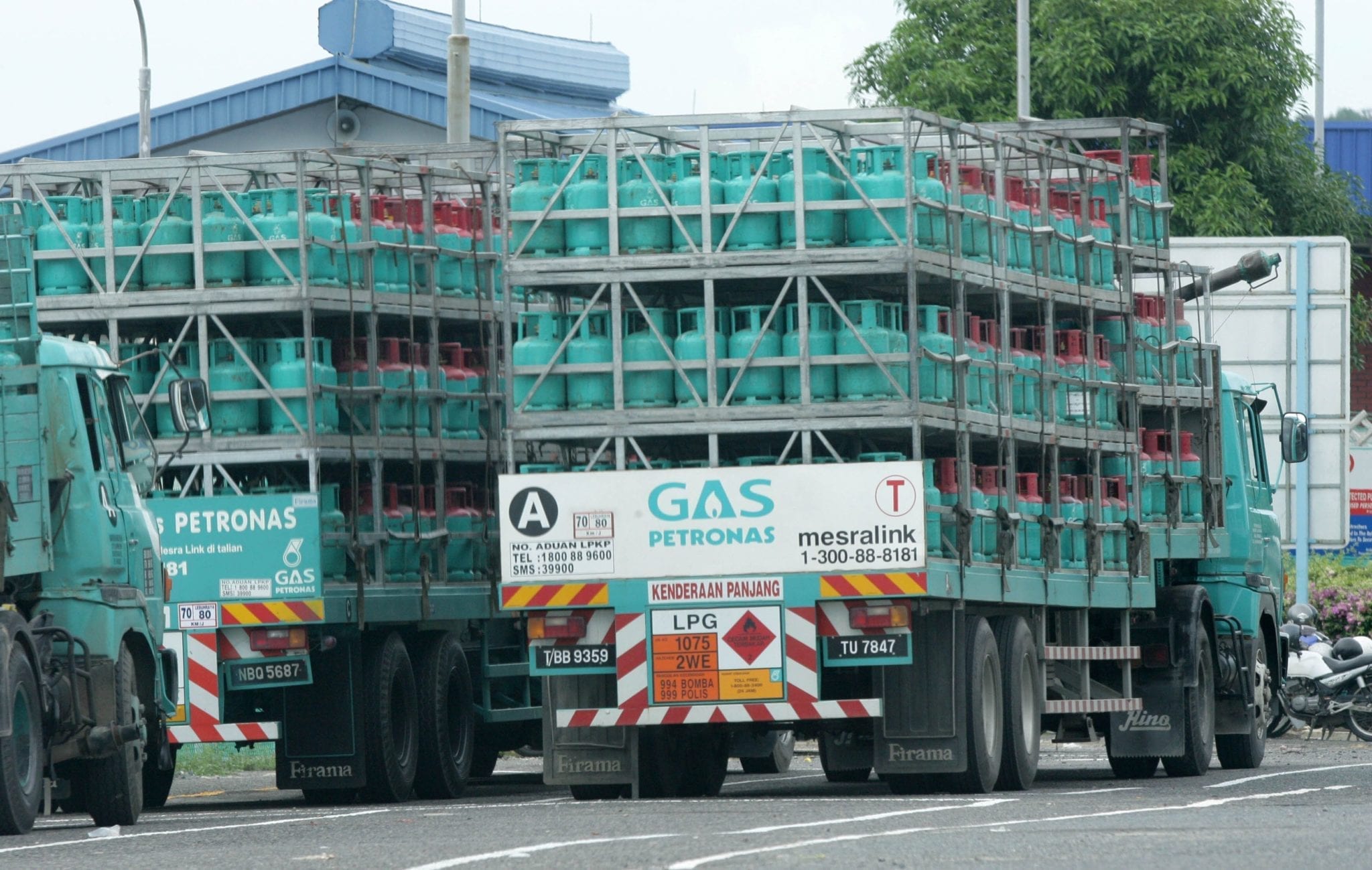
    Petronas Gas Bhd’s share price continued to fall by 14 sen or 0.75% this morning despite reporting a 19.7% jump in its net profit to RM509.3 million in the second quarter (Q2) ended June 30 from RM425.3 million previously.

    At 11.08 am, the stock stood at RM18.52 with 62,900 shares changing hands.

    The group told the stock exchange that the higher profit was in tandem with improved in revenue during the quarter.

    Revenue for the quarter grew 15.7% to RM1.36 billion, compared with RM1.17 billion in the same period last year, mainly contributed by the group’s new LNG regasification terminal in Pengerang, Johor which commenced commercial operations in November 2017.

    “This was further supported by higher revenue from all segments,” it added.

  • Creamistry China to open 100 more stores as mid-term plan

    Creamistry China to open 100 more stores as mid-term plan

    Californian ice cream chain Creamistry has opened its first franchised store in China.

    And the local franchisee, HZ America Corp, plans to open more than 100 Creamistry China outlets within four years.

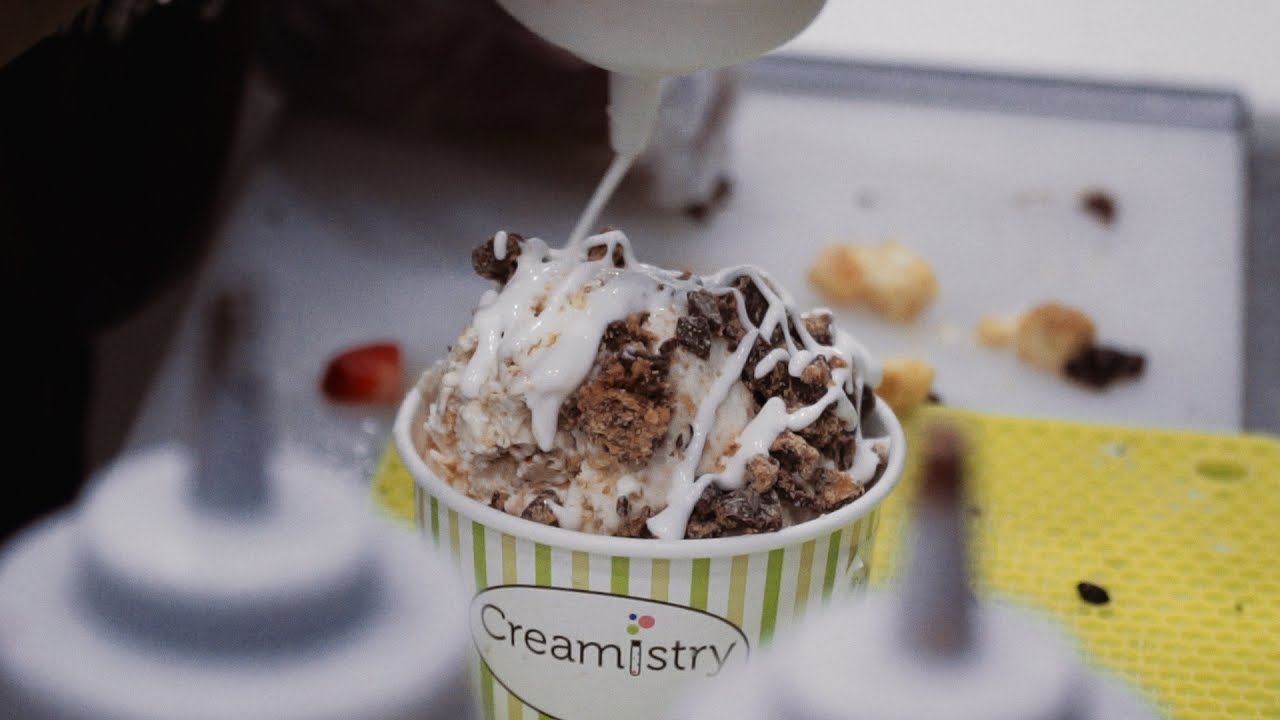
    Creamistry specialises in made-to-order liquid nitrogen ice cream using all-natural and organic ingredients, adding theatre to the retail sale of ice creams and frozen desserts.

    The inaugural Creamistry China store opened on South Renmin Road in Chengdu. HZ America has the franchise rights to the brand for all of greater China.

    “We are thrilled to launch Creamistry in an untapped market such as China with phenomenal brand area representatives,” says Jay Yim, Creamistry’s founder and CEO.

    “Our experience with premium-quality product coupled with the operations infrastructure in place positions us perfectly to get Creamistry up and running in China.”

    Creamistry of Chengdu will sell localised flavors including Spicy Yolk, made with salty duck egg yolk and a combination of spices; Chengdu, made with the Chinese liquor Luzhou Laojiao; and Rice Wine, made with real fermented rice liquor.

    “Creamistry is far more than just an ice cream shop – it truly is an experience,” says Yim. “The brand’s wild success and rapid growth is a testament to the completely customizable product and unique atmosphere, which has proven to appeal to consumers worldwide.”

    Yim founded Creamistry in 2013 after seeing a street vendor making liquid nitrogen ice cream in South Korea.

    After two years of experimentation his family team tested more than 100 flavours before settling on the chain’s core menu.

  • Chinese brands grab 39 percent of Vietnam smartphone market

    Chinese brands grab 39 percent of Vietnam smartphone market

    Xiaomi and Huawei were the two fastest growing mobile phone brands in Vietnam in the second quarter, technology industry analyst Counterpoint reports.

    They grew respectively by 363 percent and 193 percent, according to the HongKong-based company’s recent release.

    “Further, amid the US-China trade war, the RMB (renminbi) is weakening, resulting in cheaper Chinese products in Vietnam. This will favor the Chinese brands, which now hold around 39 percent of the market in Vietnam,” said Tarun Pathak, Counterpoint associate director.

    Vietnamese smartphone brands face stiff competition from not only Chinese but also other international brands, he said.

    The report noted that Xiaomi had only 1 percent of the market share in the second quarter of 2017, but it surged to 5 percent a year later.

    Overall, Chinese brands have a market share of around 39 percent in the form of Oppo (22 percent), Xiaomi (5), Huawei (5), and other smaller names.

    Besides, the report said Huawei has tied up with local gaming firm VNG to enter the industry.

    Varun Mishra, a research analyst, added that Chinese companies such as Alibaba, JD.com and Tencent have invested heavily in the Vietnamese e-commerce market, which would give a “further boost to the Chinese players who have leveraged both offline and online platforms to sustain growth in similar markets.”

    “While the Chinese players are actively targeting mid-tier segments, local players are being pushed toward the entry level segment.”

    South Korean giant Samsung still dominates the smartphone market with a 37 percent share.

    Vietnamese conglomerate Vingroup has also entered the market. Vingroup hopes to launch its phones next year.

    By the end of March 2018, Vietnam has 118.7 million mobile subscriptions, according to official data.

  • Kenny Rogers Roasters, Jollibean to enter India market

    Kenny Rogers Roasters, Jollibean to enter India market

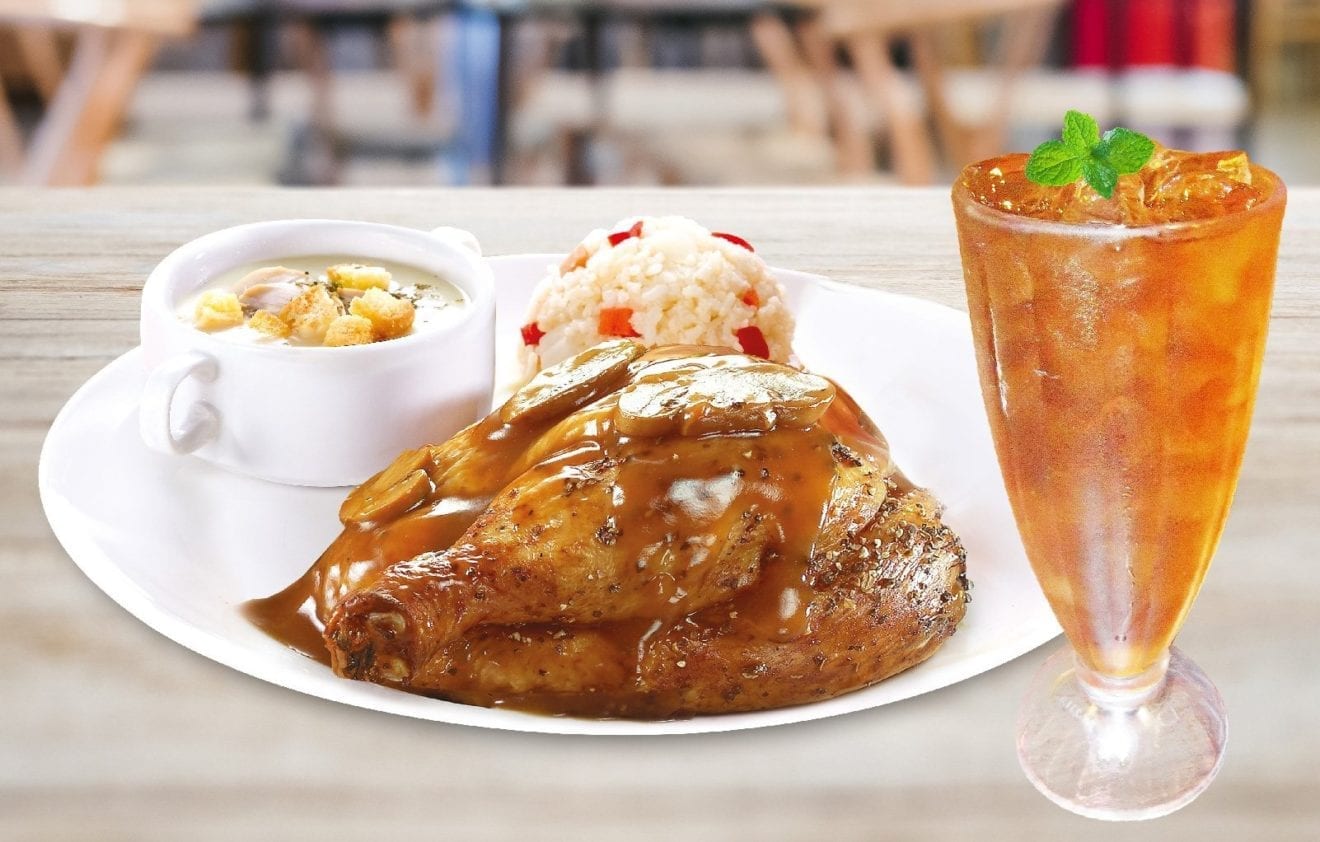
    The Kenny Rogers Roasters and Jollibean food retail brands are to launch in India.

    Malaysia’s Berjaya Food has signed a preliminary franchise partnership deal with India’s World Iconic Brands Hospitality (WIB) to take the banners into the new market.

    WIB will invest US$50 million to open 30 Kenny Rogers Roasters restaurants and 75 Jollibean kiosks in India over the next five years.

    Berjaya Food owns the two chains as well as operating Starbucks in Malaysia and Brunei.

    CEO Sydney Quays describes India as “a stepping stone” for the company to expand into more foreign markets.

    “We have a lot of interest from Southeast Asian countries,” he told the Sun Daily.

    With 970 shopping malls and more than 200 airports, India represents a strong potential market for both the brands, said WIB MD Gaurav Marya.

    “We’ll spend the next six to eight months to get the model right, understand the preference of consumers and we will scale up the business,” he said.

    The first new outlet will open early next year.

    WIB is a subsidiary of Franchise India, Asia’s largest integrated franchise solutions company, which manages 400 brands.

    Kenny Rogers Roaster restaurants already operate in Malaysia, the Philippines, Singapore, Indonesia, Thailand, Bangladesh, India and Dubai, while India is only the second offshore market for Jollibean, after Singapore.

  • Ezbuy Pakistan enjoys blooming sales

    Ezbuy Pakistan enjoys blooming sales

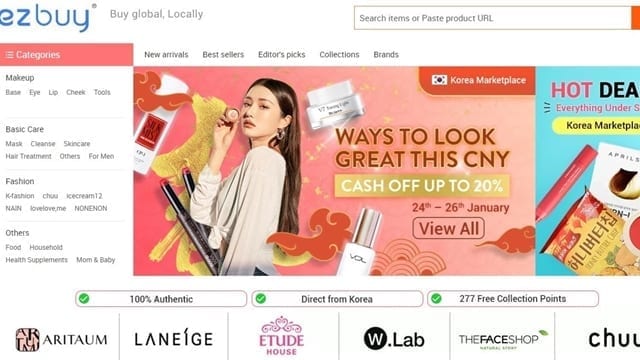
    Singapore online retailer Ezbuy has expanded, opening Ezbuy Pakistan.

    And already local media are tipping the site to be twice the size of Pakistan’s existing online retailer Daraz.pk, offering 3 million products, ranging from apparel through to electronics.

    Ezbuy Pakistan will offer products from local and overseas suppliers, with overseas orders shipped direct in much the same way Alibaba’s Aliexpress serves regional customers.

    “Our main agenda is to provide great value quality products to Pakistanis at their doorstep,” said co-founder and chief strategy officer at ezbuy.com, Vincent Xue Bin.

    “We would have three platforms; first, ezbuy cross-border and local products; second, Haute Shop fashion products, and a third, B2B serves businesses,” he said in a local media interview.

    “China is manufacturing good quality products at great value rates compared to other countries including Pakistan and we can deliver it to the Pakistani people, schools, universities, hospitals with minimum delivery charges. Our trust with the Pakistani buyers is our main asset.”

    Ezbuy Pakistan is a joint venture between the Singapore operator and a group of Pakistani investors, led by Kamran Shaukat, who says the response to the site since it went live on August 1 has been “overwhelming”.

    Another advantage Shaukat points out for Pakistani suppliers selling on the site is that the platform opens doors to customers abroad. Ezbuy currently operates in Singapore, Malaysia, Thailand, Indonesia, and Taiwan, but products are shipped worldwide.

  • A&W Malaysia reveals big expansion plan

    A&W Malaysia reveals big expansion plan

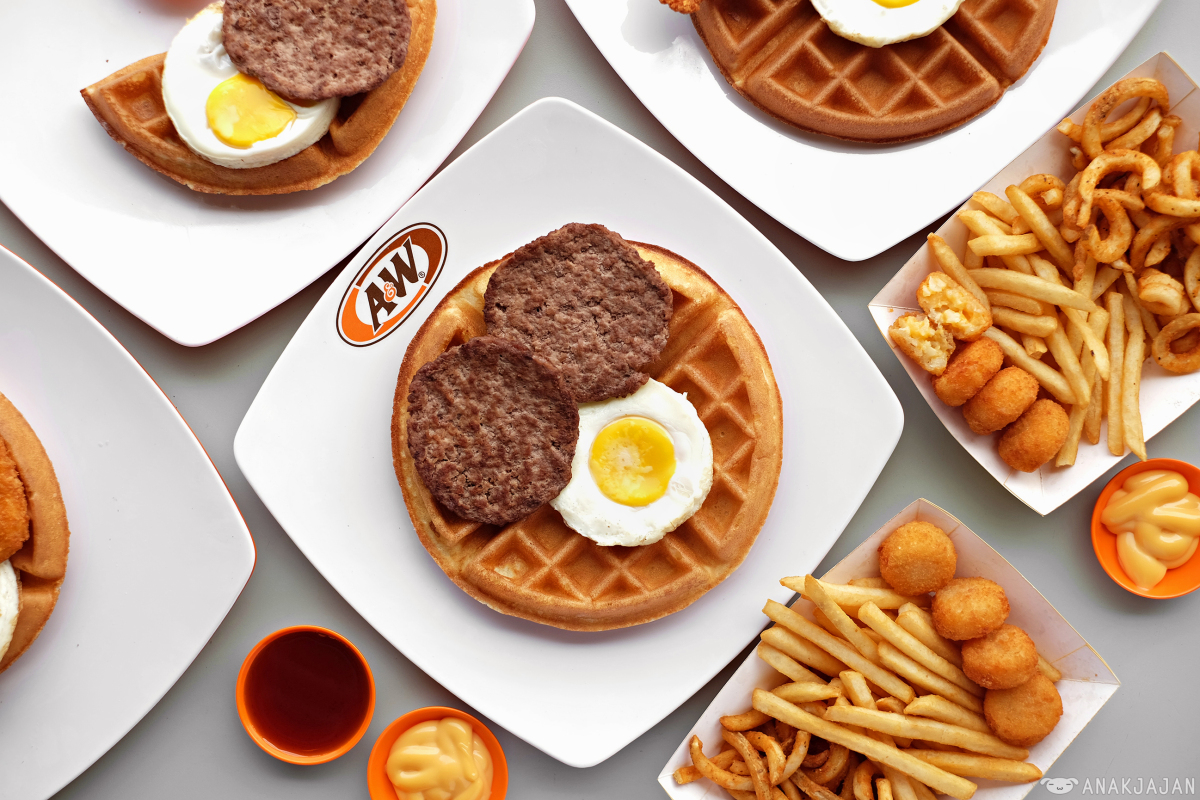
    Fast-food franchise A&W Malaysia is set to open around a dozen new outlets by next year.

    The group currently operates 41 outlets in Kuala Lumpur and Perak that collectively employ 500 people.

    Acting CEO Mohd Hasmadi Zainal said that the company has allocated around RM1.2 million (US$292,500) for each new branch. Seven branches will be opened by the end of this year, five of which will feature drive-through services, in key metropolitan locations such as Kuala Lumpur, Johor Bahru, Ipoh and Penang.

    He added that better prospects for A&W Malaysia’s business are anticipated for the second half of this year based on these growth plans, given the positive performance of recently renovated existing branches.

    A&W is a US-founded fast-food chain which is also about to make a return to Singapore after an absence of 13 years.

  • Drunken Monkey India eyes 10,000 outlets by 2025

    Drunken Monkey India eyes 10,000 outlets by 2025

    Samrat Reddy, Founder and Managing Director of Drunken Monkey grew up in Chennai where he was a frequent visitor to a local juice and smoothie shop in the neighborhood. Not an avid consumer of tea/ coffee, he gravitated towards smoothies. During his stay in Australia and UK, he observed that the sheer number of places or cafes that serve coffee is far greater than places that serve smoothies. He felt if given a chance to experience smoothies, a huge number of people would turnover and incorporate them into their lifestyle.

    Looking to fill this huge gap in the market and inspired from his own experience, he conducted some extensive research on the potential of the smoothie market and subsequently came up with a business plan to implement it. After coming back to India, with more patient groundwork and comprehensive research, hefinally started the first outlet in February 2016.

    “I wanted to do to smoothies what Starbucks did to coffee. The new generation, the millennials want to be catered to and are more willing than ever to experiment with new brands. People want a space to create meaningful social connections without restricting themselves to the regular coffee and chai outlets. Smoothies are the new social lubricant in town,” says Reddy.

    The journey has been challenging so as to build a new market for smoothies rather than feeding to an existing market of milkshakes, coffee, ice creams etc. Logistics of highly perishable products like fruits is another challenge that I faced in this journey. As a result, a scalable and sustainable business model has come out as a learning.

    “Our operating model is mostly FOFO – franchise owned and franchise operated. The training, supply or raw materials and back-end support are taken care of by the brand, the front-end operations are taken care of by the franchise. However, there is a small percentage of outlets which are COCO – company owned and company operated,” he adds.

    Drunken Monkey currently has 60 outlets in 16 Indian cities like Delhi NCR, Bengaluru, Pune, Vijayawada, Indore, Kolkata, Visakhapatnam, Chennai, Guntur, Jalandhar, Chandigarh, Surat, Thane, Vellore, and Kakinada.

    “We operate out of a cafe sit in the model (600 to 1,300 sq.ft) or a kiosk take-away model (100 to 200 sq.ft). These are located on the high-streets of the city and in malls,” says Reddy.

    What’s There To Offer?

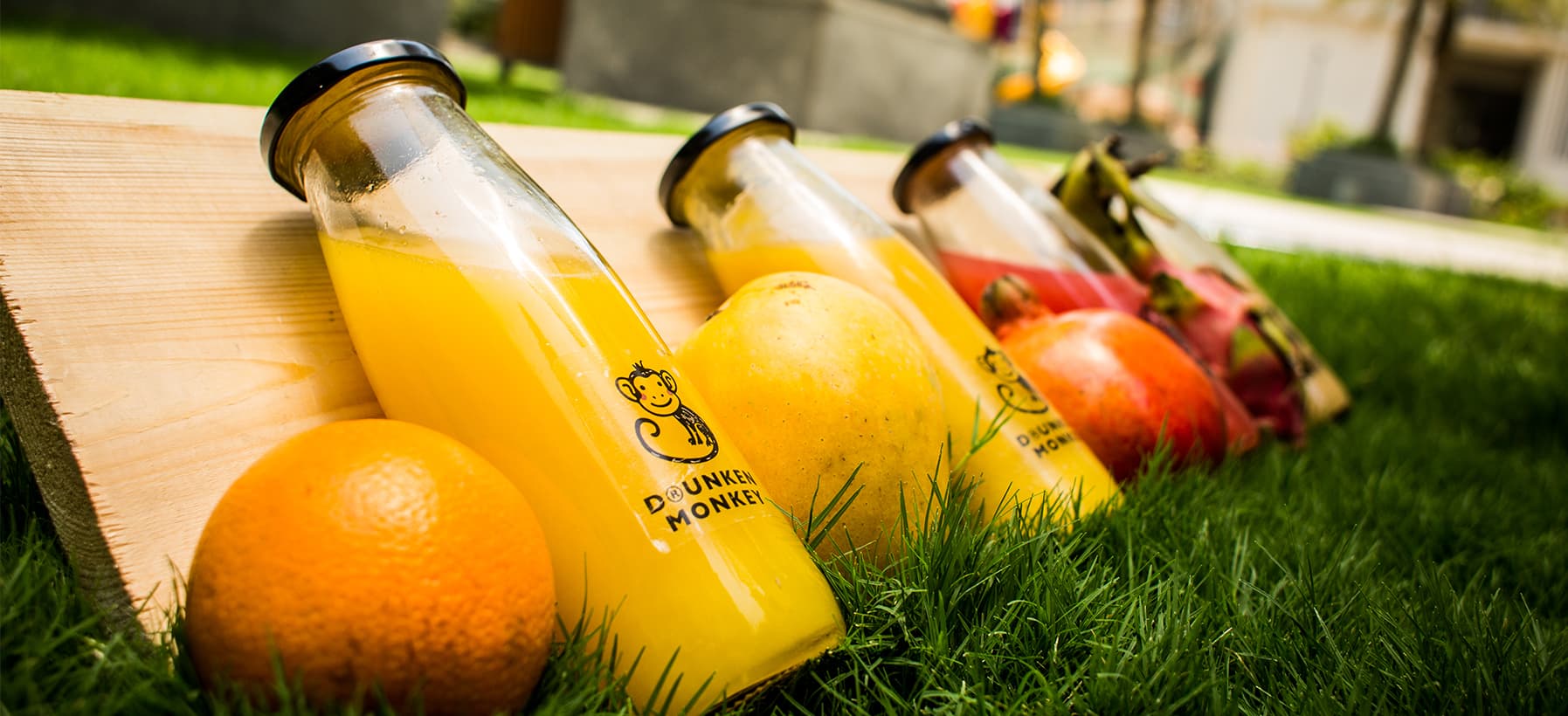
    Drunken Monkey offers over 170 types of smoothies made from locally sourced, natural ingredients, ranging from indulgence to detox, and more. The brand uses pure natural fresh fruit, no artificial flavours, no added sugar, preservatives or concentrates.

    It ensures that the customer is spoilt for choices. There is something for every palette and every mood — from all natural fresh fruit shakes to decadently indulgent smoothies, from detox smoothies to protein smoothies, even a range of smoothies to cure hangovers!

    According to Reddy, “The Fresh Fruit smoothies and shakes are 100 percent natural, without any artificial flavors, preservatives or even ice. The functional range includes Meal Smoothies – wholesome, satisfying blends that keep you going all day, Protein Smoothies – blends of protein and fresh ingredients for a quick pick-me-up, and Hydrator Smoothies that are just perfect for summertime.”

    The brand is unfazed by the competition and believes that they do not have any direct competition in the category.

    “There are a few smoothie players, but they are restricted to limited regions. While, in India, we do not have any competition, internationally we have big players in the market such as Jamba Juice, Booster Juice.  However, the product range built by our RnD team is way ahead of any competition and it would take a lot of effort and time for any player to match it. Apart from that the market for smoothies is a hugely untapped market and the potential for growth is so immense that Drunken Monkey has a great first mover’s advantage by being the pioneers in the smoothie industry in India,” says Reddy.

    Marketing Strategy

    The marketing strategy of Drunken Monkey is aimed at doing to smoothies what Starbucks did to coffee. Four decades ago coffee was not a culture, Starbucks made it what it is now. People want a space to create meaningful social connections without restricting themselves to the regular coffee and chai outlets. Smoothies are the new social lubricant in town.

    “Our vision is to inspire people to feel beautiful, young and full of energy by living naturally high! When people discover and pursue their natural highs, they are more positively engaged, their stress levels are lower and they are able to actively help make communities better!” reveals Reddy.

    Future Plans

    Drunken Monkey is eyeing rapid expansion over the coming years. It is looking to expand to 150 smoothie bars in 2019; by 2021, spread across 5 countries with over 500 smoothie bars and by 2025 – 10,000 smoothie bars.

    Elaborating more on the expansion plans, Reddy says, “Apart from expansion, we plan to reach out to people in different ways through different distribution models. For example – we can get into supermarkets or places where people can pick up smoothies by themselves. So, eventually, we will release a few smoothies with better shelf life, where they can be kept fresh for more time. Apart from this, with fresh fruits, we can do more (apart from smoothies). So, there are more products we can give out in our outlets – expanding our portfolio without leaving our base which is fresh fruits.”

    The brand, which is eyeing Rs 115 crore revenue this fiscal, is planning to spend Rs 50 crore to aid the expansion plans.

    “We are totally self-funded; our initial capital was also self-funded. We will be looking for one round of funding after we reach 200 outlets in India, this funding will help us reach the 500 mark in quick time. Post which we will have another round of funding when we go for abroad expansion and look at expanding our product category and reach,” concludes Reddy.
  • Fred Segal plans expansion in India

    Fred Segal plans expansion in India

    US luxury fashion retailer Fred Segal is planning to expand its business in Asia with new stores opening in Taiwan and Malaysia.

    The move picks up on previously delayed plans to grow internationally that were announced four years ago. New CEO Allison Samek is launching the new stores after an austerity period during which several outlets were shuttered.

    The 3200sqft store in Kuala Lumpur will be set up in the 1 Utama shopping center and include a cafe, retailing a mix of established labels. The Taipei store will be a Frierson-branded flagship spanning two floors across over 7000sqft of retail space. Both locations will open next month.

    “We really looked to the local operating partner to give us feedback on what works in their marketplace and then bought specifically for that demographic,” said Samek.

    The firm is simultaneously establishing its first presence in Europe with outlets in Switzerland.

  • Bugatti Shoes walks in to Iconic

    Bugatti Shoes walks in to Iconic

    AstorMueller, global maker of Bugatti shoes, has appointed Iconic Fashion Retailing as exclusive India retail partner. Bugatti is one of the leading premium shoe brands in Europe, with over 4.5 million pairs sold annually, all designed and crafted by AstorMueller.

    Iconic Fashion Retailing is a prominent multi-brand premium fashion retail chain present in 17 cities. Apart from owned stores, Iconic will distribute and retail Bugatti through various other premium retail destinations, including those exclusively for footwear. Following the rollout of the first group of shop-in-shops will be exclusive Bugatti brand stores in key markets, supported by the strength of Iconic’s distribution. Iconic also has plans to present the collection on keye-commerce platforms, via the marketplace model.

    Iconic will now offer to its customers with the range of Bugatti shoes. Designed by Spanish, German and Italian designers, Bugatti offers a wide range of styles designed for everyone from the traditional businessman to the fashion oriented cosmopolitan and the dynamic sports fashion buyer. The collection features shoes for both men and women and come with many advanced features such as the genial insole, flexcity and the very special hand finished leather. Bugatti MAN includes formal and dress shoes, moccasins, boots, sneakers and casual shoes. Bugatti WOMAN offers pumps, boots, sneakers, dress shoes and ballerinas. Prices range from Rs 4,000 to Rs 10,000.

    Speaking on the introduction of Bugatti, Pawan Khandelwal, Managing Director of Iconic Fashion, says, “We are happy to partner with AstorMueller to present one of Europe’s most successful shoe brands to India. Bugatti is a perfect fit to our premium fashion brands, and we look to take the brand across all main and emerging markets, through various retail partners across India. The first step, though, was to introduce Bugatti into our own Iconic stores, and that’s what we are doing very swiftly this quarter. Iconic is a proven destination for those seeking trendsetting fashion, uncompromising quality and premiumness, and our steady focus on our promise has made the brand solid and aspirational. Bugatti is priced just right for those who demand avant garde fashion.”

    Tim Mueller, Chairman of the AstorMueller Group, which crafts Bugatti shoes, says, “We appreciate Iconic Fashion growth vision for the brand in the Indian market. In 35 countries across Europe and the world, Bugatti is one of the most successful shoe brands of the last decade. Our shoes are recognised for their excellent fit, craftsmanship and attention to detail. The Indian market has been patiently waiting for us to launch in physical retail, and with our trendsetting collections featuring the latest styles from the streets of Europe, we hope to give the Indian consumer the very best.”

    The Autumn Winter 2018 collection is now being introduced ahead of time. Although the launch collection is moderate by Bugatti’s European standards, the entire range will be introduced on par with Europe.

    Says Ewen Campbell, Export Director of the AstorMueller Group says, “We launch numerous styles every season, and we actually also have a fantastic, limited pre-season collection. All these will be introduced to India as well. Many of these go on to become benchmarks in shoe fashion.”

    Says Khandelwal, “The Indian luxury market is worth US $14.5 billion and is rapidly growing. Iconic is positioned as a prestige brand for true fashion enthusiasts with high living standards to upgrade their wardrobes from ordinary mass lifestyle brands to exclusive and premium international brands. Bugatti is precisely one such brand and we have big plans for it.”

    The first shop-in-shop, which offers both Bugatti MAN and Bugatti WOMAN collections, is at the Iconic store in the prominent Ambience Mall, Gurugram, which caters to people across age groups from Gurugram and parts of Delhi as well. Other cities will follow in the course of coming weeks, first in Iconic stores and then in other key fashion and footwear retail stores.

  • IKEA India eyes 15 pc growth year-on-year on same store basis

    IKEA India eyes 15 pc growth year-on-year on same store basis

    IKEA, the furniture retailer which bets big on sustainability, has opened its first store in Hyderabad on August 09. The Swedish home furnishing major has been sourcing from India for its global stores for more than 30 years. Its plan to open retail stores in 40+ cities across the country, reinforces its long-term commitment and deep connection with India.

    Patrik Antoni, Deputy Country Manager, IKEA India says, “We see that Indian market holds a lot of potential for brand IKEA. We do not see India as a country, but we see it as a continent with a lot of people and lot of needs. We see a lot of micro-terms that will support us along with other retailers. It is a growing economy, maybe we might be a little bit bumpy initially but over the coming years India will grow from strength to strength as an economy.”

    He further adds, “We see it as a young country with almost 500 million people below 25 and they will need new homes, we also have a strong observation that people who will shift cities will also need new homes. Then we are very excited about India in the sense that people love homes and it is not the same in the other Asian countries where people many times celebrate outside the home. While in India, it is family, friends, festivals and all over the food, so the four F’s drives life at home and there cannot be a better place for a home furnishing company to be.”

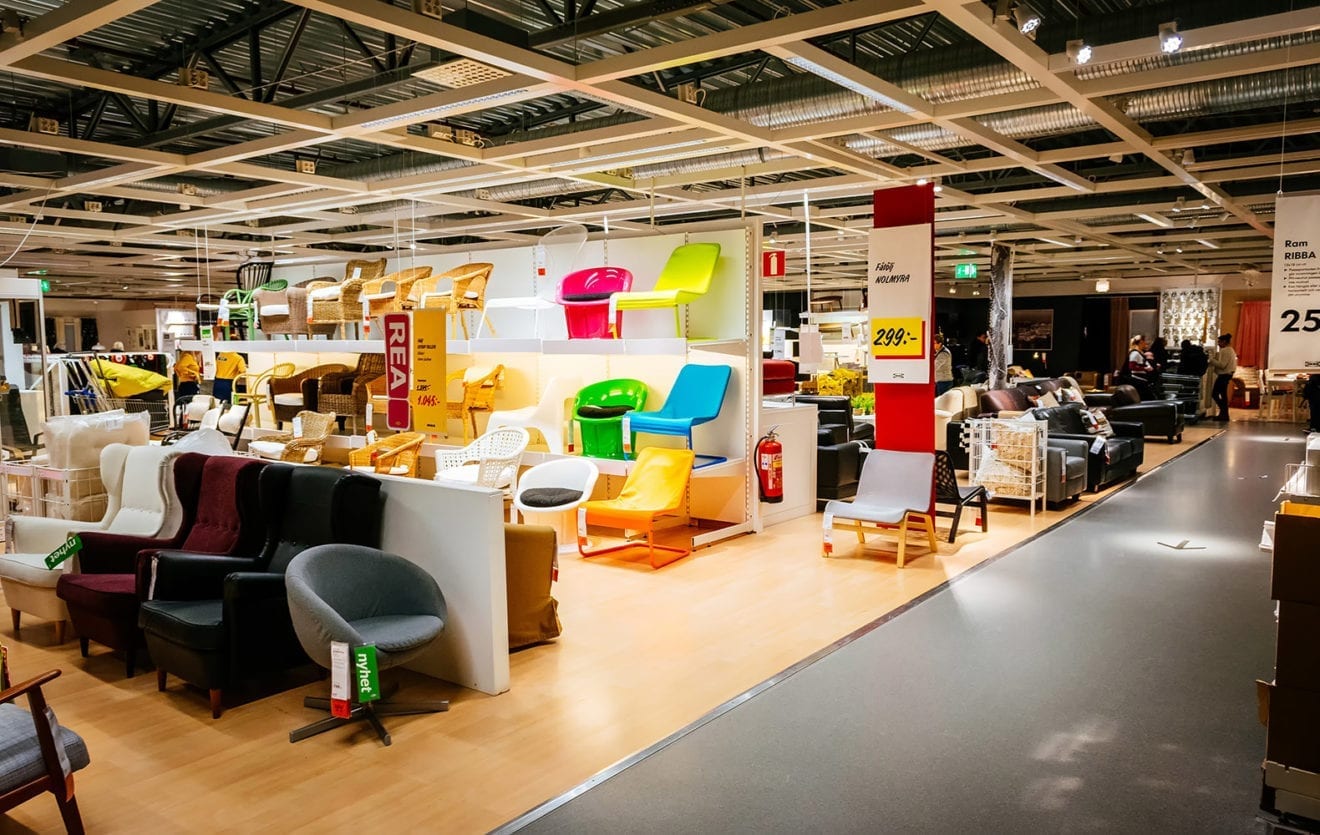
    The IKEA store in Hyderabad offers ideas, inspiration and solutions. It exhibits two full homes that reflect ‘Life at Home’ in Hyderabad, besides different room sets based on different parts of the home like bedroom, kitchen, children’s room and living room. It will also have a market hall where you will find home kitchen utensils and accessories, textiles, rugs, lighting, decoration, stationary and even live plants.

    According to Antoni, “The strength of IKEA Hyderabad is that we have brought all the global IKEA concepts here. We have not compromised on anything. We have got the great experience that we are known all across the world – the inspiration, the customer service, the range – all this has come with us.”

    “What we have done special is that how we have composed the products in the room settings. What we are trying to do is to be relevant for the local market. We have done around 1,000 home visits and research was based on how people live and how they want to live and then we are putting our products in a unique way that represents the Indian needs. If you compare the rooms in IKEA Hyderabad to IKEA Sweden, the main difference is how the rooms are composed and products are composed. On above that, we have 1,000 products that are locally done for India which comes a lot around the food range like frying pans, idli makers etc and coloured bedsheets that we normally do not carry. So we have customised quite a bit,” adds Antoni.

    The 400,000 sq. ft debut outlet in India, features 7,500 furniture and home furnishing products and a 1,000-seater restaurant – which is IKEA’s largest in over 400 stores it has globally.

    “Even IKEA restaurant, which is largest in the IKEA world, is also connected to India’s love for food. We really believe that restaurant will be a huge pull and bring in a lot of people here and we believe that their interaction with IKEA will be over a meal. They will get to know about us through quality of food with low prices and they will realise that the range that we sell is in the same direction,” asserts Antoni.

    Antoni says IKEA would have both large and small stores and more touch points. The e-commerce platform would be launched next year.

    “IKEA Hyderabad is a large store as comapred to many of our other stores across the world. When we enter Mumbai, we want to enter as a multi-channel retailer. Going ahead, we are looking at a store giving a same brand experience, a number of smaller format stores, which will still be big stores, where we can get closer to the customers in the city centres and then an online experience also that gives customers an opportunity to meet IKEA whenever, wherever and however they want,” reveals Antoni.

    Highlighting the USP of the brand, Antoni says, “We are building our customer experience on knowledge. So we do not just produce furniture but we are a Life at Home company. We have been in this business from more than 60 years, and we have a learnt a lot about Life at Home and we combine and build our range based on this knowledge. We do not have a chair that just looks good but it has a function, style and sustainability. Then we have 7,500 products that are built together.”

    The brand is counting on 15 percent growth year-on-year easily on same store basis because the interest in Life at Home will grow.

    According to Antoni,”More the interest in Life at Home will grow in India, more players players will enter India and then the market will grow. This is just a beginning of a new era.”

    In the next phase of expansion, IKEA will be present in other cities like Ahmedabad, Surat, Pune, Chennai and Kolkata with a multi-channel approach. By 2025, the brand is looking at opening more than 25 touchpoints across various cities.

  • Negative impact from regulation on Tencent Holdings growth

    Negative impact from regulation on Tencent Holdings growth

    Tencent Holdings has recorded its first quarterly fall in profits in 13 years, hampered by government delays in approving new online games.

    Second-quarter profit fell 2 per cent to RMB 17.9 billion (US$2.6 billion) on sales totalling RMB 73.7 billion ($10.65 billion).

    The company’s mobile games business revenue fell 19 per cent quarter-on-quarter to RMB 17.6 billion due to delays in the launch of new games and failure to gain approval for charging fees on popular tactical tournament games.

    “This is the worst result in recent memory from Tencent, with the first quarter-on-quarter fall in profits in 13 years and major disappointment on mobile gaming revenue and margins,” said Douglas Morton, the head of research in Asia at Northern Trust Capital Markets in an investor note.

    “The miss, however, was driven purely by regulatory delays to game approvals, meaning the long-term story for Tencent may well remain intact.”

    Another analyst, He Saiyu, from Huatai Financial Holdings, wrote that gaming revenue growth should remain positive later in the year due to increased monetisation of existing games.

    “Mini programs should help to boost Tencent’s cloud, advertising and online payments business grow.”

    He said user traffic and engagement levels across all its major platforms, including WeChat and QQ are all growing at a healthy pace.

  • @Cosme cosmetics debuts in Bangkok

    @Cosme cosmetics debuts in Bangkok

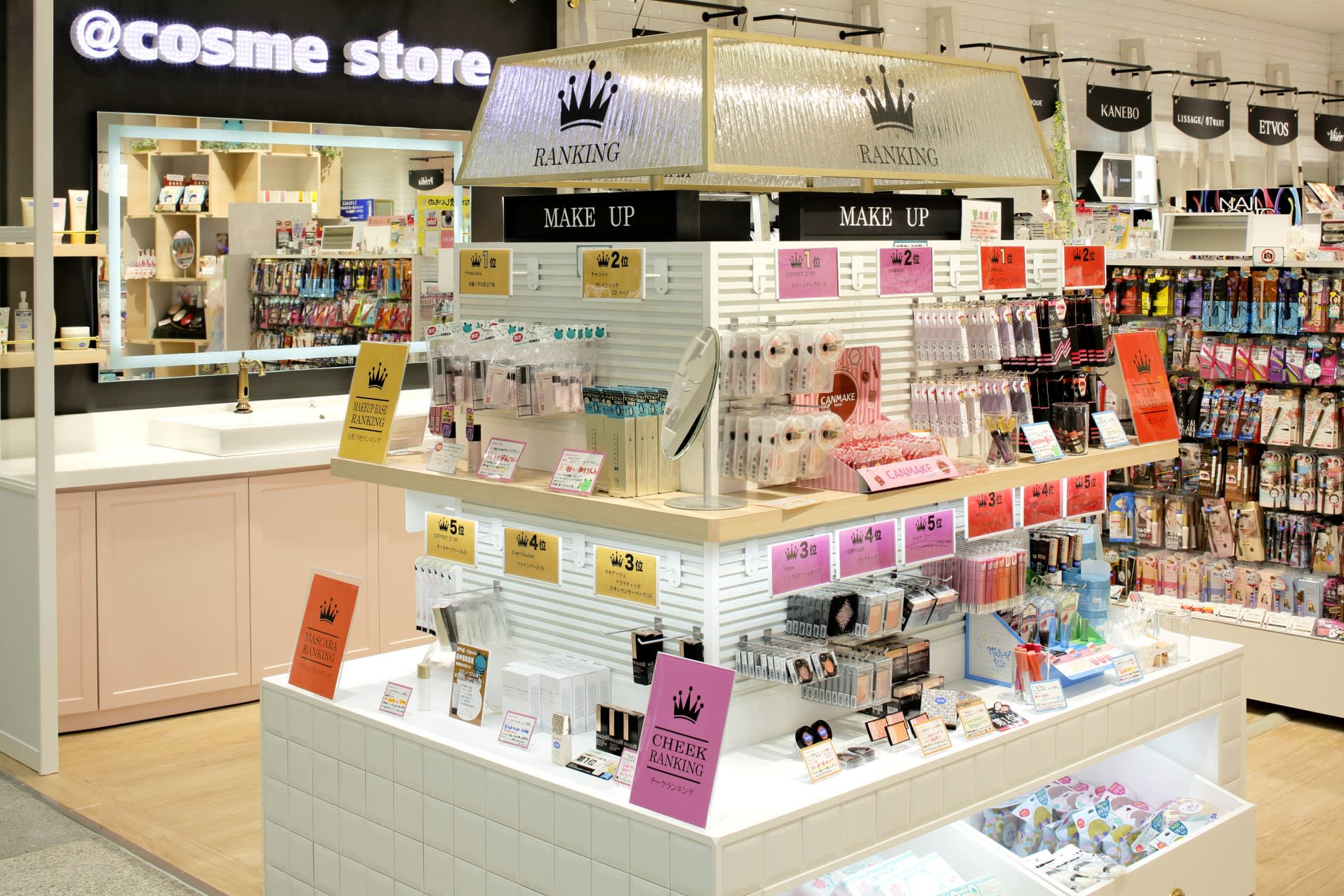
    Japanese company istyle cosmetics is partnering with Siam Piwat to open @Cosme stores in Bangkok.

    The joint venture in which istyle holds 70 per cent is called istyle Retail Thailand and will operate five @Cosme stores in the country.

    The first Thai @Cosme store is set to open at the new development IconSiam by the end of this year, and the second will open at Siam Center.

    “We have studied the Thai market and found that Bangkok’s GDP is high and consumers in Bangkok, compared with consumers in other countries in this region, are the top spenders on beauty and cosmetic goods,” said Kei Sugawara, director, CFO and senior VP of global at Istyle Inc.

    “The @Cosme retailing concept that merges online consumer engagement with offline sales is extremely innovative and will be exciting for Thai consumers. Next to that, this joint venture will facilitate the arrival in Thailand of many new, high quality Japanese beauty brands that have not been available to consumers in Thailand,” said Usara Yongpiyakul, CEO of Siam Piwat Retail.

    The joint venture expects the total sales earned by @Cosme stores to reach Bt300 million (US$9 million) in the first three years.

    Currently, @Cosme has stores in Hong Kong, Japan, and Taiwan.

    Thailand is among several new markets istyle is planning to expand in during the next three years with a goal of 50 to 60 new stores planned.