Author: Mei Ling Tan

  • KT triples the Wi-Fi speed at 3 Seoul Starbucks branches

    KT triples the Wi-Fi speed at 3 Seoul Starbucks branches

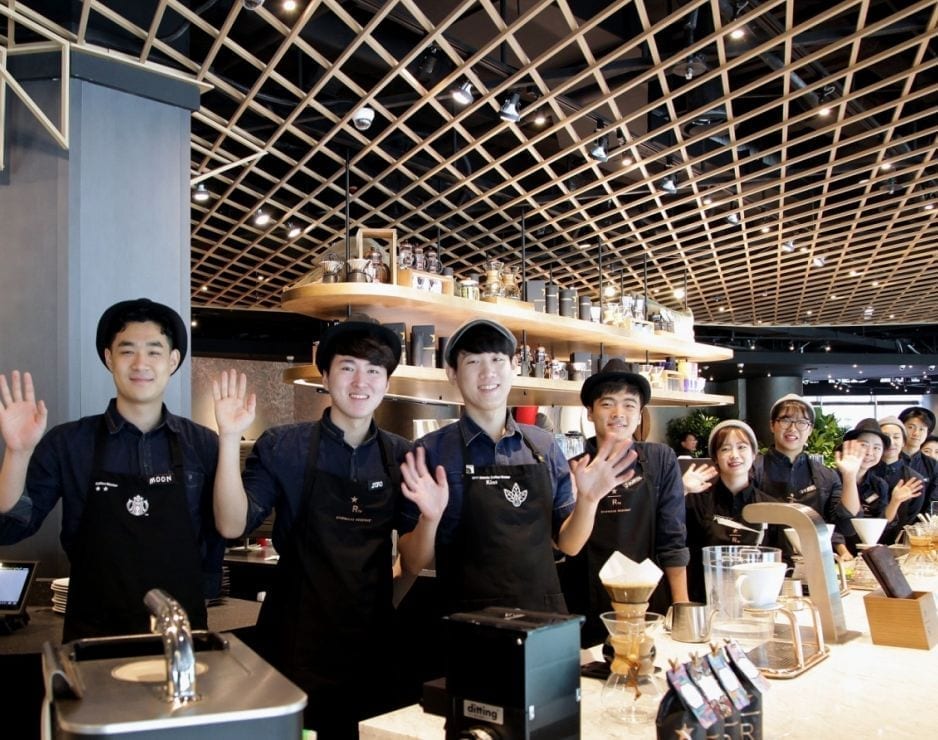
    KT will triple the speed of the internet at some Starbucks Korea branches starting today.

    The company announced Monday that it will offer 10 GiGA Wi-Fi services at three Starbucks Korea branches. The cafes are in the Jongro Tower in central Seoul and COEX and Kyobo Tower in Gangnam District, southern Seoul.

    According to KT, the 10 GiGA Wi-Fi will enable consumers to use the internet at a speed of 4.8 gigabits per second (Gbps). This is three times the speed previously offered by the coffee chain, which topped out at 1.7 Gbps.

    The upgraded speed is meant to ensure the internet is still smooth and fast when multiple users are connected at once. In the past, customers complained about the internet slowing down when many users tried to connect at once.

    KT plans to expand the service to all of Starbucks’ premium Reserve stores in Korea by September.

  • Lush Malaysia KL launches soon

    Lush Malaysia KL launches soon

    A personnel recruitment tweet has revealed that the UK cosmetics brand Lush Malaysia is preparing to open in Kuala Lumpur.

    The notice, verified by Lipstiq Malaysia, was posted on July 9 to seek full- and part-time sales ambassadors, supervisors and trainee managers.

    Lush retails handmade natural bath and beauty products that it says are environmentally-friendly, 100 per cent vegetarian and cruelty-free. The items are sold without packaging or using recycled packing materials.

    The brand, which has stores in many Asia-Pacific markets, including Hong Kong and Australia, is likely best known for its strongly-scented effervescent “bath bombs”.

    There is no further information as of yet regarding where the Lush Malaysia store will be located or when its will open.

  • European Union ‘open to palm oil’

    European Union ‘open to palm oil’

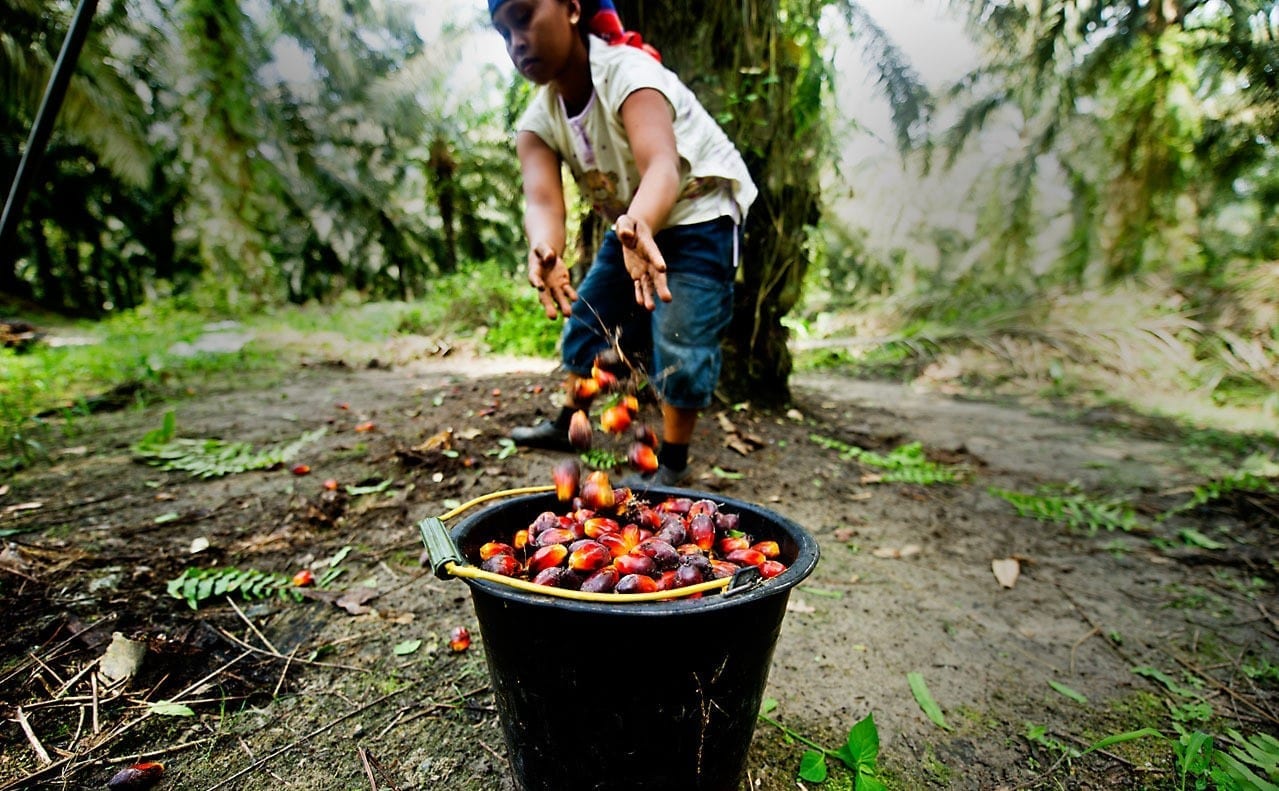
    The European market is open to palm oil and there is no ban on the commodity, said Ambassador and Head of European Union Delegation to Malaysia, Maria Castillo Fernandez.

    Clarifying the stance of Europe on palm oil, she said there is a discussion in the region to reduce the use of biofuels in order to reach the European Union’s goal of achieving 32% renewable energy target by 2030.

    She clarified that palm oil has not been singled out as this extends to all types of biofuels.

    “There is no singling out on palm oil. It’s all crops (and) it’s on biodiesel that doesn’t mean you are banning anything but you will have to use less biodiesel coming from all the crops for your renewable energy target,” she explained.

    On how this will come to play, she said that will depend on the adoption of the delegated act next year.

    Europe is the second largest market for Malaysian produced palm oil.

    Fernandez reiterated that Malaysia’s trade relations is not just limited to palm oil, as the EU is Malaysia’s third largest trading partner.

  • 4G investments impacting ratings of APAC telcos

    4G investments impacting ratings of APAC telcos

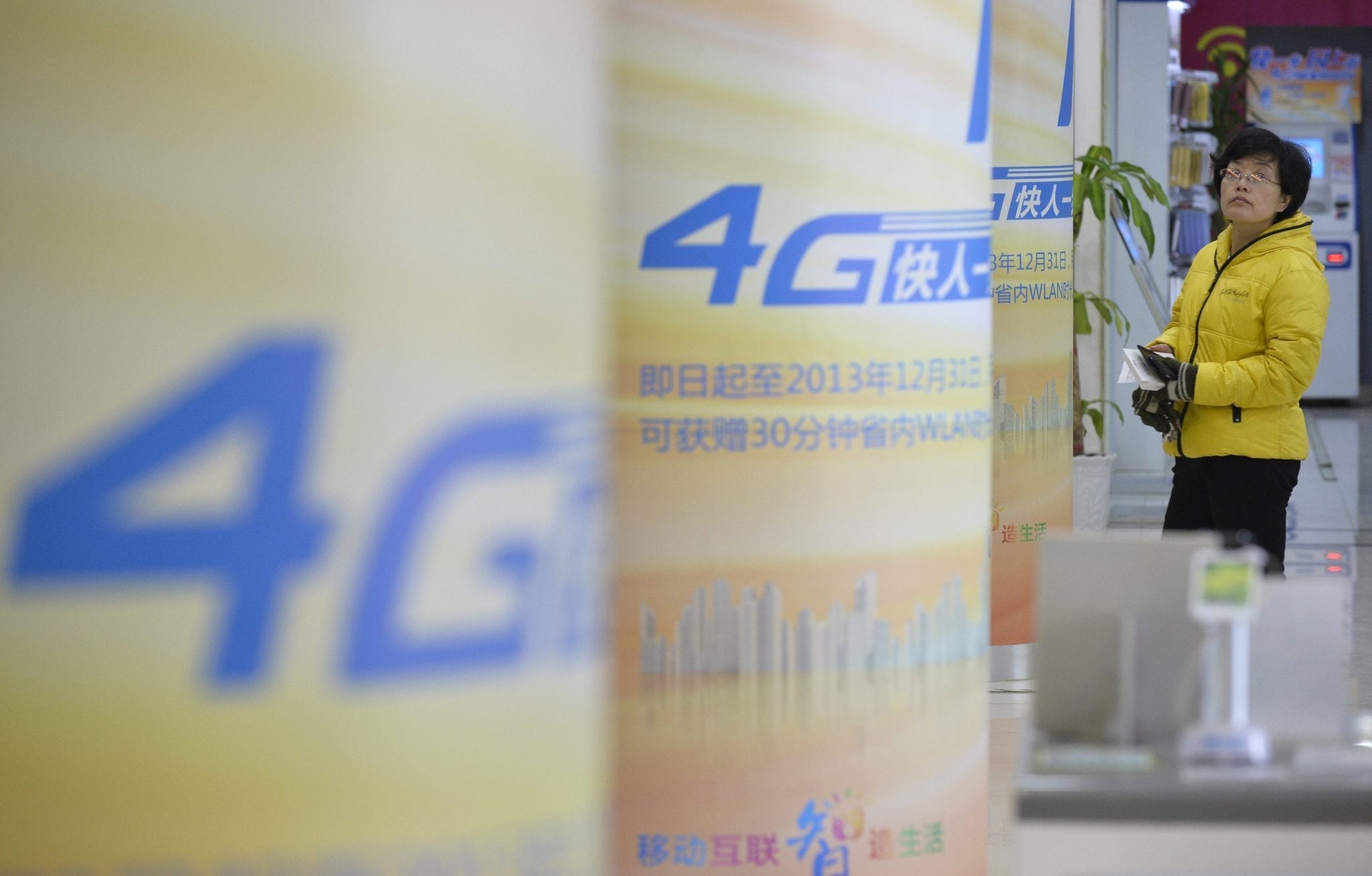
    Half of the companies covered in Fitch’s APAC Telecommunications – Peer Comparison report now have limited rating headroom based on our downgrade guidelines, after investments to roll out 4G networks and, in most cases, higher dividend commitments caused net leverage to rise in recent years.

    The ratings agency noted that only PT Telkom achieved high rating headroom, while PLDT, Telekom Malaysia, SK Telecom and Singtel have the least.

    Some companies have gained temporary relief through cost management, asset disposals and dividend reduction, which also reflect their commitment towards deleveraging. PLDT and Advanced Info Service Public Company reduced dividends to manage their cash flows.

    Rating triggers are typically less stringent for companies with strong business fundamentals and supportive market structures, which present a lower business risk profile.

    Fitch considers competitive position and financial structure as key differentiating factors for APAC telcos, attaching high importance to these two sub-factors.

    Competitive position captures the significance of scale benefits, strong market position and low competitive intensity in driving a robust business risk profile. Meanwhile, an issuer’s capital allocation and debt capacity underpin its financial structure.

  • 6ixty8ight opens first SEA store at Singapore

    6ixty8ight opens first SEA store at Singapore

    Hong Kong-headquartered lingerie label 6ixty8ight has opened its first store in Southeast Asia, at VivoCity.

    The new 6ixty8ight Singapore store takes up more than 2000sqft on level 2 of the popular shopping centre.

    The brand was founded in 2005 by Hop Lun Group which has manufactured lingerie for many international brands for more than 25 years. Its strategy was to use its manufacturing expertise to create underwear for Chinese women. Such a course did not cannibalise sales from its manufacturing customers, which primary target western markets. It was the first time the manufacturer had developed its own label.

    Between 2014 and 2016, the company embarked on a rapid growth plan, expanding from 48 stores to 110, 20 of them in Hong Kong and the balance in Mainland China. Today it has 140 stores, having since expanded into South Korea, Taiwan and Macau. Its points of difference are carefully targeting women aged 15-30, focusing on lingerie, socks, nightwear and minimal casual wear to complement it (rather than trying to take on fast-fashion chains which offer broad ranges to both genders and children) and pricing. In Singapore the store will sell bras at S$13.90 and denim culottes for $39.90.

    The 6ixty8ight Singapore store will feature the brand’s full range, including accessories.

    To mark the opening, the store is giving away 6800 pairs of panties free to shoppers who can show instore that they follow the label on Instagram.

  • Berjaya Corp acquires 98% stake in Just KPop

    Berjaya Corp acquires 98% stake in Just KPop

    Berjaya Corp Bhd’s (BCorp) wholly-owned subsidiary Berjaya HR Café Ltd has acquired 98% equity interest in South Korea’s Just KPop Ltd (JKP), for KRW98 million(RM354,172).

    The group told the stock exchange that following the subscription of 19,600 common stocks at par value of KRW5,000 (RM17.87) each, JKP has now become a 98%-owned subsidiary of BCorp.

    JKP, which has not commenced operations, is intended to carry out food and beverages businesses and restaurants as its principal activities.

    It was incorporated in South Korea under the Korean Commercial Act with an issued share capital of KRW100 million (RM357,473.68) comprising 20,000 common stocks at KRW5,000 each.

  • Facebook scandal creates opportunity for cellcos

    Facebook scandal creates opportunity for cellcos

    The Facebook and Cambridge Analytica data harvesting scandal has eroded trust in digital service companies, which has opened a window of opportunity for mobile operators, according to new research from Openet.

    A survey of consumers in the Philippines, the UK, US and Brazil found that more than 50% of consumers are now less likely to share personal data with digital services companies.

    Consumers now see their mobile operator as more trustworthy than both social media platforms and digital services companies such as Netflix, Spotify and Skype.

    More than nine in ten (92%) consumers would be happy to consider mobile operator delivered digital services as an alternative.

    In addition, 66% would now prefer to pay for services if it means more control over their data, which could even signal the beginning of the end of the Freemium era, Openet said.

    Openet CEO Niall Norton noted that despite having an abundance of subscriber data, mobile operators have traditionally had a much more conservative approach to making use of this data compared to digital service providers.

    “For a long time, this conservative approach to data use has been used as an unfavorable measure for operators’ digital efforts, especially in comparison to other digital-first companies. But times are changing and it’s clear that consumers expect more if they are to hand over personal data in exchange for services,” he said.

    “Mobile operators have earned the right to answer this call. But to be successful, they must learn from the mistakes made by social media and digital service companies alike. Transparency around data collection and opt-in processes are now top priorities for consumers. Operators must bear this in mind when seizing new digital opportunities.”

  • Gas station parcel service to go nationwide

    Gas station parcel service to go nationwide

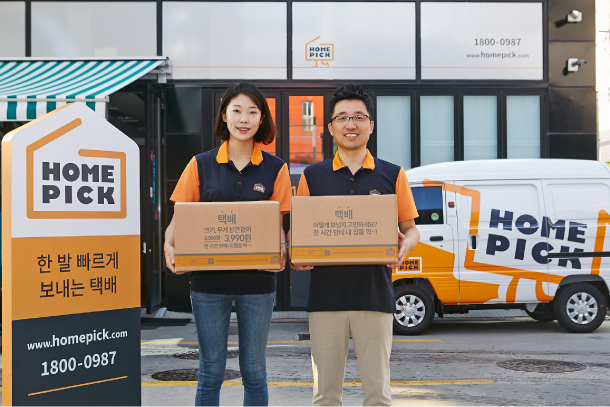
    Just a month after Homepick launched in Seoul the service is getting ready to go national, the next step in an ambitious plan to improve parcel services while making use of wasted space on gas station forecourts.

    Homepick, a new business concept created jointly by SK Energy, GS Caltex, CJ Logistics and delivery start-up Zoomma, allows customers to send parcels right from their doorsteps without going to post office or convenience stores.

    The business is unique in the way it takes advantage of unused space in gas station forecourts. All Homepick offices are on the grounds of gas stations, making use of space that used to be wasted.

    Homepick doesn’t need much space for its offices. One office, on the side of a GS Caltex gas station in Gangnam, southern Seoul, measures about five pyeong (117 square feet) and only contains racks to store parcels and a desk with a computer to print out invoices. But Zoomma CEO Kim Young-min thinks the compact space gives the company an advantage.

    “Gas stations offer parking space for delivery trucks, they are everywhere in the country and they are also very noticeable, which makes it easier for delivery staff to find the station,” Kim from Zoomma said. “It’s also much cheaper to rent out a space from gas stations than getting a separate office especially in places like the posh Gangnam area where real estate prices are high.”

    According to Kim, Homepick will open offices at about 600 SK and GS gas stations nationwide by August to offer door-to-door parcel delivery across the country.

    The service, which started in June, is currently only available in the greater Seoul area including Gyeonggi and Incheon.

    “It’s a win-win for both the logistics companies and gas station operators,” said SK Energy’s network business development team leader Lee Myung-hee during a press briefing Monday. “Gas station operators earn on average 2.5 million to 3 million won a month in profit, which is not much. Renting out idle space will help them earn about one third of that in extra income.”

    Currently, the oil refiners are offering four to five-pyeong spaces at their gas stations at small rental fees. Zoomma staff collect parcels from homes located within a 3-kilometer radius of each gas station and store them in the office until CJ Logistics staff pick up consignments of parcels to move to final destinations.

    The proximity of the warehouses – or in this case gas stations – allows Zoomma staff to pick up parcels within an hour of customers placing orders. Customers can even reserve the desired time of pick-up.

    Also, unlike at post offices or convenience stores where delivery fees vary by size and weight, Homepick offers a single price tag of 5,500 won, making it convenient to send large parcels of up to 20 kilograms.

    Heavy parcels would typically cost around 7,000 to 8000 won even if customers took them to post offices themselves. Currently, the service is offered at 3,990 won as part of a promotional launch event.

    Zoomma hopes to reap 60 billion won in revenue in its first year of service by handling 12 million parcels a year.

    The company hopes to grow to a size where it is able to handle 60 million parcels and earn 330 billion won in revenue by its third year. To reach that third year target, Kim said the start-up would have to hire about 5,000 pick-up drivers. Currently, it has about 150.

    The business model was inspired by SK Group Chairman Chey Tae-won’s order to open up all assets and business infrastructure of SK affiliates to create more social value, according to SK Energy.

    GS joined despite being a competitor in the oil refining market as its chairman also shared Chey’s vision, according to GS team leader Kim Nam-joong.

    As GS also has GS Home Shopping, which depends heavily on a logistics service, and convenience store chain GS25 that already offers parcel delivery services, the group hopes to create synergies between businesses by utilizing gas stations as warehouses.

  • Malaysia unemployment rate unchanged at 3.3% in May

    Malaysia unemployment rate unchanged at 3.3% in May

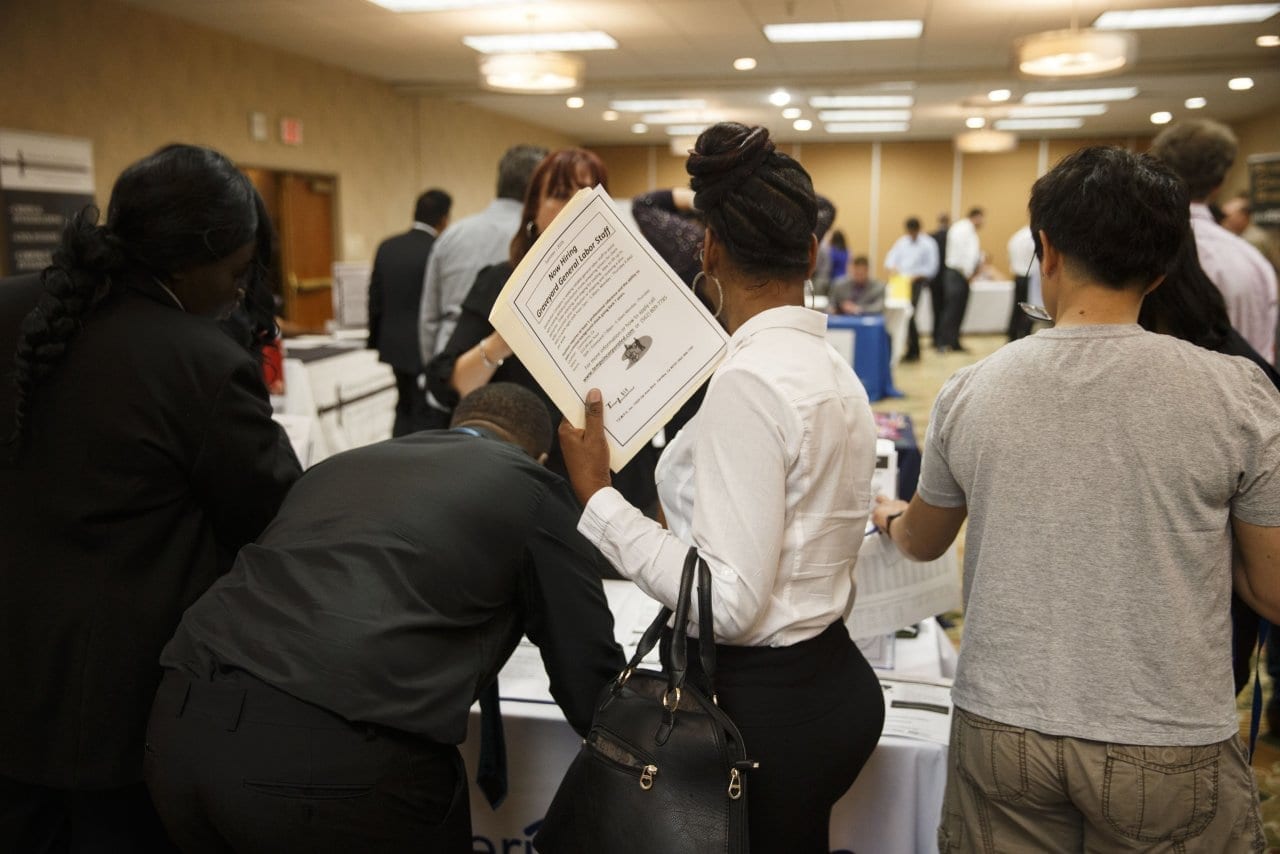
    Malaysia’s unemployment rate in May 2018 remained at 3.3% for four consecutive months, according to the Statistics Department.

    Year-on-year, the unemployment rate fell by 0.1 percentage point as compared to 3.4% in the same month of 2017, the department said in a statement today.

    “Number of unemployed persons recorded a total of 504.8 thousand persons, decreased 0.5% against May 2017,” it added.

    On a seasonally adjusted month-on-month basis, the unemployment rate in May 2018 remained at 3.3% as compared to the previous month.

    Meanwhile, the department said that labour force participation rate in May 2018 increased by 0.2 percentage points to 68.4% as compared to the previous month.

    Year-on-year showed that the labour force participation rate increased by 0.6 percentage points, it added.

    During the same period, employed persons increased 2.8% after registering 2.6% growth in the previous month.

    As at May 2018, the country’s labour force stood at 15.4 million.

  • Telstra, Ericsson, Intel claim another 5G first

    Telstra, Ericsson, Intel claim another 5G first

    Australian operator Telstra, Ericsson and Intel announced they have jointly completed the first end-to-end 3GPP non-standalone 5G data call on a commercial network in a multi-vendor setup.

    The trial at Telstra’s 5G Innovation Centre on the Gold Coast used licensed 3.5-GHz spectrum, and Ericsson 5G new radio, baseband and packet core solution, a Telstra SIM and the Intel 5G Mobile Trial Platform.

    The trial involved a network connection to an Ericsson virtualized 5G packet core running on Ericsson’s network functions virtualization infrastructure. The 5G slice was then connected into the existing Telstra mobile network.

    Ericsson and Intel jointly completed the first lab-based end-to-end non-standalone 5G data call earlier this month, and the live demonstration builds on this milestone.

    Demonstrating this 5G data call end-to-end using my own personal SIM card on Telstra’s mobile network is the closest any provider has come to making a ’true’ 5G call in the real world-environment, and marks another 5G first for Telstra,” Telstra group managing director for networks Mike Wright said.

    Previous 5G firsts have included the first 5G data call over 26-GHz spectrum, Australia’s first 5G connected vehicle trial and its first 5G mobile gaming demonstration.

    “We continue to work with global technology companies Ericsson and Intel as well as global standards bodies to advance the deployment of commercial 5G capability in Australia,” Wright concluded.

  • Xiaomi phone comes to Korea

    Xiaomi phone comes to Korea

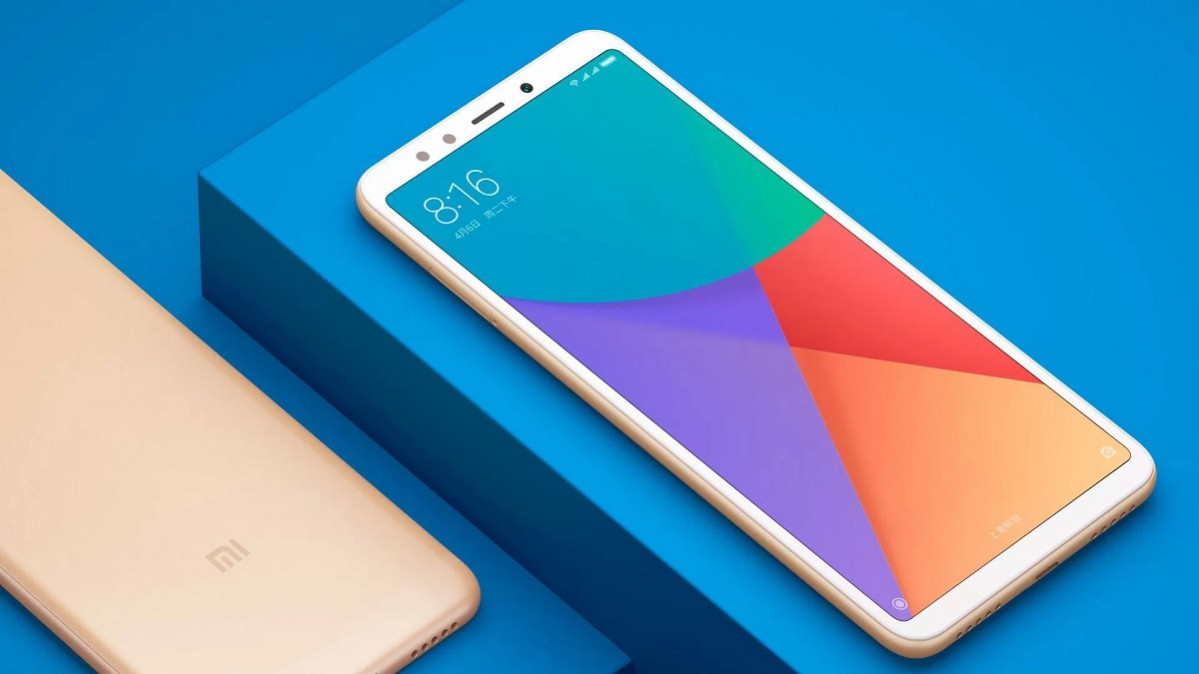
    Xiaomi’s Redmi Note 5 became the Chinese electronics giant’s first mobile phone to officially sell through Korean mobile carriers on Monday.

    The cost-effective phone, priced at 299,000 won ($265), is the first Xiaomi device launched nationwide through Korean mobile carriers SK Telecom and KT. Unlocked Xiaomi phones have previously been available through other retail channels in Korea.

    Redmi Note 5’s greatest selling point is its cheap price tag. While the phone already costs about a third of the price of Samsung’s Galaxy S or Note series phones or Apple’s iPhones, SK Telecom and KT are offering discounts of up to 200,000 won depending on the phone plans users subscribe to.

    That means that some customers will be able to pick up the phone for as little as 100,000 won.

    But the Redmi Note 5’s cheap price tag doesn’t mean Xiaomi has cut back on the features.

    The 5.99-inch screen phablet comes with a large 4,000mAh battery – larger than both the 3,300mAh battery in the Galaxy Note 8 released last year and the 3,000mAh battery in the Galaxy S9 released in March – and dual rear cameras with a 12-megapixel main lens.

    For enhanced selfie mode, the phone has a 13-megapixel front-facing camera. G-mobi, the Korean distributor of Xiaomi products, said that artificial intelligence has been applied to the camera so it can blur the background to focus on people during a launch event held Monday in Seoul.

    G-mobi also emphasized the beautify 4.0 feature of the camera, which can add effects to peoples’ faces by recognizing each part of the face such as dark circles, nose, eyes and even freckles. The feature enables users to easily fix their looks without editing the photo through special apps or programs.

    Jung Seung-hee, CEO of G-mobi Korea, said the Redmi Note 5 has been gaining better-than-expected feedback during the presales period that began from July 12. The phone is also sold online by CJ and Hi-Mart. Jung did not disclose exact sales data.

    She also declined to comment on an exact sales target for the phone, only saying that the goal for now is to safely land Xiaomi as a smartphone brand in Korea.

    When asked whether Xiaomi plans to establish its own retail shop in Korea, Jung said that is highly desired and a plan is being considered, but the low margin on Xiaomi products makes it a difficult decision.

    With the launch, eyes are now on how much market share the phone can take in Korea, the home turf of smartphone giants Samsung Electronics and LG Electronics where non-Korean branded phones have rarely survived, with the exception of Apple’s iPhone.

    According to market tracker Strategy Analytics, Samsung phones have accounted for 65.3 percent of the local smartphone market in the first quarter, followed by Apple with 16.7 percent and LG at 12.2 percent. Other foreign brands are struggling to even achieve a five percent market share.

  • Nike new concept revealed

    Nike new concept revealed

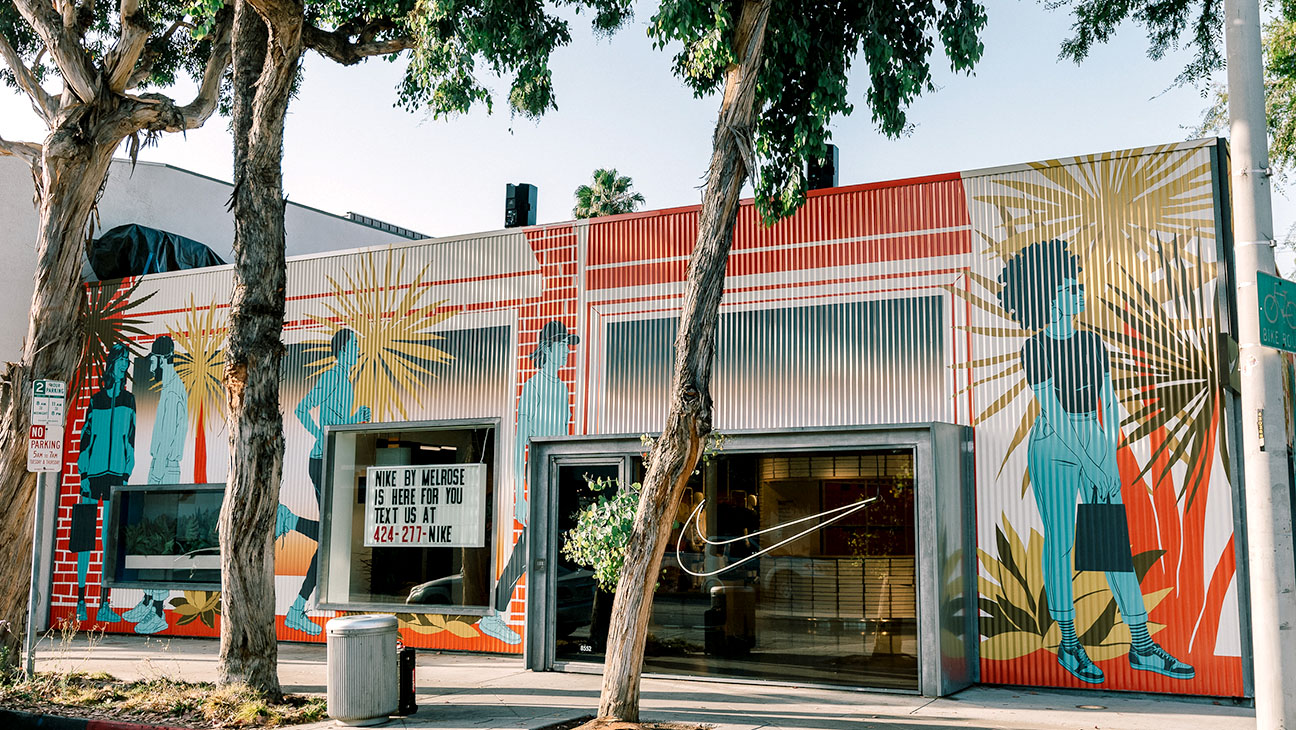
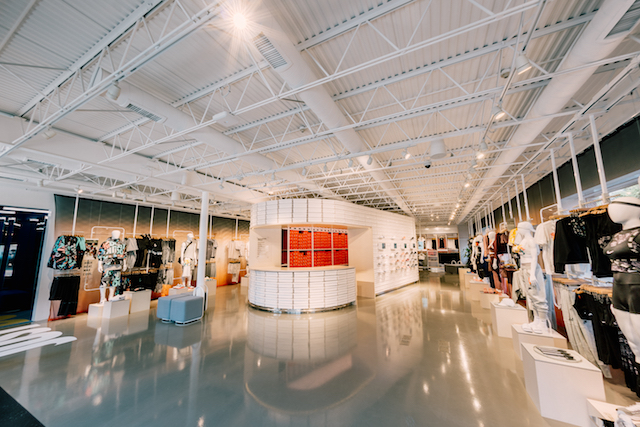
    Nike has opened its newest store concept, Nike Live, in Melrose Avenue, Los Angeles.

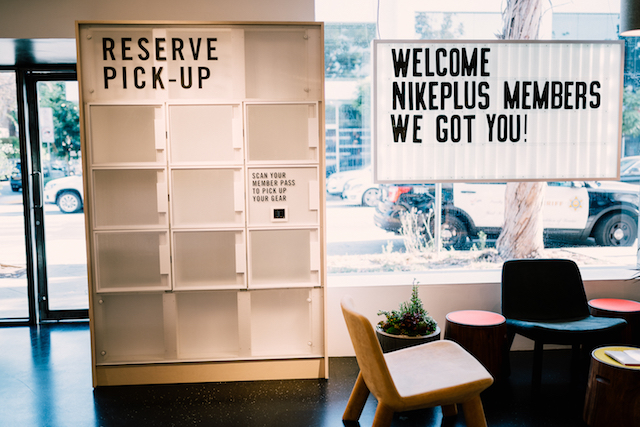
    The store, “powered” by the insights and engagement of thousands of nearby NikePlus loyalty program members, features a lockbox pick-up service where members may secure unique offerings reserved via the Nike App or through Swoosh text.

    President of NikeDirect Heidi O’Neill said: “Nike Live stores are specifically designed to be a service hub for local NikePlus members… as well as being the first Nike Live destination, we will also test services that can then roll out to other Nike stores, combining digital features with a unique physical environment to create the future of Nike retail.”

    The new concept was created in support of Nike’s efforts to unite digital and physical shopping experiences for its consumers, and to further personalise the NikePlus Member in-store journey. Both the location and the product assortment of the store was selected using insights gained from NikePlus member activity and buying patterns.

    When walking in the store, shoppers can make a first stop for service at the Nike Sneaker Bar. There they can talk with a Nike Expert about the lifestyle and performance footwear available, request to try-on an item on the spot, purchase and go.

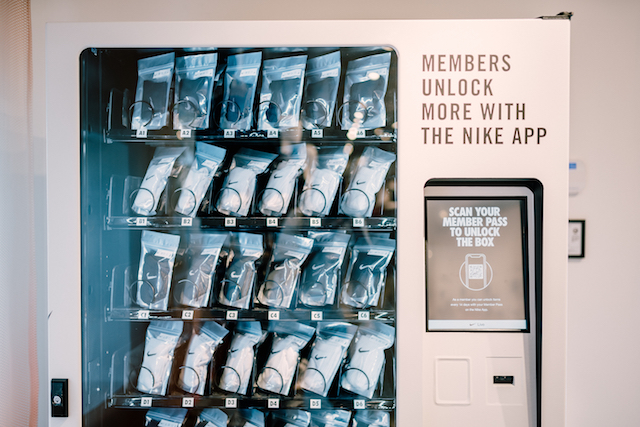
    Members have access to the NikePlus Unlock Box, where they can scan their member pass every two weeks for unique Nike products and goods. The store also uses Nike’s Nike App at Retail service, allowing them to reserve product to in-store digital lockers; scan product barcodes to learn more (i.e. product availability in nearby stores or online, and available colorways); book Nike Express Session appointments for one-to-one personal service; and access new features and content in the app.

  • Meet Yoshi, the 14-year-old Japanese Instagram fashion star

    Meet Yoshi, the 14-year-old Japanese Instagram fashion star

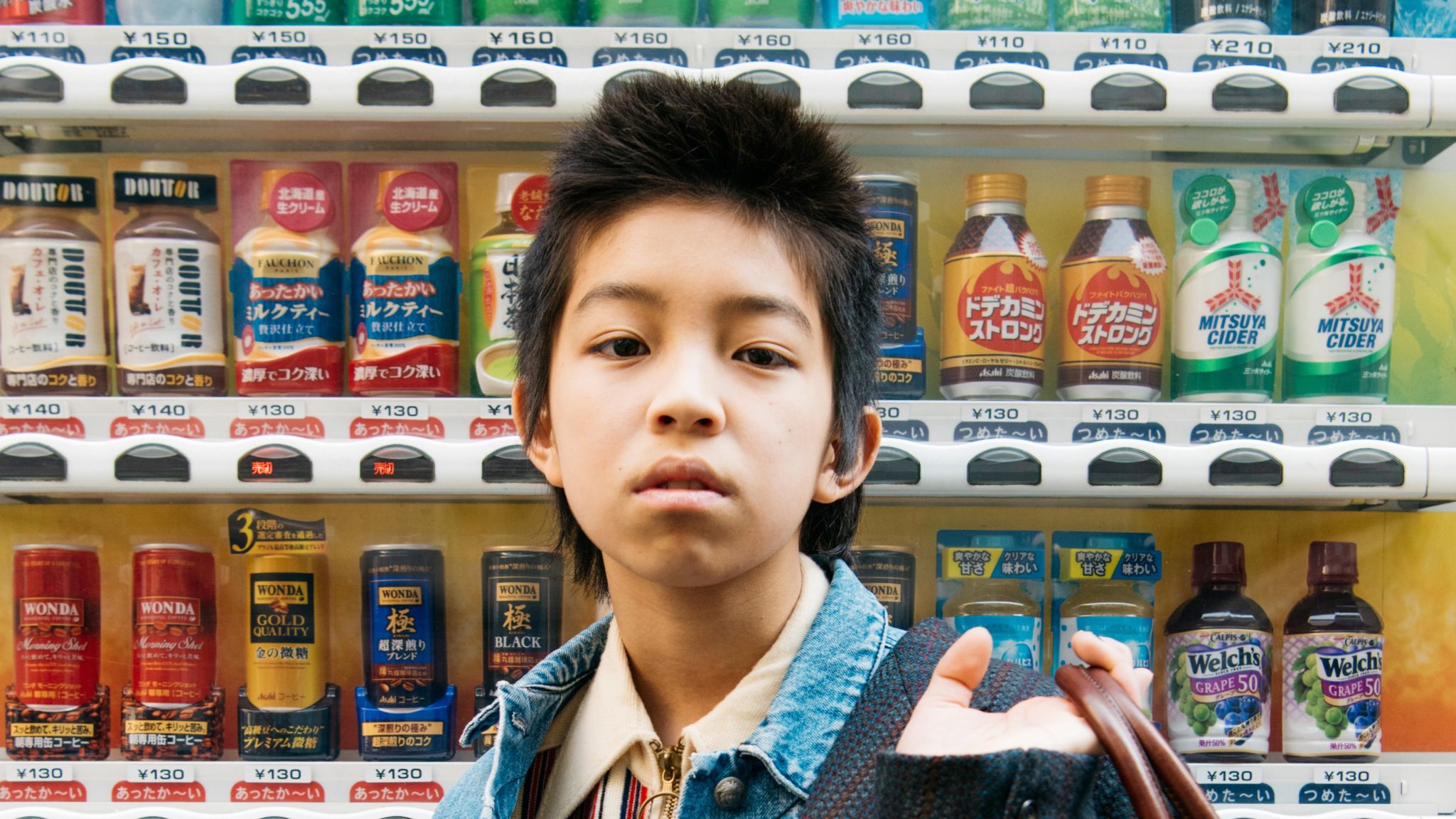
    At only 14 years old, Yoshi is an Instagram phenomenon. After getting noticed by Off-White’s Virgil Abloh, he has quickly become a style icon on the streets of Tokyo.

    Scrolling through his Instagram, there’s no doubt that Yoshi boasts an innate sense of style that stands between punk and luxury streetwear. When he is not taking lift selfies, he Is hanging out with his friends – Nicola Formichetti, Kim Jones, and LA-based artist gab3 among them.

    Now, with over 40k followers on IG, Yoshi is also a model in his own right – last year he appeared in a Helmut Lang campaign and he recently started walking on runways too.

    “The very first item I bought was at the vintage shop in (Tokyo’s district) Jujo called GBM,” Yoshi tells us in a new Dazed film. “It was a pink Marilyn Manson t-shirt. I didn’t know what it was but the owner recommended it to me and I bought it.”

    Since then, he has grown his wardrobe significantly, regularly wearing edgy looks made up of coloured biker jackets, Vetements-inspired coats and customised denim, that he finds browsing the city’s biggest vintage stores.

    Elsewhere in the video, Yoshi shops in his fave vintage stores, draws, and plays video games just a normal kid. But, unlike a normal kid, he also shoots scenes for a music video from Japanese rapper Anarchy.

    “I’m working as a model and as a designer too, so I earn money by myself,” he continues. “Right now, I don’t have an agent or manager, so I always do everything by myself – I even negotiate my fee too.” Just your regular 14-year-old model slash icon.

  • US formally overturns import ban on ZTE

    US formally overturns import ban on ZTE

    The US government has lifted its denial order against ZTE, finally clearing the way for the vendor to resume major operations.

    ZTE suspended major operations after the US Commerce Department banned ZTE from importing components from US companies in April as part of its investigation into ZTE’s alleged violation of US sanctions prohibiting companies from selling equipment with US components to Iran and North Korea.

    But after US president Donald Trump signified in May that he would intervene to allow ZTE to get back in business, the department struck a deal in June for ZTE to pay a further $1 billion penalty and hire a compliance team chosen by the US.

    ZTE has also been instructed to deposit $400 million into an escrow account that will be forfeit in case of future violations.

    Now the ban has formally been lifted after ZTE complied with all the requirements of the deal, as reported.

    But some US lawmakers, including junior senator for Florida Marco Rubio, are seeking to introduce legislation to reinstate the ban due to national security and other concerns.

    ZTE had already agreed to pay an $892 million penalty imposed by the Commerce Department during the initial investigation into the alleged sanction violations, but the department imposed the ban after accusing the vendor of failing to comply with the terms of the initial settlement.

    The development comes in the midst of the escalating tariff war between the US and China.

  • Electric car sales in Korea shoot up as driving range grows

    Electric car sales in Korea shoot up as driving range grows

    For years, Korea’s electric car market lagged behind that of other countries due to a lack of charging infrastructure and few appealing models.

    This year marks a turning point, as sales of electric vehicles (EV) grew by more than 150 percent in the first half of 2018 when compared to 2017.

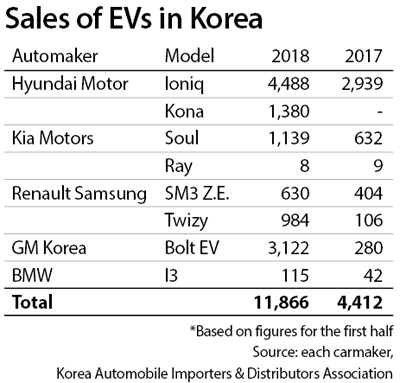
    According to data from Korea’s four domestic carmakers and the Korea Automobile Importers & Distributors Association released on Sunday, 11,866 pure electric vehicles were sold from January to June this year. This is 168.9 percent more than the first half of last year, when 4,412 electric cars were sold in Korea.

    Hyundai Motor sold 4,488 of its Ioniq Electric cars, making it the year’s most popular model. It was followed by GM Korea’s Bolt EV.

    The Bolt EV launched in Korea last year, and GM Korea sold a total of 3,122 of the cars in the first half of this year.

    The electric version of Hyundai Motor’s small Kona SUV, which only launched in May, took the third spot with 1,380 vehicles sold.

    The top three EV models this year all have batteries that provide for long ranges.

    The Ioniq Electric, the oldest of the three, can travel 200 kilometers (124 miles) per charge, a slight upgrade from its previous version, which ran out of juice after 191 kilometers.

    GM Korea’s Bolt EV, a rising star in the Korean EV industry, can travel about 380 kilometers. The Kona Electric has the longest range of the top three at 400 kilometers.

    According to Hyundai Motor, about 15,000 sales of the Kona EV have not yet been reflected in the data.

    Kia Motors’ Soul EV followed in fourth place, with 1,139 cars sold, which is 80.2 percent more than the first half of 2017.

    Renault Samsung Motors is aiming at a niche market with its electric cars. Its electric SM3 Z.E. sold 630 units in the first half. The Korean unit of French auto giant Renault Group is targeting taxi companies by providing an extra discount for SM3 Z.E.s sold as taxi vehicles.

    It also launched a micro EV, the Twizy, last year, which sold 984 units so far this year.

    BMW upgraded the driving distance of its i3 by 50 percent last year to 208 kilometers. The company sold 115 i3s last year, 173.8 percent more than the first half of 2017.

    The EV market in Korea is expected to grow further later this year after Kia Motors’ launches its electric Niro SUV, which will be able to travel more than 380 kilometers per charge, and Jaguar’s I-Pace, which will have a range of 480 kilometers per charge.