Author: Mei Ling Tan

  • Ebay launches free delivery with Myer, Target, Chemist Warehouse

    Ebay launches free delivery with Myer, Target, Chemist Warehouse

    Ebay Australia has officially launched its new membership program, Ebay Plus, offering free delivery and returns on 15 million products from tens of thousands of retailers, including Myer, Target and Chemist Warehouse.

    Ebay Plus members also get access to exclusive deals, such as up to 60 per cent off of popular items, early access to new products, a dedicated customer support team and collect double Flybuys points on all Ebay Plus purchases.

    The membership program, which went live last Friday, follows the introduction of Ebay’s Guaranteed Delivery, which provides faster and more precise delivery times for shoppers.

    The online marketplace now guarantees delivery in four days or less on millions of items, with the option to search for and filter items by delivery speed.

    The changes come as Amazon is reportedly gearing up to launch its own membership program, Amazon Prime, in Australia in mid-2018. With Prime, Amazon customers gain access to free shipping, including 2-day and in some cases same-day delivery, among other benefits.

    However, while Prime now costs US$119 (approximately A$160) annually, Ebay Plus costs only $49 for 12 months.

    According to research commissioned by Ebay in May, Australians spend over $71 on delivery each year, with 8 per cent spending in excess of $200.

    Ebay Australia & New Zealand managing director Tim MacKinnon said the introduction of Ebay Plus is a game-changer for Aussie shoppers and will address the pain-point of delivery costs.

    “We know our customers love the value and convenience of online shopping but our research shows the cost of delivery can stack up over time,” MacKinnon said.

    “Ebay Plus is the ultimate shopping membership. It’s like getting free delivery from your local shopping centre without leaving home. You sign up to Ebay Plus and receive free delivery and returns on 15 million items from tens of thousands of Aussie retailers including Myer, Target and Chemist Warehouse.

  • Adidas Originals launches new Personalisation System

    Adidas Originals launches new Personalisation System

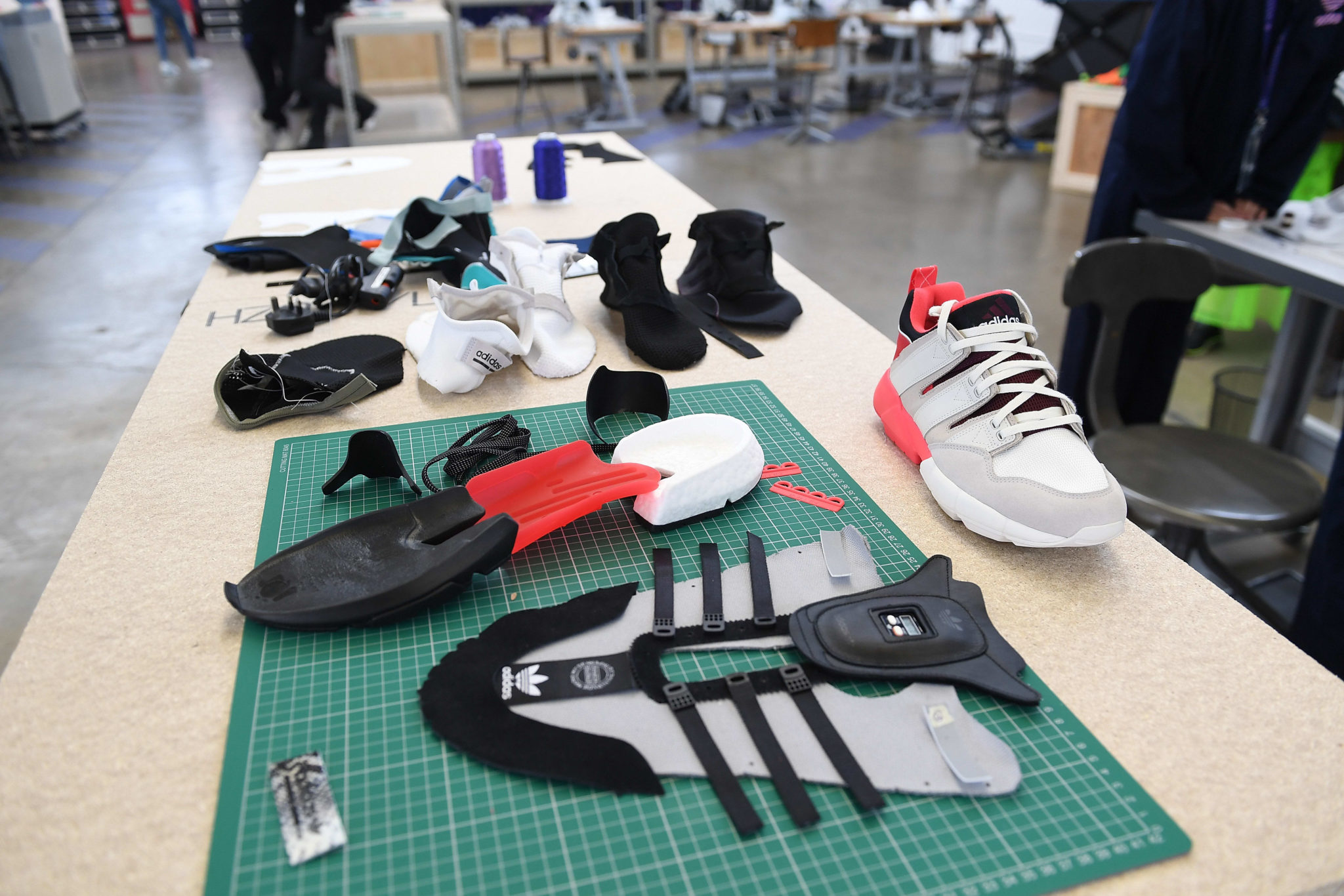
    Adidas Originals has launched its newest silhouette ‘Point of Deflection System’, which allows customers to create their own sneakers.

    Inspired by Adidas’ iconic 90s ‘POD System’ technology and engineered with a podular sole unit, the new silhouette is built to create natural motion, flexibility and comfort.

    To celebrate the launch, global creators including Cali Thornhill DeWitt, DJ Clark Kent and Victor Ma were invited to the PODS Maker Lab in London’s Shoreditch neighbourhood.

    With assistance from Adidas Originals creators including Pharrell Williams, guests created their one-of-a-kind pair of shoes in a full footwear experience by mixing and matching PODS components with classic Originals elements.

    At night, musicians such as Migos, Suspect OTB and DJ Benji B, brought live performances.

    The POD System is available globally both online and offline at Adidas Originals.

  • Indian tobacco company plans 10,000 more 24Seven Stores

    Indian tobacco company plans 10,000 more 24Seven Stores

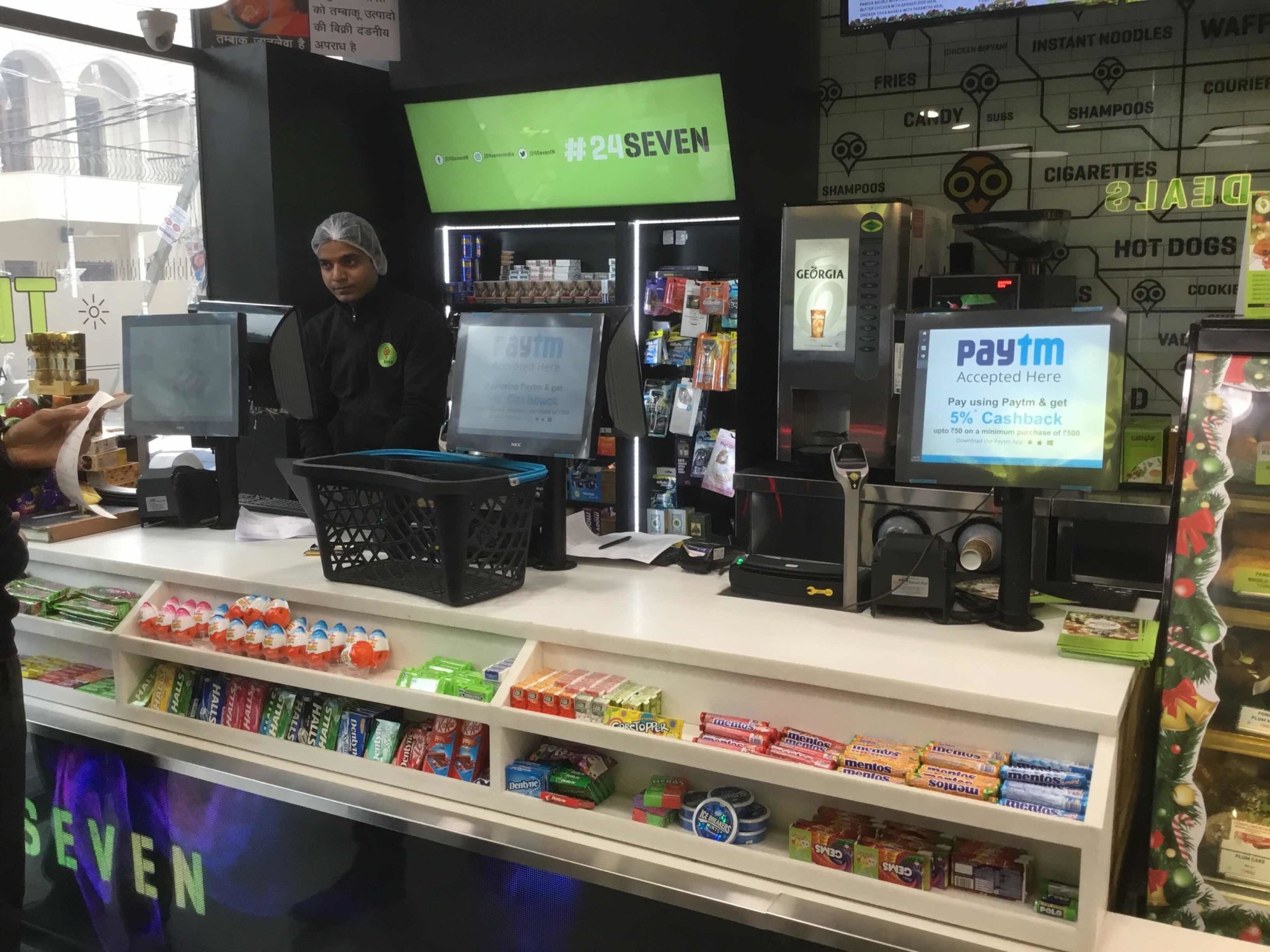
    Indian tobacco company Godfrey Philips is planning to open 10,000 of its 24Seven convenience-store chain nationwide.

    The company plans to treble its network between now and March next year to 170 stores, and expand into new markets from its current National Capital Region base. The first 24Seven store in Mumbai is scheduled to open in April and the company is eyeing early growth in Bangalore, Kolkata and Pune, in the west.

    A further 200 stores are scheduled to open next financial year, which starts on April 1 with a target of 10,000 stores within five years.

    Despite its rapidly rising ranks of middle-class consumers and a proliferation of fresh-food stores, India’s convenience-store network is relatively immature.

    Under a longer-term plan revealed in an interview by Godfrey Philips board member Samir Modi, the company will separate the 24Seven operations into a standalone business once it reaches 1000 stores. The expansion will be funded from internal reserves and use a  franchise business model.

    24Seven stores are typically about 75sqm in size, although some newer flagship stores are nearly double that and the company is looking to larger stores to broaden its product range.

    Modi also revealed plans to boost the number of imported lines on sale in its stores. Confectionery and biscuits, for example, would grow from about 90 lines at present to more than 350.

    Godfrey Philips opened its first 24Seven outlet in 2004. The stores look similar to those of 7-Eleven and, until recently, the company had a group of  former 7-Eleven executives consulting to it.

  • New Look about to Quit China

    New Look about to Quit China

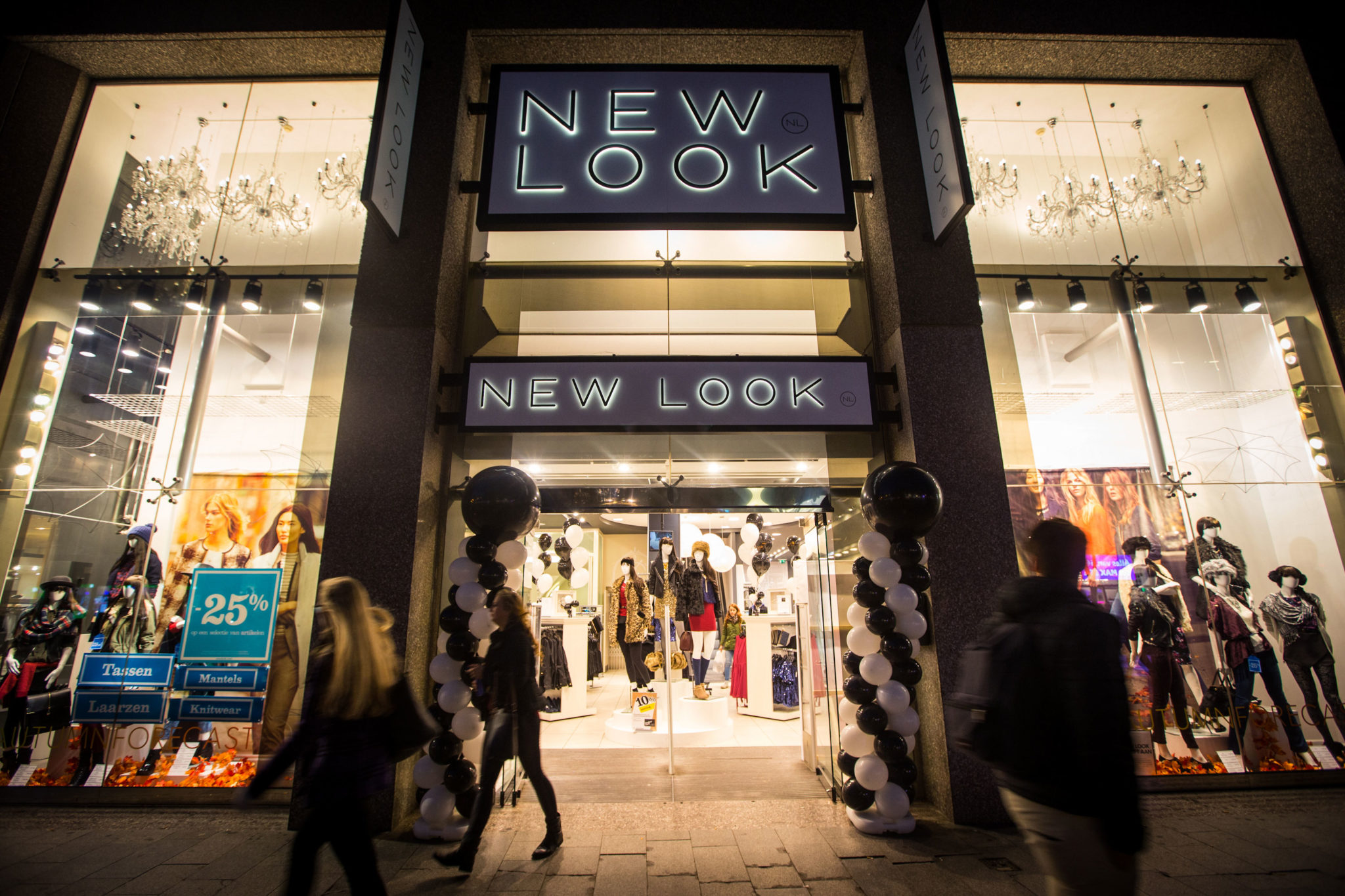
    Struggling UK fashion retailer New Look is set to cull its China store network.

    Weeks after signing a Company Voluntary Arrangement with its creditors and landlords in the UK – a plan which will see it close 60 stores – chairman Alistair McGeorge has cast doubt on the future of the ambitious China plans announced by former CEO Anders Kristiansen.

    “We are taking a view on all our stores,” he told the Press Association in the UK. “We are taking a good hard look, and we will probably do some downsizing.”

    So far, New Look has opened 148 stores across China, barely one third of its target. The stores are company owned rather than franchised as many international retailers choose to in China. It did not open any in Hong Kong or Macau.

    In the year to March 24, New Look recorded a loss of £74.3 million (US$98.4 million; HK$772.6 million) after a £97.6 million profit the previous year.

    Besides store closures, McGeorge is planning to reduce prices and broaden its target market from the millennials it was targeting under Kristiansen.

  • Zara owner hits another revenue record

    Zara owner hits another revenue record

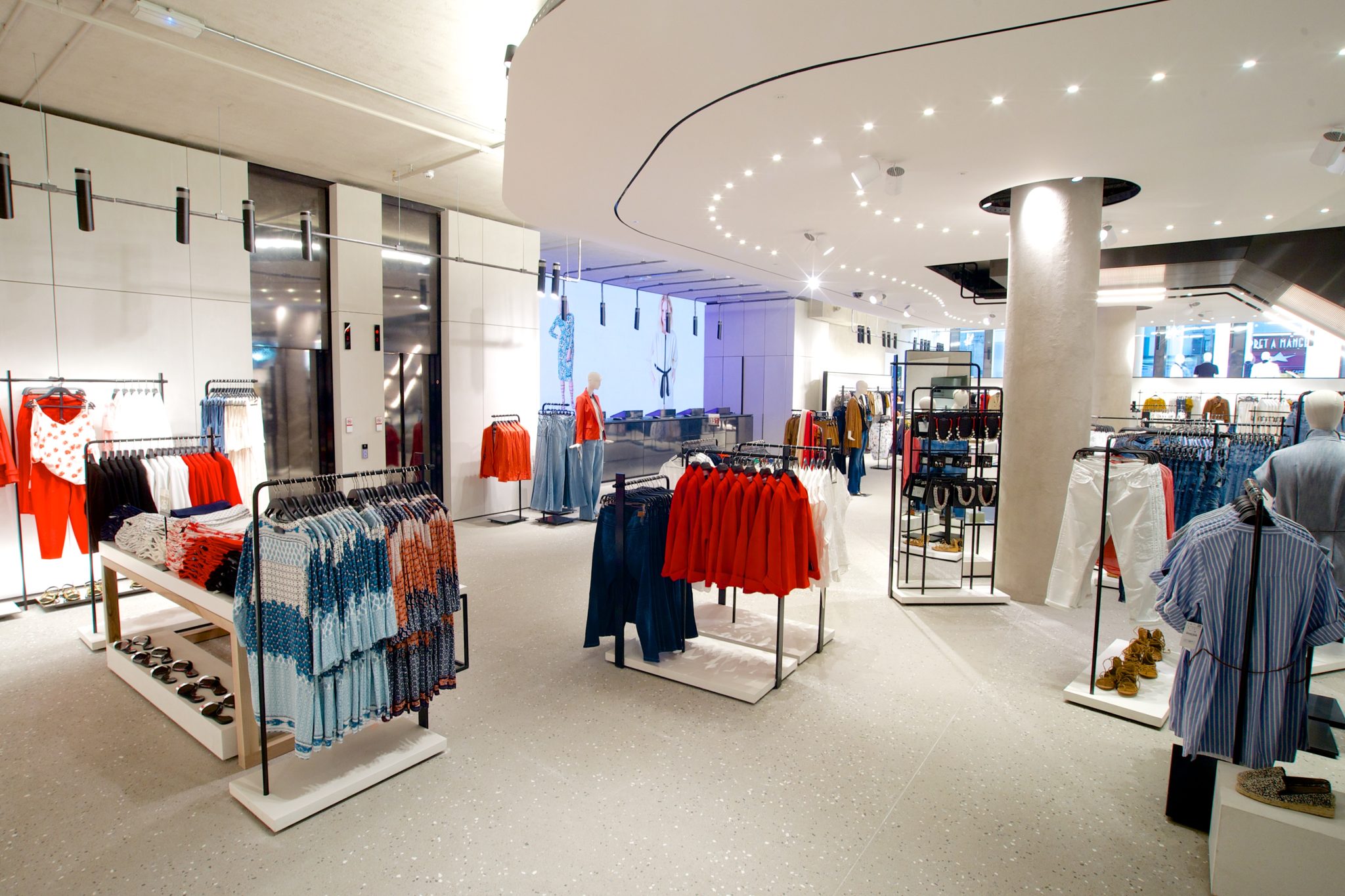
    Inditex Group announced a new first quarter record revenue of €5.7 billion, driven by flagship brand Zara.

    This marks a 2 per cent increase in net sales growth, up from €5.6 billion in the first quarter of 2017, which was underpinned by solid business performance and same-store sales growth across all geographies.

    Gross margin rose to 58.9 per cent, a 3 per cent increase year over year.

    Inditex’s chairman and CEO, Pablo Isla, noted that “the strength of the integrated store and online model, bolstered by continued innovation, is driving solid growth and notable job creation.”

    During this period, the Group continued to push its ‘integrated store model’, with many stores receiving refurbishments and expansions to bring them up to date, while launching online sales in Australia and New Zealand.

    Zara launched its first stores in Buffalo, New York and Murray, Utah in the United States, as well as in Pune, India, while bringing its augmented reality technology, ZaraAR, to 130 flagships globally.

    ZaraAR allows customers to use their phones to view AR models wearing Zara outfits either by holding the app up to a sensor within stores, or over online delivery packaging, offering a chance to easily preview what the clothes look like in motion.

    As a part of its Employee Profitsharing Plan, Inditex distributed €42 million among 88000 employees.

    The plan rewards employees with at least two years service in its stores, manufacturing facilities, logistics platforms, brands and subsidiaries, and commits to pay out 10 per cent of the annual growth in new profit.

    Competitor H&M Group will publish its six-month report for 2018 on 28 June.

  • Huawei launches intent-driven network solution

    Huawei launches intent-driven network solution

    Huawei has launched a new industry-oriented intent driven network (IDN) solution at CEBIT 2018, targeted at vertical industries including ISPs, retailers and government customers.

    The new solution aims to drive in-depth integration of ICT infrastructure, AI and industry-specific production systems to help customers accelerate digital transformation.

    Huawei’s IDN solution is customized to the needs of various verticals and applications. For high-performance AI computing, the solution incorporates an ultra-high-speed lossless Ethernet AI fabric to shorten AI training times by up to 40%.

    For the finance industry, the solution has been designed to help financial services organizations build ultra-large cloud data center networks scalable to up to 100,000 servers per cluster system.

    For retailers, the solution converges Wi-Fi and IoT technology to allow all-wireless support for both networks, while for government and enterprise campus networks, the solution provides full lifecycle cloud based management leveraging big data analytics and AI.

    Meanwhile Huawei has also announced an upgrade to its CloudFabric solution designed to make it easier for customers to adopt intent-driven networking for their data centers.

    The intent-driven networking for CloudFabric solution helps enterprises identify intent to implement automatic network configuration, predictive analysis, and intelligent operations and maintenance with continuous verification and optimization, the company said.

  • Omotesando Koffee Opens First Store in Bangkok

    Omotesando Koffee Opens First Store in Bangkok

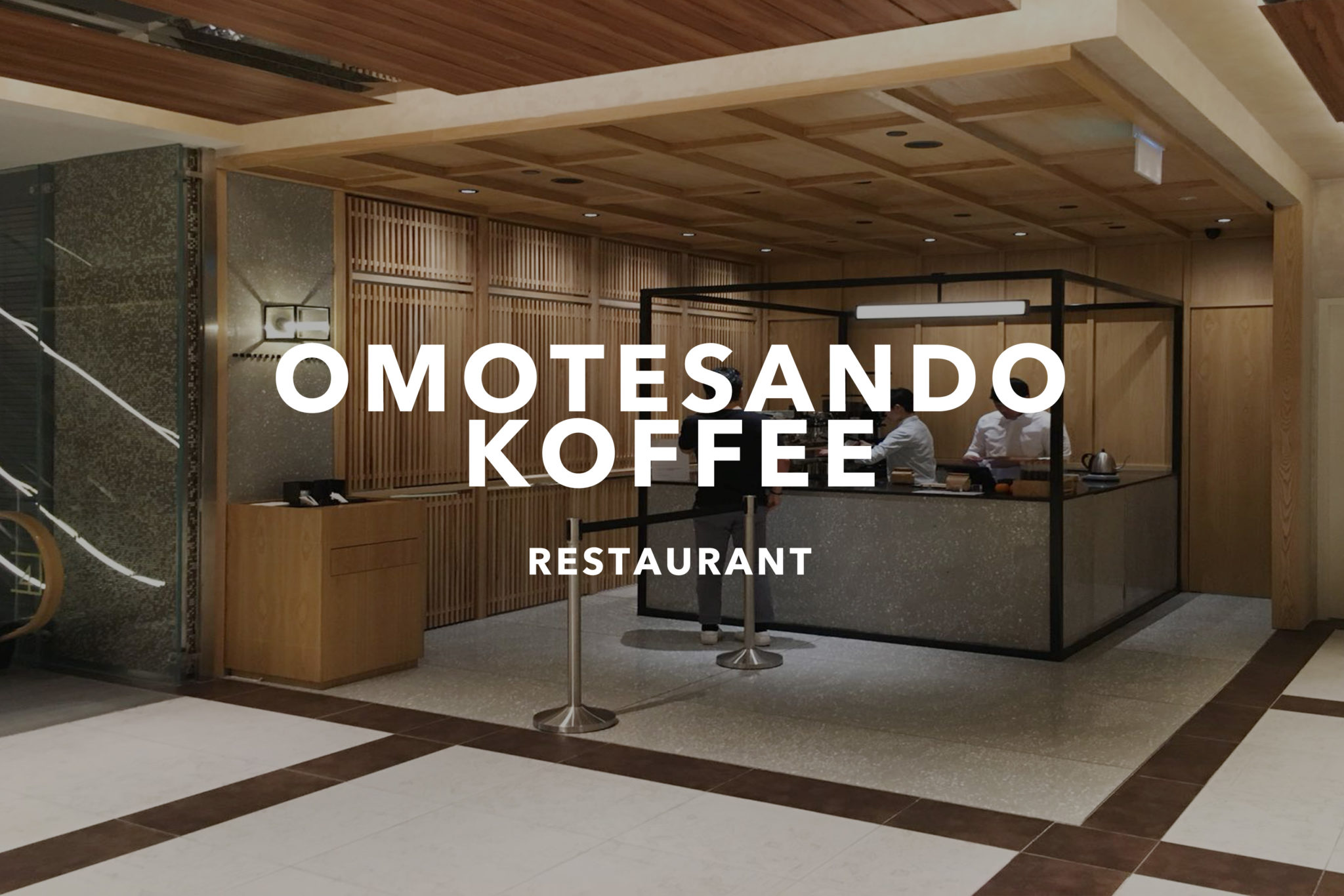
    Upscale Tokyo cafe Omotesando Koffee may have closed its original location in Japan – but it survives in other markets and will soon be launched in Bangkok, Thailand.

    The cafe has been signed up by Siam Piwat to take space in Siam Paragon shopping centre, amidst up-market furniture stores on level 3.

    In Tokyo, Omotesando Koffee was renowned for serving espresso-style coffees from a 3m x 3m space inside a Japanese house. It closed in 2015 when the building was demolished.

    Founder Eiichi Kunitomo has opened a new cafe in the same spot (but new building) under the name Koffee Mameya.

    Omotesando Koffee has outlets in Hong Kong and Singapore and another store is planned for the UK after the Bangkok opening.

  • H&M sales stagnates due to record inventory

    H&M sales stagnates due to record inventory

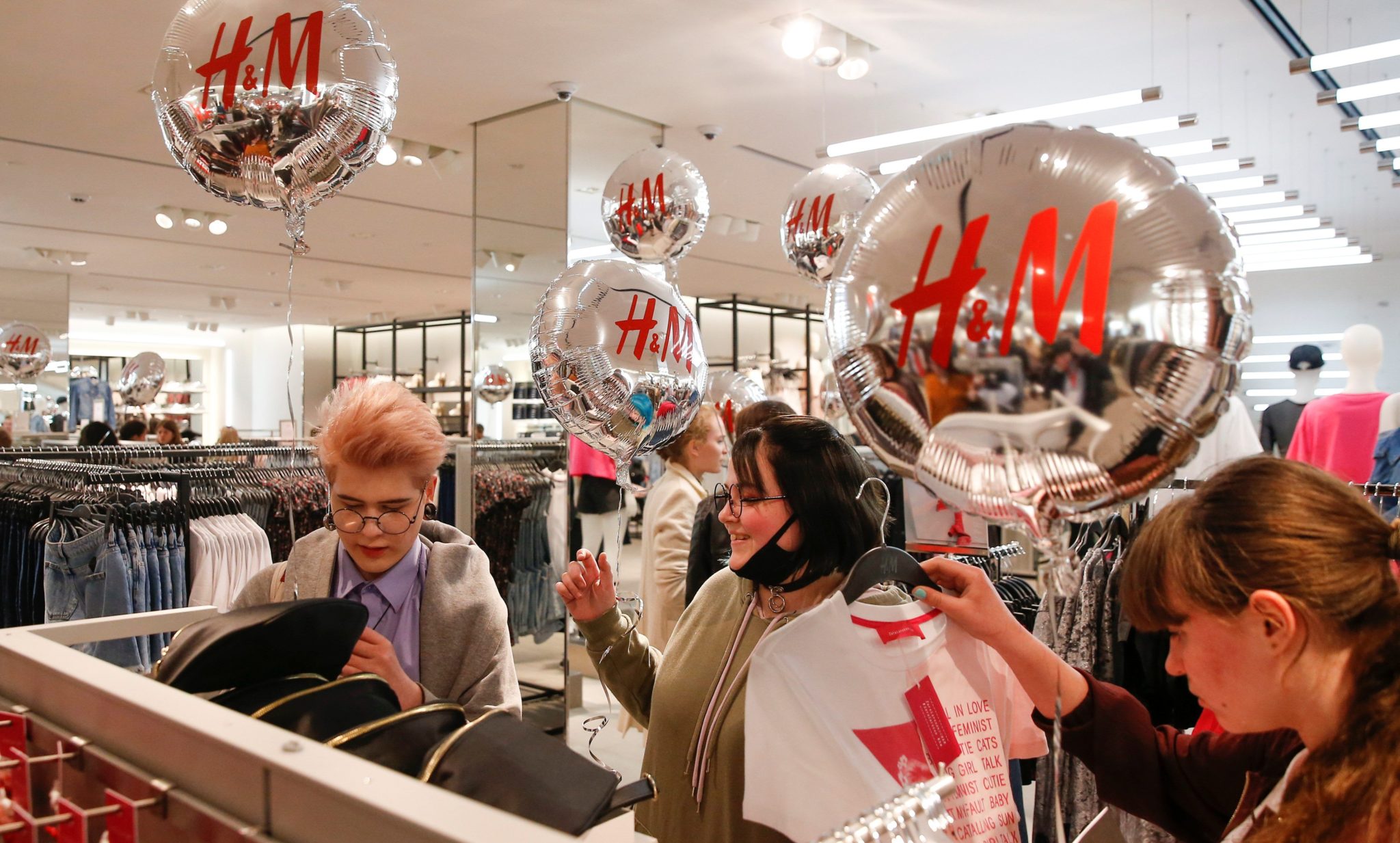
    H&M sales worldwide – in local currencies – stagnated in the second quarter, reaching SEK 51.98 billion (US$5.88 billion).

    The poor figure was achieved despite a net increase of 303 stores between May 31 this year and the same time last year, taking the network to 4801.

    H&M was carrying record levels of inventory estimated at US$4 billion at the end of the first quarter and had to resort to discounting in the second quarter to shift stock.

    Analysts were unimpressed by the figure. “It’s worrying,” Magnus Raman, an analyst at Handelsbanken told Bloomberg. He estimated the fall in like-for-like sales over the past year at 6.8 per cent.

    “The consensus estimate was already at very low levels and still the company doesn’t manage to meet them.”

    “H&M is undertaking a series of turnaround initiatives,” said a Barclays analyst. “Although many of these sound sensible in the longer term, we think they will take time to materialise and continue to view the next 12 months as challenging.”

  • Grabbing Grab’s share a tough question in Vietnam

    Grabbing Grab’s share a tough question in Vietnam

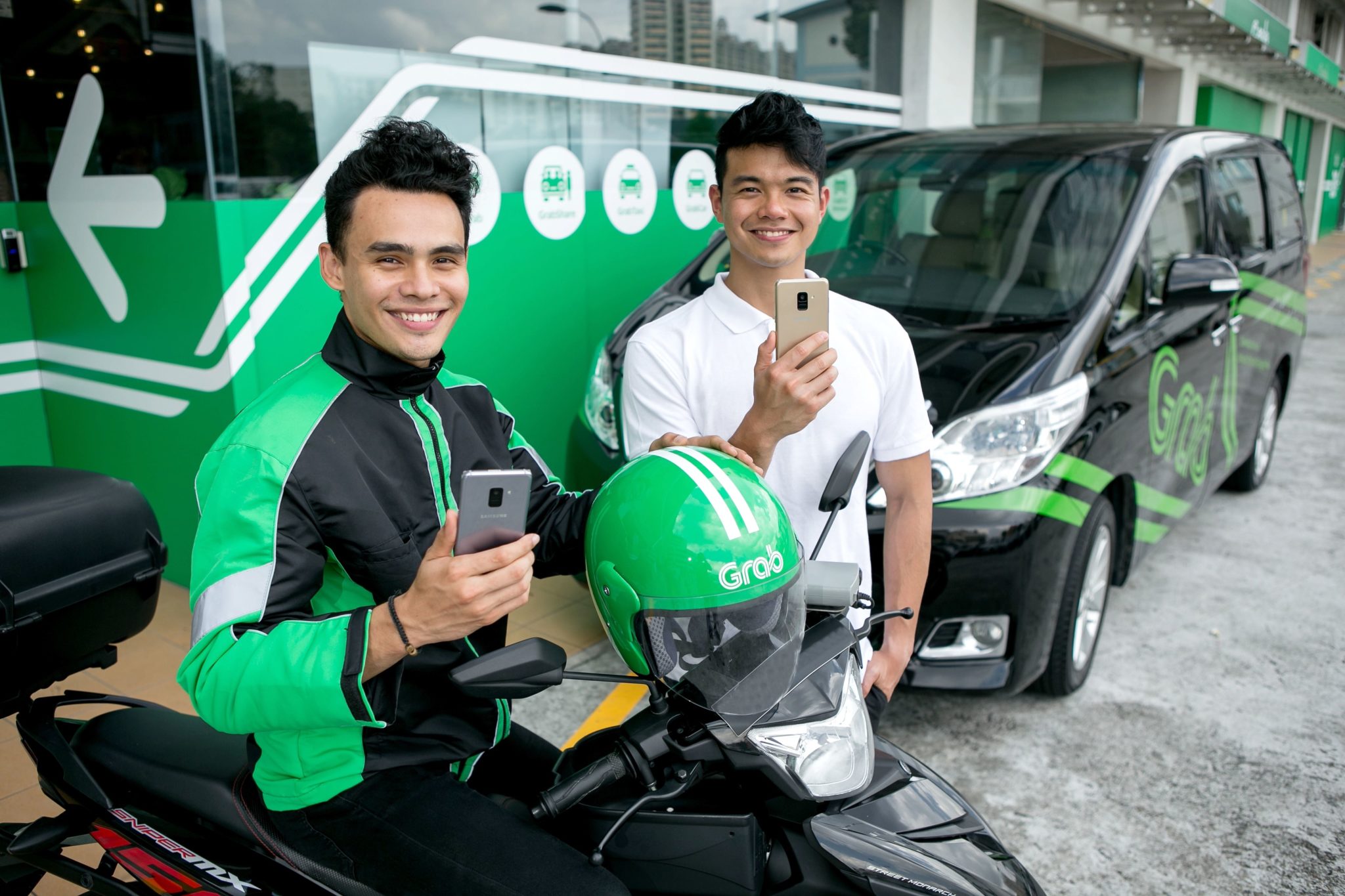
    Local ride-hailing firms lack deep pockets needed to out-incentivize market leader Grab. After Uber Technologies Inc sold its ride and food-delivery businesses in Southeast Asia to bigger regional rival Grab last March, Vietnamese firms have tried to chip away at Grab’s dominance.

    A number of ride-hailing apps have been introduced recently, like Aber, which was developed by a group of Vietnamese students studying in Europe; FastGo, an affiliate of NextTech Group; and MVLchain – a Singapore-based transportation startup; VATO; Didi; and MaiLinhBike.

    Besides competing in the bike- and car-hailing businesses with dominant player Grab, the new entrants also plan to offer good delivery, car rentals and long-haul ride services.

    But, for the moment, none of them have shown the ability to fill the gap left by Uber or to threaten Grab’s supremacy, because they have not differentiated themselves from the competition.

    Newcomers did look for some “killer features” that are absent from previous apps to lure customers. For instance, VATO allows users to bargain with the driver for the most competitive price and Mai Linh Bike says it will collect lower commissions from its drivers and will not increase ride prices during peak hours.

    But such measures are not enough because ride-hailing is a cash burn business and only those with strong financial resources can endure, experts say.

    EasyTaxi has probably learned how tough this fight is. The Brazil-based company came to Vietnam at the end of 2013, six months before Grab and Uber’s presence in this market. Despite being the first comer, it withdrew from the market just two years later. Money, or the lack of it, was the reason, industry insiders say.

    Cash burn strategy

    Even big players like Grab and Uber have reported heavy losses in Vietnam. According to the General Department of Taxation, Grab, with a total registered capital of only VND20 billion ($881,057), has incurred losses of nearly VND1 trillion in three years of operating in Vietnam.

    But this cash burn strategy is how Grab and Uber are eating up traditional taxi firms’ market share. In 2014-2015, they launched intense promotional programs including free rides and discounts to lure customers. They also expanded their driver networks by providing them with subsidies and big rewards based on performance.

    Limited funding limits the budding competitors’ ability to offer incentives the way the big players can, so the former are always playing catch up. They can’t offer discounts, and can’t expand their network of drivers in order to offer faster, better rides.

    In a price-driven market, customers are always looking to choose the cheapest possible ride. And they have complained that it is not easy to book a ride with the new apps even in downtown areas.

    Duc Huy, a senior student at the Academy of Journalism and Communication in Hanoi, told VnExpress that he found it difficult to get a ride on MaiLinhBike as there are not many drivers around North Tu Liem District where he lives.

    “I have to wait for 10 minutes to get on a MaiLinhBike ride because the river is 2-3 km away,” he said.

    Drivers too see Vietnamese ride-hailing platforms as backup options. They are not ready to switch despite Grab cutting back on drivers’ incentives.

    Taxi driver Duy Ngoc said he operates on both Grab and VATO apps, but gets just two or three rides booked on the VATO platform a day.

    “So, I mainly drive on the Grab platform to ensure my income,” he said.

    “New apps do not have a large customer base. Drivers just sign up to get incentives, so their main driving service remains the previous one (Grab),” said 25-year-old Grab motorcycle driver Quoc Anh.

    Market niches

    With Go-Jek about to set foot in Vietnam with its Go Viet app, competition is only get tougher for local firms. The Indonesian ride-hailing firm is a heavyweight competitor to Grab in the Southeast Asian region. Will local apps stand a chance? The answer is, unlikely, in a head-to-head fight.

    “Capital shortfall is a disadvantage for Vietnamese ride-hailing apps, so they should not enter the cash burn race,” said Dr Nguyen Duc Thanh, head of the Vietnam Institute for Economic and Policy Research.

    He said going head-to-head with bigger rivals is not the right path to follow. There are other ways to succeed, he added.

    “They can enter niche markets like good delivery, car rentals or long-distance ride services. Instead of trying to divide market share in the beginning, newcomers should think of a long-term strategy to build a solid foundation,” Thanh added.

    It was not a fluke that even a well funded Uber lost to a more localized opponent, he said.

  • Fatburger and Buffalo’s Express expanding Restaurants in Indonesia

    Fatburger and Buffalo’s Express expanding Restaurants in Indonesia

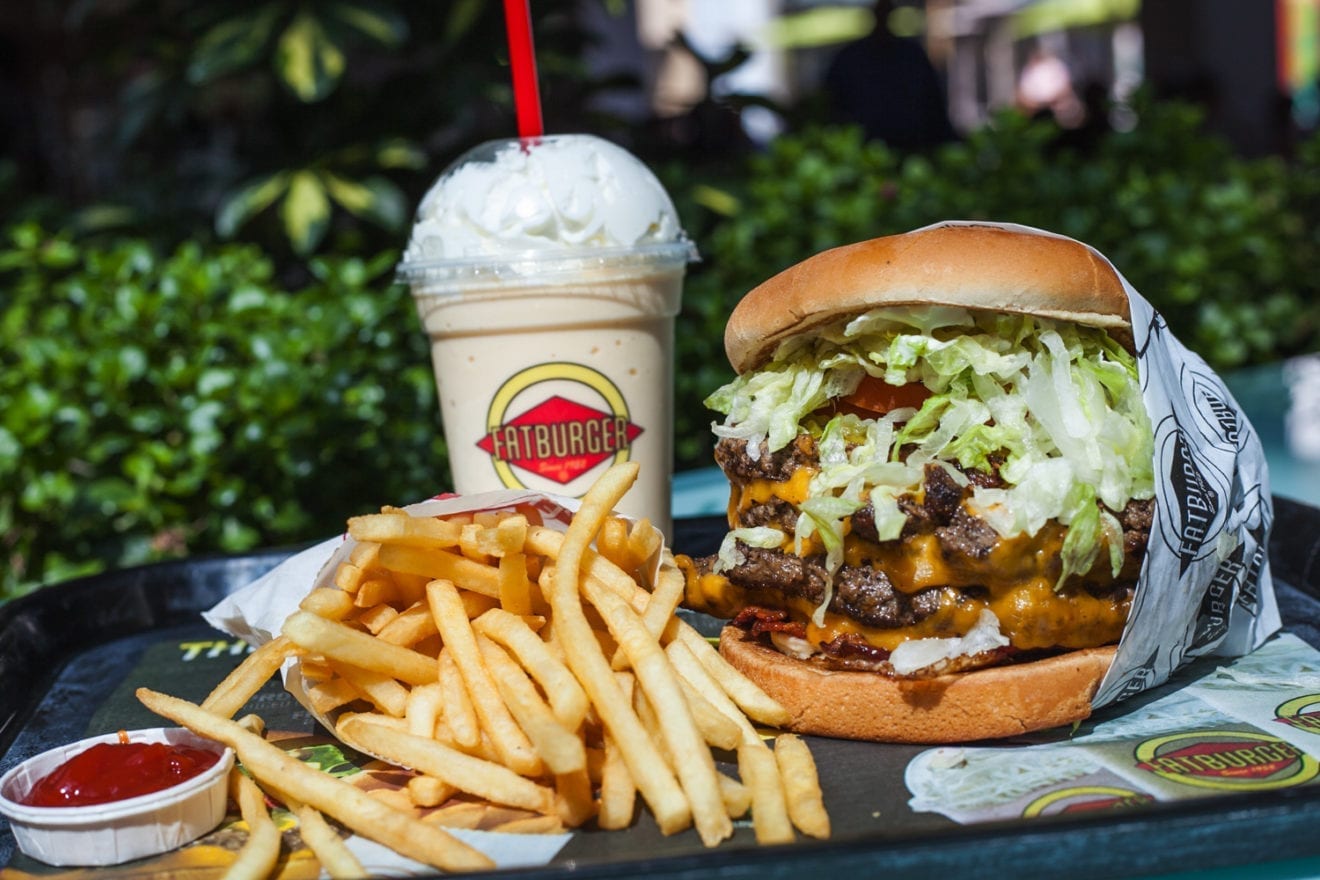
    Fat Brands will open five more outlets of co-branded restaurant chain Fatburger and Buffalo’s Express in Indonesia.

    Set to open in Bali and Jakarta, the co-branded chain will be operated by Fat Brands’ local partner Global Food Indonesia.

    “We’ve loved every aspect of growing in the Indonesia marketplace. Fatburger and Buffalo’s Express are thriving members of their respective communities, and we can only continue to grow on this strong foundation,” said Andy Wiederhorn, CEO of Fat Brands.

    The Hollywood burger chain and sister wing brand are best known for their juicy, made-to-order burgers and wings.

    The brands have more than 200 locations in 32 different countries with recent openings in Southern California, Canada, and Japan.

    More restaurants will open in the near future.

  • 3 HK calls for transparent 5G spectrum roadmap

    3 HK calls for transparent 5G spectrum roadmap

    Hutchison Telecommunications Hong Kong Holdings’ (HTHKH) mobile division 3 Hong Kong has joined the call for reforms to the market’s spectrum policy and roadmap to expedite the launch of 5G services.

    In a submission to the government’s consultation on arrangements for the allocation of spectrum in the 3.4-GHz to 3.6-GHz band, 3 Hong Kong urged the government to introduce a transparent and long-term spectrum policy with a 10-year rather than 3-year spectrum supply plan.

    The operator raised concerns about issues including the Communications Authority’s proposal to establish large scale 5G restriction zones to minimize interference to the satellite services operated in the band for satellite remote testing, tracking and control.

    3 Hong Kong said such zones would have a negative impact on both 5G communications and the deployment of M2M connectivity across Hong Kong, which will be a key component of the HKSAR government’s smart city ambitions.

    Mobile operators have proposed a number of alternatives to the restriction zones, including relocating the telemetry, tracking and control station from Tai Po Industrial Estate to a remote area, adding shielding coverage to telemetry stations and optimizing radiation from mobile base station antennae.

    The operator also opposed a suggested spectrum cap of 100MHz at the upcoming auction, citing concerns it may lead to a scenario of only two successful licensees dominating 5G markets.

    Meanwhile the reserve price should be set at a minimal level to encourage 5G infrastructure investment, the submission states.

    Finally, 3 Hong Kong joined HKT in urging the government to provide operators with a right of access to enter buildings, shopping malls, MTR premises and road tunnels to install 5G equipment.

    But in its own submission, Asia’s top satellite operator AsiaSat has expressed significant concerns about the proposal to reallocate the C band to 5G services, and argued that the proposed exclusion zones are not an adequate solution.

    The C-band provides a variety of services including contribution and distribution of TV services, broadcasting data and information such as meteorological data, maritime/aeronautical related safety, disaster relief and emergency communications services, AsiaSat said.

    Reallocating the band will significantly limit Hong Kong and Greater China’s satellite operators’ ability to control and monitor their satellite fleet and earth stations, the submission states.

    Links for safe monitoring and operation of satellites may be lost and numerous satellite TV dishes mounted on buildings across Hong Kong would need to be readjusted.

    AsiaSat has recommended that the government require operators to find alternative mitigation methods to minimize interference, and that operators should bear the cost of implementing these methods.

  • KFC Singapore finally Drops Plastic Straws in Restaurants

    KFC Singapore finally Drops Plastic Straws in Restaurants

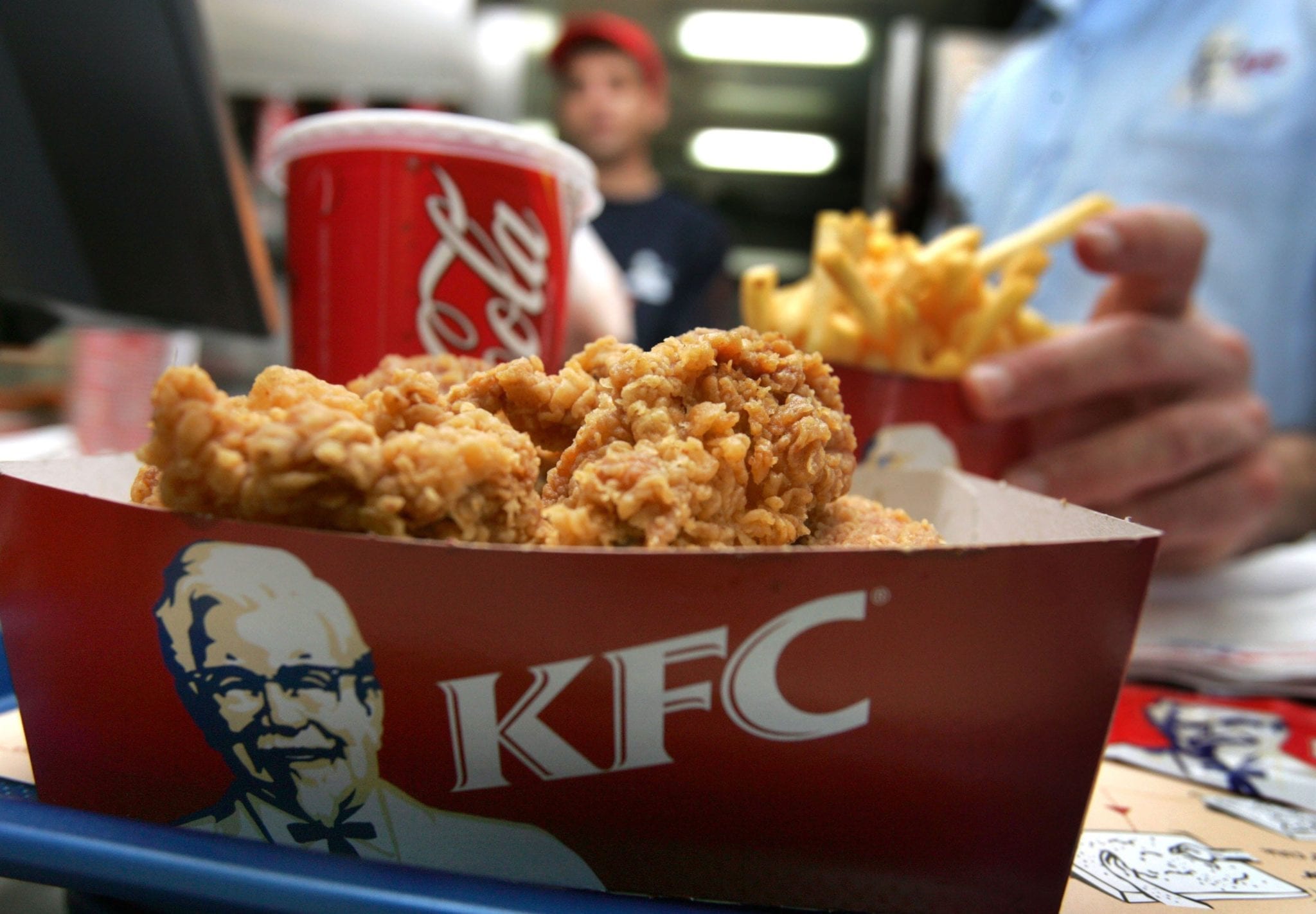
    KFC Singapore is jettisoning plastic straws and drink-cup lids in its restaurants in a sustainability initiative it says will cut 17.9 tonnes of single-use plastic waste in a year.

    Dine-in guests of its 84 restaurants in Singapore will not be served lids and straws from June 20, but they will be supplied with takeaway orders.

    “We acknowledge the strain that single-use plastics put on our environment and are taking steps to do our part in endeavouring a change,” said KFC Singapore GM Lynette Lee in a statement.

    “We recognise that every little bit counts and are proud to be the first fast-food restaurant in Singapore to champion this movement, one straw at a time.”

    Lee says the company will also investigate more biodegradable packaging for its products.

    KFC Singapore’s move comes at the same time as Starbucks in Hong Kong starts to phase out disposable plastic items, although the items will be available on request.

    And McDonald’s has confirmed it is looking at more environmentally friendly disposable items in its stores.

  • GCX, BMC UK facilitate live broadcast of World Cup

    GCX, BMC UK facilitate live broadcast of World Cup

    Reliance Communications’ Global Cloud Xchange (GCX) subsidiary and Broadcast Media Communications (BMC UK) have teamed up to deliver end-to-end connectivity for the live broadcast of the FIFA World Cup 2018 to audiences around the world.

    The tournament kicked off in Russia on June 14. This event will be carried across GCX’s network, via BMC, from Frankfurt to the London Broadcasting House of British Broadcasting Corporation (BBC) and used exclusively by BBC Sport to broadcast the matches to British audiences.

    GCX’s end-to-end network solution will provide fast, dedicated and reliable connectivity, enabling BMC to deliver live video contributions into BBC’s coverage of the FIFA World Cup, as well as active monitoring of the transmission over GCX’s global network, ensuring consistent broadcast quality for global audiences.

    FIFA World Cup matches are among the most watched and followed sporting events in the world, especially important for soccer fans across Europe and the Asia-Pacific region. It is, therefore, critical for us to provide these fans with smooth, uninterrupted access to the game,” said Lee Russell, operations director at BMC UK.

    “With GCX’s expansive Global Network and its proven media capabilities, we are confident that we will once again deliver an unrivaled viewing experience to our viewers.”

    “We are delighted to partner with BMC UK again to provide high-quality connectivity, enabling live broadcasts of the FIFA World Cup to global viewers who can enjoy this highly anticipated event,” said Mark Russell, managing director, GCX International.

    “The broadcast from Frankfurt to BBC London Broadcasting House is being facilitated through the integration of GCX’s privately-owned Global Network with BMC’s resilient Media Quality Network, tailored to meet the high-quality connectivity standards of sports, news and special broadcast events.”

    GCX’s privately-owned global network offers geographic coverage and the ability to provide both subsea and terrestrial connectivity across the globe, optimized for the high-performance delivery and distribution of content, typically required by media and broadcasting companies.

    The FIFA World Cup concludes with the Finals being held at Moscow’s Luzhniki Stadium on July 15, 2018.

  • AT&T completes acquisition of Time Warner

    AT&T completes acquisition of Time Warner

    Well, they certainly wasted no time. Two days after a federal judge nixed the federal government’s objections to the deal, AT&T has completed its acquisition of Time Warner.

    The final purchase prices was $42.5 billion in cash plus 1,185 million shares of AT&T’s common stock. AT&T now expects $1.5 billion in cost synergies by the end of year 3, as well as another $1 billion in revenue synergies.

    AT&T CEO Randall Stephenson will lead the combined company, while John Donovan will lead the US communications side, John Stankey will lead the media business, Lori Lee will lead the international business, and Brian Lesser will head up the ad and analytics business. Time Warner’s now former CEO Jeff Bewkes will remain on for a transition period as a senior advisor.

    The deal significantly reshapes the content and network markets, combining AT&T’s fixed and wireless network reach with the likes of Warner Bros, HBO, and CNN. Mixing content and distribution like this is of course the hot topic of the year, but there are dangers alongside the opportunities.

    The communications side will have to keep the focus on network quality and investment even as the headlines go where they’ve been tending to lately, to the content side of things.

    Attention will now shift to the next potential mega deals, with Comcast’s bid for Fox taking its turn in the spotlight. But I suspect the integration process at AT&T may be the key action to watch over the next few quarters.

    There are a lot of synergies to achieve, and most of them involve finding a new balance between very different business cultures. It’s one thing to say that the federal government shouldn’t stand in the way, and an entirely different thing to prove that the whole shebang was a good idea in the first place.

  • Southeast Asian online shoppers are big spenders via apps

    Southeast Asian online shoppers are big spenders via apps

    Southeast Asian online shoppers are leading the world when it comes to spending on shopping apps, according to research by tech company Criteo.

    Across Asia Pacific, 54 per cent of all online transactions are made in-app, 18 per cent on mobile web and 28 per cent on desktop.

    In its Q1 2018 Global Commerce Review (South East Asia), for which the company analysed browsing and purchasing data from more than 5000 retailers in more than 80 countries, Criteo also says shoppers in Southeast Asia are moving across multiple browsing environments before making a purchase.

    “Native mobile-shopping apps are now a prerequisite for success in retail and customer engagement,” said the Criteo report.

    “Our latest data reinforces how it is no longer just about having multiple channels available to consumers, but about how those channels are connected to offer a comprehensive and consistent shopping experience,” said Alban Villani, GM Southeast Asia, Hong Kong and Taiwan at Criteo.

    “Compared to other regions, the Asia-Pacific region now has the highest share of transactions on shopping apps – a natural progression from regional consumers’ mobile-first mindset. To engage shoppers, especially in countries like Indonesia and Vietnam, retailers must make mobile apps the centrepiece of their omnichannel strategies and integrate data across channels, at scale, to personalise content for consumers and drive sales,” said Villani.

    “It is crucial for retailers in the region to invest in the optimisation of shopping apps to effectively drive online and offline sales. This includes integrating native mobile-shopping apps into in-store shopping experiences and enabling mobile payments and customer loyalty programs within the app.”

    As they move to apps, Southeast Asian online shoppers are buying less on PCs. Year-on-year, online shopping on smartphones has grown 38 per cent while purchases via computers have fallen by 12.5 per cent in the region.

    Additional highlights

    The report also found:

    • Conversion rates on shopping apps in Asia Pacific are five times higher than on mobile websites.
    • Omnichannel consistency is key: Southeast Asian omnichannel customers generate 27 per cent of all sales, despite representing only seven per cent of all customers.
    • Southeast Asian omnichannel retailers that combine their online and offline data can apply more than four times as much sales data to optimise their marketing efforts.
    • Globally, 67 per cent of marketing leaders say that creating a connected customer journey across all touchpoints and channels is critical to the success of their overall marketing strategy.
    • In Southeast Asia, 62 per cent of customers worldwide check reviews or ratings before visiting a store.
    • The proportion of transactions made on smartphones and tablets in Southeast Asia increased from 28 per cent to 37 percent between last year and this year.
    • In Asia Pacific, 72 per cent of all online transactions are made on mobile devices. While desktop usage still dominates in online sales during working hours, mobile wins during nights and weekends.