Author: Mei Ling Tan

  • From Trends to Trades: Understanding the Silver Price Chart for Smarter Investing

    From Trends to Trades: Understanding the Silver Price Chart for Smarter Investing

    Silver has long been considered both an industrial metal and a safe-haven investment asset, making it an important part of global financial markets. Investors and traders closely monitor price movements to understand demand cycles, economic shifts, and geopolitical influences that impact valuation. In today’s digital trading era, data-driven decision-making plays a crucial role in building smarter investment strategies.

    Modern investors rely heavily on the Silver price chart to track historical trends, analyze price fluctuations, and identify potential trading opportunities across short-term and long-term investment horizons. With improved accessibility to financial data platforms, silver trading has become more structured, analytical, and responsive to real-time market conditions.

    Market Dynamics Shaping Silver Investment Strategies Today

    Understanding silver markets requires analyzing a combination of economic indicators, industrial demand, and investor sentiment. Price movements are influenced by inflation trends, currency fluctuations, and global economic stability. Investors who study structured data patterns gain a stronger advantage in predicting market behavior.

    The value of structured price visualization lies in its ability to clearly represent market behavior over time, helping traders identify trends, reversals, and entry or exit points with greater accuracy and confidence.

    1.    Historical Price Movements Guiding Investment Decisions

    Historical silver price data provides valuable insights into long-term market behavior. Investors analyze past cycles to understand how silver reacts during periods of economic growth, recessions, and inflation. These patterns help in identifying support and resistance levels that guide trading strategies. Historical analysis also supports risk management by highlighting volatility trends, allowing investors to make informed decisions based on proven market behavior rather than speculation or short-term fluctuations.

    2.    Industrial Demand Influencing Price Volatility

    Silver plays a major role in industries such as electronics, solar energy, and medical applications, making industrial demand a key price driver. Increased usage in manufacturing and technology sectors often leads to upward price pressure. On the other hand, reduced industrial demand can stabilize or lower prices. Understanding industrial consumption trends helps investors anticipate price movements and adjust trading strategies accordingly, ensuring better alignment with global economic activity and sector-specific growth patterns.

    3.    Inflation Trends Impacting Silver Valuation

    Silver is often considered a hedge against inflation, meaning its value tends to rise when the purchasing power of the currency declines. Investors monitor inflation rates closely to understand potential price movements. During high inflation periods, demand for silver increases as investors seek stable assets. This relationship between inflation and silver pricing creates predictable patterns that can be analyzed through charts. Understanding these trends helps investors make strategic decisions during uncertain economic conditions.

    4.    Currency Fluctuations Affecting Global Silver Prices

    Since silver is traded globally in US dollars, currency fluctuations significantly impact its price across international markets. A weaker dollar often leads to higher silver prices, while a stronger dollar can reduce demand. Investors tracking currency trends gain better insights into short-term price movements. Exchange rate changes also affect import and export costs, influencing overall market supply and demand dynamics. This makes currency analysis an essential component of silver trading strategies.

    Technical Analysis Tools Enhancing Silver Market Insights

    Technical analysis plays a major role in modern silver trading by providing structured methods to interpret price movements. Traders use charts, indicators, and trend lines to identify opportunities and reduce risk exposure. These tools help transform raw market data into actionable insights for better investment decisions.

    The use of Silver price chart analysis allows traders to study patterns, monitor momentum shifts, and evaluate entry and exit points with greater accuracy in both short- and long-term trading scenarios.

    1.    Moving Averages: Identifying Market Trends Clearly

    Moving averages help smooth price data and identify overall market direction. Traders use short-term and long-term averages to detect trend changes and potential reversal points. When prices move above or below moving averages, it signals shifts in market momentum. This tool is widely used in silver trading strategies to reduce noise and focus on broader price trends. Moving averages also help investors confirm breakout patterns and improve timing for trade execution decisions.

    2.    Support and Resistance Levels Guiding Trade Entry Points

    Support and resistance levels represent key price zones where silver tends to reverse or consolidate. These levels help traders identify optimal entry and exit points. Support levels indicate price floors, while resistance levels indicate price ceilings. Understanding these zones improves risk management and trading precision. Traders often combine these levels with other indicators to strengthen decision-making and increase the probability of successful trades in volatile market conditions.

    3.    Volume Analysis Confirming Market Strength

    Trading volume provides insight into the strength behind price movements. High volume indicates strong investor interest, while low volume suggests weaker momentum. Volume analysis helps confirm whether price trends are likely to continue or reverse. In silver trading, volume spikes often precede significant price changes. Monitoring volume alongside price charts allows traders to validate market signals and reduce the risk of false breakouts or misleading trend interpretations.

    4.    Chart Patterns Predicting Future Price Movements

    Chart patterns such as triangles, head-and-shoulders, and double tops provide predictive insights into potential market direction. These formations help traders anticipate future price movements based on historical behavior. Recognizing patterns early allows investors to position themselves strategically before major market shifts occur. Pattern recognition is a key component of technical analysis and is widely used in silver trading strategies to forecast short- and medium-term price trends.

    Conclusion

    Silver remains a highly dynamic investment asset influenced by economic cycles, industrial demand, inflation trends, and global market sentiment. Understanding price movements through structured analysis helps investors make informed decisions and reduce financial risks. Technical tools and historical data together create a more reliable framework for identifying profitable trading opportunities.

    For investors seeking professional trading insights and market analysis tools, studying the Silver price chart is essential for building effective strategies. A well-developed understanding of price behavior helps improve timing, reduce uncertainty, and enhance long-term investment outcomes in global commodity markets. Additionally, factors such as central bank policies, currency fluctuations, and geopolitical events play a significant role in short-term volatility. By combining technical indicators such as support and resistance levels, moving averages, and trend patterns with fundamental analysis, traders can gain a more complete market perspective.

  • Best WoW Raid Rewards: What Actually Makes a Raid Worth Farming

    Best WoW Raid Rewards: What Actually Makes a Raid Worth Farming

    Players often begin their discussion of ideal rewards in WoW raids by referring to item level. This is quite logical since higher values are easier to compare. However, it is crucial to understand that raid efficiency depends on much more than just item level. A raid could feature bosses that drop some of the highest-level equipment, but still be ineffective when used to grind due to low loot quality, long raid times, and excessive downtime. 

    Thus, a smart gamer would always consider several parameters when evaluating raid potential. Upgrade capacity, required raid duration, and chances of successful completion are important factors that need to be considered alongside availability and uniqueness. 

    The reasoning is relevant regardless of whether you seek rapid progression, reliable alt gearing, or seasonal AOTC farming. An excellent example of such a raid is Sporefall in the Midnight expansion. It is one of the most valuable raids in the game since it is a single-boss raid located in Harandar against Rotmire, available in all difficulties from Raid Finder to Mythic, with Mythic requiring 15–25 players.

    Why Best WoW Raid Rewards Matter

    High item level always gets attention first, but it is only one part of the picture. The best raid rewards usually come from content that gives strong upgrades without wasting your reset.

    A raid feels worth farming when it does a few things at once:

    • offers valuable slots, not just bigger numbers;
    • fits cleanly into a weekly schedule;
    • gives a realistic chance at useful loot;
    • rewards stable groups more than random luck;
    • adds something beyond a single item drop.

    That last point matters a lot. A raid can be powerful because it drops a great trinket, a rare ring, a useful quest item, or simply because it is short enough to fit around the rest of your week. In other words, the best WoW raid rewards are usually tied to efficiency, not just raw ilvl.

    Should You Farm WoW Raid for Loot Every Week?

    A simple weekly question helps here: if you clear this raid every reset, do you feel stronger, or just busier?

    Reward Factor Why It Matters
    Item level Determines the immediate power gain
    Slot value Some slots matter more than others
    Loot pool size A narrower pool can improve target value
    Time per clear Shorter clears improve weekly efficiency
    Bonus rewards Extra currency or rolls raise lockout value
    Group reliability Stable clears make farming sustainable

    This is where many players change their thinking. They stop asking whether a raid is “good” in the abstract and start asking whether it is good for their character, their schedule, and their guild. That is a much better way to decide which runs deserve your time. 

    Best WoW Raid Loot Essential Factors

    Slot Value and Upgrade Impact

    Not every upgrade changes your character equally. A raid with a premium trinket, ring, or neck can feel much stronger than one with a pile of replaceable armor pieces. That is why loot value often starts with slots, not the full table.

    Loot Pool Size and Target Farming Potential

    A focused loot pool can raise the value of a kill. If the boss drops fewer possible items, each clear can feel more meaningful, especially when the rewards include high-impact accessories instead of filler. This is one reason some players look at a Sporefall boost less as a shortcut and more as a way to secure one targeted weekly opportunity when the loot itself is unusually attractive.

    Time Cost Per Clear

    Time matters. A raid that takes one clean pull can be more rewarding than a longer instance with technically similar loot, especially for alts or late-week characters. That same logic explains why some players even compare the options of WoW Sporefall boost to several failed pug attempts. The question is not always “Can I kill it?” Sometimes it is “Is this the best use of my reset?”

    Weekly Consistency and Group Reliability

    The best loot in the game still loses value if your group cannot reach it consistently. Farming only works when clears feel repeatable. A raid that your team can kill every week often gives better long-term value than one with slightly better drops but much worse attendance, worse pacing, and far less stable execution.

    Best WoW Raid Loot Approach

    This is the point where player priorities usually become very practical. If the raid has real weekly value, then getting the clear starts to matter more than proving a point in a bad group.

    For some players, that means sticking with a guild and building better habits over time. For others, it means using one organized WoW Sporefall Boost when the roster is shaky, the week is busy, or the character only needs one targeted reward window. In that context, a Sporefall raid boost is not really about skipping raiding. It is about protecting the value of the lockout.

    Players who are looking for WoW Sporefall boosting are usually not chasing some vague promise. They want a clean kill, stable execution, and a better shot at a reward that is actually worth farming. 

    What Drops From Sporefall and Why It Matters

    This is the part that makes Sporefall more than just an interesting raid format. On the current Patch 12.0.7 PTR, Sporefall loot drops at the highest item level among Midnight Season 1 raid rewards: 259 in LFR, 272 in Normal, 285 in Heroic, and 298 in Mythic. 

    The same PTR update changed the loot from Warbound Equipped to standard BoP raid loot, while keeping random secondary stat rolls. Sporefall shares the same tier as other Season 1 raids, but its reward level is higher.

    The current PTR item pages confirm several named drops from Rotmire:

    • Festerbloom Crown — leather head;
    • Mycomancer’s Rot Robes — cloth chest;
    • Girdle of Devouring Rot — plate waist;
    • Sash of the Putrid Giant — leather waist;
    • Rotmire’s Sporeheart — neck;
    • Sporelord’s Mycelial Insignia — trinket;
    • Sporecaller’s Blooming Loop — ring.

    Rotmire is the source for the crown, robes, waist pieces, necklace, and trinket. Community PTR loot summaries also place the ring in the same one-boss pool, alongside other armor pieces, while noting that the raid currently appears to have no weapon drops. Because this is still PTR data, the exact pool can still change before live.

    That loot structure matters because it makes the raid feel focused. Sporefall does not look like a full gearing destination for every slot. Instead, it looks like a high-value weekly target built around strong accessory potential, a short, clear path, and a tighter reward identity. That is a big reason why players already talk about Sporefall boosting around the raid. The draw is not only speed. It is the chance to turn one kill into a meaningful reset.

    There is also another layer of reward value here. The PTR quest Sporefall: Rotmire awards Void-Twisted Sporbit, which can be converted into a Nebulous Voidcore for the Voidforge bonus-roll system. That means a weekly clear can matter even before the actual item drop, because the raid also feeds into your wider bonus-loot economy.

    What Best WoW Raid Rewards Depend On?

    Even the best loot loses value in a bad environment. Reward quality can pull players into a raid, but team quality determines whether the raid stays efficient.

    That is true in every expansion. A high-value boss still becomes a waste of time if the group constantly rebuilds, overexplains every wipe, or refuses to fix the same basic mistakes. This is one reason ideas like getting a Sporefall carry and Sporefall boosting appear most often when players feel the reward is worth chasing, but their own weekly structure is not getting them there.

    It also explains why some players want to get WoW Sporefall carry when they really mean something simpler: one reliable clear, one useful reset, and no more lost evenings to broken pug groups. The specific wording changes, but the core motive is usually time, not ego.

    Final Thoughts on What Makes WoW Raid Rewards Worth Farming

    However, raid loot should not be assessed based on one metric. Instead, it is determined by a mix of item level, slot quality, weekly efficiency, and the realism of farming.

    This is the takeaway. A raid is worth farming if it allows for upgrades that suit your weekly schedule and reward consistency over inconsistency. The reason Sporefall makes it easier to evaluate loot is that so much loot ends up in such a condensed manner in terms of one boss, one kill, and one weekly reset cycle. And that is how you know that you are evaluating good raid content.


  • Xiaomi Eyes Global Market Expansion Amidst Local Turbulence and Rising Component Costs

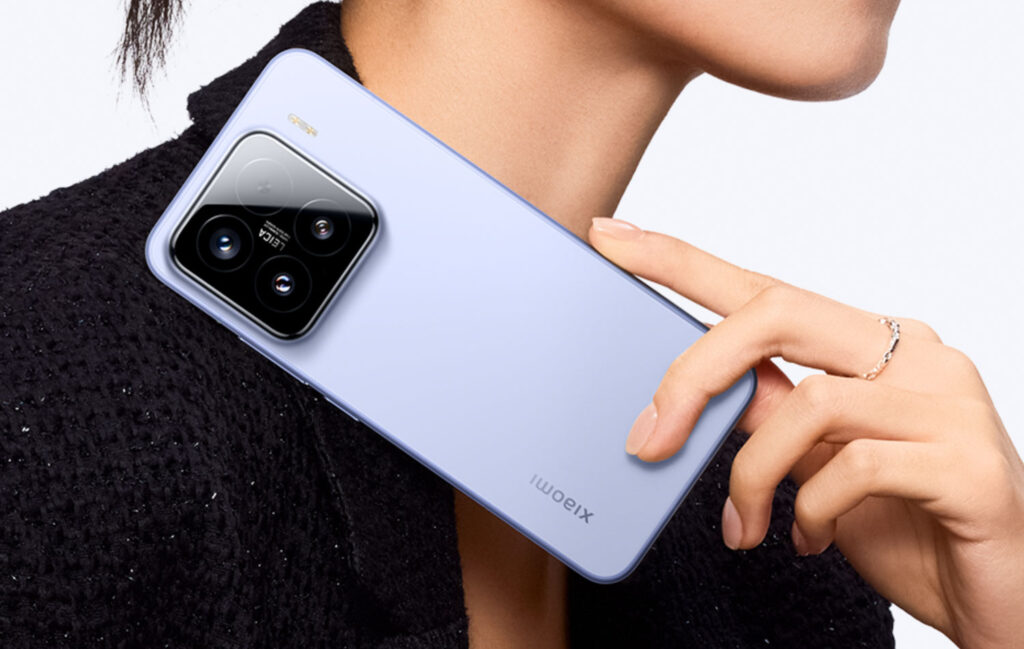
    Xiaomi Eyes Global Market Expansion Amidst Local Turbulence and Rising Component Costs

    Xiaomi Corp., a leading Chinese tech firm known for smartphones and electric vehicles, announced a 43% decrease in net profit in the first quarter of 2022. A variety of factors such as increased memory and other component costs, domestic competition, and investment in new ventures have resulted in a decline in the company’s smartphone segment.

    Expansion Plans Amidst Challenges

    For the first quarter, Xiaomi reported an adjusted net profit of 6.1 billion yuan (around US$899 million), slightly less than the average analyst prediction of 6.4 billion yuan. In order to counterbalance the increased costs of components and heightened competition, Xiaomi plans to extend its reach further into foreign markets.

    According to Xiaomi’s president, William Lu, the industry is adjusting to the “new normal,” comprised of higher memory costs. However, the surge in memory costs is forecasted to decrease starting in the third quarter.

    Xiaomi has been channeling resources into electric vehicles and artificial intelligence, in an effort to diversify its revenue streams outside its main smartphone business. Although the electric vehicle segment continues to grow and contribute to the company’s income, it is impacting earnings due to high investment and lower margins.

    Financial Performance and Future Outlook

    In the first quarter, the company’s electric vehicle business generated revenue of 19 billion yuan, a 5.1% increase from the previous year. However, operations related to electric vehicles, artificial intelligence, and other new initiatives resulted in losses amounting to 3.1 billion yuan.

    During this period, Xiaomi distributed 80,856 electric vehicles, a significant drop from the 145,115 units delivered in the fourth quarter. However, this still represents a 6.6% rise from the previous year.

    The first-quarter revenue was reported to be 99.1 billion yuan, slightly below the average analyst estimate of 103.4 billion yuan. Recently, the company launched a new, more affordable version of its flagship YU7 SUV series, priced around 8% lower than its predecessor, intensifying the competition with Tesla in China’s car market. The company has further plans to expand into European markets by 2027.

    Xiaomi, currently the world’s third-largest smartphone manufacturer, saw a 19% decrease in smartphone units shipped in the quarterly period. Revenue from the smartphone division fell by 12.5% to 44.3 billion yuan, mainly due to elevated component prices and increased domestic competition.

    Questions & Answers

    What are Xiaomi’s plans to cope with the slump in net profit?
    To offset higher component costs and tougher competition, Xiaomi aims to expand further into overseas markets.

    What is Xiaomi’s “new normal”?
    The “new normal” refers to the industry’s adaptation to higher memory costs, as stated by Xiaomi’s president, William Lu.

    What is Xiaomi’s future outlook in the smartphone market?
    The outlook remains weak due to the ongoing memory chip shortage, which is expected to last until late 2027, and geopolitical tensions in the Middle East impacting consumer sentiment.

  • Dien May Xanh Sets Sights on Record-Breaking $546M IPO, Fueling Vietnams Vibrant Retail Market Boom

    Dien May Xanh Sets Sights on Record-Breaking $546M IPO, Fueling Vietnams Vibrant Retail Market Boom

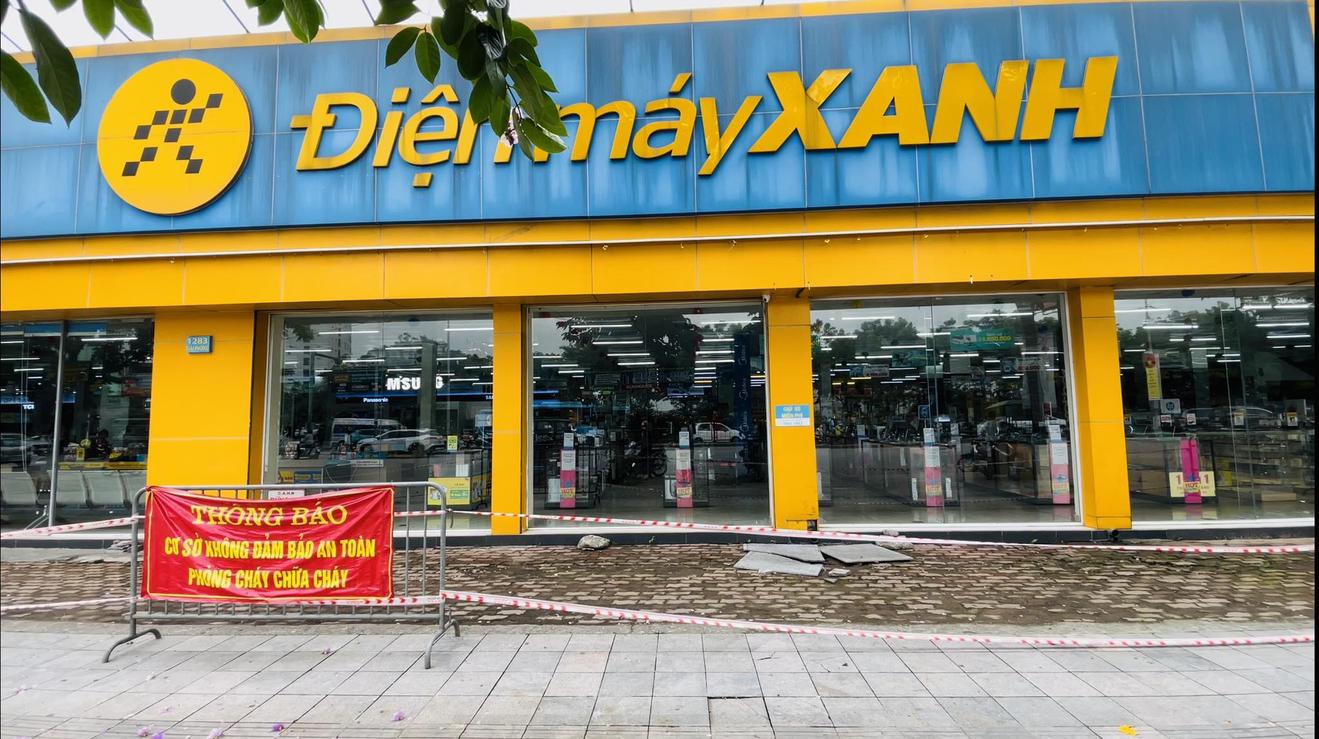
    Dien May Xanh, a Vietnamese electronics retailer and a branch of the Mobile World Investment Corporation, is set to garner approximately US$546 million via an initial public offering (IPO) later this year. The company aims to offer 79.5 million regular shares, each priced at 80,000 VND (US$3.04). If successful, this could be one of the most significant consumer retail listings in Vietnam in recent times. Vietcap Securities will serve as the adviser for the IPO.

    Purpose and Use of IPO

    Dien May Xanh has stated that the IPO is designed to boost transparency, fortify brand equity, and fuel future growth. The funding generated from the sale of shares will be directed towards debt repayment, business expansion, and other operational investments. This strategic move is to fortify the company’s foothold in Vietnam’s fiercely competitive consumer electronics industry.

    The company operates under the umbrella of the Mobile World Investment Corp (MWG), which holds the reputation of being one of Vietnam’s most prominent listed retailers. Dien May Xanh has established itself as a dominant force in the retail landscape with its vast national network of electronics and home appliance outlets.

    Known for its wide-ranging product inventory that includes smartphones, televisions, home appliances, and consumer technology products, Dien May Xanh has successfully catered to the increasing domestic spending and surging demand for digital devices.

    Growth Projections and Market Response

    By 2030, the company is aiming for an 11 percent compound annual revenue growth and a 16 percent annual net profit growth. These are ambitious yet attainable targets considering the current trajectory of Vietnam’s retail industry.

    Supported by the launch of five new growth pillars, Dien May Xanh is intent on reinforcing its market supremacy. It seeks to position itself as a compelling long-term investment option for both local and international financial institutions.

    The announcement of the IPO comes at a time when Vietnam’s capital markets are witnessing a surge in momentum, with a growing number of companies exploring listings. Market analysts have noted an uptick in investor interest, spurred by the possibility of Vietnam transitioning from a frontier market to an emerging market. This potential upgrade could attract an influx of foreign investment.

    Questions & Answers

    What is the main objective of Dien May Xanh’s IPO?
    The IPO aims to increase transparency, fortify the company’s brand equity, and support its future growth.

    How does Dien May Xanh plan to use the funds raised from the IPO?
    The funds raised will be channeled towards repaying debts, expanding the business, and making operational investments.

    What are Dien May Xanh’s growth targets for 2030?
    The company aims to achieve an 11 percent compound annual revenue growth and a 16 percent annual net profit growth by 2030.

  • Lacoste Unveils New Flagship Store in Historic Hong Kong Pedder Building, Bolsters Brand with Local Artistic Collaborations

    Lacoste Unveils New Flagship Store in Historic Hong Kong Pedder Building, Bolsters Brand with Local Artistic Collaborations

    In a strategic move to align its retail footprint with a site steeped in local history and prominent architecture, Lacoste has inaugurated a new flagship store in Hong Kong. This elegant location is situated in the Central district’s Pedder Building, a Grade 1 historic structure with a rich history that dates back to 1933. The premises had previously been home to Shanghai Tang’s flagship, as well as a briefly operated Abercrombie & Fitch store.

    Store Design and Collaborations

    The store’s interior layout showcases a modern reinterpretation of the building’s original arches, cleverly employing them as spatial dividers to create distinct sections for womenswear, menswear, sportswear, and the brand’s iconic polo line. Lacoste has gone the extra mile to tailor the design elements of the store to the local context; this includes an eye-catching neon installation and a series of customisable apparel patches inspired by local visual aesthetics.

    The flagship store also serves as a platform for the brand’s collaborations with both regional and international artists. Hong Kong-based artist Alvin CK Lam has contributed a unique interior painting inspired by the Pedder Building’s facade and the city. The store also features furniture pieces manufactured by Belgian artist Mathilde Wittock of MWO Design. These pieces, made from upcycled tennis balls, are a creative nod to Lacoste’s tennis history and commitment to circular design initiatives.

    Collection Highlights

    To celebrate the store’s opening, Lacoste has rolled out a limited-edition Hong Kong capsule collection. This collection features graphic interpretations of Victoria Harbour, the skyline of the city, and the Pedder Building. Customers can also shop for items from the brand’s Spring/Summer 2026 runway collection at the store.

    Commenting on the new flagship store, Eric Vallat, CEO of Lacoste, said, “We wanted to encapsulate Lacoste’s identity in a way that reverberates with Hong Kong’s cultural vitality. While Lacoste has its roots in tennis, the brand has always gone beyond sports. This store encapsulates a lifestyle defined by movement, elegance, and freedom.”

    Just last month, Lacoste revamped its branding, introducing a new typography, colour palette, and a fresh look for its iconic crocodile logo. The updated typography brings back serif characters, giving a nod to earlier versions of the brand’s visual language.

    Questions & Answers

    What is unique about the interior layout of the new Lacoste flagship store in Hong Kong?

    The store utilises the original arches of the Pedder Building as spatial boundaries, creating separate sections for different product lines.

    Who are some of the artists Lacoste collaborated with for this store?

    Lacoste collaborated with regional artist Alvin CK Lam, who created a custom interior painting, and Belgian artist Mathilde Wittock, who designed furniture pieces using upcycled tennis balls.

    What is significant about the limited-edition Hong Kong capsule collection?

    The collection features graphic interpretations of Victoria Harbour, the city skyline, and the Pedder Building, symbolising a connection between the brand and the local context.

  • Dragon Fruit Dilemma: Surplus Supply and Falling Demand Trigger Price Crash in Vietnam

    Dragon Fruit Dilemma: Surplus Supply and Falling Demand Trigger Price Crash in Vietnam

    Dragon fruit farmers in central and southern Vietnam are faced with declining prices due to an oversupply and reduced demand for their produce. Farmers are being forced to sell their crops at prices far below their cost of production, resulting in significant losses.

    Plummeting Dragon Fruit Prices

    In the Central Highlands’ Lam Dong Province, a farmer named Luong finds her offer of VND3,000–8,000 per kilogram for her harvested dragon fruits met with little interest from traders. “I need to sell at VND10,000 or more to be profitable,” Luong said, noting that prices have plummeted by 50–70% since the start of the year.

    Meanwhile, in the southern province of Dong Thap, farmer Hanh is struggling to cover costs as she sells her dragon fruits between VND8,000–12,000 per kilogram. This is insufficient considering the 25-40% rise in fertilizer and pesticide expenses this year. Hanh states that prices must remain above VND13,000–15,000 per kilogram for her to breakeven. “If prices remain lower than this range, we might have to reduce our cultivation area for the next harvest,” she warns.

    The Causes of the Price Crash

    Dinh Van Hien, a dragon fruit trader, attributes the price plummet to the sharp increase in supply, as it is currently the peak harvest season in most growing areas. This, coupled with the harvest of other fruits such as durian, mangosteen, lychee, and plum, has led to a decrease in demand for dragon fruit.

    Huynh Canh, chairperson of the Binh Thuan Dragon Fruit Association, agrees that the drastic drop in dragon fruit prices is primarily due to oversupply. Additionally, he states that China’s imports have sharply decreased after the country expanded its dragon fruit cultivation area in recent years. Furthermore, with the dragon fruit season in China running from May to November, there is heightened competition with Vietnam’s produce.

    There are also challenges with Vietnam’s exports to the European Union due to tightened rules, including an inspection frequency of 30% at the border. According to Canh, only the highest quality fruits meeting the import standards of the receiving countries will command high prices.

    Currently, Vietnam has around 55,000-60,000 hectares dedicated to dragon fruit cultivation, primarily in the central and southern regions, with an annual output of approximately 1.4 million tonnes.

    Questions & Answers

    What is the main cause of the drop in dragon fruit prices in Vietnam?
    The primary cause of the price drop is an oversupply of dragon fruits due to the peak harvest season and a decrease in demand.

    How has the increase of cultivation in other countries affected Vietnam’s dragon fruit market?
    Increased cultivation in other countries, particularly China, has led to a decrease in imports of Vietnam’s dragon fruits, contributing to the oversupply and drop in prices.

    What challenges is Vietnam facing with its fruit exports to the European Union?
    Vietnam is facing challenges with its fruit exports due to tightened regulations, including a higher frequency of inspections at the border. Only the highest quality fruits that meet the import standards of the receiving countries can secure high prices.

  • Chinese E-commerce Titan JD Eyes £2 Billion Acquisition of UKs The Very Group

    Chinese E-commerce Titan JD Eyes £2 Billion Acquisition of UKs The Very Group

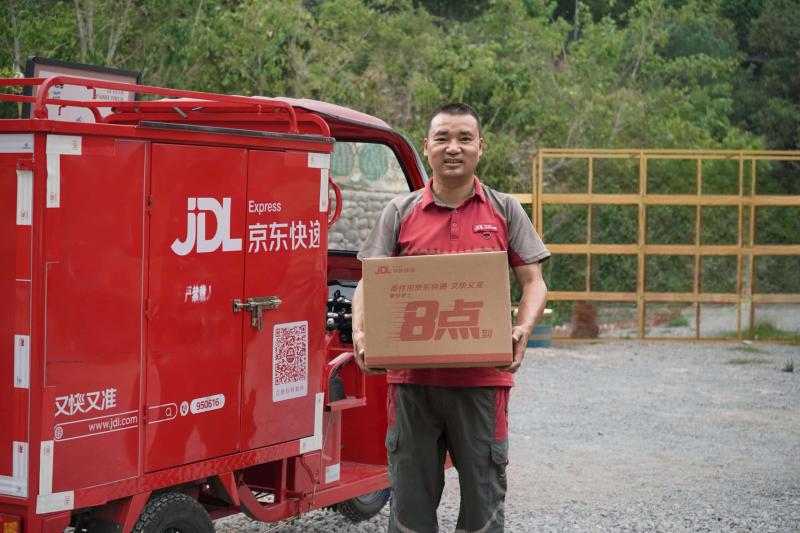
    JD, the Chinese e-commerce titan, is reportedly considering a significant expansion within the UK market, with a potential £2 billion ($2.69 billion) acquisition bid for the British online retail platform, The Very Group.

    JD’s Expansive Strategy in the UK

    This move is the latest in a series of attempts by JD to strengthen its foothold in the UK market. Previously, the company had made a failed attempt to acquire the electricals group Currys and, in 2020, had withdrawn from negotiations aimed at acquiring Argos from Sainsbury’s. These activities indicate JD’s strong interest in expanding its operations in the UK, despite previous setbacks.

    Representatives from JD and The Very Group have refrained from commenting on these market speculations.

    The Very Group’s Recent Ownership Changes

    The owner of The Very Group, Carlyle, was reported earlier this year to be planning a £2 billion sale of the enterprise. This news came just a few months after Carlyle assumed ownership from the Barclay family, who had been long-time stakeholders in the business.

    Questions & Answers

    What is the estimated value of the deal between JD and The Very Group?
    The value of the potential deal is speculated to be around £2 billion ($2.69 billion).

    What other UK ventures has JD been involved in?
    In the past, JD has attempted to buy the electricals group Currys and also entered negotiations to acquire Argos from Sainsbury’s.

    Who is the current owner of The Very Group?
    The Very Group is currently owned by Carlyle, which took over from the Barclay family last year.

  • Alipay Ventures Further into AI Commerce: Introduces Worlds First AI Wallet and Token Pay

    Alipay Ventures Further into AI Commerce: Introduces Worlds First AI Wallet and Token Pay

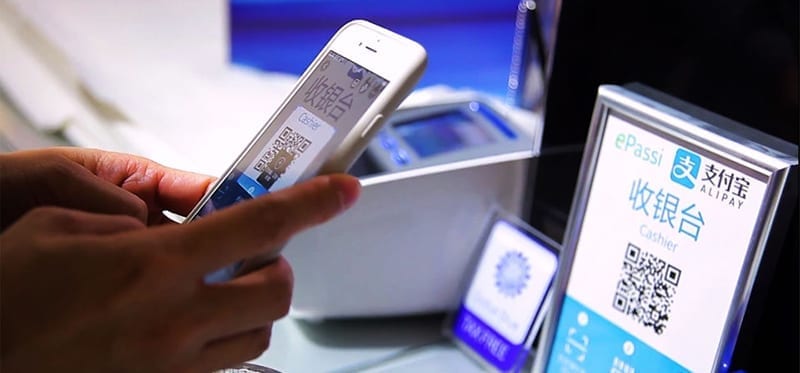
    Chinese fintech titan, Alipay, is ramping up its endeavors in AI-driven commerce with the introduction of an innovative AI payment infrastructure devised to bolster the burgeoning “agentic economy”.

    As per a press release issued on Monday, Alipay unveiled the world’s inaugural “AI Wallet” along with a novel service dubbed “Token Pay”, both targeted at AI firms and developers. This announcement was made at the Alipay AI Payment Ecosystem Conference held in Hangzhou.

    AI Agents in the Commercial World

    The crux of this initiative is Alipay’s AI payment ecosystem, where users can execute transactions via AI agents using voice commands and automated processes.

    Cyril Han, CEO of Ant Group, said, “Even though the quintessence of commerce remains intact in the AI era, AI agents are revolutionizing every aspect.” Han added that based on 22 years of technological prowess and commercial knowledge, Alipay is creating the next wave of AI payment services to boost the growth of the agentic commerce ecosystem.

    The firm disclosed that its AI-native payment products have already surpassed 100 million users since their February 2026 launch. As per Alipay, the system has processed approximately 300 million transactions so far, making it the first commercially scaled AI-native global payment infrastructure.

    Introduction of the “AI Wallet”

    The AI Wallet, a crucial part of this expansion, has been recently introduced and is now accessible via the Alipay app.

    The product is engineered to provide users more supervision and command over transactions executed by AI agents. This includes the ability to monitor tasks prior to and during payment and to analyze spending behavior after the transaction.

    In an effort to augment trust in autonomous AI transactions, Alipay also launched China’s maiden “Agentic Commerce Trust Protocol”, aimed to establish a standardized framework between AI systems and service platforms.

    Simultaneously, the firm introduced an intelligent security system designed to safeguard AI-driven transactions.

    “Token Pay” Designed for AI Companies

    Along with the AI Wallet, Alipay launched “Token Pay”, which the firm describes as the first integrated payment solution specifically tailored for AI model firms.

    The platform enables AI enterprises to handle subscription payments, token top-ups, and associated transactions on a global scale via a single infrastructure.

    Weiqi Hu, Vice President of MiniMax, said, “Payments are instrumental in facilitating massive growth in the AI sector. Together with Alipay, we aim to strengthen collaboration across multiple domains to accelerate the growth of AI commerce.”

    Payments Integration within AI

    Industry experts anticipate payments to become an inherent feature within AI applications rather than a separate step in digital commerce.

    “AI is redefining every facet of commerce,” said Lin Zhu, General Manager of Alipay’s AI payment business at Ant Group. Zhu added that payments are transitioning from a final step to a capability embedded from the outset. According to Zhu, only with trusted transactions, seamless payments, and secure controls, can agentic commerce genuinely proliferate.

    Extensive Expansion Across Industries

    Alipay’s AI payment infrastructure is already being widely used across a plethora of sectors and devices in China, such as AI-powered services embedded in retail apps including Luckin Coffee, smart glasses by Rokid, Alibaba’s Qwen AI ecosystem, OpenClaw-style AI agents, smart vehicle cockpits, AI development platforms like Coze and Qoder, and “One Person Companies”.

    Alipay announced additional investment in developer support programs, including token incentives and waiving payment-processing fees for individual AI developers.

    Through the latest rollout, Alipay is striving to establish itself not merely as a payment provider, but increasingly as the financial infrastructure supporting the next generation of AI-driven digital commerce.

    Questions & Answers

    What is the AI Wallet introduced by Alipay?
    The AI Wallet is a product designed to give users more control over transactions carried out by AI agents. Users can monitor tasks before and during payment execution and analyze spending behavior afterward.

    What is the purpose of Alipay’s “Token Pay”?
    Token Pay is an integrated payment solution created specifically for AI model companies. It allows AI firms to manage subscription payments, token top-ups, and related transactions globally through a single infrastructure.

    What is Alipay’s strategy with the introduction of the new AI payment infrastructure?
    Alipay’s strategy is to position itself not only as a payment provider, but increasingly as the financial infrastructure underpinning the next generation of AI-driven digital commerce.

  • Miniso Group Reports Surging Q1 Sales: All Sectors Power Past Revenue Projections

    Miniso Group Reports Surging Q1 Sales: All Sectors Power Past Revenue Projections

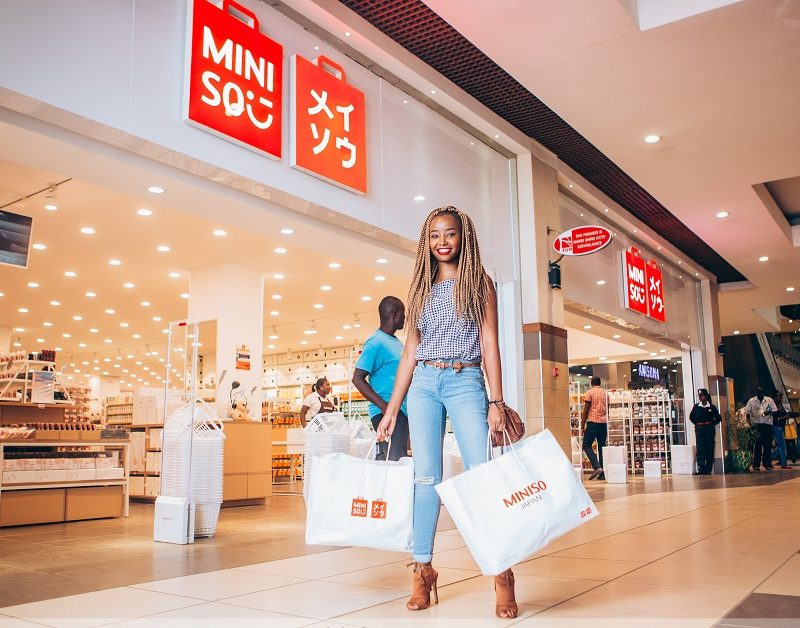
    Miniso Group, a prominent retailer based in China, reported a significant growth in sales in its first quarter, owing to strong performances across all business areas. The company’s revenue saw a year-on-year increase of 28.5%, totalling up to US$824.6 million for the quarter ending on March 31. The impressive results, primarily fueled by a noticeable boost in same-store sales, surpassed the management’s initial projections.

    Consistent Growth Across Segments

    Miniso’s business in Mainland China marked its fifth successive quarter of revenue growth, registering a 29.6% increase. Concurrently, the company’s overseas revenue saw a rise of 21.9%. The Top Toy segment also maintained its growth trajectory in the pop toy industry, posting a sales growth of 51.4%.

    The company’s profit for the period skyrocketed by 199.7% year-on-year to $180.9 million. This surge was primarily attributable to an unrealised market gain of $126.8 million arising from fair value alterations in an investment related to a limited partnership in the AI industry. Moreover, the adjusted net profit witnessed an 8.1% increase, amounting to $79.8 million.

    Guofu Ye, the founder, chairman, and CEO of Miniso Group, expressed his delight at the company’s remarkable performance in the quarter. He underscored the growing momentum of the company, stating his intent to increase his holdings as a testament to his faith in the company’s future prospects. He went on to add that the current valuation of Miniso Group does not fully encapsulate its intrinsic potential.

    Ye, who presently owns approximately 63.7% stake in the company (excluding treasury shares), had earlier disclosed his plans to increase his stake by at least $6.4 million over the course of the upcoming year.

    Looking Forward

    Heading into the second half of 2026, Ye expressed the company’s commitment to intensify its globalisation and IP strategies, aiming to drive high-quality growth. The company plans to achieve this through continuous product mix optimisation, expansion and upgrade of store networks, and leveraging a multi-dimensional IP matrix, all in line with its long-term objectives.

    As of March 31, Miniso’s store count stood at 8565, indicating a net increase of 797 stores year-on-year. The Miniso brand boasted 8210 stores, including 4593 in Mainland China and 3617 overseas.

    Questions & Answers

    What was the key driver behind Miniso’s impressive sales growth in the first quarter?
    The company’s outstanding sales growth was primarily driven by strong performances across all business segments, with significant contribution from mid-single-digit same-store sales growth.

    What are Miniso’s plans for the second half of 2026?
    Miniso intends to deepen its globalisation and IP strategies, continuously optimize its product mix, expand and upgrade its store network, and leverage a multi-dimensional IP matrix to drive high-quality growth.

    How many stores does Miniso currently operate?
    As of March 31, Miniso operated a total of 8565 stores, with the Miniso brand having 8210 stores, including 4593 in Mainland China and 3617 overseas.

  • Vietnams Gold Market Springs Back: Global Bullion Rates Trigger Significant Rise

    Vietnams Gold Market Springs Back: Global Bullion Rates Trigger Significant Rise

    Gold prices in Vietnam experienced a resurgence on Monday morning, reflecting a similar upsurge in worldwide bullion rates. The Saigon Jewelry Company increased their gold bar prices by 0.3%, reaching VND162 million (approximately US$6,145.44) per tael. This rise comes after a significant four-month dip that peaked last week.

    Global Gold Prices on the Rise

    In similar fashion, the price of gold rings in Vietnam elevated by 0.31%, equating to around VND161.5 million per tael. A tael, for those unfamiliar, is roughly equivalent to 37.5 grams or 1.2 ounces.

    On a global scale, gold prices experienced a noteworthy increase of more than 1% on Monday. This shift can be attributed to a combination of a weakening US dollar and decreasing oil prices. These economic fluctuations have led investors to ponder the possibility of a breakthrough in peace negotiations between the United States and Iran.

    Spot gold saw an increase of 1.1%, reaching $4,559.29 per ounce. Similarly, US gold futures for June delivery experienced a 0.8% increase, bringing the cost up to $4,560.30. The declining strength of the dollar means that gold priced in greenbacks is now more accessible to those dealing in other currencies.

    Looking at the larger picture, despite the recent price increase, bullion remains approximately 13% lower than it was prior to the onset of conflict in late February.

    Questions & Answers

    What prompted the rebound of gold prices in Vietnam?
    The resurgence can be primarily attributed to a similar increase in global bullion rates, coupled with economic factors including a weakening US dollar and decreasing oil prices.

    What has been the impact of the US-Iran peace negotiations on gold prices?
    The consideration of a possible breakthrough in US-Iran peace talks has led investors to lean towards gold, contributing to the recent rise in prices.

    How has the recent conflict affected the overall price of bullion?
    Despite the latest increase, bullion prices remain around 13% lower than before the conflict began in late February.

  • How to Use a Hair Care Kit for Best Results

    How to Use a Hair Care Kit for Best Results

    Most people buy a hair care kit with the best intentions — and then use it wrong. They skip steps, mix up the order, or give up after two weeks because they didn’t see results. The truth is, a good hair care kit only works when you understand what each product is doing and why the sequence matters. Getting that part right makes all the difference.

    Why the Order of Application Actually Matters

    A hair care kit isn’t just a bundle of products thrown together. Each item in the kit is designed to work at a specific stage — some prepare the scalp, some deliver active ingredients, and some seal in the work that’s already been done. Using them out of order is like taking a medication at the wrong time and wondering why it isn’t working.

    For example, applying a hair oil before a scalp treatment can block absorption. The oil creates a barrier on the skin, and any serum or solution you apply afterward simply sits on top instead of reaching the scalp. Understanding this basic mechanism helps you respect the sequence instead of guessing.

    Start With a Clean Scalp — Not Just Clean Hair

    Most people wash their hair but don’t actually clean their scalp properly. The scalp is skin. It accumulates oil, dead cells, product residue, and sometimes low-grade inflammation. If you’re applying a treatment on top of that buildup, you’re wasting the product.

    Use a mild, sulphate-free shampoo and massage it into the scalp with your fingertips — not nails. Let it sit for a minute before rinsing. If your kit includes a scalp cleanser or pre-wash oil, apply that 30 to 45 minutes before shampooing. This loosens buildup and makes the scalp more receptive to treatment.

    How to Apply Topical Treatments Without Wasting Them

    Serums, minoxidil solutions, or herbal scalp drops are the most active ingredients in any hair kit. And yet, most people apply them carelessly — pouring them onto the hair instead of the scalp, or rubbing them in ways that reduce contact time.

    Here’s what works better:

    • Part your hair into sections before applying
    • Use the dropper or nozzle to apply directly to the scalp, not the strands
    • Press gently with your fingertips to spread, don’t rub aggressively
    • Leave the product on for the recommended time — usually without washing off

    Consistency here matters more than quantity. Using the right amount every day beats using a large amount every few days.

    Oils and Conditioners Come After — Not Before

    Hair oils are often misunderstood. They don’t feed the scalp through the skin in the way many people think. Their main job is to reduce friction, add moisture to the hair shaft, and in some cases, provide a mild anti-inflammatory effect on the scalp surface. That’s still useful — just not a replacement for active treatments.

    Apply oil after your scalp treatment has been absorbed, or on days when you’re doing a pre-wash routine. Conditioners should always go on the lengths and ends of the hair, not the scalp. Applying conditioner to the scalp regularly can clog follicles over time and undo the work your treatments are doing.

    Give the Kit Time — But Also Track What’s Happening

    Hair grows slowly. A follicle that’s been weakened over months or years won’t bounce back in two weeks. Most hair care kits need at least 12 weeks of consistent use before you can fairly evaluate them. That said, you shouldn’t be completely passive during this time.

    Keep a simple log — notice whether shedding reduces, whether new shorter hairs appear near the hairline, whether your scalp feels less itchy or oily. These early signals tell you the kit is working even before visible density returns.

    Some treatment systems like how to use Traya kit actually guide you through proper product sequencing and timing, which removes a lot of the guesswork people face when managing hair fall on their own.

    Understanding Why Your Hair Is Falling Is Half the Work

    No kit will work long-term if you don’t address what’s causing the hair fall in the first place. Nutritional deficiencies, hormonal shifts, chronic stress, scalp conditions, and genetic factors like male patter baldness all require different approaches. A kit that works beautifully for one person may deliver modest results for another — not because the products are bad, but because the root cause is different.

    Final Thoughts

    Using a hair care kit correctly is less about effort and more about understanding. Know what each product does, respect the order, keep the scalp clean, and give the process genuine time. Hair health isn’t a quick fix — but with the right approach and a little patience, consistent care does add up.

  • Yum China’s Kpro Surpasses 300 Locations: Eyes 600 Stores by Year-End Amid Soaring Health Food Demand

    Yum China’s Kpro Surpasses 300 Locations: Eyes 600 Stores by Year-End Amid Soaring Health Food Demand

    Yum China has announced plans to expedite the expansion of its light-meal brand, Kpro, following its current establishment of over 300 locations across the country. The company’s stated ambitions to double its stores by year’s end, from around 200 last year to 600, indicates the rising demand for healthier and cost-effective dining options within the Chinese market.

    Kpro operates in tandem with KFC restaurants, offering a menu that centers around balanced nutrition. This includes items such as multigrain energy bowls, yogurt smoothies, and whole-wheat sandwiches.

    The company explains that the operational symbiosis between Kpro and KFC allows them to capitalize on the pre-established network, customer base, and supply chain of KFC. This strategy also helps keep investment and operating expenses lower than what would be incurred with independent outlets.

    The expansion plan for Kpro is concentrated on tier-one, tier-two, and selected tier-three cities, specifically in the eastern and southern regions of China. These areas are known for having a high demand for light-meal options.

    Recently, Yum China announced a record-breaking first quarter for FY26 with over 600 new store openings.

    Questions & Answers

    What is the growth strategy for Kpro in China?
    Kpro plans to expand its presence in China, aiming to reach 600 stores by year’s end. The company is targeting tier-one, tier-two, and selected tier-three cities, particularly in the eastern and southern parts of China, where light meals are in high demand.

    What is unique about Kpro’s operating model?
    Kpro operates alongside KFC restaurants, allowing the brand to leverage KFC’s existing store network, customer base, and supply chain. This model helps Kpro maintain lower investment and operating costs than standalone formats.

    How does Kpro’s menu contribute to its popularity?
    Kpro’s menu, focused on balanced nutrition, aligns with the rising demand for healthier and affordable dining options in China. Offerings such as multigrain energy bowls, yogurt smoothies, and whole-wheat sandwiches cater to this growing consumer preference.

  • VIPshop Cash-In: Lunar New Year Boosts Quarterly Profits Amid Strong Apparel Sales

    VIPshop Cash-In: Lunar New Year Boosts Quarterly Profits Amid Strong Apparel Sales

    Chinese retail giant, VIPshop, has recently announced an increase in their first-quarter profits, a result of robust clothing sales and enhanced margins during the Lunar New Year shopping period.

    The firm revealed a total net revenue of RMB26.6 billion (US$3.9 billion) for the quarter which concluded on March 31, marking an increase of 1.2 per cent compared to the previous year.

    In addition to this, the number of active customers saw a moderate rise to 41.7 million, and total orders experienced a growth of 3.2 per cent, equating to 172.6 million.

    Key Factors Behind The Growth

    Eric Shen, the Chairman and CEO, attributed the company’s successful quarter to robust clothing sales and escalated expenditure by high-value customers throughout the Lunar New Year shopping period. He stated that their SVIP client base saw commendable growth in both numbers and contribution, showcasing their continued attractiveness to high-value consumers.

    Shen stated, “In conjunction with these outcomes, we have made consistent progress in our product range, customer engagement, and AI integration. All these factors are aiding us in further capitalizing on our off-price retail model for expansion. We remain committed to the brand-discount space and are confident in our capacity to ensure sustainable, profitable growth in the long term.”

    Mark Wang, the CFO, further elaborated that consumer expenditure was primarily concentrated within the first two months of the quarter. This was due to the earlier occurrence of the Lunar New Year holiday. This, combined with a more robust product mix and disciplined cost management, led to an improvement in profitability.

    Projected Future Revenue

    Looking forward, VIPshop anticipates their second-quarter revenue to fall between RMB24.5 billion (US$3.6 billion) and RMB25.8 billion (US$3.79 billion). This represents a prospective year-over-year decrease of approximately 5 per cent to 0 per cent.

    Questions & Answers

    What was the key factor contributing to VIPShop’s increased first-quarter profits?
    High apparel sales and improved margins during the Lunar New Year shopping season were significant contributors to the increased profits.

    How has the SVIP customer base been significant to VIPShop’s success?
    The SVIP customer base has demonstrated solid growth in both numbers and contributions, indicating the brand’s sustained appeal to high-value consumers.

    What are VIPShop’s expectations for the second-quarter revenues?
    VIPShop anticipates their second-quarter revenue to be between RMB24.5 billion (US$3.6 billion) and RMB25.8 billion (US$3.79 billion), indicating a potential year-over-year decrease of approximately 5 per cent to 0 per cent.

  • Hermes Unveils Culture-Inspired Redesign of Expanded Osaka Store at Hilton Plaza East

    Hermes Unveils Culture-Inspired Redesign of Expanded Osaka Store at Hilton Plaza East

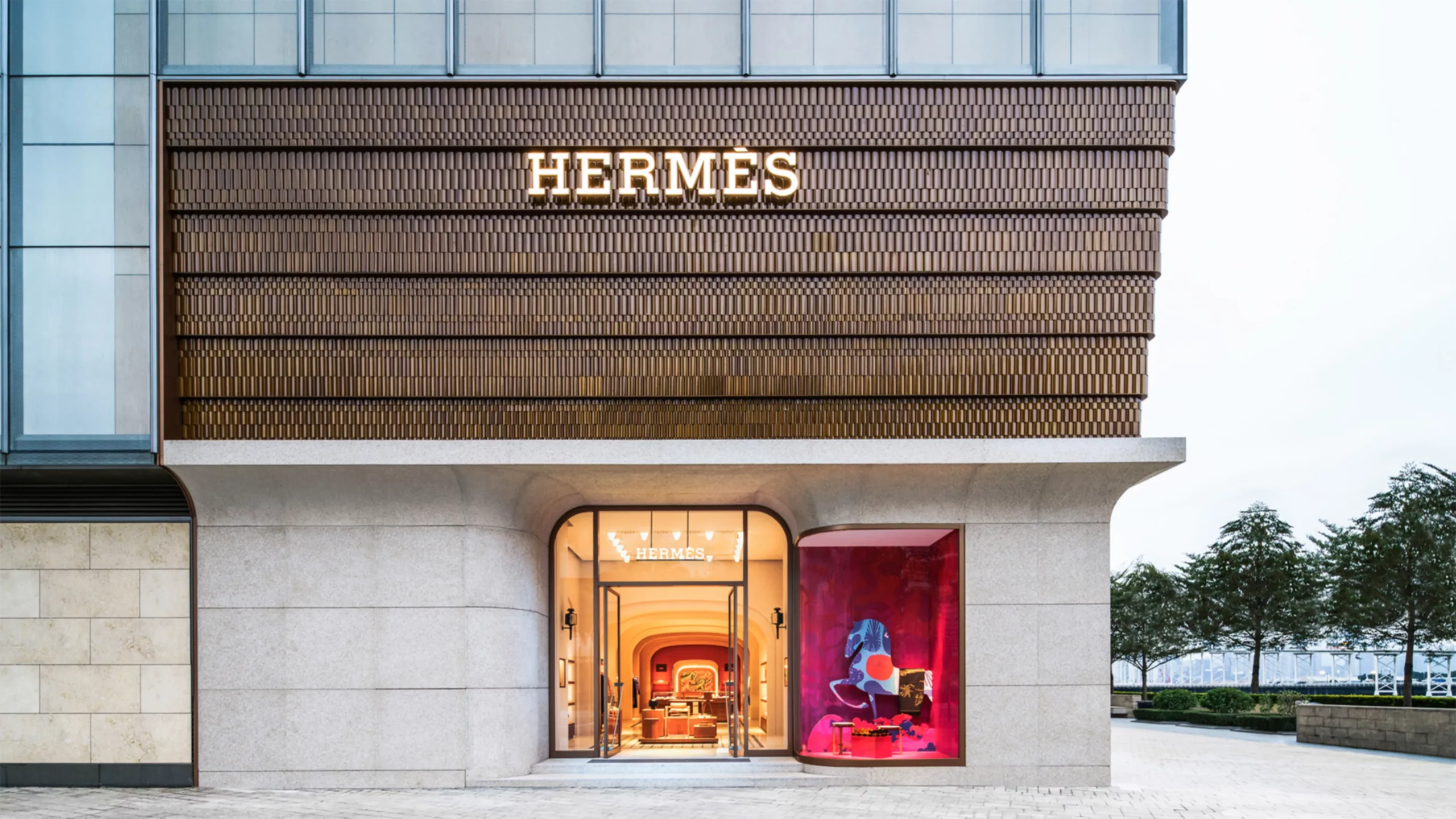
    Luxury fashion house Hermès has unveiled its newly revamped store at Hilton Plaza East, with a fresh design that pays homage to the surrounding culture and scenic beauty. Parisian architectural firm RDAI is credited with the store’s stunning redesign, which now extends over two storeys, each dedicated to an immersive display of Hermès’ 16 distinguished métiers.

    The updated store boasts an eclectic range of Hermès offerings, from their sought-after leather goods and chic fashion accessories to their signature perfumes and beauty products. Delicate jewellery, elegant watches, and a curated selection of home décor collections add to the store’s luxuriant appeal.

    Interplay of Culture and Nature in Design

    Incorporating a blend of geometric elements and dynamic materials, the store’s redesign has masterfully incorporated motifs inspired by Osaka’s local culture. These are complemented by a winged horse and floating clouds, symbolising Hermès’ annual theme, ‘Venture Beyond’.

    The store’s facade has been strikingly adorned with Mino-yaki ceramic tiles reflecting hues of green and blue, designed to imitate the shimmering reflections of water. This theme is carried into the store’s interiors which combine natural mineral surfaces in earthy tones with contrasting teal accents.

    Reimagined Storefront and Artwork Display

    The storefront windows bear the artistic touch of renowned French artist Matthieu Cosse. His art installations present an intriguing blend of celestial landscapes and theatrical elements, lending a dreamlike quality to the store’s exterior.

    The redesigned store also serves as a gallery for curated artworks from the Emile Hermès Collection and the Hermès Collection of Contemporary Photographs, seamlessly incorporated into the boutique’s inviting layout.

    This unveiling at Hilton Plaza East forms part of a broader renovation initiative by Hermès, with recently updated boutiques in Taipei and Hong Kong exemplifying the brand’s commitment to a refreshed and contemporary store experience.

    Questions & Answers

    What was the inspiration behind the redesign of the Hermès store at Hilton Plaza East?
    The store’s redesign was inspired by the local culture and natural landscapes of Osaka.

    Who was involved in the redesign process?
    Paris-based architecture studio RDAI was responsible for the store’s redesign, with French artist Matthieu Cosse reimagining the storefront windows.

    What can customers expect to find in the revamped store?
    The store offers a wide range of Hermès products, including leather goods, fashion accessories, perfumes, beauty products, jewellery, watches, and home collections. It also showcases curated artworks from the Emile Hermès Collection and the Hermès Collection of Contemporary Photographs.

  • HSBC Private Bank Bolsters Taiwan Onshore Market with Appointment of New Head

    HSBC Private Bank Bolsters Taiwan Onshore Market with Appointment of New Head

    HSBC Private Bank recently revealed the induction of Edward Chiu as the Market Head for Onshore Taiwan, effective from June 1, 2026. This is part of their strategy to fortify their onshore operations in Taiwan.

    Edward Chiu brings over two decades of exemplary leadership experience in wealth management and affluent banking within Taiwan to his new role. His tenure at HSBC Taiwan as the Head of Premier Elite since 2024 has been marked by significant growth. Before joining HSBC, Chiu held senior leadership positions at DBS and Citibank, where he established a strong track record in revenue growth, talent development, and client acquisition.

    Edward Chiu’s New Role

    In his new position, Chiu will spearhead the onshore private banking business in Taiwan. He will work in close association with other business lines to offer comprehensive solutions tailored to the needs of Taiwanese clients. Chiu is set to report to Kanas Chan, the Head of Private Bank for North Asia and Hong Kong, and Kevin Hu, who is the Head of International Wealth and Premier Banking in Taiwan.

    Upon the announcement of Chiu’s appointment, Kanas Chan expressed that Taiwan is a strategically crucial growth market for their business operations in North Asia. He further stated that Edward’s appointment will bolster the leadership team in Taiwan, and it underlines their dedication to augmenting their onshore presence and enhancing the client experience.

    Chan also mentioned that with Chiu’s extensive expertise and proven track record in serving High Net Worth and Ultra High Net Worth clients, he is confident that Chiu’s leadership will expedite HSBC’s growth trajectory in Taiwan and set the stage for the next phase of business success.

    Questions & Answers

    Who has HSBC appointed as the Market Head for Onshore Taiwan?
    Edward Chiu has been appointed as the Market Head for Onshore Taiwan by HSBC.

    What will be Edward Chiu’s role at HSBC?
    Edward Chiu will lead the onshore private banking business in Taiwan and collaborate with other lines of business to offer comprehensive solutions for Taiwanese clients.

    Who will Edward Chiu report to in his new role?
    Edward Chiu will report to Kanas Chan, Head of Private Bank for North Asia and Hong Kong, and Kevin Hu, Head of International Wealth and Premier Banking in Taiwan.