Author: Mei Ling Tan

  • Revamping Chanel: How Matthieu Blazys Unique Twist on Classics Fuels Brands Return to Growth

    Revamping Chanel: How Matthieu Blazys Unique Twist on Classics Fuels Brands Return to Growth

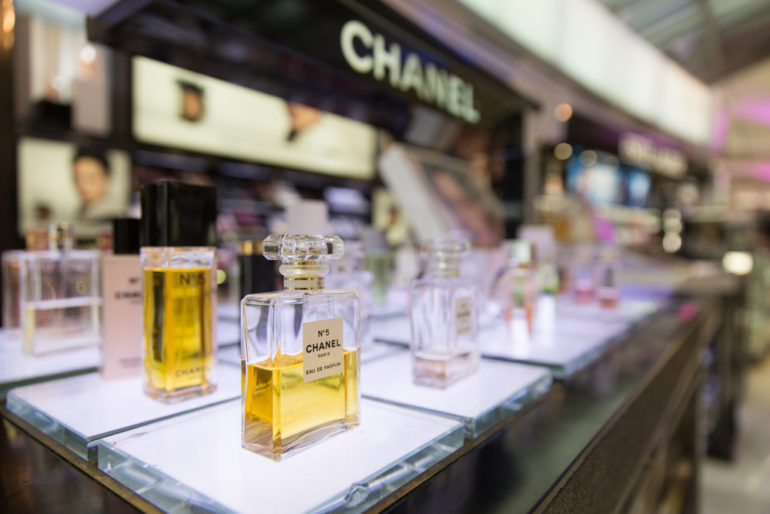
    The iconic Parisian fashion brand, Chanel, has seen an influx of new customers drawn to the reimagined versions of classic items by creative director Matthieu Blazy. The reinvented versions of the brand’s staple bags, shoes, and jackets have sparked a demand that exceeds supply, propelling the brand towards renewed growth.

    Revenue Growth and Increased Demand

    Chanel, a privately-held company, announced a 2% increase in revenue to $19.3 billion in 2025, marking a bounce back from a 4.3% decline in 2024. This period saw even premium fashion brands grappling with the bounds of demand following significant price hikes during a post-pandemic luxury resurgence.

    Blazy, who replaced Virginie Viard last year, has breathed new life into the brand with innovative designs like the relaxed leather “maxi flapbag” retailing at $8500, and bright, fringed renditions of the classic Chanel tweed jacket.

    Chanel’s CEO, Leena Nair, noted a creative momentum across all their business activities in 2025 and attributed the sales rebound to the investments made the previous year. The company also reported an increase in operating profit by 5% to reach $4.7 billion, although this fell short of its figures between 2021 and 2023.

    When Blazy’s debut collection hit stores in March, it sparked a buying frenzy for new handbags, two-tone pumps in mint green and black sold at $1450, and multicoloured tweed jackets. Simon Longland, Director of Fashion Buying at the prestigious Harrods in London, described the recruitment of new clients – those who had never previously bought Chanel – as phenomenal.

    Regional Growth and Future Plans

    Despite slower growth than Hermès and a slight decline compared to LVMH’s fashion and leather goods division, Chanel still saw a significant surge in sales in the US market, with a 7.2% increase in the Americas region. However, sales in Asia-Pacific, Chanel’s largest region by sales, declined slightly by 0.8%, while Europe saw a growth of 2.5%.

    In 2025, Chanel increased prices by 3% overall and 2% for fashion products, with similar hikes planned for this year. CFO Philippe Blondiaux reported that Chanel’s business in the Middle East, accounting for about 4% of revenue, remained resilient despite the war in Iran.

    After opening 41 stores in 2025, the brand intends to open an additional 30 stores this year, including nine fashion boutiques, with new locations in Boca Raton, Florida, as well as Palo Alto and San Diego in California.

    Questions & Answers

    What contributed to Chanel’s revenue growth in 2025?
    Chanel’s increased revenue in 2025 can largely be attributed to the innovative designs of new creative director Matthieu Blazy, which led to a surge in demand for the brand’s products.

    How did Chanel fare compared to other luxury brands in 2025?
    Though Chanel experienced slower growth than Hermès, it outperformed LVMH’s fashion and leather goods division and saw strong sales growth in the Americas region.

    What are Chanel’s plans for 2026?
    Chanel plans to continue expanding by opening 30 more stores, including nine fashion boutiques, in locations such as Boca Raton, Florida, Palo Alto, and San Diego, California. The brand also intends to increase prices by a similar rate as in the previous year.

  • Vietnam’s Gold Market Stumbles: Price Plunge Amid Softening Global Bullion Rates

    Vietnam’s Gold Market Stumbles: Price Plunge Amid Softening Global Bullion Rates

    On Wednesday, gold prices in Vietnam witnessed a decline, following a similar downtrend in global bullion rates. The price of gold bars offered by Saigon Jewelry Company (SJC), a major Vietnamese gold retailer, fell by 0.92%, hitting VND162 million (US$6,144.5) per tael. In addition, the price of gold rings slid down by 1.1% to VND161.5 million per tael. It’s worth noting that a tael in Vietnam is equivalent to 37.5 grams or 1.2 ounces.

    Global Gold Market Trends

    Globally, gold prices also edged lower on Wednesday. This downward trend was primarily due to rising Treasury yields and a strong dollar, which eclipsed the optimism kindled by the prospect of a potential peace agreement between the U.S. and Iran. Spot gold fell by 0.3%, valued at $4,467.59 per ounce, after reaching its lowest point since March 30 in the preceding session. Meanwhile, U.S. gold futures for June delivery suffered a loss of 0.9%, priced at $4,471.10.

    Inflationary pressures stemming from the Iran conflict spurred a selloff in global bond markets. This sell-off drove 30-year U.S. Treasury yields to levels unseen since the precursor period to the 2007 global financial crisis. Concurrently, the dollar floated at a six-week high, making bullion priced in the greenback more expensive for individuals holding other currencies.

    Analysts speculate that gold’s current slump could be attributed to the rising yields and the dollar’s strength. Tim Waterer, the chief market analyst at KCM Trade, opines, “Gold is running out of puff somewhat against this backdrop of rising yields, and a dollar which has a spring in its step courtesy of the hawkish shift in the rates outlook.”

    Questions & Answers

    What triggered the decline in gold prices in Vietnam?
    The fall in gold prices in Vietnam was influenced by the global downtrend in bullion rates, with the price of gold bars and gold rings offered by Saigon Jewelry Company witnessing a significant decline.

    What factors influenced the global downtrend in gold prices?
    Rising Treasury yields and a firm U.S. dollar were the primary factors that attributed to the global decline in gold prices. The optimism surrounding the potential U.S.-Iran peace agreement was overshadowed by these factors.

    What impact did the Iran conflict have on the global gold market?
    The Iran conflict led to inflationary pressures that resulted in a selloff in global bond markets. This, in turn, significantly affected the global gold market, driving U.S. Treasury yields to levels unseen since the precursor period to the 2007 global financial crisis.

  • Unlock Luxury: Tiffany & Co Launches Expanded Flagship Store and Blue Box Cafe in Hong Kongs Lee Gardens

    Unlock Luxury: Tiffany & Co Launches Expanded Flagship Store and Blue Box Cafe in Hong Kongs Lee Gardens

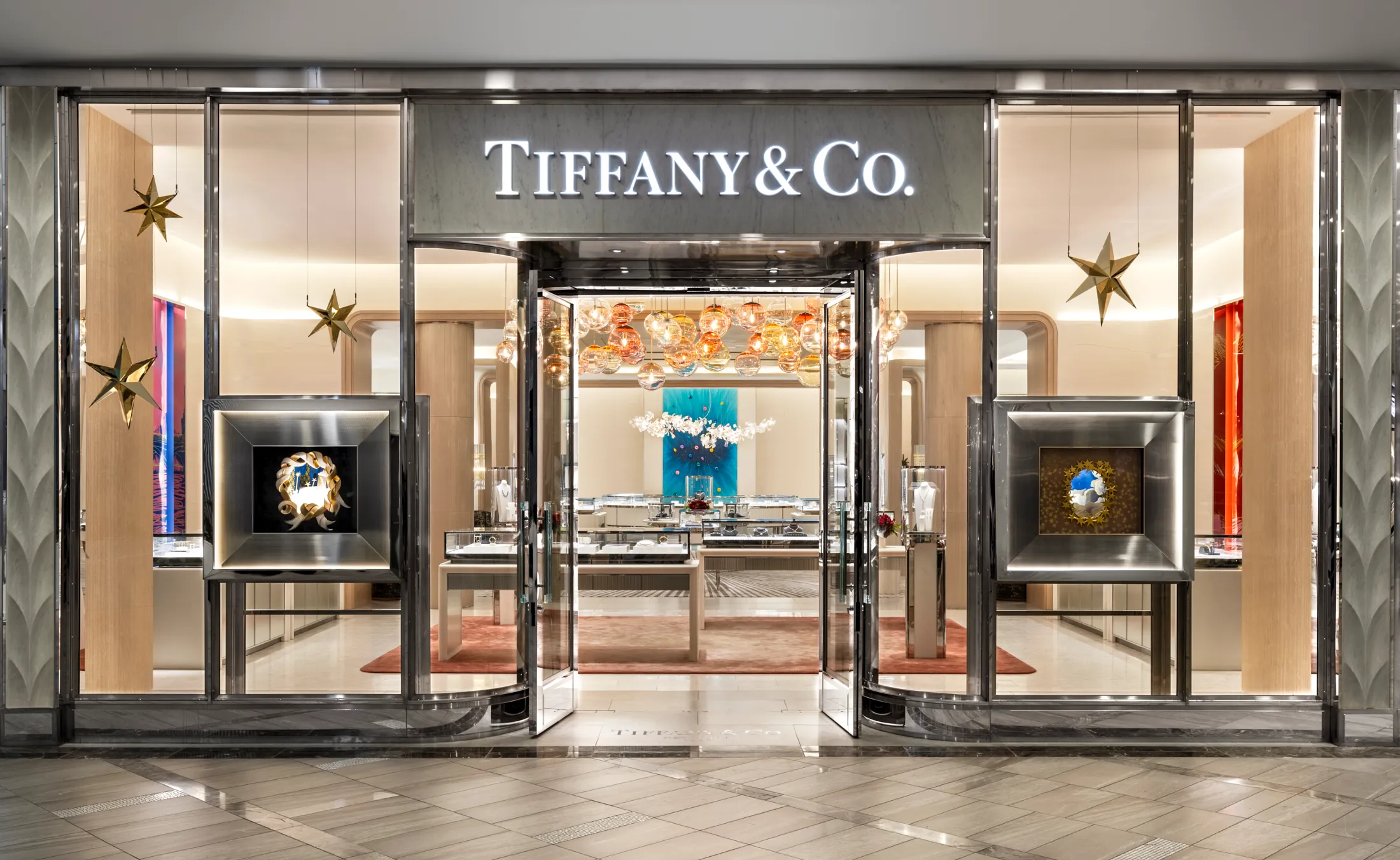
    Tiffany & Co, esteemed luxury jewellery brand, has broadened its reach in Hong Kong with the inauguration of a flagship store at Lee Gardens, introducing a fresh retail experience.

    The boutique, situated in Causeway Bay, extends over two floors and more than 770 square meters. It boasts specialized areas for high jewellery, watches, home accessories, and exclusive client appointments.

    Upon entering the 414 square meter ground floor, customers are greeted with an impressive display of Tiffany’s esteemed jewellery collections. These include the HardWear, Lock, Knot, and T ranges. Adding a touch of exclusivity, a dedicated high jewellery salon is also housed on this floor.

    The boutique’s interior exudes elegance, featuring metallic finishes, soothing color palettes, and bespoke design elements. A particularly eye-catching highlight is the exquisite orchid mural, which adorns a private salon space.

    The first floor, spanning 359 square meters, provides a multi-faceted experience for the clientele. It encompasses a watch salon, a home & accessories section, and the novel Blue Box Cafe which is set to open its doors next month. The brand also revealed the integration of artworks by notable artists Gregor Hildebrandt, Shim Moon Seup, Vik Muniz, and Sho Shibuya.

    The upcoming Blue Box Cafe will serve as a culinary treat for the customers, offering a unique, Japanese-inspired dining experience. The cafe will utilize local ingredients in its offerings, which will span across breakfast, teatime, and an all-day menu.

    The Causeway Bay store follows the opening of the first Tiffany Blue Box Cafe in Asia, which was launched in Hong Kong’s Tsim Sha Tsui last year. This marks the brand’s second cafe venture in the market.

    Questions & Answers

    **What does the new Tiffany & Co boutique in Causeway Bay offer?**
    The new boutique offers dedicated spaces for high jewellery, watches, home accessories, and private client appointments. The store also houses a new Blue Box Cafe and features artwork from renowned artists.

    **What will the new Blue Box Cafe offer to customers?**
    The Blue Box Cafe will provide a Japanese-inspired dining experience, featuring local ingredients across breakfast, teatime, and an all-day menu.

    **How many Blue Box Cafes does Tiffany & Co have in Hong Kong?**
    With the opening of the Blue Box Cafe in the Causeway Bay boutique, Tiffany & Co now operates two cafes in Hong Kong; the first one is located in Tsim Sha Tsui.

  • Revolutionizing E-Commerce: Alibabas Qwen AI Changes the Game in Online Shopping Experience

    Revolutionizing E-Commerce: Alibabas Qwen AI Changes the Game in Online Shopping Experience

    Alibaba, the Chinese technology behemoth, is set to revolutionize the way consumers search for products online. The company plans to link its artificial intelligence (AI) system Qwen to Taobao and Tmall’s online catalogues, which together comprise over 4 billion products. The Qwen-powered shopping assistant will be directly integrated into the Taobao app, allowing users to ask comprehensive questions, receive personalized suggestions, compare different options, and execute transactions, without ever leaving the chat interface.

    Revolutionizing E-commerce Infrastructure

    The impact of Alibaba’s latest innovation is best understood by examining the scale of its implementation. Taobao and Tmall, the world’s largest e-commerce marketplaces in terms of gross merchandise value, handled an estimated combined total of US$1.4 trillion in transactions last year. This figure eclipses Amazon’s third-party marketplace by nearly three times.

    What sets Alibaba’s approach apart is that it is not simply adding an AI feature to an existing platform, like OpenAI’s third-party plug-ins or Amazon’s AI-powered recommendations. Instead, Qwen, which has been trained using over two decades of Alibaba’s proprietary transaction data, merchant operations, and consumer behaviour, is woven into the transaction layer of the company’s e-commerce platform.

    The integration of Qwen addresses the challenges faced by global AI platforms trying to enter the e-commerce space. While they have to start from scratch, building trust and personalization, Alibaba already holds the keys: owning the data, the catalogue, the payment infrastructure through Alipay, and the logistics network through Cainiao. Qwen is the final piece of the puzzle, the conversational interface that ties everything together.

    A New Shopping Experience

    Qwen’s integration offers consumers a novel shopping experience. It goes beyond providing keyword-based search results. For instance, if a user is unsure what to buy for a friend’s birthday, Qwen can suggest appropriate gifts based on the user’s budget and their friend’s preferences. Similarly, someone looking to redecorate a small apartment can describe their needs, to which Qwen responds with a curated bundle of products and styling suggestions.

    Moreover, Qwen can provide detailed product comparisons for specific queries, from children’s camping gear to electric toothbrushes for sensitive gums. With the help of Alibaba’s multimodal model, it can even simulate how a garment would look on a user’s photo. The company plans to extend this feature to include footwear and accessories.

    Qwen can also assist users financially. It can aggregate platform discounts during major shopping events, recommend the best coupon combinations at checkout, and track the price of a specific item over a 30-day period, automatically placing the order when the price reaches the user’s target.

    All these features cumulatively signal a fundamental shift in e-commerce: from a passive model that waits for the consumer to make a decision, to a proactive model that monitors conditions and acts on behalf of the consumer.

    Alibaba is not alone in pushing for this paradigm shift. Other Chinese tech companies, like ByteDance, Tencent, and JD.com, are also integrating AI more deeply into their consumer interfaces.

    Questions & Answers

    What is Alibaba’s new initiative in e-commerce?
    Alibaba is integrating its AI system, Qwen, into the Taobao app. This will allow users to ask detailed questions, get personalized recommendations, compare products, and make purchases, all within a chat interface.

    How does the Qwen integration differ from other AI implementations in e-commerce?
    Qwen has been trained on over two decades of Alibaba’s transaction data, merchant operations, and consumer behaviour. It is not merely an add-on to Alibaba’s platforms, but is deeply woven into the transaction layer, enabling a more seamless and personalized shopping experience.

    What are some of the features of the Qwen Shopping Assistant?
    Qwen offers detailed product comparisons, simulates how clothing would look on a user’s photo, aggregates discounts during major sale events, recommends optimal coupon combinations at checkout, and tracks product prices over a 30-day period, automatically placing the order when the price matches the user’s target.

  • DKNY Debuts First Chinese Flagship Store, Boosting Fashion Footprint in Shanghai

    DKNY Debuts First Chinese Flagship Store, Boosting Fashion Footprint in Shanghai

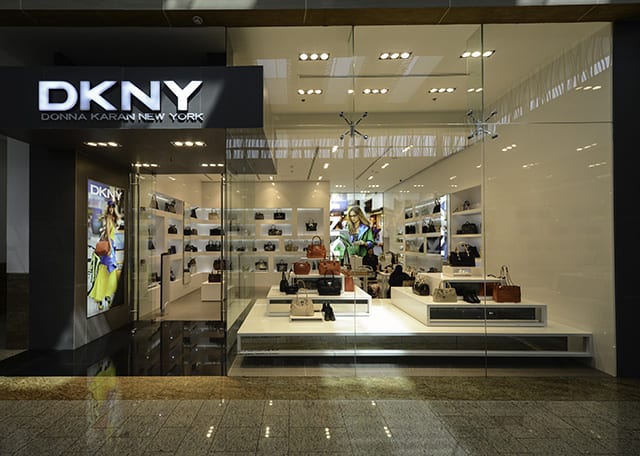
    DKNY, the renowned fashion label, has marked its first significant stride in China, with the inauguration of its flagship store. The store is situated along Huaihai Middle Road, thus fortifying the brand’s foothold in the country.

    The expansive store, spread across 245 square meters, finds its place on the ground floor of Lady Huaihai. Here, DKNY’s presence amplifies the area’s retail diversity that already includes eminent brands like Gentle Monster and Songmont.

    The shop’s unique design mirrors New York City’s dynamic spirit and attitude. It boasts polished aluminium finishes, intricate wood detailing, and upholstery inspired by the city’s iconic yellow cabs.

    The DKNY store is a one-stop-shop for fashion enthusiasts as it offers the brand’s latest ready-to-wear collections, footwear, handbags, and accessories. The retail space also highlights images from DKNY’s Spring 2026 campaign featuring popular model Hailey Bieber.

    Jeff Goldfarb, the executive vice president of G-III Apparel Group, DKNY’s parent company, shared his enthusiasm about the store’s location. Goldfarb believes Shanghai, one of the world’s most influential fashion markets, is the perfect place for DKNY’s next expansion in China.

    He also expressed his anticipation for DKNY’s future growth in China. He emphasized the brand’s effort to create a deeper connection with the Chinese consumers through elevated retail experiences and collections that evoke the energy of urban life.

    DKNY made its initial foray into the Chinese market through the online platform Tmall in 2017.

    Questions & Answers

    What is the significance of DKNY’s new store in China?
    The new flagship store marks DKNY’s first major step in expanding its physical presence in China.

    What distinguishes the store’s design?
    The store’s design reflects the energy and attitude of New York City, featuring polished aluminium finishes, wood detailing, and yellow cab-inspired upholstery.

    When did DKNY first enter the Chinese market?
    DKNY first entered the Chinese market in 2017 through the online marketplace Tmall.

  • Matthieu Blazys Fresh Spin Sparks Chanels Comeback in Luxury Market

    Matthieu Blazys Fresh Spin Sparks Chanels Comeback in Luxury Market

    The Paris-based luxury fashion brand Chanel has experienced a significant surge in demand, piquing the interest of first-time buyers. This increase has been attributed to the reimagined versions of classic items such as bags, shoes, and jackets by the brand’s creative director, Matthieu Blazy. As a result, Chanel’s demand has exceeded supply, signaling a rebound in growth.

    Revamping Classics Fuels Growth

    Chanel recently reported a 2% increase in currency-adjusted revenues for 2025, amounting to US$19.3 billion. The brand experienced a 4.3% reduction in revenue the previous year, a period when high-end fashion labels struggled with demand following significant price increases in the wake of a post-pandemic luxury boom.

    Last year, Matthieu Blazy assumed the role of creative director, succeeding Virginie Viard. His maiden collection, launched in October, infused fresh life into the brand with innovative designs. Notable among these are the slouchy leather maxi flap bag retailing for $8,500, and brightly colored, frayed interpretations of the traditional Chanel tweed jacket.

    Chanel’s CEO, Leena Nair, attributes the brand’s recent success to “a creative momentum across all our business activities,” further noting that investments made in the previous year laid the groundwork for this sales rebound. The brand’s operating profit also experienced growth, recording a 5% increase to hit $4.7 billion.

    New Trends Attracting New Customers

    The brand’s revamped collection has been well-received by consumers, resulting in a substantial increase in new clientele for Chanel. High-demand pieces such as new handbags, mint green and black two-tone pumps (priced at $1,450), and multicolored tweed jackets are flying off the shelves.

    As for the brand’s performance relative to its competitors, Chanel’s growth rate fell short of Hermès at 9.8%, but outperformed LVMH’s fashion and leather goods division, which recorded a 5% decline.

    America, despite enduring tariffs, contributed the most to Chanel’s growth, with a sales increase of 7.2% in currency-adjusted terms in the Americas region. Meanwhile, sales in the Asia-Pacific region — Chanel’s largest market — fell by 0.8%, and Europe recorded a growth of 2.5%.

    Chanel has plans to increase prices by 3% overall and 2% for fashion products this year, according to CFO Philippe Blondiaux. He also noted the Middle East’s market resilience, which accounts for approximately 4% of the brand’s revenue, despite the ongoing conflict in Iran.

    The company plans to continue expanding its retail presence, intending to launch 30 new stores this year, including nine fashion boutiques in locations such as Boca Raton, Florida, and Palo Alto and San Diego in California.

    Questions & Answers

    What has been the impact of Matthieu Blazy’s designs on Chanel’s performance?

    Blazy’s redesigns of classic Chanel pieces have resulted in increased demand, attracting many first-time buyers and contributing to significant growth for the brand.

    How does Chanel’s recent growth compare with that of other luxury fashion brands?

    Chanel’s growth rate in 2025 was slower than that of Hermès but exceeded the growth rate of LVMH’s fashion and leather goods division.

    What are Chanel’s future plans for expansion?

    Chanel plans to open thirty new stores this year, including nine fashion boutiques in locations such as Boca Raton, Florida, and Palo Alto and San Diego in California.

  • Air New Zealands Thrilling Reconnection: Direct Singapore-Christchurch Flights Launching this October

    Air New Zealands Thrilling Reconnection: Direct Singapore-Christchurch Flights Launching this October

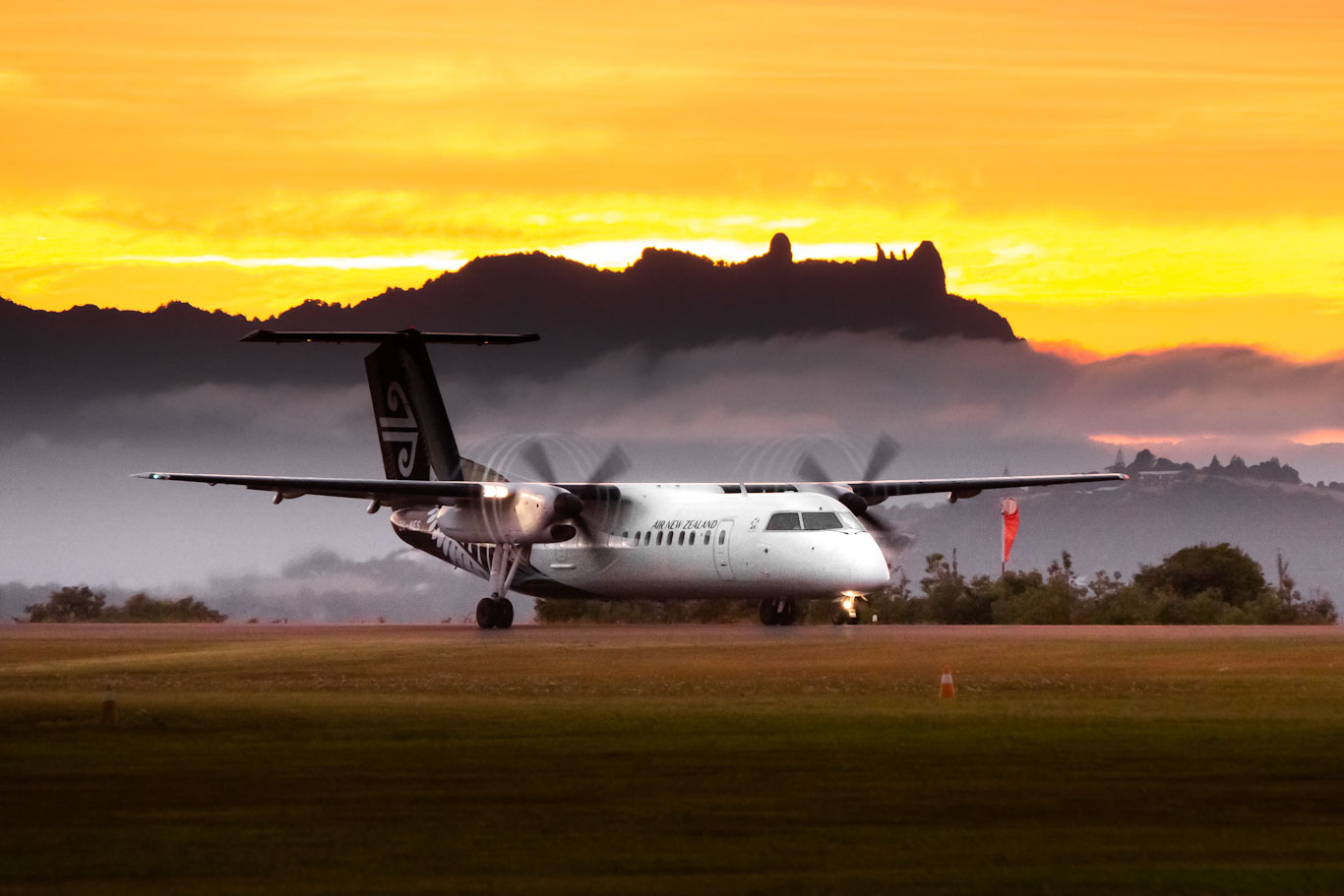
    Air New Zealand is set to inaugurate a regular direct service connecting Singapore to Christchurch in New Zealand’s South Island from October 28. The airline has already started selling tickets for this service, which will operate thrice weekly. During the northern winter season, the airline anticipates that it will provide over 34,000 seats on this route, according to a statement released by the airline on Wednesday.

    The approximate flight time for this route is 10 hours, and it will be serviced by the airline’s refurbished Boeing 787 Dreamliner aircraft.

    Expansion of Services

    Air New Zealand indicated that the addition of this new route is a complementary extension to its existing Auckland-Singapore service. It also forms part of the airline’s overarching plan to increase capacity during the peak season, details of which will be revealed in late May.

    Additionally, the airline will introduce new services connecting Christchurch with Narita (Tokyo) and Perth (Australia) by the end of November.

    According to Air New Zealand CEO, Nikhil Ravishankar, the addition of these three new routes is a strategic move designed to directly re-link Christchurch with major global hubs in Asia, bolster connections with Australia, and revolutionize how the South Island connects with the rest of the world. This will effectively alter the arrival points for visitors and consequently, how they traverse the country.

    In the past, Air New Zealand has operated flights from Christchurch to Singapore in 2020, to Perth in 2019 and to Narita in 2015. Besides Air New Zealand, Singapore Airlines also offers direct flights between Singapore and Auckland.

    Questions & Answers

    When will Air New Zealand’s direct service from Singapore to Christchurch commence?
    The service will begin on October 28.

    What type of aircraft will be used for this service?
    The flights will be operated using the airline’s retrofitted Boeing 787 Dreamliner aircraft.

    What other new routes does Air New Zealand plan to introduce?
    New services connecting Christchurch with Narita (Tokyo) and Perth (Australia) will be introduced by the end of November.

  • Meta Kickstarts Global Layoff of 8,000 Employees: The Dawn of AI Transformation Begins with 4 AM Emails in Singapore

    Meta Kickstarts Global Layoff of 8,000 Employees: The Dawn of AI Transformation Begins with 4 AM Emails in Singapore

    Meta, the global tech powerhouse, has initiated an extensive downsizing initiative, beginning with an announcement to its Singaporean employees. The company plans a 10% reduction of its workforce across the globe, also affecting team members in the US and the UK. As the process unfolds, employees have been advised to work remotely.

    This current layoff phase is projected to have a significant impact on Meta’s product and engineering teams. Insiders suggest that additional cuts could follow later in 2026. However, this information has not yet been made public.

    New Focus on AI

    As part of its strategic restructuring, Meta has reassigned approximately 7,000 employees to newly-formed teams. These groups are centered around artificial intelligence (AI) initiatives, including the development of AI products and agents.

    Committed to its AI focus, Meta has earmarked over US$100 billion for AI capital expenditures in 2026. As of March’s end, Meta’s employee count stood just shy of 80,000, prior to the announced layoffs and reassignments.

    Janelle Gale, Meta’s Head of People, has explained that these changes allow for a streamlined, efficient organizational structure. Smaller, agile teams or “pods” can work at a quicker pace and with a greater sense of ownership. Gale expressed confidence that this approach would bolster productivity and elevate job satisfaction.

    A History of Layoffs and Backlash

    Over recent years, Meta has repeatedly downsized its workforce as part of continuous efficiency pursuits, championed by CEO Mark Zuckerberg. He has urged engineers to leverage AI agents for coding and other functions, proposed device monitoring strategies to enhance technology, and developed his own AI-assistant for handling CEO-related tasks, such as collating employee feedback. The cumulative impact of these job cuts and reassignments is expected to affect approximately 20% of the company’s workforce.

    However, this drastic change has not been quietly accepted by all. Many Meta employees have expressed their dissent, distributing protest flyers at company offices and posting criticisms on its internal communications platform, Workplace. A petition against the proposed installation of mouse-tracking software — designed to train Meta’s AI models by monitoring human-computer interaction — has already garnered over 1,000 signatures.

    The wider tech industry is also wrestling with the implications of AI advancement. Rising stock prices and the burgeoning valuation of AI startups contrast starkly with the increasing job cuts. In 2026 alone, nearly 110,000 job positions have been eliminated across 137 tech companies, trending towards a repeat of the 2023 peak. That year, over 260,000 workers were laid off in the wake of the Covid-19 pandemic’s hiring surge.

    Questions & Answers

    Why is Meta initiating these layoffs?
    Meta is restructuring to focus on AI initiatives and streamline its structure, aiming for greater efficiency and productivity.

    What roles are affected by these layoffs?
    The layoffs are expected to significantly impact Meta’s engineering and product teams.

    How has the downsizing been received by the company’s employees?
    There has been considerable backlash among Meta employees, with protests and a petition against the proposed use of mouse-tracking software to train AI models.

  • Thai Beer Tycoon Dismisses Family Exec Following Brothers Abuse Claims

    Thai Beer Tycoon Dismisses Family Exec Following Brothers Abuse Claims

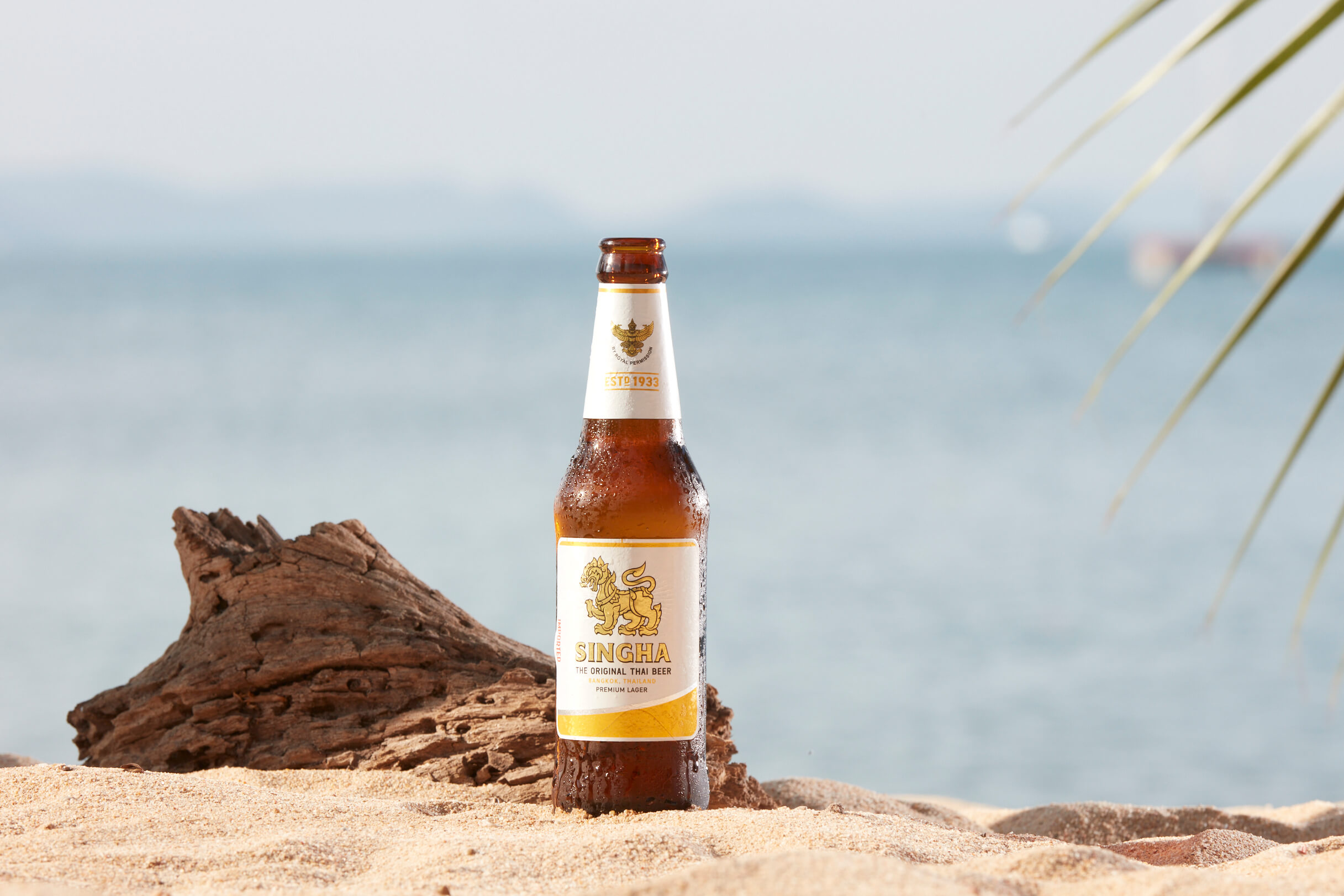
    A prominent member of Thailand’s Bhirombhakdi family, known for their control of Singha Beer, was dismissed from the family’s business empire due to allegations of sexual abuse. The dismissal followed several days of public controversy ignited by the allegations.

    A Family Rift

    Siranudh Scott, an environmental activist from the Bhirombhakdi family, accused his elder brother of sexually abusing him during his teenage years. Scott announced these allegations in an emotional video posted on his Facebook page. He claimed that his family was aware of the abuse, citing a taped confession as proof, but took no action against it.

    Scott expressed his disillusionment with his family, stating his unwillingness to be identified as a Singha heir and his desire to distance himself from a family that he felt lacked empathy for him. Scott, a marine conservationist known for his work with his group Sea You Strong in southern Thailand, is the son of a Scottish father.

    Company Response

    Following the allegations, the family’s business conglomerate, Boonrawd Brewery Company, announced the dismissal of Sunit, Scott’s brother, from all his positions within the company. In a statement, the company expressed regret for Scott’s experiences and declared their cooperation with authorities in ongoing investigations.

    The statement was given by the company’s CEO, Bhurit Bhirombhakdi, who is also a cousin of the two men. Bhurit additionally shared a letter from Sunit, in which the accused resigned from all his duties until the matter could be thoroughly investigated and resolved. Although Sunit has denied the allegations of sexual abuse, he admitted to instances of rough play between boys.

    The Bhirombhakdi family, who are identified as Thailand’s fifteenth wealthiest family by Forbes, with an estimated net worth of $1.75 billion, have interests extending beyond Singha Beer. They are also engaged in food manufacturing, hotel operations, power, and property.

    Questions & Answers

    What led to the dismissal of a member from the Bhirombhakdi family’s business empire?
    The dismissal occurred following allegations of sexual abuse made by Siranudh Scott against his elder brother, Sunit, which stirred public controversy.

    Who announced the dismissal from the family’s business empire?
    CEO Bhurit Bhirombhakdi, the cousin of the two men, announced the dismissal in a statement.

    What are the other business interests of the Bhirombhakdi family?
    Apart from Singha Beer, the family’s business interests include food manufacturing, hotels, power, and property.

  • Singapore Triumphs over Indonesia as Southeast Asias Dominant Stock Market

    Singapore Triumphs over Indonesia as Southeast Asias Dominant Stock Market

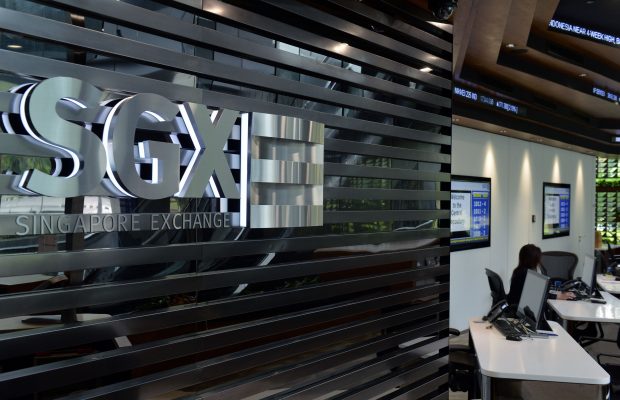
    Singapore has taken over from Indonesia as the leading stock market in Southeast Asia. This shift has come as Indonesia’s market capitalization has dropped dramatically due to an uncertain future outlook. From its peak in January, the total market capitalization of Indonesian businesses has fallen by over 30% to US$618 billion. In contrast, the market value in Singapore has increased to $645 billion.

    Investor confidence in Indonesia has seen a decline in recent months due to the possibility of its equities market being downgraded to frontier status. This uncertainty is coupled with Fitch Ratings and Moody’s Ratings both downgrading the country’s credit outlook to negative. The Indonesian stock index is currently among the most underperforming globally, and the rupiah has hit record lows repeatedly.

    Indonesia’s Struggles and Singapore’s Strength

    Despite these setbacks, Soh Chih Kai of Lion Global Investors believes that a future recovery should not be dismissed. However, he notes that the current momentum is not in Indonesia’s favor. In contrast, he points out that Singapore’s market has further strengthened its position as capital flows continue to seek certainty amid global policy ambiguity.

    In an attempt to bolster the economy, Indonesia’s central bank recently increased its policy interest rates for the first time in two years. This move aims to support the rapidly falling rupiah currency. Governor Perry Warjiyo explained that the increase is a further step to stabilize the rupiah exchange rate in the face of global volatility.

    On the other hand, Singapore’s equities have been boosted by political and economic stability, along with government-led market reforms. The Straits Times Index reached a record high this week, as investors looked for safe investments amid the instability caused by the Iran war.

    Head of research at Maybank Securities, Thilan Wickramasinghe, noted that Singapore’s equity market has remained resilient despite ongoing global volatility. This resilience is due to its defensive sector composition and consistent inflows, putting the market in a relatively advantageous position.

    Future Trends and Predictions

    Singapore’s equities are projected to outperform Indonesian stocks by a record margin in 2026. Carmen Lee, head of equity research at OCBC, attributes this to wealth being a significant driver for earnings growth. Paired with a strong Singapore dollar, Lee expects more funds to flow into the market.

    Questions & Answers

    What has led to the decline in Indonesia’s market capitalization?
    Investor confidence in Indonesia has deteriorated due to the potential reclassification of its equities market to frontier status and negative revisions in the country’s credit outlook.

    What steps has Indonesia’s central bank taken to support the economy?
    Indonesia’s central bank has raised its policy interest rates for the first time in two years in order to support the rupiah currency, which has fallen to record lows recently.

    What factors have contributed to the strength of Singapore’s equities market?
    Singapore’s equities have been boosted by the country’s political and economic stability, along with market reforms driven by the government.

  • Vietjet and Bamboo Airways Hike Checked Baggage Fees Prior to Peak Summer Travel Rush

    Vietjet and Bamboo Airways Hike Checked Baggage Fees Prior to Peak Summer Travel Rush

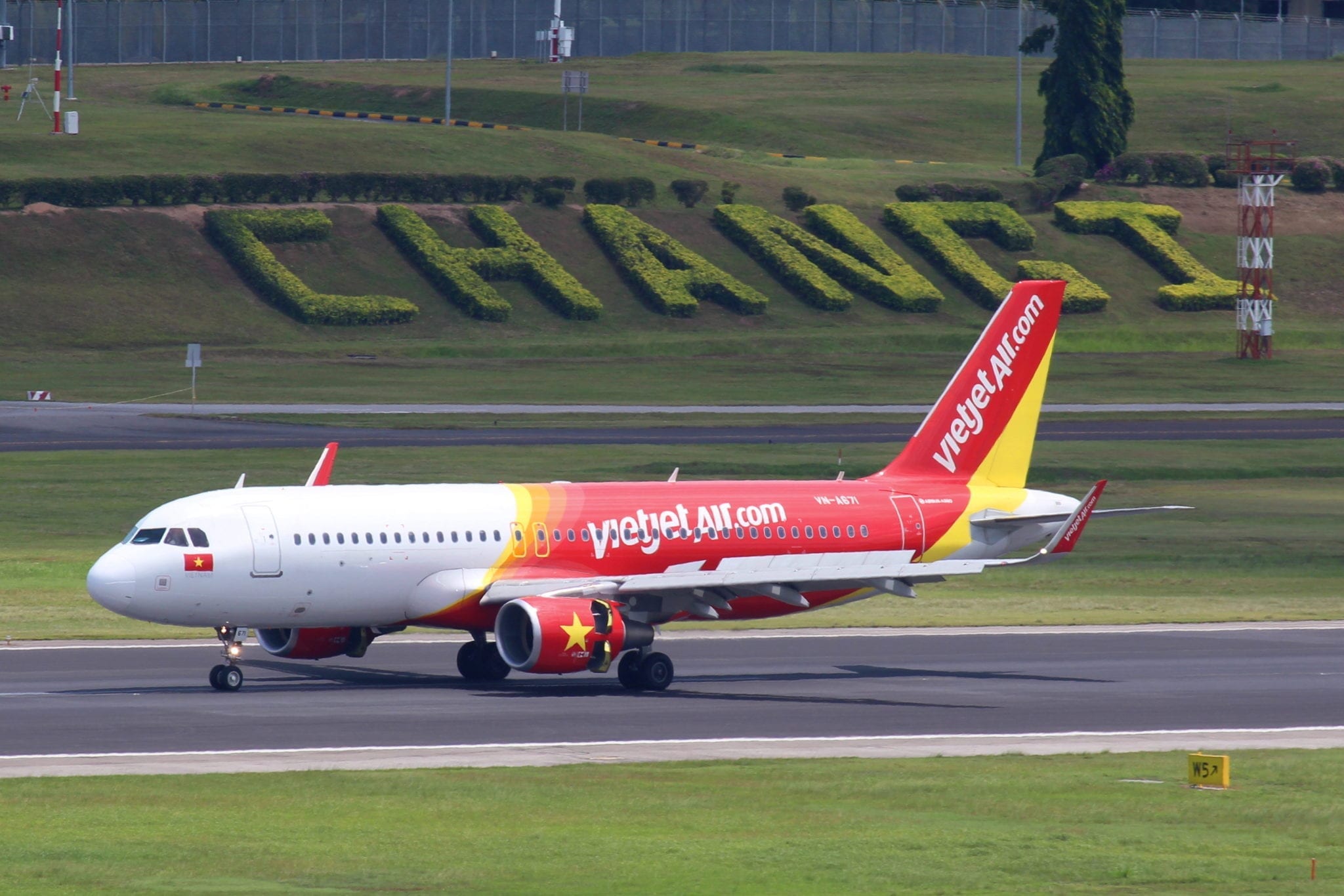
    Vietjet Air and Bamboo Airways, two leading airline companies, have recently increased their rates for checked luggage by 15-25%. This price surge has come into effect just before the beginning of the high-demand summer travel season.

    Revised Baggage Prices

    According to a recently released pricing schedule, checking in 20 kg on Vietjet’s domestic flights has become 25% more expensive, now costing VND250,000 (equivalent to US$9.5) plus tax. For 30 and 40 kg luggage, the prices have risen by 20%, costing VND360,000 and VND480,000 respectively. Furthermore, the pricing for oversized bags and extra carry-on allowance has also seen an increase of approximately 20%.

    The price adjustments also apply to various international routes. For instance, the price for checked baggage weighing 20 kg on Southeast Asia flights has increased by 21%, amounting to VND580,000. Meanwhile, on flights to Hong Kong, Taiwan, and mainland China, the rate has similarly increased to VND700,000.

    Bamboo Airways has also implemented an approximate 15% increase on their domestic flights during peak seasons such as Tet (the Lunar New Year) and summer. The summer fees are set to be applicable from May 20 to August 15 as well as from August 27 to September 2.

    Implications of Rising Costs

    A flight booking agency in Ho Chi Minh City noted that several airlines have been increasing fares and other prices, such as checked baggage, seat selection, and in-flight meals, in response to the escalating fuel costs. It has been observed that customers, who previously focused solely on ticket prices, are now showing heightened awareness of baggage fees when planning their travel expenses, particularly families and long-term travelers who may end up adding millions of dong to each trip due to these charges.

    According to a report by the Civil Aviation Authority of Vietnam, the prices of Jet A1 aviation fuel have consistently remained high in Asia, occasionally reaching US$214-216, as a result of Middle East tensions. This fluctuation in fuel prices has significantly impacted airlines’ operating costs and airfares in recent years.

    Questions & Answers

    What is the percentage increase in Vietjet Air and Bamboo Airways’ checked baggage prices?
    Answer: Their checked baggage prices have increased by 15-25%.

    How is the increase in baggage prices affecting customers’ travel planning?
    Answer: Customers are now more conscious of baggage fees when planning their travel expenses.

    What has contributed to the increasing operating costs for airlines in recent years?
    Answer: Fluctuating fuel prices, particularly of Jet A1 aviation fuel, have significantly impacted airlines’ operating costs and airfares in recent years.

  • Sederhana Breaks Boundaries: Popular Indonesian Chain to Launch First Outlet in Singapore

    Sederhana Breaks Boundaries: Popular Indonesian Chain to Launch First Outlet in Singapore

    Sederhana, a well-known Indonesian food chain, is preparing to open its first Singaporean branch, taking the place of a recently closed restaurant that had been serving customers for almost eight decades. Sederhana announced its arrival in Singapore via an Instagram post on May 17th, holding back from revealing the exact date of the grand opening.

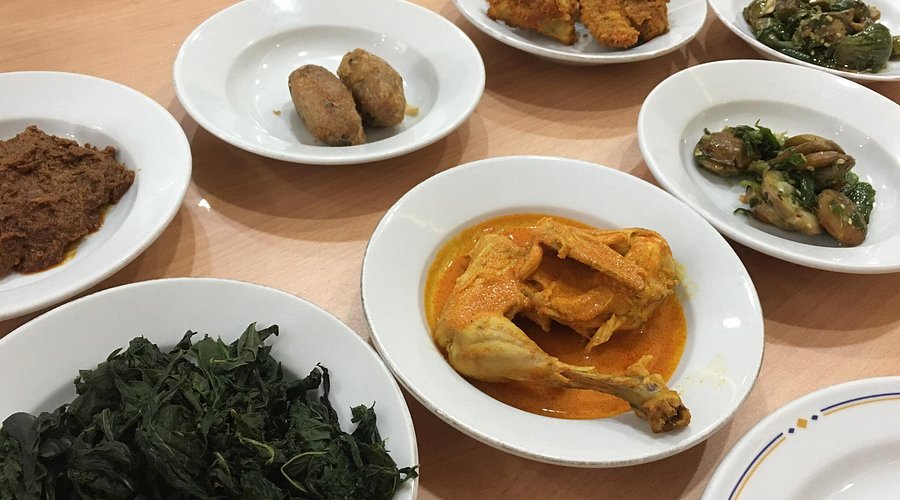
    Sederhana is popular for its nasi padang, a traditional Indonesian dish made up of steamed rice alongside a variety of pre-prepared dishes, including meats, vegetables, and fish. The chain is reported to be aiming for a May 29 opening date for the outlet located at 738 North Bridge Road, hoping to officially launch by mid-June.

    The Legacy of Sederhana

    Sederhana, which started its journey in 1972, currently operates more than 200 outlets across Indonesia, serving the unique Minangkabau cuisine. The Minangkabau are the largest ethnic group on the island of Sumatra, located in the western part of Indonesia. In addition to its Indonesian establishments, the chain also has three branches in Malaysia and plans are underway for a new branch in Melbourne, Australia.

    The location in Singapore that Sederhana has chosen for its new home was previously occupied by Warong Nasi Pariaman, one of Singapore’s oldest Indonesian eateries. Warong Nasi Pariaman shut its doors at the end of January after providing 78 years of service.

    Questions & Answers

    What is the specialty of Sederhana?
    Sederhana specializes in nasi padang, a traditional Indonesian dish that consists of steamed rice served with a variety of pre-prepared dishes such as meats, vegetables, and fish.

    Can you tell us about the history of Sederhana?
    Sederhana was founded in 1972 and has since grown to operate more than 200 outlets across Indonesia, serving Minangkabau cuisine. It also has three branches in Malaysia and is planning to open a new one in Melbourne, Australia.

    What was the previous establishment at the Singapore location?
    The location for Sederhana’s new outlet in Singapore was previously home to Warong Nasi Pariaman, one of the oldest Indonesian food eateries in Singapore, which recently shut down after 78 years of operation.

  • Vietnams Gold Market Faces Steep Dive amid Global Bullion Rate Decline

    Vietnams Gold Market Faces Steep Dive amid Global Bullion Rate Decline

    Wednesday saw a dip in gold prices in Vietnam, tracking a global decline in bullion rates. Saigon Jewelry Company, a notable player in the market, reported a 0.92% decrease in gold bar prices, which dropped to VND162 million (US$6,144.5) per tael.

    Fluctuations Across Markets

    Simultaneously, the price of gold rings also experienced a dip, declining by 1.1% to VND161.5 million per tael. To put things into perspective, a tael is equivalent to 37.5 grams or around 1.2 ounces.

    On the global stage, gold prices edged lower on Wednesday. This downturn was propelled by factors such as rising Treasury yields and a strengthening dollar, which outweighed the optimism stirred by the prospect of a peace agreement between the U.S. and Iran.

    Spot gold saw a 0.3% decrease to $4,467.59 per ounce, hitting its lowest level since March 30 in the previous trading session. Concurrently, U.S. gold futures for June delivery registered a loss of 0.9%, dropping to $4,471.10.

    Contributing Factors

    Certain economic factors also influenced these price fluctuations. The ongoing conflict with Iran has escalated price pressures, triggering a sell-off in global bond markets. This has pushed the 30-year U.S. Treasury yields to levels unseen since the precursor period to the 2007 global financial crisis.

    In tandem with these events, the dollar maintained its position at a six-week high. This, in turn, made bullion priced in the greenback more costly for those holding other currencies.

    According to Tim Waterer, Chief Market Analyst at KCM Trade, the current backdrop of rising yields and a rejuvenated dollar, driven by a hawkish shift in rates outlook, is potentially reducing the appeal of gold as an investment.

    Questions & Answers

    What is the significance of the price of a tael in relation to gold prices?
    The price of a tael, equivalent to 37.5 grams or 1.2 ounces, is an important measure for gold prices, particularly in markets like Vietnam.

    How did the global economic climate affect gold prices?
    Rising Treasury yields and a strong dollar, coupled with the potential peace agreement between the U.S. and Iran, have led to a decrease in global gold prices.

    What factors are currently affecting the appeal of gold as an investment?
    Increasing yields and a revitalized dollar, prompted by a hawkish shift in rates outlook, are reducing the attractiveness of gold as an investment.

  • Alaia Boosts Southeast Asia Presence with First Luxury Boutique in Bangkok

    Alaia Boosts Southeast Asia Presence with First Luxury Boutique in Bangkok

    Thai shoppers can now enjoy the elegant and sculptural designs of Alaia, as the brand has expanded its Southeast Asian presence by opening its inaugural boutique in Bangkok.

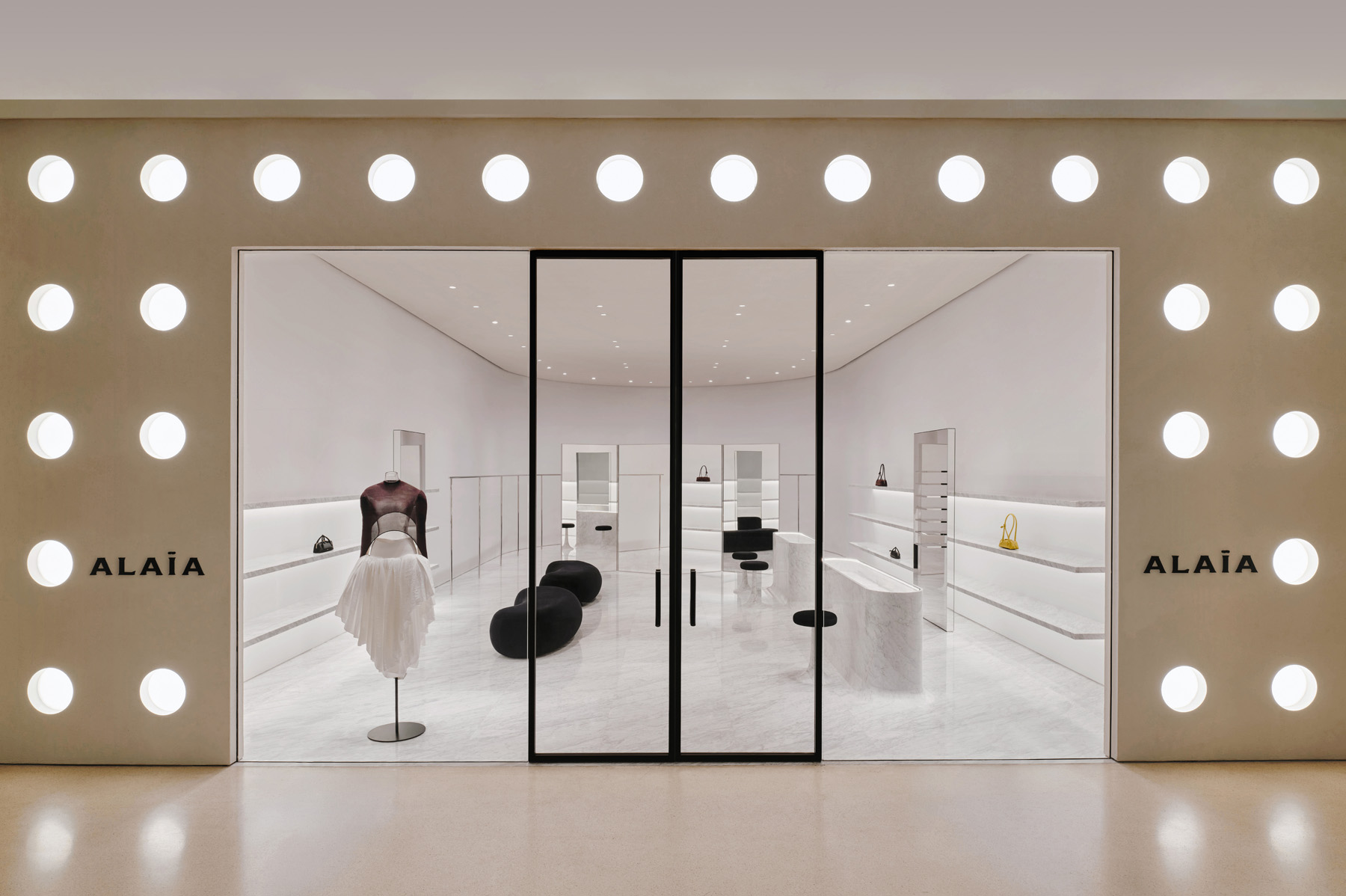
    The luxury retail venue, Central Embassy, is host to the new store. The boutique carries a robust product line consisting of ready-to-wear clothing, handbags, footwear, and accessories. These items reflect Alaia’s commitment to craftsmanship, style, and meticulous attention to detail.

    Architectural Design Enhances Shopping Experience

    The award-winning architecture firm, Halleroed, was tasked with designing the store’s interior, which showcases a minimalist aesthetic that enhances the shopping experience. The firm masterfully incorporated sculptural interiors and curved forms, with a color scheme marked by a neutral palette. The aesthetic choices are punctuated by the use of marble, stainless steel, and leather finishes throughout the store.

    The goal of this design strategy was to create a retail environment that stands as a testament to Alaia’s design philosophy and Parisian heritage. According to the brand, this immersive retail experience is meant to echo the maison’s design ethos, inviting shoppers into a space that feels as meticulously crafted as the products themselves.

    Alaia was first established in 1964 by Azzedine Alaia, a Tunisian couturier who made Paris his home. Since its inception, the brand has experienced a significant uptick in its global retail expansion, particularly throughout Asia. The brand was purchased by Richemont in 2007, marking another milestone in its growth trajectory.

    Questions & Answers

    What products does Alaia’s new boutique in Bangkok offer?
    The newly opened Alaia boutique in Bangkok offers a wide range of products, including ready-to-wear clothing, handbags, footwear, and accessories.

    Who designed the store’s interior and what style elements were used?
    The boutique’s interior was designed by the architecture firm Halleroed. The design highlights a minimalist aesthetic featuring sculptural interiors, curved forms, and a neutral color palette. Marble, stainless steel, and leather finishes were used to accent the space.

    What was the aim of the store’s design according to the brand?
    Alaia states that the purpose of the store’s design was to create an immersive retail environment that reflects the brand’s design philosophy and its Parisian heritage.

  • Miniso Introduces Global IP Strategy with Revolutionary Art Gallery in Shanghai

    Miniso Introduces Global IP Strategy with Revolutionary Art Gallery in Shanghai

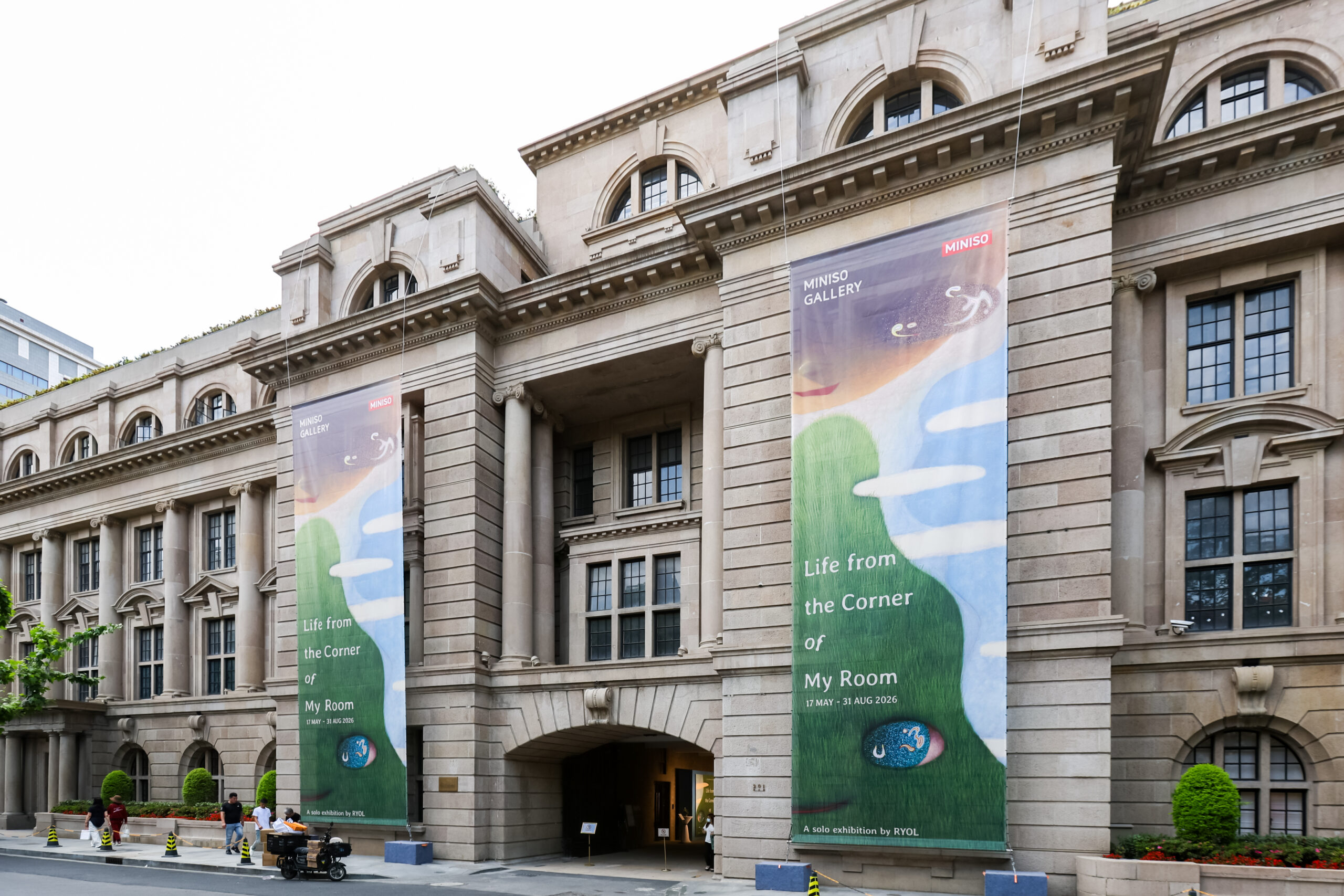
    Miniso, the prominent variety retailer, is intensifying its global Intellectual Property (IP) efforts with the inauguration of the first-ever Miniso Gallery in Shanghai.

    The new gallery, located in the Bund City Hall Plaza, is primarily designed as a specialized exhibition space and a platform for collaboration. It will feature the works of global artists and IP-centric creative projects. This innovative initiative redefines the role of the gallery from being a mere exhibition space to a hub promoting international artistic collaborations.

    The gallery’s inaugural exhibition showcased the work of Indonesian contemporary artist Ryo Laksamana, also known by the pseudonym Ryol. Ryol has the distinction of being Miniso’s first global exclusive artist.

    The strategic location of the gallery in Shanghai furthers the establishment’s retail experience ecosystem. The gallery is within a short stroll from Miniso Land, the company’s flagship concept. This positioning further amplifies the breadth and depth of Miniso’s commitment to delivering a wholesome and enriching customer experience.

    Miniso’s founder and CEO, Ye Guofu, emphasized the gallery’s role as more than just an exhibition space. Guofu highlighted the gallery’s mission of providing burgeoning artists with a platform to reach global audiences. He stated, “Drawing from our knowledge and experience in introducing global IP to consumers, our goal is to form connections between creators worldwide. We aim to enable more original and engaging works to be seen, appreciated, and profitably marketed.”

    Looking forward, Miniso intends to extend the reach of its gallery to more significant art centers worldwide, including Shanghai, Hong Kong, Beijing, Tokyo, Paris, and New York.

    Currently, Miniso operates over 8000 stores in 100 countries and regions. The retailer’s presence is notable in major retail hubs, underscoring its global reach and influence.

    Questions & Answers

    What is the purpose of the newly launched Miniso Gallery?
    The Miniso Gallery is designed as a dedicated exhibition space and a platform for collaboration, aiming to feature the works of global artists and IP-centric creative projects.

    Who is the first artist to be featured in the Miniso Gallery?
    The inaugural exhibition of Miniso Gallery showcased the work of Indonesian contemporary artist Ryo Laksamana, also known as Ryol, who is Miniso’s first global exclusive artist.

    What are Miniso’s expansion plans for the Miniso Gallery?
    Miniso plans to extend the reach of its gallery to more significant art centers worldwide, such as Shanghai, Hong Kong, Beijing, Tokyo, Paris, and New York.