Author: Mei Ling Tan

  • Lindt Introduces Dubai-inspired Chocolate Blend To New Zealand Markets

    Lindt Introduces Dubai-inspired Chocolate Blend To New Zealand Markets

    Swiss chocolate maker Lindt & Sprüngli is bringing the ‘Dubai chocolate’ trend to New Zealand with their new Lindt Dubai Style chocolate block. This innovative creation is set to make its debut in Lindt’s chocolate shops in Auckland’s Mānawa Bay and Queenstown in October.

    An Exquisite Blend of Flavours

    The Lindt Dubai Style chocolate block is an exquisite blend of a smooth milk chocolate shell filled with a sumptuous concoction of 45 per cent pistachios, nut brittle, and crispy Kadayif pastry. This combination creates a rich and distinctive taste, providing a delightful contrast of flavours and textures.

    Thomas Schnetzler, a master chocolatier at Lindt, described the chocolate as a “true flavour sensation,” highlighting the richness of the pistachio filling and the contrasting crunch of the toasted, shredded pastry.

    The Emergence of the Dubai Chocolate Trend

    The Dubai chocolate trend emerged in 2021, pioneered by Sarah Hamouda of FIX Dessert Chocolatier in Dubai. The unique mix of flavours and textures quickly gained international recognition and popularity, particularly after influencer Maria Verhera featured it in a tasting video that garnered over 122 million views worldwide.

    Expansion into Supermarkets

    In addition to being available in Lindt’s chocolate shops, the Lindt Dubai Style chocolate block will also be introduced in select supermarkets across New Zealand. This move will allow a broader audience to sample this unique chocolate, further cementing Lindt’s reputation as a leader in innovative chocolate creations.

    Questions & Answers

    What is the ‘Dubai chocolate’ trend?
    The ‘Dubai chocolate’ trend refers to a unique style of chocolate that blends traditional Middle Eastern flavours with classic chocolate. The trend was initiated by Sarah Hamouda of FIX Dessert Chocolatier in Dubai in 2021.

    What makes up the Lindt Dubai Style chocolate block?
    The Lindt Dubai Style chocolate block consists of a milk chocolate shell filled with a mixture of 45 per cent pistachios, nut brittle, and crispy Kadayif pastry.

    Where can the Lindt Dubai Style chocolate block be purchased in New Zealand?
    The Lindt Dubai Style chocolate block can be purchased in Lindt chocolate shops in Auckland’s Mānawa Bay and Queenstown. It will also be introduced in select supermarkets across the country.

  • Asia Pacific Bolsters Global Trade Resilience Amid Policy Fluctuations: DHL Tracker Reveals

    Asia Pacific Bolsters Global Trade Resilience Amid Policy Fluctuations: DHL Tracker Reveals

    The Asia Pacific region is becoming an increasingly significant catalyst in bolstering worldwide trade resilience, despite international commerce encountering numerous challenges due to policy fluctuations. This finding is part of a recent update to the DHL Global Connectedness Tracker, produced in collaboration with New York University’s Stern School of Business. This update is the first systematic evaluation of the responses of international trade and business investment to alterations in U.S. trade policy during the second term of President Trump.

    Asia Pacific’s Strategic Adaptability

    According to Ken Lee, DHL Express’s CEO for Asia Pacific, the region has exhibited unique adaptability and strategic positioning. “The latest data illustrates how cooperation within the region is intensifying, even amidst global uncertainty,” said Lee. He pointed out that businesses in the Asia Pacific are demonstrating agility and a forward-thinking attitude, from the ASEAN’s growing role in accommodating trade flows to Asia Pacific countries engaging more intensively with neighboring nations. Lee emphasised that DHL is well-placed to assist its customers in navigating any changes in trade patterns and pledged to continue developing capabilities in customer-preferred locations.

    Global Trade Growth Amidst Tariff Uncertainty

    In the first half of 2025, the DHL Global Connectedness Tracker indicated that international trade grew at an unprecedented pace, unmatched by any previous half-year since 2010, barring the pandemic recovery. There was a significant surge in U.S. imports early in 2025 as purchasers hastened to make purchases before the impending tariff increases. After this initial rush, global trade volumes continued to exceed the levels of the previous year.

    On examining the world’s 100 largest trade routes, six out of the ten fastest-growing were exports from an Asian economy, emphasising Asia’s integral role in propelling global trade. Notably, Hong Kong SAR, Thailand, Malaysia, and Vietnam were among the top 10 fastest-growing markets, underlining Asia Pacific’s increasing influence and durability in supply chain networks.

    Rise of Intra-Asia Trade

    Intra-Asia trade demonstrated ongoing integration and burgeoning connections. The intra-regional trade share of East Asia & Pacific rose from 55% to 56%. Furthermore, the greatest reductions in trade distances were observed in countries including Thailand, China, Singapore, and Hong Kong SAR. These shifts represent Asian economies’ redirection of trade flows towards regional partners to sustain growth and their efforts to boost infrastructure and connectivity, thereby enhancing the attractiveness of participating in cross-border trade.

    ASEAN’s Growing Role in Chinese Exports

    Despite a 15% decrease in exports to the U.S. during the first eight months of 2025, China fully balanced this loss with a 15% rise in exports to the ASEAN region. ASEAN emerged as a significant growth destination for Chinese exports, signifying the region’s increasing relevance in China’s trade portfolio. Vietnam, Thailand, and India witnessed the most substantial increases in their share of China’s exports, while the U.S., Russia, Korea, Brazil, and Mexico experienced decreases.

    Reflecting on the latest trends, Prof. Steven A. Altman, Director of the DHL Initiative on Globalization at NYU Stern’s Centre for the Future of Management, stated, “The trends in trade and international business investment thus far in 2025 do not substantiate the belief that globalisation is in regression.” He noted that despite existing policy threats to globalisation, companies are not generally retreating from international markets. Instead, they are managing risks and opportunities in a connected world.

    Questions & Answers

    What factors have contributed to the Asia Pacific region’s role in driving global trade resilience?
    Adaptability, strategic positioning, and increased collaboration among countries in the region have played major roles in solidifying the Asia Pacific’s position in global trade.

    How has the ASEAN region become a crucial aspect of China’s export strategy?
    Despite a drop in exports to the U.S., China has compensated by increasing exports to the ASEAN region by 15%. This shift highlights the growing importance of ASEAN in China’s trade portfolio.

    What trends in global trade have been observed during 2025?
    Despite policy shocks and tariff turbulence, global trade has grown significantly. Asian economies, in particular, have demonstrated resilience by adjusting trade flows towards regional partners and enhancing infrastructure and connectivity.

  • Cathay Cargo Revolutionizes Air Freight With Real-time Customs Clearance Updates

    Cathay Cargo Revolutionizes Air Freight With Real-time Customs Clearance Updates

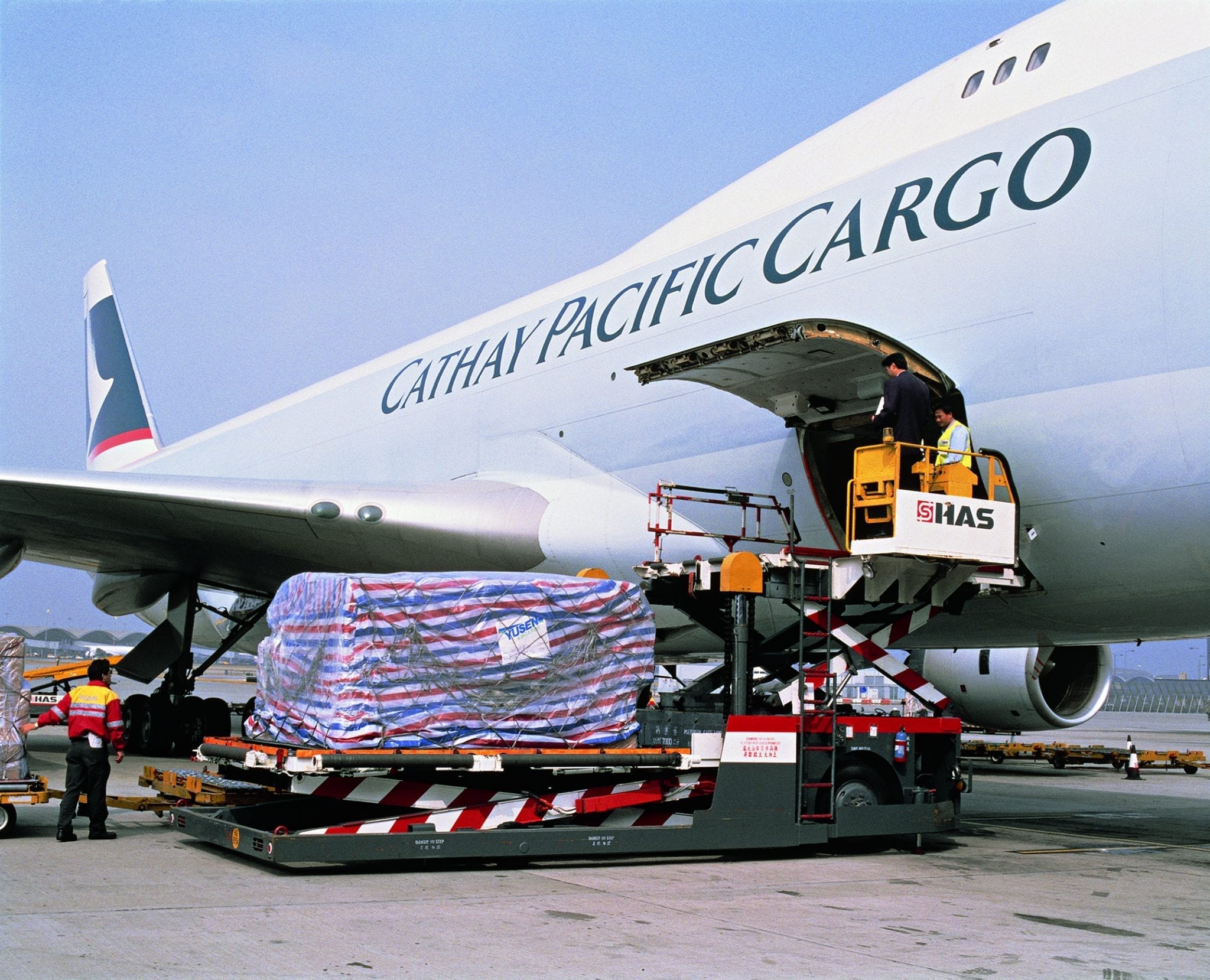
    Cathay Cargo has become a trailblazer in the industry by being the first airline to provide real-time updates on customs clearance to its customers. They have achieved this by integrating these updates into their EzyCargo platform, and to customers who have already set up ONE Record API links with the airline’s system. This innovation brings a new level of transparency and effectiveness to the air-cargo shipping journey.

    Enhancing Communication with Air Cargo Stakeholders

    This significant development is built upon the IATA ONE Record data protocol. It incorporates customs authorities as a new stakeholder in Cathay Cargo’s real-time customer communication. The integration of customs authority requirements promotes efficiency in the process of cargo shipping.

    Understanding and fulfilling the prerequisites of customs authorities is crucial in the shipping industry. Many require PLACI (pre-load advanced cargo information), and will not allow a shipment to be loaded until they have given clearance. Most also require another level of approval before releasing a shipment upon its arrival. With the new system, customers will have access to live updates as their shipments progress through these stages.

    The initial phase of this project will provide users with clearance status updates from customs authorities in Europe (ICS2 Import Control System), the United States, Canada, and the United Arab Emirates. These updates will be recorded as ONE Record “Logistic Events”. Customers will be able to track the status of their shipment, whether it is still pending, under assessment, permitted for load or not, and if it has been held for inspection or cleared for collection at the destination.

    Improving Efficiency and Transparency

    Before this development, obtaining this information required manual updates from ground handling agents. Now, customers can independently access these updates in real-time, allowing them to take necessary corrective steps or adapt to delays due to customs inspections.

    EzyCustoms and EzyCargo are components of the EzyCargo suite of air cargo tools. These were created by Cathay Cargo’s innovation partner, Global Logistics System (HK) Company Limited (GLS). GLS has also spearheaded other digitalization projects for the airline’s commercial and operational settings, including Click & Ship, Cathay Cargo’s online booking platform.

    James Evans, Cathay General Manager Cargo Commercial, emphasized that this integration demonstrates Cathay Cargo’s dedication to the ongoing digitalization of the air-cargo shipment process. “We recognize the value of involving all stakeholders in the air cargo industry in IATA ONE Record, to enhance the transparency and data connectivity of air cargo,” he said.

    Questions & Answers

    How does this new integration by Cathay Cargo benefit customers?
    This new system provides real-time updates on customs clearance status to customers, enhancing transparency and efficiency in the air-cargo shipping journey.

    What is the ONE Record data protocol?
    The ONE Record data protocol is a standard developed by the International Air Transport Association (IATA) to increase data interoperability in the air cargo industry.

    What is the future plan for this integration?
    This extended ONE Record integration is currently only available to Cathay Cargo customers who are subscribed to the EzyCargo platform. However, the company has plans to integrate this additional visibility into the Cathay Cargo website for registered account holders in 2026.

  • Korean Wave Drives Tourism Boost: Retailers Enhance Strategies To Meet K-culture Demand

    Korean Wave Drives Tourism Boost: Retailers Enhance Strategies To Meet K-culture Demand

    The rising popularity of South Korean culture, often referred to as the ‘Korean Wave’, is driving record numbers of international tourists to the country. In response, South Korean retailers are intensifying their marketing strategies to cater to the growing demand for K-beauty products, K-pop merchandise, and unique cultural experiences.

    Boost in Tourist Numbers

    Data from the industry, released on October 19, indicated that the number of foreign tourists visiting Korea between January and August reached 12.38 million. This is a 16 per cent increase compared to the same time frame in 2024 and even exceeds pre-pandemic levels in 2019 by nearly 8 per cent. Capitalizing on this influx, retailers are offering a variety of services such as beauty consultations, pop-up stores, and immersive events that blend modern retail with traditional Korean culture.

    Beauty and Tourism Merge

    One of the leading health and beauty retailers, CJ Olive Young, expanded its ‘personal shopper’ and skin consultation services at its flagship stores, which are typically frequented by foreign visitors. At its Central Gangnam location, tourists can schedule a 45-minute personalized shopping session via the travel platform Klook. These sessions include product recommendations and makeup advice.

    At Olive Young N Seongsu, guests are offered skin and scalp analysis, personalized color consulting, and custom beauty tutorials. A company spokesperson highlighted the high interest of foreign tourists in understanding K-beauty trends and receiving customized product advice. They noted that foreign customers now constitute 60 to 70 per cent of consultation users at the Seongsu branch.

    Olive Young has also introduced K-pop pop-up stores at its Myeongdong, Seongsu, and Hongdae locations. These stores allow shoppers to buy albums and receive exclusive photo cards, a strategy aimed at capturing the worldwide K-pop fan base.

    Convenience Stores and Duty-Free Retailers Participate

    Convenience store chains are also morphing into mini K-culture centers. GS25’s “New Annyeong Insadong” location features an AI-powered beauty device that analyzes a visitor’s facial shape and personal color, providing immediate product recommendations that can be bought on-site.

    Seven-Eleven, under Lotte Group, has established special retail zones that sell albums and merchandise from popular groups like SF9, NCT Wish, and Seventeen.

    Duty-free retailers are also providing experiences beyond shopping. Shilla Duty Free’s Seoul branch offers complimentary jjimjilbang (Korean sauna) vouchers to Taiwanese customers who buy a certain amount of K-brand products. Lotte Duty Free’s Myeongdong main store organizes postcard-writing events, allowing visitors to send messages overseas.

    Combining Pop Culture and Tradition

    Retailers are also leveraging the global interest generated by the Netflix animated film K-Pop Demon Hunters, which showcased traditional Korean medicine and crafts. Lotte Duty Free is issuing discount coupons to tourists visiting Seoul K-Medi Center, the real-life counterpart to the film’s setting.

    Hyundai Department Store’s The Hyundai Seoul recently hosted a traditional crafts event. Here, foreign visitors could create Korean accessories like norigae charms and bracelets, guided by English-speaking instructors.

    According to industry experts, these initiatives reflect the retail sector’s transformation beyond conventional shopping towards immersive experiences steeped in Korean culture. As articulated by a tourism official, “Korean retailers are no longer just selling products – they’re selling a piece of Korea itself.”

    Questions & Answers

    Q: What is the ‘Korean Wave’?
    A: The ‘Korean Wave’ refers to the global rise in popularity of South Korean culture, encompassing music, television dramas, films, fashion, and beauty trends.

    Q: How are South Korean retailers responding to the increased number of foreign visitors?
    A: Retailers are tailoring their services to cater to these visitors. This involves offering personalized shopping sessions, setting up pop-up stores dedicated to K-pop, and organizing events that blend modern retail with traditional Korean culture.

    Q: How are convenience stores participating in the trend?
    A: Convenience stores are transforming into mini K-culture hubs. For example, GS25 provides an AI-powered beauty device that provides immediate product recommendations, while Seven-Eleven sells albums and merchandise from various K-pop groups.

  • Escalating Dropout Rate Among South Korean Teacher-training Students Raises Concerns

    Escalating Dropout Rate Among South Korean Teacher-training Students Raises Concerns

    There has been an escalating trend of South Korean students abandoning their teacher-training colleges due to progressively unfavorable working conditions, static wages, and dwindling career outlooks. According to the Korea Educational Development Institute, the student attrition rate in education colleges reached a record high of 4.2% last year, a rate that has remained constant since the preceding year.

    Even Top Schools Are Not Spared

    Data from the Ministry of Education indicates that this issue is prevalent even among top-tier institutions. Both Seoul National University of Education and Gyeongin National University of Education experienced over 100 students opting out of their programs, in spite of these institutions being renowned for producing elementary school teachers.

    The dropout rate among students in education universities has seen a gradual increase over the years. In 2018, the dropout rate was less than 1%, which increased to 1.5% in 2019 and 1.7% in 2020, rose to 2.4% in 2021 and 3.2% in 2022, and eventually leveled at approximately 4% in 2023 and 2024.

    Factors Driving the Trend

    Surveys suggest that the key factors contributing to this trend are the diminishing authority of teachers and increased parental pressure. A poll conducted by the Korean Federation of Teachers’ Unions in May, involving 8,254 teachers across elementary, middle, and high schools, showed that 58% considered transferring or resigning within a year. Of these, a whopping 77.5% cited excessive parental complaints as the primary reason.

    A different survey by the Korea Federation of Teachers’ Associations revealed that only 19.7% would pursue teaching again given the opportunity. This is the lowest percentage since the poll’s inception in 2012.

    Experts attribute this disillusionment to more challenging classroom environments, heightened emotional labor, and relatively mediocre salaries, especially in comparison with major corporations. Furthermore, there is a deficiency in safeguards for teachers’ authority.

    Increased Attention to the Issue

    The spotlight on this issue intensified following a tragic incident in 2023 at Seoul’s Seoi Elementary School, where a young teacher took her own life reportedly due to mounting parental pressure. A similar case occurred on Jeju Island this year involving a teacher who allegedly faced ceaseless complaints prior to her death.

    The future prospects for teaching jobs are also becoming less promising. Along with the dwindling school-age population resulting from the low birthrate, the teacher certification exam increasingly fails to guarantee employment, thereby further dissuading potential educators.

    Questions & Answers

    What factors are contributing to the increasing dropout rate among South Korean education university students?
    Several factors are contributing to this trend, including worsening working conditions, stagnant wages, diminishing teacher authority, and escalating parental pressure.

    How is this dropout trend affecting even the leading education universities?
    Despite the prestigious status of institutions like Seoul National University of Education and Gyeongin National University of Education, they have not been spared from this trend. Both universities have seen over 100 students leaving their programs.

    Are the job prospects for teachers in South Korea getting worse?
    Yes, job prospects are declining for teachers in South Korea. This is largely due to the decreasing school-age population resulting from the low birthrate, which makes the teacher certification exam less effective in securing employment.

  • Tragic Runway Mishap At Hong Kong Airport Claims Two Lives, Investigation Underway

    Tragic Runway Mishap At Hong Kong Airport Claims Two Lives, Investigation Underway

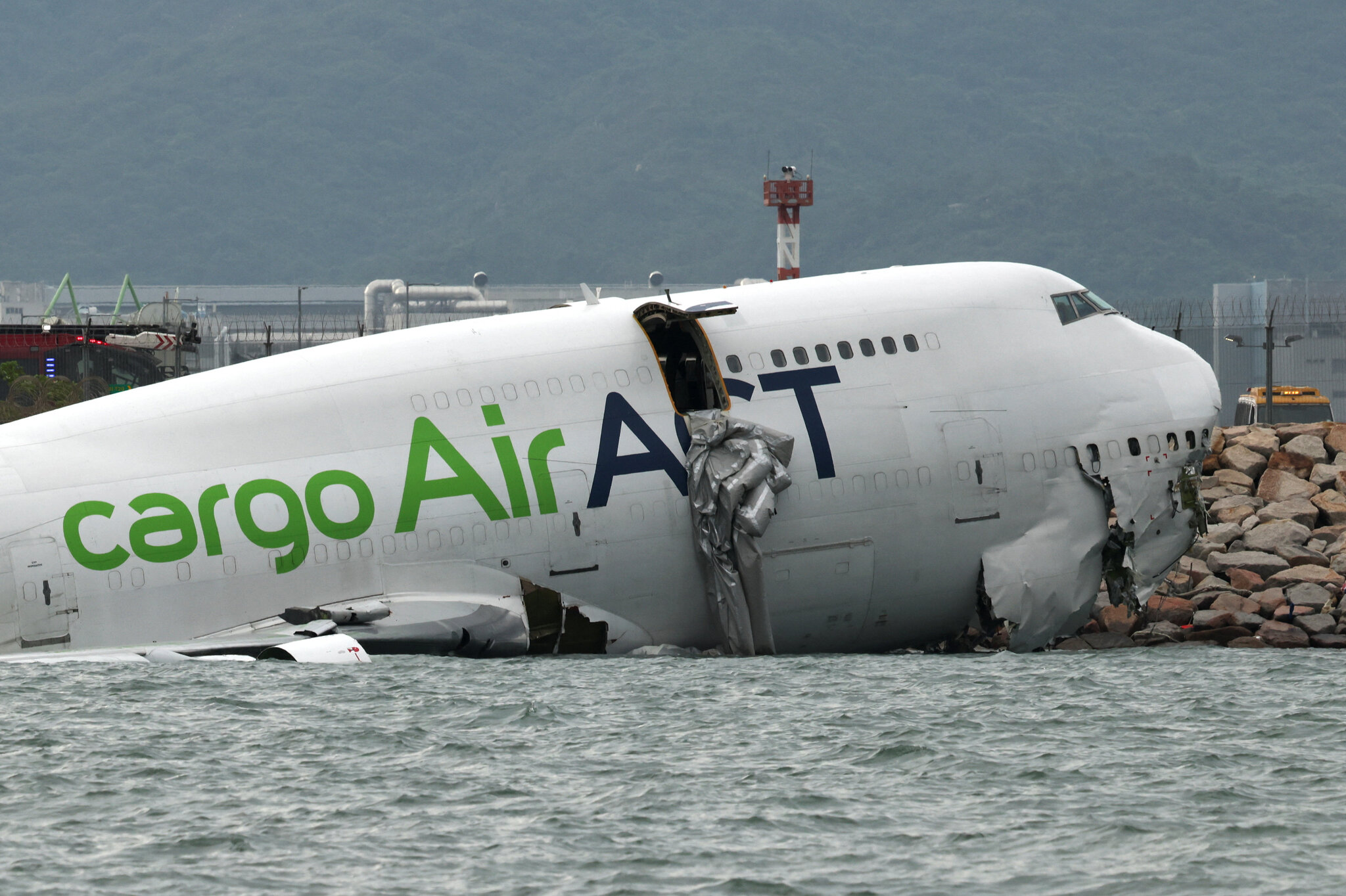
    On Monday, a shocking incident occurred at Hong Kong International Airport, one of the world’s busiest air cargo hubs, when a cargo plane veered off the runway during landing and splashed into the sea. This unfortunate event resulted in the death of two ground crew members.

    Details of the Accident

    The freight Boeing 747 had flown in from the United Arab Emirates. According to the Civil Aviation Department of Hong Kong, the plane failed to remain on the North Runway after touching down and ended up in the sea. A preliminary report reveals that the aircraft’s four crew members were rescued and taken to the hospital. Sadly, two ground personnel were impacted by the incident and drowned.

    The occurrence, which happened around 3:50 a.m. local time, left the aircraft’s front section floating above the water with its tail end detached. The plane had also hit a ground vehicle during the accident, which too plunged into the sea.

    Loss of Lives

    According to the authorities, a 30-year-old man inside the ground vehicle was pronounced dead at the site of the accident. Another worker, aged 41, tragically died after being rushed to the hospital.

    Impact on Airport Operations

    In response to the incident, the airport’s north runway was temporarily shut down on Monday, while the other two runways remained in use. A dozen cargo flights were canceled throughout Monday, but passenger flights were not affected.

    Investigation Underway

    The Transport and Logistics Bureau’s spokesperson expressed grave concerns about the incident and confirmed that the Air Accident Investigation Authority would actively probe into the cause of the mishap. Helicopters from the Government Flying Service and vessels from the Fire Services Department were dispatched to the scene.

    Hong Kong’s airport, already one of the busiest globally, commenced operations on its third runway last November after an expansion project costing HK$142 billion ($18 billion) and spanning eight years of construction. This development was aimed at boosting the city’s competitiveness as an aviation hub.

    Questions & Answers

    What happened at Hong Kong International Airport on Monday?
    A cargo plane veered off the north runway during landing and ended up in the sea, resulting in the death of two ground crew members.

    What was the impact of the incident on the airport’s operations?
    The north runway at the airport was temporarily closed following the incident. Although a dozen cargo flights were canceled throughout Monday, passenger flights operated as usual.

    What measures have been taken following the accident?
    The Transport and Logistics Bureau has initiated an active investigation into the accident’s cause. Additionally, helicopters from the Government Flying Service and vessels from the Fire Services Department were deployed to the accident site.

  • Emirates NBD To Acquire Majority Stake In Rbl Bank In Unprecedented $3 Billion Investment

    Emirates NBD To Acquire Majority Stake In Rbl Bank In Unprecedented $3 Billion Investment

    Dubai-based banking group, Emirates NBD, has revealed that it will acquire a majority share in an Indian bank. This move represents the most significant foreign investment in India’s financial sector to date.

    Emirates NBD has confirmed an arrangement to purchase a 60 percent stake in RBL Bank, based in Mumbai. The deal, worth approximately $3 billion, will be carried out through a preferential issue of shares. This acquisition will set a new record for foreign direct investment in India’s financial services industry.

    Emirates NBD has expressed that the acquisition demonstrates its confidence in the Indian economy and emphasizes the strategic significance of India within the India-Middle East-Europe Economic Corridor (IMEC).

    “This strategic partnership marries RBL Bank’s burgeoning domestic franchise with Emirates NBD’s regional reach and financial expertise, providing a unique platform for growth and innovation”, says Shayne Nelson, group CEO of ENBD. He further added that a more substantial presence in India via a well-established business such as RBL Bank will complement ENBD’s services to customers operating across the MENATSA region.

    Questions & Answers

    What percentage stake is Emirates NBD acquiring in RBL Bank?
    Emirates NBD is acquiring a 60 percent stake in RBL Bank.

    What is the approximate worth of the deal between Emirates NBD and RBL Bank?
    The deal is approximately worth $3 billion.

    How does the acquisition of RBL Bank benefit Emirates NBD?
    The acquisition not only allows Emirates NBD to increase its presence in India but also complements its services to customers across the MENATSA region. It also provides a unique platform for growth and innovation by combining RBL Bank’s domestic reach with Emirates NBD’s regional reach and financial expertise.

  • Mercedes-benz Unveils Vision Iconic Concept: A Blend Of Classic Elegance And Cutting-edge Technology

    Mercedes-benz Unveils Vision Iconic Concept: A Blend Of Classic Elegance And Cutting-edge Technology

    Unveiling the Mercedes-Benz Vision Iconic Concept: A Fusion of Retro Design and Modern Technology

    Mercedes-Benz has recently revealed its Vision Iconic Concept, a luxurious spectacle of automotive engineering, at its design house located in Shanghai, China. The brand asserts that the new concept vehicle draws heavily from the golden age of car design, specifically the 1930s. The Vision Iconic Concept is said to encapsulate the quintessence of what makes a Mercedes-Benz vehicle.

    Inspiration and Innovation

    The Concept maintains design elements reminiscent of classic cars, yet also incorporates a range of advanced technological features. The vehicle’s visually striking design includes an upright radiator grille similar to the one found on the 1956 300Sc model. This grille, however, is accentuated with radiant, illuminated elements. The car’s sloping roofline and elongated bonnet might bring to mind the Mercedes 300 SL. The iconic Mercedes logo adorns the front of the vehicle, while the illuminated star motif on the headlights adds a contemporary, luxurious touch.

    Blending Classic and Modern Interior Design

    The interior decor upholds the design of Mercedes’ vintage cars, but with a fresh twist. New elements have been introduced to enhance modern aesthetics and practicality. The Mercedes-Benz Vision Iconic Concept boasts a unique, floating glass dashboard centerpiece aptly named the ‘Zeppelin’. This feature combines analogue components with digital displays, creating a seamless blend of past and future. A continuous bench seat and an elegantly designed rear section recall memories of the legendary 300 SL. The car’s 4-spoke steering wheel, complete with a Mercedes logo encased in a glass sphere, adds to the luxurious feel of the vehicle.

    Advanced Features

    Beyond its visual appeal, the Mercedes-Benz Vision Iconic Concept is packed with an array of advanced features. It includes steer-by-wire technology, providing quicker maneuvering and precise control. Other notable features in the prototype include Level 2 Advanced Driver-Assistance Systems (ADAS). Mercedes-Benz is also contemplating the development of Level 4 autonomous driving for the vehicle.

    Questions & Answers

    What is the design inspiration behind the Mercedes-Benz Vision Iconic Concept?
    The design of the Vision Iconic Concept is primarily inspired by the golden era of automotive design in the 1930s. It incorporates elements from classic Mercedes-Benz models like the 1956 300Sc and the Mercedes 300 SL.

    What unique interior features does the Vision Iconic Concept have?
    The car’s interior features a unique floating glass dashboard centerpiece called the ‘Zeppelin’. The design also includes a continuous bench seat and an elegantly designed rear reminiscent of the legendary 300 SL.

    What advanced features does the Mercedes-Benz Vision Iconic Concept offer?
    The vehicle is equipped with advanced features such as steer-by-wire technology and Level 2 Advanced Driver-Assistance Systems (ADAS). Mercedes-Benz is also considering the development of Level 4 autonomous driving for the vehicle.

  • Apple And Microsoft Challenge Chrome’s Dominance: Unveiling The Privacy Controversy

    Apple And Microsoft Challenge Chrome’s Dominance: Unveiling The Privacy Controversy

    Apple has recently cautioned iPhone users against employing the Chrome browser, citing security risks. This situation may remind one of a previous advertising scenario in 2024 where the tech giant, through creative visuals, illustrated Android users exploring the Chrome Browser in public and being surveilled by transforming cameras. These cameras symbolized internet user trackers, which failed when attempting to spy on users of Apple’s own Safari browser. The underlying message being that Safari provides superior protection of users’ personal information than its counterparts, specifically pointing out the Chrome browser.

    Google’s Privacy Sandbox: A Failed Attempt at Privacy

    In a parallel move, Microsoft attempted to dissuade Windows users from using Chrome. They promoted their own browser, Microsoft Edge, as a trustworthy alternative that operates on the same technology as Chrome. Despite these concerted efforts by Microsoft and Apple to dethrone Chrome, the browser boasts a massive user base of over 3 billion worldwide. However, Google recently dropped a bombshell by announcing the end of its Privacy Sandbox project, its proposed alternative to third-party cookies for the web and Android applications.

    Back in January 2024, Google initiated the process of phasing out third-party cookies from Chrome. The agenda was to replace them with the Privacy Sandbox, aiming to gauge a consumer’s interests without resorting to widespread internet tracking to push personalized advertisements. Such targeted ads typically command higher prices from the advertisers due to their increased effectiveness, thereby contributing to Google’s revenue.

    The Privacy Sandbox was intended to shift ad selection and data processing tasks directly to the user’s browser and device, eliminating the need for third-party trackers to transmit individual user data across the web. Despite initial plans, Google resolved not to discontinue the use of third-party cookies last year, culminating in the current halt to the six-year-old Privacy Sandbox initiative.

    The Future of Chrome Amidst Privacy Concerns

    Although Chrome users may once again be subjected to tracking and personalized advertising, Chrome’s substantial market share is anticipated to remain unaffected. Currently, the browser dominates over 70% of the market, both in mobile and desktop segments. However, emerging competition from AI browsers like Perplexity’s Comet and an upcoming AI browser from Open AI’s parent ChatGPT could potentially pose a threat to Chrome.

    The Privacy Sandbox tools that Google has decided to withdraw include a host of features such as Attribution Reporting API for both Chrome and Android, IP Protection, On-Device Personalization, Private Aggregation, and more.

    An API, or Application Programming Interface, serves as an intermediary enabling two distinct software interfaces to communicate and exchange data. This process can be likened to the functioning of a restaurant, where an app seeking data is the customer, the API is the waiter relaying the order to the kitchen (the server), and then serving the prepared food (data) back to the customer.

    Google’s cancellation of the Privacy Sandbox was attributed to its “low levels of adoption”, indicating that it failed to provide sufficient value to its users.

    Questions & Answers

    Why did Apple caution its users against using Chrome?
    Apple cited security risks as the primary reason for advising its users against using the Chrome browser. The company highlighted through a past advertisement that its own Safari browser offers better protection of personal data.

    What was the purpose of Google’s Privacy Sandbox?
    Google’s Privacy Sandbox was intended to replace third-party cookies in Chrome. It sought to understand consumer interests without having to track user behavior across the internet, facilitating the delivery of personalized ads.

    Why did Google decide to cancel the Privacy Sandbox?
    Google stated that the Privacy Sandbox had not been adopted widely and that it wasn’t providing enough value to its users, which led to its decision to discontinue the project.

  • Elon Musk’s X Tests New Strategy To Enhance User Engagement And Personalize Content

    Elon Musk’s X Tests New Strategy To Enhance User Engagement And Personalize Content

    The issue of social media links driving users away from the platform has been a longstanding challenge. A new solution is being tested by Elon Musk’s X. The aim is to retain users on the app even as they navigate away to external links.

    Enhancing User Engagement on X

    Users of X on iOS may soon observe a change when they tap on links within the app. Rather than entirely exiting the current post, the link will launch without obscuring the original post and its interactive features such as like, reply and repost buttons.

    Nikita Bier, the Head of Product, described the change as a strategy to maintain user engagement. Currently, full-screen opening of links often results in users not returning to the original post to engage, a practice that negatively impacts engagement metrics.

    With this alteration, rather than the webpage taking over the entire screen, the initial post will minimize to the bottom of the screen, allowing users to continue to interact with it. This minor modification aligns with Musk’s broader objective for X – to develop an “everything app” where users can read, shop, converse and browse without ever needing to exit the app.

    Improving Performance of Linked Posts

    Traditionally, posts containing links have shown lower performance compared to regular ones on X and beyond. The newly proposed design is aimed at rectifying this by retaining users within the app rather than redirecting them to a browser tab. Consequently, this will aid the algorithm in better understanding the user’s content preferences.

    Recently, Elon Musk disclosed plans to enhance X’s recommendation system. The company plans to eliminate traditional engagement indicators like likes and replies from the algorithm within the next four to six weeks. Instead, Grok, X’s built-in AI, will analyze more than 100 million posts and videos daily to predict user preferences. The exact workings of Grok’s predictive capabilities remain to be seen.

    AI-Dominated Content Curation

    The concept of AI taking full control of what content appears on X’s platform isn’t new, but it is becoming increasingly concrete. Grok will have the capability to read and watch every piece of content on the platform, enabling it to suggest posts that it believes would be of interest to users, regardless of the account’s popularity.

    However, such extensive AI control comes with its own set of risks. While it could potentially make X more streamlined and personalized, concerns about bias and control remain, particularly given Grok’s imperfect track record with content decisions.

    Questions & Answers

    What is the primary goal of the changes being made to X?
    The main goal is to enhance user engagement by keeping users within the app even as they access external links.

    How does X plan to improve the performance of posts with links?
    X is planning to allow users to access linked content while still being able to interact with the original post, thereby keeping users within the app.

    What role will AI play in X’s new content curation strategy?
    Grok, X’s built-in AI, will analyze over 100 million posts and videos daily to predict users’ preferences, playing a key role in deciding what content is shown to users.

  • Hyundai Appoints First Indian Ceo In Landmark Move For Global Auto Industry

    Hyundai Appoints First Indian Ceo In Landmark Move For Global Auto Industry

    Hyundai Motor India Limited (HMIL) made the exciting announcement today that Mr. Tarun Garg will assume the role of Managing Director and Chief Executive Officer. Subject to shareholder approval, his tenure will commence on January 1, 2026. This appointment marks a significant landmark for HMIL; for the first time since its inception 29 years ago, an Indian national will lead the company. Mr. Garg currently holds the position of Whole-time Director & COO at HMIL. As he assumes his new role, the present Managing Director, Mr. Unsoo Kim, will be transitioning into a strategic position at Hyundai Motor Company (HMC) in South Korea.

    A Milestone for Hyundai and India

    Mr. Garg’s appointment is a testament to Hyundai’s faith in Indian leadership and the nation’s burgeoning importance in the global automotive industry. HMC singled out his capabilities for this position. Over the past two years, Mr. Garg diligently worked alongside global management in anticipation of this promotion.

    HMC President and CEO, Mr. Jose Munoz, celebrated Mr. Garg’s appointment, recognizing it as a momentous occasion in HMIL’s nearly three-decade history. He commended Mr. Garg’s transformative and innovative leadership style, remarking on his in-depth understanding of the Indian market, and attributing HMIL’s record-breaking sales for three consecutive years, record profits, and India’s largest IPO in 2024 to his guidance. He also acknowledged Mr. Garg’s focus on customers, teams, and long-term investment. Mr. Munoz ended his remarks by thanking Mr. Kim for his immense contributions to HMIL’s success.

    A Vision for the Future

    Mr. Garg expressed deep gratitude for the faith and trust placed in him by the Hyundai Motor Group. He acknowledged the transformative phase of India’s automotive sector and expressed his eagerness to contribute to HMIL’s continued growth. He emphasized the importance of excellence in all aspects, from design and engineering to sales and service, and expressed his gratitude to Hyundai’s talented employees, dealer partners, and suppliers.

    Mr. Garg affirmed that he and his team would remain committed to enhancing HMIL’s 29-year legacy of customer satisfaction and loyalty, shaping the future of mobility, and building enduring relationships in India.

    Questions & Answers

    What does Mr. Garg’s appointment mean for Hyundai Motor India Limited (HMIL)?
    Mr. Garg’s appointment marks a significant milestone in HMIL’s history. He is the first Indian national to lead the company since it was established 29 years ago, reflecting Hyundai’s strong confidence in India’s leadership capabilities and its growing strategic importance in the global automotive landscape.

    What are Mr. Garg’s achievements as COO at HMIL?
    Under Mr. Garg’s guidance as COO, HMIL achieved record sales for three consecutive years, record-breaking profits, and completed India’s largest IPO in 2024.

    What is Mr. Garg’s vision for HMIL?
    Mr. Garg aims to continue HMIL’s growth in the Indian market, maintaining a strong focus on excellence across all areas, from design and engineering to sales and service. He is committed to strengthening HMIL’s legacy of customer satisfaction and loyalty and to shaping the future of mobility in India.

  • Veteran Banker Chelsea Chu Takes Helm At Citi’s Corporate Banking Division In Taiwan

    Veteran Banker Chelsea Chu Takes Helm At Citi’s Corporate Banking Division In Taiwan

    Chelsea Chu, a veteran banking executive, has been appointed to head the corporate banking division of the American financial institution, Citi, in Taiwan. Based out of Taipei, Chu is expected to leverage her considerable experience in banking to enhance the bank’s performance across various customer segments within the market.

    Chu brings a formidable banking background to her new position. She has amassed 28 years of experience in the industry, with her most recent role being the head of corporate coverage for Taiwan at ANZ. Chu is no stranger to Citi, having spent two decades of her career at the bank, dealing with large corporate clients from a wide range of industries in Taiwan.

    Christie Chang, the chair of Citi Taiwan Limited, expressed the bank’s delight at welcoming Chu back into the fold. Chang highlighted Chu’s comprehensive experience and proven success as invaluable assets that will contribute to the strengthening of client relationships and solidify the bank’s leadership in Taiwan’s corporate banking sector.

    Kaleem Rizvi, Citi’s head of corporate banking for Japan, Australia, and North Asia, also shared his confidence in Chu’s ability to lead. Rizvi believes that under Chu’s leadership, Citi’s preeminent corporate banking franchise in Taiwan will continue on its robust growth trajectory.

    Since 2020, Citi has been instrumental in raising over $30 billion from global capital markets to assist Taiwanese corporate clients, underscoring the bank’s significant influence and commitment to the corporate sector in Taiwan.

    Questions & Answers

    Who has been appointed as the new head of corporate banking for Citi in Taiwan?
    Chelsea Chu has been appointed to head Citi’s corporate banking unit in Taiwan.

    Can you provide some information about Chelsea Chu’s professional background?
    Chelsea Chu has an extensive background in banking with 28 years of experience. She recently served as the head of corporate coverage for Taiwan at ANZ. Before that, she spent 20 years at Citi, handling large corporate clients across various industries in Taiwan.

    What is expected from Chelsea Chu in her new role at Citi?
    In her new role, Chelsea Chu is expected to use her vast experience to improve the bank’s performance across all customer segments in Taiwan. She is also expected to strengthen client relationships and enhance Citi’s leadership in Taiwan’s corporate banking sector.

  • Global Amazon Web Services Outage Disrupts Thousands Of Websites, Reveals Vulnerability In Online Infrastructure

    Global Amazon Web Services Outage Disrupts Thousands Of Websites, Reveals Vulnerability In Online Infrastructure

    Amazon’s cloud computing division AWS resumed regular operations on Monday after an extensive internet outage that disrupted thousands of websites globally, including popular apps such as Snapchat and Reddit. However, Amazon acknowledged that certain AWS services were dealing with a backlog of messages that needed several hours to process.

    AWS provides application hosting and processing power for corporations across the globe. This disruption caused employees from London to Tokyo to be cut off from their work and hindered others from carrying out routine tasks, such as processing digital payments or modifying airline tickets. Users reported persistent difficulties using services like the digital wallet app Venmo and the video conferencing platform Zoom on Monday afternoon.

    This incident represents the most significant internet disruption since last year’s CrowdStrike failure, which crippled technology systems in hospitals, banks, and airports, emphasizing the susceptibility of globally interconnected technologies. Intriguingly, this is at least the third time in five years that AWS’s northern Virginia cluster, known as US-EAST-1, has been implicated in a major internet meltdown.

    Amazon did not provide a detailed explanation as to why this specific data center is consistently affected. The problem originated from the Domain Name System (DNS), which prevents applications from locating the correct address for AWS’s DynamoDB API, a cloud database utilized for storing user information and other vital data.

    Root Cause: Network Health Monitor

    AWS attributed the outage to a subsystem that oversees the health of its network load balancers, which distribute traffic across various servers. According to AWS, the issue originated within the “EC2 internal network,” also known as Amazon’s “Elastic Compute Cloud” service, which offers on-demand cloud capacity within AWS.

    All AWS services were back to normal operations around 3 pm PT (2200 GMT) on Monday, according to Amazon. However, services such as AWS Config, Redshift, and Connect continue to handle a backlog of messages that will take several more hours to process.

    Ken Birman, a computer science professor at Cornell University, emphasized the need for software developers to improve fault tolerance. AWS provides tools for developers to safeguard themselves against problems at any of its data centers, and developers can also establish backups with other cloud providers.

    Previous Outages at the Same AWS Location

    AWS is the world’s largest cloud provider, offering computing power, data storage, and other digital services to companies, governments, and individuals. It is followed by Microsoft’s Azure and Alphabet’s Google Cloud. Any disruption to its servers can lead to outages across websites and platforms—from food delivery apps to gaming platforms and airline systems—that rely on its cloud structure.

    The outage on Monday originated from AWS’s US-EAST-1 location, its oldest and largest for web services, which had experienced outages in 2021 and 2020.

    According to the AWS website, the US-EAST-1 site is often the default region for many AWS services.

    “Fragile Infrastructures”

    This issue underlines how interconnected everyday digital services have become and how dependent they are on a small number of global cloud providers. One failure can considerably disrupt business operations and daily life, experts say.

    In the United Kingdom, Lloyd Bank, Bank of Scotland, and telecom service providers Vodafone and BT were all affected, as was the UK tax, payments, and customs authority HMRC’s website.

    Ookla, owner of Downdetector, reported that over 4 million users experienced issues due to the incident.

    “h2>Impact on Apps

    At least a thousand companies were affected by the outage, according to Ookla. Apps such as Reddit, Roblox, Snapchat, and Duolingo were all disrupted.

    Artificial intelligence startup Perplexity, cryptocurrency exchange Coinbase, and trading app Robinhood all experienced platform disruptions and attributed them to AWS.

    Amazon’s own services, including its shopping website, Prime Video, and Alexa, were also affected. Gaming platforms such as Fortnite, owned by Epic Games, Clash Royale, and Clash of Clans were among those affected. Uber competitor Lyft was also disrupted in the United States.

    Questions & Answers

    What was the cause of the AWS outage?
    The problem originated from the Domain Name System (DNS), which prevents applications from finding the correct address for AWS’s DynamoDB API, a cloud database utilized for storing user information and other vital data.

    How did the outage affect global businesses?
    The outage disrupted services for companies worldwide, causing employees to be cut off from their work and hindering others from carrying out routine tasks. This incident impacted a broad range of services—from food delivery apps to gaming platforms and airline systems—that rely on AWS’s cloud infrastructure.

    Which AWS location experienced the outage?
    The outage originated from AWS’s US-EAST-1 location, its oldest and largest for web services.

  • Starlink Devices Seized In Myanmar’s Crackdown On Booming Cyber Fraud Hubs

    Starlink Devices Seized In Myanmar’s Crackdown On Booming Cyber Fraud Hubs

    In a targeted action against one of Myanmar’s most infamous cyber fraud hubs, the country’s ruling military junta reportedly confiscated several Starlink satellite internet devices. This operation follows an investigation, which exposed the significant increase in the use of these devices in the burgeoning illicit trade.

    The Thriving Cyber Fraud Industry

    Since the onset of the Covid-19 pandemic, cyber crime centers that primarily target unsuspecting foreigners have proliferated in Myanmar’s war-torn border regions. These cyber dens run various fraudulent schemes ranging from business scams to romantic deceptions. The ongoing pandemic and the resultant closure of casinos in these regions have further fueled this burgeoning industry.

    A joint operation by Thai, Chinese, and Myanmar authorities, which commenced in February, led to the deportation of thousands of suspected scammers. While some willingly engage in these fraudulent activities, others are coerced into it by organized crime syndicates.

    A recent examination detected swift construction progression at fraud hub locations and installation of Starlink devices, a satellite internet service owned by Elon Musk, on their rooftops.

    A Fraction of the Whole

    Myanmar’s state media revealed that the military had recently executed operations near the Myanmar-Thai border at KK Park, confiscating 30 sets of Starlink receivers and associated equipment. However, this number represents just a fraction of the Starlink devices identified via satellite imagery and drone photography. One building at KK Park was found to have approximately 80 internet dishes installed on its roof.

    Despite not being authorized in Myanmar, Starlink dominated the country’s internet providers’ ranking from July 3rd to October 1st. The surge in Starlink traffic came after an extensive crackdown in February.

    Increasing Scrutiny

    The US Congress Joint Economic Committee has initiated an investigation into Starlink’s potential involvement with these fraud centers. While it has the authority to summon Musk for a hearing, it cannot compel him to testify. Starlink’s parent company SpaceX, has yet to comment on this matter.

    Vast Network of Scams

    The military junta reportedly commandeered around 200 buildings and located nearly 2,200 workers at the scam site. Furthermore, 15 individuals of Chinese descent were arrested on charges of online fraud, online gambling, and other unlawful activities.

    According to a report by the UN Office on Drugs and Crime, Southeast Asian scam operations swindled victims out of $37 billion in 2023. Myanmar has emerged as a major hub for these scam centers, prompting increased scrutiny and action from local and international authorities.

    Questions & Answers

    What is the Starlink?
    Starlink is a satellite internet service owned by Elon Musk.

    What has been the impact of the Covid-19 pandemic on the cyber fraud industry in Myanmar?
    The pandemic has led to a significant increase in cyber fraud activities in Myanmar, particularly in the country’s war-torn border regions.

    What is the extent of the scam network in Southeast Asia?
    According to a report by the UN Office on Drugs and Crime, Southeast Asian scam operations defrauded people of $37 billion in 2023, with Myanmar emerging as a major hub for these activities.

  • Ubs Fined $1m By Hong Kong SFC For Misclassification Of Professional Investors

    Ubs Fined $1m By Hong Kong SFC For Misclassification Of Professional Investors

    UBS, a major global bank, has recently found itself facing penalties from Hong Kong’s Securities and Futures Commission (SFC). The bank has been fined HK$8 million ($1 million) due to misclassification of its clients under the professional investor regime, according to the SFC.

    The Misclassification Issue

    Professional investors, as defined by local regulations, are clients with a minimum asset value of HK$8 million. It appears UBS failed to accurately classify these investors in accordance with these guidelines for an extended period of more than 12 years.

    This misclassification led to clients gaining access to securities pooled lending and investment products that were specifically designed for professional investors. Such developments raise significant concerns about the bank’s adherence to regulatory standards and risk management practices.

    The Scope of the Misclassification

    A self-review conducted by UBS over the course of four years, from July 2018 to July 2022, found notable discrepancies. As per their findings, there were about 560 joint accounts that were booked or managed in Hong Kong which were inaccurately categorized as professional investor accounts.

    This extensive issue points to systemic flaws in the bank’s internal oversight mechanisms, which need to be addressed to prevent such oversights from recurring in the future.

    Questions & Answers

    What is the professional investor regime?
    Professional investors are defined by local regulations as clients with a minimum asset value of HK$8 million.

    What consequences did UBS face for its misclassification of clients?
    UBS was fined HK$8 million ($1 million) by Hong Kong’s Securities and Futures Commission (SFC) due to the misclassification.

    What was the scale of the misclassification by UBS?
    A self-review by UBS indicated that approximately 560 joint accounts booked or managed in Hong Kong were incorrectly classified as professional investor accounts.