Author: Mei Ling Tan

  • Coca-Cola Amatil-owned fruit brand SPC to enter China market in 4500 stores

    Coca-Cola Amatil-owned fruit brand SPC to enter China market in 4500 stores

    Managing director Reg Weine said that its premium Goulburn Valley 700g fruit range, SPC snack cups and pouch ranges, and IXL jam would be the first products to enter stores.

    SPC’s snack cups are already available on online retailer JD.com and Weine said the full range of SPC, Goulburn Valley and IXL products will progressively be available across major online and offline retailers in China.

    In end-January, SPC finalised an agreement with China State Farm Agribusiness (CSFA) Shanghai to export SPC, Goulburn Valley and IXL lines of processed fruit products to China.

    CSFA Shanghai, a wholly-owned subsidiary of China National Agriculture Development Group Corporation — one of China’s largest agribusiness conglomerates — will be “master distributor” of SPC’s brands and product lines in China.

    “It takes significant time and resources to build brands in overseas markets, which is why we are partnering with China’s leading agricultural firm. Their enviable track record of successfully bringing premium foreign brands to China is very attractive to us,”​ said Weine

    Marketing to middle class

    He added that CSFA Shanghai had the dedicated personnel and sales and marketing support that SPC needed to build its brands, as well as the distribution capability to reach China’s burgeoning middle class.

    At the signing ceremony, he said, “It’s about taking our market-leading brands into markets where provenance plays a part and there is a large enough consumer segment that is affluent and willing to pay a premium for Australian produce.”​

    To this end, they have engaged Chinese singer and actress Ye Yiqian, who as a “deep connection with aspirational Chinese consumers”​ to be brand ambassador.

    Extensive distribution 

    Weine confirmed that the exported fruit products will be available in over 4,500 premium retail and mother and baby stores, which he said will provide a considerable market for the company’s products.

    “We will have a strong presence in bricks-and-mortar retailing ​— including Alibaba’s HEMA retail outlets, Ole supermarkets and mother and baby chain Kidswant,”​ he said.

    Initially, they will be in China’s tier one cities including Beijing, Shanghai, Guangzhou and Tianjin, and later will include Shenzhen and Chongqing.

    The products will also be carried by leading e-commerce platforms such as such as JD.com, Kaola, and Alibaba’s T-Mall.

    Asian expansion

    Said Weine, “This hopefully will only be the beginning of our relationship with Chinese consumers.”​

    He emphasised that China represents a significant business opportunity for SPC in the years ahead, with its processed fruit market five times that of Australia.

    Among further plans for expansion, Weine said SPC’s ProVital, functional and fortified fruit products in accessible packaging, will also appeal to China’s ageing population.

    In the vast Asia Pacific region, aside from China, SPC already exports to Hong Kong, Japan, Singapore, Malaysia, Pacific islands and the Middle East.

    In February, SPC will also be launching its Perfect Fruit frozen fruit whip dessert in India and, shortly after, to Japan as well.

    Coca-Cola Amatil-owned SPC is the largest producer of premium packaged fruit and vegetables in Australia, processing about 150,000 tonnes of fruit a year. Its products include processed and packed fruit, vegetables, spreads and jams, prepared meals, snack foods, sauces and condiments.

    CSFA Shanghai already has established business relationships with several Australian companies including A2 Milk and Stanbroke Premium Beef. The company will organise staff and carry out sales and marketing to build SPC’s product brands in China.

  • Thai mall operator profits up 47 percent on tourism boom

    Thai mall operator profits up 47 percent on tourism boom

    Thai retail property developer Central Pattana Pcl (CPN) reported net profit of 13.6 billion baht ($432.3 million) for its 2017 fiscal year on Wednesday, up 47 percent from a year earlier.

    CPN beat estimates of 12.1 billion baht based on a survey of 11 analysts.

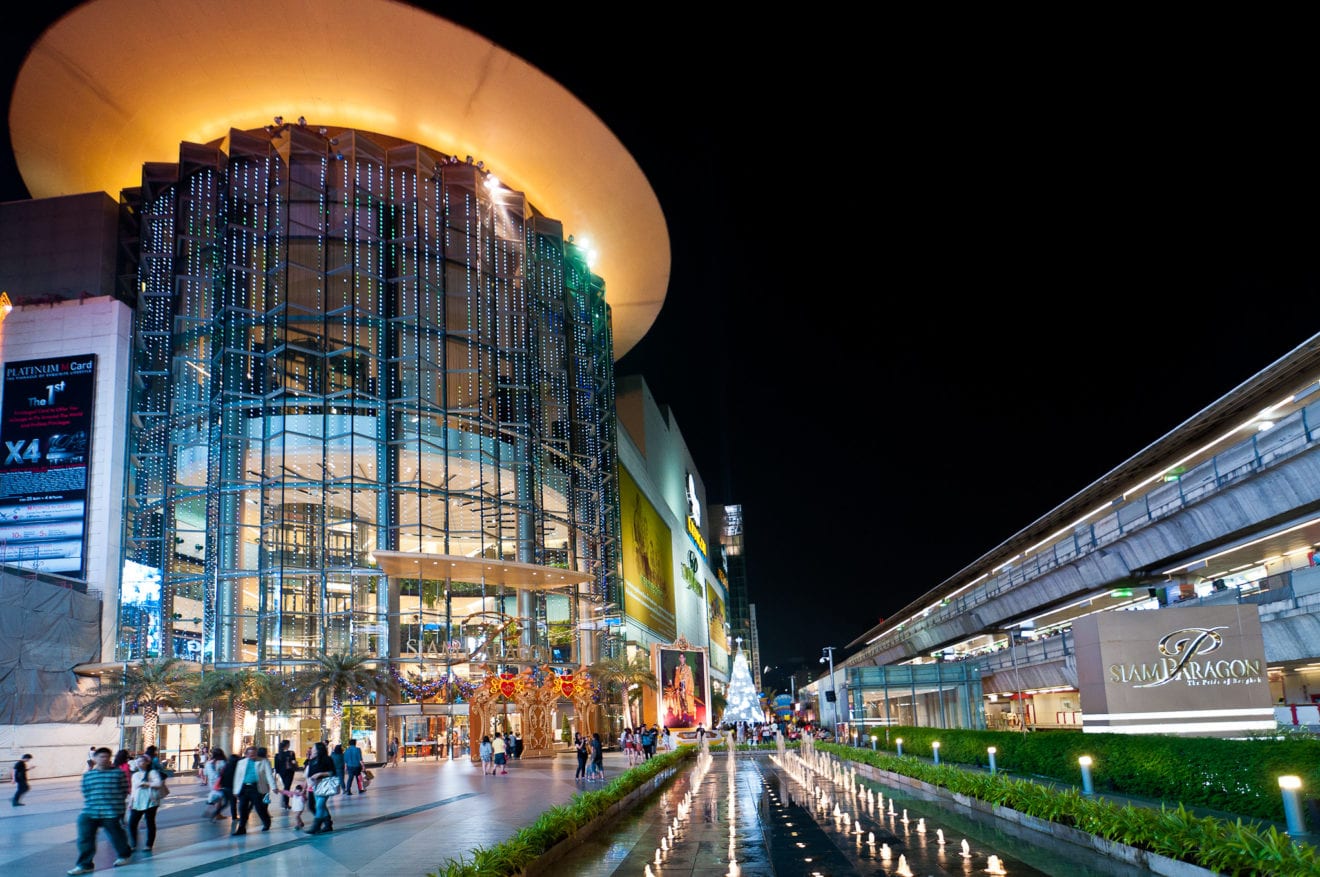
    CPN, which operates 32 shopping malls in Thailand, has been one of the main beneficiaries of the country’s tourism boom, led by Chinese arrivals.

    More direct flights from China, a visa fee discount and waiver incentives led to strong inbound tourism, CPN said in a statement.

    Thailand received 35 million tourists in 2017 and expects 37.55 million arrivals this year.

    Revenue from rent and services were up 3.2 percent from the year earlier, reaching 26 billion baht.

    Average occupancy rates in its retail properties stood at 92 percent, lower than 94 percent a year earlier due to major renovations.

    CPN, part of Central Group, owned by the billionaire Chirativat family, plans a compound annual growth rate of at least 13 percent until 2022 focusing on mixed-use and residential developments, increasing rental rates and new malls in Southeast Asia.

    Hotel revenue grew 10 percent to 1.1 billion baht, with an average occupancy rate of 93 percent, up from 83 percent a year ago, due to a higher number of tourists, it said.

    CPN expects its new mall on the tourist island of Phuket to open by mid-year and another mall in Malaysia to open by year-end.

  • 3 companies submit bids to operate Singapore Expo

    3 companies submit bids to operate Singapore Expo

    Singapore Expo could be managed by a different operator for the first time in its nearly 20-year history, if SingEx loses its tender bid to two new contenders.

    A tender to operate the space was launched by the Singapore Tourism Board (STB) on Dec 6 last year, and three companies including SingEx have submitted bids, according to government procurement portal GeBIZ.

    The two new contenders have put in bids of S$60 million each, above incumbent SingEx’s bid of S$50 million.

    SingEx, which is owned by Singapore investment arm, Temasek, has managed the space in the east of Singapore since it was opened in 1999.

    According to GeBIZ, the two other bidders are Futuristic Store Fixtures, a store fixture specialist that serves global retail clients such as Victoria’s Secret and L’Occitane and is part of OSIM founder Ron Sim’s V3 Group, as well as Unusual Development, a subsidiary of media entertainment and content company mm2 Asia.

    Futuristic Store Fixtures will be teaming up with AEG, a leading sports and entertainment presenter that owns, operates and provides services to some of the most successful facilities in the world.

    The bidders have signed a non-disclosure agreement and are not able to divulge details of the tender or their plans.

    Aside from price, government tenders also take into consideration criteria such as the bidder’s track record and their vision, direction and strategy of how they intend to run the project.

    The bids come amid a slowdown of Business Travel and Meetings, Incentive Travel, Conventions and Exhibition (BTMICE) visitor arrivals to Singapore.

    While overall visitor arrivals to Singapore reached a new record of 17.4 million in 2017, the BTMICE segment saw 1.75 million visitors in the first three quarters of 2017 – a dip of 5 per cent compared to the same period in 2016.

    In addition, while the 100,000sqm Singapore Expo is one of the bigger spaces in Singapore for such events, it only holds about 600 events a year.

    In comparison, Suntec Singapore holds 1,500 events a year, while Marina Bay Sands Expo and Convention holds more than 3,000 events a year.

    Group managing director of Conference and Exhibition Management Services Edward Liu said that based on the current utilisation rate at Singapore Expo, Singapore must continue to hold trade shows and find ways to differentiate its products from others to stay ahead of rising competition in the region.

    Despite regional competition heating up, experts say the dip in business travellers to Singapore is temporary due to the global economic slowdown in 2015 and 2016.

    UOB Economist Francis Tan said that 2017 was “a good growth year”, and that there was “an uptake in various segments of our economy”. “(I am) a little bit more optimistic on 2018’s BTMICE arrivals into Singapore,” he said.

    While STB has not said when results of the bid will be announced, the winning operator will take over from Jan 1, 2019.

  • Lotte’s chair resigns Japanese CEO role after bribery conviction

    Lotte’s chair resigns Japanese CEO role after bribery conviction

    Lotte Holdings held a board meeting on Wednesday and accepted Shin Dong-bin’s resignation, following a Japanese tradition of convicted chief executives stepping down, the group said in a statement. But Mr Shin will retain his post as vice-chairman of Lotte Holdings and the move will not affect his status in Lotte’s Korean units, the group added.

    Lotte Holdings is at the heart of the retail-focused conglomerate’s complex ownership structure and indirectly controls the group’s key businesses in South Korea such as Lotte Hotel and Lotte Chemical through cross shareholdings.

    Mr Shin’s resignation as chief executive of the holding company comes after a South Korean court sentenced him to two-and-a-half years in prison for bribery, in a stern warning to the country’s political and business elites. Mr Shin was found guilty of offering Won7bn in bribes to foundations of the long-time confidant of former South Korean president Park Geun-hye in return for political favours.

    Lotte said Mr Shin’s resignation would likely have a negative effect on business cooperation and synergies between the group’s South Korean and Japanese operations.

    Mr Shin is appealing the court case. However, his legal troubles could reignite a family dispute over management control at South Korea’s fifth-largest conglomerate and slow its group-wide restructuring efforts.

    Lotte officials are also concerned that Mr Shin’s detention could undermine Lotte’s major investment plans as the group grapples with ballooning losses in China.

  • Sydney Airport reports 12.7% retail revenue rise in 2017

    Sydney Airport reports 12.7% retail revenue rise in 2017

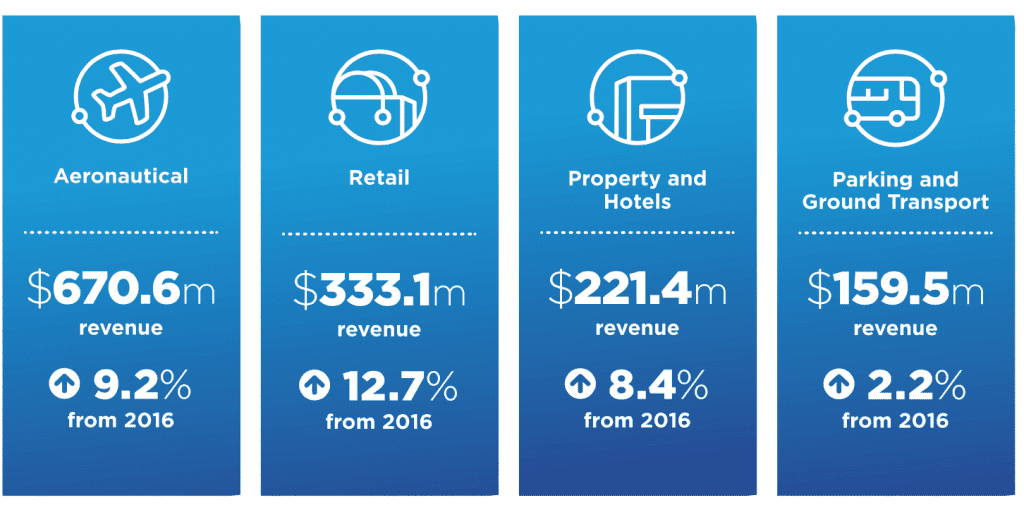
    International Airport has reported a retail revenue increase of 12.7% to A$331.m ($260m) in its full year 2017 results.

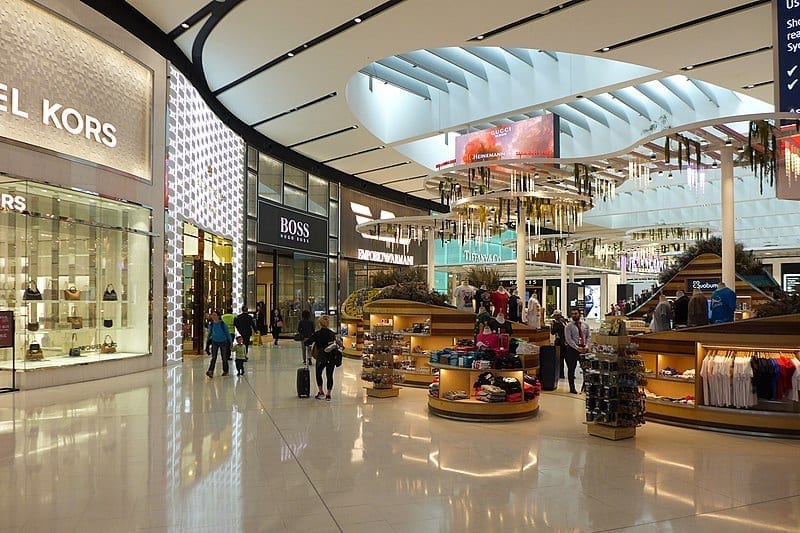
    The strong retail performance reflected the Terminal One International luxury precinct’s (which offers luxury lifestyle speciality retail concepts) first full year of operations and completion of the new Marketplace area and Domestic food court.

    The consistent performance of the airport’s domestic terminals was also a factor. The transformation of Domestic Terminal Two continued in 2017 with first to Australia concepts and a mix of local and international brands including Desigual and Joe & The Juice.

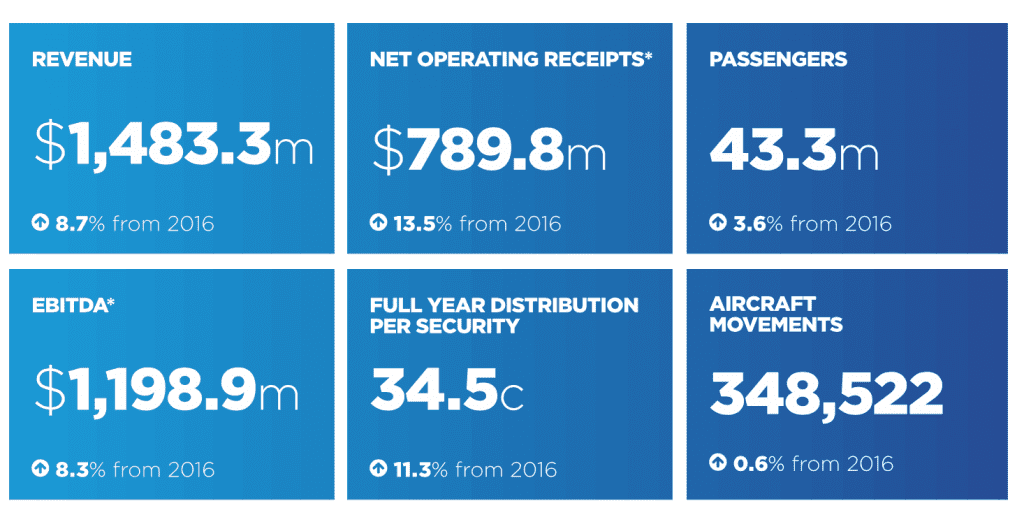
    In 2017, the airport handled 43.3m passengers, up 3.6% from 2016. This is due to the fact it has has “successfully competed internationally to attract airlines and grow inbound tourism.”

    Overall revenue increased 8.7% from 2016 to A$1.5bn while EBITDA was A$1.2bn, a rise of 8.3% on the previous year.

    RETAIL PERFORMANCE

    Retail as a business contributed 23% of total group revenue in the period with duty free delivering strong growth. The standout core category performers were liquor, perfume and cosmetics. Currently, the airport has 244 retail outlets, 127 in Terminal One, 65 in Terminal Two and 52 in Terminal Three.

    In addition, all three terminals were fully leased with continued strong retailer demand for space. According to the airport, the retail offering  is delivering a superior passenger experience with continued focus on value, range and choice. The is proven via strong retail sales, passenger satisfaction scores and “positive sentiment.”

    The airport is focusing on providing high quality retail space in shopping areas and creating an “exciting and vibrant” retail environment. It is also continuing to develop a product and merchandise mix to meet the retail experiences of passengers and to identify appropriate retailers who can meet the airport’s service, operational and financial objectives. Enhancing its understanding of customer trends and behaviour is also a priority.

    Reflecting on the airport’s retail transformation, a statement in its annual 2017 results presentation said: “We’re proud to offer our customers more choice and value with the best of global, local, luxury and high street brands as part of our world-class shopping and dining offering.

    “The completion of our Terminal One International luxury fashion precinct [tailored to meet a diverse international passenger base] was a major milestone in our retail transformation this year. The precinct continued to perform strongly as passengers responded to a retail offering tailored to meet the unique needs of our 16.0 million international travellers.

    “Swiss watchmaker Rolex and Gucci completed the precinct, complementing a streetscape of global designer brands to suit all tastes, including Tumi, Michael Kors, Kate Spade New York, Hugo Boss, Emporio Armani, Tiffany & Co., Hermès, Burberry, Max Mara and Coach.”

    STRONG DUTY FREE OFFERING

    Heinemann Tax & Duty Free, which won the Sydney duty free contract in 2014 and operates the world’s largest standalone airport duty free, spanning 5,750sq m continued delivering a “strong contemporary offering” across its core products of liquor, skincare and fragrance.

    “Exclusive limited editions created a unique value proposition for international travellers,” the airport said.

    The travel essentials and Australian experience categories also continued to perform well, with larger store footprints proving successful following a number of openings.”

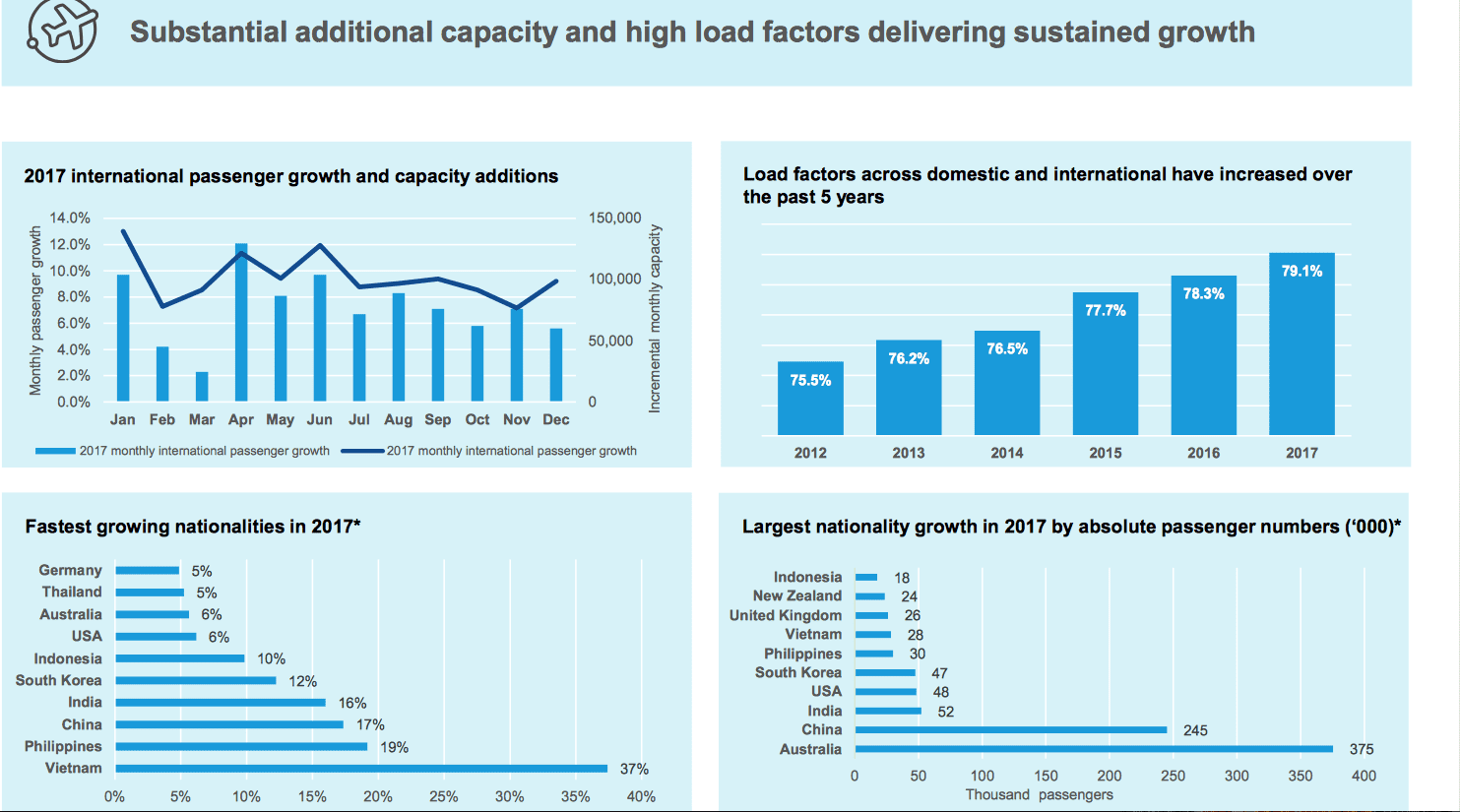
    CEO Geoff Culbert, who replaced former CEO and Managing Director Kerrie Mather in January after the former retired said: “2017 was an excellent year for the airport in which we welcomed a record 43.3m passengers. This increase of 3.6% was driven primarily by strong international passenger growth resulting from increases in airline seat capacity and load factors. We also continued to expand the number of direct services and frequencies from a wide range of destinations.

    “Highlights for the year include solid growth in aviation services, resulting in part from successful and proactive marketing initiatives and long-term collaboration with tourism partners.”

    He concluded: “We are looking ahead to another year of opportunity for our industry. We are committed to the successful operation of Sydney Airport as a dynamic and diverse business that benefits our customers, investors, community and broader stakeholders, now and for the long term.”


  • La Perla Faces Eviction, $5.1m Bill Over Unpaid Rent on Asia Flagship

    La Perla Faces Eviction, $5.1m Bill Over Unpaid Rent on Asia Flagship

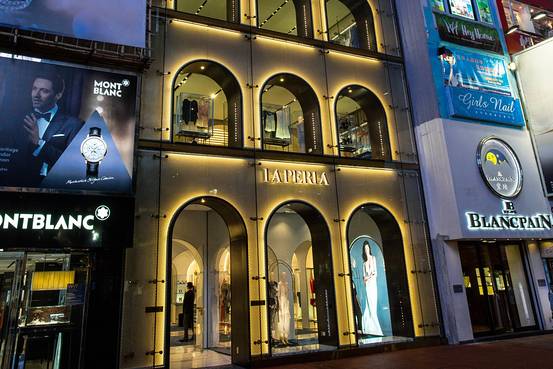
    Italian lingerie label La Perla is facing eviction and further legal action over unpaid rent on its Asian flagship store in Hong Kong, with its landlord seeking upwards of $5.1 million.

    The dispute came to light from a writ filed to a Hong Kong court last Thursday by Century Creations Ltd., the landlord of the premises at 22-24 Russell Street in Causeway Bay, against La Perla Far East Ltd. and its financial guarantor S.M.S. Finance S.A.–and despite the brand being given a rent reduction of more than 30 percent last year.

    La Perla and its prospective new owner Fosun International had not responded as of press time. Chinese conglomerate Fosun said in December it was to complete an exclusive 30-day due diligence period to buy a majority stake the brand from Italian businessman Silvio Scaglia’s Pacific Global Management, which also owns Elite Model Management.

    The boutique is a prominent four-storey location which includes a large LED screen on its facade. At the time of its opening, the 8,000 square foot store was said to the brand’s largest. It was leased commencing Sep. 8, 2015 for five years at the rate of 7.5 million Hong Kong dollars.

  • Bossini reports Bossini $12m interim loss

    Bossini reports Bossini $12m interim loss

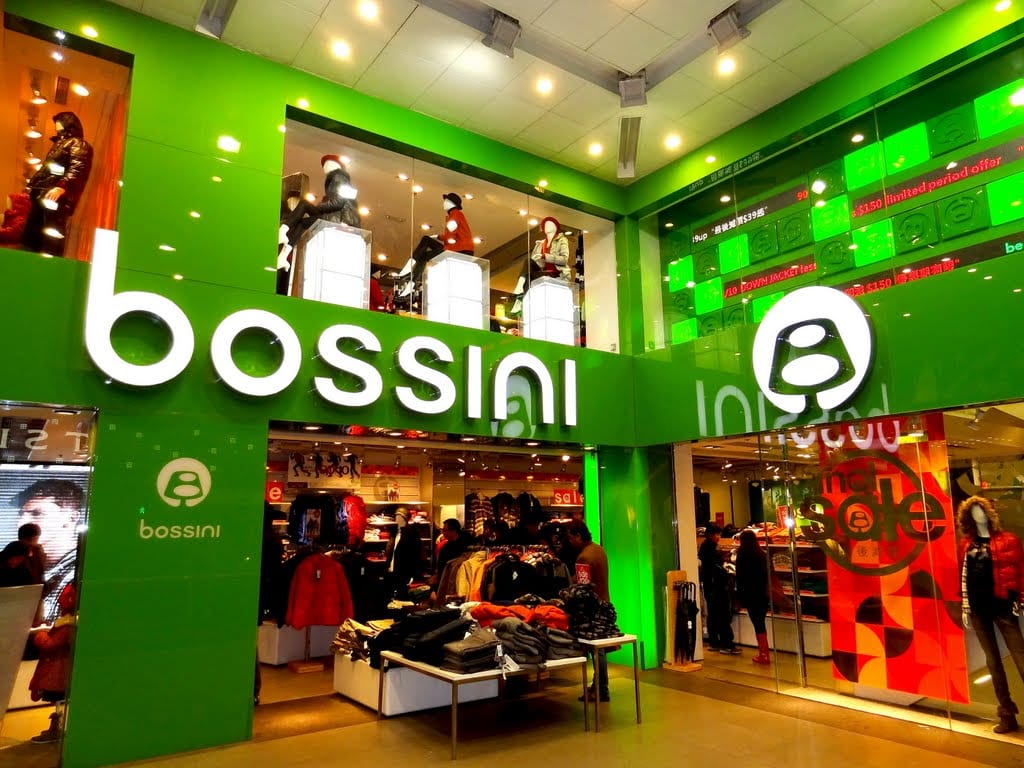
    Apparel brand Bossini International Holdings remains optimistic despite a slip in revenue and profit turning to loss for its six months to the end of December.

    It says growth is projected to continue rising in emerging markets and developing economies, supported by a favourable global financial environment and a concomitant recovery in advanced economies.

    “The regional picture is particularly encouraging as expansion in Mainland China and other parts of Asia remains solid, reflecting the strength of a broad-based upturn that saw global growth reaching its strongest rate since 2011. Mainland China is spearheading this long-overdue regional expansion, its economy having grown following two years of decline.

    “Hong Kong’s apparel retailing industry seems to have bottomed out after shrinking for consecutive years. Nonetheless, various downside risks remain evident, including geopolitical tensions, sudden capital outflows, policy indecisiveness and a sharp adjustment in Mainland China.”

    Bossini’s revenue for the six months fell by 5 per cent to HK$974 million (US$124 million), with gross profit slipping 1 per cent to $512 million.

    The group’s operating loss was $10 million with a -1 per cent operating margin, down from a positive 2 per cent a year earlier. Loss for the period attributable to the owners was $12 million, a switch-around from a $17 million profit 12 months earlier.

    Economic backlash

    Bossini says it weathered economic backlash from the China government’s “one trip per week” policy, more in-depth travel instead of retail shopping, and changes in tourist buying patterns. These factors hit retail sales in Hong Kong and Macau, which accounted for more than half of the group’s consolidated revenue.

    The drop in profit attributable to the owners was mainly because of the decrease in the profit derived from the retail and export franchising business in the Hong Kong and Macau segment. There was a 5 per cent drop in overall revenue and a 2 per cent decline in same-store sales for the period. However, same-store sales rebounded in the second quarter, particularly in China and Taiwan.

    Gross margin improved by two points to 53 per cent.

    Same-store sales in Hong Kong and Macau and Singapore declined by 4 per cent, an improvement over a 6 per cent decline the previous year, and 8 per cent (no change) respectively. Same-store sales in Mainland China and Taiwan grew 9 and 5 per cent (both had 2 per cent declines previously).

    Overall, same-store sales slipped by 2 per cent, an improvement on the previous period’s 6 per cent decline.

    At the end of the six months, the group had a presence in 29 countries and regions with  total 940 stores, the same as at June 30. The number of directly managed stores dropped by two to 282, while the number of franchised stores was 658, up two.

    Hong Kong/Macau remained the group’s core market and major contributor to the total revenue. A new outlet lifted the overall total number of stores to 41 while the export franchising business added five stores to the global network, taking the total to 656 across 25 countries.

    Mainland China had 166 stores (down two) comprising 164 directly managed stores and two franchises. Two non-performing stores in both Taiwan and Singapore were closed, giving both markets 16 outlets.

    During the six months, the group continued to launch its “on-the-go” collection to ride on the athleisure trend.

  • Retail AI startup Capillary Technologies raises $20 million

    Retail AI startup Capillary Technologies raises $20 million

    Capillary Technologies on Wednesday announced the raising of approximately $20 million over the past year from its existing investors, including Warburg Pincus and Sequoia Capital. The cloud-based software solutions startup uses artificial intelligence to enable top retailers such as Walmart, Starbucks and Dubai-based Al-Futtaim to smartly engage with their customers.

    With these funds, Capillary expects to strengthen its new product development, powered by AI and Machine Learning catering to Asia and other upcoming emerging markets. The company said it also plans to invest in the newly launched Consumer Goods vertical with its solutions.

    “More than 70% of these funds would be [spent] on AI and machine learning products,” said Aneesh Reddy, co-founder and CEO of Capillary Technologies. “We have a 25 member team for it. We are also funding a research team at IIT-Kharagpur.”

    The firm would also use the money to further strengthen its presence in China and the Middle East, besides penetrating further into Southeast Asia. The company said it will soon be opening its second office in China in Guangzhou and then another one in Beijing later this year.

    “We are pleased to continue to be a part of the company’s journey as the team further scales the business,” said Vikram Chogle, Principal, Warburg Pincus, in a statement.

    Reverse innovation

    Capillary, founded by IIT-Kharagpur graduates Aneesh Reddy, Krishna Mehra and Ajay Modani, launched the firm in India to solve the key pain points of the local retailers. Its innovation which helps retailers understand customer purchase behaviour through artificial intelligence later found the market in other countries.

    Capillary’s technology has now been used by more than 300 top brands across 25,000 stores in over 30 countries to enable easy and seamless consumer experiences. Some of them include Pizza Hut, Giordano, Bata and Puma. The firm expects to achieve a revenue of $100 million in the next three years, according to Mr. Reddy of Capillary.

  • Hong Kong’s Sa Sa cosmetics retailer pulls out of Taiwan

    Hong Kong’s Sa Sa cosmetics retailer pulls out of Taiwan

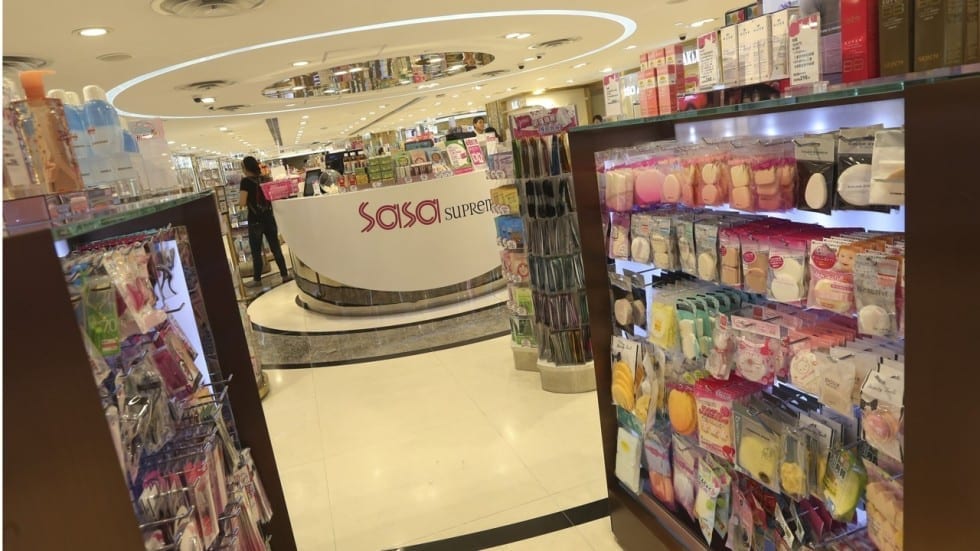
    Hong Kong’s largest cosmetics retailer Sa Sa International Holdings said Wednesday it will shut all its shops in Taiwan after losing money for six consecutive years.

    Sa Sa has 20 stores across the island according to its official website, and employs about 260 local staff. All the shops are expected to be closed by the end of March, the company said in a statement.

    The retailer’s Taiwan operation has been a drag on the group’s business, with turnover decreasing by 11.5% to 154.3 million Hong Kong dollars ($19.7 million) during the 10 months ended in January.

    “The group’s performance in Taiwan has been persistently weak, and the possibility of improvements is low into the foreseeable future,” said Simon Kwok, Sa Sa chairman and CEO.

    The Hong Kong-listed retailer operates about 280 shops — mostly in Hong Kong and mainland China — and employees about 5,000 staff. It also has operations in Singapore, Malaysia and Macau.

    Exiting the Taiwan market will allow Sa Sa to rationalize its resources to gear up for better opportunities in other markets and the development of e-commerce businesses, the statement said.

    The company said it believed the retail market in mainland China, Hong Kong and Macau would benefit from major infrastructure projects linking the mainland and the two special administrative regions, such as the Guangzhou-Shenzhen-Hong Kong Express Rail Link and the Hong Kong-Zhuhai-Macau Bridge. Both are expected to be officially rolled out this year.

    “To fully capture the opportunities that will arise from such developments, the group has decided to reorganize its business proactively by closing its loss-making operations in Taiwan,” the company said.

    While Sa Sa expects the store closures in Taiwan to result in a loss, it said the action will have limited impact on overall financial performance, as the affected stores only contribute about 2.5% of the company’s revenue.

    Sa Sa has been a popular brand with mainland tourists to Hong Kong, who contribute roughly 60% of the group’s revenue in the city. But its sales slumped in the past two to three years, as wealthy mainland shoppers traveled further afield for more diverse experiences.

    In the past few months, the company has recorded a robust performance in Hong Kong and Macau, thanks to the recovery in tourism. Sales in the two markets rose 8.1% to HK$1.89 billion in the quarter between October and December, compared with the same period last year.

    Turnover in mainland China, Singapore and Malaysia increased 13%, 3.6% and 3.9% respectively during the period.

  • Rewarding airport shoppers

    Rewarding airport shoppers

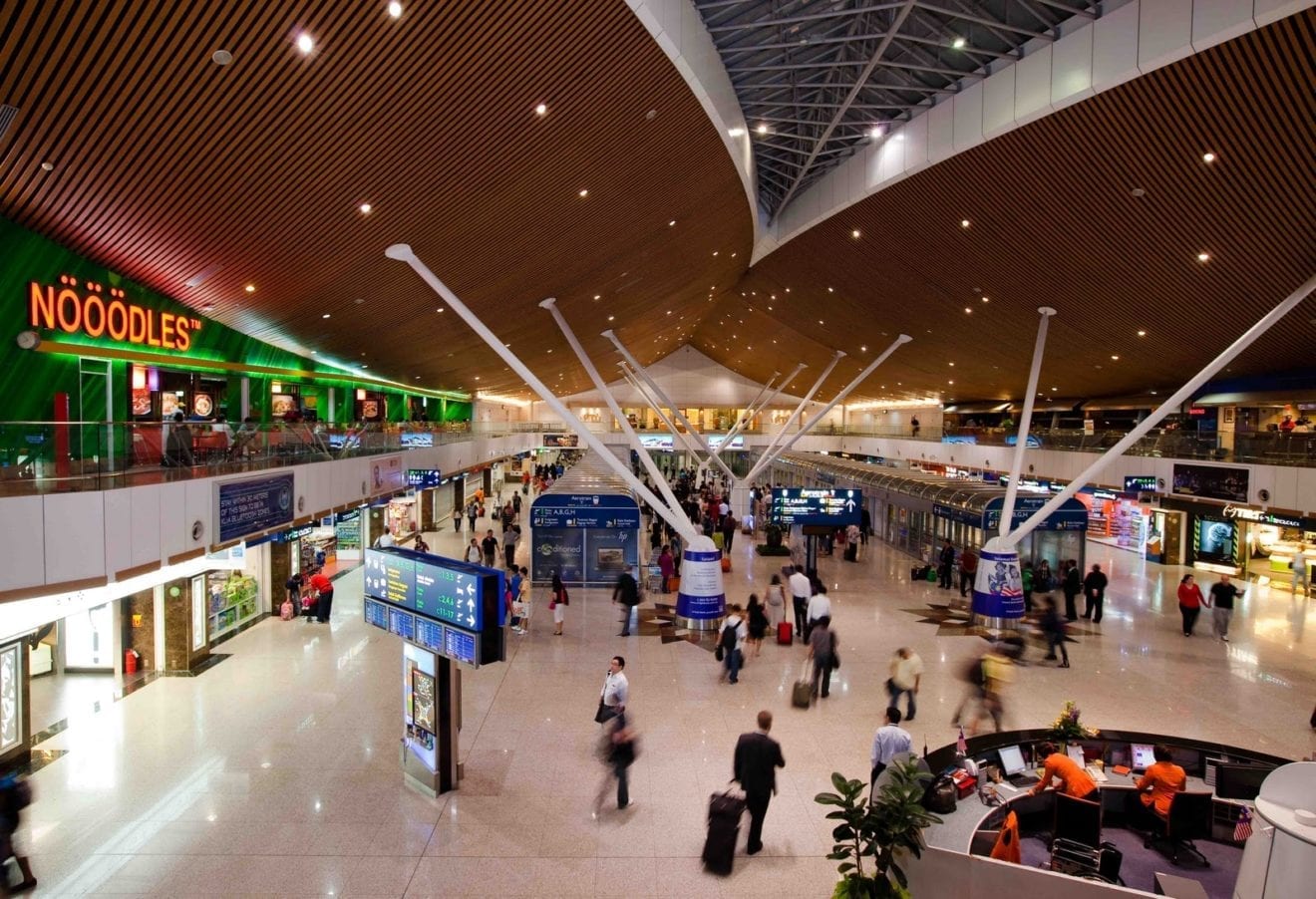
    Malaysia Airports (Niaga) Sdn Bhd, also known as Eraman, presented prizes to the winners of two contests during a ceremony held at Express, Level 3, Domestic Arrival, KL International Airport.

    The two contests, Shop & Stay and Dining Contest, launched in September and October respectively, are part of Eraman’s way to reward customers.

    The Shop & Stay Contest attracted thousands of entries.

    Malaysia Airports (Niaga) Sdn Bhd general manager Zulhikam Ahmad presented the prizes to all the lucky winners.

    He also expressed his delight over the good response both contests received.

    “It is great to see that Eraman has so many loyal customers and I would like to take this opportunity to thank everyone for their support.

    “These contests are our way of expressing our thanks to our loyal customers.

    “We hope that with these exclusive prizes, our customers will spend more at Eraman,” said Zulhikam.

    During the Shop & Stay Contest period, Eraman customers who spend a minimum of RM40 in a single receipt at Express are entitled to join the contest and win luxury hotel stays in Malaysia.

    These customers are also entitled to receive a RM10 cash voucher which can be redeemed at Chocolate Shop KLIA and the Duty Free Emporium International Arrival Hall, klia2.

    So far, two winners from each cycle – September-October, October-November and November-December – were presented with an exclusive holiday package of 4D3N stay at Shangri La Rasa Sayang Resort & Spa Penang, Tanjong Jara Resort, Terengganu and Hyatt Regency Sabah respectively, while consolation winners received RM100 worth of Eraman cash vouchers each.

    The six-month Shop & Stay Contest ends on March 14.

    One of the winners, Asmara Mansor from Kuching, Sarawak, said: “I feel very happy and blessed. I cannot believe I have won a holiday trip to Shangri-La Rasa Sayang, Penang.

    “I purchased some bread and buns at Express before my flight back to Kuching.

    “This is my second time winning a prize through Eraman. I won RM500 worth of Eraman shopping vouchers a few years ago. I guess I am lucky,” she said.

    Meanwhile, the Dining Contest which took place from Oct 1 to Dec 31 at Food Garden, rewarded three grand prize winners with two return flight tickets each to Krabi, Thailand (October winner), Bandung, Indonesia (November winner) and Hanoi, Vietnam (December winner).

    Three first prize winners received P10 Huawei smartphones while nine consolation winners were given Eraman cash vouchers worth RM100.

    “The Dining Contest managed to deliver what it set out to achieve.

    “This contest, a first for Food Garden, got the airport community and travellers to dine at Food Garden and create awareness of the many offerings that are available at Food Garden.

    “With the increase in passengers and new tenants such as Nasi Kandar and Alamin Food Empire, sales performance has increased overall, said Zulhikam.

    October grand prize winner Didayatul Adha Mohd Ros from Nilai, Negri Sembilan, said: “I plan to go to Krabi with my family during the school holidays in March. Thank you Eraman, for organising this contest,” she said.

    In conjunction with the Chinese New Year celebration, Eraman is also having Combo Deals for its customers.

    In addition to participating in the Shop & Stay Contest, customers can enjoy a combo of a drink and bun for RM2.50.

    On top of that, purchases of RM25 and above at Express as well as Eraman’s food and beverage eateries will entitle customers to a complimentary ang pow.

    Read more at https://www.thestar.com.my/metro/metro-news/2018/02/20/rewarding-airport-shoppers-retail-brand-gives-out-hotel-stays-and-flight-tickets-to-lucky-winners/#mIZBemyEtkF6WDPs.99

  • NEC Asia Pacific launches the NEC SL2100 Smart Communications System in Singapore

    NEC Asia Pacific launches the NEC SL2100 Smart Communications System in Singapore

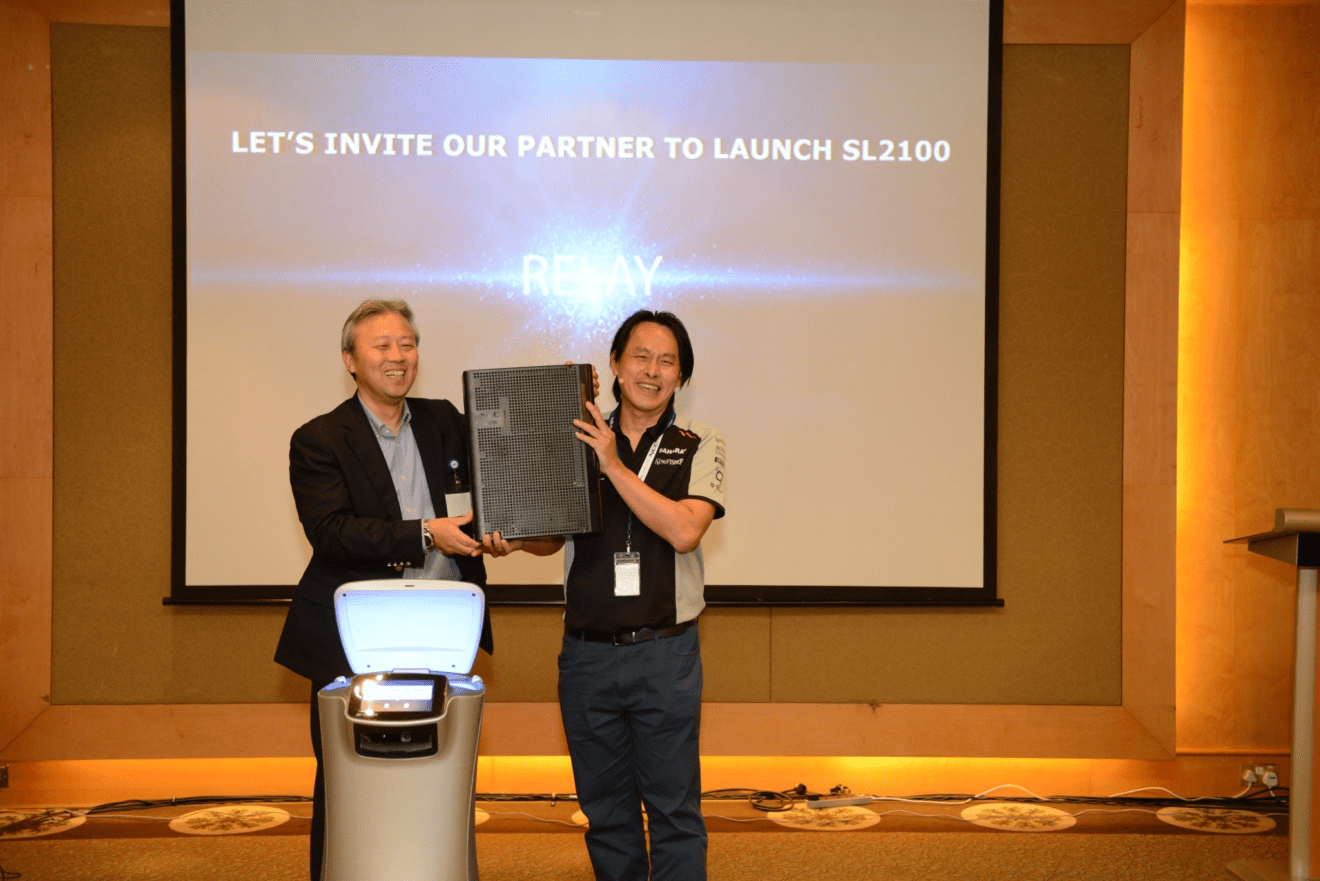
    NEC Asia Pacific held an event to officially launch the NEC SL2100 Smart Communications System in Singapore on 25 January 2018. The event was attended by over 70 participants consisting of partners and customers.

    The NEC SL2100 Smart Communications System is the newest and most advanced Server Message Block (SMB) communications platform that offers wide-ranging support for Voice over IP (VoIP), mobility and Unified Communications and Collaboration (UCC) features.

    “NEC’s new SL2100 offers industry specific features to meet the demands of small- and mid- sized businesses and to maintain high service levels. We are very excited to launch our Smart Communications System in the APAC region,” said Pablo Narata, Senior Manager, Global Platform Division, NEC Corporation.

    “NEC’s latest offering provides businesses with a powerful communication tool that is scalable and customized for each stage of the business. Through this launch event, we hope to influence more businesses to move to the Smart Enterprise Platform in order to generate a great customer experience,” said David Ooi, Vice President, Server and Networks Division, NEC Asia Pacific.


  • Interparfums and Bolloré Logistics Extend their Partnership

    Interparfums and Bolloré Logistics Extend their Partnership

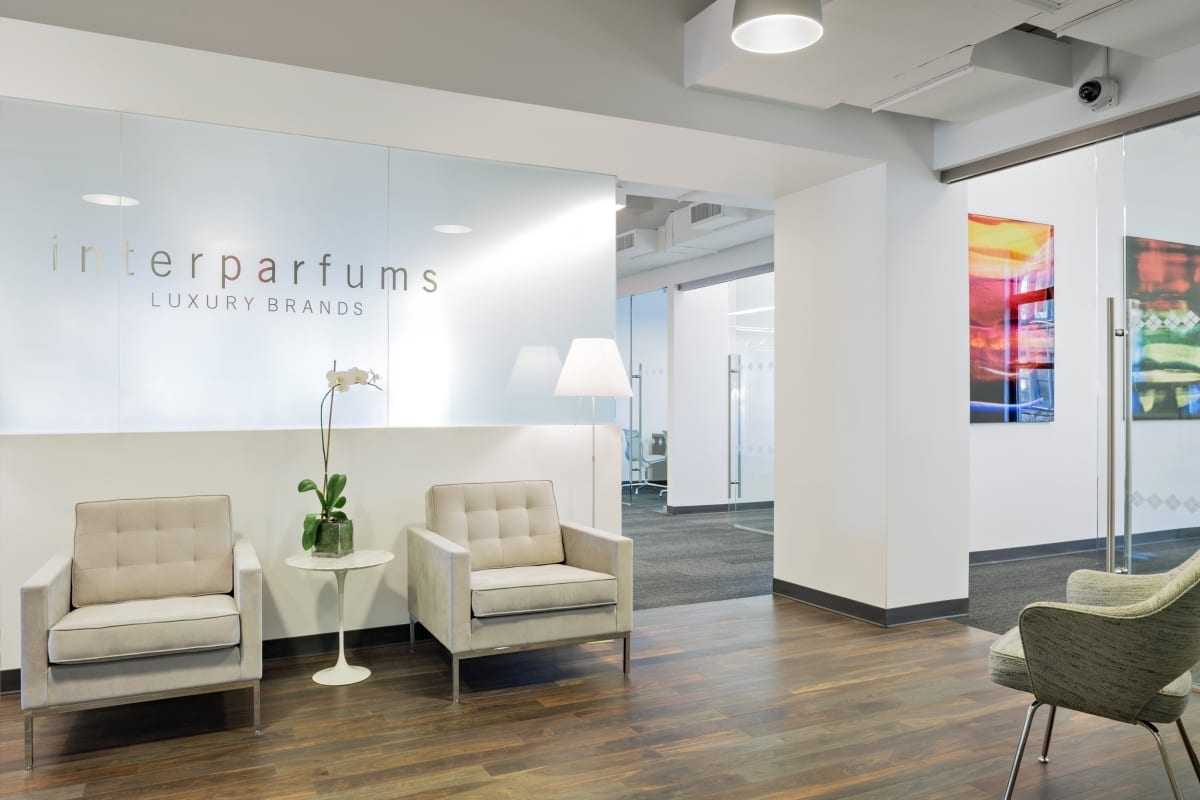
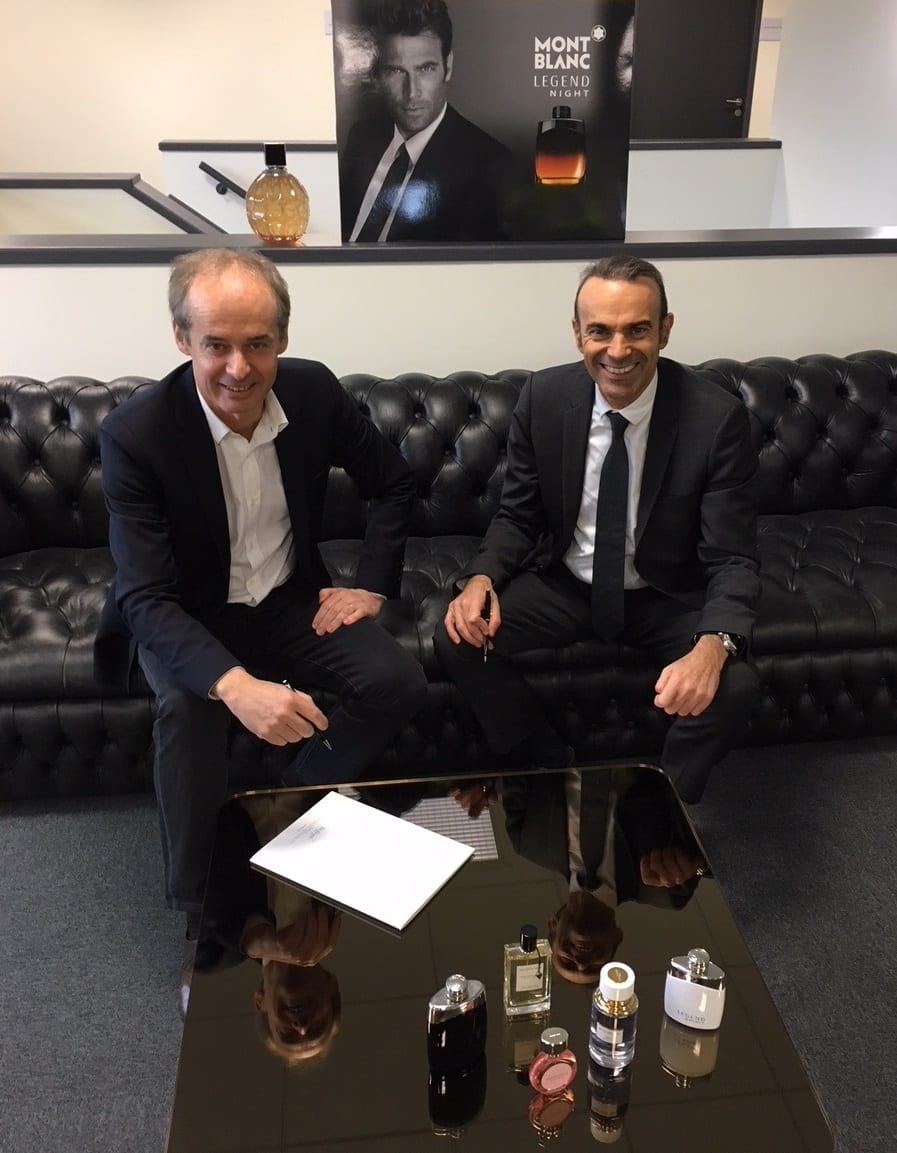
    Interparfums and Bolloré Logistics announce the extension of their partnership for a period of three years including 2018, 2019, and 2020.

    Interparfums is a French company that develops perfumes and cosmetics lines on the basis of global exclusive licensing agreements with luxury, fashion or accessories brands that include Montblanc, Jimmy Choo, Coach, Boucheron or Van Cleef & Arpels. They own Lanvin fragrances and Maison Rochas (fashion and perfumes). The company monitors and takes complete care of the perfume life cycle, from its creation to its distribution in France and internationally.

    Bolloré Logistics has accompanied the development of Interparfums’ logistics activities since 1994.

    The logistics partnership started in a 200 m² warehouse located in Petit Quevilly, Upper Normandy, and then was transferred to a dedicated warehouse of 9,000 m² in Grand Couronne in 2000, after which was expanded in 2003 to reach a surface area of 12,000 m².

    Given its strong growth, Interparfums continued their expansion with the construction of an additional 9,000 m2 building to reach a total surface area of 21,000 m2 in 2006. In 2011, activity at Grand Couronne was transferred to Criquebeuf sur seine in a 30 000 m2 building rented by Interparfums.

    To date, a construction permit for the creation of an additional 6,000 m2 cell of was issued with a delivery planned for the second quarter of 2018 therefore increasing the total surface area to 36,000 m2.

    The Bolloré Logistics branch in Grand Couronne provides upstream transport from the packers located in France in the Normandy, Centre Val de Loire and Hauts de France regions, as well as logistics services. It takes care of unloading, reception of products, storage and stock management, ordering, order preparation for France and global destinations by sea and air routes, transport planning, documentation management and returns, thanks to interfacing systems, Electronic Data Interchange (EDI) with Interparfums. Bolloré Logistics teams also provide monthly and annual inventories.

    Olivier Boccara, Global Sales Director at Bolloré Logistics, commented: “Interparfums is a historical customer who trusts us and we are proud to support during their expansion by providing quality logistical services that are recognized throughout this long partnership.”

    Philippe Santi, Deputy Managing Director of Interparfums added: “Bolloré Logistics has been a key partner in our development for many years. Their expertise in the perfumes and cosmetics sector, the quality of their processes and the professionalism of their local teams are for us key factors of success and allow us to offer a powerful service to all our customers worldwide.”

  • Starbucks Korea issues CPs to speed up domestic expansion

    Starbucks Korea issues CPs to speed up domestic expansion

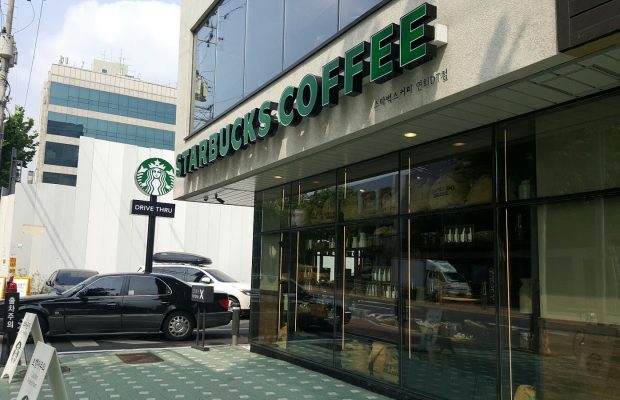
    Starbucks Korea recently issued commercial papers worth 30 billion won (US$28.07 million), possibly to further speed up its domestic expansion, according to news reports on Feb. 19.

    Seattle-based Starbucks is the nation’s No. 1 specialty coffee chain with about 1,100 outlets, followed by rival CJ’s A Twosome Place with 910 outlets. Its revenue hit the 1 trillion won mark last year for the first time as a coffee chain brand here.

    The Korean unit, a 50:50 joint venture with local retail giant Shinsegae Group, last year opened 130 new outlets nationwide, spending about 100 billion won. Sources said the firm is seeking to raise funds possibly to open about 150 new stores this year as part of its aggressive expansion plans.

    “We will continue to expand our presence here like we did last year,” a company spokesperson said. “We cannot confirm any details of the CPs now.”

    According to industry watchers, Starbucks Korea is issuing CPs as it has reduced its debt over the past years thanks to strong earnings. In the early years, the firm issued CPs to fund the expansion. Its debt reached more than 60 billion won five years ago but the figure dropped to 4 billion won by the end of last year.

  • Time to get serious about saving energy

    Time to get serious about saving energy

    A tax will never be welcome, but it can be timely. The carbon tax that Singapore will levy on large polluters from next year is one such example.

    The tax – details of which were announced yesterday by Finance Minister Heng Swee Keat – comes against a backdrop of rising temperatures and increasingly erratic weather.

    Last year was Singapore’s warmest year on record – excluding years influenced by El Nino, a weather phenomenon associated with hot and dry weather in this part of the world. The Republic is also experiencing more bouts of intense rainfall – such as the one on Jan 8 that led to flash floods in its eastern parts.

    That these effects can already be felt here highlights the urgent need for action. And a carbon tax is one direct way to tackle climate change – by trying to get large polluters to reduce the emission of greenhouse gases.

    Singapore’s introduction of a carbon tax is also in line with carbon pricing strategies adopted by other countries to reduce greenhouse gases.

    As Singapore marks its Year of Climate Action this year, its move to get ready for the roll-out of the carbon tax next year shows how serious it is in tackling the global threat of climate change.

    About 67 countries and jurisdictions, including China, the European Union and Japan, have implemented or announced plans to implement carbon pricing schemes, which incentivise emitters to reduce their greenhouse gas emissions and improve energy efficiency.

    In Singapore, the carbon tax will initially be set at $5 per tonne of greenhouse gas emissions until 2023, although the plan is to increase this to between $10 and $15 per tonne of emissions by 2030.

    This will be levied on the 30 to 40 companies responsible for the lion’s share of emissions here, but households will experience a knock-on effect – a 1 percentage point increase in total electricity and gas expenses on average, Mr Heng said.

    As the implementation of the carbon tax next year follows the full liberalisation of the retail electricity market in the second half of this year, households will be able to choose which retailer they wish to buy electricity from.

    Professor Euston Quah, head of the economics department at the Nanyang Technological University, said competition will put pressure on energy retailers to keep their prices competitive by not passing on the full cost of the carbon tax to consumers.

    The impact of the carbon tax will also be cushioned by the additional utilities rebates that eligible HDB households will get from next year to 2021.

    This gives consumers some time to form energy-saving habits, which could include turning off power at the socket when appliances are not in use, or using more energy-efficient appliances.

    The introduction of the carbon tax is a timely move which reminds both companies and individuals that it is time to get serious about saving energy.

  • Thai low-cost carrier Nok Air pins turnaround on more China, India flights

    Thai low-cost carrier Nok Air pins turnaround on more China, India flights

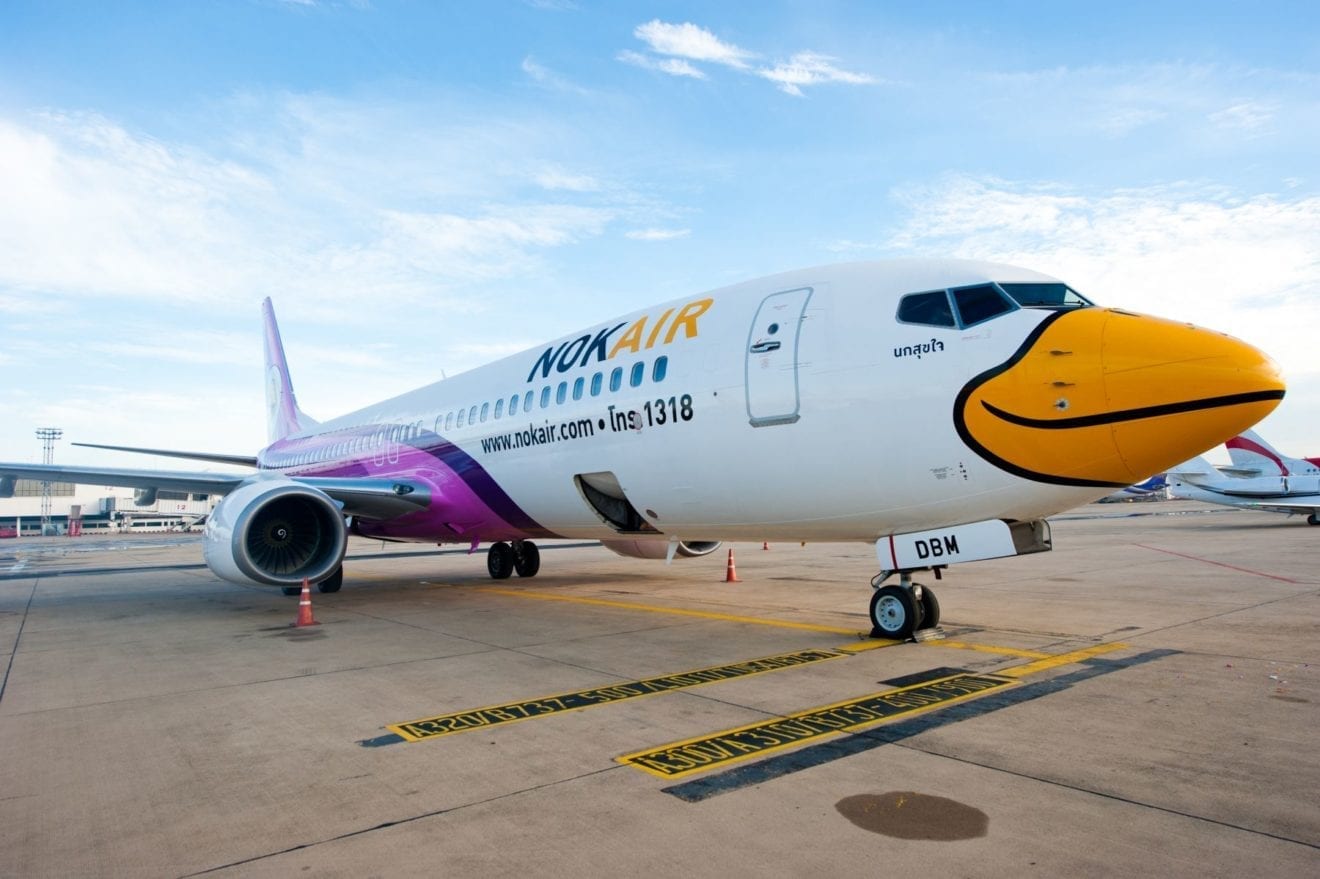
    Nok Airlines Pcl, the struggling low-cost subsidiary of Thai Airway International Pcl, aims to turn around operations by growing international revenue with more flights to China and India, a top executive said on Monday.

    The carrier, which posted a loss of 1.85 billion baht ($58.95 million) last year, aims to increase revenue by 3 billion baht this year from 20.4 billion baht in 2017, by carrying 9 million passengers, 4 percent more than a year prior, Chief Executive Piya Yodmani said.

    He also said the carrier aims to increase revenue from international operations to 40 percent of its total from 20 percent a year earlier.

    Piya, who took over as CEO in September after the resignation of Patee Sarasin, said Nok targets aircraft utilization of 12 hours, up from 10.4 hours in 2017, with more red-eye flights and routes in China to boost earnings as Chinese tourist arrivals surge in Thailand.

    “We are waiting for approval to fly into three cities in India with the possibility of increasing routes there,” Piya said.

    Hotel and retail groups are among the main beneficiaries of a Thai tourism boom, while Thai airlines struggle with competition and fuel costs.

    Nok is deferring delivery of 8 Boeing Co 737-MAXs to next year through 2021 due to a “red ocean of competition,” Vice President Surachart Angkasuwan said.

    Tourism accounts for about 12 percent of Southeast Asia’s second-largest economy, with the country expecting 37.55 million arrivals this year, up 6.1 percent from 2017.