Author: Mei Ling Tan

  • Rosy results picture for HSBC

    Rosy results picture for HSBC

    HSBC Holdings releases its annual results this week and many investment houses seem positive.

    Goldman Sachs expects the total amount of share buybacks of the banking group to hit US$3 billion (HK$23.4 billion) this year and the dividend payout to be maintained at 51 US cents per share.

    The conglomerate has had three public repurchases in the past, ranging from US$1 billion to US$2.5 billion.

    It will record a US$3.7 billion profit before tax for the fourth quarter of the last financial year while the average market expectation is US$3.9 billion, up 49 percent from its result last year, Goldman Sachs added.

    Investors will tend to focus on the company’s retail business performance in Hong Kong in the fourth quarter last year when the local stock market surged and the interest rate grew, both of which should have benefited the HSBC’s wealth management and insurance business, Goldman Sachs said.

    According to the prediction made by analysts from Bloomberg, the company should see approximately US$20.35 billion annual adjusted profit before tax, growing 5.4 percent year on year. Internal securities and analysts from HSBC are more positive, forecasting a 10.4 percent annual growth in adjusted profit before tax to US$21.31 billion and a 7.6 times year on year gain in net profit to US$11.33 billion.

    However, China Goldjoy Asset Management managing director Matthew Kwok is not expecting too many surprises.

    He said the banking group is unlikely to have a large growth in net profit, plus the switch of management should drag the public attention to new strategy developments, though he agreed that HSBC has sufficient capital for share buybacks.

    Stuart Gulliver, chief executive of HSBC, will leave the position this week after the results’ announcement.

    Recently, he reportedly said the banking giant is unlikely to exercise any spinoff after many years of business restructuring.

    For a long time English politicians have been critical of HSBC for its merger and acquisitions in earlier years “have led the company to the stage of being hard to manage,” but now Gulliver said such concerns have faded.

    With the hope of an excellent result, the banking group’s stock price rose in Hong Kong before the Lunar New Year holiday and surged to HK$83.55 on the last trading day.

    Last October, HSBC released its third quarter result and signaled its pivot to Asia was paying rich dividends as quarterly profits leaped fivefold, and that it will continue placing strong investments in the mainland over next few years.

    The bank makes more than half of its profits in Asia, and its regional pivot is centered around the Pearl River Delta with plans to bolster its retail and wealth management business.

    Back then, Gulliver said that the group expected sustainable profit efficiency from the region.
  • Now you can WhatsApp and fly with AirAsia

    Now you can WhatsApp and fly with AirAsia

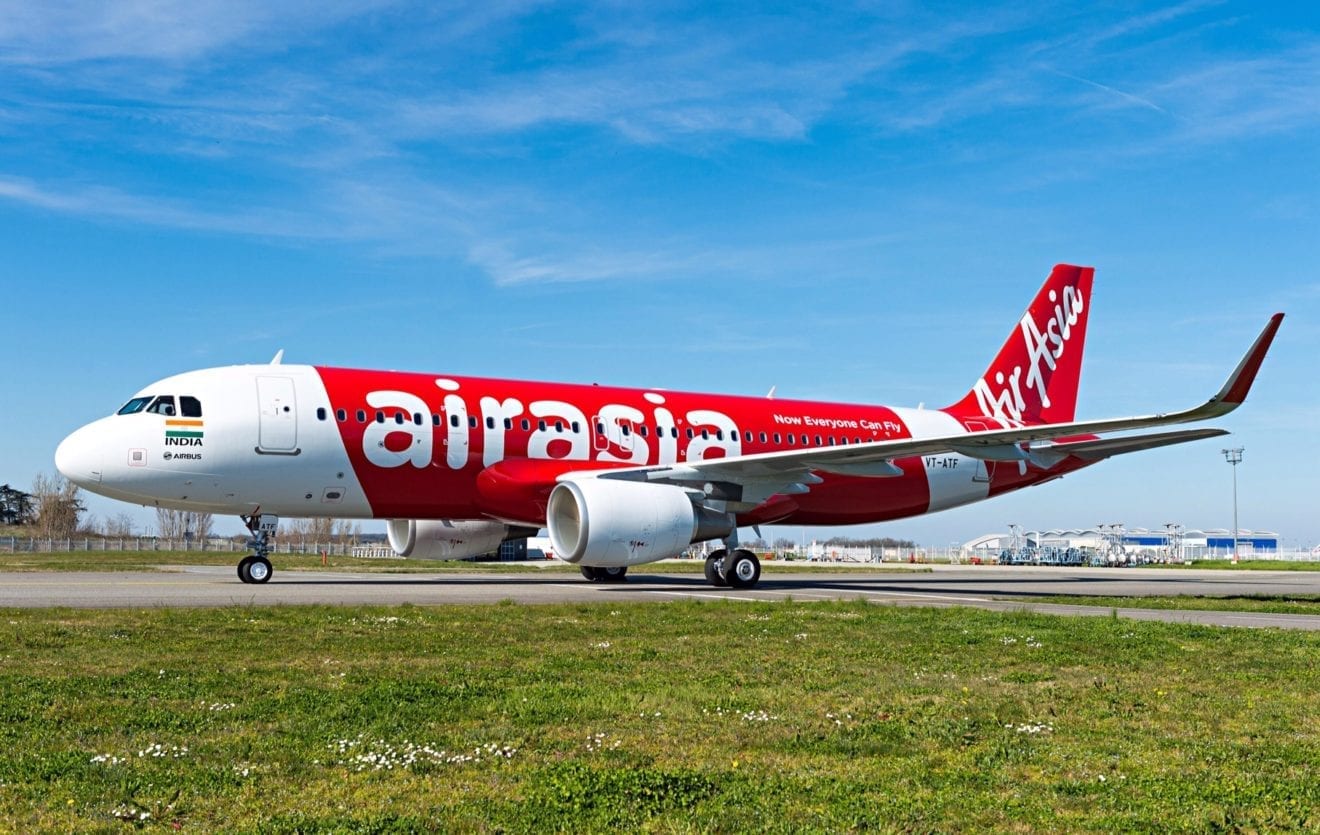
    Members of AirAsia’s loyalty programme will be able to enjoy free in-flight Internet on carriers with ROKKI WiFi starting from today.

    All AirAsia BIG members will receive 2MB chat plans for apps WhatsApp, WeChat, LINE, KakaoTalk and Viber that can be activated when they fly on ROKKI-enabled flights.

    Rokki chief executive officer Lalitha Sivanaser said the company recognised the importance of staying connected on the move, even during a flight.

    “Connectivity is integral to our lives. We hope this free inflight Internet will help guests stay in touch with their friends and family and get the latest updates no matter where they are.

    “ROKKI is continuously advancing the digital transformation on board, further enhancing the inflight portal that offers entertainment, news, and exciting shopping deals on their personal mobile devices while flying,” added Sivanaser.

    To redeem the plan, BIG Members need only connect to the ROKKI portal using their AirAsia BIG login details.

    The experience is available on any of AirAsia’s 44 ROKKI-enabled aircraft with free connection via personal mobile device.

    ROKKI is an inflight entertainment and connectivity platform that offers guests free entertainment, music, games and news, as well as shopping features.

  • Renault partners with Chinese online retail giant

    Renault partners with Chinese online retail giant

    China, a strategic market for Groupe Renault, is the top priority in the company’s new mid-term plan, “Drive the Future.” The Chinese joint venture, Dongfeng Renault Automotive Company, has set a target of 400,000 passenger cars sales by 2022 based on nine local models.

    “One of the key objectives of returning to Formula 1 was to leverage its global platform for Groupe Renault,” said Cyril Abiteboul. “China has been identified as a market of strategic importance and partnering with high-profile companies like Alibaba’s Tmall will provide opportunities to significantly improve Renault brand awareness and opinion in China, with a strong presence over the Chinese Grand Prix in April, but also throughout the year.”

    “We are excited to partner with the Renault Sport Formula One Team to make our activity around the Chinese Grand Prix a success and to be working closely together to bring one-of-a-kind experiences with the Renault Sport Formula One Team to our customers,” added Wei Yu, General Manager of Tmall Auto.”

    Alibaba Group’s mission is to make it easy to do business anywhere. The company aims to build the future infrastructure of commerce. It envisions that its customers will meet, work and live at Alibaba, and that it will be a company that lasts at least 102 years.

    Launched in 2008, Tmall caters to consumers looking for branded products and a premium shopping experience. A large number of international and Chinese brands and retailers have established storefronts on Tmall. According to iResearch, Tmall was China’s largest third-party platform for brands and retailers in terms of gross merchandise value in 2016. Tmall is a business of Alibaba Group.

  • The Macallan pursues ‘Quest’ with global travel retail rollout

    The Macallan pursues ‘Quest’ with global travel retail rollout

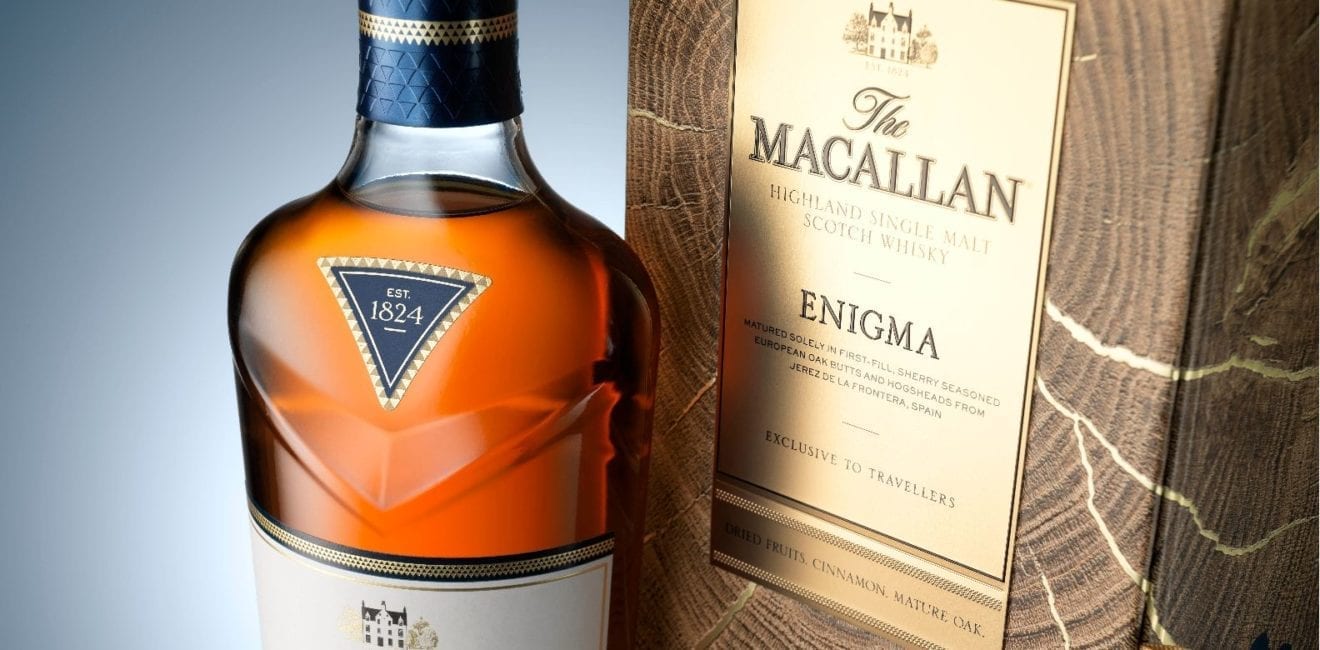
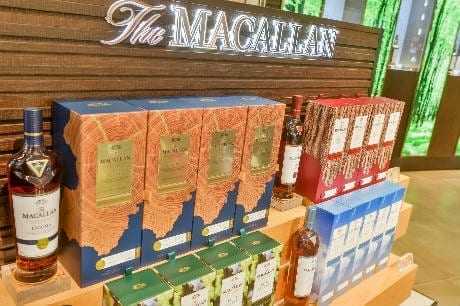
    The Macallan Quest Collection has launched in global travel retail following a month-long exclusive tie-up with DFS Group at Singapore Changi Airport.

    Quest, unveiled to members of the press during TFWA WE, initially launched across all four of Changi’s terminals in January and will now be available on-shelf at key airports globally.

    A giant, rotating bottle cut-out display housed in an illuminated diamond-shaped glass showcases Quest’s four different expressions at Changi.

    As part of the promotion, shoppers were taught more about the collection via interactive displays that emphasised the cask story and flavour of the four expressions.

    This twinned with food pairings and complimentary postcards to act as an additional incentive to purchase.

    Brooke Supernaw, Senior Vice President, Spirits, Wine & Tobacco at DFS Group, commented: “The Macallan Quest Collection embodies the innovation, storytelling and dedication to quality which have made The Macallan such a powerful brand in the single malt category.

    “This partnership and exclusive launch are especially significant for DFS, as we continue our own quest to offer fresh, engaging and exciting experiences to delight travelling customers at our airport and downtown stores around the world.”

  • The Bitcoin Party is Over. The Blockchain Party has just Begun.

    The Bitcoin Party is Over. The Blockchain Party has just Begun.

    Confidence in cryptocurrency markets may have taken a major hit in recent weeks, but the same cannot be said of the value of the technology it relies on – the blockchain. Bitcoin’s price plunged this week to less than US$11,000, from almost US$20,000 in mid-December, after South Korea announced that all anonymous accounts, foreigners without local banking services and minors would be banned from trading on exchanges from January 30.

    But, particularly in Southeast Asia, much confidence remains that the blockchain technology underlying bitcoin can be adapted to drive development in everything from bank remittances to electoral rolls and health care records.

    Essentially, a blockchain is a digital ledger – a continuously growing list of records, called blocks, that are designed to be resistant to modification. Blockchains enable information to be shared in peer-to-peer networks, and because the data in any given block cannot be altered without altering all subsequent blocks, they are secure against fraud.

    It’s this quality that has raised hopes it can be adapted for a wide range of uses beyond the financial sector. In Singapore, the monetary authority has launched extensive blockchain research efforts, while its members have formed a blockchain-based trading network with Hong Kong, to be rolled out early next year.

    Indonesia’s Central Bank is following Singapore’s lead with its own research programmes, according to Eni Panggabean, head of payment system policy and the oversight department.

    “There is nothing wrong with the blockchain technology and it can be utilised in various sectors,” she said, adding that research was still in its early stages.

    Malaysia, meanwhile, is seeking to develop global blockchain standards with industry groups predicting the technology will be in widespread use by 2025. In Australia, the government has invested A$8.6 million (US$6.9 million) into a blockchain project by Perth company Power Ledger, in which energy is exchanged between households during periods of excess or shortage.

    And even in the midst of South Korea’s clampdown on bitcoin, the science and technology minister Yoo Young-min has gone on record as saying that blockchain should be considered quite separately from the volatile trading scene.

    Rob Hanson, senior research consultant at Australia’s Commonwealth Scientific and Industrial Research Organisation (CSIRO), said blockchain’s potential was “fundamentally as an anti-fraud tool”.

    “Blockchain is a term charged with excitement and confusion,” Hanson said. “It is a technology that lets anyone record transactions in a way everyone can see and trust … For governments, the obvious areas to focus blockchain research on are those where it would produce the greatest public good.”

    Southeast Asia is ripe for such innovations.

    “In Vietnam, health care records are a key area that blockchain could disrupt in public services,” said Nicole Nguyen, head of corporate marketing at Infinity Blockchain Labs in Ho Chi Minh City. “Regulation technology is also an area that government is very excited about.”

    Blockchain technology could also be used to host government registries, improve supply chain visibility and efficiency – especially in archipelago countries like Indonesia and the Philippines – and speed up international remittance payments, according to a CSIRO research paper.

    And Steven Suhadi, chief executive of Jakarta-based blockchain start-up Blocktech, said it could boost traceability and transparency across governmental agencies, potentially helping with anti-corruption efforts.

    Even so, multiple challenges remain before blockchain can achieve widespread adoption.

    On a government level, Hanson said more research was needed to develop adequate regulation that ensured the technology was efficient and did not “erode trust and confidence in the democratic process – which ironically is what a blockchain would be trying to strengthen”.

    “Blockchain uses a lot of computer power in order to create the trust we value. These costs are hidden in systems like bitcoin because of the cryptocurrency reward paid to the people who provide their computers for this purpose,” he said.

    Hanson said authorities needed to decide whether they were going to use a public network of computers to support their blockchains, or run all the computers themselves.

    He urged governments not to act too hastily to adopt the technology.

    “The problem with the amount of excitement around blockchain is that people are treating it like a silver bullet and are more interested in finding a use for blockchain than in finding the best way to solve the problems they face,” he said. “There should be a good reason for using a blockchain, and that reason should not be because other people are using it and you don’t want to miss out.”

    For Nguyen, blockchain’s supporters must also overcome the uncertainty generated by the recent cryptocurrency trading frenzy – and the heavy-handed reaction from countries such as South Korea.

    The adoption of cryptocurrency, that would affect the blockchain industry,” she said. “But on the other hand, it could make more people intrigued by the ecosystem itself and deploy this tech for other applications. That’s where the magic of blockchain would kick in.”

  • Air Asia X to stop flights from Mumbai

    Air Asia X to stop flights from Mumbai

    Malaysian budget carrier AirAsia has decided to pull out its flights from Mumbai to Kuala Lumpur from April 30.

    AirAsia India spokesperson saying passengers booked on the sector after April 29 will be allowed to either re-route through other destinations, get a credit refund, change the travel date or get a full refund.

    The Mumbai-Kuala Lumpur flight has been popular with tourists to Malaysia and Bali, where Air Asia has excellent connections. If you were planning your South Asia summer holiday, you still have three good options from Mumbai. The following airlines operate non-stop flights:

    Malindo Air flies to to Kuala Lumpur from Mumbai every day, with a flight duration of 5 hours and 20 minutes. Book your tickets here.

    Malaysia Airlines also has daily non-stop flights between Mumbai and Kuala Lumpur. Book tickets here.

    Jet Airways flights, operated by Malaysia Airlines as a part of codeshare, will also take you to Kuala Lumpur in just 5 hours 20 minutes. Book here.

    Other primary carriers that will get you there with 1 short stop along the way include Singapore Airlines, Air India, Emirates, Etihad, Cathay Pacific and Sri Lankan Airlines, to name a few.

  • FedEx Opens Shanghai Hub, Prepares for A Surge On eCommerce in Asia

    FedEx Opens Shanghai Hub, Prepares for A Surge On eCommerce in Asia

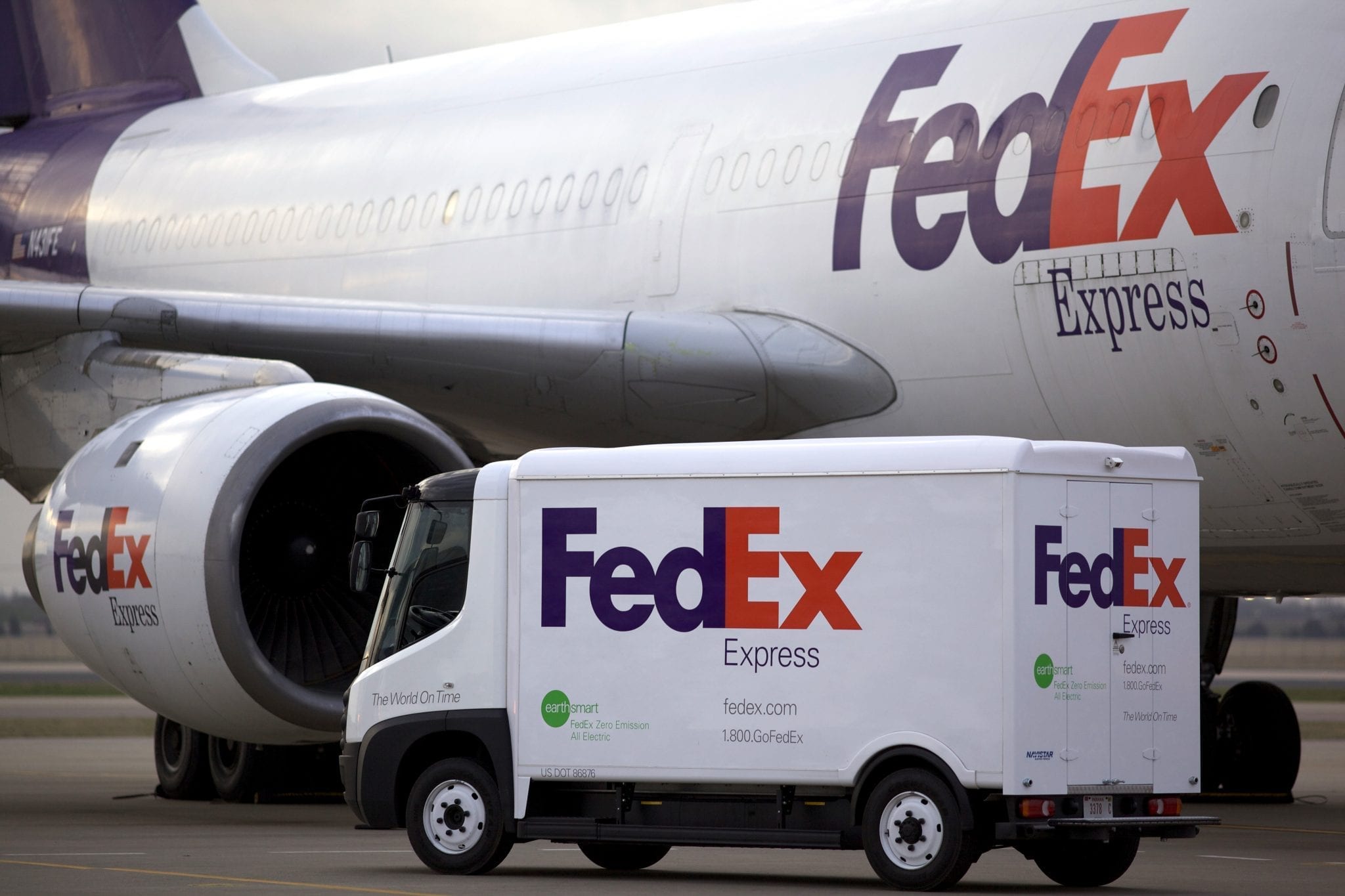
    FedEx recently opened its 1.4 million square foot Shanghai Pudong International Airport hub on January 8. FedEx’s new hub is now considered as the largest of its kind, installed with the latest sortation technology temperature-controlled storage.

    FedEx Corp. anticipates a growth in online transactions in China as the company opens its new hub in the country. Air cargo volume in China has grown steadily together with the demand of cross-border eCommerce market.

    It is approximate that the value of goods to increase to at least 43 percent to $117 billion this year. China’s air cargo volume is projected to increase to at least 6.2 percent in 2018, which is now considered as the biggest gain in the past 7 years, according to China’s Civil Aviation Administration.

    “There’s an opportunity to bring a lot of products and a lot of convenience to the Chinese consumers… With the wealth of Chinese consumers and the worldliness of Chinese consumers, they’re going to demand goods from the U.S. and Europe and parts all over the world,” David Cunningham Jr. Chief Executive Officer of FedEx Express

    China’s growing demand for cross-border eCommerce

    FedEx says that their latest facility can send real-time information such as shipment and flight status to its customers’ mobile smartphone devices. The hub also has dedicated areas for entry-exit inspection and quarantine to speed the customs clearance process.

    China’s growing demand for cross-border eCommerce has generally increased for the past 10 years, urging carriers to reorient their operations to mainly focus on the Chinese Market.

    United Parcel Service Inc. has now set up at least $10 million venture with SF Holding Co. in Hong Kong in May to cater to the growing demand of the Chinese Market. FedEx currently operates 66 flights in and out of the Shanghai hub each week.

  • Uniqlo launches in the Netherlands

    Uniqlo launches in the Netherlands

    Japanese retailer Uniqlo has entered the Netherlands, with a debut Dutch store launching in Amsterdam.

    The Fast Retailing flagship brand, after months of speculation, has confirmed it will enter the Dutch market in the autumn of 2018.

    Located on Amsterdam’s busiest shopping street, Kalverstraat, the three-level, 2,040 square-metre-store has a secondary entry for shoppers to access to the store via Rokin, opposite Canadian retailer Hudson’s Bay. The building served as the home of US retailer Forever 21, until early 2018.

    The Amsterdam flagship will boast collections for men, women, children and infants, as well as key collections like LifeWear.

    “Amsterdam is well known for its relaxed and casual lifestyle. I believe our LifeWear, designed around core items such as Denim, Ultra Light Down outerwear, Extra Fine Merino knitwear and more, will be a perfect match for the people of Amsterdam. Our entry into the Netherlands marks the next step in our plans to grow our presence in the Benelux region,” said Taku Morikawa, Chief Executive Officer at Uniqlo Europe.

    Europe has been expansion point for the Japanese retailer in the past twelve months. In May 2017, Uniqlo debuted a European distribution centre in Oud-Gastel in the Netherelands, in partnership with Ceva Logistics.

    At the time, Uniqlo said it plans to take its European store count to 100 outlets over the next three years, in a bid to strengthen its retail presence outside of Asia.

    With the opening of the Amsterdam store, the Netherlands serves as the eighth European market for the fashion giant.

    Uniqlo is owned by Fast Retailing, which also operates Comptoir des Cotonniers, GU, Helmut Lang and J Brand. It boasts 1,900 stores, in 19 markets worldwide including Asia, Europe and the Americas.

  • Chanel invests in Farfetch for digital retail push

    Chanel invests in Farfetch for digital retail push

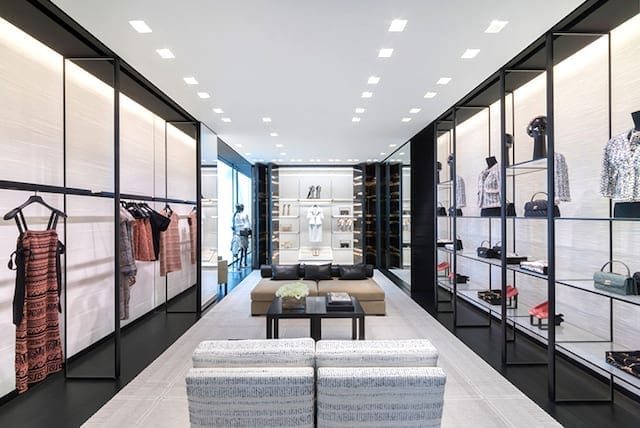
    In an effort to become more digitalized, Chanel has tapped e-commerce firm Farfetch, consolidating the partnership with a minority stake purchase in the UK retailer.

    The French couture house looks to develop digital communication such as chats to connect Chanel clients with store assistants.

    Privately owned, Chanel is known for its reluctance to digitize or stock itself in multi-brand retailers, adding to the allure and rarity of the brand.

    With the Farfetch deal, the label will still not sell its luxury fashion and apparel online, but will solely work with the platform on digital innovations linked to customer services in the coming years, said Bruno Pavlovsky, Chanel’s fashion president.

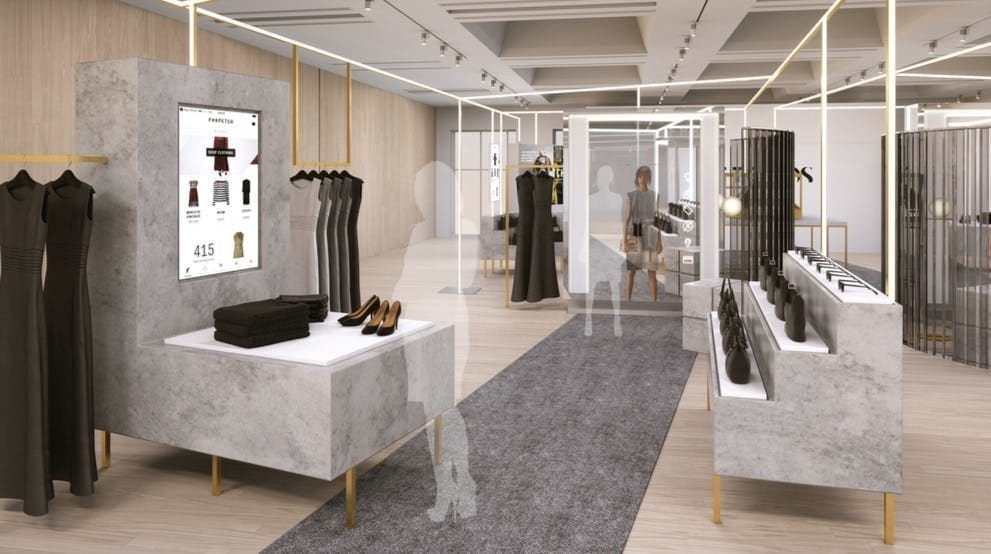
    Smartphone applications — allowing people to select their preferences and sizes on their phones before visiting a store, are in works and will let shop assistants better cater to individual needs, Pavlovsky said.

    Meanwhile, in store, shoppers will be able to preselect items as they browse, rather than wait for a sales associate to help them.

    The deal is the first of its kind for Farfetch. In 2015, Farfetch launched the Store of the Future division, and acquired London boutique Browns, serving as a playground for innovations in omni-channel retail technology and ‘augmented retail’.

    It’s the latest move from a luxury brand to tap Farfetch and other digital savants like it, in a bid to lure younger or more teched-out shoppers.

    Burberry announced a new deal with Farfetch that will see its full range being made available to shoppers in 150 countries on the Farfetch platform. It also means that its entire global inventory will be available to e-buyers for the first time.

  • Visa now accepted at all 7-Eleven stores nationwide

    Visa now accepted at all 7-Eleven stores nationwide

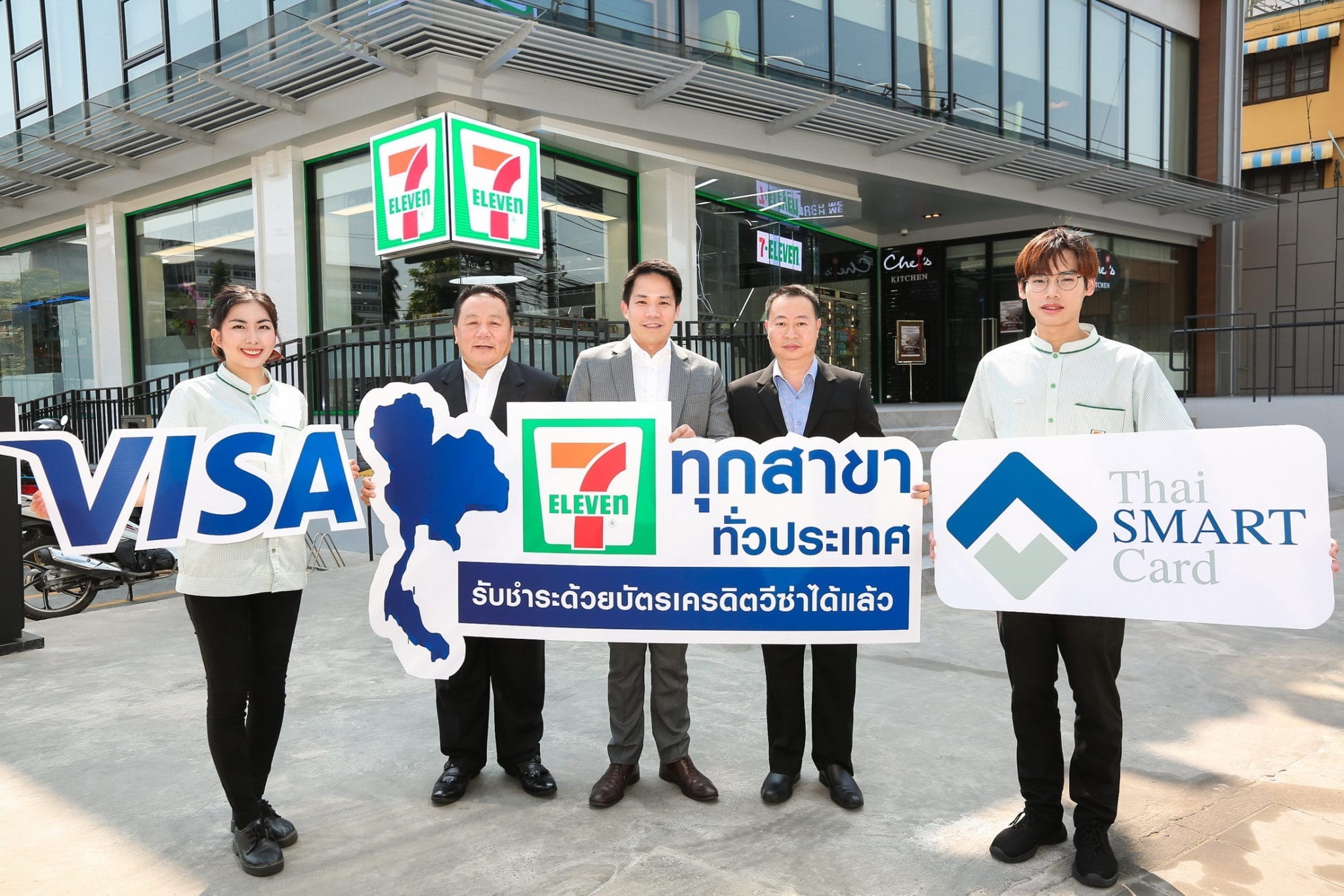
    Visa, the world’s leader in digital payments, announced the complete rollout of credit card acceptance at all 7-Eleven convenience stores nationwide.

    Expanding acceptance points is crucial to the National ePayment Plan and will help accelerate Thailand on the journey to become a full-fledged digital economy. The program was first piloted last year in selected 7-Eleven stores with high tourist traffic and has since gradually branched out across the country.

    Suripong Tantiyanon, Country Manager, Visa Thailand said: “The partnership between Visa, Thai Smart Card and 7-Eleven is an important chapter in the digital transformation of commerce in Thailand. It is an exciting milestone for our cardholders, who can now pay with any Visa credit card, including contactless, when shopping at 7-Eleven. It is a great opportunity for more people to experience the convenience and security of digital payments.”

  • VIP.com, first Chinese partner of the London Fashion Week

    VIP.com, first Chinese partner of the London Fashion Week

    The new relationship is truly special as this is the first time a Chinese retailer becomes an Official Sponsor of London Fashion Week. Vip.com will be working closely with British brands to help them launch in its hugely lucrative and ever-expanding home territory.

    “The fashion market in China is extraordinarily sophisticated and fast paced, and hungry for new design talent,” says Jenny Jioe, Managing Director of Fashion at Vip.com. “Our consumer is aware of London’s creative pedigree, and ready for both news and product. I know from first-hand experience that the brands in London, with all their energy and unbridled creativity, are precisely what we are looking for.”

    Vip.com is one of China’s top 3 ecommerce retailers, with annual retail sales of $11.2b, 57.8million active customers, over 335million orders in 2017, and eight individual international sourcing offices. In 2016 Forbes ranked Vip.com as No.2 in its top 100 companies with the highest growth.

    London Fashion Week is a renowned launch pad for emerging fashion talent. “The nature of working with so many new businesses, is that they don’t have the advertising power of the global fashion brands,” says Caroline Rush, Chief Executive British Fashion Council. “What they have is incredible products that a fashion-forward Chinese consumer is going to love. Our role is to shine a light on these businesses and work with our partners at Vip.com to introduce these brands to a highly engaged audience in China.”

    The new partnership takes sponsorship at London Fashion Week into new, global realms of business and marketing savvy. “We are going to stage a show that is exclusive run by Vip.com,” says Paul Tyce, the Chinese e-commerce site’s UK country manager. “We will offer live streaming to our customers in China, in-depth cooperation with designers, and fashion and art exhibitions. This isn’t just about title sponsorship.”

  • ShopBack searching for Singapore’s biggest online shopaholic

    ShopBack searching for Singapore’s biggest online shopaholic

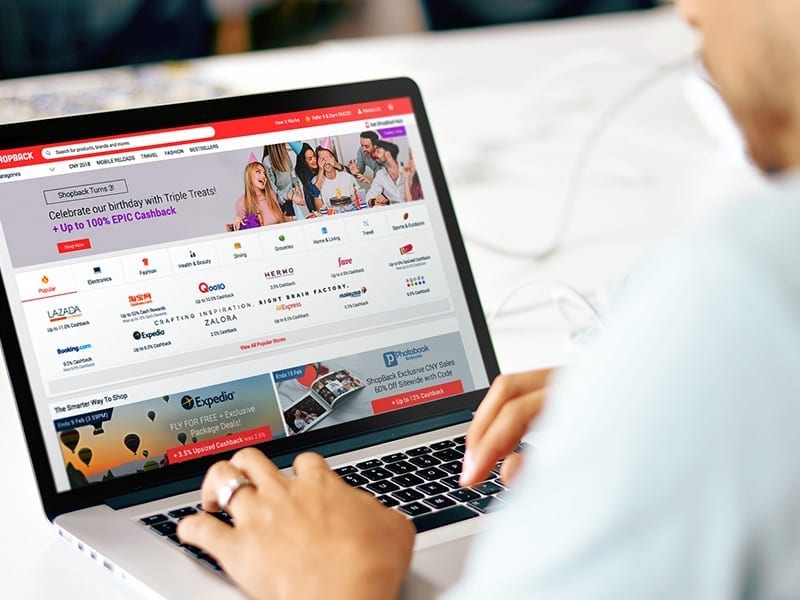
    E-commerce start-up ShopBack is teaming up with online social networking service LinkedIn to hunt for its Chief Shopping Officer.

    The Chief Shopping Officer will identify the best deals and shop for him or herself at any of ShopBack’s 500+ merchant partners, including Singapore Airlines, FoodPanda, Cathay Cineplexes, Grab and more.

    The online loyalty platform will provide SGD11,271 in shopping funds for the role, which will commence from 1 March – 30 April 2018. All purchases and cashback accumulated during the period of employment will be for the Chief Shopping Officer to keep thereafter.

    Applications for the temporary role will run for three weeks (ending on March 5, 2018) on LinkedIn and the Chief Shopping Officer will be officially announced on March 13, 2018.

    “There’s no better way for us to find out what our customers want than picking a Chief Shopping Officer from among them. Most of these customers do not necessarily have a professional background as a shopper and have regular day jobs. We wanted to tap professionals on LinkedIn, who may be a hardcore programmer by day, but an online bargain hunter at night,” said Vincent Wong, country head at ShopBack Singapore.

    ShopBack said it is looking for candidates who can work remotely with at least two to three years of online shopping experience with a knack for sniffing out the best online bargains. The role also requires some video editing skills and being on camera.

    Linda Lee, LinkedIn’s head of communications for South-east Asia and North Asia, added the company is seeing companies in Singapore and the Asia-Pacific region hire for more fun and unconventional roles on the website.

  • WeChat Pay available at European airport retailers

    WeChat Pay available at European airport retailers

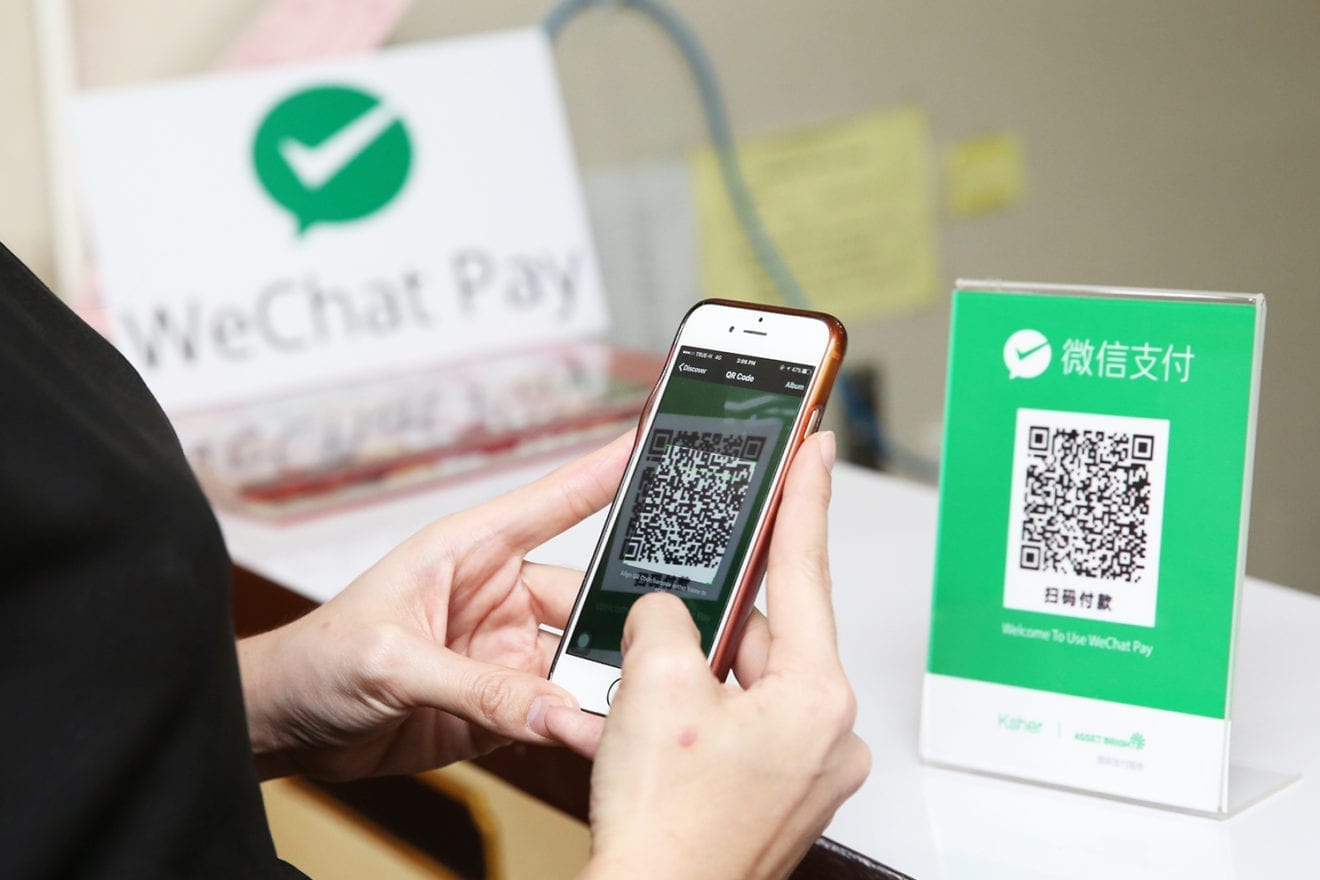
    WeChat Pay, a popular mobile payment method among Chinese consumers, will be available in several European airport retail destinations, as part of the travel retail industry’s attempts to appeal to large visitor numbers from China.

    Lagardère Travel Retail, which operates retail, foodservice, and duty-free premises at airports around the globe, has first launched the payment service in Terminal 1 of Charles De Gaulle Airport in Paris.

    Timed to coincide with Chinese New Year, a popular period for travel among Chinese consumers, shops operated by Société de Distribution Aéroportuaire – a joint-venture by Lagardère Travel Retail and French airport operator Groupe ADP – will be the first to accept WeChat Pay. It will be launched in additional airports in due course.

    WeChat Pay is a smartphone-based payment service and has around 600 million active users. It is integrated into internet group Tencent’s WeChat app, which is the most popular social network in China with nearly one billion users.

    To make a payment users scan QR codes generated within their WeChat mobile wallet stored on their smartphones.

    Travel retail is often perceived to be behind the times in terms of digital transformation when compared with the wider retail sector, but there are a number of new services being rolled out. Lagardère Travel Retail is one of several airport shopping companies to launch click & collect, enabling passengers to order products online and pick them up as they travel through the terminal.

    And as the travel industry looks to cater for international travellers in ways they are familiar with from their home countries, there is set to be further innovation in the space.

    Last week, for example, tax-free shopping company Global Blue announced it has teamed up with Tencent at Madrid Airport to allow WeChat Pay users to receive their tax refund digitally. For the first time, consumers can receive instant tax refunds into their WeChat Pay Wallet, once their tax-free forms have been validated by customs officials.

  • Chinese New Year brings retail opportunities for UK brands

    Chinese New Year brings retail opportunities for UK brands

    UK plc is an exceptional example of what London Business School expert terms an “attractive market segment”, one which has been curated and matured over a long period of time. Chinese consumers in particular are attracted to British brands, with a high percentage of shoppers in mainland China regarding British goods as “genuine and well made”. UK entrepreneurs and established retailers should leverage the appeal of “Brand Britain”, with a particular focus on Chinese New Year and an anticipated online shopping bonanza in mid-February.
    “It’s axiomatic that consumers are still eager to pay for the best, most trusted brands. However, there’s a rising number of aspirational consumers within the world’s emerging middle class who want to choose brands that have a clear purpose, set of values and meaning,” says John Mullins, Associate Professor of Management Practice at the School.

    “With its history, cultural significance and reputation for quality consumer goods, the UK regularly scores very well in international ‘nation brand’ league tables. Consistently scoring well in tourism, culture, people, exports and governance the UK is a well-rounded marque which is consistently well received by consumers.”

    This perception appears to be particularly strong with Chinese consumers. In a March 2017 Marketing to China editorial, it was acknowledged that in a market “renowned for a fake, cheaper products”, the label of ‘being British’ represents real quality. And in a recent UK Royal Mail survey it was found that within the online arena more than half (55%) of shoppers in China bought items from British brands in a three-month period, spending an average of £104 per month.

    “There is a real appetite for ‘Brand Britain’ with its goods regarded as being well made and genuine,” says Dr Mullins. “Survey after survey appears to indicate that Chinese buyers want to be certain about their purchases and obtaining a genuine article with a trusted and well-respected provenance. The UK shines in this respect.”

    In his book, The New Business Road Test, Dr Mullins asserts the view that whether one is launching a start-up or an investor sure way to mitigate the long odds is to make certain one has identified an attractive market segment. “An attractive market segment where the customers are almost certain to buy what you’ll offer. The UK is a powerful, composite nation brand which has matured over many hundreds of years. It bristles with both appeal to would-be consumers, and opportunity to entrepreneurs.”

    On the online shopping bonanza near Chinese New Year, he commented, “As Jack Ma, the founder of Alibaba, once said, ‘in other countries, e-commerce is a way to shop; in China, it is a lifestyle’. McKinsey reports that 76 percent of China’s urban population will be considered middle class by 2022, but there is already a huge consumer community in China which presents numerous opportunities to promote the UK brand to an already very receptive market.”

  • YNAP shareholder criticises Richemont’s acquisition bid

    YNAP shareholder criticises Richemont’s acquisition bid

    Richemont’s takeover bid for Yoox Net-a-Porter (YNAP) has been handed some uncertainty amid reports that a long term shareholder will vote against it.

    US-based value investor Robotti & Co – which has a stake of less than one per cent in the YNAP Group – did not see the deal as being “synergistic” or that the price offered was at “sufficient valuation”.

    “Given that Yoox Net-a-Porter has leading a position in the industry and the best management team, we think the company should remain independent for the time being,” Robotti & Co portfolio manager Isaac Schwartz told the newspaper.

    Swiss-based Richemont – which owns high-end brands such as Cartier, Montblanc and Dunhill London – already has a stake in the YNAP Group but last month it made a public tender offer to buy the shares it does not own for €38 (£33.5) per share.

    Various publications have revealed different total estimates for the takeover bid, ranging from €2.8 billion (£2.4 billion) to €5.1 billion (£4.5 billion).

    The deal would only go ahead once it is approved by YNAP Group shareholders.