Author: Mei Ling Tan

  • Malaysia’s 2017 exports up 18.9%, highest jump in 12 years

    Malaysia’s 2017 exports up 18.9%, highest jump in 12 years

    Malaysia’s total exports saw an increase of 18.9% to RM935.4 billion in 2017, the highest growth since 2005, official data showed.

    Total imports rose 19.9% to RM838.1 billion, lifting the 2017 trade surplus 10.3% to RM97.25 billion, the highest surplus recorded since 2012. Total trade surpassed RM1.7 trillion in 2017.

    MIDF Research projects export growth to average 9.3% in 2018, underpinned by continuous buoyant momentum in global trade activities, further recovery in commodities prices and receding protectionism threat.

    “Similar to 2017, we foresee upbeat momentum in global trade activities will continue and supported with gradual rise in commodity prices as well as receding of protectionism threat. Hence, we are optimistic that Malaysia’s external trade performance will continue expanding at steady pace in 2018.”

    In December 2017, Malaysia’s export growth moderated to 4.7% to RM79.3 billion, while imports expanded 7.9% to RM72.1 billion. Total trade stood at RM151.4 billion, representing a 6.2% growth compared with the same month in 2016. However, it posted a decrease 3.6% compared with the previous month.

    The trade surplus for December 2017 declined 19.% to RM7.3 billion against December 2016. It dropped 27.2% compared with November 2017.

    The value of electrical and electronic products, which accounted for 36.2% of total exports, increased 6.2% to RM28.7 billion, while liquefied natural gas and crude petroleum rose 4.8% and 6.9% to RM4.1 billion and RM2.7 billion, respectively.

    However, decreases were registered in refined petroleum products (-6.2%), timber and timber-based products (-11.4%), natural rubber (-24.4%), and palm oil and palm oil-based products (-0.4%).

    Geographically, export growth was supported by expansion in shipments to Hong Kong (+RM1.6 billion), China (+RM1.3 billion), European Union (+RM853.0 million), Vietnam (+RM589.7 million) and South Korea (+RM512.5 million).
  • Mercedez’s owner warns of supply chain risk from switch to electric cars

    Mercedez’s owner warns of supply chain risk from switch to electric cars

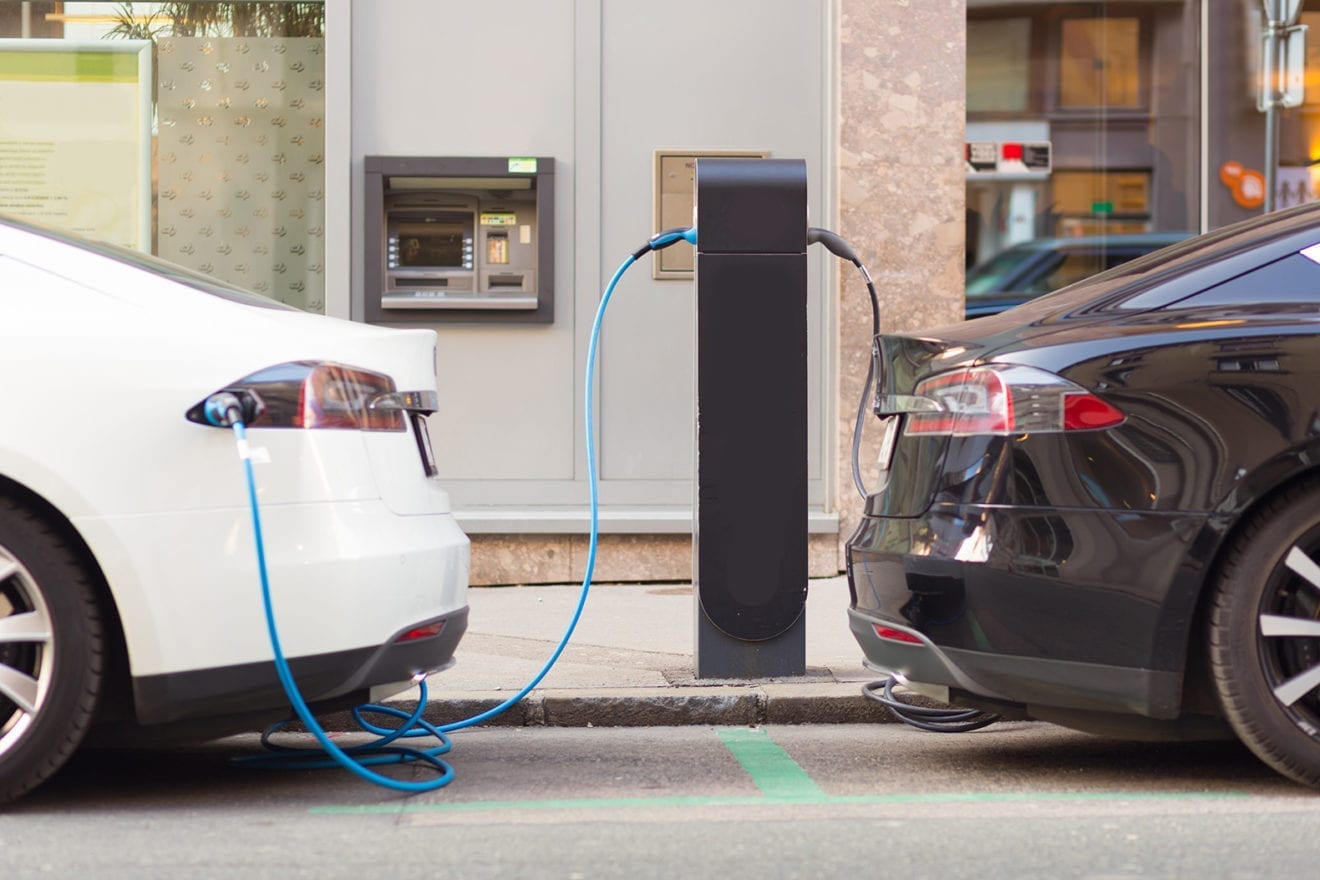
    Daimler AG, owner of the Mercedes-Benz brand, warned that a fall in demand for diesel cars and a switch to electric vehicles could force it to prop up its supplier base.

    Carmakers face increased legal and regulatory scrutiny over pollution levels produced by their diesel-engined vehicles after Volkswagen (VOWG_p.DE) in 2015 admitted to cheating emission tests using engine management software.

    To avoid a total ban on their diesel vehicles, Daimler and other carmakers have stepped up development of electric cars and agreed to update their engine management software to cut down pollution levels.

    Daimler’s suppliers are being forced to invest to help electrify the entire Mercedes-Benz range by 2022, prompting the carmaker to use unusually frank language to warn about the impact of the shift to electrified cars in its report.

    “Due to the planned electrification of new model series and a shift in customer demand from diesel to gasoline engines, the Mercedes-Benz Cars segment in particular is faced with the risk that Daimler will require changed volumes of components from suppliers,” the carmaker said in its annual report.

    “This could result in over- or under-utilization of production capacities for certain suppliers. If suppliers cannot cover their fixed costs, there is the risk that suppliers could demand compensation payments,” Daimler said.

    “Necessary capacity expansion at suppliers’ plants could also require cost-effective participation,” Daimler added.

    Daimler created a risk management committee to oversee its suppliers in the aftermath of the 2008 financial crisis, when some smaller companies ran into cash-flow problems, forcing Daimler to step in.

    Daimler said earlier this month that its profit growth would be dampened this year by spending on new technologies such as electric and autonomous vehicles.

    In its annual report, Daimler also said that political crises and uncertainties could lead to supply bottlenecks for specific raw materials, leading to volatile prices.

    “Generally, the ability to pass on the higher costs of commodities and other materials in the form of higher prices for the manufactured vehicles is limited because of strong competitive pressure in the international automotive markets,” the annual report said.

    Daimler’s report showed that provisions stood at 14 billion euros ($17.3 billion) at the end of 2017, 2.1 billion higher than a year earlier.

    The Stuttgart-based carmaker did not provide a detailed breakdown of the rise but said it was primarily due to increased obligations from sales transactions, provisions for warranty obligations, and provisions relating to legal proceedings.

    Daimler is being sued by owners of diesel-engined Mercedes-Benz vehicles in the United States in a class-action suit which alleges the German carmaker used software to reduce emissions.

    Daimler views the lawsuit as being without merit, but added it could not quantify the legal risks from class-action lawsuits, the annual report showed.

    Among the legal risks faced by Daimler is a regulatory probe tied to raids at several car manufacturers and suppliers, with regard to steel purchasing. Daimler reiterated in its report that it was cooperating in full with the authorities.

    Daimler also said in its report that Chief Executive Dieter Zetsche’s total remuneration for 2017 amounted to 8.61 million euros, an increase from 7.61 million euros a year earlier.

  • Unilever Lays Bare Palm Oil Supply Chain in Rare Industry Move

    Unilever Lays Bare Palm Oil Supply Chain in Rare Industry Move

    Consumer goods giant Unilever said on Friday (16/02) it had laid bare its entire palm oil supply chain, including all the suppliers and mills it sources from, to boost transparency in a rare industry move.

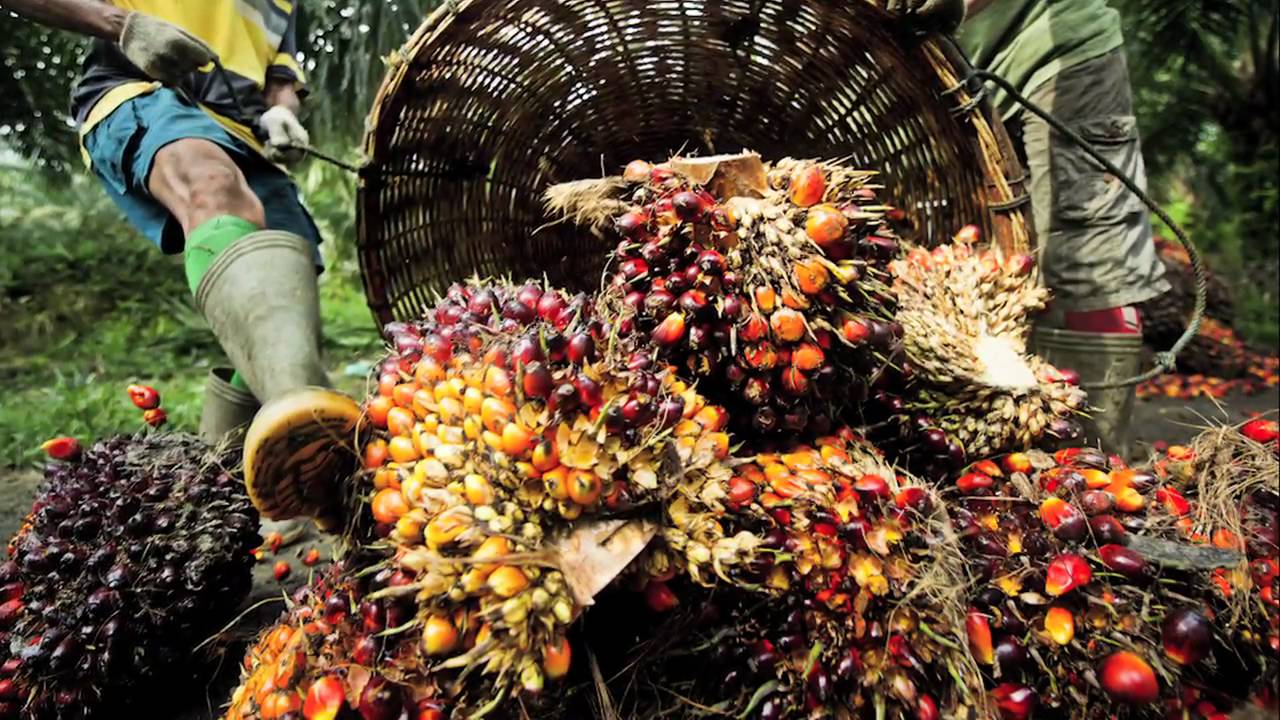
    Unilever said it was the first consumer goods company to publish such details, having disclosed the location of more than 1,400 mills and over 300 direct suppliers of the oil used in products from snacks and soaps to cosmetics and biofuels.

    The $62 billion palm oil industry has been plagued by concerns about deforestation and human rights abuses in countries such as Indonesia, the world’s biggest producer.

    Marc Engel, Unilever’s chief supply chain officer, said the company hoped sharing the information would be the start of a new industry-wide movement toward supply chain transparency.

    “Unilever believes that complete transparency is needed for radical transformation,” Engel said in a statement posted on Unilever’s website.

    “This is a big step toward greater transparency, but we know there is more work to be done to achieve a truly sustainable palm oil industry and we will continue our efforts to make this a reality.”

    Unilever said transparency and the ability to trace palm oil are vital in addressing deforestation and human rights abuses.

    Palm oil supply chains are complex as the fruit changes hands many times from farmers to agents before it reaches a mill. It is then transported via traders to refineries for further processing, when it enters a company’s supply chain.

    Over the past decade, consumer activist groups have pressed big palm oil buyers such as PepsiCo, Unilever and Nestle with supermarket boycotts and other protests over palm oil’s perceived links to deforestation and human rights abuses.

    PepsiCo last month suspended procurement from a palm oil supplier over claims of labour abuses on its Indonesian plantations.

  • Japan’s Honda to recall 350,000 cars in China over engine issue

    Japan’s Honda to recall 350,000 cars in China over engine issue

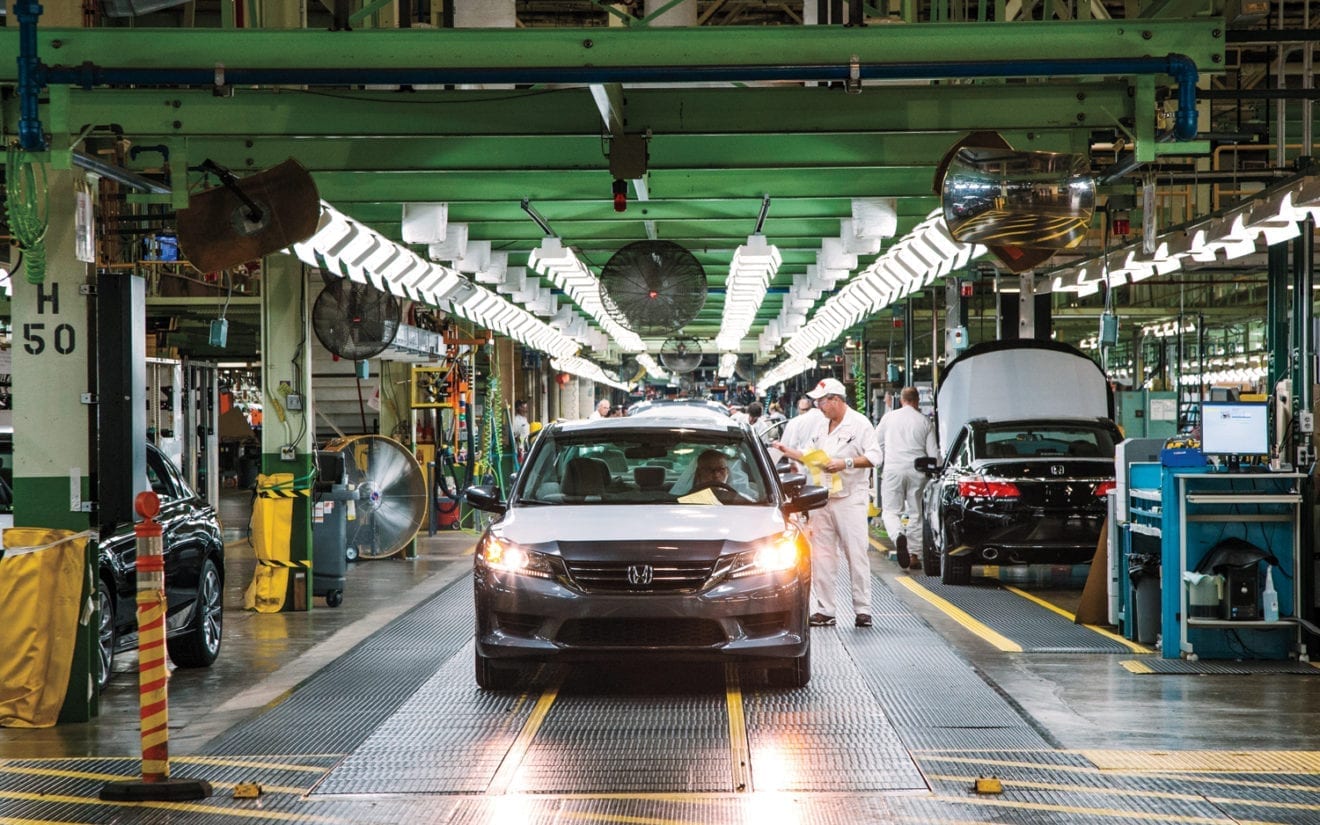
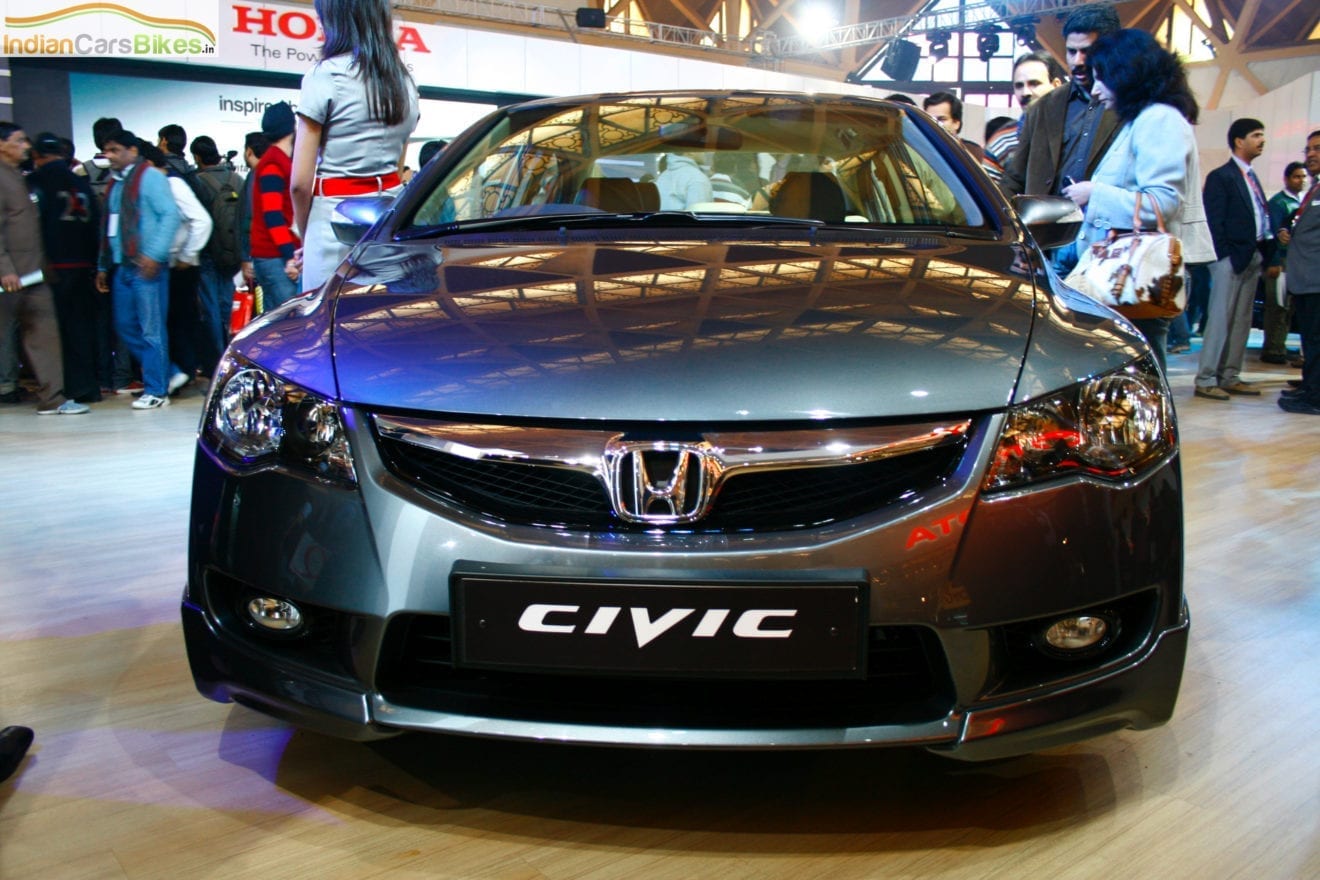
    Honda Motor Co Ltd will recall roughly 350,000 vehicles in China to resolve a cold-climate engine issue and quell a barrage of customer complaints that has hit the automaker over the past month.

    The recall involves the CR-V sport utility vehicle and the Civic car equipped with a 1.5-litre turbo engine, Honda’s joint venture with Dongfeng Motor Group Co Ltd (0489.HK) said in a statement on Monday.

    The company is calling back those cars to resolve a problem caused by an unusual amount of un-combusted petrol collecting in the engine’s lubricant oil pan.

    The issue in some cases caused a strong odor of gasoline inside the car and in other cases the car’s check-engine light came on. Honda and Dongfeng plan to resolve the issue by updating the engine’s gasoline injection control software.

    Honda officials said there had been no reports of accidents. They said the engine oil issue doesn’t affect the engine or the car’s performance.

    The measure comes after CR-V and Civic owners turned to the Weibo microblog – China’s Twitter equivalent – and other means to air their complaints since mid January.

    The recall points to an emerging pattern in China where customer complaints spiral out of control as they are aired out on Weibo, forcing an automaker to respond.

    Years ago the kind of recall Honda announced on Monday could have been dealt through a so-called customer service action, industry officials and experts say. That refers to what the auto industry calls a “quiet recall”, which is less damaging financially and image-wise, where an automaker fixes a non-safety issue, often free of charge, whenever the customer comes to the dealership.

    “Without Weibo, it would have gone on for years,” said James Chao, chief automotive analyst for IHS Markit in the Asia-Pacific region. “That’s the way it was for the industry in the pre-Weibo, pre-Twitter era.”

    Honda did not say the scale of the move in its statement, but a Beijing-based spokesman and other company officials said Honda and its joint venture partner are likely to call back roughly 350,000 vehicles. “We’re still trying to determine the precise number of cars affected,” the spokesman said.

    Normally un-combusted petrol ends up accumulated in the lubricant oil pan but evaporates under heat from the engine. Such evaporated petrol is by design put back into the engine combustion chamber as fuel.

    The issue involving the CR-V and the Civic has occurred in northern China where temperatures can dip well below the freezing point and when drivers of the affected vehicles drive short distances frequently.

    On short runs, Honda engineers believe the engine doesn’t warm up enough to help un-combusted petrol accumulated in the lubricant oil pan to evaporate.

  • European car sales up 6.8 percent in January, led by French gains

    European car sales up 6.8 percent in January, led by French gains

    Sales of passenger cars in Europe rose twice as fast in January as in the whole of 2017, helped by strong gains at France’s PSA Group and Renault, industry data showed.

    Registrations increased 6.8 percent to 1.29 million cars last month in the European Union (EU) and European Free Trade Association (EFTA) countries, Brussels-based industry body ACEA said on Thursday, from 1.20 million a year earlier.

    By comparison, sales in the region climbed for a fourth straight year in 2017 by 3.3 percent to 15.6 million vehicles.

    “January is usually a strong month, people resorted to buying after holding back on purchases at the end of last year,” a spokeswoman for ACEA said, adding the number of selling days was unchanged compared to the same month a year earlier.

    Sales by PSA including the newly-acquired Opel-Vauxhall brands surged 73 percent to 211,097 vehicles and were still up 12 percent if figures for the former General Motors division were excluded, the data showed.

    French rival Renault posted a 9.5 percent gain to 118,405 models, marginally beating Europe’s biggest automotive group Volkswagen which grew 8.7 percent to 316,783 cars with its volume brands Skoda and Seat contributing a major part to the increase.

    Four of Europe’s five biggest auto markets posted higher sales with only Germany and Spain managing double-digit advances while France and Italy recorded lower single-digit gains.

    Europe’s No. 2 market Britain suffered its tenth consecutive monthly drop, with sales down 6.3 percent in part due to customers being put off from buying diesels, which politicians have targeted over air pollution concerns.

  • Indonesia Not Yet Ready for the Automated Era

    Indonesia Not Yet Ready for the Automated Era

    The government must prepare Indonesia’s workforce to be competitive to anticipate future challenges associated with coming technological advancements, especially in business, a former deputy foreign minister said on Sunday (18/02).

    The 4th Industrial Revolution (4IR) will inevitably bring changes in the economy and social structure due to exponentially expanding technological advancements, said Dino Patti Djalal, the former deputy foreign minister and also the founder of the Foreign Policy Community of Indonesia (FICP).

    According to Dino, jobs will face the greatest disruption from technology and is one of the major challenges expected to come about as a result of the advent of the 4IR. Automation, advanced robotics and artificial intelligence are expected to replace millions of existing jobs.

    Recently, around 10,000 toll road personnel in Jakarta were laid off after the government began to employ cashless transactions on major roads in the capital city.

    “Based on data from [global consultant] McKinsey, by 2050, hundreds of millions of people around the world will lose their jobs; that will occur mostly in China, which is expected to lose over 200 million jobs,” Dino said in a speech at the 21st Supermentor event hosted by FICP in Jakarta.

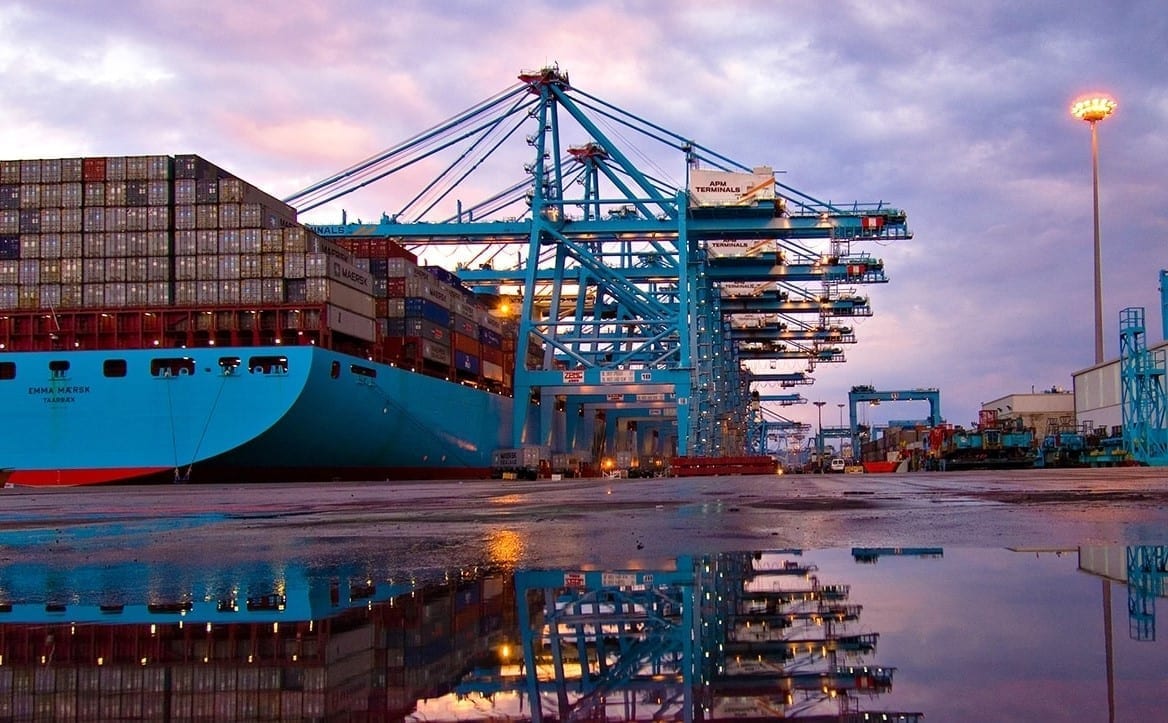
    According to state-owned China Central Television news network, Yangshan deepwater port in Shanghai, the world’s busiest container port, in December last year conducted trials on 100 pieces of intelligent equipment, including 50 driverless automatic guided vehicles, to handle cargo.

    Qingdao New Qianwan Container Terminal in China became Asia’s first automated port terminal in May last year. The port reduced the amount of workers required to unload a cargo ship from 60 to nine.

    Highly skilled workers will benefit from the technological changes but low skilled workers will have to compete with automated processes, Dino said.

    While Indonesia seems to have a long way to go before a fully automated workplace becomes commonplace, the government should start preparing to create a balance between the workforce and profitability to avoid job loss. New approaches to education are expected to rein more innovative solutions to 21st-century workplaces.

    “Nothing will change much regarding community empowerment if there is no change in education to adapt to the technology, which is currently thriving at full speed,” Dino said.

    Erik Meijer, president director of telecommunications company TelkomTelstra, said the technology utilization in jobs will increase safety as it reduces the risk of human error.

    According to Erik, jobs available over the next 10 years will be divided into “personal areas,” such as nurse practitioners, physical therapists and personal financial advisers, and “science,” which will include jobs like cybersecurity experts, developers and network engineers. Meanwhile, assembly line workers, service jobs and administrative jobs will ultimately be replaced.

    “We must be aware of the skill shifts needed in the digital era to get opportunities from technology and not be sidelined,” Erik said.

    Speakers at the event included other influential figures, including Dato Sri Tahir, founder of Mayapada Group and Tahir Foundation, and Tony Fernandes, chief executive of budget airline group AirAsia.

  • SmarTone 1H17 profit falls 17%

    SmarTone 1H17 profit falls 17%

    Hong Kong’s SmarTone has reported a 17% year-on-year decline in net profit for the last six months of 2017, due largely to intense competition, increased spectrum expenses and lower handset sales.

    Profit for the six-month period fell to HK$328 million ($41.9 million), with revenue declining 23.5% to HK$4.1 billion.

    Service revenue fell 6% year-on-year but improved 1% sequentially to HK$2.52 billion, as a result of ongoing migration to SIM only plans.

    This and lengthening handset replacement cycles led to a steep 41% year-on-year decline in handset and accessory sales to HK$1.58 billion, although this was an 85% improvement on the previous half-year period.

    Net of handset subsidy amortisation, postpaid service revenue was flat year on year and increased 3% from 1H17.

    SmarTone increased its Hong Kong customer base by 7% over the course of the six-month period to 2.2 million, while postpaid customer churn fell to a low of 0.8%. But mobile postpaid ARPU fell 13% year-on-year to HK$262.

    During a presentation announcing the company’s results, SmarTone CEO Anna Yip detailed plans to roll out licensed assisted access (LAA) five component carrier aggregation (5CC CA) and improve its network speed to over 1Gbps in mid-2018, and deploy FDD Massive MIMO in 2H18.

    But she warned that the challenges facing Hong Kong’s mobile industry are expected to continue, including ongoing price pressure from the intense competitive environment and ongoing declines in voice roaming revenues.

  • Honda aims to double market share in India

    Honda aims to double market share in India

    Japanese carmaker Honda Motor Co plans to double its market share in India within the next few years, the head of its local unit said, as it looks to boost its presence in the world’s fifth-largest car market.

    To be a major player and have a meaningful presence, Honda needs to achieve a 10 percent market share, Yoichiro Ueno, managing director of the carmaker’s India unit, said during the country’s biennial auto show.

    Honda, which sells cars such as the City sedan and CR-V sport-utility vehicle in India, has seen its market share fall to about 5 percent at the end of 2017 from 7 percent three years ago, industry data show, thanks to a slew of new launches from rivals Maruti Suzuki and Hyundai Motor.

    Annual passenger vehicle sales in India crossed 3 million units last year and the country is expected to become the world’s third-largest car market by 2020, trailing only China and the United States.

    One of the challenges for Honda is that lower taxes on small cars in India make them a preferred choice for buyers, and the carmaker has few small cars to offer.

    “Our global line up is different so it is a bit difficult to utilise global resources,” Ueno said, adding car taxation policy in India needed to change to encourage carmakers to bring in products from their global portfolio.

    The Japanese carmaker is utilising only 70 percent of its annual production capacity of 300,000 units in India and needs to ramp up output to be efficient, Ueno said.

  • Indonesia Posts 670m Trade Deficit January highest since april 2014

    Indonesia Posts 670m Trade Deficit January highest since april 2014

    Indonesia posted a $670 million trade deficit in January as increased exports were offset by higher imports of raw materials by manufacturers, the Central Statistics Agency, or BPS, reported on Thursday (15/02).

    The deficit is the highest since April 2014, having increased from December’s $220 million deficit, which was revised down from $270 million. Indonesia only posted trade deficits in July and December last year.

    Exports increased 7.86 percent year on year in January to $14.46 billion, compared with 6.93 percent year on year in December, thanks to mining and manufactured goods. This figure however, is down 2.81 percent from December.

    According to BPS head Suhariyanto, prices of some commodities, such as copra and palm kernel oil, have declined, undermining export gains from rising coal and nickel prices.

    Imports jumped 26.44 percent year on year in January to $15.13 billion, compared with 17.83 percent year on year in December, due to purchases of electrical and mechanical machinery. This figure is 0.26 percent higher than in December.

    The imports of raw materials increased 2.34 percent in January, compared with a month earlier, while imports of consumer and capital goods declined by 1.46 percent and 7.39 percent, respectively.

    However, the imports of consumer goods, capital goods and raw materials showed double-digit growth on an annual basis, at 32.98 percent, 30.9 percent and 24.76 percent, respectively.

    Indonesia had its biggest trade deficits with China ($1.83 billion), Thailand ($211.4 million) and Australia ($178.2 million).

  • Retailer spending on AI to rise, says Juniper Research

    Retailer spending on AI to rise, says Juniper Research

    Juniper Research predicts global retailer spending on AI will reach US$7.3 billion a year by 2022, up from an estimated $2 billion for this year.

    Its report AI in Retail: Disruption, Analysis and Opportunities: 2018-2022 says retailers will heavily invest in AI tools that let them differentiate and improve customer services. These range from automated marketing platforms that generate tailored, timely offers to chatbots that provide instant responses to customers.

    Juniper found that spending will be strongest in customer service and sentiment analytics, where AI can be applied to understand reactions to purchased products and service received.

    It predicts retailer spending share in 2022 as:

    1. Customer service/sentiment analytics, 54 per cent
    2. AI-based automated marketing, 30 per cent
    3. Demand forecasting, 16 per cent.

    Juniper predicts retailers will use AI insights to design product ranges as well as create targeted promotional offers.

    “Retailers are looking to replicate the success of Amazon in making AI a core part of their business,” says research author Nick Maynard.

    He says retailers will increasingly turn to tactics such as AI-optimised pricing and discounting, as well as demand forecasting.

    With the advent of specific days for shopping, such as the Black Friday phenomena, understanding customer demand and planning appropriately is more important than ever, says the report.

    Juniper says retailers need to invest in this area in order to stay competitive, particularly in low-margin retail segments. Also, the cost of AI tools, now uneconomical for many players, will drop by 8 per cent over the next four years, helping realise 300 per cent growth in software spend.

  • Opel says to build next-generation Corsa in Spain

    Opel says to build next-generation Corsa in Spain

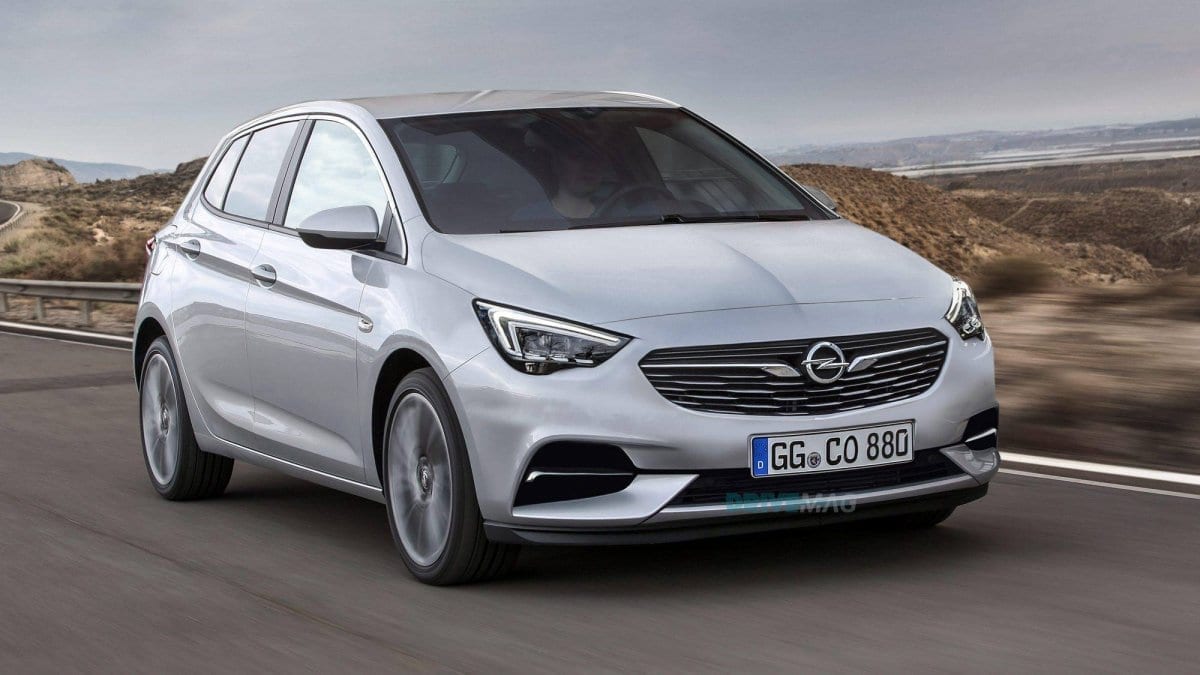
    Opel, the German carmaker now owned by France’s PSA Group (PEUP.PA), said a new version of its Corsa city car would be built exclusively in Zaragoza, Spain, from 2019.

    This includes a fully electric version that will start rolling off the production line in 2020, Opel said on Wednesday.

    The Opel Corsa has been made in Spain since 1982.

  • Porsche, Audi to develop joint electric car platform to save costs

    Porsche, Audi to develop joint electric car platform to save costs

    Porsche and Audi, Volkswagen’s main luxury car divisions, plan to develop a joint platform for electric vehicles that will enable them significantly cut down on costs, German newspapers quoted their chief executives as saying.

    “By 2025, we’re facing a low single-digit billion euro sum to develop the architecture,” Audi CEO Rupert Stadler told both the Stuttgarter Zeitung and Stuttgarter Nachrichten.

    “If both would act on their own, costs would be 30 percent higher,” Porsche CEO Oliver Blume said, adding Audi was hiring 550 developers for the project and Porsche 300.

    From 2021 onwards, both businesses want to bring several models to the streets based on the joint platform, with Stadler saying that would build two sedan cars in Neckarsulm and two sports utility models at its Ingolstadt base.

    Porsche’s Blume said the sportscar maker could build its first model based on the joint architecture in Leipzig, where it is already assembling its Macan sport-utility model. “I currently see good chances for Leipzig,” Blume said.

  • 8 best cities on this side of the world to live

    8 best cities on this side of the world to live

    Time Out’s City Life Index, a survey of 15,000 people in 32 global cities, has been released, and it shows which ones promise the most fun and excitement in 2018. Eight of them are on this side of the world.

    The survey, conducted by Tapestry Research, questioned residents on a variety of aspects of city life.

    It ranked cities in categories across food, drink, culture, friendliness, affordability, happiness, and liveability.

    It also “found the key factors that make residents find their city exciting,” from dining out often to feeling proud of where they are from.

    Here, their ranking in ascending order along with their overall scores:

    31. Singapore (98.7) — Those from Singapore may not rate its culture scene highly, but they do value the city’s safety and are perfectly comfortable walking around at night.

    28. Sydney (106.1) — While they may think the city is lacking in things to do and good restaurants, Sydney residents live a healthy life, with 66% having exercised in the past week and 38% never having taken drugs. They know how to party, though, and are the world’s No. 1 vodka drinkers.

    26. Hong Kong (109.6) — Seventy-five percent of residents said the public transport in Hong Kong was great, contributing to the city’s overall score. They’re also among the biggest restaurant-goers in the world.

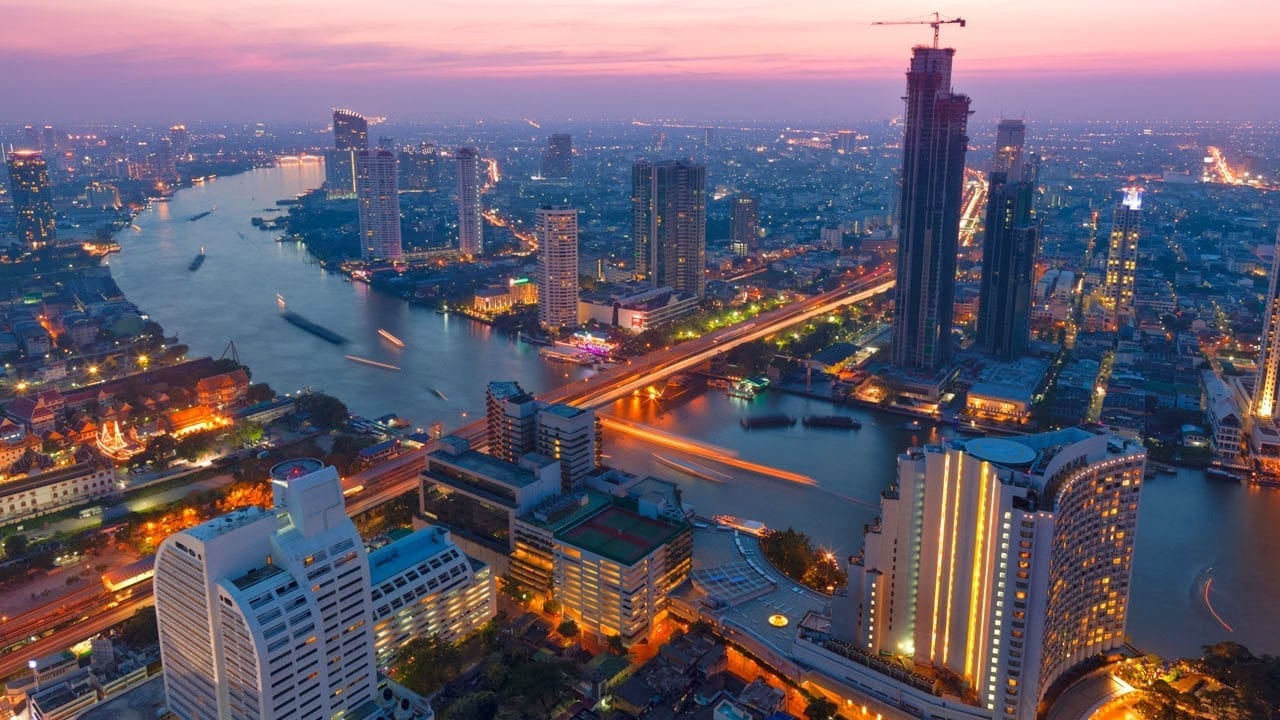
    24. Bangkok (111.0) — The survey revealed Bangkok as the world’s street-food capital, with more people eating on their feet than anywhere else — 42 times a year, on average. They’re also the biggest restaurant-goers, with 94% of respondents having visited a restaurant in the past week.

    22. Beijing (113.0) — The city may be exciting, but the commute is long, with 6% of Beijing residents even commuting for two to three hours a day.

    19. Tokyo (117.7) — Tokyo residents love their food — they visit restaurants more than most other cities on the list.

    16. Shanghai (119.5) — It may not come cheap, but there’s plenty to do in Shanghai, where residents say that while it is tough to find love, 79% believe it is easy to find a more casual encounter.

    4. Melbourne (132.3) — This Australian city came out above all others in terms of happiness, with nine in 10 residents saying they felt happy within the past 24 hours. They also find it easy to make friends and think the food-and-drink scene is one of the city’s best features.

  • China strikes telecoms from list of “sensitive” outbound sectors

    China strikes telecoms from list of “sensitive” outbound sectors

    The Chinese government has reportedly taken the telecoms sector off a list of “sensitive sectors” that require special approvals for outbound investment.

    The list compiled by the National Development and Reform Commission (NDRC) names the industries that Chinese planning to invest in an overseas company or project need to secure approval for.

    Starting from next month, companies investing in overseas telecoms projects will instead only need to file the same records with authorities as required for investment in other non-sensitive sectors.

    The telecoms sector has been considered sensitive since the previous list was published in 2014.

    The change comes at a time that the Philippines government is courting Chinese investment in its mobile market through a proposed 60-40 venture that would become the nation’s third telco.

    Xinhua noted that China’s outbound direct investment outside of the financial sector fell 29.4% in 2017 to $120 billion.

    As part of the reforms to the sensitive sector list, the energy sector has also been removed while the arms industry, properties, hotels, cinemas, entertainment, sports clubs, and equity investment funds have been added.

  • China in strong growth on the organic front

    China in strong growth on the organic front

    During the last ten years organic sales have doubled in Denmark and have accounted for 9,7 percent of all groceries sold, the Danish newspaper Berlingske say. That places Denmark to be the top number one country in the world with the largest organic share of retail trade. Now China is catching up and is ranked fourth since organic food was traded for 44 billion Danish crowns in 2017.

    Globally organic trading accounted for 540 billion Danish crowns in 2016, according to the international report “The World of Organic Agriculture” which was published at this year’s BioFach in Nürnberg, Germany. USA is still by far the largest organic market globally with a turnover of 290 billion Danish crowns in 2016.

    Organic production is a rapidly developing business area with a great market. And now might be the time to throw an extra glance at organic export to China, – a market in strong growth.