Author: Mei Ling Tan

  • Indonesia signs US$1b deal to buy 11 Russian jets

    Indonesia signs US$1b deal to buy 11 Russian jets

    Indonesia has inked a billion-dollar deal to buy 11 Sukhoi Su-35 jets from Russia, an official said Saturday.

    The contract, signed by both countries’ representatives in Jakarta on Wednesday, is worth a total US$1.14 billion (RM4.43 billion), Indonesia defence ministry spokesman Totok Sugiharto said.

    The deal comes after Indonesia said in August that it would seek to trade palm oil, coffee and tea for Russian fighter jets, saying it wanted to capitalise on international sanctions on Moscow.

    The EU and US have targeted Russia with sanctions for alleged meddling in the US presidential election and its annexation of Crimea.

    However, Indonesia’s trade minister said the sanctions could be good news for his country as Russia is forced to seek new markets to import from.

    Indonesia and Russia signed a memorandum of understanding to exchange 11 Russian-made Sukhoi fighters for key commodities in Moscow early August.

    It was not announced Saturday in what form payment would be made.

  • Lotte Group Chairman jailed for duty free licence bribery

    Lotte Group Chairman jailed for duty free licence bribery

    Lotte Group, parent of the country’s leading travel retailer Lotte Duty Free, is reeling from the shock jailing of its Chairman Shin Dong-bin on 13 February 2018.

    Following a Seoul Court’s guilty verdict and simultaneous sentencing of 2 1/2 years in jail to Lotte Chairman Shin Dong-bin for bribery, Lotte Group voiced concerns over its future business plans.

    In an official statement, Lotte Group said the outcome was “unexpected” and it was “regretful” about the jail term, and insisted that Shin was innocent.

    “As soon as we receive the written judgement, the group will discuss with its attorneys for further process,” the group said.

    “But what worries us is not being able to achieve our promise with customers, such as listing our hotel business, completing the establishment of the holding company, as well as investment and employment expansion plans,” the group added.

    The group said it would activate its emergency management system to reassure employees, customers and shareholders.

    With Shin’s sentence, the business license for Lotte Duty Free branch in World Tower in southern Seoul may be at risk, according to industry watchers.

    The National Tax Service said it has launched a review of the licensing process upon the sentencing.

    In what is now referred to as the “duty free war” in 2015, Lotte had lost its duty free business right in the license screening process in November of that year. Then in 2016, the government announced a plan to dole out an additional duty free license in Seoul, for which Lotte won in December of the same year. The court found the duty free business as one of the management issues for Shin.

    The company will continue to support the ongoing 2018 PyeongChang Winter Olympic Games as an official partner with help of the vice president of Korea Ski Association, it added.

    Shin became the president of the Korean Ski Association in 2014 and has been supporting the Korean ski team since then. He is also a member of the 2018 PyeongChang Organizing Committee’s governing board and has been a member of the International Ski Federation since 2016.

  • Blockchain revolution comes to world of humanitarian aid

    Blockchain revolution comes to world of humanitarian aid

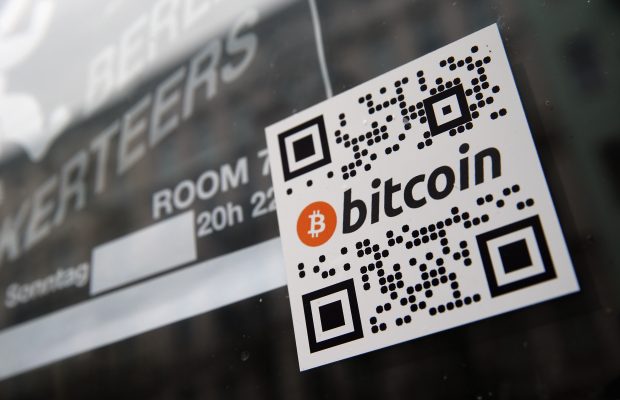
    Blockchain, the technology behind the cryptocurrency Bitcoin, is taking root in a sector far from finance: the world of humanitarian aid.

    By offering refugees a virtual identity, reassuring donors that their money is being well spent, or rushing funds where they are needed most, aid charities are experimenting with the technology in the hope that it can improve their work.

    “We are at the very beginning. There is a lot of hype,” said Christopher Fabian, leader of Unicef’s Ventures Fund, which invests in open source technology solutions.

    At the end of 2017, Unicef – the UN agency dedicated to protecting children – brought together Russian-speaking blockchain experts in a meeting in Kazakhstan.

    The goal? To develop a “smart contract” that would facilitate transactions between the organisation and its numerous partners for deliveries and payments, if certain conditions were met.

    “It totally failed, but we learned a lot from that and will do the same challenge this year in Mexico,” Fabian admitted, adding that he could envision a host of future projects using blockchain for the “social good” – even if most of them will fail.

    But the UN gency is thirsty for innovation.

    Its French office has also launched an operation dubbed “Game Chaingers” (for blockchain), which challenges tech geeks and gaming enthusiasts to install on their computers software aimed at creating Ethereum, a virtual currency, to help Syrian children.

    Blockchain allows users to create and spread information across a large network of computers, which its proponents say lends it both transparency and security. And the applications for the technology are multiplying quickly.

    For aid and development groups, blockchain can come in all shapes and sizes.

    Aid donors could, for example, trace their contributions as they spread across an organisation. The platform Disberse, supported by a network of 42 humanitarian groups, already road-tested this application by tracking money sent by a British association to four schools in Swaziland.

    In theory, the technique can reduce transaction costs, fight corruption by making everything transparent, and allow a better record of where food aid is directed, or make sure that medicines are not counterfeited.

    Those in charge of programmes that directly send money to people in need also see it as a way of more easily controlling the disbursement of funds or avoiding use of financial intermediaries such as banks, which might also take a cut.

    “In the old days, we were delivering aid at the back of the truck,” said Alex Sloan, a consultant at the World Food Programme’s Innovation Accelerator, which works with startups and others to help fight hunger.

    “Now, we are moving towards distributing cash to our beneficiaries, in the form of actual cash, through vouchers, e-cards, etc.”

  • Fees, retail services to be banks’ main income

    Fees, retail services to be banks’ main income

    Commercial banks are expecting the revenue from fees and retail banking services to become their main income sources this year, as a result of rising market demands.

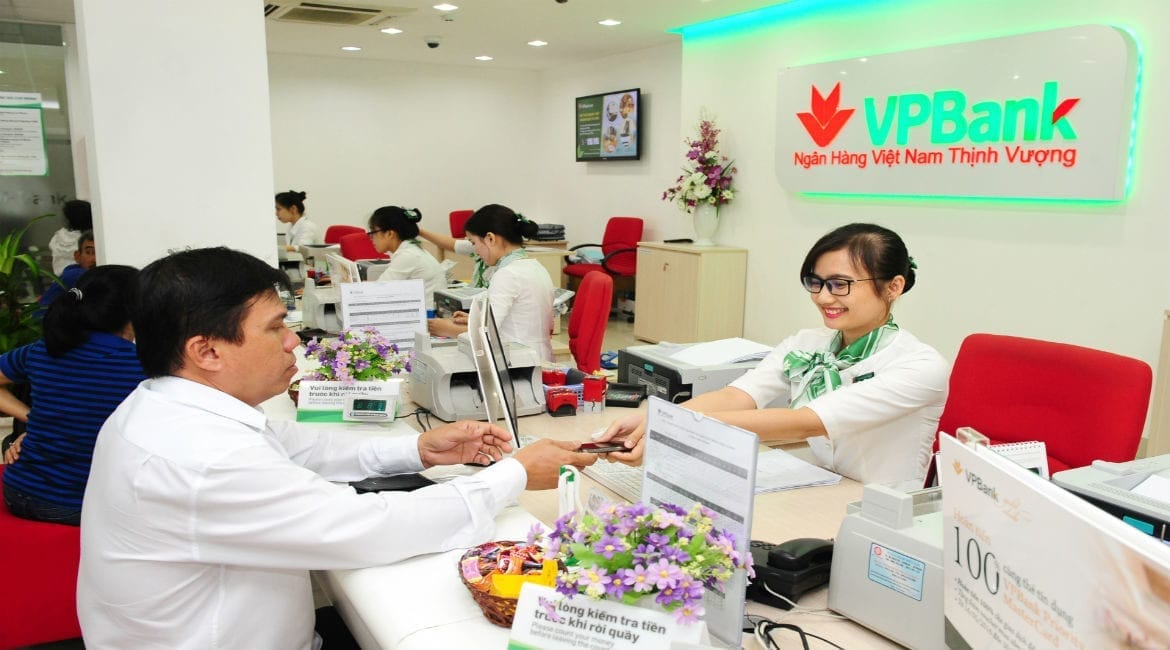
    According to Nguyễn Đức Vinh, general director of VP Bank, after years of investing in the financial company FE Credit, his bank was expecting to receive a large profit from the company in 2018.

    FE Credit started to gain profits from the retail banking segment in 2016, and the profit improved continuously last year. VP Bank’s financial reports showed that the bank’s profits last year hit a record high of more than VNĐ6.43 trillion (US$283.25 million), of which FE Credit made up some 51 per cent.

    Vietcombank also expects to better exploit the potential retail banking segment this year, as it recruited Thomas William Tobin, a Canadian foreign senior expert in retail banking, last year, to be its retail banking director. It was the first time the State-owned bank appointed a foreigner in its management board, showing its priority for the retail banking segment.

    Vietcombank’s chairman Nghiêm Xuân Thành hoped that the expert, who has expertise in global and Vietnamese finance, will help the bank make a leap in the retail banking segment.

    Vietcombank is targeting to become the country’s leading bank in retail segment in 2020, Thành said.

    According to Nguyễn Đình Tùng, general director of the Orient Commercial Joint Stock Bank, his bank is expected to earn a pre-tax profit of more than VNĐ1 trillion in 2018, thanks to specific strategies in the sales of financial products, especially in non-credit services.

    Some other banks have also planned to better exploit the potential business segment in 2018 through mergers and acquisitions last year. Typically, Shinhan Bank Vietnam acquired ANZ’s retail banking services or the Vietnam International Bank (VIB) acquired the HCM City’s branch of Commonwealth Bank of Australia.

    According to experts, banks are investing significantly in retail banking services, instead of only focusing on corporate lending in the hope of gaining higher profits from the potential segment this year.

    With more than 93 million people and sharply increasing consumption, Việt Nam is considered a hot destination for the retail banking segment, which is why banks have strategically planned to boost the segment.

    In fact, the in-cash habit of Vietnamese people is no longer an obstacle to the development of card network and non-credit services. Thus, several banks are aiming to give their customers a variety of non-traditional credit services, such as savings and transactional accounts, mortgages, personal loans, debit and credit cards.

    Notably from the beginning of this year, many banks have considerably improved the quality of their retail banking services to enhance competitiveness in the market. They are also focussing on other aspects such as marketing, technology and human resources to attract more individual customers to non-credit services.

    The move was decided after the retail banking segment contributed to a large amount of the total profits of many banks last year. BIDV and MB Bank, for example, gained high profits last year, thanks to a 34 per cent to 35 per cent rise in retail banking services.

    Nguyễn Thanh Nhung, general director of VietBank, said retail banking services would be a key to making a sustained and stable profit for the banking sector this year. The development of non-credit services contributes to diversifying bank’s services, thereby bringing more customers. This type of service will also disperse risks and create higher profits for commercial banks, said Nhung.

    According to Trần Du Lịch, a member of the National Financial and Monetary Policy Advisory Council, banks currently not only gain profits from lending but also from retail banking services, so the move to invest in retail services is inevitable in the future.

    Based on the results gained, leaders of commercial banks said they would continually apply this business strategy, with a focus on retail banking services next time.


  • Chinese tourists take over the world

    Chinese tourists take over the world

    A rising tide of travelers from China is spreading out across the region, out-shopping, outspending and out-eating every other nation.

    They are filling hotels, tour buses and cruise ships. They are overwhelming airports and train stations, and they are sending home petabytes of pictures that encourage their compatriots to join the global invasion.

    Their ranks are being swollen by millions of others from around Asia, a generation who would rather raise their status with a foreign adventure than with a luxury bag.

    “People’s personal brands are being defined by the places they visit,” said Simon Russell, chief executive officer of London-based luxury travel group Scott Dunn, which last month bought rival Country Holidays Travel from Singapore to expand its Asian clientele.

    China already accounts for more than a fifth of the money spent by outbound tourists, twice as much as the next-biggest spender, the U.S., according to the United Nations World Tourism Organization. And the Chinese have barely started — only around 5 percent of them even have passports, and the government is issuing about 10 million new travel documents every year.

    As with Japan in the 1980s, citizens of nations that get rich, go places. The emerging nations of Asia-Pacific will add more than 50 million new outbound travelers in the five years ending in 2021, according to Mastercard Inc.

    Overwhelmingly, they come from a smartphone-addicted generation that is rewriting the rules. The ubiquitous flag-following Chinese tour groups are giving way to what the industry calls FITs — free, independent travelers — who are using the internet to plan itineraries, book flights, translate signs and chronicle their exploits.

    The shift is transforming the region, unleashing more than $100 billion in infrastructure spending for bigger airports and jet fleets, new railways, hotels and theme parks. The effects of this boom include soaring property prices, stress on the environment and an avalanche of apps and innovations that reimagine the way we experience the world.

    By 2021, Chinese tourists will spend $429 billion abroad, according to a report by CLSA. And they are spreading out. Weekend jaunts to the shops in Hong Kong or the casinos in Macau are being usurped by new favorite destinations. During the next three years, Japan, Thailand, the U.S. and Australia top the must-visit list, according to the report, with other destinations in Southeast Asia — especially Singapore, Indonesia, Malaysia and the Philippines — following close behind.

    For developing nations, that is putting a strain on infrastructure, underpinning the biggest airport-building program in the region’s history.

    Thailand does not have a single international airport that isn’t way over its designed capacity, and long lines at immigration are common. At least 178 new airports are planned in Asia-Pacific, according to Visa Inc., and hundreds of existing facilities are being expanded or upgraded.

    The result is a second revolution in tourism in the region — one that is being fueled by social media: the opening up of more islands, cities and remote locales to divert vacationers from the overcrowded and increasingly jaded tourist hotspots of the 1990s and 2000s.

    Indonesia has a plan to create “10 Balis,” targeting places like the former World War II battleground of Morotai Island for new holiday destinations. Thailand, which heavily promotes tourism under the banner “Amazing Thailand,” has teamed up with Japan to build a high-speed railway that would open up places along the route to the north of the country. Neighbor Malaysia is countering with its own cross-country rail project to the coasts of Kelantan and Terengganu, states promoted this year in the capital’s international airport under a “Joyful Malaysia” campaign.

    At the heart of the changes transforming the industry is the nexus of internet, smartphone and big data.

    The link is the smartphone, the tourist’s connection with the web, a fact that has drawn dozens of startups to join the fray in Asia.

    With visitors wielding tablets and smartphones, hotels and airlines are realizing they do not need to fill planes and rooms with technology and content – they just need to give the customer control. The phone becomes the room key, the menu, the bill.

    “There is absolutely no point in providing what people already have,” said Hubert Viriot, chief executive officer of Yotel Ltd., which opened its first Asian hotel in Singapore in November. “Everybody has a smartphone.” The London-based chain runs city-center properties with hundreds of small, high-tech, budget rooms that include features such as mood lighting and app-based electronic keys.

    Viriot sums up the attitude of the new generation of traveler: “I don’t need 10 guys on the ground floor with the gold keys to tell me how to travel. I’ve got a smartphone. I’ve got apps, social media. I know how to travel.”

    The ubiquity of the technology means it is now embedded into every strata of the market, from Yotel’s high-density hubs to luxury island eco-lodges that you need a seaplane to reach.

    Asia has long been on the map for well-heeled travelers. Hotelier Adrian Zecha started the first Aman Resort in 1988 in Phuket, Thailand, for an elite club of jetsetters. Four Seasons Holdings Inc. officially opened its first ultra-small boutique resort in Chiang Rai in Thailand in 2006.

    Zecha, who left Aman Resorts Group Ltd. in 2015, is looking to exploit a new niche he calls “affordable” luxury through his Azerai brand, which opened its first property in Luang Prabang, Laos, last year.

    “I noticed a new generation of younger people that is growing in numbers for whom taking holidays signifies an aspect of their lifestyle,” Zecha said. “They might not be as wealthy as my Aman junkies, so my challenge is affordability.”

    From spa clinics like The Farm at San Benito in the Philippines to exclusive eco-resorts like Bawah Island in Indonesia, Asia offers hundreds of possibilities for super-luxury globetrotters. And developers are eyeing hundreds more. There are more than 13,000 uninhabited tropical islands in Indonesia and the Philippines alone, almost twice as many as all the islands in the Caribbean. Some, like Siroktabe, can be rented as a private desert island for a true Robinson Crusoe experience.

    But the biggest money is to be made in drawing hordes of tourists together to one location, whether it be a casino resort in Singapore, an ancient temple in Cambodia, a giant theme park in China or the latest super-cruise ships like Royal Caribbean Cruises Ltd.’s Ovation of the Seas, which can cater to more than 4,000 passengers as it sails the seas around China each summer.

    retailThat is when the real power of all the collected data comes into its own.  By knowing where a traveler is, how they like to eat, what they like to buy, which hotels they prefer and so on, travel platforms can begin to move beyond providing a passive service and start actively influencing your holiday.

    A passenger whose flight has been delayed and who has not bought a meal since they left home three hours ago might get a phone notification offering a 10 percent discount at the restaurant they are about to walk past after going through immigration. An airline could raise fares on a particular route after learning that pictures of that destination are suddenly trending on social media.


  • Sunway Developments in bid to redevelop residential estate in Singapore

    Sunway Developments in bid to redevelop residential estate in Singapore

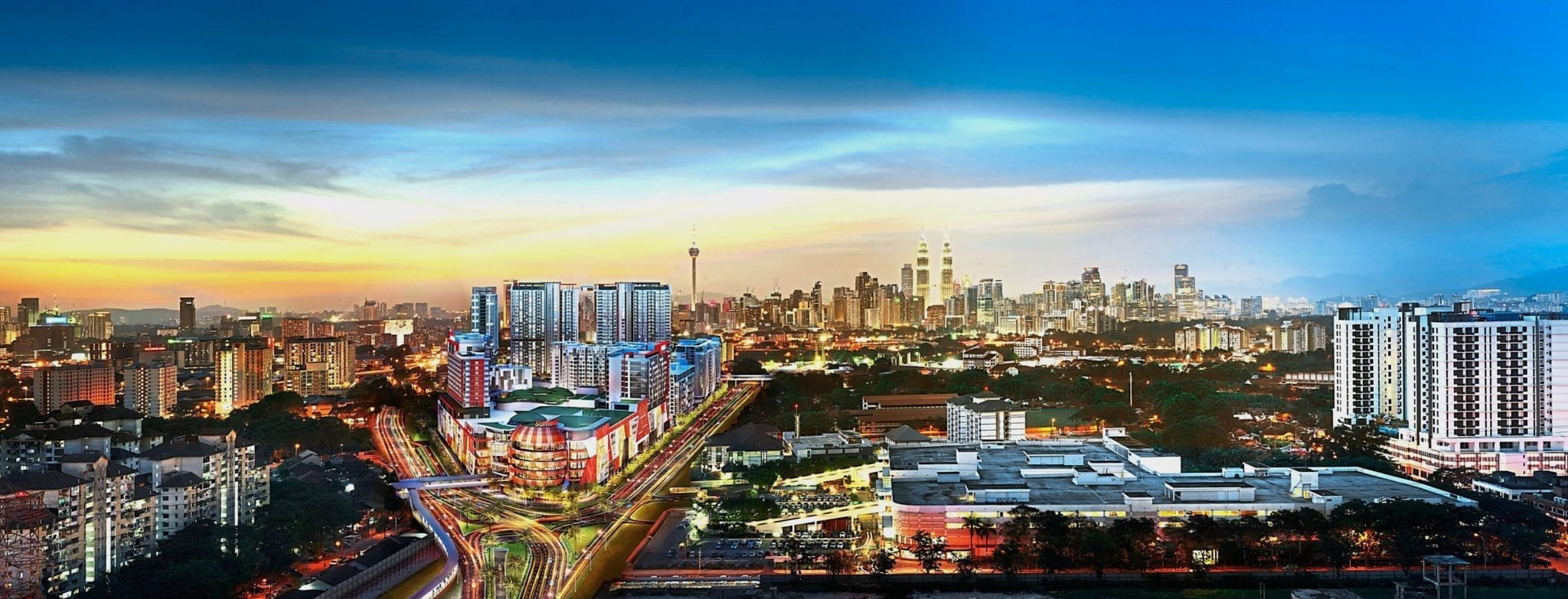
    Sunway Bhd’s unit Sunway Developments Pte Ltd (SDPL) and Singapore-based Hoi Hup Realty Pte Ltd have entered into a sale and purchase agreement with the collective majority owners of a 160-unit private residential estate in Clementi, Singapore for S$530.0 million (RM1.6 billion).

    According to a filing with Bursa Malaysia, SDPL, Hoi Hup and S C Wong Pte Ltd plan to set up a joint venture company to re-develop Brookvale Park, which sits on a 999-year leasehold land measuring 34,654 square meter, into a new private residential development with an allowed plot ratio of 1.6 times. The plan is subject to authorities’ approval.

    Hoi Hup, SDPL and S C Wong Pte Ltd will have 60% : 30% : 10% interests respectively in the joint venture.

    SDPL is expected to pump in about S$70.0 million or RM210.0 million into the venture.

    The proposed project is expected to contribute positively to the earnings of Sunway Group from the financial year ending Dec 31, 2019 onwards.

    The group’s share price closed down one sen at RM1.65 with some 921,500 shares changing hands last week.

  • Who are the wealthiest individuals in China?

    Who are the wealthiest individuals in China?

    Chinese business news website Jiemian has released its annual China Rich List, detailing the country’s wealthiest individuals.

    All 1,000 billionaires on the list have a minimum net worth of approximately RMB30 billion (US$4.7 billion), while Pony Ma, the Tencent founder who sits at the top of the list, is worth an estimated RMB282 billion.

    While some of the names on the list will be familiar to many, one pattern that might not instantly jump out is the number of people at the top who started with nothing. Of the top six names on Jiemian’s list, five of them are self-made entrepreneurs who pulled themselves up by their bootstraps. Here’s how they made their billions.

    Ma Huateng, Technology and media, Net worth RMB282.0 billion

    Ma Huateng, also known as Pony Ma, co-founded Chinese internet giant Tencent in 1998 with four Shenzhen classmates. Legend has it Ma was pulling in a monthly salary of US$176 at the time. Tencent’s breakout product was messaging service QQ, which was based on ICQ, the world’s first online messenger. Over a decade later, Tencent launched WeChat—now the most popular messenger service in the world and closing in on a billion users worldwide.

    Xu Jiayin, Real estate, Net worth RMB260.9 billion

    Xu Jiayin is the founder and chairman of Evergrande Real Estate Group, one of the largest property developers in the country with a footprint in over 170 cities nationwide. Born in small village in Henan province, Xu went on to found Evergrande in 1996, listing the company in Hong Kong in 2009. Despite being one of China’s most indebted companies, Evergrande’s shares surged almost 400 per cent in 2017, resulting in an estimated rise of 360.6 per cent, or US$26.7 billion, to Xu’s personal fortune.

    Jack Ma, E-commerce, Net worth RMB213.8 billion

    Alibaba founder Jack Ma was an English teacher in his native city of Hangzhou before he made it big with the company’s first successful e-commerce platform, Taobao. Ma famously told the press that he was rejected from 30 jobs after graduating university, including at his local KFC. Today, Alibaba is one of the world’s biggest companies, dominating China’s e-commerce market. Its affiliate Ant Financial, which operates e-wallet service Alipay, is also the most valuable fintech company in the world, worth over US$60 billion.

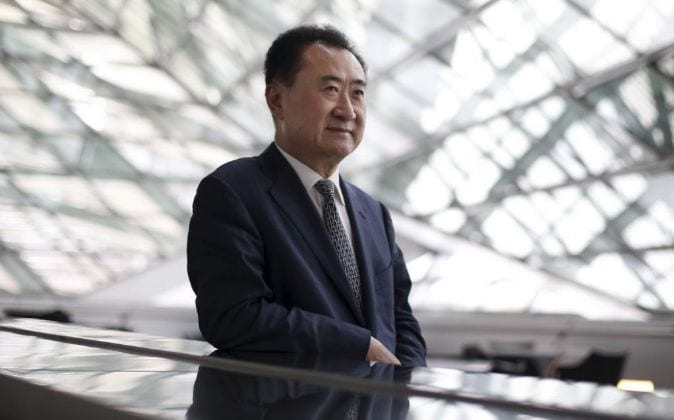
    Wang Jianlin, Real estate and entertainment, Net worth RMB164.7 billion

    Wang Jianlin is the founder and chairman of Dalian Wanda Group, one of China’s biggest real estate groups and the world’s largest cinema operator. After 16 years in the People’s Liberation Army, Wang entered the world of business in the late ’80s, eventually founding Dalian Wanda in 1992. Wang may have backed down from his famous posturing in 2016, where he said he wanted to “crush” Disney with his chain of theme parks, but Wanda remains a heavyweight in the world of entertainment—the group’s 2016 acquisition of Legendary Entertainment for US$3.5 billion, on top of its ownership of AMC, made Wanda Film Holdings one of the biggest film companies in the world.

    Yang Huiyan, Real estate, Net worth RMB149.4 billion

    Yang Huiyan stands out as the only person in the top six to have inherited their wealth. In 2007, at the age of 25, Yang became China’s richest person after her father transferred 70 percent of his ownership of real estate group Country Garden Holdings to her before taking the company public. Today, Yang holds the title of China’s richest woman, and hit headlines by making US$2 billion in under four days last month, thanks to a huge surge in the company’s share price.

    Wang Wei, Logistics, Net worth RMB144.4 billion

    Wang Wei is the chairman and founder of Chinese delivery company SF Express. Wang was born in Shanghai but grew up in Hong Kong, eventually starting SF Express from a small shopfront in Mong Kok after realising how difficult it was to move goods across the border. When SF was launched in ’93, Wang would personally load boxes into vans with his six employees. Today, SF employees over 80,000 couriers and owns over 80 airplanes.

  • Vietnam enjoys bright prospects for e-logistics development

    Vietnam enjoys bright prospects for e-logistics development

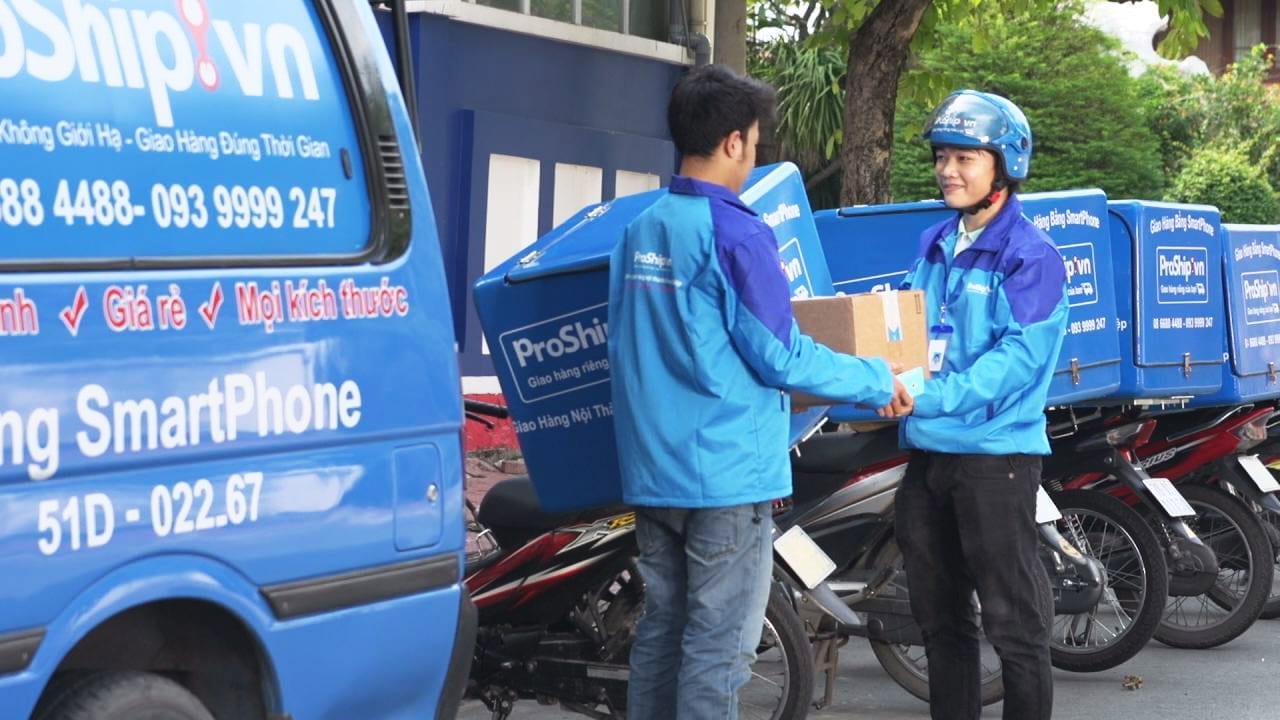
    As one of the fastest growing e-commerce countries in the world, Việt Nam is considered a high-potential market for e-logistics, analysts have said.

    Việt Nam has an average annual growth rate of 35 per cent.

    The boom in online shopping and home delivery in the country in recent years have also created many opportunities for e-logistics operators, they said.

    In 2017 alone, over 50 domestic and foreign e-logistics providers entered the market, which is predicted to reach US$200 million by 2020. They include Lazada, Giaohangnhanh or Grab Express or Speedlink.

    The combination of local and international expertise has created a tailored, unique solution for the Vietnamese e-logistics sector, paving the way for endless e-commerce growth, Fabian Wandt, country manager of Lazada eLogistics said.

    Another delivery operator, Giaohangnhanh, is also upbeat about the prospect of the delivery market reaching a three-fold annual increase, particularly with investments from both local and foreign players to enhance their technology, network and offerings.

    Giaohangnhanh CEO Nguyễn Trần Thi said that his company planned to expand its operations by more than double this year and targeted to reach 1,500 customer collection points by the end of 2018.

    Backed by State regulations

    According to analysts, opportunities for companies providing e-logistics services are brighter, especially since new regulations aimed at enhancing the competitiveness of the logistics sector will soon come into force. Decision No 200/QĐ-TTg, which will provide the action plan to develop and raise the competitiveness of the logistics industry in Việt Nam until 2025, will have a positive impact on the development of logistics companies.

    With the State’s assistance in information technology, human resource training and operation cost reduction, the new decree is expected to help logistics companies, especially those providing e-logistics services, to sharpen their competitiveness in the time to come, analysts said.

    Meanwhile, the Prime Minister has also issued Decree No 163 on logistics services, which will come into force on February 20. The decree is expected to open up the e-logistics market to foreign investments. Under certain circumstances, foreign investors can establish enterprises or contribute capital to Vietnamese businesses engaged in maritime freight transport (excluding inland transportation), container handling services as part of maritime transport support services, freight transport services as part of inland waterway transport services and freight transport services as part of road transport services.


  • Asian currencies rise as dollar off despite higher U.S. inflation

    Asian currencies rise as dollar off despite higher U.S. inflation

    Asian currencies firmed on Thursday, boosted by heftier global risk appetites as the dollar slipped despite stronger-than-anticipated U.S. inflation and a rise in Treasury yields.

    Tracking a rally in Wall Street, Asian stocks brushed aside U.S. inflation data that showed that January core CPI posted the
    largest gain in a year, raising pressure on the Federal Reserve to be more aggressive in raising U.S. interest rates this year.

    The dollar index weakened to a near 2-week low, after the rebound in equities, evoking the idea that the greenback might be in a period of persistent weakness.

    “The dollar advanced against other currencies when US CPI inflation was released but pared the gains and weakened later as
    U.S. equities proved more resilient, with the VIX index pulling back further below 20,” said Qi Gao, FX strategist (EM Asia) at
    Scotiabank.

    “Continued risk appetite sent Asian currencies higher this morning, I think risk appetite will likely continue as synchronized global growth is expected to boost the EUR and JPY, while bolstering EM Asian currencies as long as risk appetite sustains.”

    The Malaysian ringgit led gains among regional currencies as it firmed 0.6%, while the Indian rupee strengthened 0.3%.

    The Philippine peso, the worst performing Asian currency in 2018, also rode on the positive sentiment to strengthen 0.3%, on track to end five-consecutive sessions of losses.

    The Singapore dollar firmed 0.1% after data showed that the city–state’s annual exports in January surged despite another decline in electronics shipments, helped by a jump in sales of petrochemical products.

    The Korean won, Chinese yuan and Taiwan dollar did not trade on Thursday, because of the Lunar New Year holiday.

    The rupiah strengthened 0.5%, even though Indonesia’s statistics bureau on Thursday said the country in January had a US$670 million trade deficit, while a Reuters poll had forecast a US$190 million surplus.

    The baht firmed 0.5% on Thursday.

    Thailand’s central bank left its benchmark interest rate unchanged on Wednesday, near record lows, saying it expects inflation to stay largely subdued even as Southeast Asia’s second-largest economy gains further momentum.

    The central bank said the economic outlook had improved on the back of strong global demand for its exports, but recovering
    domestic demand and inflation developments should be monitored.

  • Fendi opens Singapore ION flagship with pop-up attached

    Fendi opens Singapore ION flagship with pop-up attached

    Fashion house Fendi opened a flagship store in Singapore, marking the Italian firm’s fourth boutique in the city.

    Located in ION Orchard mall, the new store is Fendi’s most impressive to date in Singapore. Boasting a brightly-lit façade, the interior design of the Fendi retail outlet has been renewed and rolled out in Singapore, harking back to Fendi’s Roman roots.

    As for the products, ION Orchard offers women’s and men’s ready-to-wear, furs and accessories and collectible design pieces and furniture from a mix of heritage and new guard creators. Meanwhile, it the first Fendi store on Orchard Road to have a full men’s offerings including fashion, accessories and shoes.

    Fendi has created a Singapore exclusive Mini Peekaboo bag in velvet too, featuring a tapestry woven pattern and the signature Fendi whipstitch details.

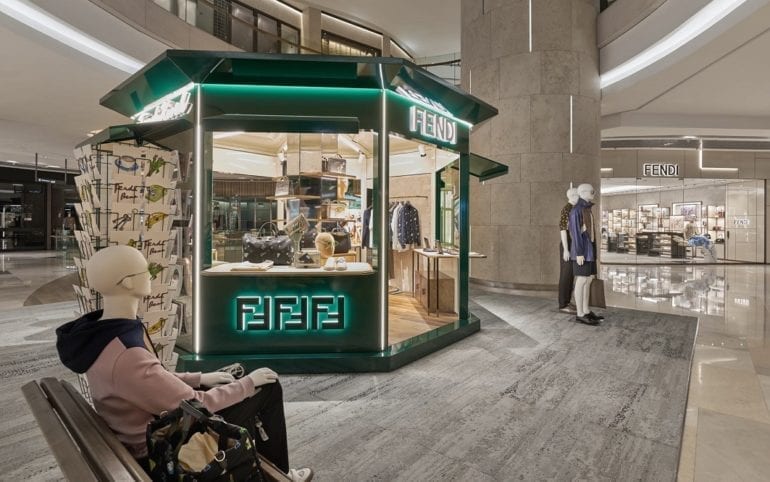
    Marking the store opening, a Fendi pop-up store has been set up at the entrance of the new physical store. Painted a lush forest green, the kiosk is designed to mimic heritage newsstands that one might find in a Piazza in Rome. The octagonal dark green structure features materials inspired by apartments in the city, such as brass, rosewood, velvet and parquet wooden floors.

    It stocks smaller items such as bag charms, small leather goods, sunglasses and t-shirts, as well as free Fendi postcards for guests.

    The ‘travelling’ kiosk opened until 18 February, before moving on to Siam Paragon mall, in Bangkok.

    Many international luxury brands have been doing the nomadic pop-up retail debut lately. Both Chanel and Louis Vuitton recently launched pop-up concepts in Singapore.

    Fendi is part of the French luxury conglomerate LVMH group. LVMH posted record revenues in 2107, with sales increasing overall by 29% last year.

  • Singtel Q3 profit falls 9%

    Singtel Q3 profit falls 9%

    Singtel has reported a 9% decline in profit for its fiscal third quarter to S$890 million ($671.7 million) as a result of declining voice revenues, higher costs and lower earnings from the operator’s regional mobile associates.

    Revenue for the December quarter grew 4% to S$4.6 billion as a result of higher earnings from Singtel’s wholly-owned Australian subsidiary Optus and strong contributions from the group’s digital businesses.

    Optus reported an 8% increase in revenue on the back of strong postpaid mobile and NBN customer growth. During the quarter, mobile revenue grew 4% and 125,000 new postpaid customers were added. Optus’ 4G population coverage meanwhile reached 96.6%.

    But Singapore consumer revenues fell 6% due to ongoing voice to data substitution and lower equipment revenues, partially offset by solid mobile data growth.

    Group enterprise revenue also fell 4% for the quarter, while Singtel’s Group Digital Life revenues more than doubled.

    Pre-tax earnings from Singtel’s network of regional mobile associates meanwhile fell 17.8% to S$523 million, largely as a result of the lower contribution from India’s Bharti Airtel due to the mobile termination rate cut and ongoing intense competition.

    Earnings also fell at Indonesia’s Telkomsel as a result of growing competition and at the Philippines’ Globe Telecom due to higher network investment related costs, but profit contributions from Thailand’s AIS rose due to solid revenue growth.

    “We see our investments in network infrastructure and spectrum as critical to our future growth and longer term returns in this digital world. Already, our transformation strategy is delivering with digital and ICT services accounting for 23% of our revenue this quarter,” Singtel group CEO Chua Sock Koong said.

    “Despite the current business headwinds, our regional associates’ markets remain attractive with strong mobile data growth. The ongoing consolidation in India will also pave the way for a healthier industry. We believe our associates’ investments in networks and spectrum, strategic partnerships and focus on innovation will pay off.”

    Singtel recently arranged to pay $412.6 million to indirectly increase its stake in Bharti Airtel to 39.5%.

  • Myanmar’s cellcos reach a combined 50m subs

    Myanmar’s cellcos reach a combined 50m subs

    Myanmar’s mobile operators – MPT, Ooredoo Myanmar and Telenor Myanmar – have announced they have reached a collective 50 million subscribers.

    Extrapolating from the latest UN estimates, Worldometers projects that the total population of Myanmar is around 53.6 million, meaning the nation’s mobile penetration is approaching 100%.

    In a joint statement announcing the milestone, the three operators committed to further develop their mobile networks, particularly in rural areas, and to provide the investment needed for the deployment of 4G infrastructure and services for the market.

    The companies also agreed to abide by “sound price competition practices”, including by complying with recently imposed floor pricing on mobile offerings.

    The Myanmar Post and Telecommunications Department’s pricing and tariff regulatory framework, introduced in June last year, prohibits behavior such as free distribution or sales of SIM cards and supplying services and handsets at below cost.

    “MPT, Ooredoo and Telenor are firmly committed to competing based on the stated guidelines and the relevant laws of the country that as the telecommunications operators in Myanmar, they are bound to,” the statement reads.

  • Siam Piwat lighted up Lunar New Year with performances

    Siam Piwat lighted up Lunar New Year with performances

    Siam Piwat Co., Ltd., owner and operator of Siam Paragon, Siam Center, and Siam Discovery, unites the three shopping centers under the banner of “One Siam” to host “Siam Delightful Chinese New Year” with a generous budget of 50 million Baht. On the theme of “Lantern Festival”, the event has illuminated with 999 dazzling sculpted lanterns that symbolize prosperity to welcome the Chinese New Year. The grand spectacles from China and fortune-enhancing activities are in the line-up to promote Chinese art and culture and further strengthen Sino-Thai relations. Also featured on the occasion are special offers, co-sponsored by Kbank Credit Card, for Thai and Chinese visitors during the Chinese New Year. The festivities are slated to run from today to 18 February 2018 at Siam Paragon, Siam Center, and Siam Discovery.

    Mayuree Chaipromprasith, Senior Executive Vice President – Marketing of Siam Piwat Co., Ltd. reveals “To promote the tourism sector during the Chinese New Year which is a festival of joy for both Thais of Chinese descent and Chinese tourists visiting Thailand, the three shopping centers at Siam area, consisting of Siam Paragon, Siam Center, and Siam Discovery, unites under the banner of “One Siam” to hold “Siam Delightful Chinese New Year”. Each venue promises a motley range of lively activities, highlighting the image of One Siam as a popular destination for holidaymakers from all over the world. This year, we bring to you a special treat of “Digital Angpao (Red Envelope)” so that you can give your blessings away via such platforms as Facebook and our website. A variety of prizes including gift cards and discounts are also up for grabs. Another way to join in the fun is by downloading our AR application called Flash Venture to find and catch all of the 12 Chinese zodiac animals scattered throughout the three shopping centers.

    On the opening day 15 February 2018, Her Royal Highness Princess Ubolratana Rajakanya Siri Vadhana Phannavadi personally graciously visited the festivity and watched the show welcoming by Pasinee Limatibul, Board of Director of Siam Piwat Co.,Ltd and executives of the company. The event was also joined by celebrities such as Kleddao Panichsamai, Sopitnapa Chumpanee, MR Chanladda Yukol, Prakarn Raiva, Wantita Liewchalermwong, Lina Leenutaphong, Pimpisa Chamanan, and Chutimon Chuengcharoensukying. Moreover, there were a phenomenal line-up of spectacles such as Chinese New Year Drum, a drum show fronted by starlet Nicha Nattanicha, interspersed with a graceful dance performed by native Chinese dancers and a Chinese lion dance featuring Mario Maurer, the biggest Thai heartthrob for Chinese fans. We are committed to bringing you joy and happiness over the Chinese New Year and this is our New Year gift for you.

    From today until 18 February 2018, at Parc Paragon of Siam Paragon, you will be impressed with 999 colored sculpted lanterns symbolizing prosperity and wealth. The installations in the shape of 12 Chinese zodiac animals measuring 2.5m in height dot the open space dwarfed by the 5-meter-tall dog-shaped centrepiece marking the Year of the Dog. Meanwhile, the Chinese Cultural Center of Thailand has joined hands to bring in a host of unforgettable productions involving an exuberant blending of China’s unique ethnic culture with Han Chinese influences. The shows, delivered by over 100 members of performance crews from the city of Hangzhou, in Zhejiang Province, China, include a graceful style of various dances, the jaw-dropping Kongzu acrobatics, and displays of ancient Chinese magic. The festival will also present a showcase for music played with Suona, a Chinese traditional musical instrument.

    Explore Chinese culture and dive into a whole heap of immersive experiences by sitting back and relaxing in our reproduction teahouse or ornamenting yourself with ancient Chinese outfits topped with Chinese makeup looks brought to you by professional makeup artists. Feel free to take as many pictures as you like to remind you of your fond memories with us. The M Floor of Siam Paragon is adorned throughout with good luck symbols such as red dogs, plum blossoms, and bamboo twigs in the hope that every customer is blessed with wealth, health, and happiness all year round. Don’t miss the giant lantern that stands bright in the Hall of Fame section on the M Floor. Revel in music rendered with Guzheng, Erhu and Xiao. Keep your peepers peeled for demonstrations of rope braiding, courtesy of Huachiew Chalermprakiat University. Admire the lit-up plum blossom-decorated arches spotting the entire area of Parc Paragon.

    As for the cutting-edge Siam Center, it is home to a massive selection of high-end fashion brands and creative artworks. No doubt it is tasked with mounting an exhibition of sculptures, designed by up-and-coming collage artist Nakrob Moonmanas, on the theme of All We Need is Love. All kinds of love, be it familial or romantic, are beautiful and make the world a better place. In celebration of the power of equal love, we are proud to present a collection of lantern-mounted photographs. The pictures interconnected with Chinese-inspired chinoiserie patterns feature couples of various nationalities from all walks of life dressed in red, the symbolic color of good fortune.

    Come experience the wonderful “Siam Delightful Chinese New Year” festival where many vibrant activities are in action. Special offers are up for grabs from today to 11 March 2018. In the meantime, from today until 18 February 2018, keep your eye out for a Chinese lion parade giving out red envelopes loaded with 9 million Baht’s worth of discount coupons and gift cards, courtesy of over 500 popular shops in the three shopping centers.

  • SWIFT revolutionises Australian banking with real-time payments

    SWIFT revolutionises Australian banking with real-time payments

    SWIFT welcomes the public launch of the New Payments Platform (NPP) in Australia, which is set to revolutionise the way payments are made domestically. SWIFT has helped to design, build and deliver the NPP and will play a key role in operating the infrastructure for the NPP.

    The NPP’s paradigm-shifting financial architecture has been designed and constructed to fundamentally improve how consumers, businesses and governments transact with one another. The key features of the NPP include:

    • 24/7 instant payments and real-time line-by-line settlement via the Reserve Bank of Australia
    • PayID, new and easy way to link a financial account with an easy-to-remember identifier such as a mobile phone number, email address or ABN for businesses
    • Open access infrastructure that truly empowers innovation through competition
    • Overlay services framework that will provide new value services to Australian consumers, businesses and government

    Alain Raes, Chief Executive of EMEA & APAC, SWIFT, said the rollout of the NPP and the enablement of real time payments is the most significant development in the Australian payments industry in decades, and could have a more revolutionary impact on the economy than any previous payments system innovation.

    “SWIFT has supported the evolution of payments systems around the world for more than 40 years and is delighted to have played an important role in the creation and roll out of real-time payments in Australia. The smooth delivery of the project is a measure of the great partnership that SWIFT and the Australian industry have developed throughout the collaboration,” said Mr Raes. “The NPP has also showcased the expertise and innovative approach of SWIFT’s global payments team and the value that we can deliver to other markets, including the European Union as it moves towards the goal of a harmonised instant payments service within the Eurozone.”

    NPPA CEO, Adrian Lovney said: “SWIFT, an international leader in the provision of secure financial services, has worked tirelessly to help design, build and deliver this world class system.”

    NPP is a key component within SWIFT’s broader global instant payments strategy, which also includes the provision of an instant payments messaging service for the euro area. Launching in November 2018, to coincide with the launch of TARGET Instant Payment Settlement (TIPS), the euro real-time payments service commissioned by the Eurosystem, SWIFT’s new messaging service will allow instant payments to be made in euros across Europe through both TIPS and EBA CLEARING’s RT-1 instant payments system.

    In the context of the Eurosystem’s 2020 vision, which envisages access to TARGET2, TARGET2 for Securities and TIPS through the Eurosystem Single Market Infrastructure Gateway (ESMIG), SWIFT’s instant payments strategy is committed to the future agenda of the Eurosystem, supporting customers as they move to meet this vision.

    The same SWIFT solution will provide customers with a single gateway to connect seamlessly to other instant payment systems in Europe and elsewhere.

    SWIFT, which currently connects 85 of the 149 High Value Payments systems in the world, including CHAPS in the UK, TARGET2 in Europe and the SWIFT India Domestic Services, also offers gateways to instant payments platforms in Hong Kong and in the US.

  • Muse Shopping Centre’s new Incubator Store designed by JHP

    Muse Shopping Centre’s new Incubator Store designed by JHP

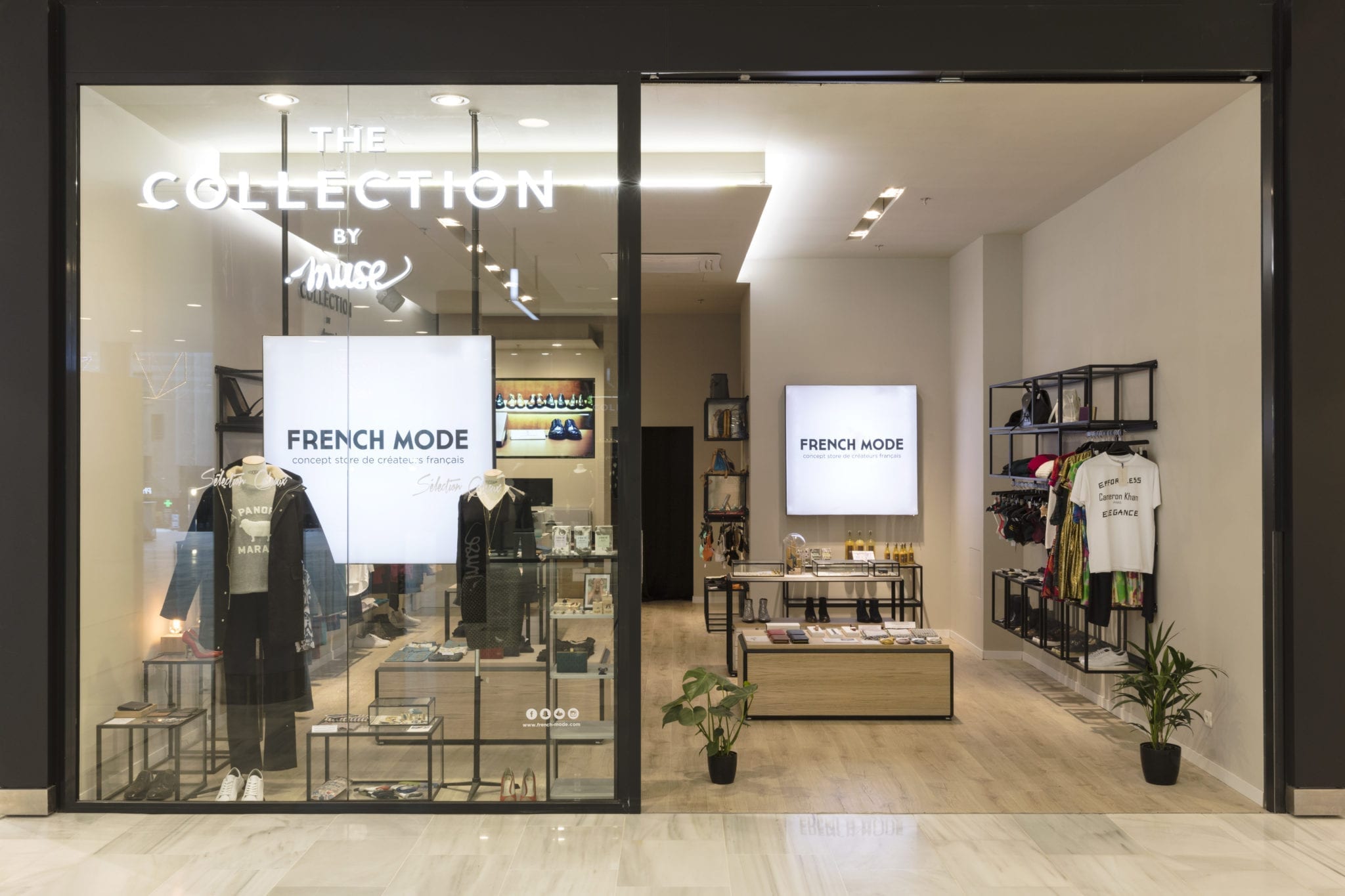
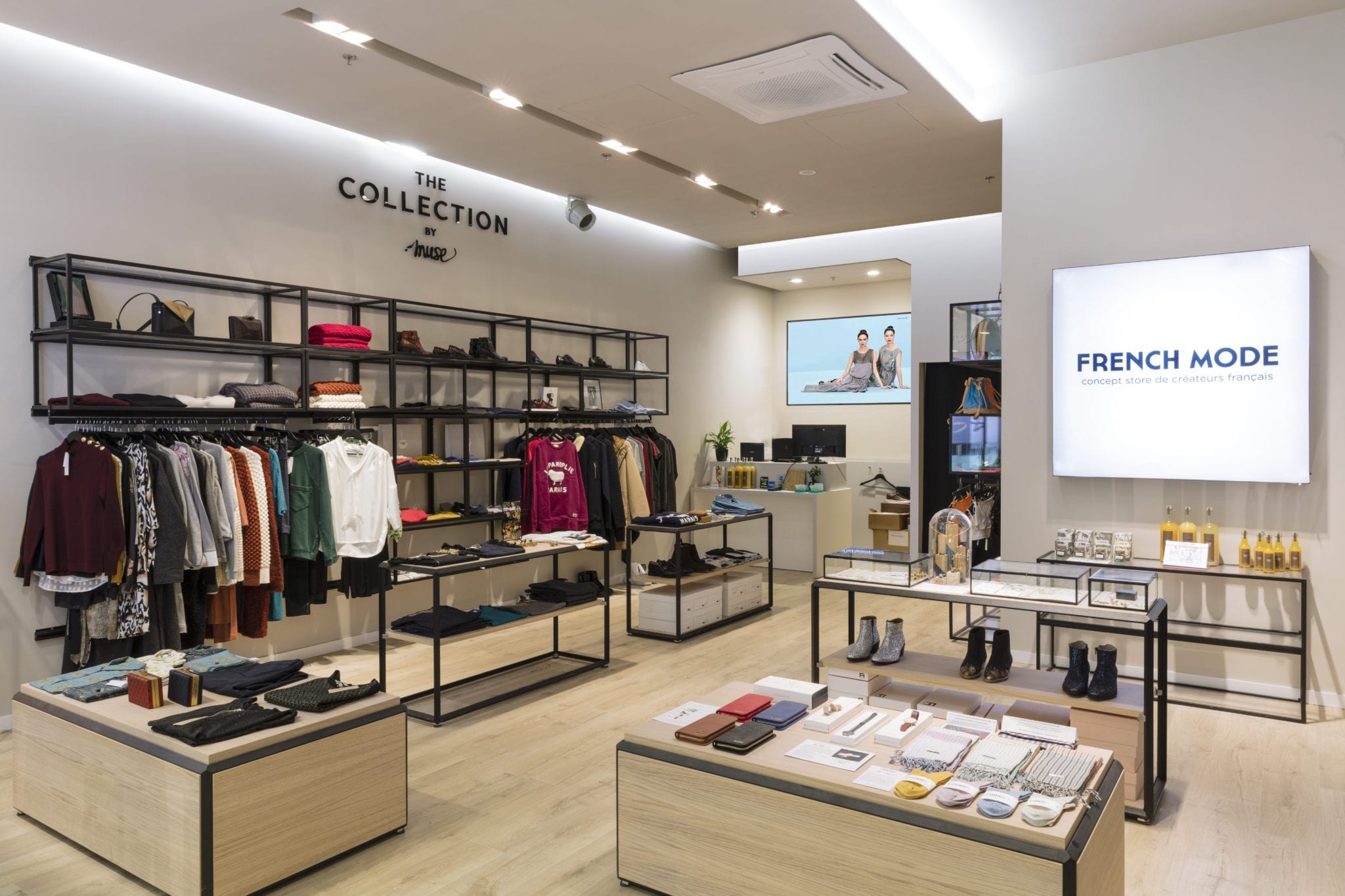
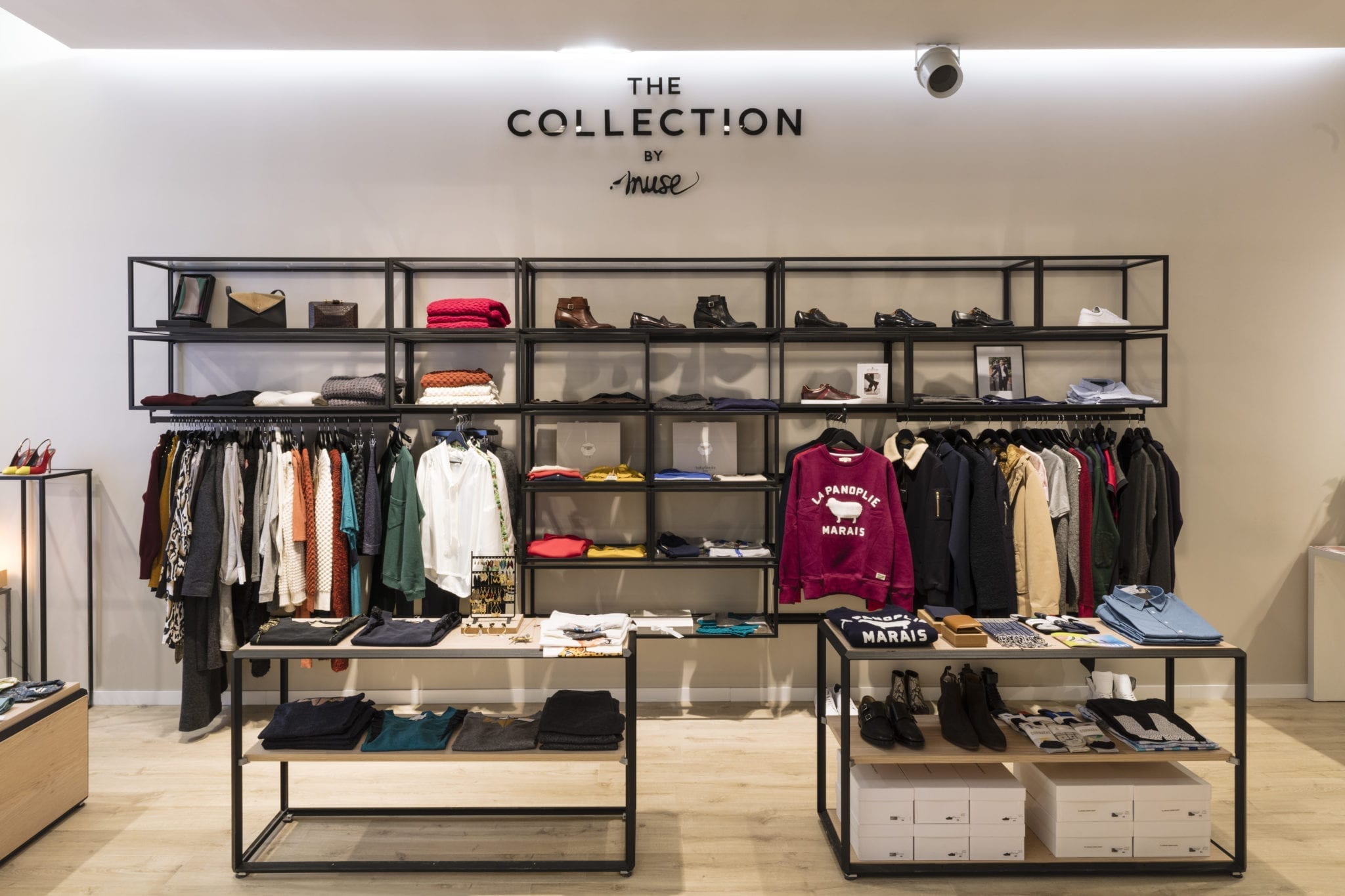
    JHP have been appointed by French developer Apsys to create a radical new store concept. ‘The Collection by Muse’, located in the newly opened Muse shopping centre in Metz, France, is the ultimate incubator store. Its flexible design and centralized POS system allow it to host brands on a temporary basis. Brands range from already established brands to young designers and emerging labels from all around the world, and are as diverse as Fashion, Accessories, Beauty, Home, Objects and Technology companies. Current tenant is upcoming French fashion label ‘French Mode’.

    The principle is simple: every three to four months, a new brand takes the reins of the shop to exhibit their collections. Located on the first floor of Muse, the Collection by Muse’s main purpose is to incubate new retailers and brands, test the popularity of new categories, respond to seasonal demand, inspire and encourage customers to return again and again.

    Muse, Lorraine’s new mall, opened its doors to the public on 22 November 2017, opposite the Centre Pompidou-Metz museum complex and a few minutes’ walk from Metz city centre in France. As the cornerstone of the new Amphithéâtre quarter, Muse fosters an urban mix thanks to a combination of retail outlets, homes, offices and leisure facilities of over 80,000 sqm.

    The centre accommodates 112 outlets including fashion boutiques, home décor stores, restaurants and day-to-day shops, including Primark, Carrefour Market, Superdry, New Look, Zadig & Voltaire, Sephora, and the restaurants Burger King, Air Bagels and Beef House.