Author: Mei Ling Tan

  • SmartOSC Joins Hands with UrbanFox to Promote End-to-End Ecommerce

    SmartOSC Joins Hands with UrbanFox to Promote End-to-End Ecommerce

    SmartOSC, a leading ecommerce agency, has joined hands with UrbanFox, an omnichannel logistics and channel management solutions brand, and a subsidiary of Singapore mainboard-listed Keppel Telecommunications & Transportation, to jointly promote their end-to-end ecommerce services to retailers across Southeast Asia.

    In recent years, several brands, including Club21 and Times Publishing Group, have chosen SmartOSC and UrbanFox as strategic partners for their ecommerce needs. The partnership promises to bring retailers seamless omnichannel solutions, backed by SmartOSC’s consulting, user experience and platform implementation practices, together with UrbanFox’s logistics services and omnichannel management.

    Retailers in the region have been looking to create a more seamless shopping experience for their customers in tandem with their changing shopping habits. According to recent research published in the Harvard Business Review, the omnichannel shopping generation spent an average of 4% more on every shopping occasion in-store and 10% more online than single-channel customers. Even more compelling is that, with every additional channel they used, the shoppers spent more money in the store.

    SmartOSC has leveraged its strong ecommerce expertise, technical capability and scalable resources to meet the rapidly evolving needs of global brands and retailers. Today, major consumer brands such as COURTS Singapore, Lotte, Nestlé and Friso have partnered with SmartOSC to implement effective ecommerce solutions, which has enabled the brands to get to market faster, as well as optimise sales.

    Thai Son, CEO of SmartOSC shared, “We’ve seen raving demand from clients in Europe and North America for implementing omnichannel solutions to catch up with the new shopper generation. The same trend is happening across Southeast Asia, and our partnership will help retailers in the region to implement the best practice for their new retail strategy.”

    Answering the needs at the other end of the ecommerce supply chain is UrbanFox, which is part of Keppel Logistics. By incorporating omnichannel strategies as part of their services provided for B2C and B2B brands, UrbanFox is able to enhance the efficiency of the brands’ supply chains.

    Channel management is another key service in which UrbanFox is seeing strong pick-up. In this area, UrbanFox helps retailers manage multiple sales channels and distribution from the initial order through to the last mile delivery, by using a centralised inventory management model. UrbanFox counts many major companies among their clients, such as Kao Singapore and Mondelez.

    Joe Choa, Managing Director of UrbanFox shared, “UrbanFox has helped retailers respond to the ecommerce trend by integrating their online and offline channels onto one unified platform where inventory, sales and promotional campaigns can be managed across various marketplaces with ease. Following our initial success with clients in Singapore, we hope to offer our effective logistic solutions throughout Southeast Asia together with e-commerce veterans SmartOSC.”

    Both SmartOSC and UrbanFox will be present at the Last Mile Fulfilment Asia 2018 event in Singapore from March 15-16, to share successful case studies and showcase how retailers can benefit from their joint offering.

    The abovementioned transaction is not expected to have any material impact on the net tangible assets or earnings per share of Keppel Telecommunications & Transportation for the current financial year.


  • Vietnam to revise automobile industry laws

    Vietnam to revise automobile industry laws

    The Ministry of Industry and Trade (MoIT) has asked the Ministry of Finance to remove the special consumption tax for locally-manufactured auto parts.

    This is part of a recommendation document that MoIT sent to the finance ministry in order to revitalise domestic automobile industry in the future and reduce the import of autos.

    The MoIT said that it is needed to have more measures to help local automakers cut production cost and accelerate the product’s competition capacity as well as revising policies on tax and fees.

    The ministry wanted the finance ministry to exempt the import tax on materials for part and components manufacturers who invest in Việt Nam, which should be in association with their commitment on long-term investment, volume of products, technology transfer and use of local labour force.

    The MoIT also recommends the application of a tax payment guarantee for a period of eight months instead of the current 30 days.

    The MoIT expected the finance ministry to study to amend and supplement a number of the above contents, which were proposed by Thành Công Group, with regard to laws on value-added tax, special consumption tax, and corporate income tax, in addition to personal income tax and natural resources protection tax.

    Earlier, at the review conference of the industry and trade sector held in Hà Nội on January 15, General Director of Hyundai Thành Công Lê Ngọc Đức proposed that the MoIT, in co-ordination with the finance ministry, consider several recommendations as those mentioned above.

    According to Đức, in order to achieve the goal of developing the automobile industry in Việt Nam, the Government has issued decrees such as Decree 116 on conditions for production, assembly, import and business of warranty service, car maintenance, and Decree 125 that regulates the roadmap for import duty exemptions of parts and components for manufacturers who meet conditions such as emission standards, engine displacement capacity for the car with nine seats and less, passenger car and truck.

    However, he said such privileges were not strong enough to be of significant priority for locally-assembled autos to help them compete with complete built-up units imported from ASEAN.

    Under the ASEAN Free Trade Agreement (AFTA) commitments, a zero per cent tax has been applied on cars imported from the bloc with a localisation rate of 40 per cent or more in the country of origin from January 1.

    A MoIT report showed that the price of an automobile in Việt Nam is currently high in the region but its quality is lower than an imported one.

    “Locally-assembled autos in Việt Nam have a similar price doubling as those seen in regional countries and much higher than other countries which have a stable automobile industry such as Japan and the United States,” said the report.

    “The domestic automobile industry has not yet reached the standards of the real automobile industry because most are at the level of simple assembly; the production line mainly consists of four key stages including welding, painting, assembly and inspection. There is no co-operation, linkage and specialisation between automakers and assemblers and part suppliers. There is no such system used by material suppliers and large-scale parts and components makers.

    “The localisation rate of new autos is only between 7 per cent and 10 per cent on average (compared to the target of 40 per cent in 2005 and 60 per cent in 2010). Currently, locally-produced products with very low technological content are tubes, tires, chairs, mirrors, cables, plastic products and batteries,” the report pointed out.

    MoIT has on numerous occasions warned that if such privileges and incentives were not approved, the domestic automobile industry would find it difficult to compete with imported cars.


  • Malaysia’s Central i-City shopping centre to open in 2018

    Malaysia’s Central i-City shopping centre to open in 2018

    Selangor’s Central i-City Shopping Centre is scheduled to open in the fourth quarter of the year.

    A collaboration with i-City Properties, it is the first international regional shopping centre for Thai developer/investor CPN and Malaysia’s i-City Properties.

    Among anchor tenants just announced are Sogo Department Store and Village Grocer. TGV Cinemas will offer the first Imax screen in the region, along with eight digital cinemas seating up to 1800 patrons.

    The project has a gross development value of RM850 million (US$216.6 million).

    CPN Thailand COO Pakorn Partanapat says the goal for the shopping centre is to boost the mall/tenant relationship to ensure a win-win for everyone.

    CPN Malaysia COO Anthony Dylan says the 940,000sqft (87,000sqm) shopping centre will have 350 retail shops over six levels.

  • Indonesia Central Bank to Prepare Fintech Regulatory Roadmap

    Indonesia Central Bank to Prepare Fintech Regulatory Roadmap

    Bank Indonesia is currently preparing a roadmap of regulations for financial technology, or fintech, products in an effort to support the rapid change of the global financial system in the digital era, the central bank’s official said on Thursday (08/02).

    “This is a response to the shift from physical to virtual as it presents risks and challenges […] There will be a roadmap to regulate fintech to follow its dynamic development,” Sukarelawati Permana, director of the policy and payment department at the central bank, said at an economic forum.

    The central bank is collaborating with Financial Services Authority, or OJK, to create the regulatory roadmap.

    Sukarelawati, however, did not reveal the details of the framework or when it will be released.

    The regulations, according to her, will mitigate risks presented by the sector’s development, while still supporting the shift of traditional payment systems into the digital realm.

    “As we surely cannot block innovation, we as the authorities will try to balance the digital economy,” Sukarelawati said.

    The central bank previously issued a provision to support innovation in the fintech sector that benefits the economy while maintaining the principles of consumer protection, risk management and prudence, Sukarelawati said.

    A 2017 Bank Indonesia regulation regarding financial technology implementation dictates that fintech providers register with the central bank.

    The regulation excludes payment system service providers (PJSP) who have obtained a license from Bank Indonesia and providers who are under other authorities. But the providers must still inform the central bank regarding new products, services, technologies and business models.

    Bank Indonesia is currently also conducting a study on the feasibility of issuing digital currency.

  • Samsung to target young market via Samsung Digital Plaza

    Samsung to target young market via Samsung Digital Plaza

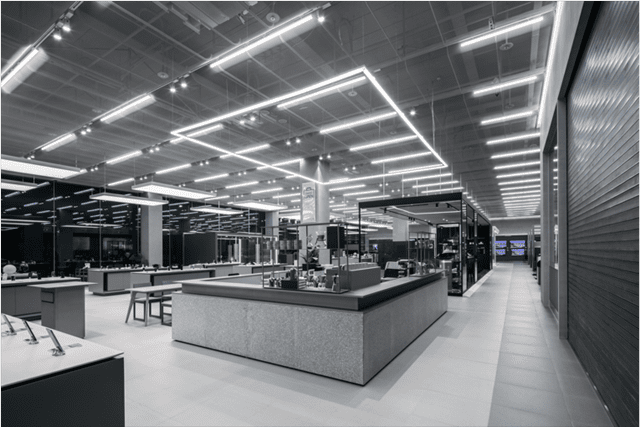
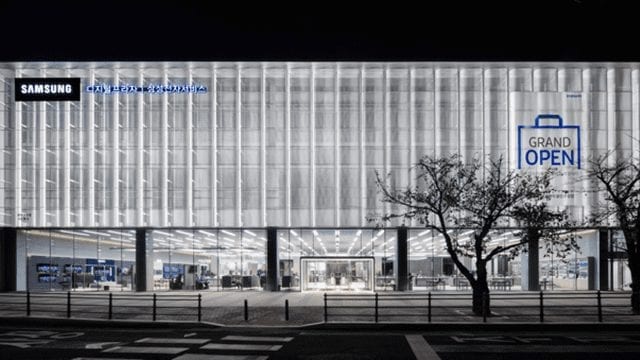
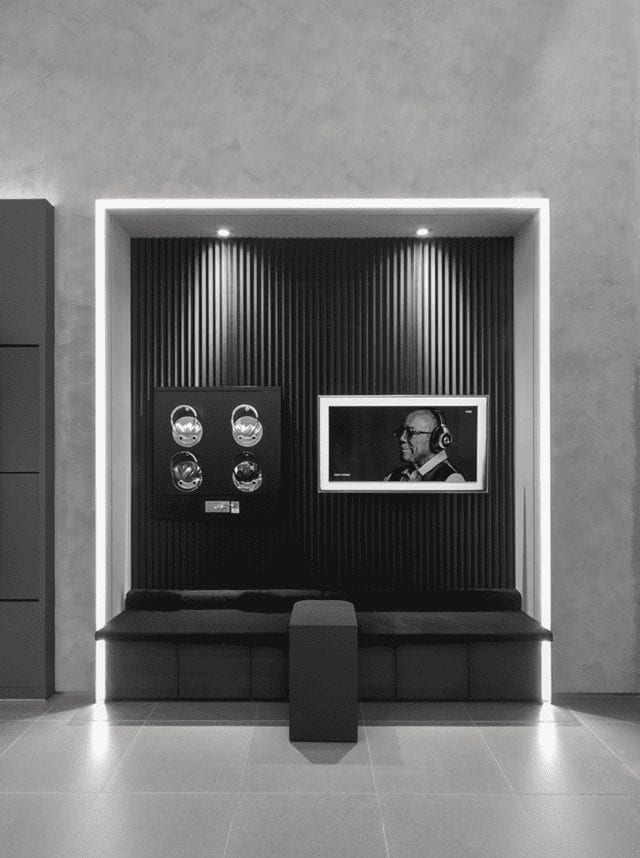
    Aiming at a young demographic, the Samsung Digital Plaza has been reimagined for its launch in Yongin City, Korea.

    On the ground floor of a metal-covered three-storey building, the 1255sqm store offers its goods in a context that echoes the home. The electronics giant engaged Seoul architecture practice Betwin Space Design to create the venue’s façade and interior.

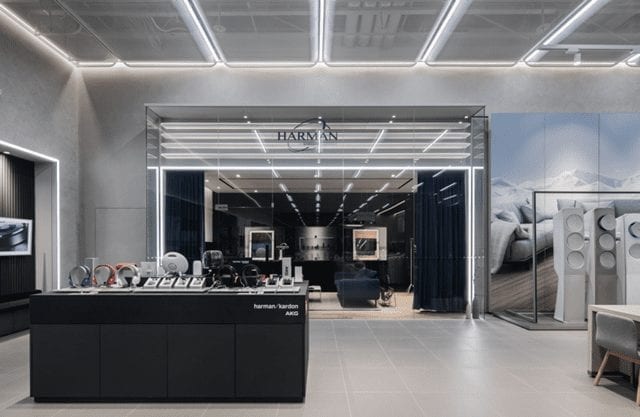
    One of the display zones features audio devices by Harman, a company that became a Samsung division early last year. Samsung displays its TVs in a zone designed like a living room complete with sofas.


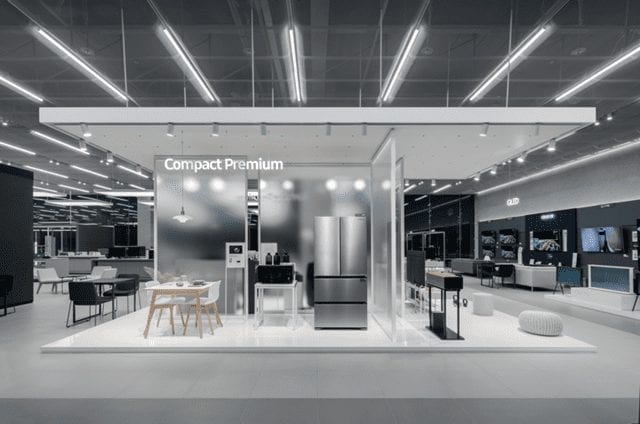
    Aiming at occupiers of single-person flats, the compact premium zone presents special products in a setting that reflects modern living styles in Korea, says Samsung.

    There is also a cafe in the middle of the store.


    Photo courtesy: Samsung

  • China to have 100 Commune store

    China to have 100 Commune store

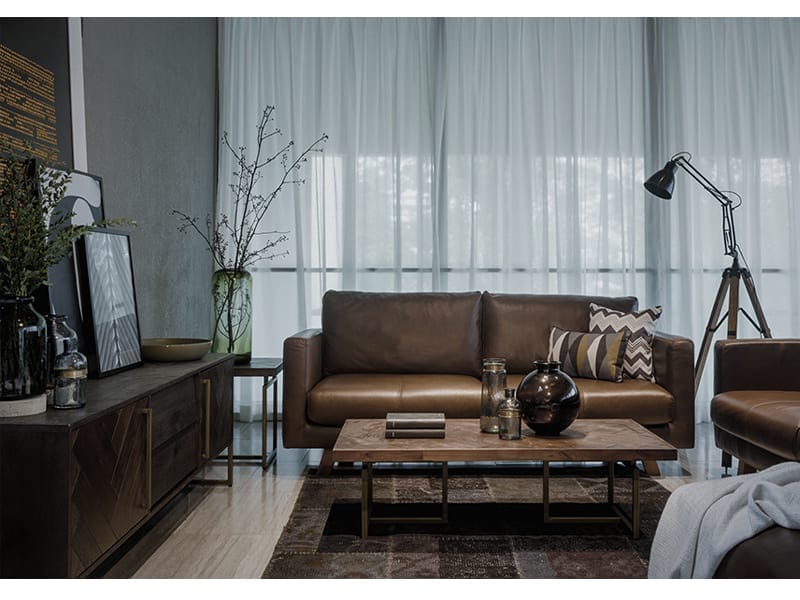
    Singapore furniture designer/manufacturer/retailer Koda’s in-house brand Commune plans to open more than 100 outlets in China by 2020.

    Commune’s sales from the market hit nearly S$7 million (US$5.3 million) last year, accounting for 64 per cent of its total revenue. This helped push half-year profit for Koda.

    For its next stage of growth, Commune will partner with International Enterprise (IE) Singapore to adopt an omnichannel strategy for China.

    Within its three years in the market, Commune has opened more than 42 stores across tier-one and -two cities using a dealership model.

    “With the support of IE Singapore, we intend to increase sales and knowledge of our customers through digital marketing and analytics, while ensuring a seamless shopping experience online,” says Commune sales and marketing director Gan Shee Wen.

    Already the company is equipping its stores in China with VR capabilities so in-house designers can turn customers’ floor plans into a VR environment and so provide recommendations on design concepts.

    Its co-operation with IE Singapore involves building a long-term e-commerce strategy and a seamless online and offline brand.

    Commune plans to subsequently implement its omnichannel strategy in Singapore and other markets. IE Singapore is also working with Commune to expand to Indonesia, Taiwan and Thailand by connecting it to mall owners and dealers.

    Spring Singapore has also been supporting Commune in the development of its VR software, customer-service training and mobile training platforms.

    Meanwhile, Koda’s net profit was up 26.2 per cent to US$2.4 million for its half-year to the end of December.

    Commune’s higher profit margins lifted the group’s gross profit margin to 34.7 per cent for the half from 29.1 per cent.

    Overall revenue for the period declined by 4.2 per cent to $24.2 million because of delays in shipments to key export markets in the second quarter. Revenue contributions from Commune in the second quarter partly offset the decline to take total revenue for the quarter to $11.9 million, a difference of 11.8 per cent compared to the same period a year
    earlier. Most of the delayed shipments were cleared in January.

    Koda turned in a net profit of $1 million in the second quarter, down from $1.05 million for the same quarter in 2017.

  • Vietnam plastics export turnover to increase by 15%

    Vietnam plastics export turnover to increase by 15%

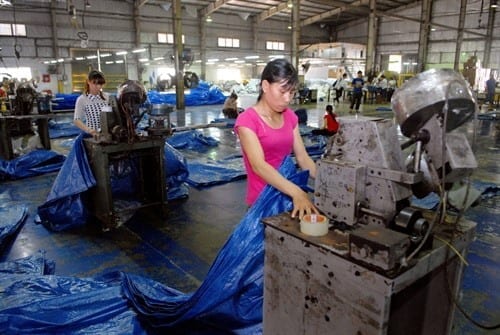
    Exports of plastics are expected to grow by 12–15 per cent this year, according to the Việt Nam Plastics Association (VPA).

    Hồ Đức Lam, chairman of the association, said the country’s key export markets this year would be Japan and the US, which has high demand.

    Other markets such as China, Laos, Cambodia and Myanmar are expected to become new export markets for plastics in the future.

    Plastic bags made in Việt Nam are still subject to anti-dumping taxes in the US market, but the US imposition of anti-dumping duties has had almost no impact on exports of the sector, according to Lam.

    Every year, the average US import turnover is more than US$50 billion for plastics and plastic products, accounting for 9.1 per cent of the world’s total import of plastics, according to VPA.

    The largest plastic export market is Japan, with an average growth rate of 20–25 per cent per year. Việt Nam now ranks sixth in the top 10 countries exporting plastics to Japan, which is one of the most difficult markets with many strict regulations on the quality of goods. Vietnamese plastic exporters have been urged to improve quality, design and trade promotions to enter this market.

    Lam recommended that Vietnamese plastic producers prepare long-term strategies and invest in market research to increase their penetration into the Japanese market.

    In addition, the EU’s demand for plastic products imported from Việt Nam is high, especially plastic pipes.

    Việt Nam’s plastic products are not subject to anti-dumping duties in the EU markets like other Asian countries (the average tax rate is from 8-30 per cent). Thus, Vietnamese producers are also urged to seek new export markets.

    Despite the high export prospects and strong development in recent years, the plastics industry is still known only as part of the plastic processing industry.

    More than 80 per cent of raw materials are still imported from other countries.

    Each year, the plastic industry needs an average of four million tonnes of raw materials, but only manages to produce about 900,000 tonnes, with the rest imported.

    Experts have said that a shortage of raw materials will reduce the competitiveness of exporters.

    Because of regulations on the origin of goods, it is difficult to take advantage of tax incentives in free trade agreements.

    Exporters also need to focus on environmentally-friendly and safe products for sustainable growth.

    Việt Nam’s plastics industry earned $3 billion last year, posting a 17.3 per cent increase over 2016, according to VPA.


  • Jollibee craves for more stake in Smashburger

    Jollibee craves for more stake in Smashburger

    Jollibee Foods Corporation has agreed to acquire an extra 45 per cent of the US Smashburger brand for US$100 million, giving it a controlling stake of 85 per cent.

    “Jollibee has been an invaluable strategic partner,” says Smashburger co-founder/CEO Tom Ryan.

    His company last year launched and sold nearly 2 million Triple Double Burgers, setting record levels of mix, sales and traffic. The company also launched the Smash Pass, a subscription-based loyalty program.

    Smashburger CFO Bradford Reynolds says Jollibee’s majority stake in Smashburger positions the brand for continued growth, particularly in Southeast Asia.

    As well as beef and turkey burgers, Smashburger offers grilled or crispy chicken sandwiches, black-bean burgers, salads, side items and hand-spun Haagen-Dazs shakes. For each market, the menu includes locally inspired items as well as local craft beer. Launched in 2007, the chain now has more than 360 corporate and franchise restaurants in 38 states and nine countries.

  • Hong Kong International Airport Chinese New Year to start Reward Event

    Hong Kong International Airport Chinese New Year to start Reward Event

    To welcome the Year of the Dog, Hong Kong International Airport (HKIA) is launching a series of shopping promotions, including great rewards of HKIA cash coupons worth up to HK$15,000. Instant Rewards Promotion From 9 to 25 February 2018, travellers can redeem and enjoy rewards of cash coupons worth up to HK$15,000 when making purchases by electronic payment at HKIA. Passengers making purchases with their UnionPay cards can enjoy additional rewards.

    To liven up the festive spirit, HKIA’s mascot will tour around in full Chinese New Year costume to meet, greet and take snapshots with travellers. In addition, a lion dance extravaganza will be held on 20 February at retail and catering outlets at HKIA, featuring lion dances and lucky lettuce rituals to celebrate the festivity with travellers.

    Shopping and Dining Offers

    During the promotional period, HKIA will also collaborate with retailers to provide a whole host of fantastic shopping and dining offers.

    Free Delivery Service

    Travellers spending HK$1,000 or more in a single transaction at HKIA can enjoy complimentary local delivery service. Free delivery service to China (for clothing, bags and accessories only), Indonesia, Japan, Macao, Malaysia, the Philippines, Singapore, South Korea, Taiwan, Thailand and Vietnam is also offered to travellers who spend HK$2,500 or more in a single transaction. For details, please check with the staff at the retail outlets.

  • Kering to celebrate new sales record

    Kering to celebrate new sales record

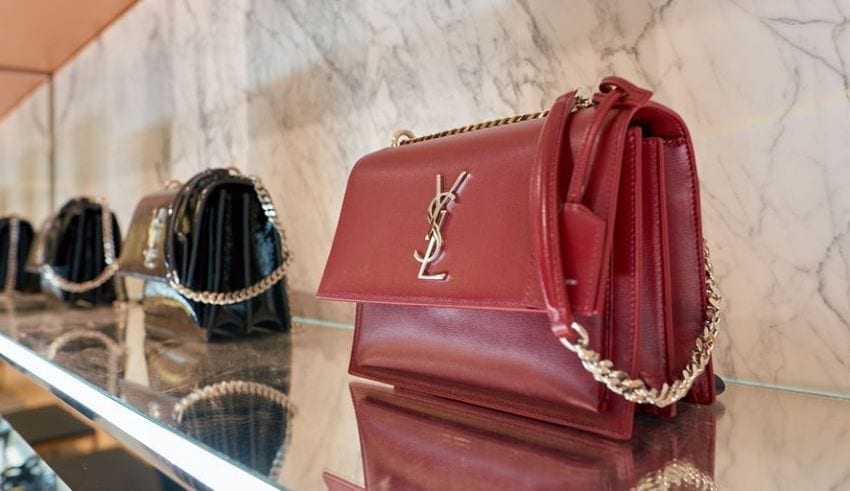
    In a “phenomenal” result, global luxury group Kering had record operating revenue last year, driven in large part by the popularity of Gucci.

    Kering’s income totalled €15.4 billion (US$19 billion), up 25 per cent as reported or 27.2 per cent on a comparable basis. Revenue from luxury activities was up 27.5 per cent as reported, or 29.9 per cent on a comparable basis, while for sport and lifestyle activities, revenue was up 12.8 per cent as reported or 14.7 per cent on a comparable basis.

    Describing it as a phenomenal year, chairman/CEO François-Henri Pinault says the group created more than €3 billion in extra revenues in a single year, and generated more than €1 billion in additional EBIT.

    In a performance “nothing short of spectacular”, Gucci was amplifying its desirability across all markets.

    “Saint Laurent is on a rapid growth track, while Bottega Veneta pursues its redeployment. Balenciaga is charting an impressive development trajectory, and our other luxury brands are experiencing positive momentum,” says Pinault.

    Revenue for luxury activities topped €10 billion last year, up 29.9 per cent year on year based on comparable data. Comparable growth was up 44.6 per cent for Gucci and 25.3 per cent for Yves Saint Laurent.

    Other luxury brands saw accelerated revenue growth (up 14.1 per cent on a comparable basis), especially Balenciaga, which delivered the fastest growth rate of all group brands in the second half.
    Puma’s revenue topped €4 billion for the first time, a rise of 15.8 per cent on a comparable basis, while recurring operating income for the brand jumped 92.7 per cent.

  • Supermarkets in HCM City gear up for Lunar New Year

    Supermarkets in HCM City gear up for Lunar New Year

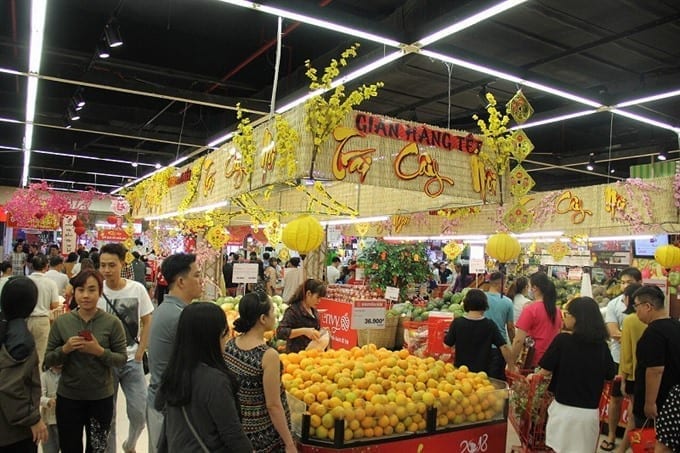
    Many supermarkets are launching attractive promotion programmes in the days ahead of Tết (Lunar New Year) to attract customers. Tết falls on February 16 this year.

    In addition to cutting prices on more than 5,000 essential items from January 11 to February 14, Co.opmart and Co.opXtra have teamed up with suppliers for another programme under which they will cut prices of many kinds of fresh food by the maximum possible rates for seven days starting just before Tết.

    They have also applied “Super discounts” and “Buy more, get more discounts” on the weekend and incentive programmes for their loyal customers such as offering high reward points.

    Similarly, Korean retailer Lotte Mart also launched three consecutive promotion programmes: The “Tết comes to Lotte Mart” programme takes place from January 24 to February 15, with discounts between 5-49 per cent on more than 1,200 products; “For a full Tết” from February 7 to 15 with discounts on over 80 Tết-featured products; and “Starting a desired spring” programme from February 13 to 21 with hundreds of products discounted between 5-49 per cent.

    Supermarket chain Big C is offering a discount of up to 40 per cent on 13 types of fruit. Imported fruits like Egyptian oranges, Korean pears, French kiwis and South African grapes are priced at VNĐ30,000-83,000 (US$1.32-3.64) for a kilo until February 15.

    Moreover, for the first time, French and US green and red apples will be sold at the same price of VNĐ29,900 a kilo.

    In addition to this, Big C will launch two “unprecedented price shock” programmes applicable to its food and fresh goods until New Year’s Eve on February 15.

    According to insiders, the closer to Tết, retailers increasing apply promotion programmes to enhance competitiveness in attracting customers.

    Market movements in the peak shopping days for Tết usually change quickly. Therefore, retailers need to keep a close eye on up-to-date figures to identify changes for timely responses.

    Wholesale markets

    Goods transported to the city’s two wholesales markets have increased strongly to meet peak shopping demand for the New Year from February 11 to 15.

    Nguyễn Văn Huây, director of Thủ Đức Wholesale Market Management and Trade Company, said goods volume entering the market can reach up to 7,500 tonnes a day, an increase of 10 per cent over last year’s Tết.

    Vegetable volume at the market fluctuates between 2,700 tonnes to 3,000 tonnes a day, while fruits are between 4,300-4,500 tonnes a day.

    At Hóc Môn wholesale market, the amount of goods entering the market from February 12 (four days ahead of Tết) may go up to 5,500 tonnes per day, up 100 per cent compared to normal days.

    According to traders at the two wholesales markets, the supply of popular fruits for Tet such as grapefruits, mangos, tangerines and dragon fruits may be not much higher due to unfavourable weather last year.

    About 150-170 tonnes of grapefruits and 100-120 tonnes of mango are expected to enter Thủ Đức Market a day on days near Tết, but their prices will rise sharply if there is a surge in demand.

    Thủ Đức Wholesale Market’s management board forecasted that grapefruits can be priced at VNĐ60,000-65,000 per kilo for green skin grapefruit and VNĐ28,000-30,000 a kilo for Năm Roi grapefruit, while it is VNĐ130,000-150,000 for a kilo of Hòa Lộc mango, VNĐ45,000-50,000 per kilo of sweet tangerine and VNĐ80,000-100,000 per kilo of custard-apple.

    Nguyễn Huỳnh Trang, deputy director of the HCM City Department of Industry and Trade, has asked the management boards of the two wholesale markets to keep track of markets and update supply-demand and pricing situations, in order to quickly report to the department and relevant agencies if there is a sudden fluctuation.


  • Japan’s fast food rivalry heating up

    Japan’s fast food rivalry heating up

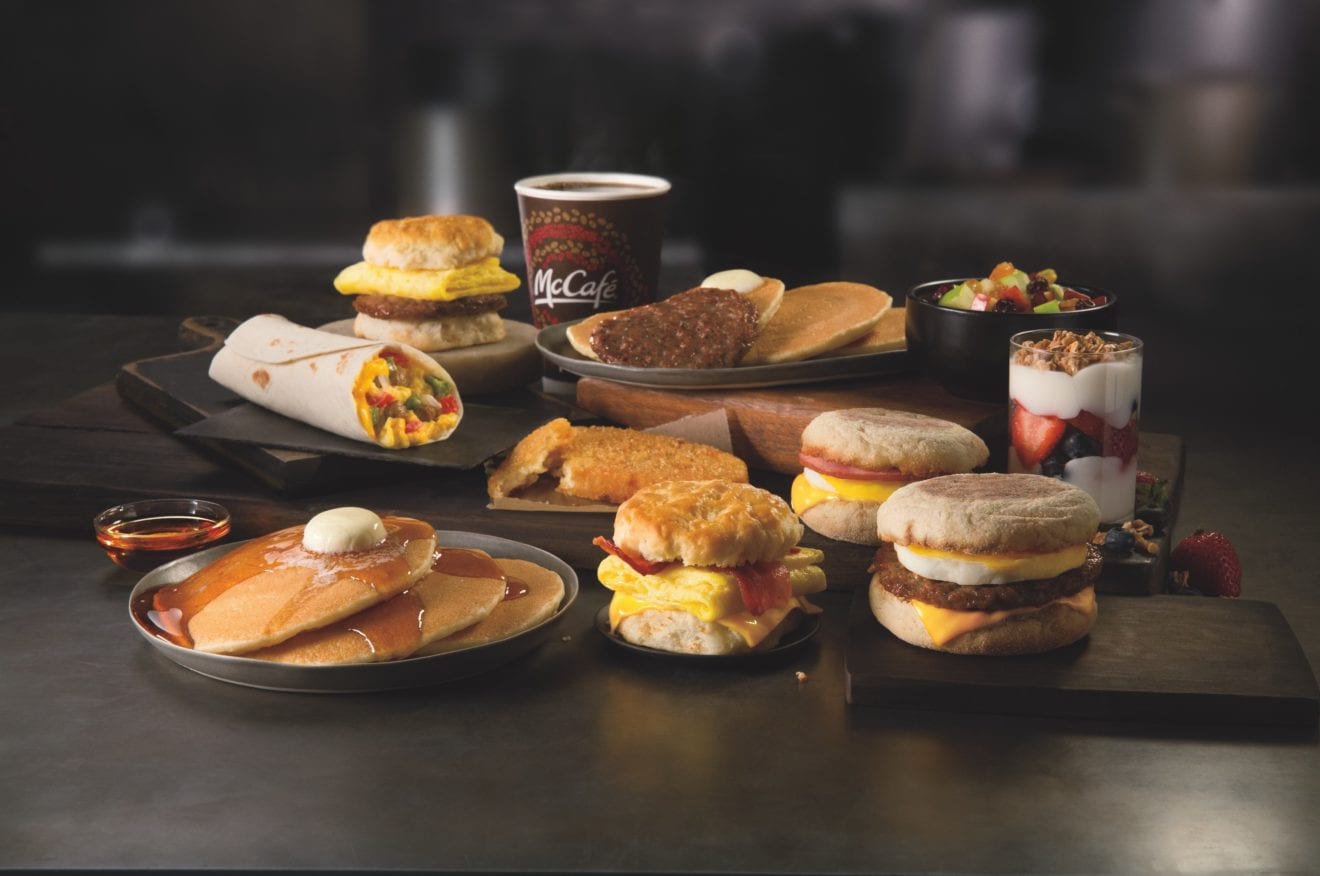
    McDonald’s Japan plans to open more stores this year, its first expansion in a decade.

    At the same time, rival Burger King is working on tripling its Japanese locations to 300 by 2022 at a cost of ¥5 billion (US$45.5 million).

    With a 4.5-fold increase in group net profit last year, McDonald’s Holdings logged a record ¥24 billion. It aims to open 150 to 200 locations in the next three years. With closures taken into account, it expects a net increase of about 100.

    “Over the past several years we were focusing on optimising our store portfolio,” says president Sarah Casanova. “Now it is time to look to opportunities to grow with new restaurants.”

    Following a peak in 2002, the number of McDonald’s locations in Japan has been declining. The chain now has 2900 outlets, a drop of about 1000.

    The turnaround for the burger market is mainly because of record numbers of tourists in Japan, 28.6 million last year.

    Burger King Japan plans to open most of its 200 new restaurants in cities like Tokyo, Osaka and Nagoya. Target locations include shopping-centre food courts and suburban sites with room for a drive-through. A home-delivery service will be offered to counter the move last year by McDonald’s Japan to partner with Uber Eats.

    After a slump, Burger King left Japan in 2001, returning in 2007. Its current expansion drive follows a Hong Kong investment fund acquiring the Japan rights from Burger King. It is also revamping its product lineup.

  • Indonesia to announce the ‘Metro Kapsul’

    Indonesia to announce the ‘Metro Kapsul’

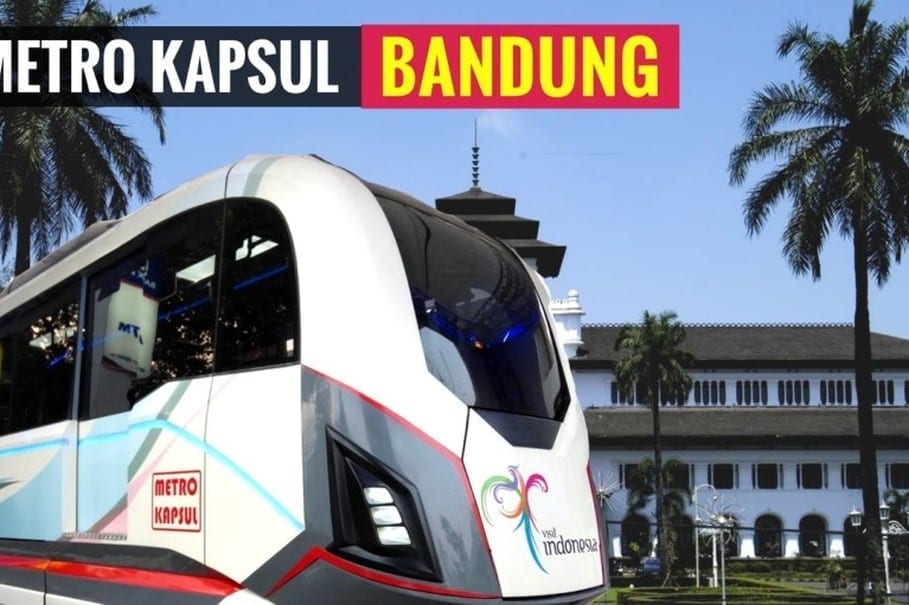
    Bandung’s city Indonesia administration has said work will start soon on the city’s first light rail transit (LRT) network, which will be called the “Metro Kapsul.” The administration claimed the network will be considerably cheaper to build than similar ones in Jakarta and Palembang.

    To cut costs, the contractor will use locally made materials and employ local talents to do most of the work, everything from research to test and eventually running the system.

    Bandung Mayor Ridwan Kamil said the project will not use any money from the state budget, but will be 100 percent privately funded.

    “It will be 100-percent funded by PP [state-owned construction company Pembangunan Perumahan]. It will not use moeny from the APBD [regional budget] or APBN [state budget],” Ridwan said at the project’s launch in Bandung on Monday (12/02).

    The mayor did not say when actual construction on the project will start as the city administration is still waiting for the building license (IMB) for the track to be approved.

    “[Theoretically] we can start doing the foundation [without the IMB],” Ridwan said.

    Ridwan claimed 98 percent of the Metro Kapsul network will be made of locally made materials. The rest, including its digital technology, will come from Slovenia.

    Construction will start from the network’s Corridor 3, an 8.3-kilometer track which will loop from the city center through the city’s busiest and most densely populated areas.

    “Metro Kapsul will be three times cheaper than the Jakarta LRT or Palembang LRT. Corridor 3 will only cost Rp 1.4 trillion [$98 million] to build, or Rp 150 billion per kilometer,” Ridwan said as reported by local newspaper Pikiran Rakyat.

    According to information uploaded on the website of the Committee for Acceleration of Priority Infrastructure (KPPIP), the 23 km-long Palembang LRT will cost a total of Rp 12.5 trillion, or Rp 520 billion per kilometer.

    PP has signed a build, operate, transfer (BOT) contract with the Bandung administration. The company will retain the rights to operate the network for 30 years.

    According to Ridwan, it may take up to one and a half years to complete construction on Corridor 3.

    “So, maybe, the next mayor of Bandung will have to open it,” he said.

    Ridwan’s tenure as Bandung mayor will officially end in September. The 46-year-old has declared he will run for the governorship of West Java in June’s simultaneous regional elections.

    He said the Metro Kapsul project is proof that Indonesia is not short of great engineering talents.

    “The network’s technology is designed by local engineers in Gedebage and Setrasari in Bandung, then tested in Subang and will be run for the first time in this city,” Ridwan said.

  • AirAsia Opens 3 New Routes in Indonesia

    AirAsia Opens 3 New Routes in Indonesia

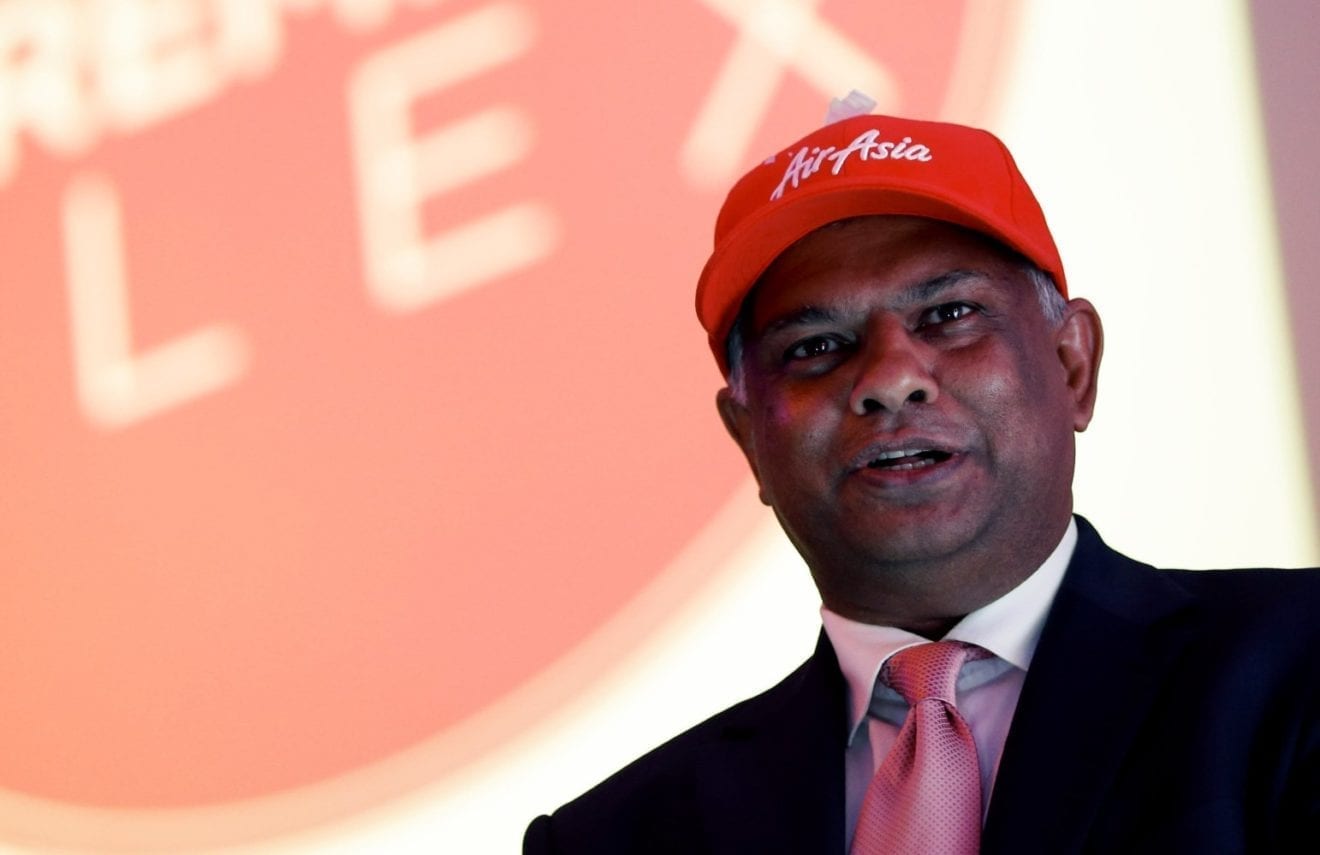
    AirAsia Indonesia, a budget carrier based in Tangerang, Banten, announced on Friday (09/02) it has opened three new routes, two international and one domestic, to tap into the increasing demand for air travels.

    The carrier, an affiliate of Southeast Asian low-cost airline AirAsia, opened new routes to Singapore from Medan, North Sumatra, and Padang, West Sumatra, and from Jakarta to Medan.

    The flights are served on Airbus A320 airchraft with 180 seats.

    “The opening of the new routes from Padang and Medan showed that AirAsia’s network expansion in Indonesia is not centered in Jakarta and Bali only,” AirAsia Indonesia Dendy Kurniawan chief executive said in a statement.

    Dendy said AirAsia Indonesia expects that the direct flights to Singapore from the capitals of two provinces of the Sumatra island, coupled with low-cost tickets, will attract more visitors from the city-state.

  • GreyOrange to showcase expanded AI-powered Butler range at LogiMat 2018 for autonomous order fulfilment

    GreyOrange to showcase expanded AI-powered Butler range at LogiMat 2018 for autonomous order fulfilment

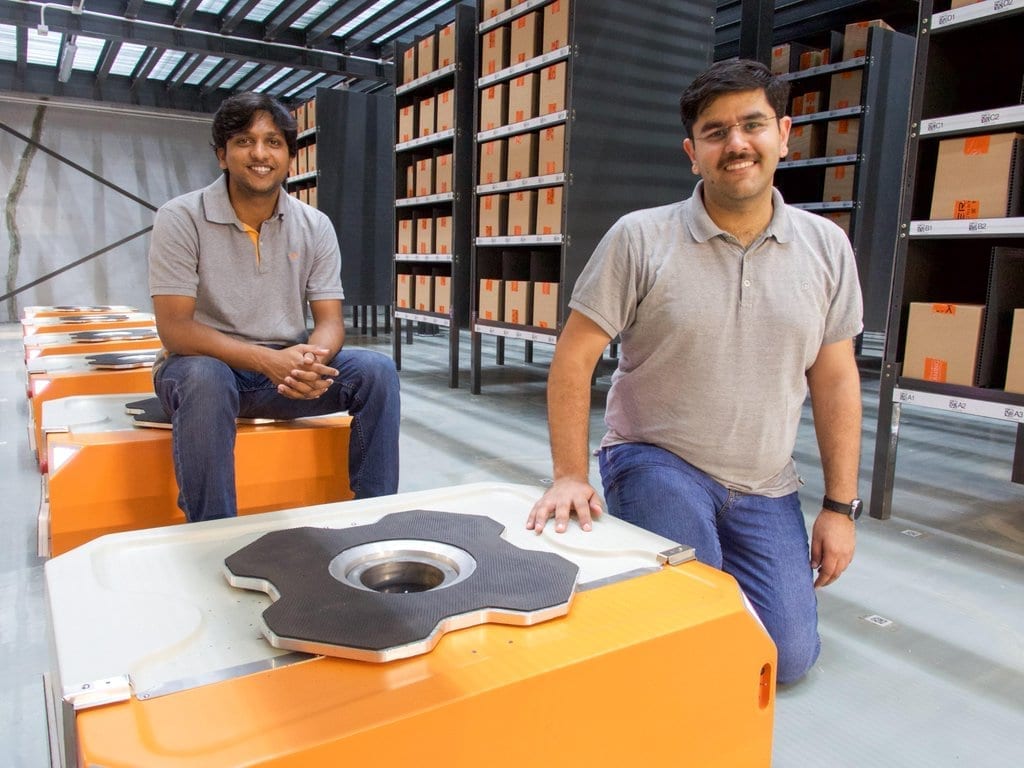
    Robotics and supply chain automation company, GreyOrange, will launch its new goods-to-person Butler XL at LogiMat 2018, the 16th International Trade Fair for Intralogistics Solutions and Process Management in Stuttgart, Germany on 13-15 March.

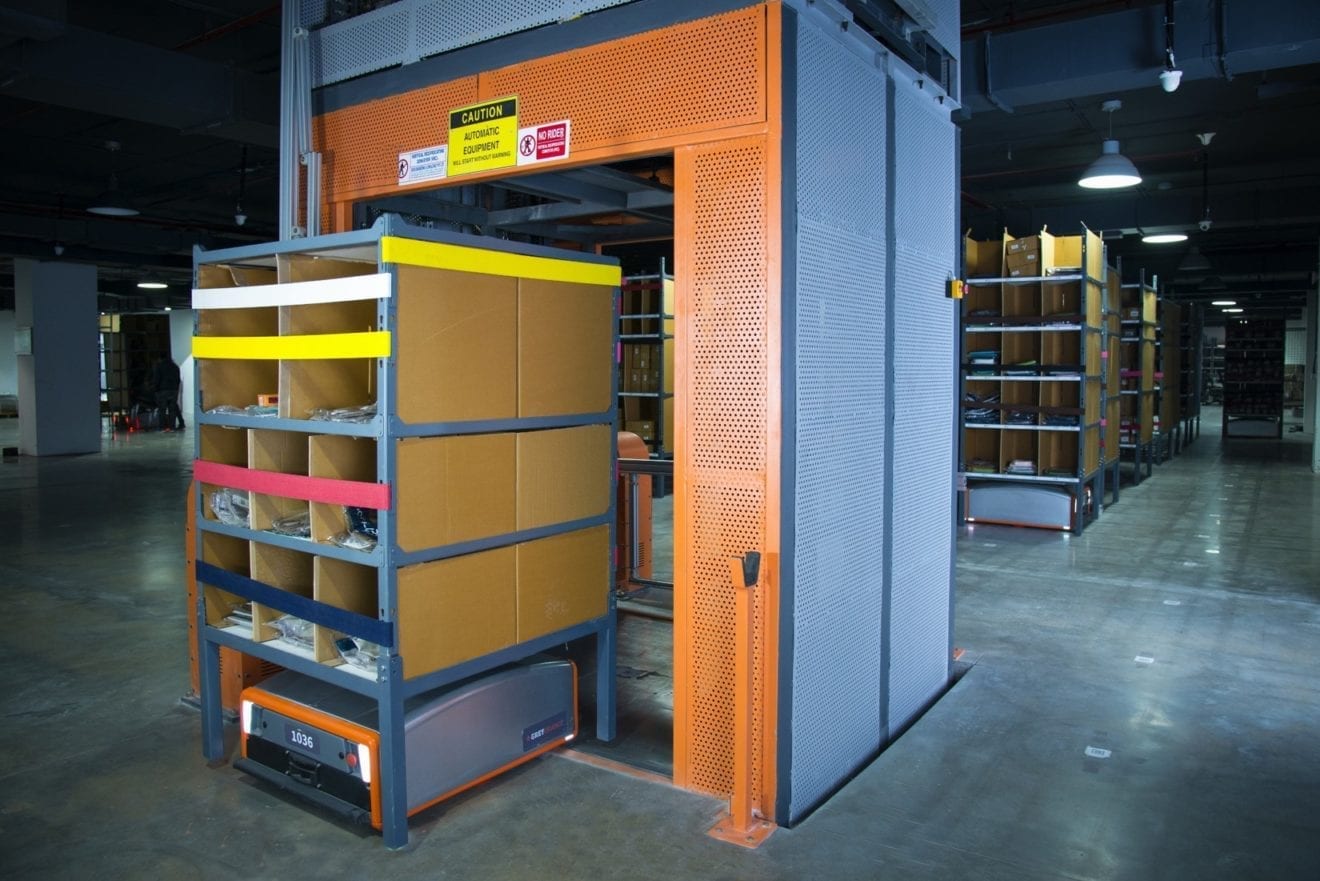
    With the new ButlerTM XL, GreyOrange expands the range of goods-to-person solutions that can be used in manufacturing facilities and omnichannel warehouses, to move different kinds of loads from raw materials to finished goods. The Butler XL can handle a payload of 1600 kgs (3500 lbs) including pallets, drums and sacks. Designed to work in tandem with the current Butler system, this makes it easy to add its new capabilities to existing operations.

    The new Butler robotics system will support multi-floor operations with the integration of an elevator. This provides greater flexibility to optimise handling of inventory across a facility.

    GreyOrange is a fast-growing company in supply chain automation, deploying its AI-enabled ButlerTM robotics system in warehouses and fulfilment centers for e-commerce, retail and consumer packaged goods. In the last year. GreyOrange has rapidly expanded its presence with its Butler goods-to-person system deployed in Japan, Hong Kong, India and the Americas, plus a new site currently being installed in Europe.

    Samay Kohli, Group Chief Executive Officer, GreyOrange, said, “The Butler goods-to-person robotics solution has been very well received since its launch. The Logistics industry has made huge strides in terms of adopting new technologies, and worldwide we are seeing increasing interest in our automation solutions driven by Artificial Intelligence. At LogiMat we will demonstrate how our expanded range of Butler products addresses supply chain complexities to deliver end-to-end efficiencies from inbound, inventory management to outbound. We invite everyone to our Stand to get a demo of our new products and see its advantages.”

    GreyMatter is the software platform developed by GreyOrange to revolutionise warehouse operations by connecting people, process and technology more efficiently using Artificial Intelligence. In real-time, it integrates and delivers all of the functionality, intelligence and services required for optimum warehouse operations. At every step of the process, from receiving to storage to picking to fulfillment, orders are consolidated through automation.