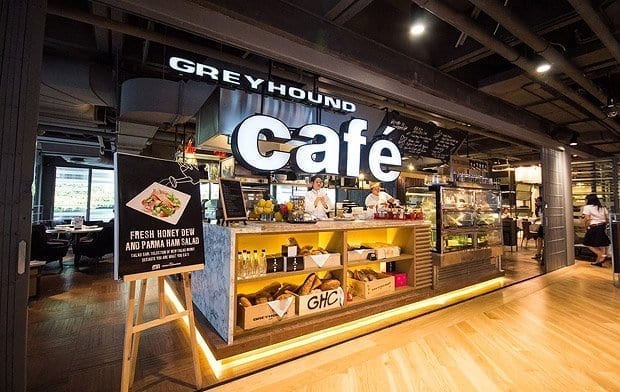
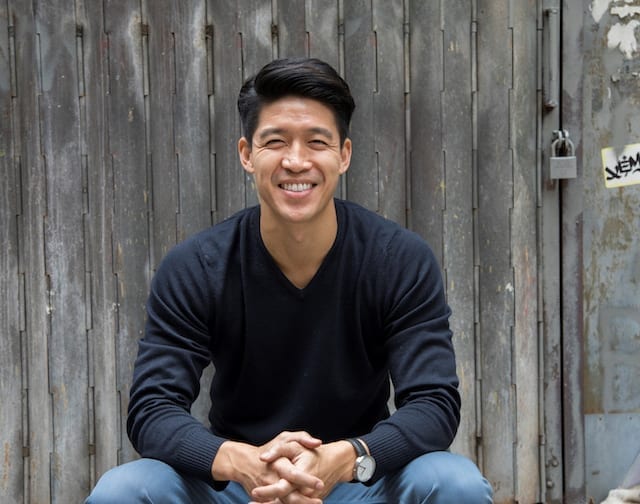
Nadim Xavier Salhani, the man behind US franchises Au Bon Pain, Dunkin’ Donuts and Baskin Robbins in Thailand, aims now to expand the group’s Greyhound Cafe brand abroad. Greyhound, which has 17 cafes in Thailand and 18 franchises overseas including China, Hong Kong, Indonesia, Malaysia and Singapore, is also planning more acquisitions.
Already, the company has invested THB150 million (US$4.7 million) to open a 192-seat Greyhound Cafe in London’s Soho district, and has also acquired the 300-year-old Grand Vefour, a Michelin two-star fine-dining restaurant in Paris.
“We are planning to develop more projects in Tokyo, Hong Kong and Bangkok in the French brasserie restaurant style, at a cost of 40 to 60 million baht each,” Salhani says.
Meanwhile, he plans to open 12 Dunkin’ Donuts Coffee concept branches this year, including the brand’s first drive-through in Ayutthaya this June. There are also plans to open five Au Bon Pain and five Baskin Robbins outlets this year, taking the total to 300 branches for Baskin Robbins, 80 for Dunkin Donuts and 40 for Au Bon Pain.
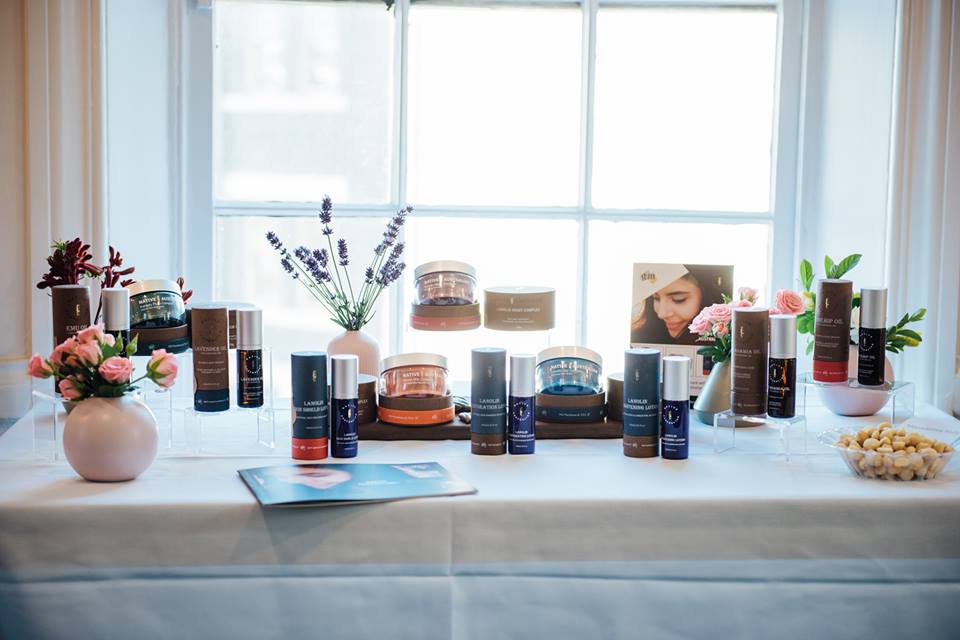
Australian skincare brand G&M Cosmetics has expanded into Vietnam, with a presence in Aeon supermarkets and at Ho Chi Minh City’s airport.
This follows the company exporting to Asian markets such as China, Hong Kong, Taiwan, Thailand and Singapore in the past few years.
The company has also opened a showroom and sales office in Ho Chi Minh City, and plans to open up to five of its own branded retail outlets in Vietnam.
“We have always had a high demand and interest in Southeast Asia and believe the time is right to enter the Vietnam market, with a population of more than 90 million and a growing middle and upper class, making it an ideal export market,” says G&M Cosmetics global marketing and sales manager Peter Bosevski.
“Vietnam also give us access to the wider growing Southeast Asian markets of Cambodia, Laos and Myanmar.”
To promote its launch in Vietnam, G&M has secured Miss Globe as brand ambassador.
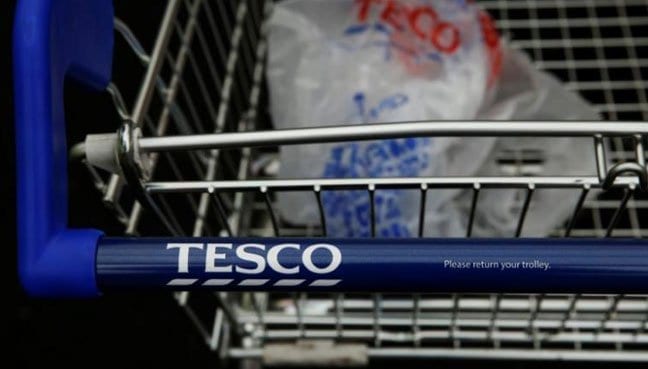
Tesco is to introduce new safety warning stickers on its trolleys after a social media storm saw it accused of “gender apartheid”.
The warnings feature drawings of a woman and a child demonstrating how to allow children to ride in trolleys safely. A Manchester woman took to social media complaining the warnings were sexist because they featured a woman and child, enhancing social stereotypes that it was a woman’s role to do the shopping.
Matt O’Connor, from an organisation called Fathers4Justice, went even further, saying: “Tesco needs to stop this gender apartheid”.
Using a hashtag ‘everyday sexism’, the original complainant Tweeted “Tesco, is it only women who do the food shopping and look after the kids?”
Samantha Rennie, executive director at equality group the Rosa UK Fund for Women and Girls, told the Manchester Evening News: “It… plays a role in reinforcing stereotypical ideas of the woman being responsible for the weekly food shop.”
However, newspaper readers took a saner perspective on the issue. An online survey of readers showed 90 per cent did not believe the trolley warnings were sexist, (although it did not disclose the number of votes).
One local Manchester man Tweeted that the complaint showed “The world’s gone mad”.
“The [Manchester] woman who complained needs to get a life. It may be a man dressed as a woman.”
Tesco says it has ordered new warning signs featuring gender neutral characters which will be placed on the next 20,000 new trolleys to be put into service across the UK.
Discount brand mooted
Meanwhile, Tesco has not commented on reports it is planning a bare-essentials style grocery chain to tackle German rivals Aldi and Lidl head on.
The Sunday Times newspaper has reported that Tesco will launch a separate brand where goods are price matched to Aldi and Lidl’s offer, to try to win back customers lost to the German brands over the last decade.
The stores would likely stock around 3000 SKUs and the brand and store format would be designed to stand apart from Tesco so as not to cannibalise its main brand’s sales. A typical Tesco supermarket stocks up to 30,000 items.
The discounters are continuing to eat into the market share of Britain’s so-called ‘big four’ chains. In the latest quarterly data published by Retail Gazette, Tesco’s sales rose 2.6 per cent while Aldi and Lidl reported 16.2 and 16.3 per cent increase respectively.
Canada’s Lululemon Atletica has ousted its current chief executive office, Laurent Potdevin, citing code of conduct reasons for his swift departure.
The yoga gear brand said that Potdevin resigned, with a $5 million exit package, after the CEO “fell short” of its standards requiring employees to “exemplify the highest levels of integrity and respect for one another.”
The firm didn’t provide any other details, such as where or how its former CEO fell short of the company’s standards of conduct. However, considering the mass pay out it was deemed as a range of ‘minor’ things that went against the firm’s ‘culture’.
Potdevin’s departure means Glenn Murphy, former Gap Inc. Ceo who joined the board in April, is now executive chairman, and will act as an interim CEO until a new hiring is announced.
“Culture is at the core of Lululemon, and it is the responsibility of leaders to set the right tone in our organization. Protecting the organization’s culture is one of the board’s most important duties,” said Murphy.
Meanwhile, three senior level executives were promoted as a result. Each will report to Murphy.
Celeste Burgoyne, executive vice president, Americas, will oversee all retail channels of the global business, including stores and e-commerce, as well as brand marketing.
Stuart Haselden, chief operating officer, will oversee operations related to finance, supply chain, people and technology. This will be absorbed into his current role as chief financial officer, which he started in 2015. Finally, Sun Choe, senior vice president of merchandising, will lead Lululemon’s product development, design, innovation and merchandising. She joined the company as chief global product merchant.
As for the new CEO spot, not one specific person has been hinted at to replace Potedevin. However, analysts on Tuesday began speculating that Lululemon could be eyeing Stefan Larsson, whose non-compete agreement with Ralph Lauren Corp. just expired.
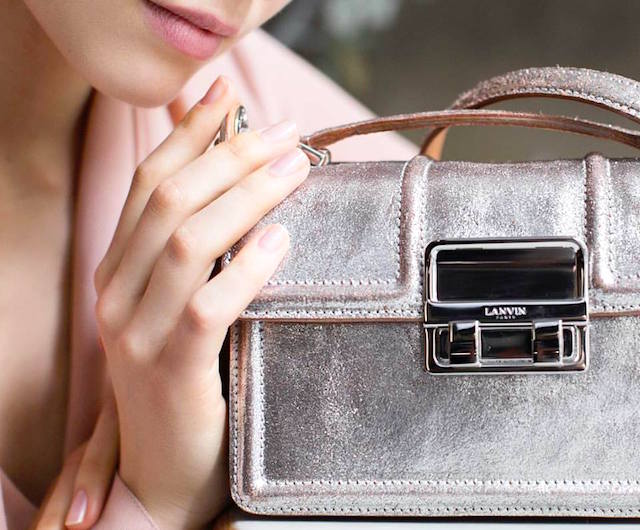
Fosun International has purchased Paris fashion brand Lanvin for more than 100 million euros, two sources close to the matter have revealed to the French fashion press.
Sources revealed to FashionNetwork.com late Friday that the Chinese group would acquire France’s oldest fashion maison, beating out Qatar’s Mayhoola, winning the auction-style fight for Lanvin that has been ongoing for some weeks.
“Fosun has won Lanvin and an announcement should be made this week,” one of the sources said.
The deal will see Fosun International invest more than 100 million euros in Lanvin with the company issuing new shares to its new controlling shareholder.
Current majority shareholder Shaw-Lan Wang, the Chinese, Taiwan-based entrepreneur, who goes by Madame Shaw, will remain a minority shareholder alongside Swiss German entrepreneur Ralph Bartel, who had to increase his stake in Lanvin to do so. It remains unclear how much of the cash will go to Madame Shaw.
“It is a surprising decision,” one of the sources said. “This is a complex affair, many will be watching how Fosun handles it.”
It’s a blow to Mayhoola’s portfolio also. The owner of Valentino and Balmain has been eyeing Lanvin for a decade now.
Sales at Lanvin have more than halved in the past three years to less than 100 million euros as the French fashion house struggled to reinvent itself under two successive designers in a desperate attempt to find the right strategy after sacking its star designer Alber Elbaz in 2015.
Owned by Shanghai billionaire Guo Guangchang, Fosun International already has investments in luxury companies, namely French holiday operator Club Med and knitwear band St. John in the United States. It also has stakes in insurance and trading companies.
It was reported in September last year that the Chinese investor was also in the running to purchase Swiss luxury brand Bally. However, it was announced this week that fellow Asian investor Shangdong Ruyi, the Chinese group that also controls SMCP and Aquascutum, has acquired Bally.
Lanvin, Fosun International and Mayhoola were unavailable to make a comment on the news.
Hong Kong retail giant Dairy Farm has received official approval to increase its stake in Philippine drugstore chain Rose Pharmacy.
It is doing this through its European investment vehicle Mulgrave Corporation, which has received the nod from the Philippine Board of Investments (BOI). It seeks to raise its shareholding in Cebu-based Rose Pharmacy from 49 to 51 per cent. Financial details of the deal have not been disclosed.
Rose Pharmacy has 252 pharmacies nationwide.
Trade undersecretary and BOI managing head Ceferino Rodolfo says that aside from increasing its stake in Rose Pharmacy, Mulgrave also plans acquisitions and to expand retail outlets.
Based in Amsterdam, Mulgrave Corporation runs supermarkets through a subsidiary. In turn, Mulgrave is a subsidiary of Dairy Farm International Holdings.
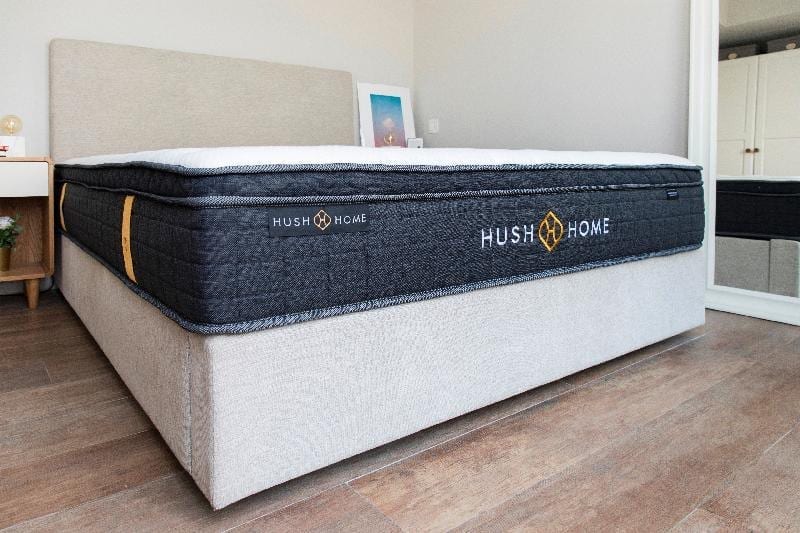
US start-up Hush Home has opened an office in Hong Kong as a regional base to market its mattresses, pillows and other bedding products.
Hush Home designs and tests its products in San Francisco, and the company’s mission is to offer bedding at affordable prices to hotels and individual customers through its online platform.
The company also promotes its products through partners such as a new hotel in Osaka which has more than 700 guests daily, many from Hong Kong. This helped Hush Home discover that Hong Kong travellers generally prefer firmer mattresses and supportive memory-foam pillows, and the company has tailored its products accordingly.
Hush Home founder/head of operations Rick Chen says the company is attracted by Hong Kong’s prime location, as well as its duty- and VAT-free advantage.
“We plan to develop the Hong Kong market this year, then extend our product offering to other Asian markets using Hong Kong as a base.”
The company has been helped with its set-up by Invest Hong Kong.
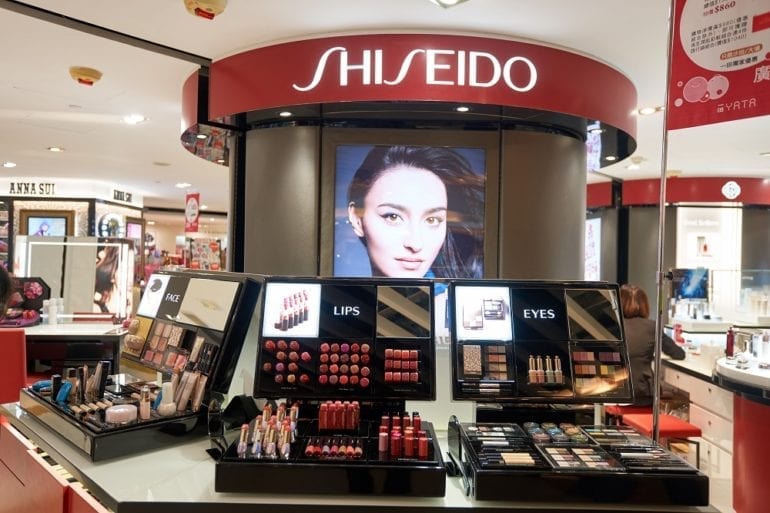
Shiseido just released its results for the Fiscal Year Ended 31 December 2017.
Shiseido achieved Global Net Sales of ¥1,005,062 (compared to ¥850,306 in 2016) and a Global Operating Income of ¥80,437 (compared to ¥36,780 in 2016).
In the Asia Pacific Business, the brands driving sales are Clé de Peau Beauté, NARS, and other brands in the prestige category, mainly in South Korea, Thailand, and Taiwan.
Sales of Clé de Peau Beauté were particularly strong in the flagship store opened in Singapore.
In the cosmetics and personal care categories, sales growth was seen for SENKA, which benefited from enhanced marketing tailored to the differing consumer preferences and lifestyles in each country, and for the sunscreen ANESSA, owing to an expansion of sales channels.
The growth is the result of the improvement in the product mix and higher margins.
The Shiseido Group formulated VISION 2020, a medium- to long-term strategy in 2014 while positioning the three years from fiscal years 2018 to 2020, as the period to accelerate growth in order to tackle a new strategy.
It seems this long-term strategy is working and the company plans to announce the new three-year medium-term management plan on 5 March 2018, and disclose the consolidated results forecasts and the dividend forecast for the fiscal year ending December 2018, the initial year of the plan.
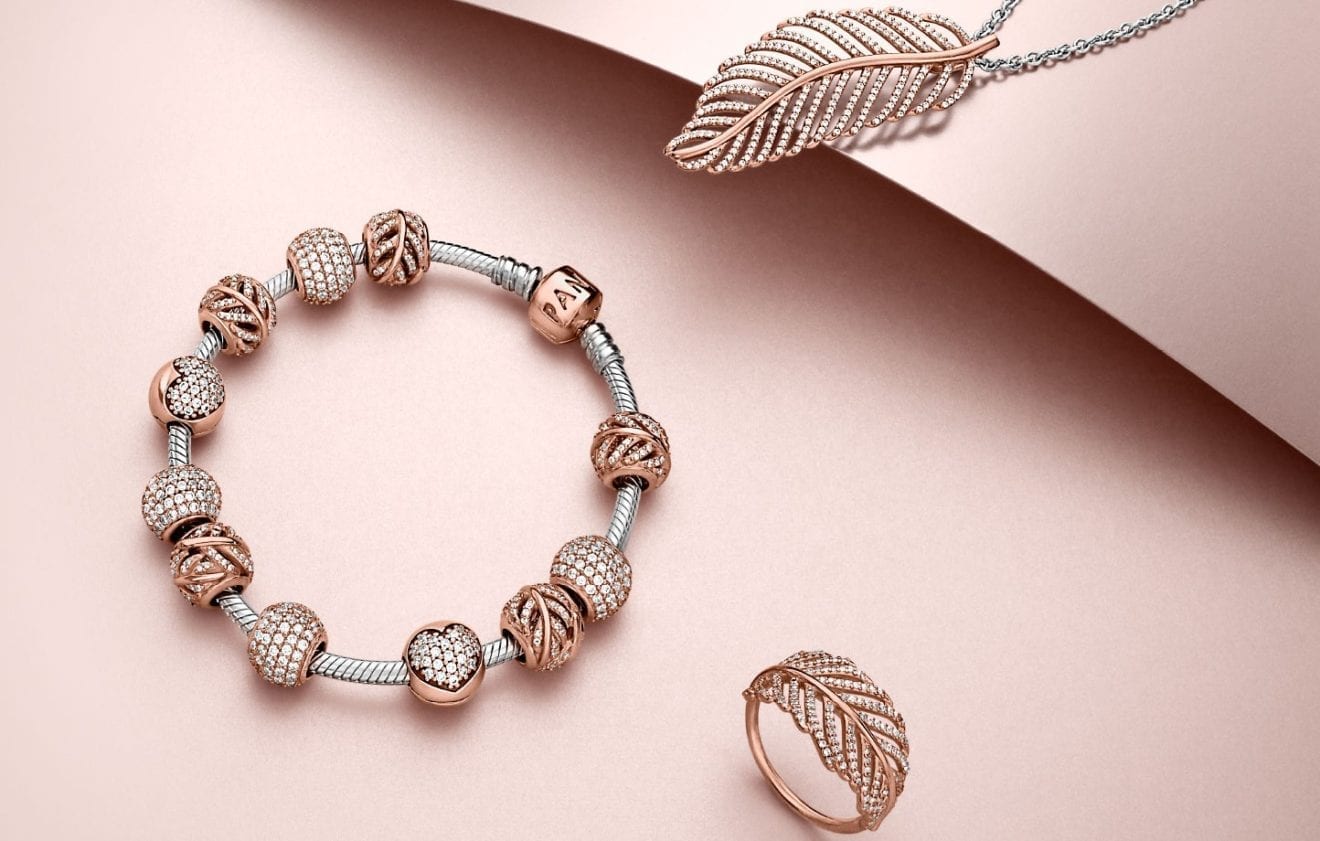
Danish jewellery manufacturer and retailer Pandora reports a strong year despite market challenges.
Group Pandora sales increased by 12 per cent (15 per cent in local currency) last year to DKK22.7 billion (US$3.7 billion). Revenue from Pandora-owned retail grew 42 per cent (46 per cent in local currency).
Like-for-like sales-out growth for the brand’s concept stores was 11 per cent.
Pandora sales in Asia Pacific were up 25 per cent (28 per cent in local currency).
Revenue from charms was up 8 per cent and revenue from bracelets increased 8 per cent. Full jewellery brand development remains on track with combined revenue from rings, earrings and necklaces, and pendants up 28 per cent. The three categories represented 26 per cent of group revenue compared with 23 per cent in 2016.
Gross margin was 74.5 per cent last year, down from 75.1 per cent).
Describing the year as “challenging and eventful”, CEO Anders Colding Friis says revenue was driven by a strong performance from Pandora-owned retail, and double-digit growth in local currency across all product categories.
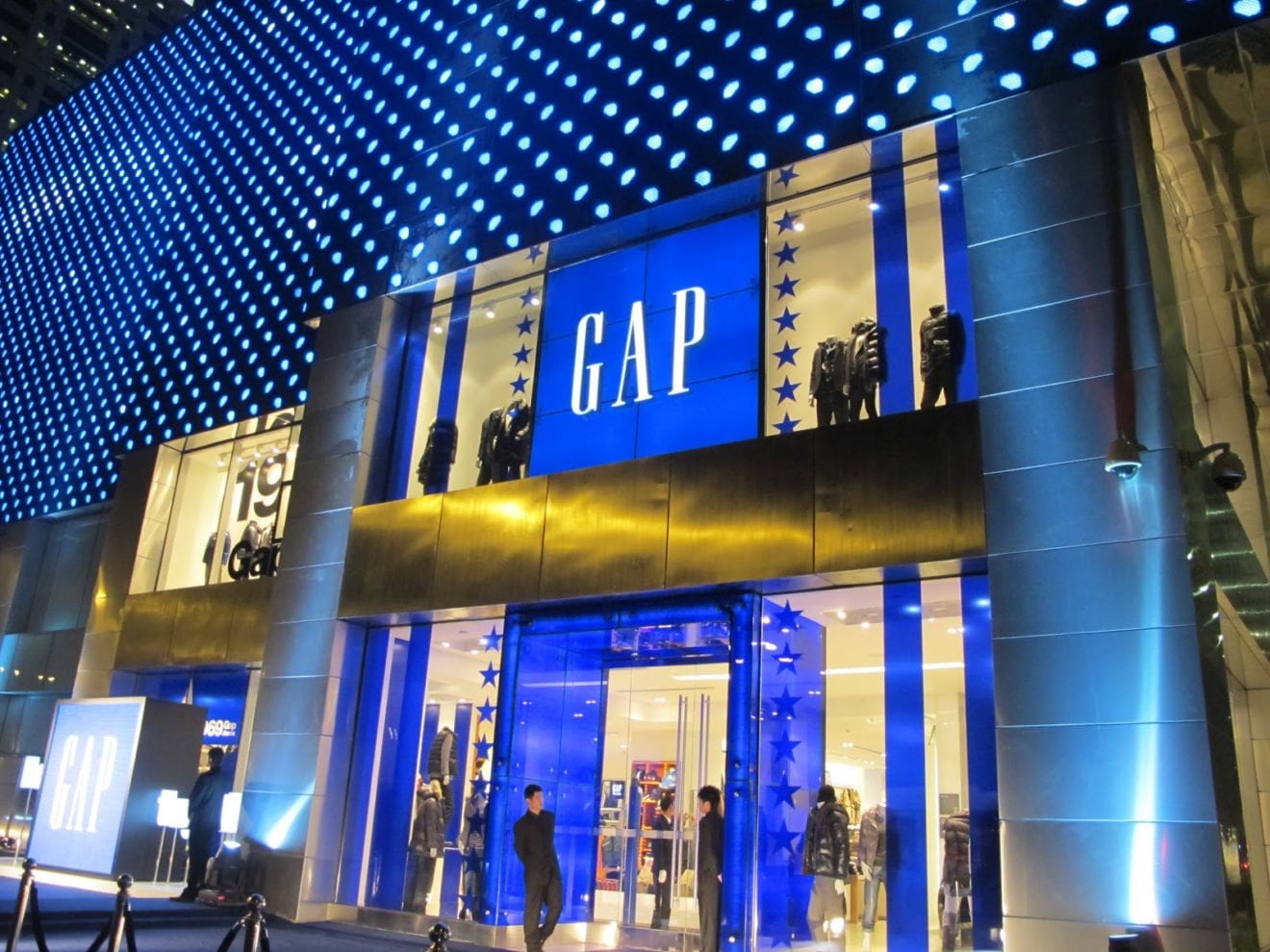
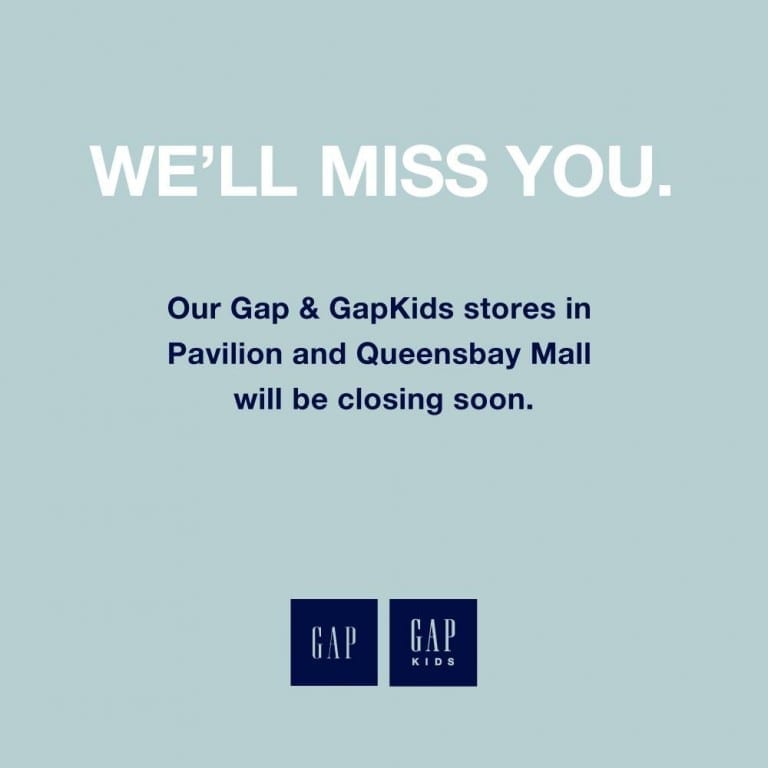
Gap Malaysia has announced on its Facebook page that it is about to close its store and GapKids in the Gardens Mall, Kuala Lumpur.
The American clothing retailer first announced it would be shutting down its Queensbay Mall, Penang and Pavilion KL stores in January, and now adds Gardens Mall and 1 Utama as well.
Its remaining stores are running sales to get rid of stock.
LVMH, the parent company of brands including Louis Vuitton, Dior and CÉLINE, announced plans for its Luxury Ventures initiative in 2017 with the aim of acquiring minority stakes in emerging luxury brands.
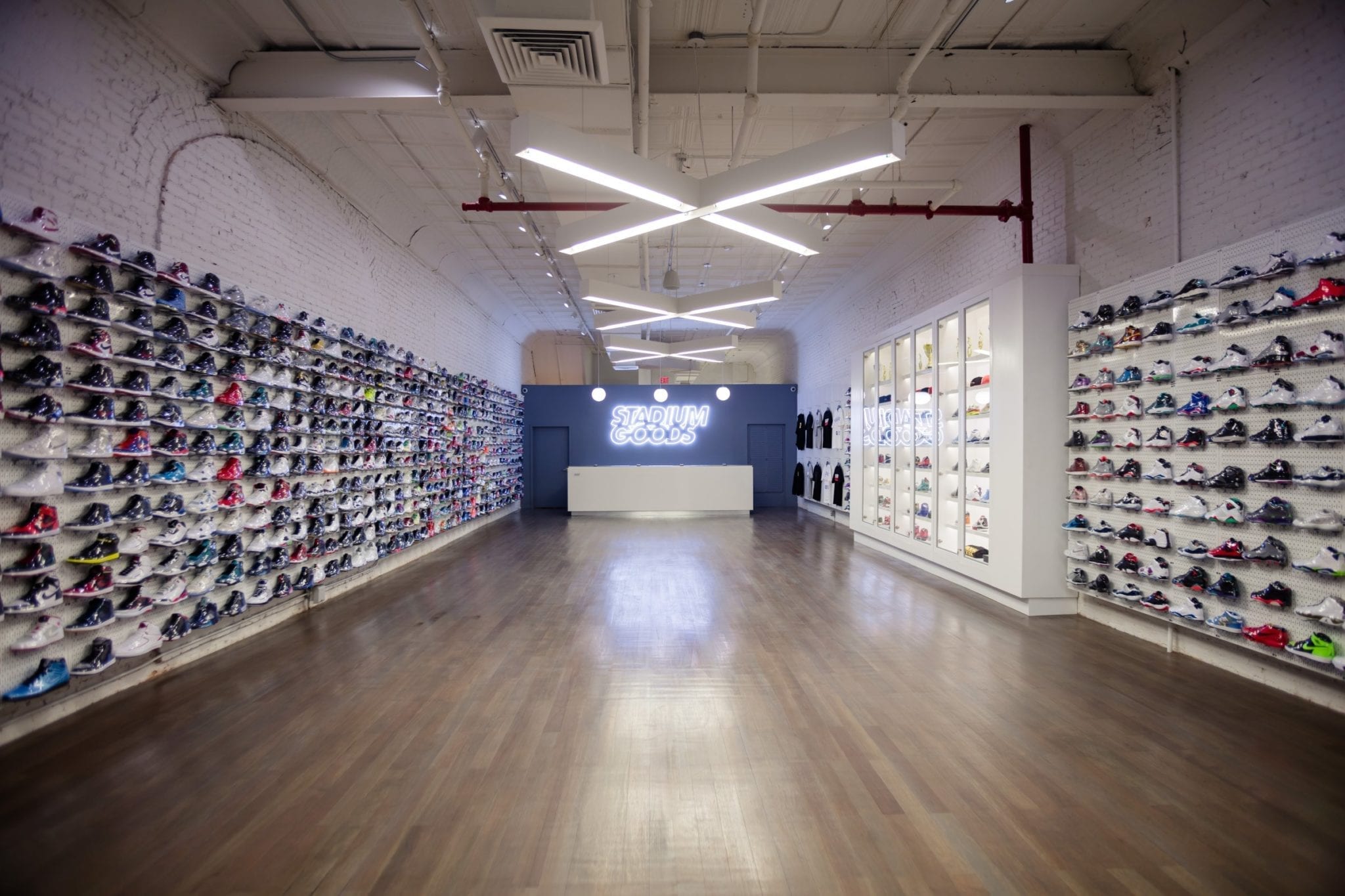
The latest brand to get backing from the programme is New York’s Stadium Goods.
As far as streetwear connoisseurs are concerned, New York City’s Stadium Goods is the pinnacle in the sneaker world.
Details on what role LVMH Luxury Ventures will take in the reseller are unclear, although it is rumored that this backing could allow Stadium Goods to expand. The store — which is the location for most Sneaker Shopping episodes — has been open for just over two years and the team behind have previously said about potential plans to move into merch and open a second physical location.
Back in 2017, prior to LVMH’s backing, Stadium Goods raised $4.6 million USD in equity funding and was predicted to gross more than $100 million USD in 2017.
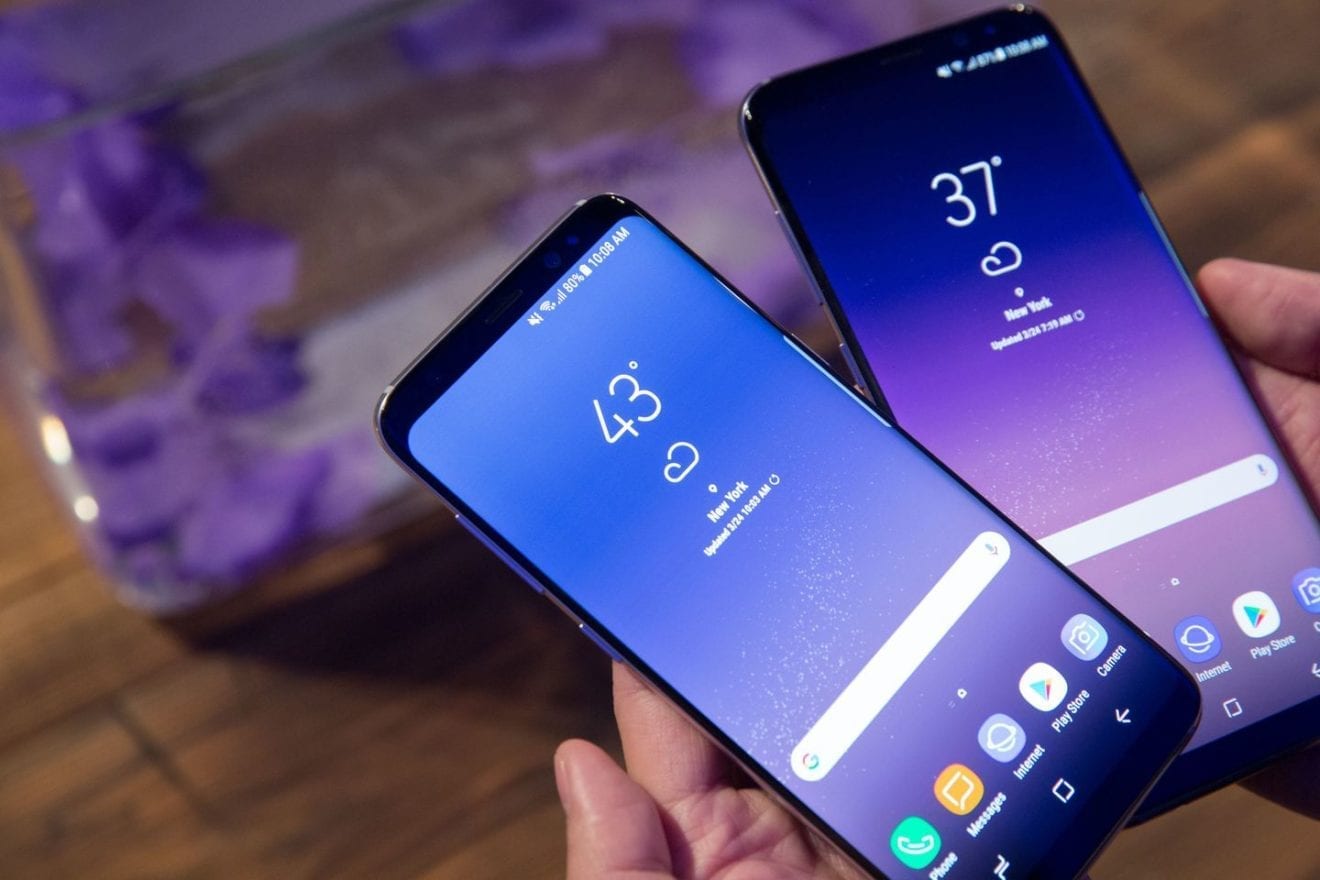
In celebration of Chinese New Year, Samsung Malaysia is offering rather attractive discount on some of its smartphones. These include the Galaxy S8, Galaxy S8+, Galaxy J7+, as well as the Galaxy J7 Pro.
Out of the four smartphones on discount, the Galaxy S8 phones receive the highest amount of discount. Originally retailing at RM3,299 and RM3,699 respectively, the Galaxy S8 and Galaxy S8+ are now going for RM600 less, reducing their retail prices to RM2,699 and RM3,099 respectively.
Aside from the Galaxy S8 phones, the Galaxy J7+ now retails for RM200 less at RM1,099, while the Galaxy J7 Pro currently goes for RM999, saving you RM100.
While these deals are pretty good, the Galaxy S8 phones are actually more affordable from certain retailers. The Galaxy S8+, for one, can be purchased for only RM2,999 in Orchid Grey, Coral Blue, and Maple Gold. The smaller Galaxy S8, on the other hand, can be yours for RM2,666 in either Midnight Black or Orchid Grey.
If you’d like to enjoy this discount from Samsung Malaysia itself, you can do so from its official Lazada store. Note that this promotion will end on 15 February 2018.
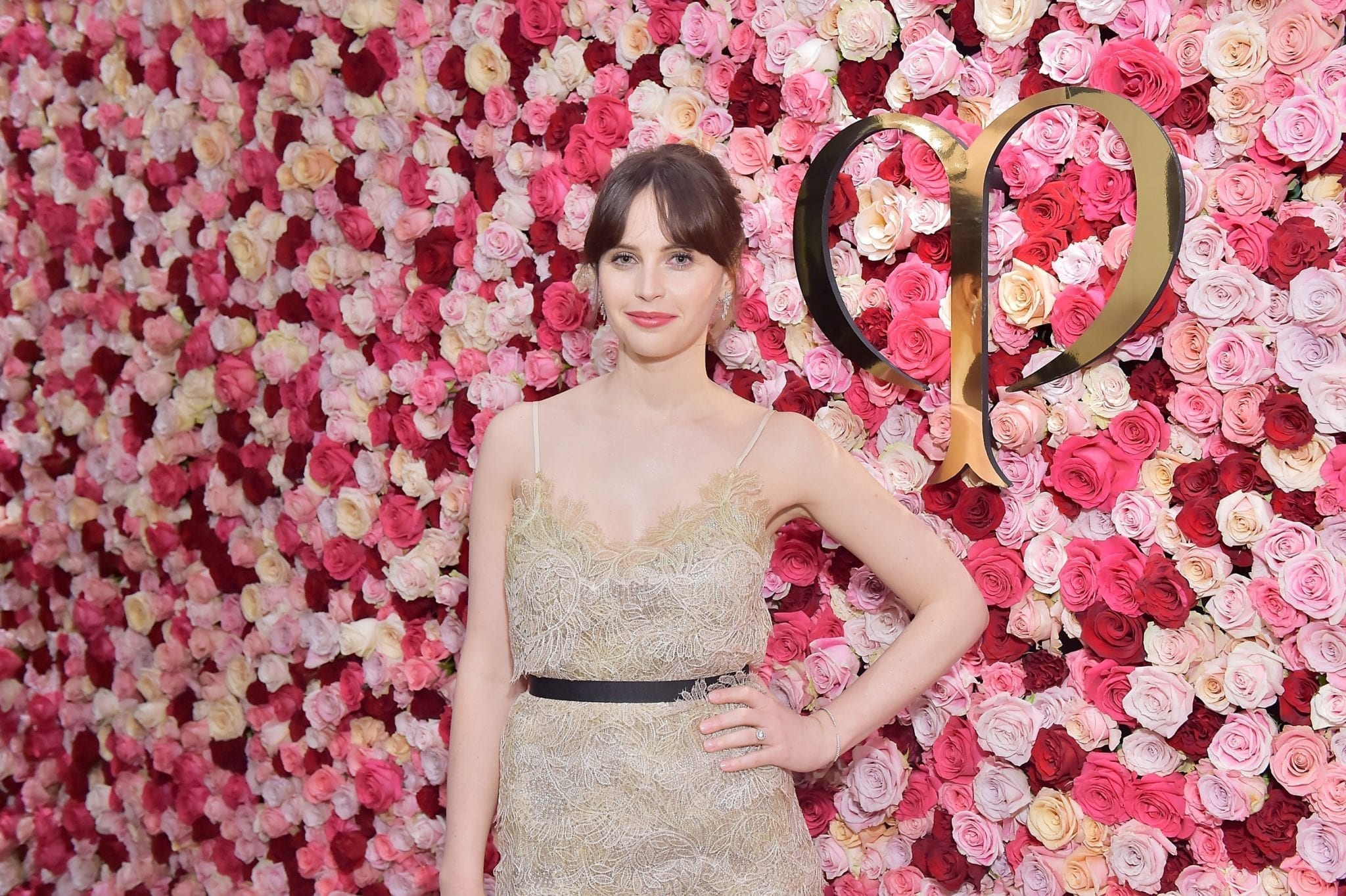
Shiseido Travel Retail has celebrated the relaunch of luxury brand, Clé de Peau Beauté with ‘A Radiant Day’ campaign, fronted by new global Ambassador – Academy Award-Nominated British actress, Felicity Jones.
The campaign coincides with the introduction of Clé de Peau Beauté’s beauty products to its current travel retail offering. Clé de Peau Beauté has remained a top performing brand for Shiseido Travel Retail, up +120% on FY2017 and representing around 25% of total sales globally, according to the company.
Asia Pacific and Chinese travellers a key growth driver for the brand. The re-launch will be promoted via an extensive strategic marketing campaign, with premium out-of-home advertising across Hong Kong International Airport already under way.
A new flagship counter design will also be unveiled in April at T Galleria by DFS, Macau, Shoppes at Four Seasons, providing more engaging and meaningful shopping experiences for Clé de Peau Beauté customers. The aim is to roll out the new design across all travel retail counters in the second half of 2018.
LOS ANGELES, CA – JANUARY 17: A general view of atmosphere at Cle de Peau Beaute Celebrates the Brand Relaunch with a Global Event in Los Angeles, hosted by Global Brand Face Felicity Jones at Hotel Bel-Air on January 17, 2018 in Los Angeles, California. (Photo by Stefanie Keenan/Getty Images for Shiseido)
REVITALISED DNA
With a revitalised brand DNA, “Intelligent, Uncompromising, Exquisite”, and a refreshed new tag line, “Unlock the Power of Your Radiance”, Clé de Peau Beauté has set its sights on becoming a global, luxury brand by 2020.
Establishing a suite of new universal values – integrity, balance and authenticity, the brand’s newly appointed brand ambassador, Jones, reflects these seamlessly, the company said. Clé de Peau Beauté Chief Brand Officer Yukari Suzuki indicated a crucial element of Clé de Peau Beauté was to help customers feel the brand belonged in their lives.
NEW SS18 PRODUCTS
The relaunch also introduces various new luxury SS18 products to Clé de Peau Beauté’s current travel retail offering. These include the Firming Serum Supreme, a clinically proven formula to unlock a new dimension of skin firmness, Radiant Lip Gloss (pictured left)a new and improved version of the brand’s original lip gloss; three new shades of Lipstick including Peach Stone, Crystal Star and Desert Rose; a new shade of Luminising Face Enhancer in lavender inspired by the spiral of a luminescent seashell; and a new take on its stick Concealer with new skincare ingredients for radiant skin.
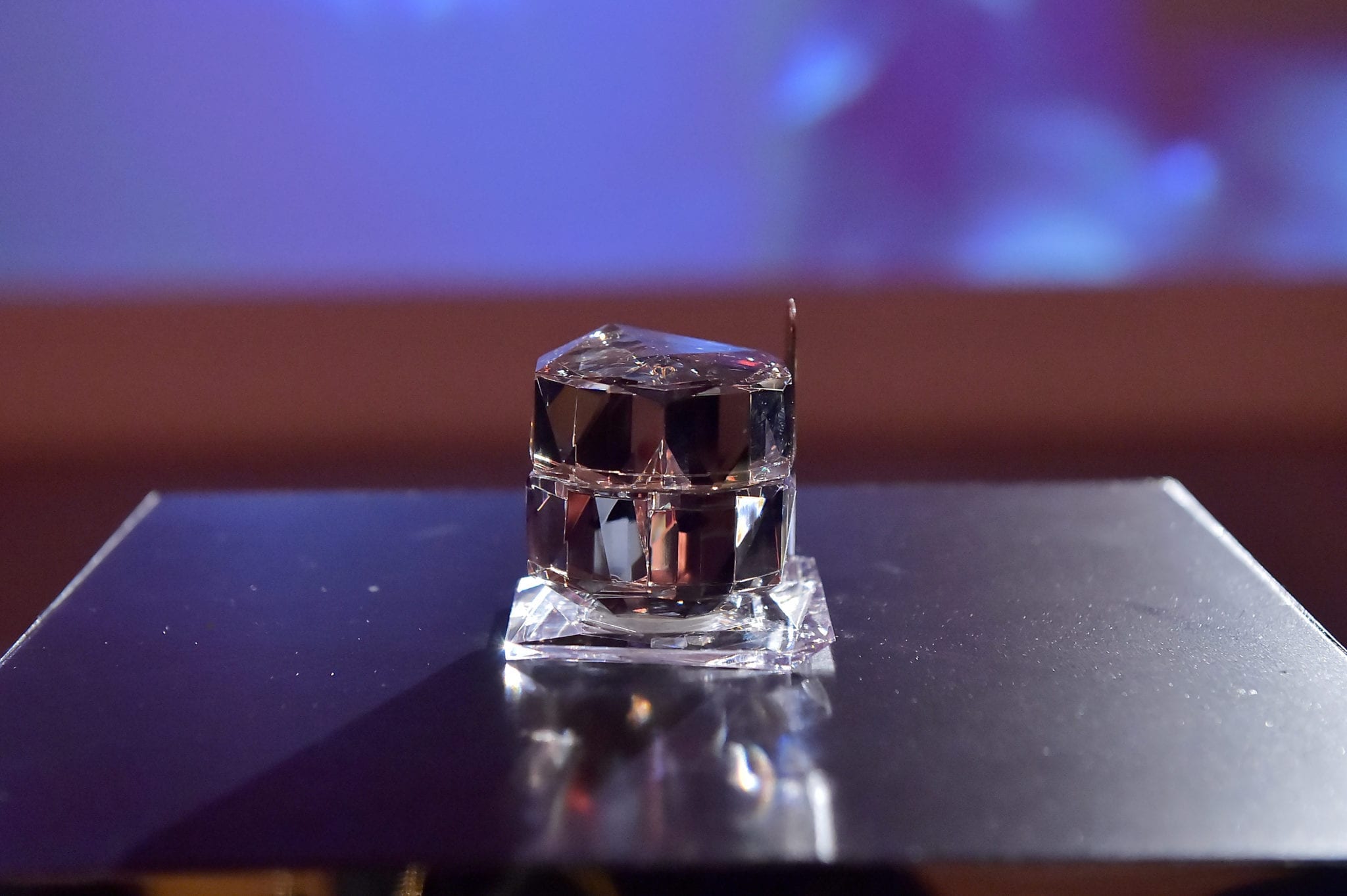
There is also focus on La Créme, a product Shiseido said continued to stand at the pinnacle of Clé de Peau Beauté skincare.
‘A Radiant Day’ has already achieved success following the official event launch with Jones, last month at The Beverly Hills Hotel in LA, along with new counter openings in MGM Macau, MGM Cotai and T Galleria by DFS Singapore.
EXCITING TIME
Shiseido Travel Retail Vice-President Marketing Elisabeth Jouguelet commented: “This is an exciting time for Clé de Peau Beauté as we look to establish the brand as a true market leader in luxury beauty.
“The relaunch provides an opportunity for us to enhance the brand’s travel retail offering and solidify its position in the market as a prestigious, but accessible brand. All the elements of the relaunch, from taking on Felicity Jones as our global ambassador, to opening flagship stores in Asia Pacific, are part of a long-term strategy to draw our consumers in further; to offer them memorable, luxury experiences beyond the traditional sense of retail. We are looking forward to a new era for Clé de Peau Beauté.”
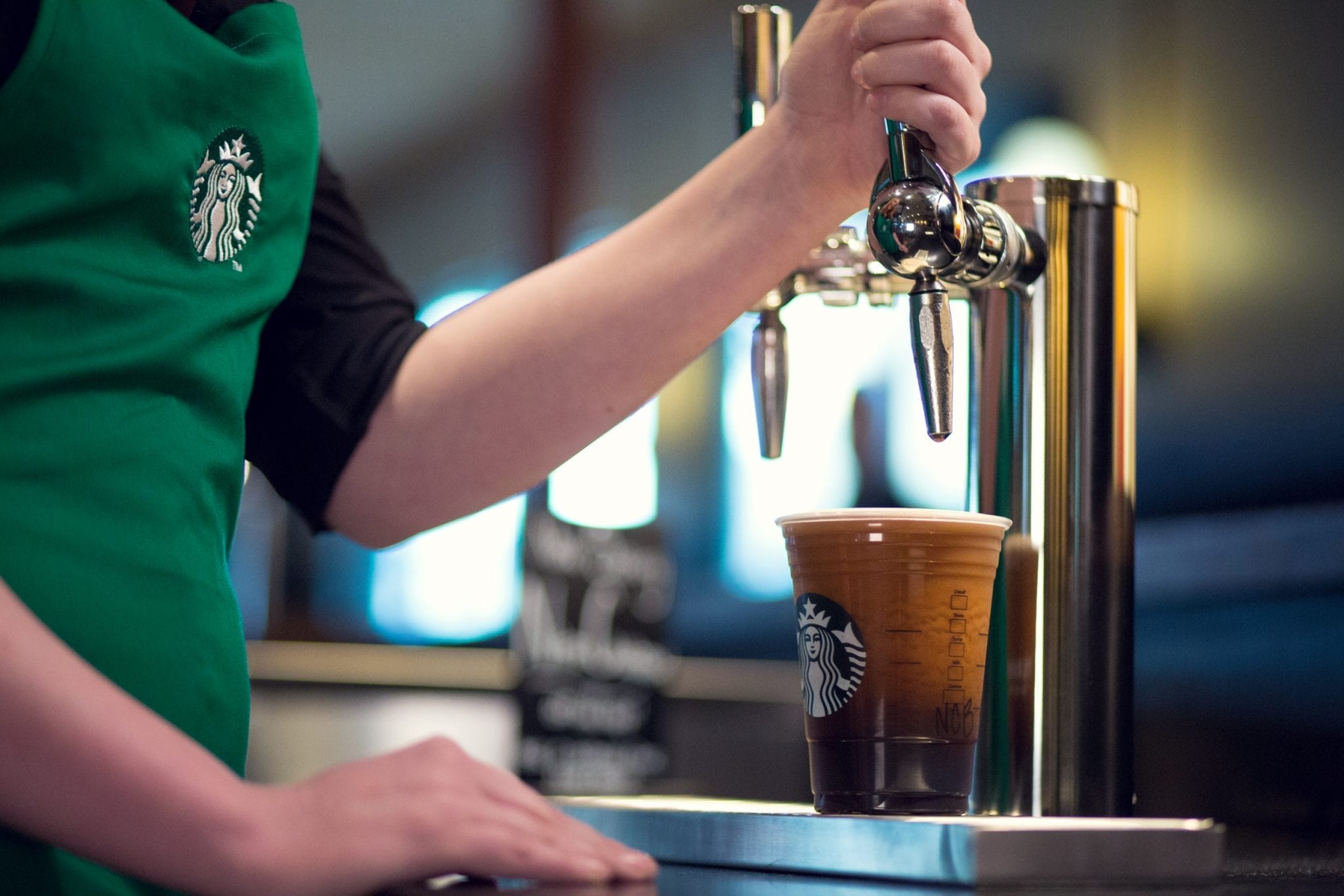
For Chinese tourists traveling South Korea, paying for a grande latte at Starbucks is now as easy as showing your smartphone.
Ant Financial, which now Alibaba a 33% stake, said Sunday its Alipay e-wallet service is now available at over 1,150 Starbucks branches across South Korea – the first third-party mobile-based payment method enabled nationwide at Starbucks in the country.
“Starbucks branches are among the most-visited places by Chinese travelers in South Korea. We will continue to introduce Alipay to more local merchants, including restaurants and shops to make Chinese travelers’ journey as convenient as at home,” said Danny Chung, General Manager of Alipay Korea.
Alipay, the world’s leading third-party payment platform available in 38 countries and regions, was first introduced in South Korea in 2015. Users of the online payment platform can also enjoy an instant tax refund via Alipay at four major airports in South Korea. Earlier this month, Finland became the first country to offer Chinese tourists fully cashless experience by adopting Alipay.
According to the state-run Korean Tourism Organization, travelers from China make up around one-third of South Korea’s inbound tourists each year.
The announcement comes on the heels of Alibaba’s launch of an interactive showcase at Gangeung Olympic Park, a staging area for PyeongChang 2018 that hosts the Games’ ice sports.
Alibaba Group is an Olympic TOP partner through 2028. As part of the Olympic Partner worldwide sponsorship program, the Hangzhou-based technology giant is the official “Cloud Services” and “E-Commerce Platform Services” partner of the International Olympic Committee, as well as a Founding Partner of the Olympic Channel.
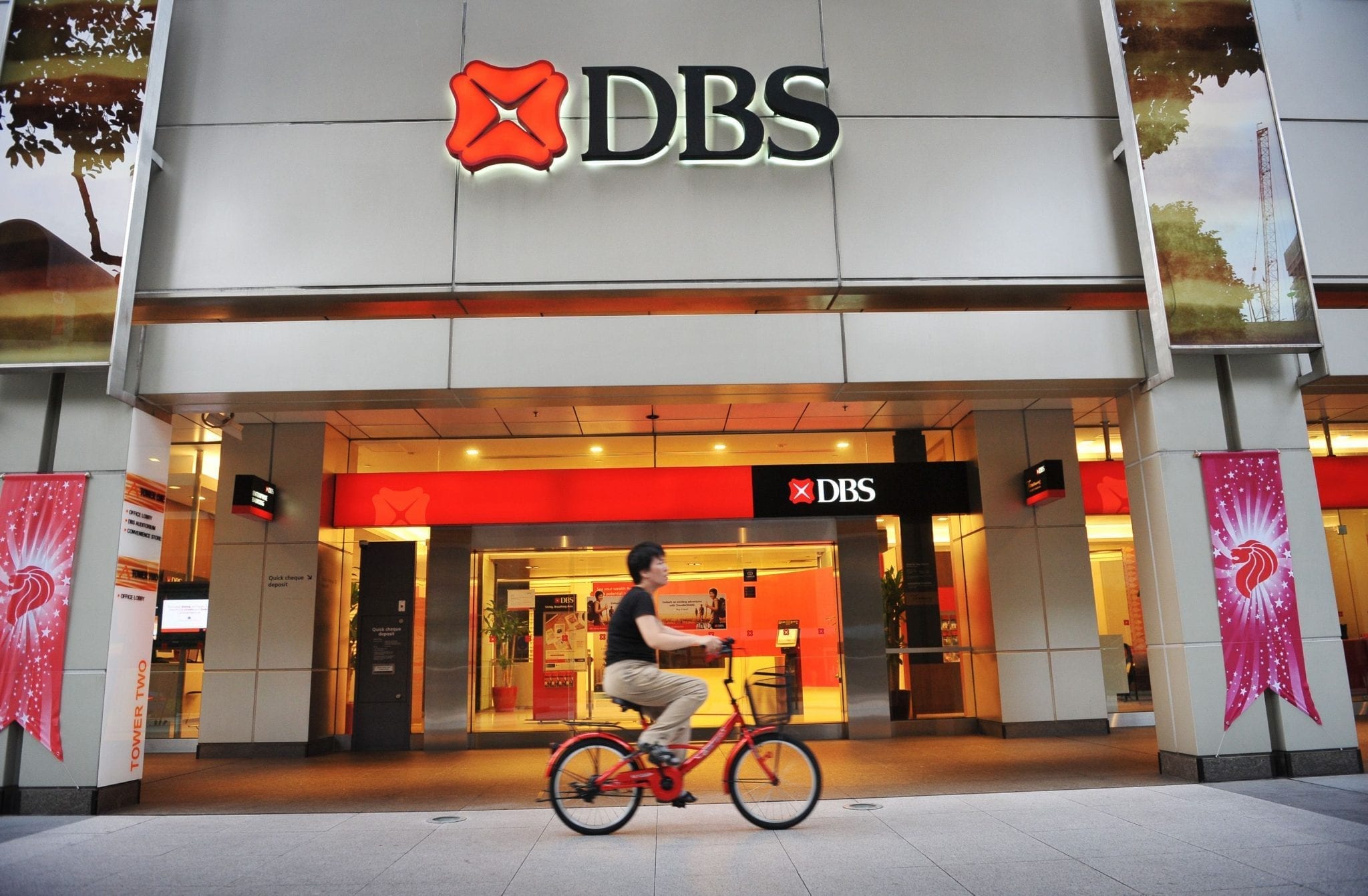
Singapore-headquartered and listed lender DBS Bank Ltd (DBS) announced on Monday that it has completed the acquisition of Australia & New Zealand Banking Group Ltd (ANZ)’s wealth management and retail banking businesses in Singapore, Hong Kong, Mainland China, Taiwan, and Indonesia.
In a statement, DBS said the last tranche of the migration was successfully conducted in Indonesia over the weekend, with ANZ transferring its portfolio of businesses to DBS. The migration of businesses from ANZ to DBS started in July 2017, with the target of working towards a full completion of the acquisition in all markets by early 2018.
In October 2016, DBS said it will pay $79 million above the book value for the ANZ businesses. ANZ has been financially structuring its businesses through cutting both inefficient assets and investments into other institutions. “With the successful acquisition of ANZ’s wealth management and retail banking business, about 90 percent of deposits, assets under management, and loans from ANZ were transferred to DBS,” the Singapore lender said.
DBS added that the acquisition has added a large customer franchise to DBS in Indonesia and Taiwan, which are key markets for the bank. In Indonesia, DBS gained about 370,000 customers. The cards portfolio being transferred over to DBS Indonesia is also significant, with around 600,000 cards in circulation. In Taiwan, DBS added close to 520,000 customers.
“This acquisition takes our business to the next level and gives us access to a sizable number of new customers, especially in our key markets like Indonesia and Taiwan,” said Tan Shu Shan, Group Head of Consumer Banking & Wealth Management at DBS. It also gives ANZ’s wealth customers access to more tailored solutions and a full suite of universal banking products supported by Asian insights, research and investment advice, Tan added.
DBS is competing with larger international wealth managers including UBS Group AG and Credit Suisse Group AG, which are also expanding in Asia.