Author: Mei Ling Tan

  • Amazon 2017 sales soar, record-breaking Q4 profit

    Amazon 2017 sales soar, record-breaking Q4 profit

    Amazon has bested all previous financial quarters with the announcement this month company fourth-quarter revenues hit $60.5 billion, driving profits up 150% to $1.9 billion – a record profit gain for the US e-commerce giant.

    On the back of a strong Christmas period across both its namesake Amazon.com and the newly acquired Whole Foods Inc, Amazon said total revenues soared by 38% compared to the previous year.

    The American company was further helped out by its burgeoning cloud business, Amazon Web Services, which took in $5.11 billion, up 45% on last year.

    Over the three-month period ending December 31, the Seattle-based firm said net income more than doubled to $1.86 billion, or $3.75 per share, thanks also to a $789 million benefit from the U.S. Republican tax bill passed in December.

    The world’s largest online retailer drew millions of new customers to its Prime fast-shipping club too. Amazon said that Prime saw more than 4 million sign-ups in just seven days alone last quarter, and revenue from subscription fees grew 49% to $3.2 billion.

    Amazon said it expects operating profit this quarter of between $300 million and $1 billion.

    In a statement, chief executive officer Jeff Bezos also praised the company’s Alexa voice assistant: “Our 2017 projections for Alexa were very optimistic and we far exceeded them. We don’t see positive surprises of this magnitude very often.”

    Amazon continues to break into new retail territory. In addition to Alexa, the internet shopping giant opened its first automated grocery store in January in Seattle, Washington.

    Dubbed Amazon Go, the checkout-free grocery looks to set the stage for the future of physical store retailing where shoppers serve themselves, with the option of leaving without ‘paying’.

    Amazon also recently revealed a healthcare deal with partners Berkshire Hathaway and J.P. Morgan Chase. Looking ahead, it plans to “double down” on Alexa’s promotion while it continues to look for a second headquarters location in North America.
  • Asia boosts growth for L’Oreal

    Asia boosts growth for L’Oreal

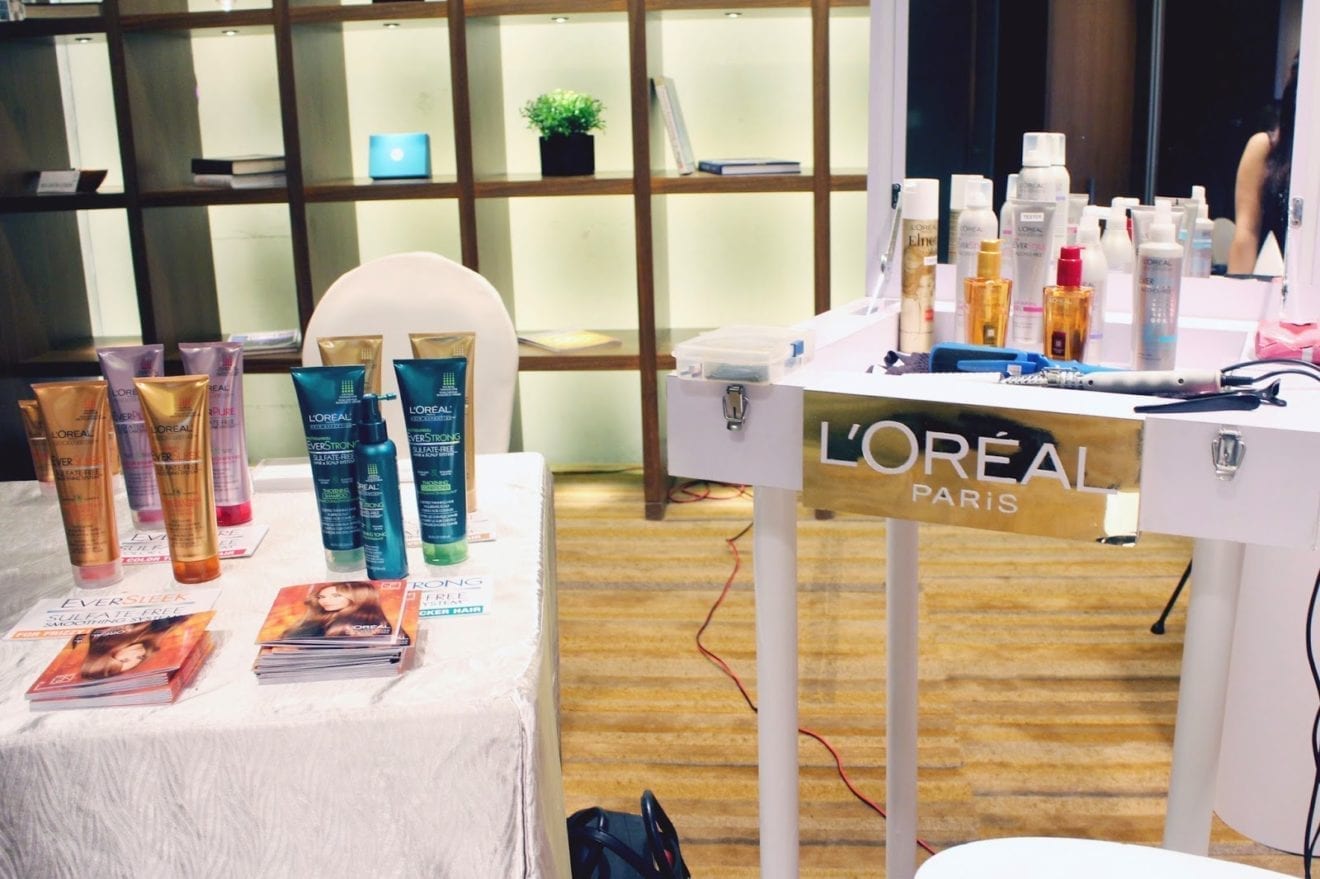
    French cosmetics giant L’Oreal reports “spectacular” growth for last year, particularly in Asia.

    It had growth acceleration of 5.5 per cent in the fourth quarter with sales exceeding €10 billion (US$12.2 billion) in the ‘new markets’, which include Asia Pacific.

    Operating margin reached a record 18 per cent.

    Sales were €26 billion, up 4.8 per cent like-for-like, 2 per cent at constant exchange rates and 0.7 per cent on reported figures.

    Representing a record 18 per cent of sales, the operating profit was €4.68 billion.

    “L’Oreal had a good year with sustained sales growth momentum and robust profits,” says chairman/CEO Jean-Paul Agon.

    The second half accelerated compared with the first, particularly in the fourth quarter.

    Sales grew in all divisions, especially L’Oreal Luxe in Asia. The Active Cosmetics Division achieved more than €2 billion of sales for the first time.

    The new markets exceeded more than €10 billion in sales for the first time ever. The Asia Pacific zone had growth of 12.3 per cent like-for-like and 9.2 per cent reported. In Northern Asia, Chinese consumers are driving growth, particularly for the L’Oreal Luxe Division in China and Hong Kong. China’s growth was fuelled by strong e-commerce results. In Southern Asia, India is proving dynamic, while Malaysia and Thailand are also growing strongly.

    Overall, operating profit, at €4.6 billion, has grown by 3 per cent and amounts to 18 per cent of sales, representing an increase of 40 basis points. Excluding exchange rates, operating profit grew by 4.4 per cent.

  • Ril Creed launches in Hong Kong

    Ril Creed launches in Hong Kong

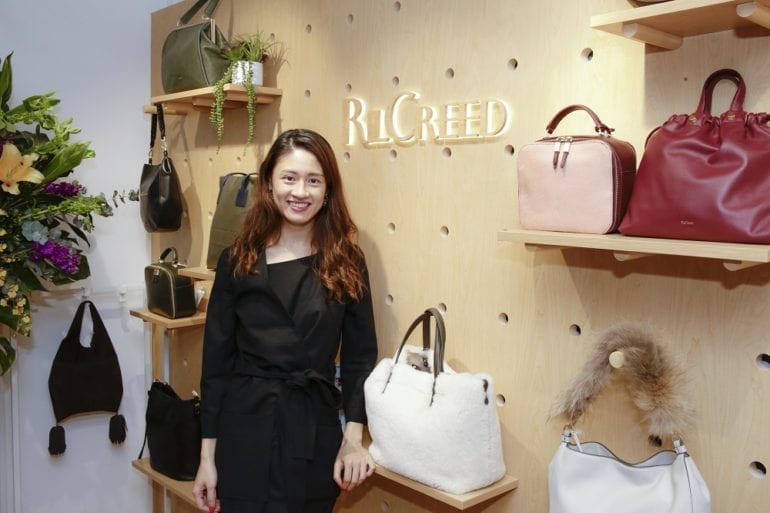
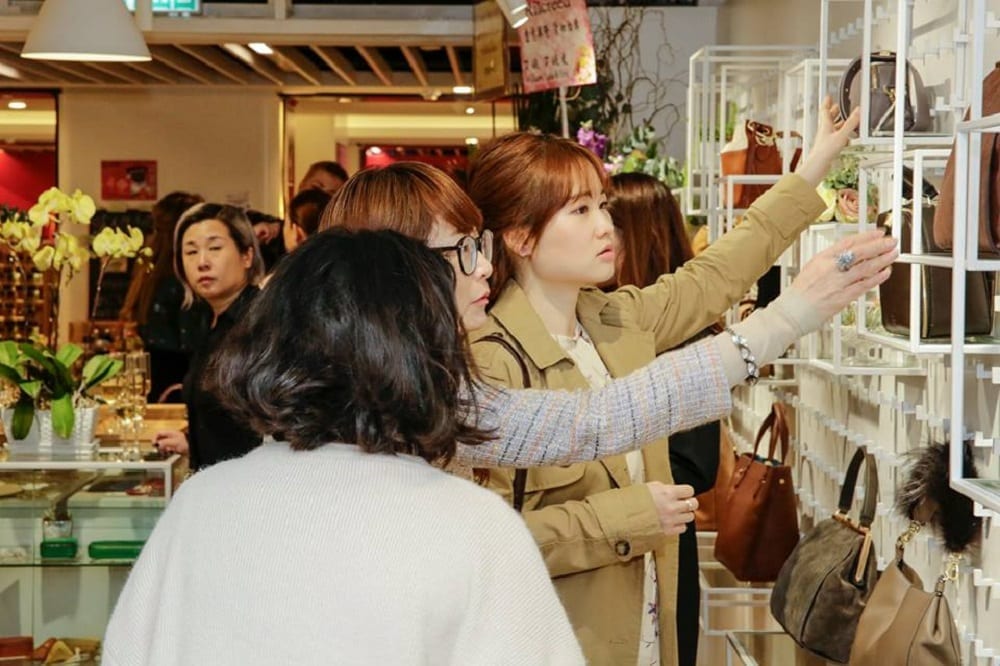
    RIL CREED’s collection of sustainable and ethical Japanese handbags opens its first flagship boutique in Hong Kong.

    Launched in 2012 in Japan and 2014 in Hong Kong, The Japanese handbag label RIL CREED is designed by Hanada Kazue, a seasoned designer who has been the design chief at the coveted Kitson Japan.

    With over two decades of experience, Kazue’s designs are made for the modern working women on the go. Using only fine genuine leather, with on-trend colours and versatile designs, each of RIL CREED’s handbags are made for every smart-casual occasion.

    Made to empower every modern women, each RIL CREED handbag is designed in Tokyo and handmade by artisans with age old craftsmanship. With a vision to revolutionize the handbag industry by using sustainable, upcycled materials and encouraging women to see beyond luxury items, RIL CREED redefines handbags as a tool to collect experiences and a companion in women’s journey to change the world.

    RIL CREED’s latest collection is inspired by owls, a spirited animal that symbolizes a deep connection, intuition, and wisdom of the soul. It represents change, transformation, and clarity. The brand aims to empower women through efforts to use sustainable materials and offcuts from factories. This season, upcycled sheepskin, faux fur and suede has been transformed into clean, elegant and effortless designs.

    Born in the 1970s, Hanada Kazue is Chief Designer of one of Japan’s most sought-after handbag brands, RIL CREED. Previously the design chief at Kitson Japan, Hanada has a deep understanding of what a woman needs when it comes to handbags. She has designed some of the bestsellers for the JAYRO, Kitson and Julia Parker labels, and brings to RIL CREED her renowned expertise.

    A seasoned handbag designer with over 20 years of experience, Hanada has created a beautiful, smart-casual collection for RIL CREED using only the finest genuine leather and horsetail in a variety of on-season, contemporary colours.

    These fashionable and practical designs from Hanada have been extremely popular amongst professional women in Japan and California, and have now set pulses racing amongst Hong Kong’s fashionistas.

  • Coupang Opened a Hanbok Store that Provides Korean Traditional Costume

    Coupang Opened a Hanbok Store that Provides Korean Traditional Costume

    E-commerce platform Coupang has opened an online store specialising in hanbok, Korean traditional clothing.

    Even babies and pets are catered for with the hanbok range, which also includes hanbok accessories such as hairbands, daenggi (ribbons for braided hair) and ggotshin (women’s shoes with flower patterns).

    As well as its hanbok store, Coupang has specialty stores focusing on its private-label brand Tamsaa, organic/eco-friendly items, men’s grooming, maternity items and travel accessories.

    Ecommerce platform Coupang has opened a store specializing in Korean traditional clothing hanbok. (PRNewsfoto/Coupang)

    As well as Seoul, Coupang has offices in Beijing, Los Angeles, Seattle, Shanghai and Silicon Valley.

  • Malaysian economic growth slowed in Q4

    Malaysian economic growth slowed in Q4

    Malaysia’s economy grew more slowly in the last quarter of 2017 than the blistering pace set in July-September, a Reuters poll showed, as exports increased at a slower rate.

    The median forecast in the poll of 12 economists was for annual growth of 5.7% in October-December, compared with the previous period’s 6.2% – the fastest rate since the second quarter of 2014.

    Forecasts for the fourth quarter ranged from 5.2% to 6.1%.

    “The best is behind us,” ING said in a note today about Malaysia’s growth pace, noting that a high base effect has been impacting growth rates in several Asian economies.

    Whatever Malaysia’s fourth quarter number, 2017 have brought Malaysia its fastest full-year growth since 2014’s 6%.

    Growth in each of 2017’s first three quarters topped 5.5%.

    Brian Tan, a Singapore-based economist with Nomura, said the fourth quarter brought a “slowdown in exports which looked quite sharp, but we suspect it was due to the ringgit appreciation during the period”.

    In October-December, exports rose 12.4% from a year earlier, down from increases of more than 20% in each of the first three quarters. The peak increase, in July-September, was 22.1%.

    Malaysia reports its trade figures in ringgit.

    During 2017, the currency strengthened more than 10% against the dollar.

    Industrial production rose 2.9% annually in December, down from 5% a month earlier.

    Growth in Southeast Asia’s third-largest economy beat expectations in the third quarter, helped by private sector spending.

    In October, the government revised up its 2017 full-year growth projection to 5.2-5.7%, up from 4.3% to 4.8%.

    Malaysia’s economy grew 4.2% in 2016.

    Robust private consumption is expected to have propped up fourth quarter growth, with higher motor vehicle and retail sales and strong consumer sentiment, HSBC said in a note.

    The volume index of wholesale and retail trade rose 6.8% in the fourth quarter, according to data released last week by Malaysia’s statistics department.

    Strong growth figures over the past three quarters and rising inflation rates prompted Bank Negara Malaysia in January to raise its key interest rate by 25 basis points to 3.25%. It was the first hike in three and a half years.

    ING, which forecasts 5.5% annual growth for 2017’s fourth quarter, has pencilled in one more 25 basis point rate hike, for the third quarter of this year.

  • Macy’s New Verona Collection Includes Hijabs

    Macy’s New Verona Collection Includes Hijabs

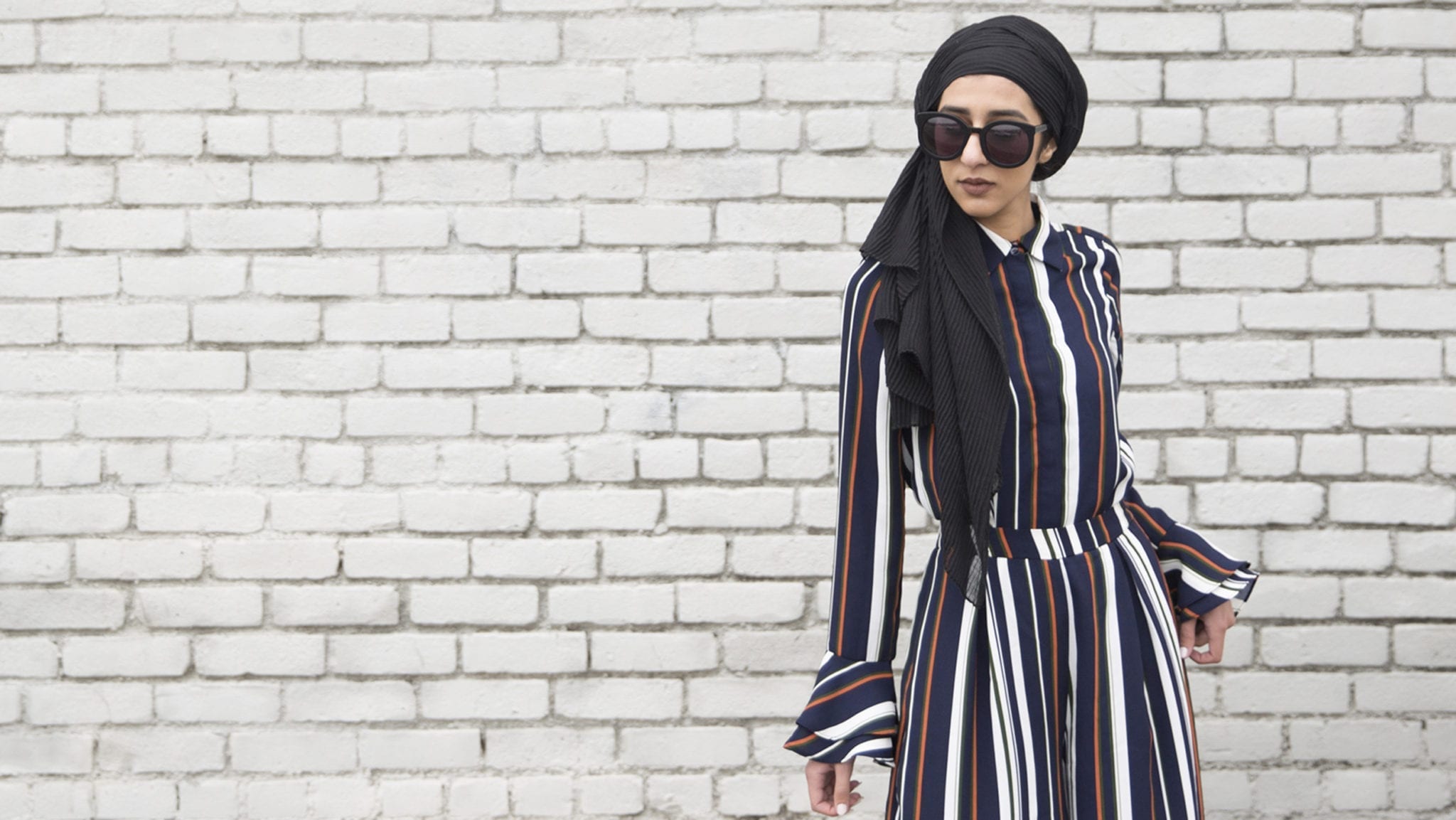
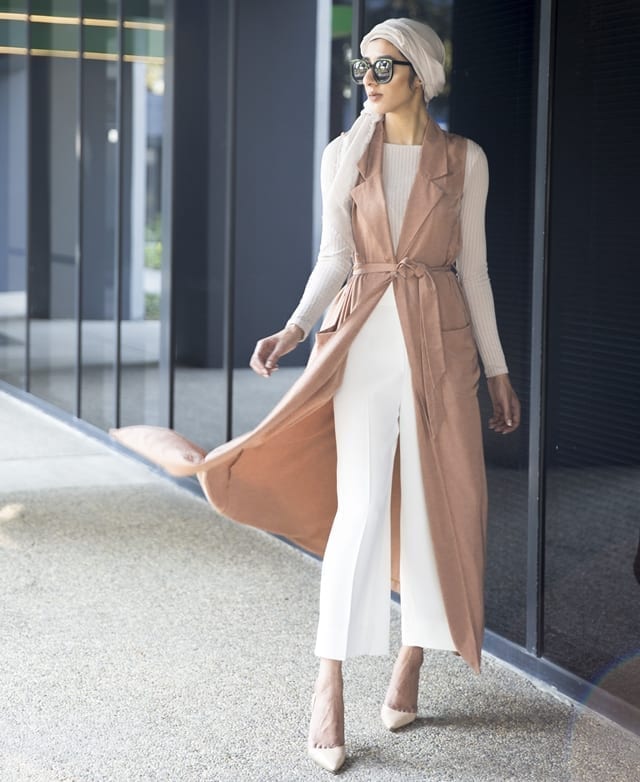
    Macy’s has launched what it describes as a “modest clothing brand” – the Verona Collection – targeting Muslims and women seeking conservative styling.

    The brand was founded by Lisa Vogl and finds its way onto Macy’s online store this month after Vogl graduated from the US department store’s incubator program The Workshop at Macy’s.

    “Verona Collection is more than a clothing brand. It’s a platform for a community of women to express their personal identity and embrace fashion that makes them feel confident on the inside and outside,” said Vogl. “Macy’s has been an amazing partner, helping us strengthen the foundation of our business through The Workshop at Macy’s and now introducing our brand to their consumers through this collaboration.”

    The Verona Collection will feature a curated selection of versatile, ready-to-wear pieces including dresses, tops, cardigans, pants and hijabs in a variety of colors and fabrics.

    Inspired by Vogl’s personal experience looking for fashionable and modest clothing, the modest clothing brand’s standout pieces include maxi dresses, versatile cardigans and hand-dyed hijabs. Accented with asymmetric buttons, the maxi dress is a modern take on a timeless classic and cardigans come in sleeveless and full sleeve styles for layering-look options. The hijabs are hand-dyed in versatile fabrics making them perfect for any occasion.

    “Through The Workshop at Macy’s, Lisa shared her vision to create a collection that speaks to a community of women looking for a solution to their fashion needs,” said Cassandra Jones, senior VP of Macy’s Fashion. “Verona Collection offers a unique and understated elegance through everyday essentials designed for versatility and comfort, and through our partnership, we can better serve our customer looking for modest fashion.”

    Shawn Outler, Macy’s executive VP– licensed businesses, food services and multicultural initiatives, says The Workshop at Macy’s, founded in 2011, nurtures and supports minority- and women-owned businesses to build their capabilities and become the next generation of retail partners.

    Items in the Verona Collection range in price from $12.95 to $84.95 and go on sale on macys.com from February 15.

  • Amazon unveiled its plans for Whole Foods

    Amazon unveiled its plans for Whole Foods

    Ever since Amazon spent $13.7 billion on Whole Foods in June 2017, theories have been swirling as to why the world’s biggest e-commerce firm would get into the old-time business of selling groceries in stores.

    Now it is becoming clearer that what Amazon really wanted was a slice of real estate closer to consumers, to get goods faster to them than ever.

    The clearest signal so far: Amazon announced Thursday that people subscribing to its Prime service in four major U.S. cities (Austin, Cincinnati, Dallas and Virginia) can get groceries from Whole Foods delivered within just two hours of placing an order, for free. They’ll be able to order fresh meat, seafood, flowers and “most” of the items stocked in their local Whole Foods outlets, the company says.

    That means you could theoretically eat lunch, and then order your dinner ingredients on the same day.

    The move could have far-reaching consequences once Amazon begins introducing speedy delivery from other Whole Foods outlets across the world, raising consumer expectations and putting pressure on other grocers to offer the same kind of shipments too.

    In one movement, Amazon has also taken the so-called “last mile” delivery problem it’s been trying to solve with one-day deliveries on Prime, and flipped it on its head.

    Instead of driving goods to your house from a vast warehouse on the edge of the city, it’s bringing them direct from main street; with an order being processed just down the road, the last mile is now the “first mile.”

    For now, this applies to the groceries that are traditionally available in Whole Foods. But some in the e-commerce industry believe Amazon has been planning to seriously restructure Whole Foods stores, sectioning off areas that it can turn into miniature versions of its highly-automated warehouses.

    That could allow Prime customers to not only receive Whole Foods fresh fish and veg, but popular household items like toothpaste and baby diapers.

    Amazon wants to build a distributed supply chain, says Elram Goren, who runs CommonSense Robotics, an Israeli startup selling automated-warehouse technology to rival grocery chains, and to be “close to their customers.”

    While that might seem like a threat to other grocers, Goren contends that Amazon is setting an example those competitors can follow too. That is, if they’re willing to make radical changes to the way they use their stores, and also turn sections of them into “micro-fulfilment centers.”

    “For a very long time, e-commerce was growing extremely fast and companies like Walmart, Kroger or Albertsons, didn’t really have have any kind of strategic advantage over Amazon,” he adds.

    “But with online groceries they have that infrastructure. Think of a store. It already has a supply chain coming in, and it is by definition close to the customer.”

    Tom Adeyoola, who founded the British e-commerce startup Metail, agrees retailers need to embark on a “big change in mindset,” and take advantage of the fact that their stores are physically closer to customers than Amazon’s warehouses.

    “If you could have a big store footprint, how can you turn that into a fulfilment center?” he says. Companies with a trusted logistics model and reliable delivery service could have the most success, he adds.

    Amidst a so-called retail apocalypse that’s swallowing up storied retailers like JCPenney and Toys R’ Us, that could be a model worth thinking about.

  • Singapore retail sales stagnate in December

    Singapore retail sales stagnate in December

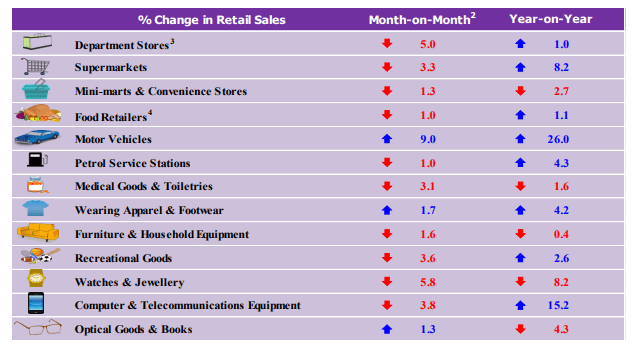
    Singapore retail sales were static in December, increasing just 0.6 per cent year-on-year, after excluding motor vehicles.

    With vehicles included, they rose by 4.6 per cent. Month on month they declined 0.2 per cent against November or by 2.6 per cent with vehicles excluded.

    The figures would have disappointed retailers after a strong November, although that was fuelled in part by the launch of new iPhone models.

    Last November, retail sales grew by 5.3 per cent year-on-year, or by 4.7 per cent excluding motor vehicles.

    That said, computer and telecommunications equipment sales rose 15.2 per cent in December. Sales by supermarkets, of wearing apparel and footwear, recreational goods, and by food retailers and department stores increased between 1 per cent and 8.2 per cent during the period.

    But sales of watches and jewellery, optical goods and books, by mini-marts and convenience stores, of medical goods and toiletries and of furniture and household equipment declined by between 0.4 per cent and 8.2 per cent year-on-year in December.

    Sales of food & beverage services (seasonally adjusted) increased 3.1 per cent year-on-year.


  • Here’s Why Pre-Owned Luxury Fashion Are Growing In Asia

    Here’s Why Pre-Owned Luxury Fashion Are Growing In Asia

    Asia’s pre-owned luxury fashion market is continuing to grow, with shoes and t-shirts gaining ground, according to multichannel retailer Reebonz.

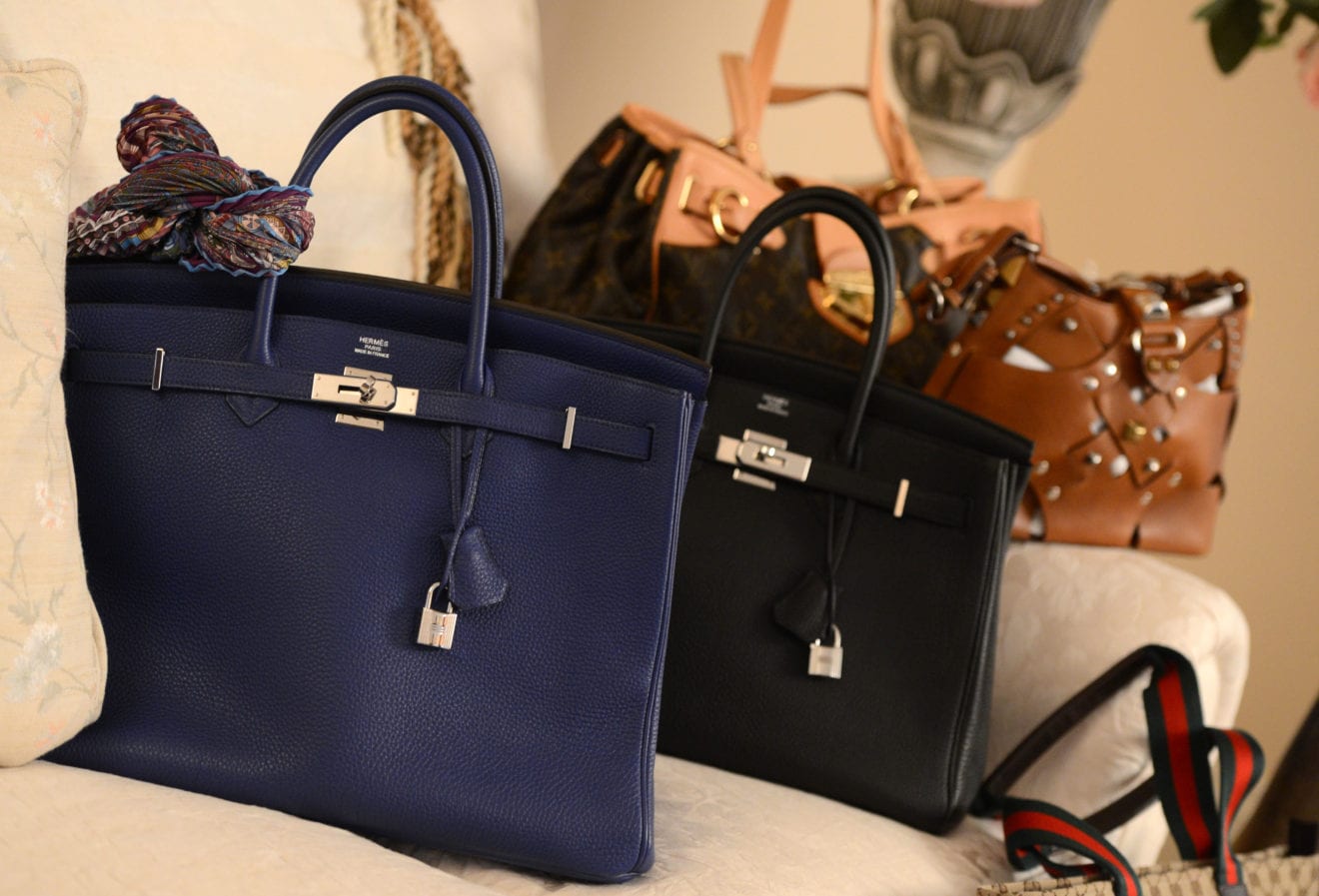
    Although bags continued to dominate, with an average of 77 per cent of total transactions in 2016 and 2017, both shoes and apparel achieved steep sales growth throughout the region, according to Reebonz’s now annual Asia Luxury Index.

    In Hong Kong, for example, sales of used branded sneakers rose 48 per cent last year, while “luxury t-shirt” sales soared six-fold.

    The report is based on Reebonz’s own trading data across Australia, China, Hong Kong, Indonesia, Malaysia, New Zealand and Singapore, along with unspecified “industry reports”.

    Reebonz says millennials are driving the sector’s growth, “tilting the scales in favour of a pre-owned luxury market that continues its growth trajectory”.

    Chanel, the most-purchased pre-owned brand by millennials, recorded more than double the total sales value on Reebonz last year over 2016.

    The report said the changing perceptions towards pre-owned luxury have altered the state of resale and how consumers shop today, contributing to 40 per cent sales growth in the pre-owned category at Reebonz.

    “The growing demands of buying from the resale market cleverly gives rise to a community of individual sellers, injecting the luxury ecosystem with products that meet these needs,” said Reebonz cofounder Daniel Lim.

    Louis Vuitton, Hermes and Chanel were the three top-selling brands on Reebonz last year, fetching resale values as high as 125 per cent of their original retail price in the secondary market. Gucci, Celine and Dior were also among the top 10.

  • Off-White and Jimmy Choo together for Galeries Lafayette

    Off-White and Jimmy Choo together for Galeries Lafayette

    Announced in September 2017 during the spring/summer 2018 shows, the much anticipated “Off White c/o Jimmy Choo” collaboration will be launched globally on 21 February 2018 both online and in store.

    To mark the occasion, the two brands will open a pop-up store in Galeries Lafayette on Boulevard Haussmann in order to showcase the original collection’s different looks. The space will remain open until 4 March 2018.

    The collection is Jimmy Choo’s first partnership with a ready-to-wear designer for a line of commercial footwear.

    The brand has teamed up with Off-White, headed by fashion prodigy Virgil Abloh, which has previously worked on collaborations with sportswear-inspired brands such as Nike.

    The pieces in the collaboration were inspired by Diana, Princess of Wales, channeling iconic 90’s design while also incorporating details reflecting current trends in order to appeal to the needs and tastes of modern princesses.

    In this spirit, the collection features conceptual shapes, tulle, floral embellishments and gemstones.

    Speaking of the collaboration, Sandra Choi, Jimmy Choo creative director, explained, “To collaborate with a brand like Off-White allows Jimmy Choo to explore a new avenue and take part in a different conversation.

    I love to mix it up by getting together with a different creative mind, identifying our synergies and combining our DNA to create a beautiful and surprising collection with unexpected links to the roots of our brand.”

  • Cold Stone Creamery Malaysia Opened In Kuala Lumpur

    Cold Stone Creamery Malaysia Opened In Kuala Lumpur

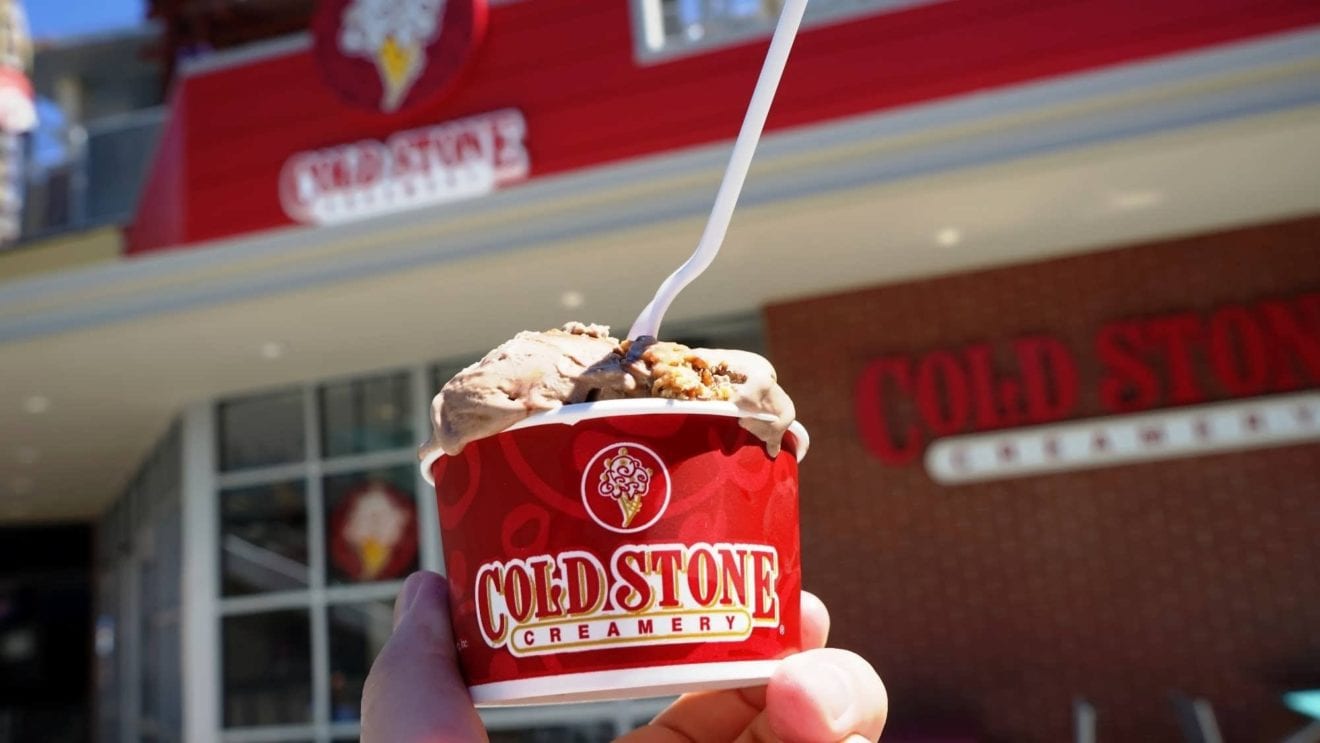
    American ice-cream parlour chain Cold Stone Creamery Malaysia has opened its first store in Kuala Lumpur.

    After tracking through Bangkok, Manila and Singapore, the American ice-cream parlour chain has launched a flagship outlet at Pavilion Kuala Lumpur.

    From Arizona, the brand plans to open 10 outlets in Malaysia within the next five years.

    Founded in 1988, Cold Stone Creamery is best known for its design-your-own desserts that lets customers choose mix-ins, all theatrically combined on a frozen granite slab.

    The store offers 36 ice-cream flavours and will be adding some local tastes.

    Cold Stone Creamery senior international VP Eddy Jimenez says Malaysia’s opening was delayed as the company took years to find a suitable franchisee.

    “Local flavours are important and we are very sensitive to the local culture ‒ they’re going to be a big part of the brand,” says Jimenez.

  • Malaysia property market expected to be flattish in 2018

    Malaysia property market expected to be flattish in 2018

    Property transactions are expected to be flattish in 2018, marking yet another challenging year for the Malaysian property market, according to real estate consultancy firm Rahim & Co International Sdn Bhd.

    However, it said many are hoping that the results of the forthcoming general election would give a firmer direction for the nation, hence re-igniting the momentum in the property sector.

    Although it may be too soon to say that the market has bottomed out, Rahim & Co does not expect the market in 2018 to be much worse off than in 2017.

    The property market is expected to be flat and stable, while waiting for the consumers’ wait-and-see attitude to warm up.

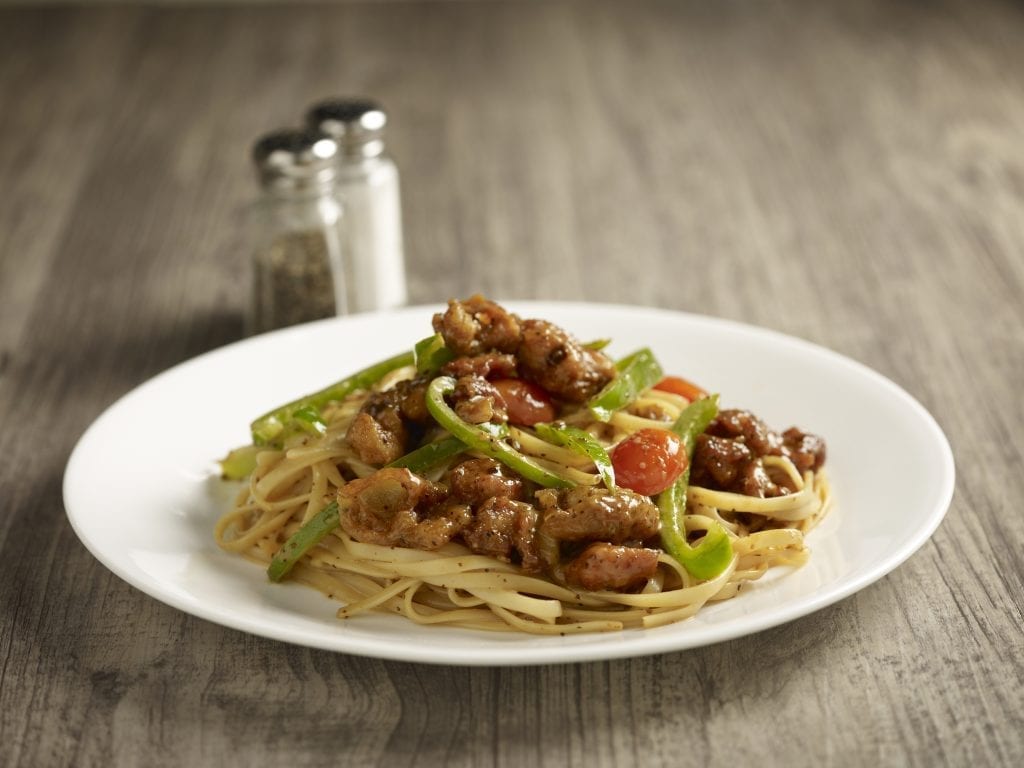
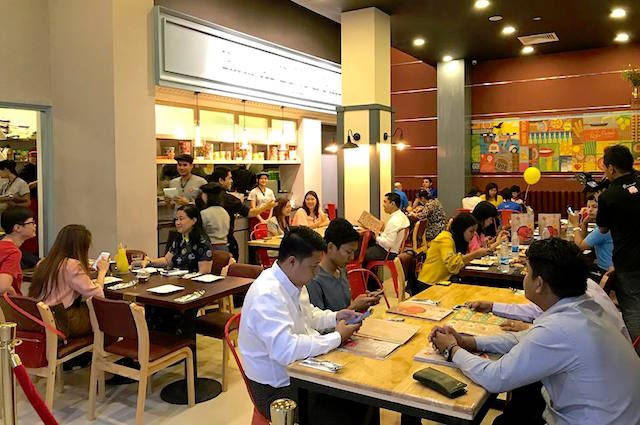
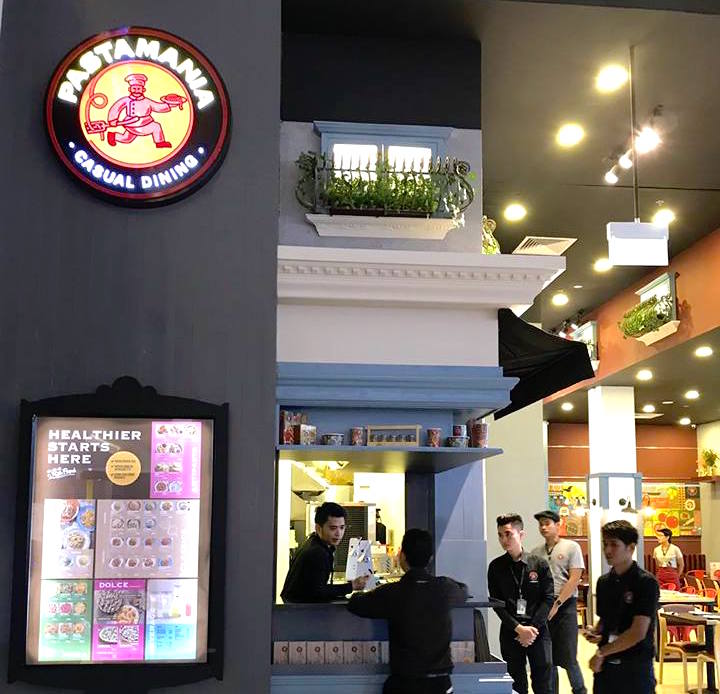
  • PastaMania Myanmar Opens Second Branch in Yangon

    PastaMania Myanmar Opens Second Branch in Yangon

    PastaMania Myanmar will open a branch in Yangon’s Capital Hypermarket Extension Mall on February 27.

    From Singapore, the Italian casual-dining restaurant chain has more than 50 outlets in 14 countries.

    “This PastaMania outlet design is based on Italy’s piazza concept to create the ambience of an Italian city square, says executive director Wilson Lim of Singapore’s Commonwealth Capital Group, which run PastaMania.

    This is the second Yangon outlet for PastaMania, the first opening on Inya Road in February 2016.

    Two more outlets are planned over the next year in Yangon.

  • Alibaba reports solid Q3 growth, increases FY guidance

    Alibaba reports solid Q3 growth, increases FY guidance

    Alibaba Group Inc. said revenues reached 83 billion yuan ($12.8 billion) in the third quarter – soaring 56% on last year – pushed on by China retail growth.

    For the three-month period ending December 31, Alibaba said China recorded the highest revenue growth, up 57%, counteracting a dull consumer confidence in the Asian nation. Annual active consumers on Alibaba’s China retail marketplaces reached 515 million, an increase of 27 million from the previous quarter, representing the largest growth in 12 quarters.

    The hometown result was helped by a strong Singles Day 2017 performance. The massive sales event clocked 168.2 billion yuan ($25.39 billion) in gross merchandising value.

    The Chinese e-commerce giant said the quarterly period was its seventh-consecutive quarter for growth.

    “We delivered another outstanding quarter and our business is performing stronger than ever,” said Daniel Zhang, Alibaba’s chief executive officer.

    Zhang went on to praise the firm’s pioneering technology in the online sphere and its intelligent move toward offline, in particular, its Hema supermarket chains.

    “It’s the direct result of our long-term, forward-looking approach to new user acquisition, new technology and creation of new user experiences. We have demonstrated what new retail looks like through innovations such as Hema and inspired a global wave of experimentation in new retail. We believe the future of retail is much more than just connecting online and off-line, our new retail strategy is a combination of creating new and transforming old.”

    Looking ahead, Alibaba said it has revised its outlook for full-year revenue growth up to 55 to 56%, from its earlier estimate of 49 to 53%

    In addition to the financial reporting, Alibaba said it would acquire a 33% in Ant Financial, its digital payment partner. The move highlights Alibaba’s new retail strategy, which includes enabling digital payments in brick-and-mortar stores.

  • Arabica Coffee Opens in the Philippines

    Arabica Coffee Opens in the Philippines

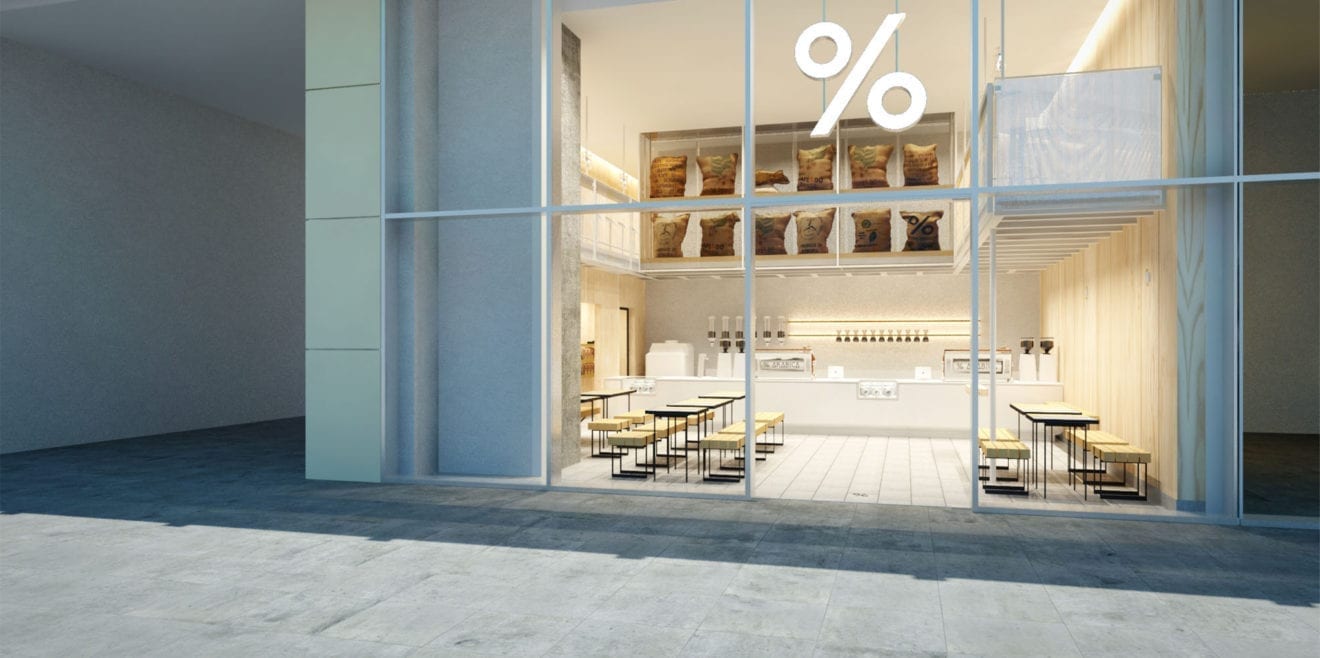
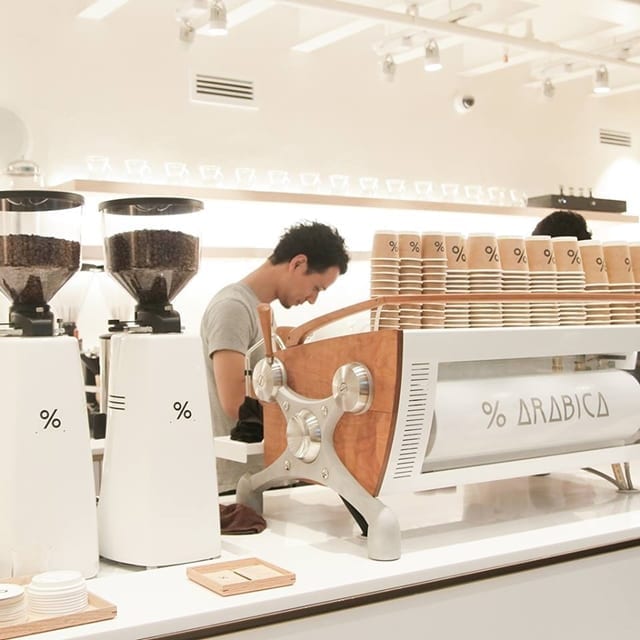
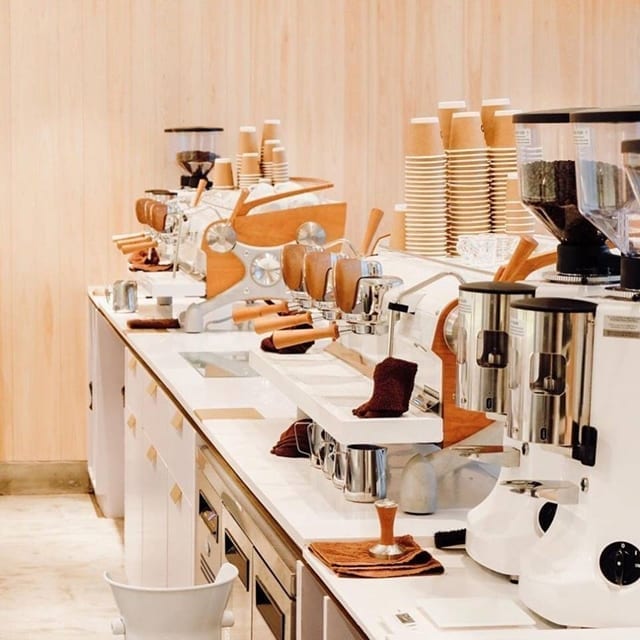
    After nearly a year of planning, Kyoto’s % Arabica Coffee has opened its first store for the Philippines.

    It is in Manila’s Bonifacio Global City and is the result of the efforts of a mother-and-daughter team that has been travelling around the world looking for the best coffee spots. Allue Hortazela says she and her mother could not forget the taste of % Arabica, prompting her to return to the Kyoto main branch of % Arabica to contact the owner with the hope of launching a branch in the Philippines.

    Founded in 2014 by Kenneth Shoji, % Arabica uses 100 per cent Arabica coffee beans sourced internationally from countries such as Brazil, Guatemala and Japan.

    To support the opening of the Manila branch, % Arabica global and Kyoto head barista Junichi Yamaguchi flew from Japan to oversee the crafting of coffee for every customer.