Author: Mei Ling Tan

  • Three Centara resorts are the best hotels for families say TripAdvisor users

    Three Centara resorts are the best hotels for families say TripAdvisor users

    TripAdvisor, the world’s largest travel website, just released its prestigious Travelers’ Choice Awards for their users’ favourite hotels. In the family category, Centara Grand Mirage Beach Resort in Pattaya was ranked #1 in Thailand. Centara Grand Beach Resort in Phuket was #4 and Centara Karon Beach Resort, also in Phuket, was #7.

    “Being family-friendly is part of our company DNA,” said Thirayuth Chirathivat, Centara’s CEO. “We work hard to welcome families with children and offer them a superior holiday experience. It starts with the design of the hotel and continues through family amenities, activity programmes, and service attitude. These awards are evidence we’re succeeding.”

    TripAdvisor gives the awards annually, based on the reviews and opinions of millions of its users. The rankings are based on people who have stayed at each hotel during the past year.
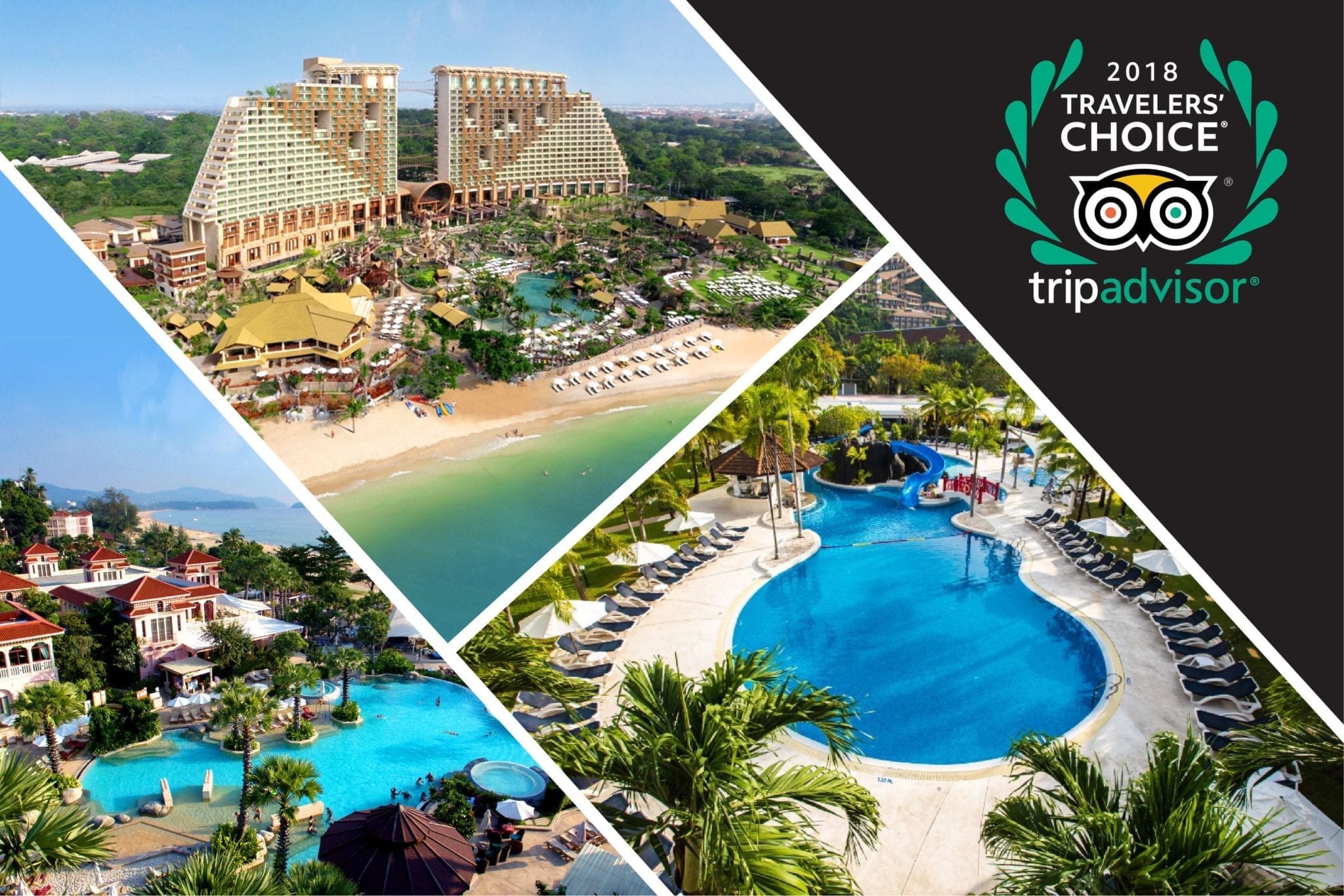
    Centara Grand Mirage Beach Resort was the first true themed resort in Thailand. Its Lost World motif features several swimming pools, waterslides, giant sculptures and palm trees towering over a lazy river and Monsoon Island. Children enjoy the Kids’ Club, E-zone, and organised activities supervised by hotel staff. The resort even has a family version of club level: its Zulu Family Club has a play area for toddlers while their parents enjoy an afternoon refreshment. The resort lies along a 230-metre stretch of sandy beach.

    Like Centara Grand Mirage in Pattaya, Centara Grand Beach Resort Phuket is a 5-star resort built around a waterpark with multiple pools, river, and waterslides. Its Kids’ Club and Camp Safari are complemented by a cliff jumping platform, and water sports in the Andaman Sea including kayaking, sailing, windsurfing and snorkelling. The resort features Sino-Portuguese style and has direct access to Karon Beach.

    Centara Karon Resort is a unique concept for Phuket, featuring four distinct zones so guests can find the perfect match for their needs. Family amenities include rooms that easily accommodate four; three large swimming pools, including the Lagoon pool with two waterslides; and a Kids’ Club, Camp Safari, and E-Zone to keep children and teens entertained.

    This year marks the third time Centara Grand Mirage Beach Resort has won TripAdvisor’s Travelers’ Choice award for family-friendly accommodations. Other Centara resorts in Thailand have received the recognition from TripAdvisor users each year since 2014. Centara was also recently listed among Smart Travel Asia’s Hot 25 Family Hotels.
  • AirAsia India plans to add up to 70 planes to its fleet in 5 years

    AirAsia India plans to add up to 70 planes to its fleet in 5 years

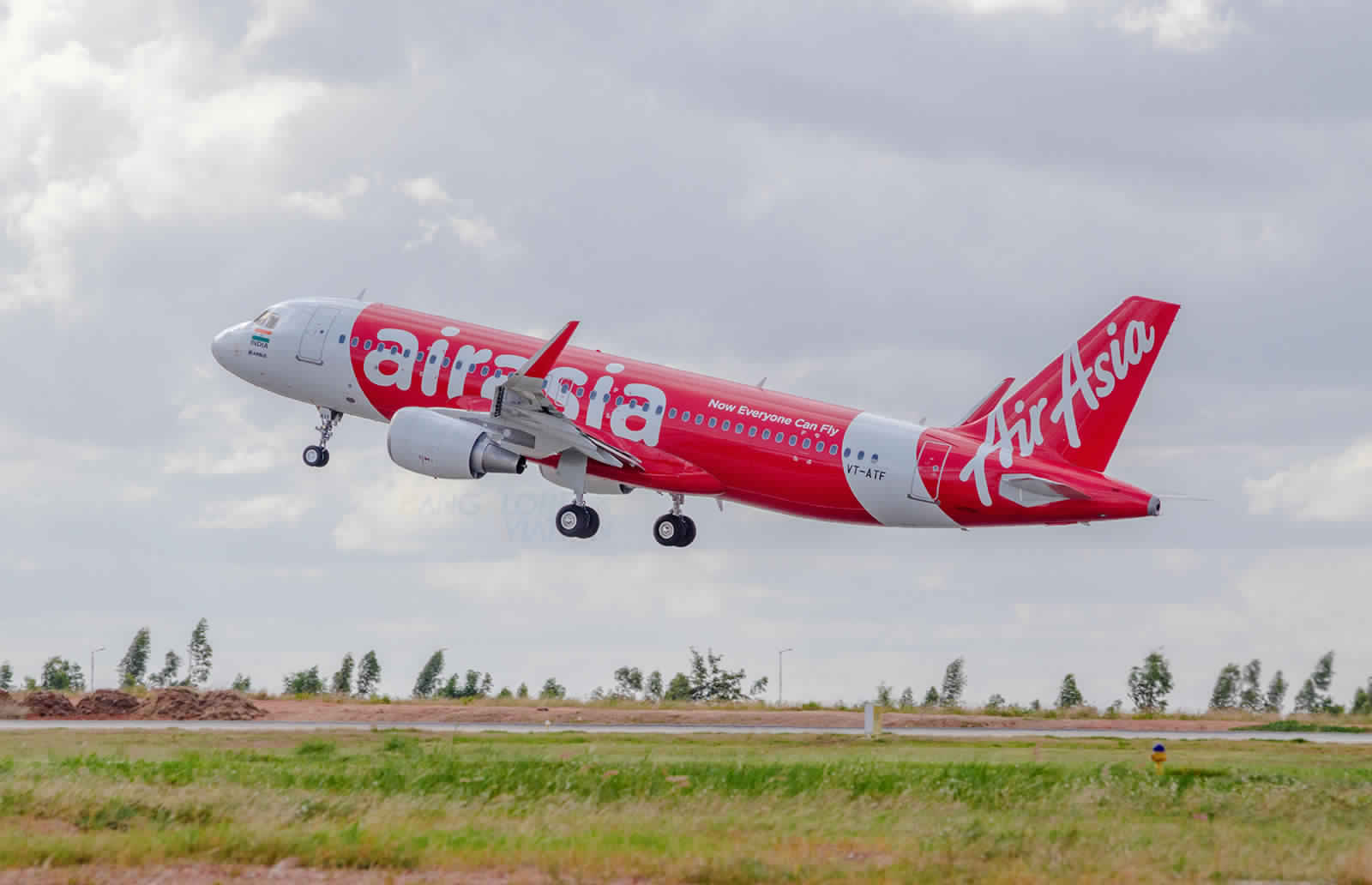
    Low-cost carrier AirAsia India plans to add up to 70 aircraft to its fleet over the next 4-5 years as it seeks to aggressively expand services, domestic market share, and network, a top executive at the firm said in an interview.

    “We are expanding aggressively and aiming to be among the top three in the low-cost carrier (LCC) segment once we have inducted 60-70 aircraft in our fleet,” AirAsia India chief executive Amar Abrol said.

    The airline, a joint venture between Malaysia’s AirAsia Bhd and India’s Tata Sons, expects to double its revenue to Rs1,200 crore in 2017, and take it to Rs1,800 crore in 2018, Abrol added.

    During the year ended 31 December 2016, the company narrowed its losses to Rs140.32 crore from Rs181.70 crore in the previous year, according to data available with the Registrar of Companies (RoC).

    AirAsia India’s financial year starts from 1 January and it is yet to disclose numbers for the Indian operations during the year ended 31 December 2017.

    A significant number of the 70 aircraft that the airline plans to add are likely to be purchased, while the rest will be leased. Like its parent AirAsia Bhd, AirAsia India has an all-Airbus fleet and will place the aircraft order through its parent to get favourable prices.

    “All aircraft orders will be done at the group level, where commitments have been made to purchase aircraft from Airbus over a period of time,” Abrol said.

    “We draw best practices from our parent, AirAsia Bhd, and also take advantage of economies of scale while placing orders for aircraft,” Abrol said, adding that there is a significant cost advantage with the parent, which already owns a significant fleet, negotiating with lessors and aircraft manufacturers for its subsidiary.

    Abrol did not share any estimate of the investment the company plans to make on aircraft acquisition.

    An industry expert who spoke on condition of anonymity pegged the size of AirAsia India’s order to Airbus at $3 billion.

    For a no-frills airline like AirAsia India to reach the market leadership position, the company either needs to be the leader in the revenue segment or be the top company in keeping costs down—both are not in AirAsia’s favour right now, according to a sector analyst.

    “The biggest challenge faced by AirAsia India is that they don’t have good slots at major Indian airports. As a result, they find it difficult to compete with bigger airlines in the no-frills space. They should aggressively expand their regional markets, as they could miss out on growth if they fail to get good slots at some of the major regional hubs. They also need to check their costs, as it is higher than some of its competitors and bring it down from the current levels. Otherwise the path for AirAsia India to break even is a difficult one,” the analyst said, requesting anonymity.

    “Getting to profitability is absolutely essential for us but not at the cost of stalling expansion,” Abrol said. “We are investing heavily on people, infrastructure, aircraft, and expansion.” He expects AirAsia India to break even by January-March 2019.

    A consultant said that he does not expect the airline to grow in double digits or even high single digits in 2018-19.

    “Rising fuel prices are a huge challenge for airlines and are expected to affect low-cost carriers adversely. We don’t expect the airline to grow in double digits or high single digits in FY19,” Peeyush Naidu, partner, Deloitte Touche Tohmatsu India LLP, said.

    AirAsia India has also expressed the intent to go for an initial public offering to meet its investment requirements. But, according to Abrol, the company has not appointed a banker to start the process and a decision to that effect will come from the board.

    AirAsia India, which had a market share of 3.7% in 2017, up from 1.7% in 2015, carried 43.23 lakh passengers in calendar year 2017, according to Directorate General of Civil Aviation (DGCA) data.

    The LLC segment in India was led by Interglobe Aviation-run IndiGo, which registered a 39.6% market share, and carried 4.64 crore passengers. Other no-frills airlines like SpiceJet (12.8%) and GoAir (9.1%) carried 41.12 lakh and 29.38 lakh passengers, respectively during the same period.

  • Arvato welcomes NATIVE UNION as new customer

    Arvato welcomes NATIVE UNION as new customer

    Arvato SCM Solutions in Asia adds NATIVE UNION as a new customer. NATIVE UNION is an internationally acclaimed Hong Kong and Los Angeles based tech accessories company that was founded in 2009. Arvato SCM Solutions’ business unit Hightech & Entertainment is now handling NATIVE UNION’s global logistics services.

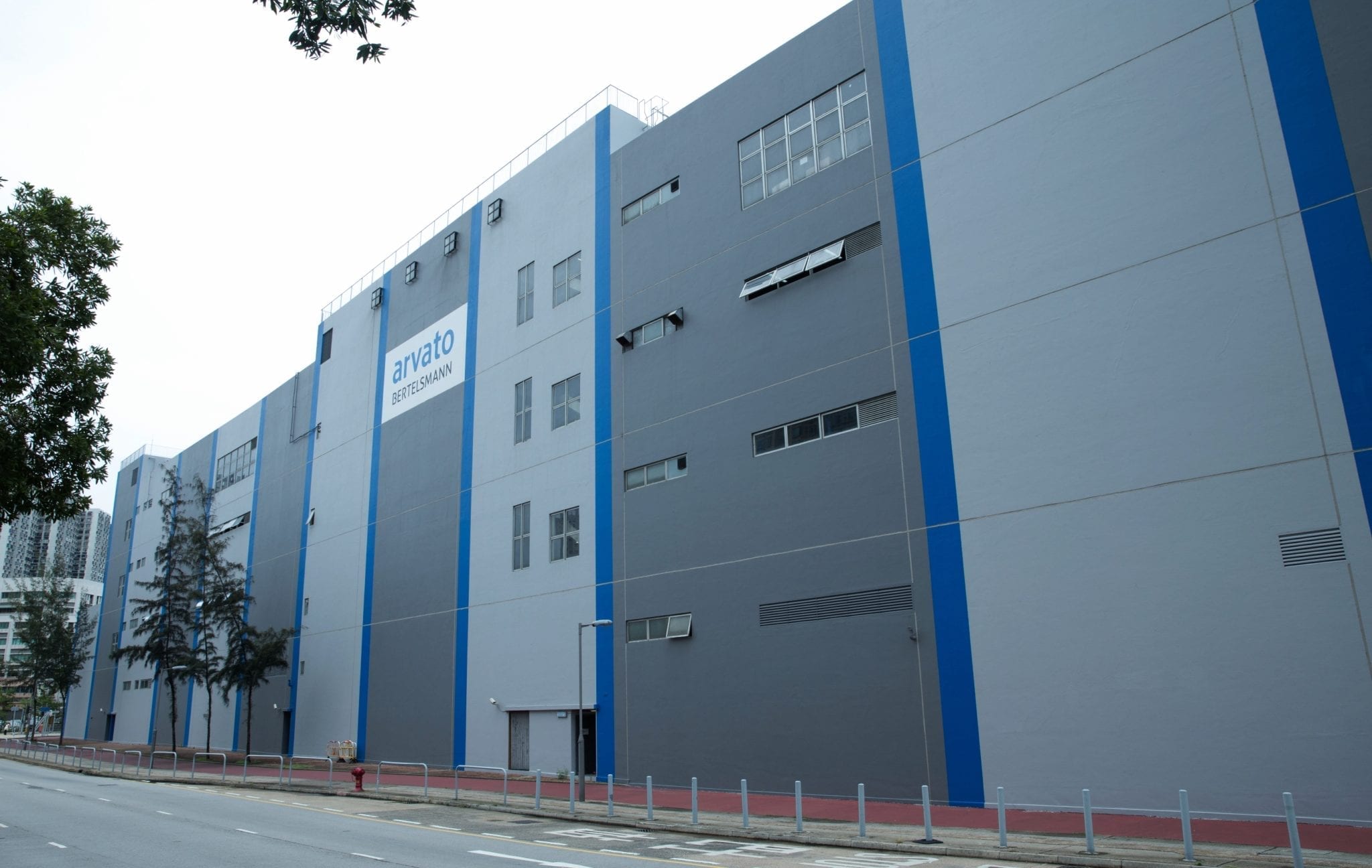
    As part of its services for NATIVE UNION, Arvato provides global warehousing and distribution from its logistics center in Hong Kong, supplying the brand’s products to retailers and distributors across Europe, USA and Asia. In doing so, Arvato offers both domestic and international freight management solutions to NATIVE UNION. In addition to this, Arvato also provides value added services including labelling and bundling, and is responsible for the brands e-commerce fulfillment.

    “We were looking for an international supply chain partner that would give us a true competitive edge, supporting us on our continuous growth path,” says Farouk Merzougui, Chief Operating Officer at NATIVE UNION. “In Arvato, we have found this partner. They are as passionate about our goals as we are.”

    Finding solutions for the ever increasing need for flexibility and agility in the supply chain is crucial. The speedy ramp up showcases Arvato’s ability to develop and implement tailored strategies for its clients in a global marketplace. „Worldwide, the demand for NATIVE UNION’s products is booming. Our Hong Kong SCM team led by Andreas Podwojewski has successfully implemented the business in the shortest amount of time possible to meet this raising demand”, says Raoul Kuetemeier, Head of Asia at Arvato SCM Solutions.

    In total, more than 500,000 units were shipped in the first three months of the collaboration. One of NATIVE UNION’s popular products is the multi-USB charger and cable management system ECLIPSE CHARGER that came on the back of a very successful kickstarter campaign, where Arvato shipped almost 10,000 orders of the new product to customers all around the world. Overall, Arvato SCM Solutions covers 48 countries from its Hong Kong site.

    “NATIVE UNION is a client with a lot of potential in its field, fulfilling the consumer’s increasing demands for high quality, design-led products,” says Kuetemeier. “We have been happy about our partnership and collaboration since day one and we are very excited about developing and expanding business with NATIVE UNION – in Hong Kong and beyond.”

  • Malaysians are more Save-vy than Singaporeans

    Malaysians are more Save-vy than Singaporeans

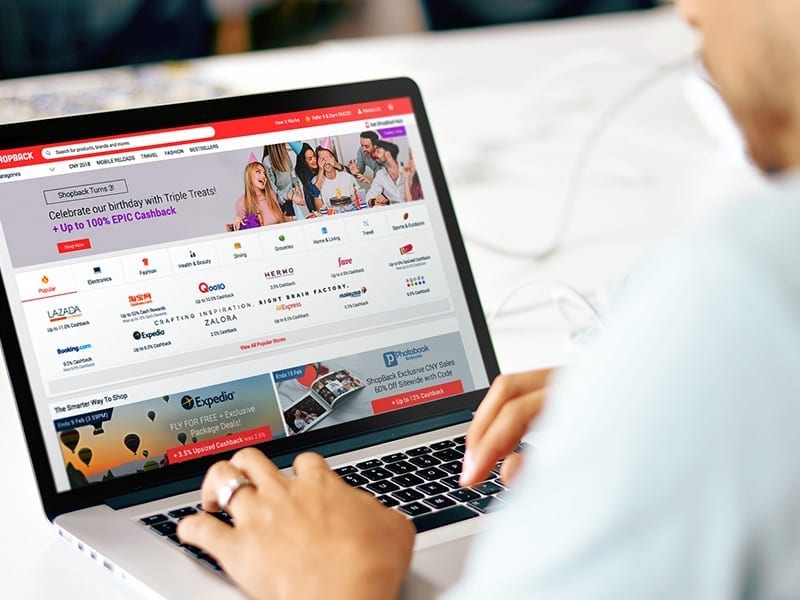
    ShopBack, the leading online Cashback platform in Southeast Asia, observes a stronger head start in 2018 for Malaysia as compared to Singapore.

    “Further to our positive performance in the Q4 2017, almost 20% more digital transactions went through ShopBack Malaysia compared to our Singapore counterpart last month. Looking at our January 2018 vs January 2017 data, ShopBack Malaysia has experienced more than twice the growth. Data shows that when it comes to savings, Malaysians are more aggressive and increasingly choose ShopBack as a convenient way to accumulate Cashback for every transaction,” said Alvin Gill, Country General Manager of ShopBack Malaysia.

    “Several factors such as the petrol price hike and subsequent increase in food cost has urged Malaysians to optimise their spending in every possible way, to which we are glad to be able to help more than 850K Malaysians in getting over RM25 million Cashback from their digital purchases, including Grab and Uber rides, in the past three years.”

    In 2017, more than 30 online merchants joined ShopBack Malaysia to provide Cashback as a form of loyalty reward to online shoppers, including Malaysia Airlines, 11street, Uniqlo Online and Kinokuniya. Currently, ShopBack collaborates with more than 500 merchants to offer up to 30% Cashback, and the Cashback percentage tends to increase during the festive period.

    “For example, there’ll be products on 100% epic Cashback sale during our birthday next week (22 February 2018). We will be giving away a total of RM18,000 to three lucky winners to spend on Lazada. Nike, Taobao, Booking.com, Photobook, Expedia, Hermo, Cotton-On, Sephora, ZALORA etc. are going to give out higher Cashback on that day too,” Alvin elaborated.

    Developing user centric features for better purchasing decisions

    While online Cashback still sounds new to locals, ShopBack is confident of its future as this concept has been introduced and is widely used by China, UK and US shoppers for more than a decade.

    “There is a bunch of loyalty programmes for offline retail in Malaysia but none comparable to ShopBack’s scale in the online retail space prior to our entry. We reward users in cash form, of which can be transferred into a bank account once it gets validated. What’s better is users are able to stack this on top of their credit card’s Cashback. On the other hand, online merchants see us as a valuable partner in promoting their business to the right target audience and retaining existing customers. We might earn less by sharing our commission with users as Cashback, but this triple-win model will help us go a long way,” Alvin said.

    To better support customers in their purchasing journey, ShopBack Malaysia extended its team to support live chat on web, mobile and app platform, as well as Facebook. It also upgraded its app to enable users access to purchase mobile reloads and internet packages offers within one tap, and implemented OTP (one-time-password) for a secure payout process.

    Recently, it also rolled out a ‘partial Cashback’ feature where a user can choose to withdraw any available Cashback amount (minimum RM10) from ShopBack to his/her bank account, or utilise it to settle phone bills (Maxis users only). The company is also looking to expand payout options via potential partnerships with popular brands and other loyalty programme providers.

    “Moving forward, we want ShopBack to be more than just Cashback. If you look at our app, there’s an exclusive function that allows our users to quickly compare rides and make a decision on the go. That is the kind of smarter way of living that we envision, and we hope to achieve greater milestones with our users in the near future.”

  • NEC’s facial recognition system elevates customer experience at OCBC Bank

    NEC’s facial recognition system elevates customer experience at OCBC Bank

    NEC Asia Pacific and NEC Corporation today announced the successful testing and roll-out of a facial recognition system at OCBC Bank’s Holland Village branch to identify Premier Banking customers. OCBC Bank is one of the first in Singapore’s banking sector to adopt such a system as part of its digital efforts to improve service excellence.

    Facial recognition is a growing form of biometrics used to identify and authenticate persons in a wide range of industries. With the widespread usage and acceptance in immigration systems, and secured identity card systems, biometrics is now expanding into commercial applications (e.g. banking, retail etc.).

    Implemented since 4 December 2017, the system instantly identifies OCBC Premier Banking customers in real-time as they approach the lounge in the branch without needing to stop to look at the camera.  This is a very unintrusive approach for the bank to identify them.

    Based on the VIP identification, the system allows the Premier Service Manager (PSM) to promptly identify and greet customers by their preferred name, offer them their preferred drinks and magazines, and, understanding their visit records to promptly deliver services, giving the client a more personalized and pleasant customer journey.

    The Bank can record the purpose of a customer’s visit, gather feedback to help improve services, and understand customer behavior patterns, such as the frequency of their visits.

    The system utilizes NeoFace, NEC’s AI engine for face recognition.

    NeoFace is recognized as the fastest and most accurate algorithm in the world by the National Institute of Standards and Technology in the United States*, greatly exceeding all other vendors in both accuracy and speed.

    The NeoFace engine can be used for a variety of applications and scenarios such as:

    -Access control and attendance tracking for staff and visitors in different areas

    -Workstation/console login for more secured access

    -Customer authentication for transactions as a 2nd factor on different channels of financial institutions

    – Seamless online transaction experience using facial recognition for payment authentication

    – For safety reasons; monitoring for individuals on watch lists or tracking people who loiter on the premises

    -Fraud prevention with NEC’s “liveness”** detection

    -Tailored advertising signage and marketing material using facial recognition to understand the age and gender of patrons

    “OCBC is committed to our service quality and implementing facial recognition to elevate the customer experience is one of the first steps that we are doing in the digital economy. Since introducing it, we received positive feedback from customers who were impressed by the personalized hospitality enabled by fast and accurate identification. Going forward, we will evaluate and consider the extension of the capability beyond customer service,” said Mr. Pranav Seth, SVP, Head of E-business, Business Transformation and Fintech & Innovation group, OCBC Bank.

    “We are pleased to work with OCBC Bank to provide this cutting-edge facial recognition solution to help improve the overall delivery of services to their valued clientele. We hope that through this co-creation we have helped OCBC Bank stay competitive in this fast-paced industry where customer experience is key. Moving ahead, we look forward to exploring more innovative and meaningful ideas to help customers digitally transform their businesses through artificial intelligence that includes biometrics and facial recognition,” said Lim Kok Quee, Managing Director and Deputy CEO (ASEAN Sub-Region) of NEC Asia Pacific.

    NEC has been engaged in the development of facial recognition technology for over 30 years. NeoFace® is currently implemented in more than 40 countries by a wide range of public and private organizations.

  • Bolloré Logistics Korea to be the First to Achieve CEIV Pharma Certification

    Bolloré Logistics Korea to be the First to Achieve CEIV Pharma Certification

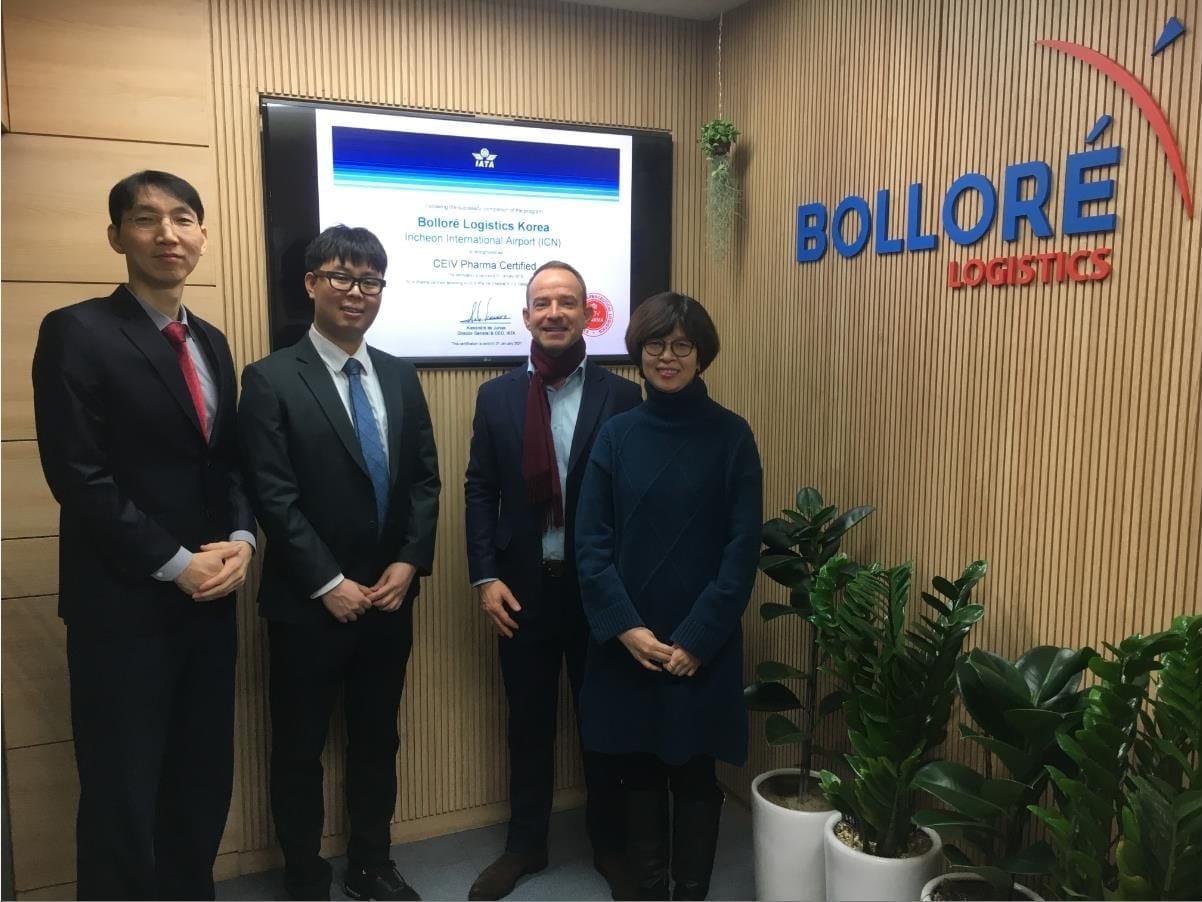
    On January 31st, 2018, Bolloré Logistics Korea became the first transport and logistics company in South Korea to independently achieve the International Air Transport Association (IATA) as Center of Excellence for Independent Validators in Pharmaceutical Logistics (CEIV Pharma).

    The certification is a globally recognized and standardized certification for healthcare airfreight shipments. It is meant to train all the air cargo industry operators on the proper Cold Chain handling of pharmaceutical products requiring temperature control.

    Bolloré Logistics Korea began the certification process according to the IATA CEIV Pharma standard in the third quarter of 2015. The CEIV committee has worked with dedication to bring the internal processes to required expectations.

    “We are proud to be the first CEIV Pharma logistics company independently certified in Korea. The certification reinforces our commitment to provide the highest standards of professionalism in handling the transportation of high-value pharmaceutical products under strict temperature and time-sensitive conditions,” said Thibault JANSSENS, Managing Director of Bolloré Logistics Korea.

    The CEIV certification will allow Bolloré Logistics Korea to have a competitive/strategic advantage in the healthcare logistics market with a stronger, more competitive and enhanced air cargo service.

    This is a new success which shows our commitment to achieve the highest international quality standard in the global pharmaceutical supply chain for its customers, by continually improving our processes and infrastructures to be compliant with IATA CEIV Pharma standards. With Australia, Singapore and now South Korea certified, the aim of Bolloré Logistics is to deploy this action throughout its global network with on-going certifications on other sites in the Asia-Pacific region such as in Hong Kong and Japan.

    With its modern and innovative facilities, the excellence of its quality management system, the expertise of its teams and its multiple certifications, Bolloré Logistics is a major global player in the supply chain of pharmaceutical products.

    The International Air Transport Association (IATA) created Center of Excellence for Independent Validators in Pharmaceutical Logistics (CEIV Pharma) in 2015. It aims to set the industrial standard for air cargo supply chain in pharmaceutical handling excellence. It addresses industry’s need for more safety, security, compliance and efficiency, by the creation of a globally consistent and recognized pharmaceutical product handling certification.

    CEIV Pharma encompasses, or even supersedes, many of the existing pharmaceutical standards and guidelines, such as IATA Temperature Control Regulations (TCR), European Union Good Distribution Practices (EU GDP), World Health Organization Annex 5, United States Pharmacopeia Standards.

  • Mondelez Malaysia Wins Regional Award for Halal Excellence

    Mondelez Malaysia Wins Regional Award for Halal Excellence

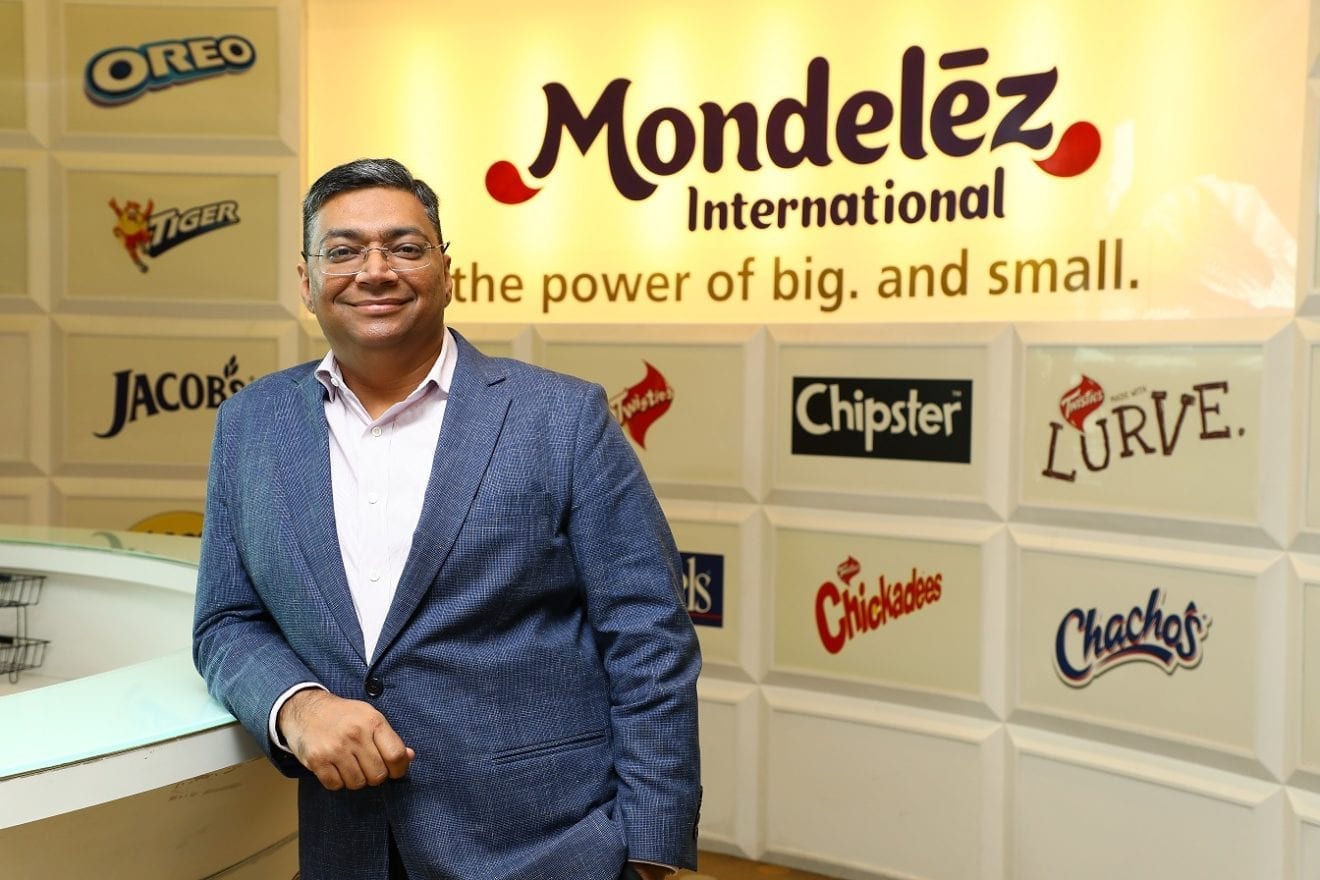
    Mondelez Malaysia, part of Mondelēz International and owner of iconic brands such as Cadbury Dairy Milk, Toblerone, Oreo, Chipsmore and Twisties recently won the Best Halal Chocolate Bar under Heritage Brand for its Cadbury Dairy Milk Chocolates at the Asia Halal Brand Awards 2017 (AHBA). The prestigious award recognises the company’s long-term legacy in making Halal Cadbury chocolates in Malaysia and catering to the local consumers, with its commitment in manufacturing processes and supply chains that are internationally-compliant and halal-certified. Cadbury Dairy Milk chocolates are certified Halal by Jabatan Kemajuan Islam Malaysia (JAKIM) since 2004.

    Swadheen Sharma, Managing Director of Mondelez Malaysia said, “2017 has been an outstanding year for Mondelez Malaysia and being recognised as a prominent Halal brand not only further validates our position, but also demonstrates our continued responsibility towards meeting consumer needs and preferences. We understand how important Halal is to our consumers. Ensuring that all our products made here in Malaysia are Halal is something that we take very seriously.”

    The Asia Halal Brand Awards 2017 (AHBA) aims at promoting prominent Halal brands in Asia that elevate the significance of the brands in the global market. Mondelez Malaysia was awarded because of its stringent manufacturing process to ensure the highest standard of quality, while being compliant to the Halal guidelines. All Mondelez products in Malaysia are certified Halal by JAKIM and 20 percent of products manufactured here are exported to 16 countries worldwide.

    Mondelez Malaysia reinforced its focus on Halal by strengthening its collaborations with authorities and certification bodies, including Halal Industry Development Corporation (HDC), as well as carrying out proactive audits on its products. These initiatives have collectively strengthened consumers’ confidence in Cadbury Dairy Milk Chocolates as a Halal-certified product.

    Mondelez Malaysia maintained its strong presence in the country in three core categories; chocolate, biscuit and salty snacks. Currently ranked number one in the biscuits category and number two share position in Salty Snacks and a sizeable Candy business, the owner of famous brands such as Cadbury Dairy Milk and Cadbury 5 Star is confident that it would gain back its category leadership in chocolates because of its strong plans and execution roadmaps.

    “Mondelez Malaysia’s positive growth in the chocolate category is driven by our product innovation and portfolio diversification. Over the years, we have had great success with the new products we introduced to the market, such as Marvellous Creations, Cadbury Honey Comb & Nuts, Cadbury 5 Star and Cadbury Dairy Milk Oreo to suit the Malaysian consumers’ taste. These efforts are important for us to keep up with the evolving needs of consumers, while catering to a variety of taste profiles and flavour preferences,” said Vikram Karwal, Associate Director Marketing Chocolates SEA.

    The market will continue to be uncertain in view of the changing dynamic of consumers’ purchasing habits. In sustaining this leadership, Mondelez will focus on building excellence in its sales execution to drive category growth. This includes even deeper partnerships with retailers to improve the shopping experience, faster speed to market, improved freshness and availability.

  • DHL appoints Skerry Palanga as new Country Manager in Papua New Guinea

    DHL appoints Skerry Palanga as new Country Manager in Papua New Guinea

    DHL Global Forwarding, the leading international provider of air, sea and road freight services, has appointed Skerry Palanga as Country Manager, Papua New Guinea. With the appointment, Palanga will lead and manage the country’s operations and be responsible for driving its business growth.

    Prior to this appointment, Palanga was the National Operations Manager where he was instrumental in the set-up and transportation of telecommunication equipment for the first mobile network in Papua New Guinea. While directing the mammoth project, Palanga managed the entire logistics solution which covered numerous sites across the country. During his 14-year tenure in DHL Global Forwarding, Palanga had also successfully established the operations in Port Moresby and Lae which has remained sustainable today.

    Kelvin Leung, CEO, DHL Global Forwarding, Asia Pacific, said, “A veteran freight forwarding professional, Skerry has built a wealth of experience and first-hand knowledge of day-to-day operations — having risen through the ranks in DHL over the last 14 years.  His appointment to this new role is a valuable addition to DHL, as we continue to expand our footprint in Asia Pacific. With his strong knowledge of the country, I’m confident that Skerry will bring with him the agility and flexibility needed to help us realize this market’s full potential, amid the anticipated growth in freight volumes.”

    Based in Port Moresby, Papua New Guinea, Palanga will report to Tony Boll, CEO, DHL Global Forwarding, South Pacific.

    Tony Boll, CEO, DHL Global Forwarding, South Pacific, said, “We are delighted to welcome Skerry onboard as we further our growth momentum in Papua New Guinea. We have every confidence that Skerry will continue to drive great business outcomes — supported by his extensive industry experience and in-depth knowledge of the local business culture. We look forward to achieving new and greater heights in this market, as we continue to capitalize on rich growth opportunities within the South Pacific region.”

    Skerry Palanga, the newly-appointed Country Manager for Papua New Guinea, DHL Global Forwarding said, “I am excited to lead the charge in nurturing our business in Papua New Guinea — a market that presents tremendous opportunities. I believe that my keen appreciation of the local culture and business practices will be a strong asset in guiding DHL’s growth in the country. Our biggest achievements are ahead of us — and I look forward to delivering the highest standards of excellence to our customers, with the support of a talented and committed team.”

    A citizen of Papua New Guinea, Palanga brings over 16 years of industry experience across various roles within the logistics industry. Since starting with Danzas AEI in 2001, Palanga has accumulated 14 years of experience with DHL. In his various roles at DHL that included Air Freight Export Supervisor and Air Freight Export Manager, Palanga has been involved in different aspects of the business — operations, sales, finance and human resources.

  • Indonesia AirAsia adds two Singapore services on same day

    Indonesia AirAsia adds two Singapore services on same day

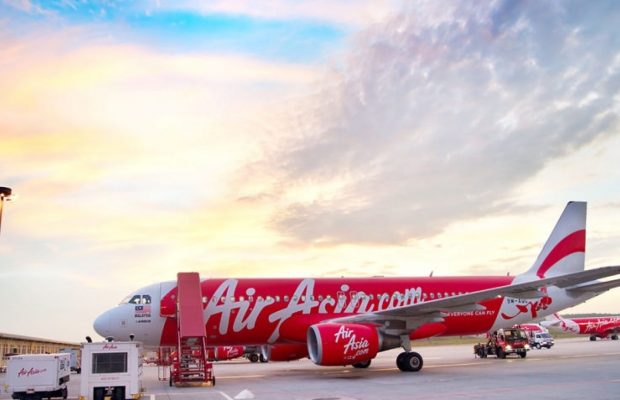
    Indonesia AirAsia added two new Singapore (SIN) services from Medan (KNO) and Padang (PDG) on 9 February. The 621-kilometre Medan link and the 472-kilometre Padang connection will both be served with daily flights operated by A320s.

    The LCC faces incumbent competition on the Medan-Singapore airport pair which is already served by SilkAir with double-daily flights, Jetstar Asia, which has 12 weekly frequencies, and Garuda Indonesia which operates daily flights. However there is no direct competition on the Padang route.

    AirAsia Singapore CEO Logan Velaitham said: “The inaugural flights to Padang and Medan emphasise our commitment to expand Singapore’s network as one of AirAsia’s hubs by linking up to new cities in Indonesia. In 2017, AirAsia Group carried a total of 4.3 million passengers to and from Singapore, an increase of 1.8% from the previous year.”

  • Newcomer Logistics Firm Iruna eLogistics Seeks to Empower E-Commerce

    Newcomer Logistics Firm Iruna eLogistics Seeks to Empower E-Commerce

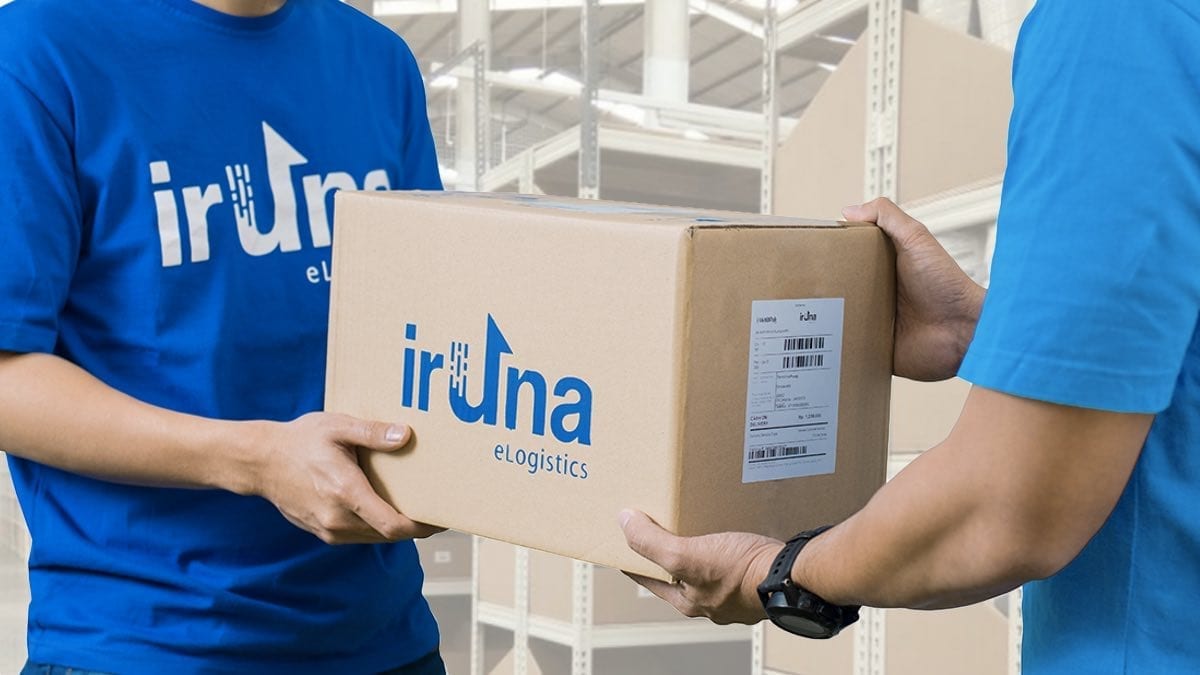
    Iruna eLogistics, a logistics startup company, plans to open two new fulfillment centers in Surabaya and Medan by the end of this year as part of its rapid expansion to provide back-end logistics services to Indonesia’s small and medium-sized enterprises.

    Indonesia’s small and medium-sized businesses have embraced e-commerce and digital marketing platforms to boost sales in the last two years. However, they often find high warehousing and transportation costs expensive and experience complications in tracking inventory, which in turn hinder growth.

    Iruna, which was founded by logistic veteran Yan Hendry Jauwena last December, tries to address the problem by offering integrated logistics solutions which manage the storage, packaging, handling and delivery of items for small business.

    “We wanted to improve the ecosystem by taking care of the back-end issues involved in online commerce. That way the small and medium-sized businesses can focus only on the production and marketing of their products,” Maria Bebasari, Iruna’s vice president for marketing and communication, said on Tuesday.

    Currently, Iruna handles delivery of more than 1,000 types of items a day, ranging from tiny soaps to bulky furniture from its 5,000-square-meter space in Sunter, North Jakarta. The facility is equipped with freezers and coolers to handle food and beverage delivery as well as secured storage for items worth more than Rp 5 million ($374), Maria said.

    Still, the company is not yet able to transport gold — which requires a separate license — or living plants or animals, she said.

    Iruna plans to open similar facilities in Surabaya next month and in Medan by the end of the year, occupying an area of 2,000 to 3,000 square meters each, Maria said.

    Maria said e-commerce consumers are concentrated in big cities despite vendors being spread out across the archipelago, making it costly for individual item delivery.

    “It’s more economical for both the producers and consumers if the delivery is done from our warehouse,” Maria said, adding that their storage and handling facilities differentiate the company from existing logistics firms like state-owned Pos Indonesia, Tiki or JNE.

    Maria said that Iruna targets to deliver 1 million different types of items and add six more fulfillment centers across the archipelago over the next three years, fully confident in the country’s e-commerce prospects.

    Indonesia e-commerce market is projected to reach $130 billion in sales by 2020, according to an estimate from the Ministry of Communication and Information Technology.

  • DHL orders Boeing converted freighter at the Singapore airshow

    DHL orders Boeing converted freighter at the Singapore airshow

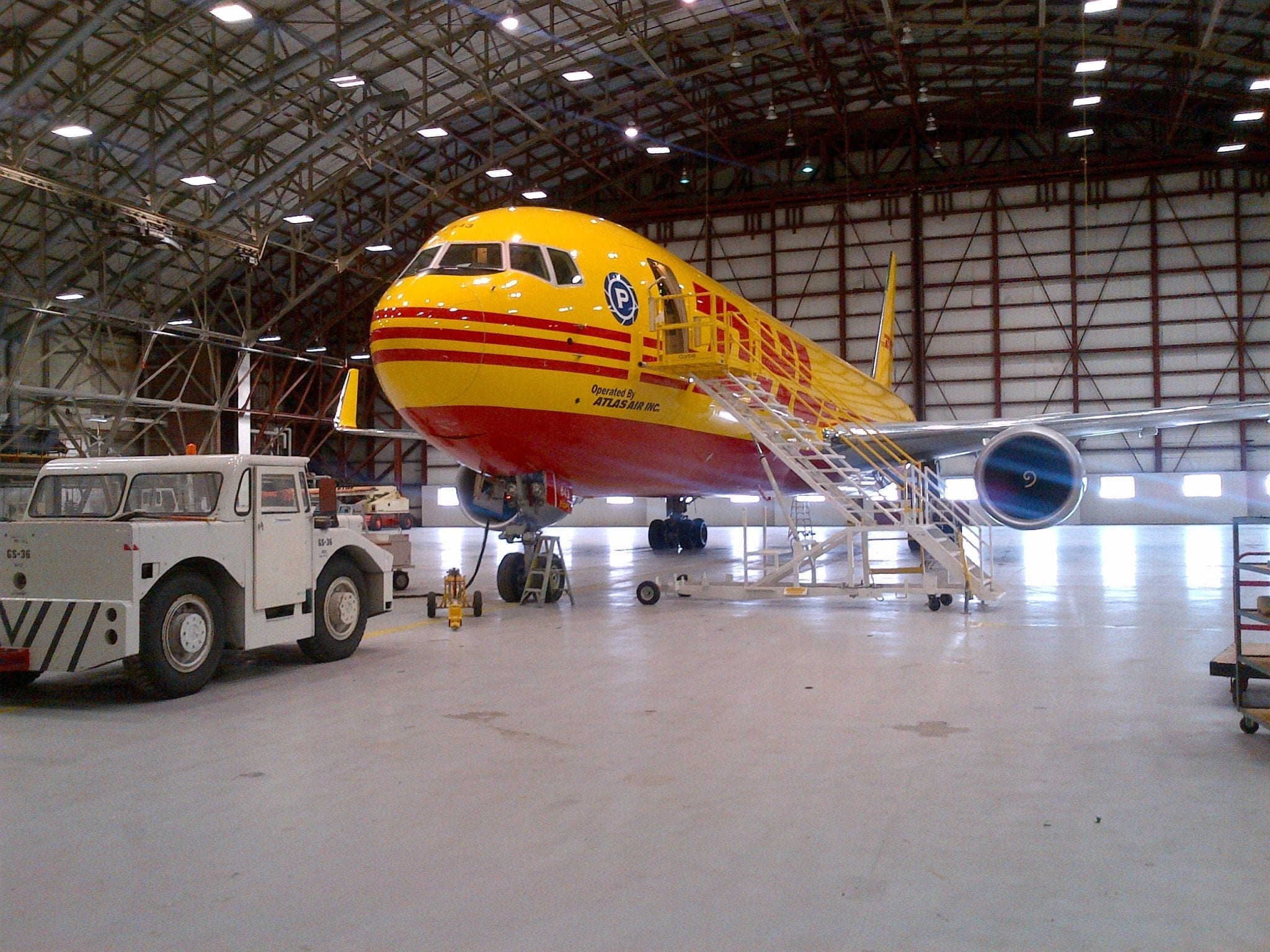
    Express firm DHL has ordered a converted freighter from Boeing as the aircraft manufacturer secures service deals valued at more than $900m during the Singapore airshow.

    The DHL order is for a B767-300ER Boeing converted freighter, which the manufacturer said could carry “high-density cargo on long-range routes, as well as e-commerce cargo on domestic and regional routes”.

    A list of other service deals signed at the show can be found here.

  • Xiaomi to open the first ever authorized Mi Store in the Philippines

    Xiaomi to open the first ever authorized Mi Store in the Philippines

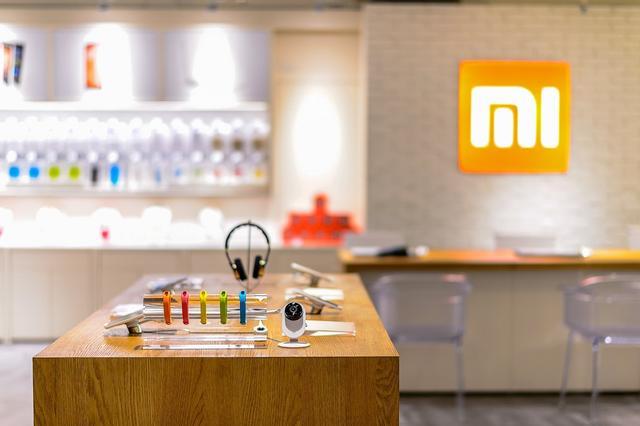
    The first authorised Philippine Mi Store is set to open on February 17 at Ayala’s TriNoma Mall in Quezon City.

    Chinese electronics and appliances maker Xiaomi will showcase its three new Redmi 5 smartphone models in the first quarter this year: the Redmi 5A, Redmi 5 and the Redmi 5 Plus.

    After the success of Mi Stores in Hong Kong and greater China, Xiaomi plans to open more flagship outlets in Asian cities as it tries to lift its market share, especially in the smartphone sector. The stores also sell small home appliances, like vacuum cleaners, flat screen TVs and computer accessories.

    The company is also planning to expand its network in Thailand by opening a representative office in Bangkok and partnering with local telecom operators and retailers to set up over 190 stores and concessions.

    India and Indonesia are its next two target markets.

  • Under Armour Asia saves the brand globally

    Under Armour Asia saves the brand globally

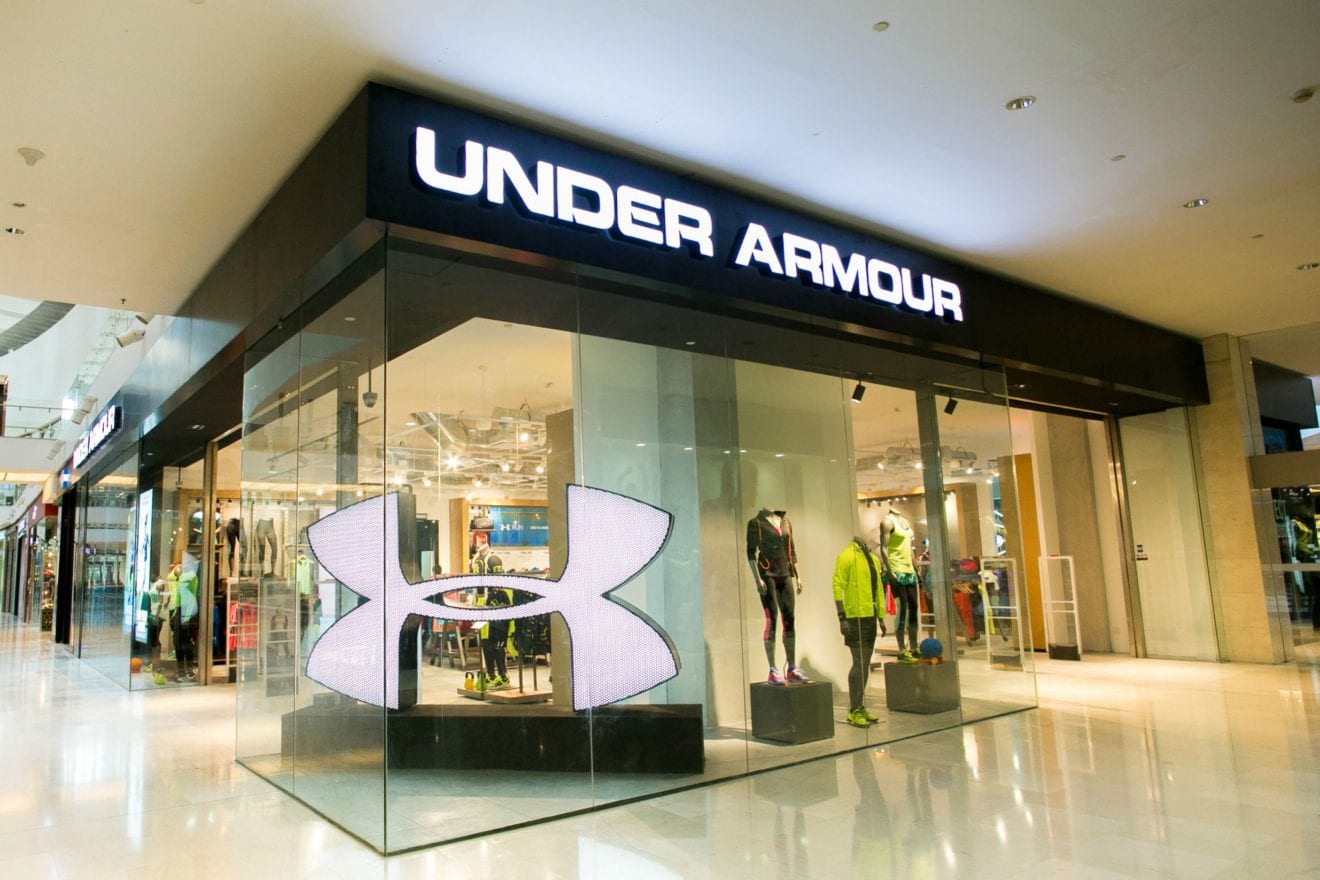
    Under Armour Asia sales soared 61 per cent in the 12 months to December – a highlight in the US-headquartered sportswear retailer’s year in which it lost US$48 million.

    Global revenue was up a mere 3 per cent to $5 billion with the company losing ground in the wholesale sector, but raising its direct sales – which now account for 35 per cent of turnover – by 14 per cent.

    Asia was by far Under Armour’s top-performing market, with sales in Latin America up 28 per cent and in Europe, Middle East and Africa, by 42 per cent. It is in the company’s core North American market where the damage is being done – sales fell 5 per cent

    The loss was caused by restructuring costs and impairments of $124 million. Those excluded, Under Armour achieved an operating surplus of $87 million.

    While noting a small improvement in the company’s fourth quarter, retail analyst Neil Saunders, MD of GlobalData Retail, said the results “show signs of a company in difficulty”.

    Fourth-quarter sales rose 4.6 per cent, a sharp turnaround from the 4.5 per cent decline of the preceding quarter, but that growth came entirely from overseas markets, led by Under Armour Asia, up 66 per cent.

    “While overseas growth is to be applauded, it carries investment costs and also accounts for just 25 per cent of group revenue,” noted Saunders. “As such, Under Armour is reliant on its North American operation to drive performance on both the top and bottom lines. Unfortunately, the North American division had a lamentable quarter and is the main source of Under Armour’s woes.”

    Saunders said the brand has “lost power” in North America.

    “Compared to last year, Under Armour was firmly off the radar for holiday gifting. Far fewer people thought of or requested the brand for gifts, and consequently fewer people bought into it. Under Armour has spent too much time trying to expand its footprint and product coverage, and too little time building connections with customers.”

    He said Under Armour was failing in terms of customer experience.

    “Customer service at some of its own stores leaves a lot to be desired. Meanwhile, expansion into retailers like Kohl’s has weakened exclusivity and made the brand feel commoditised and ubiquitous.”

    GlobalData Retail’s consumer data reveals Under Armour has lost its way, with consumers unsure what the brand stands for, what it specialises in, and why they should use it.

    “For many, it has become something of an also-ran,” said Saunders. “These shallow roots are dangerous: they leave Under Armour vulnerable to competition and the vagaries of changing market conditions.”

    In contrast, rival Lululemon has a very clear sense of identity, and its approach is more disciplined and focused, which has helped it maintain price integrity and remain a destination of choice for many consumers.

    “While we do not believe that Under Armour should simply emulate Lululemon, we do think it can learn some lessons from its playbook.”

    Saunders said Under Armour has already warned of further full-year revenue decline in North America this year and operating profit will also be weak thanks to restructuring and impairment costs.

    “For all of this, Under Armour still has potential; but it needs to use the year ahead to regroup and rethink its strategy. The company that once believed it could challenge Nike has come down to earth with a bump. Humble reflection is now the order of the day.”

  • Suntec City Inks Partnership with Alipay To Attract Chinese Tourists

    Suntec City Inks Partnership with Alipay To Attract Chinese Tourists

    Suntec City and Alipay are pleased to announce today that they have inked a two-year partnership to launch Alipay touchpoints in Suntec City.

    The two-year partnership between Suntec City, one of Singapore’s largest shopping malls and Alipay, the world’s largest mobile payment and lifestyle platform operated by Ant Financial Services Group, is set to attract more Chinese tourists and enhance their shopping experience at Suntec City.

    Under the partnership, approximately 350 retail establishments in Suntec City will progressively roll out Alipay as a payment option for Chinese tourists. By July 2018, the partners plan to cover 60% of the stores with Alipay touchpoints.

    To enable merchants to leverage on the Alipay platform to engage Chinese tourists, Alipay and its acquirer partners will jointly organize a series of workshops to sign up with Alipay and to promote merchants’ businesses on the Alipay platform. Acquirers also provide hands-on training to merchants to operate the Alipay payment terminal and manage strategic content feature of merchants’ offers. Alipay has also launched a dedicated Suntec City microsite within its app to provide ongoing publicity to Suntec City and its merchants. The current joint marketing campaign with Suntec City on Alipay’s app, from now till Mar 2018, offers a ¥25 F&B voucher and a ¥50 retail voucher which can be used at participating merchants in Suntec City.

    Mr. Chan Kong Leong, Chief Executive Officer of Suntec Real Estate Investment Trust, which owns Suntec City said, “With an extensive range of shopping, dining and entertainment offerings coupled with the iconic Fountain of Wealth as well as being the embarkation point for the Duck & Hippo Tours, Suntec City is a popular destination amongst tourists. We are delighted to partner Alipay to offer our Chinese shoppers a seamless payment system that they are familiar with. This partnership with the market leader in mobile and online payment platforms is a great opportunity for us to elevate engagement with our shoppers in the digital space.”

    “Suntec City is a must-visit shopping destination among Chinese tourists and business delegates who convene at Suntec Singapore for exhibitions, seminars and conferences. We are happy to partner with Suntec City to deploy Alipay touchpoints in the mall for Chinese visitors who are looking for the best of retail and lifestyle offerings and the same seamless shopping experiences that they enjoy at home. At the same time, we are very excited to help merchants in Suntec City connect with Chinese visitors.” said Cherry Huang, General Manager, Cross-border Business for South and Southeast Asia, Alipay.

    According to the Singapore Tourism Board, Singapore received 15.9 million international visitors in the first 11 months of 2017, during which, the number of visitors from China reached close to 3 million, a stellar 13.1% increase from a year ago. This also makes China the single largest contributing country to Singapore’s tourism industry.

  • Centara signs agreement with TreePay for mobile payment solution

    Centara signs agreement with TreePay for mobile payment solution

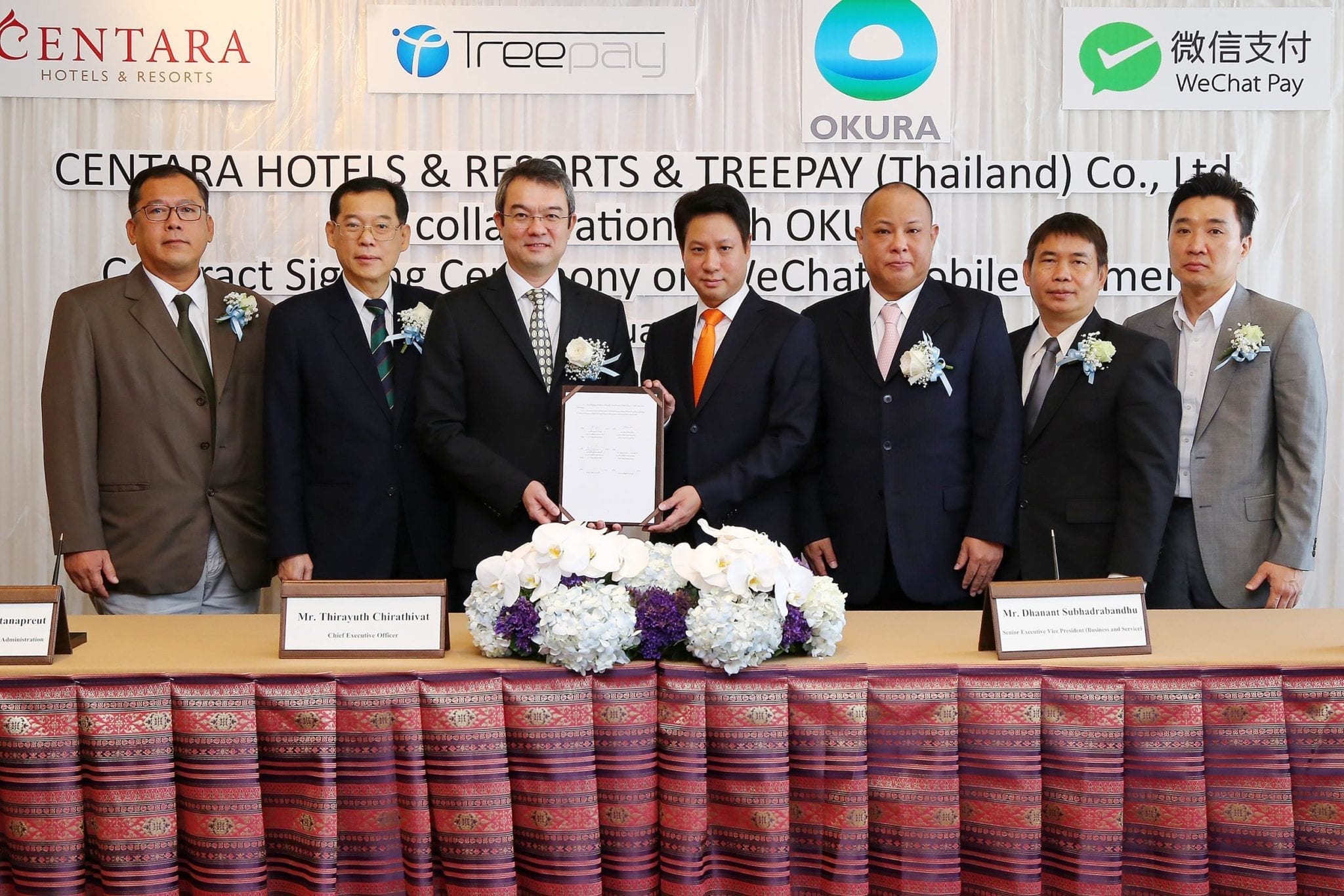
    Centara Hotels & Resorts, Thailand’s leading hotel operator, yesterday signed an agreement with TreePay Co., Ltd., a specialised payment facilitator, to develop a system to allow Chinese customers to use their mobile phones to pay for accommodations and services at Centara properties. This will begin with Wechat Pay. Chinese tourists are an important market for Centara and mobile payments using apps like WeChat are extremely popular with Chinese consumers. Centara chose TreePay, a collaboration between CAT Telecom, SKT, and NHN KCP, to help it serve its Chinese guests more conveniently. Okura Co., Ltd. will be the project consultant.

    “Our goal to double in size over the next five years will be achieved by serving growing markets better,” said Centara’s CEO Thirayuth Chirathivat. “Our strategies include opening new properties in China as well as attracting more Chinese to our hotels in Thailand and elsewhere. One way we do this is by improving our service infrastructure. Being able to accept mobile payments is an important component.”

    Centara aims to double its number of properties and become a familiar name for travellers throughout Asia, the Indian Ocean and Middle East. The company bases its confidence on a successful formula of Thai hospitality, excellent food, a variety of formats, and family-friendly hotels, in great destinations. It is also investing in technology to serve customers more efficiently through multilingual websites, on their devices, and with high-tech services at Centara hotels.

    The TreePay solution will first be introduced at Centara’s hotels and resorts in Thailand within 2018, then rolled out to the company’s other properties.

    “We look forward to making our destinations more welcoming and convenient for our Chinese guests, and supporting the expansion of Chinese tourism in this region and the world,” added Chirativat.

    Suvicha Nalita, Chief Executive Officer of TreePay (Thailand) Ltd., said “TreePay will be providing China Payment services to Centara Hotels and Resorts, starting with Wechat Pay mobile payments. We aim to become an Omni channel payment facilitator providing a single connection for all payment channels and types. Besides our expertise in payment platforms, we also strive to differentiate ourselves in this competitive market.”