Author: Mei Ling Tan

  • Gold Phantom Opéra de Paris | Devialet limited edition in Asia Pacific

    Gold Phantom Opéra de Paris | Devialet limited edition in Asia Pacific

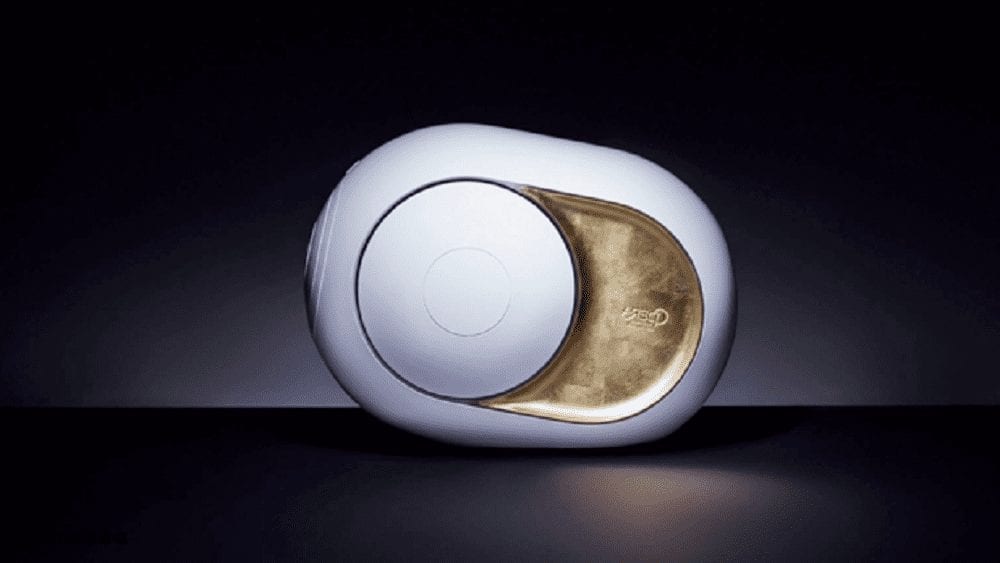
    Following the announcement of their 10-year partnership, Devialet is releasing a limited supply of Gold Phantom Opéra de Paris | Devialet to its key flagships across Asia Pacific region.

    The partnership and licence agreement will see the two organisations work together upon a shared vision of excellence and strong ties to France’s musical and historical heritage.

    The three main focuses of the project will be a Devialet sound discovery area within the Palais Garnier, a co-branded product line, and an Opera “hors les murs” (outside the walls) project, offering a new way to listen to and experience opera.

    Jean-Philippe Thiellay, Deputy General Director of the Paris Opera said; “The search for new forms of outreach and development is an integral part of our mission. Devialet is a magnificent partner for us, with a uniquely French take on innovation and excellence that is completely in line with the Opera’s own vision. The Paris Opera will celebrate its 350th anniversary in 2019, and is constantly seeking new ways to reinvent itself as an institution.”

    Devialet can claim such a partnership as one of its kind and Quentin Sannié, cofounder and CEO of Devialet commented :  “Working alongside the Paris Opera, a symbol of excellence, and having a presence in the Palais Garnier, the visionary work of an innovator of his time, has been a dream for almost 10 years. We want to use this project to contribute to the influence of French creativity around the world.”

    Retail in Asia joined the launch of the limited edition of 88 pieces available in Hong Kong. Hong Kong is one of three chosen destinations in the world to release the covetable collection’s edition otherwise only available within the sound discovery area of the Opera Garnier, Paris.

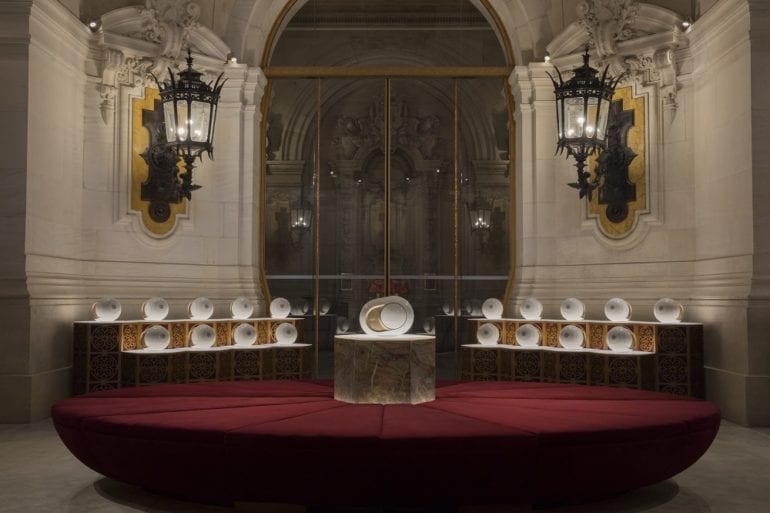
    The launch at the Devialet private lounge in Lee Garden One in Causeway Bay presented the Gold Phantom Opéra de Paris | Devialet as if it was an artwork dominating the hall. Once unveiled, the guests were transported to the Opéra de Paris on the musical notes of the The Phantom of the Opera.

    Drawing on the iconic gilded interiors of the Auditorium, each Gold Phantom Opéra de Paris | Devialet features the Paris Opera logo and gold leaf gills finished by Ateliers Gohard, according to meticulous and time-honored oil gilding methods.
    Handed down across 3 generations of traditional and fine application, they have treated each of Phantom’s side panels with the same original mastery used to restore and illuminate the gold of the Palais Garnier itself.

    The design, being finished by Ateliers Gohard makes the collaboration between Opéra de Paris and Devialet a 360 degree experience of the excellence of French art in its myriad of realizations.

    Each gold leaf is applied by hand for a unique and irreplaceable patina. Once the leaf has been applied, it cannot be removed. Absolute perfection is required first time round.
  • Bursa Malaysia rebounds to open higher

    Bursa Malaysia rebounds to open higher

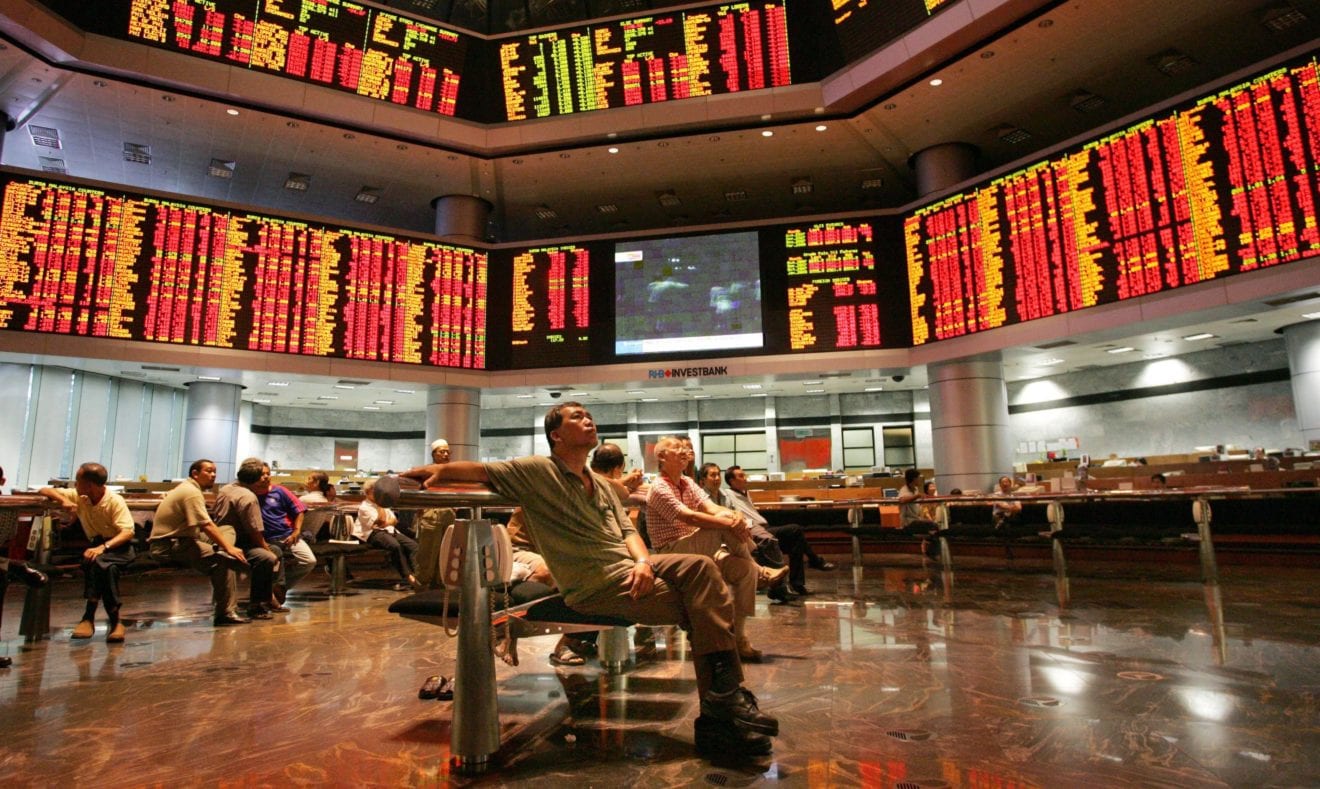
    Bursa Malaysia rebounded from yesterday’s losses to open slightly higher today on renewed buying interest in selected heavyweights, amid a mixed start on regional markets, dealers said.

    At 9.10am, the benchmark FTSE Bursa Malaysia KLCI (FBM KLCI) stood at 1,824.10, up 2.50 points, from yesterday’s close of 1,821.60.It opened 1.79 points higher at 1,823.39.

    Overall market breadth was slightly positive with gainers leading losers 142 to 121, while 211 counters were unchanged, 1,386 untraded and 33 others suspended.

    Turnover stood at 190.75 million shares worth RM86.95 million.

    Kenanga Research expected the benchmark index to move towards the resistance level of 1,840 points and 1,866 points, while any near-term weakness is likely to be short-term in nature.

    “Immediate support is seen at the psychological level of 1,800 points and 1,793 points next, where investors can look forward to buying on dips,” it said in a research note today.

    Among heavyweights, Maybank was flat at RM9.86, Public Bank slipped two sen to RM20.86, while TNB rose 12 sen to RM15.72, with Petronas Chemicals and CIMB Bank up two sen each to RM8.19 and RM6.82, respectively.

    Of the actives, Sumatec earned half-a-sen to 10 sen, UMW O&G and Perisai Petroleum were flat at 34.5 sen and 6.5 sen, while Sino Hua-An fell one sen to 46 sen.

    The FBM Emas Index was 10.95 points higher at 13,151.05, the FBMT 100 Index rose 10.64 points to 12,815.42, but the FBM 70 shed 9.87 points to 16,374.26.

    The FBM Emas Syariah Index went up 23.80 points to 13,591.17, but the FBM Ace eased 0.95 of-a-point to 6,682.31.

    Sector-wise, the Finance Index improved 5.53 points to 17,195.59 and the Plantation Index declined 10.76 points to 8,058.29, while the Industrial Index advanced 15.03 points to 3,327.68.

    The physical price of gold as at 9.30am stood at RM162.85 per gramme, down 0.61 sen from RM163.46 at 5pm yesterday.

  • Moonshot cosmetics opened store at T Galleria

    Moonshot cosmetics opened store at T Galleria

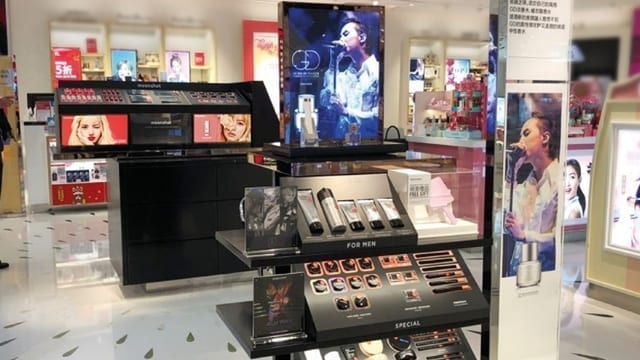
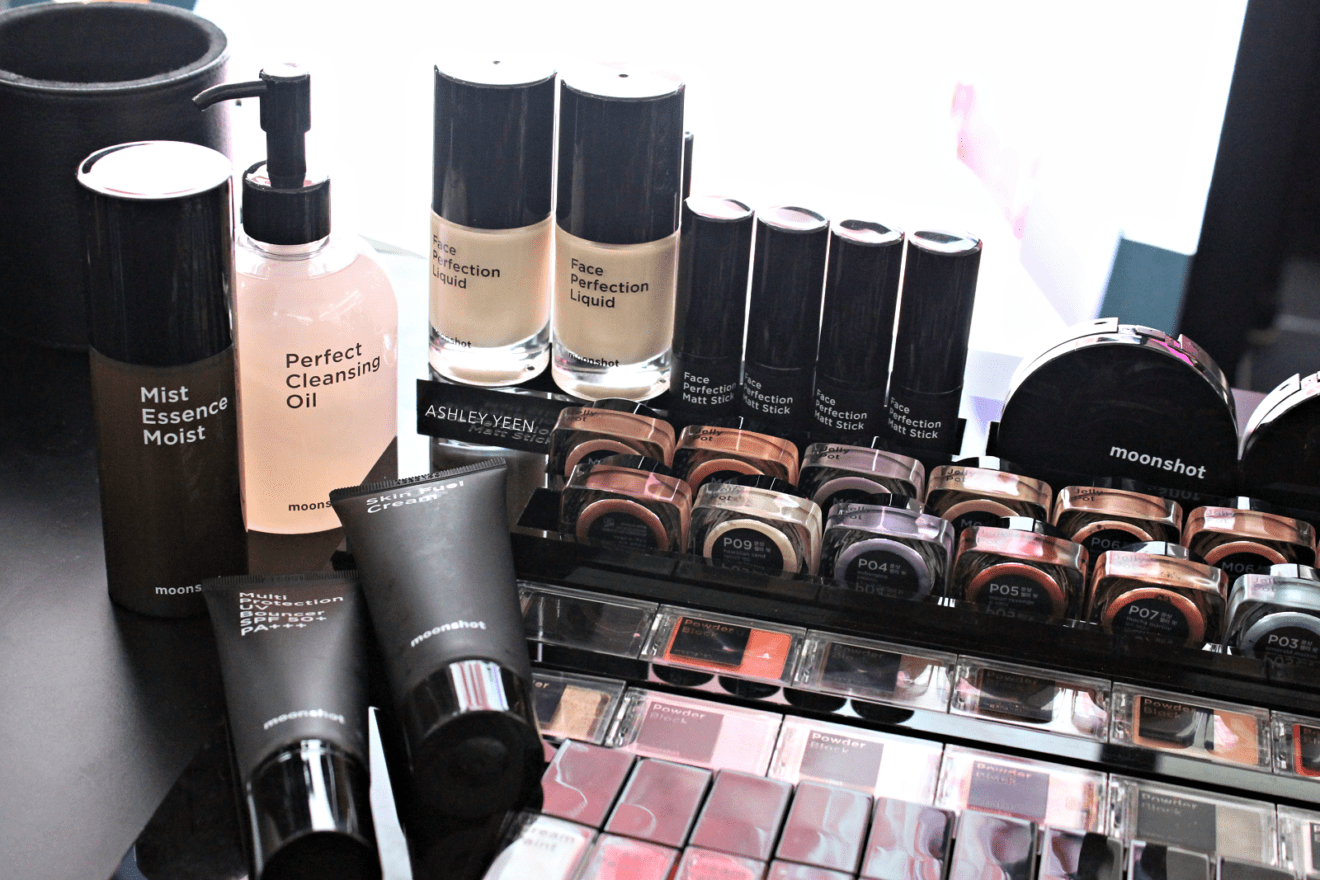
    Korean brand Moonshot cosmetics has opened its first Hong Kong outlet at T Galleria, operated by DFS Group. Before launching in T Galleria, Moonshot was distributed in Hong Kong and Macau through Sasa stores.

    Last year, the brand opened three stores in Malaysia after a long term association with Sephora.

    After Hong Kong, Moonshot is planning to enter China, Indonesia, the Philippines and Thailand. Moonshot was founded by YG Plus, a subsidiary of YG Entertainment in 2015.

  • Perodua aims for 2% growth in car sales this year

    Perodua aims for 2% growth in car sales this year

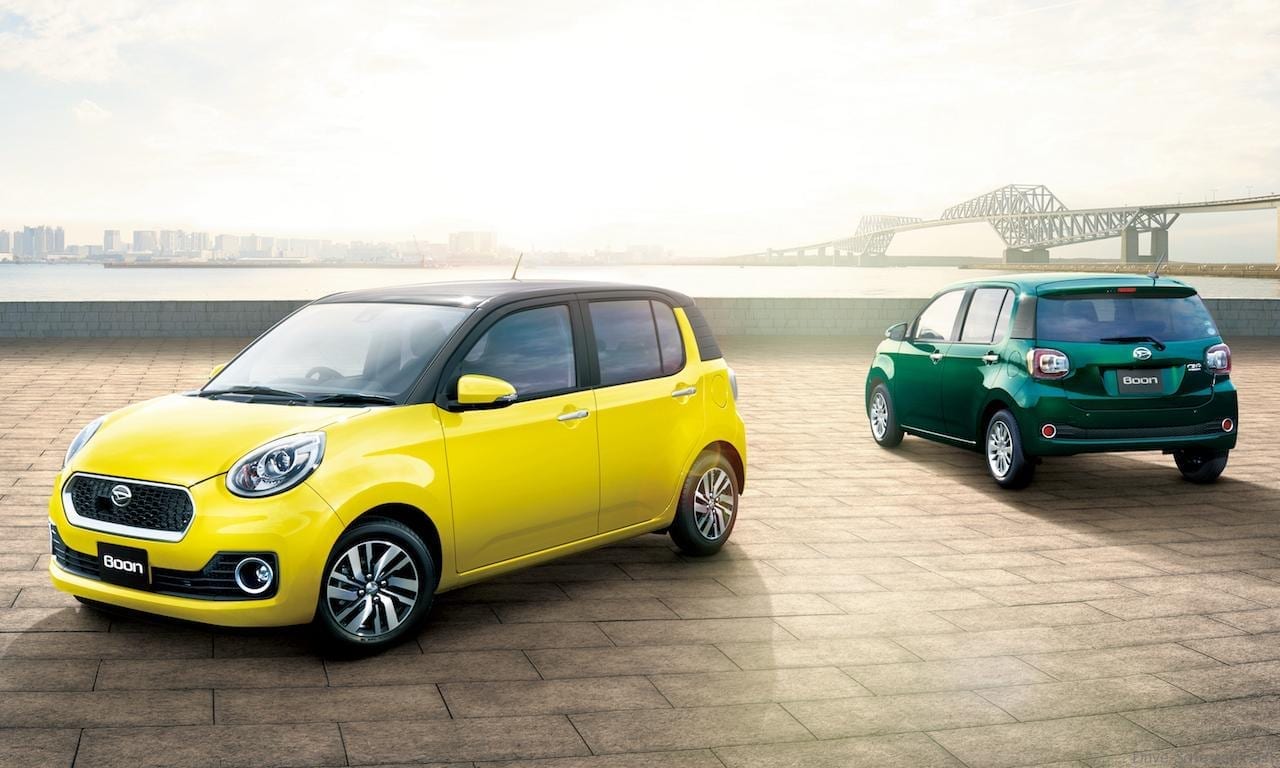
    Perusahaan Otomobil Kedua Sdn Bhd (Perodua) is targeting for the sale of 209,000 vehicles this year, which is a 2% jump from the 204,900 units sold in 2017.

    Speaking to reporters at the 2017 full year review briefing, Perodua’s president and CEO Datuk Dr Aminar Rashid Salleh said, this year the car maker is focusing on maximising the sales potential of all its models to meet its target.

    Production of vehicles is also expected to be ramped up to 215,334 units compared to the 200,146 vehicles produced last year.

    Aminar said that due to unfavourable foreign exchange conditions the company may focus more on the exports of parts and accessories instead of complete built-ups.

    Perodua currently exports to countries such as Indonesia, Mauritius, Sri Lanka and Fiji.


  • Rubber giant plans IPO

    Rubber giant plans IPO

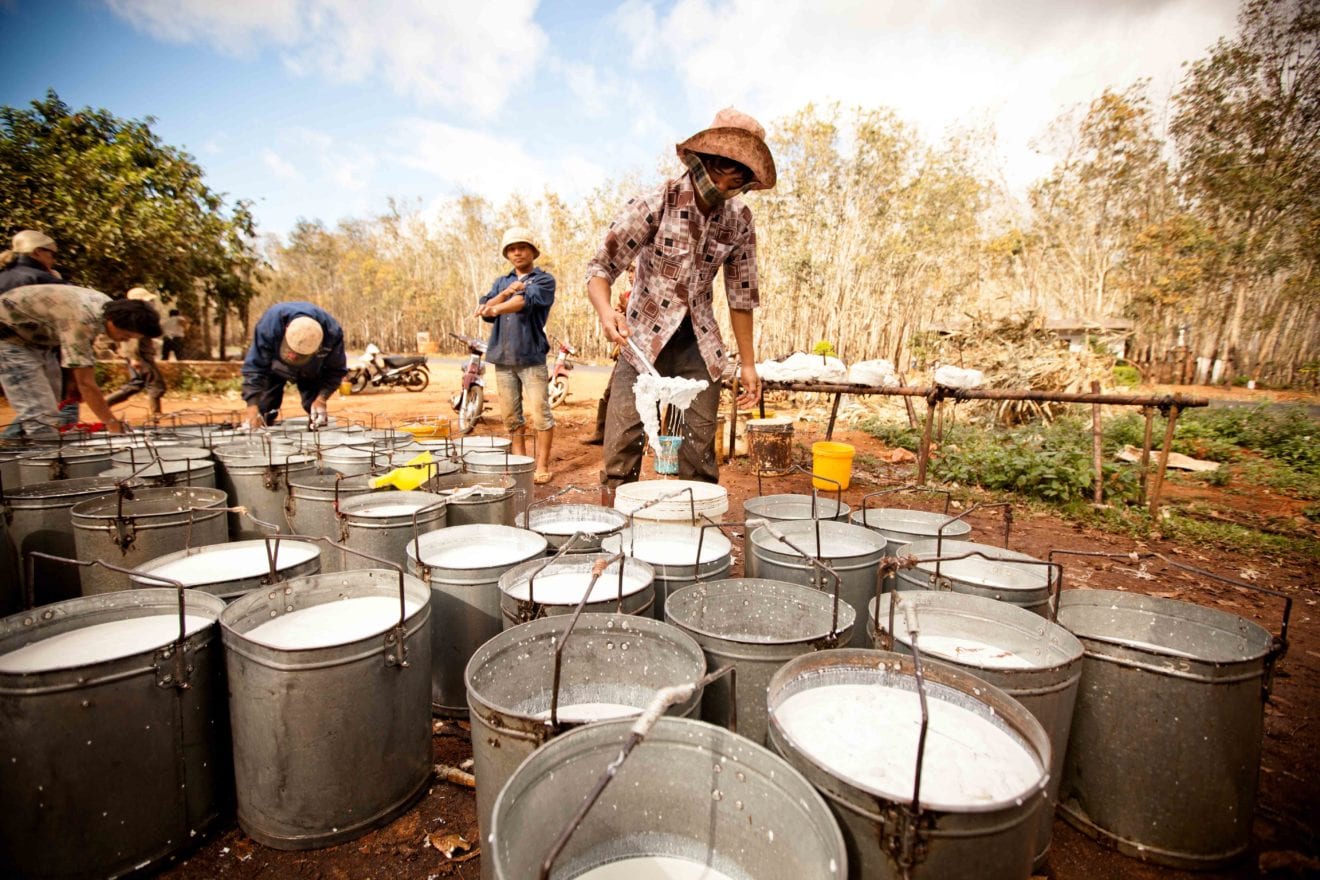
    Việt Nam Rubber Group is expected to list its shares on the HCM Stock Exchange in June or July after its initial public offering on February 2.

    Phạm Văn Thành, head of VRG’s planning and investment department, revealed the IPO road map at an event on January 18.

    The corporation will auction 475 million shares, equivalent to 11.88 per cent of its total chartered capital of VNĐ40 trillion (US$1.76 billion).

    A similar number will be offered to strategic investors with 831,000 shares earmarked for employees and the trade union.

    The State will retain three billion shares or 75 per cent of the capital after equitisation. The minimum price for the auction has been set at VNĐ13,000.

    Investors have to submit their bids by January 31.

    A month after the IPO, VRG would list on UPCoM, and by June or July at the latest in HCM Stock Exchange, Thành said.

    Last year, the group achieved VNĐ3.6 trillion in net profit on revenues of VNĐ19 trillion, easily achieving the targets it had set at the beginning of last year. The group’s core business is natural rubber, which brings around 70 per cent of its total revenues.

    According to a Vietcombank Securities (VCBS) report, VRG enjoyed a good year in 2017 thanks to the strong global recovery in natural rubber prices.

    VCBS has a positive outlook for the group in 2018 since the price of rubber will still remain high.

    Besides, old rubber trees would be a large source of income, the report said.

    VCBS has recommended a reasonable price of VNĐ16,660 for the share in the IPO.

  • GFG Group appoints CEO

    GFG Group appoints CEO

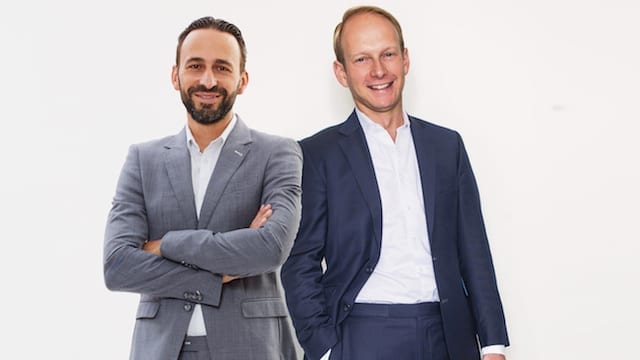
    Online fashion destination Global Fashion Group (GFG) has appointed co-CEOs, who will take up their roles on February 1.

    Patrick Schmidt and Christoph Barchewitz will be responsible for the overall strategic and working development of GFG, working with the management teams of GFG’s fully owned regional businesses Dafiti (Latin America), Lamoda (Russia/CIS), Zalora (Southeast Asia) and The Iconic (Australia/New Zealand), as well as minority-owned Namshi (Middle East).

    “Patrick and Christoph are the perfect fit for the next chapter of GFG,” says chairman Cynthia Gordon. “Patrick has built The Iconic into the market leader in its region, increasing revenue by eight times in four years.

    “Christoph has established a broad understanding of all five regional businesses through his role on the board of GFG since 2015. He was responsible for key strategic alliances such as the Ayala/Zalora joint venture in the Philippines and the Emaar Malls/Namshi partnership in the Middle East.”

    Schmidt says that when he joined The Iconic four and a half years ago, he saw a company with unlimited growth potential. He will continue as CEO of The Iconic until a successor is named. Before The Iconic, Schmidt founded Groupon Australia and later oversaw its Latin American business.

    Barchewitz joined GFG from Kinnevik, where he oversaw the e-commerce investment portfolio. He led the creation of GFG in 2014 and has served on its board since 2015. P

    Meanwhile, Kinnevik CEO Georgi Ganev will join the GFG board while Romain Voog steps down as CEO after nearly three years.

  • Positive trend for Burberry sales in Asia

    Positive trend for Burberry sales in Asia

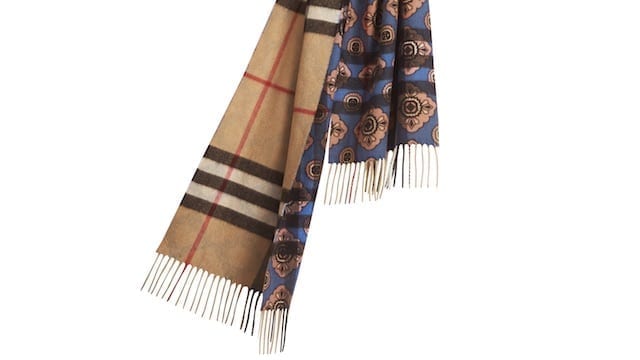
    Burberry sales in Asia rose “by the mid single digits” in the three months to year end, as the company reported a modest 2 per cent same-store improvement gobally.

    Asia Pacific was the strongest performing market for the UK-headquartered luxury retailer, with Mainland China leading the way. Hong Kong sales were “broadly unchanged” year-on-year despite an improvement in domestic trend.

    “Korea saw a better performance from both domestics and tourists, although sales still declined slightly,” the company said.

    “We are making good progress embedding our strategic vision into the organisation and remain on track to meet our full year profit target,” said CEO Marco Gobbetti, in a short statement.

    “We are building on strong foundations and are fully focussed on the successful delivery of our multi-year plan to position Burberry firmly in luxury and deliver long-term sustainable value.”

    Sales in Europe, Middle East, India and Africa decline by a low single digit figure, impacted by unusually strong figures from the UK the previous year.

    While the US was broadly flat, sales overall in the Americas rose marginally.

    Online sales posted solid growth, led by Asia Pacific, with Burberry saying mobile transactions accounted for 40 per cent of turnover online.

    By product, fashion outperformed as customers continued to respond positively to new products across categories.

  • Sportswear brand BARREL enters cosmetics market

    Sportswear brand BARREL enters cosmetics market

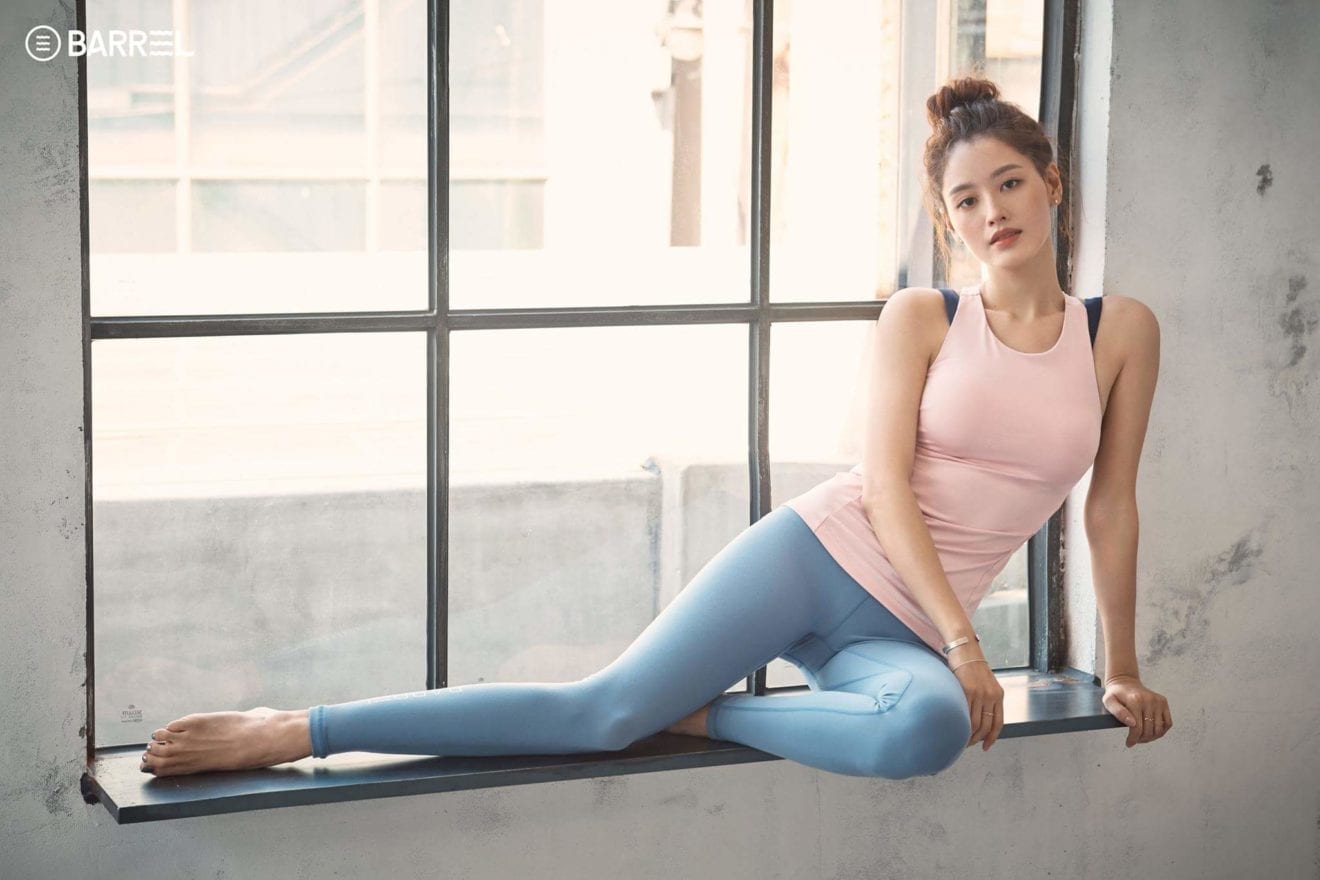
    Sports brand ‘BARREL’ enters cosmetics market with its water-based travel concept.

    BARREL announced its plans to expand its business into cosmetics as well as indoor swimwear and athleisure markets.

    Launched in 2014, BARREL is a company specializing in high-performance water sportswear and athleisure.

    Sales in 2016 reached 24.247 billion won. BARREL is the domestic leader in functional water sportswear ‘rash guard’. The domestic rash guard market was around 130 billion won ~ 200 billion won in 2016.

    BARREL offers a product line that professionally treats and protects skin from external factors such as stress, taking into account skin sensitivity to seasonal and environmental changes.

    The key brand concepts are Activity + Trendy + Safety.

    The activity applies a highly functional daily care solution tailored to the efficacy of clinically proven waterproof based shades, while Trendy introduces multiple complex functional products including wrinkle improvement + anti- aging + UVA / UVB.

    Additionally, the brand plans to offer safe prescription products for NO STRESS.

    The product line is primarily 45 ~ 50 items including UV protection (sun protection, sun stick), skincare, color make up (lipstick, eyebrow, eyeliner), cleansing and body.

    The price rage is middle-low price. Main distribution channel is online. Offline, the products will be sold in drugstore.

    An official of the barrel cosmetics division said, “We will release water based products and color make up with travel concept based on the youthful, healthy, active and trendy brand image in May 2018.”

    “We are planning to expand into a young and healthy concept sports cosmetics brand by expanding the range of waterproof and sweatproof based cosmetics such as color cosmetics and sunblocks,” he added.

  • Tiffany polishes up outlook on holiday sales rise

    Tiffany polishes up outlook on holiday sales rise

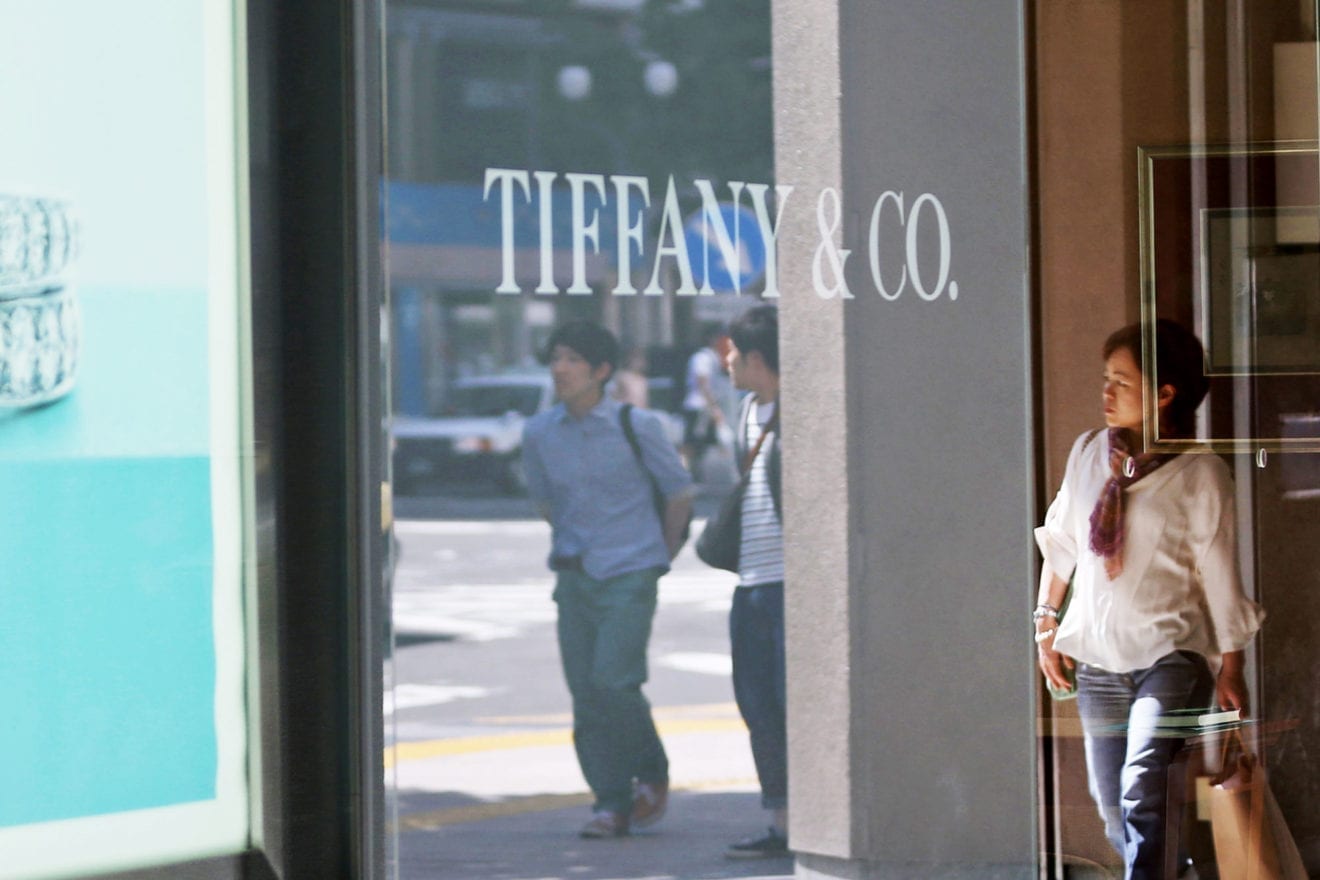
    Tiffany holiday season sales surged 16 per cent in Asia-Pacific, driven by strong performances in Hong Kong, Mainland China and Korea.

    The region accounted for US$232 million of Tiffany’s $1.05 billion global sales in the two months to December 31. The figures were driven by a 7 per cent increase in same-store sales, new store openings and an increase in wholesale turnover, the US-headquartered company said in a statement.

    Management attributed Asia-Pacific retail sales growth primarily to higher spending by local customers.

    On a constant exchange rate basis, total sales and comparable store sales increased 13 per cent and 4 per cent, respectively.

    In Japan, Tiffany holiday season sales increased just 1 per cent to $145 million and comparable store sales were unchanged. Management noted a difficult comparison to exceptionally strong growth in spending attributed to local customers in last year’s holiday period.

    In Europe, Tiffany holiday season sales rose 14 per cent to $136 million and in the Americas by 7 per cent.

    As at December 31, Tiffany operated 316 stores (125 in the Americas, 87 in Asia-Pacific, 54 in Japan, 46 in Europe, and four in the UAE), a net increase of two year-on-year.

    CEO Alessandro Bogliolo, said the company was pleased with the improvement in sales during the holiday period across all regions and categories, both instore and online.

    “While our major fashion jewellery collections continued to perform well, customers were equally excited about our fine jewellery, watches and our new home and accessories collection.

    “This recent return to growth in worldwide comparable store sales, fuelled by a substantial improvement in the Americas and Asia Pacific, is consistent with our commitment to generate solid and sustainable growth in sales, operating margin and earnings that is at least comparable to our industry peers over the long-term.”

  • Johor set to open Capital 21 in August

    Johor set to open Capital 21 in August

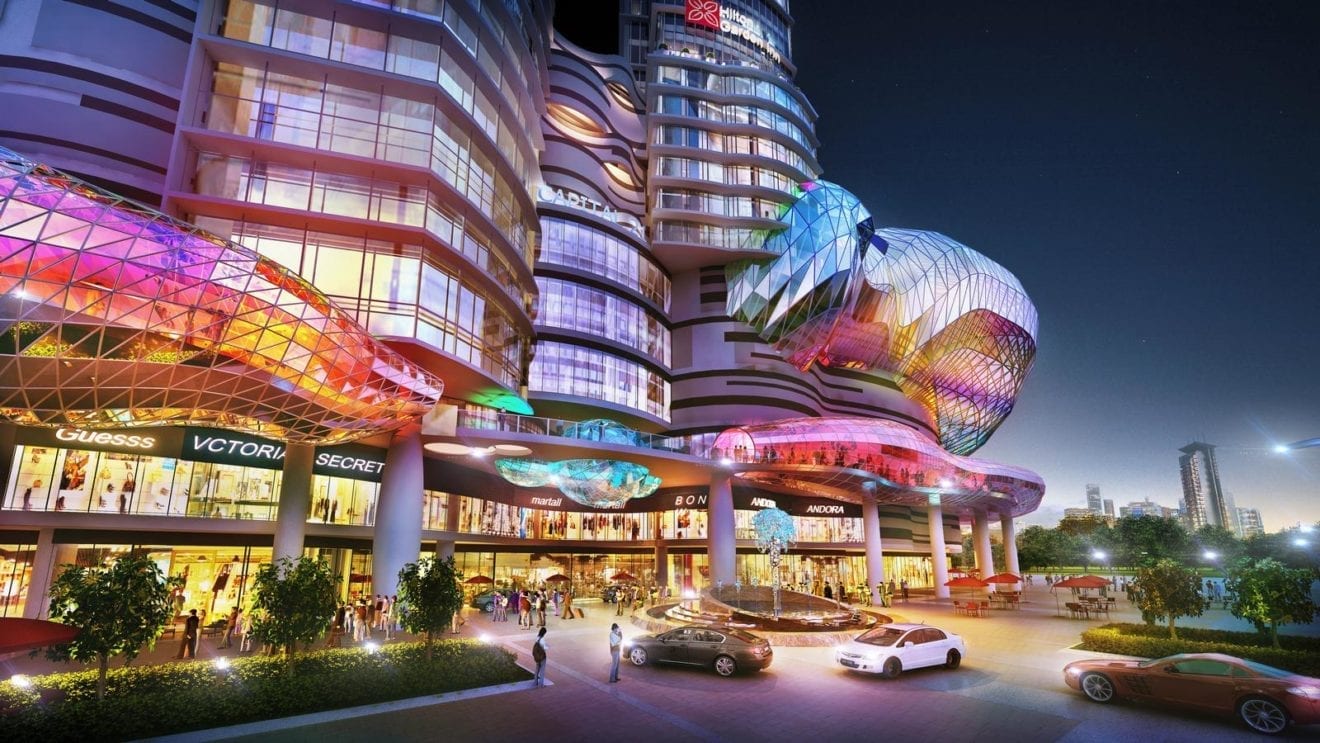
    An August opening date has been set for Malaysia’s Capital 21 mall, with its museum and indoor theme park.

    Initially the development was scheduled to open earlier this year.

    Being developed in Johor Baru by Capital World, the 1.4 million square-foot (130,000sqm) shopping mall will include three floors of retail alongside the MCM Studio indoor theme park, being promoted as the largest in Southeast Asia and the fifth largest in the world.

    It will have three themed sections: Cartoon Planet (animated characters), Movie Planet (Transformers, Dinosaur World and Haunted House themes involving augmented- and virtual-reality technologies) and Music Planet, with a circus tent and also offering music and theatrical events.

    Two hotels are also under development for the complex, a Hilton Garden Inn and The Planet Hotel, both expected to open next year.

    On the mall’s 11th floor, the First World Museum will offer the culture, landmarks and history of 21 countries.

    “With the rise of online shopping and e-commerce, we changed strategy many years ago,” says Capital World group director Siow Chien Fu. “Our theme park is the major attraction for this project, supported by the shopping centre.”

    Near the causeway link to Singapore, Capital World believes the theme park will appeal to its residents despite competition from Universal Studios Singapore.

  • MRCB-Quill REIT’s Q4 net profit down 80% on deficit in revaluation

    MRCB-Quill REIT’s Q4 net profit down 80% on deficit in revaluation

    MRCB-Quill REIT’s (MQREIT) net profit for the fourth quarter ended Dec 31, 2017 plunged 80% on a RM18.2 million deficit in revaluation of its investment properties.

    It made a net profit of RM3.3 million for the quarter under review, compared with Rm16.9 million for the same quarter in 2016.

    This was on 18.3% higher revenue of RM46.1 million, compared with RM38.9 million for the same quarter in 2016.

    The REIT comprises of 10 buildings worth a market value of RM2.2 billion as at Dec 31, 2017.

    In 2017, 14% of MQREIT’s total net lettable area was due for renewal.

    As at Dec 31, 2017, MQREIT successfully renewed approximately 80% of these leases. It is now in active negotiations for the renewal of leases due in 1Q 2018.

    In its filing with Bursa Malaysia, MQREIT said the Klang Valley office market is expected to remain challenging and for 2018, they will focus on asset management and leasing strategies that are centred on tenant retention.

    For the 12 month period ended Dec 31, 2017, MQREIT registered a 11.4% jump in net profit to RM9.9 million, compared with RM62.8 million for the same period in 2016.

    Revenue for the period was 32.8% higher at RM181.5 million, compared with RM136.7 million in 2016.

    Its share price gained one sen to RM1.22 today, with 131,200 shares changing hands.

  • Google to open e-suite office in Shenzhen

    Google to open e-suite office in Shenzhen

    A month after announcing plans to open its first AI lab in China, Google is expanding again through a move into Shenzhen.

    The U.S. tech giant has opened an office in the Chinese city, which borders Hong Kong and known for being a global hardware hub. This is not a fully-blown Google campus, instead the company has taken up space within a serviced office starting this week.

    “We have many important clients and partners in Shenzhen. We are setting up this e-suite office to be able to communicate and work with them better,” a spokesperson said in a statement confirming the news.

    Shenzhen is home to Tencent, the $500 billion firm behind WeChat, and mobile giants Huawei and ZTE, while the likes of Alibaba and Baidu are also present. The city has a thriving maker community, which includes global hardware accelerator program HAX.

    Google currently has offices in Shanghai and Beijing.

    There’s much to dig into around the search giant’s upcoming China-based AI lab, which taps into China’s growing AI talent pool and could signal a move to developing China-focused products. That, plus the re-launch of Google Translate app in China last year, gave fuel to the idea that the firm is ‘back’ in China. The Shenzhen presence is a more subtle development, a nod to the importance of the city for Google’s business.

    The Shenzhen office is likely to be used by a number of teams that already spend a lot of time in the city. Google decided that something more permanent was preferable to working out of hotels or public spaces. The firm’s China-based sales team, its hardware team and those in logistics, sourcing, supply are most likely to make use of it.

    Further down the line it seems possible that Google might opt for an office space that is more permanent — and more Googly — but for now we understand that there’s no timeline for that.

    The Shenzhen base also reflects Google’s position following its $1.1 billion deal to acquire a large chunk of HTC’s smartphone business. As a report from The Information recently noted, Google has also ramped up its hardware efforts in China. Its headcount for its Shanghai-based hardware engineering jumped to more than 100 from just 20 one year ago, the publication said.

    “I expect Google to make its Home products and more in Shenzhen. No doubt they have staff visiting frequently,” Benjamin Joffe, General Partner at HAX said.

    “Considering the push they had at CES and the fact that they are expanding the product line there will probably be more Googlers to join the ranks of Apple, Amazon and other companies’ staff in the watering holes and eateries of Shenzhen, in Nanshan or Futian,” he added.

  • Uniqlo to expand to Sweden

    Uniqlo to expand to Sweden

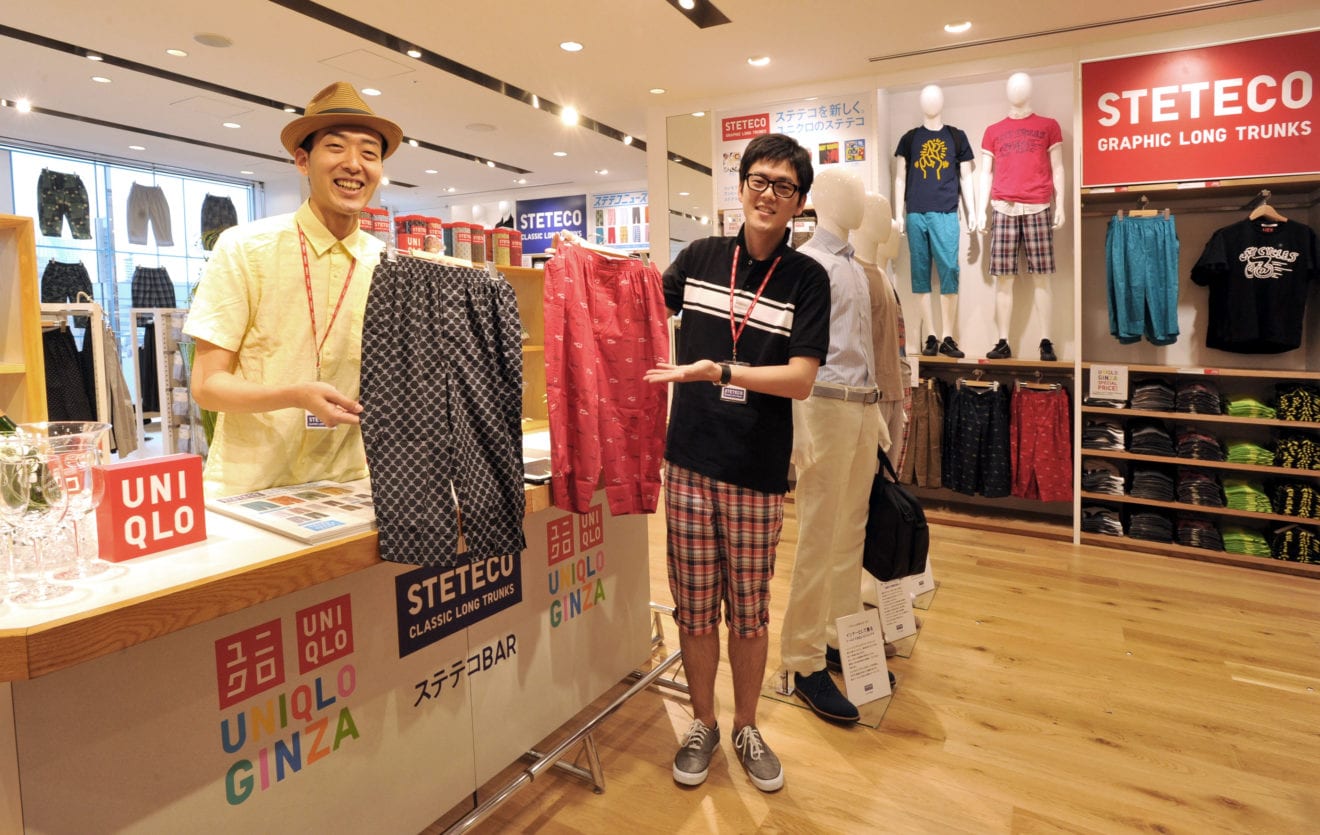
    Japan’s Fast Retailing plans to launch its Uniqlo clothing brand in Sweden with an initial store in Stockholm this year.

    Taking on its rival H&M in its home market, it marks the cut-price brand’s debut in the Nordic region.

    Uniqlo has fewer than 70 stores in all of Europe, and Fast Retailing CEO Tadashi Yanai says he wants to overtake H&M and Zara parent Inditex of Spain as the world’s top apparel retailer.

  • Vietnam car market slump continues

    Vietnam car market slump continues

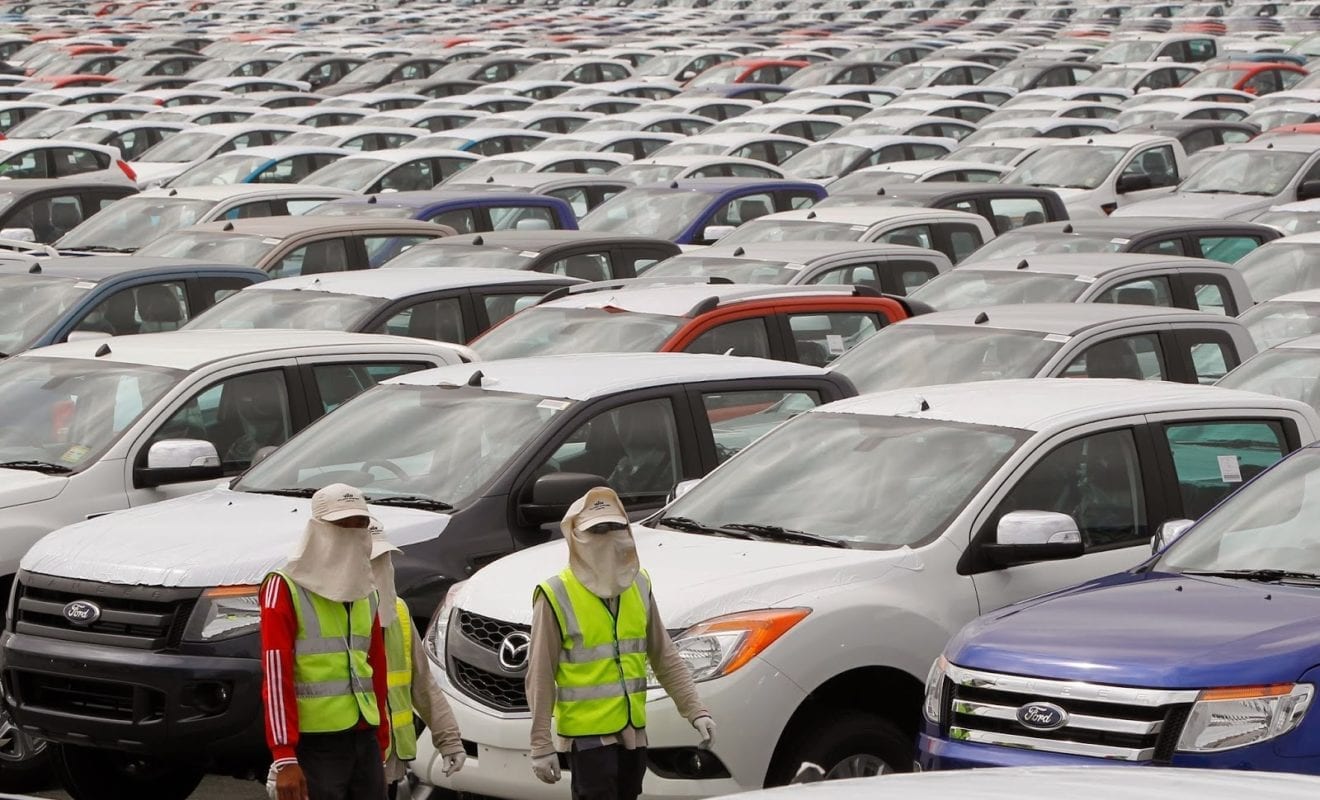
    Việt Nam spent more than US$2.15 billion importing 94,000 cars last year, marking a year-on-year decrease of 16.8 per cent in volume and 9.6 per cent in value.

    This was revealed by the General Statistics Office.

    The domestic automobile market witnessed many uncertainties last year. Notably, in the first half of the year, after the tax rate of complete built-up units (CBUs) import from ASEAN countries dropped to 30 per cent, the auto import turnover remained constantly high. However, in the second half of the year, the import turnover fell to low levels in both quantity and value.

    The uncertainty of CBUs auto import turnover in 2017 clearly reflects the evolution of the market.

    The decline in turnover shows a paradox. The car import market in 2017 benefited from the import tax of Southeast Asian-origin vehicles down by 10 per cent (to 30 per cent) and car import tax from countries enjoying the status of the Most Favoured Nation decreased by five per cent. With such a decrease, the auto import turnover should have accelerated; however, the figures remarkably reduced.

    Meanwhile, the tax rate of CBUs imported from ASEAN countries has officially reduced to zero per cent from January 1. But the market is yet to recover.

    According to Nikkei Asian Review, Toyota said on Tuesday that it has halted all production for export to the Vietnamese market. The Japanese automaker manufactures locally in Việt Nam, but imports from Thailand, Indonesia and Japan account for some one-fifth of what it sells in the market, or 1,000 units every month. Models imported include the Hilux pickup trucks, Yaris subcompacts, sports utility vehicle Fortuner and luxury car Lexus.

    “The Vietnamese market slowed down last year clearly because consumers refrained from buying as they waited for the tariff removal at the end of 2017,” Toyota Motors Thailand President Michinobu Sugata told reporters in Bangkok.

    Indeed, auto sales in Việt Nam between January and November last year slumped 10 per cent to 245,000 units. “We were anticipating a big jump in 2018, but due to the non-tariff barriers set by the Vietnamese government we cannot export to the market at all,” he said.

    Announced in October, Decree 116 requires emission and safety tests to be conducted on every batch of automobile to be imported. In the past, only the first shipment of each model would be tested. One emission test could take two months and cost up to $10,000, according to a statement of the Japanese Chamber of Commerce and Industry in Việt Nam.

    The decree also requires all models to obtain a Vehicle Type Approval certification issued by authorities of the exporting country. VTA certifications are to show that the vehicle meets standards of the country it will be sold in and is normally issued by domestic entities of the exporting country.

    Since the decree was announced, major exporters from Japan, Thailand and the United States have expressed concerns that it would become impossible for them to sell in Việt Nam.

    Phạm Anh Tuấn, head of the Vietnam Automobile Manufacturers’ Association (VAMA)’s Policy Subcommittee, told Việt Nam News that car manufacturers had not imported cars since January 1. The Vietnamese automobile market currently had only a few vehicles that were imported by the end of 2017, he said.

    For Toyota Motor Việt Nam, the latest import was towards the end of October last year.

    Tuấn also said VAMA had sent a letter of petition four times to the government regarding the content related to Decree 116.

    “VAMA would like the Government to delay the enforcement of the regulations on the import of cars in Decree 116 for six months to help its members prepare well in time. In addition to this, VAMA also proposed to revise the regulation that requires auto importers to submit Vehicle Type Approval certification of automakers as well as changing the requirements for conducting tests on each batch of imported cars,” said Tuấn.


  • Samsung Galaxy A8 Series Launched in Malaysia, Retails From RM1799

    Samsung Galaxy A8 Series Launched in Malaysia, Retails From RM1799

    Samsung has officially announced the arrival of the new Galaxy A8 (2018) in Malaysia. The Galaxy A8 (2018) and Galaxy A8+ (2018) are the company’s new mid-range offerings, featuring IP68-rated bodies and a new dual front camera setup, and will retail from RM1799.

    While they may be positioned as mid-range devices, Samsung has actually trickled down quite a number of flagship features to the new Galaxy A8 (2018) devices. In fact, the two phones even feature a dual-camera setup at the front, allowing for Live Focus for selfies – something the flagship Galaxy S8 and Note 8 devices do not offer.

    The Galaxy A8 also feature the Infinity Display with slim bezels: the A8 sports a 5.6-inch 18.5:9 Super AMOLED display, while the A8+ features a larger 6-inch panel; both phones boast Full HD+ 2220 x 1080 resolutions.

    The dual front camera, on the other hand, are made up of 16MP + 8MP sensors. The front cameras feature Live Focus, which simulates a shallow depth of field in your selfie shots. The rear camera, on the other hand, is a 16MP f/1.7 shooter with phase detection autofocus.

    Rounding out the specifications of the Galaxy A8 and A8+ are an unspecified Exynos octa-core processor paired with 4GB (A8) or 6GB (A8+) of RAM, 32GB (A8) or 64GB (A8+) of expandable storage, IP68 water and dust resistance, a 3,000mAh battery (3,500mAh on the Galaxy A8+), and Android 7.1.1 Nougat out of the box.

    The two phones run Android 7.1.1 out of the box, and feature a fingerprint scanner USB Type C fast charging, Bixby, and the Dual Messenger feature.

    The Samsung Galaxy A8 (2018) and Galaxy A8+ (2018) will be available in three colours (Black, Gold, and Orchid Grey) and will retail for RM1799 and RM2499 respectively. They will go on sale nationwide from 19 January onwards, and there will also be an early bird promo from 19-21 January, where those who buy the Galaxy A8 phones will receive a free 64GB Samsung Evo Plus microSD card and a 10000mAh power bank with Type C connector.