Author: Mei Ling Tan

  • Bag maker Samsonite’s CEO resigns after short-seller report

    Bag maker Samsonite’s CEO resigns after short-seller report

    Samsonite CEO Ramesh Tainwala has resigned with immediate effect “in the best interests of the company” as the fallout from a short-seller report on the company’s reputation and share price continues.

    Tainwala will be replaced immediately by CFO Kyle Gendreau.

    Hong Kong-listed Samsonite’s stock value plummeted more than 20 per cent during two days last week, before trading was suspended, leaving it with a valuation of about US$4.8 billion.

    That followed the release of a report by Blue Orca accusing the world’s largest luggage maker and retailer of questionable accounting practices and questioning its engagement in third-party related transactions with entities owned by Tainwala.

    But in a statement issued overnight, chairman Timothy Parker said the Samsonite CEO was stepping down due to issues with his academic qualifications.

    “While the board notes that since the company’s IPO in 2011, its disclosure of Ramesh’s educational background has been accurate, the board also takes seriously the allegation that has been made about his academic credentials. Ramesh tendered his resignation, citing personal reasons. In considering such resignation, the board thoroughly reviewed the facts related to this allegation and has determined that accepting Ramesh’s resignation is in the best interests of the company and its shareholders.”

    Tainwala has overseen solid growth of Samsonite in recent years, including the acquisition of luxury travel brand Tumi.

    Parker paid tribute to Tainwala’s “dedication and many contributions to the success of Samsonite” over the years. “During his tenure the company has continued to achieve strong revenue and earnings growth.”

    Gendreau takes over

    Kyle Gendreau has served as an executive director of Samsonite since March 2011, previously serving as CFO and an executive director of the consolidated group since January 2009.

    “Having served as a senior executive of Samsonite for many years, Kyle possesses a strong understanding of our industry, significant financial management experience across retail and consumer products, as well as deep institutional knowledge of Samsonite,” said Parker.

    “Samsonite has a proven record of solid growth and value creation since its initial public offering in 2011, and Kyle has played an instrumental part in achieving these results. The board is confident that under Kyle’s leadership, the company remains well-positioned to continue executing on its multi-brand, multi-category and multi-channel global strategy to capitalise on the growth opportunities ahead and to enhance long-term value for shareholders.”

    Gendreau’s appointment can be interpreted as the ultimate endorsement of its position on the Blue Orca report, given his long tenure overseeing Samsonite’s financials.

    “One-sided and misleading”

    In a separate statement overnight, Samsonite formally responded to the damaging report, opening with a warning to shareholders that Blue Orca is “a self-proclaimed activist investment fund that is focused on short selling”.

    “In the short-seller report, Blue Orca cautions investors that it has a “short interest in Samsonite’s stock and therefore stands to realise significant gains in the event that the price of Samsonite stock declines”.” It has declined by 20 per cent since the report’s release.

    The luggage giant’s board said it had thoroughly reviewed the allegations in the report and determined that they are “one-sided and misleading” and that conclusions drawn regarding its financial results are incorrect.

    On the allegations of irregular third-party related transactions, Samsonite’s board said continuing connected transactions are entered into in the ordinary and usual course of business of the group and are either on normal commercial terms or on terms that are no less favorable than available with any other third party.

    “The company has robust internal procedures to ensure that all continuing connected transactions have been identified, and appropriately reviewed and disclosed, in accordance with the Stock Exchange’s listing rules. Those transactions have been subject to annual review and approval by the company’s disinterested directors and independent non-executive directors in compliance with the requirements of the listing rules, and review by the company’s internal audit department. This process, which is performed in connection with the publication of the company’s financial results, helps to ensure that all continuing connected transactions have been identified and properly disclosed. In addition, the company’s external auditors, KPMG, perform annual limited assurance procedures related to continuing connected transactions.”
  • CJ opens store for prepared meals

    CJ opens store for prepared meals

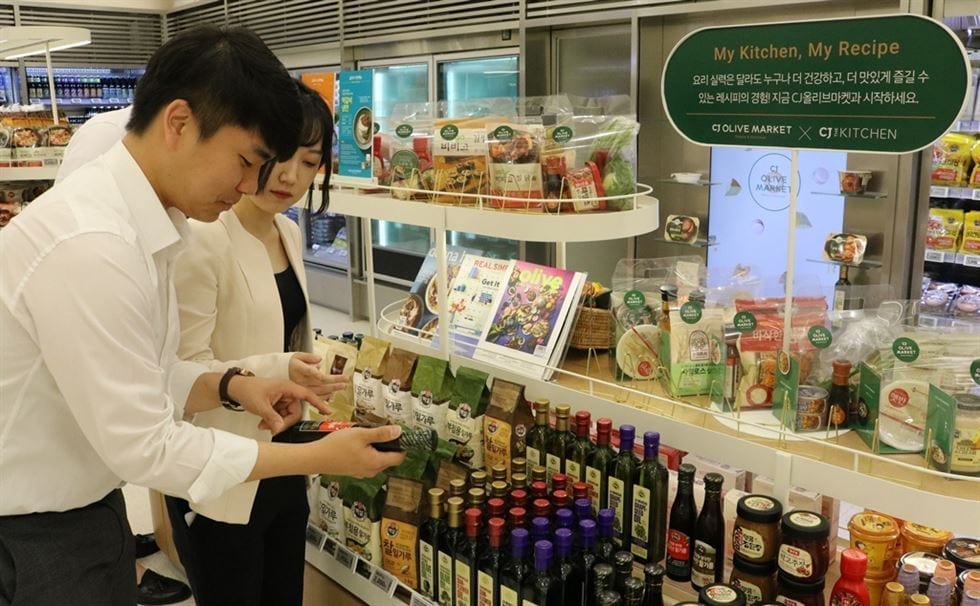
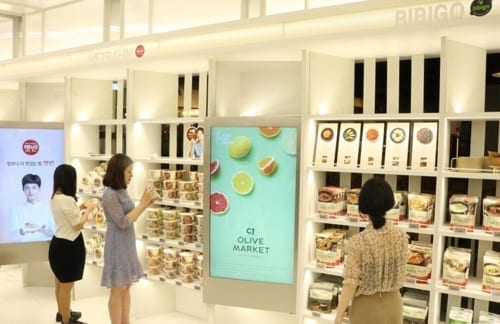
    Korean foods retailer CJ CheilJedang has opened its first “home meal replacement” (HMR) store, called CJ Olive Market, in Seoul.

    The 443sqm store is located at CJ CheilJedang headquarters building, and is divided into two areas – a restaurant where customers can buy food from a vending machine or cooked on-site by chefs – and a grocery store.

    Th team of CJ chefs will come up with new menu items every two months.

    CJ has also developed a smartphone app that allows customers to buy products by scanning codes printed on products or table mats in the store.

    “Our HMR business will evolve into a future-oriented business that suggests integrated menus for home meals,” said Son Eun-kyung, head of CJ CheilJedang’s food marketing division.

    The company also plans to develop a virtual reality store.

    CJ CheilJedang hopes its new HMR range will help it grow sales to US$3.3 billion by 2020.

  • Ant Financial to support Shanghai Pudong Development Bank’s digital transformation

    Ant Financial to support Shanghai Pudong Development Bank’s digital transformation

    Ant Financial Services Group (“Ant Financial”) has signed a strategic cooperation agreement with Shanghai Pudong Development Bank Co., Ltd. (“SPD Bank”) to support the bank’s digital transformation with Ant Financial’s technological capabilities. The agreement is the third of its kind announced this month between Ant Financial and established banks, following partnerships with Huaxia Bank and China Everbright Bank.

    Ant Financial and SPD Bank will partner in online risk management, including fraud prevention, with the former providing technological support to help the latter prevent loan, transaction and marketing fraud. The partnership will also leverage Ant’s financial-grade technologies in AI, supply chain finance, biometric identification and risk management.

    “Ant Financial and SPD Bank share the same vision for the future. With this partnership, we will explore how to improve efficiency in banking operations, as well as how to leverage technology to create greater value for our users,” said Eric Jing, Executive Chairman and CEO of Ant Financial.

    In addition to sharing technological capabilities, the partnership will allow Ant Financial and SPD Bank to strengthen collaboration on a broad range of inclusive finance initiatives, from improving user experience while using online and offline payment services, to providing secure, convenient and efficient financial services for small and micro businesses.

    Last year at the 2017 Ant Fortune Open Platform Conference, Mr. Jing indicated that Ant’s technologies would be opened up to current and potential partners, with the only criterion being whether the partnership is innovative enough to deliver value to users.

    The partnership with SPD Bank is just one example of how Ant Financial’s technologydriven solutions are enabling financial institutions to deliver inclusive services efficiently and at scale. In addition to the bank partnerships announced this month, also in May, Ant Financial’s consumer finance service Huabei announced that it would partner with financial institutions to provide consumer financing solutions, while Alipay added two new third-party money market funds to the Yu’e Bao spare cash management platform.

  • Guess narrows losses in first quarter, revenues lift 14% on Asia earning

    Guess narrows losses in first quarter, revenues lift 14% on Asia earning

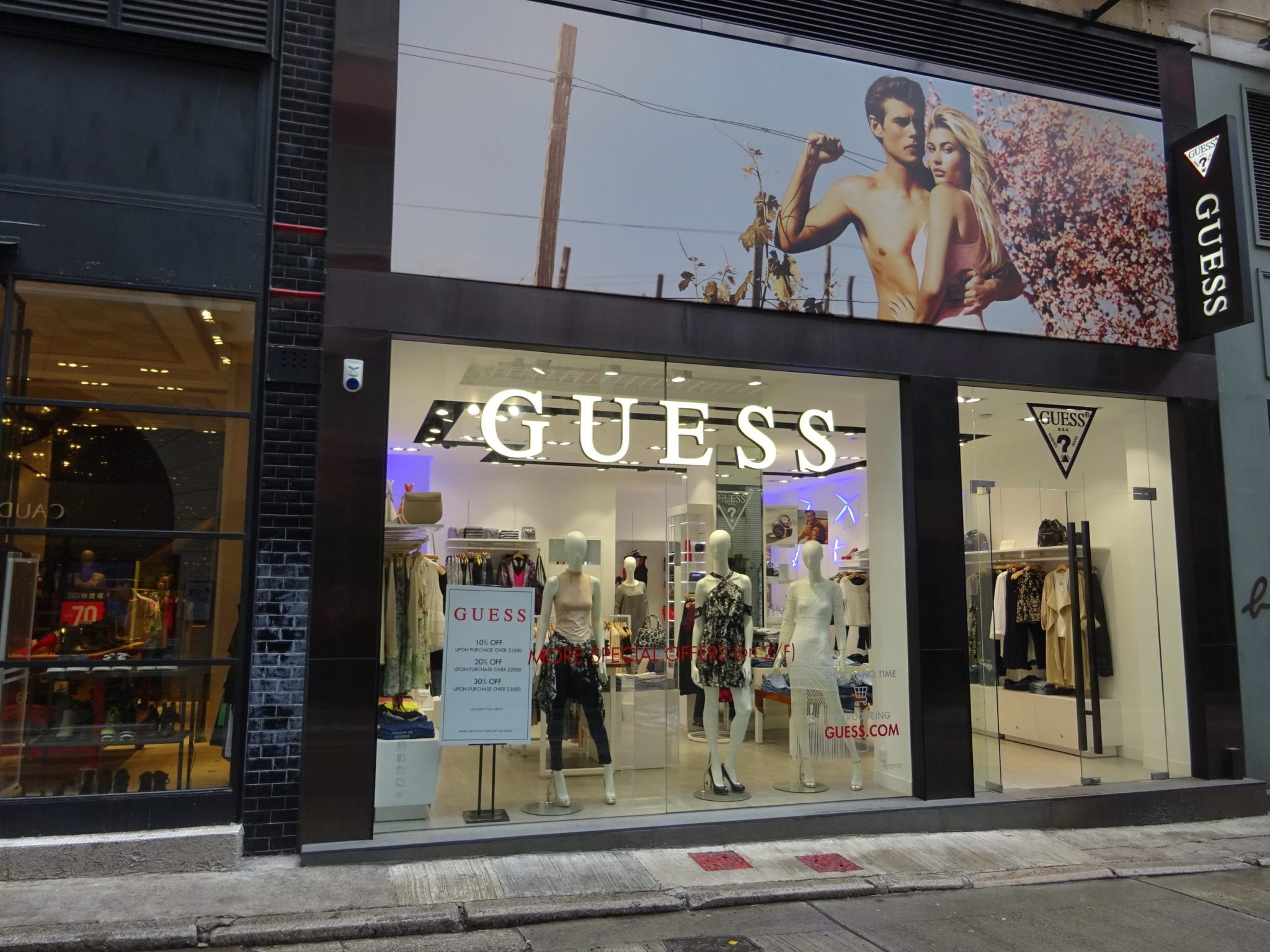
    Continued momentum in Asia has helped boost revenues for US clothing brand Guess Inc for its first quarter, to May 5.

    As the company continued to take advantage of its infrastructure investments in China and Japan, its operating margin in Asia improved by 430 basis points.

    Asia revenues increased 32.6 per cent in US dollars and 25.1 per cent in constant currency.

    Operating margin for the company’s Asia segment increased 430 basis points to 4.8 per cent in the quarter, compared to 0.5 per cent. This was driven mainly by higher gross margins.

    CEO Victor Herrero says company revenues overall grew 15 per cent in US dollars and 8 per cent in constant currency. “We were also able to expand the company’s operating margin, despite cost pressures related to our transition to our new distribution centre in Europe.”

    At the same time, the company had a GAAP net loss of $21.2 million, a 0.3 per cent improvement on the first quarter a year earlier. An adjusted net loss of $17.8 million was 7.9 per cent better than the same period 12 months ago.

  • Shop Online and Roam the City with Mastercard, HKTaxi and HKTVmall

    Shop Online and Roam the City with Mastercard, HKTaxi and HKTVmall

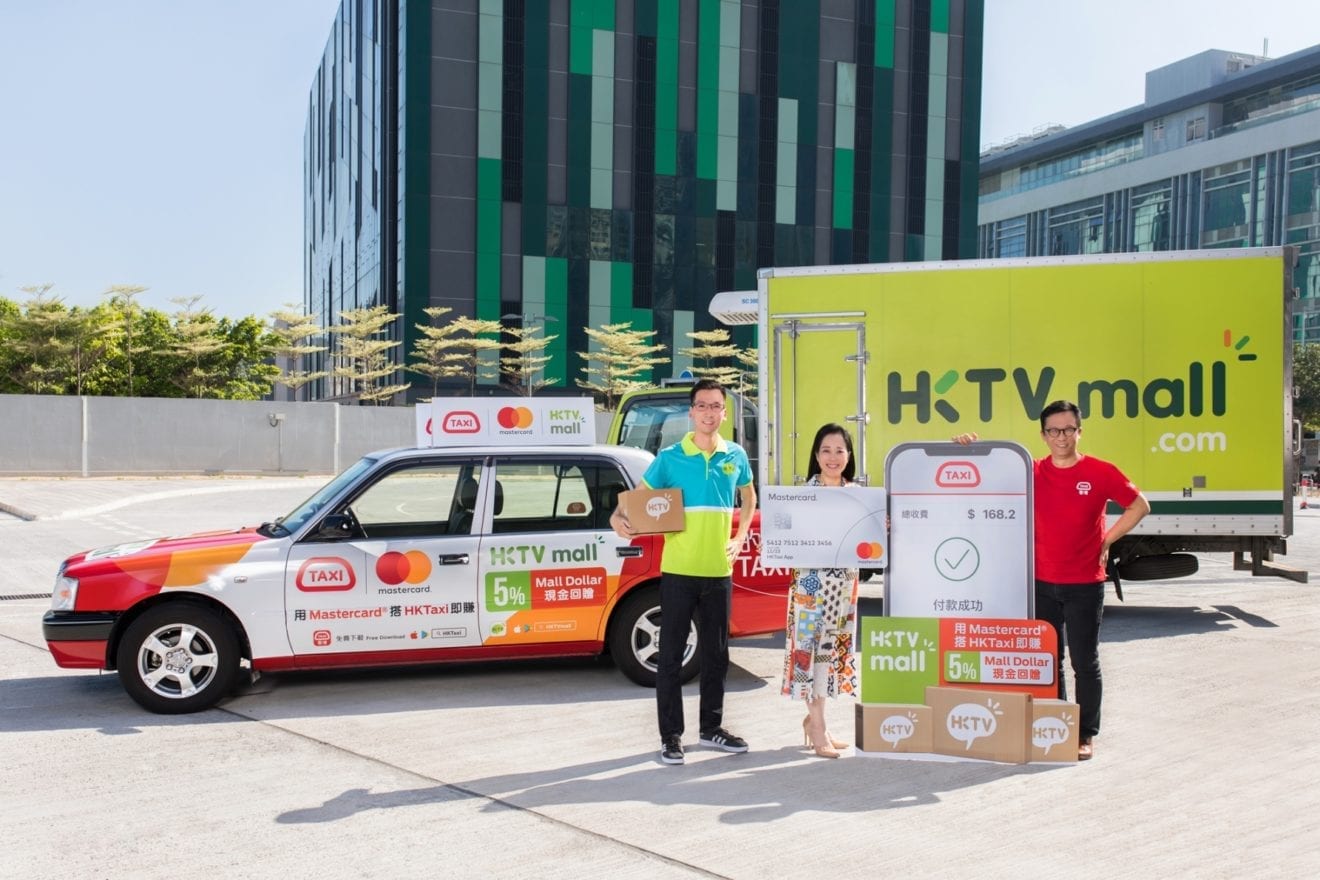
    From worry-free local transportation to hassle-free shopping, Hongkongers’ daily lives are getting more and more convenient! Mastercard has today announced its partnership with local online shopping mall HKTVmall, as well as its strengthened collaboration with the city’s most popular taxi-hailing app HKTaxi, to bring safe, secure and cash-free ways to shop and get around Hong Kong.

    Mastercard is effectively shaping the daily life of Hong Kong people to be more convenient than ever by forming a joint partnership highlighting both HKTVmall’s easy pickup and delivery services and HKTaxi’s 98.4% order fulfilment rate – the highest in the city as tested by the Consumer Council in March 2018.

    As a result of an exclusive privilege for Mastercard cardholders, HKTVmall shoppers can receive rewards to satisfy their daily needs by using their Mastercard to pay for taxi rides via HKTaxi, which recently announced that more than one-fifth of its 50,000 registered taxi drivers now accept Mastercard payments.

    “We at Mastercard aim to take care of all our cardholders’ needs and provide them with the best service every day,” said Helena Chen, managing director, Hong Kong and Macau, Mastercard. “By joining forces with HKTVmall and HKTaxi, we have now fully expanded our services from excellent local transportation to outstanding online shopping services, allowing us to become a truly integral part of Hongkongers’ daily lives.”
    “HKTaxi and Mastercard share the same drive to make Hongkongers’ lives more convenient with technology.

    The collaboration with HKTVmall extends our passion to provide great and beneficial services to every Hong Kong resident,” said Kay Lui, co-founder, HKTaxi. “Our joint partnership is built on convenience, safety and security, utilizing modern technology in responding to the demands of the Hong Kong people. Since the inception of the partnership between HKTaxi and Mastercard in March, the number of taxi rides paid for with Mastercard has been doubling each month and we are very thrilled with the progress. ”

    “We are proud to have partnered with Mastercard and HKTaxi to deliver the best experience in online shopping to everyone in Hong Kong,” said Ricky Wong, chairman, Hong Kong Television Network Limited. “Now, everyone in the city can rest assured that there is an easy way to take care of all their daily needs.”

    From June 1 to August 31, HKTVmall members who hail taxi rides with HKTaxi can receive HKTVmall Mall Dollar valued at 5% of the taxi fare when they pay with Mastercard. Mastercard cardholders who use HKTaxi can also get HK$50 after making three rides every week until July 29.

  • AirAsia Potentially Planning Launch of Esports Team, League, and Center

    AirAsia Potentially Planning Launch of Esports Team, League, and Center

    Malaysian low-cost airline, AirAsia, is looking to take its esports activities to new heights. In an Instagram post, Kamarudin Meranun—chairman of AirAsia and CEO of its parent company, Tune Group—says the company will develop its own team, league, and esports centre.

    With no formal announcement made by the airline yet, it’s not clear whether the company is launching own competition series, or simply become a named sponsor for an existing event.

    AirAsia CEO Tony Fernandes acquired a majority stake in Mobile Legends esports organization Team Saiyan, earlier this year. The squad was subsequently rebranded, but this announcement suggests the airline could even be building its own esports team subsidiary.

    The Esports Observer reached out to AirAsia, who declined to provide more details at this point in time.

    The airline is also a sponsor of Mineski’s Dota 2  team, and runs an esports program for its employees: the AirAsia Allstars Esports Club. Tony Fernandes, who is also a majority shareholder of the Queens Park Rangers soccer club, has also previously hinted at a potential partnership with Singapore-gaming brand Razer

  • Footwear giants shift outsourcing from China to Vietnam

    Footwear giants shift outsourcing from China to Vietnam

    Major brands in the footwear industry are shifting their outsourced work to Vietnam instead of China, but experts doubt this will be a good thing in the long run.

    Sneaker giant Adidas last year had 44 percent of its footwear produced in Vietnam, more than double the 19 percent made by suppliers in China. This figure also marked a 31 percent increase from 2012 for Vietnam and a 30 plus percent decrease for China.

    A similar move can also be seen at Adidas’ rival Nike, which had 46 percent of its footwear made in Vietnam last year, against just 27 percent in China.

    While China remains the top supplier in the fashion industry, Vietnam is now seen by major brands as a solid and critically important supplier in second place, according to survey results released by the United States Fashion Industry Association.

    “We are reporting a change in the sourcing trend, from ‘China Plus Many’ to ‘China Plus Vietnam Plus Many,’” the association said.

    The typical sourcing portfolio today is 30-50 percent from China, 11‑30 percent from Vietnam, and the rest from other countries, it added.

    According to experts in the industry, China manufacturing has become more focused on high value, and with workers’ wages rising, low-cost manufacturing is no longer its priority.

    This explains why Vietnam, Indonesia and Bangladesh are producing more shoes and apparel for export.

    However, while this trend can yield short-term benefits to Vietnam, long-term consequences will be severe, Professor Nguyen Van Nam, former director of the Institute of Trade Research under the Ministry of Industry and Trade said.

    Since advanced technology is not widely applied in Vietnam, the manufacturing sector exploits labor and pollutes the environment, he said.

    “Vietnam needs to push for the newest technologies in manufacturing, otherwise we will be a ‘landfill’ of other countries,” he added.

    Nguyen Duc Thuan, president of the Vietnam Leather Footwear and Handbag Association (LEFASO), highlighted another challenging aspect of the shift at a conference earlier this year.

    As workers in other countries are assisted by machines in the production process, each of them can make 1.2 pair of shoes in an hour, while their Vietnam peers can only manage 0.7, he said.

    “Labor productivity obviously increases when technology and high management skills are used, and this is a challenge that Vietnam needs to meet,” Thuan said.

    Vietnam’s footwear export value has been growing in recent years, from $8.4 billion in 2014 to $14.65 billion in 2017, a 42 percent increase. The country contributed a billion pairs of shoes to the 27 billion pairs produced globally last year.

  • ICSC picks Siam Piwat’s ‘Siam Discovery’ as world’s best designed

    ICSC picks Siam Piwat’s ‘Siam Discovery’ as world’s best designed

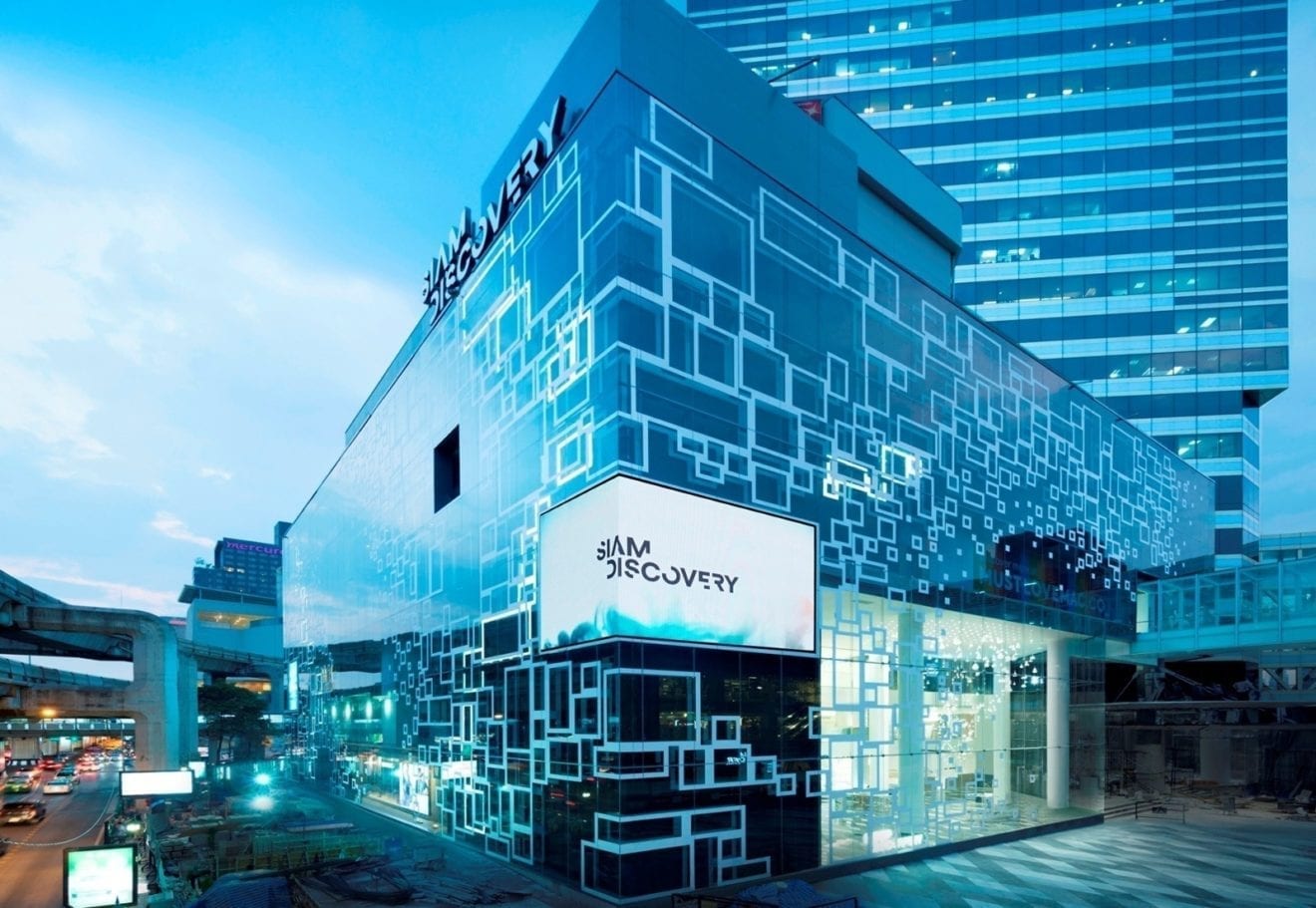
    Bangkok’s Siam Discovery shopping centre has won the top Viva Award from the International Council of Shopping Centers (ICSC) for its “cutting-edge design”.

    Siam Discovery, owned by Siam Piwat, was chosen from hundreds of projects around the world for the honour, awarded during the ICSC’s annual leasing convention in Las Vegas.

    Siam Piwat CEO Chadatip Chutrakul said the award proves “Thai creativity and collaboration can take the country’s flag to the top, even on the world stage”.

    “Siam Piwat’s strategy for growth is to do things in retail and retail development that have never been done before in Thailand or even the world. We are committed to being a thought-leader on the global stage through co-creation with retailers and other partners in our developments.”

    The ICSC’s Viva Awards are presented annually, judged by an independent jury to “recognise the best-of-the-best in the world of retail development”. The judges praised Siam Discovery for being transformative.

    “Siam Discovery is a highly imaginative project that gets away from individual stores and walls and into an immersive open experience. It is the first mall development that makes retail an experience as well as the spaces in between being exciting and stimulating. Siam Discovery brings the latest digital technology offerings to create an interactive and experiential retail environment,” the judges agreed.

    Chutrakul described the centre as “a game-changing, hybrid retail destination where products, services, and activities are brought together in a way that suits the lifestyle of millennials”.

    “Products are grouped without the constraints of a particular brand or school of design, in a way that puts the needs of the customer at the centre. Millennials want to discover their own style while exploring new experiences with other people. Here, they can experiment and discover what they like and what expresses their own identity best,” said Chutrakul.

    Siam Discovery opened its doors to visitors in 1997 and underwent a THB4 billion rebuild before reopening in 2016 in its new, award-winning guise.

    During the past two years, Siam Discovery has won six global awards from prestigious competitions in the world of retailing, including World Retail Awards – Store Design of the Year 2017, for being world’s best designed development.

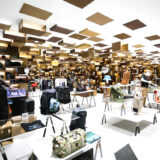
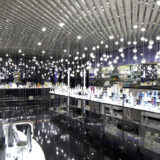
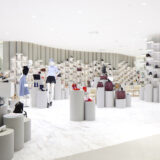
    View the gallery of Siam Discovery’s interior below :

  • Indonesia Central Bank Raises Key Rate to Aid Rupiah, Flags Chance of More Hikes

    Indonesia Central Bank Raises Key Rate to Aid Rupiah, Flags Chance of More Hikes

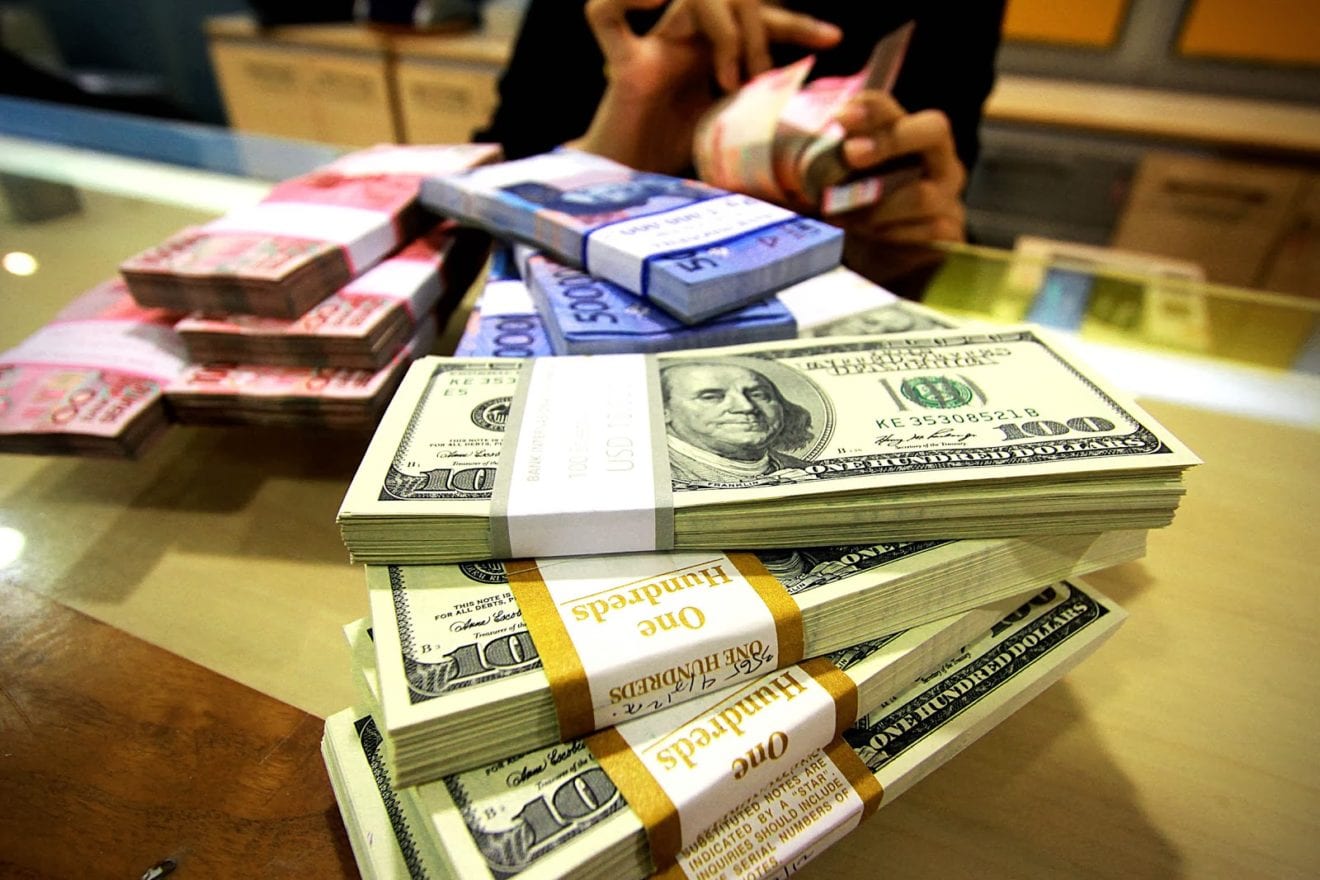
    Indonesia’s central bank raised its benchmark interest rate for the second time in two weeks on Wednesday (30/05) and flagged more possible hikes as it escalated a battle to boost the fragile rupiah and contain capital outflows.

    Newly appointed Bank Indonesia Governor Perry Warjiyo pledged more action to promote financial and economic stability to bolster Indonesian assets amid an emerging market sell-off.

    The central bank “will continue to calibrate global and domestic market developments to utilize room for further rate hikes in a measured way,” Perry said after a meeting.

    On May 25, one day after being sworn in for a five-year term, Perry called Wednesday’s off-cycle meeting. On May 17, Bank Indonesia raised its key rate by 25 basis points to shore up the rupiah, then trading at its weakest since October 2015. Perry said the additional meeting was needed as a “pre-emptive, front-loading and ahead of the curve step” in response to expectations of higher US interest rates, which could push US Treasury yields higher.

    Rahul Bajoria, an economist for Barclays in Singapore, said the two hikes in two weeks “very forcefully signals to the market that the new governor is very serious about maintaining financial stability, and the institution is willing to be pre-emptive in managing risks that are emanating largely from external drivers.”

    Currency First

    Stephen Innes, head of Asia-Pacific currency trading at Oanda, said Wednesday’s decision showed “currency first and nothing else really matters.”

    The governor said Bank Indonesia will discuss loosening its “macroprudential” rules at its meeting in late June, and new ones should be released “soon.” He earlier said the central bank is looking at housing mortgages, but he did not give any details.

    In 2016 and 2017, Bank Indonesia cut its benchmark rate by a total of 200 bps in a bid to boost sluggish lending and economic growth.

    Perry said he expects loan growth to reach 12 percent at the end of 2018 compared with a year earlier. During much of 2017 and until April this year, annual loan growth was in single digits. April’s growth rate was 8.9 percent.

    With loan growth low and consumption weak, Indonesia’s annual economic growth has been stuck at about 5 percent.

    On Monday, Finance Minister Sri Mulyani Indrawati said: “We are ready to take any kind of policy to support Indonesia’s economy,” adding that if short-term measures mean slightly lower growth, “then that consequence has to be accepted.”

    The government has a 2018 growth target of 5.4 percent. Bank Indonesia said on Wednesday that it still expects expansion of 5.2 percent, better than last year’s 5.07 percent.

    Sound Key Indicators

    The rupiah, one of the worst performers among Asian currencies this year, barely moved following the rate announcement. It was trading at about 13,985 per dollar at the time it was made.

    Sri Mulyani and other senior officials on Monday sought to shore up confidence in Southeast Asia’s biggest economy at a time Indonesia, like other emerging markets, has seen an outflow of funds as US assets become more attractive due to rising interest rates.

    Key economic indicators are sound, Perry said, noting that the annual inflation rate is seen at 3.6 percent at the end of 2018, while the current-account deficit is expected to below 2.5 percent of gross domestic product, which Bank Indonesia considered “healthy.”

    Harry Su, managing director at financial research firm Samuel International, said the central bank “is now doing more proactive and forward-looking policy, particularly with regard to a possible higher current-account deficit, as well as inflationary pressure stemming from the current higher oil price environment.”

    All but one of 18 analysts in a Reuters poll expected Bank Indonesia to raise the key rate on Wednesday.

  • Chinese cross-border online market is yet to be dug out

    Chinese cross-border online market is yet to be dug out

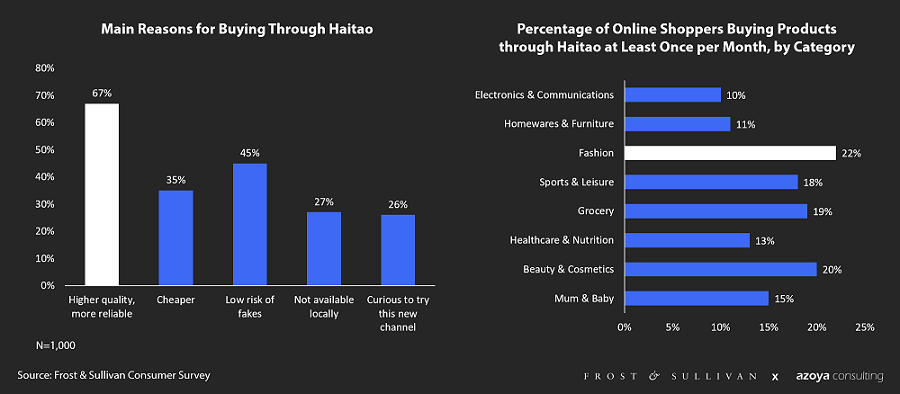
    Cross-border e-commerce is the new fashion trend in China, powered by a rising middle class and robust economic growth. With an estimated 125 million Chinese consumers purchasing $105 billion of overseas products through this channel in 2017, according to a new research report by Azoya Consulting and Frost & Sullivan.

    In China cross-border e-commerce is often referred to as Haitao, which is overtaking the traditional method of buying through daigou agents (personal buyers) or friends/family based overseas as consumers seek a more legitimate, formal avenue for purchasing overseas products.; the research shows that the average Haitao shopper is spending RMB5,300 a year (US$848 a year) on products bought through this channel, with 60% intend to spend more. Fashion, beauty & cosmetics and grocery being the most popular categories.

    In China cross-border e-commerce is often referred to as Haitao, which is overtaking the traditional method of buying through daigou agents (personal buyers) or friends/family based overseas as consumers seek a more legitimate, formal avenue for purchasing overseas products; the research shows that the average Haitao shopper is spending RMB5,300 a year (US$848 a year) on products bought through this channel, with 60% intend to spend more. Fashion, beauty & cosmetics and grocery being the most popular categories.

    However, the research finds out while over 80% of western retailers see China as a lucrative opportunity, only 20% feel confident in their capability to succeed in China’s e-commerce market. Retailers cite regulations, intense competition, investment and not profitable as their main challenges, while retailers from different countries have distinctive strategy on enhancing their capabilities in China.

    Increased competition is making it difficult to succeed in the e-commerce marketplaces such as Tmall and Kaola were once seen as the major platforms where e-commerce sales and customer traffic come from, but now as the marketplaces are getting crowded and acquiring traffic is becoming more and more expensive, retailers find it increasingly difficult to differentiate themselves from one another, either satisfied with their sales performance in marketplaces.

    The research reveals that selling through marketplace holds the lowest satisfaction among other sales channels – only 21% of retailers are satisfied with their sales on marketplaces. Other concerns with selling through marketplaces include lack of direct customer access; high commissions up to 15% eating into margins; upfront costs to establish stores; and intense competition particularly around price.

    As a result, retailers are looking beyond marketplaces as their only approach to consider. “In fact, for retailers aim to establish long-term sales in China and build a brand that Chinese consumers trust, which commands a healthy profit margin and repeat buyers, retailers need to approach customers through multiple touchpoints. The key channel should be within retailers’ control, accompanied by supplementary platforms,” said Don Zhao, Co-Founder of Azoya International. “More and more retailers are establishing standalone websites as the core of their strategies, as these sites directly connect retailers with Chinese consumers who desire foreign brands, while empowering retailers with flexibility and control over their business.”

    Picky Chinese consumers are forcing brands to tailor their offerings to local tastes, while retailers react differently from countries Chinese consumers prefer to shop on cross-border e-commerce foreign platforms due to higher product quality and less risk of buying fake, while they tend to be picky when it comes to platform choices.

    The research finds out that China payment and website performance are the top influencers when selecting to buy from certain platform, the others were cited as Chinese customer support and nearby inventory.

    There’s also a trend that Chinese consumers are also looking for unique niche brands in pursuit of differentiating themselves from their peers and create a unique image. For cross-border transactions, shoppers are increasingly interested in seeking niche products suiting their personal needs; they also values the authenticity of a brand and the story it offers. Brand heritage and storytelling are important for brands to build a relationship with their customers now.

    Localisation is the key. Correspondently, retailers focus on enhancing their capabilities differently varies from countries. In mature countries where Chinese cross-border shoppers are familiar with, such as Australia and the USA, retailers focus on establishing warehouse or distribution centre in China to enhance shipment experience, tailoring their products to local consumer demands, and also Chinese language content such as blog articles to meet the tastes of Chinese consumers; while in the ‘late comers’ countries such as the UK, Germany, France and other European countries, retailers tend to focus on basic capabilities as introducing Chinese language website or entry level solution of social media strategy.

    The research draws a conclusion that retailers are advised to enter the Chinese market to take step by step approach that first research the market to understand the potential of certain brand or products in China, including category and product popularity; a second step involves deciding an entry model that’s most appropriate for their current stage offering the retailers enough control over the business while leave the flexibility of expanding to other channels; and finally, look for a local partner who will be able to guide the retailers through complex market, while adapt in time to the rapidly changing market when implementing.

  • Vietnam tax on sweetened drinks hurts the business

    Vietnam tax on sweetened drinks hurts the business

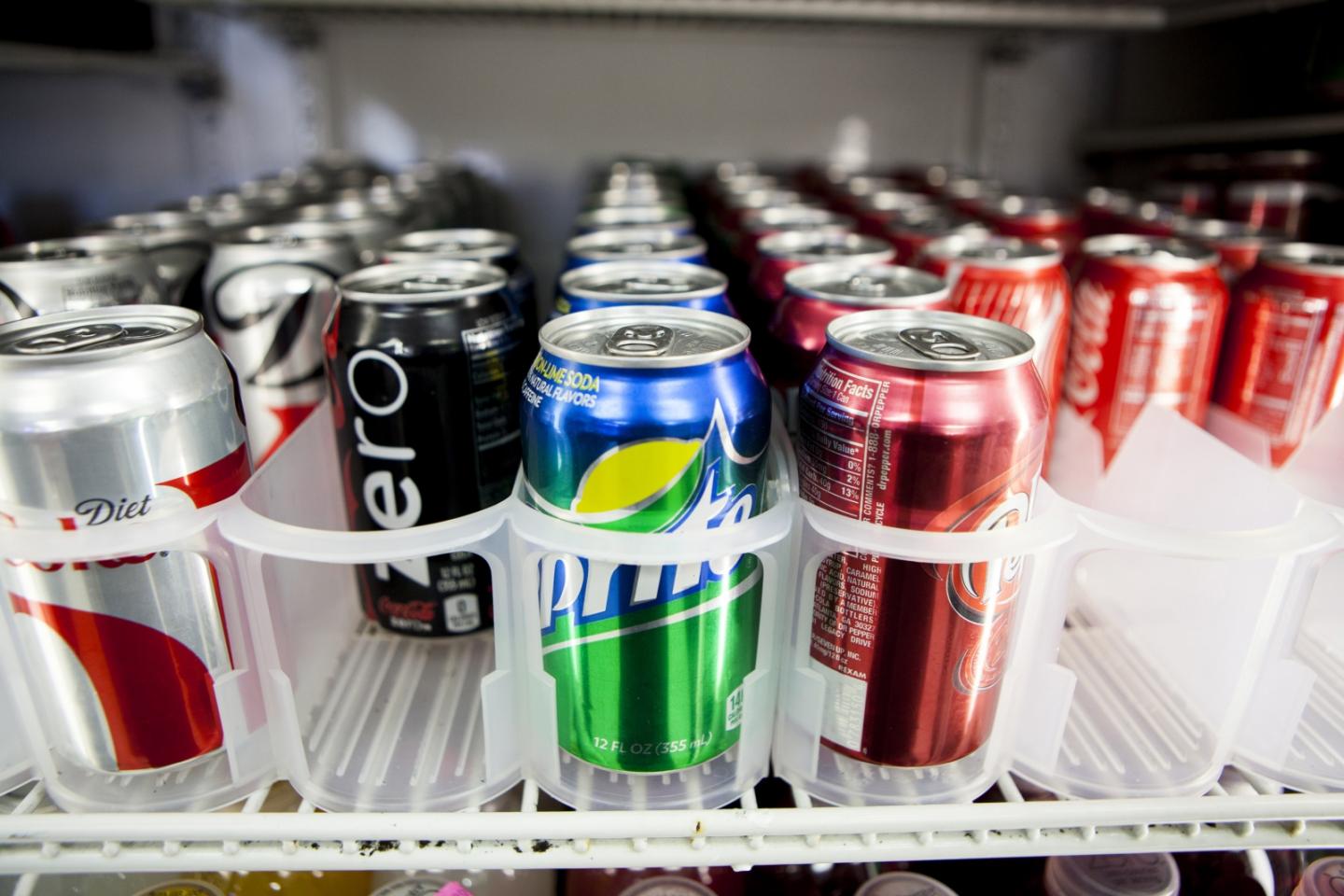
    A Finance Ministry proposal to slap a 10 percent special consumption tax on sweetened drinks would hurt small and medium businesses, critics say.

    Business representatives and some experts say the beverage industry is already taxed heavily, and the latest addition could prove to the last straw.

    The tax proposal, first announced last year and expected to take effect in 2019, aims to promote healthier habits by discouraging the consumption of sweetened drinks. The Ministry has cited reports from the World Health Organization, saying overconsumption of sweetened drinks lead to obesity and that a fourth of Vietnam’s population are already obese or overweight adults.

    “The tax will help regulate the consumption of sweetened beverages, and it’s also an international norm,” the proposal says.

    However, the Vietnam Association of Liquor, Beer and Beverage (VBA) has protested the move, saying the tax could hurt small and medium businesses by promoting circulation of fake products.

    “The tax proposal would lead to higher production costs, allowing fake and low-quality products to thrive,” it said in a statement.

    Many industry insiders also say they are already paying no less than 10 different types of taxes.

    “If this tax proposal passes, we won’t be able to survive,” a Thursday report by the Tuoi Tre newspaper quoted an unnamed vice director of a beverage firm in the southeast province of Binh Duong as saying.

    Nguyen Van Viet, president of VBA, suggested an incremental imposition of the tax in order to reduce the burden on businesses.

    The industry stand has been backed by several ministries, who rejected the Finance Ministry’s rationale that sweetened drinks contain an unhealthy amount of sugar, warranting a special consumption tax.

    The Ministry of Industry and Trade said in a statement that imposing a special consumption tax on sweetened drinks because they contain sugar was not a convincing enough reason.

    It said the Finance Ministry needs to give clearer explanations for its proposal.

    The Trade Ministry statement echoed the argument made last October by the Vietnam Chamber of Commerce and Industry (VCCI) that a special tax should only be imposed after adequate studies have been made on the drinks’ impacts on consumer health and if the tax could help reduce the risks significantly.

    The Ministry of Planning and Investment is also against the proposal, which it says could adversely affect the beverage industry and its large workforce.

    In Vietnam, special consumption taxes are levied on items and services considered unhealthy or luxurious, like tobacco, liquor and cars.

    Many Southeast Asian countries have already imposed taxes on sugary drinks, according to the Finance Ministry. The current rate is 20-25 percent in Thailand, 5-10 percent in Laos and 10 percent in Cambodia.

    Myanmar, the Philippines and Indonesia are considering a similar tax.

  • Petronas buys 25% stake in LNG project in Canada

    Petronas buys 25% stake in LNG project in Canada

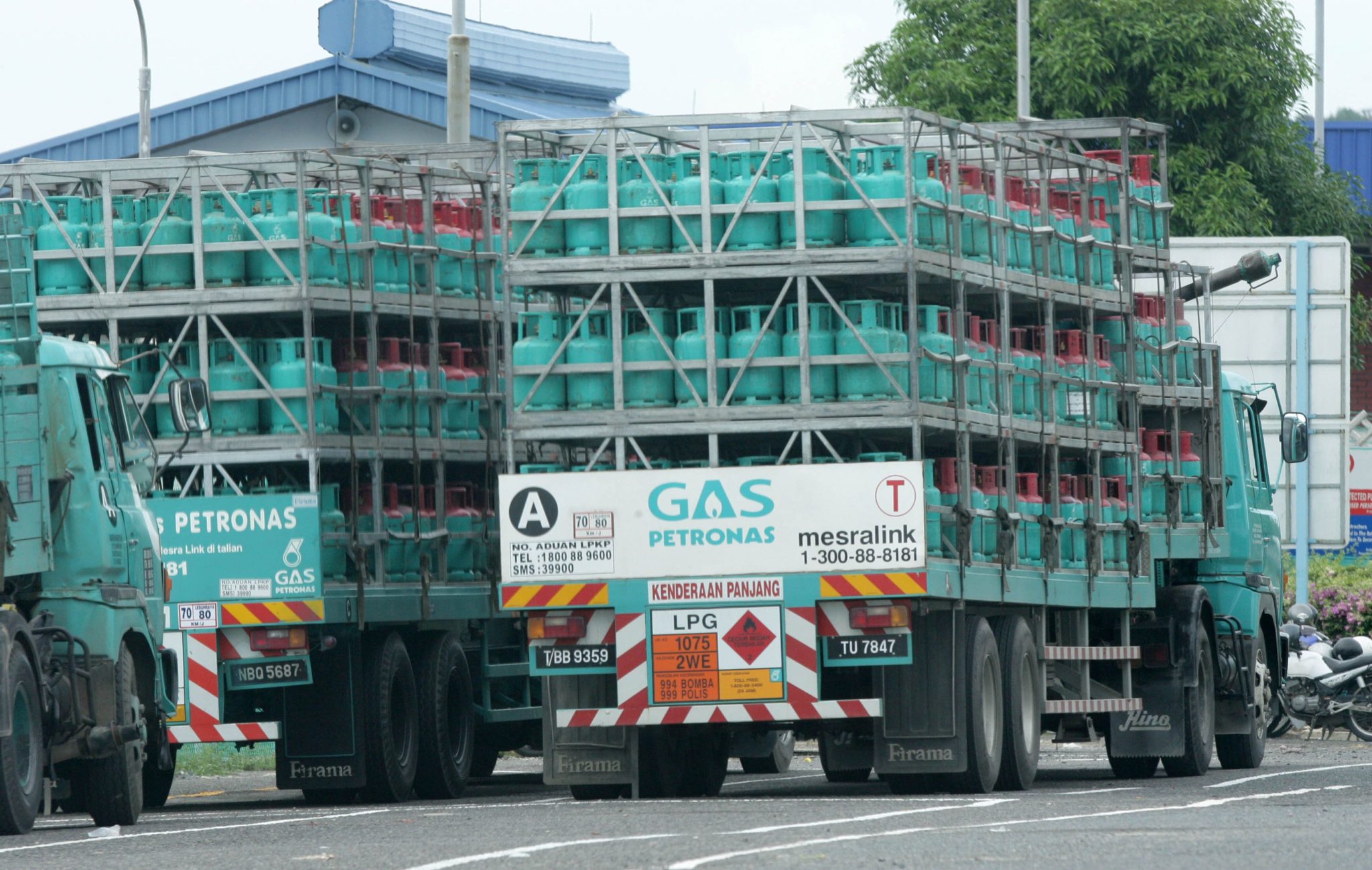
    Petroliam Nasional Bhd (Petronas) is acquiring a 25% stake in a liquefied natural gas (LNG) project in Kitimat, Canada after it scrapped plans for the Pacific NorthWest LNG project in the country last July due to challenging market conditions as a result of prolonged depressed prices.

    Petronas said in a statement that its wholly owned entity the North Montney LNG Ltd Partnership had entered into a purchase and sales agreement for the deal. The purchase sum was not disclosed.

    Other shareholders of the project are Royal Dutch Shell plc’s subsidiary Shell Canada Energy (40%), PetroChina Canada Ltd (15%), Mitsubishi Corp’s subsidiary Diamond LNG Canada Ltd (15%) and Kogas Canada LNG Ltd (5%).

    The transaction is subject to international regulatory approvals and the completion of other associated agreement. It is slated for completion in the next few months.

    “Petronas is pleased to be part of the LNG Canada project. As one of the world’s largest LNG producers, Petronas looks forward to adding value to this venture through our long-term expertise and experience across the LNG value chain. We are committed to deliver LNG and natural gas, the cleanest fossil fuel in the world, to the growing global energy market,” said Petronas president and group CEO Tan Sri Wan Zulkiflee Wan Ariffin.

    “Petronas is in Canada for the long-term and we are exploring a number of business opportunities that will allow us to increase our production and accelerate the monetisation of our world-class resources in the North Montney. LNG is just one of those opportunities,” he added.

    The proposed project includes the design, construction and operation of a gas liquefaction plant and facilities for the storage and export of LNG, including marine facilities.

    The plant will initially consist of two world-scale LNG processing units referred to as “trains”, with an option to expand the project in the future to four trains.

    Canada is Petronas’ second largest resource holder after Malaysia, with vast unconventional gas and oil resources in the North Montney.

    Petronas and its North Montney joint venture partners are one of the largest natural gas resource owners in Canada with over 52 trillion cubic feet of reserves and contingent resources.

  • Asia safes Michael Kors performance

    Asia safes Michael Kors performance

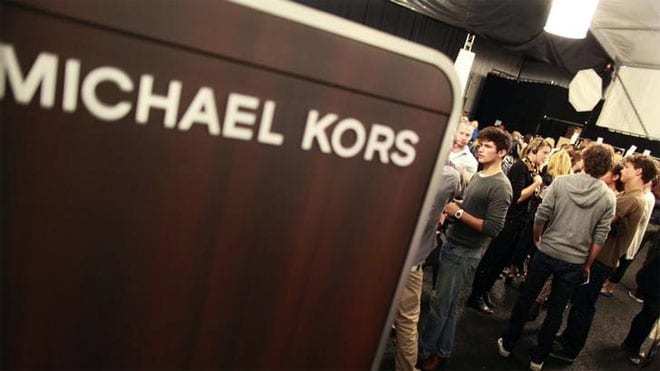
    Asia proved the strongest growth market for premium apparel and accessories retailer Michael Kors last year, offsetting ongoing weakness in its largest market, the Americas.

    Asian sales increased 17.5 per cent to US$137.7 million in the fourth quarter and were up 33.7 per cent to $469 million for the year.

    Michael Kors sales and profit numbers released overnight included a better than expected fourth quarter, but flat forecasts for the year ahead disappointed analysts.

    Net income for the three months ended March 31 was $44.5 million, a significant improvement over a $26.8 million loss during the same period last year.

    Fourth-quarter comparable Michael Kors sales were up 2.3 per cent on strength in accessories, footwear and men’s categories, but fell 1.7 per cent on a currency-corrected basis.

    Michael Kors has been investing heavily in transitioning its business model following the acquisition of Jimmy Choo last year, with chairman and CEO John D Idol saying a solid foundation had been created.

    “We created a global luxury group with the acquisition of Jimmy Choo and completed the first year of our Runway 2020 strategic plan for the Michael Kors brand, ending the year significantly ahead of our expectations,” he said.

    “Looking to fiscal 2019, we have a number of initiatives planned to drive growth in both of our luxury brands.

    The company expects building momentum to deliver first quarter revenue of around $1.13 billion, with a $140-$145 million contribution from Jimmy Choo’s 182 stores.

    Neil Saunders said the addition of Jimmy Choo had masked weakness in Michael Kors sales figures for last year.

    “While the headline growth number from Michael Kors looks strong … it is flattered by the addition of Jimmy Choo sales; when these are stripped out, the growth plummets to a lacklustre 0.6 per cent,” Saunders said.

    “This anemic underlying growth rate comes off the back of a dire performance last year when revenues plunged by 11.2 per cent. Taking account of all these things, the fashion brand is ending its fiscal year with soft growth.”

    Store renovations, expansion into new luxury concepts, a renewed focus on e-commerce and the launch of a new loyalty program have emerged as key pillars of the company’s 2020 strategic plan.

    In comparison, Americas sales declined by 2.5 per cent to $342.8 million in the fourth quarter and by two per cent to $1.67 billion for the year.

    “Perhaps the most damning figure is the Americas retail sales number,” Saunders said.

    “A particularly worrying outcome given the 18 per cent decline posted in the prior year. In our view, this number clearly indicates that Michael Kors is not back to full strength and still has a lot of work to do on its proposition.”

    Encouragingly, retail growth and the addition of Jimmy Choo bolstered margins, resulting in a 14.5 per cent increase in gross profit.

    Jimmy Choo sales were $107.9 million worldwide in the fourth quarter and $222.6 million for the full year, with Europe and the Middle East driving turnover.

    There were 1011 stores in Michael Kors business as at March 31, including 829 Michael Kors stores.

  • Are Macau’s glory days back?

    Are Macau’s glory days back?

    Macau’s gaming sector rebounded in 2017 with total visitor arrivals growing 5.1% year-on-year. With increasing visitors, gaming and retail sales has rebounded dramatically however distribution of these gains has not been equal.

    During the fourth quarter of 2017, Macao has experienced record sales with an increase by 12.6% compared to the previous year. This impressive recovery takes place just two years after the 2015 crisis during which sales dropped by 80%.

    Operators, retailers and the government seem to have found the good recipe to attract people and make them stay in Macao.

    Macao’s hotels have become attractions by themselves. They propose a wide range of accommodations and a large variety of facilities such as swimming pools, restaurants, fitness centers, shopping centers… “40% of visitors choose their place to stay in Macao based on retail and dining options” said Olivier Tong, Head of Retail at JLL.

    On top of that, the average 5-stars hotel price in Macao is 45% cheaper than Hong-Kong.

    These two strategies definitely improve customers’ experience in Macao and clearly have the same objective: make visitors stay longer in Macao. And it seems to work because Macao has recorded an increase of 22.2% of overnighters compared with 2015.

    Casino operators are diversifying their business by offering more shopping options to their clients. The highest revenue growth rates have been recorded in casinos with the highest retail surface.

    The government is also aware of its past as a destination for one-day trippers. This is why it encourages developing nightlife and non-gaming activities. Every year, the Government is involved in the organization of important events such as the Light Festival or the Macao International Parade.

    It also would impose non-gaming commitments to casinos to enable them to renew their gambling license. For instance, non-gaming revenue must reach 9% of total revenue to meet the government’s commitment. This new rule would offer great opportunities for many brands to make business in casinos like the recent Prada pop-up at Galaxy Macau.

    Thanks to all that, Macau is experimenting a strong economic recovery with a VIP-gaming, which is “much healthier” according to Olivier Tong, representing 56% of overall gaming. But operators, retailers and government still need to make this recovery sustainable.

    Contributor: Quentin Mauriac

    Quentin Mauriac is a EDHEC Business School Grande Ecole Program student. He is currently an intern for Financial Planning & Analysis at Bluebell Group. Prior to Bluebell, he was an intern at Credit Mutel – CIC bank as Investment Advisor Assistant, and Internal Controller at Cdiscount, a leading e-commerce retailer in France. During his studies at EDHEC, he also had the opportunity to manage a 36-members team as President of EDHEC Jobs Management, a provider of marketing and business services to large companies such as LVMH, Danone, P&G, etc. Following his internship at Bluebell, Quentin will pursue his international experience in Germany where he will complete his Master degree and take the CFA certificated examination.

  • Alibaba shows off automated wine store in Hong Kong

    Alibaba shows off automated wine store in Hong Kong

    Alibaba’s Tmall, China’s leading B2C online marketplace, wants to give wine selection and consumption a 21st century upgrade.

    At Vinexpo Hong Kong this week, Tmall unveiled a host of new technologies for the industry, including an automatic wine store, initiatives far from the grape-stomping and oak barrels of old.

    Tmall showcased a “Future Bar,” which included facial-scanning for entry, a robot waiter, RFID technology to enhance browsing, touch-screen displays for product research and a “Smart Wine Cooler.” The technologies are part of a larger trend in “New Retail,” an initiative in China led by Alibaba to merge the best of online and offline commerce for the benefit of both consumers and merchants.

    Mike Hu, a senior director at Tmall, said the goal of New Retail is to make shopping more personal, more engaging and more convenient – even in traditionally stodgy industries such as wine.

    “China really is at the forefront of consumer engagement right now,” Hu said. “Shopping here is mobile, it’s fun, it’s interactive, and the wall between e-commerce and brick-and-mortar stores is coming down. This kind of comprehensive shopping experience is what Chinese consumers have come to expect, so wine sellers need to adapt if they want to be successful here.”

    Upon arriving at Alibaba’s booth, attendees were greeted by the Tmall Robot Waiter, who asked, “Hey, don’t you want to have a drink?” – in multiple languages. The advanced human-computer interaction offered a glimpse of the future for wine merchants and their customers, Hu said.

    Facial scanning

    Facial scanning, meanwhile, offered entry to the booth and pointed a still-growing but soon-to-be important part of the consumer experience in China: facial-recognition payments, Hu noted. Already, Alibaba’s supermarket chain, Hema, has implemented the technology in one of its Shanghai stores. It is being tested in a cashierless store at Alibaba’s Hangzhou headquarters as well.

    The RFID technology was embedded in the foil wrapping that covers the cork so that when they were picked up from a shelf, their product information was displayed on a nearby screen. So, too, were recommendations for food pairings.

    Touchscreens at the booth allowed visitors to research a wine’s home chateau and place orders through the brand’s Tmall flagship store. This kind of setup would save much-needed stock and shelf space for retailers, Hu said, while providing greater selection for consumers visiting the shop and offering delivery direct to their homes.

    Users of Tmall’s Smart Wine Cooler scanned a QR code to open the cooler door, after which they could choose their favorite bottle and then simply close the door again to pay automatically. Or, as Tmall put it, “close the door, the deal is done.”

    Ecommerce marketplaces, such as Tmall, are playing an important role in China’s wine market, said Guillaume Deglise, CEO of Vinexpo. Not least because the brick-and-mortar retail business is not on par with other markets.

    “It’s very difficult to find very good shops in China, especially in tier-two and tier-three cities,” Deglise said. “So, e-commerce is changing this.”

    Also, younger consumers in China are more used to online shopping than their peers in the US and Europe, he said, “so the distribution will be different in China than the rest of the world.”

    Asia, overall, is driving global growth in the wine market, according to a new report from Vinexpo. And China is leading that trend. The country was the world’s third-largest importer in 2017 by value, at $16.41 billion, behind only the US and UK By 2021, however, China will overtake the UK in the number-two spot with $22.97 billion – a near 40 per cent jump.

    Deglise points to the middle class for these increases, especially those in urban centers, such as Beijing and Shanghai. An uptake among women is also playing a role, as is a general trend toward wellness in China that has people reaching for vino instead of the country’s traditional “baijiu” hard liquor.

    Then, there’s travel to markets where wine is already popular, such as the US, Europe and Australia, which gives Chinese consumers the chance to try new varieties.

    “When they come back home they tend to drink more wine than before,” Deglise said.

    This means that wine-producing countries will benefit, he added. Vinexpo expects almost all producing countries to increase their exports to China over the next five years, making China the only market to prompt such demand.

    “All producing markets are depending on China,” Deglise said. “It’s a huge market with tremendous potential.”

    Alibaba signed two memoranda of understanding at Vinexpo on Wednesday, with governmental organisation Wine Australia and French wine critics Bettane & Desseauve. Tmall will work to market Australian wines on the platform and support Wine Australia’s marketing efforts around major events such as the 11.11 Global Shopping Festival. For Bettane & Desseauve, Tmall will use their reviews to complement its wine listings while also hosting their annual top wine lists as they are released. They will also partner on offline wine events in China.