Author: Mei Ling Tan

  • Adrian Cheng invests in AI for retail and hospitality

    Adrian Cheng invests in AI for retail and hospitality

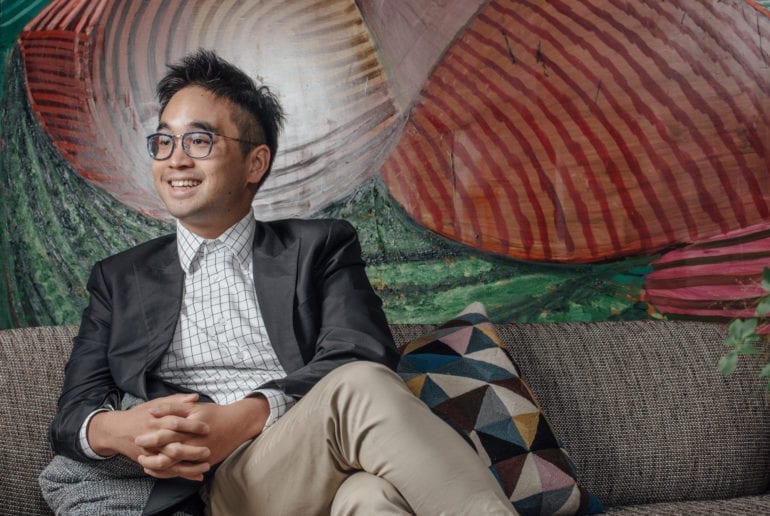
    ObEN Inc., an artificial intelligence (AI) company that is building a decentralized AI platform for intelligent avatars, and announced that it has raised $10 million from K11, founded by entrepreneur Adrian Cheng.

    This strategic funding continues the growth of ObEN’s AI technology which enables users to quickly create a Personal AI, an intelligent 3D avatar that is authenticated and registered on the blockchain. This brings ObEN’s total funding to date to more than $23.7 million.

    The funding from K11 will drive product development, deployment on the blockchain, and will help ObEN integrate their technology in retail, real estate and hospitality applications.

    “ObEN is at the forefront of creating intelligent avatars that enhance the consumer experience,” says Nikhil Jain, co-founder and CEO of ObEN. “With this strategic investment from K11, we are able to reach millions of new customers and create experiences that will shape the future of retail.”

    K11, the brainchild of entrepreneur and business innovator Adrian Cheng, is a pioneering multi-faceted brand rooted in culture and interconnected by three core values: art, nature and people. Its ecosystem features the world’s first museum-retail concept, K11 Art Mall. Its Hong Kong and Shanghai flagships opened in 2009 and 2013 respectively. ObEN marks the first AI technology investment from the company.

    Motivated by the belief that the future of retail lives in the worlds of AI, AR and VR, the strategic alliance offers opportunities for intelligent avatars, personal concierge services and new virtual shopping experiences. ObEN’s Personal AI (PAI) quickly creates a 3D avatar that looks, sounds and behaves like the user, and can do things on their behalf. Furthermore, ObEN’s PAI is being deployed on the blockchain, which provides an unprecedented level of security.

    With a PAI concierge, customers are offered up to the moment information, retail guides and endless shopping tips to help keep each outing as fulfilling as possible. In addition, through projects like AI Stars, a joint venture between ObEN and S.M. Entertainment, celebrities will be able to create unique cross cultural experiences for consumers and retail outlets alike.

    “ObEN’s Personal Artificial Intelligence (PAI) platform simplifies the implementation of artificial intelligence technologies for real life applications,” said Adrian Cheng, founder of K11. “K11 is committed to localizing the PAI platform and bringing an immersive AI experience for visitors at all K11 projects.”

    ObEN’s Personal AI technology will be available in early 2018. Learn more at projectpai.com.
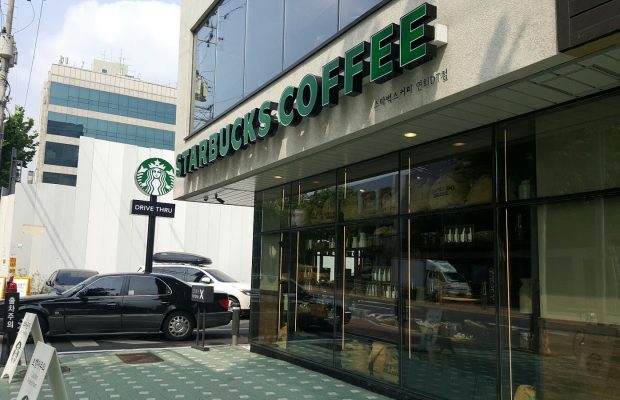
  • Starbucks Coffee Korea forecast to post record-high operating profit

    Starbucks Coffee Korea forecast to post record-high operating profit

    Starbucks Korea’s annual operating profit soared past 100 billion won (US$94 million) for the first time last year, despite intense competition in the domestic cafe sector.

    Industry sources told Yonhap news service the record result was driven by solid demand from young consumers.

    The operating profit of the coffee chain, which is run by South Korean retail conglomerate Shinsegae, was estimated at 110 billion won last year, according to the sources. Sales were estimated to have reached 1.2 trillion won (US$1.128 billion).

    The company’s annual revenue first topped the 1 trillion-won mark in 2016, setting a milestone in the South Korean coffee industry.

    The figures for its competitors, such as A Twosome Place and Angel-in-us Coffee, are known to average between 100 and 200 billion won, according to industry sources.

    Starbucks, which opened its first Korean branch near Ewha Womans University in Seoul in 1999, had 1140 stores throughout the country as of last month.

    In December, the coffee chain opened its largest store in the country in Seoul.

  • The first chapter of Shanghai Tang’s new story

    The first chapter of Shanghai Tang’s new story

    Shanghai Tang presents the first chapter of its new story through the 2018 S/S collection.

    Ownership and direction of the iconic brand, founded by the late Sir David Tang in 1994, was acquired by Alessandro Bastagli, Shanghai Tang’s new Executive Chairman, and private equity fund Cassia Investments. A marriage of Chinese tradition and the finest Italian craftsmanship, Shanghai Tang is now manufactured in Italy to ensure the highest quality of products and excellence of techniques and materials.

    Massimiliano Giornetti, renowned creative director with a global recognition, is the ‘Project Supervisor’ of an international Chinese, Italian and French team to reinvent the first chapter of Shanghai Tang’s new story.

    Shanghai Tang Spring-Summer 2018 collection reflects the new stylistic concept undertaken by the brand. It is a triumph of colours, fabrics, cut,  and lines, which shows the attention to details and quality that Made in Italy is renowned for.

    The preview of the Shanghai Tang’s collection held in the Entertainment Suite of The Mandarin Oriental in Hong Kong. It found the top management welcoming guests and proud of a collection aimed to mark a new era and the global launch of the brand.

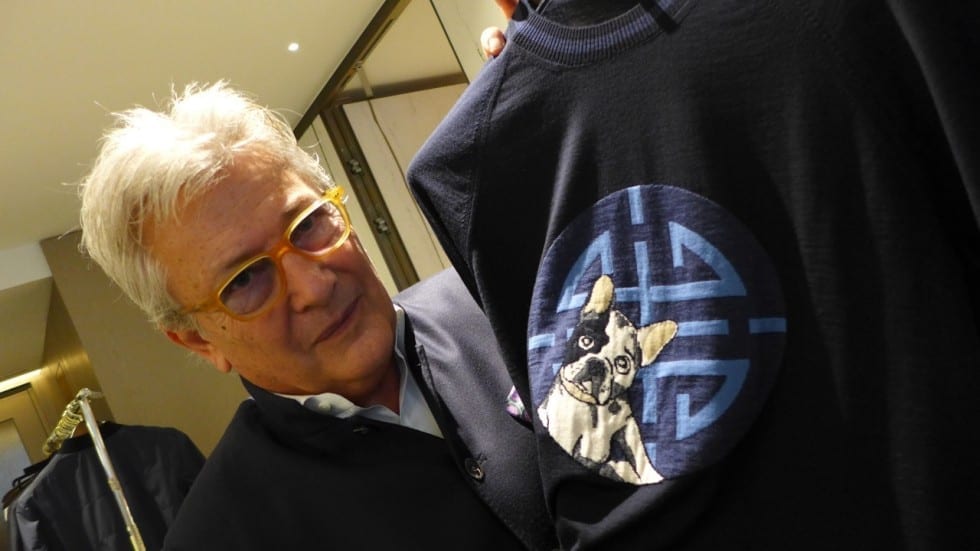
    A tale of traditional Chinese elements merged by a contemporary spirit and a cosmopolitan, international creative vision. With an undertone of novelty, these elements are auspiciously united by the “Shou”, Chinese symbol for longevity, which features on buckles of belts and bags and appears in both jewelry and prints.

    The new Shanghai Tang captures a vision of art, mood and street culture through a unique stylistic language that portrays an ineffable sense of what it means to be ‘contemporary’.

    Silk is the symbolic element of the Chinese millennial culture and plays an emblematic role in the collection. Deployed in innumerable variations, the material becomes the bridge between Italy and China whose two souls are now harmonized in the brand.

    The cultural and semantic Chinese imprinting is revisited in the new qipao that is turned into the modern “little black dress” with a playful mix & match of fabrics. The metamorphosis involves motifs of bold butterflies inspired by antique embroideries and is embodied by imperial peonies.

    “Shanghai Tang does not only appeal to Chinese customers – I believe the mandarin collar, and qipaos with a new design, would attract customers worldwide,” Alessandro Bastagli said, adding that he was a fan of the brand and had more than 15 suits from Shanghai Tang, including the one he wore during the launch of the S/S18 collection.

    The Chinese cultural symbols distinctive of Shanghai Tang find new sophisticated relationships with the Western world, expressed in a more effervescent, global, cosmopolitan language, all with a decidedly more contemporary aesthetic.

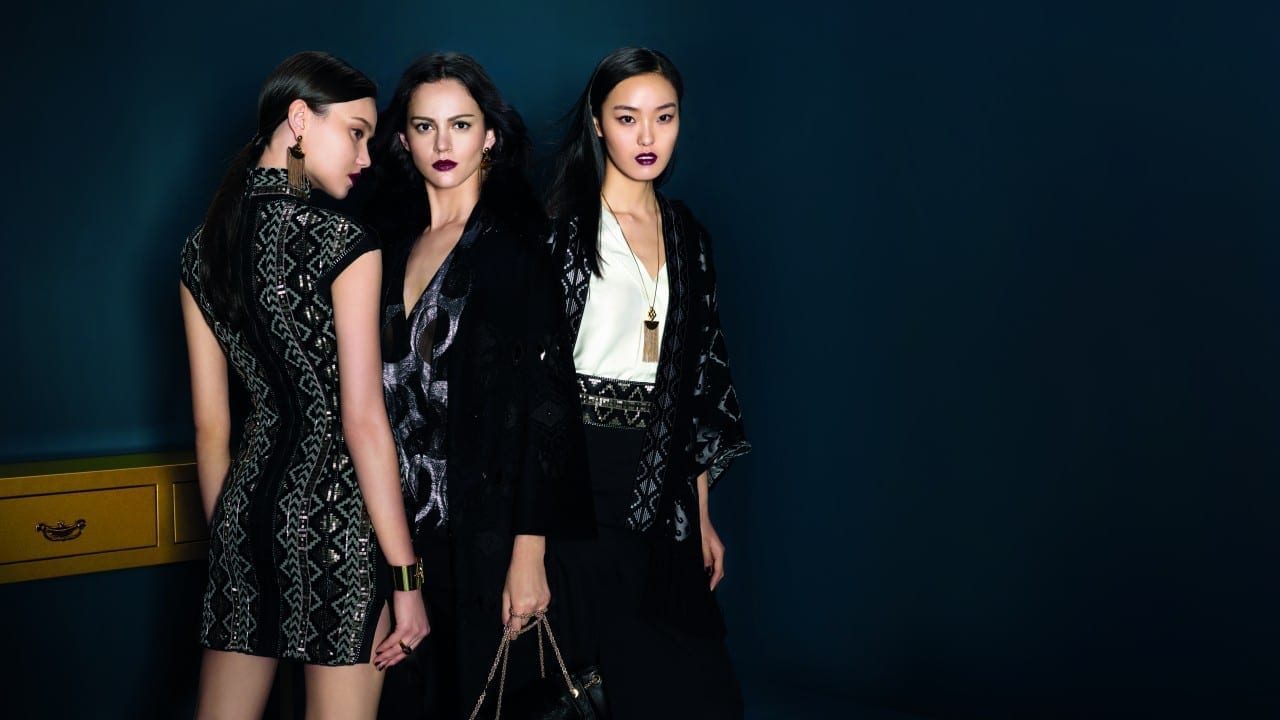
    The advertising campaign of the collection features a late nineteenth-century villa on the cliffs of Sorrento, combining Anglophilia with Greco-Roman classicism, blended in turn with an exotic garden of tropical plants, the 60’s décor and design evoke the cult movie “In the Mood for Love”.

    The delicate mysterious and fluid relationships between the three young figures —iconic He Cong, Estelle Chen, and model Will Samways — unwinds along dreamy escape, through vivid and brilliant colors, against the backdrop of seascapes infused with light and lost in a distant haze.

    The styling of this collection was curated by Lucia Liu, who embraced the elements of dialogue and cultural fusion of Shanghai Tang.

  • Michael Lau x PUMA ‘Sample Suede’ Sneaker

    Michael Lau x PUMA ‘Sample Suede’ Sneaker

    Hong Kong designer Michael Lau is partnering with Puma to create a suede design for the German footwear brand’s 50th anniversary.

    With a prototype approach, the collaborative effort pays tribute to sample sneakers that brands produce as a model for production, featuring work-in-progress detailing such as zig-zag finishing and fabric samples.

    “A lot of the times when I come up with a sneaker design, it’s not going to be for everyone,” says Lau. “I rather think of them as products that are for collecting. I guess that is because I approach it like artwork.”

    Some story-telling details are evident on the model as well, such as “50 Sample Suede Not For You Only For Me” being emblazoned on its heel, while the Chinese character for “sample” features on its tongue.

    Even the box for the sneakers further the sample story.

    The sneakers are scheduled for release on Saturday at Puma.com and select retailers worldwide.

  • Alexander McQueen partners with JD.com to expand in China

    Alexander McQueen partners with JD.com to expand in China

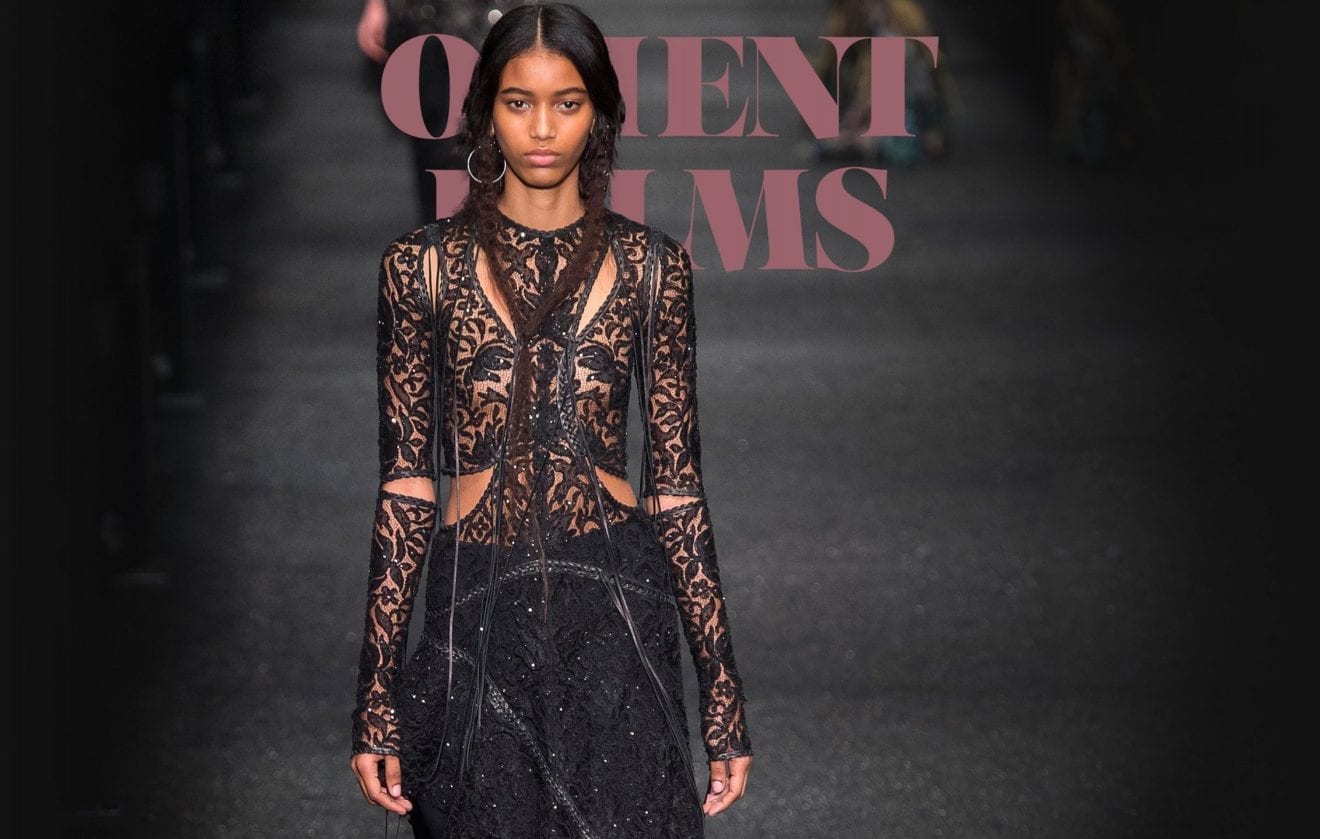
    Alexander McQueen China has partnered with JD.com to launch a store on the e-commerce giant’s luxury platform Toplife.

    It will offer the full Alexander McQueen fashion ranges as well as accessories.

    While the UK luxury fashion brand already has 15 on-ground stores throughout China and Hong Kong, it aims to bolster its online reach through JD.com’s logistical infrastructure as well as its understanding of the Chinese luxury e-commerce.

    “This is a strategic addition to our physical presence in China, part of our multi-channel experience,” says Alexander McQueen CEO Emmanuel Gintzburger. “JD.com’s advanced capabilities will allow us to engage with a larger local clientele while respecting the creative expression of the house.”

    Launched in October, Toplife aims to fill a gap in the Chinese e-commerce market by offering only full-priced items from premium global brands. It offers international luxury brands access to its allround system, which seamlessly incorporates an online store, premium customer service, delivery services and marketing and branding expertise.

    The move follows the launch of Saint Laurent’s stand-alone store on Toplife earlier this month.

  • Thai tycoons’ deals in Vietnam pose risks to domestic market

    Thai tycoons’ deals in Vietnam pose risks to domestic market

    Thai tycoons have been seeking business opportunities in Vietnam’s beverage, retail and construction materials markets over the past five years in a bid to take advantage of the country’s 95 million population and expanding middle class, according to experts.

    Local consumers consider the products more affordable than imports from Japan and South Korea, and better quality than cheaper items from China.

    Among the leading investors from Thailand is the beer-to-property empire of Thai magnate Charoen Sirivadhanabhakd.

    Most recently, the tycoon’s Thai Beverage bought a majority stake worth $4.84 billion in Vietnam’s top brewer, Sabeco SAB.HM.

    Thai Bev’s local unit, Vietnam Beverage Co Ltd, won the 54 percent Sabeco stake on offer at an auction last month after global brewing giants stayed away.

    The deal is a big step for Charoen, the son of a Bangkok street vendor, who is emerging as one of Asia’s biggest power players in brewing.

    The Sabeco deal is expected to help Thai Bev tap into Vietnam’s beer market, worth about $6.48 billion last year, where a young population and booming economy counter the drawbacks of political resistance, a high minimum bid price and a cap on foreign ownership.

    In Vietnam, Charoen already owns nearly 20 percent in the country’s biggest-listed firm Vinamilk VNM.HM through Fraser & Neave. He has also acquired the Metro supermarket chain as well as other consumer goods and convenience stores in the country.

    Together with Charoen, many other tycoons from Thailand have bought stakes in Vietnamese businesses.

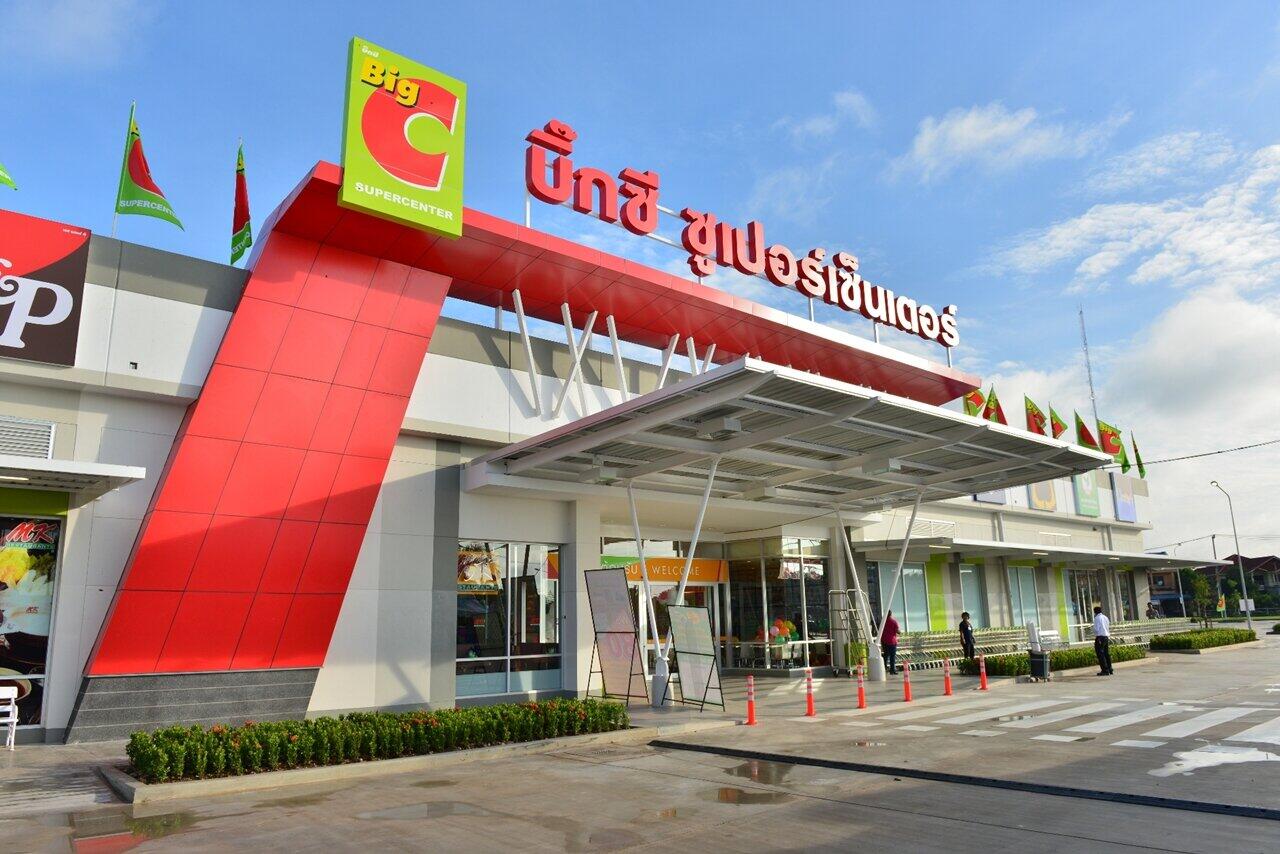
    In April 2016, Central Group sealed a deal to acquire Big C Vietnam, one of the biggest supermarket chains in the country, which pulls in more than 50 million customers annually.

    France’s Casino Group sold its entire stake in Big C to Central for 1 billion euros ($1.14 billion), according to the French retailer.

    In 2015, Central Group also acquired a 49 percent stake in major Vietnamese electronics retailer Nguyen Kim, which has a network of 21 stores across the country and posted sales of $400 million in 2014.

    The Thai conglomerate has also purchased online fashion marketplace Zalora’s operations in Vietnam in a move to combine e-commerce with its existing department stores, supermarket chains and shopping malls around the country.

    This investment interest stems from the Vietnam’s economic expansion, rising middle class and market potential, experts said.

    The so-called “middle and affluent class” earning $714 a month or more in Vietnam will double to 33 million people, about a third of the population, by 2020, the Nikkei Asian Review reported, citing Boston Consulting Group.

    Economist Vu Vinh Phu said the local retail market holds a lot of potential for Thai investors. While Thailand’s modern retail system is saturated, accounting for 65 percent of the market, the proportion is just 20 percent in Vietnam, he said.

    The deals have helped Thailand become one of the biggest foreign players in Vietnam’s mergers and acquisitions (M&A) market. Vietnam’s M&A market attracted a 10-year record in foreign investment by reaching $5.2 billion in 2015, and rose again to over $ 5.8 billion in 2016, according to the latest data from the Vietnam M&A Forum.

    However, expanding Thai investment also poses risks to Vietnam’s economy, economists said.

    Economist Le Dang Doanh said that Thai retailers obviously give priority to suppliers from their own country, and can overcharge commissions and fees to Vietnamese suppliers, pulling local products off the shelves.

    “This is a risk to our economy, and we should be more cautious,” he said.

    Echoing Doanh, economist Phu said Thai investors could push their own products by expanding their businesses in a closed system from production to distribution in Vietnam.

    “Most families in Hanoi and Ho Chi Minh City use Thai products ranging from home appliances to electronic products,” he said. “It is a threat to Vietnam, as the domestic market may be lost to Thai retailers.”

  • Bestseller’s smart stores to arrive in China

    Bestseller’s smart stores to arrive in China

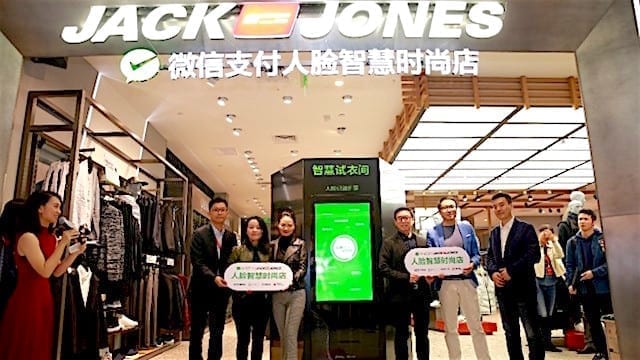
    Danish fashion retailer Bestseller has opened smart stores in Shenzhen and Guangzhou for its Jack & Jones and Vero Moda brands.

    Facial-recognition technology from Tencent’s Youtu Lab is used to register shoppers in store, enrolling them in WeChat Pay’s AI Club. This means they can pay without the need for wallets or phones.

    And the automated systems are not only replacing cashiers – sales assistants are also redundant as store visitors receive customised recommendations for Bestseller clothes and accessories they might want to try on virtually.

    Bestseller says the first day the tech was used, the gross revenue from customers who paid via facial recognition accounted for more than 80 per cent of turnover. The total store income that day improved by 40 per cent.

    It is a new approach for the fashion industry, which is following in steps of smart supermarkets and other stores from companies such as Alibaba, Amazon and JD.com.

    Tencent also has its eye on other retail segments. At its global partner conference in November, COO Ren Yuxin said the company aims to provide smart retail services like big data, cloud computing and AI to brands and offline retailers to help brick-and-mortar stores transform into smart, digital ones that can “really think”.

    Bestseller head of digital sales Liu Dongyue says customers expect a “more personalised, more entertaining and more convenient” experience when buying in the store, which is why fashion brands need help from big data.” So it is not so much about automated payment as about user data.

    Vqudo, a WeChat marketing software provider, says facial recognition enables stores to match customers with their WeChat ID, which contains information about their buying habits as well as social data.

  • Loro Piana S/S18 collection : when luxury eases people’s life

    Loro Piana S/S18 collection : when luxury eases people’s life

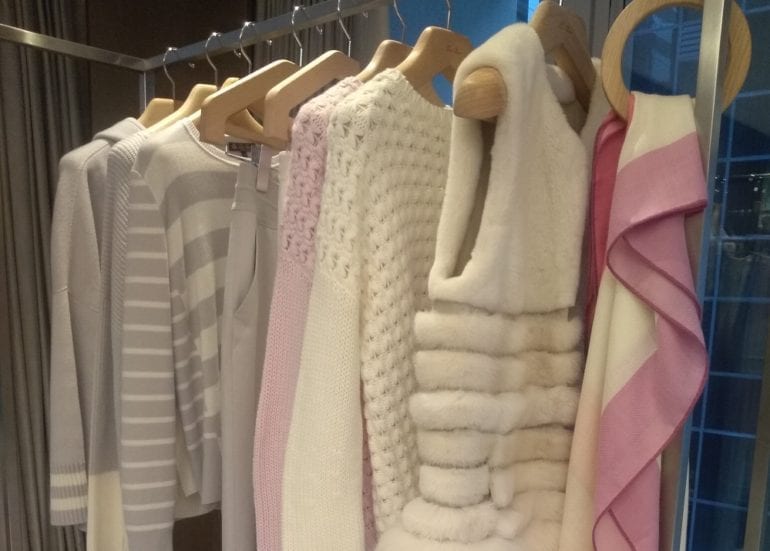
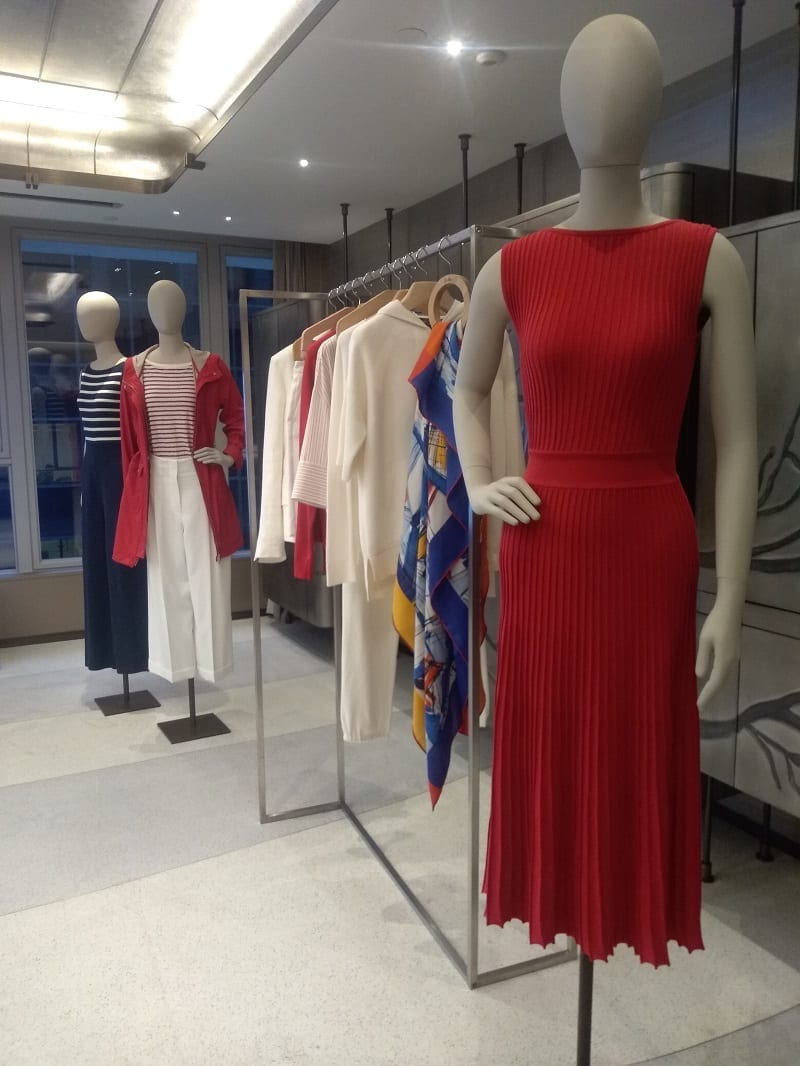
    Last week, Loro Piana previewed 2018 Spring/Summer collection in the Entertainment Suite of The Mandarin Oriental in Hong Kong.

    The new collection features unique, sophisticated articles that combine a contemporary look with refined elegance. The collection includes iconic brand items featuring hallmark characteristics enhanced with the latest generation technology, playful colour combinations and unique details.

    The collection blends Loro Piana heritage with the latest trends of casual wear, athleisure, spa and travel outfits, linked by the common thread of the use of the finest natural raw materials , result of tireless research for an extreme sensorial experience.

    Main feature of the collection is the combination of the finest material with the functionality of garmets created to ease people’s life.

    Ladieswear presents a 360 degree collection : from athleisure to spa and travel items, from new “shirt tucked into skirt” creations to fur for Spring. Loro Piana also presented a wide range of accessories for a practical life on the go.

    The menswear selection gains inspiration from a universe that marries dynamics and style. It features a series of loose fitting, contemporary articles designed for urban wear and a life on the go. The main aspects of this range are water and windproof parkas, cashmere coats and jackets with 3L technology, guaranteeing comfort and performance.

    Every item in this range features a combination of materials with contrasting, high-performance technical details, offering weightless, crease resistant, functional articles that guarantee warmth and protection.

    The sea and sailing also feature, in the most sporty context, whether with light, technical items for sailing, such as the new My Song uniform with its windbreaker made from the revolutionary eco-friendly Green Storm System®, or with articles for wearing on land.

    The sea and sailing collection is inspired by Pier Luigi Loro Piana’s passion for sailing, culminated in its new 40 metre yacht a comfortable cruising boat named My Song. My Song is the most perfect example yet of the racer-cruiser species — a top predator as defined by its designers from Baltic Yachts.

    Additionally, another element bridges heritage and innovation in the collection. The line 175LP is the Pantone code for the brick shade, known as kummel, a signature colour for Loro Piana. This colour used on packaging, tags, and the covers of many of our publications and the trim inside the garments themselves carries a connotative meaning.

    This colour was chosen when the first Loro Piana stores opened at the end of the 1990s, and was applied to all the elements of brand identity. It is inspired by the warm shades of the brick walls of the factories built at the beginning of the last century, when Loro Piana was founded, harking back to the company’s original woollen mills and its heritage of time-honoured excellence in the textile industry which is still very much an integral part of the brand’s identity.

    This colour has been selected as the defining element and common theme of the 175LP line, and is deployed in different ways on the different garments and refined styling details. It is a symbol of our ongoing research into materials and our uncompromising vision of style and quality.

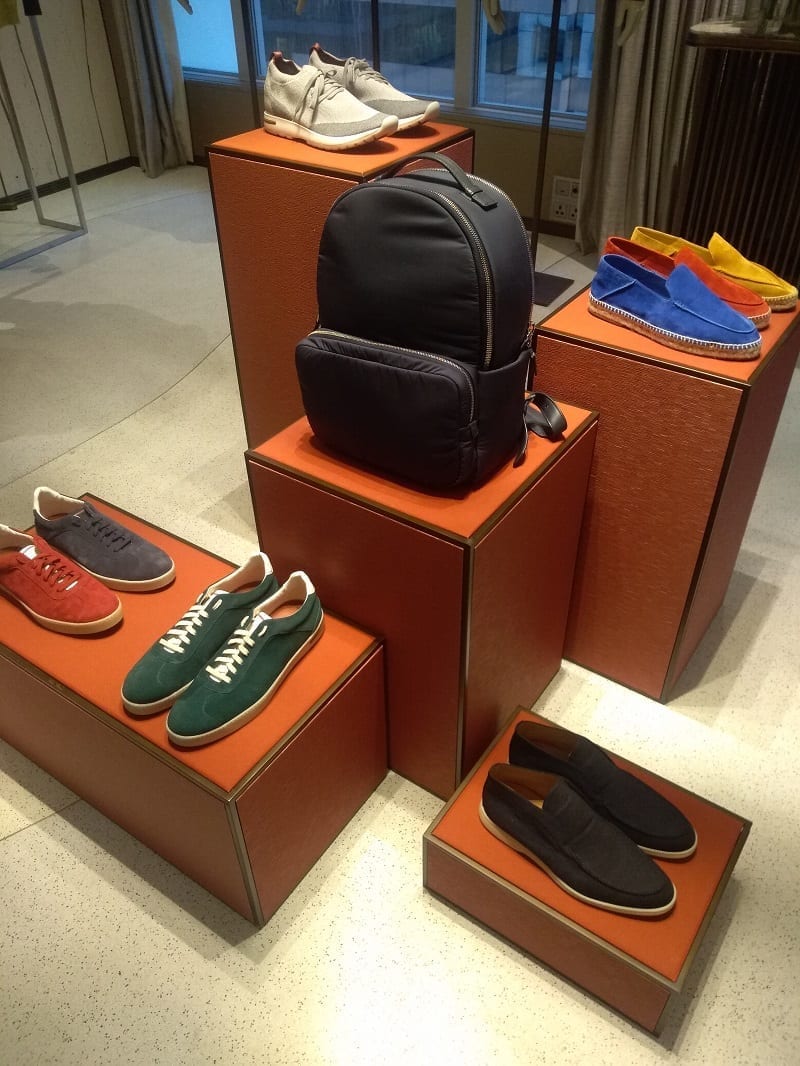
    Footwear options are enhanced by new models inspired by the 70s, in vibrant suede tones, with kummel coloured (toasted brown) details, lending them an air of refinement. The focus on authenticity allows Loro Piana to engage with artisans from all over the world to get the best of their craftsmanship, espadrilles from the collection are indeed realized in Spain to be faithful to the country where the product comes from.

    Under the spotlight also the Gift of Kings®, Loro Piana’s most exclusive wool. Just 2000 kg of the purest fibre measuring only 12 microns are produced per year and transformed into deliciously understated, soft, silky, sophisticated mens and womenswear articles, as well as ultralight vests and casual bombers.

  • H:Connect brings Korean style to Vietnam

    H:Connect brings Korean style to Vietnam

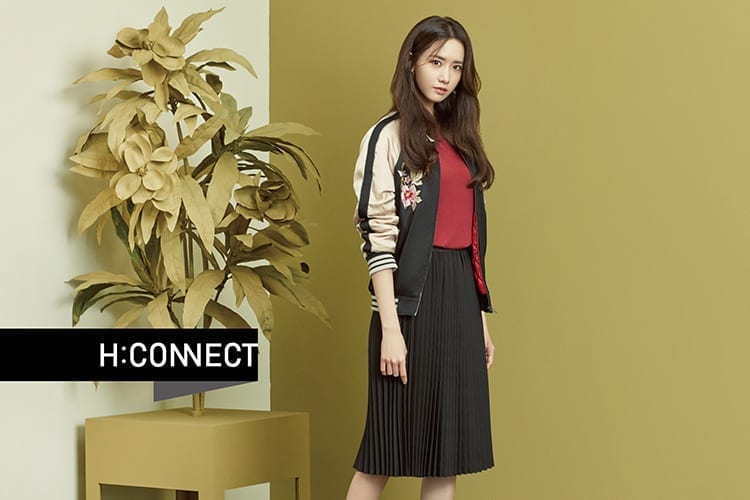
    Korean fast-fashion brand H:Connect has expanded into Vietnam, opening two stores.

    H:Connect Vietnam’s first store opened two weeks ago in Hanoi.

    Now a second store has opened in Crescent Mall in Ho Chi Minh City’s District 7, taking up more than 450sqm. Both shops offer trendy clothing designed in Korea for both men and women.

    Vietnam has long been on the radar of the brand thanks to the huge popularity of Korean wave there, as well as the country’s large Korean expat community.

    Founded in 2006, H:Connect now has stores in China, Hong Kong, Korea, Malaysia, Singapore, and Taiwan.

  • Shopping malls turn to F&B for better yield

    Shopping malls turn to F&B for better yield

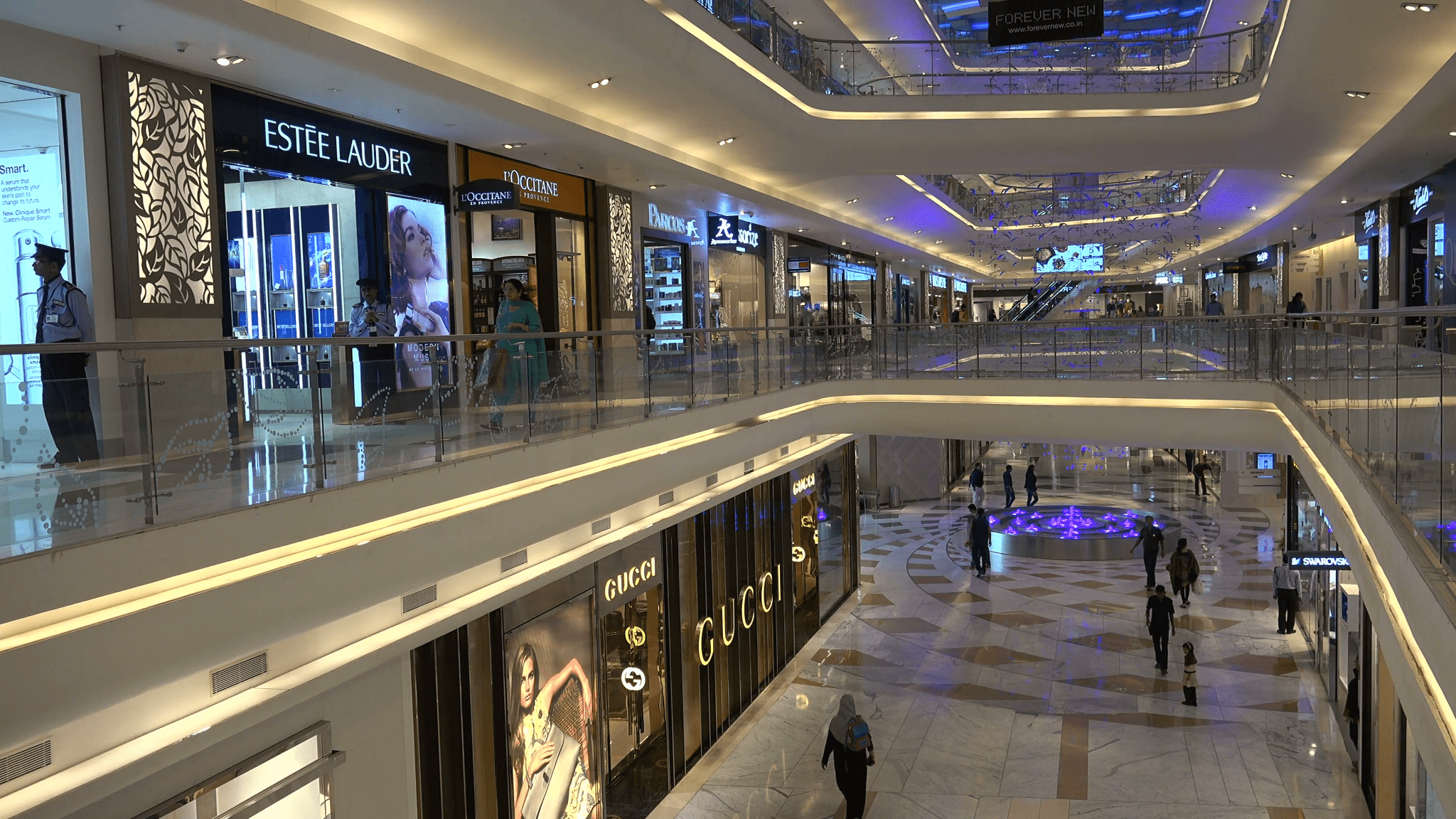
    Shopping malls in the Klang Valley are undergoing a “transformation period”, with more retail operators across all tiers remodelling their retail spaces into food and beverage (F&B) outlets.

    Experts believe the integration of F&B outlets within a shopping space serves as a hedge against increasing competition, amid the aggressive rolling-out of new supplies of retail outlets.

    Malaysia Retail Chain Association (MRCA) had projected earlier in 2017 that shopping malls were expected to allocate 30% of their retail spaces to be converted into F&B outlets compared to the previous ratio of between 15% and 20%.

    Experts have since revised the ratio upwards to more than 30% as operators are pressured to introducing aggressive promotions, while integrating F&B outlets across different sets of retail genres.

    One of the leading retail operators, Sunway Shopping Malls — which is part of the Sunway Group conglomerate — is already reinventing its strategies to convert its malls from a traditional buying and selling place into a lifestyle destination.

    Sunway Shopping Malls COO Kevin Tan Gar Peng said the increasing retail supplies year-on-year are one important factor that has imposed the change.

    “The social aspect of retail as a one-stop lifestyle centre is becoming more prominent. Hence, the need for more F&B outlets is becoming more significant, in line with the consumers’ evolution,” he told.

    He said there is a significant integration taking place among many retail outlets.

    “For example, cinema operators are now seen to be offering more physical F&B experiences to be indulged throughout screening time,” he said.

    Tan added that the F&B outlet ratio is growing at a rapid rate amid robust movement in the social landscape.

    “In Sunway Pyramid alone, we are currently housing approximately 170 F&B outlets, which is a significant number for a first-tier mall within an integrated surrounding.”

    Additionally, he said stand-alone malls and newer supplies that are about to enter the market are expected to face challenging times ahead com- pared to first-tier malls such as Sunway, One Utama, Pavilion Kuala Lumpur and Suria KLCC, which are all leveraging on the integration of their surroundings and amenities.

    At the moment, retail operators are burdened with approximately six million sq ft of additional retail spaces in the Klang Valley alone, which is expected to enter the market over the next two to three years.

    The situation worsens as consumers get more cautious with their spending habits — anticipating the outcome of the upcoming general election, apart from having to deal with the rising cost of living, risk of unemployment, as well as other macro and micro economic factors.

    The cloudy days projected for the retail segment are also reflected in Retail Group Malaysia’s downward revision of the industry’s annual growth forecast for 2017 from 3.7% to 2.2% for a total sales turnover of RM100 billion against its earlier projection of RM101.4 billion.

    With the aggressive rollout of more F&B outlets amid booming demand, MRCA VP Datuk Liew Bin said retailers also need to equip themselves with unique selling points to stay ahead of the curve of facing stiff competition.

    As such, Liew — who is also the MD of Bagman Corp Sdn Bhd — said malls with high vacancy rates should embark on corporate social initiatives by offering special incentives to Malaysian brands that could occupy vacant spaces in order to obtain higher overall turnover percentage.

    “By doing so, the industry can benefit from this move by gauging foreign visitors’ interest in our brands which, in turn, would generate more revenue in the longer run.”

  • China’s 2017 GDP growth could reach 6.9%

    China’s 2017 GDP growth could reach 6.9%

    China’s GDP growth for 2017 may stay at 6.9 per cent, thanks to favourable internal and external conditions.

    China’s GDP growth for 2017 may stay at 6.9 per cent, thanks to favourable internal and external conditions despite the cool-off in the real estate sector and ongoing environmental protection measures, economists said.

    Xu Hongcai, an economist with the China Centre for International Economic Exchanges, said China’s year-on-year GDP growth for 2017 could be a higher-than-expected 6.9 per cent.

    The world’s second-largest economy expanded by 6.9 per cent in the first three quarters of 2017, which is above the government’s preset growth target of 6.5 per cent.

    Foreign trade recovered last year, consumption demand remained steady and high-tech sectors became stronger, contributing to the high growth rate, Xu said. Foreign trade rose 14.2 per cent year-on-year in 2017, reversing a two-year declining trend, according to the General Administration of Customs’ latest data.

    Zhu Baoliang, chief economist of the State Information Centre, said the stable GDP can be attributable to the country’s macroeconomic regulation since 2015, which had led to stable infrastructure and real estate investment to bolster growth. He said the supply-side structural reform had reduced production capacities and pushed up industrial goods prices, leading to surging corporate profits.

    Moreover, China had made much headway in economic restructuring, which has given rise to some new products, technologies and sectors. And the improving global economy has boosted China’s export growth, he added.

    Investment bank Goldman Sachs forecast that China’s GDP growth for 2017 could hit 6.8 per cent. “Economically, growth moved higher (than for 2016’s 6.7 per cent), reflecting better external conditions and the fruits of past policy changes,” it said in its latest report.

    The report said China has also managed to make some regulatory achievements to control financial risks. “Broad credit growth slowed from a pace of more than 20 per cent to the low tens on a clampdown on shadow banking activity. In asset markets, policymakers reined in surging house prices, stabilised the currency after a volatile 2015-16, and oversaw a steady equity rally,” the report said.

    The National Bureau of Statistics is scheduled to release the country’s key economic data, including whole year GDP growth, industrial output, fixed asset investment, and retail sales, on Thursday.

    Premier Li Keqiang said last week at the Lancang-Mekong Cooperation Leaders’ Meeting that China’s GDP growth for 2017 is “around 6.9 per cent”. China had maintained the trend of stable and improving growth in 2017, he said. Ning Jizhe, head of the NBS, said at a forum held on Saturday that the Chinese economy “showed sound momentum last year and did better than expected”.

  • AirAsia India Introduces New Routes

    AirAsia India Introduces New Routes

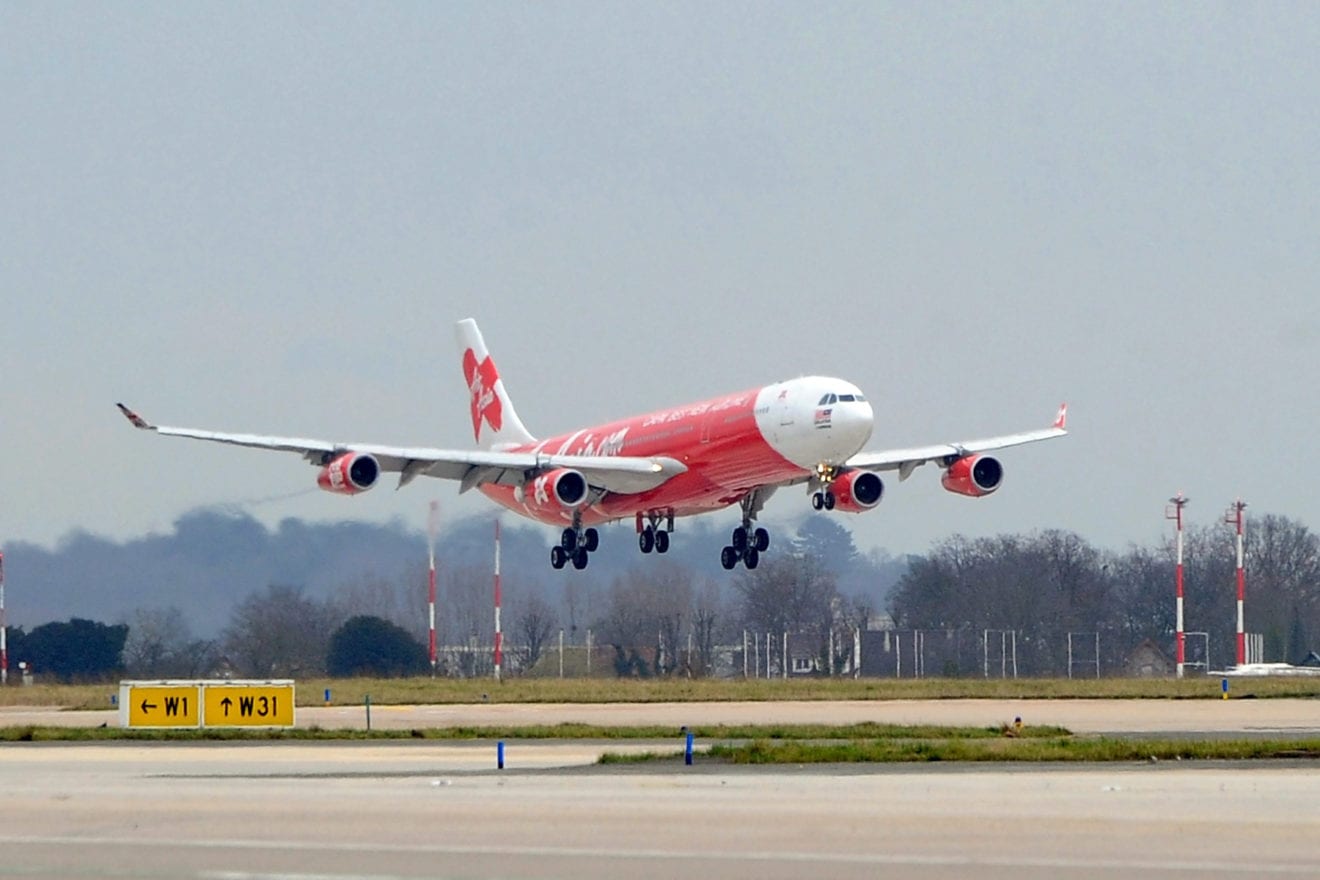
    AirAsia India has announced new flights connecting Chennai with Bengaluru and Bhubaneswar. AirAsia India will start operations on the new flights from February 24, 2018, according to the airline’s website – airasia.com. The move comes over two years after the airline had discontinued operations from Chennai. AirAsia India is offering promotional flight tickets starting at an all-inclusive Rs. 1,299 on the new flights connecting Chennai, according to its website. Bookings for the flights connecting Chennai with Bengaluru and Bhubaneswar are open till January 21, 2018. The fares are applicable on travel till January 31, 2019, the airline noted.

    AirAsia India detailed its promotional fares on the new flights connecting Chennai with Bengaluru and Bhubaneswar:
    airasia chennai offer airasia website
    AirAsia India will fly five times a day in and out of Chennai to Bengaluru and Bhubaneswar, news agency Press Trust of India reported citing a release by the airline on January 15. Bengaluru-based AirAsia India also announced induction of another Airbus A320 into its fleet, raising its size to 15, the agency reported.

    A search on the AirAsia India bookings portal on Wednesday showed tickets for a flight from Bengaluru to Chennai in February-end were available from Rs. 2,799.

    Here are five things to know about the AirAsia India offer on flights connecting Chennai:

    All fares are quoted for single journeys (one-way) and valid for new purchases only, according to the AirAsia website. The fare includes airport taxes (except for selected airports where airport tax is collected at the point of departure), it noted.

    The fares are only available for online bookings at www.airasia.com, according to the airline.Without divulging the total number of seats offered under the scheme, AirAsia India said: “Seats are limited and may not be available on all flights.”

    A non-refundable processing fee is applicable for payments via credit/debit/charge cards, AirAsia India mentioned.

    Changes to flights and dates are permitted subject to change fees, and changes to name are not permitted, according to AirAsia India.

  • Hubbed Signs Deal with DHL eCommerce to Launch New International Delivery Service

    Hubbed Signs Deal with DHL eCommerce to Launch New International Delivery Service

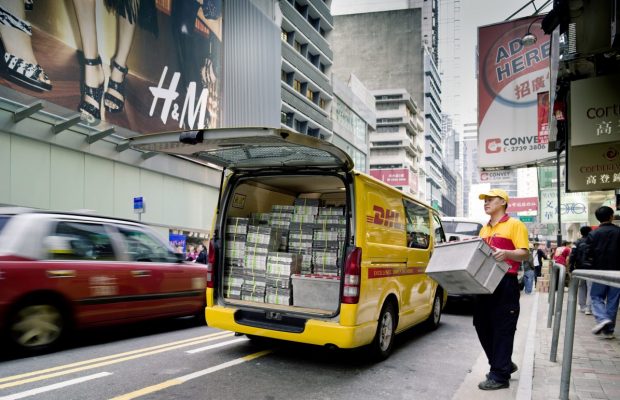
    HUBBED has recently partnered with DHL eCommerce to launch the latest and convenient international delivery service.

    HUBBED is currently offering competitive rates to sellers who are using eBay’s eCommerce platform— and will help them save at least 20 percent on HUBBED’s international standard rates.

    “We’ve partnered with HUBBED to offer you a competitive international shipping service with DHL eCommerce.” DHL Spokesperson

    This offer is only available to eBay sellers and will give them access to HUBBED locations for parcel drop-offs, HUBBED’s international standard rates, quick access to their eBayaccounts, and parcel tracking with email notification on their delivery.

    All rates include parcel tracking, PO Box delivery accepted, insurance coverage of up to $50, and email notifications. Special rates are only valid until 15 February 2018.

    eBay sellers need to link their store to HUBBED and start shipping orders in bulk in a few minutes.

    All import orders from their eBay account go directly into their HUBBED Parcels account. Sellers will then have to package their items, complete the transactions, and then generate their own consignment label.

    Once the packages are all set, sellers will then have to drop off their parcel at any of the 1000+ HUBBED locations near their area. They can track the parcel directly from their HUBBED account and will also receive email notifications for the items.

    Never miss any delivery with HUBBED

    HUBBED offers a much better way for retailers, customers, and carriers to deliver their parcels. They also provide hassle-free returns process at any of their locations.

    They also have the innovative technology solutions that can help you track and deliver your order easily. The company is currently working with several logistics company such as TOLL, BP, Couriers Please, Singapore Post, UPS, and many others.

    What do you feel about HUBBED’s partnership with DHL e-commerce? Share your thoughts down below.

  • Japan sees investors flock to AI, big data funds

    Japan sees investors flock to AI, big data funds

    Funds that are oriented towards artificial intelligence (AI) and big data are attracting Japanese investors, according to the latest data compiled by QUICK Asset Management Research Center. This happens as popular monthly-distribution trusts are registering a net outflow of funds.

    The latest data on fund flows for investment trust management companies shows that individual investors are being lured to trusts that focus on AI and other cutting-edge technologies.

    Daiwa Asset Management, for example, registered a net inflow of JPY 370.1 billion in 2017, the largest among investment trust management companies. A fund for investment in robotics-related stocks, introduced by Daiwa at the end of 2015, continues to lure investors. Goldman Sachs Asset Management also recorded strong sales of a fund for global stock investments utilizing big data.

    Let’s recall that the latest Monex Global Retail Investor Survey conducted from November 27 to December 1, 2017, shows that “Technology” ranked at the top of the most attractive sectors among retail investors in Japan, U.S. and China (Hong Kong). There was no major change in the other sectors. However, while “Finance” was ranked high by retail investors in U.S and China (Hong Kong), “Banks” ranked low in Japan, and a difference in bias was apparent.

    This is in line with the results from the preceding investor survey, which also showed that technology was the most attractive sector for investors in all three regions covered by the survey. Monex explained back then that this interest is largely fueled by almost daily media coverage about advancements in AI and that expectations of technology companies among retail investors are extremely high.

    There has been, indeed, a plethora of news regarding investment into AI, especially in Japan. In November 2017, Xenodata Lab, a Tokyo-based firm that leverages the power of artificial intelligence to provide finance data analytics products to financial services companies, announced that it had secured JPY 250 million in funding from Japanese financial majors, such as Mitsubishi UFJ Financial Group Inc, SMBC, Mizuho, and Okasan Securities.

    And in December last year, Mitsui & Co Ltd (TYO:8031) announced an investment into Preferred Networks, Inc (PFN), a company that specializes in AI technology development and provision, with the focus being on deep learning.

  • Toymaker Lego teams up with Chinese internet giant Tencent

    Toymaker Lego teams up with Chinese internet giant Tencent

    Danish toymaker Lego is teaming up with Chinese internet giant Tencent Holdings to jointly develop online games and potentially a social network aimed at Chinese children.

    Privately-owned Lego has seen a slowdown in sales growth in recent years, but the Chinese market has been a bright spot with sales growing 25-30% in 2016.

    It is competing with Barbie maker Mattel and Hasbro, the firm behind My Little Pony, for a slice of the $31 billion toys and games market in China.

    Lego said on Monday the partnership with Tencent, China’s biggest social network and gaming company, aimed to create a safe online environment covering content, platforms, and experiences tailored for Chinese children.

    “What we are looking for now with Tencent is just to find more creative ways of reaching children, and creating bespoke content with Tencent, in this case, video games,” Jacob Kragh, head of Lego in China, told Reuters on Monday at joint event with Tencent in Beijing.

    It also includes LEGO BOOST — a building and coding set that lets children turn their brick creations into moving objects — and will explore developing a joint social network for children in China.

    Tencent is Asia’s most valuable company with a market capitalisation of $537 billion.

    Last year, Mattel struck deals with Chinese e-commerce giant Alibaba Group Holding and online content developer BabyTree to sell interactive learning products based on its Fisher-Price toys.

    Lego has about a 3% market share in China, followed by Mattel and Hasbro with around 2% and 1%, respectively, according to Euromonitor International.

    In November 2016, Lego opened a factory in Jiaxing, China, which it expects to produce 70-80% of all Lego products sold in Asia.