Author: Mei Ling Tan

  • Korea’s Caffe Bene sees the end

    Korea’s Caffe Bene sees the end

    Korean coffee chain Caffe Bene has collapsed, filing for a court-led restructuring scheme on Friday.

    Yonhap news service reports the court will soon decide whether to put the ailing coffee chain under its receivership or commence liquidation.

    The legal move follows a protracted slump and mounting losses, the company said. In 2016, the company lost about US$32 million on sales of $73 million, down 32 per cent on the previous year. At that time it operated 800 stores in Korea, a figure it said would shrink as it restructured, and about 50 in the US.

    Launched in 2008, Caffe Bene expanded to become one of South Korea’s largest coffee franchises, opening more than 1000 stores in five years, but lost ground in the saturated coffee market. While its US website claims it has opened 1600 stores worldwide, the exact number still trading is difficult to ascertain. It has opened in Vietnam, the US, China, Canada, Brunei, Singapore, Japan, Indonesia, the Philippines, Saudi Arabia, Malaysia, Cambodia and Mongolia.

    But the international foray has met with mixed success. The Cambodian store has already closed and the last Facebook post by the Singapore cafe is dated February last year. In Vietnam several stores have opened and closed, including its downtown flagship which drew huge queues when it opened in 2014. Three outlets remain trading there, but it is not clear if they are franchised or company-owned.

    The company also appears to have exited the Canadian market.

    While rapid growth in the consumption of brewed coffee drove up the Korean coffee industry’s overall expansion, Caffe Bene was unable to match the growth rate at home.

  • Akamai could be up for sale

    Akamai could be up for sale

    A recent report claims that Akamai is working with Morgan Stanley to explore strategic alternatives. On the table, apparently, is a sale of the company. To whom, though?

    The move may be in response to pressure from Elliot Management Corp, which holds a 6.5% stake in Akamai and has been pushing the company to consider ways to maximize shareholder value. The thesis is that Akamai’s core business is being challenged by big content’s moves to bring such capabilities in-house.

    Now, it’s not the first time Akamai has faced overall trends that threatened to divert revenue away from the middle man, yet the company always seems to come out on top. We believe that this time is the same, but just as a theoretical exercise let’s consider who might do the buying.

    From the network infrastructure side, it would probably take a major network operator like Verizon or AT&T or Comcast or CenturyLink to do such a deal. In particular, Verizon’s appetite for Yahoo and other content certainly could fit well with Akamai. If the opportunity were right, We think they might jump at it. But We doubt they’d pay the premium required in this case.

    It’s a bit more interesting from the content/cloud side of course. Since they are building such infrastructure in-house, it’s not such a stretch to think that one of Google, Microsoft, Facebook, Apple, or Amazon could decide to drop $12 billion to 15 billion to instantly scale it. But there are channel conflicts in there that give me pause.

    The other option would be for private equity to move in and take the company private. If there is private equity out there that thinks Akamai isn’t taking advantage of all the opportunities on its plate and that it could grow faster and more profitably if not tethered to a publicly floated stock, then sure. But again, it’s not as if Akamai is hurting for resources to invest.

  • Shilla Duty Free sets up second presence in Incheon airport

    Shilla Duty Free sets up second presence in Incheon airport

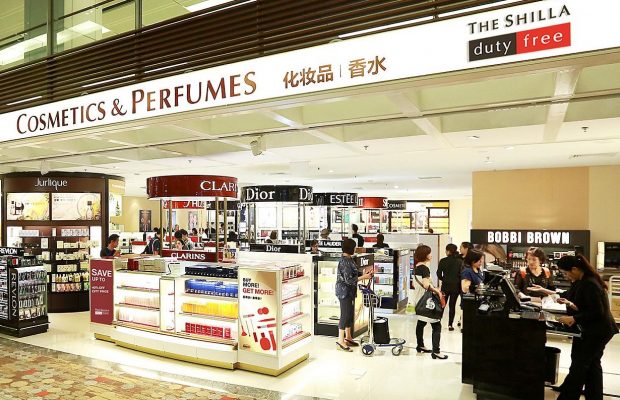
    With its new second store at Incheon International Airport (IIA), Shilla Duty Free says it now has cosmetics and perfume outlets at all passenger terminals in Asia’s three largest airports.

    The South Korean duty-free retailer says it has shops at all four terminals at Singapore’s Changi Airport and at Chek Lap Kok Airport in Hong Kong. Its first store at IIA opened in 2001.

    Cosmetics and perfume are considered key duty-free items as they generate strong revenue. In the case of IIA’s duty-free shops, cosmetics and perfume account for 38 per cent of all sales.

    Shilla Duty Free, part of Hotel Shilla, says it expects overseas business to soon exceed KW1 trillion (US$939 million).

    Its new store covers 2100sqm and offers products from 110 brands including Chanel, Dior, Estee Lauder, Lancome, SK-II and Sulwhasoo. It features a “digital beauty bar” that uses such technology as a VR “beauty mirror”.

  • AirAsia introduces its own mobile wallet, BigPay

    AirAsia introduces its own mobile wallet, BigPay

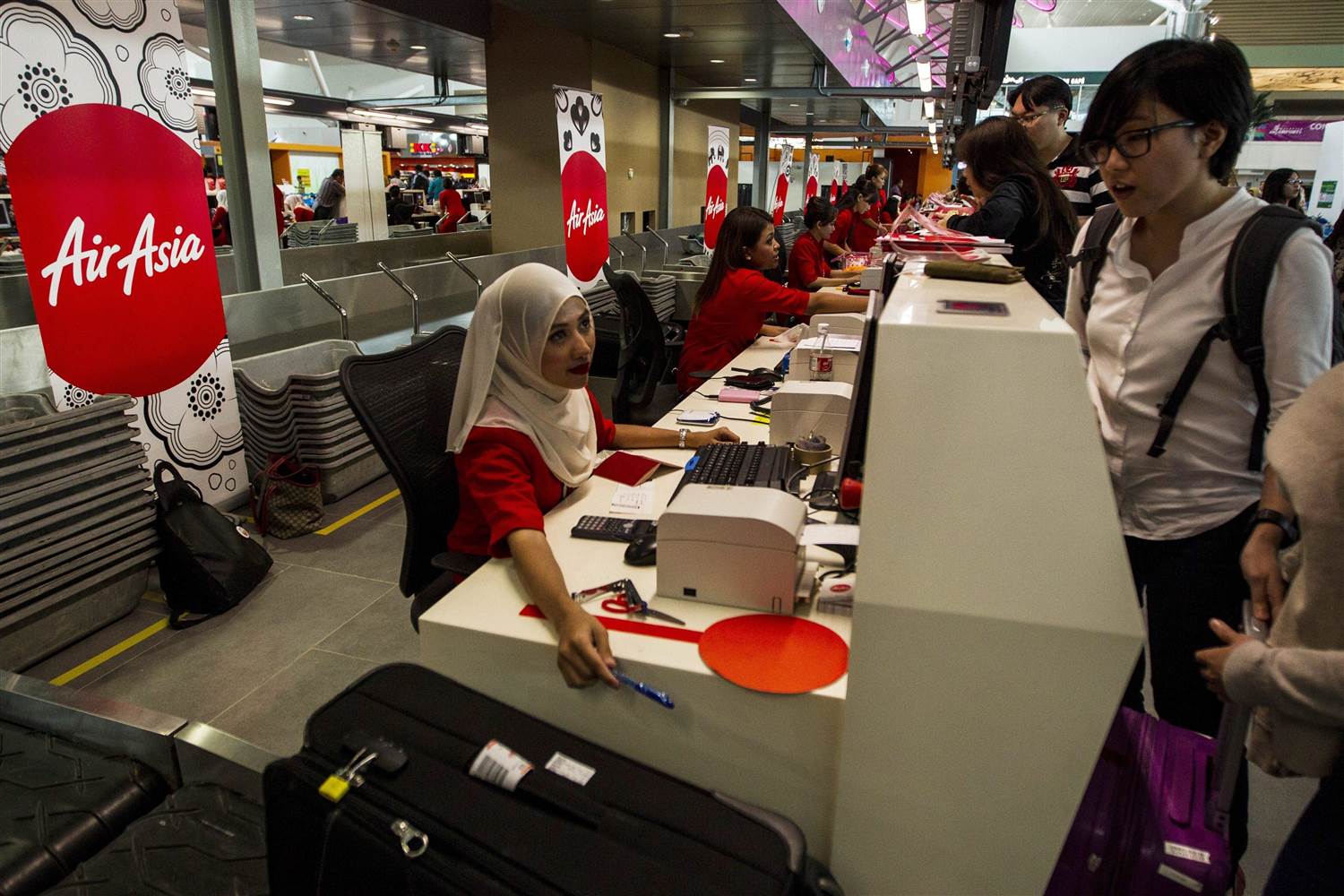
    AirAsia has joined the ranks of digital wallet providers with its own app, BigPay

    AirAsia Bhd Group chief executive officer Tan Sri Tony Fernandes announced the service on Twitter, saying it was part of AirAsia’s digital strategy.

    “One day this product will be worth more than @AirAsia. Many features being rolled out. Soon no more cash on AirAsia,” he said.

    He added that the BigPay electronic wallet would eventually offer foreign exchange remittances and possibly even money lending to AirAsia’s database of 63 million names.

    According to the BigPay’s Google Play page, the app was linked to Mastercard and could be topped up from their debit or credit cards.

    The app is said to be accepted at over 30 million merchants that accept Mastercard globally, plus users would earn AirAsia BIG loyalty points when they spend and get zero processing fees when booking a flight with the airline.

    The app’s page also assured that it was regulated by Bank Negara Malaysia and had the latest security protocols including fingerprint and facial recognition to verify the user’s identity.

    BigPay is available on Google Play store and the Apple App store.

  • Crypto Trading in Korea Continues, Questions Remain

    Crypto Trading in Korea Continues, Questions Remain

    Cryptocurrency trading in Korea is getting more detached, flying by its own rules. Recently, the news of an upcoming ban rattled the market. CoinMarketCap decided to alter its calculation protocol to exclude prices in Korea, thus for a while scaring investors that a flash crash had happened.

    But it turns out, Korean trading is not really affecting the sentiment of other markets. Korean trading mostly serves a very local taste for risk. In the summer months, interest in Bitcoin for a while coincided with the threat of North Korea.

    Later, it turned out that Koreans simply found investing in crypto irresistible, and moved in en masse. In the past, Korean authorities have had other bouts of market mania related to risky assets, thus being extremely anxious on how cryptocurrencies could affect personal finance.

    The Korean markets have seen an influx of retail investors, ranging from office workers to students, in search of a fast-growing investment in Bitcoin or other cryptocurrencies. Korean exchanges are fast to adopt new coins and allow immediate trading in pairs against fiat.

    But some see the latest price spikes as highly speculative and at a risk of crashing.

    For now, there are no further updates on what the Korean government would do with exchanges. Trading continues at a premium to US-based exchanges, and the Korean Won remains the fourth most active fiat currency in trading pairs.

    The matter is becoming politicized, and there are protests that the government should not meddle too much and make honest investors into outlaws.

    And while Bitcoin commands higher prices, it is difficult to move assets between exchanges and make use of the difference in trading.

  • Singapore’s UOB unveils digital advisory service

    Singapore’s UOB unveils digital advisory service

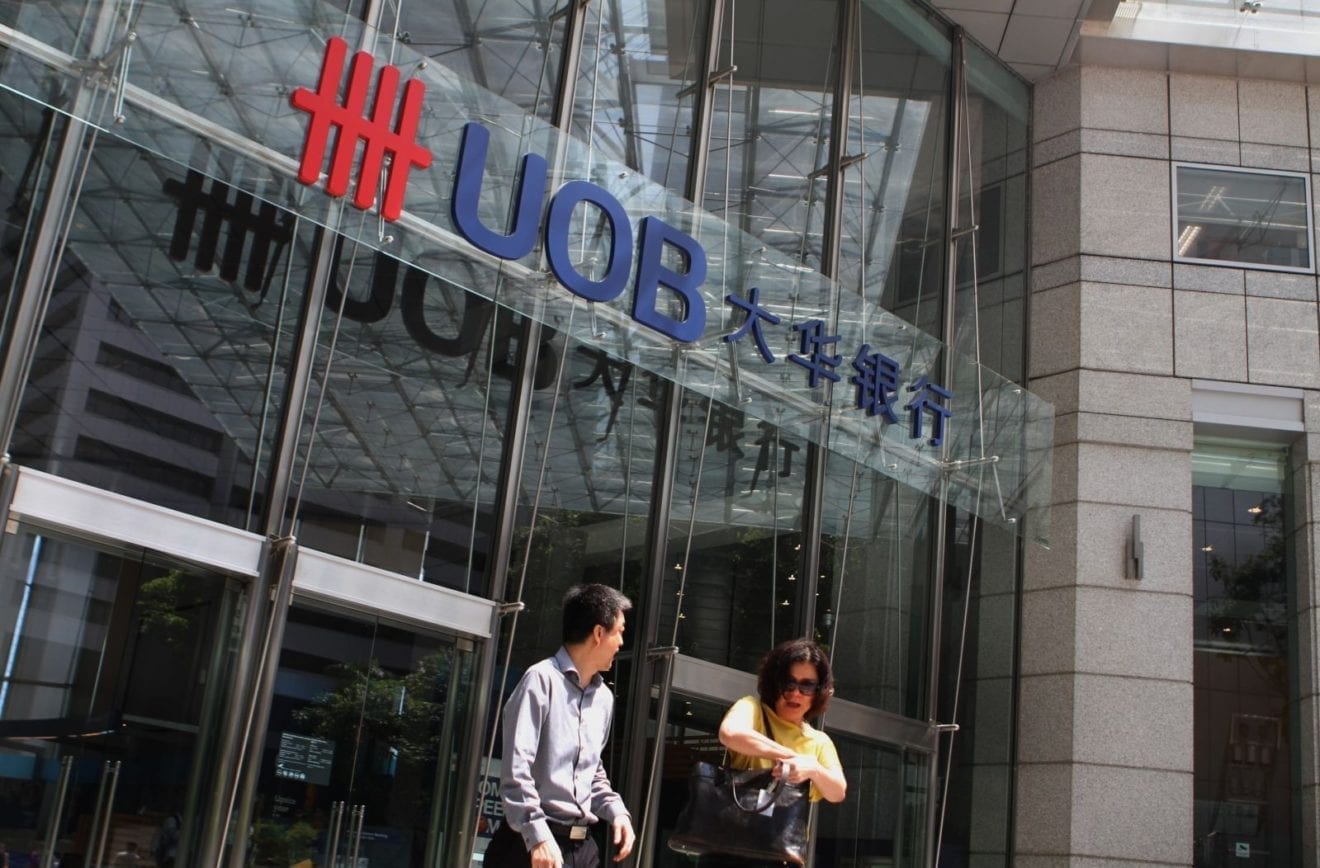
    UOBAM said in a statement that it has launched its own digital advisory service UOBAM Invest that bids to allow companies to manage their discretionary investments through the firm’s portfolio solutions and in some cases achieve results within a matter of minutes.

    According to UOBAM Singapore the new digital service is offered exclusively to UOB’s commercial banking clients, which are mainly medium-sized companies. The launch is the city state’s first digital advisory service for companies to manage their discretionary investments, UOB said.

    It will be offered to the bank’s other corporate clients, as well as to retail investors, and across UOBAM’s network in Asia, in subsequent phases.

    Through the service, clients will be able to submit their financial information, obtain their risk profile, and receive an investment portfolio proposal in minutes.

    The clients can choose to invest in the proposed portfolio or to adjust it.

    Thio Boon Kiat, group chief executive, UOBAM, said: “At UOBAM, we have observed our clients’ increasing preference to receive investment advisory and to manage their investments digitally. Using our proprietary screening methodology and asset allocation framework, we designed UOBAM Invest to meet the needs of these investors and to make our portfolio solutions easily accessible online.”

    Portfolio creation

    The portfolios will be created from a wide range of UOBAM-managed funds and global exchange-traded funds (ETFs) spanning various asset classes, such as equities, high-yield and investment-grade bonds, as well as money market and short-term fixed income.

    UOBAM Invest said that a conservative portfolio will typically comprise ETFs or unit trusts that are invested mainly in government bonds, money market and short-term fixed income. The most aggressive portfolio will largely consist of ETFs or unit trusts that are equities-based, and a small allocation to those that are focused on high-yield bonds.

    Eric Tham, head of UOB group commercial banking, said: “Our clients look to discretionary investments in various fund products to maximise their returns and to strengthen their balance sheets. However, as they focus on their day-to-day business operations, they may not be able to afford the time needed to choose and to track their investment portfolios closely. With UOBAM Invest, it is now more convenient for our clients to manage these investments with UOBAM.”

    Technology partner

    UOBAM’s technology partner on UOBAM Invest is FNZ Group, a global FinTech company specialising in providing multi-channel wealth management services to the financial services and wealth management sectors.

    UOB Asset Management Ltd (UOBAM) is a wholly-owned subsidiary of United Overseas Bank Limited. Established in 1986, UOBAM has been managing collective investment schemes and discretionary funds in Singapore for more than 30 years. As at 30 November 2017, UOBAM and its ubsidiaries manage about S$33.9bn (US$25.2bn) in clients’ assets. UOBAM has an extensive presence in Asia with regional business and investment offices in Malaysia, Thailand, Brunei, Taiwan and Japan.

  • iPhone helps dial up Nov retail sales growth to 2-year high

    iPhone helps dial up Nov retail sales growth to 2-year high

    Retail sales surged in November with their strongest growth in almost two years, reversing course from the slump seen in October possibly due to the launch of the iPhone X and improved consumer sentiment, say economists.

    Total takings grew 5.3 per cent in November compared to the same month a year ago – its best showing since March 2016, according to latest data by the Singapore Department of Statistics.

    This is a reversal of the 0.2 per cent decline recorded in October – revised lower from earlier estimates of a 0.1 per cent dip – and a steeper 0.6 per cent fall in September. It also beat economist forecasts of a modest 1.1 per cent rise, according to a poll by Bloomberg.

    With motor vehicles stripped out, retail sales still grew 4.7 per cent year-on-year.

    Despite the volatility usually seen in retail sales numbers, economists say that November’s data is a sign of a continued pickup in sentiment thanks to a brightening economy.

    Maybank Kim Eng economist Chua Hak Bin said: “You haven’t seen this type of retail numbers for quite some time. It looks as if growth has broadened and consumers are a lot more upbeat… Generally, the feel-good factor has spread out.”

    While it seems that consumer spending has finally turned the corner, one factor that could influence this recovery is a hike in taxes. Credit Suisse economist Michael Wan said: “The one risk is on policy – whether the government will change any tax rates and the magnitude of change.”

    Goods and services tax (GST), which has stood at 7 per cent since 2007, is widely seen as the top contender for a hike, with e-commerce tax another likely candidate. Market watchers expect the issue of tax to be addressed at the upcoming Budget 2018.

    Maybank’s Mr Chua said that the timing of a GST hike, if any, matters. For example, there could be an uptick in retail sales as consumers bring forward their spending ahead of higher taxes in the future. A possible e-commerce tax could also affect retail sales. Mr Chua explained: “Some of the international e-commerce transactions are not captured (in terms of tax). There could be some shifts as the playing field is levelled as this (an e-commerce tax) will take away some advantage that the international online players have.”

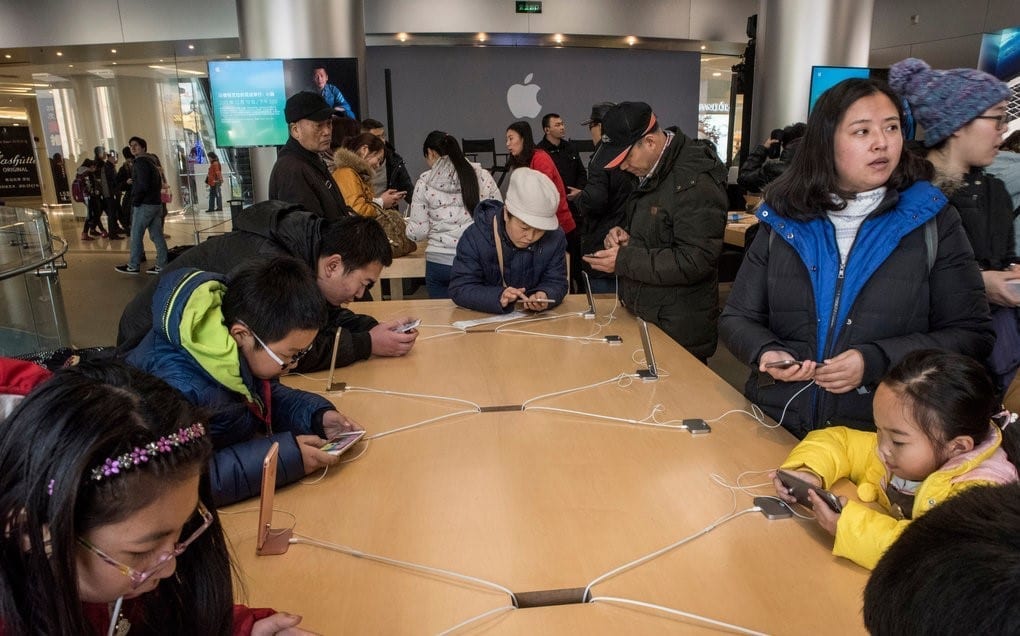
    As of now, retail sales data mostly captures brick-and-mortar spending. He believes November’s stellar growth was likely driven by smartphone sales with the launch of the latest iPhone X, which would explain the surge in computer & telecommunications equipment sales.

    Computers & telecommunications equipment was by far the best performing segment, going up by 16.6 per cent compared to a year ago. This was followed by supermarket sales at 9.7 per cent and petrol service station sales at 9.6 per cent.

    On a month-on-month basis, the performance of computers & telecommunications equipment was even more stark, jumping 46.5 per cent compared to October. This was followed by motor vehicles at 14.6 per cent. The poorest performing segment was watches & jewellery with a decline of 3.6 per cent.

    After seasonal adjustment, total retail takings went up by 5.1 per cent in November compared to the month before. Excluding car sales, it still grew a respectable 2.9 per cent.

    While retail sales was much stronger than expected, sales of food & beverage services was mixed. Total takings grew 2.1 per cent year-on-year, but dipped 0.1 per cent compared to October. The total retail sales value in November was estimated at S$3.8 billion, higher than the S$3.6 billion seen last year.

    Despite the uncertainty surrounding possible tax hikes, economists remain optimistic on the outlook for retail sales in 2018.

    Mr Chua pointed out that even when GST was increased in the past, the backdrop of a booming economy helped offset its dampening effects.

    He said: “The state of the economy and the job market – those are always the more overwhelming factors. What’s important is that the economy holds up.”

  • Asia Gold-Price gain keeps buyers at bay; market eyes China holiday boost

    Asia Gold-Price gain keeps buyers at bay; market eyes China holiday boost

    Demand for physical gold remained lacklustre across top Asian centres this week as buyers were put off by a rally in prices, but an approaching Chinese New Year could reignite appeal for the yellow metal.

    Gold prices rose for a third session on Friday to hit their highest since September, with a slump in the U.S. dollar helping drive bullion towards its fifth straight weekly gain.

    High prices are weighing on physical demand for gold, but demand is expected to rise ahead of the Chinese New Year, according to Brian Lan, managing director at dealer GoldSilver Central in Singapore.

    In top consumer China, the range for premiums broadened to about $5-$8 an ounce from $6-$7 last week.

    The Chinese New Year holiday will kick in by the middle of next month.

    There is not too much demand currently and if prices come down to the $1,300 level, demand and premiums will increase, said Ronald Leung, chief dealer at Lee Cheong Gold Dealers in Hong Kong.

    Premiums of 60-80 cents an ounce were being charged over the benchmark in Singapore this week, while in Hong Kong, premiums ranged between 60 cents and $1.20, against 70 cents previously.

    Demand remained subdued in India, the world’s second largest consumer of the metal, as well, since jewellers and retail buyers were postponing purchases due to a rally in local prices to the highest level in 1-1/2 months.

    Jewellers need to buy gold for the next month’s jewellery exhibition, but they are postponing purchases due to the price rise, said Mukesh Kothari, director at bullion dealer RiddiSiddhi Bullions in Mumbai.

    “They will wait for a week or so for price correction. Then they have to make purchases.”

    Local gold prices jumped to 29,550 rupees per 10 grams, the highest level since Nov. 20, 2017.

    Dealers in India were offering a discount of up to $2 an ounce this week over official domestic prices, unchanged from last week. The domestic price includes a 10 percent import tax.

    Jewellers were keeping a lower inventory as some people are speculating the government will reduce import duty in the budget on Feb. 1, said a Mumbai-based dealer with a private bank.

    India’s gold imports surged 67 percent in 2017 from the previous year to 855 tonnes, provisional data from precious metals consultancy GFMS showed.

    Meanwhile, in Japan, public selling volumes rose, causing sellers to keep offering discounts of 50 cents, unchanged from the previous week. (Reporting by Nithin Prasad in Bengaluru, editing by David Evans)r

  • Alibaba’s plan to revamp mom-and-pop stores ‘innovative’, but Singapore ‘not ready’

    Alibaba’s plan to revamp mom-and-pop stores ‘innovative’, but Singapore ‘not ready’

    Ahead of its annual online shopping extravaganza, popularly known as Singles Day, last November, Chinese tech titan Alibaba unveiled its Ling Shou Tong retail strategy.

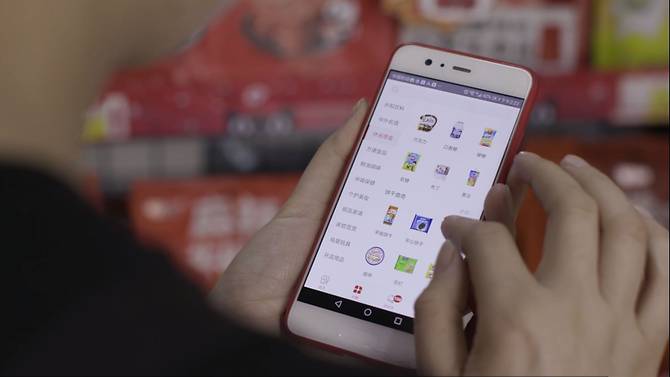
    Ling Shou Tong’s idea is simple: To connect convenience stores, often mom-and-pop stores, to the e-commerce giant’s network of supply chain, logistics and data analytics – and by doing so, revamp how these shops operate.

    As it said on its news portal Alizila: “The programme doesn’t just give a cosmetic update to convenience stores. It’s also an extreme tech makeover, injecting modern analytics to improve, streamline and automate operations that have long relied on elbow grease and intuition.”

    In practical terms, this means when shopowners order goods via the Ling Shou Tong app, analytics of their stores would suggest to them the products that are most in demand. They are also able place their orders online, in a centralised manner, without having to negotiate with multiple distributors.

    Alibaba said a large number of mom-and-pop stores in China are owned by those over 45, who “log long hours and do everything themselves”, and these are characteristics that could apply to small retailers here in Singapore too.

    LING SHOU TONG IN SINGAPORE?

    But could Alibaba bring the Ling Shou Tong concept to Singapore?

    IDC’s lead analyst for Future of Commerce Lawrence Cheok said in an email that this retail strategy provides similar benefits for consumers and small merchants here, such as greater supply chain efficiencies and, hopefully, competitive prices.

    However, he noted that Ling Shou Tong is similar to the tech titan’s other rural commerce initiatives in that it is an effort to more deeply penetrate the local domestic market, given that e-commerce is mostly saturated in the top tier cities. With that in mind, he questioned if bringing this retail concept here is the “lowest lying fruit” for the Singapore market.

    Other analysts also downplayed the possibility of Ling Shou Tong being brought here, with Forrester Research’s senior analyst Xiaofeng Wang saying that Singapore is not ready for the retail concept as consumers or small merchants are not prepared for it.

    Ms Wang pointed out that mobile payment in China is already so dominant, with the majority of consumers and small merchants, even street stall owners, using this method on a daily basis. So upgrading to Ling Shou Tong and using digital means to order and manage inventory “wouldn’t be that far away” for these mom-and-pop shopowners.

    “In Singapore, there’s still a long way to go,” the analyst said in an email. “Majority of consumers and merchants still use cash in hawker centres even after QR code payment is launched.”

    Gartner’s research director Adrian Lee also said that while the concept is “innovative”, he does not see it “playing out well” here.

    Mr Lee said in his email that Ling Shou Tong needs several conditions to be successfully implemented: A near ubiquitous digital payment channel and point-of-sale management to facilitate seamless checkout, a robust and integrated logistics network and fulfillment partners such as Cainiao and sufficient number of store owners who believe in the value of tapping into the company’s massive inventory to gain cost savings when stocking up.

    “For the above reasons, I do not believe that Ling Shou Tong is viable in Singapore.”

    NEW RETAIL METHODS “A MATTER OF TIME”

    That said, IDC’s Cheok is of the opinion that Alibaba’s New Retail strategy, which Ling Shou Tong is a part of, will spread to the rest of Asia. Chairman Jack Ma had said last October that New Retail will “bring about a restructuring of the global supply chain and change the complexion of globalization from the domain of big businesses to small businesses”.

    The imported retail concept would be a variation of the China model “in order to cater to local requirements” and would likely entail partnerships with local players who can provide value, the analyst explained.

    “For instance, Alibaba would require local consumer data and insights to provide the same benefits they are providing to the Chinese merchants. In addition, new supplier relationships would be required to cater to local merchandising preferences,” he said.

    Should this happen, it will “definitely impact the bottom line for competitors caught unawares”, Gartner’s Lee suggested.

    “Amazon will have an advantage in that they’ve launched similar converged retail initiatives and is also sufficiently funded to scale up,” he said. “The capital investment required to carry out Ling Shou Tong will prove an obstacle for local supermarket chains and players like honestbee.”

     

  • Asia boosts Fast Retailing sales and profit

    Asia boosts Fast Retailing sales and profit

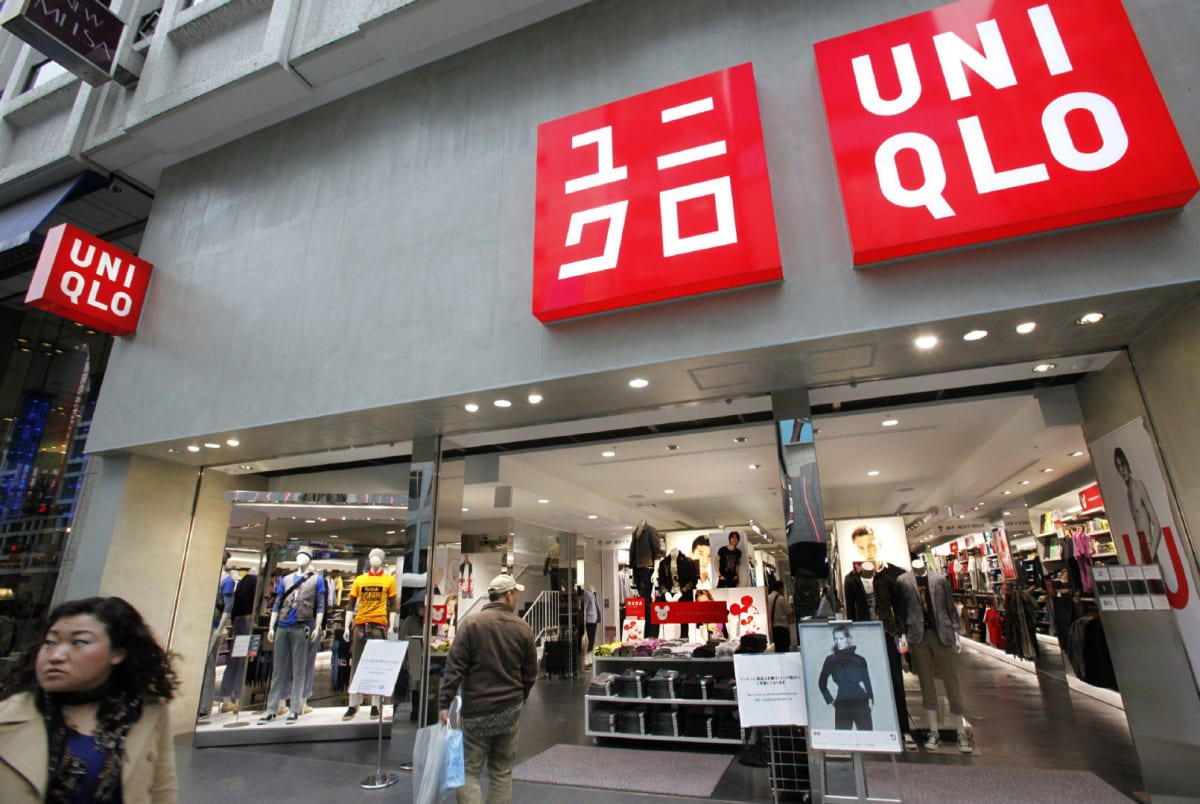
    Uniqlo parent Fast Retailing has reported a record first quarter profit as international sales eclipsed its domestic revenue for the first time.

    While Fast Retailing sales in Japan rose 8 per cent to 257 billion yen (US$2.31 billion) for the first quarter ended November, overseas sales surged 31 per cent to 258.2 billion yen.

    “Southeast Asia & Oceania contributed to the rise in Uniqlo international revenue thanks to strong sales of summer items designed for year-round hot weather and buoyant demand for winter items from overseas travelers,” the company said in a statement.

    In China, Uniqlo is closing in on its target of 1000 stores by 2021 by venturing into second- and third-tier cities, surpassing 600 at the end of last year. India is the next major market on its radar.

    As for the home market, Fast Retailing CFO Takeshi Okazaki said while the economy was improving, “we cannot be optimistic that demand is returning to the apparel sector”.

    “We aim to make Japan one country in a global business,” he said during an earnings briefing.

    Operating profit for the quarter rose 28.6 per cent to US$1 billion in the quarter.

  • Lululemon leader in experiential marketing

    Lululemon leader in experiential marketing

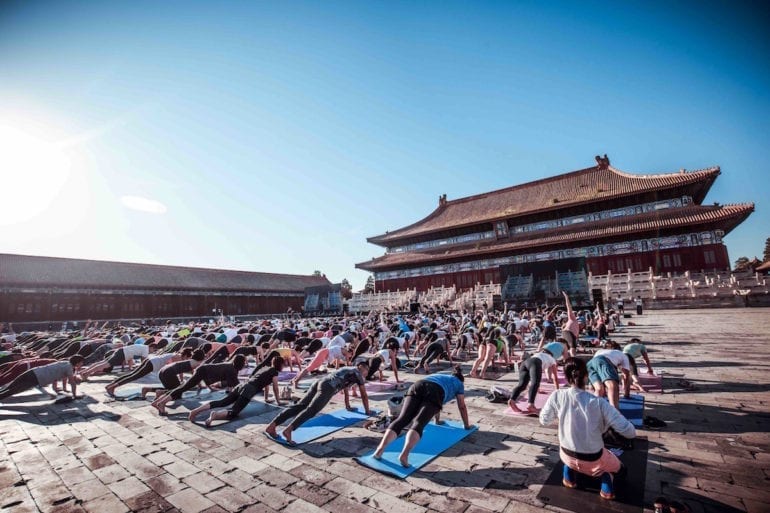
    Healthy diet, meditation and breathing, gift wrapping, those are the free classes that Canadian Yoga clothing brand Lululemon offers for the public every month.

    The Cheongdam Flagship Store, which opened in May 2017, runs a whole floor as a studio for experience programs.

    For Lululemon it is important to promote healthy lifestyle rather than simple product marketing, and will be much helpful to secure customers by offering brand experience.

    Lululemon is considered to be a leader in experiential marketing. Founded in Canada in 1998, the brand has a business philosophy of “enabling everyone to enjoy a happy life through products and experiences that change their lives.”

    Lululemon Experience ‘Community Class’ does not mean that all classes are directly related to yoga clothing sales.

    There are Yoga-related classes such as Ashtanga and Broga (men’s yoga) for the brand experience, but there are many other lessons such as flower arrangement, gift wrapping, healthy diet, weaving, boxing.

    Ice yoga, which started with the Grand Hyatt Seoul Hotel l in December 2017 and set to be running until March 2018, is very popular for instance.

    Lululemon Korea officials said “Lululemom stores around the world run yoga classes after heir business time. However, Korea is the first to separately have a yoga studio for the classes such as Cheongdam Flagship Store and Stafield Hanam in Asia.

    It is important to secure Korean consumers who are sensitive to trends. In addition, 30% of the class participants voluntarily purchase clothes.

    Lululemon receives their review from not only customers, but also exercise experts who participate as lecturers and community class participants to reflect on product development.

    In January 2018, ‘Asian Exclusive Line’ event reflecting Asian people’s body shape was  held at Cheongdam Flagship Store. “The opinions of demanding Korean consumers play an important role in establishing an Asian business strategy,” a company official said.

  • Indian jeweller Malabar Gold & Diamonds to break a record

    Indian jeweller Malabar Gold & Diamonds to break a record

    Indian jewellery chain Malabar Gold & Diamonds today added 11 showrooms across six countries to its network.

    Taking its retail store count to 208, the showrooms include AMK Hub in Singapore, Ampang Mall in Malaysia and Warangal in Telangana, India. Other showrooms are in malls across the UAE. The brand has 90 showrooms in India, and last year opened 27 showrooms internationally.

    As well as another 50 showrooms in different formats internationally, the Malabar Group plans to add more manufacturing units this year, says chairman MP Ahammed. “This will fuel our vision to become the top jewellery retailer in the world.”

    The company will expand into new countries such as Brunei, Bangladesh, Sri Lanka and the US, says Malabar Gold international MD Shamlal Ahammed.

    The expansion will generate more employment and enhance such initiatives as the government’s Made In India, says Malabar Gold & Diamonds India MD O Asher. The group has earmarked 5 per cent of its annual profit for CSR activities in five key areas: housing, health, environment, women’s empowerment and education.

  • Hyundai Motor and Aurora Partner to Develop Level 4 Autonomous Vehicles by 2021

    Hyundai Motor and Aurora Partner to Develop Level 4 Autonomous Vehicles by 2021

    Last week, Hyundai Motor Company and Aurora, a leader in autonomous vehicle technology, announced a strategic partnership to bring self-driving Hyundai vehicles to market by 2021. This partnership will incorporate Aurora’s self-driving technology into Hyundai vehicles starting with models custom-developed and launched in test programs and pilot cities. Over the longer term, Hyundai and Aurora will work to commercialize self-driving vehicles worldwide.

    To start, the partnership will focus on the ongoing development of hardware and software for automated and autonomous driving and the back-end data services required for Level 4 automation. Level 4 autonomous vehicles defined by SAE can operate without human input or oversight under select conditions. The goal of the partnership is to deploy autonomous driving quickly, broadly and safely.

    “We know the future of transportation is autonomous, and autonomous driving technology needs to be proven in the real-world to accelerate deployment in a safe and scalable manner,” said Dr. Woong Chul Yang, Vice Chairman of Hyundai Motor. “Combining our advanced vehicle technology that embeds the latest safety features with Aurora’s leading suite of Level 4 autonomous technology will advance this revolution in mobility with Hyundai in a leadership position.”

    Hyundai and Aurora share the common vision of improving safety and mobility on the world’s roads, and together bring the skills and experience required to successfully introduce this technology at scale. For nearly 50 years, Hyundai has been a leader in vehicle design, safety and manufacturing, catapulting the company to become one of the world’s largest vehicle manufacturers together with its Kia Motors Corporation affiliate.

    For the last two decades, Aurora’s founders have spearheaded the self-driving revolution, building teams and pioneering modern machine learning techniques now on the cusp of transforming transportation. Together, Hyundai and Aurora will move quickly to bring self-driving technology to market around the world.

    “Aurora is excited to partner with Hyundai Motor to make the social benefits of self-driving available globally,” said Dr. Chris Urmson, CEO of Aurora. “This partnership combines Hyundai’s strengths in vehicle design, safety and manufacturing with Aurora’s expertise in self-driving technologies to make a positive difference in the world.”

    Hyundai Motor’s partnership with Aurora is part of the company’s ongoing efforts towards realizing fully autonomous driving. Hyundai first began testing autonomous vehicles on public roads of the USA in 2015, having been granted a license by the state of Nevada. Last year at the 2017 CES, Hyundai advanced its trials in urban environments, demonstrating self-driving technologies to the public with its autonomous IONIQ models.

    Hyundai’s latest new-generation fuel-cell vehicle, which will make its official global debut at CES 2018 next week, will become the first model to be utilized in the test processes starting this year. The fuel-cell powertrain will offer an ideal platform to implement autonomous driving technologies, which requires a massive amount of power to support the large amount of data communication as well as the operation of hardware such as sensors. Hydrogen-powered fuel cell vehicle will be able to provide a stable electric power supply without concerns about driving range.

  • Richemont asia pacific rocket sales

    Richemont asia pacific rocket sales

    Asia Pacific has continued double-digit growth for heritage brand owner Richemont for its third quarter to the end of December.

    Total sales in the quarter increased by 7 per cent at constant exchange rates and by 1 per cent at actual rates over the same period a year earlier.

    Retail sales were mainly driven by the group’s jewellery maisons and specialist watchmakers, especially in Asia Pacific, where growth was led by Mainland China, Korea, Hong Kong and Macau.

    A rise in sales in Japan was supported by strong growth from the watchmakers and a favourable currency environment, says Richemont. Sales there reached €294 million (US$354 million), up 5 per cent at constant exchange rates but down 6 per cent at actual rates.

    Asia Pacific quarterly sales were €1.18 billion, up 11 per cent at constant exchange rates and 5 per cent at actual rates.

    Underpinned by solid performances in both jewellery and watches, overall retail sales maintained strong momentum, recording 13 per cent growth. Jewellery shone with an 11 per cent increase.

    Other businesses posted stable sales, with growth notably from Montblanc, Chloe and Lancel. Excluding the impact of the sale of Shanghai Tang, the other businesses would have had moderate growth.

    Sales over the nine months to the end of December grew by 10 per cent at constant exchange rates and by 7 per cent at actual exchange rates.

    Richemont’s portfolio of international “maisons” covers three segments: jewellery (Cartier, Van Cleef & Arpels and Giampiero Bodino), specialist watchmakers (A Lange & Sohne, Baume & Mercier, IWC Schaffhausen, Jaeger-LeCoultre, Officine Panerai, Piaget, Roger Dubuis and Vacheron Constantin, as well as the Ralph Lauren watch and jewellery JV), and other businesses (including Alfred Dunhill, Azzedine Alaia, Chloe, Lancel, Montblanc and Peter Millar).

    Richemont also holds a 49 per cent equity-accounted interest in the Yoox Net-a-Porter Group.

  • Is Amazon threatening luxury?

    Is Amazon threatening luxury?

    Amazon has been struggling to recruit luxury brands to sell their good on its platform, but there is one way that it could make its marketplace more of a destination for shoppers looking for certain tiers of luxury products.

    Amazon could launch vertically integrated, mass-customized brands of its own that use technology to smooth the customer shopping process, similar to Indochino.

    While Amazon is not likely to get catalog coverage from many of the ultra-luxury brands, it does have the ability to make a number of mid-level luxury brands less relevant to large segments of Amazon customers, replacing those brands through the merchandising of its own private-label luxury brands at prices that encourage even the slightly price-sensitive luxury products customer to consider a cheaper alternative, available directly from Amazon.

    There will always be customers who want nothing other than the $10,000 handbag with that special brand name, or the $3,000 suit from Armani or Gucci. Yet for millions of Amazon Prime customers, the prospects of “affordable luxury” becomes available through something like an Indochino model.

    Brands like Brooks Brothers, Hugo Boss, Zac Posen, Tom Ford and Burberry that may today be aspirational for millions of Amazon customers could be replaced with Amazon’s own mid-level luxury brands, made at comparable quality with perfect custom fitting and a much lower price. Such a model has the potential to wipe out much of the apparel advantage Stitchfix has created for itself over past few years.

    Indochino is a direct-to-consumer manufacturer of custom suits for shirts for men. While production is based out of China, it offers U.S. customers the opportunity to get sized either through a measurement process online using videos, or in a limited number of storefronts based in major metropolitan locations throughout the United States. For under $400, Indochino is able to manufacture a custom-fitted garment and shrip it to the U.S. or Canadian customer within 3 weeks.

    Comparable pricing for a U.S.-tailored suit including luxury brands would range from $1,500-$3,000. While a luxury U.S. brand in the U.S. is likely to require 2-3 weeks for custom tailoring of an off-the-rack suit, the custom-made Indochino suit sells for a fraction and promises a better fit because it was made using the customer’s body measurements.

    Let’s say Amazon bought Indochino, or built its own comparable model, and expanded it into women’s clothing too.

    Then Amazon uses some variant of technology from its new acquisition Body Labs to develop a system for measuring customers’ dimensions. With such technology onsite at a range of retail studios across the country, Amazon now would have the dimensions of millions of Prime customers, and would be able to offer them its own custom-fit luxury-quality brands.

    Using pin-point merchandising, Amazon could target these brands to specific customers that have searched for comparable luxury brands on Amazon already. Amazon’s scale and ability to accept low margins would quickly turn the mid-luxury brand customer towards Amazon, and away from so many of the luxury brands that have declined to distribute their products on Amazon.

    With any decent scale, Amazon would have competitive manufacturing costs, the ability to up-sell and cross-sell all sorts of other items (apparel and non-apparel), all the while being comfortable with much lower margins than a typical luxury brand. With an already generous returns policy, Amazon could offer customers the opportunity to buy lower-priced custom-made items, returning whatever items the customer did not like. I do not know of any other apparel brand that could compete effectively with such a model.

    The prospect that Amazon could win part of the customer’s wallet that today goes to luxury brand purchases externally should be on the radar of mid-tier luxury brands, and a ray of hope that more consumers will be able to afford a luxury look at lower prices.