Author: Mei Ling Tan

  • Global expansion plan from Shanghai Tang

    Global expansion plan from Shanghai Tang

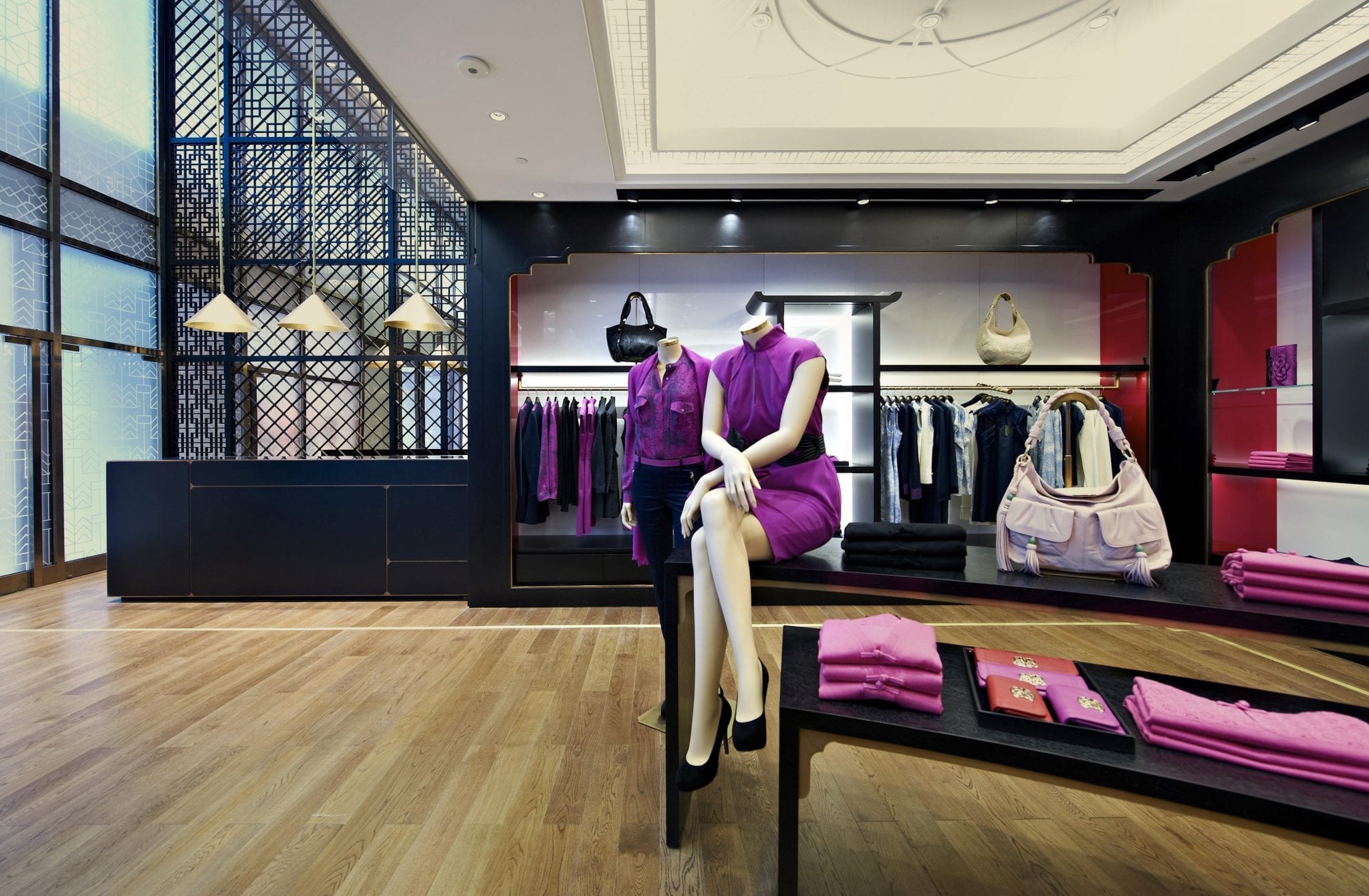
    Hong Kong fashion brand Shanghai Tang is to go global with stores in Paris and Milan as well as more cities in Mainland China over the next two years.

    Bought by Italian textile businessman Alessandro Bastagli and other investors on June 30, the company will also expand its online sales channels, Bastagli said in Hong Kong. As the brand’s executive chairman, he was in the city last week to introduce Shanghai Tang’s first collection after the takeover, designed by international designers and made in Italy.

    Bastagli says he was attracted to the brand by its Chinese flavour. It was established in 1994 by the late Hong Kong businessman David Tang. Richemont Group bought a stake from Tang in four years later, and the company was sold to Bastagli and Cassia Investments, a Hong Kong-based consumer-focused private equity fund, on June 30 at an undisclosed price.

    Bastagli says he decided to invest in Shanghai Tang as he believes the company has further room for growth.


  • Underwater Propeller Repair for Efficient Fuel Consumption

    Underwater Propeller Repair for Efficient Fuel Consumption

    No matter the size or style of your vessel, fuel consumption is always something that ship owners are looking to improve. With today’s fuel costs significantly higher than that of the past, finding any possible measure to lower consumption is always welcomed.

    One of the most important ways to ensure your vessel’s fuel consumption is optimized is to conduct underwater investigations and repairs on the propeller. As the driving force of every ship, the propeller’s condition is directly correlated with the amount of fuel the ship consumes during each voyage.

    The first and most obvious step is to check to the propeller blades for any damage, including dents and scratches that alter the natural rotation. Although they may seem miniscule, even the smallest imperfections on the blades can drastically decrease fuel efficiency, leading to higher costs on every trip you make.

    Smooth Blades for Better Consumption

    If a propeller is discovered to have dents or damage that are inhibiting its movement, a majority of the time it will undergo a smoothing process. The intensive propeller polishing creates smooth and damage-free blades that immediately impact the amount of fuel which is consumed. The added benefit of the process is that it helps maintain the propeller by removing any initially small damage that can grow into a biggest problem in the future.

    By regularly polishing propeller blades, you are not only saving money with the amount of fuel your vessel consumes, but you are also taking preventive measures to ensure you will not need to drydock your ship for more serious problems in the future.

    Propeller Cone Fin Installation

    Another method for saving fuel is adding a cone fin to your propeller, which helps reduce energy loss in its slipstream. By limiting the cavitation on the hull and rudder, this simple yet effective addition can lower fuel consumption by up to 5% immediately.

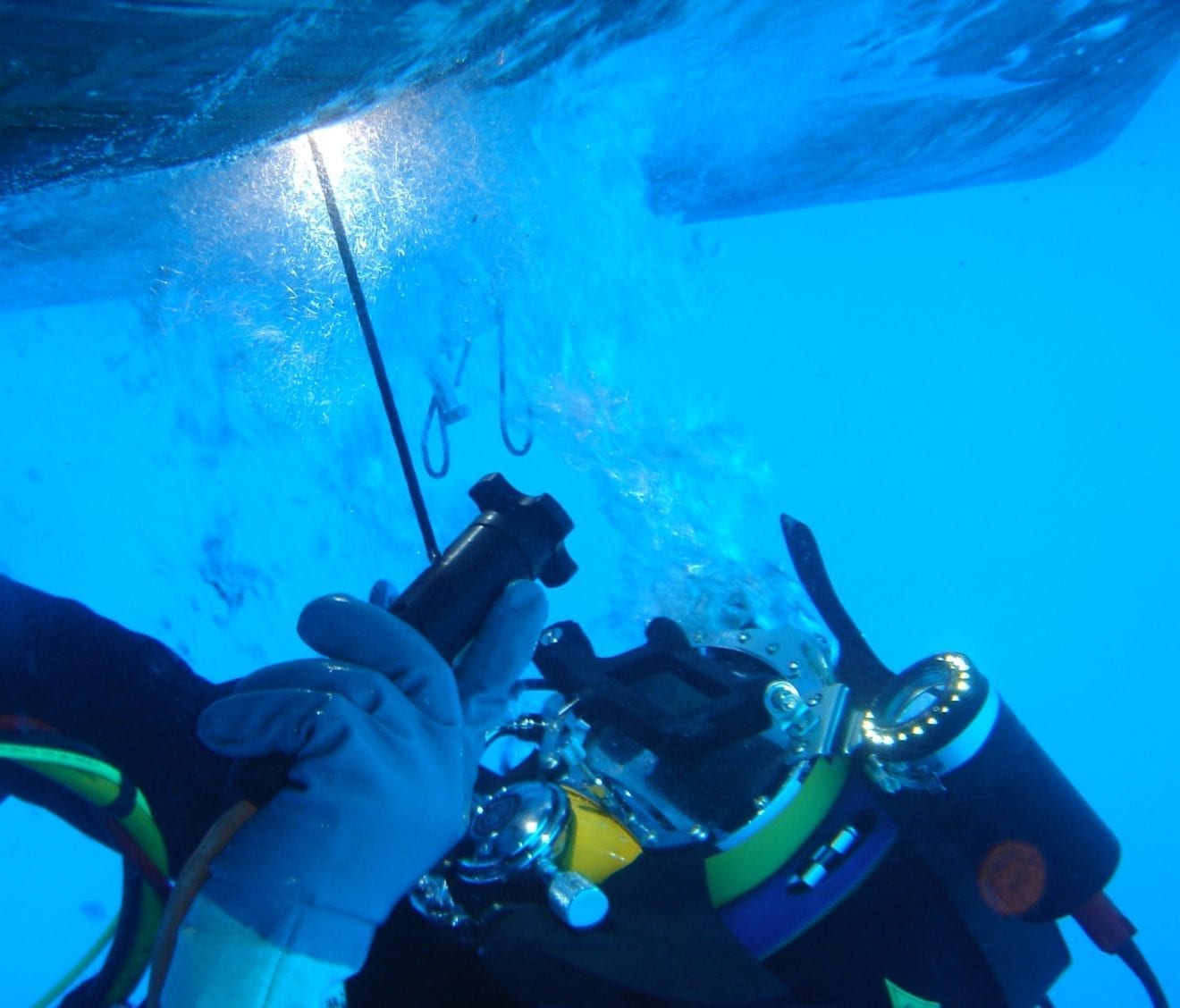
    The installation process for the cone fins is done completely underwater by the expert team of licensed diving ship technicians, meaning that your vessel will not need to be drydocked or be out of service at any point. The cone is lowered into the water as close as possible to the propeller, then the technicians go to work to install them directly onto the propeller’s vortex hub.

    At Antwerp Underwater Solutions, we offer a wide variety of propeller services that can help you maximize fuel consumption efficiency without having to undergo serious repairs or processes. Our experienced diving engineers are able to complete all the work in a timely manner, while the process is extremely affordable and offers an incredible return on investment due to the massive savings on fuel consumption.

  • Rakuten Opens “Rakuten SPORTS ZONE” with NBA Merchandise

    Rakuten Opens “Rakuten SPORTS ZONE” with NBA Merchandise

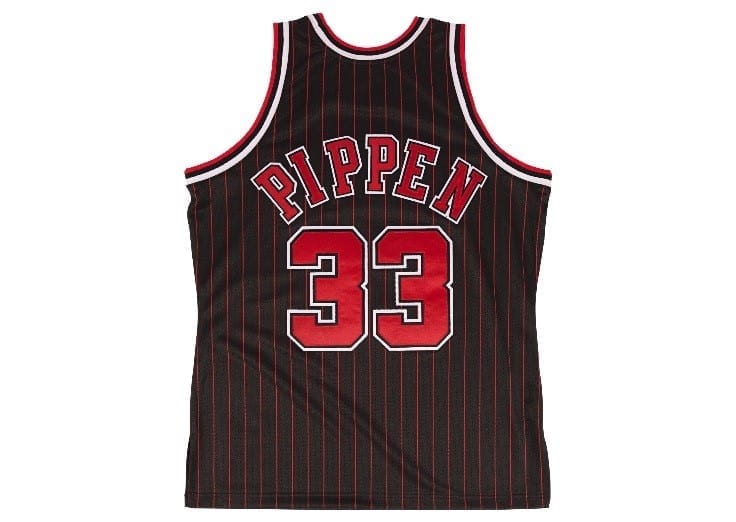
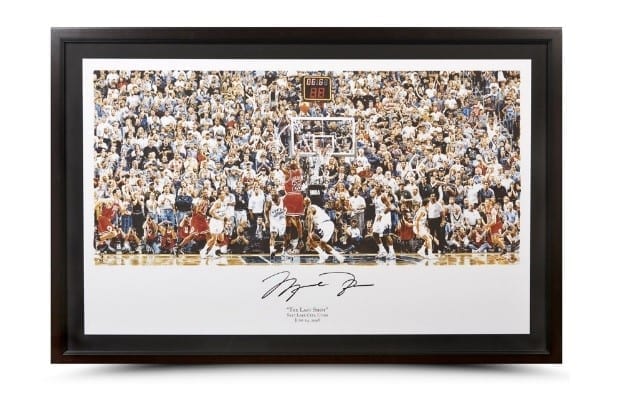
    Rakuten, Inc., a global marketing partner of the National Basketball Association (NBA), today opened its pro sports merchandise store Rakuten SPORTS ZONE to further build excitement around the NBA in Japan. The store is launching with sales of limited-edition items including autographed items from NBA Legends.

    In October 2017, Rakuten launched a multiyear partnership with the NBA, making it a global marketing partner of the organization. With this partnership, Rakuten is now operating the “NBA ZONE” in its internet shopping mall Rakuten Ichiba as a special page gathering NBA merchandise from Rakuten Ichiba stores. With the opening of the new Rakuten SPORTS ZONE, offering products that can rarely be obtained in Japan such as premium goods of former NBA stars, we will be able to further expand the product lineup offered in the NBA ZONE.

    Offerings include limited-edition autographed memorabilia (with serial number) offered by the Upper Deck Company, and reproductions of the jerseys of 80s and 90s NBA stars offered by the American sports apparel-maker Mitchell & Ness Nostalgia Co. New products will be added going forward.

    Rakuten will leverage its diverse range of services to further promote the NBA and basketball in Japan, and contribute to the further development of sports and culture.

  • McDonald’s Japan to bring some French home

    McDonald’s Japan to bring some French home

    For a short time only, McDonald’s Japan has added limited-edition French macarons to its menu.

    Imported from France, the macarons are in four flavours and have special takeout boxes.

    Available at McCafe by Barista outlets, the new treats come in lemon, raspberry, vanilla and chocolate variants. The takeout “box set” contains the customer’s choice of three macarons and is available only in limited quantities.

  • Jollibee to open 15 more outlets in Singapore, eyes 150 in Indonesia

    Jollibee to open 15 more outlets in Singapore, eyes 150 in Indonesia

    The famous Philippine chicken joy is spreading its wings across Asia as home-grown fast-food chain Jollibee announced Friday its plans for expansion in Singapore and Indonesia.

    Dennis Flores, Jollibee president and head of international business in Europe, Middle East, Asia and Australia, confirmed that 15 more outlets will be opened in Singapore in the next five years.

    He also revealed the company’s long-term expansion plans in Indonesia.

    “We’re looking at putting up no less than 150 stores in Indonesia over the next 10 years,” Flores told ABC-CBN News.

    Jollibee opened its first outlet in Singapore in 2013 located at Lucky Plaza, a known hub for overseas Filipino workers. Flores said, a 6th outlet will open at Jurong East in April 2018.

    He said the growing number of Singaporean patrons is proof that “Jollibee’s offerings have greatly appealed to the taste buds of the locals.”

    Aside from Indonesia and Singapore, Jollibee is looking into growing its international store network in Malaysia and Macau.

  • DHL handles domestic conveyance of OFWs’ passports for renewal

    DHL handles domestic conveyance of OFWs’ passports for renewal

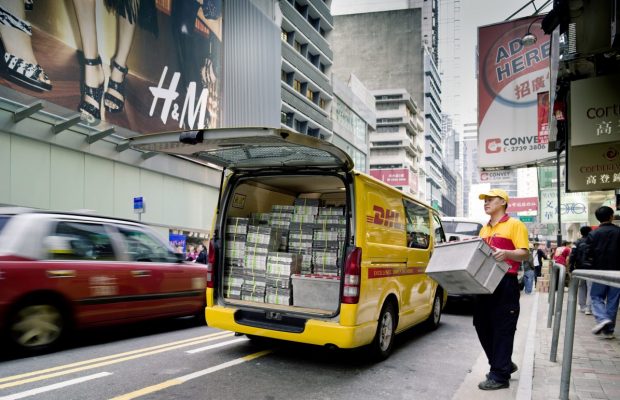
    DHL Express has made arrangements with the Philippine Embassy to handle domestic transport of passports to and from the embassy for renewal.

    “We are delighted at securing this deal to provide a safe and secure solution for Overseas Filipino Workers (OFWs) in the Kingdom of Saudi Arabia,” said Faysal El Hajjami, Country General Manager. “Applicants can now rest assured their passports are in the safe hands of DHL Express and will be received, processed and delivered to them without delay.”

    According to statistics given by the Philippine Embassy, there are more than 800,000 Filipinos currently living in the Kingdom of Saudi Arabia. The embassy receives around 7,000 Philippine citizens’ requests for passport renewals every month.

    For Philippine citizens living in distant areas of the kingdom, the passport renewal process could be very costly since they need to travel all the way to Riyadh or Jeddah to hand in their passports, travel back to their place of residence, wait for 30-40 days, and then travel back to Riyadh or Jeddah to collect their passports. While citizens in the Eastern Province have to wait for the “Embassy on wheels” program which the embassy provides according to scheduled visits.

    With DHL providing this convenient solution for both the Philippine Embassy and the Overseas Filipino Workers in the kingdom, all that is required from the OFW is to visit the Riyadh Embassy one time only to register their biometric scans. Once the scan is completed Philippine residents will only have to hand in their passports to the closest DHL Express retail service point. DHL will then transport the passport from the service point to the Philippine Embassy in Riyadh and back to the service point.

    By handling all of the passport renewal deliveries, DHL will be effectively saving a huge amount of time and money for all Philippine residents who choose to use the DHL Express service.

  • Vietjet launches two routes from Ho Chi Minh City  to Phuket and Chiang Mai in Thailand

    Vietjet launches two routes from Ho Chi Minh City to Phuket and Chiang Mai in Thailand

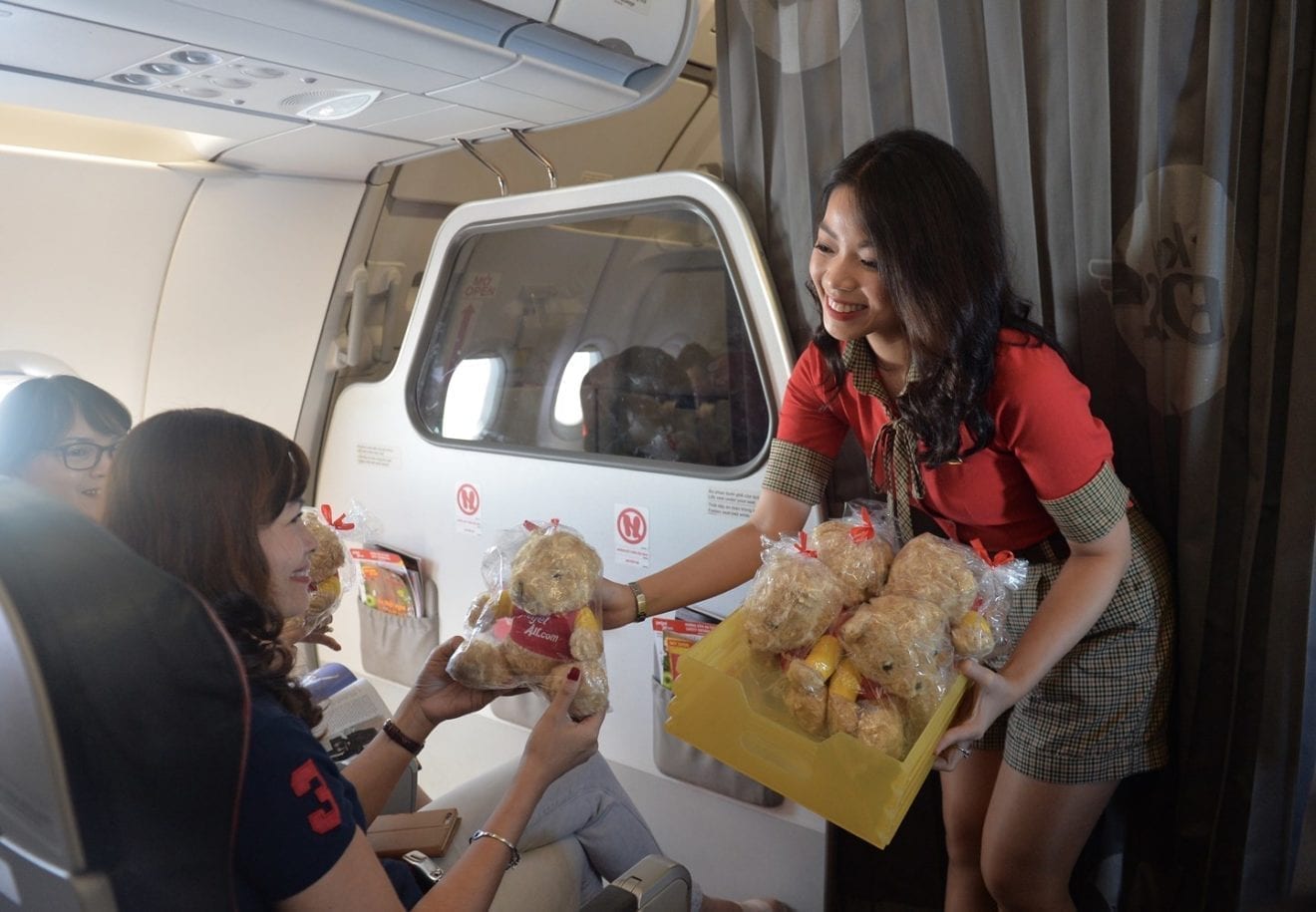
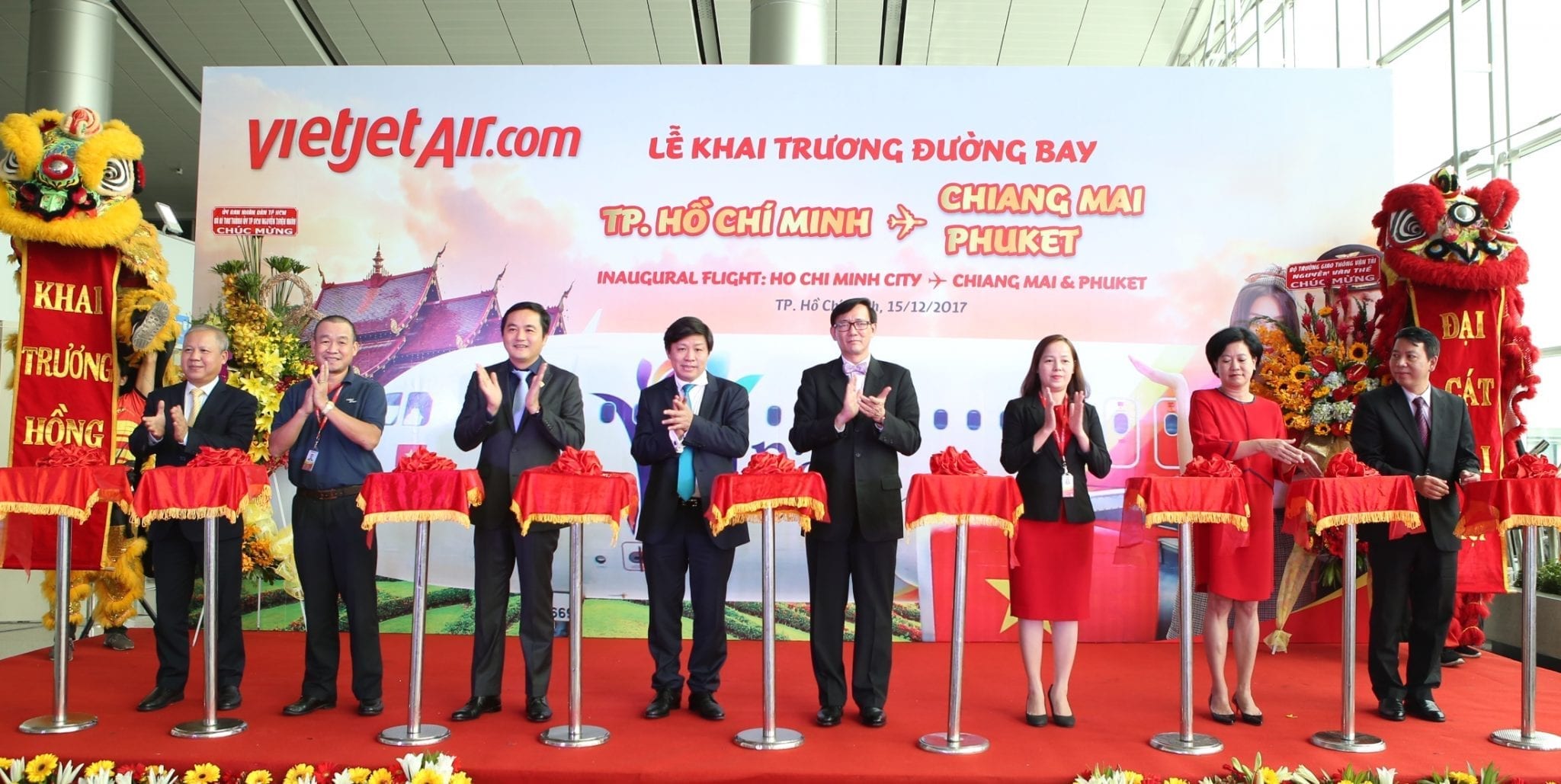
    Today, at Tan Son Nhat Airport (Ho Chi Minh City), Vietjet held a jubilant inaugural ceremony to celebrate the debut of the airline’s Ho Chi Minh City – Phuket (Thailand) route. On the inaugural flight, passengers were thrilled to receive lovely, surprise gifts from Vietjet.

    Prior to that, Vietjet also welcomed the first flight of the Ho Chi Minh City – Chiang Mai (Thailand) route, which arrived to great excitement of both passengers and onlookers. Both these new routes serve the transportation and travel demands of locals and tourists while contributing to the promotion of trading and integration in the region. With the two new routes, Vietjet now operates six flights to “the Land of Smiles” from Vietnam.

    The ceremony was witnessed by Mr. Manopchai Vongphakdi – Ambassador of the Kingdom of Thailand to Vietnam, leader of Aviation Administration of Vietnam, Culture, Sport and Tourism Department of Ho Chi Minh City and leaders of industries of Vietnam and Thailand.

    The Ho Chi Minh City – Phuket route operates a return flight every Monday, Wednesday, Friday and Sunday involving about two hours per leg. Flights depart Ho Chi Minh City at 10.15 am and arrive in Phuket at 12.10 pm. Return flights take off at 1.05 pm from Phuket and land in Ho Chi Minh City at 3.10 pm.

    The Ho Chi Minh City – Chiang Mai route operates a return flight every Tuesday, Thursday, Friday and Sunday with a flight time of just under two hours per leg. Flights depart Ho Chi Minh City at 11.35 am and arrive in Chiang Mai at 1.30 pm. Return flights take off at 2.20 pm from Chiang Mai and land in Ho Chi Minh City at 4.25 pm.

    Customers can also call the Vietjet hotline +84 19001886 or visit any authorized domestic or international ticketing office/agent.  Payment can be made immediately with debit or credit cards Visa/ MasterCard/ AMEX/ JCB/ KCP or an ATM card issued by one of 32 Vietnamese banks that have been registered for internet banking.

    Aiming to become a leading consumer airline, Vietjet has continually opened new routes while adding brand-new aircraft to its fleet, investing in modern technology and offering more added-on services and products to serve all customers’ demands. Since its establishment just a few years ago, Vietjet has continuously contributed to the community and created flying opportunities for tens of millions of domestic and international passengers.

  • Blue Bottle Cafe opens latest Tokyo flagship store

    Blue Bottle Cafe opens latest Tokyo flagship store

    Blue Bottle Coffee has opened its latest flagship café in Tokyo, the sixth one to open in the Japanese capital, as the American coffee outfit expands its retail footprint in Japan.

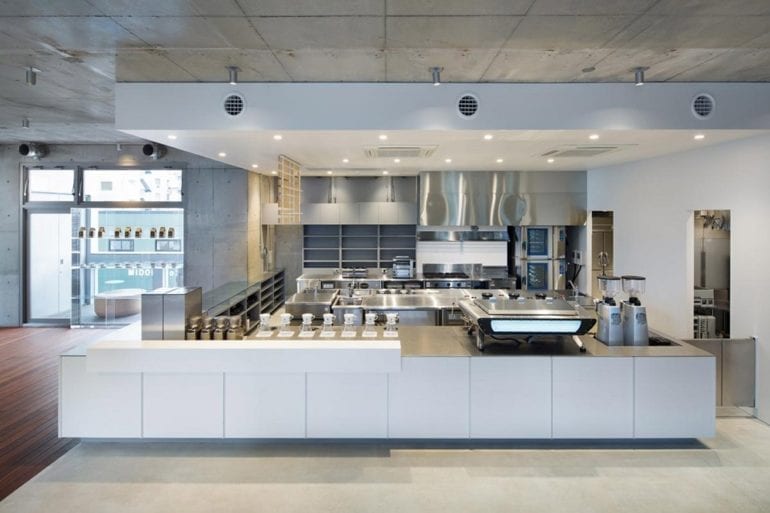
    Located in Sangenjaya, the San Francisco-based café is situated in a 50-year old low-rise building, which stands at the end of a no-through road between two buildings; located just a 3-minute walking distance from Sangenjaya station.

    Blue Bottle Café enlisted Schemata Architects once again to design the complete space layout. Working with the building’s current fittings, Schemata – the firm behind stores for 3.1 Phillip Lim and Loewe – took inspiration from the designs used with the previous space ownership, resulting in industrial concrete texture mixed with Japanese cedar wood.

    However, the 100-square-metre space does reflect Blue Bottle’s bright and open feel, an aesthetic witnessed in the other five Tokyo outlets. There is specific area for workshops and barista training, along with a “soulful public space” for the local community, in a bid to give the company a strong connection to its most recent Japanese locale.

    Offering more than just coffee and related products, customers can go to the register at the far end of the dead-end road, or stop by the drip-bar and walk around the seating area, before venturing outside to the garden in the backyard area. Walking along the building guest will find an entrance to a gallery also.

    “This building is designed in such a way that customers will experience the continuation of this deep spatial sequence,” said Schemata Architects’ Jo Nagasaka, who is the architect in charge of the store.

    James Freeman founded Blue Bottle Coffee Company in San Francisco in 2002. Still headquartered in Oakland, California, consumer goods giant Nestle acquired a majority stake in the new wave coffee firm earlier this year.

    In 2017, Nestlé acquired a 68 percent stake in the company for some $500 million. The firm has plans to have 55 locations by the end of the year. Blue Bottle stores are located in the Bay Area, Los Angeles, New York City, Washington, DC, and Tokyo.

  • AEON and Siam Paragon spread the cheer year end

    AEON and Siam Paragon spread the cheer year end

    Mr. Praphan Rangsiyopas (Right), Executive Vice President of AEON Thana Sinsap (Thailand) Public Co., Ltd. together with Mrs. Jiraporn Srisa-an (Left), Senior Deputy Managing Director for Business Promotion, Siam Paragon Development Co., Ltd. celebrate the 12 years of successful.

    The festive “Siam Paragon the 12 Glorious Years” campaign brings happiness to all special customers of Siam Paragon. Exclusively for AEON credit card members, simply by making a purchase by using AEON credit card at Siam Paragon Shopping Center reach the specified amount, be eligible to receive many special prizes such as gift voucher from participating restaurants, Siam Gift Card worth up to 4,500 Baht and AEON Surprise that give credit cash back up to 10,500 Baht. Your happiness starts now until January 15th, 2018.

  • Zalando seeks more brand partnerships to compete with Amazon

    Zalando seeks more brand partnerships to compete with Amazon

    The German company’s share price has come under pressure as Amazon’s big push into fashion has prompted Zalando to increase investment in logistics and technology to keep pace, forcing it to trim profit forecasts.
    But Zalando sees its new business line giving it an edge over its U.S. rival.

    Launched in Berlin in 2008, Zalando has grown fast to sell almost 2,000 brands in 15 countries via a classical e-commerce model, buying in stock to be sold online and shipped from its vast warehouses.

    It started complementing that with a partner programme two years ago to increase choice, charging fashion labels a commission for selling additional stock through the Zalando website and shipping the goods direct to customers. The brands, meanwhile, can keep control of pricing and presentation.

    After a pilot with Adidas, Zalando has signed up 700 brands and the programme now accounts for nearly 10 percent of the total value of goods sold on its site, with a long-term target of 20-30 percent.

    Carsten Keller, Zalando’s managing director of partner solutions, expects the scheme to support profitability and cement relationships with brands, some of which remain wary of listing on Amazon, where third-party sellers compete on price.

    “The brands are put in the driving seat. They keep control over the assortment, prices and brand representation. It is a very different environment to other market places like eBay or Amazon,” Keller told Reuters.

    PROFITABILITY

    German shoe brand Birkenstock is withdrawing from Amazon because of concerns over counterfeit products, while luxury brands last week won the right in Europe to stop retailers selling their products on online platforms.
    Zalando says the partner scheme’s expected profitability should help the company to reach a long-term target for an operating margin of 10 percent. But analysts have their doubts, on average forecasting 5.9 percent by 2020, up only slightly from the close to 5 percent Zalando expects in 2017.

    British rival ASOS, by comparison, forecasts a stable operating margin of 4 percent but is growing sales faster than Zalando and is seen as better insulated from Amazon’s advance thanks to a focus on fashion-mad youngsters.

    “We think expectations look demanding, as does the company’s longer-term margin guidance, given Zalando’s desire to push for market share, more intense online competition and expansion into lower-margin regions,” said RBC analyst Richard Chamberlain.

    Keller, a former McKinsey consultant who joined Zalando last year, says the partner programme was born because Zalando realised it was losing millions of potential sales when it ran out of stock on top-selling items.
    “It is growing with very high momentum. We doubled it over the past 12 months,” Keller said. “It adds substantial value and has a positive effect on the bottom line.”

    Nike is particularly pleased with the arrangement — so much so that its executives mentioned it three times on a recent analyst call.

    “Our partnership with Zalando is creating growth and shaping the digital marketplace in and beyond Europe,” said Elliot Hill, who runs Nike’s wholesale and direct-to-consumer businesses.

    Zalando is attracting brands that do not normally sell wholesale, such as Inditex’s Oysho, while also persuading others to offer exclusive ranges. Nike, for instance, released new colours of its classic Air Force 1 shoe for the German site.

    ‘VIRTUOUS CYCLE’

    “Amazon is a strong competitor, but is more transactional, offering more basic and discounted fashion. Zalando gets edgier stuff,” said Macquarie analyst Andreas Inderst, who has an “outperform” rating on Zalando.

    “It is a virtuous cycle because the more consumers come to the home page, the more Zalando can leverage consumer insights through data analytics, the more brands are attracted.”

    Zalando is offering its partners data about who is buying what and where, as well as helping brands with their marketing strategies, online content, logistics and inventory management, buying two software firms that help brands with digital inventory management.

    “In an Amazon or eBay environment, brands lose contact with their consumers because they do not get their hands on consumer data,” Keller said.

    Some analysts remain sceptical that Zalando will be able to fend off Amazon for long. Amazon more than doubled its share of the western European market for online fashion in five years to 6.5 percent in 2016, just behind Zalando on 7.4 percent, Euromonitor data shows.

    Amazon has signed up more than 350 brands in Europe in the past year and is running a pilot with Nike in the United States in return for more control over its goods on the site.

    “At the moment, Zalando has better brands and Amazon does not have as broad a range of current-season products,” said Berenberg analyst Michelle Wilson, who rates Zalando a “sell”.

    “But it is only a matter of time until Amazon can convince brands they won’t destroy their brand equity.”
  • Apple launches on Lazada

    Apple launches on Lazada

    Apple fans around South East Asia can now get new iPhones, iPads, and Macbooks from an official store on Lazada.

    Apple’s Lazada store opens in Indonesia, Thailand, the Philippines, Singapore, and Malaysia. Vietnam too will participate at an unconfirmed date.

    Alibaba-owned Lazada will get stock directly from Apple, after forming an agreement with the Cupertino company. That makes it the only official online seller of Apple’s baubles in the region. Beats by Dr. Dre headphones and other accessories are also available.

    Apple has a store in only one Southeast Asian nation: Singapore. That has created a niche for grey-marketeers to sell Apple’s gadgets – particularly iPhones – at inflated prices, with the ever-present risk of shoppers getting a counterfeit item.

    The opening is a boost to Lazada’s efforts to get more major brands to set up storefronts on its site. It already has 3,000 brands, mixed in with 135,000 smaller merchants.

    Earlier this year, when Retail in Asia met Duri Graziol, Director of Lazada Indonesia, and our discussion was about very well established brands and their way of targeting South East Asia.

    Typically, brands explore different options, among others,  creating their own .com., or going with a market place such as Lazada or Alibaba.

    Duri’s views on those options were the following :

    Creating your own .com

    Iis more ambitious and it requires huge investments, which go beyond building the website. Brands can easily build an e-commerce website, but how to bring people to the website, this is the challenge.

    Unless, you are selling something specific, which customers cannot find elsewhere, you are a small shop next to a shopping mall. Either people know your shop, or you will be basically just one in the thousands shops in the city, so on the internet.

    When people look for products without having any preference or idea, they go to a mall, and if you are not in there, you will miss your chance. In an online environment, those people go to market places and search per category.

    Going with a market place

    Customers who go to Lazada for instance, do not search per brand, they search for category, and if you are not there, it is very hard to target those customers.

    Additionally, a brand, which decides to open its own website will have to deal with high marketing costs to bring traffic to the website, with Lazada, those marketing costs are reduced as we work as a group. This is a massive advantage.

    In the countries we serve, infrastructures are a huge obstacle. Indonesia, for instance, has thousands of islands, as well as Philippines, and you need to deal with that, 50% of our orders are done ourselves.

    Another advantage of going with Lazada is the customer service management, which is internal for us makes it easier to reply to all questions regarding products, delivery, and logistics issues.

    Furthermore, payment, in countries like Indonesia, present some difficulties. Credit card and online banking penetration are still low or COD remains the lion’s share of payment methods and this it has pushed us to develop a business model for it.

    Cash on delivery is the solution for markets, in which trust is hard to build, and other payment services are not very well established.

    Concisely, Lazada is not only a market place, Lazada means experience in managing the customer journey and the different stakeholders involved in it.

    Apple is always looked at as a role model, so we are looking forward to the next giant brand to join Lazada.

  • Lotte Group boss facing jail terms

    Lotte Group boss facing jail terms

    In a new headache for South Korean retail giant Lotte Group, its boss faces jail terms over bribery and other charges.

    Chairman Shin Dong-bin has been accused of giving KW7 billion (US$6.4 million) in bribes to a foundation run by former President Park Geun-hye’s friend Choi Soon-il while seeking favours to win a government licence to run a duty-free business in Seoul.

    Prosecutors demanded a four-year jail term for Shin for the alleged bribery, while his lawyers have denied the accusation.

    Separately, prosecutors asked a court to hand down a 25-year prison term for Choi, who was at the centre of the corruption scandal that led to impeachment and arrest of Park.

    Seoul Central District Court will hand down its judgment on Shin on January 26. The court is also set to issue a separate sentence on Shin next Friday on charges of embezzlement and breach of trust.

    Prosecutors suspect Shin paid KW50 billion in wages to people who had never worked for its affiliates, and inflicted KW130 billion in losses on the business group’s subsidiaries by forcing them to cover the losses of other units. Prosecutors have demanded a 10-year jail term.

    “We will go through the remaining court procedures in a sincere manner,” says a Lotte official.

    Two months ago Lotte established the holding company Lotte Corp in a bid to solidify Shin’s leadership.

    Meanwhile, the group is said to have incurred about KW2 trillion in damages in recent months amid the Seoul-Beijing diplomatic spat over the deployment of a US missile defence system in South Korea.

  • South Korea’s Hyundai says faces headwinds from weaker yen next year

    South Korea’s Hyundai says faces headwinds from weaker yen next year

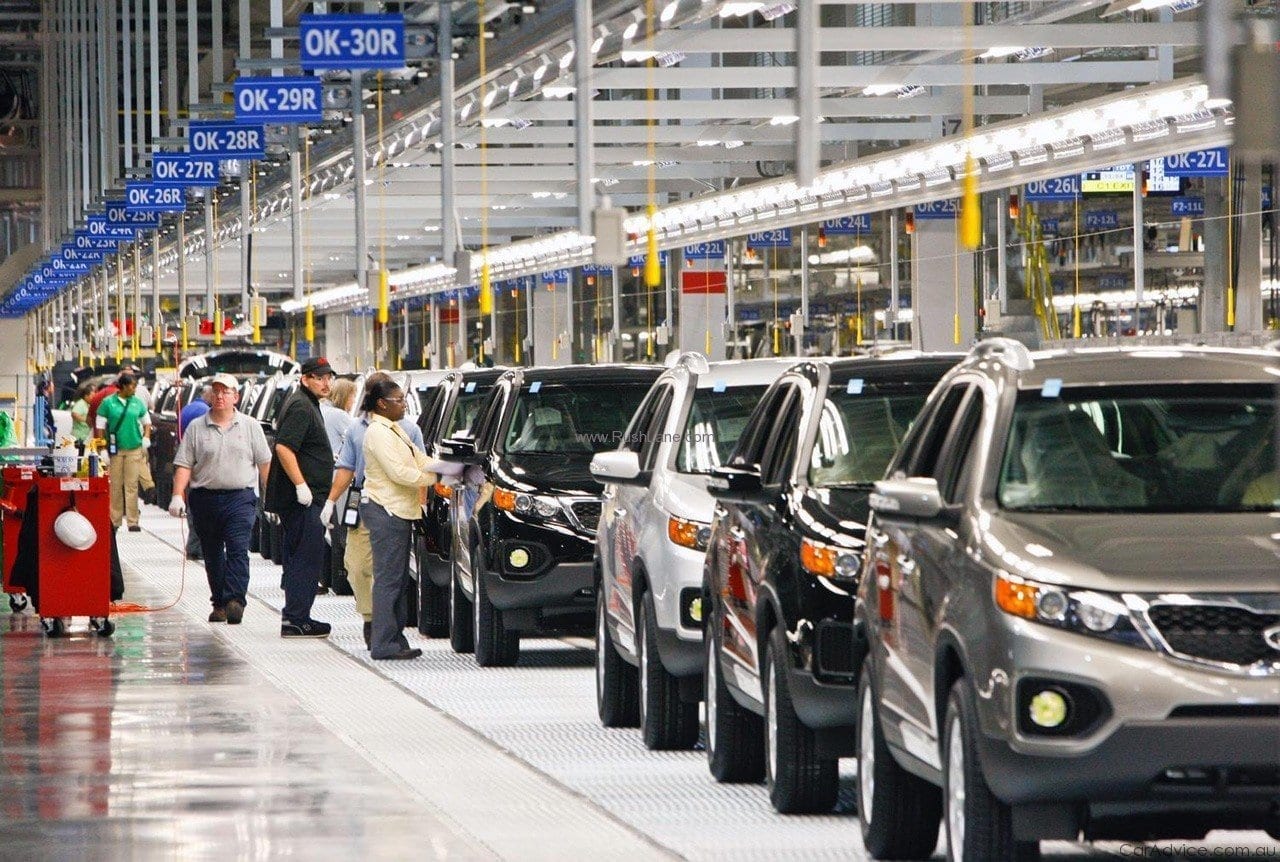
    South Korean automakers face a major headwind from a weakening Japanese yen, which will boost rivals like Toyota Motor Corp. next year, a Hyundai Motor think tank said.

    The fall in the yen will intensify competition in major markets, such as China and the United States, where overall demand is expected to shrink in 2018, the think tank said.

    It projected that the Korean won would fetch 978 per 100 yen next year, compared with 1,018 this year.

    The re-election in November of Japan’s Prime Minister Shinzo Abe, who favors massive monetary and fiscal stimulus policies, should point to further yen weakness, the think tank said.

    Toyota Motor in November raised its forecast for full-year operating profit, in part due to expectations of a weaker yen, which can make goods exported from Japan cheaper and can boost the value of overseas profits when they are repatriated.

    “The currency environment is expected to deteriorate next year,” Lee Bo-sung, a director of the think tank, the Global Business Intelligence Center, said at a press briefing on Friday. The contents of the briefing were embargoed until 9 am Sunday Seoul time.

    “The weaker yen is expected to be the biggest challenge for South Korean automakers next year, as they are competing against Japanese,” Lee said.

    He said the price gap between Korean and Japanese cars had already narrowed due to the yen’s decline. For example, Hyundai’s Sonata sedan was 10 percent cheaper than Honda’s Accord in the United States in 2011 and the gap is only 2 percent this year, he said.

    A weaker yen and higher profit have also allowed Japanese carmakers to boost investment and gain market share in China and other emerging markets, Hyundai’s stronghold, he said.

    Hyundai Motor has seen its net profit tumble by nearly one-third so far this year, and is on track to miss its annual vehicle sales target by a large margin, having failed to position for a consumer swing to sport utility vehicles (SUVs) and a diplomatic row with Beijing that hit Korean-made products.

    Hyundai Motor said on Friday it plans to roll out three SUVs next year in the United States – the redesigned Santa Fe, the Kona, and the tweaked Tucson, to revive its sales momentum. In China next year, Hyundai and Kia plan to release three China-targeted small SUVs next year.

  • H&M Suffers From Online Disruption

    H&M Suffers From Online Disruption

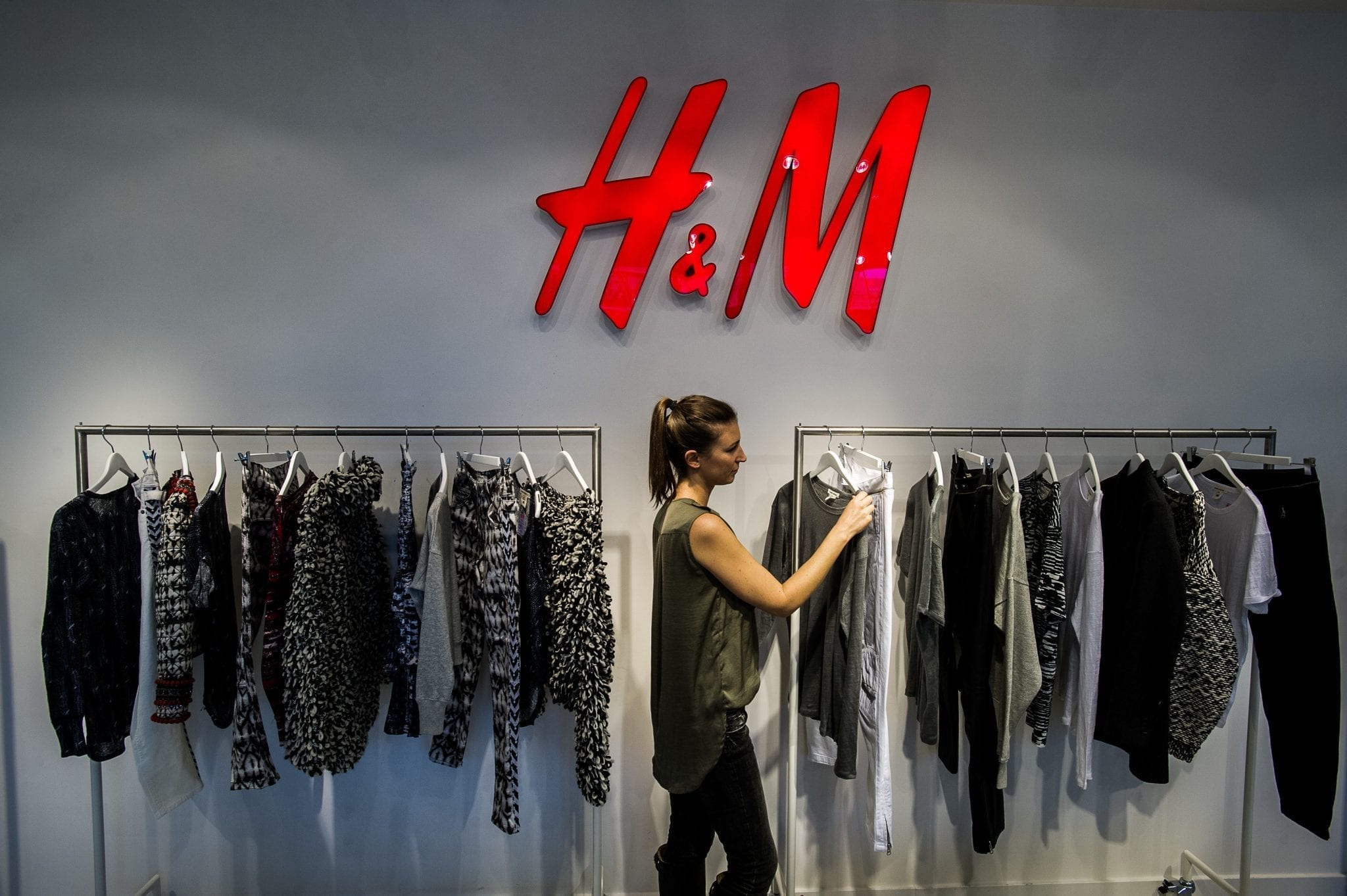
    Shares of the world’s second-largest fashion chain, H&M, have hit its lowest in eight years as the retailer reports plummeting sales at the conclusion of a despondent year.

    In the three months to the end of November 2017, H&M reported a 4 percent drop in sales, and on Friday its shares traded 15 percent lower than its lowest level from back in May 2009.

    Like many high-streets fashion brands H&M is having a difficult year, struggling to cope with the shift to online shopping. The retail giant blamed online shopping as well as “imbalances in parts of the H&M brand’s assortment composition”.

    The company says as a result it would focus more on integrating its online and brick and mortar stores, and re-strategise its physical store footprint by closing more stores and opening fewer.

    “In order to respond even quicker to customers’ fast-changing behaviour the company’s ongoing transformation journey is being accelerated. Among other things, this includes continued integration of the physical and digital stores, and intensifying the optimisation of the H&M brand’s store portfolio – leading to more store closures and fewer openings,” it said in a statement on Friday.

    H&M was one of the first retailers to sell online, but due to slowing its digital stride, it had been quickly overtaken by both pureplays, such as ASOS, and high-street fashion labels such as Zara, Gap and Uniqlo. H&M also had a plan to aggressively grow its physical stores, which clearly now has been reconsidered.

    In a separate note, H&M also announced on Friday that it would start selling its merchandise on China’s Alibaba-owned Tmall e-commerce platform by the second quarter next year. It currently sells its Monki brand on the site, however it’s in negotiations at the moment about selling all of its eight brands on the world’s largest e-commerce platform.

    “We are very happy to be able to make H&M even more accessible in mainland China. Tmall is an important complement to our existing physical and digital stores. We see great potential for substantial future growth and Tmall will be an important part of this,” says Karl-Johan Persson, CEO of the H&M group.

    Controlled by the Pearson family, which still provides the company with a CEO and a chairman, H&M has been under pressure from its minority shareholders, and in February 2018 it will hold its first-ever investor day.

  • Decathlon lands in Australia

    Decathlon lands in Australia

    Following its announcement in October 2017 of its intentions to open 100 Australian stores, French sporting goods retailer Decathlon have officially opened its first, which is also its flagship, store in Sydney’s Tempe.

    This marks the arrival of a disruptive force within the sporting goods retail sector, with the company attracting substantial consumer demand, generating about $100,000 in sales each month, according to IBISWorld.

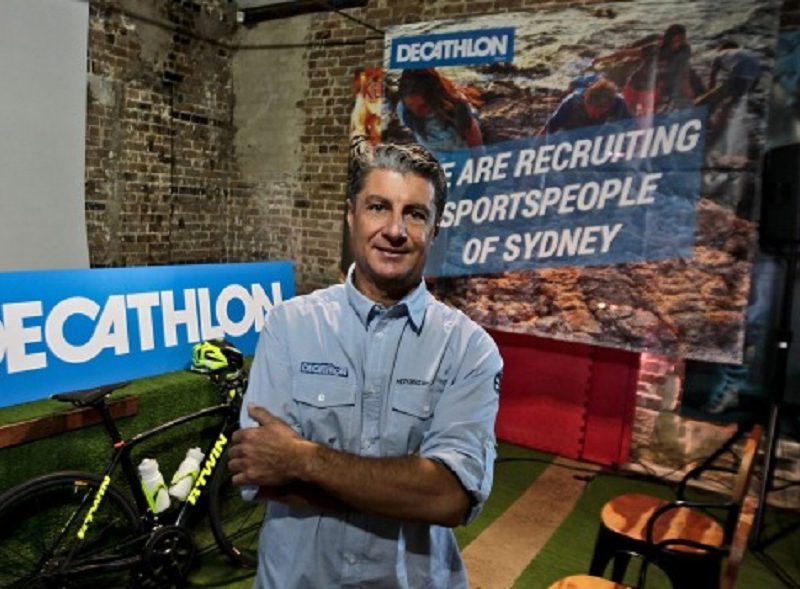
    Olivier Robinet,  the chief executive of the Australian arm of French sporting goods retailer Decathlon, promises a market disruption.

    Decathlon lands in Australia

    Decathlon has plans to open up to 100 stores in Australia, at a rate of about two to five stores per year. The price-savvy sports equipment retailer is expected to take market share from existing major players in the industry, including Rebel, Amart Sports, Kathmandu, BCF and Rays Outdoors, making it a major competitive force in years ahead.

    Decathlon primarily focuses on selling private label products at prices that are typically 50 to 70% cheaper than comparable branded goods, a model that has proven successful worldwide, with the company achieving annual sales of $15 billion across its e-commerce platforms and 1,200 physical stores in 30 countries, including the UK, Europe and Asia – and now Australia.

    Headquartered in France, Decathlon employs 80,000 staff globally and creates over 2,800 new sporting goods products and 40 patents every year.

    The Tempe store is over 3,800 square meters, with over 70 staff on hand, offering a range of more than 7,000 sharply-priced products across 70 sports and leisure categories, which is expected to attract strong demand from value-conscious consumers that enjoy activities such as camping, hiking, cycling and snorkelling.

    Camping and participation in outdoor and fitness activities have become more popular over the past five years, driving industry demand. However, demand has been somewhat constrained by negative consumer sentiment and sluggish discretionary income growth.

    Revenue for the sport and camping equipment industry is set to rise by almost 2% per annum over the next five years.