Author: Mei Ling Tan

  • Louis Vuitton adopts a new strategy in Korea

    Louis Vuitton adopts a new strategy in Korea

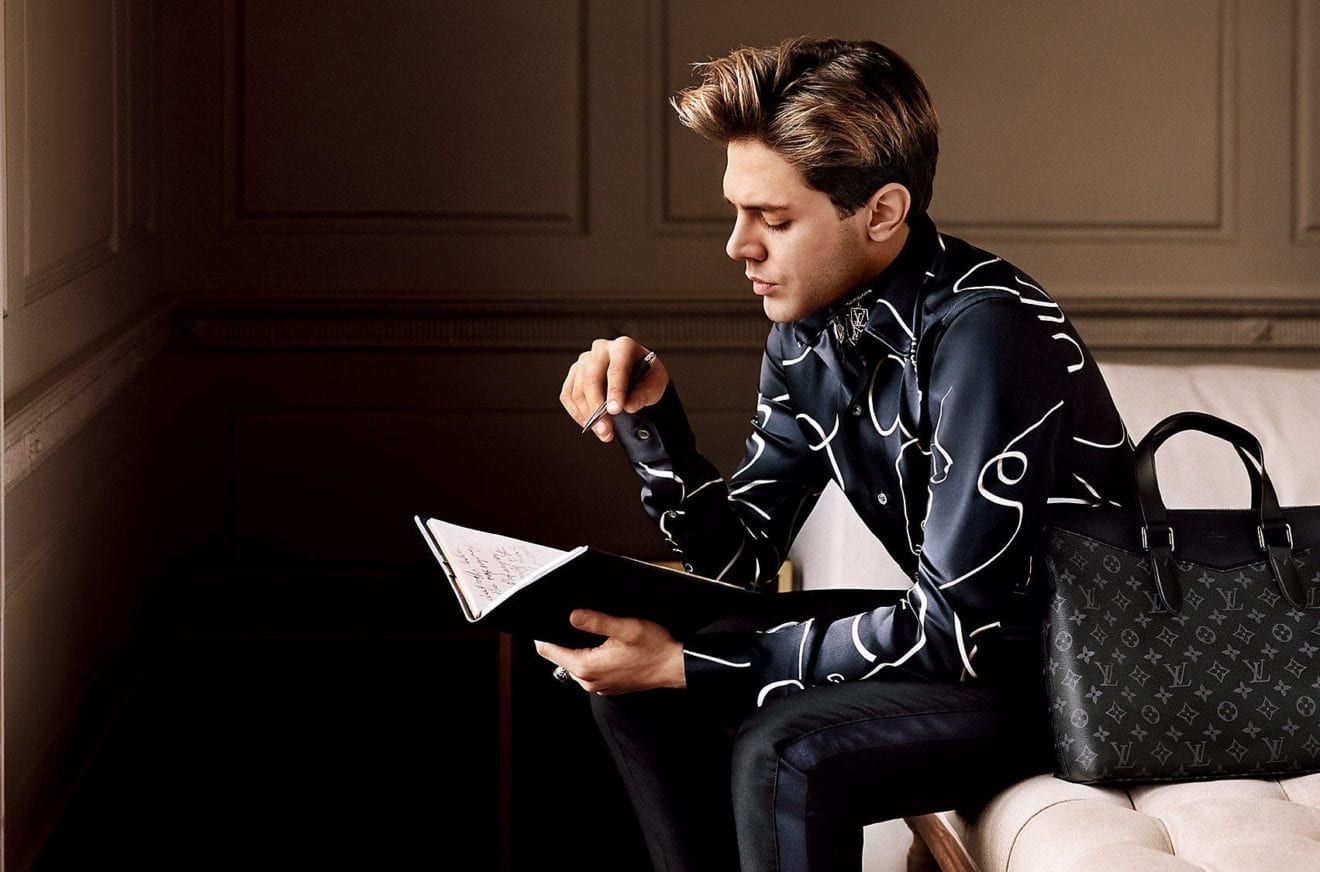
    Louis Vuitton has recently begun separating its men’s stores from women’s at major department stores in Korea.

    According to the French luxury brand on 11 December 2017, a Louis Vuitton store specializing in men’s fashion items was opened on the sixth floor of Shinsegae Department Store‘s main branch in Seoul last week. The department store will accommodate a renovated store featuring women’s collections as well on the ground floor next week.

    The international fashion house will also open a brand new store focusing on men’s collections at Galleria Department Store’s East Wing and a renewed women’s store in the store’s West Wing this month.

    Its Korean subsidiary said it divided the stores to offer clients a unique and personalized shopping experience.

    According to the company, separated Louis Vuitton stores can only be found at Saks Fifth Avenue in New York, Harrods in London, and Shin Kong Place in Beijing, as well as Shinsegae Department Store’s Gangnam branch having stores for women’s collections on its second floor, women’s shoes collections on the fourth floor and men’s collections on the sixth floor.

    Some observers regarded the company’s recent decision as a strategy to recover from its declining sales here by attracting male customers, who have emerged as big players in the nation’s luxury market.

    According to Reebonz Korea, a local subsidiary of the Singaporean-based online platform for luxury products, sales of men’s items rose 96 percent year-on-year in the first half. Sales of men’s luxury products have also increased in other online market places, such as Auction, Gmarket and 11st.

    Louis Vuitton and other global luxury brands are therefore making every effort to satisfy demand, so as to overcome slumps in sales. According to industry officials, Louis Vuitton’s sales growth has been decreasing at major department stores in Korea for years.

    Fendi, an Italian luxury fashion brand, also opened a store specializing in men’s items for the first time in Korea in September at Men’s Salon on the sixth floor of Shinsegae’s Gangnam store. Christian Louboutin, an international luxury brand known for high heels, revamped the first basement of a flagship store in Cheongdam-dong to sell men’s products.

    Given that Louis Vuitton has not unveiled its business performance in Korea, it is unknown exactly what its sales growth was after the latest renewal.

    However, sales of men’s items at Shinsegae’s Gangnam branch doubled after the renewal of Men’s Salon consisting of several luxury brands, such as Louis Vuitton, Berluti and Lardini. Among the brands, Louis Vuitton has maintained the top spot in terms of sales, according to industry officials.

    Thierry Marty, the CEO of Louis Vuitton Korea, said the luxury brand will push ahead with renewals at its nationwide stores to provide personalized services for customers, so the number of separated Louis Vuitton stores is expected to increase.

  • BAIC Motor looks to phase out conventional fuel cars by 2025

    BAIC Motor looks to phase out conventional fuel cars by 2025

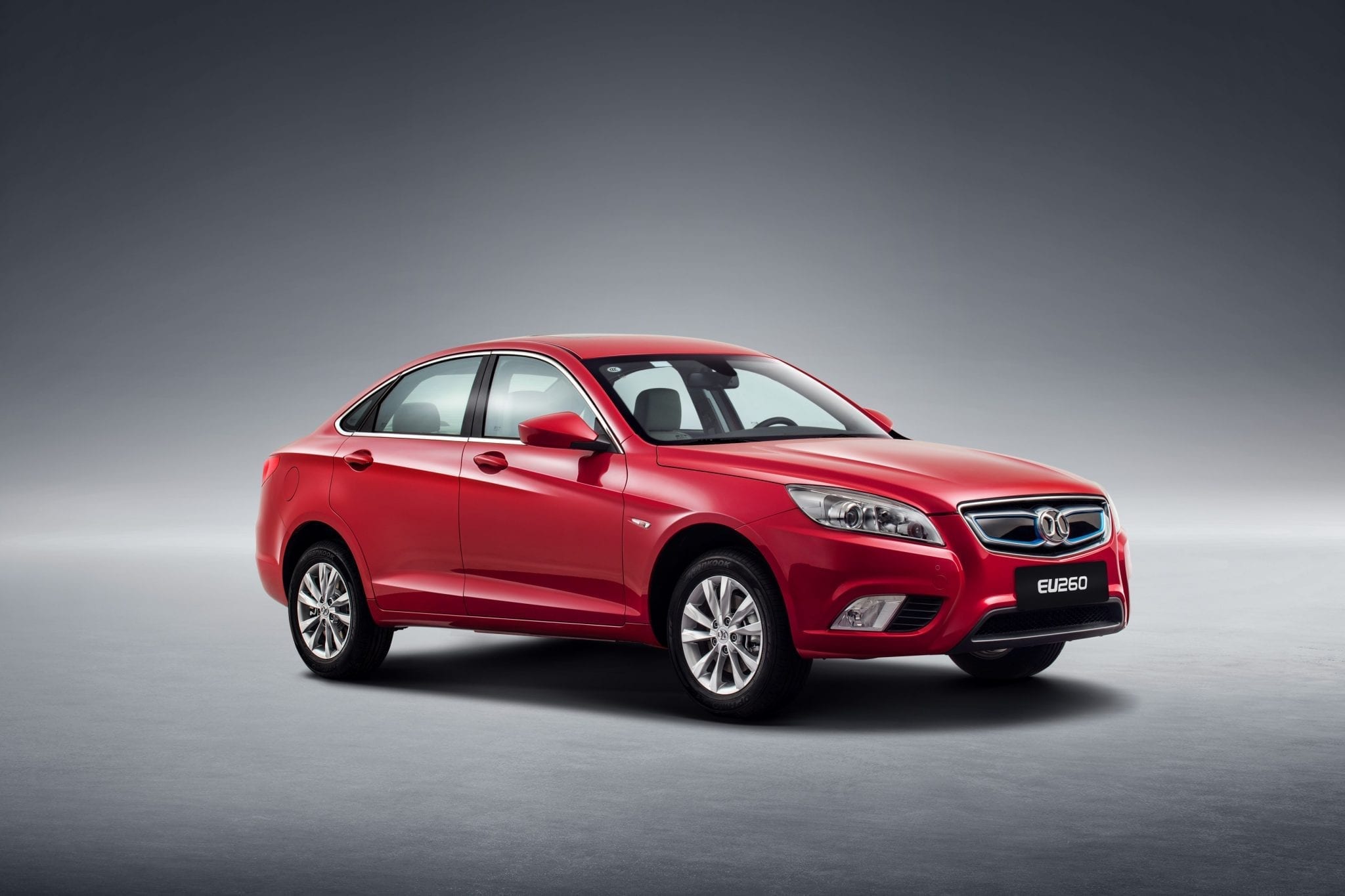
    Chinese carmaker BAIC Motor Corp aims to stop selling own-branded conventional fuel-powered cars by 2025, said on Tuesday, amid a major push by Beijing to shift automakers toward electric and plug-in hybrid cars.

    BAIC, which also makes vehicles in partnership with South Korean carmaker Hyundai Motor Co and Germany’s Daimler AG, plans to stop sales of conventional petrol engine cars first in Beijing and then nationwide.

    “Our goal is to stop sales of self-developed conventional fuel-powered cars in Beijing by 2020 and stop their production and sales nationwide by 2025,” the newspaper quoted BAIC Chairman Xu Heyi as saying at a launch event for a new energy car innovation center in Beijing.

    China has set strict quotas for electric and plug-in hybrid cars that come into play by 2019, shaking up domestic and international carmakers in the world’s largest auto market.

    Beijing wants so-called new-energy vehicles (NEVs) to make up at least a fifth of Chinese auto sales by 2025 to reduce air pollution and close a competitive gap between its newer domestic automakers and their global rivals.

    In October, domestic rival Chongqing Changan Automobile Co Ltd said it aimed to stop selling conventional combustion-engine cars from 2025, making it one of the first Chinese firms to commit to a total shift to NEVs.

    Earlier this year, China’s vice industry minister said the country had begun studying when to ban the production and sale of cars using traditional fuels, and predicted “turbulent times” for automakers as they were forced to adapt.

    BAIC Chairman Xu said in October the move to ban traditional petrol engine cars was “challenging” for the firm.

  • Discover LACOSTE’s latest store design in Singapore

    Discover LACOSTE’s latest store design in Singapore

    Since the very first polo was created in 1933, LACOSTE relies on its authentic sportive roots to spring optimism and elegance on the world thanks to a unique and original lifestyle for women, men and children.

    With a vision to be the leading player in the premium casual wear market, the Crocodile brand is today present in 120 countries through a selective distribution network. Two LACOSTE items are sold every second in the world.

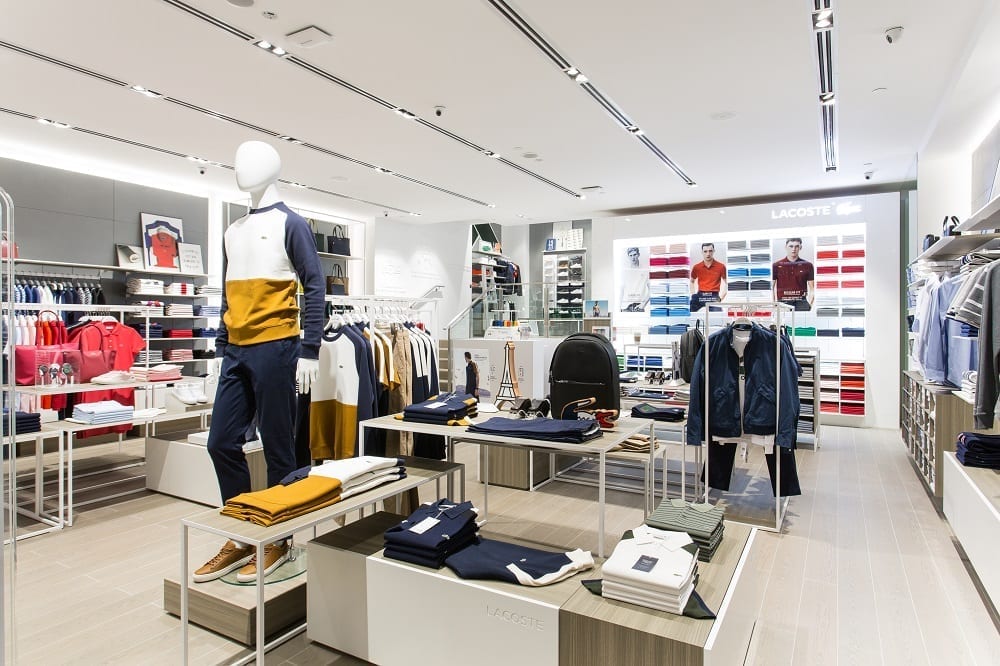
    In 2017, LACOSTE has been expanding in Asia Paicific and it has just opened its new store located in Paragon, which is in the heart of Singapore’s prime retail district. This boutique is already the brand’s fifth store in Singapore.

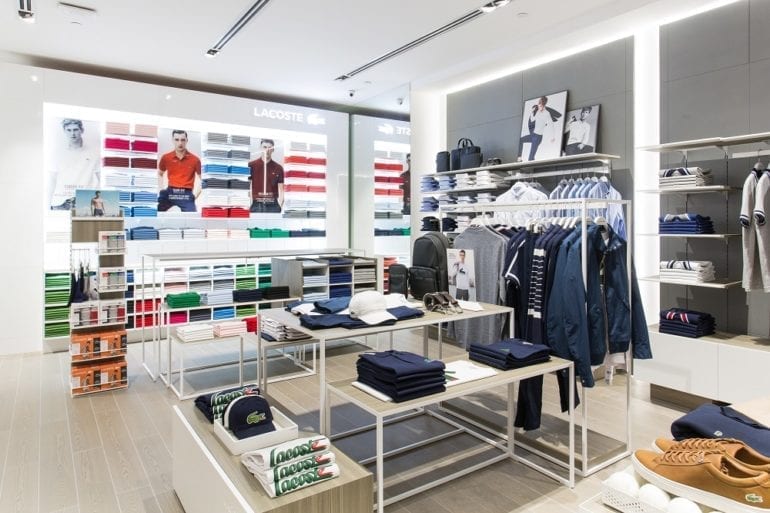
    The store occupies 1,464 square feet of retail space and offers the brand’s full range of products including apparel, leather goods, fragrances, footwear, eyewear and watches amidst Lacoste’s latest store design featuring clean architectural lines.

    It features the quintessential polo bar which showcases Lacoste’s iconic polo shirts in all their color range.

    Unique to this boutique in Paragon, an embroidery service that allows customers to personalize their Lacoste polos with their initials and country flag.

    In a market driven by millennials, who are seeking for ways of building their own individuality, personalization becomes an opportunity to engage younger customers and revamp iconic items.

  • Be ready with ‘more convenience’ app from 7-Eleven US

    Be ready with ‘more convenience’ app from 7-Eleven US

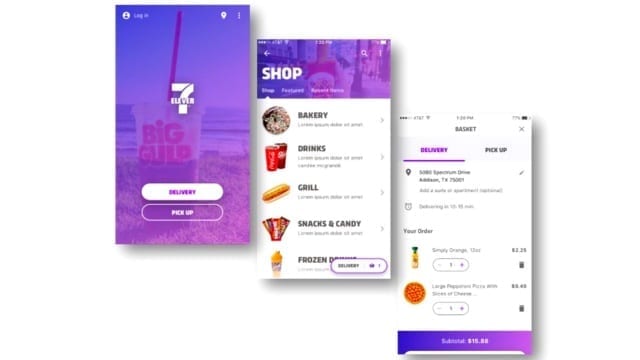
    7‑Eleven US is trialling on-demand ordering for delivery or in-store pickup at selected Dallas stores via its new 7‑ElevenNow smartphone app, ahead of a national roll-out.

    The new service is being tested in 10 downtown and uptown 7‑Eleven stores, and the convenience retail company says it will introduce the program into other locations in the US next year.

    Dallas customers who enroll in the new app – which runs on both Google and Apple platforms – will receive free delivery on their first order.

    “With more locations than any other convenience retailer in the world, 7‑Eleven has a corner on convenient, in-store shopping,” said 7‑Eleven US chief digital officer Gurmeet Singh.

    “As we undergo a significant digital transformation, we continue to look for ways to expand and enhance the company’s shopping footprint – and consumers’ digital shopping experience – outside its stores as well.”

    Singh said today’s digitally savvy consumer expects a wide range of options right at their fingertips.

    “We continuously ask our consumers how we can make their lives better, and 7‑ElevenNow is a proprietary solution to their on-demand needs. The app will enable our customers to get the products they want, when and where they want them, quickly and conveniently. This is redefining convenience.”

    When ordering items through 7‑ElevenNow, customers can choose to receive direct delivery to their location or pick up their prepared order at the participating store of their choice within the 7‑ElevenNow footprint. A wide selection of snacks, cosmetics, gift cards, home goods, beverages and hundreds of other products are available for purchase on the app.

    To use the app, shoppers choose the delivery or pick-up option. If delivery is selected, the app will auto-locate the nearest participating store and, once the order is placed, send it to a courier service. The courier then picks up the customer’s prepped products at the store and delivers them to the customer’s location. If shoppers choose pick-up, they select the items they want as well as the store they prefer for pick-up. The order will be waiting for them at the register. Customers can pay for both delivery and pickup via the app.

    “7‑Eleven has a legacy of innovation,” said 7‑Eleven US president and CEO Joe DePinto. “We have been pioneering new trends in the convenience industry for 90 years. Our company was the first to offer coffee in to-go cups, operate 24/7 and provide a self-serve soda fountain.

    7-Eleven, Inc. is testing on-demand ordering for delivery or in-store pickup at select Dallas stores with its new 7-ElevenNOW smartphone app. Currently being tested in 10 downtown and uptown 7-ElevenÆ stores, 7-ElevenNOW is expected to roll out to other U.S. locations in 2018. (PRNewsfoto/7-Eleven, Inc.)

    7‑Eleven will always look for innovative ways to reach and excite our customers and maintain our leadership position in convenience retailing. Today, that means redefining convenience through digital innovation.”

    7‑Eleven US’ digital team is working on a “full-stack digital transformation,” which includes the technology customers experience, as well as the technology that works behind the scenes to ensure seamless and effortless interactions.

    Other recent digital releases include the expansion of the 7Rewards app-based customer loyalty program, now available on a wider range eligible purchases, and the launch of 7‑Eleven Bot on Messenger, which allows millions of 7‑Eleven customers to engage with the brand from within Facebook.

    7‑Eleven US has also expanded the availability of Amazon Lockers for in-store package pickup, added Amazon Cash to over 8000 locations, and BillPay – an app powered by PayNearMe to help cash users pay for a variety of bills at 7‑Eleven stores.

  • Changi airport T3 new experience unveiled

    Changi airport T3 new experience unveiled

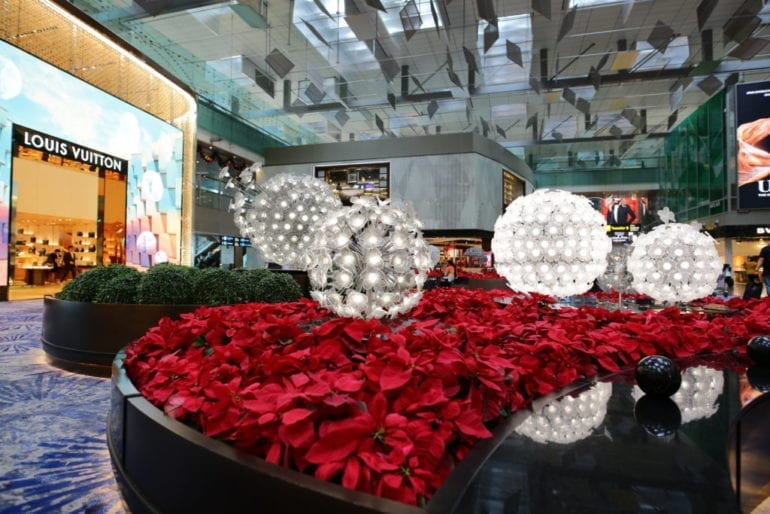
    Passengers at Changi Airport Terminal 3’s Transit Hall will be welcomed by the refurbished Central Piazza, featuring the airport’s latest feature garden made up of elegant glass dandelion sculptures – the Crystal Garden.

    The Crystal Garden is brought to life by tiered garden beds incorporating a curated selection of flowering plants and 12 spheres of artisan dandelion glass sculptures in varying sizes.

    Inspired by the flora and fauna of the other gardens in Changi Airport, the glass sculptures glow with luminance, creating the illusion that they are floating on pools of water or swaying in a breeze – these offer passengers a captivating and unforgettable experience amidst a garden of lights.

    Prominently nestled in the heart of the Central Piazza behind the Crystal Garden is the brand new Louis Vuitton store which opened its doors today. As the luxury brand’s first duplex airport store in the world, it is a travel destination itself with its unique architectural elements.

    Joining the ranks of The Shilla Duty Free’s Cosmetics & Perfumes duplex and the DFS Wines & Spirits duplex at the Central Piazza, Louis Vuitton’s arrival at Changi Airport completes the trio of duplexes at T3’s Central Transit Hall, lifting passengers’ retail experience another notch up. A linkway at the mezzanine level above the Crystal Garden connects all the duplex stores and offers passengers the luxury of browsing seamlessly across the three retail spaces.

    Ms Lim Peck Hoon, Executive Vice President of Commercial at Changi Airport Group said, “The Crystal Garden is designed to engage the senses of travellers while capturing the carefree spirit of travel, as it greets travellers when they first step into T3’s Transit Hall. Besides the enriched offering of luxury goods, cosmopolitan travellers can look forward to an engaging retail experience in the revolutionary two-store Louis Vuitton boutique.

    Without a doubt, Louis Vuitton’s definitive French charm and distinct travel heritage plays up Changi’s image as a world-class shopping destination. We are delighted to welcome Louis Vuitton to Changi Airport.”

    Specially conceptualised for the Central Piazza, the Crystal Garden is the seventh feature garden at Changi Airport. It comprises 1,735 Bohemian glass components hand blown with different finishes, giving the sculpture richness and texture.

    Embracing the philosophy that nature soothes, the Crystal Garden gently integrates nature into the Central Piazza, presenting travellers with an interesting juxtaposition of poetic calm amidst a burst of colour and activity.

    The seeds of the dandelions floating across the Crystal Garden represent passengers on their onward journeys, spreading out to different corners of the world, as seeds would travel.

    Behind the Louis Vuitton duplex store, the Central Piazza also offers a new open lounge with plush seating and soft lighting, a dedicated working area and individual charging points, all carefully designed to enhance the T3 experience for all travellers.

  • Morocco announces auto industry deals worth $1.45 bln

    Morocco announces auto industry deals worth $1.45 bln

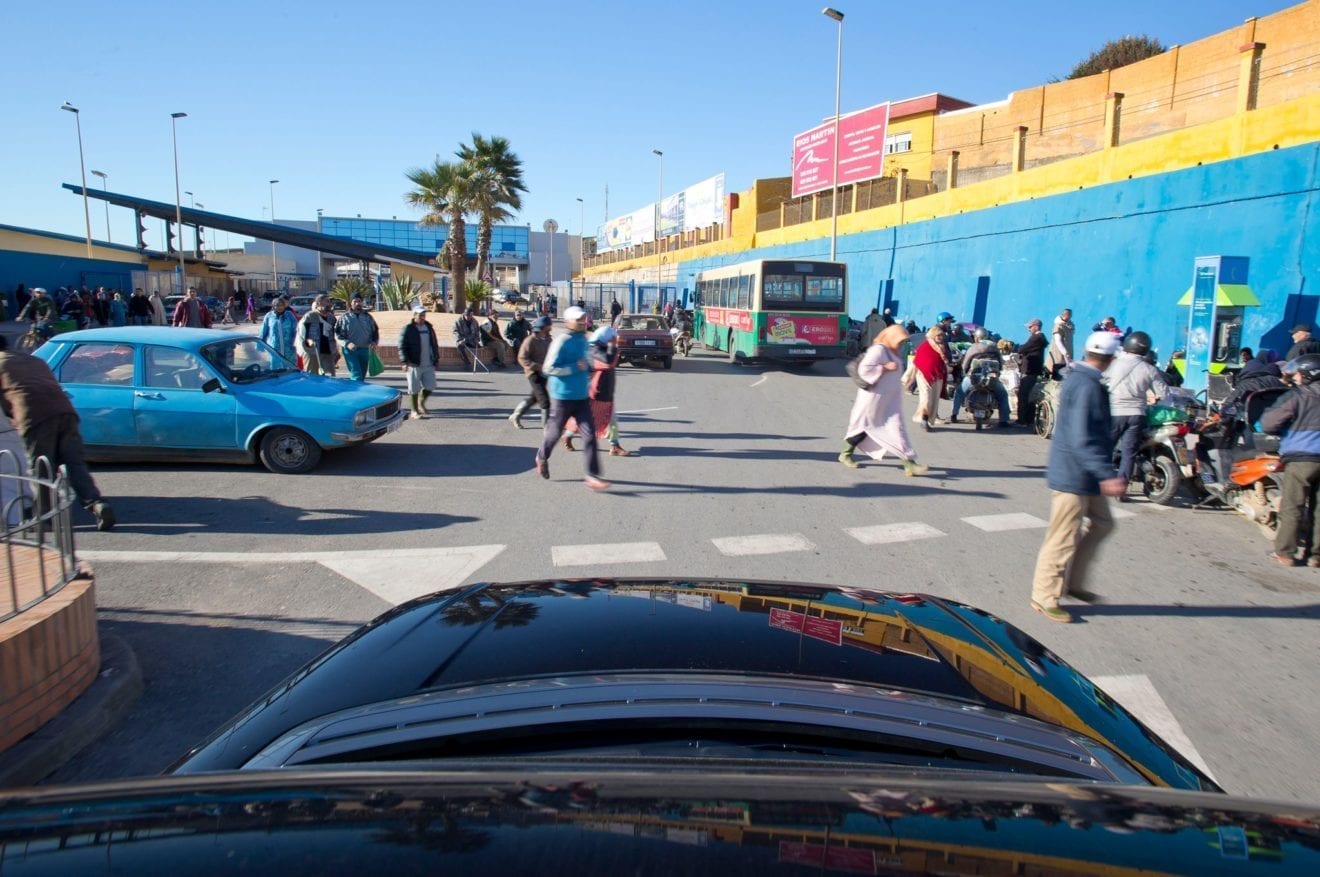
    Morocco said on Monday it had signed deals for 26 auto industry projects worth a total of 1.23 billion euros ($1.45 billion) as it seeks to build its position as an international hub for the sector.

    The deals include six agreements with French company Renault to expand an “industry ecosystem” allowing the firm to increase local sourcing of car components to 55 percent, according to a government statement.

    Renault has a large factory in the northern Moroccan city of Tangiers that opened in 2012, and an older assembly plant in Casablanca.

    Another 13 of the new projects are planned as part of a manufacturing hub linked to a PSA Peugeot Citroen factory under construction in Kenitra, north of the capital, Rabat.

    That plant is due to open in 2019 and initially produce 90,000 vehicles a year.

    The projects announced on Monday are with companies from France, Spain, Italy, China, South Korea, Japan and the United States, and are expected to create more than 11,500 jobs, the government statement said.

    Eleven of the companies will be operating in Morocco for the first time, Abdel Wahid Rahal, a senior official at the ministry for industry, investment, trade and digital economy, said.

    On Saturday, officials announced a memorandum of understanding with Chinese automaker BYD to build an electric car plant near Tangier that is expected to create 2,500 jobs. They gave no details on the value of the deal.

    Unlike many countries in the region, Morocco has avoided a big drop in foreign investment following the global financial crisis and the Arab Spring uprisings of 2011, partly by marketing itself as an export base for Europe, the Middle East and Africa.

    The kingdom has attracted a number of big auto and aerospace investors in recent years.

  • China’s cars might finally going to make debut in Western markets

    China’s cars might finally going to make debut in Western markets

    After a decade of development, often through buying or benchmarking foreign technology and know-how, Chinese automakers are looking with greater ambition at selling their cars in major Western markets.

    Improvements in car design, technology and marketing at firms including Geely, GAC Motor and Great Wall Motor have brought them a bigger share in their home market, the world’s largest, and give them a better chance of survival in competitive markets in Europe and the United States.

    Once distant dreams of staking a claim in Western strongholds may now be edging nearer.

    “We have in the Western world an outrageous arrogance. We think we’re ahead. It’s going to change,” says Alain Visser, Senior Vice President of Lynk & Co, a new brand set up by Geely.

    “China is passing you at a speed that in our arrogance we don’t even see,” Visser told Reuters earlier this month.

    Hangzhou-based Geely, which owns Volvo Cars and Lotus and makes London black cabs, has its sights set on selling cars in Europe in 2019 and the United States a year later. The Lynk & Co brand, set up in Sweden with Volvo, will spearhead its attack.

    Geely plans only to sell ‘green’ cars – conventional hybrid, plug-in hybrid and all-electric models – in those markets, and would primarily sell through directly-owned stores and online rather than through traditional dealer franchises. It could also offer cars for rent via a subscription model similar to Netflix and Spotify.

    GAC Motor, whose parent Guangzhou Automobile Group partners Honda Motor, Toyota Motor and Fiat Chrysler in China, may beat Geely to the U.S. market, eyeing entry by end-2019. But unlike Lynk & Co, GAC is more likely to sell through a traditional distribution network of franchised retail stores there.

    It’s taken Chinese automakers years to get this far, and, to be sure, there will be significant road bumps.

    “A key obstacle in markets like the United States is a consumer bias against Chinese-made goods,” said Jeff Cai, a Beijing-based senior director at JD Power & Associates. “Our research found most U.S. consumers think China is a third-world country that builds low-quality products.”

    There’s also the thorny issue of China’s trade surplus with the United States – an imbalance high on U.S. President Donald Trump’s radar. Cars shipped in from China would likely increase that surplus.

    Selling direct, online

    Geely’s Lynk & Co aims to open its own flagship store in Berlin in the second half of 2019, and a similar outlet in San Francisco in 2020.

    In some U.S. states, which don’t allow direct selling, Lynk & Co plans a subscription-based sales model, renting cars to consumers on contracts as short as a month. Those deals will include insurance, warranty and other benefits.

    Visser says Lynk wants to test this unconventional retail model because it reckons around a quarter of revenue is lost through the traditional distribution business in dealer margins and discounting. He expects to recoup more than half those ‘losses’ by selling direct.

    Some of those savings will be passed on to customers by selling Lynk & Co cars at a more affordable price, Visser said, adding Lynk & Co aims to sell 250,000 vehicles a year across Europe and the United States – though he gave no firm timescale for that.

    In the United States, selling direct could put Lynk & Co on a collision course with the politically powerful National Automobile Dealers Association (NADA), the lobby group for franchise dealer operators.

    While Visser says NADA has “unbelievable power”, he believes dealers will eventually come around to Lynk & Co’s retail model as it would likely be franchise dealers who get to service Lynk & Co cars, carrying out repairs and regular maintenance – and that’s where dealers make most money.

    No Trumpchi for U.S.

    For its part, GAC Motor is looking at the possibility of building out its overseas presence from the U.S. northeast, two people close to the company said.

    That region, including Massachusetts, Connecticut, Maine and New York, is seen as being more open to foreign cars and to the sport-utility vehicles (SUV) that GAC Motor plans to sell, they said.

    The company said it has not yet decided a U.S. entry point, but would more likely opt to build a sales network with franchise dealers or join an existing dealer group.

    GAC Motor – which says it has developed rather than acquired its technologies – said it was conducting market research to determine the brand’s positioning and identify products for its U.S. business.

    Its first U.S. offering is likely to be an SUV sold in China as the Trumpchi GS8. Given the political sensitivities, the model will be renamed for the U.S. market.

    “We respect culture in the U.S. and understand there’s no precedence to use the current president’s name as a brand name,” the company said through a spokeswoman.

  • A.S. Watson announces slew of new tech vendors to support its digital transformation

    A.S. Watson announces slew of new tech vendors to support its digital transformation

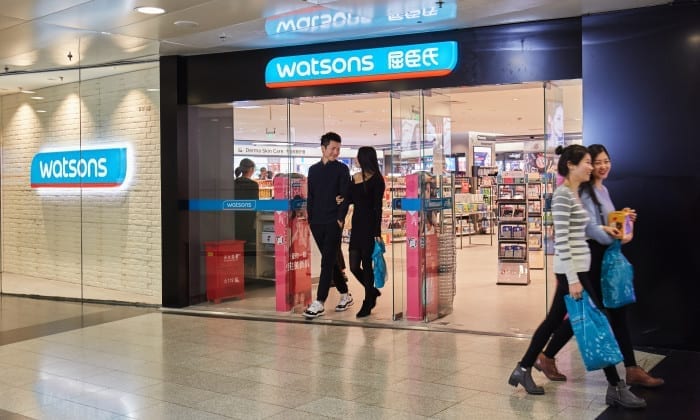
    Health and beauty retailer AS Watson (ASW) has launched a Technology Partnership Programme as part of a move to speed up its digital transformation globally.

    The program brings together a wide range of international technology providers and recognises them as strategic partners rather than suppliers, explained Malina Ngai, group COO of ASW.

    “We believe every technology partner whom we have chosen to work with is more than just a vendor. Traditional client-vendor relationship is short-term. There is lack of transparency and continuity in the way we work with each other. Besides, project base contract makes it difficult for their resource planning.

    “The partnership program is designed to transform the short term contractual relationship to a longer term strategic relationship to create a win-win for both parties. Our tech partners will have access to senior management, visibility on our growth strategy and technology roadmap, as well as a longer term financial commitment from us. We can benefit from their commitment in providing consistent resources, expert advice and services, as well as first hand access to innovation they develop,” said Ngai.

    ASW, which has more than 15,000 stores globally, embarked on its digital transformation journey in 2011 when it introduces its Customer Strategy initiative. The company invested US$70 million initially, dedicated to CRM, eCommerce and mobile experience.

    It subsequently established eLab in 2015, an in-house digital agency focusing on supporting all operating businesses to develop e-commerce and digital marketing.  This year, ASW kicked off a further $70 million investment in big data to build new capabilities in analytics and machine learning.

    “The goal of our digital transformation is to enable AS Watson Group to build on our solid retail foundation to fuel further growth through a smarter and more efficient organisation,” said Ngai.

    “Our purpose of putting customer first and putting a smile on their faces continues. We recognise that our customers are changing rapidly and technology has become an ever more critical ingredient to deliver our purpose.”

    The first batch of tech partners comprises expertise in the areas of e-commerce, store systems, data science, AI, data visualisation, technology ecosystem and services.

    The partners include Microsoft, Epam, Ovolab, Rubikloud, Mtel, Infosys, NCR, Zebra Technologies, SAP and Oracle.

  • 2017 has been Donatella Versace’s year

    2017 has been Donatella Versace’s year

    In 1997, Gianni Versace was murdered on the steps of his Miami Beach home. His grief-stricken sister, Donatella, suddenly found herself in charge of the family company.

    Twenty years later, she has chosen to take this anniversary and make it extraordinary, hijacking the style agenda to the extent that fashion journalists have been calling 2017 the year of Versace.

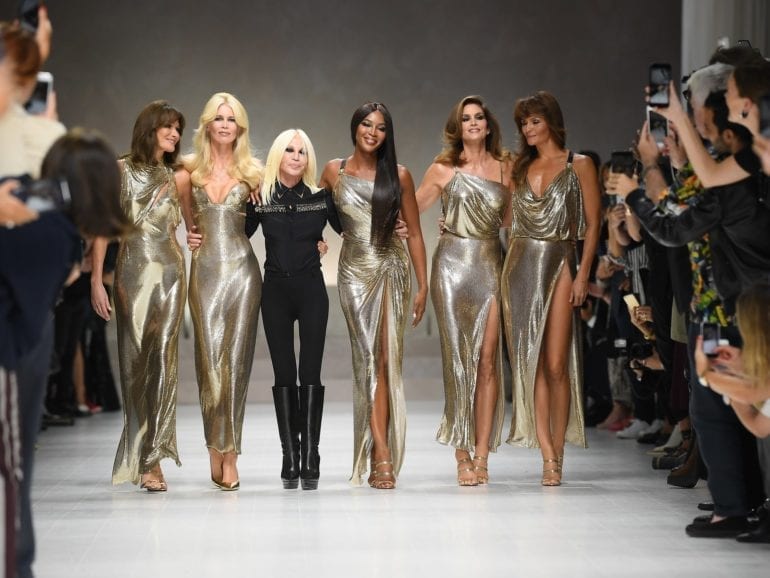
    She has designed a tribute collection inspired by Gianni’s archives, announced a scholarship in her brother’s name at Central Saint Martins and, in September 2017, in a fashion coup for the ages, reunited Gianni’s supermodel crew – Helena Christensen, Cindy Crawford, Naomi Campbell, Carla Bruni and Claudia Schiffer – for a catwalk finale that melted the internet.

    Here, it starts a series of achievements, she received a major accolade at the Fashion awards. She announces the opening of a new Versace store on Sloane Street in London.

    A lot of her year has been spent poring over old images and old creations, opening up the archive – a 10,000 sq ft storage facility in Novara, near Milan – and examining Gianni’s most famous creations for the first time since his death. “Not in a sad way,” she says, “but a very positive way. I saw what a genius my brother was. To me, he was my brother, but to the rest of the world – such a genius.”

    Even the names of the archive collections, produced between 1991 and 1995, speak of another, more glamorous age: Vogue, Warhol, My Friend Elton, Icons, Baroque.

    The pictures she shows me are from that time, too, and present the supermodel era exactly as you would want. Here is Bruni, a future first lady of France, dancing with abandon in thigh-high patent boots. Here is a babyfaced, never-off-duty Crawford, smouldering for the camera as she queues backstage. Here is Christy Turlington, running down a beach, wearing only shimmering sequins.

    Compared with the unsmiling models who have walked the catwalk since, and the airbrushed campaign images and omnipresent filtered Instagram photographs we have grown used to, these pictures feel authentic (however liberally doused in hairspray the models are).

    They bring back great memories, Donatella says. “This was the period that fashion became famous,” she says. “It was the beginning of fashion becoming pop culture, of being associated with music and rock’n’roll. Those two worlds were really in contact with one another. When something starts to happen, that is the most exciting moment. It was a huge change. The 90s was a huge change in fashion”.

    Donatella added : “My brother, of course, was the designer; I was working very closely with him all my life. But I started the relationship with the models that Gianni made ‘super’.” What “super” meant, she says, was showing personality. “Before that, I don’t think many designers let models have personality, nor after. The models should wear the clothes, be very serious, not smile, look in front of you, almost no soul. This was totally opposite: it was about the girls, what the girls were thinking, who they were dating. It wasn’t just about the clothes, but about who was wearing the clothes.”

    Fashion modelling is only just getting exciting again, she says, thanks to technology. “There are two generations of fashion for me: the one before the internet and the one after the internet.” Between the supermodels and now, she says, “was a moment of flatness. Now you could do this picture backstage again – there are people with enough personality there.” She likes the Instamodels, such as Gigi Hadid, who have become powerful thanks to their millions of followers on social media. “I think they are amazing. Very smart girls. Again, finally, we have girls who dare to stand out in the crowd.”

    The 62-year-old’s Fashion awards gong is icon of the year and the hype around her company is enormous, so it is easy to forget the starting point: the horror of her brother’s murder and her first few years running the company, during which she was so shellshocked that she broke down in tears on the catwalk. Does she feel like an icon? “Yes,” she says abruptly, then laughs. “OK, should I be shy? No. This is not because I’m full of myself, but I think, in fashion history, I did a lot. I mean an icon in fashion, not an icon in general, in the world.”

    To conclude with Donatella explained about contemporary trends by focusing on millennials. “Millennials are all many designers talk about backstage, particularly in Milan,” she says.

    In Italian fashion, the charge has long been that so many houses have been run for decades by the same designers or dynasties (Armani, Prada, Versace, Missoni; even relative newcomers Domenico Dolce and Stefano Gabbana are 59 and 55) that the scene has become stale.

    There have been rumours swirling around Versace for the past year or two that Riccardo Tisci, formerly of Givenchy – or Virgil Abloh of Off-White or Kim Jones of Louis Vuitton – might be in line for Donatella’s seat. That may be the case one day, but this year the conversation has shifted dramatically.

    In many ways, Donatella’s approach to millennials and social media feels remarkably modern – and not only because she has 2 million followers on Instagram (in typically understated style, when she joined the app in 2015, a press release was issued; ever savvy, in her first post, she posed with Gigi Hadid).

    This year, she says, has been “a rollercoaster of emotion. Not just that day [of the supermodel reunion show], but preparing for the show, going to the archive and seeing things that I last saw 20 years ago, before Gianni’s death. I never had the courage to go back there, because it was so painful, but I found the strength.”

    She did it, she says, “for the young generation who didn’t know, who weren’t born when Gianni was alive. I want them to know why Gianni was so important and what Gianni was about.” And to tell her side of the story? “To show them how relevant Gianni is today. No story, no filter.”
  • Jetstar’s airfares to Bali take off after AirAsia cancels its service

    Jetstar’s airfares to Bali take off after AirAsia cancels its service

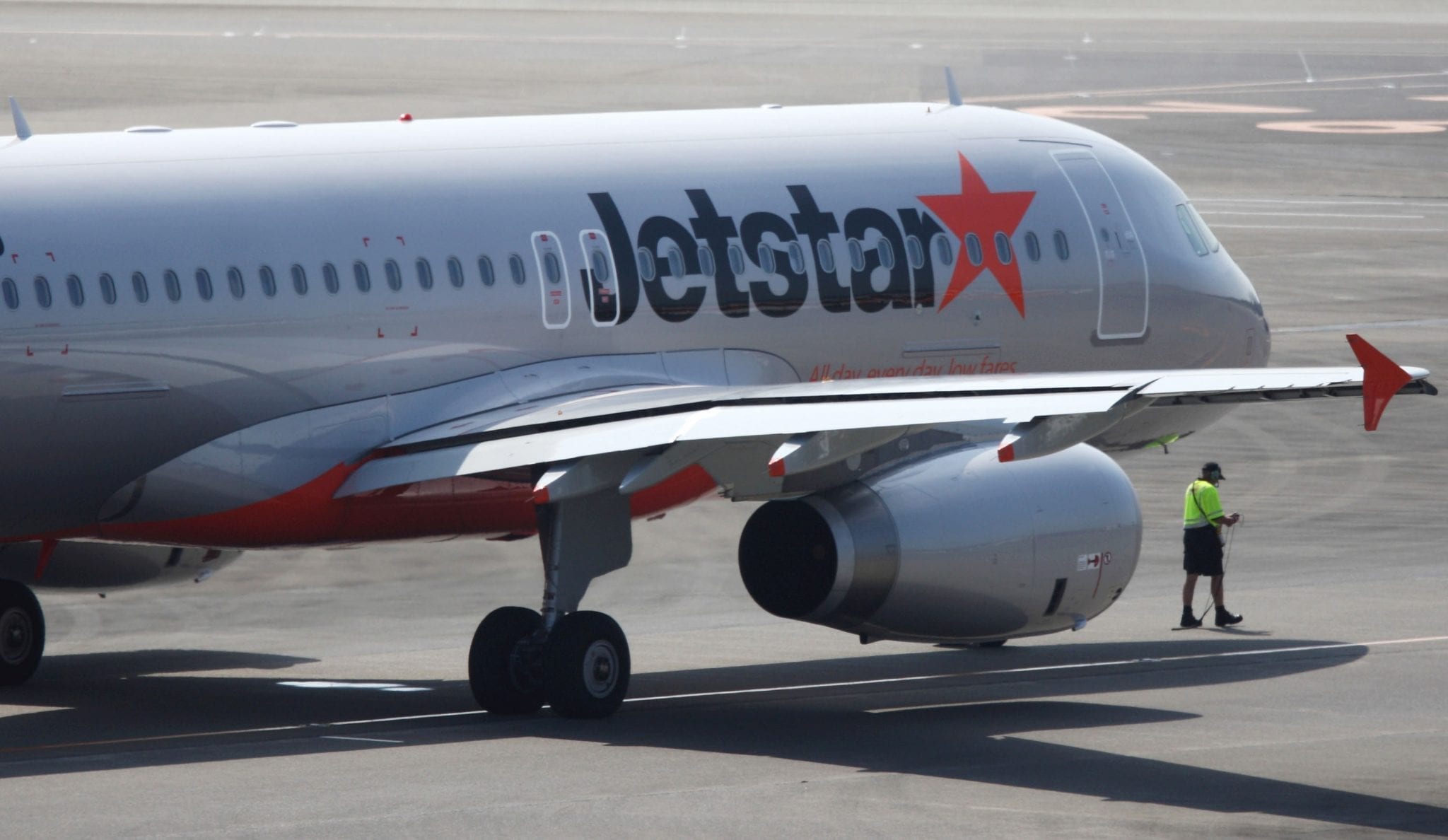
    Jetstar prices for flights to and from Bali have jumped by as much as 570 per cent in the wake of AirAsia’s announcement it would be cancelling its services on the route. Earlier this week, Jetstar was advertising flights to Bali in February for $99 and return flights for just $44.

    However, after AirAsia confirmed on Wednesday that it would be scrapping its flights between Darwin and Bali, prices jumped. Fares to Bali for $99 are still available in January, however return fares have leapt to between $182 and $242. In February fares to Bali increase to $179 and return flights are between $122 and $295.

    A Jetstar spokeswoman said the airline remained committed to delivering cheap flights between Darwin and Bali.

    “Bali remains an important market for us from Darwin and our flights from Darwin to Bali will continue to operate as normal well into the future,” she said.

    “There are many factors that determine the pricing of air tickets, and we take into strong account our mission of every day low fares, making air travel affordable and the world more accessible to our customers.”

    Territorians guessed the prices would jump as soon as they heard the announcement of AirAsia’s cancellations.

    “They won’t get the $69 return fare to Bali anymore,” Scott Gorrell posted on Facebook on Thursday.

    “Now Jetstar will hike its prices up between Darwin and Bali as there is no competition,” Bev Phelts commented.

    “Watch the prices rise now,” Nigel Rankine posted.

    It took more than two full days for Jetstar to up its prices.

    Jetstar earlier this week confirmed it would be looking at increasing the number of services it offers on the Darwin-Bali route.

    In the 2016-17 financial year, Jetstar flew 35,000 passengers between the Indonesian island and the Top End.

    AirAsia confirmed on Wednesday it would cancel its routes between Darwin and Bali from January 28.

    “AirAsia Indonesia will suspend its service connecting Bali with Darwin as part of a network restructuring aimed at improving operational efficiency,” a spokesman said.

    Previously Garuda Indonesia operated flights between Darwin and Bali, however the airline pulled out of the Top End in 2009, after 30 years.

    AirNorth has also previously operated the route.

  • Sometimes all you need is a fresh breeze

    Sometimes all you need is a fresh breeze

    Antwerp Underwater Solutions was founded in 2005. Shortly afterwards AUS became a part of a holding including several ship repair companies. The current structure and order books urged the need for a new manager to maintain and improve the level of service.

    We strongly believe we found the right  man for the job in Hans Cuylits, his career speaks for itself….

    He started his career as diver in a diving company where the main focus was on shipping. After 2 years he made a leap to the offshore industry. Here his drive and accuracy did not go unnoticed and pretty soon he was project superintendent for one of the major players in the offshore industry.

    In 2012 Hans and his wife had the courage to follow their dream and start a three year  journey around the world with their two kids.

    They returned in June 2016 and shortly afterwards  we welcomed Hans  with open arms in our team. We consider him to be a great asset not only for Antwerp Underwater Solutions but also for our customers.

    There might have been some changes in our management structure – our core business and commitment  hasn’t change. Antwerp Underwater Solutions is your ideal  underwater contractor for all  inspections, repairs and maintenance.

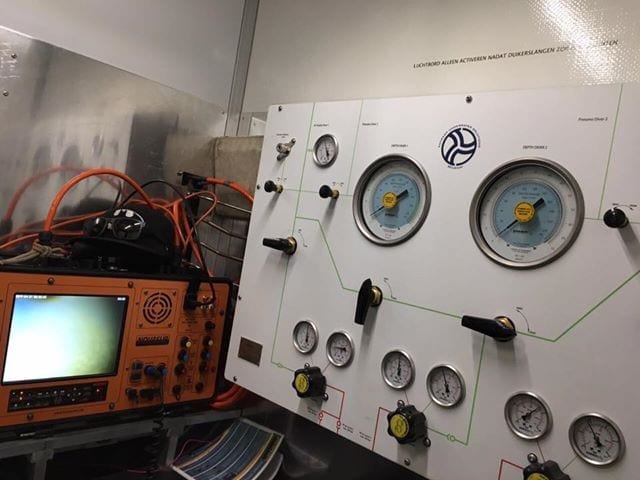
    Approved by all major classification bureaus DNV Gl, Lloyds Register, Bureau Veritas, ABS, Rina,… to perform all underwater inspections; pre-sale inspections, inspection after grounding, pre-docking inspection, in lieu of dry-dock inspection…

    For the underwater repairs we can draw on a number of  certificated and very experienced underwater  welders.  Antwerp Underwater Solutions has different types and sizes of cofferdams. In addition we have all the skills and equipment  to provide a customized cofferdam within the available time frame.

    You might be surprised to learn the maintenance that can be performed underwater; installation of anodes, cleaning of sea chest, blanking of overboard valves in order to allow valves to be changed from the inside, re-tightening bolts to reduce bearings wear down,  cleaning of sea chests,   replacement of echo sounder or speed log, replacement of rope guards, clearing propellers or rope guards, rudder maintenance   A great return on investment can be achieved by our propeller maintenance program,  which enable us to keep ships propellers smooth at all time, all blades are  polished in a multi stage to grade ‘A’ on the Rupert scale. This has an immediate effect on the fuel consumption.

    Antwerp Underwater Solutions is at your service 24/7, we have a fast response time and operate in all major European ports; Antwerp, Rotterdam, Flushing, Zeebrugge , Ghent, Le havre, Dunkirke,…

    Please allow yourself the experience to work with Antwerp Underwater Solutions as your underwater contractor and contact us

  • Robinsons Retail acquires 20% stake in beauty website

    Robinsons Retail acquires 20% stake in beauty website

    Multi-format retailer Robinsons Retail Holdings has acquired a 20 per cent stake in Taste Central Curators, which runs Filipino e-commerce site BeautyMNL.

    Robinsons Retail has taken 1 million shares of the online store, which sells a range of beauty products including makeup, skincare and haircare.

    Financial details of the deal have not been disclosed as the transaction amount was less than 10 per cent of Robinsons stockholders’ equity.

    Robinsons Retail has six business segments: supermarkets, department stores, do-it-yourself stores, convenience stores, drugstores and specialty stores. Its brand names include Costa Coffee, Daiso Japan, Handyman Do it Best, Ministop, South Star Drug, The Generics Pharmacy, Topman, Topshop, Toys R Us and True Value.

  • TommyXGigi Barbie Doll launches

    TommyXGigi Barbie Doll launches

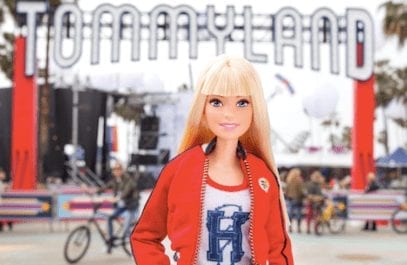
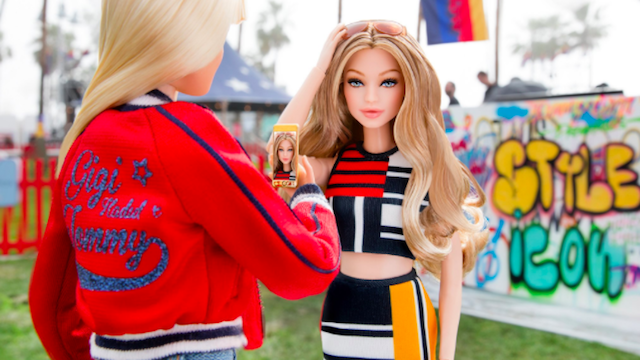
    Barbie has launched a doll depicting supermodel Gigi Hadid, the global brand ambassador for Tommy Hilfiger womenswear.

    Designed in collaboration with the Tommy Hilfiger lifestyle brand owned by PVH Corp, the special-edition TommyXGigi Barbie is available on Barbie.com and Tommy.com as well as at select retailers. Celebrating the runway event where Tommy Hilfiger introduced Hadid as global brand ambassador, the doll is styled in a navy hoodie, white shorts with red trim and brand logo, and white slip-on sneakers. It matches Hadid’s closing look for an experiential runway event at which the first TommyXGigi capsule collection was introduced.

    Tommy Hilfiger - Barbie Gigi 1

    With a suggested retail price of US$50, the doll comes with a stand and certificate of authenticity.

    “Seeing the doll for the first time was surreal,” says Hadid.

    Tommy Hilfiger - Gigi

    The doll joins more than 80 designers and fashion influencers who have been honoured by the brand, owned by US toy company Mattel.

  • Monthly salaries in Vietnam rise fastest in Southeast Asia

    Monthly salaries in Vietnam rise fastest in Southeast Asia

    Salaries in Vietnam are rising faster than in any other Southeast Asian country, according to a recent survey released by employment website Jobstreet.com.

    The average annual growth rate of Vietnam’s payroll stands at 20-24 percent, compared to 14-20 percent in Thailand, the Philippines, Indonesia, Myanmar and Singapore.

    In Vietnam, management and executive salaries grew fastest, at 26 and 35 percent respectively.

    The survey found that 68 percent of companies operating in Vietnam want to expand their businesses in the future, so they have high recruitment demands. Jobstreetforecast that salary growth will continue with this demand.

    Vietnam’s minimum wage, however, doesn’t enjoy such a large jump. On Monday, the prime minister signed off on a decree raising the minimum wage for 2018 by 6.5 percent, the lowest nominal bump in 11 years.

    The rise brings the minimum wage for Region I to VND3.98 million ($175) a month. Region II to VND3.53 million, Region III to VND3.09 million and Region IV to VND2.76 million.

    In Vietnam, there are four different minimum wage regions, which are supposed to reflect the cost of living in each area. Region I, including Hanoi and Ho Chi Minh City, has the highest minimum wage, while region IV, which is for rural areas, has the lowest.

  • Furla Beijing flagship opens

    Furla Beijing flagship opens

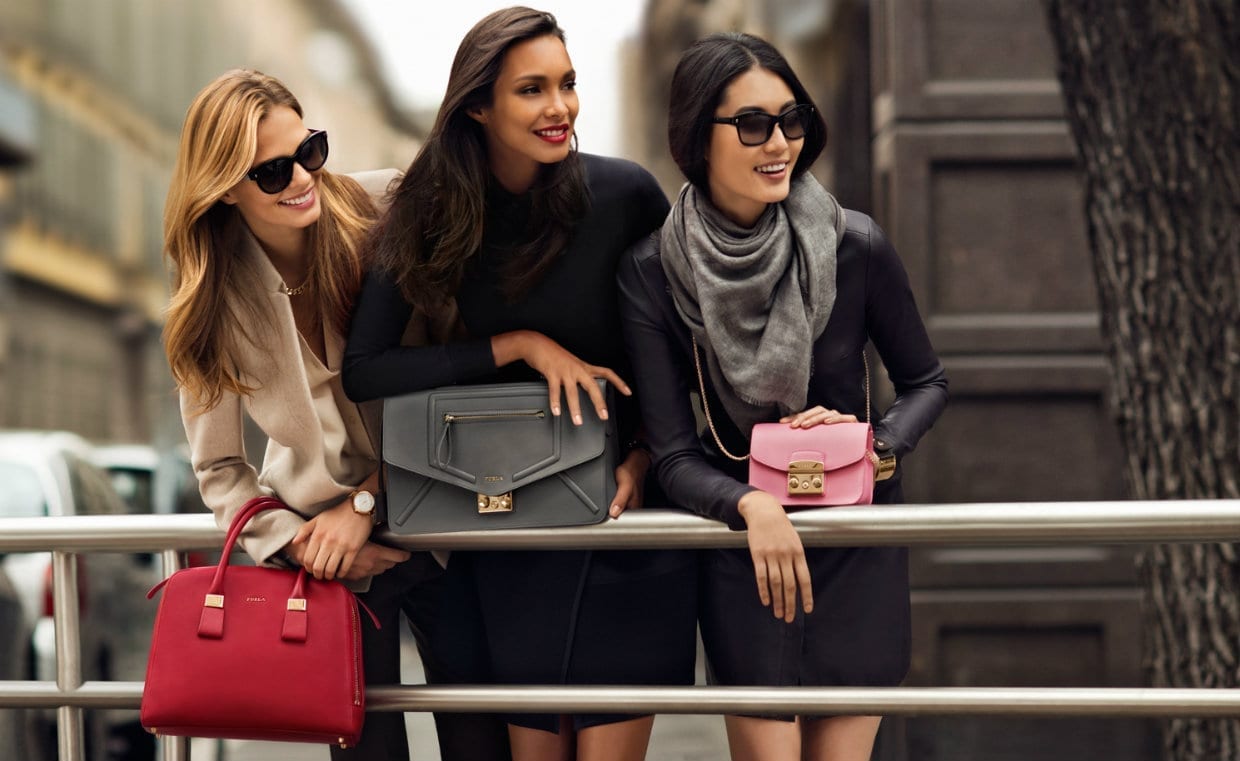
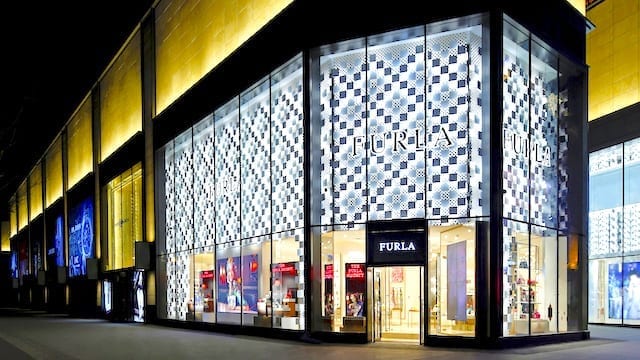
    Luxury brand Furla China has opened its first store in Beijing, at lifestyle retail destination WF Central.

    BEIJING WF CENTRAL_Inside 3

    As well as women’s leather goods and sunglasses, the Italian brand’s 208sqm flagship store features a special range inspired by the city’s symbol, the Panda Collection.

    BEIJING WF CENTRAL_Inside 2

    BEIJING WF CENTRAL _Inside 1

    Furla CEO Alberto Camerlengo says the opening of the flagship highlights the brand’s determination with its expansion strategy in China.

    BEIJING WF CENTRAL_Outside 2