Author: Mei Ling Tan

  • More e-commerce fraud, customers to be careful

    More e-commerce fraud, customers to be careful

    E-commerce fraud is becoming more prevalent, says US internet payments technology company Stripe in a new report.

    Fraudsters repeat online purchases at the same businesses 10 times more quickly than actual cardholders, says the report, which reveals new patterns to help e-commerce companies combat fraudulent activity during the holiday shopping season.

    With chip-enabled credit cards making brick-and-mortar shopping safer, criminals are turning their attention to online stores. Unlike physical stores, online businesses have to pay the associated costs of fraudulent orders. On average, every $1 of fraudulent orders costs an online business an extra $2.62.

    Stripe looked across a year’s worth of data to seek out fraudulent behaviour patterns by country, time of day, industry and other factors. Insights to emerge include:

    • Fraud rates based on the country where the credit card is issued vary dramatically, by a factor of two or three
    • In Singapore, fraudulent transactions are significantly larger than normal transactions
    • The highest online fraud rates occur during days and times when many people are not shopping, such as Christmas Day or late at night (for example, for US businesses, fraud rates as a percentage of overall traffic increase in the summer and in late December, but not on heavy shopping days like Black Friday)
    • Fraudsters give themselves away by making rapid additional charges at the same businesses on the same credit card, initiating repeat purchases 10 times more quickly than actual cardholders
      • Fraudsters prefer products that can be delivered to locations like public buildings or parks and can be obtained quickly before transactions are invalidated, which explains the prevalence of fraud among on-demand services as well as low-end consumer goods.

    “While there are some consistent patterns to fraudster behaviour, such as their high-purchase velocity, their propensity to work late at night and their preference for cheap or immediately deliverable goods, we have found that the predictive strength of these patterns varies widely depending on the location of the business and the fraudster,” says Stripe engineering manager for payments intelligence Michael Manapat.

    “Because of this, we recommend using anti-fraud tools based on machine learning from large amounts of data.”

    Principal analyst Jordan McKee of 451 Research says it is crucial for online businesses to have robust fraud defences, especially during the busiest shopping season of the year.

    “Because online fraud is highly complex and increasingly global, merchants should consider outsourcing fraud tooling to trusted third-party providers that have access to large, robust data sources. The most effective providers draw on global data sets from hundreds of thousands of other businesses to train their machine-learning algorithms and identify even subtle fraud patterns.”

    For its report, Stripe examined transaction data across hundreds of thousands of its customers across 25 countries. Stripe works in more than 25 countries to allow both individuals and businesses to accept payments over the internet.

  • Thai Beverage unit to bid for at least 25 percent of Sabeco

    Thai Beverage unit to bid for at least 25 percent of Sabeco

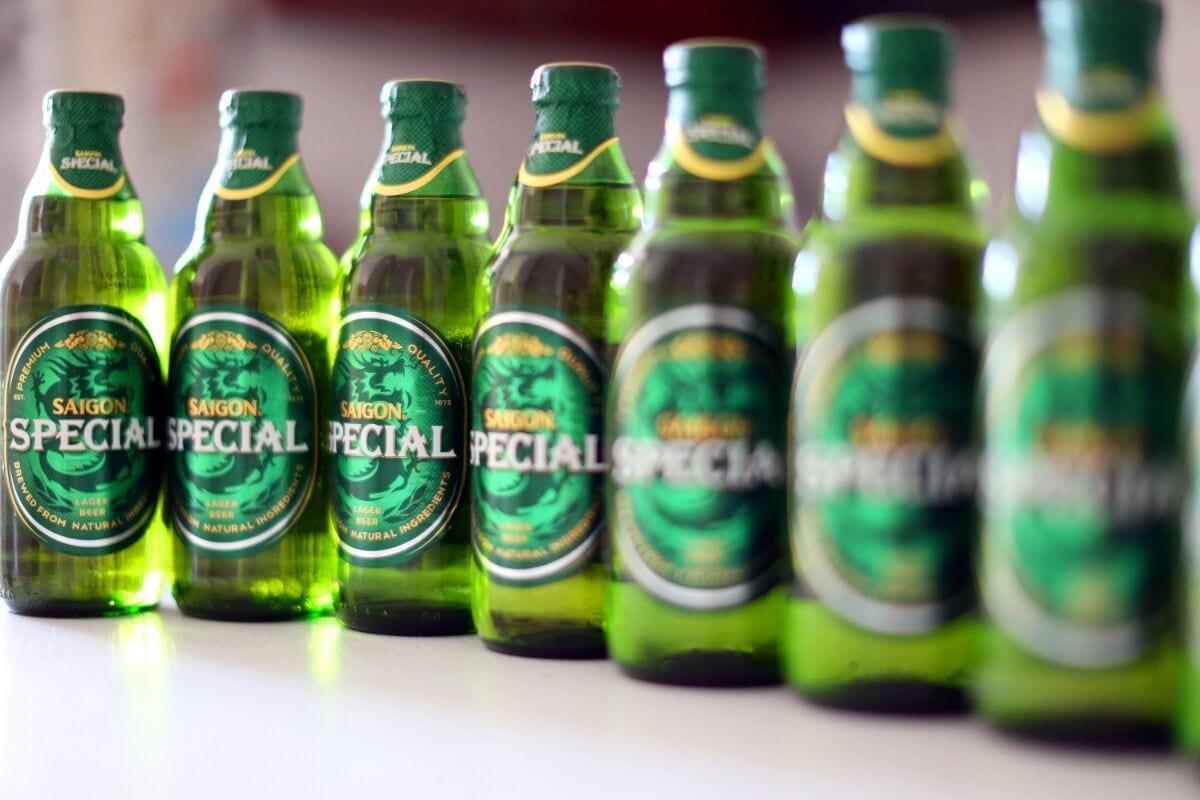
    A unit of Thai Beverage (TBEV.SI) has emerged as the only prospective bidder for state-owned shares in Sabeco (SAB.HM) that has declared that it could lead to it owning 25 percent or more of Vietnam’s biggest brewer, the Trade Ministry said on Monday.

    The auction of up to 54 percent of Sabeco worth at least $5 billion, in what is set to be Vietnam’s biggest privatization, offers brewers access to a fast-growing market with a youthful population and beer drinking culture.

    Investors who want shares that would lead to an ownership of 25 percent or more in Sabeco have to inform the local authorities and publicize the information a week before the auction date, which is set for December 18, according to the rules of the offer.

    Other brewing groups including Anheuser-Busch InBev and Kirin Holdings have been preparing to bid for a stake, people familiar with the matter have said.

    But the trade ministry said in a statement on its website that as of 1100 GMT on Monday the one prospective investor which has registered an interest in buying 25 percent or more of Sabeco that has publicized the information is Vietnam Beverage Company Limited.

    Vietnam Beverage Company Limited is owned by Vietnam F&B Alliance Investment Company, which is 49-percent owned by BeerCo Limited, an indirect but wholly-owned subsidiary of Thai Beverage, official documents about the companies showed.

    Foreign ownership in Sabeco is limited to 49 percent. That means overseas bidders can only bid for a minority stake of as much as 39 percent as foreign entities already own 10 percent.

    Lack of control and the unorthodox way in which the Sabeco stake is being sold could put off some possible bidders, bankers, investors and lawyers familiar with the matter said.

    The Vietnam trade ministry, which represents state shares in Sabeco, said foreign investors can link up with Vietnamese firms to buy shares in Sabeco, but have to comply with local laws and regulations.

  • Handsome by Hyundai heading for China

    Handsome by Hyundai heading for China

    Handsome, the fashion unit of South Korean retailer Hyundai Department Store Group, has signed a deal to help accelerate its move into the Chinese consumer market.

    An agreement between its fashion label The Cashmere with Hong Kong’s retail/brand-management/distribution firm ImagineX Group involves supplying five coat styles to Club Monaco outlets in China.

    ImagineX represents such brands as DKNY, Jo Malone and Salvatore Ferragamo, and has more than 250 points of sale throughout Asia including Singapore and Taiwan.

    Thehandsome.com

    Handsome has previously taken its System and System Homme brands abroad. It has also clinched a deal with Artifacts, a boutique store in Taiwan that has six outlets in Taipei and Taichung. Earlier this year, the two clothing labels were picked up by department stores and shopping malls in China as well as the Galeries Lafayette department store in Paris.

    Handsome entered the Chinese market early this year by partnering with Hangzhou Zhiheng Industrial.

    Founded in 1987, Handsome was bought by Hyundai Home Shopping Network in 2012. It owns a string of fashion labels including Mine, System and Time.

  • Vietnam fuel distributors to shift to ethanol blend this week

    Vietnam fuel distributors to shift to ethanol blend this week

    Vietnam’s biggest fuel distributors said they would complete a shift to an ethanol-blended product by Friday as part of a government program to promote a more eco-friendly fuel.

    State-owned PetroVietnam Oil Corp (PV Oil), which sells oil and fuels, will replace RON 92 fuel at all of its fuel stations with E5, a mixture of 95 percent of RON 92 and 5 percent of ethanol, by December 15, its parent firm PetroVietnam said on its website on Monday.

    Top fuel importer and distributor Petrolimex said on its website last week that its 2,400 stations across the country would have shifted to the ethanol-blended fuel by the end of this week.

    Vietnam has been pushing for the E5 mixture as ethanol can be produced from cassava, making it renewable. Several factories have been set up specifically to process cassava into ethanol.

    But critics and drivers argue the mixture could cause fire or damage vehicles’ engines and parts. The government has said the mixture is safe, adding that drivers should use vehicles from a certain year of production, depending on the model, to ensure they are safe.

    Another type of non-ethanol fuel, RON 95, is still on sale, but in smaller volumes.

    Vietnam plans to complete the shift to the E5 mixer across all fuel stations by January 1 next year.

  • Line Friends to open Pop-Up stores in Seoul City

    Line Friends to open Pop-Up stores in Seoul City

    A Line Friends pop-up will open at luxury speciality store BoonTheShop in Seoul on Saturday.

    Running until January 14, the Korean character brand’s outlet will introduce its latest merchandise, BT21. The range includes dolls, cushions, fashion items, limited-edition postcards, posters and bag charms – all based on a set of characters created by K-pop boyband BTS and the Line Friends team.

    LINE FRIENDS

    The same line will also start selling at Line Friends’ New York flagship on the same day via a “BT21 Zone”, and at other stores in Hong Kong, Japan, Taiwan and Thailand, as well as online early next year.

    BT21 was initially launched as stickers on Line App with more than 17 million downloads and 200 million Twitter exposures. The first Line Friends’ collaboration with artists, the BT21 range joins signature characters such as Brown, Choco and Cony.

    LINE FRIENDS Unveils BT21 Merchandise at Its Flagship Store in New York (PRNewsfoto/LINE FRIENDS)

    Line Friends has 91 stores in 11 international markets.

  • DHL and Air Hong Kong sign 15-year block-space agreement

    DHL and Air Hong Kong sign 15-year block-space agreement

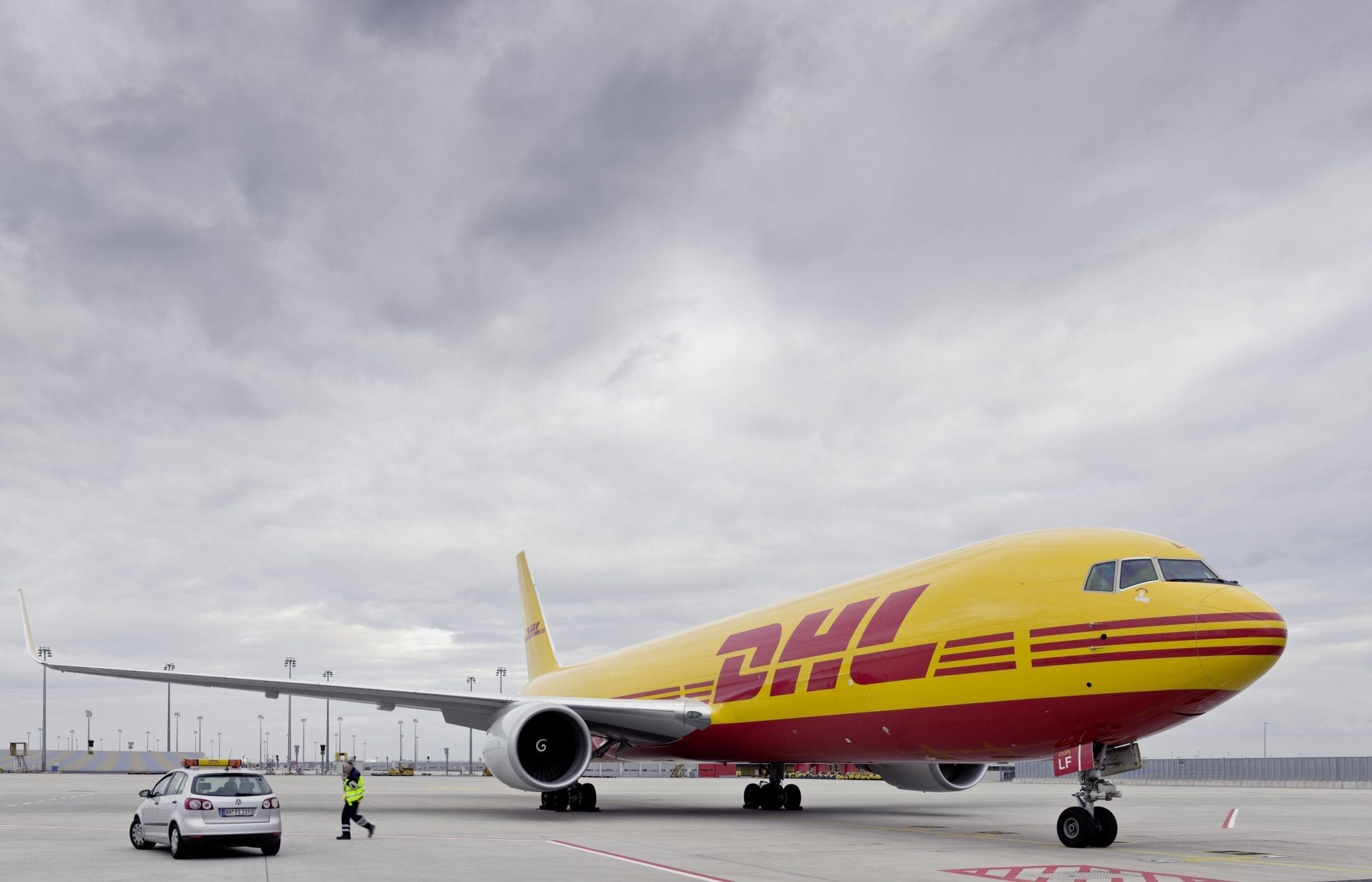
    DHL Express extended its Air Hong Kong (AHK) agreement, which grants DHL Express access to AHK’s overnight air services. The new agreement extends to 2033.

    As part of the deal, DHL Express and AHK formalized a reorganization announced in July, under which majority owner Cathay Pacific will buy out DHL Group’s 40 percent stake in AHK. Under the terms of the new agreement, DHL will also purchase AHK’s eight A300-600 freighters, which will be leased back to AHK. The deal goes into effect on Jan. 1, 2019.

    Once the deal takes effect, DHL will initially have the same access to AHK’s capacity granted by its current agreement, but over time will have more access to flexible aircraft deployment and route selection to support DHL’s growth in the Asia-Pacific region.

    “With Hong Kong’s merchandise exports between January and September 2017 growing by 8.5 percent compared to last year, we’re keenly aware of the upward momentum that the region’s trade lanes are facing,” said Ken Lee, DHL Express Asia Pacific CEO. He added that the deal offers the “greater flexibility” DHL needs to handle any unpredictable changes or demand increases in the region.

    In addition to the AHK deal, DHL Express recently announced an expansion of its Central Asia Hub at the Hong Kong International Airport. The expansion adds 8,000 square meters and improvements including automated x-ray inspection machines and material handling systems. The expansion is scheduled for Q1 2022 completion.

  • Jollibee poultry plant gives chicken farmers new income opportunity

    Jollibee poultry plant gives chicken farmers new income opportunity

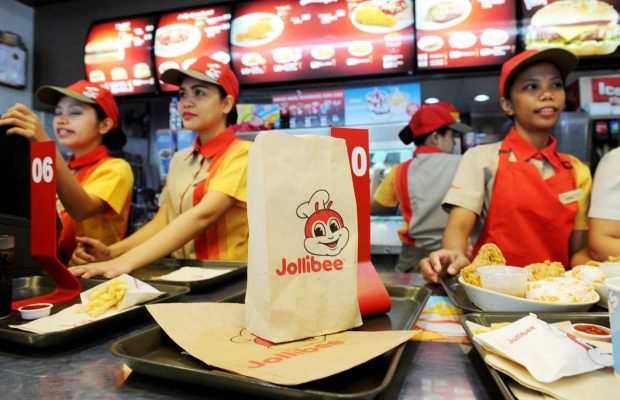
    Cargill Joy Poultry Meat Production Inc. opened on Tuesday, giving chicken farmers in Batangas and nearby provinces new income opportunities, Jollibee Foods said Wednesday.

    A joint venture between Jollibee Foods and Minneapolis, USA-based Cargill , the largest poultry processing plant in the country has a yearly capacity of 45 million chickens.

    “The plant increases income opportunities for local poultry farmers in Batangas and nearby provinces as they will supply the chickens to be processed at the JFC facility,” according to Jollibee Foods.

    The poultry plant in Santo Tomas, Batangas will supply the demand of JFC bands with dressed and marinated chicken.

    “C-Joy is partnering with local poultry farmers in Batangas and nearby provinces to supply the new facility with chicken,” according to Cargill.

    “We are looking forward to producing the chickens that will be supplied to the C-Joy plant to meet the poultry meat requirements of Jollibee,” said Vic Lao, president of Highcrest Corp., a partner-grower of the C-Joy.

    Cargill and Jollibee Foods revealed the partnership in May last year, saying the processing plant will create an estimated 1,000 new full-time jobs in Batangas.

    They said the plant will be 70-percent owned by Cargill Philippines which will oversee the setting up, management, and operations, with Jollibee Foods owning 30 percent.

    JFC invested P244.9 million in the processing plant, and P15.2 million in Cargill Joy Poultry Realty Inc. from which C-Joy leased the land to build the facility.

    The poultry processing plant is industry positive, according to the United Broilers Raisers Association.

    “This is positive for the industry as this will promote competition among big market players like San Miguel and Bounty fresh,” UBRA president Bong Inciong told GMA News Online.

    “Maganda rin ‘yan kasi kaunti lang ‘yung big players. So, healthy for the industry na may competition sila. Also, ‘yung mga small farmers will be given opportunity to grow kasi meron silang bagong malaking client,” he added.

    Summit Securities Inc. president Harry Liu said the development will have an impact on the financial condition of Jollibee Foods.

    “I think it will help the bottom line. I am sure they are doing this investment for future requirement and steady supply for the business now and in the future,” he said in a separate text message.

    JFC closed the third quarter with a net profit of P1.62 billion, up 21.1 percent from a year earlier.

  • AirAsia X flies into Jeju Island

    AirAsia X flies into Jeju Island

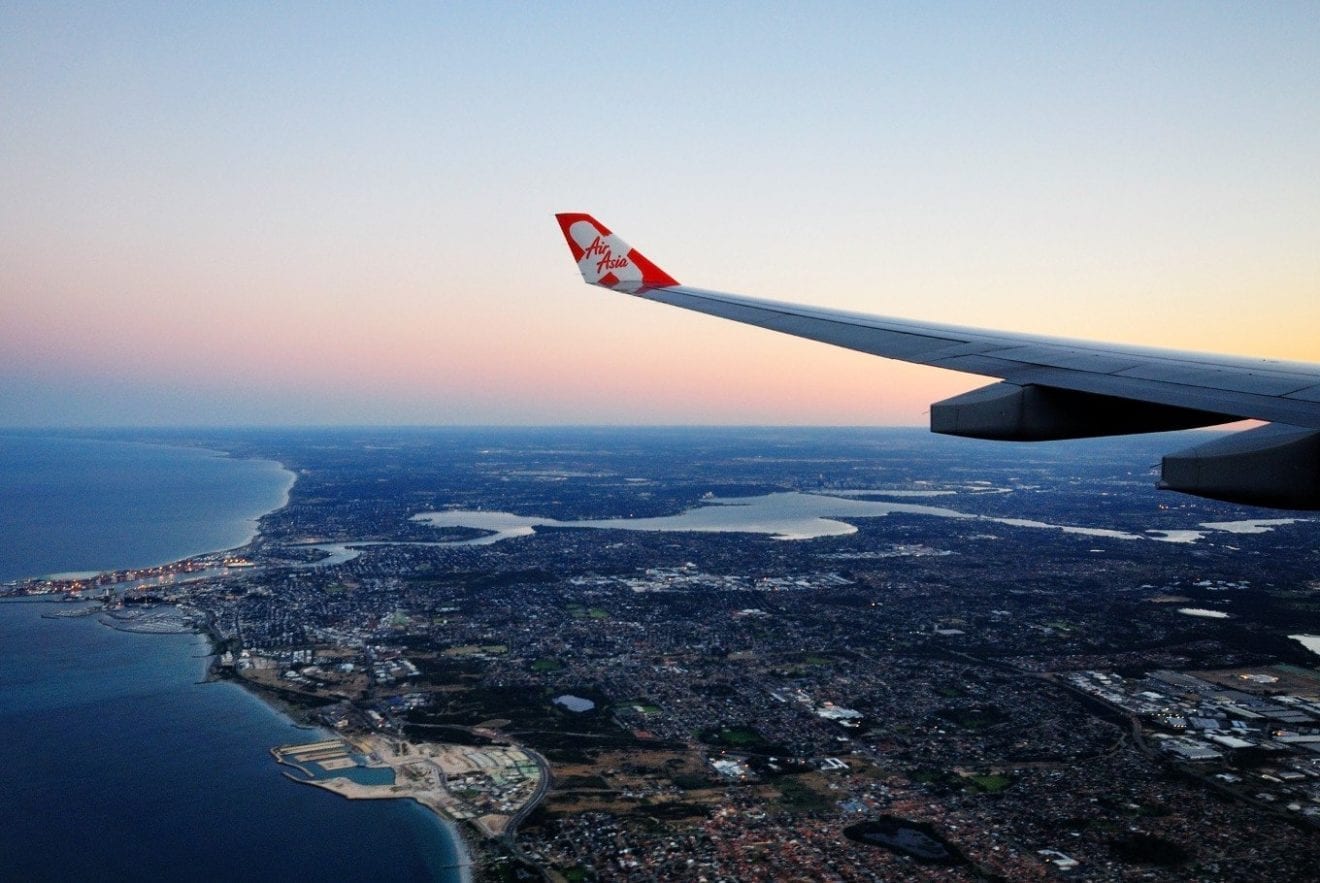
    AirAsia X Bhd made its maiden entry to the South Korean island of Jeju yesterday following the successful landing of flight D7 501 on Airbus A330-300 at Jeju International Airport.

    The low-cost carrier became the only airline with direct connections between Kuala Lumpur and Jeju, after Seoul (Incheon) and Busan, it said in a statement.

    The four times weekly service between Kuala Lumpur and Jeju would further expand the airline’s network in North Asia and make it the only airline operating direct non-stop services between the two cities.

    This latest route would also strengthen the AirAsia and AirAsia X Group’s position in the South Korea market by having a total of 75 weekly flights and 1,183,468 capacity a year for one way flight.

    AirAsia X Malaysia Chairman Tan Sri Rafidah Aziz said the direct flight from Kuala Lumpur to Jeju had the potential of generating a capacity of over 156,000 a year between Kuala Lumpur and Jeju.

    “Guests can also save a great deal of hassle for domestic transit.

    “South Korea is fast becoming an important market to us and we are very grateful for the tremendous support from the governments and relevant authorities for making this new exclusive route possible,” she added.

    In conjunction with the launch of the latest destination, AirAsia X is offering promotional all-in-fares from RM249 (inclusive of taxes and fees) one-way on standard seats and from today until  Dec 19, 2017 for travel between Dec 16, 2017 and Oct 27,2018.

    The award winning premium flatbed is also available for booking at promotional all-in-fares from RM799.

  • Bitcoin futures rocket past $18,000; Asian shares buoyant

    Bitcoin futures rocket past $18,000; Asian shares buoyant

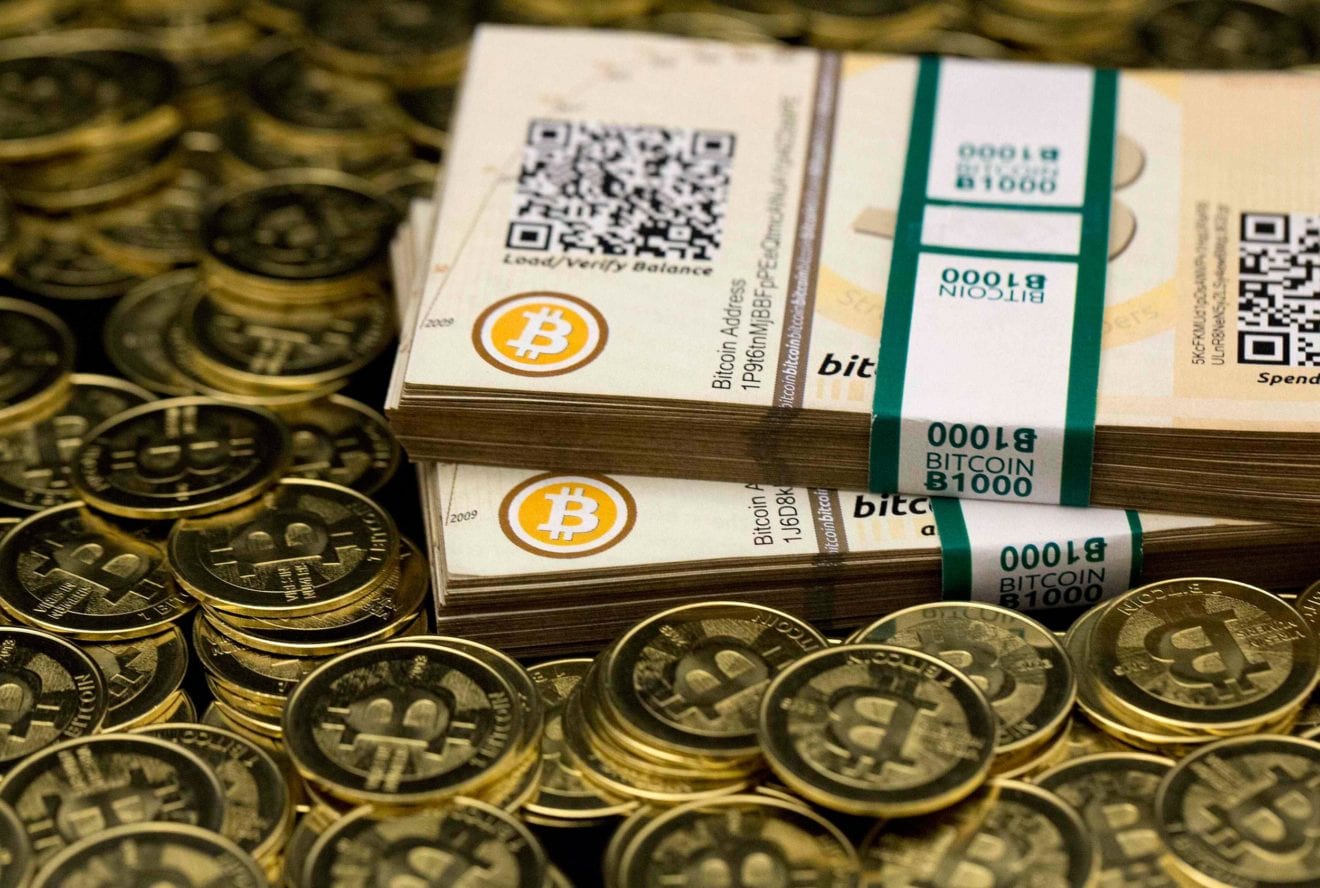
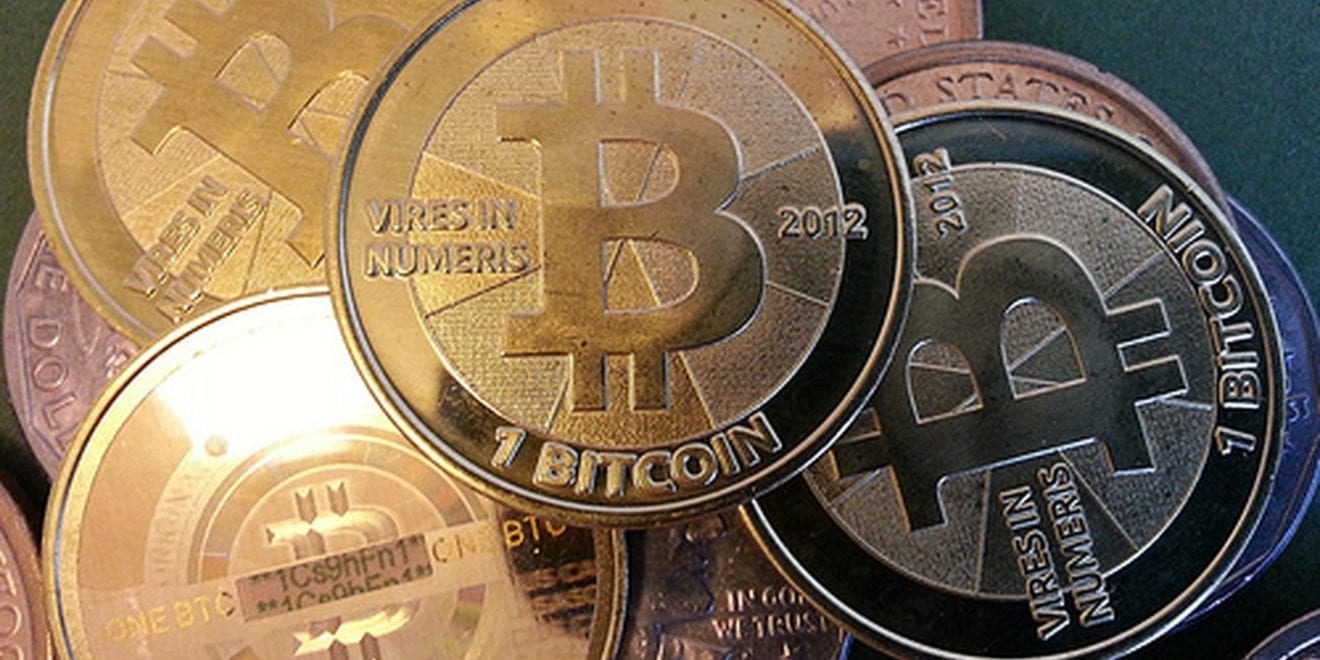
    The craze for cryptocurrencies entered a new chapter on Monday as bitcoin futures rocketed by one-fifth of their value at a hotly anticipated launch, while Asian shares climbed amid optimism about global growth.

    The most-traded contract on the Chicago-based CBOE Global Markets exchange XBTc1 opened at $15,460 in New York on Sunday evening, before leaping to a high of $18,700 – a gain of 21 percent. They were last quoted at $18,100 a premium of more than$1,700 to the price on Gemini Exchange.

    The futures are cash-settled contracts based on the auction price of bitcoin in U.S. dollars on the Gemini Exchange, which is owned and operated by virtual currency entrepreneurs Cameron and Tyler Winklevoss.

    The cryptocurrency has boasted a gravity-defying 15-fold gain since the start of the year, attracting institutional interest and no small amount of question marks.

    The acting governor of the Reserve Bank of New Zealand on Sunday said bitcoin appeared to be a “classic case” of a bubble.

    “With a bubble you never know how far it is going to go before it comes around,” Grant Spencer told a local television program.

    Some market participants believe the fallout across other financial assets from a potential bursting of the bubble will be limited.

    “Bitcoin’s market capitalization is currently around $240 billion, which is much smaller, say, than the value of gold outstanding,” said Andrew Kenningham, economist at Capital Economics.

    “If the price of bitcoin fell to zero today, the paper losses would be equivalent to a 0.6 percent fall in U.S. equity prices. As most investors have bought bitcoin at much lower prices, the relevant losses would arguably be smaller.”

    Asian shares were buoyant with every single market but one in the black, following strong U.S payrolls data and better-than-expected Chinese trade figures on Friday.

    Spreadbetters pointed to a strong opening for European shares, while U.S. stock futures indicated a firm start for the S&P 500 which is seen up 0.1 percent ESc1.

    The MSCI’s broadest index of Asia-Pacific shares outside Japan .MIAPJ0000PUS added 0.5 percent to 552.38, well above a recent two-month trough of 542.27 points.

    Japan’s Nikkei .N225 climbed 0.6 percent while Chinese shares rallied, with the blue-chip CSI 300 index .CSI300 up 1.3 percent. Vietnam .VNI was the only Asian index in the red.

    Rate rises?

    Currency market investors were cautious ahead of a big week for policy meetings globally, with the Federal Reserve the only major central bank expected to raise interest rates. The Bank of England and the European Central Bank are likely to hold rates steady.

    The dollar steadied near a one-month top against the yen JPY=, after climbing 1.2 percent last week. The dollar index, which measures the greenback against a basket of currencies, eased 0.1 percent from close to a three-week high. .DXY

    Traders will keep their eyes peeled for the Fed’s future rate projections as U.S. wages growth and inflation crawl at a snail’s pace.

    Data out on Friday showed average hourly earnings in the United States nudged up 5 cents or 0.2 percent in November when economists had looked for a 0.3 percent gain.

    The weakness persisted despite stronger-than-expected non-farm payrolls, which rose by 228,000 in November.

    “We’ll be listening close for any signs of a dovish shift,” said Aerin Williams, New York-based forex strategist for Citi about the Dec. 12-13 Fed meeting.

    Elsewhere, oil prices slipped after the latest rise in the U.S rig count pointed to an increase in production there.

    U.S. crude CLc1 was down 15 cents at $57.21 a barrel and Brent crude LCOc1 inched 17 cents lower to $63.23, drifting away from a recent 2-1/2 year peak of $64.65.

  • Diane von Furstenberg seeks new investor for DVF

    Diane von Furstenberg seeks new investor for DVF

    Diane von Fürstenberg has decided to look for an investor willing to acquire a stake in her US label and support it through a new expansion phase.

    “I’m not about to sell my business, but the time has come to give the company the senior management it deserves,” the 70-year-old designer has told Women’s Wear Daily (WWD). “I’ve decided we will probably sell a stake in the company.”

    A spokesperson for the label says talks are at an initial phase, and no target date has been set.

    In the past few years the label has reduced the number of items in its ready-to-wear collections by 40 per cent, and has also streamlined its retail and wholesale networks.

    “Retail sales are going through a difficult phase for all brands right now,” says the company, founded in 1972. “In terms of physical stores, we have not renewed a number of leases and, effectively, we have deliberately rationalised our distribution.

    “Meanwhile, our e-tail business is performing extremely well.”

    In May last year, Jonathan Saunders joined Diane von Furstenberg (DVF) as its chief creative officer, overseeing all design and creative. The founder is still chairman.

    Headquartered in New York City, DVF has a global distribution network in more than 55 countries, including Asia Pacific, with 1500 points of sale including 148 DVF owned and partnered stores.

  • Apple buys song recognition app Shazam

    Apple buys song recognition app Shazam

    Apple said Monday that it would buy leading song recognition app Shazam in a fresh bid to secure an edge in the intensifying battle of streaming services.

    Apple, whose streaming service has rapidly grown but still has only half the paid subscribers of Spotify, said that Shazam has consistently been one of the most popular items on its App Store.

    The two companies did not disclose financial terms. The technology news sites Recode and TechCrunch, quoting unnamed sources, both put the deal at around $400 million.

    The market signaled its approval, with Apple share prices jumping 2.0 percent, well outpacing the 0.2 percent rise on the Dow Jones Industrial Average.

    “Apple Music and Shazam are a natural fit, sharing a passion for music discovery and delivering great music experiences to our users,” Apple said in a statement.

    London-based Shazam said in a separate statement: “We can’t imagine a better home for Shazam to enable us to continue innovating and delivering magic for our users.”

    Shazam, which was founded in 1999 in the early age of online music, has offered a solution to a longtime agony of listeners — putting a name to elusive songs. With a click, the app identifies tracks playing on the radio, at parties or as background music.

    But Shazam has struggled to find a way to make money off its technology, even as it said that it had reached one billion downloads on smartphones last year.

    Shazam only recently announced it had become profitable, thanks to advertising and steering traffic to other sites such as Spotify and Apple Music.

    The technology is also no longer quite as novel, with Shazam facing rivals such as SoundHound and with smartphones capable of ever more advanced recognition functions.

    Mark Mulligan, who writes a popular blog on the music industry, described Shazam as “cool tech without a business model” and said Apple was a rare player that could bring out the app’s value.

    Facing tough competition

    The world’s most valuable publicly traded company, Apple earns most of its revenue from iPhones but has also found it vital to be seen on the cutting edge culturally.

    Apple, which revolutionized online music a generation earlier with iTunes, in 2015 launched Apple Music as the market turns to streaming, which offers unlimited on-demand listening.

    Apple said in September that the service had more than 30 million subscribers — a quick rise, but still trailing Spotify.

    Spotify — which has emphasized a barebones, user-friendly interface instead of unique features — said it had 60 million paying users as of July and 80 million more on its free tier.

    And with streaming experiencing rapid growth, competition has become even fiercer.

    Retail giant Amazon seized on its vast consumer reach as it launched its own streaming service last year.

    YouTube, the video-sharing behemoth owned by Apple’s rival Google, also has its own music streaming platform and recent reports said it was looking to launch a new paid subscription package next year.

    Tech battle turns to services

    Shazam has already proven it can be woven into another service. A year ago, it formed a partnership with SnapChat, the youth-driven social media platform whose videos evaporate, with users able to “snap” to friends the music they discover around them on Shazam.

    Neil Saunders, managing director of GlobalData Retail, said the Shazam sale “underlines the fact that the battle of the technology companies is firmly moving beyond hardware and into services.”

    “This is a good move for Apple that helps to consolidate its already strong position in music content. It won’t be the last takeover of a tech firm by these big giants,” he said.

    Apple has already invested in buying big-name music brands, in 2014 paying an eye-popping $3 billion for Beats Electronics, the headphones, speaker and streaming brand of rapper Dr. Dre.

    Soon afterward, it bought Semetric, a British company that tracks music consumption on behalf of labels and artists.

  • Things you might not know about ballistic bitcoin

    Things you might not know about ballistic bitcoin

    Bitcoin rocketed to another record high close of $16,000 on the Luxembourg-based Bitstamp exchange on Thursday after gaining more than $4,000 in just 48 hours, stoking concerns that a rapidly swelling bubble could be set to burst.

    There were huge disparities between prices across different exchanges. On GDAX, one of the biggest, the price reached $19,500.

    Here are some facts that you might not know about the largest and best-known cryptocurrency.

    How many are there? Bitcoin’s supply is limited to 21 million – a number that is expected to be reached around the year 2140. So far, around 16.7 million bitcoins have been released into the system, with 12.5 new ones released roughly every 10 minutes via a process called “mining”, in which a global network of computers competes to solve complex algorithms in reward for the new bitcoins.

    Energy drain These mining computers require a vast amount of energy to run. As the price increases, more miners enter the market, driving up the energy consumption further. A recent estimate by tech news site Motherboard put the energy cost of a single bitcoin transaction at 215 kilowatt-hours, assuming that there are around 300,000 bitcoin transactions per day. That’s almost enough energy as the average American household consumes in a whole week.

    Bits of Bitcoin If you want to buy bitcoin, you do not need to buy a whole one. Bitcoin’s smallest unit is a Satoshi, named after the elusive creator of the cryptocurrency, Satoshi Nakamoto. One Satoshi is one hundred-millionth of a bitcoin, making it worth around $0.0002 at current exchange rates.

    Bitcoin billionaires Bitcoin has performed better than every central bank-issued currency in every year since 2011 except for 2014, when it performed worse than any traditional currency. So far in 2017, it is up more than 1,400 percent. If you had bought $1,000 of bitcoin at the start of 2013 and had never sold any of it, you would now be sitting on around $1.2 million. Many people consider bitcoin to be more of a speculative instrument than a currency, because of its volatility, high transaction fees, and the fact that relatively few merchants accept it.

    Exchange heists More than 980,000 bitcoins have been stolen from exchanges, either by hackers or insiders. That’s a total of more than $15 billion at current exchange rates. Few have been recovered.

    Mystery creator Despite many attempts to find the creator of bitcoin, and a number of claims, we still do not know who Satoshi Nakamoto is, or was. Australian computer scientist and entrepreneur Craig Wright convinced some prominent members of the bitcoin community that he was Nakamoto in May 2016, but he then refused to provide the evidence that most of the community said was necessary. It is not clear whether Satoshi Nakamoto, assumed to be a pseudonym, was a name used by a group of developers or by one individual. Nor is it clear that Nakamoto is still alive – the late computer scientist Hal Finney’s name is sometimes put forward. Developer Nick Szabo has denied claims that he is Nakamoto, as has tech entrepreneur Elon Musk more recently.

    Inflated Chinese trading Until earlier this year, it was thought that Chinese exchanges accounted for around 90 percent of trading volume. But it has become clear that some exchanges inflated their volumes through so-called wash trades, repeatedly trading nominal amounts of bitcoin back and forth between accounts. Since the Chinese authorities imposed transaction fees, Chinese trading volumes have fallen sharply, and now represent less than 20 percent, according to data from website Bitcoinity.

    “Market cap” The total value of all bitcoins released into the system so far has now reached as high as $283 billion. That makes its total value – sometimes dubbed its “market cap” – greater than that of Visa, and bigger than the market cap of BlackRock and Citigroup combined.

    Crypto-rivals Bitcoin is far from the only cryptocurrency. There are now well over 1,000 rivals, according to trade website Coinmarketcap.

    “Shorting” It is already possible to short bitcoin on a number of retail platforms and exchanges, via contracts for difference (CFDs), leveraged-up margin trading or by borrowing bitcoin from exchanges without leverage. But a number of big financial institutions – including CME Group, CBOE and Nasdaq – have recently announced that they will offer bitcoin futures, which will open up the possibility of shorting the cryptocurrency to the mainstream professional investment universe.

    Lost Bitcoins Many fewer than the 16.7 bitcoins that have been mined are actually in circulation and accessible, because of forgotten passwords, accidental losses, hoarding, owners forgetting about coins or even dying. It is impossible to know for sure how many bitcoins have been permanently lost, because those that have are still in the system, in dormant addresses. But according to a December 2013 research paper by the University of San Diego and George Mason University, 64 percent of the 12 million bitcoins that had by then been mined had never been spent. Bitcoin developer Sergio Lerner estimates that almost 1 million unspent bitcoins belong to the cryptocurrency’s mysterious creator.

    Rich list There are 5,638,155 bitcoins in the 1,000 biggest wallets – more than a third of all bitcoins in circulation. That makes the 1,000 biggest wallet-holders worth a collective $87 billion, at current rates.

    High fees The average fee paid to process bitcoin transactions has soared over the past year, outpacing even the staggering price increase of the cryptocurrency itself. Each bitcoin transaction now costs around $7.30 to process, up from around 30 cents at the start of the year, according to trade website BitInfoCharts.

    Forking off If you owned bitcoin prior to Aug. 1, 2017, you also own Bitcoin Cash – a clone of the original. That is because on that date bitcoin underwent a so-called “fork”, in which the underlying software code was split into two. One unit of Bitcoin Cash is now worth more than $1,300. That adds roughly another 135 percent to the returns from a bitcoin investment at the start of the year.

  • Calvin Klein Underwear Shops in Hong Kong finally Opens

    Calvin Klein Underwear Shops in Hong Kong finally Opens

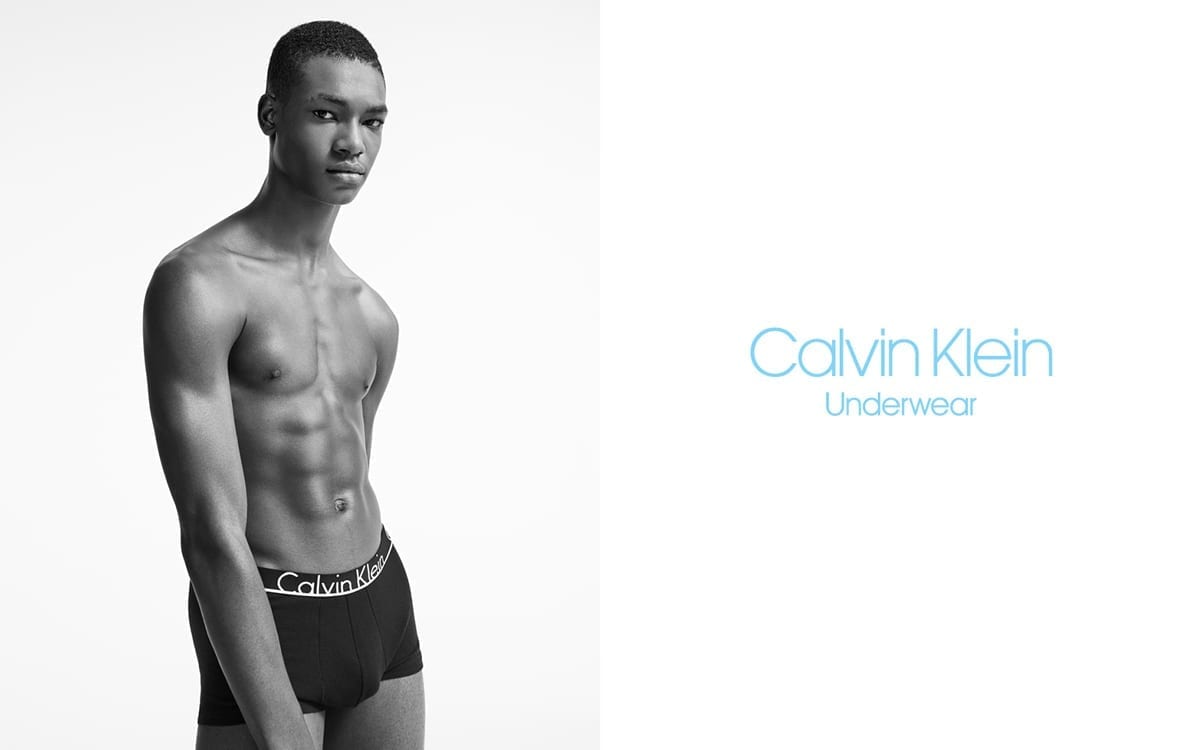
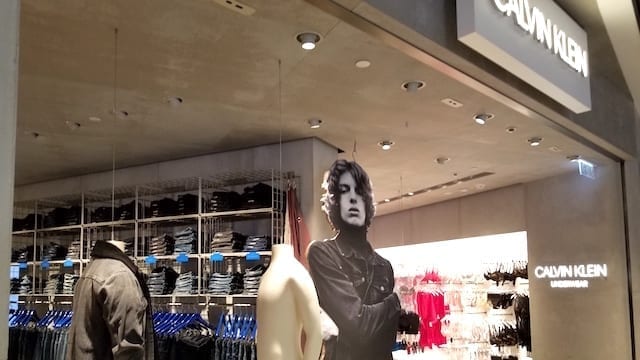
    Calvin Klein Hong Kong has opened a new store in IFC Mall showcasing its underwear collection.

    The 1700sqft (160sqm) store’s minimalist-style design features concrete floors with concrete-style ceilings and walls giving it an edgy, urban feel. The service counter is placed on a scarlet red rug which creates a stark contrast to the grey look.

    Calvin Klein store - IFC

    Stock is displayed on walls which defy traditional square-box store layouts. Mannequins hang from the ceiling without touching the floor and there is a bold wall-mounted LED display creating a focal point towards the front of the space.

    Besides men’s and women’s undergarments, the store sells denim jeans, jackets, accessories, sunglasses and fragrances.

    The company says the interior design is aimed at creating a unique setting to convey the brand’s “sexy, seductive and modern identity”.

  • Shiru Cafe will be launched in the US

    Shiru Cafe will be launched in the US

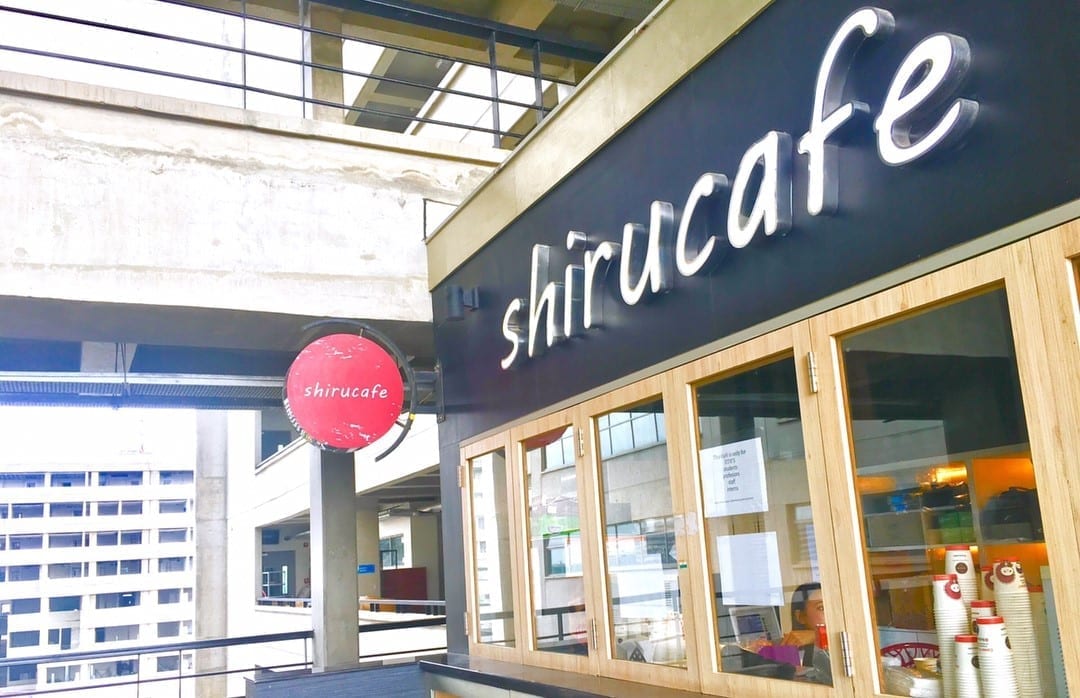
    Japan’s Shiru Cafe concept is about to launch in the US, on a university campus in Providence.

    It is being introduced by Enrission America, a cafe company that specialises in free coffee for university students.

    Following the opening on the Brown campus, other branches will be launched at Harvard University, Yale University, Princeton University and Amherst College.

    Especially for university students, Shiru Cafes are financed primarily through the sponsorship of companies that aim to improve student life. Students and staff members all receive free coffee, tea and juice while being provided with sponsors’ promotional materials. The cafes provide study spaces equipped with electrical outlets and free Wi-Fi internet access.

    Sponsorship allows companies to advertise on paper coffee cups, on digital displays in the cafes and on the cafe’s website. Company representatives can also meet and interact with students in the cafes, as well as run recruitment activities.

    Enrission America has opened more than 20 Shiru Cafes around the world. “It is an essential part of our vision,” says CEO Yusuke Kakimoto.

    Enrission, based in Kyoto, was founded in 2013 and is firmly established in India and Japan with support from 130 companies including Microsoft JP and PWC JP.

  • Time to win for Vietnam Tax Department on Facebook e-commerce case

    Time to win for Vietnam Tax Department on Facebook e-commerce case

    Ho Chi Minh City’s tax department has handed a bill of VND9.1 billion ($401,300) to a Facebook retailer in a rare successful attempt to levy sales on social media.

    A source from the department said that the tax declaration submitted by the cosmetics retailer was millions of dollars short compared to information acquired from the retailer’s banks.

    Le Thi Thu Huong, deputy director of the department, said the sum was the biggest amount ever to be claimed by her agency from an online retailer for tax evasion.

    The department contacted nearly 13,800 Facebook accounts earlier this year asking them to pay tax for businesses they were running on the social network, but few complied.

    Facebook is the most popular social network in Vietnam with more than 52 million active accounts, and is also used as an e-commerce platform that tax authorities have struggled to keep track of.

    Vietnam levies a 0.5 percent income tax and a 1 percent value added tax on sales of more than VND100 million ($4,400) per year.

    Local tax authorities have recently stepped up efforts to collect taxes from online businesses that use Facebook and other social media sites such as Instagram and YouTube.

    Tax departments in both Hanoi and Ho Chi Minh City have sent out tax demands to around 27,000 Facebook retailers in a move to target tax avoidance by online businesses.

    Online sales in Vietnam have expanded rapidly in recent years, currently accounting for 3.39 percent of the country’s retail market. The total retail market grew 10.2 percent last year to $118 billion, mainly fueled by a growing middle-class with expanding disposable incomes and an increasing number of internet users.

    In an effort to minimize tax losses, the Ministry of Finance is considering a plan to impose value added tax and income tax on sales with a value of VND1 million ($44) upwards, or multiple sales of a lesser value.