Author: Mei Ling Tan

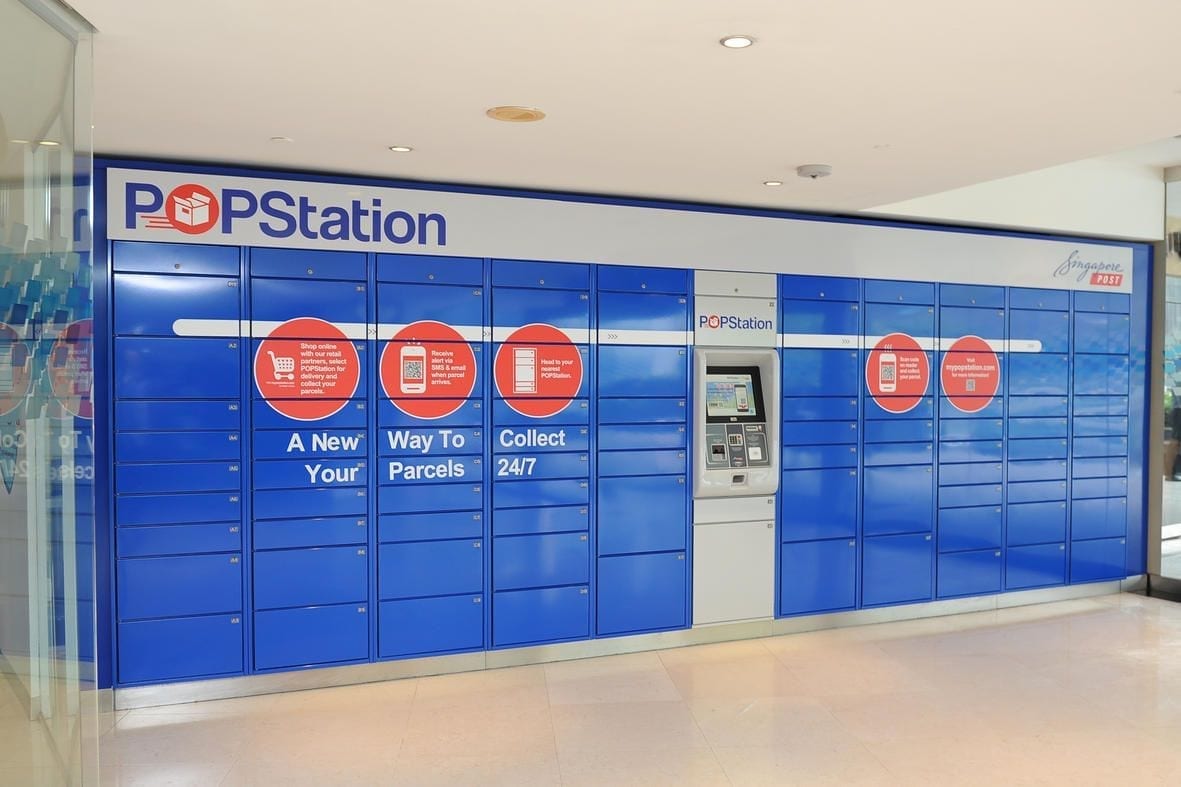
  • SingPost raises rates for international small packets

    SingPost raises rates for international small packets

    Singapore Post Limited is revising its rates for the international delivery of small packets from Jan 2 next year, following new rates set by a United Nations agency.

    Also from the same date, it will stop accepting delivery of international small packets by ship as several postal organisations have ceased to accept such forms of conveyance, it said. Demand for such a service is also low, with most senders choosing to use airmail.

    International postal settlement rates – the amount that SingPost compensates other postal organisations for mail delivery in their country – are being raised on Jan 1 next year.

    These rates are set every four years by the Universal Postal Union (UPU), a UN agency that sets the rules for international mail exchanges.

    Small packets currently come under international airmail rates, said a SingPost spokesman. With the separate pricing structure for small packets, customers sending small packets will have to pay a maximum increase of S$3.40 per item or enjoy maximum savings of S$1.10, depending on the destination and the item weight, he added.

    The firm told The Business Times that international small packets from public consumers do not currently make up a significant part of its volumes, and it is monitoring the effect of the new rate structure for international small packets on its postal business.

    The changes made by UPN reflect rising volumes of e-commerce packets and the higher cost of delivering such packets, said SingPost.

  • AirAsia increases flights to Kunming, China

    AirAsia increases flights to Kunming, China

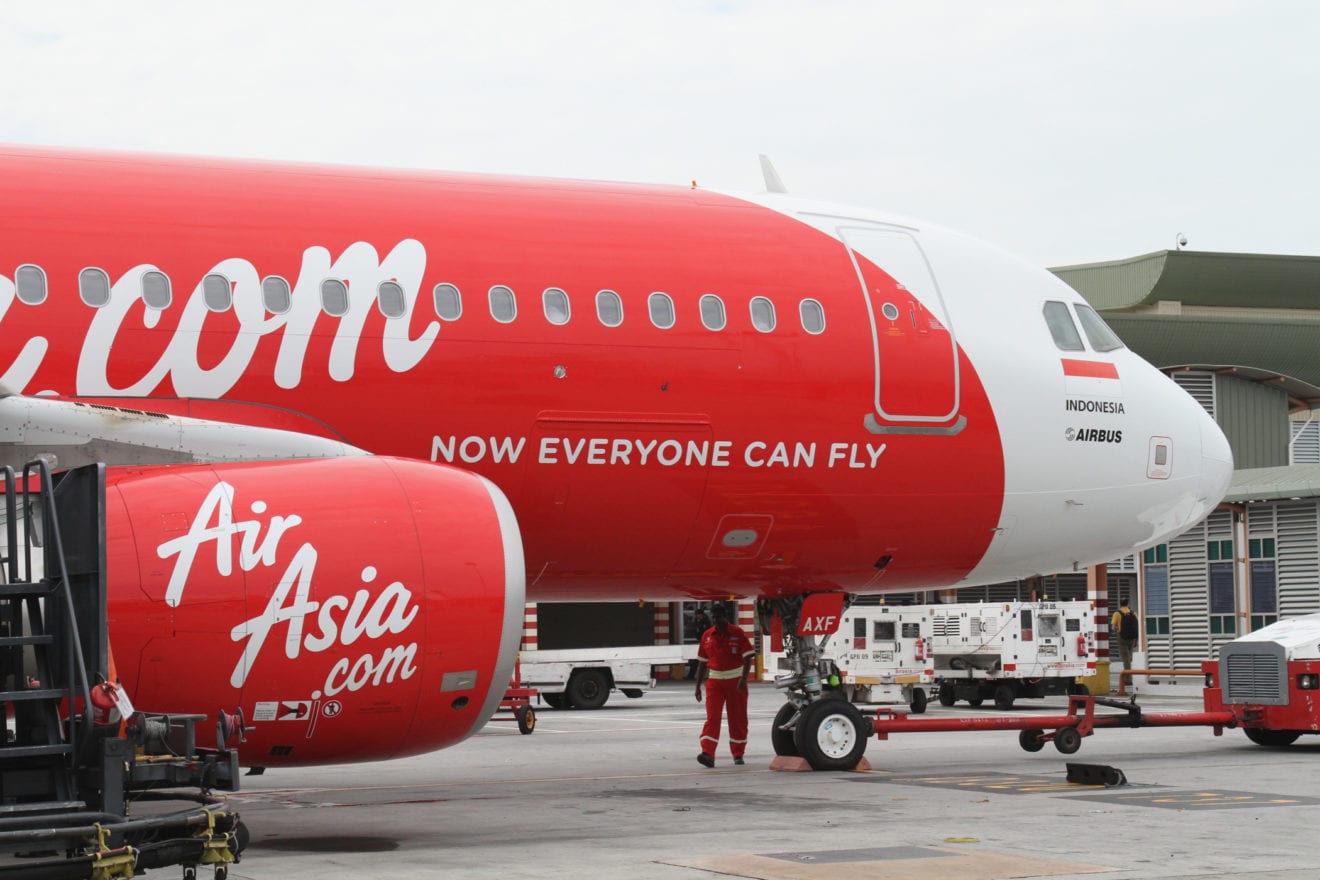
    Malaysian low-cost airline AirAsia will be increasing flight frequencies from Kuala Lumpur and Bangkok, Thailand to Kunming, the capital and largest city in Yunnan Province, Southwest China.

    Daily direct flight from Kuala Lumpur to Kunming will be increased to 14 times weekly starting December 19, while the daily direct flight from Bangkok, Thailand to Kunming will also be increased to 14 times weekly commencing January 16, 2018.

    To celebrate the occasion, AirAsia is offering all-in-fares as low as RM179 ($43.8) from Kuala Lumpur to Kunming. Bookings are available from now to December 17 on the airline’s website and mobile app, for immediate travel until June 30, 2018.

    AirAsia first launched Kuala Lumpur-Kunming daily direct flight on December 10, 2012, operating daily. Shortly after a year, the airline also launched Bangkok-Kunming daily direct flight. Coming to its fifth years of operations to Kunming, the airline has carried close to 1 million passengers to and from Kunming Changshui International Airport, achieving itself as the largest foreign low-cost carrier in Kunming in terms of capacity.

    Spencer Lee, AirAsia Berhad head of commercial, said: “Five years ago, we launched our first route to Kunming with the aim to enable more people to fly. Since then we have revolutionised the air travel in Kunming and realised many individuals’ dreams to travel. Due to the rapid growth of China’s civil aviation, we are seeing more travel demands from the Chinese. Adding flight frequency is one of our commitment to grow China market and we hope more people can easily access to air travel with our low fares. They can also leverage on our Fly-Thru options to travel to more Asean countries and Asia Pacific. With more flights available, this will boost the tourist arrival in both cities, at the same time contributing to the development of China’s ‘One Belt, One Road’ policy in increasing connectivity.”

    “China remains as one of our key markets. In this year itself, we have launched two new routes from Malaysia to China: Langkawi-Shenzhen, Kuching-Shenzhen. We are also looking at operating more new routes to China from our other hubs in Malaysia such as Langkawi, Kuching and Johor.”

    Known as the ‘Spring City’, Kunming is a city with a pleasant climate all year round. The magnificent set of limestone formations in Shilin (Stone Forest) is listed as one of the Unesco’s World Heritage. The enchanting Jiu Xiang Cave, colourful Dongchuan Red Land as well as diverse ethnic culture are among the well-known attractions in Kunming. With its unique geographic location, the Yunnan Province is a radiation hub for Southeast Asia in the “One Belt, One Road” policy. Its economic, trade and tourism in the province are also well connected with the countries in Southeast Asia.

    AirAsia currently operates 14 times weekly flights one way into Kunming Changshui International Airport. Beside flights from Kuala Lumpur and Bangkok, AirAsia has recently launched daily direct flight from Phuket to Kunming which will commence on February 1, 2018.

  • New Eve Lom store in Harbour City, Hong Kong

    New Eve Lom store in Harbour City, Hong Kong

    The store opening is the culmination of a collaboration between Eve Lom and NY-based creative branding agency, School House, that first began with a refresh of the brand’s positioning.

    Eve Lom was one of the first founder brands in the luxury beauty space; since her entrance more than 30 years ago, the space, much like Hong Kong, has become crowded, causing a shift in the luxury paradigm.

    Inspired by the disciplined reductivity and subtlety of Eve Lom, the store concept offers guests a unique luxury beauty experience in the heart of the bustle of Hong Kong’s Harbour City.

    To complement its presence in one of the most densely populated and over-saturated cities in the world, the store actively refuses noise, in all senses of the word, with its overall atmosphere built from multiple curvaceous felt panels that seemingly envelope you upon entrance and absorb all chaos from the store’s surroundings.

    To bring the space to life, School House’s design team incorporated the new brand visualization using Eve Lom’s traditional color palette of white and gold while incorporating a new soft pink and green tones, inspired by the original balm cleanser coloration, along with the strategic use of a soft black.

    School House combined a mix of hard and soft materials such as slate, felt, porcelain and onyx to create an environment of simplicity and depth, to mirror the products being sold. The store is complete with an assisted consultation area, a full-line demo and testers display, and a retractable panel for privacy. The store signals a new era for the brand by making a powerful understatement, like only Eve Lom can.

    Consumers now seek authority, authenticity and simplicity from luxury beauty brands, tenets that Eve Lom has always represented. Noticing this change, School House saw an opportunity to reinvigorate the brand by strongly expressing its subtleties in order to take Eve Lom from the person to a persona through the execution of a strategy across a new brand visualization, including this new store concept.

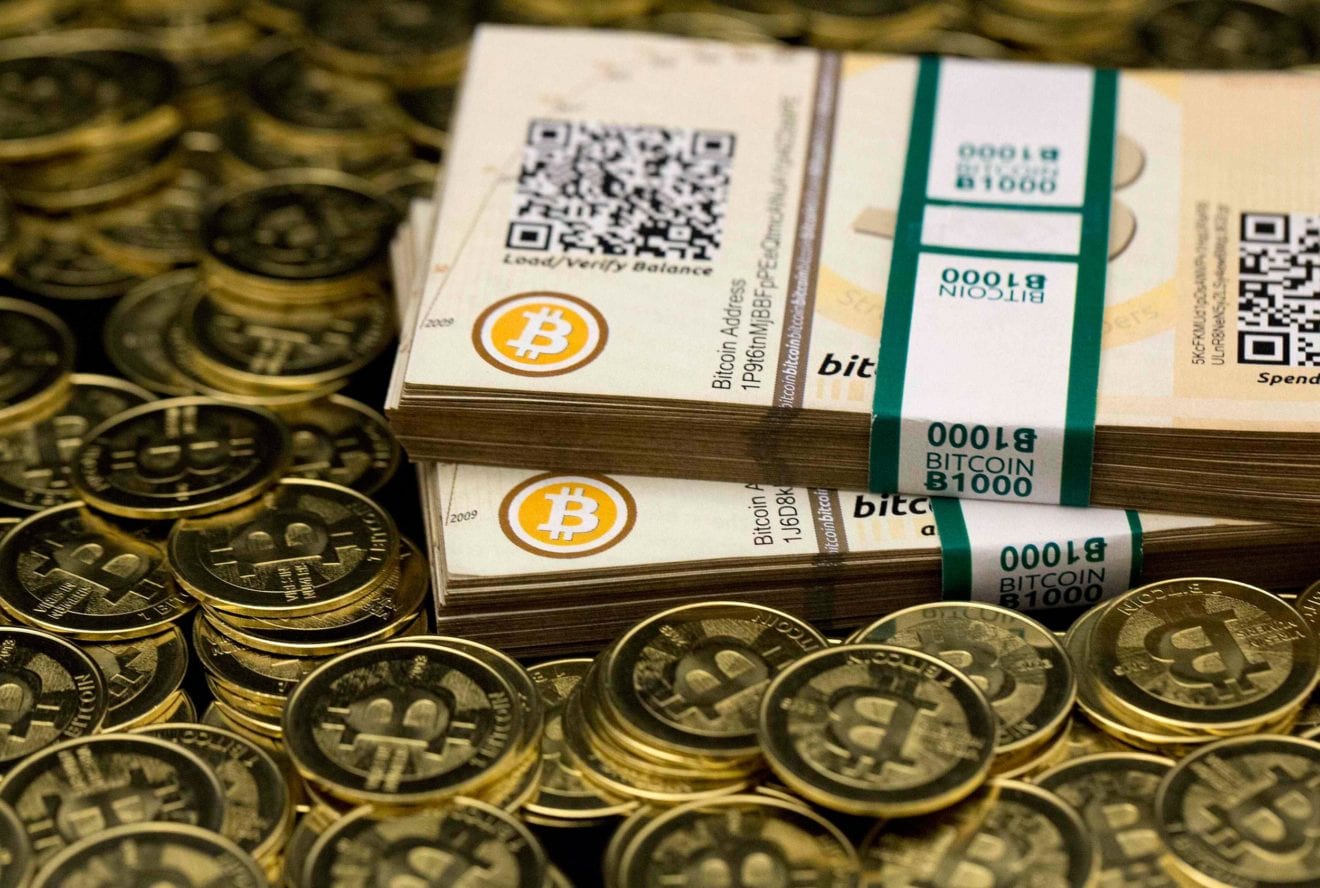
  • Why Has Bitcoin’s Price Gone Up So Fast ?

    Why Has Bitcoin’s Price Gone Up So Fast ?

    Bitcoin has been in a bull market like few the world has ever seen. At the beginning of the year, the price of a Bitcoin was below $1,000. It hit $5,000 in October, then doubled by late November. And on Thursday, less than two weeks later, the price of a single Bitcoin rose above $20,000 on some exchanges, according to Coinmarketcap.

    The latest price spike has been credited to signs that Wall Street companies plan on bringing their financial heft into the market.

    At the current cost, the value of all Bitcoin in circulation is about $300 billion. To get a sense of how big that is, all the shares of Goldman Sachs are worth about $90 billion.

    The gains have been driven by several other factors — perhaps the most important being the irrational mentality that can take over in speculative bubbles.

    But most people buying Bitcoin are doing so in the belief that others will want it even more in the future. The gains, though, have many people, even Bitcoin believers, anticipating a big crash.

    Currently, the average price of one Bitcoin is about $15.435, according to Blockchain.info, a news and data site.

    Bitcoin used to be all about libertarians and black-market trade. Are those still driving the price?

    The fringe communities that drove Bitcoin in its early years are playing a much less important role in the current rally.

    Many investors have said the most important factor driving the current enthusiasm is the entry of hedge funds and other institutional investors.

    The path for large investors has been smoothed by the Chicago Mercantile Exchange and Chicago Board Options Exchange, which have been racing to roll out Bitcoin futures contracts. Most banks are already signed up with these exchanges and consequently can immediately begin trading the contracts. The options exchange has said it plans to start trading on Sunday.

    It is still unclear how the arrival of Bitcoin futures will influence the demand for the digital tokens.

    With a futures contract, banks can bet on the price of Bitcoin without holding the underlying Bitcoins. This is expected to bring many new players into the market who don’t want to deal with the complications of holding Bitcoins.

    But the futures contract will also allow investors to short Bitcoin, or bet on the price’s going down, which has been hard to do until now. Some analysts think this could put downward pressure on the price. Other market participants have worried that Bitcoin futures could spread the risks of Bitcoin into the rest of the financial system.

    People still use Bitcoin and other virtual currencies to make ransom payments and buy illegal goods online, including synthetic opioids. But that activity has been on the wane since the authorities shut down some of the largest online black markets this year.

    What role are smaller investors playing in the virtual currency markets?

    Individual investors have been just as active as large investors. Nowhere has the phenomenon of ordinary people buying virtual currencies been more visible than in South Korea, where several exchanges have storefronts to help new customers. This is all the more remarkable because just a year ago, Koreans showed almost no interest in these markets.

    Small Japanese investors have also been investing in Bitcoin. They have been encouraged by laws passed this year that essentially legalized Bitcoin and allowed Bitcoin exchanges to get regulatory licenses.

    Most small-time investors have gone to the San Francisco company Coinbase, which provides a Bitcoin brokerage service, similar to Charles Schwab, as well as an exchange for larger investors. Coinbase now has more account holders than Schwab, and it has struggled to keep up with the growth.

    China used to be the most active country for Bitcoin trading and mining, but the authorities there have cracked down this year.

    What are the dangers of getting into this market?

    Many of the largest exchanges, including in South Korea, are essentially unregulated. The lack of oversight means that no one is checking that the exchanges are properly securing their customers’ money or that large players are not able to manipulate the price. One of the largest exchanges in the world, Bitfinex, has been hacked numerous times and provides little transparency about where it is keeping its money.

    Even regulated exchanges, like Coinbase in the United States, have not been battle tested like larger financial institutions, and their operations have gone down at key moments.

    Once people buy Bitcoin or other virtual currencies, they are often targeted by hackers who have become experts at penetrating Bitcoin accounts.Bitcoin “wallets” are vulnerable to new kinds of attacks that are not a problem for ordinary financial accounts.

    Most important, in contrast to money in a bank account, when a Bitcoin is gone there is essentially no way to get it back and no insurance covering its loss.

    Are more people using Bitcoin to pay for things?

    When Bitcoin was released in 2009, it was described as a new kind of electronic cash.

    Recently, though, many programmers working on Bitcoin have said the system in its current form is not a particularly good way to pay for things.They argue that it is best designed to serve as a sort of scarce commodity, like digital gold, allowing people to keep their money outside the control of governments and companies.

    Many people who want to use virtual currencies for online payments are looking to Bitcoin competitors, like Bitcoin Cash and Monero.

    What role are the other virtual currencies playing in this frenzy?

    Earlier this year, bullish sentiment was focused on Ethereum, a virtual currency network that is more adaptable than Bitcoin. The price of Ether, the virtual currency on the Ethereum network, has continued to rise in recent months, but not as fast as Bitcoin.

    Many investors were also putting their money into custom virtual currencies released by entrepreneurs in so-called initial coin offerings. These new virtual currencies have generally been designed to serve as the internal payment mechanisms on new software the entrepreneurs are building.

    This fall, though, regulators have signaled that they are planning to crack down on coin offerings.

    Where did virtual currencies come from, and how do they work?

    The Bitcoin software was released in early 2009 by a mysterious creator who went by the name of Satoshi Nakamoto. The search is still on for the true identity of Satoshi.

    The software released by Satoshi set out the basic rules for Bitcoin and the computer network on which it lives. Unlike other forms of money, which are controlled by governments and financial institutions, Bitcoin operates on a decentralized network of computers that no one institution controls.
  • Thailand’s Kasikorn Bank eyes B&R business boost

    Thailand’s Kasikorn Bank eyes B&R business boost

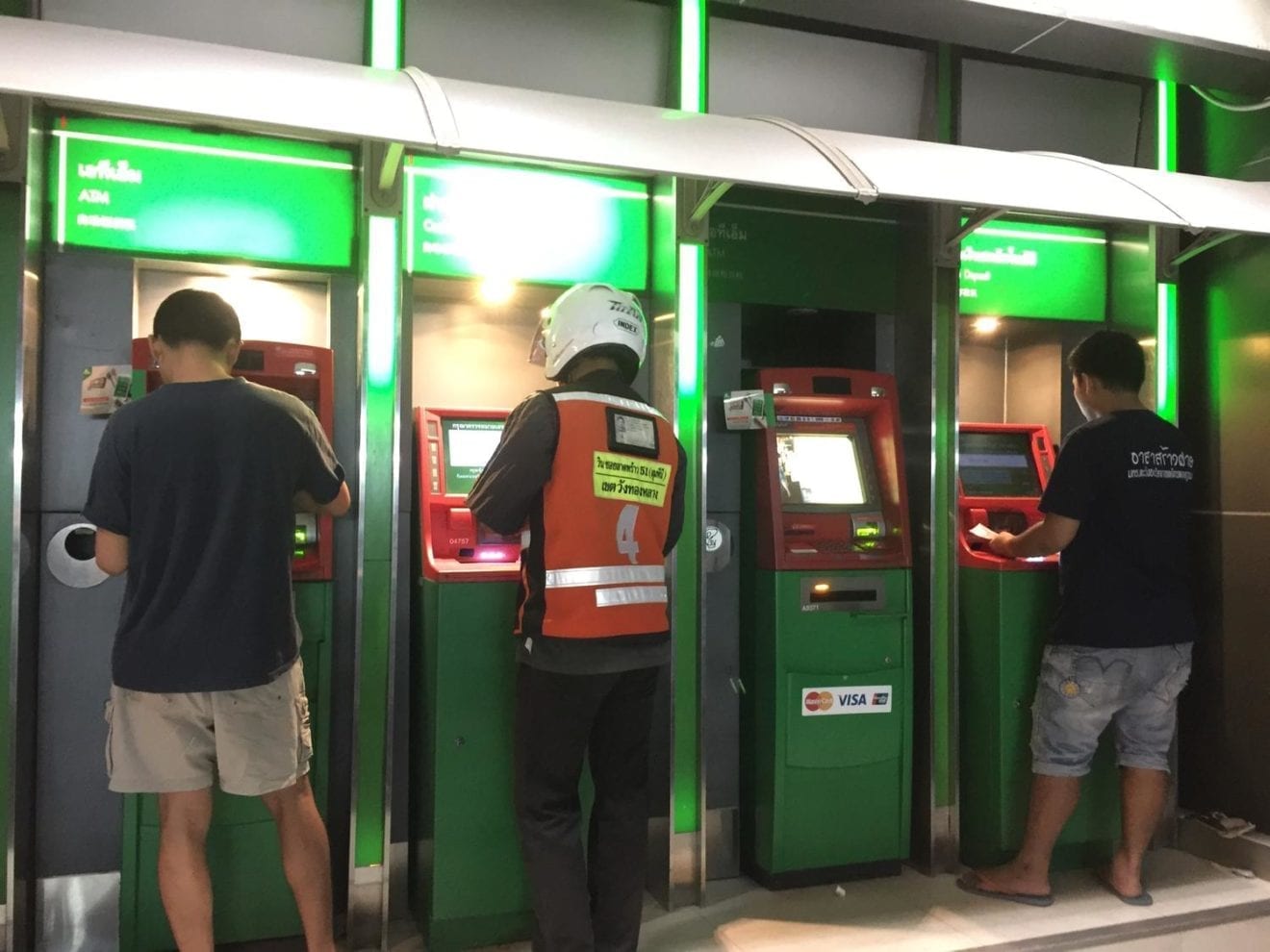
    Thailand’s Kasikorn Bank is setting up its China headquarters in Shenzhen, southern Guangdong province, to further strengthen its presence in the country and seize growing business opportunities brought about by the Belt and Road Initiative.

    The China headquarters is an important step for Kasikorn Bank to expand its business in the Chinese market, said Banthoon Lamsam, chairman and chief executive officer of the bank.

    Besides traditional financial business, the Thai bank will work with Chinese financial technology enterprises to build a digital banking platform to promote digital payments and set up a regional settlement center to carry out cross-border settlement of foreign currency in the Association of Southeast Asian Nations plus China, Japan and South Korea.

    It will also provide investment consultancy services for enterprises in the region.

    “The Chinese and Thai governments are making active efforts to synergize the Belt and Road Initiative and Thailand’s 4.0 strategy, especially between China’s pan-Pearl River Delta region and Thailand’s Eastern Economic Corridor. That will bring unprecedented opportunities for cross-border financial services,” Banthoon said.

    The bank will further integrate its resources in China, Thailand, ASEAN and Asia to offer more services to Chinese, Thai and ASEAN enterprises in order to promote cross-border trade and investment in the region, he said.

    Ai Xuefeng, deputy mayor of Shenzhen, said finance is one of the pillar industries of Shenzhen and the local government has introduced a number of policies to support the development of its finance industry, hoping to attract more foreign financial institutions to set up office in the city.

    “With the implementation of the Belt and Road Initiative, more and more Shenzhen enterprises are entering Thailand and, more broadly, ASEAN markets. They need support from local financial institutions,” Ai said.

    “As the only ASEAN bank with its China headquarters in Shenzhen, Kasikorn Bank will play an important role in supporting Shenzhen enterprises to go global and facilitate Thai and ASEAN enterprises to do business in Shenzhen.”

    Founded in 1945, Kasikorn Bank is one of the four commercial banks in Thailand.

  • Bangkok Bank provides Bt2-bn funding for VPI particle board plant

    Bangkok Bank provides Bt2-bn funding for VPI particle board plant

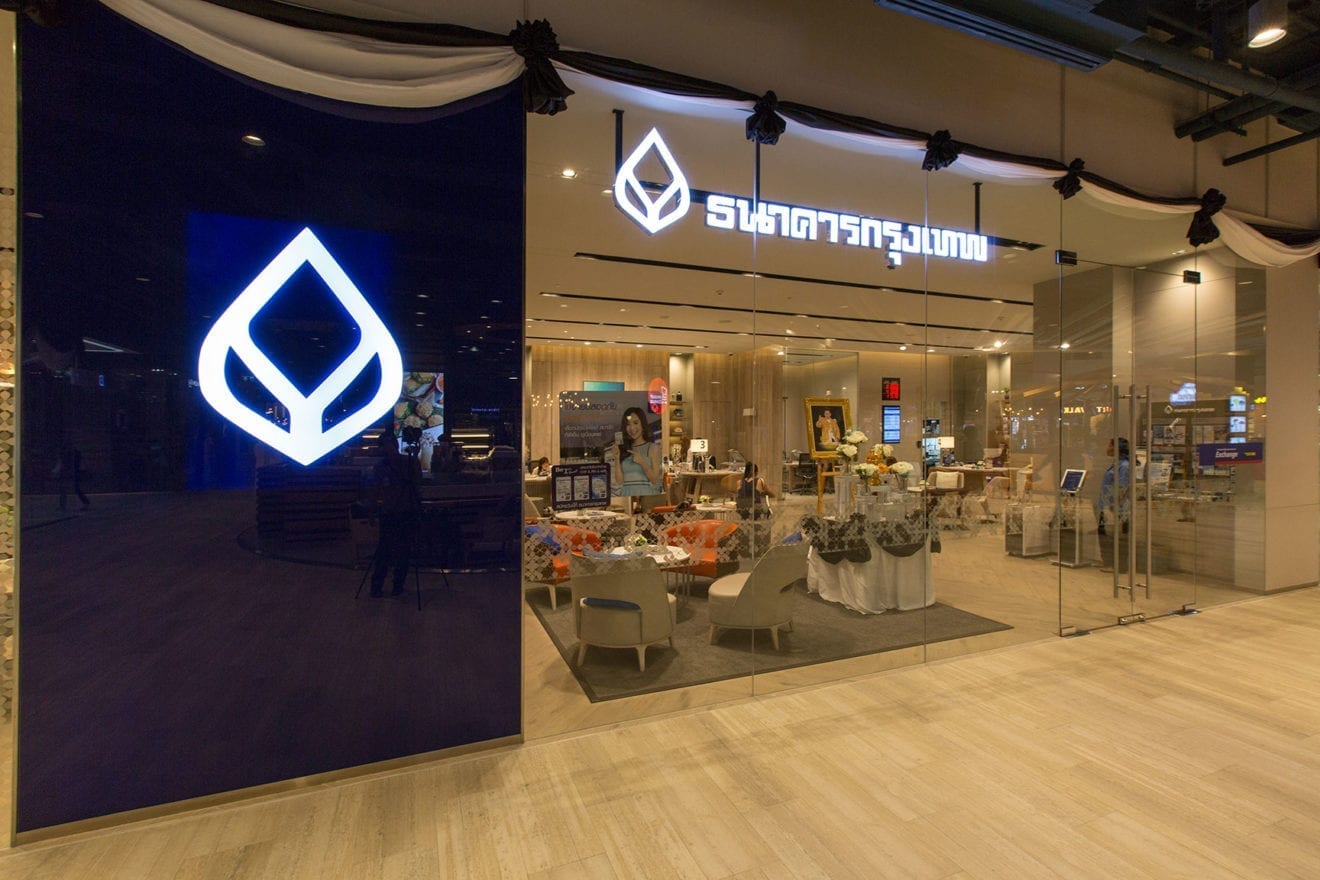
    Bangkok Bank has approved a credit line of Bt2 billion to Vanachai Panel Industries (VPI) for construction of a particle-board factory in Surat Thani, known as the PB-3 project.

    VPI needs the new plant in order to increase its capacity to produce high-quality and environmentally-friendly board that meets the needs of customers in its major markets in East Asia and Asean.

    Bangkok Bank senior executive vice president Chansak Fuangfu on Tuesday said the bank was pleased to support the success of Vanachai Group (VNG), a leader in the production and distribution of environmentally friendly panels, with a credit line of Bt2 billion to its subsidiary VPI for construction of the PB-3 factory.

    The funds will be used to increase annual production capacity by 450,000 cubic metres to meet demand from East Asia and Asean.

    Given the good growth of the company, its stable financial status, and long partnership with Bangkok Bank, the bank is ready to fully support VNG in its international expansion, Chansak said.

    VPI managing director Wanthana Jaroennawarat said that with the new Bt2-billion investment, the company aimed to complete construction of the PB-3 project and commence commercial production in the second quarter of 2019.

    The investment will enable the company to double its annual particle-board production capacity to 900,000 cubic metres using an efficient and environmentally friendly production process, he added.

  • AirAsia BIG Loyalty launches eStore online shopping platform

    AirAsia BIG Loyalty launches eStore online shopping platform

    BIG Digital, a subsidiary of AirAsia, has unveiled the eStore, the latest lifestyle offering from AirAsia’s BIG Loyalty programme. The eStore will allow its more than 13 million BIG Members in Malaysia, Indonesia and Thailand to shop from over 150 lifestyle and travel brands on one platform – airasiabig.com, with rollout on the AirAsia BIG Loyalty mobile app in the near future.

    In a press release, AirAsia’s spokesperson said the online shopping platform aims to transform AirAsia BIG Loyalty’s lifestyle pillar, positioning the loyalty programme as a key player in the online travel retail industry. Selected available brands include Uniqlo, Hotels.com, 11street, Digi, Fave and ezbuy.

    AirAsia BIG Loyalty CEO Dato Eddy Leong (pictured far right) said its eStore is the newest digital innovation that “stays true to its dedication to reward members easier, faster and better.” The loyalty programme has about 10,000 new BIG Members and over 167,000 web traffic daily. With eStore, BIG Members are able to buy online with purchases delivered to their home, and every RM1 spent earns 1 BIG Point or more.

    To celebrate the launch of the eStore, there will be a special “eStore 12.12 BIG Sale” on 12 December 2017 where members who shop on the eStore stand a chance to win exclusive vouchers or a grand prize of up to 160,000 BIG Points to redeem flights to Seoul, Osaka or Tokyo.

  • Xidan Joy City’s new zone unveiled to mark 10 year anniversary

    Xidan Joy City’s new zone unveiled to mark 10 year anniversary

    Beijing’s iconic Xidan Joy City celebrated its 10 year anniversary today by unveiling its newly renovated Rose Garden relaxation zone. The celebration also marks the completion of the first phase of a significant upgrade of the mall’s interior and public areas that will continue until 2019.

    Mall owner COFCO has commissioned Woods Bagot to lead the interior design of renovation works as part of its wider strategy to deliver a new generation of Joy City malls that continue to stay ahead of changing lifestyles and interactive digital technology in China.

    Already a favourite destination among Beijing’s trend-setters and fashion-conscious youth, the 185,000 m2 mall is arranged over 12 floors in an established downtown shopping district and is home to a range of global brands including Apple, Kate Spade, Michael Kors, Sephora and Zara.

    When the renovation is complete in 2019 the mall’s leading brand portfolio will be showcased across eight diverse thematic areas, providing a change of pace and an engaging journey for visitors as they move through the space.

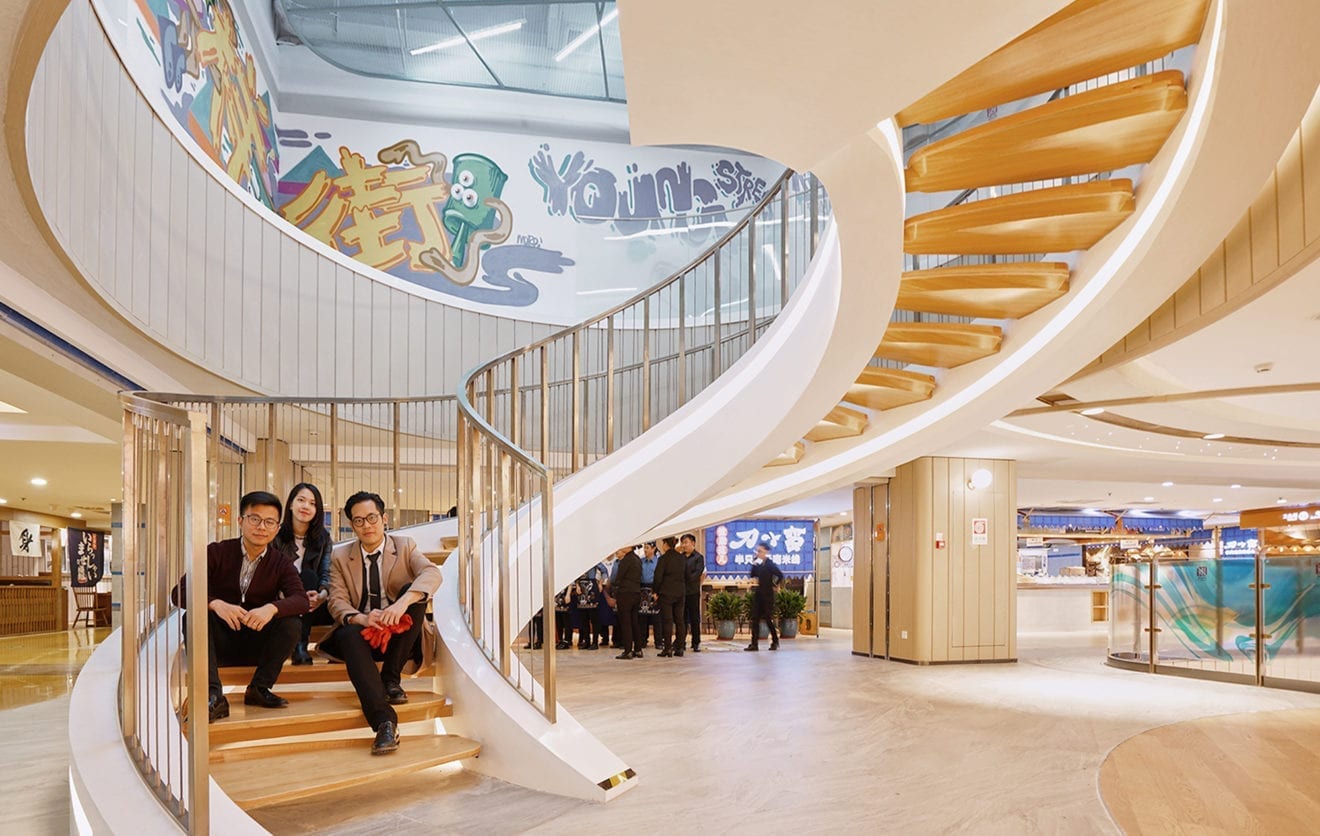
    Xidan Joy City’s reimagined Rose Garden is a spacious relaxation area within the F&B zone featuring a spectacular organic-form wood and glass spiral staircase as its focal point.

    The Rose Garden offers breathing space in an outdoor-themed environment, bathed in abundant natural light during the day and lit dramatically from above at night by an abstract rose ceiling light fixture. Different-height seating scattered with foliage and greenery gives shoppers a unique line of sight to enjoy a more natural and personal experience as they relax.

    Billy Ip, Woods Bagot, said:

    “Beijing’s youth market has evolved greatly over the last decade, with social, economic and technological developments driving new trends, desires and lifestyles. Visitor experience is the new battleground for this sophisticated audience who seek to spend time in unique, engaging environments.

    “For Xidan Joy City’s many fans, the Rose Garden is a space where many happy memories have been made. We have honoured this sentiment by creating a place for visitors old and new to both recall and build new memories.

    “Woods Bagot’s concept for the revived Rose Garden provides an avant-garde interpretation of an energising and peaceful ambience, and we look forward to sharing our creative direction for the other spaces as works progress over the next year.”

  • FPT Retail to hold IPO in mid-December

    FPT Retail to hold IPO in mid-December

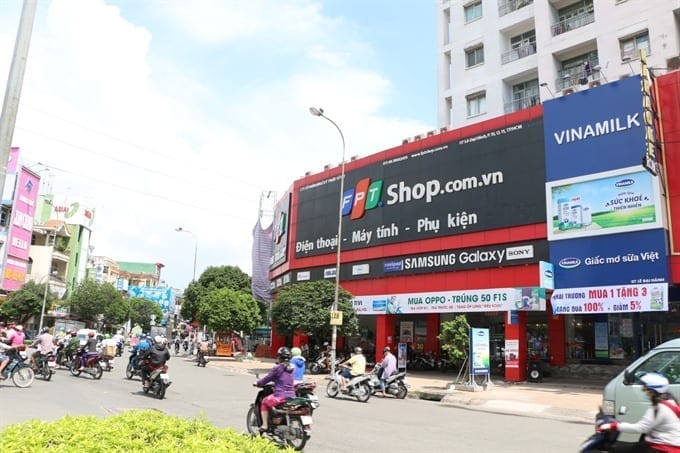
    FPT Digital Retail is set to launch an IPO on the Ho Chi Minh City Stock Exchange on Friday week.

    Details of the IPO pricing have not been disclosed, but the retail arm of Vietnam’s largest IT company plans to use the proceeds over the next three years to open 100 stores officially licensed by Apple.

    FPT secured the nation’s first licence from Apple in 2012 to set up a store network specialising in such products as the iPhone and Macbook under the brand F.Studio. There are now 10 outlets run by FPT Digital Retail. Apple products make up 40 per cent of the the chain’s offerings, and the retailer plans to increase the network tenfold.

    Meanwhile, a survey has shown that more than a third of Apple products in the Vietnam market are “unauthorized” and do not have a guarantee from the manufacturer.

    While Apple has a representative office in Vietnam, there is yet to be an official Apple Store. Sales of Apple products in the Vietnam are currently valued at $1 billion annually. Apple iPhones accounted for 7 per cent of the total 14 million smartphones sold in Vietnam last year, ranking third after Samsung Electronics (28 per cent) and Oppo (25 per cent), according to IDC Vietnam.

    Vietnam has 15 Apple-authorized stores run by local retailers, including the 10 F.Studio outlets and those of Mobile World Group. This compares with 527 authorised stores in Singapore, 480 in Thailand and 364 in Indonesia.

    FPT Retail general director Nguyen Bach Diep has told an investor roadshow in Ho Chi Minh City that the market listing date will be no later than April 30.

    CEO Nguyen Viet Anh says the company expects total revenues of about US$600 million this year, 10 per cent of this from online sales, while its profit is estimated to be VND293 billion (about US$13 million) by year-end.

    Splitting from FPT’s retail and distribution sector in 2012, FPT Retail is now the second-largest information and communications technology retailer in Vietnam, holding 18 per cent market share after Mobile World Group with 45 per cent.

    FPT Retail’s nationwide store network will reach 480 outlets by the end of this year, up 25 per cent year on year.

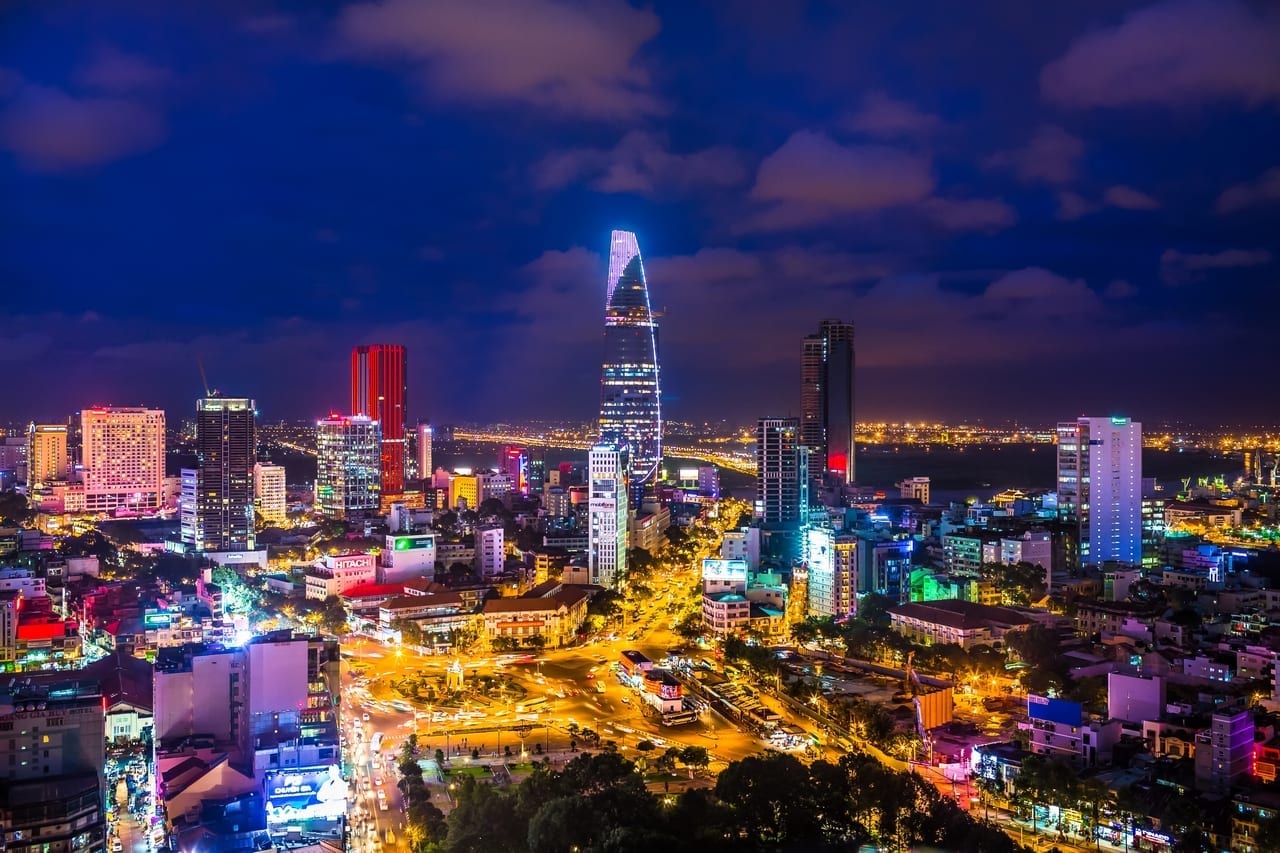
  • Saigon scores high on global property growth index

    Saigon scores high on global property growth index

    Ho Chi Minh City has been ranked third in a survey of 50 cities worldwide for property rental growth.

    The survey, conducted by real estate firm Savills, also ranked Vietnam’s southern metropolis fifth in terms of investment prospects, and second for development prospects.

    In its new publication, “Impacts: the future of global real estate”, Savills said cities that are resource rich, young and fast-growing, economic powerhouses, or at low risk from natural disasters, are the ones to watch for over the next decade.

    Troy Griffiths, deputy managing director of Savills Vietnam, said: “This is an annual, long-running survey across a multitude of sophisticated property investors that demonstrates the strong sentiment towards Ho Chi Minh City and Vietnam as a highly favorable investment destination.”

    “This is underwritten by the first position across all surveyed cities as buy options for office, retail, industrial and residential assets,” he added.

    According to another report, “Emerging Trends in Real Estate Asia Pacific 2016”, jointly published by the Urban Land Institute and consulting firm PwC, foreign investors, mainly from Japan, South Korea and Singapore, are interested in the city’s property market on expectations of an annual return of between 20 and 25 percent.

    The city is an attractive destination to investors mainly due to the government’s efforts to stabilize the local currency, control inflation, ease property lending regulations and improve market access for foreigners.

    Global investors prefer entering Vietnam’s real estate market through mergers and acquisitions. Many are eying beach resorts, serviced apartments, residential buildings and hotels, mostly in Hanoi, Ho Chi Minh City and Da Nang.

  • Mulberry Group first store to launch in Hong Kong

    Mulberry Group first store to launch in Hong Kong

    UK-headquartered luxury fashion retailer Mulberry Group plans to launch in Hong Kong.

    Announcing its first half-year results, the brand revealed plans – but no details – to expand in both Hong Kong and Mainland China through an omnichannel strategy. Other, unidentified global markets are on its radar as well.

    The news follows the success of its recent expansion into Japan which helped strengthen the international performance in the six months to September 30.

    In Japan, Mulberry Group signed a 50-50 joint venture agreement in July with licensing partner Onward Global Fashion (OGF). An initial presence of four stores in key locations, including Ginza, has already been expanded with a fifth store opening.

    Total first-half revenue for the company was virtually flat at £74.6 million (US$99.8 million) compared to £74.5 million a year ago. Sales through its retail channel were up 2 per cent to £56.6 million, but comparable sales eased 1 per cent. Gross margin increased 248 points (up £1.9 million).

    While UK sales were flat, international sales grew 8 per cent to £11.3 million. Global digital sales rose 3 per cent to £10.7 million, accounting for 14 per cent of group revenue.

    “We are delivering on our strategy to grow Mulberry as a global luxury brand,” says CEO Thierry Andretta.

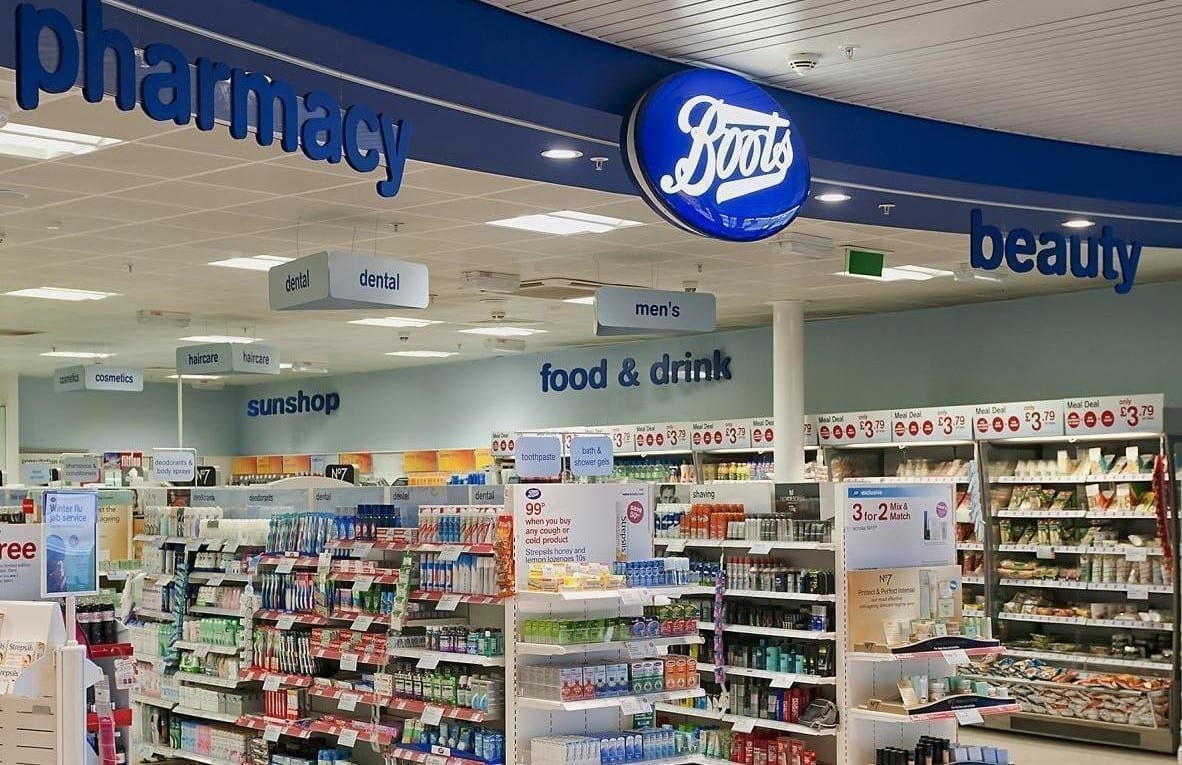
  • Boots buys US$400m stake from Sinopharm

    Boots buys US$400m stake from Sinopharm

    Pharmacy and healthcare company Walgreens Boots Alliance has paid RMB2.76 billion (US$417 million) for a 40 per cent stake in a drugstore chain owned by Sinopharm Group.

    Sinopharm is China’s largest retailer of pharmaceutical and healthcare products and Walgreen will take a stake in its Sinopharm Holding Guoda Drugstores subsidiary. The transaction is subject to review and approval from regulatory authorities in China.

    “We have had a presence in China for around 10 years, initially through Alliance Boots, and are excited with the opportunity to further invest in the country’s fast-growing retail pharmacy sector,” says Walgreens chief executive Stefano Pessina.

    Sinopharm says Walgreens Boots Alliance’s pharmacy expertise and international retail experience will help Guoda improve efficiencies and transform its business model to differentiate from domestic competitors. The partners will also explore opportunities in the broader Asian and global markets, in keeping with Beijing’s Belt and Road Initiative.

    China, the world’s second-largest pharmaceutical market, has made moves to speed up approvals of medicines and medical devices.

  • Japan’s Q3 growth twice as fast as first estimated, outlook brightens

    Japan’s Q3 growth twice as fast as first estimated, outlook brightens

    Japan’s economy grew twice as fast as originally estimated in the third quarter thanks to big gains in capital expenditure, revised data showed on Friday, with expansion seen to continue thanks to buoyant exports.

    The capital expenditure component of gross domestic product was revised to a rise of 1.1 percent from the previous quarter, well over the forecast 0.4 percent growth, and soaring above the preliminary 0.2 percent reading.

    The economy grew an annualized 2.5 percent in July-September, more than the median estimate for 1.5 percent annualised growth and more than the preliminary reading of a 1.4 percent annualised expansion.

    Real wages rose in October for the first time in almost a year, offering some hope that consumer spending will pick up, separate data showed.

    The revised figures showed that Japan is in its longest uninterrupted period of growth since comparable data became available in 1994.

    This is a boon to the government as it is expected to agree later on Friday a spending package to subsidise education and encourage more corporate investment.

    “The economy is doing well, but annualised growth above 2 percent seems a little too quick,” said Norio Miyagawa, senior economist at Mizuho Securities.

    “I expect that exports and capital expenditure will lead growth next year, but the pace will moderate to around 1 percent.”

    The figure translates into quarter-on-quarter growth of 0.6 percent, versus a preliminary reading of 0.3 percent growth and the median estimate for 0.4 percent growth.

    Steady economic expansion also offers hope to the Bank of Japan that inflationary pressure will build up next year and nudge consumer prices closer to its 2 percent inflation target.

    Capital expenditure was revised up because wholesale companies and retailers are increasing investment to deal with increased inbound tourism, a Cabinet Office official told reporters.

    Inventories contributed 0.4 percentage point in the third quarter, which was revised up from a preliminary 0.2 percentage point contribution, due to a build up of chemicals and plastics used in manufacturing, the official said.

    Net exports contributed 0.5 percentage point in the third quarter, unchanged from the preliminary reading.

    Private consumption fell 0.5 percent in July-September, also unchanged from the preliminary reading.

    Real wages rose 0.2 percent in October marking their first rise since December 2016 in a sign a tight job market may finally be leading to higher salaries.

    Japan’s economy has expanded for seven consecutive quarters, and many economists expect growth to continue as consumer spending gains strength and export growth is seen on track to continue.

  • Bitcoin surges above $16,000 as concerns mount

    Bitcoin surges above $16,000 as concerns mount

    Bitcoin flirted with $17,000 on Thursday, triggering a warning the cryptocurrency was like a “train with no brakes” and prompting fresh concern about its looming launch on mainstream markets.

    Still under $14,000 in Asian trading hours, it smashed through $15,000 in European trading and got as high as $16,777 before pulling back, according to Bloomberg data. Near 2145 GMT, bitcoin stood at $16,070.

    The rally came just a day after the virtual currency, which has been used to buy everything from an ice cream to a pint of beer, hit the $12,000 mark for the first time. The eye-popping rise has seen the currency’s value soar more than 50 percent in just one week, and from just $752 in mid-January.

    Bitcoin — which came into being in 2009 as a bit of encrypted software — has no central bank backing it and no legal exchange rate.

    It has surged dramatically in the past month, driven by growing acceptance among traditional investors of an innovation once considered the preserve of computer nerds and financial experts, and sometimes more shady users.

    But some, including the U.S. Federal Reserve, have warned against dabbling in bitcoin as it could threaten financial stability, and fears of a bubble have increased as the price has soared.

    “Bitcoin now seems like a charging train with no brakes,” said Shane Chanel, from Sydney-based ASR Wealth Advisers. “There is an unfathomable amount of new participants piling into the cryptocurrency market.”

    But he warned: “Once the hype slows down, we will most certainly see some sort of correction.”

    Financial industry concerns 

    There also are mounting concerns about its introduction into the mainstream financial system after a U.S. regulator last week cleared the way for bitcoin futures to trade on major exchanges, a decision which analysts say has helped spur the recent rally.

    The Commodity Futures Trading Commission decision allows bitcoin derivatives to be offered on the Cboe Futures Exchange starting this weekend and on the world’s biggest futures venue, the Chicago Mercantile Exchange (CME), from December 18.

    But the Futures Industry Association, which groups some of the world’s biggest derivatives brokerages, criticized the CFTC’s move in a letter to the regulator, saying contracts are being rushed through without properly weighing the risks.

    “A more thorough and considered process would have allowed for a robust public discussion among clearing member firms, exchanges and clearing houses,” the association said.

    Bitcoin transactions happen when heavily encrypted codes are passed across a computer network.

    Goldman Sachs, an FIA member, plans to clear bitcoin futures contracts for some clients, meaning it will serve as intermediary to enable transactions, a spokeswoman said.

    “Given that this is a new product, as expected we are evaluating the specifications and risk attributes for the bitcoin futures contracts as part of our standard due diligence process,” she said.

    The NiceHash marketplace was meanwhile on Thursday investigating a security breach resulting in the theft of bitcoin.

    “Clearly, this is a matter of deep concern and we are working hard to rectify the matter in the coming days,” NiceHash said in a statement.

    “In addition to undertaking our own investigation, the incident has been reported to the relevant authorities and law enforcement and we are co-operating with them as a matter of urgency.”

    Bitcoin and other virtual currencies use blockchain, which records transactions that are updated in real time on an online ledger and maintained by a network of computers.

    In 2014 major Tokyo-based bitcoin exchange MtGox collapsed after admitting that 850,000 coins — worth around $480 million at the time — had disappeared from its vaults.

    Bitcoin’s use on the underground Silk Road website, where users could use it to buy drugs and guns, also raised suspicions about the virtual money.

  • Lululemon sales skyrocket sales

    Lululemon sales skyrocket sales

    Canadian activewear retailer and manufacturer Lululemon has posted a 14 per cent uplift in total sales in the third quarter; same-store sales rose 8 per cent.

    Kevin Wathey, a consultant with GlobalData Retail, says that while other players in the sports and athleisure market struggle, Lululemon sales continue to go from strength to strength.

    While income dropped by 14 per cent, the increase in sales by either measure underlines that Lululemon is still attracting new customers – and getting existing shoppers to spend more both online and offline, he said. The drop in profit was the result of asset impairments and restructuring costs associated with the Ivivva closedown, rather than symptomatic of any fundamental issues with the business. Excluding the exceptional $21 million of fees, net income rose by a healthy 17 per cent year on year.

    “Exceptional items notwithstanding, the strength of Lululemon’s bottom line is mostly thanks to its ability to resist the temptation of excessive discounting – even in a market that has become steadily more promotional. In our view, this is made possible by the fact that Lululemon, unlike so many of its rivals, has a line-up of products that people want and for which they are prepared to pay full price. Constant innovation and a laser-like focus on functionality and quality are central to this,” said Wathey.

    International growth – including in Asia – and product innovation should continue to fuel sales.

    “The former is particularly helpful in driving revenue, and we remain excited about Lululemon’s prospects in both Asia and Europe. The latter gives the numbers a softer boost but also plays a critical role in keeping existing shoppers coming back for more. On the product side, we feel that Lululemon has some potentially significant wins ahead, especially in categories like footwear where it has just launched its first range of sneakers in collaboration with California-based Athletic Propulsion Labs.”

    Wathey said he remained optimistic about Lululemon.

    “It is true that the company has had a good run of growth and it is also the case that overall market conditions will continue to be challenging. However, Lululemon’s careful control of its brand, along with its efforts to position itself as a company that helps people achieve their lifestyle ambitions, will help it to speed through prevailing negative headwinds.”