Author: Mei Ling Tan

  • How updating Privacy Settings will affect Businesses

    How updating Privacy Settings will affect Businesses

    You may have suddenly started receiving privacy updates from all the internet sites, apps and services you use. That’s because the European Union’s General Data Protection Regulation becomes law on May 25, 2018. It’s the clearest statement yet from any regulator on what consequences companies could face in dealing with their customers’ personal data.

    The regulation has been introduced to counter the power and prevalence of data collection and online surveillance techniques. It contains strict new rules of data protection, and severe penalties for breaches.

    The regulations apply to the data processing activities of any business that is a data processor (like US-based Amazon Web Services or India-based Habiledata) or data controller (like Ebay and Facebook) with an establishment in the EU.

    It also applies to any processor or controller, wherever they are located, that is processing the personal data of EU residents. This is regardless of where that data is processed and is irrespective of whether payment is required.

    By forcing non-EU companies to comply, the EU is ensuring that EU and non-EU businesses compete on the same terms.

    How it will affect businesses

    Australian businesses will not be forced to comply with or fall foul of the new data regulation merely because they maintain websites accessible in the EU. However, those with an office in the EU, or whose website is aimed at or tracks the data of EU residents, will be affected.

    These include businesses with an EU footprint, for example retailer Harvey Norman operates in Ireland, Croatia and Slovenia. It also covers data processors in Australia whose business includes EU or EU based clients, and startups which trade globally.

    Australian businesses may benefit from the fact that the new rules are consistent with the Australian Privacy Principles. Both promote transparency and accountability in information handling and require businesses to notify of any privacy breaches.

    By contrast, businesses in countries where data handling requirements are less comprehensive (notably the US) will have to make changes to become compliant.

    Nevertheless, the new EU law will impose new burdens on Australian businesses. For example, the EU laws specify encryption and pseudonymisation – where personally identifiable information is replaced by one or more pseudonyms – to ensure data is not identifiable.

    The new EU law will also change the standard practices of online businesses by outlawing pre-ticked boxes, required consent and bundled consent. Businesses must now seek (in clear and plain language), and individuals must give, active, specific, free and informed consent to each purpose for which their data is collected.

    The data law also require all businesses to demonstrate that they have procedures for notifying regulators and customers of data compromises: within 72 hours in the case of high risk breaches and without undue delay in all cases.

    How it will affect consumers

    The EU law includes new or enhanced rights for individuals. Many have no equivalents in other jurisdictions, including Australia.

    People have a right to demand that businesses erase and cease disseminating personal information, and to halt its processing. However, this “right to be forgotten” is balanced against the public interest in the information remaining available.

    The right to data portability in the legislation enables individuals to obtain personal information they have given by consent to one controller in a “structured, commonly used, machine-readable format” and transfer it to another. This will make it easier for customers to switch between businesses.

    However these rights impose regulatory burdens on businesses. It may be technically and organisationally difficult without sophisticated and expensive data handling processes.

    For businesses that rely on things like cloud backup and third party customer support, deleting or making copies of transferable data will be difficult.

    The commercial value of data is such that some companies may simply try to avoid the consequences of the new EU laws by processing information outside the EU, and applying different standards of data protection to customers depending on their location. Facebook has done this.

    On the other hand, given how complex double standards can be to apply in practice, they may simply make the EU rules the new normal of global privacy. In that case businesses should be using it as an opportunity to build more sustainable business models in the emerging era of respect for privacy.

  • Hugo Boss performing well

    Hugo Boss performing well

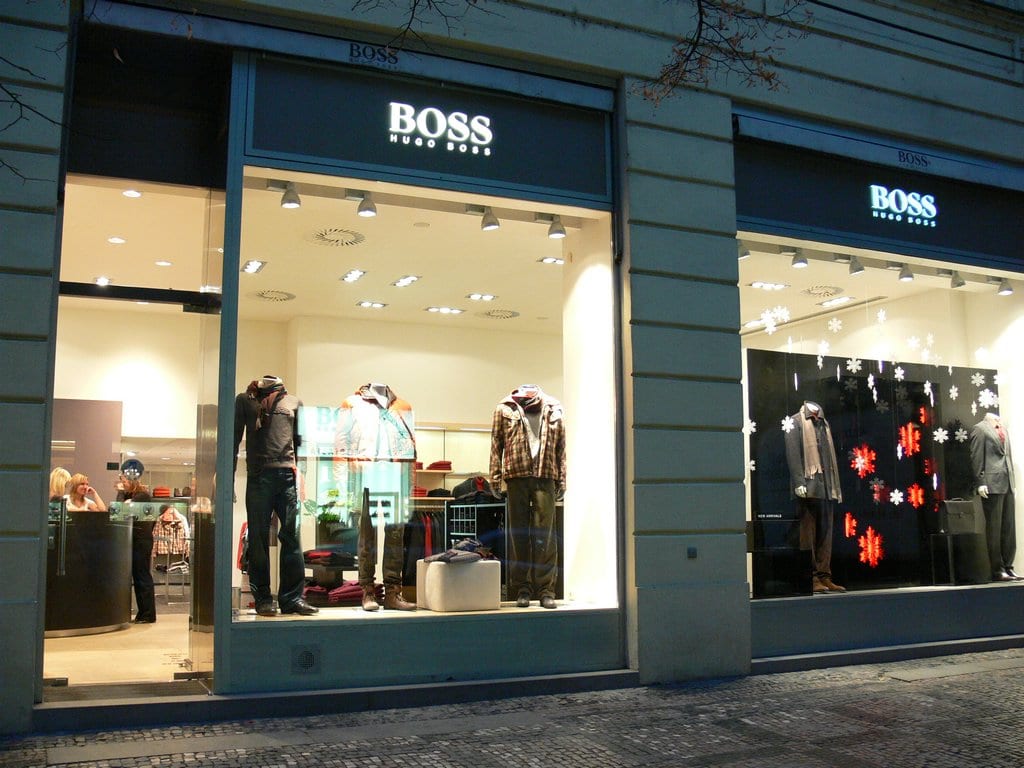
    German fashion house Hugo Boss has posted better-than-expected sales growth helped by a pick up in sales in China and North and Latin America.

    The business posted a five per cent increase in sales for the first quarter to €650 million (AUD$1.03bn), in currency adjusted terms, boosted by strong growth in China and the Americas. Operating profit has increased slightly at €99 million (AUD$158m) compared to the previous corresponding period, confirming its 2018 outlook.

    Investments in product quality, the digital transformation of the business model and the strong euro have curbed the profit increase.

    Mark Langer, Hugo Boss CEO, said that thanks to the its performance in the first quarter of 2018, they are feeling more confident that the business will achieve its sales and earnings targets for the full year.

    “The strong increase in the group’s own retail business shows that our new collections are being well received by customers,” Langer said. “Our investments in the quality of our products and the desirability of our brands are therefore paying off.”

    Langer said the substantial progress achieved in their online business is also encouraging.

    “This positive performance strengthens our confidence that we will achieve our sales and earnings targets for the full year.”

    Hugo Boss has been making efforts to take the brand more upmarket and expand in womenswear and refocused on premium men’s clothing.

  • Alibaba Cloud enters partnership with ASL

    Alibaba Cloud enters partnership with ASL

    Alibaba Cloud and Hong Kong IT service provider Automated Systems Limited (ASL) have entered a strategic partnership aimed at facilitating the development of the cloud market in Hong Kong and Macau.

    Under the collaboration, both companies will collaborate on areas including go-to-market, solution creation, and cloud security services.

    The companies will also invest to create joint teams that will offer innovative cloud solutions and services for businesses in the two markets.

    Alibaba Cloud will contribute security solutions and services for ASL’s Security Operation Center Plus offering. The two companies will also establish a joint solution lab working on new offerings for the healthcare, property, financial services and other industries.

    Meanwhile Alibaba Cloud will provide ASL with support to create a technical team to handle presales, solutions architecture and solution delivery, and ASL will acquire cloud talent through the Alibaba Cloud Associate and Alibaba Cloud Professional certification programs.

    “We are excited to work closely with Alibaba Cloud, the leading digital transformation expert in the world,” ASL executive director and CEO Wang Yeou said.

    “The partnership will further our mutual vision of fostering the development of the cloud market in Hong Kong and Macau. In the age of cloud computing and digital transformation, this partnership will build and strengthen ASL’s brand and position as a leading and industry-specific cloud service provider in Hong Kong and Macau.”

  • YSL Beaute goes high-tech

    YSL Beaute goes high-tech

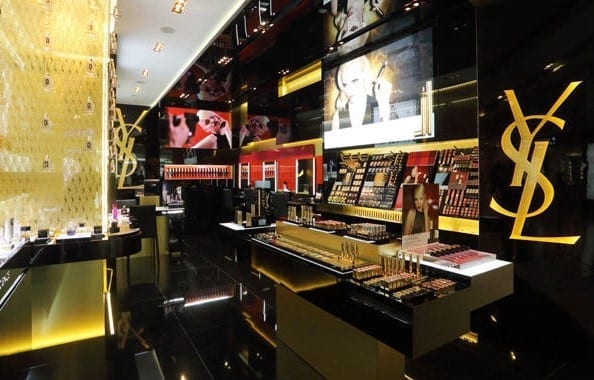
    YSL Beaute teamed with Tencent and marketing group Mindshare for the launch of its Mon Paris Couture perfume in Hong Kong.

    It was the first time in the colony a luxury make-up brand has used facial-recognition technology in a WeChat mini program.

    Consumers visiting YSL’s pop-up store at Harbour City, Tsim Sha Tsui, were able to create their own personalised perfume in a specially engraved bottle. To avoid a queue as has happened previously, a “Mon Paris ID” was created for each participant for use before and during the event for personalised shopping experiences.

    Before the event, participants could upload their headshots via WeChat, linked to YSL Beaute’s mini-program for both WeChat and Weixin users, or a web page for local digital users.

    An interactive panel using Tencent technology could verify customers by recognising their faces, with the system able to automatically arrange, create and engrave the perfume bottles within seconds.

  • Asia Pacific helps Under Armour to get up

    Asia Pacific helps Under Armour to get up

    US-based sportswear brand Under Armour has unveiled better than expected first quarter revenue growth of 6 per cent to US$1.2 billion, as weakness in its home market was offset by growing momentum overseas.

    Asia Pacific was the strongest individual operating region for the business, with sales increasing by 28 per cent, currency corrected.

    However, Under Armour booked a net loss of $30 million in the first quarter, although excluding $37 million in costs associated with its restructuring plan net income was $1 million.

    North American revenue declined by 1 per cent in currency corrected terms while its international business saw sales increase by 27 per cent, up 19 per cent in currency corrected terms.

    Under Armour chairman and CEO Kevin Plank affirmed the company’s $20-30 million operating income guidance for 2018 on Tuesday in the US.

    “Our first quarter results demonstrate measured progress against our focus on operational excellence and becoming a better company,” Plank said.

    “As we continue to build our global brand by delivering innovative performance products to our athletes, amplifying our story, further strengthening our go-to-market process, and leveraging our systems to create even deeper consumer connections – we remain confident in our ability to deliver on our full year targets.”

    GlobalData Retail MD Neil Saunders said that while there are some positives in the latest result the figures still give the impression that the business has “run out of steam”.

    “Overall revenue looks good enough with a 5.8 per cent increase in sales,” he said.

    “However, all of this comes from newer markets where Under Armour is buying growth through expansion. There is nothing wrong with this strategy, but it comes with costs attached – which means the contribution to the bottom line is less than impressive.”

    Saunders says Under Armour’s poor performance is solely of the brand’s own making.

    “Within North America, we believe that Under Armour’s image is still off-pitch and that its brand strategy remains extremely muddled. Strategically and in terms of its store and distribution footprint, it is clear that Under Armour wants to be a strong lifestyle brand with a wide reach.

    Indeed, recent partnerships, such as the collaboration with rapper A$AP Rocky, suggest a push to appeal to younger demographics more interested in fashion than sports.”

    Saunders says most consumers do not see Under Armour as a lifestyle brand; they see it as a specialist sports performance brand.

    “This limits Under Armour’s ambitions and means that many of the lifestyle initiatives it pursues fall on stony ground. The brand needs to have a much clearer identity, possibility by using sub-brands, before it can gain wider acceptance. Throwing out new products and lines before this clarity is developed is folly.”

    He also believes “the masculine nature of the brand” has made it hard to expand its reach to women.

    “While store design, marketing, and products remain male-focused, Under Armour will continue to struggle with women. This is a lost opportunity as female sports and fitness remain a fast-growth part of the market.”

    He says Under Armour is paying the price for growing too fast and has too broad a set of ambitions.

    “The result is a company that lacks a clear vision or point of view. In today’s crowded marketplace this has made it indistinct and easy to overlook. Until this is remedied, growth will remain problematic.”

  • Apple acknowledge iPhone challenges

    Apple acknowledge iPhone challenges

    Analysis of the latest Apple sales figures shows that tech giant remains a phenomenal company, but it needs to regain the magic spark that used to be its hallmark.

    As usual, Apple’s performance is good on both the top and bottom lines. Revenue for the quarter jumped by almost 16 per cent, an impressive increase given last year’s strong results. Even more impressive was the 25.3 per cent leap in net income, an uplift that came despite a higher level of spending on research and development.

    But as good as the headline numbers are, there are some less satisfactory nuances in the underlying dynamics driving them. Foremost among these are sales of the iPhone. On the surface, revenue from iPhone sales, which rose by 14 per cent, looks strong. However, this is mostly pushed up by higher average prices rather than volume. Indeed, in unit sales terms, the number of iPhones sold rose by just 3 per cent over the same period last year.

    Given the high raw numbers that sit behind a 3 per cent unit uplift, such a criticism may seem petty. However, the second quarter last year was a weak one for the iPhone with sales down in both volume and value terms. As such, we would expect a much bigger uplift this time around. That this didn’t materialise, and that unit growth is well below the run rate for new phone launches, signals that the replacement cycle is slowing down. In essence, we maintain our view that Apple is struggling to persuade many consumers to update their phones.

    Failure to wow

    As I’ve have said before, this relative slowdown in iPhone sales is largely a function of Apple’s inability to come up with meaningful and valuable innovations that wow consumers. No matter how Apple tries to spin it, the iPhone X is essentially an incremental product that lacks the excitement and newness earlier models brought to the market.

    The same logic applies to many other product lines, including iPads and Apple Watch. These are good, quality items, however they are simply not impressing the market and Apple is losing its lustre in terms of producing compelling products. Apple has moved from a position of ‘must have this and must have it now’ to ‘might buy this at some point in the future’.

    Price increases may mitigate this but, ultimately, such a shift can only ever result in a softer sales performance.

    Adding new products, such as HomePod, into the mix provides potential new sources of revenue.

    However, with launches to date, Apple is not disrupting the market like it used to. HomePod is a case in point. Here, despite good technical specifications and design credentials, Apple was a latecomer to the smart speaker market. This crimped sales and puts Apple in direct competition with both Google and Amazon – against both of which it does not have a clear and compelling unique selling point. While we believe Apple can take a share of this market, we do not think it can win a decisive victory in the battle with other tech firms.

    One area of relative success, at least in revenue terms, is services. However, this is an area where we think Apple needs to push harder. Amazon is successfully creating an ecosystem of services through Prime. Apple needs to do something similar by building on its Apple Music subscription and its App Store offering. Content is a big growth area and is becoming increasingly linked to devices. Apple needs to play more heavily in this space both to generate new opportunities but also to defend its own device business.

  • Megaport supporting Google Cloud Partner Interconnect

    Megaport supporting Google Cloud Partner Interconnect

    Australia-based network as a service (NaaS) provider Megaport has introduced support for Google Cloud’s Partner Interconnect with its global SDN.

    The new service will allow Megaport customers to provide connectivity from their facility to the nearest Google edge PoP.

    Customers can select from a range of sub-rate interface speeds varying from 50Mbps up to 10Gpbs.

    The Partner Interconnect service is available across the Megaport SDN, which spans over 200 data centers globally. Megaport is enabling deeper integration between the SDN and Google Cloud via its API to enable provisioning of network capacity to Google virtual private clouds.

    “Scalable connectivity to Google Cloud Platform ensures that cloud-enabled applications perform to meet mission-critical business requirements,” Megaport CEO Vincent English said.

    “Google Cloud brings tremendous value to the Megaport Ecosystem and empowers our customers to address a wide variety of business needs. We have been working with Google Cloud since our inception and we are excited to grow and evolve our integration to ensure the next generation of business growth.”

    Megaport also recently announced a partnership with Colt Data Centre Services to allow Colt customers to access direct connectivity to a range of major cloud service providers via the Megaport SDN.

  • Lotte Shopping closing down

    Lotte Shopping closing down

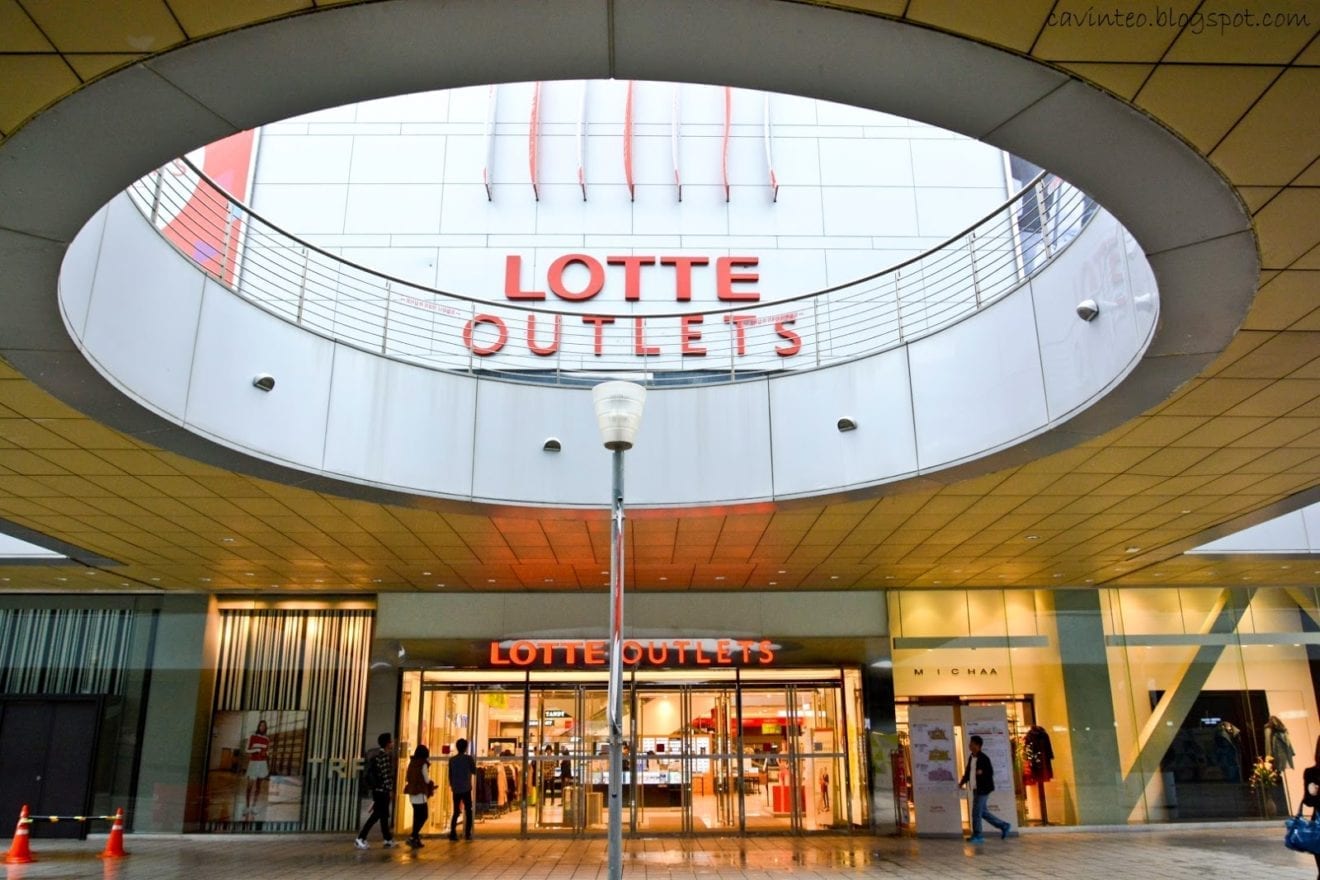
    Lotte Shopping is trying to offload its department store annexed to Anyang train station, 20km from Seoul.

    It is said to be in the final stage of closing a deal with shopping mall group Enter Six to either sell or transfer its lease rights on the store, reports Pulse.

    With nine floors above ground and one below, Lotte Department Store Anyang is connected to the Anyang station and is within walking distance of an intercity bus terminal.

    After opening in 2002, the branch was the only major shopping mall in the area, but sales nosedived after Lotte Department Store’s Pyeongchon branch opened in March 2012. The two Lotte department stores are only 2.8km apart. The retailer still has nearly half of its 30-year lease term left on the Anyang building.

    Lotte Shopping is shutting down its poor-performing stores. Meanwhile, E-mart, the big-box store chain of Shinsegae, also has been scaling back.

  • Telstra to launch unlimited mobile data plan

    Telstra to launch unlimited mobile data plan

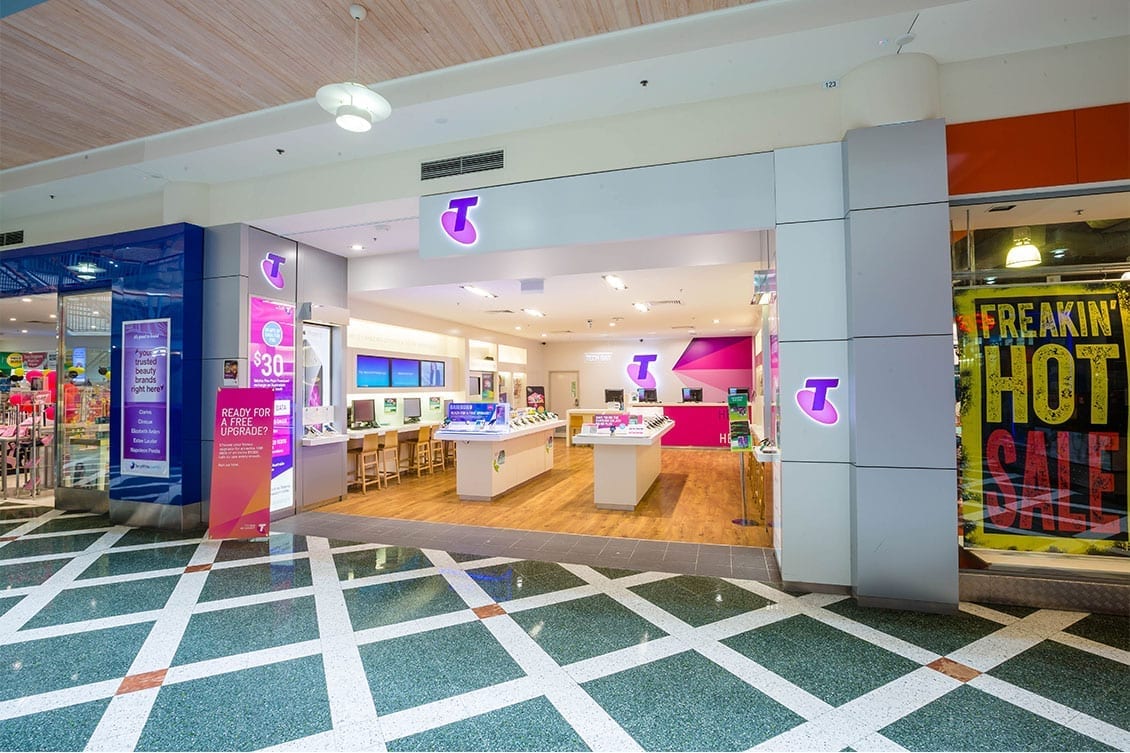
    Australia’s Telstra will tomorrow launch Australia’s first unlimited smartphone-based mobile data plan, although the “unlimited” plan is subject to a data cap at 40GB.

    The new A$69 ($52) Telstra Endless Data BYO plans also come with unlimited talk, text and MMS to standard domestic numbers as well as unlimited Wi-Fi data at Telstra’s network of Telstra Air hotspots.

    Data will be uncapped up to 40GB, after which speeds will be limited to 1.5Mbps, and lower during peak hours. The plan is also subject to Telstra’s fair use policy, Telstra said.

    Telstra boasts a 4G population coverage of more than 99% with a 3G coverage of 99.4%. The company’s 4G network covers a landmass area of 1.6 million square kilometers.

    To further augment its coverage, Telstra has also announced the launch of a new intelligent antenna solution designed to improve mobile coverage or provide coverage to most places it is unavailable.

    The Telstra Go Repeater is available in a stationary version designed for residential and commercial premises, as well as a portable version designed to improve coverage in a road or sea vehicle.

    It works by receiving mobile signals through an external antenna and then enhancing and re-transmitting this signal to a single indoor or in vehicle antenna. The repeater operates on Telstra’s 3G and 4G networks, including its “4GX” LTE-Advanced network.

  • New lighter AirAsia seats to help save the environment

    New lighter AirAsia seats to help save the environment

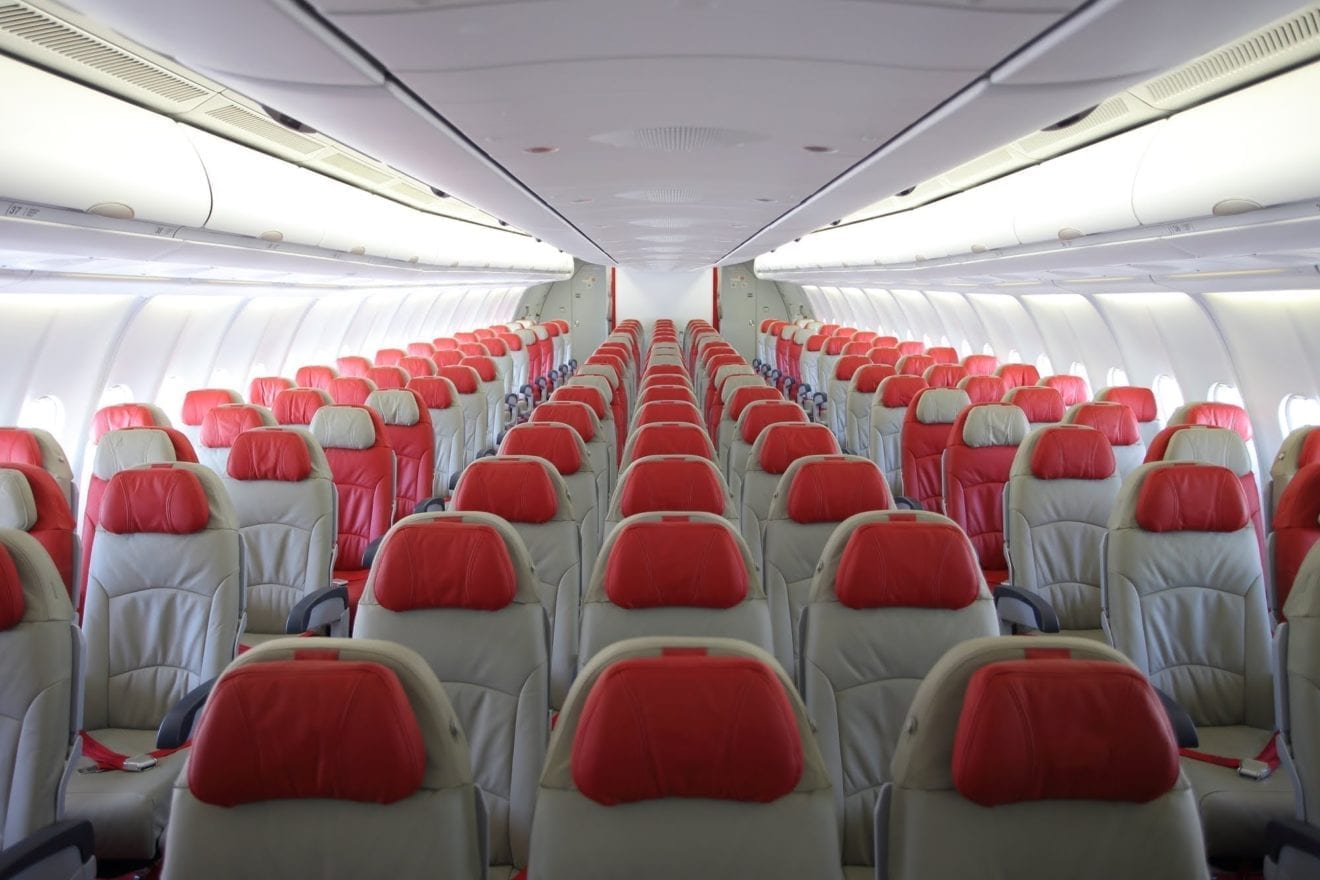
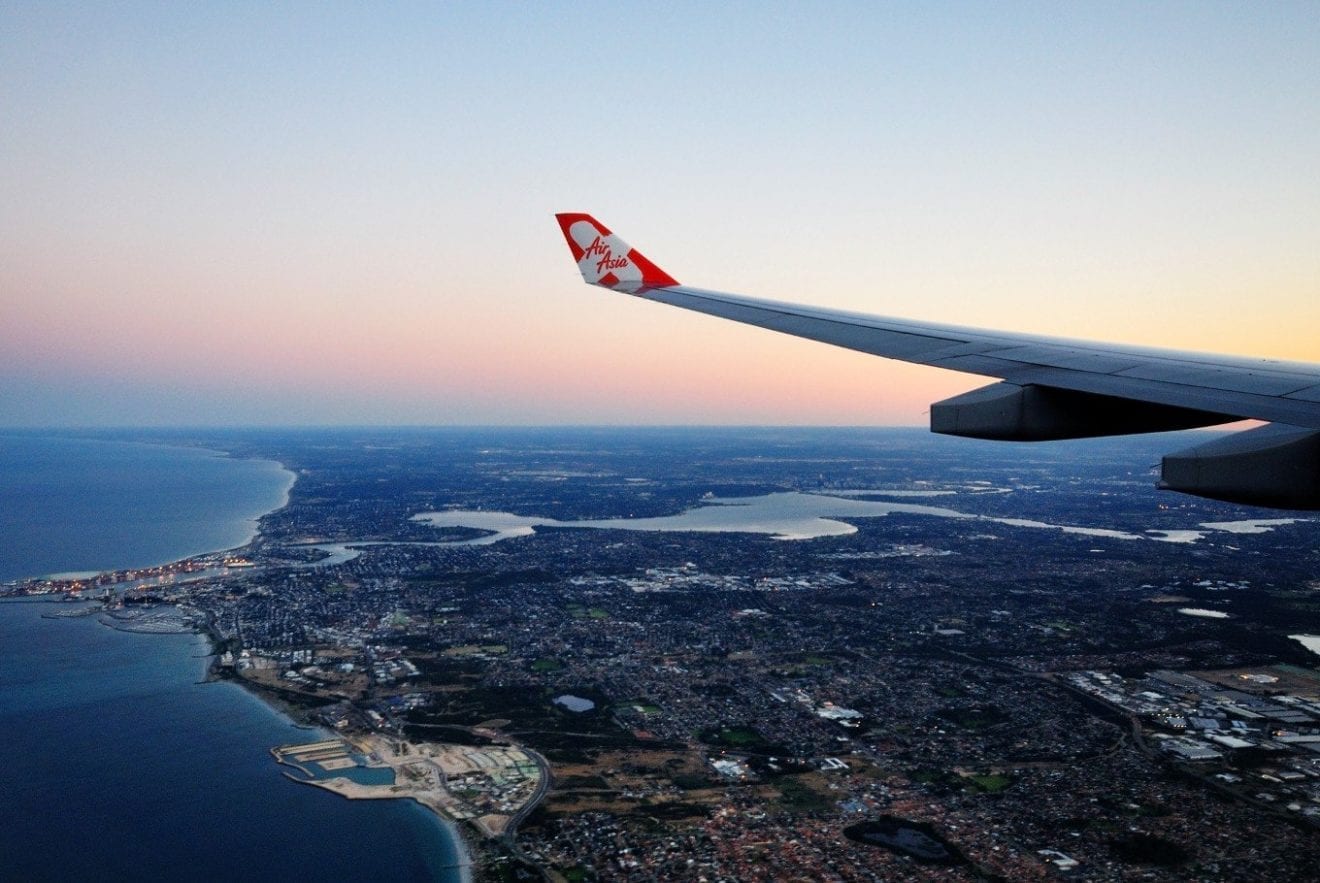
    Flying on AirAsia is getting greener with the introduction of its new Formula One-inspired seats. AirAsia is the first carrier to use the Mirus Hawk seats, which will be installed in existing Airbus A320 aircraft and incoming A320neo aircraft.

    The Economy Class seat is lighter and is expected to help AirAsia reduce fuel consumption by more than 70,000 litres and lower carbon dioxide emissions by 200 tonnes per aircraft per year.

    Environmental factors were taken into consideration for the design, according to AirAsia Group chief executive officer and AirAsia X co-group chief executive Tan Sri Tony Fernandes.

    “Not only is this premium seat more comfortable and boasts more legroom but it also weighs less, which is good for our guests, our bottom line and the environment as well,” he said.

    The new seat comes in the wake of Etihad Airways’ recent announcement of eliminating around 195,000 tonnes of carbon dioxide emissions last year, thanks to a wide range of fuel-saving initiatives across its network.

    Following a number of improvements aimed at enhancing operational efficiencies, Etihad Airways was able to reduce the amount of fuel consumed by its aircraft by over 62,000 tonnes of fuel.

    AirAsia’s new seat is made from carbon fibre, aluminium and genuine leather upholstery. It is ergonomically optimised for comfort, passenger living space and style.

    Along with the announcement of the new seat, Tony added that more innovations are on the way to cater to passengers. These include a personal electronic device holder and high power 2A USB port to charge devices.

    All Hawk seats are assembled in Norfolk, Britain and draw on Formula One engineering expertise.

  • Hong Kong retail rents about to rise again

    Hong Kong retail rents about to rise again

    Hong Kong retail rents will recover more quickly in Kowloon than on Hong Kong Island according to projections by Colliers analyst Melanie Kotschenreuther.

    Kotschenreuther predicts high-street Kowloon retail rents will rise 5 per cent in Mong Kok this year and 3 per cent in Tsim Sha Tsui, while across the harbour, high-street rents will rise by 2 per cent in both Causeway Bay and Central.

    “Rising retail sales and robust demand for prime locations should contribute to a slight recovery of overall high-street rents this year,” she writes in Collier’s First Quarter Hong Kong Retail analysis.

    “Second- and third-tier high-streets will likely remain under pressure in the first half year.” Next year, however, Colliers expects overall high-street rents to rise by 3 to 5 per cent.

    Kotschenreuther says the decline in high-street retail rents in major districts continued to slow, with average rents edging down 0.3 per cent quarter-on-quarter in the first three months of this year.

    “While some first-tier high-street retail rents, except in Central, have started to regain momentum due to robust demand for prime spots, rents outside first-tier high-streets in popular shopping areas have remained soft. Mong Kok, led by further rental improvements on first-tier Sai Yeung Choi Street South, could continue its positive direction, with overall high-street rents growing 0.9 per cent quarter-on-quarter. In contrast, overall high-street retail rents in Central dropped by another 1.4 per cent quarter-on-quarter in the first three months of this year as rental adjustments, particularly on second and third-tier high streets, continue.”

    She says one of the reasons for this is the large size shop configurations common within the area.

    Malls recovering

    Territory-wide, improved market conditions and rapidly recovering retail sales (up by 15.7 per cent during the first two months of this year) combined with proactive strategies by shopping centre owners will help drive further improvements in mall rents in the year ahead.

    “Malls are being transformed into lifestyle hubs, driven by new demand for excitement. We expect continuing tenant-mix refreshments and extended new dining experiences, paired with a comprehensive entertainment program. Mall operators are stepping up digital customer engagement and launching mobile apps to attract new visitors.”

    She says the financial results of operators of prime malls in major retail districts show a positive development of their tenant sales last year. Wharf’s flagship mall Harbour City in Tsim Sha Tsui and Champion’s Langham Place Mall located in Mong Kok announced year-on-year growth of 9.1 percent and 5.3 per cent, respectively – above Hong Kong’s overall retail sales growth last year of 2.2 per cent.

    “The upturn has extended into this year, with shopping malls enjoying a positive start into the Year of the Dog. Sun Hung Kai Properties announced that foot traffic in 12 of its malls was up 13 per cent and retail sales jumped 16 per cent during the Lunar New Year.”

    She says the appetite for international affordable luxury and lifestyle brands, medicines and cosmetics and new F&B concepts is increasing, which will help strengthen rents.

    Meanwhile, Colliers predicts 1.41 million sqft (131,200sqm) of new retail space to come on stream in core retail districts this year and a further 339,700sqft (31,560sqm) next year, led by Victoria Dockside in Tsim Sha Tsui and H Code in Central this year and at 15 Middle Road in Tsim Sha Tsui next year.

  • PT Telkom profit falls 14% in Q1

    PT Telkom profit falls 14% in Q1

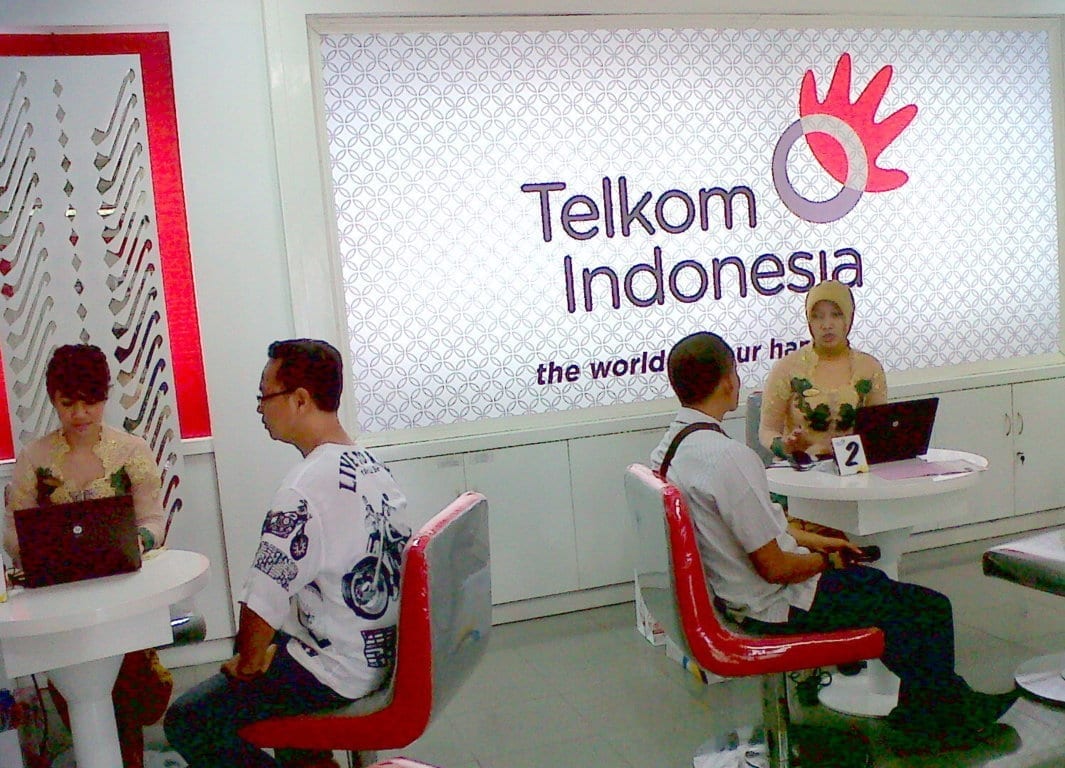
    Indonesia’s PT Telkom has reported a 14% decline in first quarter profit to 5.73 trillion rupiah ($410.8 million), partly as a result of stricter competition.

    Revenue for the quarter grew 4.3% to 32.3 trillion rupiah, but tighter competition and the ongoing decline in revenue from legacy voice and SMS revenue impeded further growth.

    Data, internet and IT services revenue by comparison grew a strong 23.3% to 15.9 trillion rupiah due to increasing demand as a result of the growing use of smartphones.

    Mobile broadband subscribers grew 21.3% to 108.73 million subscribers, with mobile subsidiary Telkomsel reporting a net profit of 6.4 trillion rupiah and revenue of 21.9 trillion rupiah.

    On the fixed line front, consumer broadband revenue grew to 3.1 billion rupees with enterprise revenue increasing to 8.63 trillion rupees. Subscribers to Telkom’s IndiHome fiber broadband service nearly doubled to 5.74 million.

    Telkom’s capex for the quarter reached 6.13 trillion rupees, up from 6.06 trillion the year earlier, the report adds.

    The funds were primarily used to finance the construction of new base stations, expand access network and backbone infrastructure and develop the operator’s Sea Cable Communication System that supports its fixed and mobile broadband businesses.


  • India’s MTNL makes play for 4G spectrum

    India’s MTNL makes play for 4G spectrum

    Loss-making Indian state-controlled operator MTNL has approached the government seeking an allocation of 4G spectrum across two bands, in return for equity in the company.

    MTNL has written to the Telecom Department seeking spectrum in the 1800-MHz and 2100-MHz bands, arguing that a 4G presence is a must to survive in the mobile market.

    The operator is seeking spectrum in both of its operating circles of Delhi and Mumbai, and hopes to be able to launch 4G services in the current financial year ending in March 2019.

    MTNL has requested that its license payment for the spectrum, which it estimates at 65 billion rupees ($973.3 million) be taken by the government in the form of equity shares, to ensure MTNL is not burdened with additional debt.

    MTNL is currently 56% owned by the Indian government and 19% owned by Life Insurance Corporation, with the remainder held by the public.

    The operator is meanwhile already straddled with a hefty 170 billion rupees in debt, and is currently considering a revival plan to return the operator to profitability. This would include asset monetization, pursuing additional revenue schemes, a voluntary retirement scheme for employees and other measures.

  • AirAsia X starts new route to Amritsar

    AirAsia X starts new route to Amritsar

    AirAsia X has announced the opening of a new direct route from Kuala Lumpur to Amritsar as part of its expansion plan in India this year.

    Starting from Aug 16, 2018, the low-cost carrier will operate four weekly return services between Kuala Lumpur and Amritsar in northern India on Tuesday, Thursday, Saturday and Sunday.

    This route has the potential of an annual capacity of 156,832 seats between Kuala Lumpur and Amritsar.

    Amritsar is the third destination in India for AirAsia X and the 21st destination in India for AirAsia Group.

    “Many Sikhs and Punjabis have been asking us to fly direct to Amritsar, home to the world famous Golden Temple, and we are pleased to be able to offer this direct service to this holy city,” said AirAsia X chief executive officer Benyamin Ismail in a statement on Tuesday (May 1).

    He added that this new route offers them the possibility of expanding into Europe and North America.

    Punjab Minister of Tourism and Cultural Affairs Navjot Singh Sidhu said having AirAsia X flying directly to Amritsar is important to Punjabis all over the world, adding that it is a preferred destination not only for the Punjabi diaspora but also for many foreign tourists.

    “We welcome AirAsia X to Amritsar, and we are happy that Punjabi diaspora and foreign tourists from destinations within the wide network of AirAsia including Australia and New Zealand will be able to travel to Amritsar and Punjab,” he added.

    To mark the opening of the new route, AirAsia X is offering promotional all-in fares from as low as RM199 one-way for the economy seat, and RM699 one-way for Premium Flatbed seats from May 2 until May 13 for the travel period between Aug 16 and Oct 27.

  • Asia Pacific drives Estee Lauder’s third quarter sales record

    Asia Pacific drives Estee Lauder’s third quarter sales record

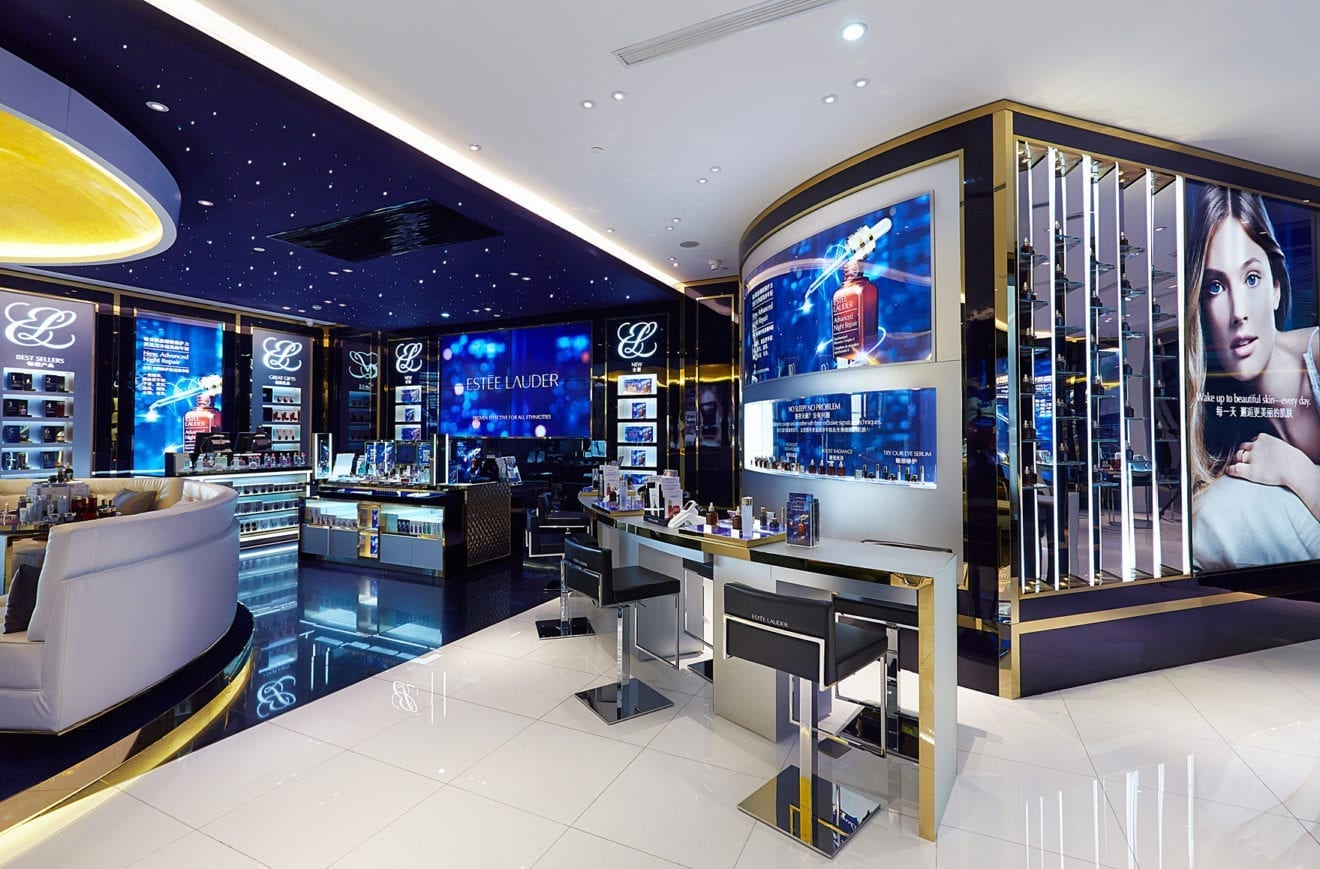
    Solid growth in Asia Pacific, including in Australia, has helped cosmetics giant Estee Lauder deliver an 18 per cent increase in third quarter sales, ahead of Wall Street estimates.

    Delivering its financials for the quarter ended 31 March in the US on Wednesday, Estee Lauder said “solid sales increases” in Australia, Japan and Thailand, alongside double-digit sales growth in China, drove a 30 per cent increase in net sales from Asia Pacific to US$773 million.

    Asia Pacific operating income was up 57 per cent to US$179 million, offsetting a 62 per cent fall in American earnings to deliver the company a total 16 per cent increase in operating income to US$497 million for the period.

    Declining retail traffic weighed on Estee Lauder’s US-based bricks-and-mortar stores, but momentum in Asia Pacific has buoyed the business, which expects full year revenue to increase by 15 – 16 per cent, slightly higher than market consensus forecasts.

    President and chief executive Fabrizio Freda said it was an “excellent” quarter for the business in what he expects will be an “outstanding fiscal year”.

    “Among our multiple engines of growth, travel retail, online and Asia again were standouts, and we experienced strong momentum in other high growth channels and markets,” he said.

    “Our performance this quarter reflected robust global demand across our portfolio, with virtually all our brands posting sales growth.”

    Asian skincare sales and fragrance were standouts for the business, offsetting operating losses in make-up and relatively flat growth in haircare products during the quarter.

    The company’s MAC makeup brand performed particularly well in Asia Pacific during the quarter, while La Mer and Estee Lauder drove growth in skincare.