Author: Mei Ling Tan

  • Bangkok Set to Unveil Over 427,000 sqm of New Industrial Space This Year!

    Bangkok Set to Unveil Over 427,000 sqm of New Industrial Space This Year!

    Amid a rapidly evolving logistics landscape, Thailand’s Greater Bangkok market is poised for significant changes in warehouse rental dynamics. According to a recent report from JLL, the prime grade warehouse rental rate is expected to experience a slight decline in the near to medium future. This decline comes as over 427,000 square meters of leasable space is scheduled for completion in 2025, accompanied by an additional 378,000 square meters planned for 2026 and 2027.

    Developers Strategize in a Competitive Arena

    The JLL report emphasizes that developers are likely to diversify their asset classes and strategies within the logistics and industrial sectors as competition heats up. The anticipated growth in manufacturing is set to drive demand for solutions that effectively capture both logistics and industrial needs.

    Net Absorption Hits New Low

    In a development that might raise eyebrows, net absorption of prime warehouse space recorded a meager 66,100 square meters in Q2, marking the lowest figure since Q1 2024. This dip is attributed to reduced occupancy rates in the Eastern Economic Corridor (EEC), despite the completion of major built-to-suit projects in Wang Noi, Ayutthaya.

    Vacancy Rates on the Rise

    Consequently, the market vacancy rate surged by 1.0%, reaching 11.4% in Q2 2025. The increase can be traced back to negative take-up in select EEC projects, underscoring the evolving challenges within this critical area of Thailand’s logistics scene.

    New Projects Fuel Growth in Northern Vicinity

    The completion of three significant projects in Q2 2025 added 125,500 square meters of net leasable area to the market. These include SCX Logistics Bangna Km.20 – Phase 1, ESR Asia Bowin (W1/W2), and the Big C Bang Pa-in Distribution Centre. Notably, the 89,000-square meter built-to-suit Big C facility in Ayutthaya reflects the surging demand in the Northern Vicinity among consumer goods retailers.

    Rental Rates Struggle Amidst Tough Competition

    Amidst this backdrop, rental rates have dipped slightly to 159 THB per square meter per month, maintaining a rather static average over the past two years. This stagnation is largely due to intensified competition from several newcomers entering the market. The overall market capital value showed a marginal quarter-on-quarter decline of 0.2%, now averaging THB 31,505, as a result of rental rate compression.

    Questions & Answers

    What are the trends affecting warehouse rental rates in Greater Bangkok?
    JLL’s report highlights an expected slight decline in prime grade warehouse rental rates, driven by the upcoming completion of a significant amount of new leasable space.

    How has net absorption in the warehouse market changed?
    Net absorption fell to 66,100 square meters in Q2, marking the lowest since early 2024, influenced largely by reduced occupancy in the Eastern Economic Corridor.

    What impact do new projects have on the logistics market in Northern Vicinity?
    The recent completion of major projects, especially the Big C Bang Pa-in Distribution Centre, indicates a growing demand from consumer goods retailers in the Northern Vicinity.

  • Dollar Takes a Tumble Against the Dong: What Retailers Need to Know

    Dollar Takes a Tumble Against the Dong: What Retailers Need to Know

    In a fluctuating market, the U.S. dollar is showing signs of weakness against the Vietnamese dong and other major currencies this Monday morning. Vietcombank reported a slight decrease in the dollar selling rate to VND26,451, down by 0.008% since the weekend. Meanwhile, the currency was trading approximately at VND26,650 on the black market, showcasing the ongoing shifts in value.

    Fed on the Sidelines as Government Shutdown Looms

    The depth of the dollar’s decline is echoed worldwide, driven in part by investor anxiety about a potential U.S. government shutdown. Such a closure would delay the release of the September payrolls report and other critical economic indicators, according to Reuters. Analysts warn that an extended government shutdown would leave the Federal Reserve with little guidance on the economy ahead of its meeting scheduled for October 29.

    Market Analysis Indicates Cautious Optimism

    In a note from analysts at BofA, it was suggested that if the shutdown extends past the Fed meeting, policy decisions will shift to reliance on private data. “On the margin, we think this may lower the likelihood of an October cut, but only marginally,” they observed. The dollar index retreated by 0.2% to 97.952, after benefiting from positive economic news the previous week.

    Meanwhile, the euro made a modest gain, inching up to $1.1726, yet is still sitting comfortably in the lower half of its recent trading range between $1.1646 and $1.1918. The dollar also weakened against the yen, dropping 0.4% to 148.92, following a more than 1% rally last week and distancing from the September low of around 145.50. It’s almost as if the dollar is engaging in a very public game of dodgeball, as it avoids hitting its lowest points.

    Questions & Answers

    How has the U.S. dollar performed against the Vietnamese dong recently?
    The U.S. dollar has weakened against the Vietnamese dong, with the selling rate at VND26,451 as of Monday, reflecting a decrease of 0.008% since the weekend.

    What factors are contributing to the dollar’s decline?
    Investor concerns about a potential U.S. government shutdown are weighing heavily on the dollar, especially as it threatens to delay critical economic reports that influence Federal Reserve policy.

    What are analysts predicting regarding future Federal Reserve actions?
    Analysts suggest that if the government shutdown persists, the Federal Reserve may rely more on private data for its decisions, which could slightly reduce the likelihood of an interest rate cut in October.

  • SM Group Launches Thrilling Expansion of Beauty and Wellness Network with 1,000+ Brands

    SM Group Launches Thrilling Expansion of Beauty and Wellness Network with 1,000+ Brands

    The Philippines’ SM Group is quickly transforming its beauty and wellness portfolio in response to a surging demand from consumers across the nation. With an ambitious aim to be at the forefront of this booming sector, SM Beauty has introduced over 1,000 beauty brands across its 77 locations, showcasing esteemed labels like YSL, Lancôme, and Calvin Klein.

    Beauty Hubs for Experiential Retail

    In a bid to elevate the shopping experience, SM Beauty has unveiled dedicated beauty hubs in select stores. Here, customers can indulge not just in retail therapy, but also in services such as hair coloring and makeovers, all guided by an expanding team of professional beauty advisers. It’s the kind of pampering that might make even your morning coffee jealous.

    Wellness Economy on the Rise

    The Global Wellness Institute has forecasted that the global wellness economy will soar to nearly $9 trillion by 2028, highlighting a paradigm shift towards health and self-care. In the Philippines, this trend is blossoming; in 2023, the nation ranked 13th out of 218 economies worldwide in the personal care and beauty sector. Much of this momentum is fueled by a youthful, wellness-oriented population eager to invest in self-improvement.

    Holistic Growth with Watsons

    Another key player in SM Group’s expansion is Watsons Philippines, which is bolstering its offerings with exclusive skincare lines and health services, while incorporating sustainability-focused innovations into its stores. This dual approach not only nods to environmental consciousness but also resonates with today’s socially aware consumers.

    Commitment to Filipino Consumers

    Looking ahead, SM Group is determined to broaden access to beauty and wellness products, creating a diverse array of choices and enriching experiences designed specifically for Filipino consumers. With its strategic investments and a finger firmly on the pulse of local trends, the company is set to become a titan in the beauty and wellness arena.

    Questions & Answers

    How is SM Beauty adapting to consumer demands in the Philippines?
    SM Beauty is expanding its portfolio by offering over 1,000 beauty brands at its locations and launching dedicated beauty hubs to provide personalized services like hair coloring and makeovers.

    What does the future hold for the global wellness economy?
    The Global Wellness Institute projects that the global wellness economy is expected to reach nearly $9 trillion by 2028, indicating significant growth in health and wellness sectors globally.

    What role does Watsons play in SM Group’s strategy?
    Watsons Philippines is enhancing its presence by launching exclusive skincare lines and health services, while also focusing on sustainability to attract eco-conscious consumers.

  • Jakarta Set to Welcome Four New Serviced Apartments by 2027: A Boost for Urban Living!

    Jakarta Set to Welcome Four New Serviced Apartments by 2027: A Boost for Urban Living!

    Jakarta’s serviced apartment market is on the cusp of transformation, driven by the recent inauguration of the Swissôtel Living Jakarta Mega Kuningan by Accor, which has unveiled 240 new units. As reported by Colliers, this addition propels the total supply of serviced apartments in the city to about 7,000 units as of the second quarter of 2025.

    Future Growth and New Projects

    Looking ahead, the landscape is set to expand further with four new projects anticipated to be completed by 2027. Two developments by Ascott are slated for rollout in the latter half of 2025, while additional offerings from Ascott and Fraser are currently under construction and expected to come online by 2027. Together, these initiatives promise to introduce approximately 730 fresh units into the competitive market.

    Occupancy Trends and Market Dynamics

    However, the current occupancy rate paints a less rosy picture. As of Q2 2025, occupancy has dipped to 55.6%, a decline attributed largely to the effects of a prolonged Eid holiday and school breaks, which disrupted the traditional leasing cycle typically seen from February to April. While the holidays may have sparked a brief surge in short-term stays, many tenants opted to hold off on long-term leasing decisions, waiting for the return to normal post-holiday routines. Looking forward, experts anticipate a rebound in leasing activity as the second half of 2025 approaches.

    Shifts in Tenant Preferences

    The introduction of new apartment projects is expected to invigorate the market, offering prospective tenants a range of modern and diverse leasing options. Notably, preferences are shifting among tenants, with a growing interest in pet-friendly accommodations emerging as a prominent trend, particularly among young professionals and long-term residents. This evolution in consumer demand is prompting operators to rethink and enhance their offerings, ensuring they align with the shifting expectations of the market.

    Questions & Answers

    What recent development has influenced Jakarta’s serviced apartment market?
    The opening of the Swissôtel Living Jakarta Mega Kuningan by Accor has added 240 new units, raising the total supply to approximately 7,000 units as of Q2 2025.

    How is the occupancy rate in Jakarta’s serviced apartment sector trending?
    As of Q2 2025, the occupancy rate stands at 55.6%, reflecting a downward trend primarily due to the extended Eid holiday and school breaks.

    What key tenant preference is shaping the future of Jakarta’s rental landscape?
    There is a noticeable increase in demand for pet-friendly accommodations, particularly among young professionals and long-term residents, prompting property operators to adjust their offerings accordingly.

  • Premier Investments Eyes Health And Beauty Sector Amid Retail Shift: Challenges And Strategies Unveiled

    Premier Investments Eyes Health And Beauty Sector Amid Retail Shift: Challenges And Strategies Unveiled

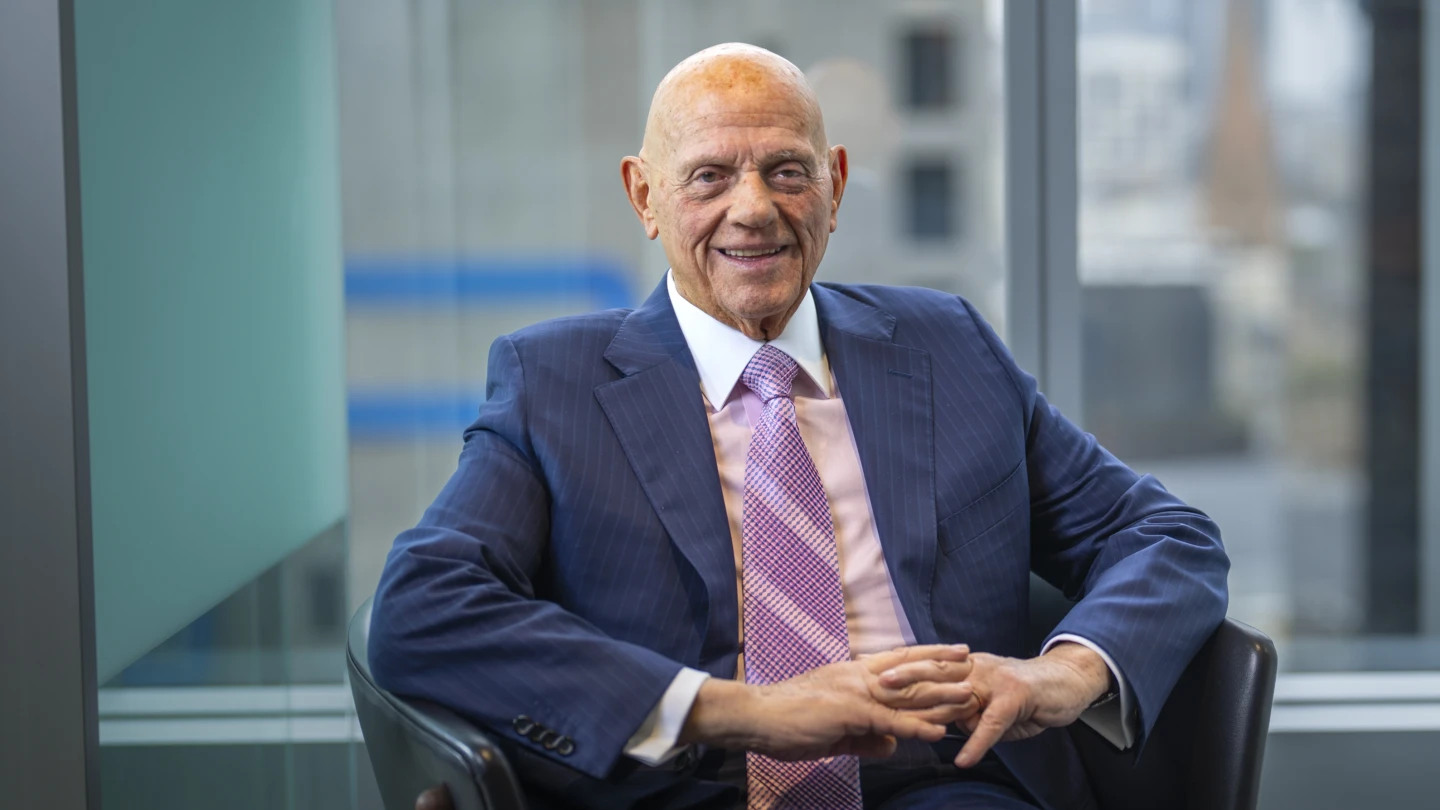
    In the wake of Premier Investment’s FY25 results, Chairman Solomon Lew highlighted the company’s robust balance sheet and hinted at impending merger and acquisition ventures. Despite navigating decades of fluctuating retail cycles under Lew’s guidance, Premier continues to see itself as a potential buyer in a market where others are struggling. The challenge lies in leveraging their financial power to diversify into new categories during a time of significant change in the retail sector.

    Prospects in Health and Beauty

    Lew has previously expressed interest in expanding into the health, beauty, and cosmetics sector, given its resilience through economic cycles and the sector’s strong emphasis on branding. However, this sector is highly competitive, with global giants such as L’Oreal and Estee Lauder dominating the market. Companies looking to compete in this space must be prepared to either purchase established equity or heavily invest in marketing and product development.

    According to retail consultant Danny Lattouf, the health and beauty sector is particularly attractive to investors due to its high profit margins, frequent purchase cycles, and emotional appeal. However, he cautions that Premier’s success would hinge on identifying a unique brand with potential for growth, rather than becoming just another competitor in an already saturated market.

    A Tale of Contrasting Fortunes

    Premier’s primary brands – Smiggle and Peter Alexander – are experiencing markedly different trajectories. Smiggle, once a global growth story, is now under pressure due to leadership instability and an ongoing investigation into workplace misconduct. This has resulted in a 22.5% decline in group profit to $144 million in FY25. On the other hand, Peter Alexander saw sales increase by 7.7% to $548 million in FY25 due in part to its broad appeal across demographics and strong giftability.

    Legacy and Leadership

    Few individuals have had as significant an impact on Australian retail as Solomon Lew. He is known for his resilience, adaptability, and ability to navigate changes in the retail landscape. However, Lew’s leadership style and legacy of opportunistic deals may also pose challenges, particularly for brands in need of reinvention, not just resilience.

    Lew’s fiscal conservativism, illustrated by his aversion to debt, has safeguarded the company during economic downturns. However, as he prepares to join the Myer board as a non-executive director, it remains to be seen how his leadership style will continue to shape Premier’s direction and influence broader department store strategies.

    The Future of Premier in Retail Landscape

    As Premier evolves, it faces the question of whether it remains a leader in Australian retail or has become a niche portfolio business. Premier’s cash reserves and agility set it apart from many of its listed peers, but the company also risks over-reliance on a few brands.

    The future of Premier may be characterized by expansion into new categories, possibly the beauty sector. However, such a pivot would require a balancing act of financial discipline and creative brand building.

    Questions & Answers

    What challenges does Premier Investments face in diversifying into new categories like health and beauty?
    Ans: The health and beauty sector is highly competitive, dominated by global brands and fast-growing disruptors. Therefore, Premier would need to identify a unique brand with growth potential or be prepared to heavily invest in marketing and product development.

    How are Premier’s primary brands, Smiggle and Peter Alexander, performing?
    Ans: Smiggle is facing challenges due to leadership instability and an ongoing investigation into workplace misconduct, resulting in a decline in group profit. Conversely, Peter Alexander is experiencing growth, with a 7.7% increase in sales in FY25.

    What potential risks does Solomon Lew’s leadership style pose for Premier?
    Ans: Lew’s legacy of opportunistic deals and his preference for control could pose challenges for brands that need reinvention rather than just resilience. His aversion to debt, while offering protection in downturns, may also limit the company’s ability to seize new opportunities.

  • Surge in Demand for Electric Motorbikes Sparks Excitement in Vietnam’s Retail Market

    Surge in Demand for Electric Motorbikes Sparks Excitement in Vietnam’s Retail Market

    Sales of electric motorbikes surged in the first eight months of the year, outpacing traditional gasoline-powered bikes and signaling a shift in consumer preference.

    A Boom in Electric Motorbike Sales

    Electric vehicles, particularly those that don’t require a driver’s license, experienced an astonishing 89% increase in sales year-on-year. For those requiring a license, the growth was even more dramatic, soaring by 197%. In contrast, traditional gasoline motorbikes saw a more modest sales increase of 14.8%, as reported by the research platform Motorcycles Data. Overall, Vietnam’s motorbike market witnessed 2.08 million units sold across all categories, marking a notable 15.2% rise.

    The Leaders of the Market

    In terms of market dominance, Honda and Yamaha remained juggernauts, closely followed by VinFast. Honda recorded a sales uptick of 6.3%, while VinFast’s sales skyrocketed by 447% compared to the previous year. Meanwhile, Yamaha faced a downturn, with an 8.6% drop in sales.

    Why the Shift Towards Electric?

    Industry analysts attribute the explosive demand for electric motorbikes to their lower operating costs, making them increasingly attractive to consumers. Additionally, government initiatives are playing a pivotal role in this shift. Hanoi is set to gradually ban internal combustion engine motorbikes starting in July 2026, and Ho Chi Minh City is exploring similar restrictions.

    Promotional Pushes Fuel Demand

    With these impending restrictions on the horizon, manufacturers are ramping up promotions to capture the attention of potential buyers. Incentives such as cash discounts, complimentary accessories, and trade-in support for those switching from gasoline bikes to electric are becoming standard practice. Notably, the back-to-school season has also contributed to the increased sales, as parents are keen on purchasing electric motorbikes that their children can ride legally without needing a license.

    VinFast Eyes Ambitious Sales Goals

    VinFast currently holds the largest market share in the electric motorbike segment. The company has set an ambitious goal of selling approximately 1.5 million electric motorbikes by 2026 through its network of over 600 distributors nationwide. For context, Honda’s sales figures in 2024 stood at around 2.14 million, illustrating the competitive landscape.

    A Growing Global Presence

    As electric motorbike sales continue to surge, Vietnam now ranks as the third-largest electric motorbike market globally, trailing only behind China and India. With brands like Yadea, Dat Bike, Selex Motors, and HK Bike also carving out significant market shares, the landscape looks poised for a vibrant future.

    Questions & Answers

    What sparked the rapid rise in electric motorbike sales in Vietnam?
    The surge in electric motorbike sales is largely due to their lower operating costs, supportive government policies, and the anticipation of restrictions on gasoline motorbikes in major cities.

    Which brands are leading the electric motorbike market?
    Honda dominates the overall motorbike market, but VinFast is now the leader in the electric segment, achieving an impressive growth of 447% in sales.

    How does Vietnam’s electric motorbike market compare globally?
    Vietnam currently stands as the third-largest electric motorbike market in the world, following China and India, highlighting the rapid adoption of electric vehicles among consumers.

  • AI Agents Spark a Revolutionary Transformation in Software Development

    AI Agents Spark a Revolutionary Transformation in Software Development

    In the rapidly evolving commercial landscape of the Asia-Pacific (APAC) region, businesses are making significant investments in agentic AI in a bid to maintain their competitive edge. According to IDC, a striking 70 percent of APAC companies anticipate that agentic AI will revolutionize business models within the next 18 months. By 2025, nearly 40 percent of these organizations are expected to integrate AI agents into their operations, with over half planning implementation by 2026.

    Opportunities and Risks in the AI Landscape

    While the adoption of AI agents presents vast opportunities, it comes with an array of risks attributable to their high degree of autonomy. Each data source, static AI model, and agent—whether internal or external—acts as an additional potential point of failure, prompting increased vigilance at the board level. Recent research from Lenovo indicated a lack of confidence among IT leaders; only 48 percent felt equipped to manage the risks associated with AI development and deployment, with more than 60 percent acknowledging the emergence of AI agents as a new form of insider threat that they are ill-prepared to handle.

    Expanding Horizons: The Complex Layer of Risks Beyond Security

    The surge of AI agents has transformed not only the methods of software creation but also how it is governed and managed, introducing a host of new challenges. IDC estimates that one-third of organizations in APAC are apprehensive about vulnerabilities tied to security and data privacy associated with AI agents—yet these concerns extend far beyond those parameters.

    Failing to appropriately score common vulnerabilities and exposures (CVEs) could allow threats to slip through, while overly strict thresholds may inundate developers with false positives, draining time and resources that could be better spent addressing genuine incidents. The entanglements in the software supply chain compound these challenges, as many agentic systems leverage open-source software and pretrained models, making them vulnerable to exploitation. Just one compromised package or even a mere leaked token in a public repository can unleash failures that propagate far beyond their initial source.

    Navigating Governance and Compliance in the Age of AI

    The risks associated with governance and compliance cannot be overlooked. The inherent autonomy of agentic systems raises unique challenges, including opaque decision-making that impairs accountability, potentially unsafe or rogue behaviors that defy human intent, and biases embedded in training data that can lead to unjust outcomes. Adding to this complexity are shadow AI/ML agents operating outside institutional oversight, creating an environment rife with undetectable risks.

    Revolutionizing Software Security and Delivery: The Workload is Massive

    With stakeholders demanding full transparency—right down to the binary level of machine learning models—policymakers are moving swiftly to address these risks through stricter regulations. In India, for instance, lawmakers are advocating for mandatory AI bills of materials. This intensifies the pressure on businesses across APAC to demonstrate compliance and provide clarity on the actions of their AI agents, adding a colossal compliance burden across development teams. The focus is shifting from merely accelerating the rollout of AI agents to ensuring the security, explainability, and compliance of every component in real time.

    Forging Sustainable Strategies Amid an Agentic Software Revolution

    Today’s developers are expected to juggle roles as compliance officers, AI custodians, and security experts. However, simply adding more tools will likely result in greater silos and blind spots. To effectively manage these risks while fostering a culture of trust, enterprises must pivot their approach. Here are some actionable strategies:

    Create a Trusted AI Agent System of Record: Position agents as pivotal assets in the software supply chain by maintaining comprehensive tracking of code, configurations, prompts, and credentials. By ensuring cryptographic audit trails and contextual metadata, enterprises can streamline agentic innovation while satisfying regulatory demands.

    Embrace a Human-Agent Hybrid Development Model: Automatic oversights alone cannot safeguard compliance. Developers should focus on overarching architecture, governance, and intent, while agents take on tasks such as coding and testing. Automating vulnerability remediation is a practical step toward freeing developers to focus on secure innovation.

    Nurture the Next Generation of Agentic Engineers: A new hybrid role is emerging—combining programming skills with machine learning expertise and compliance knowledge. These agentic engineers will design systems that foresee risks, embed governance into workflows, and facilitate real-time monitoring of agent behaviors, thus paving the way for more secure and compliant software delivery.

    The Path Ahead: AI Agents in a Transformative Era

    The seismic shifts in software development are undeniable, compelling organizations to adapt or risk obsolescence. Much like how the rise of open source necessitated a focus on secure software supply chains, the emergence of agentic AI demands an evolved approach to audit and trust infrastructure. APAC organizations that embrace this holistic strategy stand to not only mitigate risks but also equip their teams for swift innovation using AI agents and other transformative technologies on the horizon.

    Questions & Answers

    What is agentic AI, and why is it significant for APAC businesses?
    Agentic AI refers to autonomous AI systems that can independently perform tasks and make decisions. Its significance lies in its potential to disrupt business models and operations, prompting companies in APAC to adopt it to stay competitive.

    What primary concerns do IT leaders have regarding AI agents?
    IT leaders are primarily concerned about managing the risks of AI agents, with many feeling inadequately prepared to handle issues like insider threats and compliance challenges that arise from increased autonomy in these systems.

    How can organizations improve their approach to AI governance?
    Organizations can enhance their governance strategies by creating comprehensive systems to track AI assets, adopting a hybrid development model that incorporates both human oversight and automation, and investing in training for a new breed of engineer skilled in AI, compliance, and risk management.


  • Challenges Facing Vietnam: The Urgent Need for Retirement Homes for an Aging Population

    Challenges Facing Vietnam: The Urgent Need for Retirement Homes for an Aging Population

    Vietnam is on the cusp of a demographic shift, with 16.1 million citizens aged 60 and above, representing 16% of the population. By 2038, this figure is expected to climb to 20%, and further to 25% by 2050, according to projections. As the nation grapples with an aging populace, experts suggest a significant opportunity lies in elderly care—a sector ripe for investment within real estate and services.

    Current Landscape of Elderly Care Facilities

    However, the reality is stark: the availability of assisted living facilities in Vietnam is limited. Data from the Vietnam Association of Realtors (VARS) indicates that the country hosts only a few dozen such facilities, both public and private. These establishments primarily offer basic care, lacking crucial services like medical treatment, nutrition plans, and engaging communal activities. In Ho Chi Minh City, the numbers tell a familiar tale—just seven public and 13 private facilities operate, and while six of these offer free services funded by donations, the overall capacity remains constrained.

    Investment Interest Despite Challenges

    In light of these challenges, some major developers are stepping up to the plate, expressing interest in constructing and managing retirement homes. However, they must navigate hurdles including the need for expansive land, substantial long-term investment, and a workforce skilled in healthcare and social services. Notably, the profit margins in this sector are generally lower compared to conventional residential housing.

    For instance, Vingroup is collaborating with Japan’s Well Group to develop a luxury retirement facility in Hanoi, while Sun Group has unveiled plans for the Sun Urban City project in Ha Nam Ward, which will integrate a hospital, senior living amenities, and community gathering spaces. Additionally, Tran Anh Group has earmarked over 20 hectares in Long An Province for a premium retirement home, and Novaland along with VinaLiving are advancing projects in Phan Thiet and Quy Nhon.

    Barriers to Growth

    Yet, it’s not all smooth sailing. A local real estate developer highlights the significant barrier posed by the absence of a comprehensive legal framework guiding the development of retirement housing. Coupled with the reality of low elderly incomes in Vietnam—where the average monthly pension was around VND6.2 million (approximately US$230) at the end of last year—there are substantial obstacles to navigate. Basic elderly care in major cities starts at VND10 million ($380) monthly, with premium packages priced between VND16-22 million ($610-830).

    The upward trend in expenses, which grow at 10-15% annually, starkly contrasts with a yearly increase in pensions limited to 5-7%. Unlike many developed countries, where insurance or government supports senior care costs, in Vietnam the responsibility largely falls on families. As VARS IRE pointedly states, “As long as costs are higher than incomes, demand alone will not be enough to encourage investment.”

    Seeking Solutions Through Policy Change

    Pham Thi Mien, deputy director of VARS IRE, emphasizes the need for stability in policies and regulations to alleviate investor concerns over cash flow and profitability. “Senior housing must be profitable to be sustainable; otherwise, it will encounter the same issues as social housing,” she warns.

    Nguyen Van Dinh, vice chairman of VARS, reiterates this sentiment, stating that the lack of government support for retirement homes makes investors wary. He asserts that the aging population creates ripe opportunities for those willing to enter the market early. Experts advocate for government intervention through land provisions, credit facilities, tax incentives, and an improved legal framework for senior housing.

    Proposals include launching adult daycare centers in populated areas, where seniors can spend their daytime under supervision. These centers would offer basic services, foster community interaction, and address both medical and emotional needs. At a recent conference, Party General Secretary To Lam noted that while adult daycare centers represent a fitting response to the needs of Vietnam’s aging demographic, progress has been sluggish. He encouraged greater involvement from the private sector, reminding attendees that many seniors are often left alone during the day while their families are occupied with work or school obligations.

    Questions & Answers

    What is the current percentage of Vietnam’s population aged 60 and above?
    Currently, 16.1 million people, or 16% of Vietnam’s population, are aged 60 and older. This figure is projected to rise to 20% by 2038 and 25% by 2050.

    What challenges do developers face when investing in elderly care facilities in Vietnam?
    Developers contend with various hurdles, including the need for ample land, significant long-term investment, a skilled workforce in healthcare and social services, and a lack of a reliable legal framework.

    How do costs of elderly care compare to available pensions in Vietnam?
    Basic elderly care costs at least VND10 million ($380) monthly, while the average pension was just VND6.2 million ($230), creating a significant mismatch that discourages investment in the sector.

  • FairPrice Group Unveils Innovative Digital Tools to Enhance Your Shopping Experience

    FairPrice Group Unveils Innovative Digital Tools to Enhance Your Shopping Experience

    FairPrice Group (FPG) is stepping into the future of retail with a suite of digital tools aimed at enhancing the shopping experience for travelers in Singapore. This innovative move opens the door for cross-border mobile payment acceptance across more than 500 FPG outlets, which include supermarkets, convenience stores, pharmacies, and bustling food courts.

    Visitors to Singapore can now use their home e-wallets or bank applications from 18 international partners, ensuring that travelers from 12 different countries and regions can shop with ease. This initiative is made possible through a partnership with Ant International, setting the stage for a digital revolution in retail.

    Cheers on Alipay: A Mini App Marvel

    In a notable first, FPG has also unveiled the Cheers Mini App on Alipay, making Cheers the only convenience chain in Singapore with a dedicated mini app. This consumer-friendly app serves as a digital concierge, specifically designed to assist Chinese tourists throughout their visit. With its user-friendly interface, travelers can curate shopping lists before arriving, redeem in-app vouchers upon landing, and receive tailored, location-based product recommendations during their stay.

    This tactical approach is complemented by a curated catalog of over 500 products for pre-departure gift shopping, complete with store mapping to ensure easy pick-up. Selected Cheers outlets located at key tourist hotspots—including Changi Airport, prominent hotel districts, and well-known attractions—are stocked with Singapore-themed souvenirs and travel essentials, appealing to every whimsical traveler’s heart.

    Powering Up with AI Innovations

    Ant International enriches this digital experience with AI-powered tools through Alipay+, enhancing personalized engagement, security in transactions, and smarter product discovery. Peng Yang, CEO of Ant International, expressed enthusiasm for the partnership, stating, “AI-powered digitization tools of Alipay+ will help partners obtain and engage consumers in richer, imaginative, and safer ways. We look forward to a long and exciting journey with partners like FairPrice Group to unlock more local and regional growth opportunities.”

    This collaboration allows FPG to provide an end-to-end digital shopping experience while drawing on the insights generated from AI-driven tools. Vipul Chawla, group CEO of FPG, articulated the ambition behind the partnership, noting that it enables Cheers to offer discovery, transactions, and rewards all on one platform, thus redefining retail for Chinese tourists and painting a more vibrant shopping canvas.

    The Cheers Mini App on Alipay is now live and ready to greet Chinese tourists eager to explore Singapore’s retail landscape, making their shopping experience not just convenient but also an adventure unto itself.

    Questions & Answers

    What digital tools has FairPrice Group introduced for travelers in Singapore?
    FairPrice Group has launched a suite of digital tools, including cross-border mobile payment acceptance across over 500 outlets and the Cheers Mini App on Alipay, aimed specifically at enhancing the shopping experience for travelers.

    What features does the Cheers Mini App offer to travelers?
    The Cheers Mini App allows visitors to create shopping lists, redeem in-app vouchers upon arrival, and receive tailored product recommendations based on their location during their stay in Singapore.

    How does Ant International contribute to this partnership?
    Ant International provides AI-powered tools through Alipay+ that enhance personalized engagement and secure transactions, enabling FairPrice Group to offer a comprehensive, digitized shopping experience for travelers.

  • CJ Foods Launches First Production Plant in Japan, Bolstering K-Food’s Global Reach!

    CJ Foods Launches First Production Plant in Japan, Bolstering K-Food’s Global Reach!

    CJ Foods has embarked on an ambitious journey in Japan by inaugurating its first production facility, marking a significant milestone in the expansion of Korean cuisine in one of Asia’s most discerning markets. The new plant, strategically located in Kisarazu City, Chiba Prefecture, spans 8,200 square meters on a sprawling 42,000-square-meter site and comes with a hefty investment of approximately $73 million (KRW 100 billion). This facility is noteworthy not only for its size but also as the first production site established by a Korean food company in Japan, with plans to manufacture the popular bibigo mandu for nationwide distribution.

    While CJ Foods already operates four dumpling factories in Japan following its acquisition of Gyoza Keikaku in 2020, the Chiba facility stands out as the company’s inaugural plant built from the ground up. This development is part of a broader strategy to enhance local sourcing capabilities, optimize supply chain efficiency, and expand market share in Japan’s vibrant frozen dumpling sector.

    The Japanese frozen dumpling market, valued at approximately $825 million (KRW 1.1 trillion), is currently dominated by gyoza-style dumplings, which account for more than half of total sales. The love affair with bibigo products is clearly on the rise — alongside the 28% surge in CJ Foods’ dumpling sales, the company also reported a striking 27% uptick in overall food sales within Japan during the first half of 2025.

    To further bolster its reach, CJ Foods has entered into a partnership agreement with ITOCHU Corporation, a formidable player in food distribution that owns the major distributor NIPPON ACCESS and the convenience store chain FamilyMart. This collaboration promises to enhance CJ Foods’ distribution network across the country.

    “The Chiba plant is a key step for our growth and sustainability in Japan,” remarked CJ Foods Vice Chairman Kang Sin-ho during the opening ceremony. “Through continuous innovation, we will speed up the global expansion of K-food.” With the Korean Wave showing no signs of slowing down, Japan emerges as CJ Foods’ next strategic market following its endeavors in the United States.

    CJ Foods’ offerings, including bibigo mandu, frozen gimbap, and an array of Korean sauces, are already available through major retailers such as AEON, Costco, Amazon, Rakuten, Don Quijote, and Ito-Yokado. In a remarkable showing, bibigo gimbap alone sold around 2.5 million units at AEON and Costco in 2024.

    Questions & Answers

    What is the significance of CJ Foods opening its new plant in Japan?
    The new plant in Kisarazu City marks CJ Foods’ first facility built in Japan by a Korean food company, aiming to enhance local sourcing and efficiency while expanding its market share in the growing frozen dumpling sector.

    How have CJ Foods’ sales performed in Japan recently?
    In early 2025, CJ Foods reported a 28% increase in dumpling sales and a 27% rise in overall food sales in Japan, reflecting a growing demand for its products.

    What strategic partnerships has CJ Foods established to strengthen its presence in Japan?
    CJ Foods has signed a partnership with ITOCHU Corporation, enhancing its distribution network through ITOCHU’s extensive reach, which includes major food distribution and convenience retailing.

  • Thailand’s Rice Exports Face 10-Month Decline: What It Means for the Global Market

    Thailand’s Rice Exports Face 10-Month Decline: What It Means for the Global Market

    Thailand’s rice exports have plunged 30% year-on-year, reaching just US$3.94 billion in August, marking a grim milestone as the country endures a 10th consecutive month of decline.

    According to the Ministry of Commerce’s Trade Policy and Strategy Office, export volume also slipped, down 16.9% to 739,497 tonnes during the same month. The downturn has impacted major markets, including the U.S., South Africa, Senegal, Iraq, and Mozambique, with few bright spots in shipments to Cameroon, China, Malaysia, Hong Kong, and Canada, where demand surprisingly increased.

    Over the first eight months of the year, Thailand’s total rice exports have exceeded 5 million tonnes, reflecting a significant drop of 24.1% compared to the previous year. This substantial decrease comes at a time when domestic rice prices are also trending downward. As reported by the Thai Rice Millers Association, the price of white rice stood at THB6,500-6,700 (approximately US$201-208) per tonne as of Wednesday, which is a THB200 reduction from just a week earlier. Meanwhile, jasmine rice prices appear to be holding steady at THB15,500-16,000 per tonne.

    Market Forces at Play

    With rice being a staple in many households, these shifts in Thailand’s export landscape are raising eyebrows and prompting discussions about broader agricultural strategies. While exports slump, rice’s domestic pricing trends indicate potential shifts in supply and demand that could reverberate throughout the economy.

    Unexpected Bright Spots

    As Thailand grapples with these export challenges, the uptick in shipments to certain countries could signal changing consumer preferences or emerging markets that are keen to fortify their rice supply chains. Amidst the sea of declines, it’s a little like finding a pearl in an oyster—a rare but valuable indication that opportunities still exist.

    What’s Next for Thai Rice?

    Analysts are now closely monitoring how this continuing export decline could affect local farmers, as agricultural livelihoods hang in the balance. As Thailand strives to maintain its position as one of the world’s top rice exporters, the path forward is uncertain but undoubtedly crucial.

    Questions & Answers

    How significant is the decline in Thailand’s rice exports?
    The decline is quite significant, with a 30% drop year-on-year in August, reflecting continued challenges in Thailand’s rice export market.

    Which markets experienced a decrease in rice imports from Thailand?
    Major markets like the U.S., South Africa, Senegal, Iraq, and Mozambique reported declines in rice imports, demonstrating the broad impact of these export challenges.

    What are the current domestic rice prices in Thailand?
    As of Wednesday, domestic prices for white rice were reported between THB6,500-6,700 (about US$201-208) per tonne, showing a slight decrease, while jasmine rice prices remained stable at THB15,500-16,000 per tonne.

  • AirAsia Sets Sights on Vietnam Expansion, Overcoming Previous Challenges for a Fresh Start

    AirAsia Sets Sights on Vietnam Expansion, Overcoming Previous Challenges for a Fresh Start

    CEO Tan Sri Tony Fernandes recently shared insights about AirAsia’s long-cherished ambitions to penetrate the Vietnamese market, emphasizing the discussions currently in progress, but reminding that agreements can be elusive. “I have long wanted to operate in Vietnam. As an ASEAN airline, it makes sense to be in one of the region’s most promising markets,” he stated in an interview.

    A Regional Expansion Agenda

    In addition to Vietnam, AirAsia is exploring opportunities in Laos and Brunei. Curiously, Myanmar and Singapore remain the only ASEAN markets untouched by the airline’s expansion efforts. On the prospects in Singapore, Fernandes remarked, “I have always fought for operations in Singapore; however, I think we have given up on the plan.” This candid admission reflects the strategic challenges AirAsia faces in one of Southeast Asia’s most competitive aviation hubs.

    A Dream Deferred

    As Fernandes approaches retirement, he remains resolute in his vision to broaden AirAsia’s regional footprint. “My dream before I leave this job is to be in as many ASEAN countries as possible. I am very keen on Vietnam,” he declared. Operating under investment holding company Capital A, AirAsia already boasts air operator certificates in Malaysia, Thailand, Indonesia, the Philippines, and Cambodia, laying a solid groundwork for ambitious growth.

    Building Bridges in Vietnam

    While specifics remain under wraps, discussions in August between representatives from T&T Group and Capital A with leaders from Quang Tri Province marked a significant step forward. The talks revolved around creating an aerospace industrial complex and urban airport area in the province. T&T Group, with diverse interests in property, agriculture, and infrastructure, aims to establish a comprehensive aviation ecosystem that encompasses logistics and airline operations.

    The company is also on track with the construction of Quang Tri Airport, investing over VND5.8 trillion (approximately US$220 million). Currently, AirAsia services international flights to Vietnam from regional countries like Thailand, Malaysia, and Cambodia, but it has yearned to enter the domestic aviation market for two decades. Unfortunately, previous partnerships have not materialized, curiously resembling a romantic chase that ends time and again in the friend zone. The most recent attempt in 2019, when AirAsia and local company Hai Au severed ties regarding their joint venture, was a disappointing turn in its Vietnamese ambitions.

    Historically, the airline has engaged with various partners, including Pacific Airlines, Vinashin, and Vietjet, but none have successfully taken flight. Nevertheless, Fernandes’s determination to secure a position in Vietnam signals an unwavering commitment to AirAsia’s future in one of Asia’s aviation leaders.

    Questions & Answers

    What challenges has AirAsia faced in entering the Vietnamese market?
    AirAsia has grappled with unsuccessful partnerships over the years, including failed ventures with local companies like Hai Au, and has struggled to formalize agreements despite ongoing negotiations.

    What are AirAsia’s current expansion plans in ASEAN?
    AirAsia aims to extend its operations not only in Vietnam but is also in preliminary discussions regarding market entries in Laos and Brunei, while focusing on tightening its grip on existing operational countries.

    How is T&T Group involved in AirAsia’s plans for Vietnam?
    T&T Group has been in talks with AirAsia to develop an aerospace industrial complex and airport urban area in Quang Tri Province, contributing to AirAsia’s aspirations to create a comprehensive aviation ecosystem in Vietnam.

  • Skillsfuture Jobseeker Support Scheme Approves Nearly 2,900 Applications Amid Economic Challenges

    Skillsfuture Jobseeker Support Scheme Approves Nearly 2,900 Applications Amid Economic Challenges

    In a recent update, nearly 2,900 applications submitted between the launch of the SkillsFuture Jobseeker Support scheme in April and August have been approved. Minister for Manpower Tan See Leng revealed this information while responding to parliamentary inquiries on Tuesday.

    A deep dive into the demographics shows that most applicants fall within the age bracket of 26 to 40, highlighting a significant segment of the workforce seeking assistance during these challenging economic times. However, for those who didn’t make the cut, the reasons for rejection were notably clear. The top three reasons included being not involuntarily unemployed, exceeding a monthly income of S$5,000, or failing to have worked for at least six months within the past year.

    Tan has made it clear that unsuccessful applicants still have the option to appeal on a case-by-case basis. “We have held the line in these cases, as the JS scheme is meant to support those made unemployed involuntarily… rather than those who have chosen to leave,” he noted in comments reported by The Business Times. In instances of ambiguity regarding an applicant’s unemployment status, Workforce Singapore (WSG) takes the initiative to verify claims with employers, ensuring a thorough assessment.

    Eligibility Criteria for Support

    The SkillsFuture Jobseeker Support scheme is available for Singaporeans aged 21 and above, provided they have worked at least six months in the past year with an average monthly income of S$5,000 or less. To qualify, applicants must have faced unemployment due to uncontrollable circumstances, including retrenchment, company closures, or terminations linked to illness, injury, or accident. Additionally, their residential property value must not exceed S$31,000, a detail not lost on those navigating the tricky waters of financial support.

    Supporting the Workforce

    At the scheme’s launch, the government anticipated that it would benefit around 60,000 residents each year. WSG, which oversees the program, carefully verifies unemployment claims, collaborating with previous employers when needed. It’s not just about financial support; successful participants are expected to actively engage in their job searches by attending activities like career coaching or networking events, earning points to maintain their eligibility. Think of it as a game — the more you engage, the better your chances of leveling up in your job search.

    In his address, Tan also underscored the government’s commitment to collaborating with employers and the labor movement to enhance awareness of the program. Companies facing necessary retrenchments are encouraged to facilitate worker applications, emphasizing community support. Regular reviews of the scheme are planned to ensure it continues to meet the evolving needs of those it aims to assist.

    Questions & Answers

    What is the main purpose of the SkillsFuture Jobseeker Support scheme?
    The scheme is designed to support Singaporeans who have become unemployed involuntarily, helping them find new job opportunities during challenging times.

    Who qualifies for the Jobseeker Support scheme?
    Eligibility is restricted to Singaporeans aged 21 and above, who have worked in Singapore for at least six months within the past year, with a monthly income of S$5,000 or less. They must also demonstrate that their unemployment was due to factors beyond their control.

    What are the consequences of being rejected from the scheme?
    Rejected applicants have the option to appeal their cases on an individual basis, allowing them a chance to challenge the decision made regarding their eligibility.

  • Miniso Announces Exciting Spin-Off of Top Toy to Launch on Hong Kong Stock Exchange!

    Miniso Announces Exciting Spin-Off of Top Toy to Launch on Hong Kong Stock Exchange!

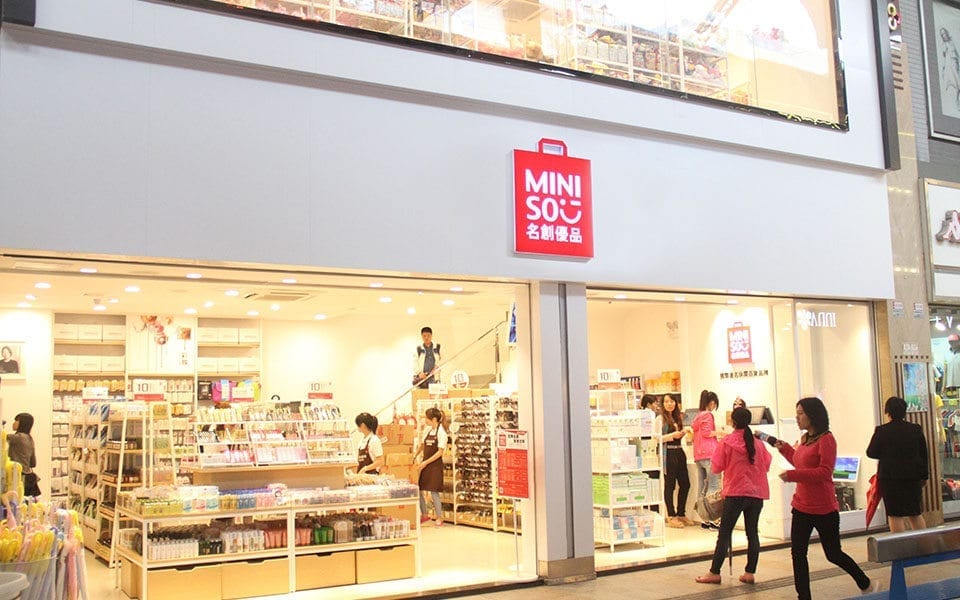
    People walk past a store of Chinese retailer MINISO Group in Beijing, China Sept. 13, 2021. Photo by Reuters

    Miniso announced on Friday its plans to spin off its brand Top Toy and launch its initial public offering (IPO) in Hong Kong, riding a wave of enthusiasm for Chinese toymakers while underscoring the city’s resurgence as a global fundraising destination.

    UBS, JP Morgan, and CLSA are set to serve as overall coordinators for the IPO, as Miniso, based in Guangzhou, takes this significant step. The Top Toy brand, which will remain under Miniso’s umbrella after the spin-off, specializes in collectible toys inspired by pop culture. The decision to pursue a spin-off was initially hinted at by Miniso in June, reflecting growing confidence in Top Toy’s potential as an independent entity.

    Since its humble beginnings in late 2020 with just nine stores across five Chinese cities, Top Toy has dramatically increased its footprint, boasting 293 locations by June, including recent ventures into international markets as of late December 2024. Indeed, if the numbers are anything to go by, Top Toy is on a trajectory that may well surprise even the most seasoned retailers.

    This IPO follows the impressive rise of Chinese toymaker Pop Mart International Group, whose adorable Labubu dolls have captured hearts around the globe. It also underlines Hong Kong’s position as a premier fundraising hub for Chinese firms, particularly as U.S. lawmakers contemplate delisting Chinese companies from their stock exchanges.

    So far this year, Hong Kong has solidified its standing as the leading global stock exchange by the volume of IPOs and second listings combined, surpassing its main competitor, the New York Stock Exchange, according to data from LSEG. Moreover, reports suggest that other Chinese firms, such as autonomous driving developer Momenta, are also considering shifting their IPOs to Hong Kong from New York, as they navigate these turbulent waters.

    Miniso has highlighted that by spinning off Top Toy, it aims to enhance operational and financial transparency. A standalone structure is poised to make the brand more attractive to investors seeking clarity and potential growth.

    Questions & Answers

    What is Miniso’s recent strategic move regarding Top Toy?
    Miniso plans to spin off its Top Toy brand and list it through an IPO in Hong Kong, reflecting a growing confidence in the brand’s potential as an independent operation.

    How has Top Toy’s expansion evolved since its launch?
    Since its inception in late 2020 with only nine stores, Top Toy has expanded rapidly to 293 locations as of June, including an international market push that began in late 2024.

    Why is Hong Kong considered a favorable location for IPOs at this time?
    Hong Kong has emerged as a top global fundraising hub for Chinese companies due to a wave of IPO activity and the increasing uncertainty surrounding U.S. market listings for Chinese firms.

  • Vingroup Launches Construction of Vietnam’s Largest LNG Power Plant, Paving the Way for Energy Advancement

    Vingroup Launches Construction of Vietnam’s Largest LNG Power Plant, Paving the Way for Energy Advancement

    In Hai Phong, a new chapter in the region’s energy landscape is underway as Vingroup, along with VinEnergo, kickstarts the construction of a significant liquefied natural gas (LNG) power plant. This ambitious project, stretching across 100 hectares and boasting a capacity of 4,800 megawatts, is set to energize the national grid by 2030, marking a pivotal step towards a cleaner and more sustainable energy future.

    Eco-Friendly Energy Takes Center Stage

    The plant’s utilization of LNG—a cleaner alternative to coal and oil—promises to curtail emissions, dust, and toxic gases, illustrating the ongoing transition towards sustainable energy sources. Located at the Tan Trao Industrial Park, which recently had its groundbreaking ceremony, the facility represents more than just a power source; it’s a catalyst for eco-friendly industrial development.

    Building a New Industrial Hub

    The Tan Trao Industrial Park itself covers 227 hectares with an investment of VND4 trillion, orchestrated by Vingroup’s property arm, Vinhomes. Over the next five years, construction is set to reshape this area into a nexus of new industries and technologies, with an aim to attract tens of thousands of skilled professionals. Amidst the hustle and bustle of construction, one might even wonder if Hai Phong will soon become the Silicon Valley of Vietnam—minus the tech giants!

    Government Support Fuels Development

    During the groundbreaking ceremony, Prime Minister Pham Minh Chinh underscored the strategic importance of these projects, highlighting their potential to advance industrial growth, attract foreign investment, and boost green energy initiatives. He urged rapid progression in the development of both the power plant and industrial park, particularly focusing on attracting high-tech clients.

    Aiming for Acceleration

    The Prime Minister called for accelerated procedures to enable the LNG power plant to potentially be completed a year ahead of schedule, by 2029. This calls for cooperation with foreign investors for technology transfer and a gradual mastery of the necessary tech. “Vingroup should push up progress while ensuring quality, safety, and environmental hygiene, to create numerous high-quality jobs for the people of Hai Phong,” he stated emphatically.

    Vingroup’s Vision for the Future

    Nguyen Viet Quang, Vingroup’s vice chairman and CEO, echoed the Prime Minister’s sentiments by discussing the synergy between the industrial park and the power plant. He believes that this integrated development model has the potential to attract significant investments and promote sustainable growth throughout the nation.

    A Manufacturing Powerhouse

    Hai Phong is not just any city; it’s a key manufacturing hub for Vingroup’s automaker, VinFast. Since the factory’s inauguration in 2019, VinFast has been a major driver of economic growth, elevating Hai Phong’s standing among Vietnam’s top-performing localities in recent years. As these new developments unfold, the city is poised to become a beacon of innovation and economic opportunity in the region.

    Questions & Answers

    What is the capacity of the new LNG power plant in Hai Phong?
    The LNG power plant in Hai Phong has a capacity of 4,800 megawatts and is expected to be operational by 2030.

    How does the LNG power plant contribute to cleaner energy?
    By using liquefied natural gas, the plant significantly reduces emissions, dust, and toxic gases compared to traditional coal and oil, aiding Vietnam’s transition to cleaner energy sources.

    What strategic goals did Prime Minister Pham Minh Chinh outline for these projects?
    The Prime Minister emphasized the importance of accelerating development, attracting foreign investment, and promoting high-tech industries, all while ensuring quality and creating job opportunities in Hai Phong.