Author: Mei Ling Tan

  • China Telecom, Huawei complete 400GE tests

    China Telecom, Huawei complete 400GE tests

    China Telecom Guangzhou’s Research Institute and Huawei have completed the first 400 Gigabit Ethernet (400GE) test, confirming that the technology possesses the qualities required for commercial deployment.

    The tests over China Telecom Guangzhou’s network and terminal key laboratory verified 400GE port functions including line-speed forwarding, multi-service stacking, and fault reporting.

    China Telecom Guangzhou Research Institute was responsible for determining network requirements and test case design and overseeing the test. Huawei supplied backbone routers supporting 400GE port forwarding.

    Huawei said that under real-world network traffic conditions at full bandwidth 400GE ports experienced zero packet loss in line-speed forwarding.

    Multi-service stack tests also indicated that bundled 400GE and 100GE ports could implement precise load balancing, that the transmission distance was as far as 10 km and that protocol-based forwarding, loopback and fault reporting functions were all normal.

    The trial was conducted as part of the two companies’ 400GE R&D partnership, which they announced in 2016. This partnership is aimed at developing live-network service requirements, application scenarios, standards formulation, and technology R&D.

    “In the final release of the 400GE technology standard, China Telecom Guangzhou Research Institute and Huawei performed the world’s first 400GE port tests based on requirements of the live network, realizing a combination of network requirements and technical R&D,” China Telecom Guangzhou Research Institute IP technology research owner Zhu Yongqing said.

    “The test results reached expectations. In the future, we will cooperate with Huawei and other partners to promote development of the 400GE industry and maturation of the supply chain, ultimately driving the development of China Telecom’s network and the national broadband infrastructure.”

    The standardization process for 400GE is expected to be complete by the end of the year.

  • Cambodia aims to launch its first satellite in 3 years

    Cambodia aims to launch its first satellite in 3 years

    The Cambodian government plans to launch its first communications satellite by as early as 2021, and will conduct a feasibility study within a year.

    The satellite project is projected to cost around $150 million and the satellite will have a lifespan of seven years, the Bangkok Post reported, citing comments from an official at the Telecom Regulator of Cambodia (TRC).

    TRC and the Ministry of Post and Telecom have partnered with Royal Blue Skies and Beijing-based China Great Wall Industry Corporation, and these partnerships are expected to allow Cambodia to launch a satellite within three years, compared to the standard of seven, the official said.

    China Great Wall Industry Corporation already has experience launching a satellite in Laos and will be able to take this experience to the Cambodian project.

    The feasibility study will be used to gauge the potential demand for satellite services and determine how much the government should invest in the project.

    In March, a new subsea cable was launched connecting Cambodia with Malaysia and Thailand. The 1,300km Malaysia-Cambodia-Thailand (MCT) cable system was built by a joint venture between Cambodia’s EZECOM, Telekom Malaysia and Symphony Communication of Thailand.

  • Mitsubishi to accelerate R&D, capital spending

    Mitsubishi to accelerate R&D, capital spending

    Japanese automaker Mitsubishi is planning to inject more than 600 billion yen ($5.35 billion) in capital spending and research and development (R&D) over the next three years through fiscal 2019 in a bid to turn around its business after recent scandals, the Nikkei said.

    The new plan calls for spending 5 percent of annual sales on equipment and the same proportion on R&D.

    Funds will be used by the company for the development of electrified vehicles and for production in China and Indonesia.

    Mitsubishi Motors will release the specifics of the capital injection in a new medium-term plan due Wednesday, the business daily said.

  • Sussan Retail Group hones in on revitalised hub

    Sussan Retail Group hones in on revitalised hub

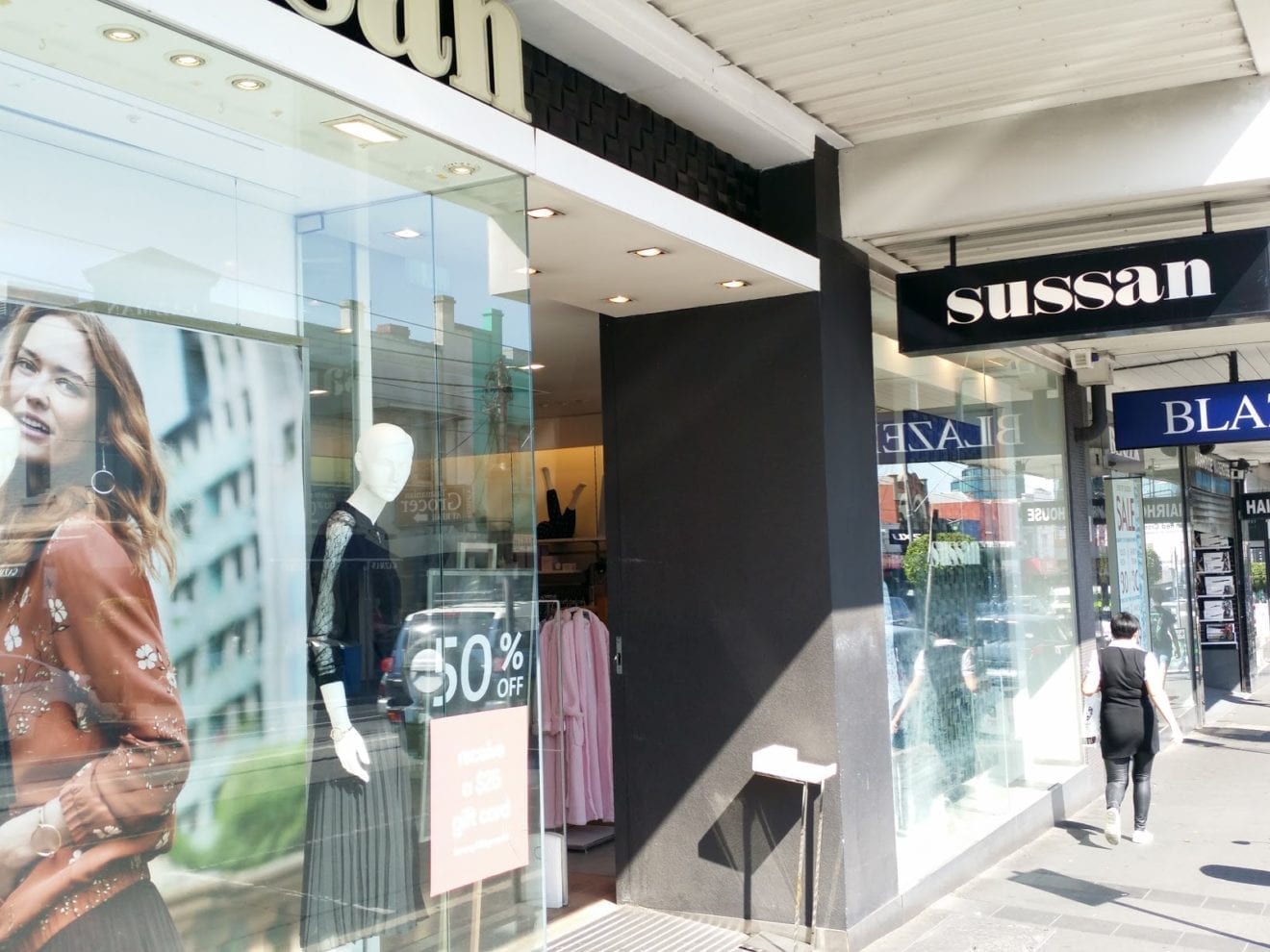
    The Sussan Retail Group will open a Sportsgirl outlet at Centre Road, Bentleigh in Melbourne, adding to its retail footprint on the revitalised strip that is attracting national tenants.

    The group, which already has its Sussan and Suzanne Grae stores on the road, has secured a five-year lease at over $80,000 per annum.

    Mark Talbot, Fitzroys division director, who secured the lease said there has been a string of national tenants seeking to lease prime retail spaces in the strip with Suzanne’s store openings representing a counter move to the perceived challenges of the current retail climate.

    “The renewal of the area around the train station and level crossing has seen traffic and pedestrian flows improved, and they see the project underpinning the growth of the strip in the long-term,” Talbot said.

    Talbot added that’s why the Sussan Retail Group chose the precinct for their new store as they see Centre Road as an established, secure, highly sought after location.

    Sportsgirl is expected to open ahead of the crucial Christmas trading period.

    According to Talbot, the growing number of residential projects around the area had further bolstered the immediate catchment of the strip, also creating further demand for food and hospitality services.

    Talbot said he has also just leased a nearby premises to cult burger restaurant and food truck Mr Burger, which has opened as the group’s first concept store with a new menu.

    It is also its first permanent location in Melbourne’s bayside region, which Talbot said again pointed to the security and high regard for the retail road.

    Fitzroys’ Walk the Strip report shows it is the more recent revolution of medium density mixed-use retail and residential developments that has further accentuated the extended trading cycles of centres such as Centre Road, Bentleigh and added to their vibrancy.

    Extended trading hours, social advancement and changes in entertainment trends and lifestyle choices have seen a proliferation of food and beverage outlets in the area, encompassing cafes, restaurants, take-aways or licenced premises.

    The Mr Burger lease was also struck at over $80,000 per annum.

  • Goobne grows in Hong Kong after China rebuff

    Goobne grows in Hong Kong after China rebuff

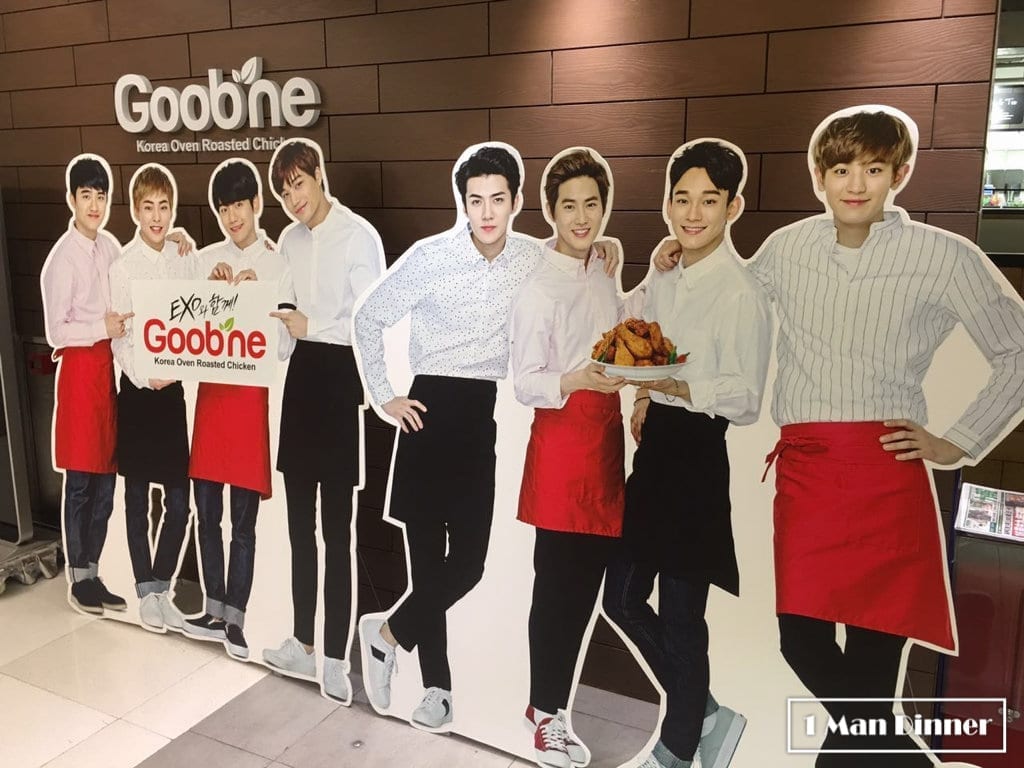
    Korean chicken franchise Goobne has opened a seventh outlet in Hong Kong, in a residential area in Tseung Kwan O.

    It is part of the brand’s strategy to focus on profitable markets as its business in Mainland China has been hit by the Beijing/Seoul dispute over the deployment of the THAAD missile system in South Korea.

    “We had two branches in China but now are left with one in Suzhou,” says a company spokesperson. “Our store in China is not very profitable.”

    Another chicken franchise, BBQ, which has more than 150 stores in China, said in May that it was unable to expand as its local partner refused to invest further in Korean firms.

    Goobne, meanwhile, has 11 stores in  Japan and Macau as well as China and Hong Kong. Its monthly sales overseas reached 1.5 billion won (US$1.3 million) on average this year, with its Hong Kong sales accounting for about 1.3 billion won.

    “We are doing well in Hong Kong,” says the spokesperson. “The first store in Tsim Sha Tsui alone showed more than 400 million won in sales monthly last year.”

  • New W hotel collaborates with Xu Zhi fashion label

    New W hotel collaborates with Xu Zhi fashion label

    Last week a fast-food brand partnered with a fast-fashion label: now a luxury hotel is teaming with a Chinese fashion label…

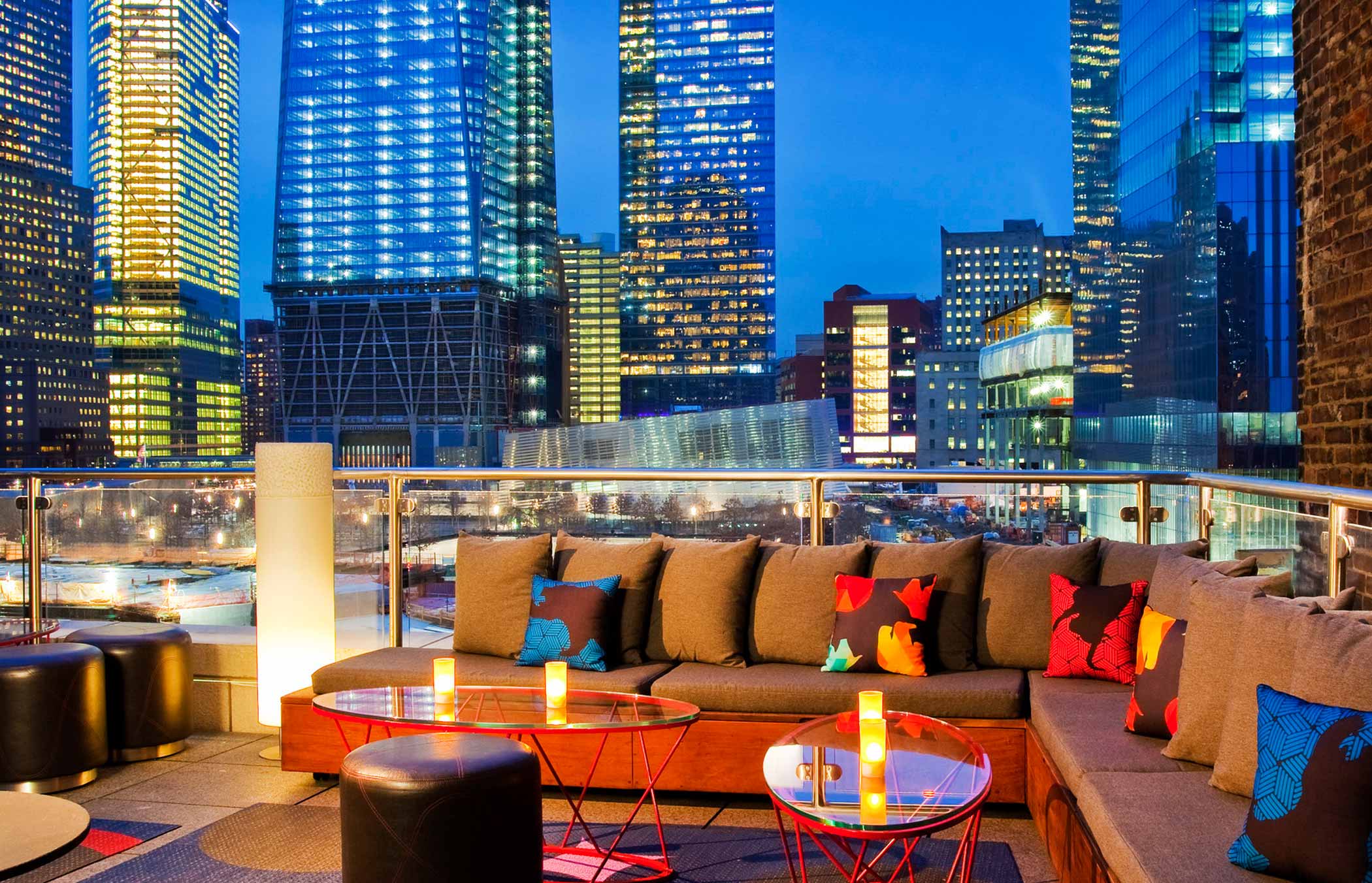
    In time for Shanghai Fashion Week, W Hotels Worldwide unveiled an exclusive capsule collection by Chinese fashion brand Xu Zhi to mark the opening of the first W hotel in Shanghai.

    Six distinct looks and several travel accessories make up the Xu Zhi for W Hotels collection, inspired by the city’s glamorous past as well as the edgy design of W Shanghai – The Bund.

    “W has always been associated with high-octane fashion,” says luxury brand management senior director for Asia Pacific for Marriott International, Carol Zhoul. “We have always dedicated ourselves to aspiring artists and young fashion designers.”

    “W has always been one of my favourite hotel brands – they bring so much passion to the design of their properties,” says designer Xuzhi Chen of Xu Zhi. “Both W and I design with bold innovation and a contemporary attitude.”

    Hosted at the new hotel, Xu Zhi’s runway presentation was W’s first show at Shanghai Fashion Week. Nearly 400 guests attended the “Sleepless Shanghai” event, with VIPs being granted backstage access to the hotel’s high-design suite Cloud on the Bund, where the capsule collection was displayed amid the suite’s neon art and hanging bed.

    The collection is available at W Hotels The Store online.

    W Shanghai – The Bund, with 374 guest rooms, was designed by GA Design showcasing historic and modern influences while offering skyline views of the city’s new financial district.

  • Ikea pet range ‘covers all the basics’

    Ikea pet range ‘covers all the basics’

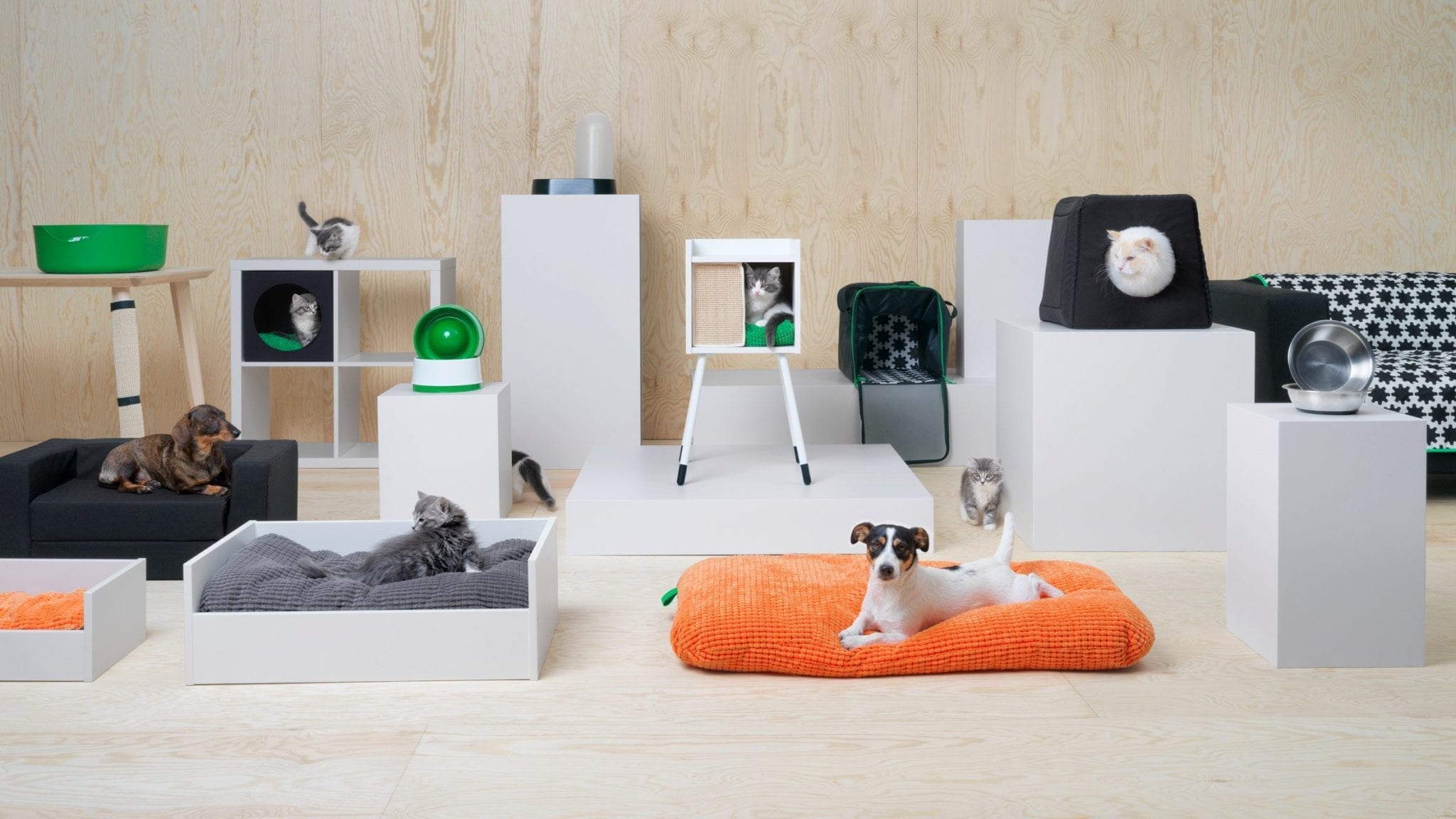
    As animals are part of the family, an Ikea pet range has been introduced with 62 specially designed products.

    The Swedish homewares retailer’s Lurvig pet collection ranges from a cat hideaway resembling a treehouse to a bowl that encourages dogs to eat slowly, reports Freshout.Today.

    Designer Inma Bermudéz says she saw a gap in the market for affordable but attractive pet products covering such basics as sleep, eat, play, travel and walk.

    “Created by pet-loving designers with support from veterinarians, the range covers all the bases of our shared life with pets indoors and out.”

    Bermudéz says the items were designed with the natural needs and behaviours of animals in mind, such as how they sleep, eat or play.

    “Dogs will definitely chew on their toys and bring in dirt from their daily walks. Cats will definitely scratch on most surfaces and are sensitive to smell and texture. So safe, durable materials are very important.”

    Highlighting the influence of a vet in the design process is the “slow-feed bowl” for dogs, many of which tend to overeat. The bowl’s internal surface is designed to prevent dogs from eating their meal “in one or two gulps”.

  • O Shopping Thailand expecting sales to triple

    O Shopping Thailand expecting sales to triple

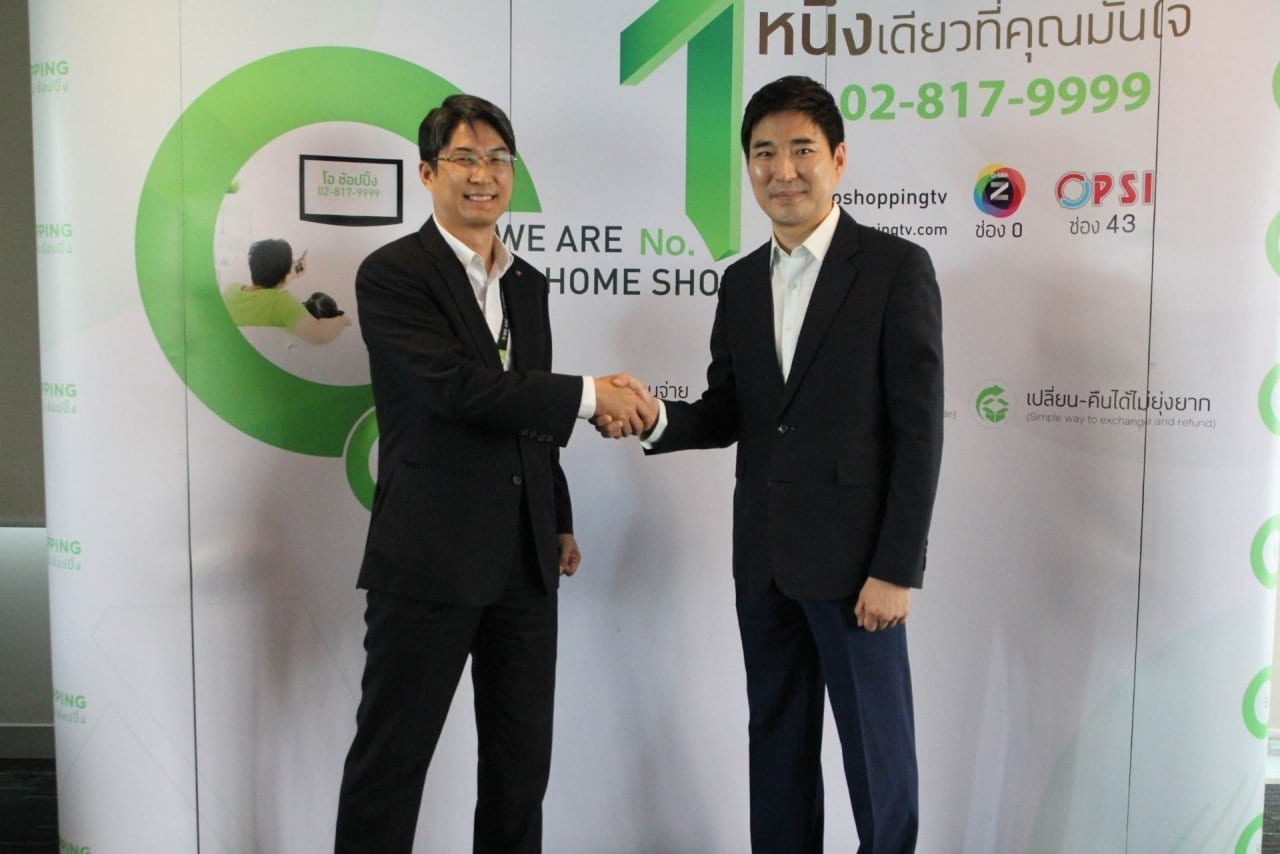
    TV home-shopping group O Shopping Thailand expects its sales to triple to about THB5 billion (US$150 million) annually in the next three to five years, up from the THB1.7-1.8 billion targeted for this year.

    CEO Sung Nakje of GMM CJ O Shopping, which runs the business, says the company’s growth ambitions dovetail with the government’s goals for the Thailand 4.0 initiative to promote small and medium-sized enterprises (SMEs).

    However, he says that as not every SME can enter the modern retailing system, TV home shopping can serve as a distribution and market-testing channel for them, as well as providing direct sales to consumers.

    “We provide opportunities for Thai SMEs with fewer conditions and lower investment, so this makes it more accessible for them,” says Sung.

    GMM CJ O Shopping is a Thai/South Korean JV established in 2012 that sells products on TV and via an e-commerce platform. “TV home shopping focuses on women between 35 and 55 years, while the e-commerce side focuses on younger age groups.”

    Sung says that as part of its growth goals, O Shopping has also sought to promote the expansion of its business partners. Rather than focusing on competing with rival TV home-shopping rivals, it has instead sought to increase the overall size of the business pie.

    Meanwhile, GMM CJ O Shopping has decided to continue its corporate social responsibility campaign O Hug, aimed at encouraging children to play sports. Sung says the company has been supporting major taekwondo events such as this year’s fifth Kukkiwon Cup Thai-Korean Choi Young Seok Taekwondo Championship, which drew more than 1000 Thai and international athletes.

  • AirAsia to launch Phuket-Macao flights

    AirAsia to launch Phuket-Macao flights

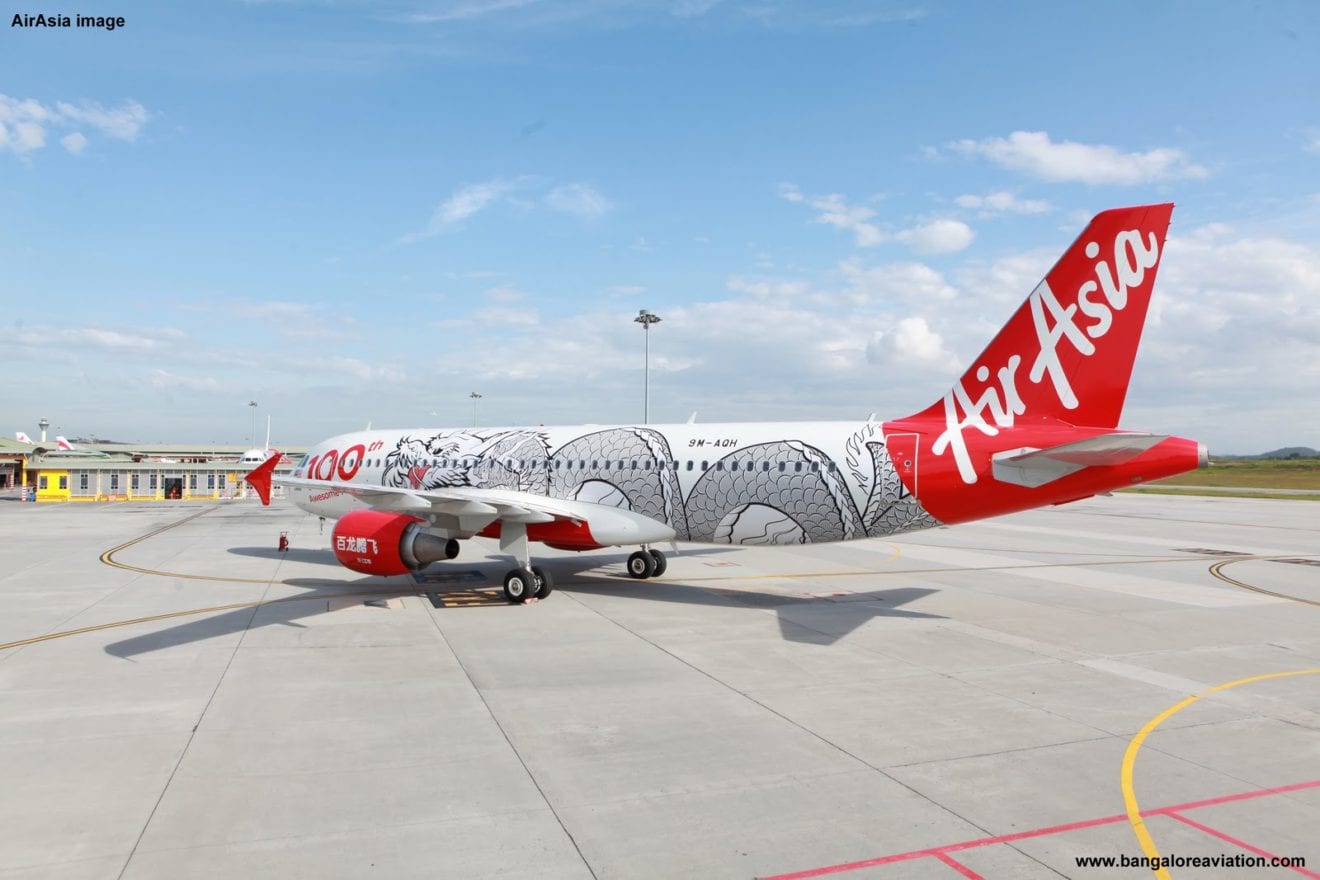
    Celia Lao, CEO of AirAsia Hong Kong & Macao, said Phuket is among the top destinations for Macanese and Chinese travellers, making Thai AirAsia’s introduction of a direct flight between Phuket and Macao a wonderful opportunity for tourism.

    AirAsia currently operates six flights from Macao with routes including Bangkok, Chiang Mai, Pattaya (U-tapao), Kuala Lumpur, Manila, Jakarta and will launch Johor Bahru on Nov 28.

    Santisuk Klongchaiya, Director of Commercial for Thai AirAsia, said Phuket is a city built on Chinese traditions, beliefs and culture and its history is closely tied to that of China.

    “Chinese visitors to the city will find it familiar and convenient while still full of travel experiences whether relishing the nature or enjoying the nightlife. AirAsia is confident the new route will be well received,” he said

    “We will be launching the Macao-Phuket route on the 8th of January 2018 and believe it will attract people in Macao and its vicinity to Phuket. We will be using our strengths of low fares, on-time service and trustworthy reputation to draw in travellers and help stimulate the island’s economy,” Mr Santisuk said.

    For the people of Phuket, this added route provides a new travel option to Macao, which is already a top destination for Thai travellers due to its many holy sites and European architecture. Overall, the route should prove popular among people of both nations.

    In addition to Macao-Phuket, Thai AirAsia already operates a host of direct flights between Macao and and Thailand, including Don Mueang (four flights a day), Macao and Chiang Mai (daily direct) and Macao-Pattaya U-Tapao (four flights a week).

  • Acne Studios launching 48-hour online pop-up

    Acne Studios launching 48-hour online pop-up

    Swedish fashion brand Acne Studios is about to launch a 48-hour online pop-up store offering a handpicked selection of its classic style, show pieces and exclusive items.

    Discounts of up to 75 per cent are being offered during the retrospective, which launches on October 24 “exclusive” to Hong Kong, India, Japan, Malaysia, New Zealand, Singapore, South Korea, Taiwan and Thailand.

    Based in Stockholm, Acne Studios is a multidisciplinary luxury fashion house, founded in 1996 as part of the creative collective Acne, an acronym for Associated Computer Nerd Enterprises but later changed to Ambition to Create Novel Expressions. The fashion house specialises in men’s and women’s ready-to-wear fashion, footwear, accessories and denim.

  • EleVen by Venus Williams makes Asian debut

    EleVen by Venus Williams makes Asian debut

    Athletic apparel line EleVen by Venus Williams has partnered with luxury department store Lane Crawford for an exclusive capsule collection.

    It is an eight-piece line of elevated sportswear, all items featuring a quick-dry performance fibre with breathability. It is all white as a nod to Venus Williams’ tennis background, and was created to empower women to express their individuality with confidence while exercising.

    Available exclusively in Asia, it can be found at Lane Crawford online, or in the Hong Kong, Beijing and Shanghai stores. It is the brand’s debut in the Asian market.

  • Travel focus in Uniqlo’s Wherever You Go campaign

    Travel focus in Uniqlo’s Wherever You Go campaign

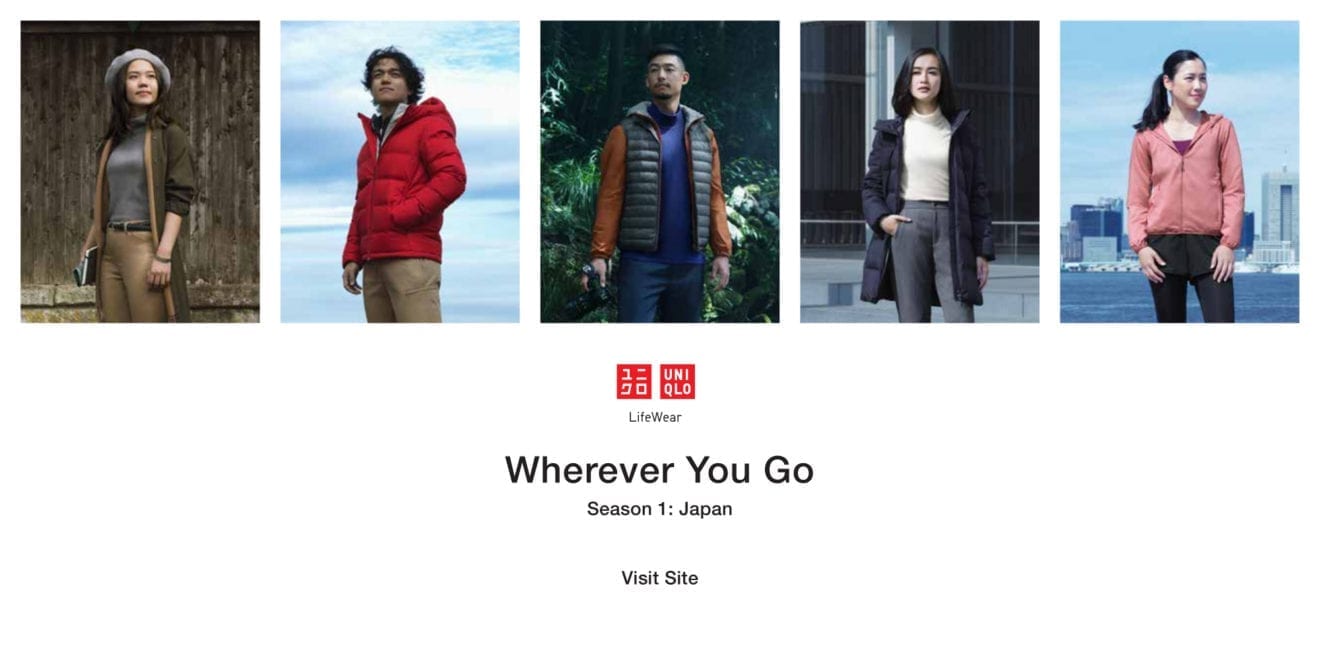
    Recognising the growing interest in travel in Southeast Asia, Japanese fashion brand Uniqlo has introduced a Wherever You Go campaign featuring short films of ordinary people having extraordinary travel experiences around Japan.

    Featuring key pieces from its latest collection, the films aim to inspire people to immerse themselves in new cultures and novel experiences, and highlight how Uniqlo LifeWear suits travel and adventure in varied climates and destinations.

    “The campaign tells the story of what LifeWear is about – apparel that never stops evolving because life never stops changing,” says Uniqlo Asean marketing director Masahiro Endo.

    Starting today, season one of the campaign features five travellers from Southeast Asia who share their experiences and inspirations around the cities of Japan.

    For the campaign’s second season, Uniqlo is running a contest to find people to feature in the movie. Entry is by sharing travel photos, stories or inspirations on Instagram. The prize is an all-expenses-paid, four days/three nights’ trip to Tokyo for two worth US$5000. The contest runs until November 30.

  • It’s time for Shop.org to rebrand

    It’s time for Shop.org to rebrand

    I just got back from the US, having visited Shop.org in Los Angeles and let me tell you: don’t be fooled by deceptive distinctions between different forms of commerce. It’s all one experience in the eyes of the shopper. Let me explain.

    Throughout 2017, my quest has been to help retailers figure out what the future of retail looks like. To fulfil this mission, I’ve represented Retail Directions at major retail events, both locally and globally, and shared my findings with the retail community down under.

    At Shop.org, I joined more than 3,500 retail industry attendees at what can best be described as a preeminent annual conference focused on digital retail.

    Held on a truly impressive scale, with 200+ exhibitors, a myriad of high-profile keynote speakers and an array of content streams that made my head spin, the event labels its purpose as “delivering insights into what’s next for the digital retail industry”.

    However, just like I found at its local counterpart Online Retailer, you can’t talk about the modern consumer and stay focused on a single facet of the retail commerce ecosystem. Retailers must no longer adopt and master digital. Instead, they must become digital if they want to stay relevant with the transformed, connected society.

    Here’s my three key takeaways from Shop.org:

    1. The industry needs to drop commerce distinctions

    An insight not just limited to Shop.org. All the conferences I’ve attended, whether their core theme is e-commerce, payments, or traditional retail, end up delivering the same message: commerce is now borderless and technology plays a key role in the creation of a seamless consumer and brand experience.

    With omnichannel retailing now entrenched as a fundamental part of modern retailing, distinctions between forms of commerce are no longer relevant, necessary or helpful. It’s all retailing, and it’s all about the consumer. And, in this reality, savvy retailers are using technology wisely to gain a competitive advantage.

    Perhaps, it’s time for Shop.org to rebrand (wink).

    1. New tech is alluring but mostly impractical (for now)

    The conference was flooded with venture capitalist-funded technology start-ups, many of which seemed to be doing a lot of the same thing just with different branding.

    The expo floor wasn’t dissimilar to “Hooli-Con” from the satirical comedy Silicon Valley, there was even a lonely guitarist, sitting on fake grass, strumming calming melodies among the technology overload.

    Retailers always seems to be caught in the rip of new technology trends, struggling to make sense of what will truly deliver ROI and what is simply an alluring mirage.

    Out of all the hyped emerging tech, voice and artificial technology have the strongest use cases, with voice poised to reframe the practise of merchandising through acute personalisation and the convenience of “one best answer”.

    This is where AI and machine learning comes in – to digest and analyse consumer data and behaviour and deliver unprecedented competitive intel and personalised suggestions.

    Of course, there was a lot of talk about Augmented Reality and Virtual Reality as well. And, while AR is in play and fun e.g. Disney’s in store AR treasure hunts, for the most part its relevancy to mainstream retail is currently limited.

    As for Virtual Reality, the high price point and the limited adoption of AR leads me to believe that VR as a viable technology for retail is all hype for the time being.

    1. Logistics is the battleground of the future

    For the modern consumer, speed, convenience and price are trumping brand equity.

    Perhaps the most acute example of this battle is Walmart vs Amazon, both investing in strategy, technology and infrastructure to help customers get products as easily as possible. This is why Amazon acquired Whole Foods and partnered with Kohls.

    Speaking at the conference, Walmart’s U.S. e-commerce president Marc Lore shared how the retailer may leverage its 4,600 US-based stores, all within 90 per cent per cent of the population, to roll out a new grocery delivery concept – Walmart may come into your house and put milk in your fridge, and groceries in your pantry. Can you fathom that?

    A caveat here, while the retail giants of this world fight for the last mile, I stand by what I said in a keynote I delivered at Seamless earlier this year – if you play Amazon at its own game you’re going to lose.

    Exceptional shopping experiences delivered through technology-fortified stores and a borderless digital brand are key to remaining relevant and deflecting the pending Amazon invasion of Australia.

    Solar Conclusion     

    Shop.org was a fascinating three-day retail event, delivering vibrant ideas about the future of retail and the evolution of the consumer.

    That said, I’m reminded about the Latin saying, “nihil sub sole novum” – there is nothing new under the sun. Retail remains about holding the consumers attention, wherever THEY choose to shop.

    The key is to recognise that consumers have fundamentally changed, and retail must embrace digital – not just to sell online, but more importantly to stay connected with their audience and remain relevant in all channels, including brick and mortar.

    I repeat, it’s all one experience in the eyes of the shopper.

  • Gift theme for Chow Tai Fook Yoho Mall store

    Gift theme for Chow Tai Fook Yoho Mall store

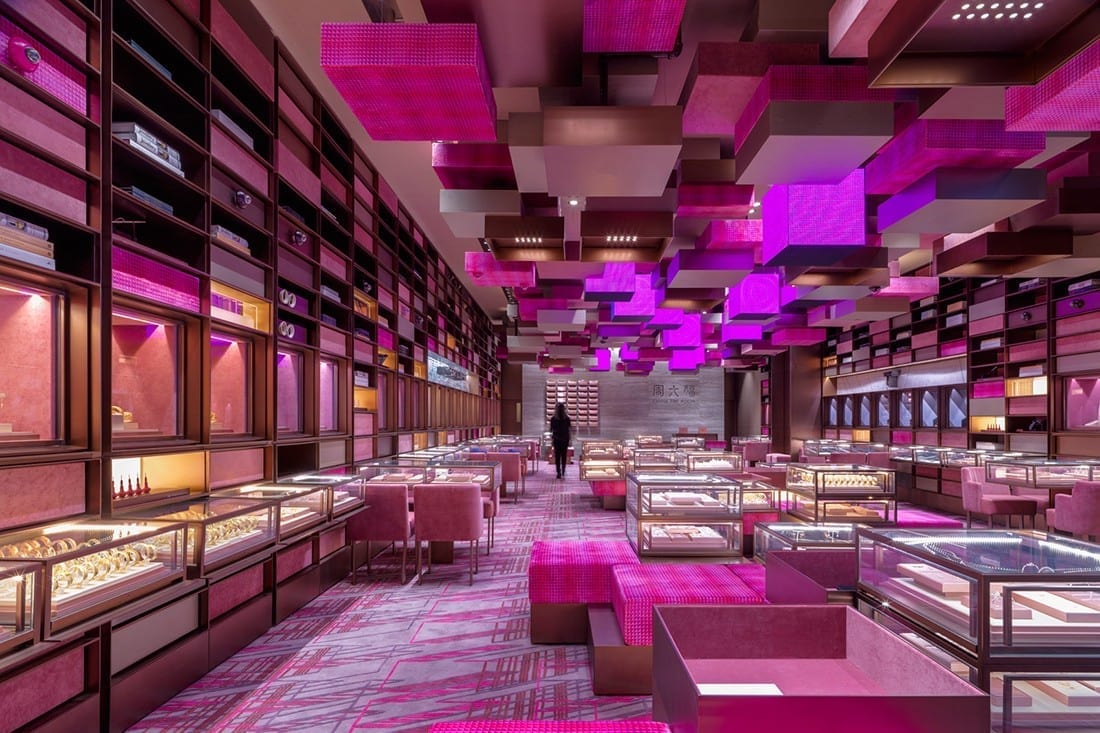
    Signature gift boxes have inspired the dramatic design for the new Chow Tai Fook Yoho Mall store.

    Rather than the usual gold palette of jewellery store, Hong Kong design practice One Plus Partnership takes a more colourful approach with 1070 stylised gift boxes installed across the 25,800sqft (2397sqm) shop’s walls and ceiling.

    These are echoed in the sub-shaped upholstered seating units as well as display cabinets. The carpets and digital signs reflect the brand’s abbreviated name (FTF) in different colours, while the layout also moves beyond convention to promote engagement between shoppers and staff. Instead of the classic long glass display unit, the shop displays its pieces in cabinets on both sides and in the centre. The display cabinets are  glass boxes with some extending out slightly to serve as mini consultation tables.

    In the centre area, groups of display cabinets are surrounded by the colourful, casual sitting cubes, which are made from different fabrics, patterns and shades of pink to resemble the brand’s gift wraps.

    Digital screens feature graphics and information about the products, while spliced screens at the entrance show motion graphics highlighting the design theme of the store.

    On display in the shop are jewellery production tools, sketches and prototypes. These are not just decoration, but can be used by staff members to explain to customers the production procedures behind every piece of jewellery.

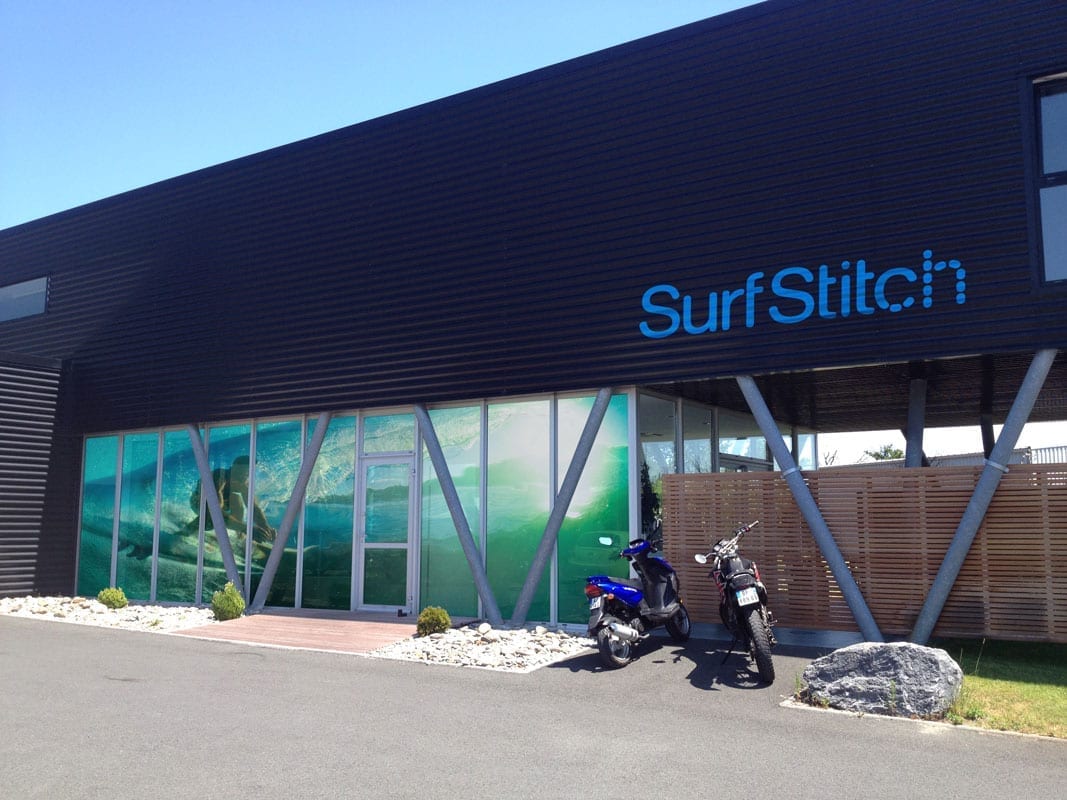
  • Surfstitch casts aside another brand

    Surfstitch casts aside another brand

    The administrators of Surfstitch Group and Surfstitch Holdings have announced the sale of wholly owned UK subsidiary, Surfdome Shop Limited to Internet Fusion Limited.

    Internet Fusion has paid cash and has an obligation to pay deferred consideration for the acquisition. The total consideration (including the deferred consideration) for the acquisition amounts to c.GBP £7m.

    John Park, Quentin Olde and Joseph Hansell of FTI Consulting said the companies had agreed terms and entered into an exclusive process with Internet Fusion in relation to the Surfdome transaction before they were appointed administrators.

    Surfdome is a board sports online retailer based in the UK and services consumers across Europe.

    Internet Fusion is a UK based sports and adventure retailer, servicing a number of markets with specialist websites via its proprietary e-commerce platform.

    “The sale of Surfdome to a synergistic buyer, Internet Fusion, is a good outcome for the ongoing growth of the Surfdome business and continues with the execution of the restructuring plan for the group to sell down non-core assets to focus on the profitable and successful SurfStitch Australian business,” said Olde.

    Surfstitch’s operating subsidiaries continue to trade while the holding company is in administration.