Author: Mei Ling Tan

  • Tumi Hong Kong expands

    Tumi Hong Kong expands

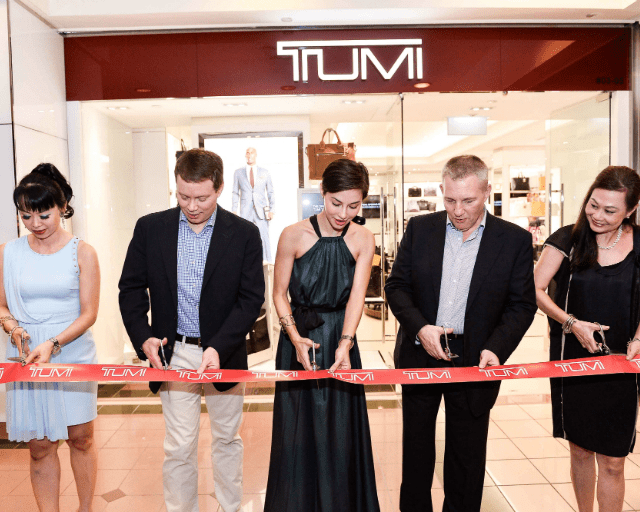
    Travel essentials brand Tumi Hong Kong has opened a boutique store at Elements Mall in Tsim Sha Tsui and unveiled a new look for its IFC outlet in Central.

    On Hong Kong Island, Samsonite-owned Tumi has introduced its new “Madison Concept” store design, originally created by award-winning designer/architect Dror Benshetrit for the brand’s New York City flagship. It features clean lines, light-coloured furnishings and custom shelving to display Tumi’s travel, men’s and women’s everyday bags, business bags and accessories. Angled display bays offer a 360deg view of the bags while ensuring they are more accessible to customers.

    Other features are polished metal fixtures, walnut-finished wood detailing and a flat-screen video wall sharing Tumi videos. There are such details as mirror-polished steel door handles in the shape of the brand’s “T” logo, and tone-on-tone glass panels that subtly reproduce the logo in miniature inside and outside the store.

    As with all other Tumi stores in Hong Kong, there is a monogramming station where shoppers can customise their purchases at no extra charge.

    To mark the Elements opening, the store introduced the new limited-edition 19 Degree travel case in matte black aluminium with rose gold. Exclusive to the store until the end of this month, the case comes in three sizes and features internal dividers and organisational pockets, a patented telescoping handle system and dual recessed wheels.

  • Two more stores for Uniqlo Singapore

    Two more stores for Uniqlo Singapore

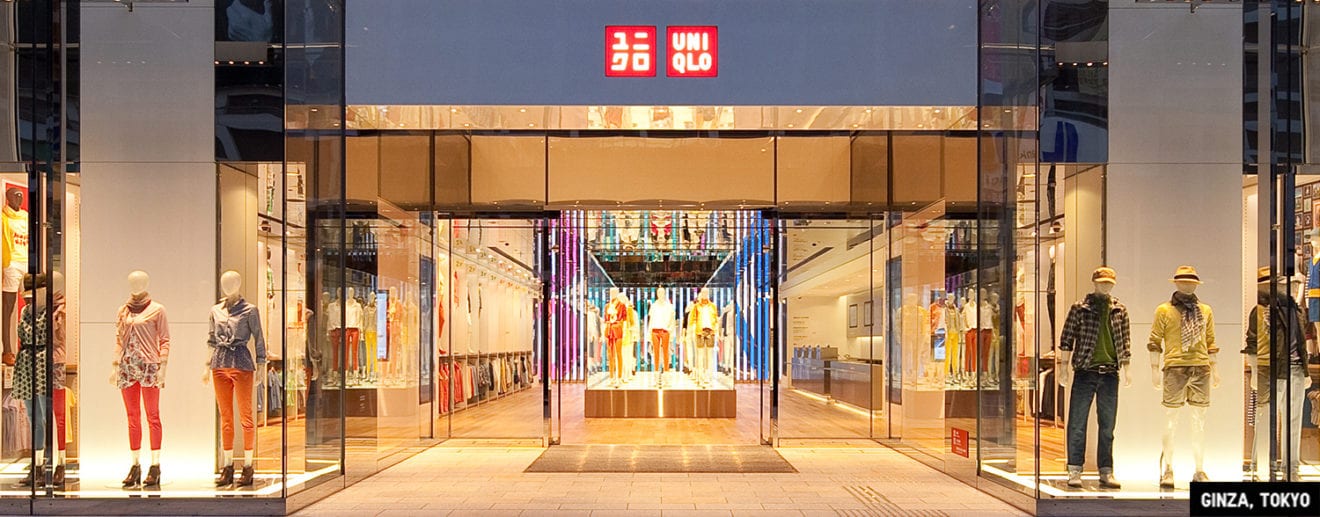
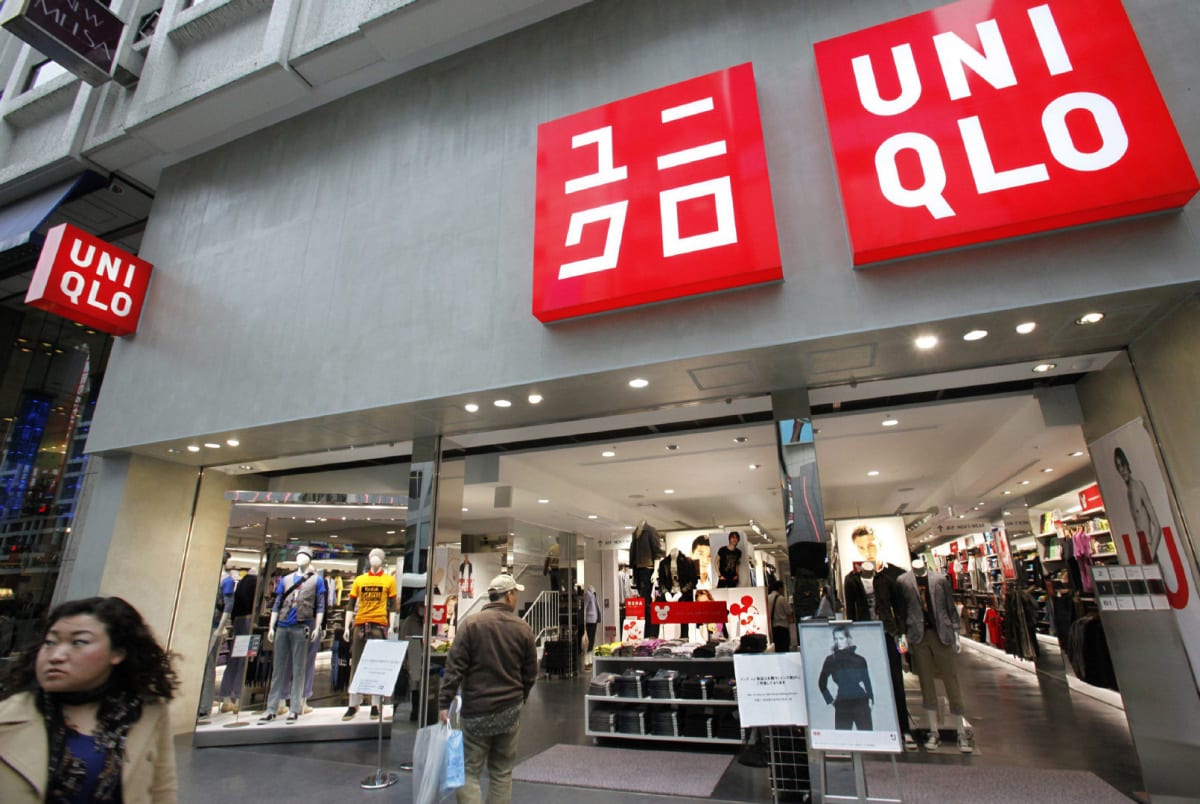
    Uniqlo Singapore is opening two more stores – at Changi Airport Terminal 4 at the end of this month and at Northpoint at the end of December.

    This will take its Singapore store total to 26, as well as its online outlet.

    Its airport store will be in the departures hall of the new Terminal 4, and will cover about 3000sqft (279sqm). Unlike the current Uniqlo airport store in Terminal 1, the new outlet will offer children’s clothing as well. Exclusive offers will be available from October 31 to November 12.

    The new store at Northpoint City in Yishun will cover about 10,500sqft and offer clothing for men, women and children.

  • Bitcoin bursts through $5,000 for first time

    Bitcoin bursts through $5,000 for first time

    Bitcoin was worth only a few U.S. cents when it was launched in 2009. Bitcoin surged through the $5,000 level on Thursday for the first time since the launch of the unregulated virtual currency more than 8 years ago.

    The cryptocurrency struck a new record high of $5,183.97 around 08:20 GMT according to financial data provider Bloomberg.

    Bitcoin, a virtual currency created from computer code, was worth only a few U.S. cents was launched in 2009 by someone using the Japanese-sounding name Satoshi Nakamoto.

    Unlike a real-world unit such as the U.S. dollar or euro, bitcoin has no central bank and is not backed by any government. Just like other currencies, bitcoins can be exchanged for goods and services — or for other currencies — provided the other party is willing to accept them.

    Bitcoin’s community of users control and regulate the currency, and the anonymity of transactions that endears it to libertarians has raised concerns that it can be abused by criminals.

    The lack of transparency has also sparked concerns that the swings in its value may be due to speculative trading.

  • Samsung Electronics expects record $12.8 bn Q3 operating profit

    Samsung Electronics expects record $12.8 bn Q3 operating profit

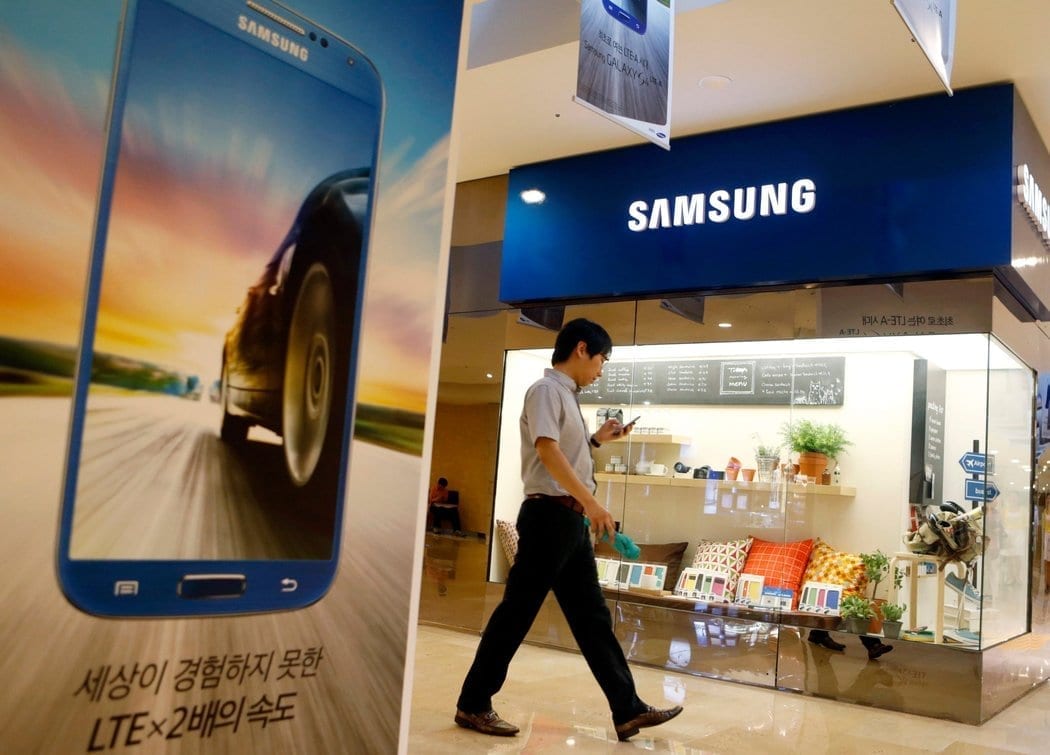
    The company estimated operating profits of $12.8 billion in the July-September period, an all-time record for quarterly profit. Samsung Electronics said Friday it expected profits to hit an all-time record in the third quarter to September as the South Korean IT giant enjoys booming semiconductor sales.

    The company estimated operating profits of 14.5 trillion won ($12.8 billion) in the July-September period, an all-time record for quarterly profit and nearly triple the 5.2 trillion won earned a year earlier.

    Sales are estimated to have surged 29.65 percent on-year to 62 trillion won.

    Samsung did not announce the performance estimates of each business division but its semiconductor business is widely believed to have contributed greatly to the record-beating report.

    The company is set to release its final earnings report later this month.

    Samsung has been seeking to move past a bribery scandal which saw the company’s de-facto head Lee Jae-Yong thrown into jail and overcome a damaging recall last year of its flagship Galaxy Note 7 smartphone over exploding batteries.

    Lee, who was found guilty in August of bribery, perjury and other charges relating to payments made by Samsung to ousted president Park Geun-Hye’s secret confidante Choi Soon-Sil, is appealing his five-year sentence and says he is innocent.

  • Uber Vietnam fills vacated CEO position

    Uber Vietnam fills vacated CEO position

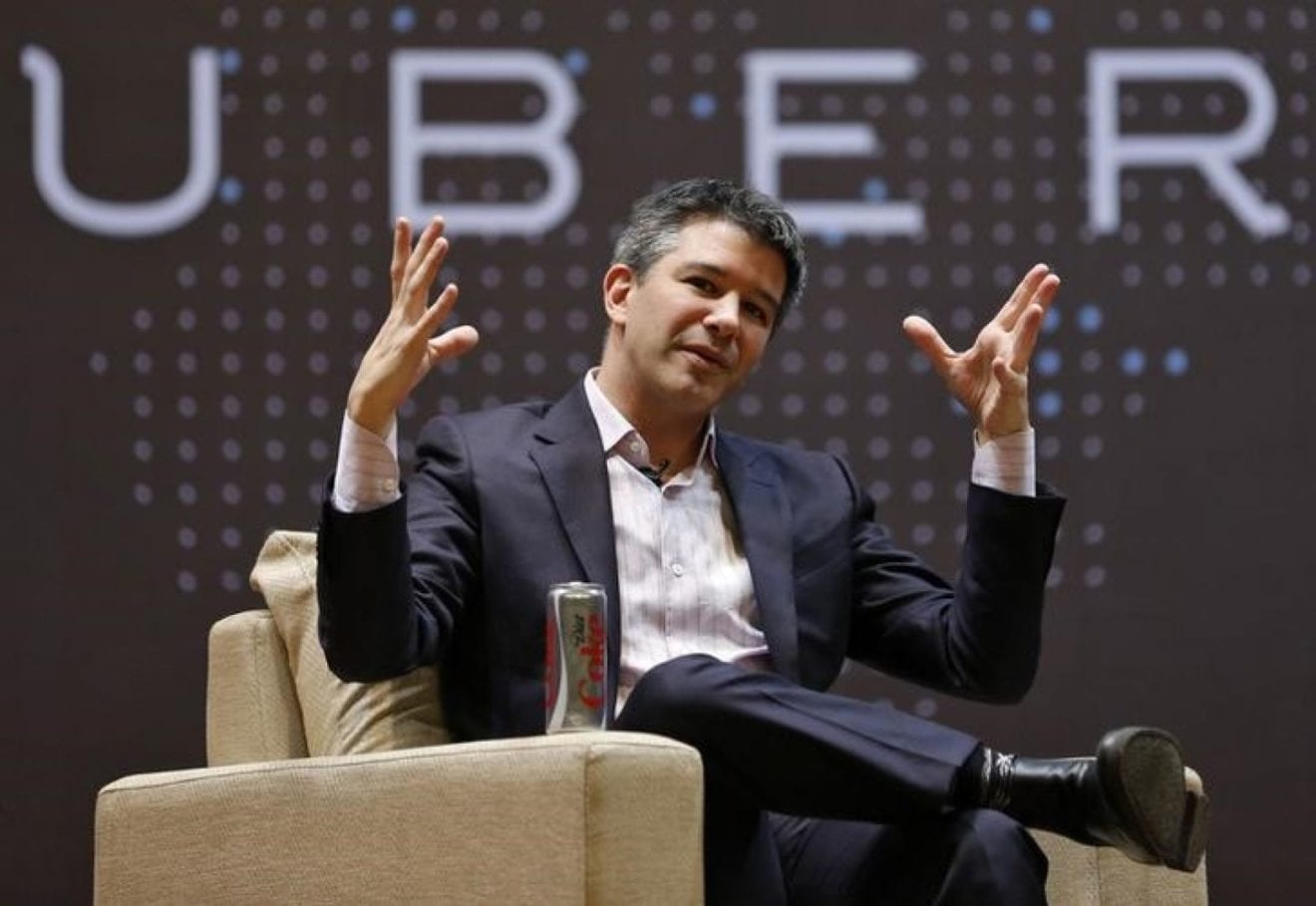
    The Australian replacement has worked in management positions for the ride-hailing firm for two years. Uber Vietnam has appointed a new CEO following the abrupt departure of its previous leader two weeks ago.

    Tom White, an Australian who joined Uber in January 2015, is now holding this chair.

    White will be in Hanoi soon to take up the position, a source close to the matter told.

    According to his Linkedin profile, White worked as Uber’s head of cities in Australia and New Zealand from July to September this year after leaving his position as general manager in Western and Southern Australia, which he held from February 2016 to June 2017.

    Before that, he was Uber’s city leader in Perth from July 2015 to February 2016 and demand manager for the U.S.-based ride-hailing firm from January to July, 2015.

    “I’m excited to be setting sail for Vietnam to help the Uber team there write their next chapter of their story,” White wrote in a Tweet last month.

    Earlier this month, Dang Viet Dung, the first CEO of Uber Vietnam, left after holding the position for three years.

    No information about the reasons for his departure has been revealed to date.

    His departure triggered speculation that Uber Vietnam was in a crisis, especially after a recent tax scandal.

    Late last month, tax authorities in Ho Chi Minh City collected VND66.68 billion ($2.93 million) in arrears from Uber Vietnam, including fines for faulty declarations and late payments.

    Following the incident, rumors started to spread that Uber would be leaving Vietnam. The company was quick to dismiss this.

    As of August, Uber had four million users in Vietnam, according to official company data.

  • Coach Vietnam to have its first store

    Coach Vietnam to have its first store

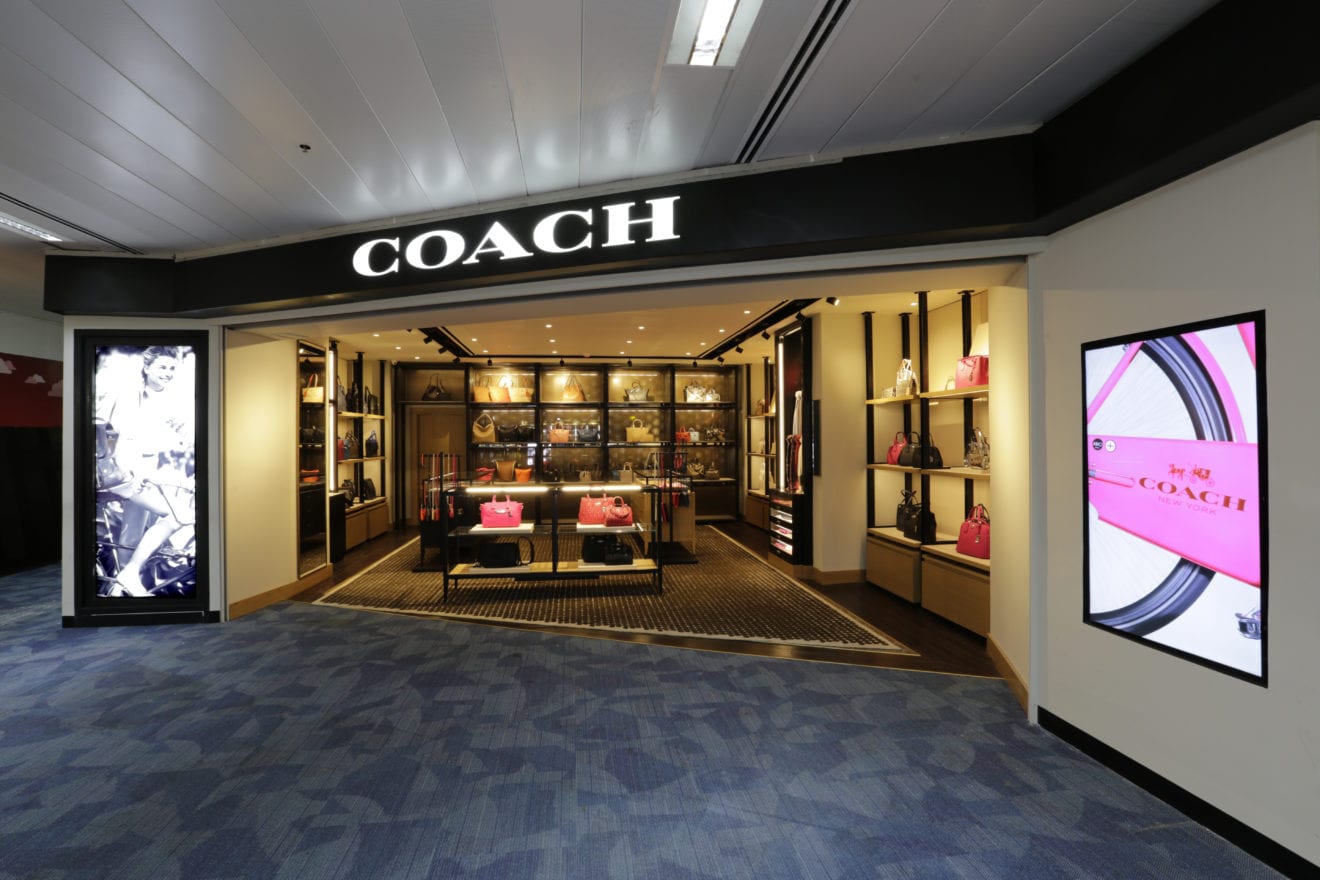
    The first Coach Vietnam store is soon to open in Ho Chi Minh City.

    The American leather-goods brand will make its market debut in the Saigon Center next month, with the store already under construction.

    The first store is set in the concept of ‘Modern Luxury’, and will sell all latest items and collections from the brand, including Coach x Selena Gomez.

    Coach Vietnam is operated by Maison Group, which also distributes other brands such as Christian Louboutin, Karen Miller, Mango, MaxMara and Topshop.

  • Mango India moves offline with store in Delhi

    Mango India moves offline with store in Delhi

    Mango India has moved on to the ground with a store in Delhi in conjunction with its e-commerce business partner Myntra.

    In turn, Myntra has partnered with select retail companies to curate the Spanish apparel company’s offline business and help it expand its omni-channel strategy in India.

    Mango’s expansion plan comprises 25 store openings in India over the next five years. Its first store, at Select Citywalk Mall in Delhi’s Saket district, was launched with an event hosted by model/actress Ileana D’Cruz. The second store will open at Phoenix Mall in Mumbai next month, to be followed by three more openings before year’s end.

    Delhi’s store has advanced technology to provide a seamless shopping experience. It sets the style for the stores to come, featuring integrated inventory and the “endless aisle” concept. Customers can browse the Mango collection on an in-store tablet, check out product details and availability, and have goods from other stores delivered to their home. The tablets also provide personalised recommendations based on purchase history, and advise customers about new products and styles.

    By using the assisted-checkout feature on the tablets, customers will be able to skip queues.

    Mango chose Myntra in 2014 to help develop its online business in India. Already Mango has become one of the five top-selling women’s western-wear brands on Myntra marketplace, with annual growth rates exceeding 100 per cent.

    “Myntra’s expertise has allowed us to reach virtually every corner of India and increase our customer base exponentially,” says Mango executive VP Daniel Lopez. “Following an omni-channel strategy and having physical stores will allow us to generate value for consumers by improving their shopping experience”.

    Founded in 1984, Barcelona-based Mango has stores  in 110 countries. Every year it designs more than 18,000 garments and accessories, and closed its latest financial year with sales of  €2.26 billion (US$ 2.6 billion).

    Myntra marketplace lists more than 2000 fashion and lifestyle brands such as Adidas, Diesel, Ferrari, Harley Davidson, Levi’s, Nike, Puma, Timberland and Wrangler.

  • Record trading year for Fast Retailing

    Record trading year for Fast Retailing

    Uniqlo parent Fast Retailing has had record revenue and profit levels for its latest trading year, to August 31.

    Consolidated revenue reached ¥1.8619 trillion (US$16.6 trillion), up 4.2 per cent year on year, the operating profit soared 38.6 per cent to  ¥176.4 billion while profit attributable to the owners ballooned 148.2 per cent to ¥119.2 billion.
    Net profit expanded by 2.5 times mainly because of profit gains by Uniqlo International.

    Uniqlo Japan: Gross profit margin improves but operating profit down…

    • Revenue up 1.4 per cent to ¥810.7 billion
    • Operating profit down 6.4 per cent to ¥95.9 billion
    • Full-year same-store sales expand by 1.1 per cent (second-half growth of 2.4 per cent, thanks to sales of newsworthy items such as wireless bras and Dry Stretch Kando Pants).
    • Gross profit margin improves by 0.3 points.

    Uniqlo International: Operating profit nearly doubles as Southeast Asia business enters growth stage…

    • Revenue up 8.1 per cent to ¥708.1 billion
    • Operating profit almost doubles (95.4 per cent) to ¥73.1 billion on improved gross profit margins and leaner cost structures regionally, as well as a halving of the operating loss at Uniqlo USA
    • Performance especially strong in Southeast Asia and Oceania, where operating profit doubled year on year.

    Uniqlo Greater China and Uniqlo South Korea also reported large year-on-year profit gains, says Fast Retailing.

  • Tesla fired hundreds of employees in past week

    Tesla fired hundreds of employees in past week

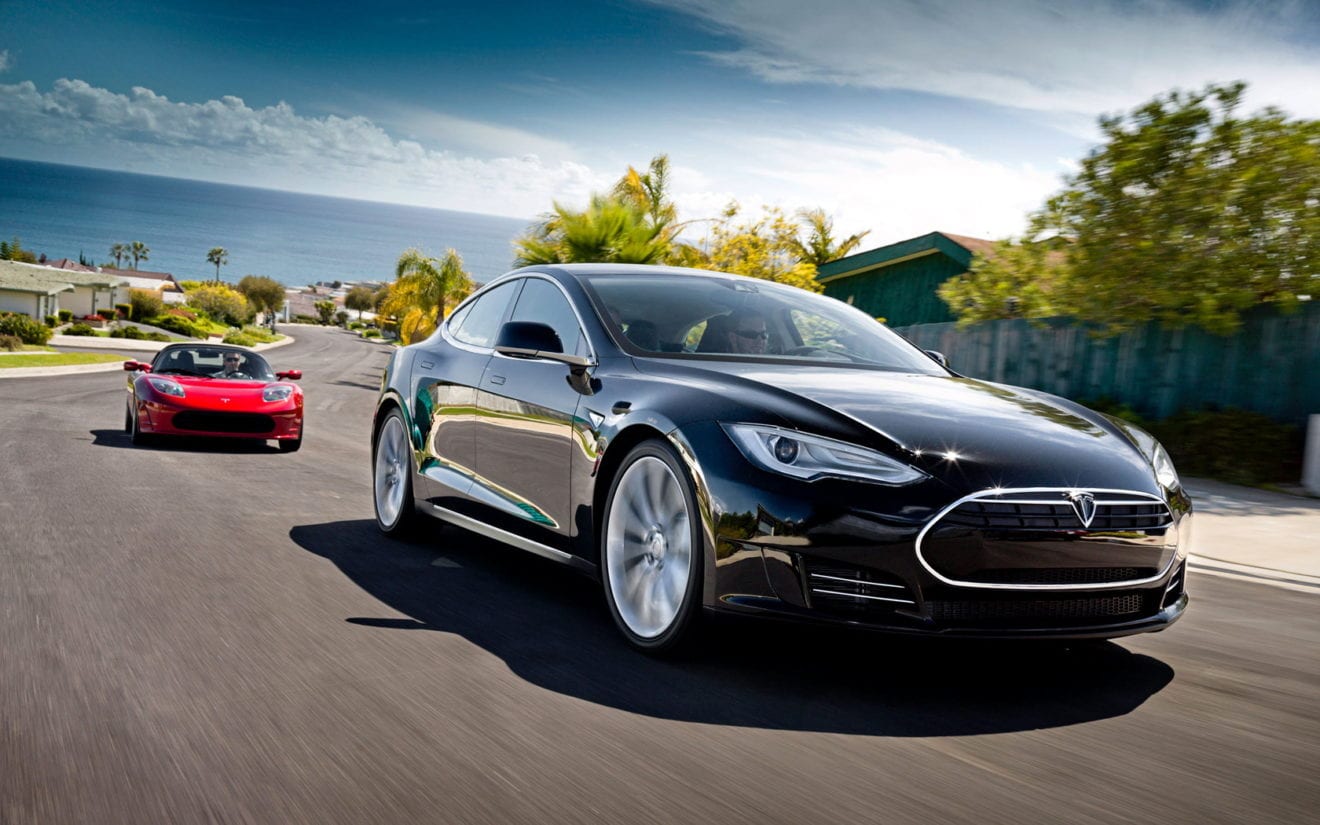
    It’s about 400 people ranging from associates to team leaders to supervisors. Luxury electric vehicle maker Tesla Inc fired about 400 employees this week, including associates, team leaders and supervisors, a former employee told Friday.

    The dismissals were a result of a company-wide annual review, Tesla said in an emailed statement, without confirming the number of employees leaving the company.

    “It’s about 400 people ranging from associates to team leaders to supervisors. We don’t know how high up it went,” said the former employee, who worked on the assembly line and did not want to be identified.

    Though Tesla cited performance as the reason for the firings, the source told Reuters he was fired in spite of never having been given a bad review.

    The Palo Alto, California-based company said earlier in the month that “production bottlenecks” had left Tesla behind its planned ramp-up for the new Model 3 mass-market sedan.

    The company delivered 220 Model 3 sedans and produced 260 during the third quarter. In July, it began production of the Model 3, which starts at $35,000 – half the starting price of the Model S.

    Mercury News had earlier reported about the firing of hundreds of employees by Tesla in the past week.

  • Diesel Ginza re-opens after top-level redesign

    Diesel Ginza re-opens after top-level redesign

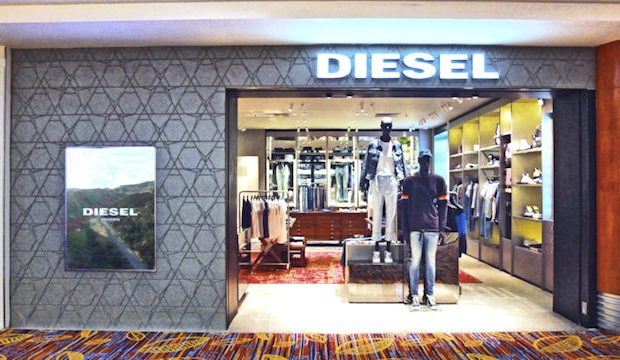
    Launched in 2008, the Diesel Ginza store in Tokyo has re-opened after being restyled by the brand’s own design team.

    A showcase for the Italian brand, the store covers three floors at the 12-storey Ginza Glasse shopping mall. The ground floor, which features a gate-shaped LED screen, matches contemporary elements with rustic-inspired props, such as steel fixtures paired with rugs, concrete flooring with wooden ceilings, and antique furniture.

    This floor and the second level offer the full range of men’s and women’s collections of denim, apparel, bags, shoes and accessories.

    On the third floor are areas dedicated to the Diesel Black Gold and Diesel Living collections, set against industrial furnishings and concrete flooring. The Black Gold section has wallpaper as a backdrop, while the Diesel Living features a boombox and wooden planks.

    The store features exclusive pieces such as leather jackets and denim.

  • Payload Asia magazine honours excellence in the air cargo supply chain

    Payload Asia magazine honours excellence in the air cargo supply chain

    The Payload Asia Awards 2017 returned for its sixth edition, with more than 90 nominations vying for the 20 awards categories and more than 25,000 online votes received in the Customer Choice Awards. All results – from both Customer Choice and Industry Choice – were audited by an independent auditing firm, Alpes Assurance. The awards seek to honour the very best in the industry and took place over a spectacular gala dinner and awards ceremony, held at Crowne Plaza Changi Airport, Singapore. Gracing the event was the guest of honour, Glyn Hughes, global head of cargo, International Air Transport Association (IATA).

    Confronting and overcoming the manifold challenges in the air cargo sector by creating innovative products and services, and delivering real value to customers is the hallmark of the companies excelling in this industry. The Payload Asia Awards 2017 looked to celebrate these traits and the perseverance, innovative strategies and many other successes of the air cargo community in the face of unprecedented market conditions and ongoing economic uncertainty.

    For the highly coveted title of Overall Carrier of the Year, Qatar Airways Cargo and Turkish Cargo walked away with the Industry Choice Award and Customer Choice Award respectively. This year marked the second consecutive year that Qatar had walked away with the Industry Choice Award title for the Overall Carrier of the Year.

    This year, Ethiopian Airlines snagged both Industry and Customer Choice Award for the Rising Star Carrier of the Year, a testament to its standing in the industry. Other carriers picking up awards included: All Nippon Airways, Singapore Airlines Cargo, Swiss WorldCargo, United Cargo, VietJet Air Cargo, AirAsia Cargo, Atlas Air and Volga-Dnepr Airlines.

    Hong Kong International Airport and Singapore Changi Airport were awarded the Industry Choice and Customer Choice for the Asia Pacific Airport of the Year respectively. Ground handling awards saw the same trend of Singapore and Hong Kong dominating the category, with Hong Kong Air Cargo Terminals Limited (Hactl) and SATS taking home the top prize in this category. Meanwhile, Leipzig/Halle Airport and Liege Airport were the winners in the European Airport of the Year category.

    Chapman Freeborn Airchartering and Air Charter Service again emerged victorious in the Charter Broker of the Year category this year, whereas ECS and Air Logistics Group championed the GSA/GSSA of the Year category this year. Other highlights saw All Nippon Airways (ANA) and flydubai Cargo both winning X-Factor Awards for their unique and highly successful business strategies. Lufthansa Cargo and Thai Airways snagged the Corporate Social Responsibility Award, and DHL Express and Hong Kong Air Cargo Terminals Limited (Hactl) took home the Green Award. IBS Software and Unisys were awarded IT Provider of the Year.

    In the express provider categories, DHL Express and FedEx Express took home the award for Global Express Provider of the Year, and SF Express and Kerry Express took home the award for Regional Express Provider of the Year. Kerry Logistics and Crane Worldwide Logistics were awarded Global Logistics Provider of the Year, and Hong Kong Air Cargo Industry Services (Hacis) made a clean sweep for the Regional Logistics Provider of the Year.

    Among the 23 awards given were three special Editor’s Choice Awards. The Lifetime Achievement Award, which honours an industry veteran who has made an extensive and invaluable contribution to the air cargo industry over many years, went to Tony Tyler. Before he retired in June 2016, he was Director General and Chief Executive Officer at The International Air Transport Association (IATA). Preceding the five-year tenure at IATA, Tony was Chief Executive of Cathay Pacific Airways in Hong Kong.

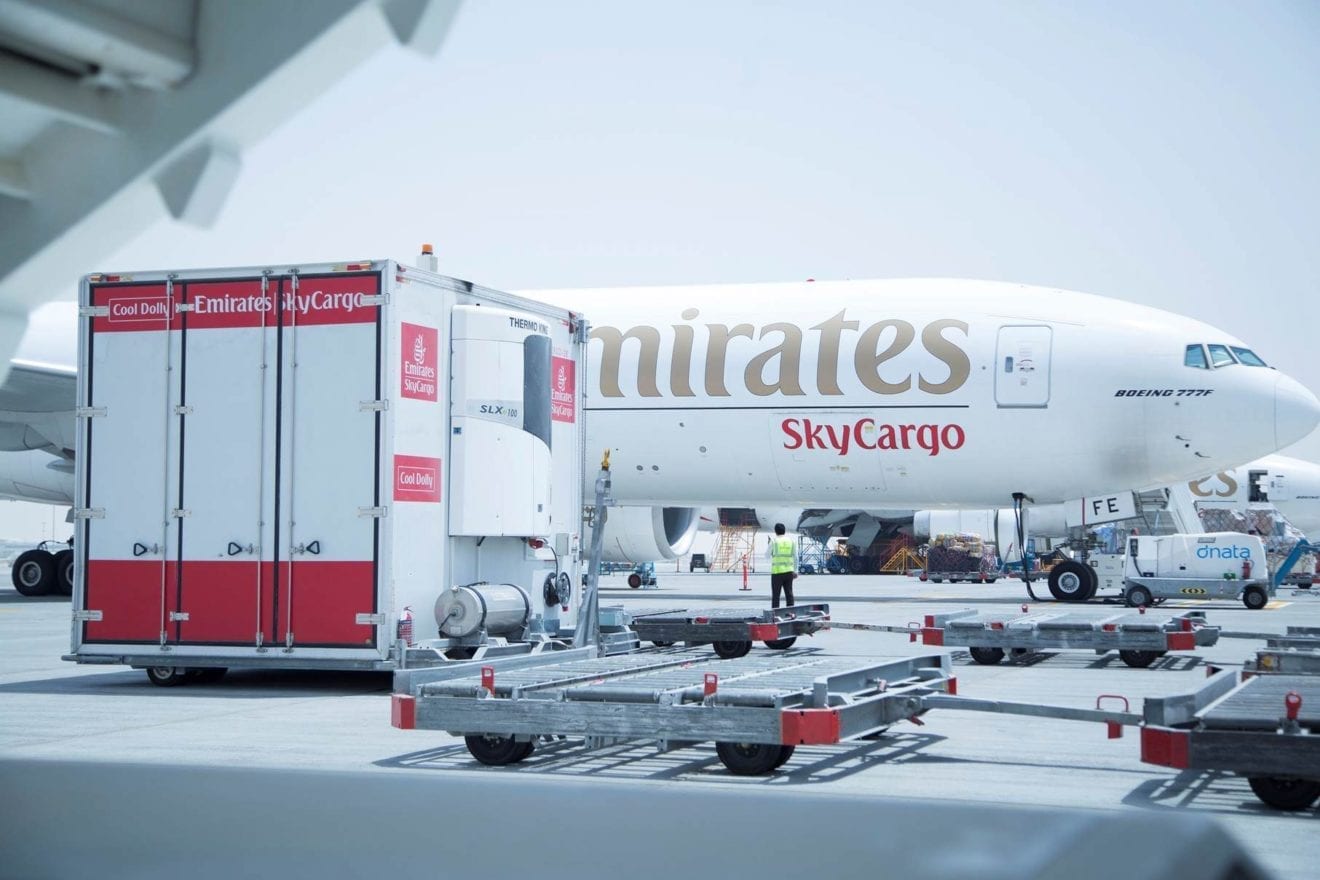
    Also under the Editor’s Choice Award category, Emirates SkyCargo was awarded Marketing Award of the Year, and Lufthansa Cargo took home Media Award of the Year.

    Dual tracks

    Payload Asia, a respected voice of the air cargo industry which has now been publishing for over 30 years, continued its unique awards approach. Kicked off three years ago, the approach features two, parallel sets of awards for each category: The Customer Choice Awards and the Industry Choice Awards – highlighting two equally important but slightly different views of excellence, one based on popular votes and the other on a detailed assessment by senior industry executives.

    The Customer Choice Awards carry on the previous years online voting system by customers and Payload Asia readers, with all results officially audited by an independent auditing firm. The Industry Choice Awards on the other hand, are determined by a senior level industry panel of 16 judges drawn from across the industry and assessed via a points system based on the published criteria, with the process and results also audited. A full list of awards and winners can be found below.

    The awards were presented during a gala dinner attended by more than 200 members of the air cargo fraternity from around the globe, and hosted by Payload Asia, part of the Contineo Media group.

    The Gala Awards Dinner was preceded by a two-day conference programme and both will return again next year. It is anticipated this event will continue to be an important highlight on the air cargo industry’s calendar.
  • Ford’s China sales stuck in first gear as rivals overtake

    Ford’s China sales stuck in first gear as rivals overtake

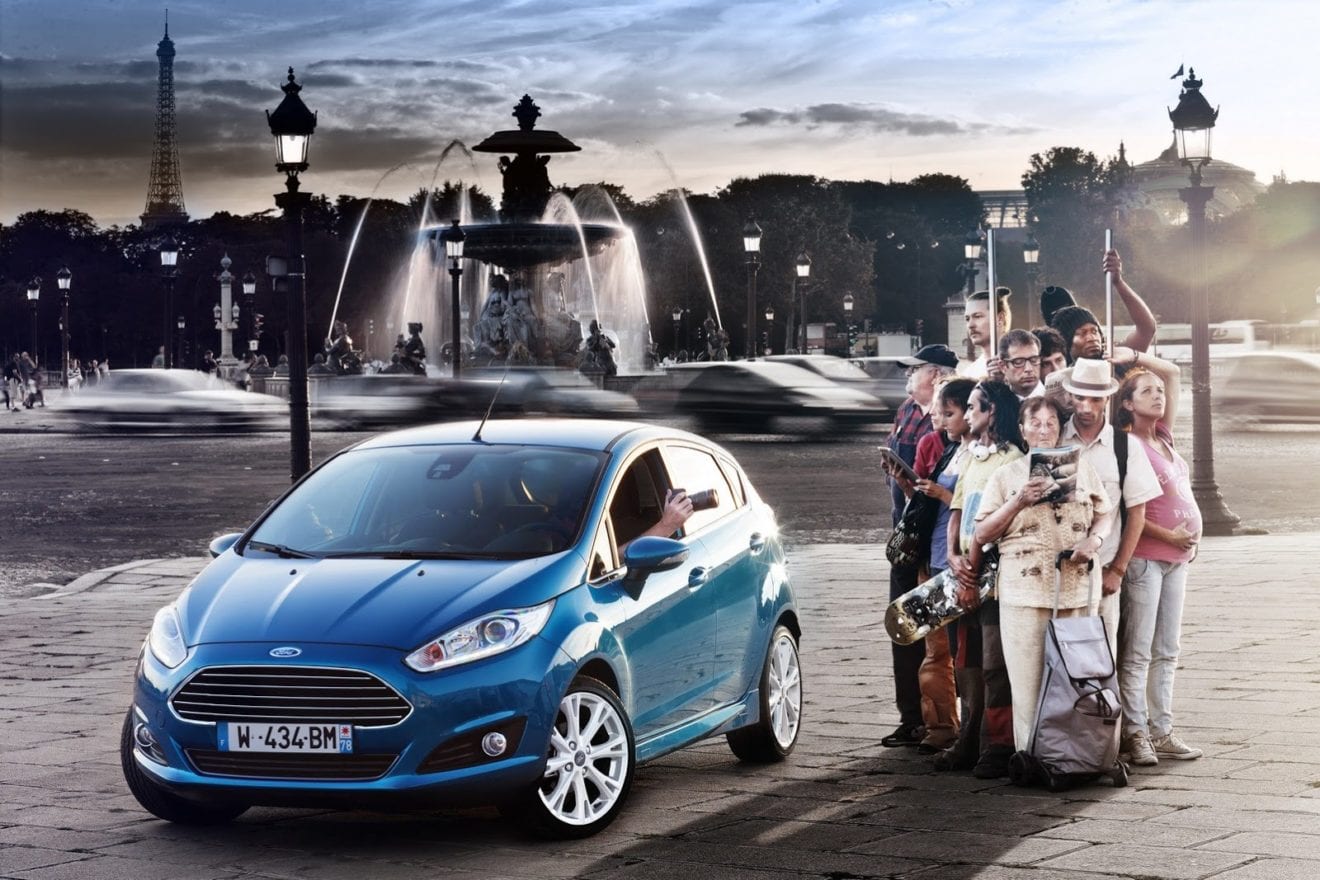
    Ford Motor saw its China vehicle sales make the barest of increases in September, extending a tough run in the world’s largest auto market even as global rivals have logged robust gains.

    The U.S. automaker has lacked a high-volume brand of affordable entry cars for China and has been criticized for slow decision-making that has cost it share in a market where consumer tastes change quickly.

    In response, it has brought in a new China head, Jason Luo, a Chinese-born American formerly at U.S.-based air bag maker Key Safety Systems, tasked with building closer ties with Ford’s local partners and working more effectively with regulators.

    The U.S. carmaker sold 112,902 vehicles in China last month, an increase of some 430 from the same period a year earlier.

    By contrast, rivals Toyota, Honda and Nissan Motor saw gains of 14 percent or more while General Motors posted an increase of 7 percent.

    Overall vehicles sales in China rose 5.7 percent in September – a fourth straight month of growth.

    Like many other global automakers, Ford is also looking to revamp its strategy towards electric vans and cars to keep up with Beijing’s push for cleaner new-energy vehicles (NEV).

    The country has set strict quotas for NEVs which carmakers must meet by 2019, a move that is prompting a flurry of electric car deals and new launches of electric and hybrid models. Ford said it was looking to set up an electric car venture with Chinese firm Anhui Zotye Automobile Co in August.

  • Alibaba sets up global research academy

    Alibaba sets up global research academy

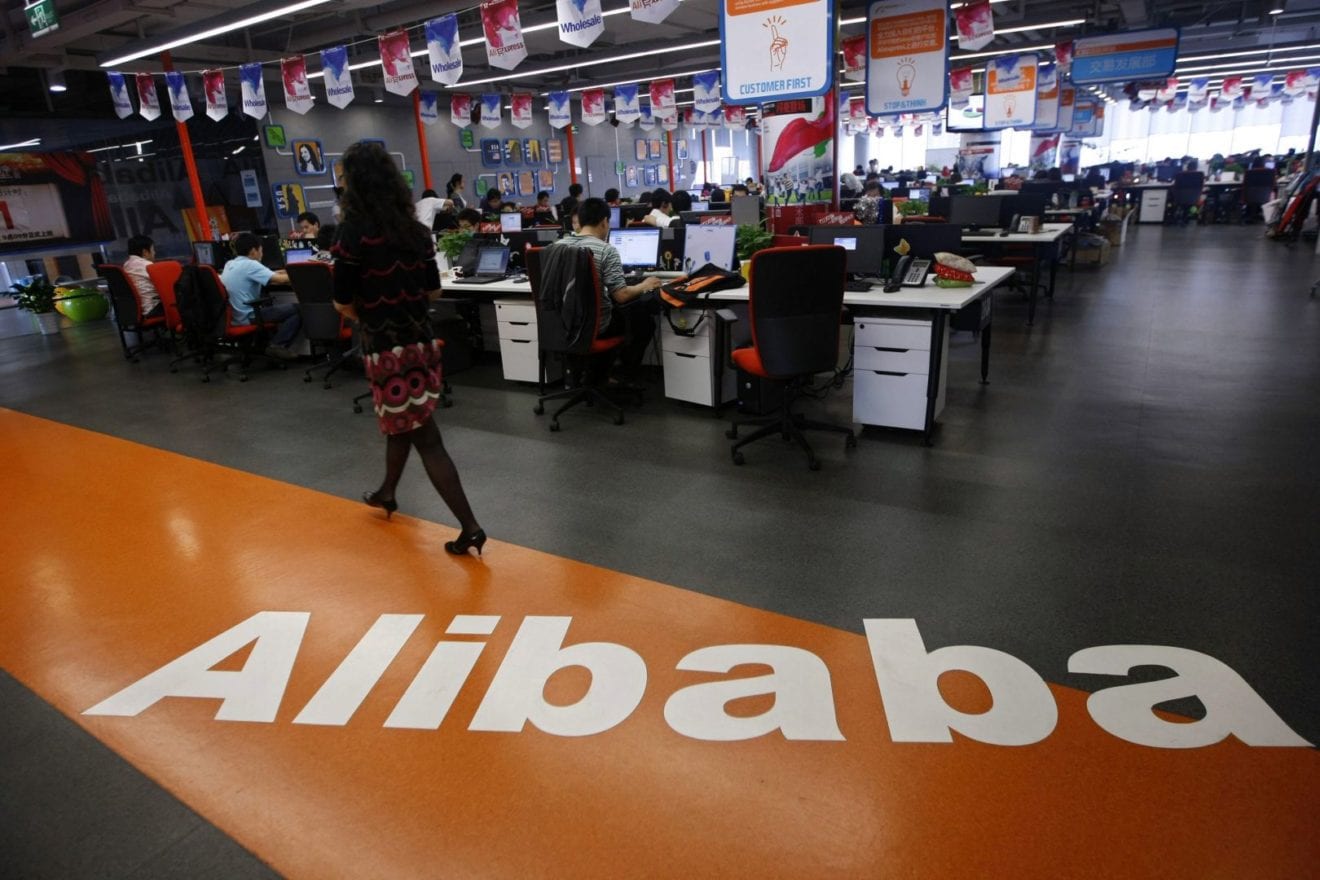
    Alibaba Group has established a global research academy which aims to increase collaboration on cutting-edge technology development.

    Through the academy the company expects to invest more than $15 billion in R&D over the next three years.

    The new Alibaba DAMO Academy — the Academy for Discovery, Adventure, Momentum and Outlook — will oversee the development of R&D labs worldwide to seek to recruit talented scientists and researchers to join the program. It will be led by Alibaba Group CTO Jeff Zhang.

    “Over the past 18 years of establishment, we have gained robust growth in our business, profit and have accumulated lots of data. Now is the right time to set up our own research academy,” said Jack Ma, executive president of Alibaba Group at the company’s Computing Conference 2017 in Hangzhou.

    He added, “Our academy is not just for making profit or for fun. We aim to focus on research for solving society and people’ problems. We will learn from IBM, Intel and Microsoft research labs, and target to surpass them.”

    Initially the academy will focus on opening research labs in China – in Beijing and Hangzhou – as well as two in the US and one each in Russia, Israel and Singapore.

    The seven labs will focus on research into disruptive technologies including data intelligence, the internet of things, fintech, quantum computing and human-machine interaction.

    Areas of focus within these broad domains will include machine learning, network security, visual computing and natural language processing (NLP).

    The academy will also seek to recruit 100 talented researchers from around the world to assist with the research efforts, and form partnerships with luminaries in the technology sector and educational institutions.

    “The Alibaba DAMO Academy will be at the forefront of developing next-generation technology that will spur the growth of Alibaba and our partners. We aim to discover breakthrough technologies that will enable greater efficiency, network security and ecosystem synergy for end-users and businesses everywhere,” Alibaba Group’s Zhang said.

    “Over the past 18 years, we have developed a robust technology infrastructure that supports the rapid growth of our business. With our global expansion, we have grown and refined our technology manifold. We are now looking for talented and driven researchers to join us in the quest for new disruptive technologies that would advance our every-day lives, benefit small businesses and narrow the technology gap to make our world a more inclusive place.”

    The company also plans to use the research lab to help fulfill its ambition of serving 2 billion customers and creating 100 million job opportunities in 20 years.

    The research academy will include advisers like educators and researchers from universities globally who will provide guidance and advice on key research areas.

  • Esprit Holdings shares worth HK$900m given to sisters

    Esprit Holdings shares worth HK$900m given to sisters

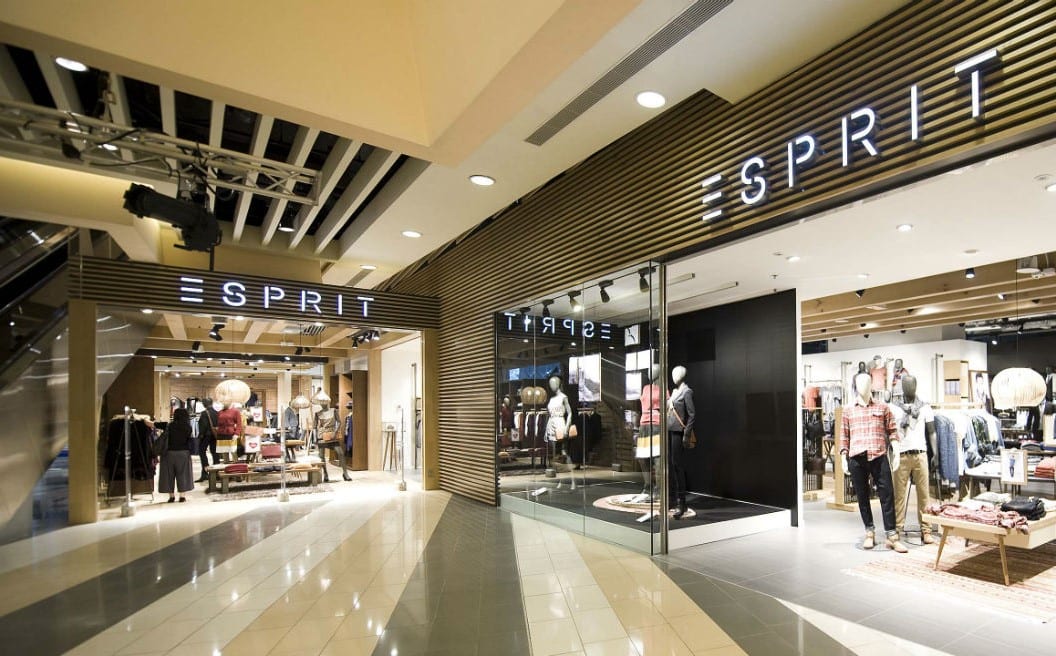
    Former Esprit Holdings chairman Michael Ying Lee-yuen has transferred all 211.8 million shares he owned in the fashion group, worth HK$900 million (US$115 million), to his two daughters.

    Ying, the husband of former movie star Lin Ching-hsia, transferred the shares to the company Total Market, according to a Hong Kong stock exchange disclosure of interests filing.

    His daughters Claudine Lauren Ying, 29, and Eileen Ying, 20, each own half of Total Market. Neither daughter has previously owned Esprit shares, but the transactions makes them jointly the brand’s second-largest shareholder with a 10.97 per cent stake.

    Their 67-year-old father no longer owns any Esprit shares. He joined the fashion group in the 1970s and played a key role in building it into a global brand. He stepped down as head in 2006, and had sold most of his stake by 2010.

    Ying has a net worth of about US$2.4 billion, Forbes estimates.

  • Singapore retail sales rise 3.7 per cent in August

    Singapore retail sales rise 3.7 per cent in August

    Real Singapore retail sales – those excluding motor vehicles – rose by 3.7 per cent in August, compared with the same month last year.

    Compared with July, they fell by 1.2 per cent.

    Adding motor vehicles into the data, August sales rose by 3.5 per cent year-on-year and eased 0.3 per cent month-on-month.

    Statistics Singapore estimates total retail sales in August at $3.7 billion, higher than the $3.5 billion in August last year.

    Sales by petrol service stations, department stores and supermarkets and of recreational goods, medical goods and toiletries, apparel and footwear, computer and telecommunications equipment and furniture and household equipment rose between 2.8 per cent and 9.5 per cent in August.

    In contrast, retail sales of optical goods and books and watches and jewellery, and sales by food retailers, mini-marts and convenience stores, fell by between 0.4 per cent and 4.1 per cent.

    Sales of food & beverage services increased 3.7 per cent in August 2017, year-on-year, to $729 million.