Author: Mei Ling Tan

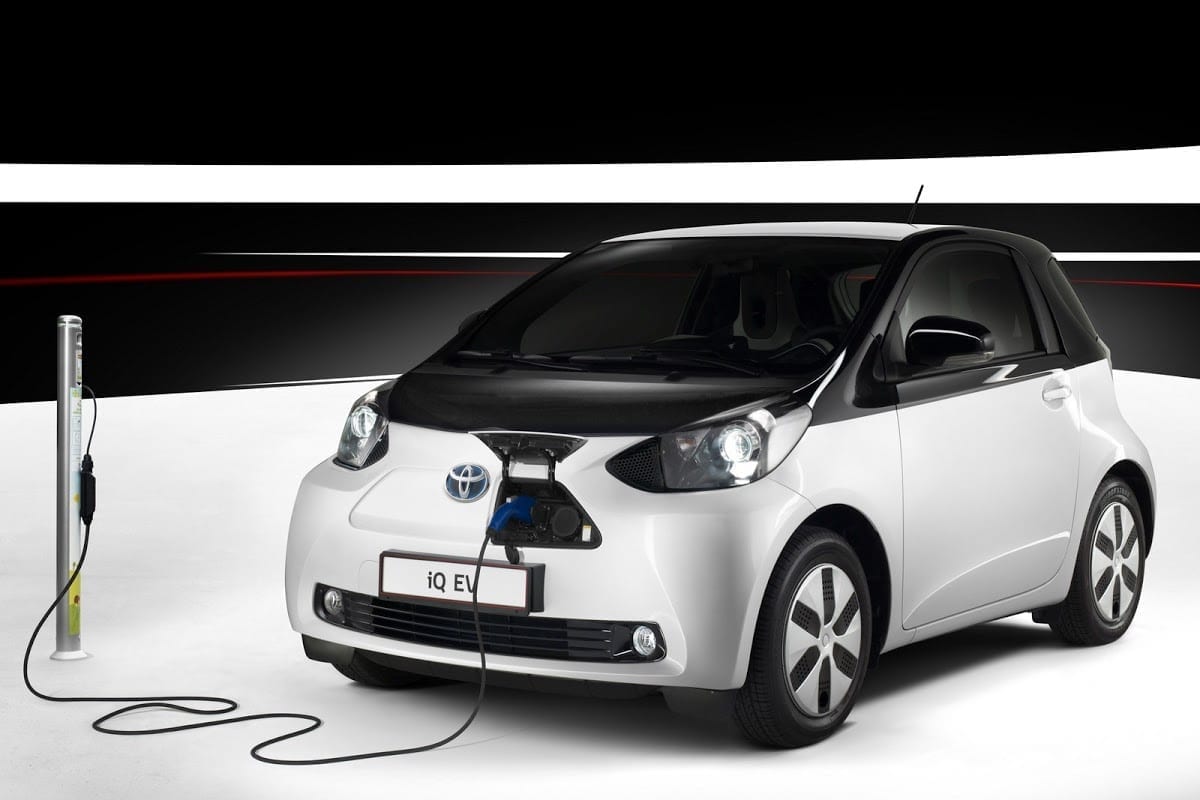
  • Toyota plans to halve Japan car models by 2025

    Toyota plans to halve Japan car models by 2025

    Toyota is planning to halve the number of car models it sells in Japan to about 30 by 2025 to focus on more popular models in a shrinking market, a person briefed on the matter told Reuters on Thursday.

    The automaker currently offers about 62 car models in Japan, including the Prius gasoline hybrid and the Aqua compact hatchback, along with less popular ones including the Premio sedan.

    Auto sales in Japan have been falling as the population rapidly ages, while young people are losing interest in car ownership.

    The plans will allow Toyota to make better use of its resources, the person said, who was not authorized to comment on the matter and declined to be identified.

    Toyota spokeswoman Akiko Kita said the company was pursuing a number of strategies to maintain sales at least 1.5 million vehicles annually in a shrinking market. It currently sells around 1.6 million a year.

    Toyota and other global carmakers are concentrating their efforts on developing lower emissions vehicles, including electric cars while also focusing on expanding market share in emerging markets.

  • Taco Bell x Forever 21 fashion collaboration launched

    Taco Bell x Forever 21 fashion collaboration launched

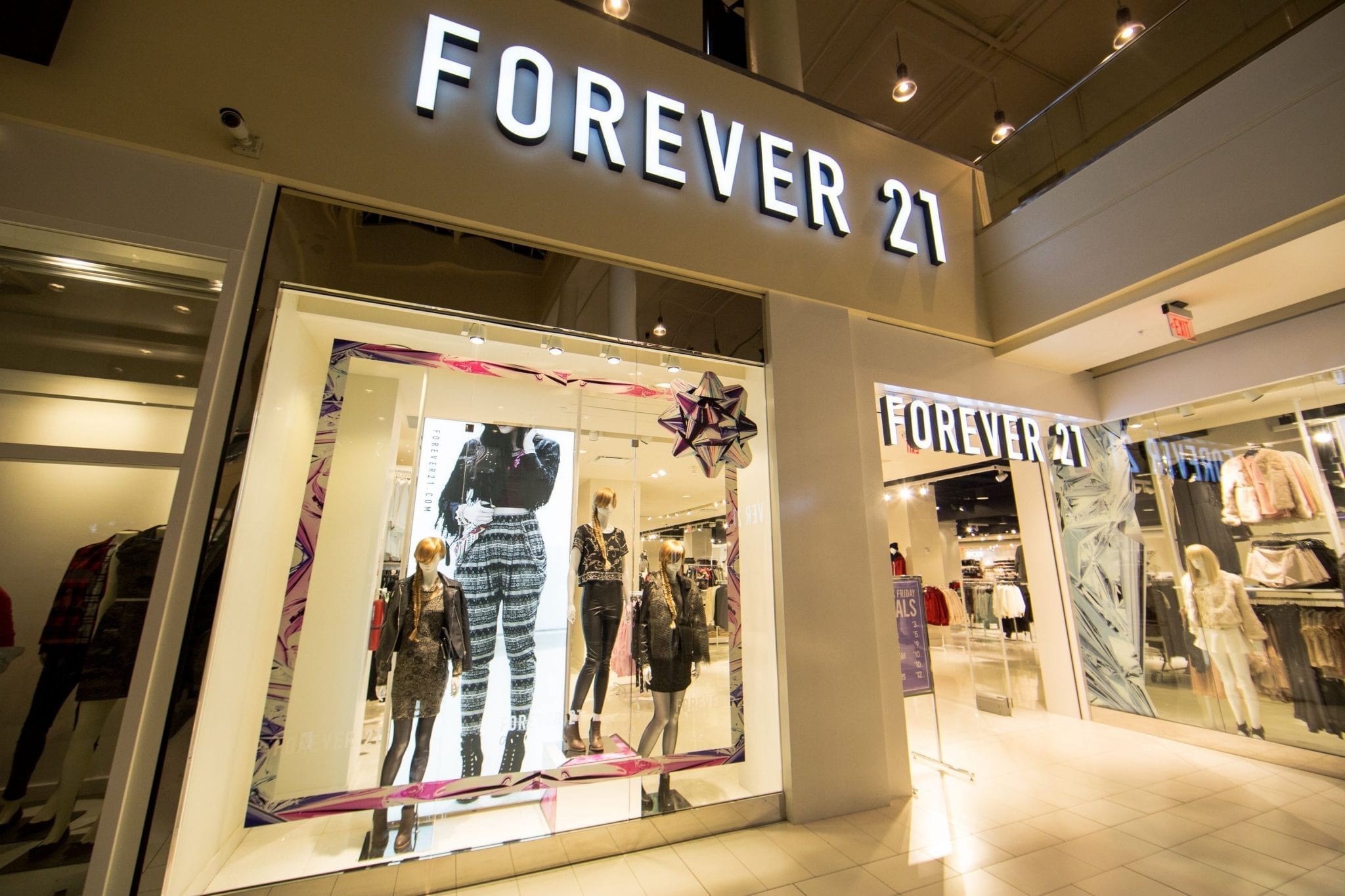
    Styles from fast-food chain Taco Bell’s first-ever fashion collaboration have been released in Forever 21 stores across the US and globally online.

    To launch the Taco Bell x Forever 21 collaboration, both brands invited their fans to a late-night runway show in downtown Los Angeles at which the models were Taco Bell super fans and influencers.

    A mural was created live during by event by artist Lefty Out There, and Taco Bell Feed the Beat artist Cheat Codes also performed.

    A Forever 21 pop-up boutique sold pieces from the collection while a Taco Bell truck dished out signature menu items paired with frozen treats.

    The limited-edition collection features vibrant prints and iconic graphics in the form of tops, bodysuits and cropped hoodies for women, plus for men a sweatshirt, hoodie and anorak jacket.

    In Asia, Taco Bell has stores in India, Japan, South Korea and the Philippines. It withdrew from Singapore nine years ago.

  • Mercedes-Benz Opening ‘Mercedes me’ Store In Melbourne

    Mercedes-Benz Opening ‘Mercedes me’ Store In Melbourne

    The most liveable city in the world is soon to become home of Australia’s first Mercedes me Stores. This will be the seventh Mercedes me location worldwide, joining cities including Hamburg, Munich and Hong Kong.

    Set-up as an inner-city concept, Mercedes me Melbourne will allow you to soak up the atmosphere of Mercedes-Benz in a space synonymous with the foundations of Melbourne lifestyle – Food, Sport, Art, Design, Fashion, Innovation and Coffee.

    Reside in cutting-edge architecture whilst enjoying world-class food and coffee from Melbourne’s famous ST. ALi. Learn more about Mercedes in an open, casual environment with our interactive facilities and welcoming specialists.

    During the evenings, Mercedes me Melbourne’s unique venue will transform, offering an eclectic mix of events and entertainment. Whether it be an exclusive preview of the latest products, bespoke fashion show, movie screening or live music, Mercedes meMelbourne will be the place to be.

    Prepare yourself for a space of versatility. Whether you’re a vehicle enthusiast or an avid coffee drinker, you will fit right in. As this journey progresses, we are becoming increasingly excited to share this new experience with you.

    Stay tuned and ensure you keep up to date by registering your details.

  • Singtel, Ericsson to establish 5G CoE

    Singtel, Ericsson to establish 5G CoE

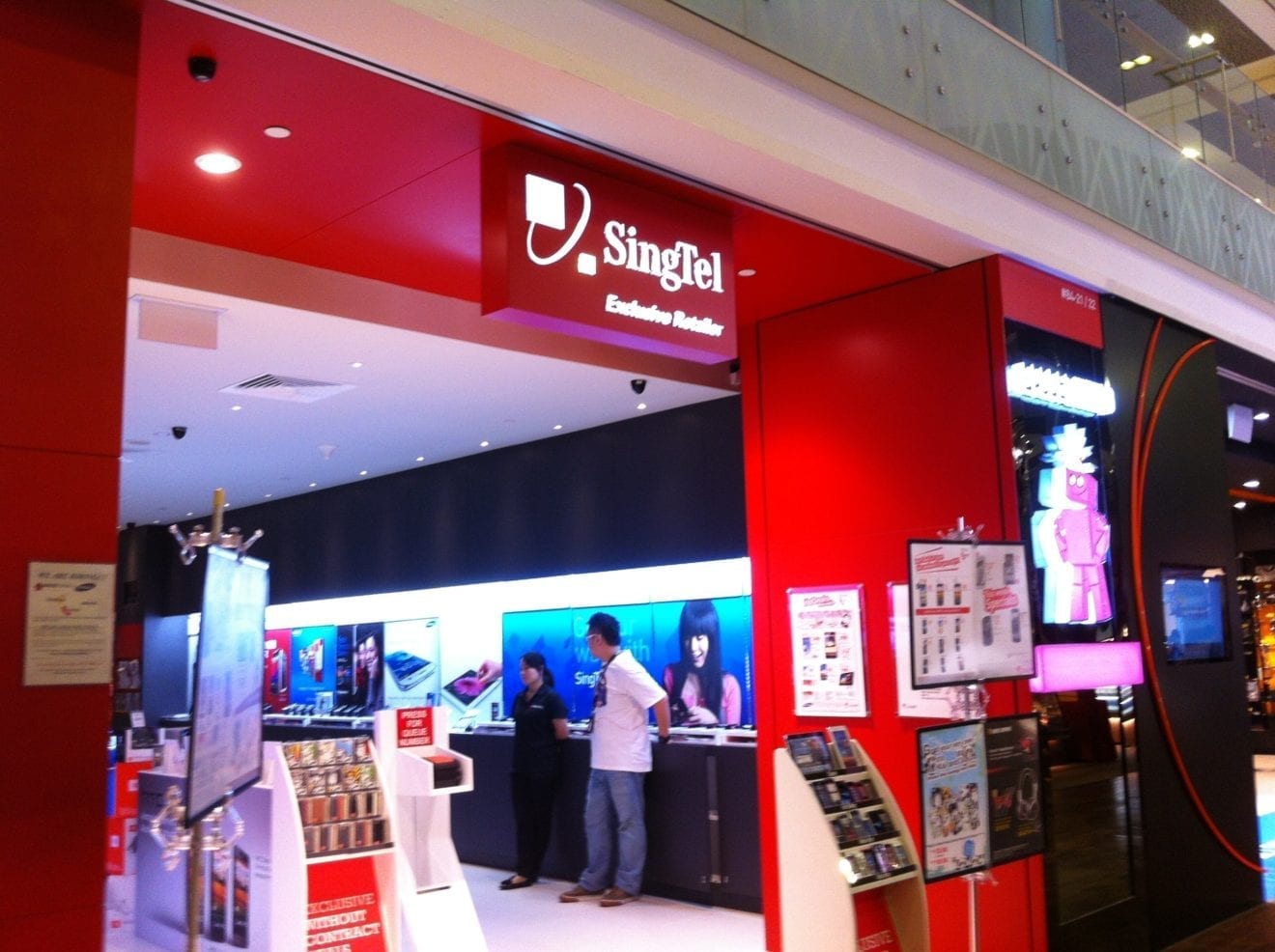
    Singtel and Ericsson have announced plans to jointly establish Singapore’s first 5G Center of Excellence to spearhead Singapore’s evolution to 5G.

    The center will receive co-funding from both Singtel and Ericsson, with the companies committing an initial $2 million investment for the next three years.

    It will seek to train 100 Singtel engineers in the critical competencies involved in designing and operating a 5G network, with Ericsson conducting workshops, field testing and providing hands-on experience.

    The center will also be open to Singapore’s wholly-owned Australian subsidiary Optus as well as its network of minority-owned regional mobile associates in Asia and Africa.

    “This is a critical next step in our journey to 5G. We’re pleased to partner Ericsson to enhance our 5G core competencies and create a robust 5G ecosystem that will allow Singtel and our enterprise customers to benefit from the anticipated growth opportunities 5G will bring,” Singtel group CTO Mark Chong said.

    “We invite customers in various verticals, such as transportation, port operations and next-generation manufacturing, to start shaping their new digital business models with us.”

    Singtel also plans to conduct 5G demos from its Comcentre headquarters to showcase potential future 5G applications such as immersive augmented reality experiences, haptic feedback for surgical operations and remote medical training.

    Next year Singtel also plans to deploy a 5G test bed to allow it to conduct live 5G field trials with enterprise customers, and engage research and tertiary institutions on potential collaborations to test 5G radios and use cases.

  • Airtel to buy Tata Group’s consumer mobile business

    Airtel to buy Tata Group’s consumer mobile business

    India’s Bharti Airtel has agreed to acquire Tata Teleservices’ consumer mobile businesses as part of the wave of consolidation sweeping the sector.

    Under the agreement, Airtel will absorb Tata Teleservices’ consumer mobile businesses across 19 of India’s 22 telecoms circles, the Economic Times reported.

    The acquisition has been approved by the boards of Airtel, Tata Sons, Tata Telervices and Tata Teleservices Maharashtra.

    It will cover all customers and assets of Tata’s consumer mobile business, including 178.5 MHz of spectrum across the 850-MHz, 1800-MHz and 2100-MHz bands. It will also provide Airtel with a right to use part of Tata’s fiber network.

    According to the report, the merger is being conducted on a debt and cash free basis, but Airtel will assume part of Tata’s unpaid spectrum acquisition debt.

    The deal is a lifeline for Tata Group, which had been considering shutting down Tata Teleservices altogether due to ongoing losses. The company will split off and retain ownership of Tata Teleservices’ enterprise fixed line and broadband business.

    The company is in initial stages of exploring combining this enterprise business with Tata Communications and its retail fixed line and broadband business with Tata Sky. Tata also plans to retain its stake in tower company Viom Networks.

  • Consumers get their mojo back

    Consumers get their mojo back

    Consumers appear to have a spring back in their step, which will be a welcome relief to retailers after the recent run of poor household spending figures.

    The Westpac-Melbourne Institute consumer sentiment index jumped 3.6 per cent in October to its highest level in a year and for the first time since November 2016 showed optimists outnumber pessimists.

    Releasing the survey on Wednesday, Westpac chief economist Bill Evans said this welcome boost is consistent with an improving global economy, less concern over a rise in interest rates because of heated house prices and strong employment gains.

    Data last week showed retail spending in August dropped for a second month a row, posting the worst performance in seven years.

    Commonwealth Securities chief economist Craig James said in the space of two months consumer confidence has gained over six per cent.

    “Consumers are getting their mojo back,” he said.

    However, the International Monetary Fund’s latest World Economic Outlook brought both good and bad news on the economic outlook.

    While it has upgraded its global growth forecasts again, bad weather events have meant Australia has failed to live up to its earlier expectations.

    IMF economic counsellor Maurice Obstfeld says the global recovery is continuing and “at a faster pace”.

    “We see an accelerating cyclical upswing boosting Europe, China, Japan and the United States, as well as emerging Asia,” he said.

    The Washington-based institution now expects the world economy to grow by 3.6 per cent this year and 3.7 per cent in 2018, both 0.1 percentage points higher than previously predicted in July.

    That compares with 3.2 per cent growth in 2016.

    By contrast, the IMF expects economic growth in Australia to slow to 2.2 per cent in 2017 compared to 2.5 per cent in 2016 – a downgrade from its previous prediction of 3.1 per cent.

    “Growth is expected to soften temporarily to 2.2 per cent in Australia, where housing investment and mining exports in the first half of the year were undermined by bad weather,” the report says.

    National Australia Bank senior economist David de Garis thought that forecast was a “little low” and is below his bank’s 2.5 per cent prediction.

    It also falls to the lower end of the Reserve Bank’s two to three per cent forecast range for this year.

    The IMF expects the economy to grow by 2.9 per cent in 2018.

  • DHL gears up for logistics boost from Thailand’s Eastern Economic Corridor

    DHL gears up for logistics boost from Thailand’s Eastern Economic Corridor

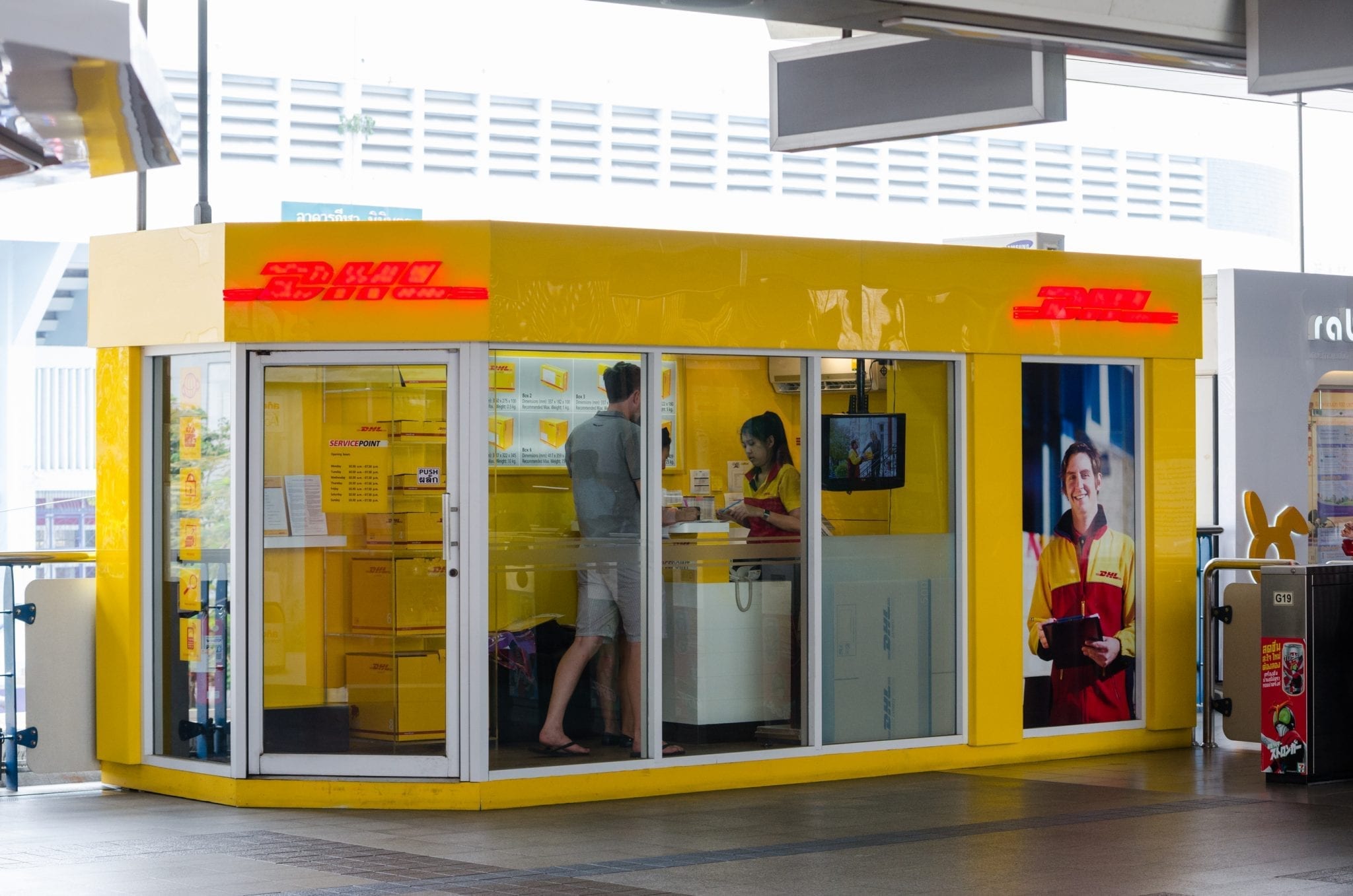
    The development of Thailand’s Eastern Economic Corridor (EEC) is set to boost the country’s contract logistics sector.

    On Tuesday, Thailand’s ruling junta approved a plan to accelerate investment for the EEC project, which will see the region developed into a $45bn special economic zone by 2021.

    According to Kevin Burrell, chief executive of DHL Supply Chain’s Thailand Cluster, the EEC will attract a whole range of new investors to the country.

    He told that the next-generation automotive, smart electronics, affluent medical and wellness tourism, agriculture and biotechnology, food innovation, industrial and lifestyle robotics, aerospace, logistics and aviation, biofuel and biochemical, and medical services and healthcare were all industries set to see increased levels of activity.

    “I believe that the automotive, industrial, technology and healthcare and life sciences sectors will further drive contract logistics growth under the EEC program,” he added.

    According to the Thailand Board of Investment, the EEC spans 13,285 sq km across three provinces in eastern Thailand, Chachoengsao, Chonburi and Rayong.

    The plan is to turn the region into a key investment, technology and transportation hub via infrastructure improvements and by designating the area as special economic zone to attract foreign direct investment.

    “With the EEC, the Thai government is prioritising the creation of faster and more comprehensive routes between airports, ports, industrial clusters and urban centres throughout Thailand by developing high-speed and double-track railways,” explained Mr Burrell.

    High-speed rail will link the three main international airports, Don Mueang, Suvarnabhumi and U-Tapao, while double-track railways will connect key industrial zones such as Laem Chabang, Map Ta Phut and Sattahip Commercial Port. A new motorway will connect Bangkok to Rayong.

    Mr Burrell said the project would enhance South-east Asia’s broader logistics connectivity, so long as cross-border trade was allowed to flow smoothly.

    “The new rail network, when connected to neighbouring countries and deployed with efficiency and cost-effectiveness, should provide significant enhancements to logistics efficiency across the region. Coupled with the development of highways across Asia, it will provide a perfect platform for the efficient flow of goods.

    “What is still to be seen is border crossing harmonisation. What really needs to be developed is an efficient manner to allow vehicles to drive across borders with limited delays from customs processes.”

    DHL Supply Chain is to invest more than €70m to grow its regional footprint in Thailand, Vietnam, Cambodia and Myanmar by 2020. It plans new facilities, expanding its fleet of trucks and new technology to create an additional 5,000 jobs in the four countries.

    DHL recently completed a move to new premises in Bangkok’s business area. From there it has a nationwide network of 70 facilities, with combined warehouse space of 650,000sq metres and 10,000 employees.

    However, Mr Burrell added, finding suitable labour was becoming increasingly challenging, and as a result, greater warehouse automation would be deployed to fill the gap.

    “It becomes more and more difficult to find workers. That’s why we have opened our labour force to foreign labour. However, the regulations around foreign labour are understandably detailed and complicated. As a result, we have looked at alternatives to derive greater operational efficiencies and have started to deploy automation systems in some facilities.

    “Looking ahead, we see an ever-widening shortage of drivers for heavy goods vehicles. We feel it is essential to address this issue; one option is to allow foreign drivers to drive in Thailand, and an alternative is a government initiative to encourage development in this important space,” he said.
  • Cebu Pacific honors 20% discount for senior citizens

    Cebu Pacific honors 20% discount for senior citizens

    Gokongwei-led budget carrier Cebu Pacific upgraded its systems to implement the 20% discount on domestic flight tickets for senior citizens and persons with disabilities (PWDs), even for bookings made online.

    The discount comes on top of the exemption from 12% value-added tax (VAT) provided by the government.

    Senior citizens and PWDs who book Cebu Pacific domestic flights, whether via ticket offices, online through the airline’s website, or through the mobile app, will now see the discounts reflected in the base fare.

    “Through this system upgrade, we hope to be able to better serve the traveling public and make it easier for our senior citizens and PWDs to avail of the discounts,” said Cebu Pacific vice president for corporate affairs JR Mantaring in a statement on Friday, September 22.

    “We also recognize the efforts of the House committee on transportation, the Department of Transportation, and the Civil Aeronautics Board in drafting these guidelines that would govern the granting of discounts for senior citizens and PWDs on online transactions as these have been seen growing exponentially over the past years,” he added.

    The 20% discount offered to seniors and PWDs is for airfare only and does not include other services such as food, baggage allowance, and seat selection.

    Steps to follow

    In order for eligible passengers to obtain the discounts through online booking, Cebu Pacific said they need to input their details, including their birthdate or the number stated on their identification cards (senior citizen’s ID or PWD ID).

    The total discounted amount can then be found both in the “booking summary” portion of the website, as well as the “fare breakdown” or “payment details” portion of the itinerary receipt.

    Upon check-in, passengers who obtained the discount are required to present their senior citizen’s ID or PWD ID.

    Passengers who do not have those IDs may also present other valid government-issued IDs that show their nationality and birthdate, such as their passport, driver’s license, voter’s ID, SSS/GSIS ID, PRC card, or postal ID.

  • Paragon parent reports full occupancy

    Paragon parent reports full occupancy

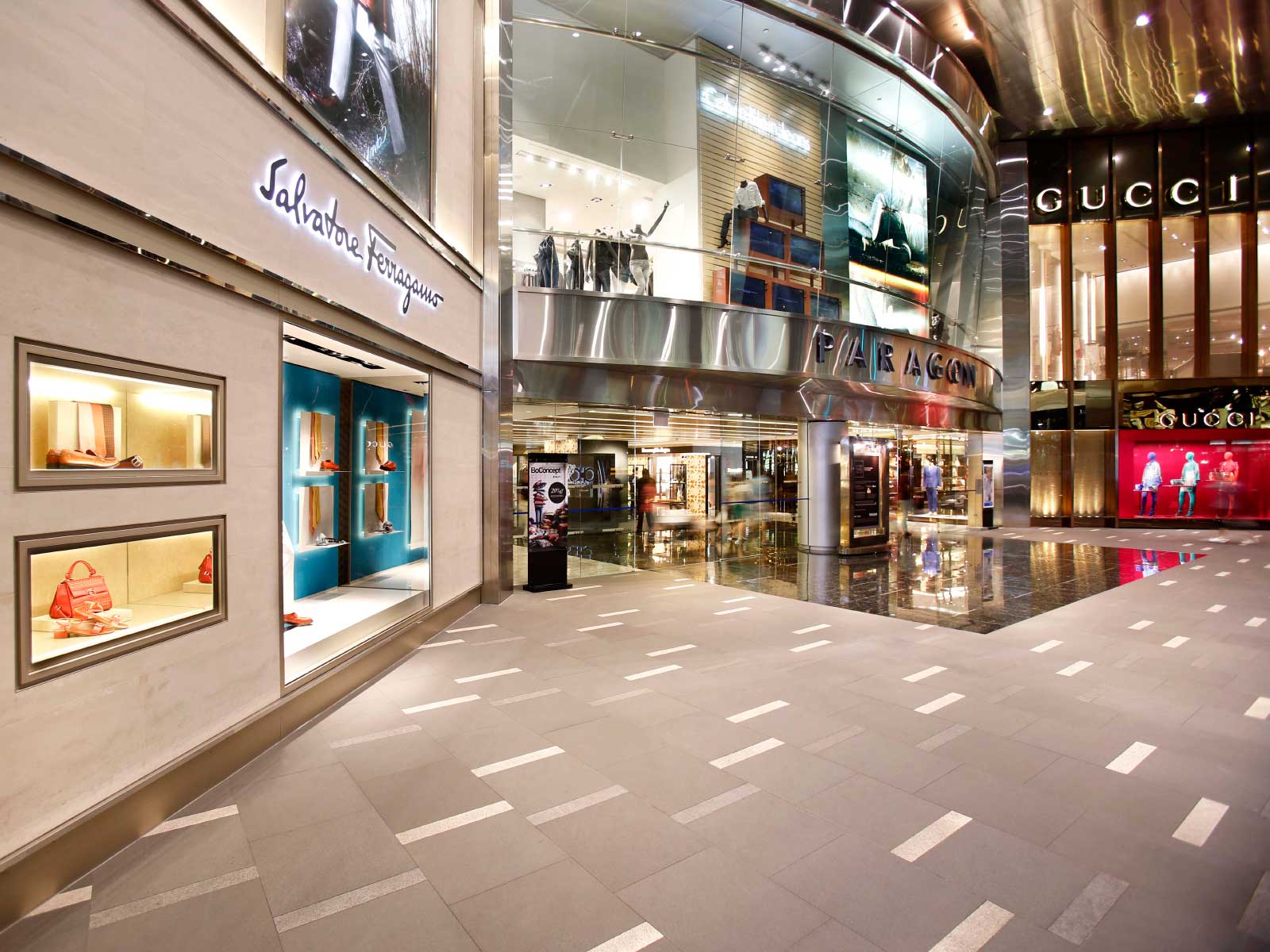
    Paragon parent SPH Reit says both its Singapore mall properties have continued their track record of full occupancy amid mounting competition.

    Despite a muted retail environment, gross revenue for the quarter ended August 31 grew 1.3 per cent to S$52.9 million (US$38.9 million). The trust says this is because of higher rental income from Paragon and The Clementi Mall.

    Net property income for the period was up 3.9 per cent year on year at $41.8 million, and ahead 4.5 per cent to $168.1 million for the 12 months. Gross revenue for the full year was up 1.5 per cent to $212.8 million.

    Tenant sales at Paragon rose 2.1 per cent to $675 million, even as visitor traffic held steady at 18.3 million. The Clementi Mall had visitor traffic of 29.9 million, down 0.3 per cent, while tenant sales fell 5.8 per cent to $225 million.

    SPH Reit CEO Susan Leng says that while the economic outlook has improved, the retail scene remains muted.
    Some segments, such as luxury watches and jewellery, are beginning to show signs of recovery, while the property market is also picking up, she says.

    Despite this, consumer sentiment has yet to pick up decisively even as structural changes like the rise of e-commerce have forced retailers to review their business models. “There are some positive indicators, but the recovery will take time to pan out.”

    Leng says SPH will partner its tenants toward mutual success and in riding through both structural and cyclical retail trends.

    Meanwhile, the trust will continue to invest in upgrading its malls. Paragon has started the second phase of its air-handling unit decanting project, which involves creating extra lettable area at higher-yielding retail space. This is expected to be completed by the middle of next year.

  • Levi’s Cambodia makes Siem Reap debut

    Levi’s Cambodia makes Siem Reap debut

    Levi’s Cambodia has opened its first store in downtown Siem Reap.

    The US denim-focused fashion brand now operates six official stores in the country, with four in Phnom Penh and one at Siem Reap international airport.

    Levi’s Cambodia has been operated by DKSH, the brand’s sole franchisee and distributor, since 2010.

    “We are optimistic about the prospects of Cambodia’s retail environment,” said Peter Hornby, VP for fashion apparel with DKSH Thailand.

    “In particular we have seen strong growth and demand for Levi’s branded products among Cambodia customers, and we plan to continue our retail expansion to 10 or more stores by the end of 2018.”

    The downtown store is also the first stand-alone outlet for the brand, with the other five in centre developments.

  • Car vending machines dispense vehicles bought online

    Car vending machines dispense vehicles bought online

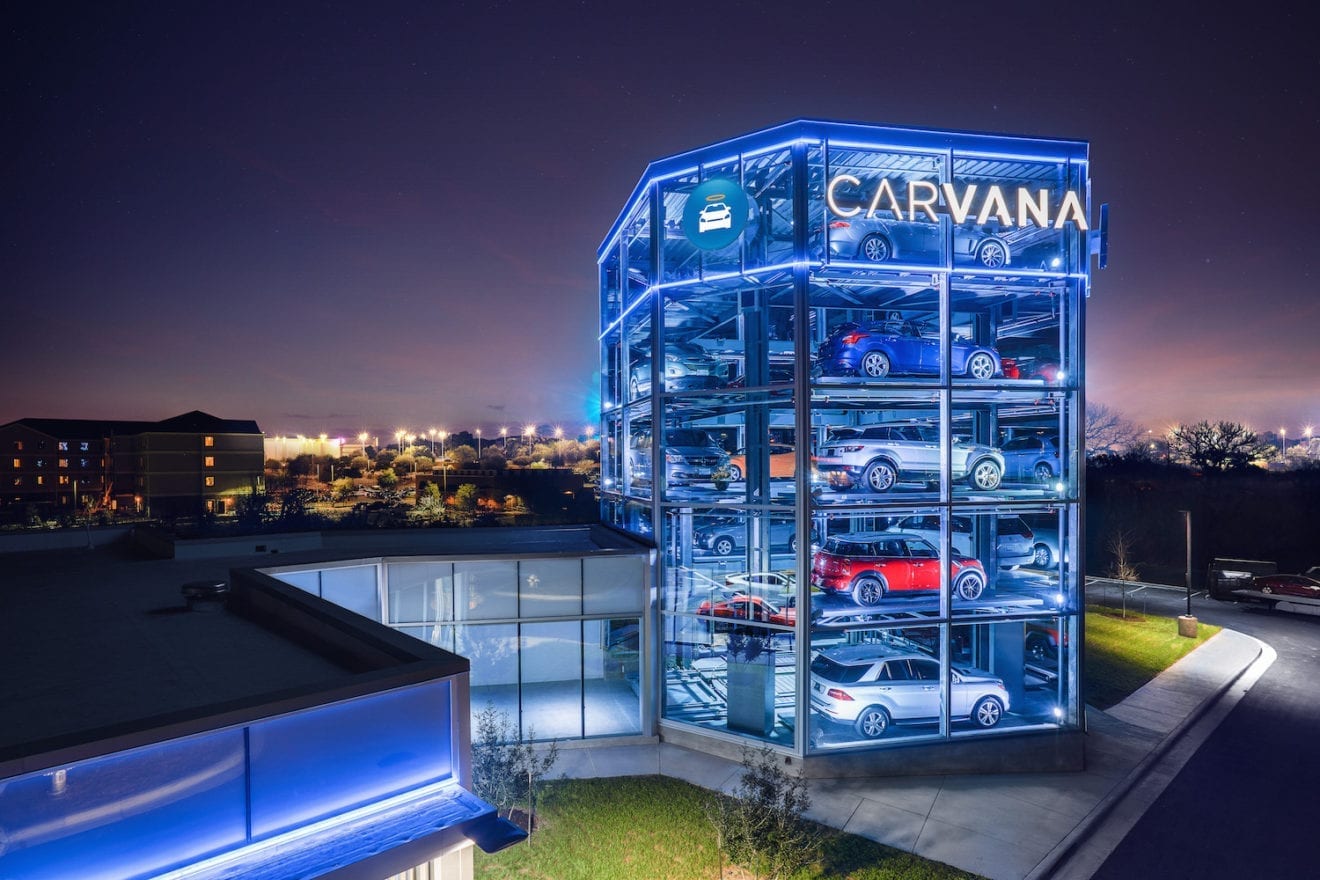
    The US motor vehicle industry appear to have removed the last piece of personal interaction involved in the process of purchasing a car, with the launch of car vending machines.

    Shoppers who prefer to bypass physical dealerships can now order and pay for their car online before popping down to a multi-storey building resembling a vending machine to collect their ride.

    NYSE-listed Carvana, a leading eCommerce platform for buying used cars, has launched the latest of its car vending machines in Jacksonville, Florida. The eight storey-high building is fully automated and coin-operated (yes, you did read that correctly) and can house as many as 30 vehicles. Carvana says the buildings “give customers a unique and memorable pickup experience” for cars they buy online.  It is the seventh such building Carvana has opened, the others being in Houston, Austin, San Antonio and Dallas in Texas, Nashville, Tennessee and Raleigh North Carolina.

    Carvana says its system appeals to customers because instead of spending hours walking around dealerships, customers who choose Carvana can search through the company’s national inventory of 7000 vehicles and finance and purchase their car completely online. From start to finish, the entire process takes as little as 10 minutes. All vehicles in Carvana’s inventory have passed a 150-point inspection and have never been in a reported accident or have frame damage. All features, imperfections and updated information about open safety recalls are listed on the car’s vehicle description page.

    Once the online purchase is complete, customers can choose to have their car delivered as soon as the next day, or pick it up from one of the car vending machines. Customers who choose  the vending machine option will receive a commemorative, oversized Carvana coin on-site to activate the vending process and transport the car into the delivery bay. Customers then have a seven-day, money-back guarantee, giving them the chance to see if the vehicle really fits their life. If they aren’t satisfied, they can return the vehicle for a full refund.

    Ernie Garcia, founder and CEO of Carvana says he wants to “bring some fun back into the car buying process”.

    Vehicle pickup at any of Carvana’s car vending machines is free for customers. Those who live outside the metropolitan delivery area but would still like to pick up their car at a vending machine, Carvana will subsidise $200 for an airfare and arrange “white glove transportation” from the airport.

    Founded in 2012 and based in Phoenix, Arizona, Carvana says its mission is to change the way people buy cars.

    “By removing the traditional dealership infrastructure and replacing it with technology and exceptional customer service, Carvana offers consumers an intuitive and convenient online automotive retail platform. A fully transactional website enables consumers to quickly and easily buy a car online, including finding their preferred vehicle, qualifying for financing, completing the purchase and loan with signed contracts, and receiving delivery or pickup of the vehicle,” the company says in a statement.

  • Isaac Toast lands in Malaysia – at KL airport

    Isaac Toast lands in Malaysia – at KL airport

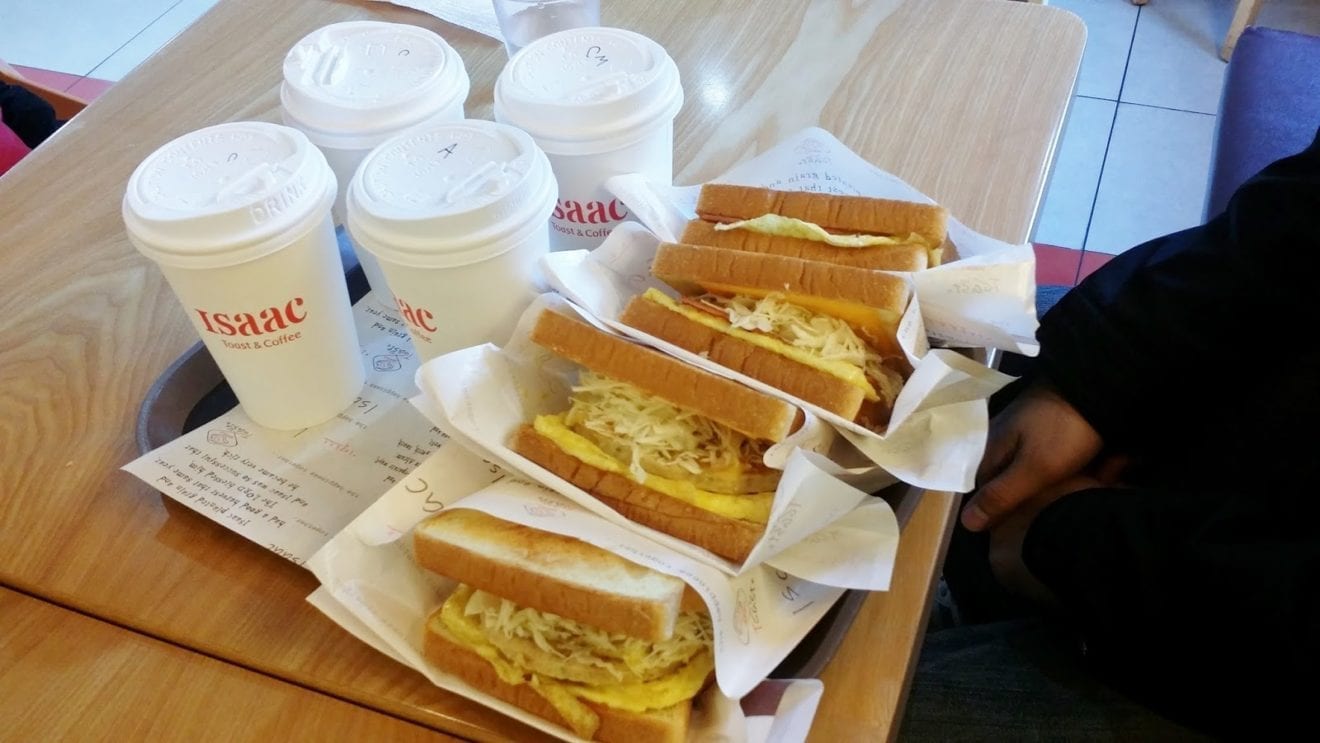
    South Korean sandwich outlet Isaac Toast opened yesterday at Kuala Lumpur International Airport (KLIA2) Arrival Hall – its debut for Malaysia.

    Starting out as a sandwich stall in Seoul in 1995, Isaac Toast now has 700 retail outlets in South Korea, with a scattering of stores also in Macau and Taiwan.

    It is known for its filling sandwiches that feature different meats and toppings. Its most popular sandwiches include Bulgabi, Bulgogi, Bacon Best and Ham Special, plus some branches offer specialties like Double Cheese Potato and even Shrimp.

  • Charoen Sirivadhanabhakdi eyes Malaysian restaurants

    Charoen Sirivadhanabhakdi eyes Malaysian restaurants

    A Thai group controlled by Charoen Sirivadhanabhakdi may buy a substantial stake in the KFC and Pizza Hut restaurant chains in Malaysia.

    Through his majority controlled Thai Beverage, which brews and markets Chang beer, Charoen is presently taking over the KFC chain in Thailand.

    QSR Brands owns and runs the KFC and Pizza Hut quick-service restaurants in Malaysia. Johor Corporation has a 51 per cent stake in QSR Brands, while the Employees Provident Fund (EPF) and private equity firm CVC Capital Partners own 25 and 24 per cent respectively.

    JCorp took KFC private in 2012 through QSR Brands in a deal listed at RM5.1 billion (US$1.2 billion). The deal was completed in early 2013.

    Apart from ThaiBev, Charoen also owns Fraser and Neave (F&N) in Singapore, a company he took over in January 2013. In Malaysia, Fraser & Neave Holdings works in the F&B sector.

    Charoen’s ThaiBev last month bought 240 KFC restaurants across Thailand for THB11.3 billion (US$340.2 million).

    QSR Brands has more than 775 KFC restaurants in Malaysia, Singapore, Brunei and Cambodia. It also runs Pizza Hut in Malaysia and Singapore, with more than 390 restaurants.

  • Costa Coffee Vietnam makes debut at airport

    Costa Coffee Vietnam makes debut at airport

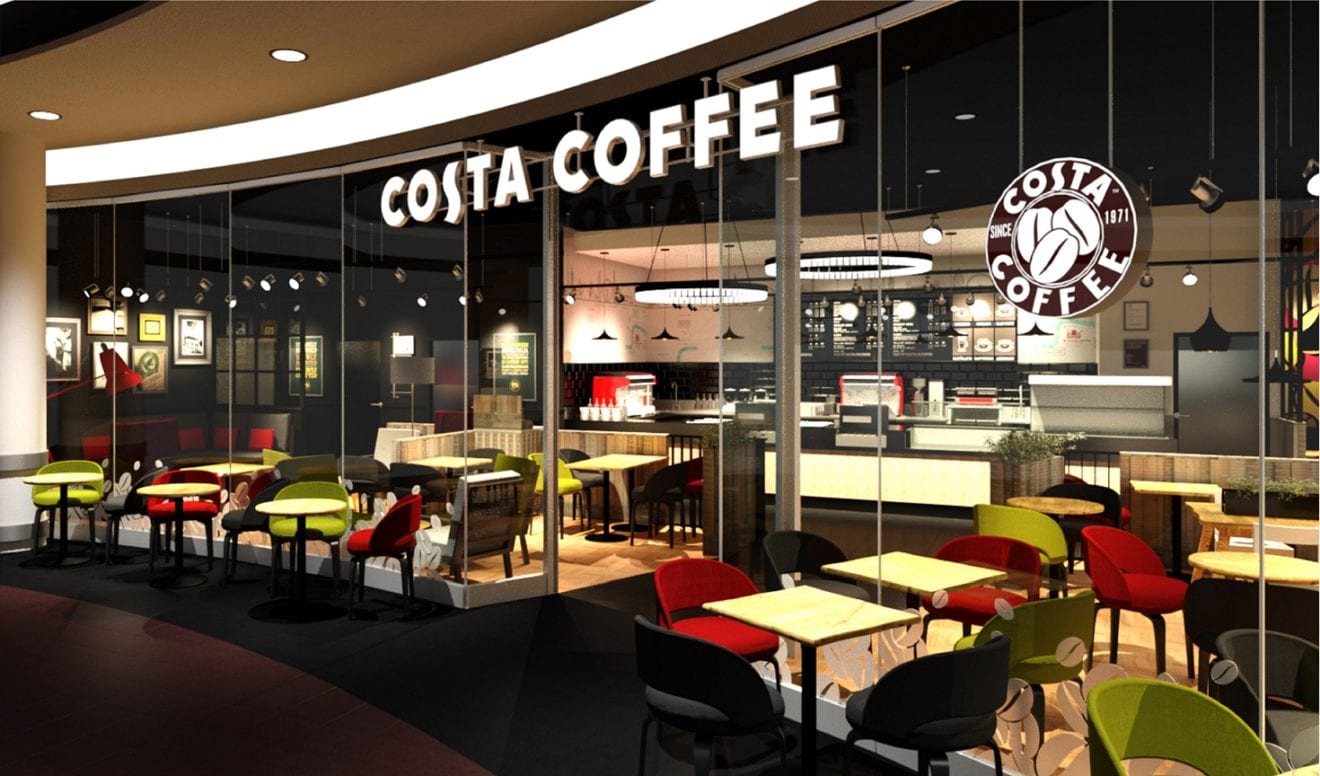
    Costa Coffee Vietnam has made its debut with an outlet at Da Nang International Airport.

    The outlet has been opened by British multinational coffeehouse company’s global partner, Italian catering company Autogrill.

    Costa Coffee says the store is part of its expansion in Southeast Asia. It opened a store in Jakarta last month, with a second to open in the next few months.

    For Vietnam, the menu includes its range of blended iced drinks and creamy Frostinos, such as the Double Chocolate Cookie Mocha. There are also Costa classics such as salads, toasties and sandwiches, European and Southeast Asian cakes, desserts and healthy treats.

    “Costa is all about great people and great handcrafted coffee,” says Costa Coffee Southeast Asia head Matt Kenley.

    Founded in London in 1971, Costa has more than 2200 coffee shops in the UK and more than 1200 in 29 international markets.

  • Lancome Travel Retail opens airport pop-up

    Lancome Travel Retail opens airport pop-up

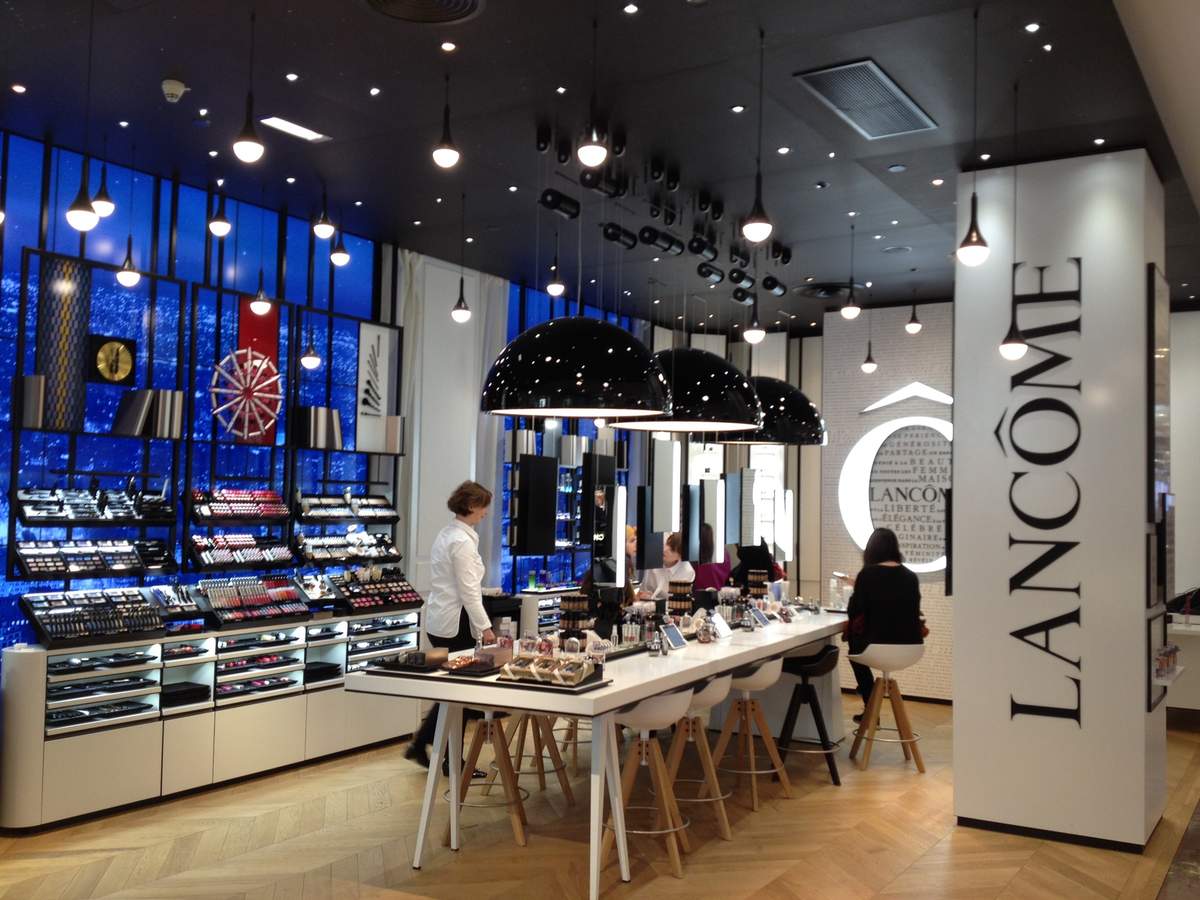
    French luxury beauty brand Lancome Travel Retail has opened a Holiday Wonders pop-up store at Singapore’s Changi Airport.

    In partnership with The Shilla Duty Free and Changi Airport Group, it is at the Terminal 3 Departure Transit Hall (Central) until November 10.

    The first of its kind at the airport and a first for the brand, the pop-up celebrates the brand’s new “Declaring Happiness” global campaign and the release of Lancome Advanced Genifique Sensitive. It also introduces Lancome’s augmented-reality virtual makeover app, Virtual Mirror.

    Another digital touchpoint is at the pop-up entrance, where customers can play an interactive game with a chance to win samples of Lancome’s bestselling L’Absolu Rouge lipstick.

    Immersive retail experiences at the pop-up invite travellers on an Parisian escapade. Outfitted with wooden floors and chimney, the store also features a special window with an Eiffel Tower view. Customers can take selfies of themselves “flying” over Paris holding a Lancome floating gift balloon at a custom photobooth.

    A sharing table lets customers experiment with textures and colours, as well as test-drive tailored skincare routines or makeup looks under the guidance of beauty advisors.

    Lancome Travel Retail national makeup artist Vic Tu will host a beauty show at the pop-up on October 14 and 15.

    As well as the experiential offerings, travellers can also take advantage of beauty travel exclusives at the pop-up store as well as at Changi Airport’s online duty-free shopping site, iShopChangi. Buyers of the “Your Perfect Travel Companion” sets at the pop-up store will also receive an exclusive collectible, a Lancome x Singapore luggage tag with complimentary engraving services at specified times.