Author: Mei Ling Tan

  • Alibaba chairman Jack Ma to speak at e-payment forum in Hanoi

    Alibaba chairman Jack Ma to speak at e-payment forum in Hanoi

    Now in its third year, the forum is the country’s biggest e-payment event. World famous billionaire and Alibaba chairman Jack Ma is expected to visit Hanoi next month to attend a forum on e-payment services.

    Now in its third year, the annual Vietnam E-Payment Forum, provides an opportunity for the government, experts and businesses to sit down together and discuss the latest trends in e-payment services and the best ways to apply them in Vietnam.

    This year, mobile payment will be in the spotlight.

    As a speaker at the event, Jack Ma, founder and executive chairman of Chinese e-commerce giant Alibaba, will talk about his experiences of developing e-commerce and mobile payment services in China.

    According to iResearch, the leading provider of online audience measurement and consumer insights in China, the mobile payment market was valued at $5.5 trillion last year in China, nearly 50 times greater than that of the U.S., and Ant Financial Service, a subsidiary of Alibaba, contributed a lion’s share of 54 percent.E-payment has gradually replaced cash in Vietnam’s northern neighbor, and these days, most Chinese people pay for products and services using their smartphones.

  • AirAsia X eyes expansion in China, Japan and South Korea

    AirAsia X eyes expansion in China, Japan and South Korea

    AirAsia X considers North Asia, namely, China, Japan, and South Korea, as its new market for growth, said AirAsia. Due to the scarcity of resources, the long haul budget airline will also be rationalising its routes by reallocating some of the current Australian capacity to its other destinations next year.

    “We have to be very selective of our routes, seeing that our aircraft is limited and we will only get more aircraft next year.

    “Demand is starting to pick up from Thailand and Indonesia, and we believe that the next market of growth will be in North Asia. Kamarudin was speaking after the launch of AirAsia X’s launch of four times weekly direct flights from Kuala Lumpur to Jeju, South Korea.

    AirAsia X CEO Benyamin Ismail targets to achieve a passenger load factor of 80% in 12 months’ time, for the Kuala Lumpur-Jeju route.

    AirAsia is the only airline to operate direct flights to Jeju, from Kuala Lumpur, connecting the island with Malaysia, the rest of Asia, and beyond.

    “South Korea is an important market and we have seen tremendous growth from our existing routes to Seoul and Busan, which will now be complemented by our new service to Jeju, saving our guests the hassle of domestic transit to the island province.

    “This new route will provide additional annual capacity of over 150,000 and will be a significant boost to strengthen business and tourism ties between Malaysia and South Korea,” said Benyamin.

    He added that Malaysia was the second largest tourist market in South Korea, after China.

    An estimated two million passengers travel between South Korea and Malaysia each year.

    The group has plans to increase flight frequencies to Seoul from 14 times weekly to 18 times weekly, beginning December.

    Meanwhile, AirAsia X flight frequencies to Busan shall also be increased from four times a day to five times a day, beginning November.

    The Kuala Lumpur-Jeju route shall commence on December 12, 2017, with promotional all-in fares from RM199 one-way.

    The special promo of all-in fares from RM199 one way on standard seat and RM899 one-way on award winning Premium Flatbed will run from October 10 to October 15, for travel between December 12, 2017 and March 25, 2018, available for booking on airasia.com.

    Jeju Island, also known as the “island of the gods”, is a beautiful volcanic island located 64 kilometres south of the Korean peninsular.

    It is the country’s most popular holiday island, with more than 70% of visitors being domestic travellers seeking out what has become known as the “Hawaii of South Korea”.

  • Wines and spirits contribution to LVMH luxury business

    Wines and spirits contribution to LVMH luxury business

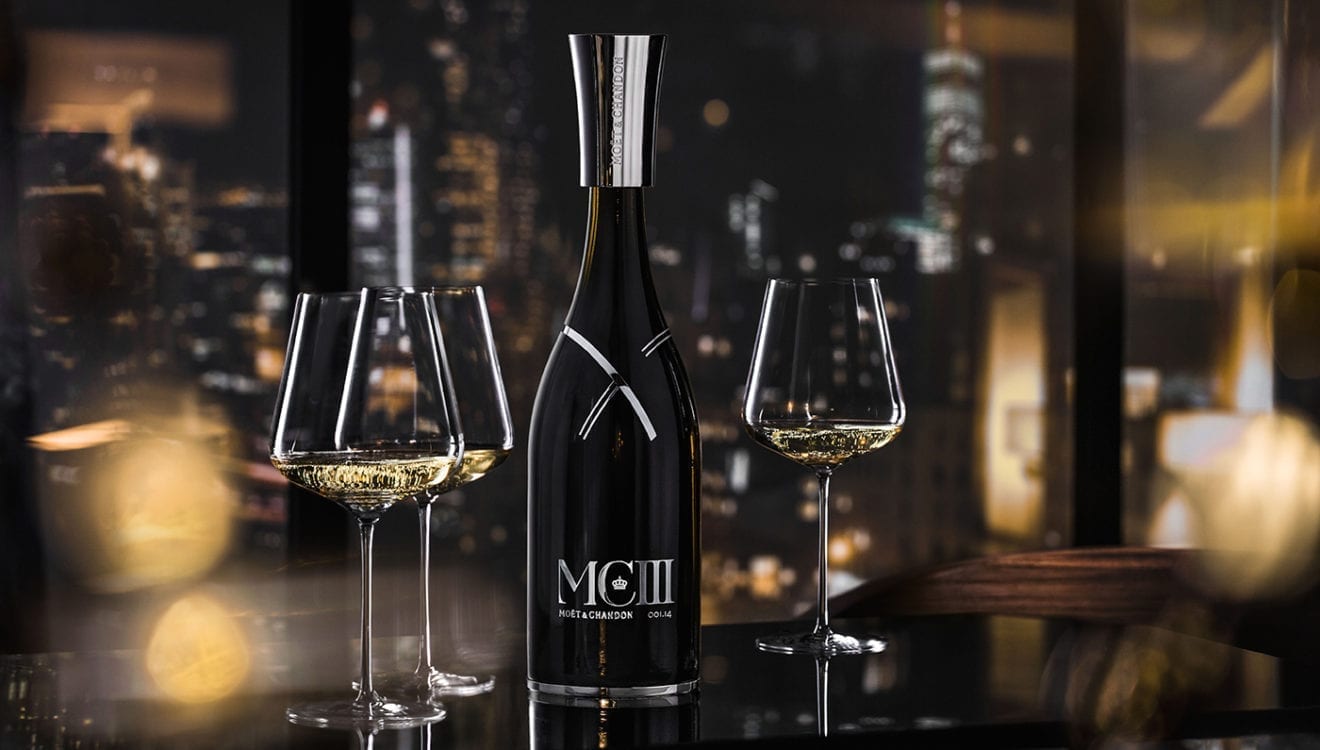
    It has been a bubbly nine months for the LVMH luxury business – with the exception of its wines and spirits division, which was hampered by supply constraints.

    Revenue grew by 14 per cent for the period to reach €30.1 billion (US$35.4 billion).

    With organic revenue growth of 12 per cent, the third quarter continues the trend for the year, says the group. The revenue increase was despite a negative currency impact of 5 per cent and a positive structural impact of 7 per cent, reflecting the integration of Christian Dior Couture.

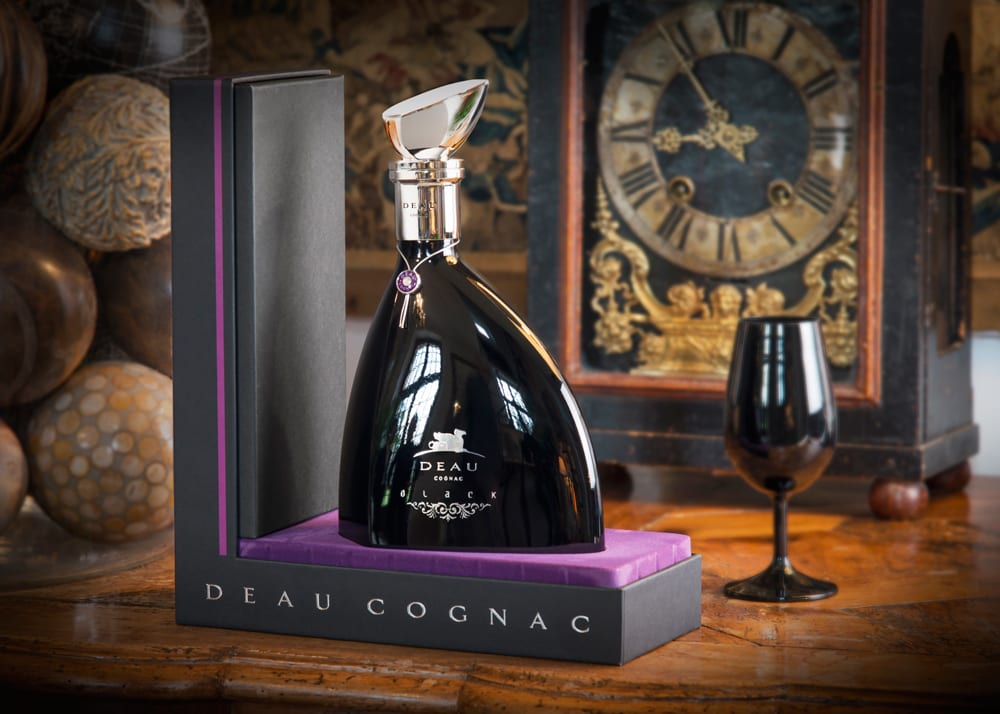
    All business groups recorded double-digit organic growth, with the exception of wines and spirits where growth was 8 per cent. Champagne volumes were up 4 per cent, with particularly strong demand in Europe and Japan. Hennessy cognac had a volume increase of 9 per cent despite a third-quarter decline related to limited supply.

    LVMH’s selective retailing business group had organic revenue growth of 12 per cent. Online sales grew at a steady pace, and DFS had sustained growth, particularly in Hong Kong and Macau. The T Galleria store in Cambodia has also developed well, says the group.

    Organic growth of 14 per cent was recorded by the fashion and leather goods business group. It attributes this to innovation, such as the launch of Louis Vuitton’s first smartwatch.

    “The qualitative development of the distribution network continues, as illustrated by the opening of the Maison Louis Vuitton Vendome in Paris, which brings together under one roof all the savoir-faire of the maison,” says the group.

    Highlights during the period included Fendi opening stores in the US and Rimowa being consolidated. Donna Karan was sold at the end of last year.

    There was also 14 per organic growth in perfumes and cosmetics. Perfumes benefitted from the launch of the eau de parfum Miss Dior. Guerlain rolled out Mon Guerlain fragrance internationally, and Fenty Beauty by Rihanna had an “exceptional” start.

    Watches and jewellery had 13 per cent organic revenue growth, with Bulgari achieving “a remarkable performance” with the rapid growth of its signature jewellery collections Serpenti, Diva and B.Zero1.

  • Deliveree raises cash for expansion

    Deliveree raises cash for expansion

    Thai-founded Deliveree has raised US$14.5 million in a series A funding round, the cash earmarked for further Southeast Asian expansion.

    Since its launch in Bangkok three years ago, Deliveree has moved into Manila (operating as Transportify) and Jakarta. It will now expand into other markets in the region, likely to include Malaysia.

    The concept links private drivers with businesses moving small parcels, tapping into the growing e-commerce economy, and is also moving into larger consignments, targeting online retailers receiving inventory prior to sale.

    The latest funding round was led by Gobi Partners, which has a stake in Deliveree’s rival GoGoVan. Asia Summit Capital and foundation shareholder Inspire Ventures also invested.

    “Over the past few years, there has been a substantial investment in small-parcel, last-mile

    consumer logistics,” said Deliveree CFO Gagan Singh.

    But, he said but the industry suffers from poor operating economics. He believes Deliveree’s technology is more easily scaled than that of rivals, like Hong Kong headquartered Lalamove and GoGoVan.

    Deliveree claims to have 15,000 vehicles on its roster.

  • Australia Post stamps out gender pay gap, launches free delivery

    Australia Post stamps out gender pay gap, launches free delivery

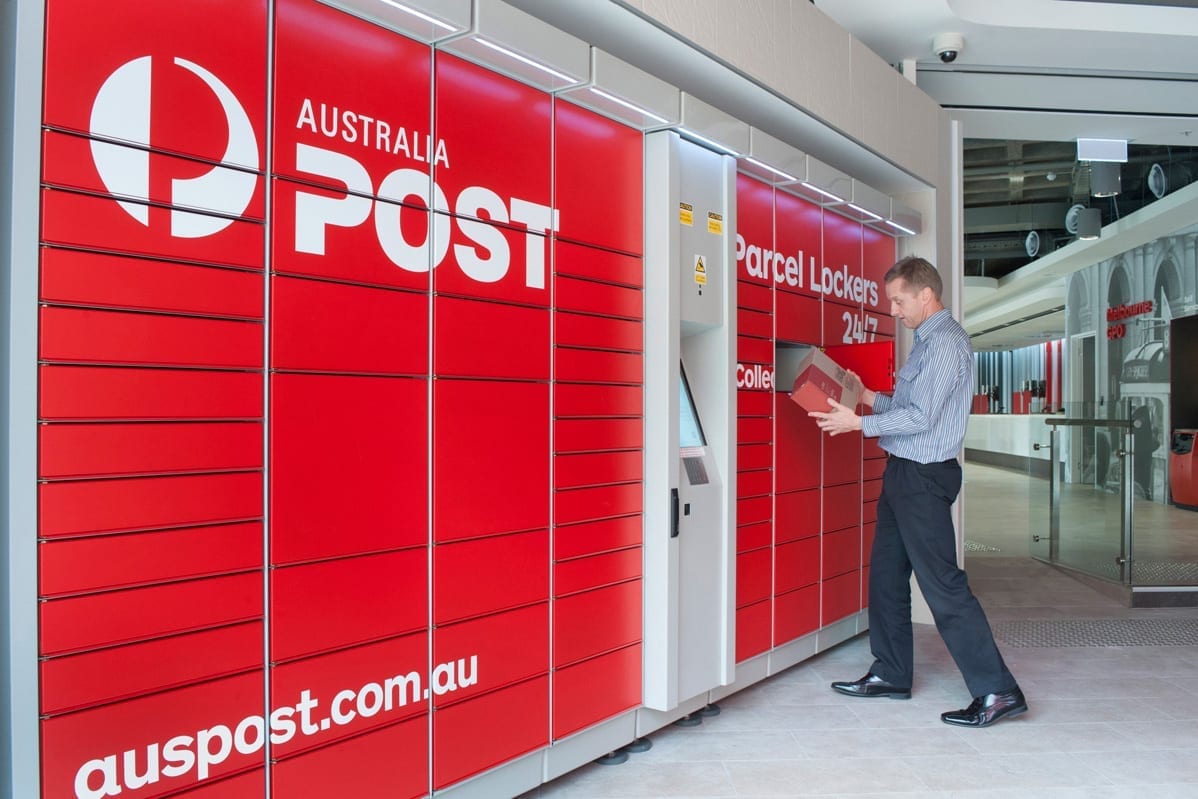
    Australia Post has stamped out its gender pay gap, bringing the company’s average pay difference between men and women to zero per cent.

    The reduction is an improvement on the company’s 1.4 per cent difference recorded in 2016 and is far below the national average of 16 per cent.

    Australia Post acting chief executive Christine Corbett said she was extremely pleased with the result given Australia Post is one of the largest employers in the country.

    “Over the last seven and a half years we have focused on improving the representation of women across all levels of leadership and addressing unconscious bias,” Corbett said in a statement on Tuesday.

    “Since then, we have seen a concerted effort across the board to recognise and champion our female workers.”

    In the past year, over 400 women have participated in Australia Post’s career development programs, which Corbett described as being “instrumental” in identifying and nurturing talent.

    Women now account for 37.5 per cent of all management staff at Australia Post, up from 36.4 per cent, while the number of female board members has jumped to 44.4 per cent from 33.3 per cent in 2016.

    The announcement comes only weeks before former Blackmores chief executive Christine Holgate is due to take the reins and lead Australia Post on less than half the pay of her predecessor Ahmed Fahour.

    Holgate will join the board at the end of the month and will receive an annual salary of $1.375 million, more than $4 million less than the $5.6 million Fahour took home in 2016/17.

    Her appointment will bring the number of female directors to five out of nine, including deputy chair Holly Kramer.

    Free shipping launched

    Meanwhile the distribution company has also gotten in early before Christmas trade and seemingly e-commerce giant Amazon’s launch, today announcing free shipping on eligible purchases at over 40 of Australia’s biggest online stores – including Booktopia, Myer, Target, Toys R Us, Cotton On and Showpo until January 1.

    Shoppers in metropolitan Melbourne, Sydney and Brisbane can join Shipster, a new membership program powered by Australia Post, for $9.95. Members will receive free shipping whenever they spend $25 and over at participating stores, as well as free delivery of one Deliveroo order each month.

    Shipster members will have their shipping costs automatically deducted on eligible purchases at the checkout.

    “We know our customers love to shop online and this Christmas we expect more gifts to be bought online than ever before,” said Corbett.

    “And with online shopping growing from 11.5 per cent to 15 per cent in the last 12 months, we’re predicting the busiest year for online shopping we’ve ever seen at Australia Post.”

    Following the introductory period, Shipster membership will cost $6.95 per month, and continue to allow customers to receive free delivery where shipping costs less than $20.

  • Denso to invest $1 billion creating 1,000 jobs

    Denso to invest $1 billion creating 1,000 jobs

    Japanese auto parts supplier Denso Corp plans to invest $1 billion in its Maryville, Tennessee plant to develop vehicle electrification and safety systems, creating around 1,000 jobs.

    This is the latest in a series of announcements from automakers rushing to bring a large number of electric vehicle models to market in the coming years.

    Policymakers in key markets such as China are pushing a shift to electric cars from internal combustion engines over the next two to three decades, while relatively new rival Tesla is gaining momentum, pressuring traditional automakers to crank up plans for fully electric vehicles.

    Denso said in a statement the investment would expand multiple production lines at the facility to produce advanced safety, connectivity and electrification products for hybrid and electric vehicles. The new jobs will include production workers, technicians and engineers.

    “We are seeing dramatic shifts in the role of transportation in society, and this investment will help position us to meet those changing demands,” Kenichiro Ito, chairman of Denso’s North American board, said in a statement.

    In 2015 the auto supplier announced a $400 million investment in Maryville and the creation of 500 jobs.

    Last week, Toyota Motor announced a joint venture with partner Mazda Motor Corp (7261.T) to develop electric vehicle technology. Toyota will take a 90 percent stake in the joint venture while Mazda and Denso, Toyota’s biggest supplier, will each take 5 percent.

    No. 1 U.S. automaker General Motors said this week it would add 20 new battery electric and fuel cell vehicles to its global lineup by 2023.

    A day later, Ford Motor said it planned to slash $14 billion in costs over the next five years and shift capital investment away from sedans and internal combustion engines to develop more trucks and electric and hybrid cars.

  • Kiwi spending habits revealed

    Kiwi spending habits revealed

    People living in Canterbury spend the third highest amount on eating out after Auckland and Wellington, according to data gleaned from Westpac NZ.

    The financial firm has drilled down into the data of over 96,000 CashNav app users and determined the spending habits and characteristics of Kiwi consumers across the country.

    Westpac’s CashNav app allows customers to track their daily spending habits by categorising what they spend their money on and identifying what is holding their saving aspirations back. It also notifies them if their spending is higher than usual.

    The app does this by automatically categorising customers’ EFTPOS, debit and credit card transactions into one of 12 categories such as eating out, shopping, travel, entertainment, home, groceries, transportation, utilities, education and health.

    The data found that those aged 18-75 years old and living in Canterbury spend around $380 on average per month at cafes, restaurants or fast food outlets – third only to Aucklanders who spend $486 and Wellingtonians who spend $436.

    In Canterbury, the biggest spenders were people aged 36-55 – they spent $453 per month compared to $366 for 18-35s and $318 for those aged 56-75 years old.

    However, when it comes to who spends the most on groceries, smaller populated regions spend more at the supermarket than Cantabrians who spend $657 on average per month. Those living in Marlborough spend the most on groceries each month at $712 on average, followed by Otago on $668 and Southland on $658.

    Meanwhile Hawke’s Bayers are some of the most careful spenders in the country

    When it comes to spending on groceries, people living in Hawke’s Bay spend the second lowest of 13 New Zealand regions on average per month.

    Westpac found that those living in Hawke’s Bay spend around $517 on average per month, beaten only by those in the Manawatu-Wanganui region who spend around $502 per month. People in Marlborough spend the most at $712 on average per month.

    When broken down into age groups, millennials (18-35s) in the Hawke’s Bay spend the least on groceries when compared to millennials living in other regions, at $372 per month on average.

    And in a region with an array of fine wines and dining options, people in Hawke’s Bay came in at only ninth out of 13 regions on their spending on eating out at cafes, restaurants, and at fast-food outlets.

    It’s a similar story when it comes to spending on health such as gyms fees, pharmacies, make-up stores and beauty salons, with people in the Hawke’s Bay spending about $183 on average per month – nearly $100 less than people in Auckland.

    “People in Hawke’s Bay appear to be keeping a close eye on their spending which is good,” said Westpac NZ GM of marketing, products and transformation, Andrew Kerr.

    Bay of Plentians are more likely to splash out on entertainment compared to many other New Zealand regions, according to the data.

    Those in the Bay of Plenty spend the third highest amount at around $223 on average per month at the movies, at concerts, or on gaming or gambling – beaten only by Auckland and Taranaki.

    People in Marlborough spend most on groceries compared to other regions, with Westpac finding Malburians spend around $$712 on average per month at the supermarket – the highest grocery spend in the country.

    When broken down into age groups, those aged 36-55 in Marlborough spend the most on groceries at around $924 while Marlborough millennials (18-35) spend $495 per month on average.

    People in the Manawatu-Wanganui watch their pennies the most when it comes spending on eating out, groceries, health and entertainment, with those living in the Manawatu-Wanganui spend the least of 13 regions on groceries at around $502 on average per month – $210 less than the highest spending region, Marlborough.

    People from Southland spend the third highest amount on groceries when compared to 12 other regions in New Zealand, beaten only by Marlborough and Otago respectively.

    Southlanders between the ages of 18-75 spend around $658 on average per month at the supermarket but when broken down further, Southlanders aged 36-55 spend $951, 56-75s spend $697 and millennials (18-35s) spend $538.

    Overall, mainlanders spend more on groceries than people in the North Island.

    People living in Otago are the second highest spenders at the supermarket on average, when compared to other New Zealand regions. When the spending is broken down into the various age groups, those in Otago aged 36-55 spend around $989 per month, 56-75s spend $798 and millennials (18-35s) spend $511 on average per month.

    People in Taranaki spend the second highest amount on entertainment in the country compared to other regions, according to data gleaned from Westpac NZ.

    When it comes to spending on groceries, people in Taranaki spend around $601 on average per month compared to people in the Marlborough region who spend $712.

    Other figures related to dining out at cafés, restaurants, and at fast-food outlets show Taranakians well down on their spending compared to other parts of the country -$151 less than Aucklanders on average.

    When it comes to spending on health such as gyms fees, pharmacies, make-up stores and beauty salons, Taranakians spend the fourth highest of 13 regions at $204.

    Spending habits show people in the Waikato spend more than many other regions on eating out but not as much as other parts of the country on groceries.

    Those in Waikato spend around $354 on average per month at cafes, restaurants and fast-food outlets – the fourth highest in the country.

    Those in the 36-55 age group in Waikato spend the most at $403, while millennials (18-35s) spend $343 – more than the 56-75s who spend $294 per month on average.

    Millennials (18-35s) living in Tasman watch their pennies the most when it comes to spending on entertainment compared to millennials in other New Zealand regions. People in Tasman spend the fifth highest on groceries at $654 per month on average, but the fourth lowest on eating out at cafes, restaurants and fast-food outlets at $320 per month.

    And in Auckland, those living north of the harbour bridge were spending more tucking into takeaways than other Aucklanders.

    People on the North Shore spent the most satisfying their fast food cravings with an average splurge of around $75 per month. That spending rose to $84 a month for those aged 36-55.

    Central/East Auckland residents spent the most in bars, on average $91 per month, followed by those on the North Shore on $85, South Auckland on $83 and West Auckland on $75.

    And with the café culture of Ponsonby and Grey Lynn it may come as no surprise that Central/East Aucklanders across all age groups spent the most at cafés and restaurants – on average $194 per month, followed by North Shore on $173, South Auckland on $143 and West Auckland on $130.

    “The interesting thing is that it’s not millennials eating so-called ‘smashed avocado’ – it’s the 36-55- year-old age group who’re spending the most in cafés, restaurants, bars and on fast food, followed by those aged 56-75,” said Kerr.

  • Design first for Victoria’s Secret catwalk show

    Design first for Victoria’s Secret catwalk show

    Victoria’s Secret has engaged Balmain creative director Olivier Rousteing to create styles for its annual catwalk show, with a capsule collection to launch in stores the following day, November 29.

    While the lingerie brand often calls upon designers to create runway pieces, this is the first first time it has partnered with a fashion house on an in-store collection.

    There is also a parallel in that Rousteing has his “Balmain Army”, models who regularly star in his campaigns, while Victoria’s Secret uses star models for its shows.

    For the Shanghai showcase on November 28, the French designer is tipped to choose friends Sara Sampaio, Joan Smalls, Alessandra Ambrosio and Karlie Kloss to model his first mainline foray into underwear.

  • Wines and spirits hiccup for LVMH luxury business

    Wines and spirits hiccup for LVMH luxury business

    It has been a bubbly nine months for the LVMH luxury business – with the exception of its wines and spirits division, which was hampered by supply constraints.

    Revenue grew by 14 per cent for the period to reach €30.1 billion (US$35.4 billion).

    With organic revenue growth of 12 per cent, the third quarter continues the trend for the year, says the group. The revenue increase was despite a negative currency impact of 5 per cent and a positive structural impact of 7 per cent, reflecting the integration of Christian Dior Couture.

    All business groups recorded double-digit organic growth, with the exception of wines and spirits where growth was 8 per cent. Champagne volumes were up 4 per cent, with particularly strong demand in Europe and Japan. Hennessy cognac had a volume increase of 9 per cent despite a third-quarter decline related to limited supply.

    LVMH’s selective retailing business group had organic revenue growth of 12 per cent. Online sales grew at a steady pace, and DFS had sustained growth, particularly in Hong Kong and Macau. The T Galleria store in Cambodia has also developed well, says the group.

    Organic growth of 14 per cent was recorded by the fashion and leather goods business group. It attributes this to innovation, such as the launch of Louis Vuitton’s first smartwatch.

    “The qualitative development of the distribution network continues, as illustrated by the opening of the Maison Louis Vuitton Vendome in Paris, which brings together under one roof all the savoir-faire of the maison,” says the group.

    Highlights during the period included Fendi opening stores in the US and Rimowa being consolidated. Donna Karan was sold at the end of last year.

    There was also 14 per organic growth in perfumes and cosmetics. Perfumes benefitted from the launch of the eau de parfum Miss Dior. Guerlain rolled out Mon Guerlain fragrance internationally, and Fenty Beauty by Rihanna had an “exceptional” start.

    Watches and jewellery had 13 per cent organic revenue growth, with Bulgari achieving “a remarkable performance” with the rapid growth of its signature jewellery collections Serpenti, Diva and B.Zero1.

  • Alfred Dunhill launches store in Beijing

    Alfred Dunhill launches store in Beijing

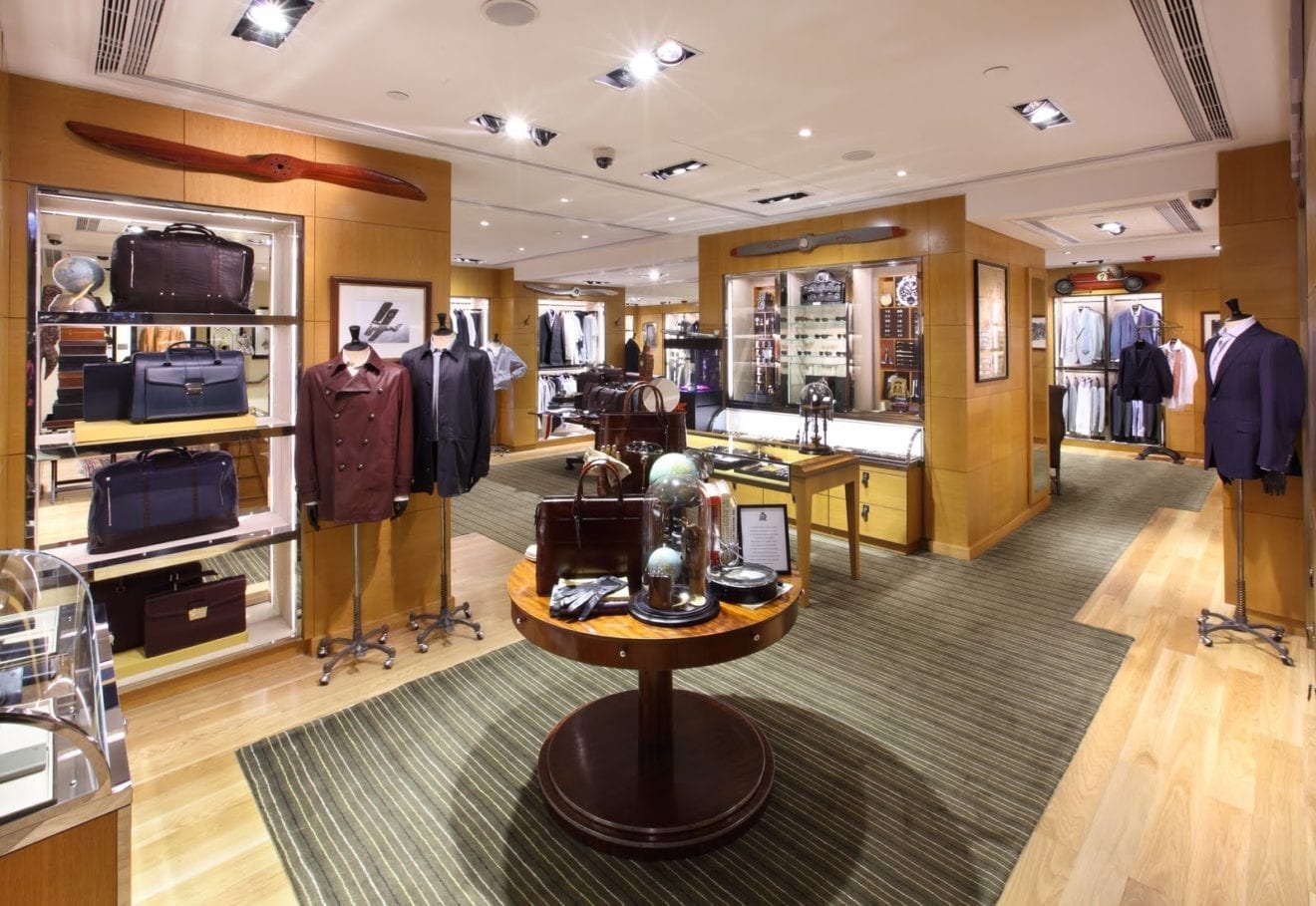
    British luxury goods brand Alfred Dunhill has opened a store in Beijing, at the SKP Shopping Center.

    Offering the brand’s complete range of products for men, the store features the new Dunhill retail design concept.

    Based in London, the brand specialises in ready-to-wear, custom and bespoke menswear, leather goods, and accessories. Alfred Dunhill is owned by the Richemont group.

  • China a major challenge for Apple and Samsung

    China a major challenge for Apple and Samsung

    Responses to Apple and Samsung Electronics’ latest flagship releases in the Chinese market have been lukewarm to downright disappointing.

    Domestically, Samsung Electronics’ Galaxy Note 8 has performed like a rock star, alleviating company insiders’ concerns that the Galaxy Note 7 exploding debacle would keep customers away.

    Over the pre-sales period between September 7 through 14, around 850,000 phones were sold, at least 400,000 of which have been activated. The pre-sales amount is more than double that of the Galaxy Note 7, which had sold 400,000.

    As the chief competitor to Apple in the struggle for global smartphone dominance, Samsung needs to do well not just at home but abroad.

    By September 22, the Galaxy Note 8 had been released in over 60 countries  (South Korea, North America and select European countries had releases on September 15). Eventually, Samsung plans to release the smartphone in over 150 countries.

    Fortunately for the South Korean company, early reports that have trickled out to the media indicate that the Galaxy Note 8 has received an overall positive reception in foreign countries.

    “In the North American market, [the Galaxy Note 8] has recorded pre-sales figures two digits higher than what the Galaxy Note 7 achieved,” said a Samsung Electronics official who asked not to be named. “The sales situation in major European markets is good. Overall, the beginning stages of the Galaxy Note 8′s release have been on the positive side,” she added.

    The conspicuous omission among the mentioned countries is China, a market Samsung, with its 3 percent market share (as of the second quarter of this year) cannot afford to disregard. Slated for official release on September 29, pre-sales of the Galaxy Note 8 began on September 13.

    On September 16, Chinese news platform Jinri Toutiao reported that the South Korean smartphone had recorded a paltry 5,700 in pre-sales in two days. In comparison, the iPhone 8, which also began pre-sales on the same date, had sold 1.4 million through the same time period, according to Chinese e-commerce firm JD.com.

    Though some have pointed to the slightly more cumbersome process for pre-sale purchase compared to Apple (Samsung requires a 100 yuan deposit, Apple requires none), the more widely accepted view among market analysts is that the reason for the dismal reaction is based on geopolitics.

    The agreement between the United States and South Korea to install THAAD missile systems as a countermeasure against possible North Korean provocations has deeply strained ties between the East Asian neighbors. With retailer Lotte Mart recently announcing its decision to pull out of China and vast drops in a formerly booming tourism industry propped up by Chinese visitors, September 29 is a date that looms large not just for Samsung, but for South Korea as a country.

    Samsung will in particular want to avoid the kind of official release day that Apple had with its iPhone 8 on September 22. Hong Kong paper Ming Pao reported that the local reaction was lacking in enthusiasm compared to prior releases of earlier iPhone versions.

    At the Hangzhou Apple Store, 30 to 40 security guards laid out steel fences in front of the entrance starting at 6 a.m. in anticipation of long lines. Two hours later, after only two people stood in line, the guards collected the fences and went home.

    Less than optimal numbers showed up at other Apple stores throughout the country. In one Beijing store, four customers showed up throughout the entire day.

    Like Samsung, Apple has not gained the desired response in a market it desperately needs. Unlike Samsung, it cannot use geopolitical tensions as a convenient scapegoat for its problems.

    Speculation on the poor showing has been attributed to the slated release of the iPhone X later on this year and the lack of technological upgrades that justify the high price tag.

    Consumers (not only in China, but worldwide) have been questioning why they would fork over high prices for the iPhone 8 when they can simply wait to purchase a more advanced version in a few months time.

    Meanwhile, the iPhone 8′s headlining feature, the facial recognition system, has not caught on among Chinese consumers, making the phone a hard sell.

    Finally, the emergence of Chinese competitors has relegated both Apple and Samsung to the lower rungs of the Chinese smartphone market.

    An online survey conducted on social media site Weibo asked users a variety of questions about the iPhone. 28 percent selected “Who cares about Apple, Xiaomi, Huawei?” while 18 percent selected “The price is excessive” among the available responses.

    Once regarded as indisputable leaders in the smartphone game, Apple and Samsung’s positions of leadership will depend in part on making inroads into China. Unfortunately for them, China has proved to be a tricky customer thus far.

  • Jollibee Foods knocking on door in UK

    Jollibee Foods knocking on door in UK

    Jollibee Foods may open its first store in the UK by next year, says British Ambassador to the Philippines Daniel Pruce.

    This followed him visiting Jollibee’s 1000th branch in a “show of support” for plans by the Philippines’ largest fast-food company to expand to the UK, where tens of thousands of Filipinos are living.

    The Philippine company has already sealed a deal with Singapore’s Blackbird Holdings which will see it enter continental Europe, starting with Italy.

    Jollibee is also reportedly in talks to acquire a stake in British-based sandwich and coffee chain Pret-A-Manger.

  • Lidl Stiftung enters China via JD Worldwide

    Lidl Stiftung enters China via JD Worldwide

    European supermarket chain Lidl Stiftung has opened a flagship store on JD Worldwide, introducing the Lidl brand to China through cross-border e-commerce.

    The German group’s flagship store sells snacks, healthcare products, personal and beauty care products, and food and drinks, such as biscuits, nuts and milk. It also plans to introduce home brands.

    Lidl has more than 10,000 stores across 30 countries, and 150 distribution centres in 28 countries.

  • One door closes, more opening for 7-Eleven Singapore

    One door closes, more opening for 7-Eleven Singapore

    Following the termination of its 11-year partnership with petroleum company Shell, 7-Eleven Singapore plans to roll out 80 stores by the end of next year.

    All 56 of the convenience stores at Shell petrol stations will close from early next year after the companies’ 2006 partnership agreement expired last month. However, 7-Eleven already has plans to open 30 stores by the end of this year, with another 50 to follow next year.

    Shell ended the partnership as part of a rebranding exercise that introduces its own Shell Select and Deli by Shell convenience outlets.

    However, the impact of the move “will not be material”, says a spokesperson from Dairy Farm Singapore, which manages 7-Eleven’s 422 stores islandwide.

    “We have had a good partnership with Shell over the past 10 years, with 7-Eleven contributing to the growth of Shell’s business with positive outcome and increase in sales, profitability and customer count,” says the spokesperson.

    “We respect their business decision not to renew the alliance arrangement in view of their plans to align their operations here with a long-term global business strategy.”

  • Secoo signs exclusive European footwear deal

    Secoo signs exclusive European footwear deal

    Chinese lifestyle platform Secoo Holding has signed a deal to be the exclusive partner in China for the European Confederation of the Footwear Industry (CEC).

    With the agreement covering more than 100 European footwear brands, Secoo Group has secured the exclusive China rights to 87 per cent of the supply of European premium footwear.

    Representing the footwear industry in the European Union, CEC has a membership that includes companies in 18 EU countries as well as five countries in Central and Eastern Europe. They include leading brands from Italy, France, Sweden and the UK.

    CEC sees China as its next major opportunity. President Cleto Sagripanti says many European footwear brands lack access to rapidly growing markets such China.

    “Secoo already has wide access to China’s high-end customers and, at the same time, provides protection for our intellectual properties.”

    Secoo has 15.4 per cent of the Asian market, as well as a quarter of the high-end online market in China.

    With nine years in the business, the platform has 15 million registered users with the average purchase per customer exceeding RMB3500 (US$520), and 300,000 SKUs in stock.