Author: Mei Ling Tan

  • X2 Logistics Network member handles transport for project cargo of oversized equipment

    X2 Logistics Network member handles transport for project cargo of oversized equipment

    X2 Logistics Network member Centauro was nominated to handle Integrated Multimodal Logistics by Sea and Land of an Autoclaved Cellular Concrete Plant (HCA) from Shanghai, China to the province of Santa Fe, Argentina. After participating in a competitive bid along with locals and multinational freight forwarders, Centauro was honoured by client’s nomination due to the proven experience and trajectory of the company in the development of projects in Argentina.

    Centauro arranged the overall negotiation and vessel contract, as well as port operations and road transportation upon arrival at Port of Buenos Aires to client’s plant. A fluid and permanent contact was maintained with all parties involved including a European technologist, the Chinese manufacturer and the Argentine importer with the aim of complying times and logistical restrictions presented in the project.

    The shipment of the three largest pieces, 35 metres long and 74 tonnes each, together with the rest of the components, was shipped on vessel BBC Oregon, taking 55 days transit time from Shanghai to Buenos Aires. The unloading operations in Buenos Aires port were also supervised and controlled by Centauro staff as well as the conditioning and road transportation of the big pieces to the customer’s premises using three multi axle trailers, flat bed carts and support equipment in convoy with special road permits and police custody.

    The multimodal service from Shanghai to Santa Fe was performed in 62 days, delivering the cargo at final destination with full customer satisfaction. This first stage of the project will be completed soon with the shipment of more than 80 containers from Northern Europe ports using Port of Rosario, Argentina as local entrance port.

    X2 founder & CEO Richard Overton commented, “It makes me extremely happy to see the kind of work fellow X2 Members are doing. I have no doubt in my mind that we are going to be seeing a lot more amazing projects before our 5th Anniversary Conference which is coming up in February 2018.”

  • Ericsson opens 5G chip design center in US

    Ericsson opens 5G chip design center in US

    Ericsson has opened a new design center in the US focused on microelectronics and accelerating the path to 5G commercialization.

    The ASIC (application specific integrated circuit) design center in Austin, Texas will work with core microelectronics bound for 5G radio base stations.

    It will work closely with major Silicon processor manufacturers in the area to develop dedicated 5G ASICs.

    ASICs are specifically designed for the computation needs of mobile infrastructure, and make up the core of all Ericsson Radio System products. Ericsson said such processors are a hundred times faster, more cost-efficient and less power hungry than general-purpose processors in PCs.

    “We are strengthening our radio design capability in one of the world’s 5G pioneer markets. We’ll be up and running with our first group of designers in Austin by the end of 2017,” Ericsson head of networks development Sinisa Krajnovic said.

    “Along with our ASIC design teams in Sweden and China, we’ll be making faster, better and greener 5G products to bring into the Ericsson portfolio by 2019.”

  • Xiaomi plans Indonesia-based business

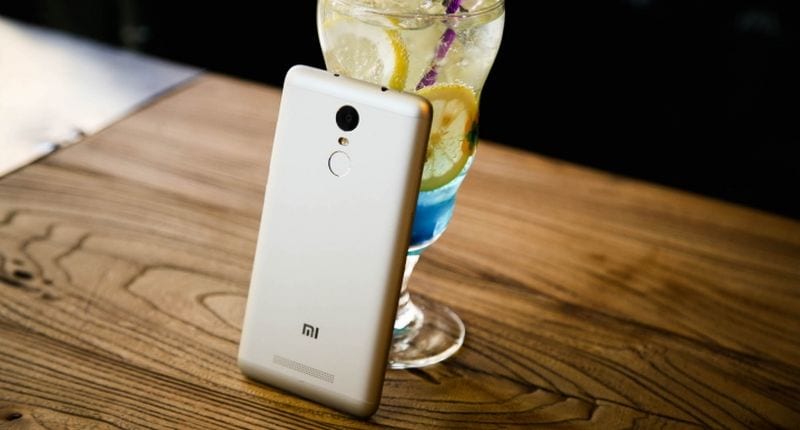
    Xiaomi plans Indonesia-based business

    Xiaomi has announced plans to set up a permanent business entity in Indonesia. Indonesia is pushing for foreign firms that have internet-based services there to set up local companies for the purpose of tax compliance.

    Speaking at the Xiaomi Way of Innovation event in Jakarta, CEO/founder Lei Jun said Indonesia was the company’s “most important” market after China and India.

    International Data Corporation (IDC) data for the first quarter of this year ranked Xiaomi, which entered the smartphone market in 2010, the fifth-largest smartphone manufacturer in the world. It has a presence in more than 60 countries and last month shipped a record 10 million smartphones, thanks to growing demand in India.

    Lei said Xiaomi was mostly known in Indonesia as a smartphone manufacturer, but he wanted to change that by taking more of the firm’s products mainstream. Xiaomi was also an internet and e-commerce company, he said.

    He referred to the company’s business model as a “golden triangle” as it was propped up by three key elements: hardware, internet and retail.

    Xiaomi’s products include robot vacuum cleaners, rice cookers, washing machines, scooters, toys and desk lamps.
    “Hopefully in the future Xiaomi’s ecosystem of products can deliver a great impact on Indonesian users and producers.”

  • Cebu Pacific invests in facilities for persons with reduced mobility

    Cebu Pacific invests in facilities for persons with reduced mobility

    The Philippines’ carrier, Cebu Pacific(CEB), is set to roll-out Disabled Passenger Lifts (DPLs) in key airports in the Philippines. The DPLs which would allow Persons with Reduced Mobility (PRMs) an easier and more comfortable boarding experience on Cebu Pacific flights.

    CEB is the first airline to invest in its own DPLs, in line with its thrust to improve passenger experience. The use of the DPL is free of charge for Cebu Pacific passengers with reduced mobility. Aside from Persons with Disabilities (PWDs), these include pregnant and elderly passengers who may have difficulty climbing stairs to board their flights.

    CEB has invested over PHP100 Million for the procurement and installation of 35 brand-new DPLs. The first DPL was installed in the Ninoy Aquino International Airport Terminal 3 in March 2017 for testing and evaluation. Since July 2017, the DPL has been used to lift PWDs, pregnant and elderly passengers on a limited number of CEB flights.

    Michael Ivan Shau, Vice President for Airport Services of Cebu Pacific said that the rest of the DPL units would be installed starting 2018. Six more units would be placed at the NAIA Terminal 3, with the rest deployed to other CEB hubs across the country, namely, Clark, Kalibo, Iloilo, Cebu and Davao; as well as high-traffic airports across the country with CEB operates flight using Airbus aircraft. Target completion is by June 2018.

    “We are looking at initiatives to improve the passenger experience for everyJuan. For our PWD passengers and those with reduced mobility, we recognize that the experience of being lifted manually can be uncomfortable. Investing in the DPLs will allow us to board and deplane passengers with reduced mobility safely, with minimal discomfort,” said Shau.

    In 2016 alone, over 43,000 passengers availed of wheelchair assistance from the check-in counter. Of this number, more than 14,000 were wheeled from the check-in counter and carried to their seats in the aircraft.

    The DPL was introduced in 1998 by international aircraft service provider Airport Maintenance Services– Ground Service Equipment to give airports a safe, comfortable and dignified way to get PRMs on and off aircraft. The DPL allows PRMs, as well as their companions or service agents to board the aircraft or deplane via the aircraft door designated by the airlines. To date, there have been at least 500 DPLs used worldwide.

    For PWDs and other PRMs who need wheelchair assistance, they simply need to tick the box indicating this requirement upon booking their flights.

    Cebu Pacific has also recently implemented discounts on base fares and value-added taxes (VAT) exemption for all domestic flights for PWDs and senior citizens across all its booking channels. CEB has also integrated the domestic terminal fees into CEB ticket costs—all aimed to provide guests with a more convenient and hassle-free flight experience.

  • Rustan’s launches Shang Marketplace concept

    Rustan’s launches Shang Marketplace concept

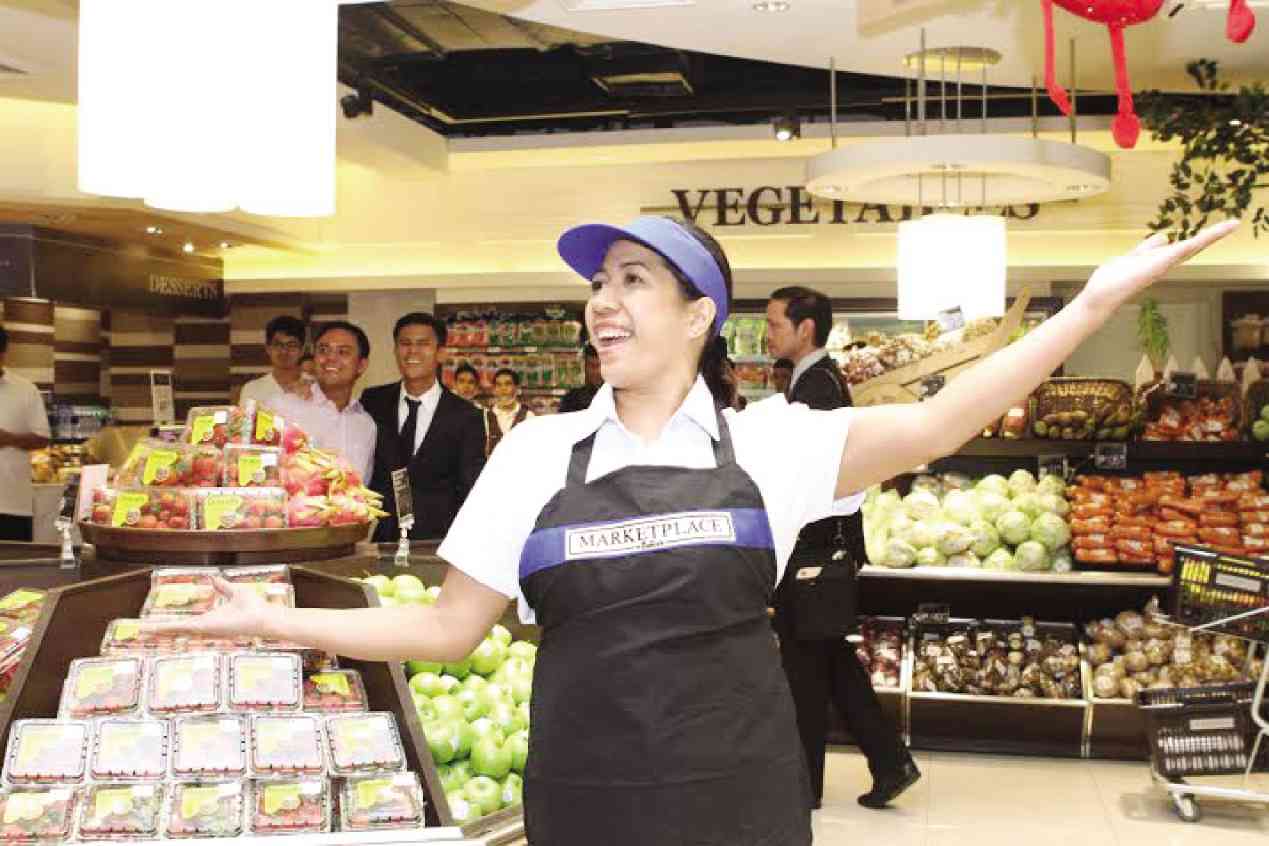
    Rustan’s Supercenters (RSI) is staging a three-day festival, A World of Wine, to mark the transformation of its supermarket at Shangri-La Plaza into the Shang Marketplace.

    RSI marketing assistant VP Ana Punongbayan says the revamped concept has more new offerings for customers to explore and experience as a brand shop with exclusive “non-mainstream” products.

    Different design elements give the store a whole new ambiance. “Rustan’s Supermarket is very masculine, using mainly black, while Marketplace is more feminine with softer design elements,” says Punongbayan.
    Brighter and bigger, the new store has wider aisles, the latest in showcases and refrigeration with less carbon emissions, and energy-efficient LED lighting.

    Many Marketplace amenities are based on customer feedback, including the brand shop.

    Aside from its wine selection, Shang Marketplace has a cheese section and an improved ready-to-eat unit.

    Other Rustan’s supermarkets may undergo the same transformation depending on the primary market, says Punongbayan.

    CEO Irwin Lee says shoppers will find “the world is at Marketplace” as the store carries brands and products from around the world.

    Gourmet fare

    The store’s international gourmet offerings are curated and categorised for convenience – Breakfast World, Cooking World, Fresh World, Ready-to-Eat, World of Cheese and Deli, World of Indulgence and Snacks, and daily baked items from Lartizan.

    With its expansion, the Wine and Spirits World offers rare, top-tier selections. Australian ambassador to the Philippines Amanda Gorely says Rustan’s carried about half of her country’s wine labels.

    Marketplace by Rustan’s has exclusive partnerships with British supermarket chain Waitrose and French retailer Casino, as well as exclusive brand offerings like Stash, Stonewall Kitchen and Wild Harvest. The store has also brought in a wider range of paper, personal and cleaning products from Seventh Generation, which pioneers plant-based products.

    Marketplace also has its own Supergoods line – products from local social enterprises such as Human Heart Nature – as well as organic produce from Holy Carabao, snacks from Pili & Pino, Sabanana and The Cracking Monkey, chocolates from Coco Dolce and Theo & Philo, and refreshments from Bayani Brew, Hope in a Bottle and Wellness Water.

  • AirAsia Philippines will seek US$250mil IPO

    AirAsia Philippines will seek US$250mil IPO

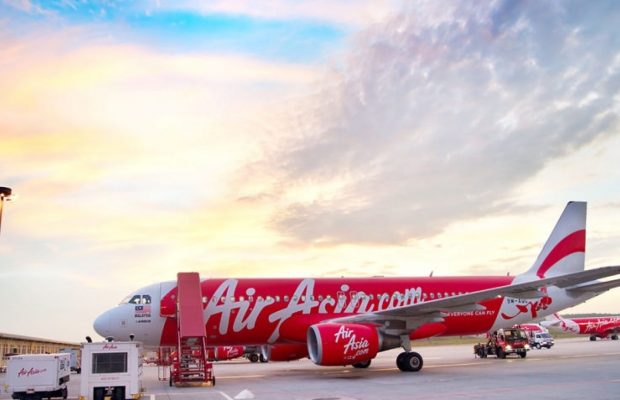
    The Philippines unit of AirAsia Bhd is seeking to raise up to US$250 million via an initial public offering (IPO) in mid-2018 to fund its expansion programme, its chief executive said on Tuesday.

    Asia’s biggest low-cost airline, which has nine units in the region, is beefing up its fleet in the Philippines amid an expected long-term boom in budget air travel. AirAsia first raised the prospect of listing its Philippines unit in 2015, planning at that point to take the airline public as early as 2017.

    “We are working on the IPO, hopefully in the middle part of next year,” Philippines AirAsia CEO Dexter Comendador told Reuters.

    Philippines AirAsia had initially aimed to raise US$200mil but raised its target to fund purchases of more aircraft and to expand its route network, Comendador said.

    The airline, which started Philippine operations in 2012, hired BDO Capital and Investment Corp as its underwriter.

    Its fleet will reach 70 aircraft in the next 10 to 15 years from the current 17, Comendador said. AirAsia is one of the largest customers of the Airbus A320-family of jets.

    The airline has a 10% share of the air travel market in the Philippines, one of the world’s fastest growing economies. The local market is dominated by Cebu Pacific, followed by flag carrier Philippine Airlines, both owned by local tycoons.

    AirAsia has also said it is considering a potential IPO of its Indonesian arm.

  • Sacoor Brothers Inaugurates “Flagship Store”

    Sacoor Brothers Inaugurates “Flagship Store”

    After the recent launch of the AW2017 collection with the new #WEARCONFIDENCE concept, first “Flagship Store” Sacoor Brothers in Portugal, Downtown Colombo opened its doors on Oct 3rd in Lisbon. On Tuesday, October 3rd Sacoor Brothers inaugurated the first Flagship store in Portugal. Located on the first floor of the Centro Colombo in Lisbon, this is the largest store of the brand worldwide. The new collection presents itself in 450 square meters of sales area, aimed at a younger and trendy audience, following the launch of the brand’s new concept #Wearconfidence.

    The store is divided into three distinct spaces: Man, Boy & Woman, with a strong emphasis on the latter, where it presents a wide range of clothing options and accessories for the female audience. The Flagship store wears a distinctive store concept and features a number of unprecedented additional services: Barber, Sharing Work Table, Touch Screen with Social Wall, Healthy Bar, In-House Tailor, DJ and fully stocked music store, all in a chic and super cool environment. The digital presence in this store is also a must with digital screens to pass Sacoor Brothers’ content, and a social wall where all the photographs marked with #SacoorBrothers and related hashtags are shown.

    The façade of the store also has a LED screen that in addition to the logo, passes several different pictures and videos throughout the day. This new space intends to create for its shopper the feeling of being in the living room of a Manhattan penthouse, hence the availability of some services such as espresso and bottled water, several sofas, works of art and sculptures among other details that mark the difference.

    Differentiating and irreverent, this alignment is in line with the recent launch of the AW2017 collection, which aims to make a brand repositioning closer to a younger, more fashionable and trendy audience, taking advantage of the motto to communicate its offer to the public, demystifying the idea that the brand is essentially masculine. The concept itself, colours and spaces are innovative, as they follow a line of revamping that the brand wants to do for new audiences, aiming to captivate them as customers. This new concept is being launched firsthand in Portugal, where the brand was born, and because it is also the mission of Sacoor Brothers to shed spotlight on the country across borders.

    This opening is a very important milestone for the presentation of the new #SacoorNextGeneration store concept. This hashtag will be used for new projects, with the intention to lead the evolution of the brand. Today, there are many open perspectives and the brand also brings with this new concept a much greater emotional level to its campaigns, services and customer connection.

    #SacoorNextGeneration will be visible on all brand content, including the E-Commerce store, whose release is coming soon in some countries. This Flagship store will define the service and image standard of Sacoor Brothers, which intends to reposition and involve the entire Sacoor family in the project. Also the launch of E-commerce will help in cementing the digital experience of this store, with the integration of a service omni-channel, among other novelties, which will also include the existence of devices in the store. The whole experience of the omni-channel world was created to think about the needs of our final customer. For Nelson Pinto, CEO Europe “Sacoor Brothers will soon celebrate 28 years of history. This means that we will soon be able to celebrate the opening of 115 stores in 13 countries – Portugal, Spain, Belgium, United Kingdom, United Arab Emirates, Bahrain, Kuwait, Qatar, Saudi Arabia, Lebanon, Malaysia, Singapore and Indonesia “. High resolution images:

  • Kiwi Property launches virtual reality fashion show

    Kiwi Property launches virtual reality fashion show

    Landlord investment firm, Kiwi Property, has launched  the first 360° virtual reality fashion show in Aotearoa, allowing consumers to see spring fashion collections via headsets.

    Launched as the Non-Stop Fashion Show, shoppers are invited to don a VR head set to be transported to the front-row of a fashion show with 360° views of the catwalk, featuring the latest fashion trends from retailers at Kiwi Property-owned centres..

    “We hope to provide our customers with an exciting experience in a convenient, inclusive and accessible space; we’d like to show them that style can be fun and attainable,” said Karlee Lightbourne, national marketing manager at Kiwi Property.

    “We’re dedicated to create exceptional experiences for our customers, as we continue to evolve in step with demand,” she said.

    A 24-camera unit from Jaunt One was used to film the show, which is a Hollywood-quality 360° camera and shoots in every direction.

    “Shot in 3D, anyone can come in and put on a headset for a front-row seat at a live high-end fashion show,” said Craig Whitehead, chief creative officer from creative agency 99 who has worked with Kiwi Property on the campaign since late last year.

    “It’s all about connecting New Zealand shoppers with fashion inspiration in a whole new way, something we’re really excited about.”

    The show is being screened via Vodafone Smart V8 smartphone devices and will feature at

    Sylvia Park and LynnMall in Auckland, Centre Place in Hamilton, The Plaza in Palmerston North, Northlands in Christchurch and North City in Porirua.

  • Grab, Singapore Airlines announce reward points conversion

    Grab, Singapore Airlines announce reward points conversion

    RAB and Singapore Airlines (SIA), in a joint announcement said members of Grab’s GrabRewards programme will be able to convert their GrabRewards points into SIA Krisflyer miles in the near future.

    The announcement was coupled with the launch of a joint booking scheme between the companies.

    Starting Oct 3, passengers can now book rides to airports in six countries on Grab through SIA’s mobile app.

    The service allows passengers to book their Grab trips to airports in Indonesia, Malaysia, the Philippines, Singapore, Thailand and Vietnam, up to seven days before their flight.

    Passengers who open the SingaporeAir mobile app will be directed to the Grab app, with the airport filled in automatically as the destination.

    “We are thrilled to bring more convenience to our customers on the ground and in the air through our new partnership with Grab, while also offering KrisFlyer and GrabRewards members the opportunity to convert points to miles and redeem them for award flights or flight upgrades,” said Campbell Wilson, SIA senior vice-president of sales and marketing.

  • Australia new vehicle sales dip in September, commercial still strong

    Australia new vehicle sales dip in September, commercial still strong

    Australian new vehicle sales took a dip in September after a run of record months, though continued strength in the commercial sector augured well for business spending in the economy.

    The Australian Federal Chamber of Automotive Industries’ VFACTS report out on Wednesday showed 100,200 new vehicles were sold in September, down 2.4 percent on the same month last year. Both months had the same number of selling days.

    Sales for the year to date were still running 0.2 percent ahead of the same period in 2016.

    Sales of passenger cars extended their long decline with a fall of 9.3 percent in September, and even the red-hot sports utilities sector took a breather with a dip of 1.3 percent.

    Yet demand for commercial vehicles showed no signs of waning with the light sector up 8.1 percent and heavy vehicles jumping 15.4 percent on September last year.

    Toyota Motor Corp retained first place on the sales ladder with a reduced share of 17.3 percent of the market, while Mazda Motor Corp made a strong showing by taking an unusually high 10.3 percent.

    Hyundai Motor held third spot with 8.1 percent, followed by Mitsubishi at 7.1 percent. The Holden unit of General Motors trailed with 6.9 percent, ahead of Ford at 6.8 percent.

  • City Chain parent warns of loss

    City Chain parent warns of loss

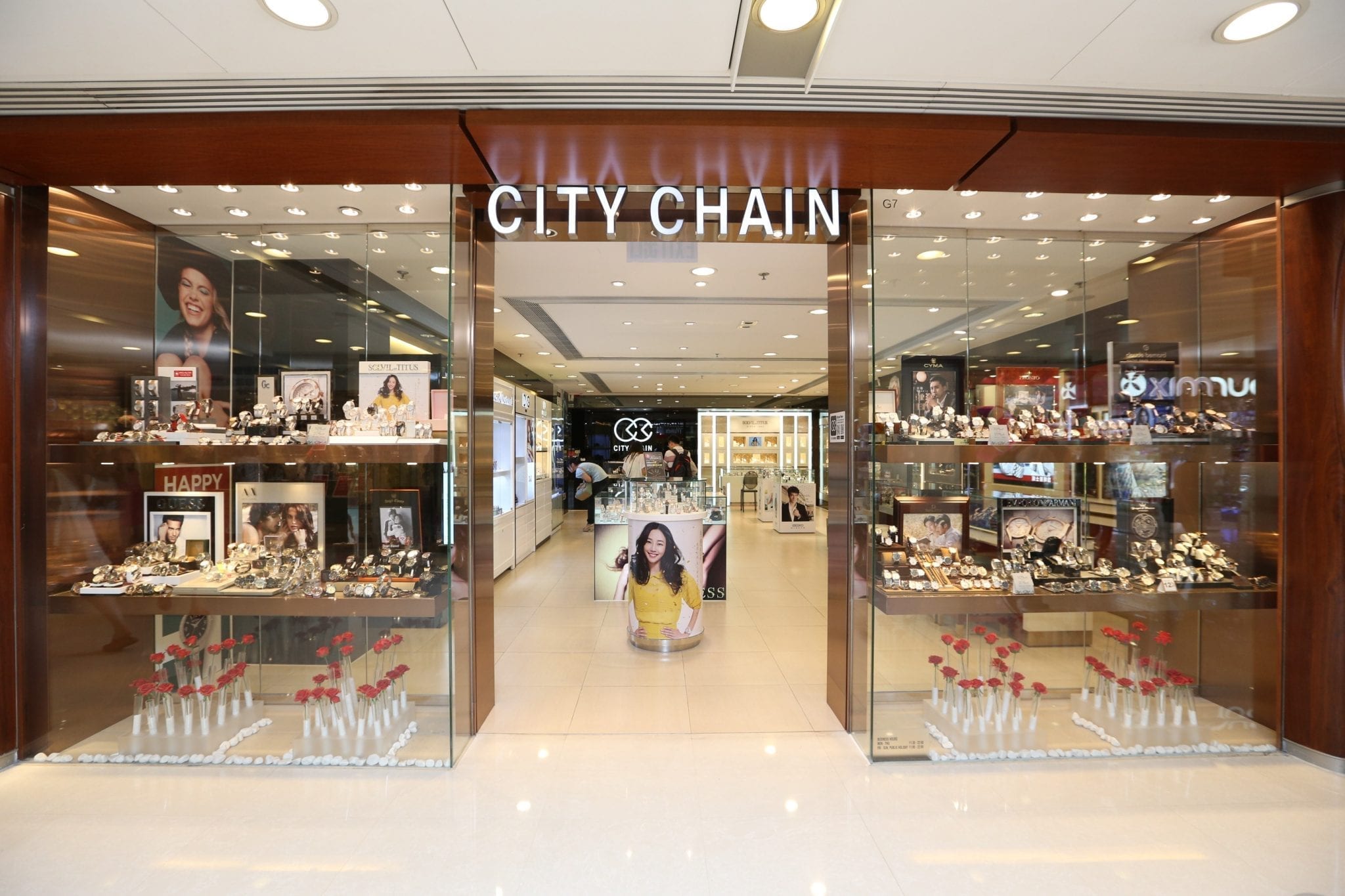
    City Chain parent Stelux Holdings has warned shareholders of a worsening loss for the latest half year.

    Stelux, which also owns the Optical 88 and Egg eyewear chains, says that current information shows the loss for the six months ended September 30 will exceed that of the same period last year.

    But the result appears to be impacted by extraordinary events rather than poor trading in its store network, which spans greater China and Southeast Asia.

    The loss is mainly because of non-cash impact including a one-off gain from the redemption of convertible bonds of HK$75.9 million (US$9.7 million), the amortisation of a share-based payment of convertible bonds of $9.3 million, and an increase in the liability component of convertible bonds of $41.2 million.

    Last July, in advance of the release of final first-quarter data, Stelux reported a year-on-year sales decline of 9.5 per cent (reduced to 8.4 per cent on a foreign-exchange neutral basis) to HK$624.7 million for the June quarter. However, it pointed out that was an improvement on the 16.2 per cent decline for the full financial year to March 31.

    Chairman/CEO Joseph Wong says this has not been reviewed or audited by the company’s
    auditors and is based on the board’s preliminary review of the unaudited consolidated management accounts of the group.

    The group’s results for the half-year may vary, and the interim results will be published next month.

  • South Korean shoppers set new mobile spending record

    South Korean shoppers set new mobile spending record

    South Korean shoppers set a new record for the volume of purchases made through mobile devices during September.

    Government data says mobile transactions through smartphones and tablets reached a new high of 4.04 trillion won (US$3.5 billion) in August, up 29.5 per cent from a year earlier.  Statistics Korea says the trend is being fuelled by the growing amount of time consumers are spending on their handsets.

    Mobile transactions accounted for 61.9 per cent of all online purchases made during the month.

    Shopping by mobile phone in South Korea has been on a steep rise for years as smart devices are widening their presence in the world’s most-wired country. They are rapidly replacing computers as a means of conducting online transactions.

    Mobile bookings for travel and movie tickets surged 35.5 per cent in August from a year earlier to a record 755.8 billion won in the summer vacation season, while South Korean shoppers spent 344.8 billion won on cosmetics during the month, up 20.7 per cent.

    Food delivery services increased 38.2 per cent year-on-year to 610.3 billion won last month, while 381 billion won worth of electronic goods was sold through smartphones, up 18.3 per cent from a year earlier.

  • FirstCry talking with potential investors

    FirstCry talking with potential investors

    Indian online baby products retailer FirstCry is talking with potential investors, including Singapore government investment fund Temasek Holdings, to raise equity financing of about US$100 million (Rs665 crore).

    FirstCry owner Brainbees Solutions is ultimately seeking to raise $400-500 million, reports The Economic Times. The Pune-based company was estimated to be worth $300-350 million when it last raised capital 12 months ago.

    Two years ago, FirstCry spun off its logistics arm Xpressbees Logistics as an independent business. A year ago it acquired Mahindra Retail for about Rs362 crore. The Mahindra Group subsidiary owned the Babyoye brand.

    Government-backed investment company Temasek manages assets worth about $275 billion globally. In India it has backed online marketplace Snapdeal, automobile classified portal CarTrade, and online insurance aggregator PolicyBazaar, as well as other companies.

    Meanwhile, India’s baby and child-specific product market is expected to grow at a CAGR of 8 per cent, reaching Rs2940 crore by 2021, according to a Euromonitor report.

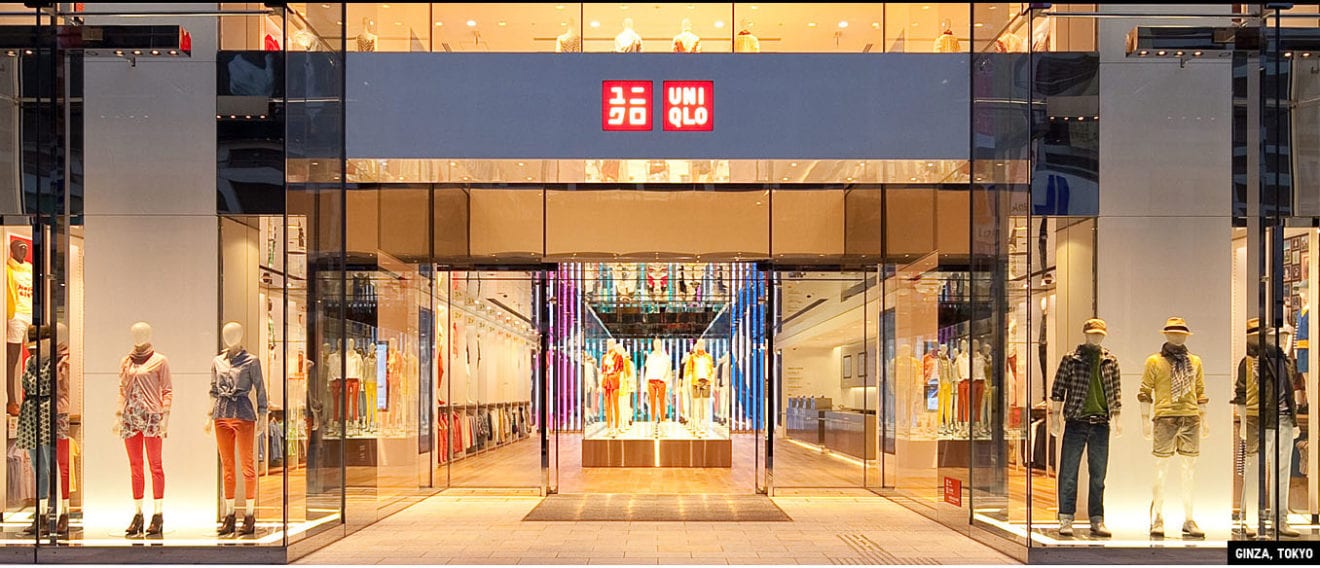
  • Sales heat up for Uniqlo Japan

    Sales heat up for Uniqlo Japan

    Cool weather and strong advertising campaigns helped boost sales for Uniqlo Japan last month.

    It says same-store sales, including online sales, increased by 6.3 per cent year on year, while sales at its own stores grew by 5.5 per cent. Total sales increased by 6.9 per cent, says the Fast Retailing Group subsidiary.

    During the month, Uniqlo Japan opened four stores and closed two. It also opened its first store in Spain, Uniqlo Passeig de Gracia Store in Barcelona.

  • YP Basics taking caps to the world

    YP Basics taking caps to the world

    Hong Kong-based YP Basics has launched an online store, YPbasics.com, designed to take its basic caps to the world.

    Since 1974, YP (short for Yupoong) has created and refined a series of headwear styles embracing sport, action and street fashion. Its products have included the Snapback, Dad Hat, and Flexfit.

    YP Basics is the curated selection of Yupoong’s most popular styles, offered as the logo-free alternative to its private-label products. After a test roll-out in Taiwan last year, YP Basics is aiming its redesigned online shopping experience at customers across America, Asia, Europe and Oceania.

    The global online store lets customers compare fits and view lookbooks when making their choice from more than 100 styles of basic headwear.

    YP Basics is managed by Premium Direct Imports.